



North Korean Mines Blast in DMZ, Injuring South Korean Troops and Raising Tensions
South Korea has accused North Korea of planting mines that caused an explosion in the Demilitarized Zone last week, injuring two South Korean personnel and violating the armistice agreement that ended the Korean War.
South Korean Defence Minister Kang Shin-chul told a parliamentary committee on Tuesday that the mines were North Korean and appeared to have been planted as part of Pyongyang’s efforts to strengthen its border defenses near the Military Demarcation Line that divides the DMZ.
Kang said the incident warranted a response from Seoul, although he declined to specify what measures the South Korean military might take.
Seoul Blames North Korea for the DMZ Explosion
“The responsibility lies with North Korea, so we will take corresponding measures,” Kang said, adding that the military had several response options and would implement them in stages.
Stay ahead of the geopolitical week.
MD Briefing delivers expert analysis across five global fronts — the Indo-Pacific, energy, geoeconomics, European security, and the Middle East — every Monday morning. Free.
He said a key question was whether North Korea had planted the mines knowing that South Korean troops could enter the area and potentially be injured.
The South Korean Joint Chiefs of Staff said an investigation conducted jointly with the United Nations Command had also uncovered another North Korean resin anti personnel mine close to the site of the September 21 explosion.
The newly discovered mine was different from those believed to have caused last week’s blast.
Another Mine Found South of the Military Line
JCS Vice Chairman Kwon Dae-won said the mines did not appear to have drifted into the area where they were discovered.
The United Nations Command assessed that the additional mines were clearly located south of the Military Demarcation Line, according to South Korean officials.
The findings have heightened concerns about the dangers created by North Korea’s ongoing efforts to fortify its side of one of the world’s most heavily militarized borders.
The DMZ has remained a highly sensitive area since the 1953 armistice, with even limited incidents carrying the potential to trigger a broader military confrontation.
A New Mine Incident Revives Memories of 2015
The latest blast has echoes of a 2015 confrontation, when North Korean mines seriously injured South Korean soldiers inside the DMZ.
South Korea responded by restarting loudspeaker broadcasts aimed at North Korea across the border. Pyongyang condemned the broadcasts, and tensions escalated into a military standoff before the two sides reached a high level agreement.
The current incident is unfolding under different political circumstances, however, as Seoul is simultaneously attempting to reopen dialogue with Pyongyang.
South Korea’s Dialogue Push Faces a Fresh Challenge
South Korean President Lee Jae Myung has sought to encourage North Korea to return to dialogue after years of worsening relations.
Pyongyang has instead moved in the opposite direction, declaring South Korea an enemy state and abandoning its previous policy goal of peaceful reunification.
That shift has made military incidents along the border increasingly sensitive.
For Seoul, the challenge is to respond to the alleged mine deployment while avoiding measures that could further damage its efforts to restore communication with Pyongyang.
North Korea Remains Silent as Seoul Warns of a Response
North Korean state media has not publicly commented on the explosion or South Korea’s accusations.
North Korea’s mission to the United Nations and its embassies in Beijing and Singapore also did not immediately respond to requests for comment.
With the South Korean military warning that it will take corresponding measures, the incident could become another source of confrontation between the two Koreas.
The immediate priority is preventing further injuries and dealing with the mines around the Military Demarcation Line. But the larger concern is whether the latest explosion will trigger another cycle of military responses at a time when relations between Seoul and Pyongyang are already deeply strained.
The blast therefore carries significance beyond the two injured personnel. It has placed South Korea’s attempt to pursue dialogue with North Korea alongside the more immediate question of how Seoul responds to what it considers a violation of the armistice.
With information from Reuters.

Bake Off star exposes moment before filming left them feeling ‘sick’
A former contestant from The Great British Bake Off admitted ‘I did feel a bit sick’.

The Great British Bake Off is back with a new series (Image: Channel 4 / Patch Dolan)
A contestant on The Great British Bake Off has revealed a moment that left him feeling “sick”.
The fan-favourite baking competition has returned to Channel 4, with 12 amateur bakers hoping to impress Paul Hollywood and new judge Nigella Lawson, who has replaced Dame Prue Leith.
In the first episode of this series, the bakers were tasked with making Nigella’s stout cake and a self-portrait showstopper, and despite two creations collapsing onto the floor, no one was sent home after contestant Shannon had to quit the challenge halfway through on medical advice.
Ahead of biscuit week tonight, Tuesday 29 September, one contestant has recalled his own experience on the show. Howard Middleton took part in the fourth series back in 2013, but was devastatingly sent home during week six.
He’s now revealed that before filming even began, there was a moment that left him feeling sick. Speaking on behalf of Smooth Spins, Howard shared his first impression of the famous white tent.
He said: “It’s interesting because you get two shots of it. So, we were ferried from the hotel to the tent in a little minibus, and you just see the tent emerging from the minibus, and it’s at that point you sort of think, ‘Oh God, I feel a bit sick!’ That’s when it starts to feel real.
“When you actually go into the tent the first time, you get a tour, where someone explains how the ovens work and the hobs and everything around the kitchen. I just remember thinking that I hadn’t understood a word that you’d just said because I was so in awe of actually being in the tent.
“Even after the explanation, I still kept having to ask how to work the oven and the hob afterwards. It’s very overwhelming, and I did feel a bit sick.”
He went on to talk about meeting his fellow bakers, revealing they only met the night before. Howard continued: “Obviously we’ve all gone through the audition process, and you’ve met certain people along the way, but it’s not until the night before you actually start filming that you know who’s got into the tent. It may be that you’ve met one or two of them, or you remember seeing them during the auditions, but most of the time they’re strangers, really.
“On the first night when you meet everyone, you can make up your mind about them. Sometimes people can be very loud if you are out for dinner or something, and you start to understand what they will be like in the tent.”
After their first impressions of each other, Howard shared that the bakers did spend time together when the cameras stopped rolling, though he admitted that his time on the show was likely different to now. Back then, the contestants stayed in a hotel further from the tent, whereas he claimed that now, due to security reasons, they stay much closer.
He went on: “And the security is much tighter than it was. We were free to go out for meals together in the evening, although, to be perfectly honest, you’re so tired by the time you’ve finished a day of filming that you really don’t want to socialise that much.
“We also realised that those of us who would be catching up at the hotel bar late at night – none of us made it through to the finals! So if there’s a lesson to be learned, it’s don’t go out the night before!”
The Great British Bake Off continues tonight at 8pm on Channel 4

Exact date Oxford Street will be pedestrianised in the run-up to Christmas is revealed
OXFORD Street is set to be pedestrianised in the run-up to the Christmas period – and it’s sooner than expected.
Once pedestrianisation is complete, all vehicles and bikes will be blocked from accessing the world-famous street.


The London Mayor has revealed the date which all cars, buses and taxis are set to disappear from one of the capital’s most recognisable streets.
On October 26, a one-kilometre stretch of the road will become vehicle-free as a “transition-phase” prior to being fully pedestrianised.
The entire section between Selfridges near the Marble Arch end and Great Portland Street (including Oxford Circus) will be the first to be impacted – with buses rerouted and cars set to be banned.
Transport for London (TFL) has also confirmed that e-bikes, pedal bikes, and e-scooters will no longer be allowed to go through the area.


Sadiq Khan announced: “Following strong support from Londoners and businesses, I’m excited to see my bold vision for Oxford Street really coming to life next month as we start going traffic-free, just in time for the busy Christmas shopping period.”
The transition phase comes as works still need to be carried out to sort out any potential problems, including relocating bus stops and changing the direction of travel in some areas.
Sections of Oxford Street will also be transformed with new planters and seating areas to replace traffic lanes.
However, Westminster Council said there was still a “long list of unanswered questions about how it will work” and questioned whether traffic would be pushed to small streets nearby as a result.
Councillor Tim Barnes, deputy leader of Westminster City Council and cabinet member for growth and planning, added: “If this is going to be the ‘greener, better and more prosperous’ success that the Mayor has promised, then issues around access, air pollution, street cleaning and public safety, need answers urgently.”
The project to make part of Oxford Street traffic- free follows two public consultations in 2025 and 2026.
Following support, TFL has been working alongside the Oxford Street Development Corporation (OSDC) to regenerate London’s most famous street.

CarMax gains after management initiatives lead to higher profits
CarMax gains after management initiatives lead to higher profits
Source link
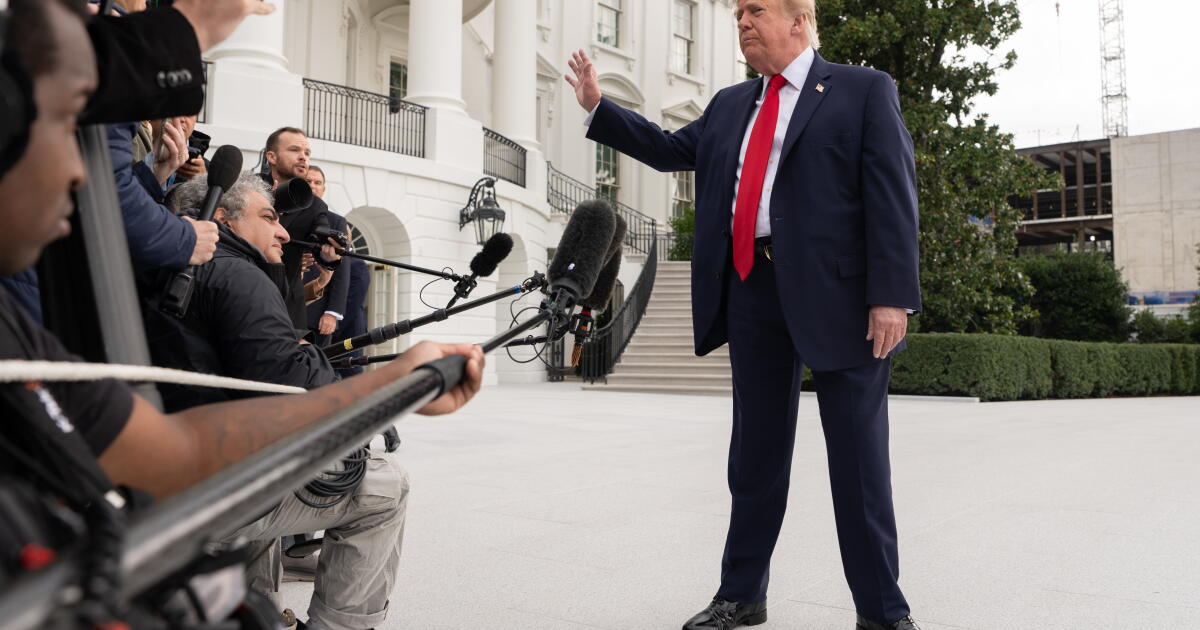
With bans and taunts, Trump escalates his assault on the media
WASHINGTON — Under a light rain on Sunday at the Australian ambassador’s residence in Washington, CNN hosted its third annual tennis tournament, the Kangaroo Cup, pitting Beltway journalists against administration officials. The event aims to inject some levity into an historically adversarial relationship, reminding both sides of the spirit of the game. Themed drinks and tennis whites set the tone.
White House officials played with grace. But the mood this year was altogether different down Pennsylvania Avenue. Despite a federal judge demanding the administration reverse course on President Trump’s punitive actions toward his disfavored news outlets — CNN, MS NOW and Politico — he has refused to resume full access to the storied cable news channel, dismissing its reporters as “fake news.”
It is only the latest attack on press freedom by a president whose drive to punish critics and exert influence over the media appears to be growing.
During last week’s lavish state visit for Xi Jinping, Trump praised China for having “the friendliest press corps” and dismissed their repression of speech, despite the World Press Freedom Index ranking China among the world’s worst offenders — at the bottom of the list, alongside North Korea and Eritrea — for restrictions on journalists.
Five times in the last two months, the president has sneered at and insulted female reporters, mocking their appearance or dismissing their credentials.
He has declined to name a successor for his former press secretary, Karoline Leavitt, whose final news conference, on Aug. 27, was one of only a handful of briefings held throughout the summer. His administration launched its own streaming service last week, called Trump TV, in an attempt to circumvent traditional cable news. And on Monday, he posted renderings of the White House briefing room reconverted to its former use as a presidential pool and spa.
Trump’s escalating attacks on the press come just weeks before the midterm elections, as former officials and election experts warn the administration could seek to undermine confidence in the results. They also come at a precarious moment for public trust in the media, with more Americans saying limits on the press can be justified to combat misinformation.
A Pew Research Center survey released earlier this month found that 73% of Americans regard a free press as “very” or “extremely” important to society. Yet the country remains deeply divided over whether journalists should be barred from reporting “inaccurate” information, with a majority, 53%, supporting limits in some circumstances — even if it means the government itself would have the final say in determining what is true.
Trump’s attempt to bar three outlets from the White House grounds came just three days after the Pew poll was released.
“Plenty of presidents have complained about the press before. And presidents have restricted certain forms of press access or press action during wartime,” said Peter Kastor, chair of the History Department at Washington University in St. Louis. “In the moment — and especially afterward — Americans condemned this as antithetical to the constitutional protections for press freedom and the national commitment to an open democracy.
“What I find most striking about Trump’s press action is that he has made it unabashedly personal,” Kastor added. “He doesn’t like the way media outlets are covering him, so he is going to punish them.”
President Nixon famously limited White House access for the Washington Post over its coverage of the Watergate scandal. But he never attempted to bar press credentials completely — and ultimately authorized the conversion of the pool facility into the briefing room that exists today.
Other presidents have jostled with the press. President Obama was accused of limiting access to independent photojournalists, and famously favored nontraditional media outlets at the advent of the social media age. President George W. Bush limited his personal interactions with the press and curtailed access to government records.
Thomas Jefferson, the nation’s third president, once stated he “deplored” the “putrid state into which our newspapers have passed, and the malignity, the vulgarity, and mendacious spirit of those who write for them.”
Yet, “it is however an evil for which there is no remedy,” he also said. “Our liberty depends on the freedom of the press, and that cannot be limited without being lost.”
Trump’s particular style — as a showman and his own spokesman — makes his relationship with the media innately personal, said Andrew Rudalevige, a professor of government at Bowdoin College and author of “The New Imperial Presidency.”
“Presidents almost always feel that bad press is a feature of their staff’s poor communication of their policies — not that the policies themselves are unpopular or ill-advised,” Rudalevige said.
“Since President Trump does so much of his communication, though, this deflection is less available,” he added, and “thus the problem is with the press itself, not the policy or its purveyor.”
CNN’s legal fight continues, even after securing temporary reprieve from a judicial restraining order. So does the Associated Press’ lawsuit over the administration’s effort last year to punish the wire service for refusing to adopt Trump’s preferred name, “Gulf of America,” for the internationally recognized Gulf of Mexico.
While he keeps losing in court on 1st Amendment grounds, the president keeps testing new limits, looking for what will stick.
On the tennis court Sunday, at least, his administration won.

The Dodgers are old, but that isn’t necessarily a drawback in October
When Dodgers rookie Josue De Paula debuted a little over two weeks ago, he was the youngest player in the lineup by four years. And when veteran infielder Miguel Rojas pinch-hit for Alex Freeland in the eighth inning, the 21-year-old De Paula and 29-year-old Kyle Tucker were the only Dodgers under 30 remaining in the batting order.
“You’ve got to have both,” veteran shortstop Mookie Betts, who turns 34 next month, said in a recent conversation with the Times. “You need experience, but you also do need youth. I don’t know what the balance is, to be honest.”
The age of the Dodgers’ stars is the most persistent knock on a group that just finished a 100-win regular season and has the second-best odds to win the World Series (16.7%), according to Baseball Prospectus.
It’s the threat looming beyond every new accomplishment. Yes, the Dodgers are in the midst of a historic run. Only one other organization has strung together so many consecutive postseason berths, and that Braves team of the 1990s and early 2000s won only one World Series.
The Dodgers are aiming to become the first National League team to claim three straight championships.
But how long can this last?
The Dodgers’ lineup is the oldest in the majors, according to Baseball Reference, with an average age of 30.9 years old when weighted by at-bats and games played. Their star corner infielders, Freddie Freeman and Max Muncy, are the oldest of the everyday starters, at 37 and 36, respectively. Even two-way phenom Shohei Ohtani turned 32 in July.
“That’s a fact, we’re an older team,” manager Dave Roberts said. “With age, there’s experience. I know we’re not going to fall off a cliff, our team.”
Plenty of young players in the Dodgers’ system have been blocked by older stars over the years. But in addition to a sky-high payroll, the Dodgers are known for their player development.
Even after the trade deadline — when the Dodgers sent two MLB Top-100 prospects, outfielder Zyhir Hope (No. 25) and right-hander River Ryan (No. 68), to the Tigers as part of the trade package for left-hander Tarik Skubal — the organization’s farm system ranked No. 1 on MLB Pipeline’s rankings.
Serving as a reminder of that strength, when the Dodgers called up De Paula straight from double A, he immediately showed his bat belonged in the big-leagues.
At the same time, injuries stoked the flames of the age discussion. De Paula got his shot because Ohtani finally went on the injured list, after managing problems with his left knee and right biceps for much of the season.
Freeman pushed through knee tendinitis in September. Teoscar Hernández (left hamstring strain) and Betts (right oblique strain) both had monthlong IL stints earlier in the season but have helped carry the offense lately.
“As I’ve gotten older, I’m definitely taking a lot more care of my body,” Betts said. “I know I had an oblique [injury] earlier, but as far as just showing up every day and whatnot, I feel like we do a good job in taking care of our bodies and staying healthy for the most part.
“But I mean, people are talking like we’re the only ones in the league that’s getting hurt. You look everywhere around the league, somebody’s hurt.”
That’s true. And it also isn’t just the guys in their mid-to-late 30’s sustaining soft-tissue injuries. Dodgers catcher Dalton Rushing, 25, served back-to-back IL stints for a flexor strain in his forearm down the stretch.
The Dodgers’ roster has proven deep enough to withstand injuries, as the team posted the second-best regular-season record in the majors this year.
“We’re not going to win games the same way that Milwaukee or Tampa Bay or these younger teams are winning games,” said Rojas, 37. “We’re going to win games a different way. We’re going to win games with a lot of talent, with experience, and winning moments.”
Over the years, the Dodgers have brought in players with postseason experience. But roster continuity also has meant that 17 players on this year’s projected postseason roster also contributed to both of the Dodgers’ last two World Series-winning seasons.
So, after playing more games than any other team the past couple years, the Dodgers may be a little hobbled going into their first-round bye. Regardless, they just completed their first 100-win season since 2023.
“The experience, how smart these guys are on the field, I think those things help win moments and win battles on the edges in October,” president of baseball operations Andrew Friedman said when the Dodgers clinched the NL West title earlier this month. “It’s not as easy to navigate through a 162-game season with an older roster. But I do think that experience in those moments will definitely help and we’ll see it shine through at different points in October.”
US’s Marco Rubio says UK airbase incident involved ‘foreign actor’ | US-Israel war on Iran News
Washington’s top diplomat calls the suspected plot ‘a very serious situation’ after five were arrested over the weekend.

Published On 29 Sep 2026
United States Secretary of State Marco Rubio has said a “foreign actor” was involved in a suspected bomb plot near an airbase in the United Kingdom used by the US military.
Police arrested five men, all British nationals from London, in their early to mid-20s, on Sunday after being alerted by a local farmer about three white vans driving towards RAF Fairford, a British base that houses US bombers flying missions against Iran.
Recommended Stories
list of 4 itemsend of list
The counterterrorism police said on Monday they were investigating whether individuals were acting for a foreign state in an apparent plot to attack the airbase. They later said the suspects would be released on bail.
Commenting on the suspected plot and arrests on the Hannity programme on Fox News late on Monday, Rubio said, “What happened, what almost happened, what could have happened in the UK over the weekend is a very serious situation.”
“It’s one that clearly involves the hands of a foreign actor. I won’t get into great detail about that yet,” he added.
Iran’s Islamic Revolutionary Guard Corps (IRGC) had said in July the Fairford base was a legitimate target.
Iran’s embassy in London said in a statement on Monday it “categorically rejects and strongly condemns the recent unfounded and malicious speculations” that it was involved, which it said would fuel “Iranophobia propaganda” in the UK.
Trump said on Sunday the UK and the US had had the suspects “under investigation” for a while and alleged, “They were looking to do big damage to our fort.”
After hearing news that suspects were being released on bail, Trump said on Monday the case “might be” linked to Iran but declined to elaborate.
US bombers
The UK gave the US permission in March to use Fairford for “specific defensive operations into Iran” to destroy Iranian missiles at source.
US bombers and other planes have since been seen taking off and landing at the base – the only one on the British mainland used for this purpose.
Residents in the rural Cotswolds area surrounding Fairford said the site, which hosts a range of US military equipment and personnel, had seen increased activity and security in recent months.
Authorities evacuated about 85 households from a nearby village early on Sunday, but they were allowed to return home the next day.
Tehran has previously warned London against allowing its bases to be used by the US in operations against Iran.
Iranian Foreign Minister Abbas Araghchi has accused London of “putting British lives in danger” by allowing the bases to be used “for aggression against Iran”.

EasyJet strikes to hit three European airports this week with 500 flights at risk
EASYJET flights are set to be disrupted across Portugal for five days due to strikes – and it starts this weekend.
Staff are staging walkouts which will see flights cancelled at airports in cities like Lisbon, Porto and Faro.
Members of the SNPVAC union, which the airline’s cabin crew in Portugal belongs to, has announced walkouts from October 2–6.
The union has estimated that the strike in October could ground around 500 scheduled flights overall.
Some UK flights have already been cancelled ahead of the strike action.
Two return flights and one outbound flight from Southend Airport have been cancelled.


No flights from London Stansted Airport have been affected so far, according to reports.
From the UK, easyJet operates flights to Portugal from the likes of Birmingham, Bristol, Edinburgh, Glasgow, Liverpool, Gatwick, Luton, Southend, Manchester and Newcastle.
Passengers due to travel to or from Portugal during the strike dates are being advised to monitor communications from easyJet.
The Portuguese government has ensured that there will be a minimum of one Lisbon-London-Lisbon rotation per day during the strike.
No UK service from Faro or Porto appears on the protected list, and the order does not identify specifics when it comes to flights.
Anton Radchenko, aviation expert and CEO of AirAdvisor advised that “passengers should wait for a flight-specific decision and preserve the exact time of any cancellation notice.”

He added: “If easyJet cancels and they still need to travel, they should request rerouting at the earliest opportunity, including on another airline where that would reach the destination materially sooner, rather than automatically accepting a refund.”
It comes after cabin crew workers for easyJet previously held strikes in France between August 15 and 16.
Last month, easyJet pilots, again in France, staged a walkout across two days in September.
Members of the SNPL pilots’ union staged the strike over a pay dispute between September 13-14.
The SNPVAC union has announced further walkouts later on in the year in December between 19–23.
A spokesperson from the airline said: “We are extremely disappointed that SNPVAC is planning strike actions despite our willingness to continue a constructive dialogue.
“We had just started a conciliation process through the mediation of DGERT with the aim to reach an agreement to meet our employees’ requests and protect the sustainability of easyJet business in Portugal.
“The current union demands are unworkable especially given that our crew are already paid significantly above the Portuguese national average
“We are doing everything we can to minimize the impact of the strike on our customers including actioning some cancellations in advance to allow our customers to rearrange their travel plans.”
Flight compensation rules

A look at your rights if a flight is delayed or cancelled, when your entitled to compensation and if your travel insurance can cover the costs.
What are my rights if my flight is cancelled or delayed?
Under UK law, airlines have to provide compensation if your flight arrives at its destination more than three hours late.
If you’re flying to or from the UK, your airline must let you choose a refund or an alternative flight.
You will be able to get your money back for the part of your ticket that you haven’t used yet.
So if you booked a return flight and the outbound leg is cancelled, you can get the full cost of the return ticket refunded.
But if travelling is essential, then your airline has to find you an alternative flight. This could even be with another airline.
When am I not entitled to compensation?
The airline doesn’t have to give you a refund if the flight was cancelled due to reasons beyond their control, such as extreme weather.
Disruptions caused by things like extreme weather, airport or air traffic control employee strikes or other ‘extraordinary circumstances’ are not eligible for compensation.
Some airlines may stretch the definition of “extraordinary circumstances” but you can challenge them through the aviation regulator the Civil Aviation Authority (CAA).
Will my insurance cover me if my flight is cancelled?
If you can’t claim compensation directly through the airline, your travel insurance may refund you.
Policies vary so you should check the small print, but a delay of eight to 12 hours will normally mean you qualify for some money from your insurer.
Remember to get written confirmation of your delay from the airport as your insurer will need proof.
If your flight is cancelled entirely, you’re unlikely to be covered by your insurance.

Shipbuilder Behind Failed Constellation Class Wants Back Into The U.S. Navy Frigate Business
Fincantieri Marine Group, which developed the cancelled Constellation class frigate for the U.S. Navy, says it sees a possible new opportunity in the service’s latest small surface combatant plans. At least three foreign frigate designs are already under review for possible Navy service, as is the prospect of having them built overseas, as part of a study expected to wrap up next month. Fincantieri wants to once again add the FREMM design, which the Constellation was based on, to the Navy’s options. The shipyard, which is a subsidiary of its Italian namesake, made significant investments in shipyard infrastructure in the United States and supply chains as part of the Constellation debacle, but it is not clear if that will be enough to make a new pitch attractive.
USNI News first reported on the possibility of a new Fincantieri frigate pitch to the Navy yesterday after an interview with CEO George Moutafis. TWZ also spoke at length with Moutafis about the failure of the Constellation class program earlier this year, and we have reached back out to the company for more information about new prospects now.
“Right now the Navy and the [Trump] administration could find the right type of dialog with us to set [development] up in a way that enables quick setup and swift construction without letting design spirals get in the way,” Moutafis told USNI News. “Accept the design that is and works well, and start work on it to get units out there for the fleet.”

This is FREMM, this is Fincantieri | Fincantieri
In addition, “Moutafis said the supply chain the shipyard built during the Constellation could be applied to Fincantieri’s FREMM EVO design with few modifications to avoid the design churn that led to the cancellation of the Constellation,” according to USNI News.
The Constellation class was derived from the Franco-Italian FREMM, a multi-purpose frigate designed to offer a mix of anti-air, anti-submarine, and anti-surface warfare capabilities. The explicit intent of the program had been to acquire a frigate based on an established, in-production ‘parent’ design, to which only relatively minor changes would have to be made, helping to reduce cost and risk. In the end, Constellation only had 15 percent design commonality with FREMM, causing delays and other issues that directly contributed to its cancellation. However, the Navy’s demand for smaller surface combatants has not gone away. We will come back to this all in a moment.

Fincantieri unveiled FREMM EVO (for “evolution”), along with an order for two of them for the Italian Navy, in 2024. In July of this year, Portugal announced it would also be buying three FREMM EVOs.
As designed, the FREMM EVO is close to 472.5 feet (144 meters) long, is some 64.6 feet (19.7 meters) at its widest, and displaces 6,500 tons with a full combat load, according to Fincantieri’s website. Its hull dimensions and displacement are essentially unchanged from the Italian subvariant of the baseline FREMM. The EVO will have a new superstructure configuration and a host of new capabilities.


The most notable new feature on the EVO version is set to be a new Leonardo Kronos Dual-Band Radar (DBR). The Kronos DBR combines the C-band Kronos Quad and the X-band Kronos StarFire into a single system with four paired sets of active electronically scanned arrays (AESA) positioned around the superstructure. In general, combining radars in this way can offer advantages for performing a variety of different tasks and doing so simultaneously. The ability to fuse data from both arrays together can help produce high-fidelity target tracks and other benefits. At the same time, DBRs have historically presented complexities that can cause serious difficulties with both integration and operation.
Among other things, the DBR is set to give the FREMM EVO expanded capability to knock down incoming ballistic missiles in the terminal phase of flight using Aster 30 surface-to-air missiles. Anti-ship ballistic missiles have become a threat that navies globally could realistically encounter in future conflicts, even against smaller nation states or non-state actors. There is a trend emerging worldwide now in the development of new anti-ballistic missile defenses to protect individual warships, as well as help defend other naval assets and interests ashore. Baseline FREMM frigates can already fire Aster 30 missiles, as well as Aster 16s, from any of their 16 Sylver vertical launch system cells at the bow end of the ship. EVO has space allotted for the integration of additional VLS cells, but it is unclear whether any current customers are pursuing that option.

Lancio Aster 30
In terms of armament, like the baseline FREMM, the EVO configuration will also have deck-mounted launchers for eight anti-ship cruise missiles, two triple torpedo tubes, two turreted 76mm guns, and various smaller automatic cannons and machine guns.
FREMM EVO is to feature improvements to other parts of its sensor package, as well as electronic warfare and communications suites, compared to the baseline design. This will all be tied into a SADOC 4 combat management system (CMS) from Leonardo.
On top of all this, this new FREMM configuration will have a new dedicated suite of counter-drone capabilities, another threat category that is very real now, and that only continues to expand in scale and scope.
“FREMM EVO represents a milestone both in confirming the ability to combine maturity and innovation in its EW systems that will be on board, and for the first naval supply of an advanced anti-drone counter capability,” ELT Group, which is supplying components for the counter-drone suite, said in a statement back in 2024, according to Naval News. “The latter will allow both the detection, recognition and identification of drones and their soft-kill counter. The project of a naval CUAS arises from the expertise acquired by Elettronica in this capacity for several years now, which have led to the development of sophisticated Artificial Intelligence algorithms developed specifically for countering the threat posed by drones.”
When it comes to a new pitch to the U.S. Navy, FREMM EVO does have the benefit of being an in-production design. As mentioned, Fincantieri had also been working to expand its facilities at the Marinette Marine shipyard in Wisconsin to build similarly-sized Constellation class frigates before that program was cancelled. The shipbuilder has relevant established supply chains to feed into that yard, as well, as Moutafis highlighted to USNI News.

In speaking to us earlier this year, Moutafis also talked about important lessons learned from the Constellation program, which he felt were already having a positive impact the U.S. Navy way of doing business.
“Some of those lessons learned out of Constellation are being manifested in the things that the Navy has been rolling out the past few months – a new approach that empowers PAEs [Navy Portfolio Acquisition Executives] to make decisions, to minimize change, to embrace innovation and new technologies,” he said. “All these elements that we see now being rolled out, I think to a certain degree, connect back to lessons that have been learned out of the Constellation class journey.”
“Figure out what you want to prioritize, to what extent you want to prioritize schedule, and what’s the best way to say this,” he added when asked for specific examples of what he was talking about. “When you know when you need something delivered and at what pace, then enable the right level of decision-making. Because otherwise – I don’t want to sound this the wrong way – but perfection sometimes is the enemy of more than good enough.”
“Going beyond the Constellation class, now the needs are for vessels to be out there for the warfighter as soon as possible. For sure, we will see many cases where it will be considered that a vessel with these capabilities – even though potentially, in some areas, it may not have enough tons of steel on its sides, or whatever – it will be good enough to assist the warfighter as they head into harm’s way,” he also added at that time. “Those trade-offs are now being placed at the PAE level, allowing Navy leaders at that level to make the right decisions – figuring out whether to continue going down a design spiral versus just moving out with production and enabling us to have the right capabilities on time for the warfighter.”
When Moutafis spoke with us, the Navy had already unveiled a new FF(X) frigate program and announced plans to buy examples of a design derived from the Huntington Ingalls Industries’ (HII) Legend class National Security Cutter for the U.S. Coast Guard. Those frigates will notably lack a VLS array, at least initially, along with other features that were seen as critical to Constellation class. The Navy has outlined plans to offset the more limited baked-in capabilities of the FF(X)s with add-on containerized weapon systems and companion fleets of uncrewed surface vessels. All of this has already prompted significant debate about the operational utility of these small surface combatants, as TWZ has previously explored in detail.

In August, President Trump put out a memo that, in part, directed then-Acting Secretary of the Navy Hung Cao to “submit a plan … that includes timelines and resourcing requirements, for a new competitive acquisition approach for surface combatants with sufficient inherent capabilities to perform anti‑submarine warfare, surface warfare, and convoy escort duties.” The memo also outlined an acquisition strategy referred to as the “Finland Model,” in which foreign shipbuilders would have to make major investments in U.S. enterprises and hire American workers as part of any future contract, even if an initial tranche of vessels is built overseas. This, in turn, has led to the aforementioned foreign warship study ongoing now, which is reportedly exploring the merits of Japan’s Mogami class, the South Korean Chungnam class, and the Istanbul class from Turkey, in-depth profiles of which you can find here.

Whether or not the U.S. Navy will pursue the acquisition of any of the ships it is studying now, or whether it might be willing to consider additional pitches from Fincantieri or other shipbuilders, remains to be seen. If it is to be successful, any new attempt to leverage an in-production foreign frigate design will have to take concrete steps to avoid falling into the same design change pitfalls as the Constellation class. The Navy’s struggles with solidifying designs early and keeping changes to a minimum during development and initial production have impacted several domestic naval shipbuilding efforts, too.
For Fincantieri, while the Navy played a central role in the failure of the Constellation program, there is the additional matter of whether the service is interested in any way in the optics of not only going back to the same shipbuilder, but the same underlying parent design (FREMM).
Some members of Congress have been very vocally pushing back on any plan that involves production in foreign shipyards. This is despite long-standing concerns about the capacity of U.S. shipyards and persistent hurdles to growing that industrial base. In this context, a new offer to build frigates domestically at Marinette Marine could find welcoming ears, but Fincantieri is also already on contract to build new Medium Landing Ships (LSM) for the Navy at this same yard. LSM is another program the service has also been trying to accelerate after years of delays.

It’s also unclear what any additional frigate procurement program might mean for the existing FF(X) frigate program, and what level of additional competition there might be for shipbuilding resources, as a result.
“In terms of which path we go – I’m not going to get ahead of that process – but [studying all options is] essentially what we’re doing,” Navy Rear Adm. Casey Moton, head of the Portfolio Acquisition Executive Maritime (PAE-M) office, also said at the American Society of Naval Engineers Fleet Maintenance and Modernization Symposium last week, according to USNI News. “I am not going to get ahead of what we are doing in response to the presidential memo.”
“We just went through CDR [the critical design review] on the Flight I [of FF(X)], and so we’re doing some pre-production activities with HII to help prepare for that material,” Moton also noted. The Navy has said in the past that it is aiming to have the first FF(X) frigate in the water by 2028.
The Navy’s fleet of Arleigh Burke class destroyers “gets used with a very high demand signal combatant commanders. The Navy can’t operate with only one size of ship,” Rear Adm. Brian Metcalf, Deputy PAE-M, also said in an official video in June, further underscoring the general demand for these new smaller surface combatants. “The [FF(X)] frigate will fill that gap. They can be used in less contentious waters. They can be used as high-value escorts. There are all kinds of things the frigate can fill the gap for and allow destroyers to execute the high-end mission set.”
Signs that a new foreign-designed frigate could be in the Navy’s future have already been growing. The service may have a clearer vision for how to proceed, and whether there might be room for additional pitches from Fincanterai and others, after the review it is working through now is complete.
Contact the author: joe@twz.com

Mystery as Jake Humphrey claims Holly Willoughby robbed him of ‘big moment’ on TV is edited out of new podcast
JAKE Humphrey candidly revealed how fellow kids TV presenter Holly Willoughby robbed him of his “big moment” in a new interview with Davina McCall — only for the clip to mysteriously disappear.
During an emotional chat with Davina’s Begin Again podcast, Jake, 47, opened up about his childhood bullying trauma, his relationship with his grandfather and a brutal rejection from BBC Sport earlier in his career.
He also spoke about his friendship and working partnership on CBBC with Holly. The pair were popular with young viewers in the early 2000s and presented CBBC’s coverage of talent show Fame Academy.
Jake revealed the pair’s chemistry was so good that channel bosses proposed they have their own show which they would have complete creative control over.
A delighted Jake saw it as his “big moment” and couldn’t wait to get planning, but his dreams disappeared the following day when Holly tentatively called him and said she wanted to pursue a presenting career with ITV.
Jake said the blow taught him a valuable lesson about the industry and not relying on others to share your vision.
READ MORE ON JAKE HUMPHREY


The clip was published on the Begin Again TikTok and Instagram accounts before seemingly being pulled and edited out of the podcast.
The Sun has contacted a representative for Begin Again for comment.
BT Sport presenter Jake recently shared a series of Fame Academy throwback images referencing the pair’s time on-screen.
He previously revealed the pair were so close they even shared a bed together.
In an unearthed interview from 2012, Jake told The Mirror that while he and Holly were working on Celebrity Fame Academy, she would stay at his flat in London as she was based in Brighton.
Jake recalled: “Eventually, it got to the point where we couldn’t be bothered to get the blow-up bed out so for about six months we slept in the same bed.”
Jake stressed that “nothing ever happened” romantically between him and Holly, but joked that may have been a different story if he hadn’t been dating.
Jake teased: “I wouldn’t want to say I met my wife too early but I would just say Holly’s worst habit is she sleeps naked – joking, of course.
“Holly’s a good mate but I look back on my time with her and wonder what might have been but I was going out with Harriet at the time and she lived in Leeds.”
Holly’s career in the spotlight began when she was scouted by a model agency at the Clothes Show Live aged just 14.
She then broke into television presenting, hosting shows on CBBC, before landing a job with its telly rival CITV.
That springboarded her career towards This Morning, which she signed for in 2009, and she worked on the ITV daytime show up until last year.
Holly has now swapped terrestrial TV for her own YouTube show, Together, which is produced by husband Dan’s Hungry Bear Media and currently has over 26,000 subscribers.

Teads jumps 26% on Koddi retail media deal (TEAD:NASDAQ)
- Teads (TEAD) shares jumped 26% on Tuesday during premarket hours after the company announced a global partnership with commerce media platform Koddi to expand programmatic access to onsite retail media inventory.
- The partnership will enable advertisers to activate Sponsored Product
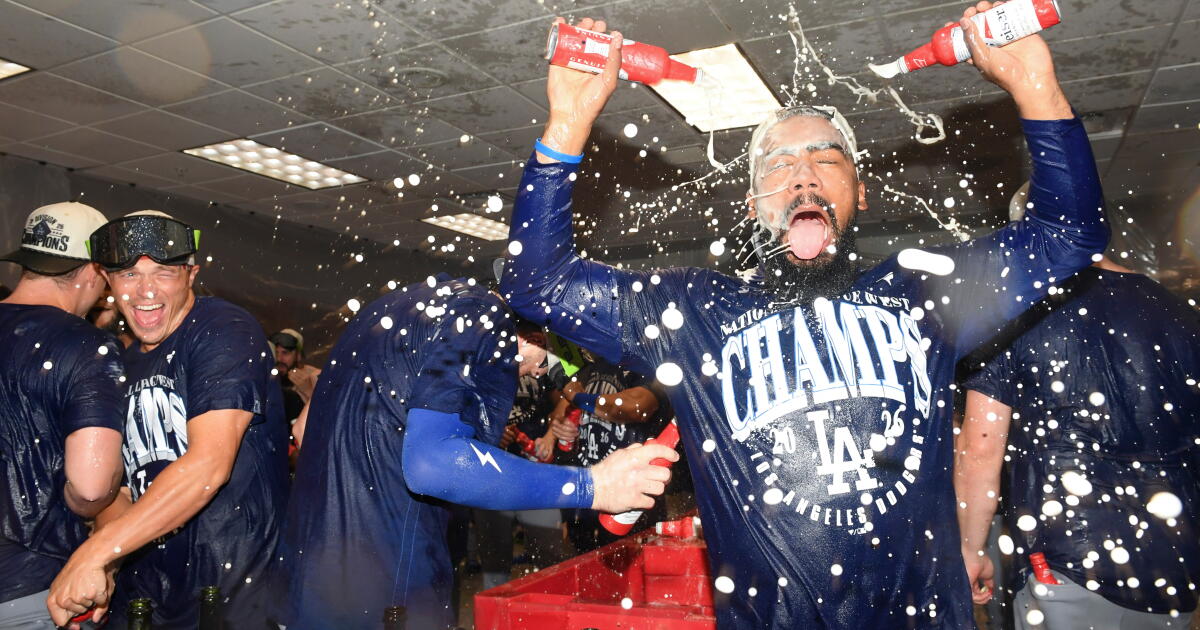
Mets outspend Dodgers while Guardians, Rays, White Sox win on the cheap
It seems like a simple equation: $338 million produces 100.
That’s the Dodgers’ season-ending payroll and victory total. But to assume a franchise can merely buy a playoff berth is a stretch.
The New York Mets sit at home — or more likely at lavish vacation destinations, given their perch at the top of baseball’s payrolls at $345.8 million. They finished last in the National League East with a 74-88 record.
The Cleveland Guardians also sit at home, but are quite pleased about it. They earned a first-round bye and berth in the American League Division Series this weekend despite a payroll of only $74.2 million — baseball’s lowest and barely one-fifth that of the Mets.
Twelve of the 30 MLB teams qualified for the postseason, with four best-of-three Wild Card Series beginning Tuesday. Eight of the dozen have payrolls in the top 10, with the defending AL-champion Toronto Blue Jays joining the Mets as supreme underachievers given their No. 5-ranked payroll of $275.4 million.
Yet three playoff teams — the Tampa Bay Rays ($98.3 million) and Chicago White Sox ($98 million), in addition to the Guardians — rank among the six lowest payrolls, according to present-day salary calculations from the MLB Labor Relations Department, or LRD, obtained by USA Today.
The combined LRD payrolls of those three overachievers don’t come close to the Mets or Dodgers, highlighting the enormous disparity between the haves and have-nots that team owners point to while demanding a salary cap during ongoing collective bargaining negotiations.
Oddly, only one playoff qualifier is among the 14 mid-range payrolls of roughly $100 million to $200 million — the Milwaukee Brewers, who achieved baseball’s best record at 103-59 while paying its roster $143.5 million. The Angels are also among that group, ranking No. 15 at $179.8, not enough to keep them from losing 100 games for the first time in franchise history.
The LRD payroll tracks a team’s real-time salary commitments for the current season, accounting for the 26-man MLB roster’s base salaries plus a prorated portion of signing bonuses. LRD differs from luxury tax payrolls, which are based on the average annual value of every player contract on the 40-man roster.
Luxury tax payrolls determine whether a team exceeds the league’s luxury tax threshold and owes financial penalties. MLB is using luxury tax payrolls in the CBA negotiations over a hard salary cap and floor, proposing a $245.3-million ceiling and $171.2-million floor for 2027.
Luxury tax penalties from clubs that exceed the thresholds funnel back to low-revenue clubs through revenue sharing. A record $402,637,907 was paid in luxury tax penalties last season, with the Dodgers paying the most at a record $169.4 million. This year, the Dodgers’ luxury tax is projected at $180 million — higher than the LRD payroll of 16 teams.
The Dodgers also have the highest luxury tax payroll at $430 million, dwarfing the Mets’ $363-million number. Reasons? The Dodgers pay more in penalties because they have exceeded the luxury tax six years in a row, they have more players with massive average annual values and they took on additional penalties by acquiring starter Tarik Skubal at the trade deadline.
MLB 2026 payrolls (playoff teams in bold)
1. New York Mets: $346.8 million
2. Dodgers: $338.0 million
3. New York Yankees: $304.6 million
4. Philadelphia Phillies: $291.7 million
5. Toronto Blue Jays: $275.4 million
6. Atlanta Braves: $263.9 million
7. Houston Astros: $249.5 million
8. Chicago Cubs: $248.8 million
9. San Diego Padres: $223.9 million
10. Boston Red Sox: $210.2 million
11. Detroit Tigers: $202.1 million
12. San Francisco Giants: $197.6 million
13. Arizona Diamondbacks: $192.8 million
14. Texas Rangers: $192.5 million
15. Angels: $179.8 million
16. Seattle Mariners: $170.5 million
17. Baltimore Orioles: $169.2 million
18. Kansas City Royals: $149.8 million
19. Milwaukee Brewers: $143.5 million
20. Cincinnati Reds: $128.3 million
21. Colorado Rockies: $117.0 million
22. Minnesota Twins: $109.5 million
23. Pittsburgh Pirates: $107.6 million
24. Athletics: $98.7 million
25. Tampa Bay Rays: $98.3 million
26. Chicago White Sox: $98.0 million
27. St. Louis Cardinals: $94.7 million
28. Washington Nationals: $90.3 million
29. Miami Marlins: $83.0 million
30. Cleveland Guardians: $74.2 million

Argentina’s Milei threatens legal action over Falklands oil project | News
Argentina gives UK two weeks to cease operations or face maritime court action.
Published On 29 Sep 2026
Argentinian President Javier Milei has threatened the British government with legal action unless it stops an oil project off the disputed Falkland Islands, the British-administered territory over which Buenos Aires claims sovereignty.
Milei gave the United Kingdom a two-week ultimatum on Monday evening, saying it must halt all work on the Sea Lion oil project or Argentina will ask the International Tribunal for the Law of the Sea, a maritime court in Hamburg, Germany, to order a stop to the project.
Recommended Stories
list of 3 itemsend of list
He called the operations “the illegal plundering of our resources” and declared “Argentina will not stand idly by” as the UK causes “irreversible and irreparable” damage.
The companies developing the project, Israel’s Navitas and Britain’s Rockhopper, have shrugged off Argentina’s threats, insisting they have valid exploration licences issued by the UK.
The tribunal, an independent court established under the 1982 UN Convention on the Law of the Sea, can issue legally binding emergency orders. But even if it ordered the UK to halt the project, it has no means of forcing the government to comply.
The UK rejects Argentina’s sovereignty claim, arguing that the islanders have the right to determine their own future and develop their natural resources. In a referendum in 2013, residents of the Falklands voted overwhelmingly to remain a British overseas territory. Argentina says the islands were populated illegally.
Milei’s administration has already taken legal action against the project authorised by Britain, arguing it violates a United Nations resolution calling for both sides to desist from unilateral actions in the islands until their dispute is resolved.
Buenos Aires has doubled down on its claim over the Falklands since United States President Donald Trump said Washington was open to reviewing its historically neutral stance on the territory.
The British government for its part has said it stands behind the businesses operating near the Falklands.
The dispute over the Falkland Islands led to a war between Britain and Argentina in 1982. It killed 649 Argentinian soldiers, 255 British soldiers and three islanders after Argentina invaded the archipelago that year.
I find cheap holidays for a living

I SPEND most of my days scouring the web to track down the cheapest possible holiday deals – to share them all with Sun Club members.
Spending so much time filtering and flicking through holiday websites means I’ve gotten pretty good at seeking out a bargain.
In fact, I’m often finding UK breaks for under £5pp, city breaks for £99 and under, and even family holidays abroad for £150pp or less.
So I’ve decided to reveal exactly how I find these cheap holidays: the very best websites to use, and how to use them to bag the best deals.
Holidays abroad
Loveholidays and On the Beach are two incredible companies when it comes to bagging the cheapest deals.
Both offer package holidays which bundle in your return flights, accommodation and board of your choice – so there’s no need to worry about having to book it all separately.
Loveholidays
With Loveholidays, it’s really easy to filter breaks by all inclusive, family friendly, short haul, long haul and more.
Their cheap holidays page lets you pick between cheap all-inclusives, beach holidays, city breaks and even family holidays with free child stays.
You can also filter by breaks under £500pp or even under £300pp. Drag the slider bar all the way down to the bottom, and you may even find hols for £120pp or under.
For example, under the ‘Cheap Beach Holidays’ tab, I found a week-long holiday to a four-star resort in Magaluf in October for £119pp.
On The Beach
On The Beach works in a similar fashion, and their cheap holidays page is regularly updated with ‘our cheapest deals of the week’, which often start from a super low £100pp to destinations like Portugal and Malta.
This page also currently has a ‘cheap holidays for autumn under £500′ section.
Some of the cheapest holidays they’re offering this autumn are week-long breaks to Turkey (from £135pp) and the Canary Islands (from £180pp).
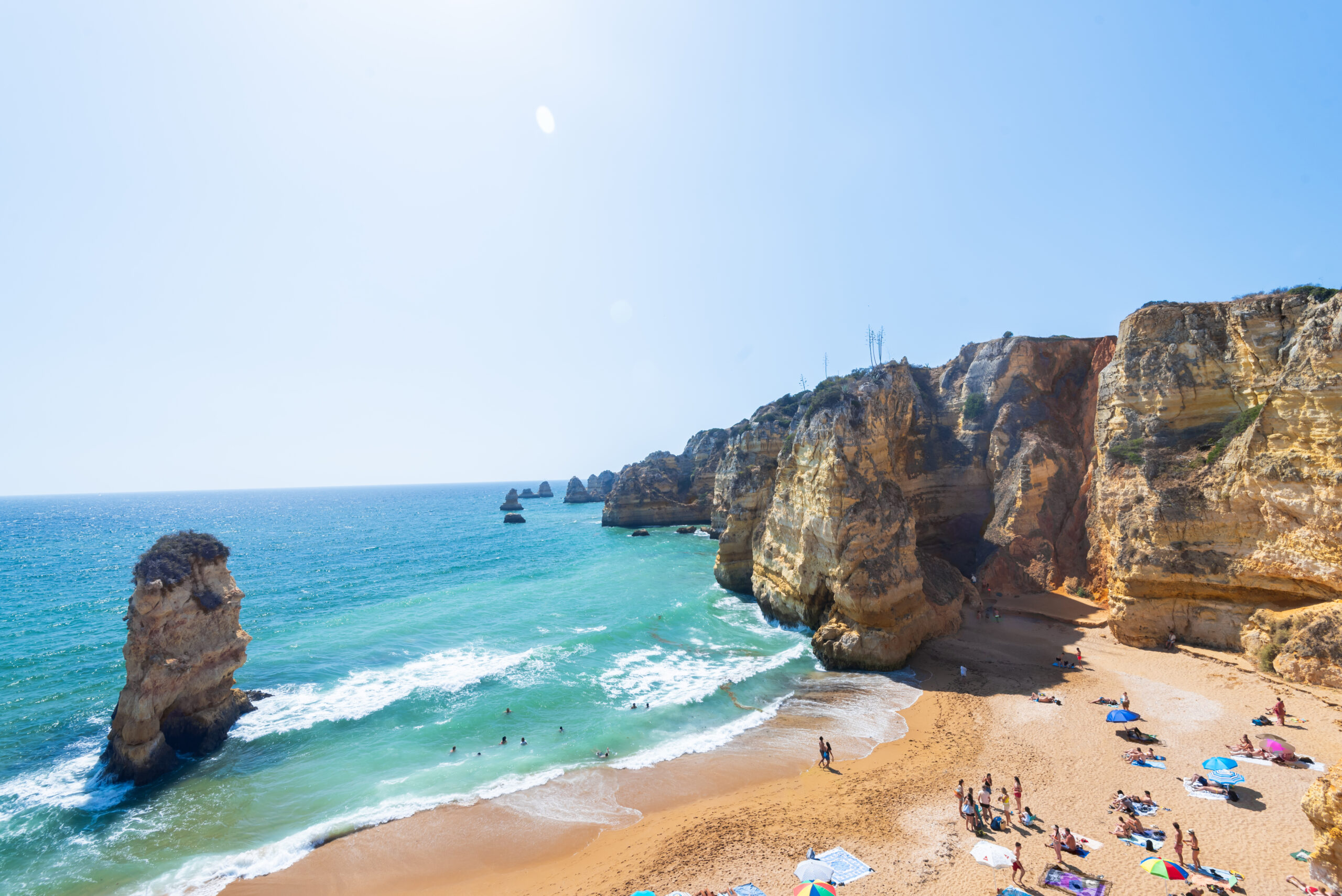
One of the best deals I found for autumn using the cheap holidays page to navigate the offers is for a four night break in The Algarve for £95pp.
Wowcher
As well as UK breaks, Wowcher is also great for booking holidays abroad.
Yes they have the classic £99 mystery holiday, but they also offer beach holidays, European city breaks, cruises and even long haul escapes.
These include a glamorous Lake Como getaway from £79pp, an all-inclusive Egypt holiday from £299, and even an incredible Las Vegas holiday with flights for £399.
I recommend browsing their cheap holiday packages page or all-inclusive holidays page.
Lastminute.com
Lastminute.com is another great site that does what it says on the tin – and more.
While the homepage often showcases some of the site’s best value deals, they also have specific pages rounding up cheap family holiday destinations as well as cheap adults-only resorts.
Plus the site is still king when it comes to bagging a last-minute break. This webpage rounds up the week’s best exclusive deal, plus an offer of the week and last chance bargains.
Offers of the week are certainly one to keep an eye open for – their most recent was for a trip to a 5* resort in Tenerife for four nights with flights for £484pp.
The site also has a loyalty programme which is completely free to join, and can bag you up to an extra 15 per cent off holidays and experiences.
The offers get better the more holidays you take, and as you climb the ranks you can unlock more and more perks.
These include free travel audioguides, 10 per cent off car hire and free lounge access if your flight is delayed.
Sundeals
Sundeals is the new kid on the block when it comes to cheap holiday deals, and is a new branch of familiar favourite holiday company TUI.
Here you can explore deals by budget (under £350, under £500, under £1,000) or by destination and more.
On their cheap holidays page, I’ve found all inclusive holidays from £234pp, beach holidays from £115pp and city breaks from £147pp.
Plus, the holiday company offers holidays with super low deposits from £30pp, so you can get your next break locked in for cheap.
Travelzoo
This is the only site you’ll have to pay for on this list, but my goodness is your membership worth it.
A Travelzoo membership costs £30 a year, but you can also try out 30 days of membership for £1.
Signing up means you’ll get Travelzoo’s ‘Top 20 deals’ dropped into your inbox each week, so you can easily have a quick browse to see if anything takes your fancy.
Or you can head to the site to browse cheap holiday deals broken down into loads of specific categories, from Asia Pacific holiday deals to island holidays and safari deals.
The best value to be found for foreign holidays here is for long haul breaks. The first time I came across their long haul holiday deals, I couldn’t quite believe my eyes.
You can visit gorgeous hotels in New York for £653pp, the Dominican Republic for £690pp and Mexico for £860pp – all for a week-long break including flights.
I even found an 11-night Egypt holiday which packs in your flights, four nights at a 5* all inclusive resort – followed by a Nile cruise which stops at major historical sights – for an unbelievable £549pp.
To be able to view and book these deals, you have to be signed up as a member.
Where to look
Where you’re looking for your holidays is equally as important as how you’re looking.
You might be tempted to hop online and look for the same familiar favourites you’ve been to before, such as cheap Spain or Greece holidays.
But if you’re open to trying somewhere new, I’d recommend not ticking the ‘destination’ box. Instead, go for ‘beach holidays’ and see what pops up.
That way, you’re opening up hundreds or even thousands of new holiday options – which massively increases your chances of finding something cheaper.
And if you know there’s somewhere you really don’t want to go to, you can just untick it from the left-hand column of the page. Easy peasy.
I’d recommend keeping an eye out for Bulgaria, Albania and Montenegro holidays specifically.
These three destinations are absolute powerhouses when it comes to an affordable beach holiday.
Bulgaria has all-inclusive getaways from £279 and flights from the UK under £15. Plus once you’re there, you can grab a meal out for under £9 and a cappuccino for just 88p.
Albania has been named the ‘Maldives of Europe‘ thanks to its beaches with bright white sand and electric blue seas, with holidays from £165pp.
Montenegro offers £255 holidays and even has been referred to as ‘St Tropez with Benidorm prices’ by one travel expert.
UK Holidays
Best Western GEM stays
Forget paying for just a bed for the night. Best Western’s GEM stays are hotel break packages with your room, food, and extra perks completely sorted for you.
The GEM packages stand for ‘Great Escapes, Memorable Stays’ and are centred around a huge variety of fun experiences.
The Somerset Family Escape package (from £123.38 per night) bundles in a family stay for two adults and one child with breakfast plus soft play access for the kids while parents can unwind in the spa.
Whereas the Ultimate Girls Night In package at Brackenborough Lakes & Resort reserves a hot tub lodge for two nights, breakfast each morning, three bottles of Prosecco and £15 takeaway credit per person from £44.50pp per night.
Wowcher
The UK holidays section of Wowcher is hiding some serious bargains, from spa weekends, to city hotel stays, to rural retreats.
Look for any offers with the pink ‘Price Drop’ label to find the cheapest deals.
Some of the top offers for UK breaks on Wowcher right now include a 4* break in Manchester for two with breakfast for £105, shaving 41 per cent off full-price.
Another fantastic offer is for a wellness retreat to Woodford Bridge Country Club, where four people can escape for four nights from £79 (£4.94pp per night).
Travelzoo
Travelzoo’s UK holiday deals are just as impressive as their deals for holidays abroad.
If you head to their UK hotel breaks, deals and stays page, you can find weekends away from as little as £59.
You can stay at one of the world’s oldest inns, The Olde Bell in Hurley, from £75 a night with breakfast. This saves you 48 per cent when compared to booking direct.
Another great deal is this two night break in Northumberland for £89pp, which puts you up in the Riverdale Hall Hotel which overlooks the Northumberland National Park.
And that super cheap £59 deal? It’s for a seafront stay in Eastbourne, with an overnight break for two at the The Lansdowne hotel, working out to only £29.50pp.
Remember, however, that you have to be a Travelzoo member to unlock these deals (£30 per year).
Holiday parks
Whether you enjoy pitching up a tent, cosying up in a caravan or even splashing out on a hot tub lodge, holiday parks have stays to suit all budgets.
Choosing to stay in a holiday park can be a fantastic way to tick off a new UK destination without having to fork out on an expensive hotel.
You can often bag a three or four night family break at a holiday park for £90-£100 if you know where to look, which would typically only get you one night in a hotel!
£9.50 Holidays
If you’re looking for a super cheap getaway, The Sun’s £9.50 holidays offer some of the best rates out there, which are often significantly cheaper than booking with the same park direct.
The bargain holidays are released in stages throughout the year, with the biggest Hols from £9.50 drop taking place in January,
As a Sun Club member you can bag your break earlier than anyone else – so make use of this perk!
Make sure to check the Sun Club Offers Hub and club950.co.uk to keep updated with Hols from £9.50 releases.
Parkdean Resorts & Park Holidays
If the £9.50 holiday booking window is closed, Parkdean Resorts and Park Holidays offer some of the best rates among UK holiday parks.
Look out for Parkdean’s last minute breaks page where you can bag a three night stay in Norfolk from £99 or Cornwall from £109.
Park Holidays have 50+ award-winning parks across the UK – their short breaks page offers stays from £129.
Want to save even more? Go for a cosy wooden glamping pod instead of a caravan with Park Holidays, and you can stay from £50 for a two night break. These pods sleep four, so that’s only £6.25pp per night.

Tuesday 29 September Boquerón Battle Victory Day in Paraguay
The provided text discusses the historical background surrounding Boquerón Battle Victory Day in Paraguay, focusing on the Gran Chaco lowland plain shared by several South American nations. For decades, tensions simmered between Paraguay and Bolivia regarding territorial governance over this strategically vital geographic region. These geopolitical disputes intensified significantly due to rumors of abundant petroleum reserves hidden beneath the terrain. Consequently, powerful international petroleum corporations became involved in the conflict, with Royal Dutch Shell supporting Paraguay and Standard Oil backing Bolivia.

Travel warning as major strike to hit 33 airports in Europe TOMORROW with fears for hundreds of flights
IT’S bad news if you are due to travel to a popular holiday hotspot tomorrow as flight chaos is expected across the country.
Air traffic controllers are due to strike across Italy tomorrow for four hours, which could send airports into chaos.

The strike will take place between 1pm and 5pm with the main airports expected to be impacted including Rome, Naples, Milan and Venice.
However, the strike is national meaning that ENAV – the company that runs Italian air traffic control – will walk out at all 33 Italian airports.
Under Italian laws, flights in the morning and evening are guaranteed to operate as usual.
These flights are between 7am and 10am and 6pm and 9pm.
Read more on travel inspo


All connections to Italian islands also remain guaranteed.
So if you are able to move your flight, especially to the morning, then you’d be protected from a cancellation.
As a strike is outside of an airline’s control, you sadly won’t get any compensation.
But the airline does have a duty of care, which means they must provide you with food and water as well as book you into a hotel if you are stuck overnight.


Flights expected to be impacted tomorrow include a 12:30pm Wizz Air service from Milan to London Luton, a 2pm easyJet flight from Milan to London Gatwick and a 1:20pm easyJet flight from Rome to London Gatwick.
Passengers are being advised to check their flight status with their airline and airport before travelling.
There will be another strike on October 16, lasting 24 hours – but this time it will be easyJet flight crew walking out.

Major UK airport hikes parking charges by £3 AND makes time limits even shorter from today
ANOTHER UK airport is hiking its drop-off fees while making time limits shorter in a double blow for travellers.
The transport hub has confirmed that the cost of dropping passengers off at the departures terminal will go up by £3.


East Midlands Airport has introduced the higher fee after Gatwick, Heathrow, Edinburgh, Birmingham, Bristol, Stansted, Leeds Bradford and more did the same earlier this year.
The Derby-based airport will charge £8 for a 10-minute stay at its rapid drop-off zone as of September 29 at 3pm.
The price is up by £3 for less time allowed, with drivers previously being charged £5 for a 15-minute stay.
Airport bosses confirmed that the hike was brought in as a result of “significant inflationary pressures”.


The extra money is also set to go towards paying for an ongoing £120million investment to improve the airport.
Prior to the recent increase, the fee remained unchanged for five years.
Last year, the airport swapped its barrier system and introduced automatic number plate recognition cameras to improve the flow of the drop-off system.
Along with the ANPR tracking, new drop-off fee and shorter drop-off window, customers have until midnight the day after their airport visit to pay the charge.
The fee can be paid online or via phone – and those who do not pay in time are slapped with a £100 fine.
While the fine is dropped to £60 if paid within 14 days, North West Leicestershire MP Amanda Hack has hit back at the scheme.
Arguing that the new drop-off rules is “setting people up to fail”, she said: “The announcement by East Midlands Airport of changes to its rapid drop-off pricing and a reduction in the permitted waiting time is frustrating.
“While I welcome the investment the airport has made over the last couple of years, the way the rapid drop-off is currently set up feels stacked against consumers.”
The MP added hat having less time to complete drop-offs and the responsibility to remember to pay will no doubt mean more users face hefty fines.
“I already deal with numerous complaints from constituents and people across the UK who have received a £100 parking penalty notice because they simply forgot to pay,” she told the BBC.
“Increasing the price while simultaneously reducing the time allowed is only likely to make this situation worse.”
Hack says that she has asked the airport to install machines that allow them to pay the drop-off fee there and then.
“My concern has always been that the current arrangement at East Midlands Airport appears to set people up to fail,” she added.
Responding to the criticism over the new fee, East Mindlands Airport said in a statement: “Airport drop-off areas help to manage on-site congestion, with charges managing what is the most polluting form of transport to the airport.
“The new fees are proportionate in the context of inflationary increases and brings East Midlands Airport in line with other UK airports.
“The airport is well served by frequent 24/7 bus services from Nottingham, Derby and Leicester and surrounding communities, with stops close to the terminal.”

Novak Djokovic ready for tennis comeback at China Open | Tennis
The 39-year-old will step back onto the court for a competitive match on Wednesday for the first time since the US Open.
Published On 29 Sep 2026
Novak Djokovic says he is encouraged by the way his body has responded before the China Open as the 24-time tennis Grand Slam champion looks to regain momentum at a happy hunting ground after recent fitness concerns.
“Yeah, feeling good so far,” Djokovic, a six-time China Open champion, said on Monday.
Djokovic will return to action for the first time since his shock opening-round defeat by Mariano Navone at the US Open on August 30 when the 39-year-old struggled with shoulder and back problems and vomited midway through the match.
The world number 11 will look to put those problems behind him when he takes on Portugal’s Nuno Borges in the first round in Beijing this week.
“Obviously it’s completely different when you’re playing an official match compared to practice sets or practice sessions,” he said before his opening game on Wednesday.
“So far so good. I was looking forward to coming to China, as I always have. My record speaks for itself on Chinese soil. Knowing that, it also brings this dimension of confidence that I really need.
“Overall, it’s been really good so far with the body, the way I’m feeling and playing.”
‘Beijing was on the priority list’
The former world number one is a massive draw in Beijing, where he won the title in 2009, 2010, 2012, 2013, 2014 and 2015 and holds a 29-0 win-loss record at the ATP 500 tournament.
The pursuit of a record-extending 25th Grand Slam title remains one of the few major targets left for Djokovic, who has become increasingly selective about his tournament schedule in recent years.
“At this stage of my career, it’s really also about the tournaments where I enjoy to play, where I’ve had the success in the past, where I feel like I’m also welcomed by the fans in a positive light, in a positive way,” Djokovic said.
“The history of my results on Chinese soil has been incredible. I haven’t played here in 11 years. I was trying to make it work in the past years with the schedule, but it worked in such a way where I played only Shanghai.
“This year, Beijing was on the priority list.”

Dennis Haskins dead: Actor known for ‘Saved by the Bell’ was 75
Dennis Haskins, an actor known best for playing Principal Richard Belding on the 1990s high school sitcom “Saved by the Bell,” died on Sunday night. He was 75.
Haskins’ friend and longtime caretaker, Kimberly Snow, confirmed the actor’s death. A cause of death is unknown, but Haskins had quietly battled Parkinson’s and was candid about other health issues. According to Snow, the actor died around 11 p.m. in a Burbank assisted living facility.
Snow, a former manager of Burbank’s since-shuttered Dimples Karaoke, shared the news of the actor’s death on Instagram, writing that Haskins was a staple at the joint, so much so that many of the patrons thought he owned it.
“A lot of people thought he owned it, but he didn’t,” the tribute read. “He just loved the place and its people. He enjoyed singing for people, meeting them, and taking selfies with his fans. Dimples closed down about 11 years ago, and people still associate him with his beloved ‘second home.’ He was known to most as Mr. Belding from Saved by the Bell, but to us, he was much more than that.
“About eight years ago, he became ill,” the post continued. “He had been silent about his fight with Parkinson’s, among other health concerns, because he did not want the attention. He did not want to have to tell people. He would say, ‘What do I even say?’ So I respected his wishes and stayed quiet, and I helped him through his journey into the next chapter of his life.
“Late last night, that journey ended for him. He is now at peace and is probably entertaining the people in the sky. Just know that if you tried to reach out to him in the last few years, I did read your messages to him, and you were heard.”
Haskins played the earnest and beloved Mr. Belding across the “Saved by the Bell” franchise for 12 years, from 1988 to 2000. As recently as 2015, he reprised the role for a sketch on “The Tonight Show Starring Jimmy Fallon,” alongside Bayside High School alums Mark-Paul Gosselaar, Elizabeth Berkley, Mario Lopez and Tiffani Thiessen.
Haskins was born in Chattanooga, Tenn., on Nov. 18, 1950, to parents Dennis Button Haskins IV and Veneta Marilyn Yarbrough. One of three boys, he attended Notre Dame High School in Chattanooga and, later, the University of Tennessee at Chattanooga.
He ultimately made his way to Los Angeles where he broke into acting, with his first on-screen gig playing a workman in “Archie Bunker’s Place” in 1981. He acted regularly through the ’80s, landing parts in television shows “Magnum P.I.” and “The Dukes of Hazzard” before finding his way to the part that would make him America’s favorite principal.
He played Mr. Belding across seven different series, including, “Good Morning, Miss Bliss,” “Saved by the Bell,” “Saved by the Bell: The College Years,” “Saved by the Bell: The New Class,” “The Rerun Show,” “Robot Chicken,” and “Victorious.”
“It’s a tragic loss,” Jay Schachter, head of film and television for Stewart Talent in New York City, said in a statement to NBC.
“Everyone loved Mr. Belding and those of us who got to know Dennis, loved him even more,” Schachter said. “He was a great person, and he loved, I mean absolutely LOVED his fans.”
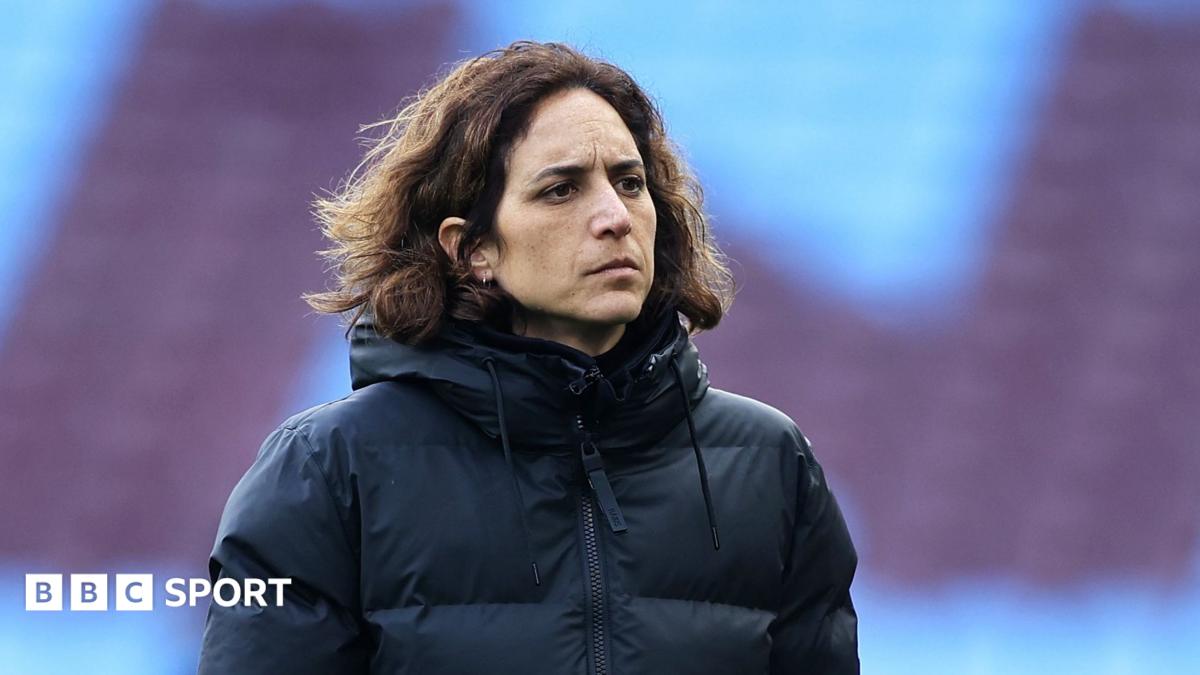
Aston Villa sack manager Natalia Arroyo after winless WSL start
Aston Villa manager Natalia Arroyo has been sacked following a disappointing start to the Women’s Super League season.
Villa are yet to win this season, drawing two and losing two of their opening four matches and BBC Sport is told that led to the club’s decision.
They suffered a 4-0 defeat by Tottenham on Sunday in the WSL and are due to play Newcastle in the Women’s League Cup on Wednesday (19:30 BST).
Spaniard Arroyo joined Villa in January 2025 and had another two years remaining on her contract.
She becomes the first managerial departure this season, though former Manchester United boss Marc Skinner and ex-Brighton head coach Dario Vidosic both stepped down earlier this year.
The club informed Arroyo of their decision on Monday evening and players were told on Tuesday morning.
Former Everton manager Brian Sorensen, who is now Villa’s women’s technical advisor, has been placed in interim charge.
Since Arroyo’s arrival, Villa have shown flashes of potential and she initially steadied the ship as they toyed with relegation in her first six months at the club.
But despite investment in the transfer window, Villa lacked consistency and were underwhelming last season.
There was pressure on them to perform in 2026-27 and while they earned a draw on the opening weekend against Chelsea, they have looked dangerously open at the back and chaotic out of possession.
Their latest defeat by Spurs was a worrying display and appears to have been enough to lead to Arroyo’s sacking.
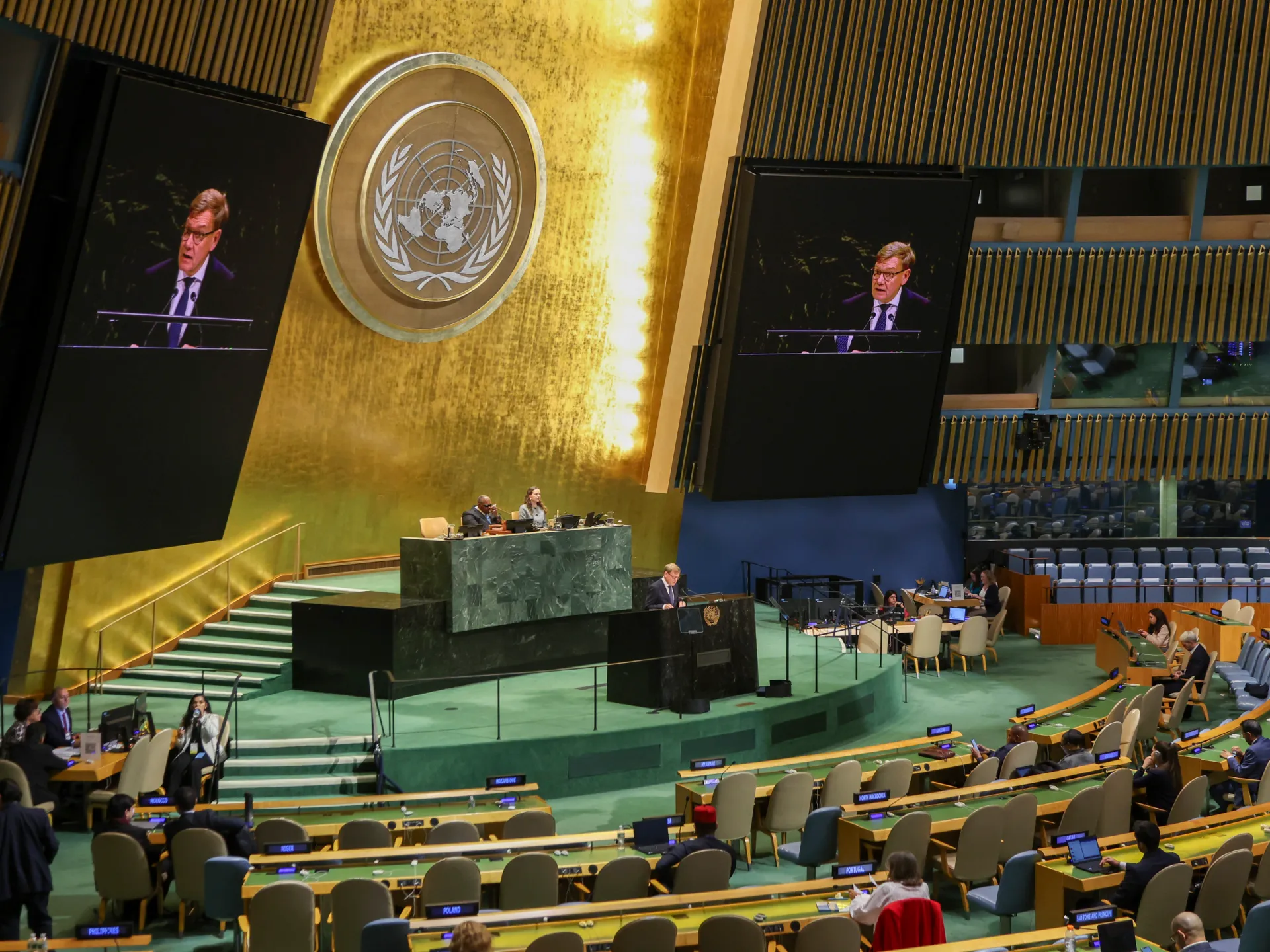
UNGA 81: Five key takeaways from general debate | Explainer News
The 81st United Nations General Assembly (UNGA) concluded on Monday with artificial intelligence (AI), the Israel-Palestine conflict and the US-Israel war on Iran dominating world leaders’ addresses during the general debate.
UN Secretary-General Antonio Guterres, in his final address before his term ends, warned that the future of the world would be shaped by four tests: AI, climate change, wars and inequality.
Recommended Stories
list of 3 itemsend of list
“Across all four tests, the decisive issue is power. Power over force, money, energy, technology, rules and the future. That is why the UN Charter – and the work of the United Nations – matter more than ever,” Guterres said.
Speeches ranged from calls to reform the UN to appeals for upholding international law, as the global body has been undermined by the unilateral foreign policy pushed by United States President Donald Trump.
Here are the biggest takeaways from this year’s summit:
Palestine
The situation in Palestine was a key issue among members amid Israel’s ongoing genocidal war on Gaza despite the so-called “ceasefire” and escalating settler pogroms in the occupied West Bank.
France, Canada, Iraq, the United Kingdom and others called for Palestinian sovereignty during their speeches.
“What credibility do we have if we continue to remain inactive in the face of Gaza,” French President Emmanuel Macron said in his address.
“Some boast of a supposed peace, but this peace hasn’t reopened humanitarian routes for a single second,” he said, adding: “Must we stand by and watch this spectacle that shames us all?”
Macron, British Prime Minister Andy Burnham, his Canadian counterpart Mark Carney and Saudi Foreign Minister Prince Faisal bin Farhan Al Saud chaired a meeting at the UNGA on Palestinian statehood, which is being actively undermined by Israel. Israeli Prime Minister Benjamin Netanyahu’s government has accelerated construction of illegal settlements and provided impunity to settlers in the occupied territory.
At the same time, the US-led Board of Peace unveiled a 66-project reconstruction blueprint with proposed funding of $2.4bn for the Gaza Strip on the sidelines of the UNGA.
However, the board’s plan excludes the UN agency for Palestinian refugees (UNRWA), saying it has no role in the future of Gaza. The decision was described by Palestinian political analyst and playwright Ahmed Najar to Al Jazeera as aligned with Israeli efforts to “marginalise and ultimately dismantle the agency, removing it not only from Gaza’s present but from its future”.
Dozens of delegates left the hall in protest as Netanyahu delivered his speech, in which he declared that Israeli forces would continue fighting against Hamas and Iran.
Trump defends military action on Venezuela, Iran
In his address, Trump emphasised that while others spoke of peace, he “made peace”.
Trump defended his actions in abducting the then-Venezuelan President Nicolas Maduro in January and said, since his military operation, hundreds of political prisoners had been freed in the South American country and that Caracas had signed the largest oil deal in history last month, covering “65 billion barrels of oil, which will benefit both Venezuela and the United States enormously and help drive down the cost of energy all over the world”.
“It was perhaps the biggest deal ever made. To the victor belong the spoils – you’ve all heard that,” Trump boasted.
Trump reiterated that he would never allow Tehran to have nuclear weapons and that the 12-day war in July 2025 had “obliterated their nuclear programme beneath mountains of rubble” as the ongoing US-Israel war on Iran had sunk “159 ships of their navy” to the bottom of the sea.
“I have a big decision to make – will a deal be made with Iran that lets them rebuild and create a far greater country than it ever was before … or do I annihilate the Islamic Republic and do it quickly, never giving them a chance to kill and destroy people and countries again,” he said, adding: “I believe we make a deal right after the elections.”
Popular Iranian officials
During sideline talks and one-on-one meetings, Iranian officials were in demand.
In his speech to delegates, President Masoud Pezeshkian emphasised that Iran had only “defended ourselves” amid attacks on his country and killings of Supreme Leader Ayatollah Ali Khamenei, scientists and children.
“We are not terrorists, our innocent people have been the targets of cowardly attacks and aggressions imposed upon our country,” he said.
Pezeshkian added Iran would not accept that peaceful nuclear technology is held exclusively in the hands of a few countries.
“We will not bow our head and give up the right that is inherently ours,” he said.
Meanwhile, on the sidelines of the summit, Foreign Minister Abbas Araghchi met his counterparts from India, Qatar, Turkiye, Pakistan, Ukraine and other countries.
He also met US Special Envoy Steve Witkoff and Trump’s son-in-law Jared Kushner in a four-hour meeting mediated by Qatar.
AI dominance
World leaders used their time at the podium to call for a global approach to using AI as interest in the technology grows, but fears that it could escalate if unchecked are also growing.
In his address, Finnish President Alexander Stubb said AI was the “most consequential technology in the history of mankind”.
“It will impact science, the economy, politics, security, and the very essence of our humanity. Humans can and should be in the driver’s seat. We have a choice: we can compete, cooperate or slow down. For me, cooperation is the best way forward,” he said.
While discussions are moving away from a good-versus-bad dichotomy, officials disagreed on approaches.
While Guterres and the European Union called for safety standards and international rules, Trump said AI innovation should not be constrained by international regulation, adding that the US should control its AI sector.
Xi skips the UNGA
Chinese President Xi Jinping skipped the UNGA despite being in the US for a summit with Trump. He sent Vice President Han Zheng to attend.
Xi rarely attends the UNGA. He had sent Premier Li Qiang in his place last year. In 2024, Foreign Minister Wang Yi attended the annual gathering.
Without mentioning Iran in his address, Han reiterated Beijing’s position that “sovereignty and security of countries in the Middle East, including the Gulf, should be respected”.
“China calls for advancing the governance of the West Bank and the post-conflict reconstruction of Gaza in accordance with the principle of the Palestinians governing Palestine. It also calls for bringing the Palestinian question back onto the right track of the two-state solution at an early date,” he said.
Han also called for a “people-centred approach and develop AI for the positive and for good, narrow the digital divide, and promote development that is universally beneficial”.

European airport cancels MORE flights as volcano eruption causes travel chaos
CATANIA Airport has been forced to cancel more flights until later today after a volcanic eruption on Mount Etna.
Volcanic ash drifting in the airspace means that flights have been suspended for safety.
The airport briefly opening this morning, but has since suspended “all flight operations have been suspended until 3pm today, Tuesday, 29 September.
“Passengers are kindly requested to check the status of their flight with their airline before travelling to the airport.”
Catania Airport did reopen temporarily this morning and flights resumed, but since the closure these have started being diverted or cancelled.
One easyJet flight heading into Catania from London Gatwick at 10am has been delayed.


A Ryanair flight departing from London Stansted at 10.45am remains on the schedule with a few minutes of delay.
An easyJet flight returning to London Gatwick at 10.35am is delayed by almost an hour.
A Ryanair flight heading to London Stansted is running a few minutes late from its scheduled departure time at 11.10am, at the moment.
The airport first stopped incoming flights on Saturday due to ash in the airspace with limitations also placed on departures.
Some passengers over the weekend had to travel across to Palermo Airport instead to get a flight home.
It’s only been two weeks since the last time that Catania Airport had to close due to volcanic ash after an eruption.
Previously in August, ongoing eruptions from Mount Etna forced the airport to shut for five days in a row resulting in hundreds of cancelled flights.