Explore new cultures, find the best travel deals, and make informed decisions with our trusted travel news. Let your wanderlust thrive as you stay connected with the ever-changing world of travel.
NOT sure where to head on holiday next year? Well, you’re in luck because the best places to travel to in 2027 have just been named.
Each year Lonely Planet releases its Best In Travel list highlighting amazing destinations around the globe – from beach-filled islands to mountainous coasts.
Lonely Planet has revealed the best places to travel to next yearCredit: Alamy
The list, which features 50 destinations and experiences, is selected by a global community of experts.
And this year, one UK spot has been featured on the experience list – walking St Cuthbert’s Way in the Scottish Borders.
Sign up for the Travel newsletter
Thank you!
The 62-mile walk stretches between Melrose and Lindisfarne, heading over the rolling hills of the Scottish Borders and through Northumberland.
Along the way, there are a number of hillforts to see as well as village pubs to stop at for a tipple, before heading across to Holy Island.
Patricia Yates, CEO of VisitBritain/VisitEngland, said: “It is wonderful to see St Cuthbert’s Way recognised by Lonely Planet as one of the best experiences in the world to enjoy in 2027.
“Britain is blessed with so many breathtaking landscapes, stunning coastlines and remarkable history and heritage that it is fitting that a trail, which effortlessly combines all three, has received such a glowing endorsement by global travel experts.”
As for the best places to go in the world next year, several destinations in Europe made it onto the list including The Veneto, Italy.
The Veneto region spans a large area and includes popular Italian spots such as Venice and Lake Garda, but it also includes smaller cities like Verona and Padua.
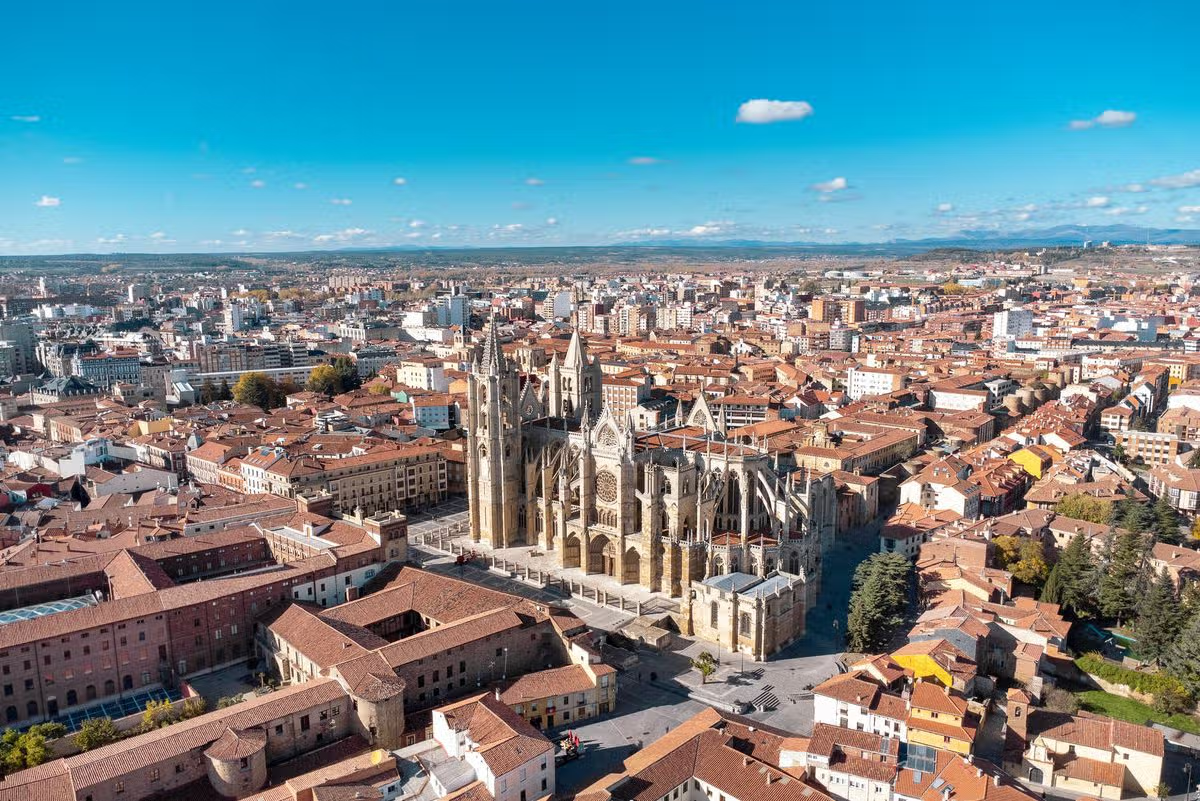
One UK spot made it onto the list and that is experiencing the 62-mile walk – St Cuthbert’s WayCredit: AlamyFor a European break, head to the the lesser crowded Leon in SpainCredit: AlamyOr explore the Veneto region in Italy which includes Venice, Lake Garda, Verona and PaduaCredit: Alamy
Another sunny spot on the list is Šibenik, in Croatia – a small Adriatic city with a number of vibrant festivals throughout the year as well as a white stone palace dating back to the 14th century.
Of course, Spain made it onto the list with Leon, in the north of the country.
Unlike more popular Spanish retreats, the medieval city of Leonbenefits from fewer visitors and crowds, but heaps of Gothic architecture and history – as well as 29C weather in September.
Though, if you wanted to head somewhere completely different to where you have been before, venture to Skanör and Falsterbo, in Sweden, also known as the Swedish Riviera.
These two towns are linked by a bridge and can easily be explored together
Make sure to look out for the colourful beach huts as well as take a dip in the calm, shallow waters.
Plenty of long-haul destinations were named on the list too, including Quebec in Canada .
Travel Reporter Cyann Fielding, who has previously visited, said: “When people ask me where I would recommend travelling to – which is a lot – I always instantly reply Quebec.
For a long-haul trip, Quebec in Canada featured on the list for its Canadian-European charmCredit: Alamy
Lonely Planets Best in Travel Destinations 2027
THESE are the best destinations to head to in 2027, according to Lonely Planet:
Quebec, Canada
Northern California Coast & its Redwoods, USA
Maryland, USA
Prince Edward Island, Canada
New Mexico, USA
The Veneto, Italy
Dessau, Germany
Skanör – Falsterbo, Sweden
Šibenik, Croatia
León, Spain
Montserrat, Caribbean
Bariloche and the lakes, Argentina
Granada, Nicaragua
Bocas del Toro, Panama
Oman
Rabat, Morocco
Tsavo East and West National Parks, Kenya
Dunedin & the Waitaki, New Zealand
The Tweed, Australia
New Caledonia, South Pacific
Okinawa, Japan
Chengdu, China
Gujarat, India
Danang, Vietnam
Fulidhoo, Maldives
“This charming French-Canadian city feels like stepping into a fairytale, even with its own castle on the hill – which is actually Chateau de Frontenac Hotel.
“The city is easily explored on foot and is a great base for exploring the wider Quebec region with waterfalls, dense forests and pretty towns.”
If it is white beaches you are after, Fulidhoo in the Maldives also featured on the list.
Fulidhoo is actually one of the Maldives’ non-resort islands, which means you won’t see commercialisation or tourist traps.
Instead, white sand beaches sit at the edge of the island boasting crystal clear waters with stingrays and nurse sharks.
Or for a different island, Montserrat, which according to Lonely Planet is “one of the Caribbean’s most overlooked islands, with emerald-green peaks, black-sand beaches, and a fascinating history shaped by volcanic fire”.
Or you could head to California in America and see the tallest trees in the worldCredit: AlamyAlways wanted to go on a safari? Well Kenya has the top spot according to Lonely PlanetCredit: Alamy
Fancy exploring somewhere in America? Then head to the Northern California Coast and see its Redwoods.
Coast Redwoods are the tallest trees in the world and along the Northern Californian Coast they grow in many different spots including Humboldt Redwoods and Jedediah State Parks.
Sticking to the forest theme, you could visit Monteverde’s cloud forest, in Costa Rica, where the trees are surrounded by a fairytale-like mist caused by warm winds from the Caribbean meeting the cooler air of the mountains.
Or for a safari, visit Tsavo East and West National Parks in Kenyawith massive savannahs where elephant herds roam freely and Yatta Plateau – the world’s longest lava flow.
When it comes to other great experiences across the globe, Lonely Planet recommends barhopping Miami’s South Beach hotels, where in addition to sunny, sandy beaches you will find the city’s iconic Art Deco hotels.
For something a little closer to home, in Italy, sailing the Aeolian Islands also made the list.
These little-known UNESCO-listed islands feature rugged coasts but also have crystal clear waters.
Or live out your Mamma Mia dream in Greece by diving into Poseidon’s underwater world with wrecks and hidden caves.
Lonely Planets Best in Travel Experiences 2027
THESE are Lonely Planet’s top experiences to do across the globe in 2027:
Walk St Cuthbert’s Way, Scottish Borders to Northumberland
Explore Killary Fjord, Co Galway, Ireland
Turn temporary keeper at Rose Island Lighthouse, Rhode Island, USA
Enjoy wine and fine-dine in Valle de Guadalupe, Mexico
Barhop Miami’s South Beach hotels, USA
Savour the Slow Road, Minnesota, USA
Road-trip through history on Route Napoléon, France
Sail the Aeolian Islands, Italy
Dive into Poseidon’s underwater world in the Aegean Sea, Greece
Go on a Galápagos expedition cruise, Ecuador
Dance tango at a Buenos Aires milonga, Argentina
Take a polar plunge, Antarctica
Marvel at Monteverde’s cloud forest, Costa Rica
The Museums of Abu Dhabi
Meet Jane Goodall’s chimpanzees, Tanzania
São Tomé and Príncipe’s deserted beaches
Immerse in art in the Red Centre, Australia
Experience Faʻa, Samoa
Embark on ocean adventures, French Polynesia
Glide on a longboat to orangutan territory, Sarawak, Malaysia
Ride the Darjeeling Himalayan Railway, India
Michinoku Trail, Japan
Follow a Foodie Trail, Taiwan
Be dazzled by Kazakhstan’s futuristic architecture, Astana
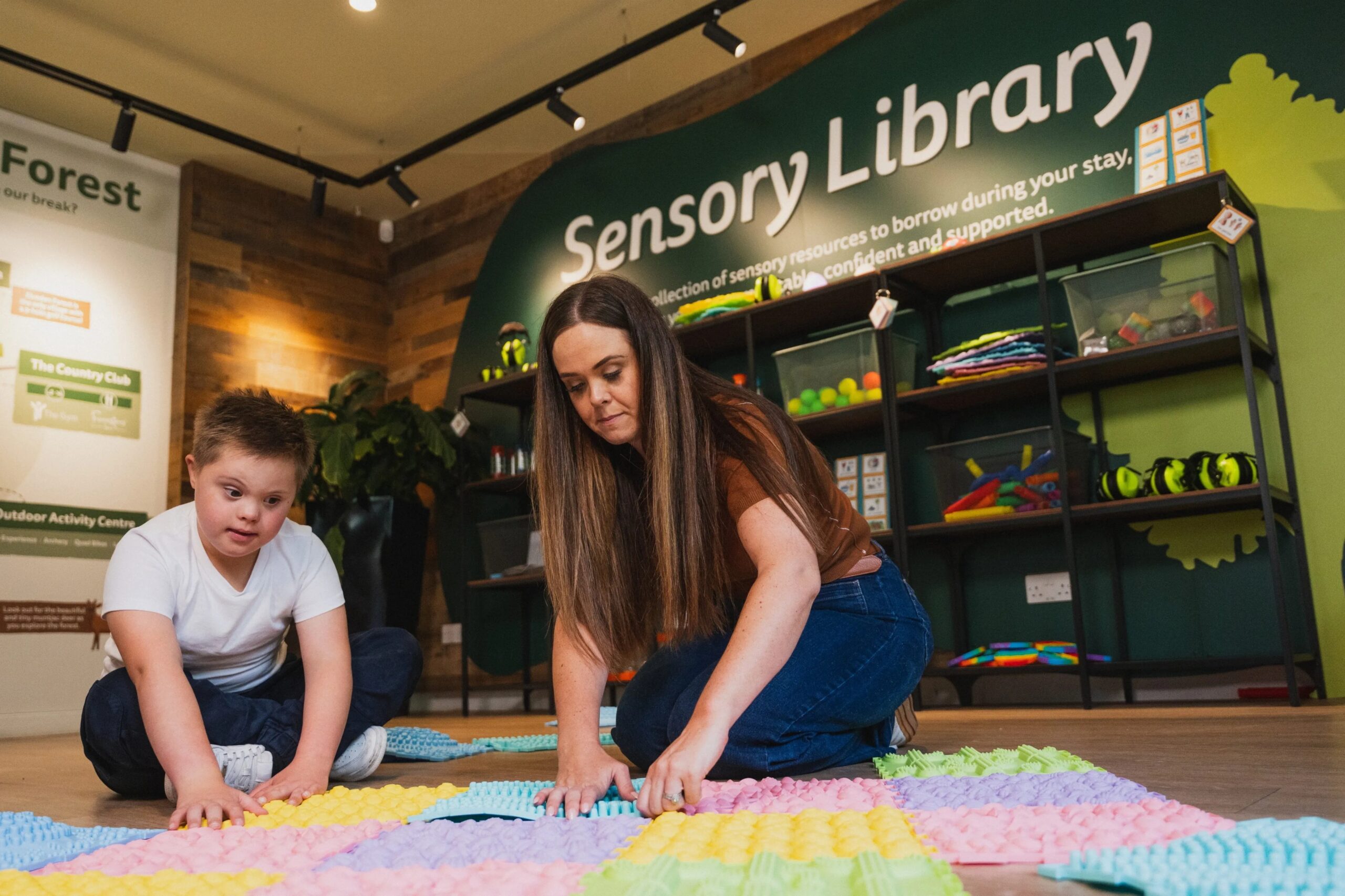
CENTER Parcs has become the first holiday operator to begin the roll out of new sensory libraries at all of its villages to cater for families with neurodivergent children.
Collaborating with specialist SEN consultancy SENNIES, it has officially opened its sensory library at its Elveden Forest village, where families will be allowed to borrow items for free during their stay.
Center Parcs has become the first holiday operator to begin the roll out of new sensory librariesCredit: SWNSCollaborating with specialist SEN consultancy SENNIES, it has officially opened its sensory library at its Elveden Forest villageCredit: SWNS
Products such as noise-reducing ear defenders, wipe-clean boards, calming lights, fidget toys, feelings wheels, visual timers and pop tubes will be available for families to choose from.
The short break provider plans to roll out libraries at all of its villages by 2028.
Sign up for the Travel newsletter
Thank you!
It follows research of 500 parents and legal guardians of neurodivergent children and those with additional needs, which revealed 80 per cent take a destination’s ability to meet their child’s individual needs into account when deciding where to go.
A further 80 per cent said busy or crowded environments can be challenging for their child, with 75 per cent sometimes avoiding activities or facilities entirely because they prove overwhelming.
Georgia Sargeant, CEO and founder at SENNIES, speaking in partnership with Center Parcs, said: “No two neurodivergent children are the same, so there is no single adjustment that works for every family.
“What matters is choice, a considered range of options from sensory resources and communication aids through to support for self-regulation and co-regulation, so a family can pick what works for their child that day.
“This library turns families’ feedback into practical support and shows how holiday providers can respond meaningfully to changing needs.”
The decision to launch the library comes as 44 per cent of parents polled said many holiday providers don’t offer adequate provisions for their children.
With 70 per cent agreeing further support is needed for neurodivergent children and kids with additional needs.
It emerged 72 per cent of mums and dads bring sensory equipment or comfort items from home on every or most trips.
And 68 per cent said access to sensory and accessibility aids at their destination would improve the holiday experience for their child.
While a further 68 per cent also said if they could obtain a variety of sensory items to loan for the duration of their getaway, it would help their family feel more supported.
Department for Education figures show more than 1.8 million pupils in England now have special educational needs – this is an increase of 5.2 per cent in a year.
And it has seen NHS assessment waitlists reach more than 240,000.
While the Children’s Commissioner’s latest annual briefing found children’s referrals, involving suspected autism, rose 47 per cent in a single year.
And neurodevelopmental referrals increased by 24 per cent.
Richie Williams, village director at Center Parcs Elveden Forest, said: “The number of families looking for more thoughtful, practical support is growing.
“This pilot is the beginning of a journey, and we will listen closely to families using it and learn from their feedback as we consider what comes next and a future rollout to other villages.”
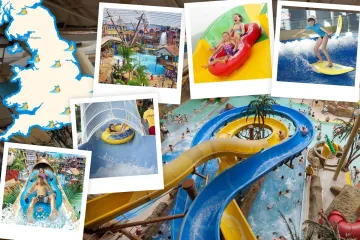
THE UK’s biggest waterpark is about to be the best place to start your weekend.
Sandcastle Waterpark, which is the largest and recently voted best in the country will be open for more hours of fun on Friday evenings.
Sandcastle Waterpark in Blackpool has launched new evenings eventsCredit: Sandcastle Waterpark Blackpool / FacebookOn Friday nights it will be open for an extra four hoursCredit: PR Handout image
The Blackpool waterpark has launched its Friday Night Splash event, so now you can spend your evening on its 18 slides and in the swimming pool.
Usually the waterpark is open is until 2:30pm in the week and 4pm on the weekends.
Sign up for the Travel newsletter
Thank you!
But the new Friday sessions will let you visit from 4pm until 8pm, for a post-work splash before the weekend.
The tropical waterpark, which is always heated to 28C, has something for everyone whether you’re after family-friendly splash zones or thrilling flumes.
There are 18 slides in total, and those wanting to try out the speedy rides should head to The Master Blaster which is described as “white knuckle”.
There’s also Sidewinder, the world’s first indoor half-pipe waterslide and Montazooma, a high-speed ride with hairpin bends and 360 degree helixes on the way from top to bottom.
For families, head to Thunderfalls, which are two twisting waterslides for side-by-side racing.
There are also treehouses and forts for kids to play in and that’s where you’ll find the country’s biggest water cannon.
The slower moving Ushi Gushi River Creek is the lazy river ride while the Typhoon Lagoon is the waterpark’s huge wave pool.
While the kids are splashing about, adults can escape to the Sea Breeze Spa for an extra £7 to unwind in the sauna, steam room, and aromatherapy lounge.
The waterpark has just been voted the best in the countryCredit: PR Handout image
For the ultimate VIP day out, the £60 Tiki Cabana package gets you park entry, lunch and soft drinks, spa access, and the private retreat comes with a TV and hot tub.
Tickets to the waterpark for a three-hour session costs from £25.50 per person over the age of eight (if booked in advance).
Tickets for kids between three and seven-years-old cost from £16.50 per person and children under three go free.
The waterpark is two minutes from Blackpool Pleasure Beach – so it’s easy to make a day out of it and see all the attractions.
The main season runs until October 31, with opening dates from Wednesday to Sunday – this drops down to just weekends after this.
This city is a favourite among trendy, wealthy people – but I don’t see the charm.
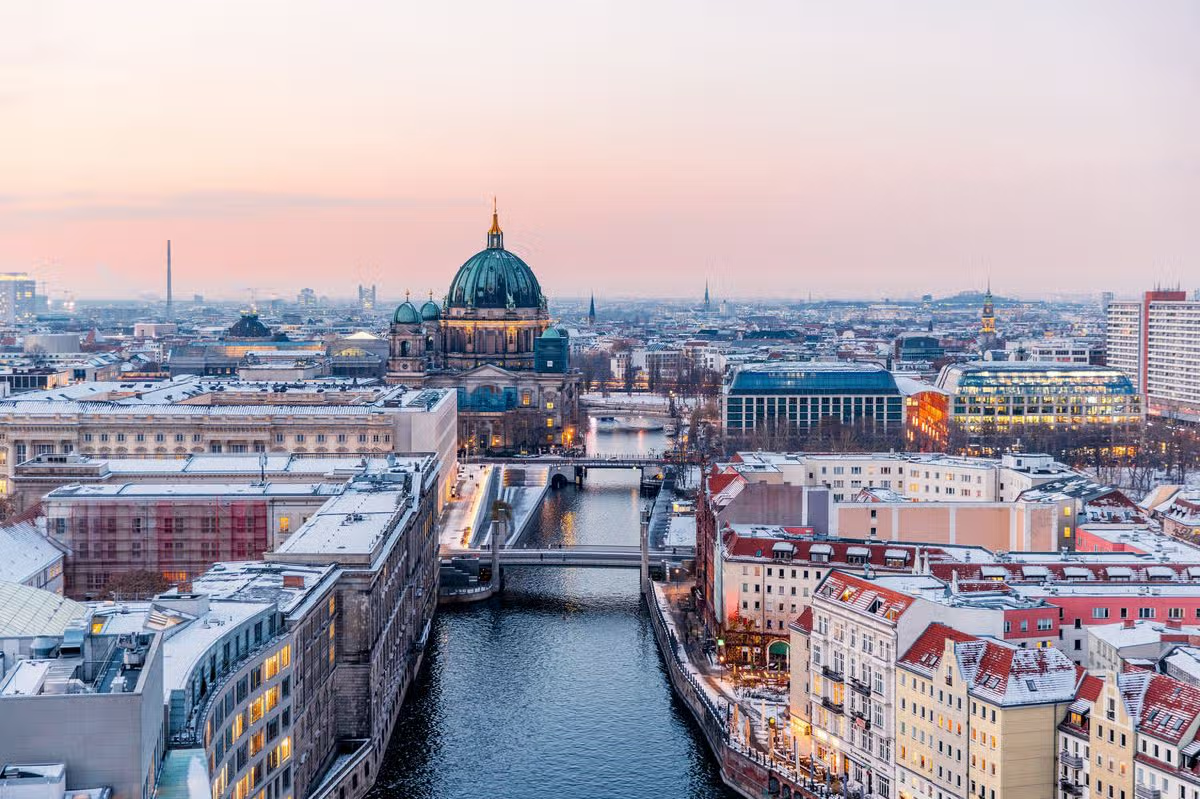
This city is beloved by tourists – but I don’t get the hype(Image: Getty)
I have been lucky enough to see a fair amount of the world not only in my role as a travel reporter, but also in my own time. However, after spending a long weekend in this popular European city I have finally discovered a place I will never return to.
Berlin is beloved by trendy east Londoners who pretend they don’t have a double barrelled surname and a trust fund. The city is full of even trendier Berliners who pretend they don’t have any interest in being cool, whilst still trying as hard as possible to appear so.
I have visited before and found the city grey, utilitarian, dirty and ugly. At the time I had a friend living there who told me the city would “eat you alive” if you let it – and I believed him.
I spent a weekend there and over those two days I stood in human faeces whilst walking through a park, watched people urinate in the U-Bahn, saw one man vomit and another man sit in it.
I was hounded by wasps for every hour of the day, and shady characters for every hour of the night.
I didn’t get eaten alive, but by the time I flew out of the city morale was low. I spent the next seven years vowing I would never return – but a twist of circumstance saw me packing my bags last Friday to spend another long weekend in Berlin.
My friends were visiting Europe from New Zealand, and the only weekend I had free time to see them was the weekend they were in Berlin, so I decided I’d give it another go. I was hoping my initial impression of the city had been wrong, and that my return trip would show me the real side of the city
Whether real or not, the side I saw was not to my liking.
The city was still as utilitarian and grey as I remembered. We stayed in Neukölln, a trendy artistic neighbourhood with plenty of coffee shops, späti (like off-licences but with seats outside to sit and enjoy a beer) and vintage shops. These are all my favourite things, but Berlin’s version of them was tinted with the greasy pallid feeling you get after a night out that has gone on several hours too long.
My least favourite thing about Berlin however, is the wasps. In late summer, they have reached peak population and ruin the city’s outdoor spaces. Sitting outside to enjoy a brunch, coffee or a pint becomes a feat of endurance as these angry insects swarm you, fall inside your pints, try to crawl inside your nose and mouth and generally make a nuisance of themselves. It’s also illegal to kill them, as they are protected under the Wildlife Act.
Over the three days I was there I had two of them die in my beer, and four of them make my £7 donut inedible.
My Berlin weekend was not all bad. I did find an amazing coffee shop near our accommodation called Leuchtstoff Kaffeebar. The coffee was delicious – perhaps the best I’ve had since I left New Zealand two years ago, and I enjoyed a Bircher Muesli that set me up perfectly for my day of wandering the city.
The café also serves pastries, and had a very cool mezzanine that you could climb up to via a ladder.
I also visited the Jewish Museum in Kreuzberg. Admission is free, and the building is truly something to behold. It uses architecture and art installations to create a feeling of absence and highlight the huge loss felt by the community as a result of the millions murdered during the Holocaust.
A large section of the building is below ground, with multi-media installations and plenty of information about the history of Judaism and their persecution in Germany. It was a sombre afternoon, but definitely worth a visit if you are in the city,
Despite finding a few things I liked about Berlin, overall my sense of the city was that it is without whimsy. I won’t say it’s soulless – but the soul it possesses is not one I care to find out more about.
Finding cheap holidays during the school holidays may feel like an impossible task for parents but according to one travel pro there are some easy tricks that could help
The Travel Mum shared a handy trick to save money(Image: Apple Photos Clean Up)
When it comes to cheap holidays, most parents have already resigned themselves to the fact that prices surge during school holiday dates – but according to one travel expert, there are some minor tweaks that could actually help families save money on their next getway.
Mum-of-two and avid traveller Jen Carr has built up a following of over 349,000 on Instagram where she shares her top tips for finding cheap family travel deals.
While the peak holiday season comes with inevitably higher prices, according to Jen just changing the dates of travel by a few days could mean you save hundreds of pounds, without having to take the kids out of school during term time.
“Booking at the end of summer,” she told the Mirror exclusively. “It’s so much cheaper to go the last week of August compared to the first week of August. I guess that’s just because demand’s probably a lot less. Nobody really wants to get back off holiday the day before the kids go back to school, but if you’re willing to do that, it is a lot cheaper.”
It’s not a hack that’s specific to summer holidays either, as Jen recommended considering dates for the upcoming October half term. She added: “If, for example, in the October half term you fly three days before half term starts, you’re going to save literally hundreds of pounds. So I mean, it’s just how much you want/appreciate that attendance!”
Of course it’s worth noting that parents who do consider taking their kids out of a school for a few extra days may need to check their school’s policy on absences of this nature, or they could risk being fined per child. Currently the fine for school absences around the UK are £80 if paid within 21 days, but this can go up to £160 if paid within 28 days. This is for unauthorised absences; if you can get permission from the school for the absence, then you won’t be fined.
As for the best destinations where families can get more bang for their buck? Jen suggested that while the major hotspots are popular for a reason, there are some alternatives that deliver the same levels of experience but without the hefty price tags.
She explained: “There are destinations that are a lot cheaper than others and it seems to kind of go on a bit of a cycle with what’s popular. But places like Menorca and Majorca and Ibiza are always going to be a lot more expensive than somewhere like Agadir in Morocco, but you’re still getting the beach, the pool, holiday vibes and the sunshine. Go where the destinations are cheaper, and that does seem to change year-on-year. I’m sure next year Agadir will be really expensive, but this year it’s been really good value, all-inclusive.”
Speaking about further alternatives, Jen urged parents not to discount the likes of a city break; in fact, she herself enjoyed a family trip to Paris earlier this year, and said that both the kids and grown-ups had a brilliant time. She added: “I think it’s about knowing where to look. It’s, a like-for-like holiday is going to be more expensive in the school holidays. I guess it’s just being a bit more flexible and thinking, ‘Okay, well, it’s the August summer holidays. Do we need to go to Menorca for a week all-inclusive or could we maybe go for a road trip around Austria?’ Because it’s going to be a lot cheaper to do something a bit more off-piste.”
Jen Carr, family travel expert and founder of The Travel Mum, shares the best affordable holiday deals for families throughout the week. Jen’s new book ‘Yes You Can Travel With Kids’ is available now.
Brits can get to Zanzibar in around 9 hours – and there’s no jet lagCredit: Alamy
These will take off from London Gatwick Airport and head to Kilimanjaro before heading onto Zanzibar.
The route launches on May 29 and flights will run for the season until October 31 – return flight prices start from £849.
The time difference is small too, currently being two hours ahead of the UK so unlike a lot of far-flung islands, there’s no jet lag.
As for what you’ll find there, Zanzibar is known for having a beautiful coastline with soft sandy beaches.
Some of the best include Kendwa Beach which previously ranked the fourth-best beach in the world and number one in Africa by Big 7 Travel.
Nungwi Beach is perfect for all-day swimming, while Paje and Jambiani are known for their world-class kitesurfing and lagoons.
Stone Town is the older part of the city – and the birthplace of Freddie MercuryCredit: AlamyTUI is starting the very first direct flights to Zanzibar next yearCredit: Alamy
It’s not all coastal, explore the city too – the capital of Zanzibar is Zanzibar City, which is made of two parts, Stone Town and Ng’ambo, which were historically divided by a creek.
The newer portion of the city is known as Ng’ambo, Swahili for ‘the other side’.
Meanwhile, Stone Town is the historic side where you’ll find the Old Fort, Christ Church Cathedral — the oldest church in East Africa, and the Sultan’s Palace.
Stone Town was also the birthplace of Queen frontman, Freddie Mercury.
Zanzibar is also nicknamed Spice Island thanks to its Indian and African influences – if you want to pick some up yourself, head to Darajani Bazaar.
Zanzibar isn’t a particularly expensive place either as, according to Wise, a beer can cost as little as £1 and a meal at an inexpensive restaurant can start from £3.54.
What is it like going on holiday to Zanzibar?
The Sun’s UK Digital Editor Stewart Jackson recently visited– here’s what he thought of Zanzibar…
“The warmth with which I was greeted was genuine and universal — from the barman trying out his own cocktail creations as I chilled out before dinner, to the gardener snipping away at the perfectly manicured foliage framing the spotlessly clean hotel grounds.
“It offers the perfect environment for a relaxing stay which, let’s face it, is exactly what you’re looking for in a five-star tropical resort with breathtaking views over the turquoise waters of the Indian Ocean.
“It is worth exploring the island itself, including a tour of Stone Town, the oldest part of Zanzibar’s capital.
“You will take in atmospheric spice markets, historic landmarks and — perhaps the island’s biggest claim to fame among British visitors — the birthplace of Queen frontman Freddie Mercury.”
A TRAVEL company that fell into administration earlier this year has been saved.
Groupia Ltd, which sells stag doholidays and company away days, has been acquired by Cheshire-based Funktion Leisure.
Groupia Ltd has been saved from administrationCredit: Getty
Known for their golf trips, hen and stag dos, spa breaks and tours, the company opened back in 2002 and since, more than 750,000 travellers have travelled with the company.
The site is now up and running again with different holidays and getaways on offer.
Sign up for the Travel newsletter
Thank you!
For example, you could book a trip to Friendsfest in Bournemouth from £249 per person, including two nights accommodation, hot tub access, a silent disco and a locally sourced BBQ hamper.
Or for £319 per person, you could book a spa experience in Barcelona with a hummer pick up from the airport.
The company fell into administration back in June after 24 years in business.
Funktion Events managing director Jay Broughton said: “We acquired GoHen and StagWeb out of administration because they’re two of the strongest names in UK hen and stag travel, with more than 750,000 customers between them since 2002.
“Both are back open and taking bookings, and early demand since the relaunch has been really encouraging, which tells us the appetite for these brands never went away.”
On the company’s website, it also added that over the coming months it will focus on investing in the sites and services.
The company sells different holiday packages including hen and stag dos, spa breaks and festivalsCredit: Getty
Funktion Events has arranged more than 55,000 hen parties and 12,000 stag weekends since 2007.
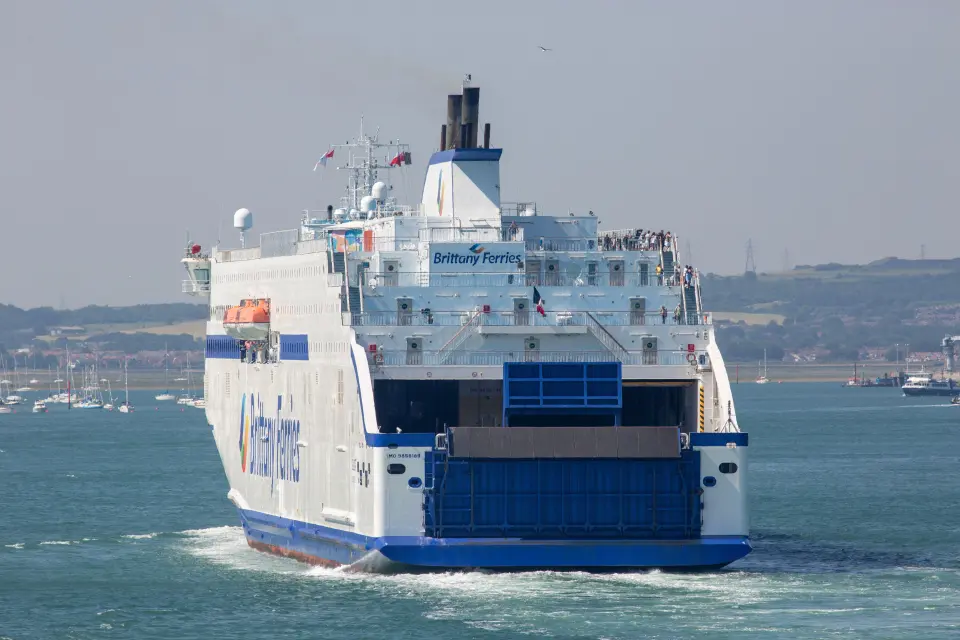
The scrapping of the ferry route was initially given the green light due to financial challenges, with September 28 outlined as its final sailing date.
Sign up for the Travel newsletter
Thank you!
However, the service has been forced to retire early, due to technical issues with the Brittany Ferries Commodore Clipper vessel.
In a statement, the company confirmed that the final voyages would not be made and apologised to passengers.
A Brittany Ferries spokesperson said: “We apologise to all affected customers, and are sorry that the route can’t complete its final sailings; we know many had hoped to be part of them.
“It has been a pleasure for all at Brittany Ferries to link Portsmouth and Le Havre since 2013.”
The statement continued: “The current economic context means the route is no longer viable and, sadly, we have had to make the difficult decision to close it.”
The cuts to various Brittany Ferries routes were announced back in June.
The business explained that it was having to “adapt” and “plan for a secure future” after facing a bill of €27 million in 2026.
This particular ferry route has been in operation, in either a passenger or freight capacity, for over 50 years.
The Poole to Cherbourg route is set to be replaced by a daily service from Portsmouth to Cherbourg, which will begin in November, as part of a “more efficient” schedule.
If you’re already dreaming about your next getaway, then you’re in luck, as the best places for 2027 have been named by Lonely Planet, and there’s a lesser-known Spanish city that warrants attention
This article contains affiliate links, we will receive a commission on any sales we generate from it. Learn more
A beautiful Spanish city has been named as the best place to visit in 2027, and its blissfully uncrowded (Image: Getty Images)
We’re all familiar with the Spanish hotspots of Madrid, Barcelona, Ibiza and Palma, but there’s a lesser-known destination worth putting on your radar. Often missed by tourists, Lonely Planet has hailed a Spanish city as the best place for 2027, with blissfully few crowds and free tapas under the Mediterranean sun.
It’s not too early to start thinking about your holiday plans for next year, and now just might be the best time, as Lonely Planet has released its ‘Best in Travel’ list, highlighting the top worldwide destinations to visit in 2027. Among their top 24, five underrated European spots made the list, including the beautiful city of León in Spain.
Sitting along the Bernesga River in northern Spain, León is brimming with whimsical architecture, a vibrant old quarter, and a welcoming free-tapas culture. Crowned as one of the best places to visit next year, Lonely Planet noted: “Located in northern Spain, off the traditional tourist radar, it is one of the country’s most evocative medieval cities, combining magnificent Gothic architecture, centuries of history and a lively contemporary spirit.”
Among its striking French-style Gothic landmarks is the majestic 13th-century León Cathedral, known as Pulchra Leonina, meaning ‘the Leonese beauty’ or ‘the House of Light’. It has more than 1,800 square meters of stained glass across 125 windows, along with intricate stone carvings and towering spires, leaving visitors in awe.
One traveller shared on TripAdvisor earlier this month: “This is an extraordinarily beautiful cathedral. The many stained glass windows create a unique ambience in the cathedral. It is an inspiring space for prayer. Take time to attend Mass so that you can just immerse in the beauty of the space.”
A second commented: “A real jewel in a city a little neglected by tourism. A Gothic marvel at the level of Reims Cathedral. And in addition to the splendid stained glass windows and an incredible atmosphere. The museum is also very rich. Worth the trip.” While one more exclaimed, “I think it’s the most spectacular cathedral I’ve ever seen. It’s worth paying to see.”
In the heart of the Spanish city sits the ancient Barrio Húmedo district, packed with more than 100 bars and a legendary free-tapas culture, where Leonese bars automatically serve a hearty free tapa, from croquetas and patatas bravas to stews, with every drink ordered, whether it’s a local wine or a small beer. The quarter comes alive with locals gathering for drinks and traditional Leonese cuisine, alongside a thriving nightlife scene.
Furthermore, the city is home to the Catholic church, the Basílica de San Isidoro, often referred to as the ‘Sistine Chapel of Romanesque art’, which is interestingly located on the site of an ancient Roman temple. The Casa Botines museum is another standout landmark with its fairy-tale design, and it houses a collection of Spanish art dating back to the 19th and 20th centuries.
Yet, there’s plenty to explore in León simply by wandering its narrow lanes and past medieval stone walls, with plenty of authentic espresso bars dotted around the city alongside trendy restaurants and cosy tapas bars serving up the best of Spanish cuisine. There are serene parks and gardens nestled along the river for gentle strolls and to soak up the sun during the warmer months, as well as outdoor terraces offering picturesque views over the unsung Spanish city.
Offering a closer insight into León, writer and traveller Mark Eveleigh told Lonely Planet: “By day, you’ll encounter a city with its roots firmly planted in the soil of northern Castilla, with its grand monuments, Catholic heritage and access to the Camino de Santiago. By night, León is taken over by a deep-into-the-night soundtrack of revelry that floods the narrow streets and plazas of the picturesque old quarter. Two cities in one.”
Do you have a travel story to share? Email webtravel@reachplc.com
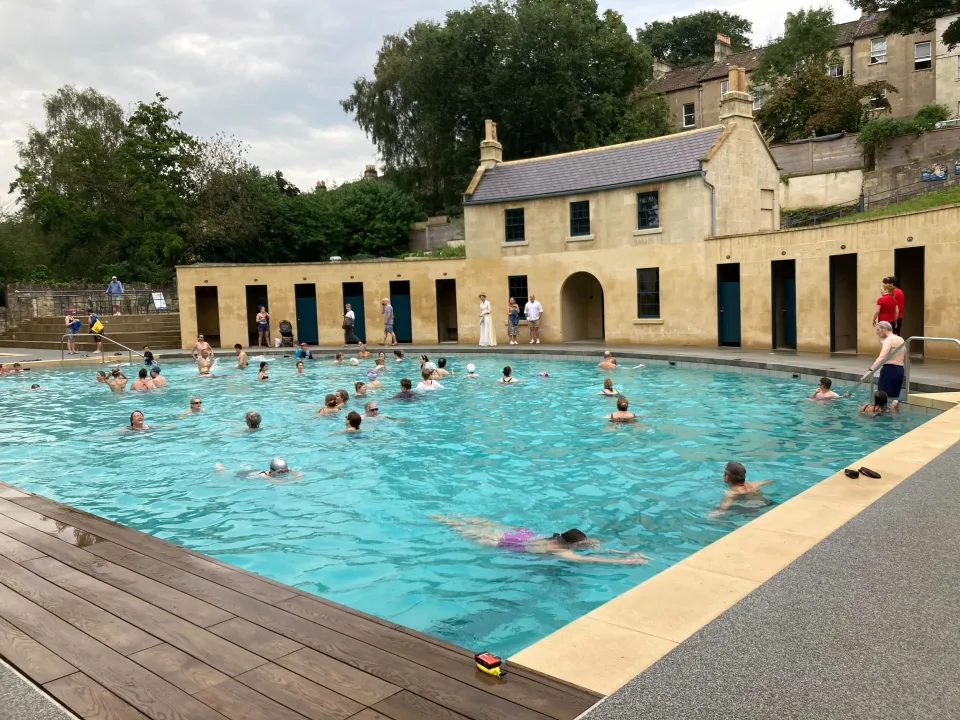
BRITAIN’S oldest Lido has vowed to “definitely reopen” after being left to rot.
The historic swimming facility has been closed for over two years, despite receiving a £9.3million makeover.
It was first built in 1815 and is the oldest of its kind to exist in the UK, but closed in 1984.Credit: Cleveland Pools
Cleveland Baths, first opened in 1815 and is the oldest of its kind to exist in the UK, but closed in 1984.
A huge campaign and a mulit-million pound refurbishment saw it reopen for just four months in 2023 before it was forced to close again due to flood damage.
Sign up for the Travel newsletter
Thank you!
But now trustees have promised to reopen the 200-year old pool, telling the BBC it is “moving as quickly and responsibly” as possible
It’s definitely going to happen,” Peter Askew, chair of Cleveland Pools Trust, told the outlet.
The trust has set out a timetable that includes a consultation and more fundraising, with repair works restarting in 2028.
In January 2024, the River Avon burst its banks and destroyed the facility.
A subsequent investigation revealed mechanical and structural damage.
“The first is that floodwater entered the door of the plant room.
“And then, secondly, in the process of emptying the pool of floodwater, the groundwater level wasn’t properly managed, and that led to further damage,” Peter explained.
Robyn Thompson says her mum Yvonne was the heart of their family
When Yvonne Ford and her husband Ron jetted off to Morocco in February 2025, they expected to return home with little more than happy holiday memories. Instead, what appeared to be nothing more than a tiny scratch would ultimately cost Yvonne her life.
The couple had been relaxing on sun loungers when a stray puppy appeared. At some point, it scratched 59-year-old Yvonne’s leg, leaving what appeared to be nothing more than a superficial mark. Looking back, Yvonne’s daughter, Robyn Thomson, says her parents never imagined the incident posed any danger.
“They were relaxing on the beach on the sun beds. Mum had put her legs down onto the sand and must have startled the puppy,” she said. “The puppy scratched her leg leaving a very minimal scratch on her leg.”
“It barely broke the skin and looked so insignificant that she simply cleaned it with a wet wipe and carried on enjoying the holiday.”
At the time, the family thought nothing more of it. “It was Mum and Dad enjoying a holiday together, and none of us had any idea that such a tiny scratch could expose someone to rabies. We simply didn’t know,” said Robyn, 33, from Barnsley, South Yorkshire. “That tiny scratch had absolutely changed our lives forever.”
When Yvonne returned home to the UK, Robyn remembers asking whether she wanted to get the scratch checked, but Yvonne declined because it seemed so insignificant. “If someone had told us then that such a tiny scratch could be fatal months later, we would never have believed it,” Robyn said.
For weeks after returning home, Yvonne appeared perfectly healthy and life returned to normal. Then, in early June, she developed a headache and, within days, her condition rapidly deteriorated, leading to her being admitted to Barnsley Hospital.
She first developed a headache before eventually beginning to lose the ability to walk and talk. “It was the most devastating thing we’ve ever been through,” Robyn says. “The disease spread through her body so rabidly once the symptoms started. It all started with a headache.”
From there, her condition worsened with terrifying speed. “One minute Mum was independent and full of life, and then she deteriorated so quickly,” Robyn said. “She became confused, frightened and started hallucinating. Eventually she couldn’t walk, couldn’t talk properly, couldn’t swallow, couldn’t eat and couldn’t sleep.”
Robyn says that watching her mum deteriorate was excruciating. “As her daughter, watching someone you’ve looked up to your entire life become so desperately ill and knowing there was nothing anyone could do was unbearable,” the neonatal nurse said.
As Yvonne’s condition worsened, doctors struggled to determine what was making her so ill. Five days passed before a psychiatrist, who initially suspected Lyme disease, recognised the symptoms and asked about her recent travel history.
“This is what I’ve found so hard, knowing that nobody knew what was causing my mum to be so poorly for the first five days until a doctor within the mental health sector suggested it could be a possibility,” Robyn said. One of the things she remembers the most was the shock of being told that her mum had contracted rabies.
“It was the worst news we could have received because there was no cure, nothing to be done to bring mum back,” she saif. “The damage was already done. Rabies was never something we imagined could affect our family. You associate it with something that happens somewhere else, not to your mum after a holiday. Especially with the scratch being so tiny and minimal.”
Yvonne was then transferred to the infectious disease unit at Sheffield’s Royal Hallamshire Hospital, where she died on 11 June, four months after being scratched by the puppy. Now, Robyn knows that if there had been more awareness around rabies at the time, her mum might still be here.
“Looking back now, that’s one of the hardest things to accept. If we’d understood the risk and known she needed urgent treatment immediately, everything could have been different,” she said. “We would have pushed her to get the treatment and it would have saved her life.”
Robyn is now campaigning for greater awareness of rabies to help prevent other families experiencing the same heartbreak. “I wish there were more awareness, more awareness when booking holidays about the risk of potential exposure in certain high-risk countries,” she said. “I wish someone had told us that there is no such thing as ‘just a scratch’ when it comes to rabies.”
“I wish we’d known that washing the wound thoroughly and getting post-exposure treatment immediately can save your life. That lack of awareness cost us our Mum.”
Speaking about Yvonne, Robyn describes her as “the heart” of their family. “She was funny, warm, caring and incredibly selfless,” she said. “She always put everyone else before herself and absolutely adored her family, especially being a Nannie to her four grandchildren.”
“She had so much life left to live. She and my dad, Ron, had worked hard all their lives and were enjoying making memories together. They loved travelling and experiencing different cultures, and the holiday to Morocco was supposed to be another wonderful adventure together.”
Robyn says her mum was also an animal lover who would never have imagined a puppy could pose such a danger.
“Mum loved animals and would never have imagined that a friendly looking puppy could pose such a danger,” she says. “That’s one of the biggest misconceptions people have. She would never want any harm to come to the dog.”
The scratch wasn’t the result of a vicious attack but a chance encounter that would have devastating consequences. “It was a stray puppy that didn’t seem threatening,” Robyn says. “That’s exactly why people need to understand that you can’t judge the risk by how the animal behaves or how serious the injury looks.”
Robyn is now working with Worldwide Veterinary Service and its Mission Rabies program to ensure that this doesn’t happen to anyone else. “After losing Mum, I felt I had to do something,” she said. “I couldn’t change what had happened to our family, but I could help stop it happening to somebody else’s.”
“Working with Worldwide Veterinary Service and Mission Rabies has shown me the incredible work that’s being done to eliminate rabies by vaccinating dogs and educating communities.”
Robyn also has a message for anyone else who is scratched or bitten by an animal while travelling overseas but thinks it’s “only a minor scratch”.
“Please don’t take the risk,” she says. “Our family thought it was only a tiny scratch too.. Wash the wound thoroughly with soap and running water straight away and seek urgent medical advice immediately, even if the injury seems insignificant. Don’t wait until you get home, and don’t assume you’ll be fine because the animal looked healthy or friendly.
“The vaccines could save your life.”
Rabies is present in more than 150 countries, including popular holiday destinations such as Turkey, Morocco and Thailand. According to Worldwide Veterinary Service, nearly half of Brits (47%) say they would approach or interact with a dog or cat abroad and 61% do not know that rabies can be transmitted if an infected animal licks an open wound or scratch.
As a result, the organisation is launching its Think Rabies Before You Travel campaign, urging holidaymakers to check local rabies risk, avoid contact with unfamiliar animals and seek immediate help after any potential exposure this summer.
The AA Hotel of the Year in Scotland was named as Crossbasket Castle in High Blantyre, while in Wales it was Porth Tocyn Hotel in Abersoch, Gwynedd.
In Northern Ireland, Culloden Estate & Spa in Holywood, County Down nabbed the top spot.
There is also an AA Hotel of the Year for London, which was The Emory.
Old Course Hotel, Golf Resort & Spa was named the AA Spa Hotel of the YearCredit: Trip Advisor/Old Course Hotel, Golf Resort & Spa Management
When it came to the AA B&B of the Year, Lys-Na-Greyne, Aboyne, Aberdeenshire secured the award.
The B&B features six rooms with en-suites and there is also a lounge, conservatory and gardens for guests to explore.
The B&B also sits in the Cairngorms National Park making it the perfect spot for those who want to explore Royal Deeside by hiking, fishing and biking,
And for a slightly further afield day trip, Balmoral Castle is only a 20-minute drive away.
If you want to pamper yourself, visit Old Course Hotel, Golf Resort & Spa, St Andrews in Fife, which won AA Spa Hotel of the Year.
The spa at the hotel is one of Europe’s top spa facilities, with a number of hydrotherapy treatments and a 20-metre indoor swimmingpool.
The Penny Bun, Otley, West Yorkshire took the award for AA Inn of the Year.
Coming out on top as the AA Hotel of the Year in England is the Calcot & Spa, Tetbury, GloucestershireCredit: Trip Advisor/Calcot & Spa ManagementIt dates back to the 14th century and is surrounded by wildflower meadowsCredit: Trip Advisor/Calcot & Spa Management
And last but not least, the AA Restaurant with Rooms of the Year award was given to House of George W. Davies, Broadway, Worcestershire.
Simon Numphud, Managing Director of AA Hotel & Hospitality Services said: “Every year, the AA Hospitality Awards shines a light on hotels, restaurants, B&Bs, Inns and Chefs going above and beyond to deliver memorable experiences for guests and diners.
“This year’s winners showcase the breadth and quality of hospitality across the UK, giving consumers a host of trusted recommendations and inspiration for their next meal or stay.
“Behind every award is a commitment to quality and service, which is what helps sets British hospitality apart, underpinning its world-renowned reputation.”
AA Hospitality Awards
AA Chefs’ Chef of the Year
Adam Byatt of Trinity Restaurant, London
AA Restaurants of the Year
England – The Star Inn, Harome, North Yorkshire
London – AngloThai, London
Wales – The Walnut Tree Inn, Abergavenny, Monmouthshire
Scotland – Swadish by Ajay Kumar, Glasgow, Glasgow City
AA Group of the Year
The Celtic Collection, Newport, South Wales
AA Hotels of the Year
London – The Emory, London
England – Calcot & Spa, Tetbury, Gloucestershire
Scotland – Crossbasket Castle, High Blantyre, South Lanarkshire
Wales – Porth Tocyn Hotel, Abersoch, Gwynedd
Northern Ireland – Culloden Estate & Spa, Holywood, County Down
AA Small Hotel Group of the Year
AA Wine Award
England and Overall – etch. by Steven Edwards, Brighton, East Sussex
Wales – The Jackdaw, Conwy, Conwy County Borough
Scotland – Knockinaam Lodge, Portpatrick, Dumfries and Galloway
AA Sustainable Restaurant of the Year
The Black Swan at Oldstead, Oldstead, North Yorkshire
AA Inn of the Year
The Penny Bun, Otley, West Yorkshire
AA B&B of the Year
Lys-Na-Greyne, Aboyne, Aberdeenshire
AA Restaurant with Rooms of the Year
House of George W. Davies, Broadway, Worcestershire
AA Spa Hotel of the Year
Old Course Hotel, Golf Resort & Spa, St Andrews, Fife
AA Sustainable Award
Malmaison & Hotel du Vin, Nationwide
AA College Restaurant of the Year
The Classroom, Cardiff & Vale College, Cardiff
New 4 Rosettes
Frog by Adam Handling, London
Hide and Fox, Hythe, Kent
Ikoyi, London
Inver, Strathlachlan, Argyll and Bute
LI~LY by Aiden Byrne, Knutsford, Cheshire
The Cocochine, London
New 3 Rosettes
AngloThai, London
Daise by Tony Parkin, Wirral, Merseyside
FERN, Nanstallon, Cornwall
Flavour, Tarbert, Western Isles
KYND at Hampton Manor, Solihull, West Midlands
Langar Hall Hotel, Langar, Nottinghamshire
Lofft, Cardiff
Luna Omakase, London
Orrery by Pierre Minotti, London
Restaurant Elm, Sheffield, South Yorkshire
Sō-lō Restaurant, Aughton, Lancashire
St Barts, London
The Bath Priory Hotel, Restaurant & Spa, Bath, Somerset
After the aircraft touched down in Birmingham, airport police boarded the plane and escorted the four adults off
08:39, 23 Sep 2026Updated 08:40, 23 Sep 2026
Moment police escort passengers off UK easyJet flight
A group of adults were escorted off an easyJet flight by police after allegedly vaping throughout the five-hour journey. Passenger Annalise Galstaun captured the moment four adults were removed from the plane by airport police after it landed at Birmingham Airport.
Annalise was travelling from Larnaka International Airport in Cyprus to Birmingham on the evening of September 16 when the incident unfolded. Sitting just two rows behind the group, she said she saw EasyJet cabin crew warn them multiple times to stop vaping during the flight.
But despite the repeated warnings, Annalise claimed the passengers continued to vape discreetly, hiding the devices behind their legs while sitting in their seats.
After the aircraft touched down in Birmingham, airport police boarded the plane and escorted the four adults off, causing a 25-minute delay on the tarmac.
Annalise said: “They were warned a few times by EasyJet staff but continued to vape on the sly throughout the journey, hiding the vapes behind their legs on the seat.
“I felt quite annoyed as we were delayed around 20/25 mins grounded on the floor waiting for them to be escorted.
“There were children on board crying as it was about 11pm and we were just stuck on the tarmac.”
EasyJet said in a statement: “Flight EZY6610 from Larnaca to Birmingham on 16 September was met by police on arrival due to a group of passengers behaving disruptively onboard.
“Our cabin crew are trained to assess all situations and to act quickly and appropriately to ensure that the safety of the flight and other customers is not compromised at any time.
“We take these incidents seriously and do not tolerate disruptive behaviour onboard.
“The safety and wellbeing of our customers and crew is always easyJet’s highest priority.”
MAJOR railway lines are closed due to a gas leak leaving commuters stranded in rush hour – with the disruption expected to last all day.
Passengers are urged not to travel between Reading and Swindon as engineers frantically attempt to fix the issue, while other routes are seeing significant delays.
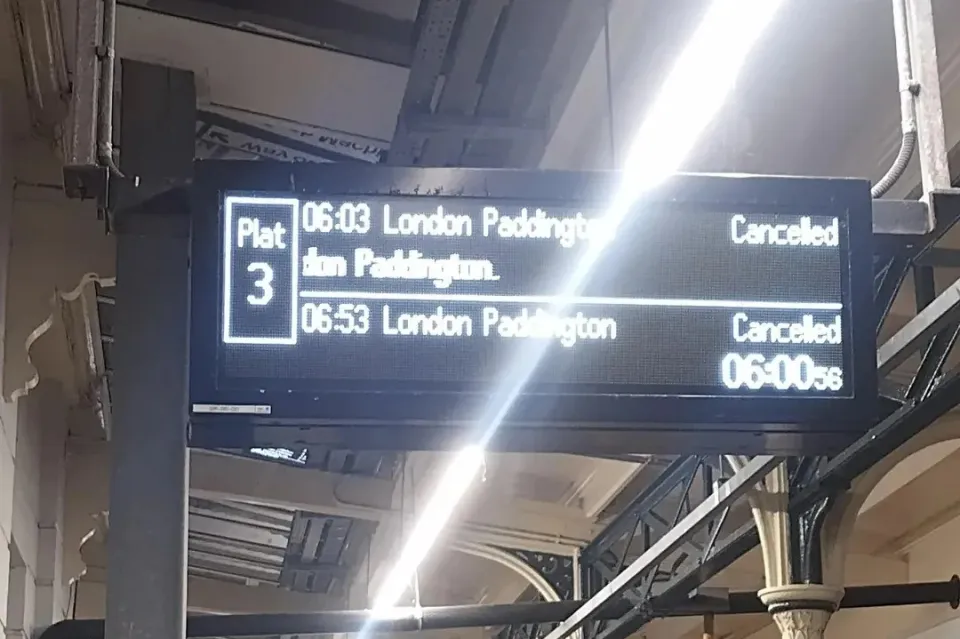
Trains to Paddington from Reading cancelled at 6am this morningCredit: RedditThe station is among those affectedCredit: Getty
The gas leak close to railway land at Didcot Parkway in South Oxfordshire is expected to cause severe disruption throughout Wednesday.
The Reading-Didcot section of the route is the gateway from Paddington towards Swindon, Bristol, Bath, South Wales, Cheltenham and other parts of the West Country.
Sign up for the Travel newsletter
Thank you!
Diversions are in place but Great Western Rail is cancelling some services outright because trains can’t get through Reading-Didcot.
A total of 72 services to and from Didcot are cancelled, while 39 have been axed at Oxford and 45 at Reading.
One social media user posted a photo from Swindon showing trains to Paddington cancelled at 6am.
They wrote: “Apparently there’s been a gas leak around Didcot Parkway so they’ve cancelled most of the services, and no replacement bus services running either.
“The staff at Swindon reckon this will last all day and probably tomorrow.”
Another person responded: “Absolutely ridiculous… not good enough.”
GWR is running roughly one train an hour Paddington-Bath/Bristol via a diversionary route – a fraction of the normal capacity.
It has warned only to travel if absolutely necessary.
Replacement buses are running between Swindon, Didcot and Reading but Network Rail says capacity won’t be enough for everyone.
CrossCountry is also telling passengers not to travel between Reading and Oxford – with one person responding to the company’s X post with: “Thanks for ruining my whole day.”
Network Rail said: “Engineers from gas distribution company SGN are on site working to rectify the problem as quickly and safely as possible.
“Network Rail and train operators are working together to manage the impact on passengers, but normal services cannot operate until the leak has been repaired because the railway falls within the safety exclusion zone.
“Severe disruption is expected to long-distance services that would usually travel through Didcot, and passengers are being warned that trains able to run either side of the affected area will be extremely busy.
“GWR will continue to operate as many trains as possible either side of the incident.”
GWR expects to be able to operate services between:
Reading and London Paddington
Swindon and Cheltenham Spa
Swindon and Chippenham/Bath/Bristol
South Wales to Bristol Temple Meads
Worcester and Oxford
An hourly service between London Paddington and Bath/Bristol via an alternative, diversionary route
Oxford and Didcot
An hourly service Bristol Temple Meads and Didcot
Usual timetabled services that do not run between Reading and Didcot
A limited bus replacement service will operate between Swindon, Didcot and Reading
Located just north of the Centrale train station, Bolognina neighbourhood is more than just a Little Bologna. It is a completely different world from the medieval maze of palaces, churches and towers that define the city’s “Centro Storico”, which is increasingly filled with crowds of tourists as Bologna joins the big league of Italian getaway destinations.
There is an immediate visual difference as narrow cobbled lanes give way to wide, tree-lined avenues, pastel-coloured low-rise apartment blocks, spacious parks and piazzas. Bolognina sprang up at the beginning of the 20th century, initially to house families of workers from the railway, then from nearby manufacturing industries.
Today, the quarter is home to a diverse multi-ethnic population and remains a stronghold for militant leftwing politics, with the local community committed to avoiding gentrification. Tourists are certainly made welcome, and it is a delight to feel part of genuine local life.
Where to eat and drink
Trattoria di via Serra chef Tommaso Maio. Photograph: John Brunton
Eating out here makes a refreshing change from the city centre. Of course there are still spots serving traditional freshly made tagliatelle al ragù such as the atmospheric old-school trattoria La Golosità di Nonna Aurora. But you can also sample Georgian cuisine at Pane Georgiana, a sharing plate of Ethiopian and Eritrean dishes at Ristorante Africano Adal, spicy Sichuan cooking at Ba Hot Pot, or handmade tortellini and tortelloni stuffed with halal meat at the innovative Brodellini.
For vegetarians, the perfect spot is Piazza Martino, a cantina and deli owned by a nearby farm in the Bolognesi Hills that practises a “first we grow, then we eat” philosophy, transforming their organic produce into delicious aubergine parmigiana, vegan pepperoni lasagne, and courgette and potato polpette (balls).
Bolognina’s prime foodie street is Via Luigi Serra, symbolised by the fiercely independent Trattoria di Via Serra. The restaurant’s three small, rustic salons are always packed and getting a reservation isn’t easy as they don’t take bookings through social platforms and rarely answer the phone or emails. Chef Tommaso Maio and co-owner Flavio Benassi used to have a restaurant up in the hills nearby, but 13 years ago decided to come to the city, choosing Bolognina rather than the city centre for their new venture. “Our aim then, and still today, is to offer the locals here an old-fashioned neighbourhood trattoria where they can still order a comforting bowl of tortellini in capon broth, lasagne and freshly baked crescenti biscuits,” they explain.
A mural of local hero Lucio Dalla, an iconic Italian singer-songwriter. Photograph: John Brunton
If there is no free table at the Trattoria, then the street offers plenty of options, from hearty plates of cold cuts and cheeses at the deli-diner La Vecchia Bottega, cocktails, spritz and craft beers at the hip Fermento bar, or local wines at La Petite Enoteca. To finish the evening, there is often live music at the bars in Piazza Lucio Dalla, named after Bologna’s local hero, an iconic Italian singer-songwriter.
Cultural experiences
The monumental Holocaust memorial is one of the first things you see on arriving in the quarter. Photograph: Riccardo Bianchini/Alamy
Leave historic Bologna behind by walking from the central train station across the Matteotti bridge and you immediately come face to face with a striking Holocaust memorial, an austere, minimalist monument of two narrowly separated 10-metre high steel walls. Just opposite stands the massive Chiesa del Sacro Cuore di Gesù, dating back to 1912 when Bolognina was first being built. It is worth visiting just to marvel at the soaring 60-metre-high dome.
Hidden away in the backstreets in a former tram shed, La Memoria di Ustica Museum is a unique homage to a commercial flight between Bologna and Palermo that was mysteriously shot down in 1980 with no survivors. French artist Christian Boltanski has meticulously reconstructed the wreckage of the downed airliner and assembled the personal items belonging to the victims, creating an immense, intensely moving installation.
The impressive dome of Chiesa del Sacro Cuore di Gesù. Photograph: John Brunton
Checkpoint Charly is a thriving alternative art and artisan cooperative occupying a former lingerie warehouse. Workshops include ceramics, printmaking, photography, graphics and music, with a dozen cultural events presented each year. The DLF – Dopo Lavoro Ferroviario – is a sprawling park behind the station originally created in the 1920s for after-work activities for railway workers. This green lung has been saved from abandonment and now houses the laid-back all-day Kinotto Bar, the Vecchia Orsa DLF craft brewery and beer garden, a pizzeria, the Puccini concert arena and the Locomotiv Club, a live indie music venue.
Ilario di Lorenzis in his workshop with one of his hand-crafted bags. Photograph: John Brunton
Although this essentially residential neighbourhood may not be a shopping paradise, bargain hunters should plan to visit on the first Sunday of the month when the Piazza Lucio Dalla is transformed into a huge flea market. Over in the daily Mercato Albani, Ilario di Lorenzis has recently opened Intelligenza Artigianale, an atelier showcasing his funky hand-crafted bags, T-shirts and caps, while cycling fans should head for Bolognina Bike Shop, whose friendly owner, Dario Brunetto, repairs bikes and recycles vinyls, retro decor and collectible vintage cycling jerseys.
Don’t miss
A food stall in Mercato Abani. Photograph: John Brunton
Since opening in 1934, Mercato Albani has been the beating heart of Bolognina. Running down the middle of a shady tree-lined avenue, locals gather each morning for their daily shopping from bustling stalls selling Bologna’s speciality mortadella (pork salami) and prosciutto, fish, cheese and organic veggies. Then there is a complete change of personality from 5pm till around midnight when shuttered stands open up as lively cocktail and craft beer bars, the natural wine enoteca, Vineria Punk, plus casual diners serving pizza and pasta, vegan dishes and Greek cuisine. Giuseppe Agrello the owner of Bollore, a cool vermouth bar, explains that “when we were invited to open in the mercato, we insisted that during the day it should stay as it is and not become just another tourist food court. So we only begin in the evening and also organise concerts, art exhibitions and cultural events for the community.”
Where to stay
The eclectic Hotel Il Guercino. Photograph: John Brunton
Hotel Il Guercino is a delightfully quirky, family-owned hotel, extravagantly decorated with a mix of baroque and Asian influences, with a spa featuring sauna, hot tub and steam bath. Doubles from €150.
When the weather hots up, wild swimming is sure to cool you down – and is completely free to enjoy. Mum of two Hannah Britt shares her top tips for having a splashing good time, and staying safe
22:31, 22 Sep 2026Updated 22:34, 22 Sep 2026
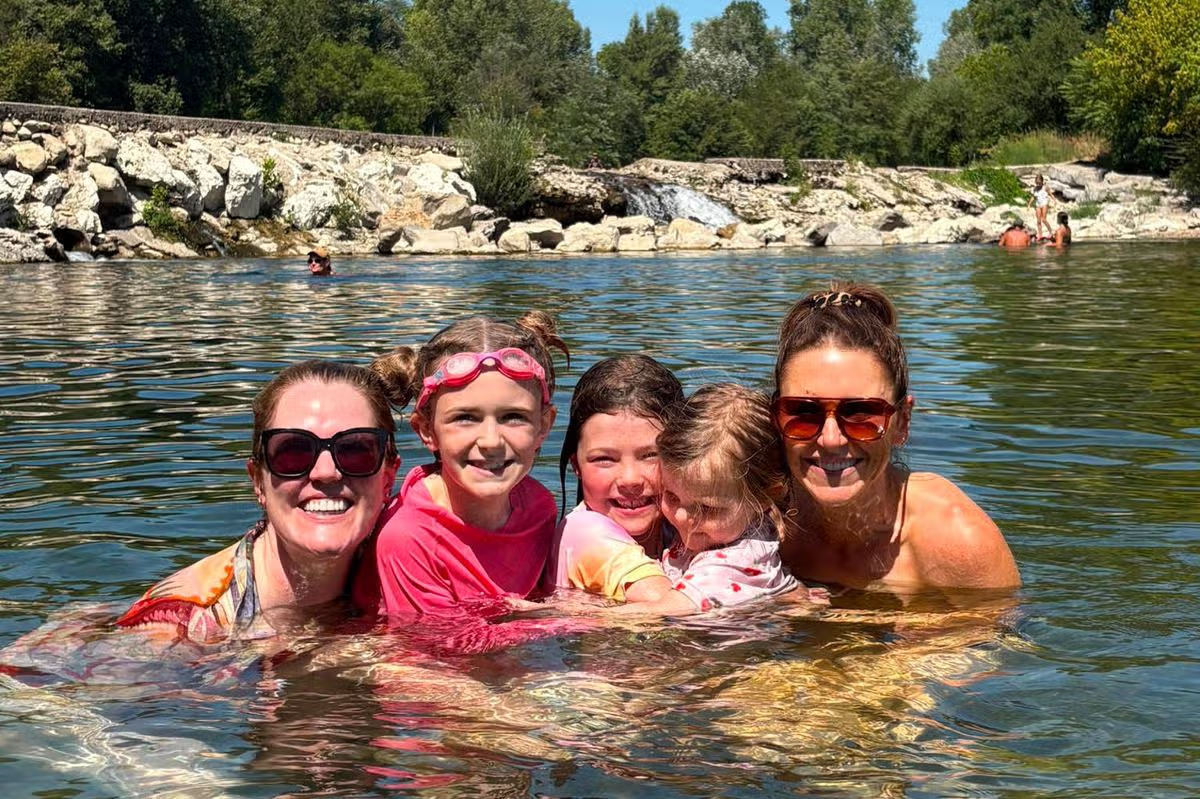
You can swim under an old mill at Moulin du Roc Tombe, located in the Gard region of France
When the weather reaches boiling point, there’s not many outdoor activities that appeal. So when I tell you that our family of four spent most of our time waist deep in a river, it is no lie. And I’m here to tell you that its easier than you think to get the whole family involved.
The location
For us, France is unbeatable for wild swimming. It offers an abundance of clean, warm, and legally accessible natural waterways, lakes, and gorges. France has thousands of miles of pristine rivers and over 1,300 official inland river bathing sites, supported by major mountain ranges like the Alps, Pyrenees, and the Jura that feed crystal-clear water year-round. You can even bathe in some parts of the Seine in Paris. In short, almost anywhere you go, you’ll find a place to dip.
The kit
You truly don’t need much to become a wild swimmer apart from a car (more on this later), swimwear, SPF, microfibre towels, a picnic blanket and une baguette. If you’re feeling professional, water shoes are a coup too, as many river beaches are stony. But if I were to recommend one thing, it would be the Wild Swimming France book. With over 1000 recommended and proven safe swim spots all around the country, it’s the Bible of wild swimming, as you guessed it, in France.
Where we stayed
The perfect place to stay when you want to indulge in a week or so of wild swimming is somewhere, er, wild. And this is because, by staying somewhere in the middle of nowhere, you are encouraged to venture out to explore what is nearby.
This summer, we chose a stone farmhouse in Saint-Saveur-de-Cruzieres on Airbnb, which was perfectly located nearby some amazing swimming spots. The 5-hectare estate is split into two separate living areas – a large house with three four bedrooms and a master kitchen, and a smaller house with one bedroom upstairs and a kitchen diner downstairs. To the rear, a stunning swimming pool enjoyed views upon views upon views of the fields and hills beyond the grounds. The jewel in its crown was indeed the location. Peaceful, idyllic… it was hard to tear ourselves away.
But when we did, to be found close by was a whole host of wild swims. Wild swimming at the Pont du Gard lets you bathe in the clear, cool waters of the Gardon River directly beneath a 2,000-year-old Roman aqueduct. Guinguette La Frigoulette is a family-run riverside restaurant operating since 1969 located in Saint-André-de-Roquepertuis within the scenic Gorges de la Cèze and serves as the perfect casual base for a day of wild swimming along the Cèze River.
Also a restaurant-come-swim-spot, Moulin du Roc Tombe (often referred to as Le Roc Tombe) is a scenic river wild swimming spot positioned on the Cèze river near Saint-Ambroix. Local canoeing routes on the Cèze often stop here for a swim near the old mill. Finally, wild swimming at Vallon Pont d’Arc in the Ardèche region centres around the magnificent 34-meter-high natural limestone arch of the Pont d’Arc, offering crystal-clear, refreshing emerald water sandy river beaches, and plenty of rocks to jump from.
Getting around
To get truly wild, you need a car. So we hired one for our week in France with Sixt. We chose a BMW X5, with a boot big enough to hold our wild swimming gear, and to climb inside when there was nowhere else to change.
A 4×4, it was able to handle rough terrain, which we encountered on occasion heading down dirt tracks and into makeshift car parks at some of the more remote wild swimming locations. The advisers at Sixt were more than happy to help when we told them what we needed, and our “Beema” became the fifth family member while in France.
Stay safe
Record breaking lake swimmer Neil Gilson shares his advice for safe swimming:
*Before every swim, assess the water temperature, weather, wind, currents and the conditions across the route. Only swim when they advise that it is safe to do so.
Never underestimate open water. Even on a hot day, the water can be dangerously cold and conditions can change very quickly.
Always swim with others, choose a safe location, and never take unnecessary risks.
*To find a home from home in France, see Airbnb; for car hire, see Sixt
Normally when a telephone rings inside a bar, it’s the duty of the staff to pick it up. But when an old-timey rotary dial phone suddenly springs to life at the Last Canteen, it’s up to guests to decide what to do next.
Answer it — or attempt to make a call from it — and you’ll encounter one of dozens of pre-recorded messages. They’re calls from an imagined future, one when a war-torn America is on the mend from some sort of apocalyptic catastrophe. They’re messages, perhaps, for the bar’s fictional founder, a shotgun-carrying mysterious woman known for her mean bartering skills, or maybe if you’re lucky, you will dial into what sounds like an early 20th century party line and hear from those looking for a date in the Valley, now a neutral zone among warring factions.
You’re reading Mr. Todd’s Wild Ride newsletter
Todd Martens’ newsletter delivers news and commentary on the past, present and future of theme parks, right from the theme park capital of the world — Southern California.
By continuing, you agree to our Terms of Service, which include arbitration and a class action waiver. You agree that we and our third-party vendors may collect and use your information, including through cookies, pixels and similar technologies, for the purposes set forth in our Privacy Policy such as personalizing your experience and ads.
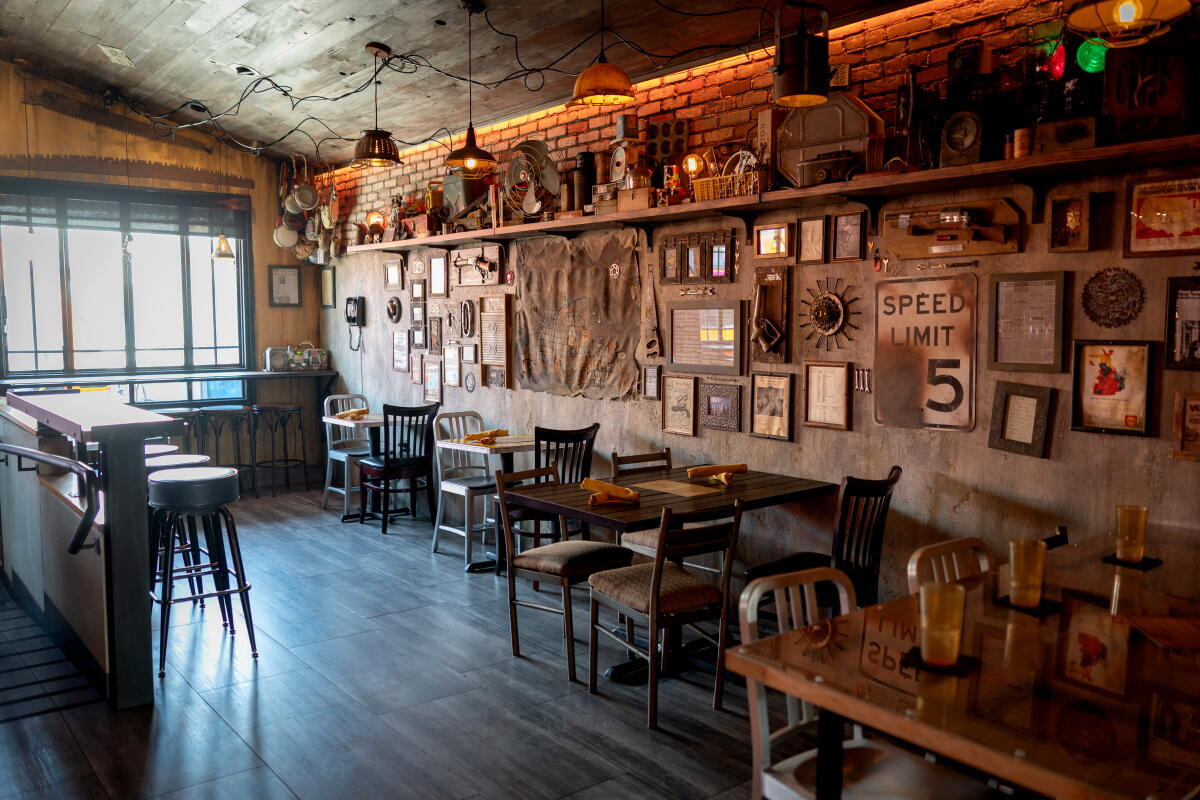
The Last Canteen, situated on a stretch of Ventura Boulevard that’s just a short walk from the Universal City metro and minutes from Universal Studios Hollywood, is a new restaurant and bar that looks lifted from a theme park. It also feels like a throwback to an earlier time, when Los Angeles was an epicenter of the themed restaurant.
Southern California has a storied history when it comes to themed establishments. There’s our penchant for food-shaped eateries, of course — see our giant doughnuts or the Tail o’ the Pup — but dinner with a side of story is a Los Angeles-area staple that predates any corporate chains such as Rainforest Cafe or Chuck E. Cheese. From the long-forgotten Jail Cafe in the 1920s to our region’s birth of the tiki bar to the themed restaurant explosion of the ‘80s and ‘90s, when even Steven Spielberg got into the action with the submarine-focused DIVE! in Century City, the themed restaurant has long found a receptive audience in Southern California.
And the Last Canteen feels especially built for our moment.
The Last Canteen’s three founders were going for a lived-in feel.
(Eric Thayer / Los Angeles Times)
Taking influence from the likes of “Mad Max,” “Fallout” and a host of other dystopian, postapocalyptic media, the Last Canteen is a bar for an era — and a city — when the future seems especially uncertain. Whether it’s AI, corporate consolidation, inflation or the struggles of Hollywood that’s got you down, the Last Canteen wants to be your “Cheers” of sorts.
“It’s not the brightest of times, I would say for most of the world, but certainly younger generations are feeling like we got the rug pulled over us — the state of the economy and corporate overreach,” says Jimmy Clements, 32, who founded the Last Canteen with two other friends from the hospitality industry.
“We always joke that the world is ending, but there’s some charm in fully embodying what that would mean, and realizing there’s something on the other side,” he adds. “That’s what attracts me to the genre. OK, the worst thing possible happened, but there’s still people on the other side. We still need community and a place to eat and drink.”
A grenade fashioned out of a baseball is one of the items hidden in the Last Canteen.
(Eric Thayer / Los Angeles Times)
Or as Clements’ partner TJ Lewis says, “Who doesn’t watch ‘Mad Max’ and dream of riding on top of a crazy car with a spike in your hand?”
Despite a potentially bleak concept, the Last Canteen is open and welcoming. The color palette is soft, leaning heavily on dust-like sandy vibes, the cocktail menu takes influence from the fruity, complex world of tiki bars, and a sense of humor permeates the main dining room.
Yes, a demolition bomb, which is actually a movie prop from Angelina Jolie’s “Unbroken,” hangs from the ceiling, but take a moment to explore the venue and you’ll find grenades colorfully fashioned out of baseballs, or rewritten maps of the Valley in its new “Wasteland” era. Universal Studios’ famed minion still stands, but the Ikea is now a “hall of justice.”
Newspapers dot the walls. They’re filled with fiction that tell of the bar’s new reality, giving the place a sense of history and lore. One article, for instance, speaks of a battle that broke out near the remnants of US-101 next to the old “sidewalk stars site.” Another tells of how the bar’s founder took over the land where the establishment now stands. By force, of course. And don’t miss the beer taps, fashioned out of bullets, guns and baseball bats.
The Last Canteen is a themed bar that feels ripe for our era, one in which the future is filled with uncertainty.
(Eric Thayer / Los Angeles Times)
“It’s the difference for us between immersive and themed,” says Lewis. “Like the Hard Rock Cafe is themed. It’s got music on the wall, but you don’t feel like you’re at a concert when you’re there. It’s not immersive. What we were really going for is a lived-in space. We didn’t cover this in ‘Max Max’ posters. It is in the world of. It’s really open-ended. All the details on the wall help paint a picture.”
Of course there were limits. The team jokes that if they really wanted to exploit the dystopian theme, then drinks should likely be served in red plastic cups. Instead, the Last Canteen has proper drinkware, but each type of glass does come from a different set, as the owners wanted to give it a found materials vibe. The menu doesn’t stray too heavily from bar fare, and there are bowls of bison chili ($18), a burger ($18), a charcuterie plate ($21) and, of course, a “Last Meal,” which is a half grilled cheese, a cup of chili and a glass of sarsaparilla ($25).
The cocktail program, however, is extensive. The blackberry-infused Blackthumb or the spiced A Torch or Rosemary feel like darker twists on brighter, lively tiki fare. For those craving the latter, there is currently a frozen version of a Zombie. Bar founders Clements, Lewis and Drew Aloe say the menu, both cocktails and food, will change seasonally.
The Last Canteen founders Jimmy Clements, from left, TJ Lewis and Drew Aloe.
(Eric Thayer / Los Angeles Times)
And the tiki influence is no accident. The three cite the Disneyland Hotel’s Trader Sam’s as the Last Canteen’s primary influence. Also an inspiration? Oga’s Cantina at Disneyland’s Star Wars: Galaxy’s Edge. Theme parks were on their mind as much as the apocalypse.
“What they do so well is they feel really lived in,” Clements says of Trader Sam’s and Oga’s. “It doesn’t feel like a cute homage. You walk in the door and you’re somewhere else.”
And guests are noticing.
“We had someone opening weekend tell me that this feels like an end-of-the-world Trader Sam’s. Thank you. That’s all we want,” Lewis says.
This week in SoCal theme parks
Fast & Furious: Hollywood Drift is now in daily operations at Universal Studios Hollywood.
(Ronaldo Bolaños / Los Angeles Times)
New coaster. New accolades. New noise complaints. Universal Studios Hollywood officially opened its Fast & Furious: Hollywood Drift last week after months of running the thrill ride in a soft open phase. Fans were happy, with some even calling it the “best” coaster in SoCal. But nearby neighbors in Toluca Lake still want change, arguing that the sound of rider screams from the coaster is disrupting their lives.
Calling all Disney film buffs. Starting this Sunday, Santa Ana’s Frida Cinema will begin hosting a weekly “Walt Disney Studios” film series hosted by historian/educator Jeff Kurtti. First up is “20,000 Leagues Under the Sea,” which will also feature a presentation from artist/designer Kevin Kidney, who over the years has contributed to many a Disney parks project. Other Sunday screenings will include “Alice in Wonderland,” “Disneyland Handcrafted,” “Swiss Family Robinson” and more. Check out the full series here.
And speaking of “Disneyland Handcrafted.” It’s the last call for tickets to a stellar Disneyland history and charity event at Santa Ana’s Bowers Museum, which on Sunday will screen the Leslie Iwerks documentary as well as host a reception and panel. Historian and author Tim O’Day will moderate a talk that includes the film’s producer, Mark Catalena, former Imagineer-turned-historian Tom Morris and current Imagineer Emily “Emo” O’Brien, who oversees creative at Disneyland and is leading the team behind the just-announced makeover of Tomorrowland. Tickets start at $125 and are on sale now.
Ride report
The concluding, trippy scene in Inked, a new maze from Knott’s Scary Farm.
(Todd Martens / Los Angeles Times)
As we get deeper into Halloween season, I wanted to highlight another haunted maze, this one being the best one at this year’s Knott’s Scary Farm event. Inked is the maze, and it’s set in a 1930s cartoon studio. While of course having the requisite number of scare actors who will pounce on guests after they turn any corner, the maze also charms as it features original animation in the style of Disney’s classic “Silly Symphony” cartoons. Nearly every room in the haunted house boasts a cartoon scene starring a cutesy ghost, a little cat and an often sad pumpkin man.
The story is the drawn figures have come to life and are now murderous, but you’ll wish you could stop and watch a graveyard short or hang with a jazzy skeleton band. Giant pumpkin heads are animated with cartoon eyes and a mirror-heavy psychedelic scene, pictured above, brings the maze to a fiery conclusion. Knott’s is perhaps relying too heavily on returning mazes of late, but Inked is a winner.
Tell us your stories. Ask us your questions.
Have a theme park tale to share? Whether it was a good day or less-than-perfect day, I would love to hear about it. Have a question? A tip? A fun photo from the parks to share? Email me at todd.martens@latimes.com. I may feature your note in an upcoming newsletter.
Ride on,
Todd Martens
P.S.
Magic Mountain’s currently shuttered X2 coaster has been in the news of late.
The X2 ride has for years been the Valencia park’s crown jewel, the first roller coaster in the world that spun riders 360 degrees in their seats. It even topped my ranking of thrill rides at the park. I wrote that it was a risky choice, as the coaster is not for the faint of heart. Its seats extend off the track, giving you a sensation of flight at its most chaotic, with an assortment of loops that suddenly shift direction and segue into drops. Due to the constantly changing direction of its seats, the path of the track can be hard to discern.
But X2 has come under close inspection after several lawsuits allege people were injured on the ride. Six Flags shut down X2 in July amid a state investigation into the coaster. The Times’ Fedor Zarkhin has the story.
With Wowcher you can buy a 4* holiday to Marrakesh including a hotel stay and return flights from £59pp from October 5-9.
Seville, Spain
One of the best things about Seville is that it’s less than three hours away from the UKCredit: Alamy Stock Photo
Under three hours away from the UK, Seville is Spain’s fourth-largest city with lots to offer from its tasty tapas and fabulous flamenco.
Not to mention in early October temperatures tend to sit around 26C on sunny days.
Top spots to see include Plaza de Espana – and pop by El Rinconcillo, the city’s oldest tapas bar where a huge glass of wine barely costs £3.
With loveholidays, book a stay at the Ilunion Alcora Sevilla which has sweeping views of the city, and a luxury swimmingpool.
A four-night stay between October 19-23 starts from £279pp with return flights to London Gatwick.
Sharm El Sheikh, Egypt
Dubbed to be super popular next year (so get ahead of the game), Sharm El Sheikh is in Egypt.
The resort city on the Red sea has world-class reefs, incredible beaches and average highs of 31C in October.
Sharm El Sheikh has world-class reefs and incredible beachesCredit: Getty
For Brits, it has lots to offer alongside its sunshine like all-inclusive hotels and waterparks.
With Wowcher, there’s an offer for a seven-night 4* all inclusive Sharm El Sheikh getaway with return flights – the hotel has a spa, sauna, gym, tennis courts and watersports.
Book a stay at the Sharm Club Beach Resort from £299pp
Antalya, Turkey
Antalya has bright blue seas and can be as high as 26C in OctoberCredit: Getty
If you’re seeking autumn sunshine, why not look in what has been called ‘paradise on earth‘?
To make it even better, the average flight time from the UK is around four and a half hours.
There’s a current offer with Wowcher for a 4* Antalya getaway in a sea view hotel stay with breakfast and return flights included.
Book a stay from 5-8 October from £159pp.
Limassol, Cyprus
In Limassol, the largest waterpark is Fasouri Watermania WaterparkCredit: Alamy
Five hours away from the UK is the city of Limassol in Cyprus which has daytime highs of 27C next month.
Some favourite sunbathing spots include Kourion Beach and Pissouri Beach which has been described as a “beautiful rustic pebble beach with pristine water.”
With loveholidays, you can book into the Troodos Hotel which is minutes from Mount Olympus and is surrounded by natural beauty.
A seven-night holiday between October 5-12 starts from £369pp.
Reggio Calabria, Italy
Head to southern Italy for warm weather and vineyard toursCredit: Getty
In just three hours, you could be basking in the Italian sunshine in Reggio Calabria with city with sun, beaches, mountains, waterparks and lots ofhistory.
Not to mention there are highs of 26C in October and Brits can fly directly to Reggio Calabria from London Stansted and return fares start from under £30.
As southern Italy is the perfect place for vineyards, there are even vineyard tours and wine tastings for £20.
You can book a getaway with loveholidays to La Bussola a hotel with huge swimming pools and plenty of space to sunbathe.
A seven-night break between October 4-11 starts from £270pp.
Tenerife, Canary Islands
Tenerife has golden sand beaches and a huge Thai-themed waterparkCredit: Getty
The Canary Islands are a safe option for autumn sunshine, and in October, the island of Tenerife has highs of 26C.
The island also has hundreds of beaches, coastal towns with bustling promenades and head up to Mount Teide National Park on the cable car.
Siam Park, an enormous Thai-themed waterpark is open throughout next month too.
It has high-speed slides, family zones, beaches and plenty of swimming pools.
With Wowcher, book an all-inclusive break to Tenerife from October 5-8 including return flights from £169pp.
Fuerteventura, Canary Islands
Fuerteventura is the sunniest Canary IslandCredit: Getty
Tenerife’s trusty neighbour, Fuerteventura has the same high temperatures – and can actually be cheaper.
On the second largest Canary Island, you can explore a number of beaches like Playa de Matorral, Corralejo and Playa Bajo de la Burra.
It’s easy to take a boat excursion out into the waters and go snorkelling to spot colourful fish and sometimes even stingrays.
Also make sure to check out Acua Water Park and hike on Corralejo Natural Park.
With Wowcher, book an all-inclusive break to Fuerteventura including return flights from £179pp.
Sousse, Tunisia
Sousse is a coastal city in Tunisia and lots of pretty beachesCredit: Corbis via Getty Images
It’s no secret that Tunisia is a top spot when it comes to staying sunny during autumn.
In October, daytime highs can reach 28C – perfect sunbathing weather.
Sousse in particular is known for its sandy beaches and modern marina with boutique shops and boat trips.
Tunisia is relatively cheap too with a pint of beer costing less than £2.
With loveholidays, book a seven-night break between October 9-16 to Riadh Palms which has an enormous swimming complex – prices start from £415pp.
Dubai, UAE
Dubai has highs of around 35C in October making it the ideal autumn getawayCredit: Stefan Tomic
In the UAE, Dubai offers all the delights of an autumn getaway from its many luxury hotels to its thrilling waterparks and exotic beach clubs.
You can do all this next month while enjoying highs of 35C – and Emirates offers direct flights to Dubai which get there in seven hours.
Don’t forget to hit the shops or head to the Grand Souk for tasty treats like stuffed breads.
Or try a Iranian falooda — a sorbet-like dessert made of thin rice noodles and syrup.
With Wowcher, book a break to Dubai (a four or seven night stay) including breakfast and return flights from £449pp.
In terms of the ongoing conflict in the Middle East, the FCDO no longer advises against travel to the UAE, but warns that “the situation in the Middle East remains unpredictable”.
TWO major tech outage have caused hundreds of flight cancellations and delays across the UK this month – yet Brits will struggle to get any compensation, according to experts.
Earlier this month a major Air Traffic Control failure in the UK resulted in thousands of flights cancelled across the globe.
Thousands of flights have been disrupted by two Air Traffic Control failures in the UK this monthCredit: Reuters
And another failure yesterday caused more than 200 flight cancellations and widespread delays.
With the two incidents less than two weeks apart, many travellers have been left out of pocket.
Unfortunately, it’s bad news – the NATS issue was classed as an “extraordinary circumstance” which means travellers are not entitled to cash compensation.
The maximum compensation you can get is for long-haul flights which are delayed four hours or more, which would be £520.
This is only for when the problems are caused by the airline, directly, however.
Lisa Minot, Head of Travel previously said: “Airlines are only required to give you compensation if the delay or cancellation is the airline’s fault, as in a technical failure on a plane or issues with crew.
The two incidents took place less than two weeks apartCredit: Getty
“In this situation, where ATC is the reason for the chaos, there is unfortunately no compensation due.”
But one thing you should note is that airlines have a duty of care.
This means that when you flight is delayed, they must provide you with food, drink and accommodation.
Sometimes the airline might provide you with a voucher, but if this isn’t provided you can keep your receipts to claim back any expenses.
Often airlines will automatically book you accommodation, but you may also be asked to book accommodation yourself through its website or a dedicated app.
Travellers are advised to always check with airport staff though before booking any hotel yourself.
And passengers are unlikely to get compensationCredit: GettyThough airlines do have a duty of careCredit: PA
And make sure to keep your receipts for your hotel as well, to claim back your costs.
Don’t book anything lavish though – airlines will usually only cover a hotel at a reasonable price.
Airlines will usually have a dedicated expenses claims page for you to fill out on its website.
The CAA also recommends asking for an itemised receipt to show what you purchased and how much was spent on each thing.
Lisa added: “Check your insurance policy to see if you have any redress if you have incurred additional costs like missing a concert or unable to pick up car hire. You may be able to claim for that.
“Generally for delays, if an airline looks after you or provides you with food and drink or hotels, you cannot claim for the same costs against your travel insurance.”
ONE of the UK’s biggest cities will see trains cancelled for nearly a week during the busy Christmas period.
No trains will be running at Birmingham New Street from December 24 to 28 while the station undergoes a £13million upgrade.
Birmingham New Street will have no trains for five daysCredit: Network RailDuring this time engineering works will be carried outCredit: Alamy
Services will then resume on Tuesday, December 29.
Upgrades include work on the overhead power lines, which keep the trains moving.
Sign up for the Travel newsletter
Thank you!
The Christmas closure will mark the first phase of the overall three-year project to upgrade the station, with future phases taking place over Christmas 2027 and 2028.
Network Rail has said that it is working to minimise the impact but has warned travellers that journeys will take longer.
During the engineering work, the station building will stay open, which means travellers can still head to the shops.
There will also be staff on hand to help out with queries.
Martin Colmey, route director for Network Rail Central route, said: “Birmingham New Street is at the heart of the rail network, supporting millions of local, regional and national journeys every year.
“Much of the overhead line equipment dates back to the 1960s and needs to be replaced. This £13m investment has been carefully planned to make the railway more reliable.
It is part of a wider three year project at the stationCredit: Alamy
“There is never a good time for this type of work and we have done all we can to reduce its impact as much as possible.
“Christmas is a quieter time, but we know it will affect journeys at an important time of the year.
“We want to make people aware as early as possible so they can plan ahead.
“As soon as tickets are available to buy for Christmas travel, there will be clear, detailed information to help passengers plan their journeys and make informed decisions.”
THE UK is set to see the last of the summer sun this weekend, so where better to enjoy it than Cornwall’s Saint Tropez?
One charming coastal village has been compared to the French glamorous resort town thanks to its incredible beaches, high-end restaurants and royal visitors.
The village of Rock sits right on the Camel Estuary in CornwallCredit: AlamyIt’s considered the Saint-Tropez of the UK thanks to its celeb visitors and pretty beachesCredit: Google maps
The village in question is called Rock which sits on the Camel Estuary and has incredible views across from the well-known town of Padstow.
The upscale hotspot has numerous celebrity homeowners and even Prince William and Prince Harry have enjoyed a holiday of two there.
Sign up for the Travel newsletter
Thank you!
The princes first visited Rock in the late 1990s as teenagers for family holidays and were spotted enjoying nearby beaches and surfing in Polzeath.
Other celebrities that have been known in the area include Gordon Ramsay who owns a multi-million-pound waterfront property there.
He’s even been filmed arriving to the village by helicopter.
Chef Paul Ainsworth owns the local pub called The Mariners, where you can get some of the best fish and chips in the area.
Other top spots include Four Boys which is open seven days a week for breakfast and lunch.
Fee’s Food is a deli where you can pick up quiches, freshly baked loaves, pastries – they also specialise in pies and curries.
Of course, no visit to Cornwall is complete without a trip to the beach, and Rock has a great one.
Rock Beach has described as being called “world class” by previous visitors, and another called it the “best beach I’ve been to in a long time.”
Rock Beach has been called ‘world class’ by visitorsCredit: Google maps
The sandy beach stretches on for around half a mile with views across the estuary to Padstow.
If you fancy venturing a little further afield, Porthilly Cove which is a secluded sandy beach is just around the corner.
The St Enodoc Hotel in Rock recently underwent a multi-million-pound renovation – it was closed for 10 months but had a grand reopening in July.
Along with 21 rooms, there are two restaurants to choose from – the Estuary Grill which serves lots of local seafood or the Flour Garden which dishes up hand-made pizzas.
St Enodoc Hotel in Rock reopened in July after a huge refurbCredit: Google maps/St Enodoc by Paul The pretty garden area has views across the waterfrontCredit: Unknown
The hotel has beautiful gardens too with lawn games, deck chairs and Maurice, a charming vintage French truck, with a mix of drinks including Guinness on-tap.
When it comes to getting there, the easiest way is to catch the ferry from Padstow – single journeys cost £3 for adults and £1.50 for children.