PODCAST

Selection of discussions about public holidays around the world

Saturday 7 February Independence Day in Grenada


Before the Europeans arrived in the Americas, Grenada was home to the Indigenous peoples. Christopher Columbus sighted it during his third voyage to the Americas in 1498.

Grenada had been occupied by various European nations since the start colonization of the new world in the sixteenth century. In 1649, France took full control of the island becoming one of the wealthiest colonies due to its sugar production.

Following French defeat in the Seven Years’ war, the Paris of Treaty ceded Grenada to Great Britain in 1763. Having overcome a brief rebellion by pro-French forces, Grenada remained a British colony for over two hundred years.

Movements toward independence had begun in the 1950s and in March 1967, Grenada became an Associated State and was granted full autonomy over its internal affairs.

Independence from the United  … 


Source link

Friday 6 February Waitangi Day in New Zealand


The Treaty made New Zealand a part of the British Empire, guaranteed Māori rights to their land and gave Māori the rights of British citizens.

The treaty was signed in Waitangi, a town in the Bay of Islands, by a group of Maori chiefs and the British Government, as represented by Lieutenant-Governor Hobson.

In February 1840, it was at Te Tii marae where Ngāpuhi (the largest Māori iwi – tribe) hosted around 10,000 Māori to debate the agreement for several days. On February 6th, Te Tiriti o Waitangi was signed by around 40 Māori rangatira (chiefs) and representatives of the British Crown outside British Government Representative James Busby’s house (now known as Treaty House) on the Waitangi grounds.

The treaty (‘te Tiriti’) was subsequently signed by another 500 Māori chiefs in various locations throughout the country.

The  … 


Source link

Thursday 5 February Unity Day in Burundi


Burundi gained full independence from Belgium in 1962. This began a period of instability in the fledgling landlocked nation.

It moved from a constitutional monarchy to a republic and lurched into civil war and ethnic cleansing. In 1987, Major Pierre Buyoya led a military coup d’état to overthrow Col. Bagaza, who himself had come to power in a military coup.

Before returning to a democratically elected government, Buyoya instigated a Charter of National Unity. The charter was intended to abolish ethnic discrimination and give a mandate for the government to write a new constitution.

A referendum on the charter was held in Burundi in February 1991. It was approved by 89.77% of voters with a 96% turnout.

Following the referendum, work began on the drafting of a new constitution which was approved in a referendum and promulg … 


Source link

Wednesday 4 February Liberation Day in Angola


Portuguese colonisation of this west African country began with coastal settlements and trading posts founded in the 16th century., though it wasn’t until the 1920s when Portugal could claim control of the whole region now known as Angola.

By the start of the 1960s, several African nations had gained independence from colonial control, such as Ghana and Angola’s neighbour, Congo. While the movement for African nationalism seemed unstoppable, one European nation instead tightened its grip on its overseas colonies – Portugal.

With the demand for Angolan nationalism increasing, tensions over the forced cultivation of cotton erupted into violence in February 1961.

In Luanda, On the morning of February 4th, black militants ambushed a police patrol-car and stormed the Civil Jail of São Paulo, the Military Detection House and police ba … 


Source link

Tuesday 3 February Heroes’ Day in Mozambique


Europeans first visited Mozambique during the voyages of the Portuguese explorer, Vasco Da Gama at the end of the fifteenth century. By 1530, Portugal had established a strong presence in the region effectively controlling the area.

In September 1964, growing unrest amongst many Mozambicans together with similar movements in other Portuguese territories led to the start of an armed guerrilla campaign against the Portuguese.

The anticolonial struggle was led by Eduardo Mondlane of the Mozambique Liberation Front (Frelimo).

Frelimo launched a guerrilla war against targets in northern Mozambique, claiming to have established its own administrative, educational, and economic networks in the northern districts.

On February 3rd 1969, a bomb was planted in a book sent to Mondlane at the FRELIMO Headquarters in Dar es Salaam, Tanz … 


Source link

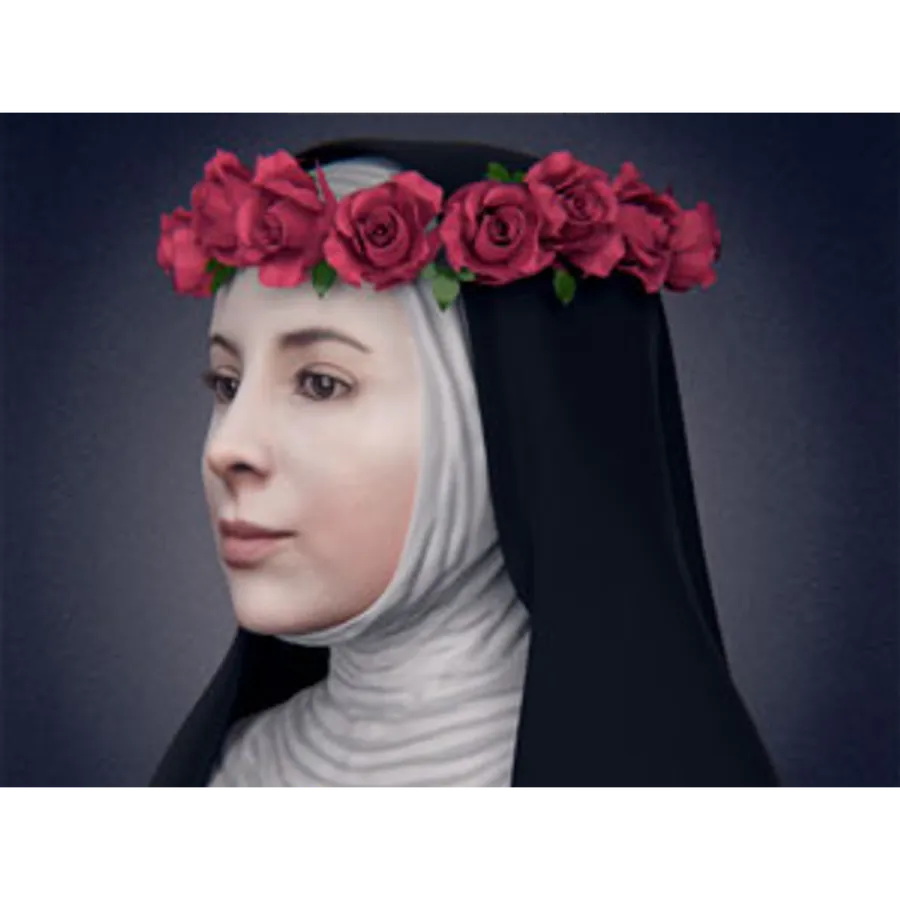
Monday 2 February St. Brigid’s Day in Ireland


St. Brigid is one of the three Patron Saints of Ireland, the other two are St. Columba and of course, St.Patrick.

Brigid is a Catholic and Orthodox saint. She was a pupil of St. Patrick and became famous for her kindness, mercy, and her miracles. In addition, Brigitte founded Ireland’s most famous mixed (male and female) monastery in County Kildare.

In The Life of Brigid, her biographer, Cogitosus, recorded that Brigid formed an alliance with the hermit Conleth and, together, they created a double monastery from the Early Christian tradition. She was abbess and he was bishop. Within 100 years of her death, there was a thriving, egalitarian monastery of men and women, living and practicing their spirituality equally, side by side.

Perhaps the most famous story about St. Brigid surrounds the legend of her cloak. When Brigid was re … 


Source link

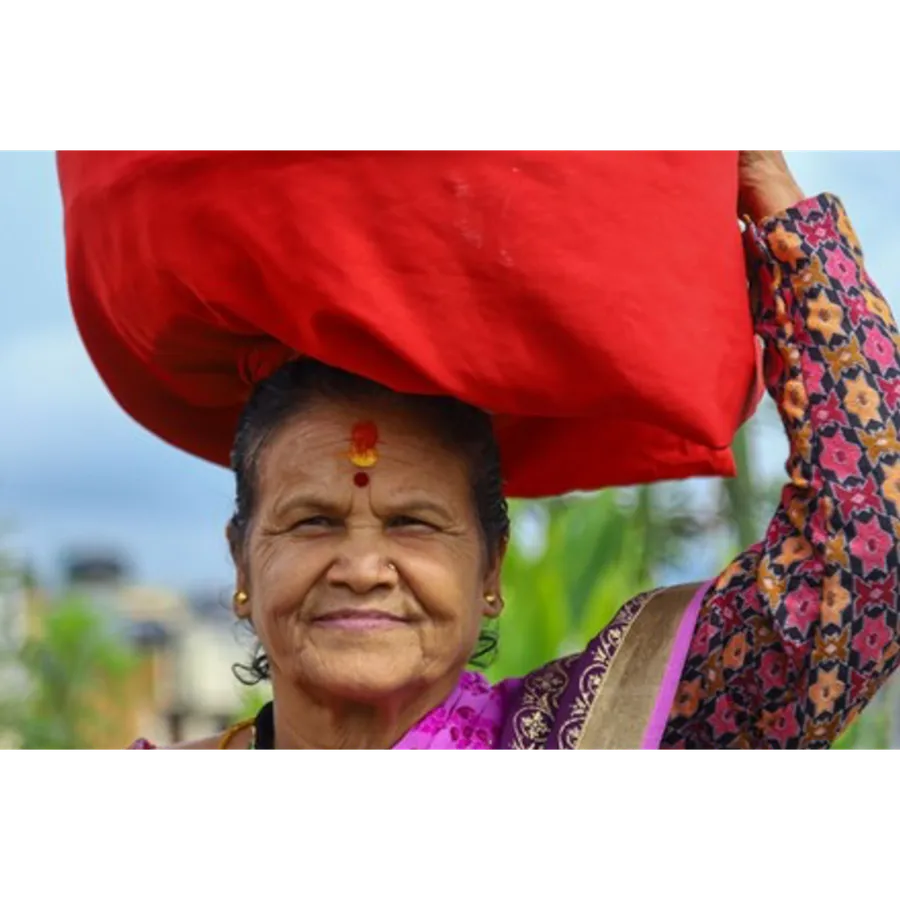
Sunday 1 February Guru Ravidas Jayanti in India


Guru Ravidas was born at the end of the 14th century in Seer Govardhanpur village, Uttar Pradesh, India. He was born into a low caste family who were regarded as untouchables.

Guru Ravidas was one of the first people to argue that all Indians should have a set of basic human rights. He became an eminent figure in the Bhakti Movement and taught spirituality and tried to bring forward a message of equality message based on freedom from the oppression of the Indian caste system.


Source link

Saturday 31 January Me-dam-me-phi in Assam


This has been one of the most important festivals of the Ahom since at least their arrival in Assam in the 12th century.

It is a festival to show respect to the departed ancestors and remember their contribution to society.

The word ‘Me’ means offerings. ‘Dam’ means ancestors and ‘Phi’ means gods. So while this festival is seen as ancestor worship, the name reflects the Ahom belief that ancestors soon turn to gods, when an individual’s immortal soul joins with the soul of the supreme being.


Source link