PODCAST

Selection of discussions about public holidays around the world

Thursday 8 October Battle of Angamos in Peru


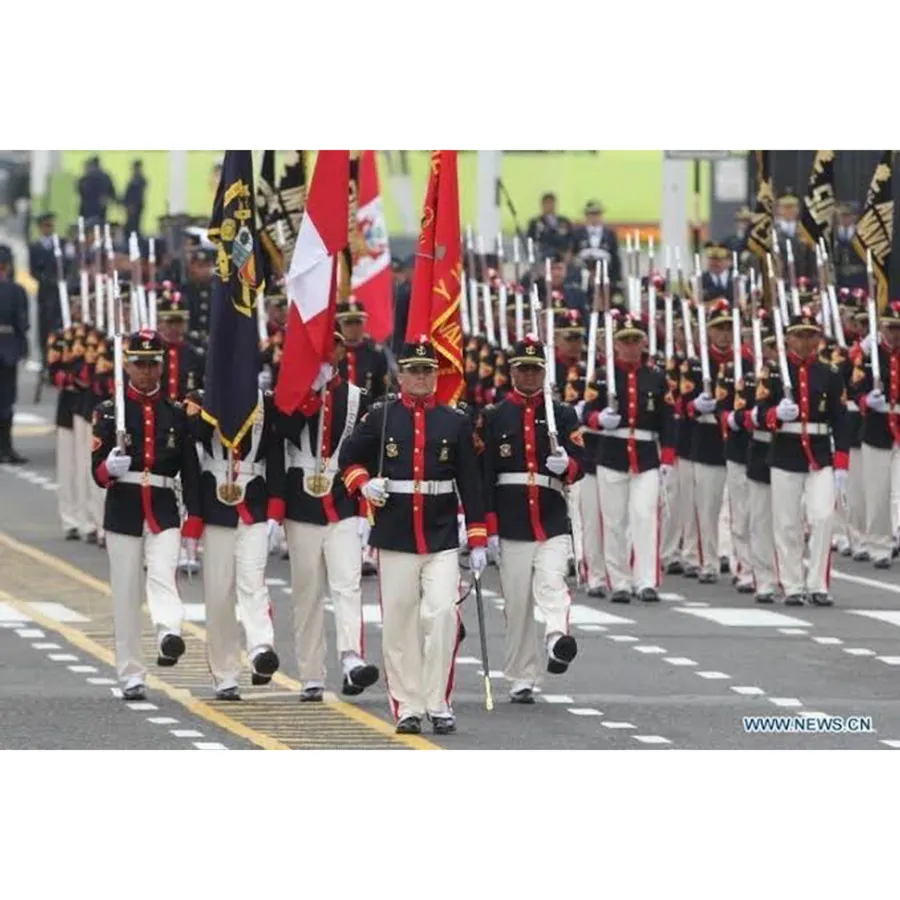
The provided text details the Battle of Angamos, a crucial naval engagement that occurred on October 8, 1879, amidst the broader War of the Pacific. This conflict originated as a territorial dispute over mineral wealth in the Atacama Desert, drawing in Peru to support Bolivia through a mutual defense pact. During the confrontation off the coast of Bolivia, Chilean forces successfully surrounded and seized the Huáscar warship, resulting in the death of the notable Peruvian Admiral Miguel Grau Seminario. This decisive military defeat proved to be a critical turning point that left Peru vulnerable to subsequent enemy invasions. Today, Admiral Grau is celebrated as a national hero in Peru, with numerous public landmarks and streets dedicated to his memory.


Source link

Wednesday 7 October BOL Establishment Day in Lao


The provided text outlines the historical background of the Bank of Lao, which functions as the nation’s central financial institution. October 7th was officially chosen as the banking sector’s founding anniversary to commemorate the initial printing of the liberated Laotian Kip in 1968. This significant monetary event occurred under the guidance of the Lao People’s Revolutionary Party inside a hidden cave located within the Viengxai district of Hauphanh province. Later on, following the formal formation of the Lao People’s Democratic Republic in 1975, the institution consolidated with the former national bank. Through this merger, the organization successfully established its current role as the central bank for the entire country.


Source link

Tuesday 6 October Earthquake Memorial Day in Turkmenistan


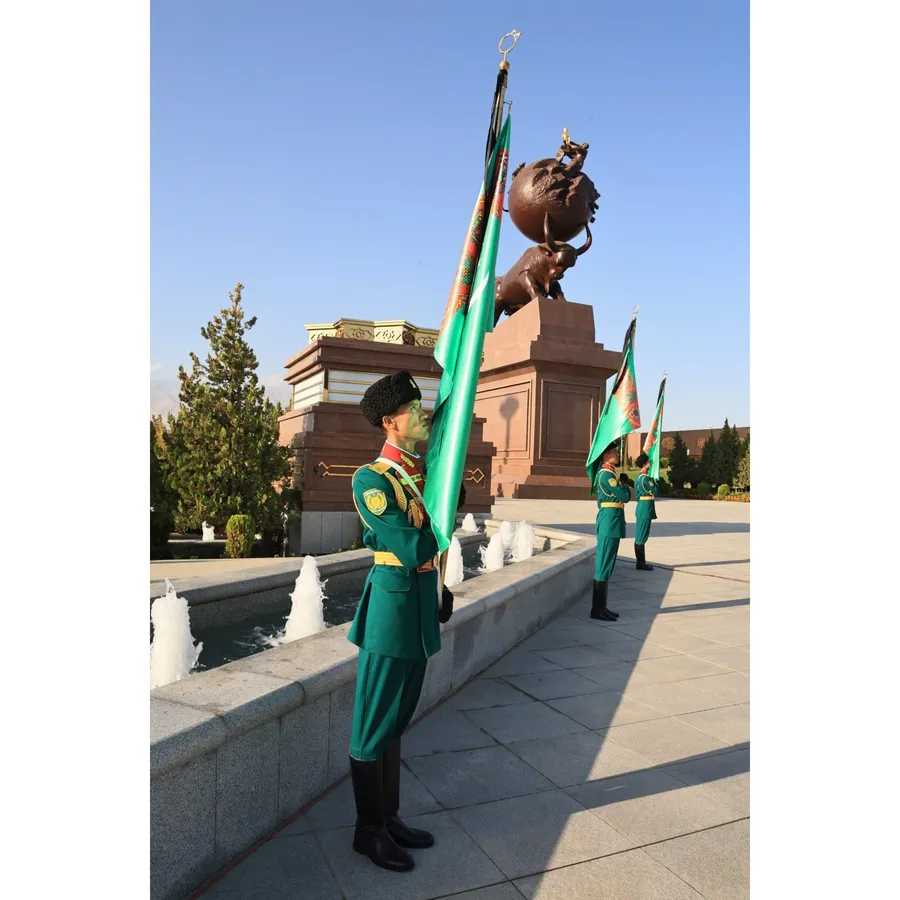
The source provides an overview of Earthquake Memorial Day in Turkmenistan, which marks the devastating natural disaster that struck near Ashgabat on October 6, 1948. It explains that a massive magnitude 7.3 earthquake completely leveled the capital city and numerous surrounding villages in a matter of moments. While the Soviet government initially censoredthe true extent of the catastrophe and reported only 10,000 fatalities, later estimates revealed a staggering death toll of 110,000 people, representing ten percent of the nation’s population at the time. Despite government censorship and the immense scale of destruction, medical professionals and neighboring Soviet regions rushed to assist survivors following the tremor. The article also notes how the tragedy impacted future leadership, specifically mentioning that former President Saparmurat Niyazov was left an orphan after losing his entire family in the disaster.


Source link

Monday 5 October Constitution Day in Vanuatu


The provided text outlines the historical background of Vanuatu, highlighting its transition from joint British and French governance over the New Hebrides islands to full sovereignty. It explains how Father Walter Lini formed a prominent political party in 1974 amid growing demands for self-rule. A diverse Constitutional Committee comprising political figures, religious leaders, and tribal elders subsequently drafted the foundational governing document. This constitution received formal authorization on October 5, 1979, and officially took effect when the nation achieved complete freedom on July 30, 1980. Additionally, the source material briefly references unrelated global news items, including a tragic ferry disaster off the coast of Vanuatu and various international political updates.


Source link

Sunday 4 October Feast of St. Francis of Assisi in Italy


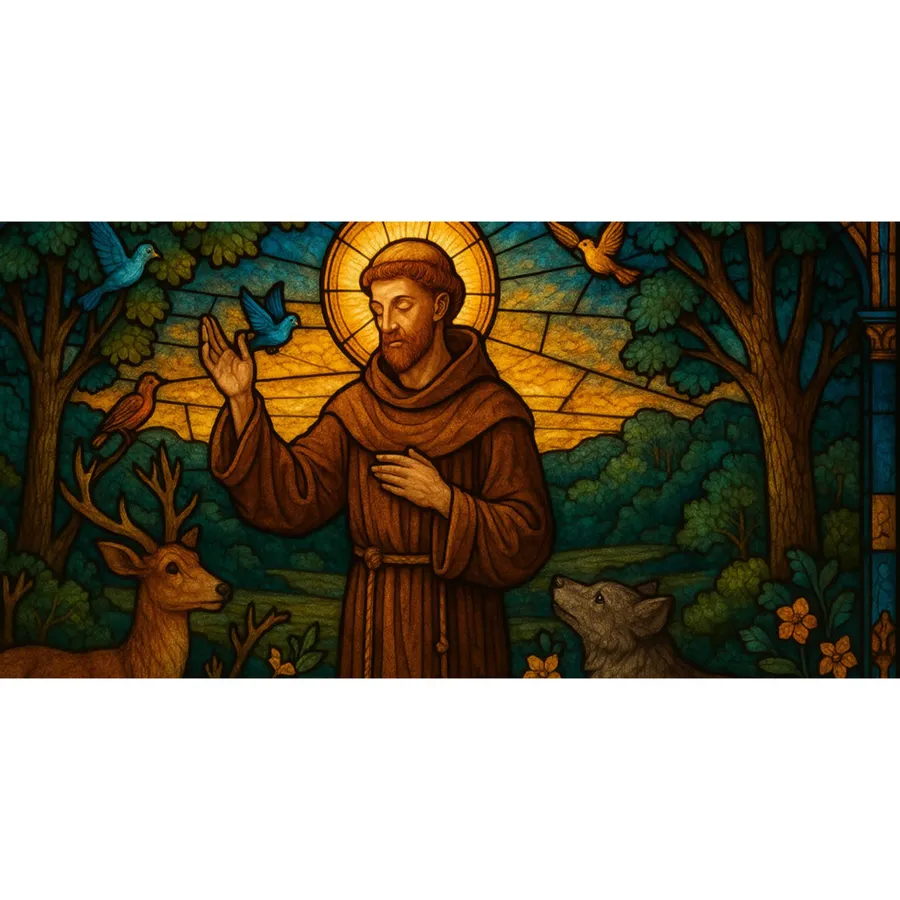
The provided text discusses the legislative efforts in Italy to restore the Feast of St. Francis of Assisi as an official public holiday. Initially removed from the holiday calendar in 1977 due to economic considerations, the observance was targeted for reinstatement ahead of the 800th anniversary of the saint’s passing. Supported by conservative political factions, the legislative proposal received overwhelming approval from the Italian senate in late 2025. Ultimately, the legislation aims to promote cultural events honoring the nation’s patron saint alongside his core principles of environmental stewardship, peace, and inclusivity.


Source link

Saturday 3 October German Unity Day in Germany


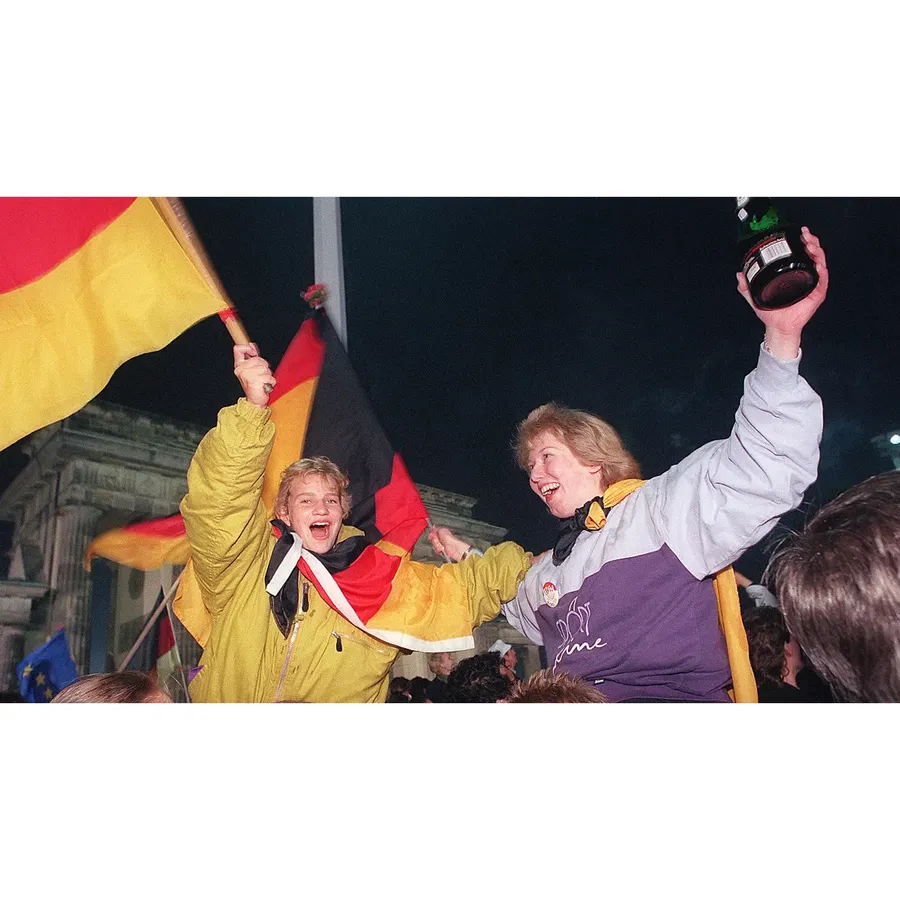
German Unity Day, officially known as Tag der Deutschen Einheit, stands as the sole federally mandated holiday in Germany, celebrated annually on October 3rd since 1990. This occasion commemorates the formal reunification of Germany, which effectively healed the deep national split that had persisted since the conclusion of World War II. The historical path toward this milestone involved pivotal events, including the dismantling of the Berlin Wall on November 9, 1989, followed by the first democratic elections in the German Democratic Republic earlier that same year. Subsequent diplomatic agreements, such as the Unification Treaty and the Two Plus Four Treaty, successfully dismantled post-war restrictions and restored complete sovereignty to the unified nation. Although leaders initially considered observing the holiday on the anniversary of the Berlin Wall’s collapse, lawmakers ultimately selected October 3 to officially mark the permanent conclusion of the country’s eastern and western division.


Source link

Friday 2 October Discovery of America Day in Honduras


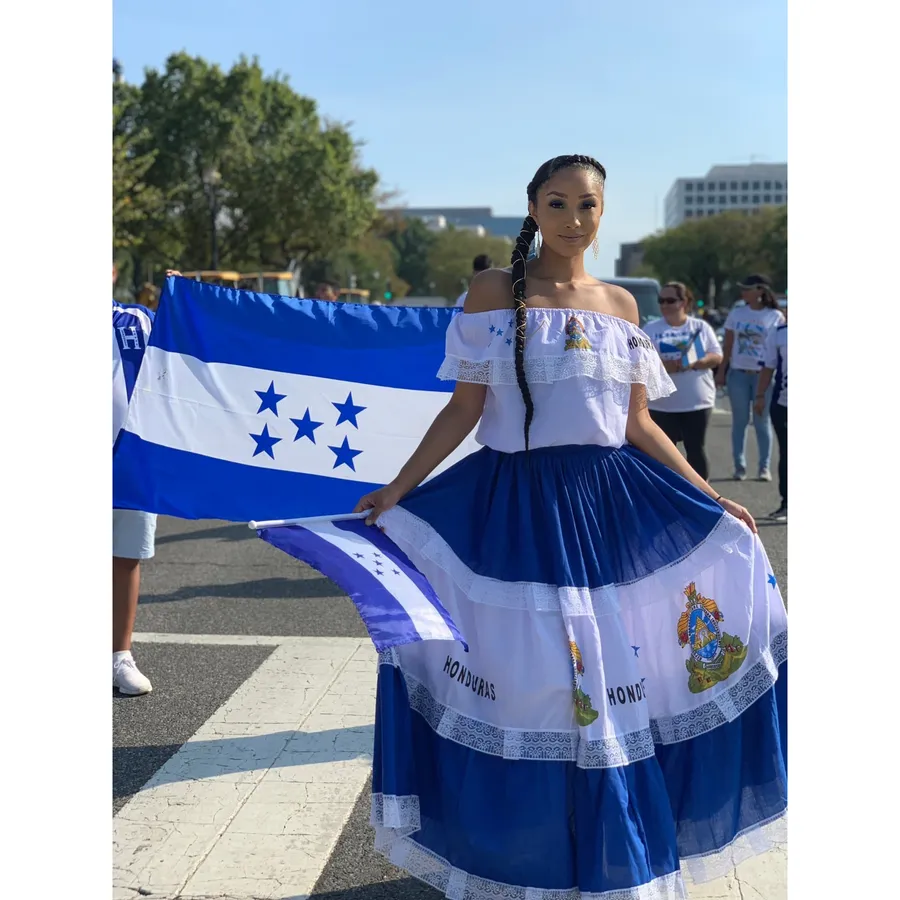
The provided text from Occasional Digest focuses on the observance of Discovery of America Day in Honduras, which honors the historic moment Christopher Columbus arrived in the Americas. The source explains that while Columbus’s initial 1492 journey sparked European expansion across the Atlantic, he actually first reached a Bahamian island rather than the mainland. Additionally, the article clarifies that this milestone did not occur until his third voyage in 1498. Furthermore, the text points out that Columbus was neither seeking the Americas initially—as he was hunting for a maritime path to India—nor was he truly the first European explorer to set foot in the New World.


Source link

Monday 28 September St. Wenceslas Day in Czech Republic


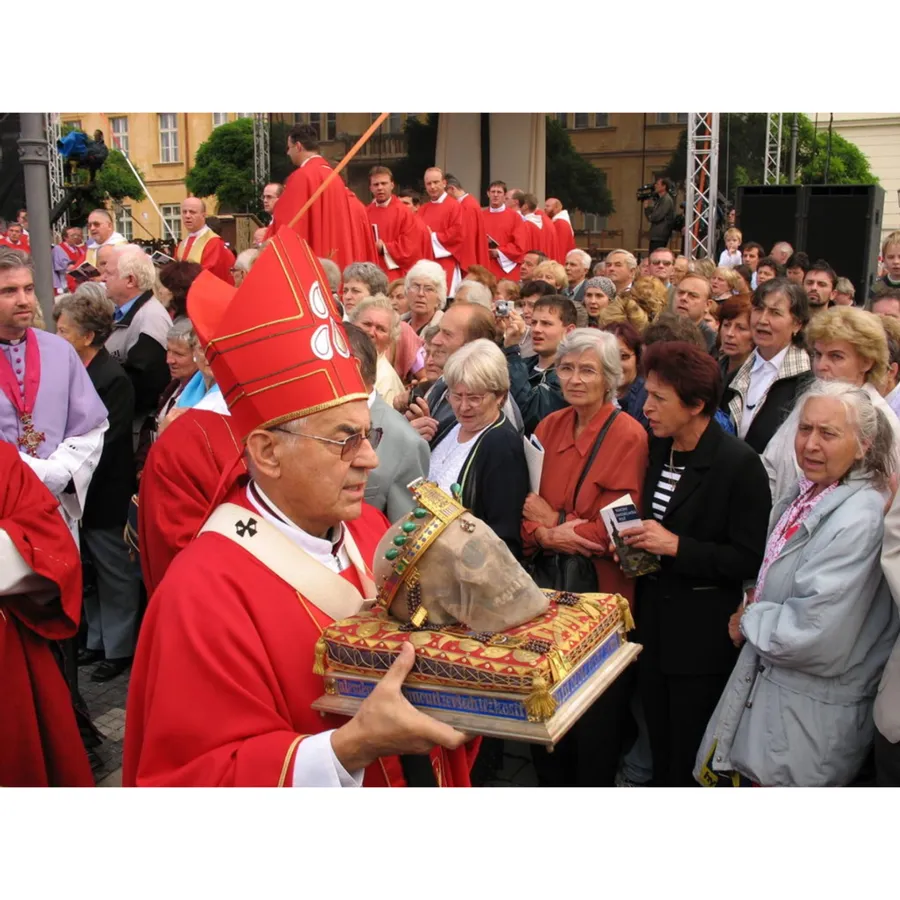
This news digest explores the historical significance of St. Wenceslas Day, a national holiday in the Czech Republic celebrated on September 28th. The featured article recounts the life of Wenceslas I, a tenth-century Duke of Bohemia whose Christian leadership and eventual martyrdom led to his status as a patron saint and the subject of a famous Christmas carol. Beyond this central history, the source provides a snapshot of global current events from late September 2026, including a severe storm in the northeastern United States and heightened geopolitical tensions in the Middle East. It also tracks economic data such as currency exchange rates and mentions recent sporting results involving the British and Czech  … 


Source link