



Walker Kessler debuts, Luka Doncic sits in Lakers’ loss to Warriors
LAS VEGAS — The plan for the Lakers had been to turn their fourth preseason game into a dress rehearsal for the upcoming season.
But that was not the case.
The Lakers did get the preseason debut of center Walker Kessler on Tuesday night, a good sign for them to see their biggest acquisition of the summer play.
But on the flip side, Luka Doncic didn’t play in the Lakers’ 101-89 loss to the Golden State Warriors at T-Mobile Arena because he was resting.
“He’s not injured, just getting the night off,” Lakers coach JJ Redick said.
So, it was left up to Kessler, Austin Reaves and the rest of the available Lakers to sort things out. And Reaves and Kessler were on point.
In just his second preseason game, Reaves was doing what is expected of him, scoring 28 points on 10-for-18 shooting, including four for seven on three-pointers, with seven assists and four rebounds. But forced to handle the ball more with Doncic out, Reaves also had seven turnovers.
Kessler started and had 11 points, nine rebounds, one blocked shot and one steal in 16 minutes.
For the Lakers, it was good to see Kessler on the court. They gave up a lot to acquire him in a trade with the Utah Jazz — two unprotected first-round picks and two pick swaps and then signing him to a four-year, $130-million contract.
Kessler played in only five games last season while recovering from a torn labrum in his left shoulder.
He missed the first three Lakers’ preseason games because of a left pinky injury.
Kessler yearned to play again.
“Yeah, I mean it was a lot of fun being out there again,” he said. “It’s been so long. Before the game I was actually pretty nervous, to be honest. But, getting out there and just playing with the guys, it was a blast. I can’t really, you know speak to … I think I have a certain presence on the floor, but I think my teammates around me did a great job of playing defense on the perimeter. I think we shared the ball really well tonight. Just how it was, especially in the first half. It was a lot of fun.”
He began his night with a defensive rebound, which allowed the Lakers to set up their offense early in the first quarter.
Kessler then cut to the basket, took a pass from Reaves and scored on a layup, his first points of the preseason.
His second basket was a left-handed layup early in the second quarter. Shortly after, Kessler blocked a shot by Warriors center Charles Bassey from behind, a display of his defensive presence.
Another good sign, less than a minute later, was when Kessler got an offensive rebound and bounded back up for a dunk.
When the Warriors went to their small-ball lineup in the first quarter, it meant the 7-foot-2 Kessler would be tested on defense, because his man was 6-2 Gary Payton II. It meant Kessler was forced to play defense on the perimeter and not down low where the Lakers prefer him.
Still, Kessler held his own.

Lakers forward Arthur Kaluma drives the ball against Warriors forward Yaxel Lendeborg during the first half Tuesday.
(David Becker / AP)
While he was out and unable to play, Kessler learned a few things about himself.
“Yeah, I think what I missed most was competing,” Kessler said. “Quite frankly, competing to win, and I think as far as making me a better basketball player, I just think it has made me long to go try to win every game and win every night. So returning, I think it makes me a little better basketball player.”
The Lakers lost to the Warriors for the second time this preseason. Their other two games were victories over the Sacramento Kings. They play one more preseason game, Friday night against the Denver Nuggets at Crypto.com Arena, and then open the season against the Warriors at home on Oct. 21.
Before the game, Redick said the plan was for the Lakers to “continue to work on us.”
“We have kind of circled this game, not as a full dress rehearsal, just in terms of our scout presentation, but we gave the guys a sample of that this morning and at shoot-ariund,” Redick said. “Not as much game-planning necessarily, but just kind of the sequencing of how we present prior to a game. We’ll do the same thing pregame with a brief personnel tape. We just want to get better. I mean, that’s the biggest thing. We want to get healthy, we want to get better, we want to continue to build our fitness and cardio level and find a rhythm. And it’s been a little disjointed with having some guys out.”
Redick said rookie Cameron Carr, guard Collin Sexton (lower leg) and forwards Ziaire Williams (right foot contusion) and Adou Thiero (undisclosed) “are still day to day” with their injuries.

How a radio glitch triggered a false hijack alert in Germany | Aviation News
German authorities briefly closed an airport and scrambled fighter jets to escort a passenger plane on Tuesday following an emergency alert indicating a hijacking was taking place on board. However, the alert had been accidentally triggered by a radio “malfunction”.
Corendon Airlines said its Boeing 737-800, which was en route from the Greek holiday island of Corfu to Nuremberg, Germany, sent out an emergency code while it was flying over Croatia “due to a brief malfunction in the radio communication system”.
In a statement, the airline said that “no emergency situation occurred”, and the 178 passengers, flight crew and aircraft had not been in danger at any point. The plane landed safely in Nuremberg.
What happened?
German police said Corendon Airlines flight XR456 “inadvertently” sent out an emergency “squawk” alert with the code 7500 while flying over Croatia on Tuesday.
A squawk is a four-digit code a pilot sends via the jet’s transponder to air traffic control. The code 7500 tells air traffic controllers that a hijacking is in progress.
However, air traffic controllers were unable to make contact with the pilots or crew, causing the alarm to be raised further. It is unclear why this happened.
“The aircraft could no longer be reached by radio to clarify the situation”, prompting warnings to be activated in several European countries, police said.
A Rafale fighter jet was scrambled from Croatia to intercept the Boeing passenger jet, while the German military also dispatched warplanes.
Police cordoned off the Albrecht Dürer airport in Nuremberg as a precaution until they knew the reason the pilot had sent the hijack alert.
Police spokesman Michael Petzold explained that authorities had “received a code directly from the cockpit that suggested a hijacking”.
“Since we were then unable to reach the cockpit, and the tower was also unable to contact the cockpit, we had to assume the worst – that it might indeed be a hijacking,” Petzold said.
The incident disrupted flights, with six flights delayed and two inbound flights diverted to other airports as a precaution, a Nuremberg airport spokesperson said.
Why are aviation authorities so concerned?
The hijack scare has come amid heightened concerns about aviation security after the copilot on board a Flydubai jet bound for Israel from Dubai attacked the captain with an emergency crash axe, forcing the flight to make an emergency landing in Saudi Arabia on September 30.
On Friday, the United Arab Emirates’ prosecutor general said the copilot was on a “suicide” mission to crash the plane at Ben Gurion airport in Tel Aviv and called the incident a “terrorist attack”.
Also, before the false hijack alert in the early hours of Tuesday, flights had been briefly disrupted at Nuremberg airport after pilots reported suspected drone sightings.
Authorities across Europe have already stepped up surveillance of the skies in recent weeks after a series of mostly mysterious drone incidents and concerns about Russian hybrid warfare.
Western nations, including Germany, have accused Moscow of launching a campaign of sabotage, espionage and disruption to undermine European support for Ukraine and destabilise the continent.
Several German airports have had to suspend operations for brief periods in recent months due to drone activity, with suspicion often falling on Russia.
Last month, the German government blamed Russia for an attempted attack at Leipzig/Halle airport in August using a drone laden with explosives. Berlin closed the Russian consulate among other measures.
Russian President Vladimir Putin dismissed the allegations, saying Berlin “fabricated” the evidence. However, in light of the concerns, NATO’s top general told the Warsaw Security Forum earlier this week that the alliance has a new war plan for countering a Russian attack on its members, embedding lessons learned from the Ukrainian front lines.

How common are radio glitches and false hijack alerts?
Radio glitches are common, but incidents rarely escalate to major security events because pilots use back-up radios to communicate with air traffic controllers when they lose communication signals.
In 2019, a pilot flying an Air Europa jet from Amsterdam to Madrid accidentally transmitted hijack alert 7500. For half an hour, aviation authorities thought the alarm was a genuine emergency and followed safety protocols, which disrupted flights and led to the evacuation of part of Schipol airport in the Netherlands.
In 2011, a flight from Chicago to Germany was diverted to Toronto when a pilot spilled coffee and accidentally set off a hijack alarm. The spill caused distress signals to go out, including the 7500 transponder code.

Why Angelenos are meditating at Hollywood Forever Cemetery
Everyone is going to die. Acknowledging this — and reminding oneself daily of one’s mortality — is a core tenet of Buddhist teachings. Few places make that reminder more vivid than Hollywood Forever Cemetery, the iconic Los Angeles graveyard where more than 90,000 people are buried.
Inside the Masonic Lodge on the cemetery grounds, beneath chandeliers, dozens of people search for stillness with a meditation class. In an ornate Italian Renaissance-style room, participants sit scattered across couches and cushions, cross-legged with their eyes closed. The room is silent.

Headstones at Hollywood Forever Cemetery.

Nico Cary is one of the meditation group leaders at Hollywood Forever Cemetery.
For meditation teacher Nico Cary, the cemetery is an ideal backdrop for mindfulness and a lesson in impermanence. “It is quite grounding and an extension of some of the practice we do,” Cary says.
Beth Kaiserman, who regularly attends the meditation group, sees the cemetery as a chance to demystify death. “It’s accepting it as part of life. We’re coming out of our lives to come to this meditation. We’re walking by these gravestones that have been here for so long,” she says. Death, in her mind, doesn’t have to be taboo. “It is a big part of the practice to hopefully come to some level of acceptance that it’s just part of the cycle.”
Practicing meditation at Hollywood Forever is a privilege, explains Cary. The cemetery is not simply a place where people come to mourn; it is a place where relatives return to remember, honor and love those who have died.
Hollywood Forever is, quite literally, livelier than most cemeteries. The grounds are home to a colony of roughly 60 abandoned cats that has attracted a group of loyal caretakers, as well as dozens of peafowl roaming freely. The cemetery is also the final resting place of Hollywood legends, including Cecil B. DeMille, Judy Garland and the rock group the Ramones, where fans leave offerings. Since 2002, Cinespia has hosted outdoor screenings of iconic films at the cemetery during the summer, drawing hundreds of people to the grounds. The cemetery also hosts summer concerts.
“It feels pretty special to be somewhere, on land that’s so cared for, and that so many people come to share love, really — to remember their loved ones, to honor their ancestors,” Cary says.
For more than eight years, Insight LA has brought meditation to Hollywood Forever every Monday night, with a revolving list of teachers leading sessions in the Masonic Lodge. The class is donation-based, as is traditional in the Buddhist practice. Often, the teachers will lead a guided walking meditation through the cemetery grounds.
Insight LA, a Buddhist teaching nonprofit that was founded in 2002 by Trudy Goodman, is based in Santa Monica but also has a retreat house in Benedict Canyon for daylong events.

Members of a weekly meditation group at Hollywood Forever Cemetery participate in a guided session inside the Masonic lodge.
“We have yearlong programs. We have residential retreats. We have weekly drop-in meditation classes, and then we have the Hollywood Forever group too,” says Melissa McKay, the executive director at Insight LA.
According to McKay, the benefits of meditation are striking. “Put simply: It decreases stress, bringing calm and clarity, becoming more aware of oneself,” she says. “It decreases the negativity of the mind, self-hatred, the fears, the spiraling judgment — all of that. It increases the positive sides of our mind: our compassion, care, friendliness, clarity.”
A 2026 UC San Diego study confirms that just seven days of meditation can create molecular changes in the brain linked to stress relief, enhanced neuroplasticity and natural pain relief. The study also shows that meditation can positively affect the immune system and metabolism.

James Rokel practices mindfulness while walking alongside tombstones.
Despite the backdrop, meditation is not just about facing death, McKay says — it’s about learning how to live consciously. One participant, Jared Swanson, thinks of the meditation group as a school for emotional awareness.
“There was a moment where I realized I was in a lot of cycles — relational cycles — and wanted change,” says Swanson. He has been integrating the mindful practices into his life. “I think it’s a desire to be more responsible for my life, to be more present and responsible for my actions and choices,” he says.
Meditation nights attendees range from curious first-time visitors to seasoned veterans who have been practicing Buddhism for over two decades. Cary says the practice can benefit people regardless of their experience level.
“The intentional space to be with ourselves is so nourishing,” says Cary. “Then we practice. You add in a practice on top of that and magical things start to happen.”
Cary leads the group in 30 minutes of silence before a lesson. Participants settle into their cushions. He invites them to rock gently back and forth, a movement he calls “grandmother wisdom,” the kind of care one might offer a crying child. He poses a question for reflection: “What are you trusting right now?”

Insight LA has brought meditation to Hollywood Forever Cemetery every Monday night for nearly 10 years; a walking meditation is often involved.
Nicki Katz, who has been attending the meditations for two years, enjoys the practice of sitting in the quiet. Last year, she attended a 10-day silent retreat, only to accidentally break her silence by excitedly greeting a bunny during a picnic. “I come back to the body and the present awareness of allowing my mind to find some sense of gratitude,” says Katz. She explains that silence also helps her become more intentional with her words.
Tonight’s lesson is on truthfulness and embodying loving kindness. Lessons vary from week to week. “Oftentimes, it’s what the teacher is feeling or what’s come up for them in their practice,” says Cary.
For Monday meditation, the teaching group has assigned the 10 paramis (spiritual virtues) of Buddhism, which explore topics like generosity, wisdom and patience. “We’ve been going into that all year, so each month is one of the paramis,” says Cary.

“The intentional space to be with ourselves is so nourishing,” says meditation leader Nico Cary.
To begin the lesson, he reads a letter he wrote to the president at 5 years old, cautioning him of the perils of nuclear war. The letter is met with snaps and giggles, as a 5-year-old Cary warns of imminent death. “Apparently I was a peculiar child with a morbid sensibility, preoccupied with nuclear war,” he says, smiling. “It makes a lot of sense as to why I became a Buddhist.”
Cary begins to speak about the current moment and how he believes truth has become distorted and refracted in the age of social media. “Trauma is a distortion of reality,” he says. He then invites group members to consider love and kindness in their daily practice.
As the session winds down, participants spring to their feet to discuss the evening. The Masonic Lodge bursts into chatter — the silence abandoned. Tonight, the cemetery is alive.

Best pumpkin spice lattes and seasonal fall drinks in Los Angeles
Thank You Coffee’s Kabocha Squash Latte, or KSL, has garnered a cult fandom over the years. The gourmet, Asian-inspired take on the pumpkin-spice originator is made with fresh squash and house-made syrup, and it will return to the Chinatown and Anaheim locations in early November. Until then, and finding a home in the newly opened Chinatown space, are two new seasonal lattes. The cozy apple latte (pictured) is fragrant, comforting and available through November, made with a house syrup involving cold-pressed apple juice, green tea, sour plum powder, ginger, cardamom and more. It’s topped with a dash of even more sour plum powder, which gives the effect of tart green apples on the nose and tongue. The sweet corn latte, inspired by cornbread, is a sweet-savory mix of brown butter, malted milk powder, annatto seed and beyond, and can be found through October.

Wednesday 14 October Battle of San Jacinto in Nicaragua
In 1856, an American adventurer named William Walker exploited a domestic conflict in Nicaragua by seizing the urban center of Granada with a tiny band of fighters. Dubbed filibusters, Walker and his followers aimed to carve out English-speaking territories under his personal command, eventually gaining official U.S. recognition for his regime. A crucial turning point arrived during the Battle of San Jacinto, where a local force led by Colonel José Dolores Estrada successfully routed Walker’s troops after a fierce four-hour engagement. Although this clash did not immediately end his occupation, it served as the vital catalyst for his ultimate downfall. Ultimately, a united alliance of Central American military forces forced Walker from power in 1857, leading to his arrest and deportation back to the United States.

Venezuelan Workers Protest for Fair Wages, End-of-Year Bonuses
“Salaries and pensions increase,” reads a banner held by healthcare workers during Tuesday’s demonstration. (Archive)
Caracas, October 13, 2026 (venezuelanalysis.com) – Hundreds of Venezuelan workers took to the streets on Tuesday to demand that the acting Delcy Rodríguez government address a series of labor grievances.
The mobilization in Caracas was called by healthcare trade unions to deliver a petition at Miraflores Palace. Education and higher education unions likewise endorsed the rally, which had a turnout estimated at 2,000 people.
Venezuelan police shepherded the march through the center of the Venezuelan capital but protesters were ultimately stopped a few blocks from the presidential palace. A commission of union representatives delivered the document, which reportedly collected over 45,000 signatures from healthcare professionals, to Venezuelan government representatives.
“It looks like the plan is to invite foreign capital by offering cheap labor,” FETRASALUD union leader Pablo Zambrano told press. “The Venezuelan workers must struggle to be fairly compensated for their work.”
Protesters echoed a longstanding demand that existing bonuses be converted into wages. The monthly minimum wage was last increased by the Venezuelan government in March 2022 and currently stands at 130 bolívars, around US $0.15. Instead, the Nicolás Maduro and Rodríguez administrations have relied on non-wage bonuses which have no impact on vacation pay, social security contributions, or severance. The income floor for public sector workers was raised to $240/month in May.
The petitions delivered on Tuesday included a demand that holiday bonuses be computed based on workers’ present incomes as opposed to the actual salary. It likewise called for the “professional responsibility bonus,” which ranges from $40 to $170 per month and is discretionally assigned to certain sectors, to be extended to retired workers, and for unions to participate in the drafting of new wage scales.
“Holiday bonuses are fundamental labor rights, and we need to have them based on the real incomes,” said Yilbert Giménez, director of the SINTRACUPEM healthcare workers’ union in Miranda state. “We are also opposed to any regressive reforms on labor matters.”
Pedro Eusse, from the CUTV labor confederation, called on workers’ organizations to unite to “defeat the plan to dismantle labor rights.”
“The government is allied with business elites whose goal is to destroy the working class’ existing social benefits and social security rights,” he told reporters. “We need a broad unity to defeat this plan.”
Labor Minister Carlos Castillo has drawn criticism in recent days over comments that he “relates to business owners” on labor costs.
“Nowadays, as I run a ministry with a significant labor weight on its shoulders and have to calculate payroll every month, I have truly started to relate to business owners,” he said during his keynote address at business association FEDECÁMARAS annual summit on Friday.
Castillo went on to say that he “understood that business owners are not an evil abstraction from ideological manuals” but rather “makers of reality who risk their capital, their mental health, and their daily effort.”
FEDECÁMARAS, the Caribbean nation’s most influential private sector lobby, has actively campaigned for labor reform reducing responsibilities for employers and eliminating the retroactive nature of social benefits and severance pay, which trade unions consider a red line.
Former FEDECÁMARAS President Jorge Roig, who currently serves as a business sector representative in a “labor dialogue” initiative mediated by the International Labor Organization (ILO), recently expressed “optimism” about securing consensus with the Venezuelan government and worker organizations.
Roig argued that the current labor conditions “are not working” and proposed the creation of a Law of Labor and Social Consensus to introduce temporary solutions adjusted to different economic sectors.
Venezuela’s historic Labor Law, approved in 2012 by former President Hugo Chávez, prohibits unfair dismissal and outsourcing, enshrines the world’s third-longest maternity leave, guarantees the right to work for both women and people with disabilities, and extends retirement pensions to all workers, including full-time mothers and the self-employed.
The ruling United Socialist Party (PSUV) also staged a march in Caracas on Tuesday afternoon. Interior Minister Diosdado Cabello claimed that Venezuelan workers are “the bulwark of peace” in the South American country.
“We have delivered a document supporting all the actions by Acting President Delcy Rodríguez and the ongoing dialogue process while also demanding the lifting of sanctions against Venezuela,” Cabello told those present.
Edited by Lucas Koerner in Philadelphia, USA.

Katie Price takes a swipe at Lee Andrews as she braces herself for ‘messy’ divorce battle after he vows to return to UK
KATIE Price has taken a subtle swipe at Lee Andrews after she ended their marriage last month.
The former glamour model is currently bracing herself for a “messy” divorce battle with her ex as the conman vows to return to the UK.
The Sun revealed that Katie ended their marriage via WhatsApp last month after finding out he had just £2.22 in his bank account.
Katie has now has taken another step towards being entirely free from Lee with a social media swipe.
She has deleted all of their photos together and it looks as though she has blocked him, too.
Katie has likely blocked Lee because all of his comments and likes have disappeared from her posts.


Lee was recently released from the notorious Al Awir prison after a four-month stint, but is now eyeing up flying back to his home country.
The conman launched a Go Get Funding page last week in a bid to collect bail cash so he can return to Britain.
And as Lee vows to fly back to England, Katie is understood to be “naturally worried” that Lee will come after her money, in what could be one of showbiz’s messiest divorces.
A source previously said: “Katie is determined not to be in financial trouble again.
“She’s been working really hard to get enough income to be comfortable – with her OnlyFans and various other projects, but she is all to aware of how easily it can be lost.
“There is a real worry Lee is going to try and take half of what she’s worth.”
They added: “She does not want to be his next con, and is hoping they can split amicably.”
Earlier this month, Lee appeared to fake his own death on social media, which left fans baffled.
Lee’s death hoax Instagram story, which was posted to his account in the early hours, was swiftly deleted.
Alongside a black and white picture of Lee posing in a car, the post said: “With a huge heart of sadness.
“And this heartfelt message, we say our final goodbyes to this beautiful soul, to our loving Lee who has tragically passed away.”
Lee’s ex Alana Percival, who he dated in 2025, took to her own Instagram to address the post and accused him of faking his own death via the post.
But Lee later took to his account to share another post with a red cross over the original image.
Lee added: “Please don’t believe any of this I have been clearly targeted for the death hoax by sick individuals.
“I’m very much alive and well this is terrible as I have family that had to see it.
“My account is back with me.”

Lions women to warm-up for New Zealand with France Test in Cardiff
Men’s Lions tours, featuring players from England, Scotland, Wales and Ireland, have taken place since 1888.
The women will travel to New Zealand for a five-match tour that features Tests in Auckland, Wellington and Christchurch.
Yapp’s side will hope for a send-off in front of a bumper Cardiff crowd.
“It will be a tremendous rugby match and occasion,” said Carol Isherwood, chair of the Lions women’s committee.
“It’s a chance to grow the game and leave a legacy so that we are able to continue with the Lions team by setting the foundations and give everybody the chance to see the women’s game at its very best.”
A crowd of 21,186 set a record for a Wales women’s home game in any sport when watching the Six Nations defeat by England at Principality Stadium in 2025.
“I’ve been there for some England men’s games and the noise is fabulous. It’ll be great if it is a sea of red for the Lions and not just Wales,” said Isherwood, who captained Great Britain in 1986.
“We’ve got a fantastic tour in line, and we’re starting off with a brilliant occasion in Cardiff.
“We looked at some different options and going abroad, like the men have previously, but the Welsh Rugby Union said that they felt they could do a great job here.
“We have the fantastic stadium, the support for rugby, tradition of the women’s game having some important moments in Wales and the fact that we can get thousands under that roof to see the Lions women play.
“The visibility allows girls across England, Ireland, Scotland and Wales to dream of pulling on that red shirt one day.”
It will be the second time that the Lions have faced France after the men won a friendly in Paris in 1989.
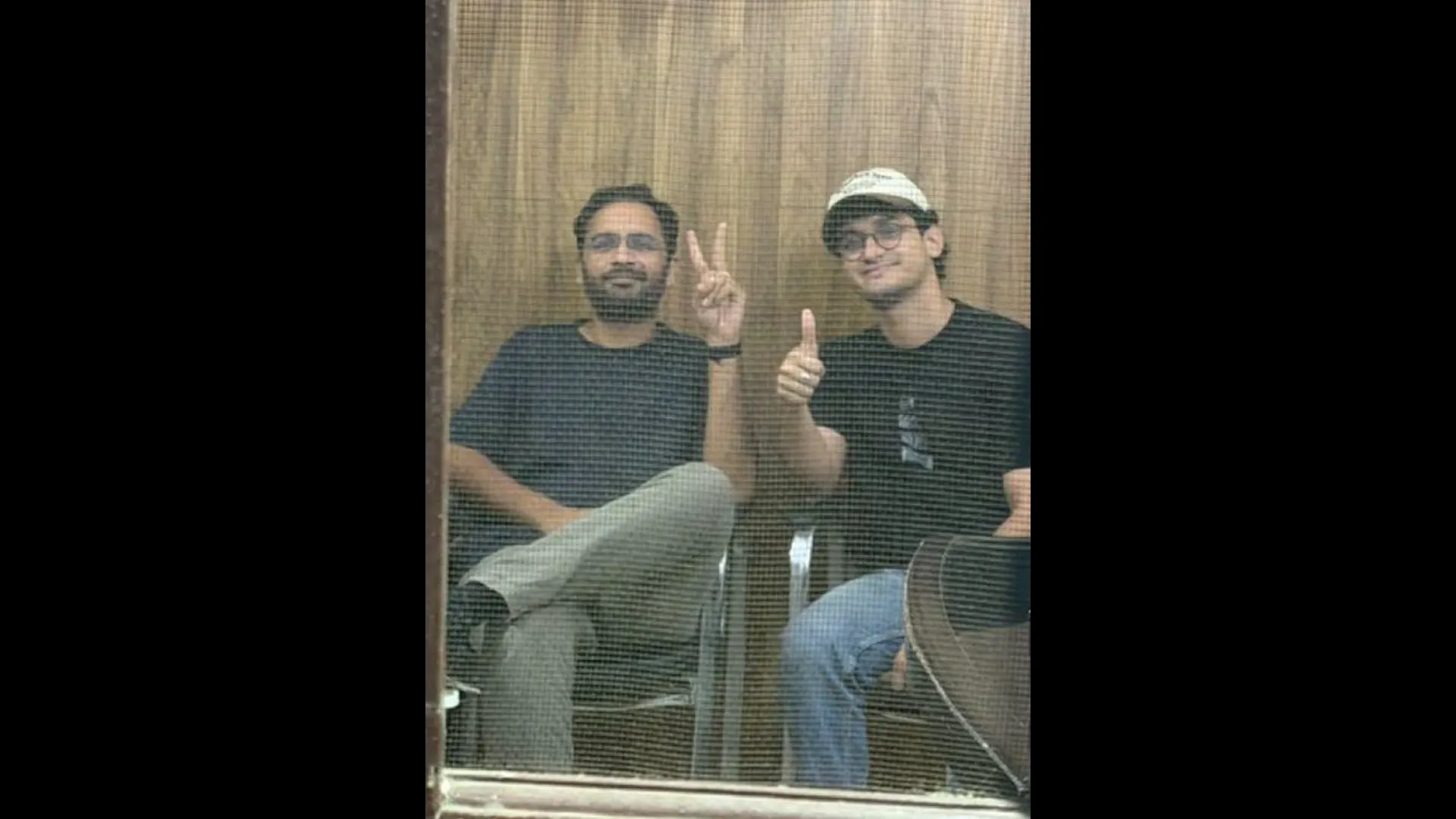
India’s ‘Cockroach’ leaders jailed after entering ‘banned’ protest site | Elections News
Two leaders of India’s Cockroach Janta Party have been jailed for five days after entering Delhi’s ‘Jantar Mantar’ protest site to demand the election chief’s resignation. The previously designated protest area recently lost its status as an authorised protest venue.
Published On 14 Oct 2026

I asked travel experts the worst spot on a plane – they all said avoid 1 area
We’ve all been there – booking a flight and hoping for a decent seat. But which spot on the plane should you avoid at all costs? I asked the experts, and they all agreed on one area to steer clear of.

Boarding a plane can feel like a lucky dip(Image: Oscar Wong via Getty Images)
Finding yourself in the wrong plane seat is a surefire way to start off a holiday with a whimper.
I recently found myself wedged next to an increasingly wound-up man on a Ryanair flight. He kept huffing, puffing and angrily texting his girlfriend until, five minutes after take-off, he erupted. “Get your elbow off me, my guy,” he shouted at the man sitting on the other side of him, who understandably looked surprised and confused.
Although shouting at strangers probably isn’t the solution, being in an uncomfortable budget airline seat, wedged between strangers on a hot summer day, is no fun. Which is why choosing the right plane seat can make a big difference to the start of your holiday. From cabin noise to limited storage, an uncomfortable spot can leave you wishing you had booked elsewhere.
Do you have a travel story to share? Email webtravel@reachplc.com
To help holidaymakers make that choice, we asked travel experts which seats they would avoid. Most pointed to the same area: the very back of the plane, and not because you’re more likely to sit next to angry passengers there. Nicholas Smith, Holidays Digital Director at Thomas Cook, said the rear of the aircraft can be particularly uncomfortable for passengers who are unsettled by turbulence.
He explained: “Seats at the very back are typically less desirable. They are close to the galley and restrooms, service can be slower, food choices may be limited, and it is also the area where movement during turbulence feels strongest.”
Nicholas recommended thinking about what matters most before choosing a seat. Although seat selection often costs extra, it may be worthwhile if comfort is a priority.
He said: “Thinking about your priorities in advance also makes a difference – nervous flyers will be more comfortable over the wings, those with a tight connection should choose an aisle near the front, while couples booking a row of three might secure the window and aisle, leaving the middle free for a chance at extra space.”
Izzy Nicholls, a travel expert and founder of road trip blog The Gap Decaders, also advised avoiding the rear of the cabin. She said: “Seats at the back are best avoided. They’re typically noisier because of engine proximity and galley activity, and you’ll be among the last to board and leave the plane.”
For a quieter journey with fewer interruptions, Izzy recommended sitting towards the front. She explained: “Travellers who want a calmer journey should book seats at the front of the plane. This area is away from restrooms and heavy foot traffic, so you’ll experience fewer interruptions.
“Choosing an aisle seat here also gives you the freedom to stretch your legs and get up easily without disturbing others. Select these placements to make long flights more comfortable and reduce the effects of motion.”
Storage is another consideration, particularly for passengers who board late. Jacob Wedderburn-Day, CEO and co-founder of luggage storage company Stasher, warned that overhead space near the back may be harder to find. He said: “Avoid sitting near galleys and toilets, where staff members often store their things in overhead bins, leaving less space for passenger baggage. The last few rows are a concern because if you board late, the bins above you may be filled, which means you may have to store your luggage several rows away. Also, stay away from seats that are located behind bulkheads, as these spaces often have limited storage.”
Andrea Platania from Transfeero highlighted further drawbacks of the last row, including restricted recline and noise. Andrea said: “The very last row is typically the least desirable: limited recline, proximity to bathrooms, and more cabin noise. Middle seats anywhere are usually least popular unless you’re traveling in a group.”
Passengers looking for extra legroom could consider an exit-row or bulkhead seat, although these options come with restrictions. Andrea added: “Exit-row and bulkhead seats offer more space, but they come with trade-offs: fixed armrests, limited recline, or restrictions for passengers traveling with children.”
For those concerned about turbulence or prone to motion sickness, Andrea recommended choosing a seat over the wings rather than at the back. The expert advised: “Sit over the wings. This area is closest to the aircraft’s centre of gravity, so you’ll feel less turbulence compared to the back, where bumps are magnified.”
‘I applied for 200 jobs’ – How ‘spray and pray’ AI job applications can backfire
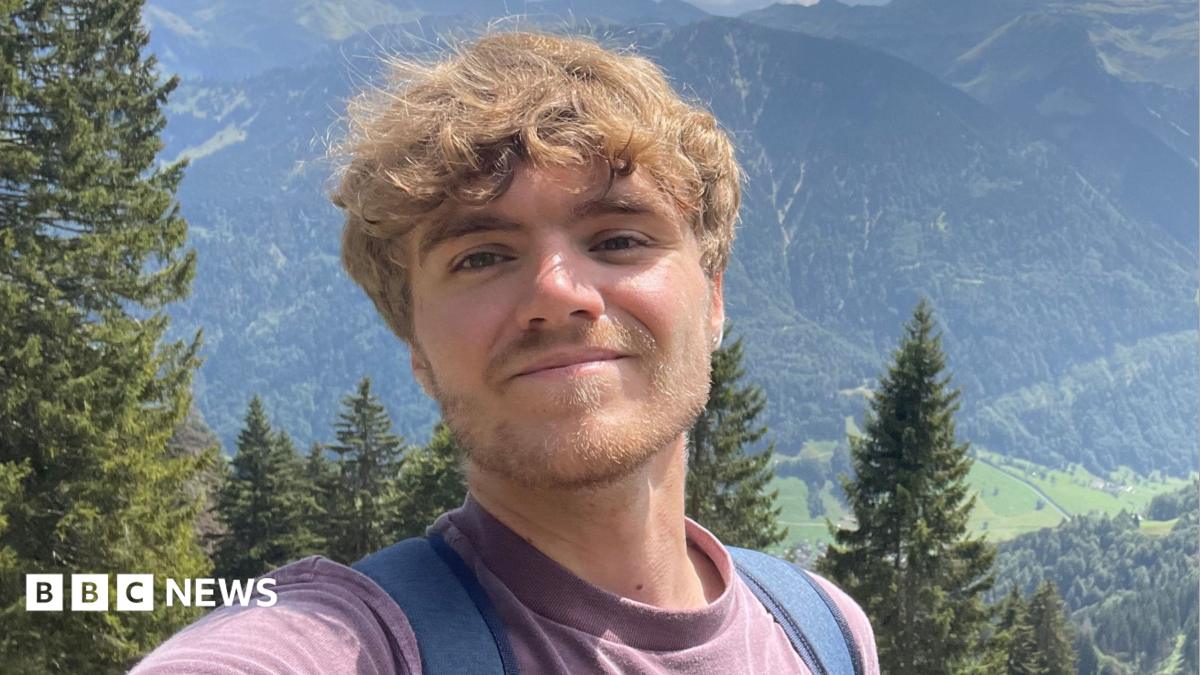
One recently employed trainee accountant, who didn’t want us to use his real name, told the BBC he’d applied for 50 graduate jobs and used AI in every application. But he says it was only for researching roles, tidying up his CV and generating mock practise questions for video interviews.
While he says he would never use the tech to cheat on assessments he knows people who would.
“I know people who have applied for 100 jobs and after a while they become desperate. If they see everyone else is using AI, they think how can I compete?”
According to the ISE, the graduate market has stabilised after a sharp fall last year but remains tough. Graduate roles currently attract an average of 141 applications each, it says.
And while only 16% of employers it surveyed are using AI to screen candidates, more than half plan to introduce it due to the large volumes of applications they are receiving.
Hollie Moody says EDF does not currently use AI screening but may have to in future.
For her, the use of AI in job applications remains a “moral dilemma” that employers and candidates will continue to grapple with. But she stresses it cannot replace what her firm is looking for in new recruits.
“It’s about authenticity, but also personality. We want diversity of thought in the business.”

Pussycat Dolls shrug off Lil Kim’s ‘tour axe’ as they strip off to racy outfits for final London gig
THE Pussycat Dolls shrugged off the Lil Kim ‘tour axe’ while stripping to some striking outfits at their packed London gig on Tuesday night.
Lady Marmalade star Lil Kim, 52, didn’t appear for the final night of the Pussycat Dolls’ run at London’s O2 Arena, with the headline act fed-up of her unpredictable behaviour.
A source said: “Kim didn’t show up to their gig in Manchester on Saturday night, and it was all very last minute. It threw everything into chaos and a sign just went up at the last minute to say she wouldn’t be performing.
“As a result, she hasn’t been asked back for the closing night in London tonight, which was seen as the grand finale.”
But shrugging it off entirely, Nicole Scherzinger and her glam bandmates Ashley Roberts and Kimberly Wyatt looked sensational in racy outfits at the gig.
Read More on Pussycat Dolls


The girls opted for silver leotards, with Ashley wowing in a two piece and showing off her toned physique.
Kimberly had her long pins on display with cut out tights on and white boots.
And Nicole looked as glamorous as ever in her dazzling bodysuit, embellished with sequins.
The Pussycat Dolls all rocked beautiful makeup looks and styled their hair down, while having the time of their lives on stage.
The girls wowed their fans and put Lil Kim’s tour axe.
No official reason for support act Kim’s absence in Manchester was given, though some fans claimed she was ill.
However, others noticed she had shared social media videos of herself on her tour bus in the build-up to the gig where it looked she was playing video games.
One fan wrote on TikTok: “She was on the tour bus prepping for GTA 6.”
Another posted: “Omg we were there last night how bad is that, not even a comment on sorry she’s no show or anything, playing GTA in the trailer apparently, previous videos of her trying glad she didn’t show.”
Kim also came under fire from baffled fans at a previous gig in Paris when a music video playing on the big screens behind her during her set appeared to be synced from her phone and private messages kept popping up before the feed was quickly pulled.
Kim, whose real name is Kimberly Denise Jones, shot to fame in 1994 after being discovered by late rap legend The Notorious B.I.G.
The larger than life star then invited Kim to join the Brooklyn-based rap group Junior M.A.F.I.A, before she launched her solo career with her double-platinum album Hard Core, which debuted at number 11 on the Billboard 200.
Grammy-winner Kim’s biggest hits in the UK are all collabs, including the 2001 number one ‘Lady Marmalade’, a cover commissioned for the Moulin Rouge soundtrack, and 2003 track ‘Can’t Hold Us Down’ with Christina Aguilera, which reached number six.
The Sun contacted representatives for the Pussycat Dolls and Lil’ Kim.

Ducks toppled by the winless Flames
Martin Pospisil scored the tiebreaking goal with 4:22 left, Yegor Sharangovich added an empty-netter with 1:22 remaining and the Calgary Flames beat the Ducks 4-2 on Tuesday night.
Adam Klapka and Aydar Suniev added goals, and Dustin Wolf stopped 22 of 24 shots as the Flames (1-5) won for the first time this season. Beckett Sennecke and Leo Carlsson scored goals, and Lukas Dostal had 32 saves for the Ducks (4-2).
Pospisil’s decisive goal came after he took a pass from Suniev at the center circle, skated down the left side, deked Ducks defenders Tyson Hinds and Tristan Luneau by faking a shot and snapped the puck past Dostal’s short side for a 3-2 lead.
Anaheim gave up the tying goal just eight seconds after killing Calgary’s five-on-three advantage — with the help of Dostal’s four saves — for two minutes of the second.
As Sennecke (tripping) and Alex Killorn skated out of the penalty box, Flames winger Ryan Strome snuck a cross-ice pass from the outside the left circle to Suniev, who snapped a shot from the inside edge of the right circle past Dostal’s blocker for a 2-2 tie at the 8:02 mark.
The Flames took a 1-0 lead 8:32 into the first when Maksim Tsyplakov intercepted a pass in the Anaheim slot and touched a pass back to Klapka, who beat Dostal.
But the Ducks tallied twice within a 1:56 span of the first for a 2-1 lead. Sennecke stole the puck at his own blue line and beat Wolf glove-side for a breakaway goal with 7:51 left, and Carlsson’s shot from the right circle went over Wolf’s left shoulder for a power-play goal with 5:55 left.
Roger McQueen, the Ducks’ first pick in the 2025 draft, made his NHL debut after being recalled from the AHL San Diego Gulls. The 20-year-old center did not find the score sheet in 11 ½ minutes of ice time.
McQueen replaced center Ryan Poehling, who suffered a medial collateral ligament sprain that will sideline him for six to eight weeks. Ducks forward Cutter Gauthier missed the game because of a lower-body injury and is day to day.
Palestinians say Israel’s democracy ‘is a joke’ | Newsfeed
As Israelis prepare to vote, Palestinians in the occupied West Bank say they have little hope of change, as they face movement restrictions, expanding settlements and the threat of forcible displacement, with no say in the Israeli elections shaping the reality they live under.
Al Jazeera’s Leila Warah reports.

Published On 14 Oct 2026
‘Massive’ Russian attack on Ukraine kills at least six, cuts power in Kyiv | News

Published On 14 Oct 2026
Russian air attacks have killed at least six people in Ukraine and caused power cuts in parts of the capital Kyiv, days after United States President Donald Trump announced an “energy ceasefire” in the more-than four year war.
The Russian Defence Ministry said on Wednesday that its forces had carried out a “massive” strike against communications and energy infrastructure facilities in Ukraine, the Interfax news agency reported.
Recommended Stories
list of 3 itemsend of list
Kyiv Mayor Vitali Klitschko urged people to remain in shelters.
“Energy facilities in Kyiv and the surrounding region have come under a massive ballistic missile strike. There are power disruptions in the capital,” he wrote on Telegram.
DTEK, Ukraine’s largest private energy provider, said the attack had caused emergency power cuts in several urban districts of Kyiv.
A Russian strike on a multistorey building in the capital’s Desnianskyi district killed two people, while another attack in Golosiivsky district killed one, Ukraine’s state emergency service said.
The Ukrainian military also reported that two people were killed and six wounded in Russian attacks on the Dnipropetrovsk region. Another person was killed in the southeastern Zaporizhzhia region.
Further Russian missile attacks were reported in the Kharkiv and Zhytomyr regions, while other strikes hit Sumy and Chernigiv.
Ukrainian President Volodymyr Zelenskyy said Russian attacks on Kyiv had come without Ukraine receiving advance warning from its Western allies.
“A Russian ballistic missile attack on Kyiv. Once again, no early warning from our partners,” he wrote on Facebook. “This is absolutely unjust: when they are destroying our infrastructure, and Ukraine is not even receiving early warnings about ballistic missile launches.”
The president said Ukraine detected the missiles only as they neared Kyiv.
He also accused Russia of violating the “energy ceasefire” Trump announced on Sunday.
“A targeted Russian ballistic missile strike specifically against energy infrastructure – the very infrastructure covered by the ceasefire announced by the American President,” he wrote on X.
“The strike was entirely deliberate and demonstrative in its scale – Russia has never before shown such ostentatious disrespect toward the United States.”
Russia also reported Ukrainian drone strikes overnight. The governor of Russia’s Saratov region, Roman Busargin, said a Ukrainian drone strike had killed one person in the city of Balakovo.
Busargin said all infrastructure facilities were operating as usual. Balakovo is home to a data centre of Russia’s top lender Sberbank, a nuclear power plant and a hydropower station, whose dam spans the Volga River, among other facilities.
Moscow mayor Sergey Sobyanin said air defence forces had downed nearly 500 drones flying towards the Russian capital overnight. Russian authorities said about 160 more were brought down over the Rostov region, while others targeted Moscow.
Russia’s military later put the number of downed Ukrainian drones overnight at 902, of which 180 were shot down near the capital Moscow.

John Boyega, 34, reveals he secretly got married two years ago and has welcomed first baby with wife, 48
STAR Wars actor John Boyega has revealed he secretly married wife Lashontae Heckard and the pair have also welcomed their first child.
Londoner John, 34, shared a cute video of him cradling his baby and told fans the little one arrived some time ago.
He wrote: “Our bundle of joy has been with us for some time now but thank you for all the well wishes. Also my sister is about to pop! Wish her well too!
“Back to feeding this big baby!”
In the comments, Lashontae, 48, paid tribute to her man, writing: “Love and blessings to my Blessing!!!!”
Lashontae has had a successful career as an actress, and fans quickly recognised her from her past work on screen and in music videos.


One fan posted: “She looks like Rashad’s old girlfriend from ATL, she was in one of Neo’s videos and Keyshia Cole… in a Dru Hill video… I think that’s her.
“You sho right!! She is so freaking pretty. Congrats to them.”
Fast and Furious star Tyrese said: “Praise God!!!!! I love you both…. You guys are amazing already great parents and now it’s new favor and new blessings!!!!!! Congratulations on the new angel….. Jon sir you are applying a lot of pressure for a brother like me!!!!!!!!!! Yikes!!!! Lol.”
John and Tae largely keep their relationship out of the spotlight, and he recently explained why they opted for a small ceremony for their wedding nearly two years ago.
He told the Guardian: “We both like the idea of celebrating something established, rather than celebrating the entry.”
However, he’s confident the pair will have a huge celebration in the future and said it will be so big they’ll “have to shut Nigeria down!”
Both of John’s parents are Nigerian and he often speaks of his pride in his heritage. He wore traditional Nigerian dress to the Star Wars: Rise of Skywalker premiere in 2019 and introduced co-star Harrison Ford to a Nigerian restaurant in South London while filming.
At the time of the interview, John revealed Tae was pregnant and spoke glowingly of his domestic situation.
He said: “We got a baby cooking. My life is completely, completely fulfilled in terms of family. It’s been so nice with the timing.”
Tae is already mum to son Brandon Jennings Jr from her relationship with ex-NBA star Brandon Jennings.

Italy’s lesser-known Amalfi Coast dupe is cheaper, quieter and just as beautiful
Both Puglia and the Amalfi Coast are ideal if your idea of a holiday involves spending your days wandering around pretty coastal towns, stopping for seafood and taking a dip in the Mediterranean

“I recently travelled around southern Puglia, which sits east of Amalfi across Italy, and I found myself constantly comparing the two”(Image: Supplied)
There is a reason the Amalfi Coast is one of Italy’s most famous holiday destinations. The combination of dramatic cliffs, turquoise water, colourful villages and incredible Italian food makes it almost impossible not to fall in love with it. But there is also a downside to being somewhere that beautiful and well-known: everyone else wants to visit, too.
I recently travelled around southern Puglia, which sits east of Amalfi across Italy, and I found myself constantly comparing the two. Both regions have a lot in common: they’re hot, beautiful and have an unmistakable Mediterranean atmosphere.
But one thing in particular sets them apart. Instead of huge crowds filling every viewpoint, I found myself in Puglia walking through quiet streets where locals were still going about their everyday lives. The region isn’t exactly a secret, with places such as Alberobello firmly on the tourist trail, but it’s still much easier to escape the crowds there.
So how else do the regions match up?
Do you have a travel story to share? Email webtravel@reachplc.com
Landscape and towns
The biggest similarity between Puglia and the Amalfi Coast is, unsurprisingly, the sea. Both destinations are ideal if your idea of a holiday involves spending your days wandering around pretty coastal towns, stopping for seafood and taking a dip in the Mediterranean.
The Amalfi Coast is famous for its steep cliffs, with towns seemingly built into the mountainsides above the sea. Puglia, meanwhile, is generally much flatter. I didn’t mind losing the cliffside views as Puglia’s flatness made exploring much easier. You don’t have to spend your day navigating steep roads and packed coastal viewpoints.
Otranto is a perfect case in point. Located on the Adriatic coast, the easternmost city in Italy has scenery you might expect on the Amalfi Coast, but with a much quieter atmosphere. This fortified old town is packed with tiny streets, historic buildings and restaurants, while the seafront opens out onto bright blue water.
I never felt overwhelmed by tourists there. I could simply wander around without having to constantly dodge people or wait for a gap to take a photograph. Greek and Byzantine influences have shaped the town, as did a brutal massacre in 1480 when Ottoman forces killed hundreds of residents who refused to renounce their Christian faith. The event is still remembered at Otranto Cathedral, where the remains of the 800 martyrs are kept.
Travel a little further south and you’ll reach Alberobello, the most touristy town in Southern Puglia. Alberobello is probably the most famous destination in Puglia, thanks to its extraordinary trulli: small whitewashed stone houses with distinctive conical roofs.
There are more than 1,400 trulli in the town, and the area has UNESCO World Heritage status. It is incredibly pretty, but also extremely touristy. The main streets are packed with souvenir shops, restaurants and visitors taking photographs, so if you’re expecting to discover a completely hidden Italian village, you might be disappointed.
But I found an easy way around this. Cross the town’s valley into Rione Aia Piccola and the atmosphere changes almost immediately. This is a residential area where people still live in traditional dry-stone huts, called trulli, and the streets are noticeably quieter.
The contrast summed up my experience of Puglia: even in the places that are undeniably touristy, there’s another side to discover if you’re willing to walk a little further.
Which is cheaper?
One of the biggest advantages Puglia has over the Amalfi Coast is the price. The star-studded West Coast has a reputation for being expensive, particularly in famous towns such as Positano, Amalfi and Ravello, where accommodation and restaurants can quickly add up.
Puglia isn’t necessarily a budget destination, particularly in peak summer, but I found it much easier to eat well without spending a fortune. Otranto was particularly affordable, with filling paninis and seafood dishes for around €12 or less. On the Amalfi Coast, finding a bargain is nearly impossible. You find yourself paying a premium simply for a location and view.
The food
This is an area where Puglia and the Amalfi Coast have plenty in common. Both regions make excellent use of fresh seafood, vegetables, olive oil and wine, but they have their own specialities.
In Puglia, olive oil is everywhere, used liberally along with tomatoes, almonds, fresh root vegetables and local cheeses. One of the region’s most famous foods is orecchiette, the small ear-shaped pasta traditionally served with broccoli rabe, while burrata is another staple.
I also kept coming across focaccia barese, a soft bread topped with tomatoes and olives, as well as panzerotti, fried pockets of dough usually filled with tomato and mozzarella. Along the coast, seafood naturally features heavily, with octopus, mussels and other freshly caught fish appearing on menus.
The Amalfi Coast has its own distinctive flavours. Lemons are perhaps the biggest one. The region is famous for its large Amalfi lemons, which are used in everything from desserts and drinks to savoury dishes, while delizia al limone and limoncello are two of the most recognisable treats.
Seafood is also central to the Amalfi Coast, with dishes such as seafood scialatielli, a type of fresh pasta, and totani e patate, squid cooked with potatoes.
Which Italian destination is better?
It’s not that Puglia has made me fall out of love with the Amalfi Coast. The destination is spectacular, and there is a reason millions of people want to see those famous cliffs and colourful villages for themselves.
But after travelling around Puglia, I found myself wondering whether it might actually be the better choice for a traveller who wants a quieter, more authentic experience. If you want dramatic cliffside scenery, glamorous restaurants and famous Instagram views, Amalfi is hard to beat. But if you’re after beautiful beaches, historic coastal towns, incredible Italian food and somewhere less crowded, I’d seriously consider Puglia.
Book it
You can visit Puglia as part of Great Rail Journeys’ eight-day ‘Hidden Gems of Southern Puglia’ trip, starting from £1,799 per adult, based on double occupancy.
The price includes return flights from London Gatwick or Heathrow to Brindisi, accommodation at a four-star all-inclusive resort, all coach travel, and guided tours and excursions. You can find out more and book on greatrail.com.
Middle East Conflict Opens New Shipping Opportunities for Africa
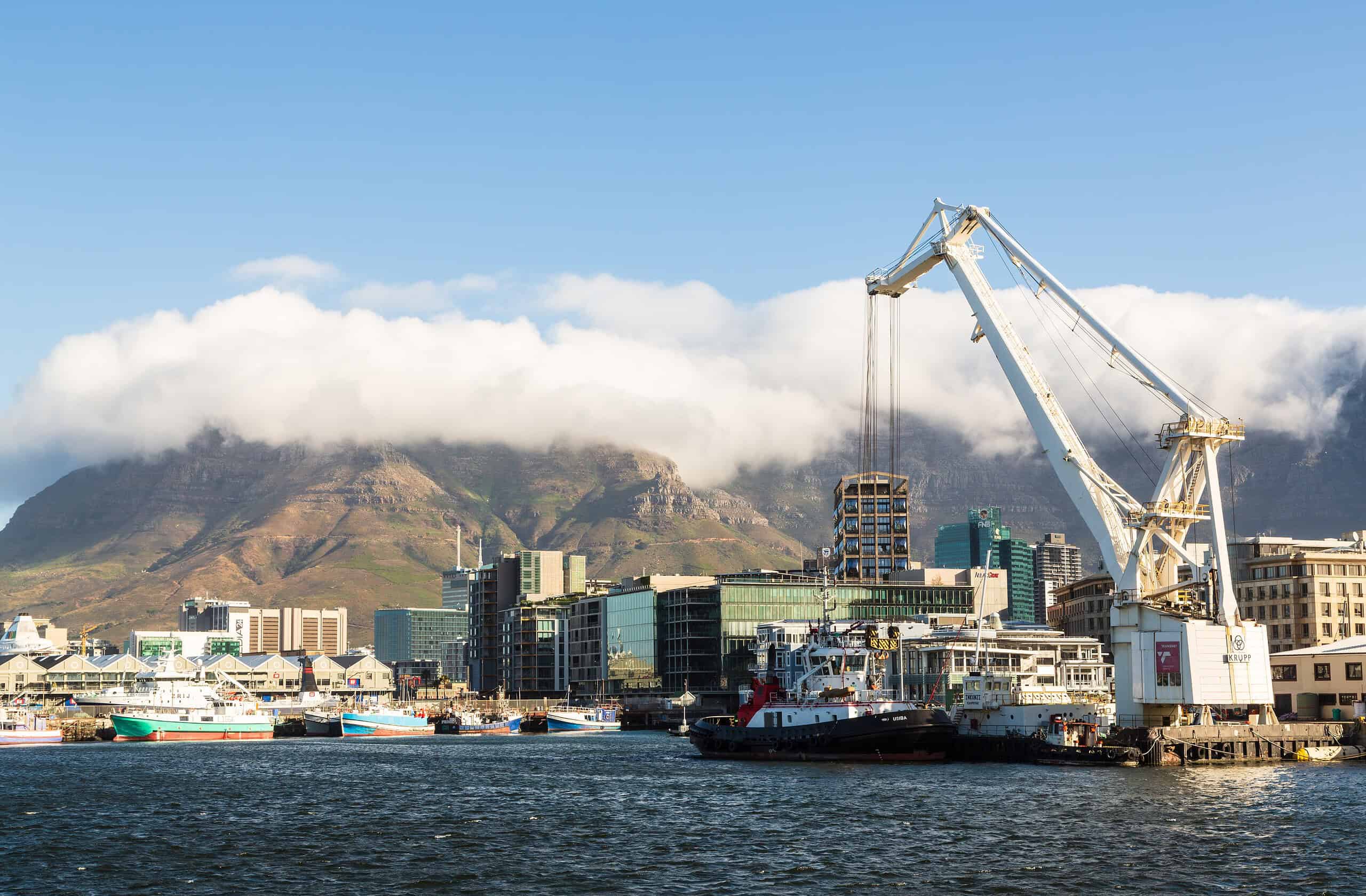
As ships bypass the Red Sea, increased traffic around the Cape of Good Hope could benefit African economies.
The ongoing conflict with Iran in the Strait of Hormuz and attacks by the Houthis, a Yemen-based militant group, in the Bab el-Mandeb Strait have forced many shipping companies to explore alternative routes around Africa. While the financial and operational costs are significant, the shift presents new economic opportunities for African countries, particularly those positioned to serve the growing volume of maritime traffic.
The main detour causes international shippers to bypass the Red Sea and the Suez Canal corridor, traveling around the southern tip of Africa past the Cape of Good Hope. This longer route can add up to two weeks to a trip from Europe to Asia, increasing energy and shipping costs.
The Cape of Good Hope was already one of the world’s busiest sea routes before recent developments, driven by the conflict with Iran that began in February 2026. According to the U.S. Energy Information Administration (EIA) World Oil Transit Chokepoint Report, released in March 2026, approximately 9 million barrels per day of crude oil and petroleum products pass around the Cape of Good Hope, accounting for 11% of global seaborne oil trade.
Despite the additional shipping time and cost, many major container operators still chose to divert mid-voyage from the original Suez Canal route because of ongoing threats and blockades, as the Houthi forces continue to advance along the Red Sea coast and target regional maritime traffic.
New Shipping Opportunities for Africa
The increase in traffic around Africa, and more specifically around the Cape of Good Hope, provides various African countries with new economic and diplomatic opportunities. The main economic benefits stem from the expenses and services associated with the new shipping routes.
First, the Institute for Strategic Studies Africa 2026 Report highlights that most vessels do not call at South African ports. These ports can offer international shippers key high-value services, including ship repair and maintenance, crew changes, resupply, and medical support. While major South African and Namibian ports, such as Durban and Walvis Bay, can provide a full range of services and logistics connectivity for this new traffic pattern, other countries, such as Kenya and Mauritius, can also connect this traffic to the Indian Ocean shipping needs.
Second, global pressure to replace shipping fuel with more sustainable, environmentally friendly alternatives is creating strong renewable energy markets and green hydrogen potential in African nations, along with an opportunity to capitalize on this shift. A recent report by the European Council on Foreign Relations shows that countries such as Morocco and Kenya can serve as major marine refueling hubs. As trade and investment in renewable energy have become a diplomatic currency in Africa, the ability to influence shippers’ emissions can strengthen diplomatic relations among relevant nations.
Finally, as almost 70% of the previous Red Sea freight has been rerouted around South Africa, according to the Center for Security and International Studies, African nations like Djibouti are becoming key players in the new maritime security space. These nations can offer foreign nations improved physical and technological maritime security and use it to advance negotiated diplomatic and commercial goals.

Study Finds Persistent Negative Perceptions of Chinese Americans
A century and a half after Chinese came to California, one in four Americans hold “very negative attitudes” toward Americans of Chinese ancestry, and a third question their loyalty to the United States, according to a nationwide poll scheduled for release today in Washington.
The survey of public attitudes toward Chinese Americans also found that, while an overwhelming majority of Americans admire Chinese Americans for their devotion to family, emphasis on education and diligence, nearly a quarter would not approve of marriage to a Chinese American.
Twenty-three percent of Americans said they are uncomfortable with the idea of voting for an Asian American candidate for president, compared to 15% for an African American, 14% for a woman and 11% for a Jew.
Thirty-four percent said Chinese Americans have too much influence in the U.S. technology sector. Virtually the same proportion said Chinese Americans are more loyal to China than to the United States.
Those findings would appear to reflect the residue of the federal prosecution of U.S. nuclear scientist Wen Ho Lee, who was accused of transferring nuclear weapons data to unsecured computers on behalf of China.
The poll results, coming at a time of renewed tension between the U.S. and Chinese governments, disheartened experts who have long believed that the American public’s perception of Chinese Americans and other Asian Americans is disproportionately affected by the tone of diplomatic relations. Those experts felt that some of the responses showed that Americans are woefully ignorant about Asian Americans, even in California, where an estimated 40% of the nation’s Asian Americans live.
“We find these findings startling,” said Henry S. Tang, chairman of the Committee of 100, the Chinese American leadership organization that sponsored the telephone survey of 1,216 Americans. The group’s better-known members include cellist Yo-Yo Ma and architect I.M. Pei. “It makes you wonder how not only Chinese Americans, but Asian Americans, can shake this legacy of somehow being less than 100% Americans,” said UCLA political scientist Don T. Nakanishi, director of the Asian American Studies Center.
After a U.S. spy plane collided with a Chinese fighter jet along the coast of southeast China earlier this month, a rash of talk show hosts and radio personalities called for the internment of people of Chinese ancestry. Some even urged a boycott of Chinese restaurants and made fun of Asian accents.
The release of the survey today at the National Press Club is coordinated with the committee’s 10th annual conference during which several panels will discuss the implications of the poll.
The telephone survey, conducted March 1-14 by Yankelovich Partners in consultation with the Anti-Defamation League and the Marttila Communications Group, has a margin of sampling error of 3.1 percentage points.
The main thrust of the study was to probe the public’s attitudes toward Chinese Americans. The survey also tried find out whether attitudes toward Chinese Americans were largely the same or different from those toward Asian Americans in general. It asked 1,002 respondentstheir opinions about stereotypes of Chinese Americans; 214 were asked about identically worded stereotypes of Asian Americans, according to the study. The answers were nearly identical, suggesting that prejudice against Chinese Americans is a subset of broader prejudices against Asian Americans, the researchers said.
Asians Americans were second only to African Americans as undesirable marriage partners. A third of respondents said they disapproved of marrying blacks, compared to 24% for Asians, 21% for Latinos and 16% for Jews.
As for housing, Americans preferred to be neighbors of Asians rather than blacks and Latinos. Seventeen percent of the respondents said they would be upset if an Asian moved into their neighborhood, compared to 21% for Latinos, 19% for blacks and 9% for Jews.
Asian Americans are often told that they excel in technical skills, but lack leadership qualities because they tend not to be assertive.
The poll found that 7% of Americans would not want an Asian American chief executive for a Fortune 500 company, compared to 4% who would not want an African American, 3% a woman and 4% a Jew. And the highest percentage of those surveyed objected to having an Asian American supervisor–6%, compared to 3% to 4% for the other groups.
“What’s disheartening about all of this is these negative views will continue because they are so tied to the things that really relate to our future–high technology, trade, U.S.-China relations,” said political scientist Nakanishi.
(BEGIN TEXT OF INFOBOX / INFOGRAPHIC)
On Chinese Americans
A telephone survey of 1,216 Americans age 18 and older conducted March 1-14 asked about views of Asian Ameri-cans and Chinese Americans.
*
Attitudes toward Chinese Americans
Very negative: 25%
Positive: 32%
Somewhat negative: 43%
*
Positive sentiment toward Chinese Americans (% who said “probably true”)
Have strong family values: 91%
Are as honest as other businessmen: 77%
Are as patriotic as other Americans: 68%
Place a higher value on education than do most other groups in America: 67%
Have contributed much to the cultural life of America: 56%
*
Negative sentiment toward Chinese Americans (% who said “probably true”)
Have too much influence in the U.S. high-technology sector: 34%
Always like to be at the head of things: 32%
Are more loyal to China than to the U.S.: 32%
Hard to get close to, make friends with: 28%
Taking away too many jobs from Americans: 24%
*
Note: Margin of error plus or minus 3.1 percentage points.
Source: Committee of 100

Kings remain winless with loss to Edmonton Oilers
Connor McDavid had a goal and two assists in the dynamic first period of his four-point night, propelling the Edmonton Oilers to a 4-1 victory over the winless Kings on Tuesday.
Vasily Podkolzin got his sixth and seventh goals of the season, Leon Draisaitl also scored and Devon Levi made 39 saves for the Oilers, who have won five straight and scored at least three goals in every game of their 5-0-1 start.
McDavid recorded at least three points in a period for the 33rd time in his 11-year career, doing it in the first period for the 10th time. The six-time Art Ross Trophy winner as the NHL’s top scorer has a whopping 16 points already this season with five multi-point games.
Brandt Clarke scored for the Kings, who dropped to 0-3-2 to begin coach Peter Laviolette’s first season despite outshooting the Oilers 40-16. The Kings are still adjusting to their new direction under Laviolette, who wants offensive aggression from a team that has played deliberate, defense-first hockey for nearly two decades.
The Kings and Philadelphia are the NHL’s only winless teams.
Evan Bouchard had two assists for the Oilers, who are off to their strong start despite playing without injured Zach Hyman and Ryan Nugent-Hopkins.
Edmonton opened the scoring when McDavid froze Cody Ceci and fed the puck low to the quick-wristed Draisaitl. One minute later, Podkolzin converted the rebound after McDavid blew past Mikey Anderson and blistered a shot off Darcy Kuemper.
After the Kings had pinned Edmonton in its own end for nearly two full shifts late in the first period, McDavid came off the bench, accepted Ty Emberson’s pass at the blue line in stride and scored his fourth goal.
Kuemper was replaced by Anton Forsberg to start the second.
Clarke scored late in the second period on a long shot through traffic. The goal was Clarke’s first since the Kings’ young defensive cornerstone signed a five-year, $37-million deal last June.
McDavid and Draisaitl assisted on Podkolzin’s empty-net goal.

Winter warmers: 10 of Britain’s best heated lidos | Swimming
Portavadie, on the banks of Loch Fyne on the west coast of Scotland, was originally earmarked as an oil rig, but plans fell through. Today it is a marina with holiday homes, a restaurant and bar, a gift shop, and a leisure centre with what is believed to be the biggest heated outdoor infinity pool in Scotland. There are also outdoor spa pools and a sauna, an indoor pool and a gym; treatments such as massages and facials are available. The facilities are powered by a woodchip biomass generator, and have views across the loch and over to the Isle of Arran.
£14 for a 90-minute swim, sauna and hot tub
Swimmers have long taken dips in the Waveney, and in 1894 an enclosed “bathing place” was dug out of the river at Beccles, a market town on the southern edge of the Broads national park. In 1959, this was replaced by an unheated riverside pool, which 50 years later became a three-pool lido. This year, the pools will be heated to 28C in winter for the first time, initially until 3 January, then, if popular, through to the end of March. The 30-metre main pool has a springboard and slide; there are also toddler and splash pools, a wood-fired sauna and a cafe. The timetable is yet to be finalised but there will be lane swimming, family fun swims and aquacise classes.
From £7.40 adults
In July, the Peak District village of Hathersage celebrated the 90th anniversary of its 30-metre outdoor pool. It was given to the village by a local philanthropist, George Lawrence, who was killed in the Sheffield blitz. The original coke boiler, which heated the water to a maximum of 20C, has been replaced with a modern renewable heating system (temperature at time of writing: 27C). It is open daily year-round – hours are reduced from November to March – with hot poolside showers, and a sauna from October. There are regular night swims with live music, and a cafe serving hot drinks and homemade food.
£8 adults
The riverside pool on King’s Meadow, Reading was fed by the Thames when it opened in 1902, originally for ladies only. It was converted to mains water in the 1950s, closed in the 70s, and finally reopened after a three-year restoration in 2017. Today, the 25-metre pool is heated to 20-24C year-round; there is a hot tub (38-40C), sauna and steam room, and a cold-water drench bucket and “ship funnel” shower. Swimmers can also book a massage. The high-end poolside restaurant opens at 9am for breakfast (homemade granola, bacon butties, Turkish-style eggs) and serves lunch and dinner daily (such as crab tagliatelle or Ibérico pork).
From £25 for a two-hour swim, sauna, steam and hot tub
The pool at Chesham Moor sports centre is believed to have begun as a deep puddle used for bathing in the 1890s. Today it is a 25-metre spring-fed lido, upgraded in 2023, with a Nasa-designed ionisation unit, which keeps chlorine levels low. It has solar panels and is heated to 27C year-round, although in very cold weather it may be a little cooler. It is open daily for a mix of lane and general swimming, plus aqua fitness sessions and swim masterclasses. There are also outdoor circuit classes and tennis courts, a nearby riverside walk, and a cafe serving hot drinks, sausage rolls, sandwiches and cake.
From £7 adults
Sea Lanes, Brighton, East Sussex
This “stepping stone to the sea” opened in 2023: a 50-metre, six-lane, beachfront swimming pool. It is heated to a minimum of 19C year-round. Coaching is available for all levels, from beginners learning to swim to open-water swimmers and triathletes. For a post-training refuel, Fika serves brunch and coffee, Wood x Coal cooks lunch and dinner over fire, and Bison Beer has 14 draught beers plus wine and cocktails. Just four miles along the seafront is Saltdean Lido, a 40-metre, crescent-shaped modernist masterpiece (built in 1938). This winter, it opens only for the month of December, when it is heated to 19C; there is also a sauna (run separately).
£11.90 adults
after newsletter promotion
Built in 1922, this 36-metre pool next to Bushy Park in south-west London is now run by a charity. It is open 365 days a year and heated to a tropical 28C. There is also a 12.5-metre learner pool, gym, fitness classes and Sundeck Cafe (porridge, soup, jacket potatoes), and regular events such as moonlight and festive swims. Londoners are spoiled for choice when it comes to heated outdoor pools – other options include London Fields Lido (50 metres, 24C), Oasis Sports Centre in central London (27.5 metres, 26C and a sauna), Charlton Lido (50 metres, 22C), Pools on the Park in Richmond (33 metres, 25C) and Park Road Lido in Crouch End (50 metres, 22-24C).
The National Lido of Wales, in Pontypridd, opened in 1927 – swimmers over the years include a young Tom Jones. It reopened in 2015 after a £6.3m restoration, and today has three heated pools: a main pool, an activity pool and a splash pool. The pools are heated to 28C in the summer, but in winter the heat is turned down to a bracing 14-15C. These cool-water swims are avaiable at weekends from 24 October to 28 November, for ages 16 and over. There are hot outdoor and indoor showers, and heated indoor changing rooms. Some swimmers may prefer to wait for the Boxing Day and New Year’s Day swims, when the heat is cranked back up to a steamy 28C.
£4 adults
This Victorian outdoor swimming pool opened in 1850, closed in 1990 and was almost redeveloped into flats. Instead, it was bought and restored by Arne Ringner, the businessman who later bought Thames Lido (see above), and reopened in 2008. The 24-metre pool is heated to 20-24C year-round. There is a sauna, steam room and hot tub, and a poolside restaurant and bar that runs regular supper clubs. Upcoming events include synchronised swimming shows, Christmas lunches and dinners (three courses £35/£50) and a New Year’s Eve party (£135 for a two-hour swim and five-course dinner).
From £25 for a two-hour session – swim, sauna, steam and hot tub
Faversham Pools comprises three heated outdoor pools – a 33-metre lido with three diving boards (1, 3 and 5 metres), a fun rapids pool and a toddler pool with slides – plus a 25-metre indoor pool and whirlpool bath. While the smaller pools are open only from April to September, the lido is open year-round, albeit with reduced hours from September to April (4-7pm on Tuesdays and Thursdays and 8-11am on Sundays). These winter outdoor sessions are lane swimming only, for over-16s. Tides Cafe serves warming homemade food, such as soup (perhaps Thai butternut squash or Egyptian lentil), toasties, macaroni cheese and curries.
£8.50 adults

Sudan cannot afford to dismiss a chance for dialogue | Opinions
More than three years into the war between the Sudanese Armed Forces (SAF) and the Rapid Support Forces (RSF), Sudan is desperately in need of a political settlement. The fighting has caused immense suffering, and a military solution alone cannot rebuild the state or reunify its fractured society. Under such circumstances, any effort aimed at encouraging Sudanese-Sudanese dialogue deserves serious consideration rather than outright rejection.
In August, a self-appointed committee of 19 Sudanese public figures, chaired by Ahfad University President Qasim Badri, launched an initiative to prepare the ground for national dialogue inside Sudan. Its members had earlier met SAF chief General Abdel Fattah al-Burhan and called for legal restrictions on opposition politicians to be lifted. The authorities subsequently issued a decree to drop certain politically motivated charges against Sudanese abroad returning for dialogue and grant participants temporary legal protections. These are limited but important confidence-building measures.
The initiative has nevertheless faced strong opposition. The civilian coalition Sumoud, led by former Prime Minister Abdalla Hamdok, and Ta’sis, an alliance that includes the RSF, have opposed the proposed internal dialogue. They question its independence and warn that holding talks in army-controlled areas could legitimise al-Burhan’s authority and entrench the country’s divisions. These concerns are legitimate and deserve serious attention. But the committee says it is not seeking to negotiate Sudan’s future or determine the agenda of a national dialogue. Its role is to help create the conditions for Sudanese political actors to engage one another directly. The question is whether it can fulfil that role without allowing one side of the conflict to dominate the process. Dismissing the initiative before it has had an opportunity to demonstrate its value would be premature.
The country’s political actors and civil society organisations remain deeply divided, previous mediation efforts have faltered, and the war continues to make comprehensive political engagement increasingly difficult. The committee’s initiative is an attempt to break the deadlock. Efforts to prepare for political dialogue should not be postponed until the fighting stops. Securing a ceasefire and ensuring humanitarian access are urgent priorities, but preparations for political dialogue can proceed alongside efforts to achieve them.
The committee’s members were not elected, and they do not represent every political constituency. Yet the committee’s legitimacy cannot be judged solely by how it was created. It must also be judged by whether it can help bring a broader range of political actors into a national dialogue.
Good intentions alone cannot resolve concerns about credibility. Political dialogue can succeed only if participants believe the process is fair and independent. The legitimacy required to facilitate a political opening is not necessarily the same as that required to negotiate a national settlement. But even a preparatory initiative must earn the trust of those it seeks to bring together.
The committee’s meeting with al-Burhan was a practical necessity. As army chief and head of the Sovereignty Council, he was in a position to respond to the committee’s demands for legal protections. Engaging with al-Burhan does not in itself amount to an endorsement of his authority. But if the initiative becomes too closely associated with the army, other political actors may view it as an extension of al-Burhan’s political agenda rather than an independent facilitator. The committee must therefore demonstrate that its engagement extends beyond the military authorities and that it is prepared to work with political forces that oppose them.
The initiative was launched in Khartoum, which is under army control. This raises a genuine concern about whether a process beginning in territory controlled by one side of the war can attract the confidence of political forces across the country. A national dialogue cannot be confined to one geographical or political constituency. Entire regions have experienced different realities of war, governance, displacement and insecurity. The committee must find ways to reach those living outside army-controlled areas, including Sudanese displaced by the fighting, and ensure they can participate freely and without intimidation.
Sumoud and Ta’sis’s decision to reject the initiative does not automatically invalidate the process. Their concerns deserve consideration, but outright rejection at this early stage risks closing off an opportunity for political engagement. At the same time, their absence matters. Sudan’s crisis is too deep and complex to be addressed by any single political current. The committee cannot expect every stakeholder to endorse its initiative immediately, but it must create conditions that persuade reluctant actors to participate. If it fails to do so, the initiative itself will have failed.
The African Union Commission and the Arab League have also welcomed the initiative, providing an important measure of regional support. Their endorsement lends weight to the effort to revive Sudanese-led political dialogue, although external backing cannot substitute for the confidence of Sudan’s own political forces.
The committee’s initiative should therefore be judged without excessive optimism or automatic suspicion. The legal measures announced following its engagement with al-Burhan are an encouraging first step, but the real test lies ahead. Does it help remove legal and political obstacles facing opposition actors in practice, not just on paper? Can it win the confidence of those who have rejected it? Can it ensure that Sudanese across the country’s political and geographical divides have an opportunity to participate freely?
What is clear, however, is that Sudan’s crisis will ultimately require Sudanese actors with profoundly different visions of the country’s future to sit together and engage one another politically. No committee can do that on their behalf. No external actor can do it for them. At best, a preparatory initiative can help create the conditions under which such engagement becomes possible. The concerns raised by its critics should not be dismissed, but neither should they be grounds for rejecting the initiative before it has had an opportunity to address them. Those who have rejected it should remain open to reconsidering their position if the committee demonstrates that it can build an independent and inclusive process. If it succeeds, it will have rendered an important national service.
The views expressed in this article are the author’s own and do not necessarily reflect Al Jazeera’s editorial stance.