


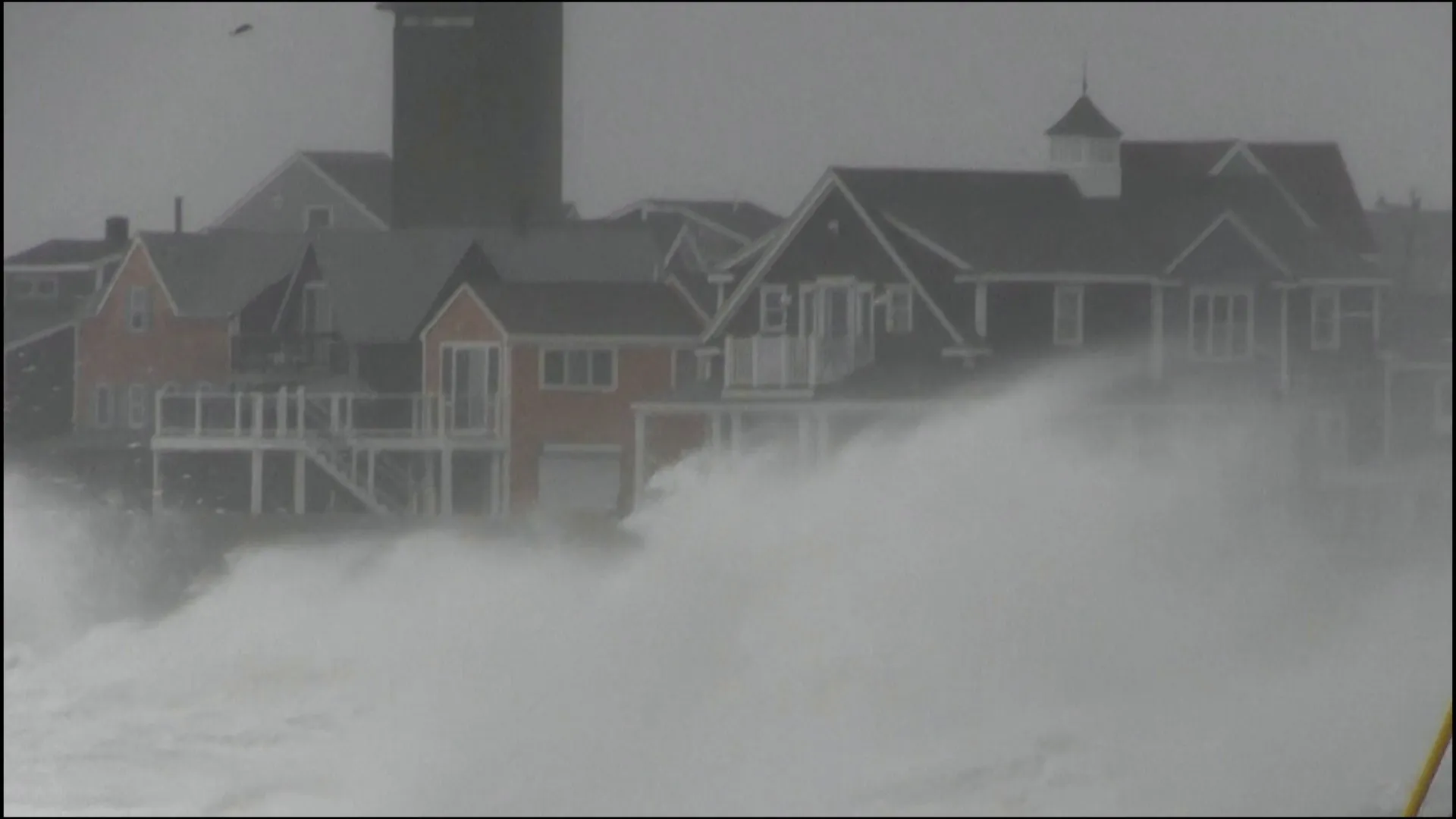
Powerful storm batters US Northeast disrupting power and travel | Newsfeed
Powerful winds and towering waves are battering the US Northeast, causing flight chaos and blackouts. Flooding has already hit areas like Atlantic City and the Jersey Shore, with officials warning of more rain to come.
Published On 27 Sep 2026
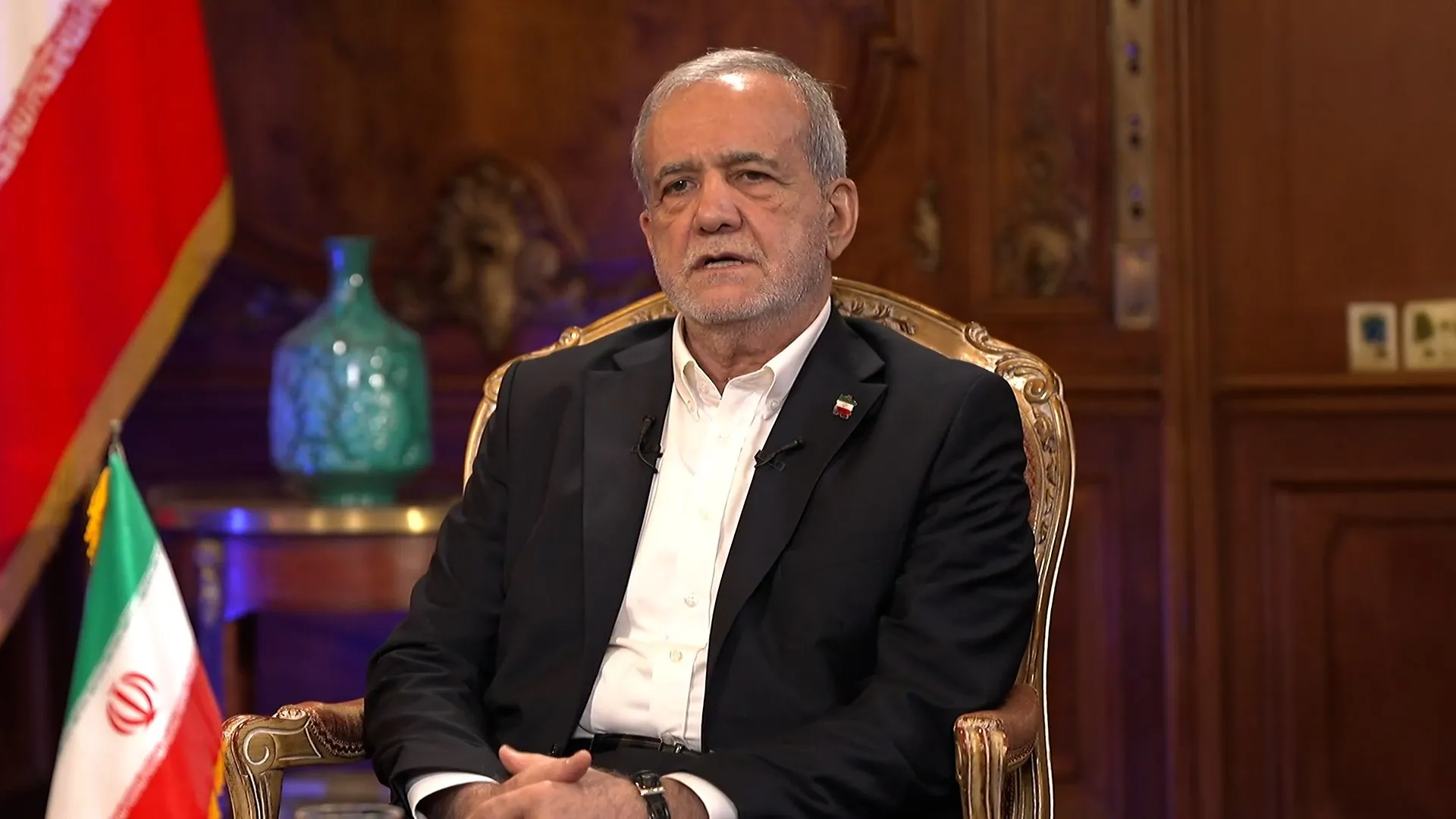
Pezeshkian says Iran ‘no longer trusts talks with Washington’ | US-Israel war on Iran
Iran’s President Masoud Pezeshkian told Al Jazeera that Tehran no longer trusts talks with the US after previous negotiations were followed by attacks and sanctions. His comments came shortly before Donald Trump rejected Iran’s proposal to reopen the Strait of Hormuz within seven days.
Published On 26 Sep 2026

Why Hallmark Movies and John Wilson’s ‘The History of Concrete’ take the mundane so seriously
Hallmark films have mastered the art of escalating low-stakes situations into high-stakes emotional emergency plotlines. They have made a lucrative business out of absurdities.
The town’s ice sculpture competition is in danger of being canceled forever. How can the Christmas celebration in Colorado go forward without a nice spruce? The only way to really save the bakery is to have a life-size gingerbread house competition.
It’s a proven formula that leans into the ridiculousness of mundane situations but earns its audience every holiday season. Whether it’s watching the movies for comfort or to turn a viewing party into a drinking game, millions of people tune in to laugh or cry watching them.
The Hallmark situations can be predictable, comfortable and wholesome, which can come off as absurd for a film plotline. Their sincerity and humor come from the cast’s commitment to the mundane, said Ron Oliver, writer and director of many Hallmark films.

A scene from “The History of Concrete.”
(Magnolia Pictures)
“Funny is only funny if you don’t think it’s funny,” he said. “We know that’s ridiculous. But at the same time, if the actor commits to it, it makes it seem real, then the audience gets it.”
He likes to think they’re laughing along with the idiosyncratic elements of the movies, and as long as it is creating a communal atmosphere, Oliver is all for it.
“If there’s anything we need these days, it’s a sense that people belong somewhere,” he added.
The formula isn’t what makes a movie a Hallmark movie. The structure has existed since God wore shorts, said Oliver. The channel’s achievement has been its ability to turn the structure into a recognizable brand through its stories.
When filmmaker John Wilson was in between jobs after finishing his HBO show “How To With John Wilson” during the writers’ strike, he attended a seminar on how to write and sell a Hallmark film.
After seeing what makes the Hallmark brand recognizable, Wilson decided to adapt the style into his own genre of making a documentary about concrete titled “The History of Concrete,” hoping the structure would help him finance the film.

John Wilson in “The History of Concrete.”
(Magnolia Pictures)
“But it’s very loose and almost impossible to even identify at points,” he said.
Instead of mocking the genre, Wilson subverts the Hallmark elements into his style of documenting, which finds the filmmaker recording trivial life moments — a person sitting on a pole, for example, or someone ruining a perfectly good jar of peanut butter by dipping their fingers into it — alongside his contextualizing narration.
“I both embrace but betray certain rules,” he said.
The seminar told him to avoid mentioning Christianity in the context of Christmas, so he pivoted to a Buddhist community with an annual tradition of running around a school in New York. The formula prefers to stay away from trauma. Instead, he made the death of one of his subject’s fiancées one of the main plotlines of the film.
“The actual Hallmark of it all fits in a way because that’s the kind of living proof that this rhythmic cyclical way of storytelling is actually soothing and attractive to people over long periods of time, to be able to return to this thing that they can trust and understand,” he added.

A scene from “The History of Concrete.”
(Magnolia Pictures)
In Wilson’s film, the entrance point is concrete, but what begins to unravel is a romance story involving a boy who has a movie idea, needs money to make a movie and tries everything he can to sell it — a signature love trope for most Hallmark movies.
Throughout the film, Wilson goes from pitch meeting to pitch meeting trying to finance his art. In the process, Wilson meets other eccentric characters that share his passion of filmmaking but have their own interests, like clearing gum from a sidewalk, immortalizing a person’s tattoo after they’re dead, and music.
“I’m just finding different ways to court this industry that doesn’t seem ready for this relationship,” Wilson said. “I’m trying to find some consensual way into it, but I eventually just need to perform the romantic gesture of doing what feels right and what comes naturally to me.”
The love story is the kind of theme that sometimes it’s OK to lean into, even though he’s constantly battling whether he should explore it in his films, Wilson added.

A scene from “The History of Concrete.”
(Magnolia Pictures)
Oliver believes that battle is a product of the cynicism that exists in society. Pledging love and respecting someone or a relationship can make people feel so uncomfortable that leaning into these tropes of life can feel humorous, and that’s where the laughs from a Hallmark film come from.
“They’re realizing that they’re being emotional about somebody who can’t find the right Christmas sweater,” he said.
The people in “The History of Concrete” aren’t funny because Wilson makes them out to be ridiculous. He doesn’t emphasize their eccentricities or tell the audience what makes them funny. He simply lets them be themselves. He captures their personality through a curiosity lens.
The humor comes from their passions not seeming worthy of the level of seriousness with which they pursue them. These people love something so much that their devotion mirrors the kind of energy normally reserved for higher stakes.
“There’s no definition of normal that sticks,” Wilson said.
A Christmas celebration isn’t objectively a life-or-death situation, and neither is concrete. But when people care deeply about them, those seemingly mundane things can take on an emotional significance the audience understands.
“Even if it’s something absurd … [the casts] are also committed to the idea of making it real,” Oliver said.
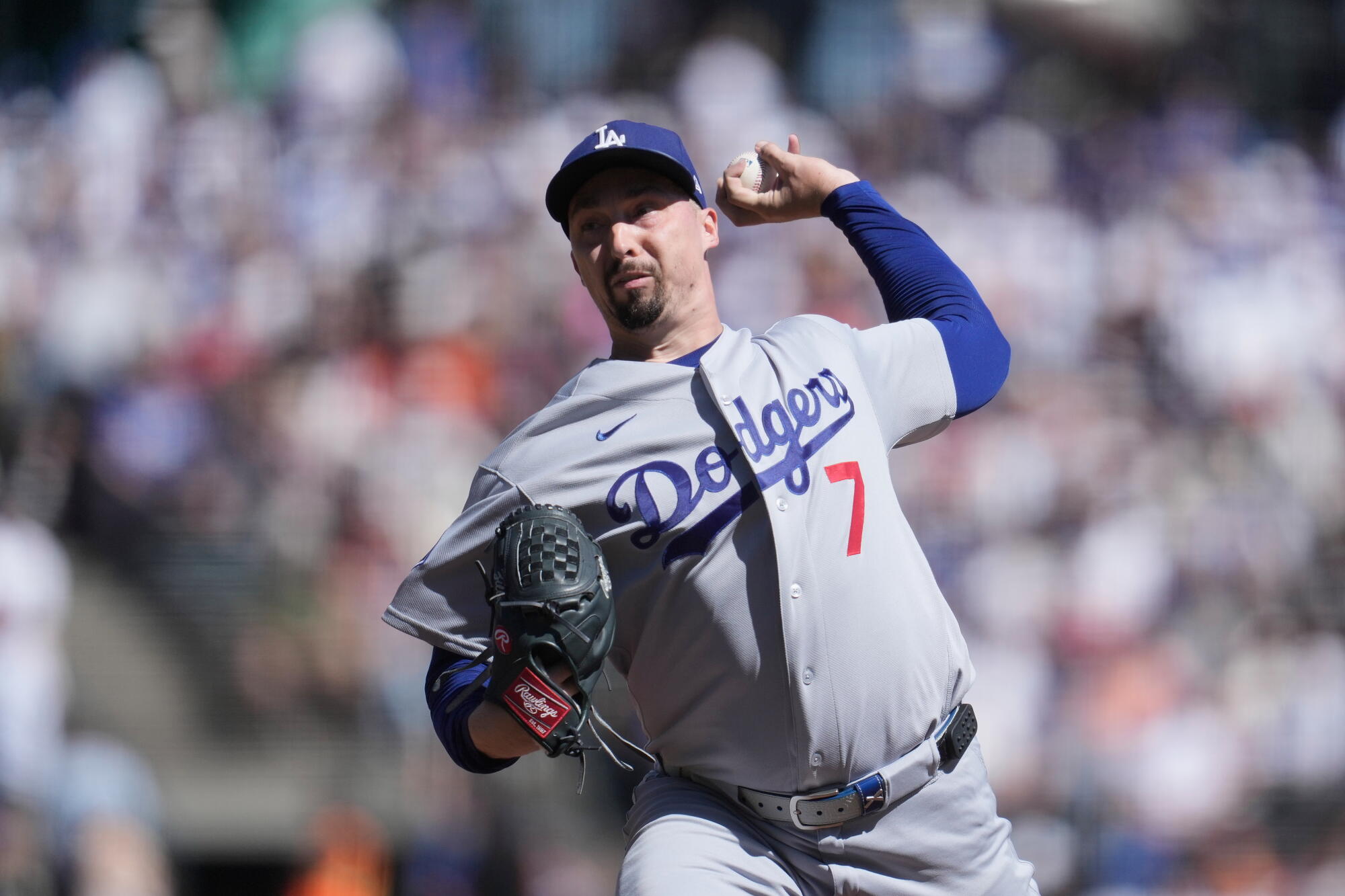
Blake Snell passes his checkup as Dodgers earn win No. 99
SAN FRANCISCO — The result of Blake Snell’s final pitch Saturday, a fastball that San Francisco Giants third baseman Shay Whitcomb lined into left field, mattered far less than the fact that the left-hander had passed the 75-pitch mark without incident.
Dodgers left fielder Teoscar Hernández threw out Whitcomb at second. And Snell walked off the field to complete a four-inning start in the Dodgers’ 4-3 win.
“Definitely needed to pitch today,” Snell said of his first start in a week and a half. “Definitely showed that. I was trying to go up and in, I was missing up and away. Even the last pitch of the game, I try to go up and in and miss right down the middle. I don’t know the last time I did that. It’s been a while.”
The Dodgers (99-62) entered locked in as a No. 2 seed for the playoffs. So, the stakes of their last two games of the regular season boiled down to health and preparation for the postseason. There was no better example of that give-and-take than Snell’s five-hit, one-run start.
Because Snell left his previous start with tightness in his left groin, the Dodgers planned for a short outing Saturday, prioritizing his health for the postseason.
“We were confident,” Roberts said of Snell’s recovery from the injury. “But it’s still good to see it. And it’s good also that we got it out of the way, that rust off — versus whatever game in the postseason, then he’s rusty, and you’ve got to kind of pick up the pieces in a playoff game. So I thought today it was really best-case scenario.”
The only run Snell gave up was the result of a double, stolen base and sacrifice fly in the third. He had three strikeouts and no walks.
Snell’s changeup was about two miles per hour faster than usual, something he wants to address before his next start. And he wants to hone the release on his curveball. But his slider, the pitch he would be most worried about if his groin injury wasn’t resolved, had promising velocity and shape.
“To throw a 92 [mph] with good horizontal break, and to see the trust I had in the back leg when throwing that, that’s a really good sign,” Snell said.

Dodgers pitcher Blake Snell throws against the San Francisco Giants in the first inning Saturday.
(Jeff Chiu / Associated Press)
Snell said he thinks he’s fully past the injury, and didn’t even think about it during the start.
“Definitely happy about where I’m at,” he said. “Now, it’s a big week for me. Catch has to be great, bullpens have to be great. I’ve really got to focus on getting in my legs, and the consistency of every throw. So to be able to pitch today and learn all of that is bigger than I could ever really express.”
Snell, who missed time because of a late spring training build-up and arthroscopic surgery in May to remove loose bodies from his left elbow, finished the regular season with just 42⅔ innings pitched. But he posted an impressive 1.90 ERA in that time.
The team considered replacing Snell’s start Saturday with a live batting practice session, Roberts said, which would have still given Snell feedback from hitters, but in a more controlled environment.
“We gave him and the training staff every out to do so,” Roberts said. “But there was a lot of confidence that he’s in a great spot.”
Snell’s recent workload was another reason for the Dodgers to be conservative with his workload Saturday. Over the past two weeks, he’s only thrown one inning.
“So there’s a balance between getting your work in, making sure you feel good coming out of it,” Roberts said. “Even for example, I could’ve pushed Tarik [Skubal in his start Friday], given his efficiency. But to me, to what end?”
Snell should be full-go for the playoffs, Roberts said. But count Snell among the Dodgers players who can benefit from the wild-card bye.
“This is still an important one,” Roberts said of Snell’s start Saturday, “to go into it feeling good, to then take that extra six, seven, eight days.”
Six to eight days off would line Snell up to start Game 2 or 3 of the National League Division Series. But Roberts declined to tip his hand on rotation order. The days off give the Dodgers extra flexibility to line up their pitching.

Mookie Betts celebrates after hitting a home run for the Dodgers in the third inning Saturday against the Giants.
(Jeff Chiu / Associated Press)
“You’re looking at, the first series, who could pitch on regular [rest], who needs extra, how potentially the next series lines up,” Roberts said. “How you can … maximize those four guys. And I do think with those four guys, it doesn’t matter the opponent, so that’s not a variable.”
Roberts also said alternating between right- and left-handers was not a variable.
“To be honest with you, you could put them all in a hat, and you could make a case for any order you put them in,” Roberts said.
Right-hander Yoshinobu Yamamoto, the stalwart of the rotation, certainly has performed to the level of a Game 1 starter, both this season and in a heroic World Series run last year.
For Game 2, it would make sense to choose a pitcher who’s comfortable starting on four days rest. Then, thanks to a pair of off days built into the series, both the Game 1 and Game 2 starters could be available to throw in an if-necessary Game 5.
Skubal has pitched on regular rest this season more than any of his rotation mates, making him a strong option to take the ball in the second game.
If the Dodgers do, indeed, go in that direction for Games 1 and 2, Snell would then be the natural choice for Game 3, on eight days’ rest. And right-hander Tyler Glasnow could take an if-necessary Game 4.
The Dodgers, however, don’t need to finalize their pitching decisions just yet.
“I love our starters,” Snell said. “I love the staff, the way we push for each other to be great and support each other. So, I can’t wait. It’s what we’ve all been waiting for, and now it’s time to prove it.”

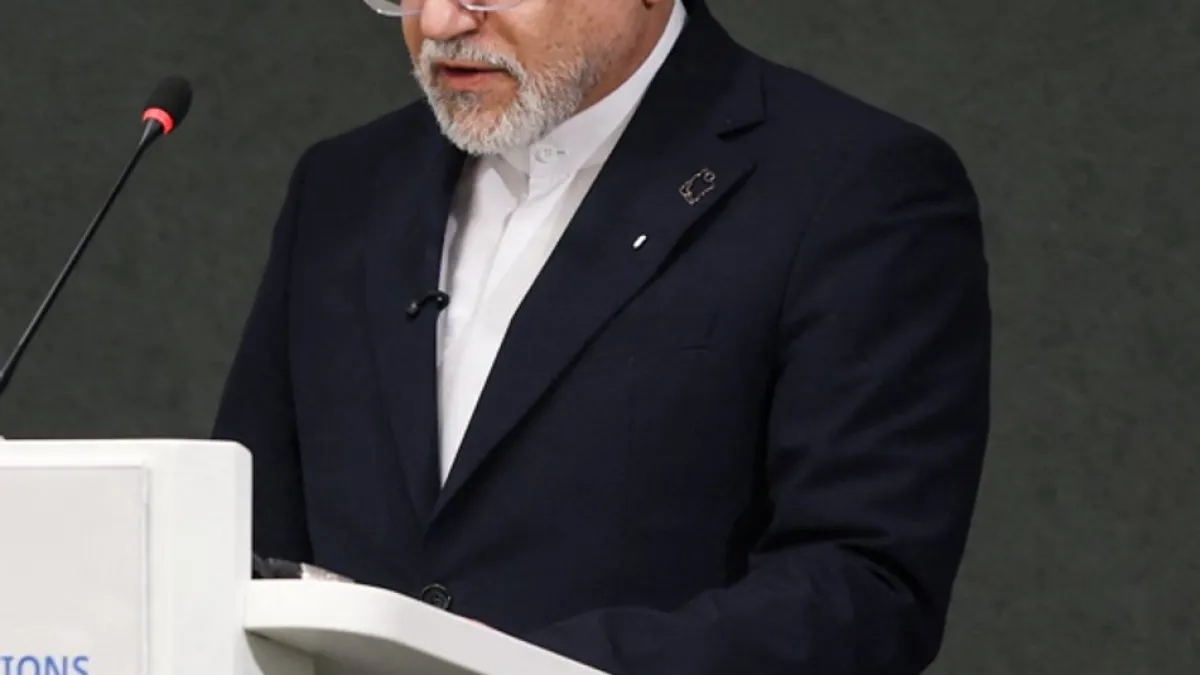
Araghchi ignores Trump, waits for mediators’ response on Hormuz | Conflict
Iran says it’s still waiting for an official response from the US on its proposal to reopen the Strait of Hormuz within seven days. Iran’s foreign minister Abbas Araghchi made the comments shortly after President Donald Trump said he had rejected the plan.
Published On 27 Sep 2026

Sunday 27 September Independence Day in Turkmenistan
Turkmenistan is the southernmost state in Central Asia and the second largest.
Throughout its history, the region has been conquered by such notable figures as Cyrus the Great, Alexander the Great and Genghis Khan. The Turkmen people first arrived in the area in about the 10th century, though there is some debate as to where they came from.
Turkmens first came under the gaze of the Russian Empire in the late 18th century, but resistance wasn’t finally broken until the Battle of Gök-Tepe (now Gökdepe) in 1881, after which the area of present-day Turkmenistan incorporated into Russian Turkestan.
After the Russian Revolution, Turkmenistan formed part of the Turkestan Autonomous Soviet Socialist Republic (ASSR) in 1921, becoming a constituent republic of the USSR in 1925.
When the Soviet Union collapsed in 1991, the Turkmen Communist Party supported the failed coup against Soviet leader Mikhail Gorbachev, but declared independence on October 27th 1991.
On October 27th 1991, the Supreme Soviet of the Turkmen Soviet Socialist Republic adopted the Constitutional Law “On Independence and Principles of State Structure of Turkmenistan.” This act formally declared the nation’s sovereignty as the Soviet Union dissolved.

Orange Order successfully challenge injuction banning Drumcree parade
In a statement on Saturday afternoon Archbishop Eamon Martin called for “prayers and support for a peaceful resolution to complex Garvaghy Road situation”.
The Catholic primate said he shared the “sense of shock and disappointment of so many people at recent developments”.
“I also appeal for support for the patient use of solely lawful and democratic processes to resolve this deeply complex and emotive situation.”
Fr Peter Clarke, from St John the Baptist in Portadown, said he was concerned the march would “clash” with parishioners coming and going from the church.
He said he had emailed the commission to express his concerns and stated he “doesn’t know how they came to” their conclusion.
Parishioners at St Patrick’s Church on William Street are also likely to be affected ahead of the 10:00 service, according to the priest.
He added “tensions are high” in the community, and said he will be addressing the situation during Sunday’s service.
The decision to give the go-ahead for the parade came after the five-person Parades Commission, led by Prof Evelyn Collins, held face-to-face talks with the Orange Order earlier this week, and a separate meeting with the residents’ coalition.
Senior police officers were also consulted about the planned parade.
Within the 31-paragraph determination by the Parades Commission, details were revealed of conversations held with the PSNI.
The document stated: “The police made both written and oral submissions, indicating that they, at the time of making them, had no information indicating that the parade would result in disorder or violence.”
The Police Service of Northern Ireland (PSNI) said it had activated “mutual aid arrangements to support contingency planning for a policing operation” in Portadown on Sunday.
It is understood about 200 officers are coming from Scotland.
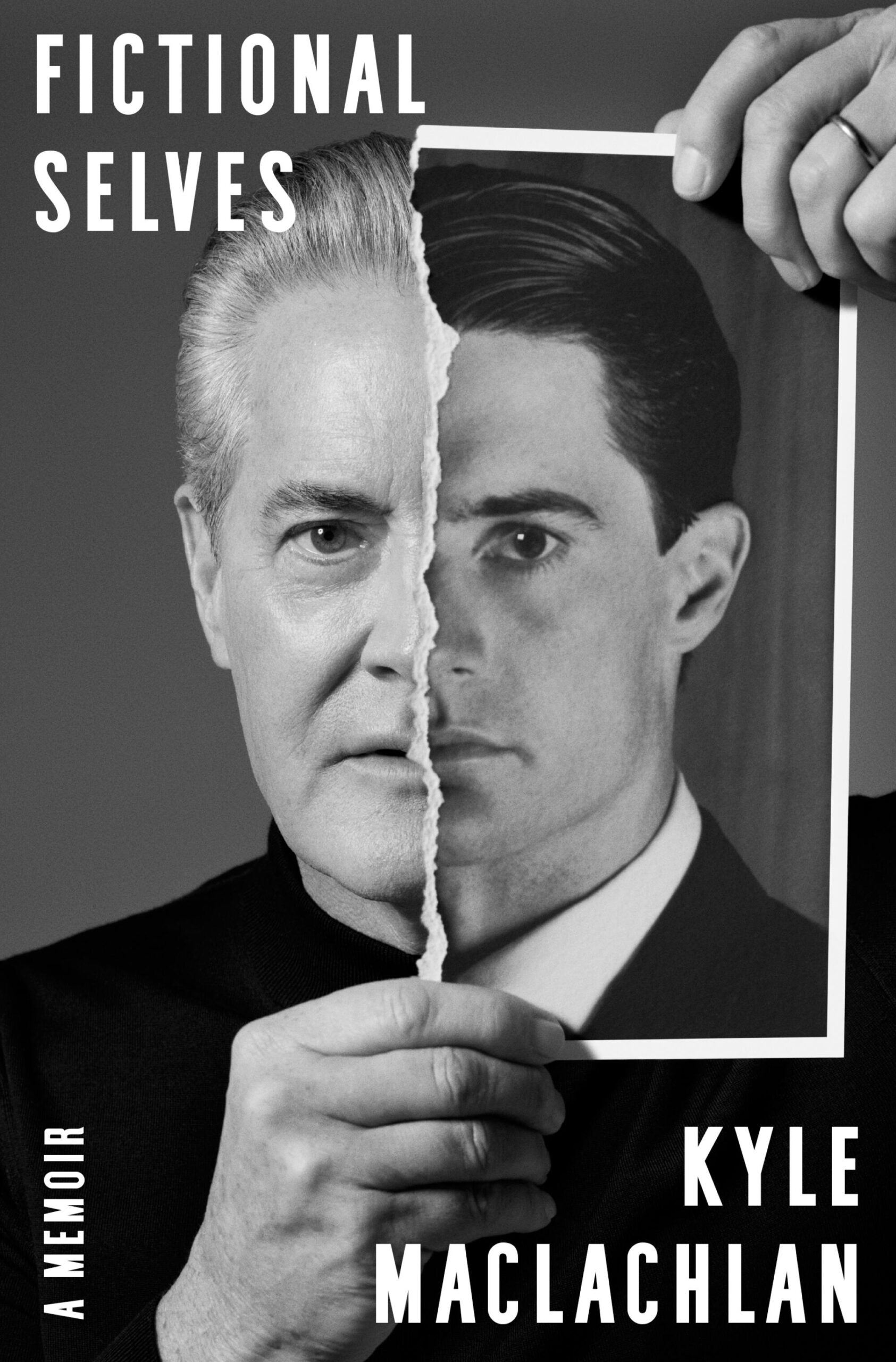
Inside Kyle MacLachlan’s journey from anxious outsider to cult TV icon
Kyle MacLachlan is living up to his reputation as the Internet’s Dad.
It’s an especially warm day in August, and the bespectacled actor, best known for his many projects with the late auteur David Lynch, is approaching with a coffee (black, naturally) in one hand and a massive cookie in the other. The snack, it turns out, is meant for us to share.
On the Shelf
Fictional Selves: A Memoir
By Kyle Maclachlan
Crown: 320 pages, $34
If you buy books linked on our site, The Times may earn a commission from Bookshop.org, whose fees support independent bookstores.
“Whatever it is, it’s very healthy,” he says when I ask what sort of confection he chose. “It’s cranberry, oatmeal and gluten-free. Who knows if there’s any sugar in there?”
At 67, MacLachlan isn’t necessarily a health nut. But he is highly amenable and willing to roll with my vegan cafe selection, which is conveniently located near our photo shoot location. “I come from Eastern Washington state — it’s a desert,” he says assuringly when I offer to move us to an indoor seat with air conditioning. Later, as we prepare to leave for the shoot, he clocks my car, a rare station wagon, and dubs it “spec-TAC-u-lar.”
That’s MacLachlan for you — all it takes is one word (he also drops an “Aces!” during our meeting) or enthusiastic gesture (very likely a swooping thumbs up) to channel the type of eccentric and upbeat characters he’s spent the last 40 years playing. Now, with the release of his thoughtful new memoir, “Fictional Selves,” MacLachlan gives us a much closer look at the man behind the chin-jutting grin, and, in doing so, introduces us to his doppelganger, “Other Kyle,” an image-conscious shadow figure constantly trailing behind, questioning his choices.
“There’s definitely another entity, an observer, the ego, the harder self,” MacLachlan says of how he would describe Other Kyle, whom ghostwriter Jon Sternfeld first identified after noticing the way MacLachlan tended to fall into conversation with himself while recounting his life. “[He’s] the kind of person that I’m not comfortable leading within the world. But he’s definitely in there commenting on the things that I do.”

Other Kyle first began to taunt MacLachlan after he saw himself on a gargantuan billboard for “Dune” in Times Square. (In his early 20s, MacLachlan was famously plucked from obscurity to lead David Lynch’s 1984 adaptation of Frank Herbert’s sci-fi epic.)
Well before his alter ego materialized, and well before Hollywood found him, MacLachlan was prone to anxiety and fears of never fitting in. Born in Yakima, Wash., MacLachlan grew up the oldest of three boys; his parents were solidly middle-class, with his father working as a lawyer, and then stockbroker. His mother was a homemaker known in the community for her civic involvement, particularly in local arts programs. In fact, it was MacLachlan’s mother who first encouraged him to try a “Teen Theater” program, drawing him in with the promise that there might also be girls in attendance.
But it took a minute for MacLachlan to genuinely embrace his calling. As a young adult, his father pushed him to study business, while his mother urged him to try PR or communications. His studies at the University of Washington weren’t going well, so he dropped out and worked at a manufacturing plant back in Yakima. It wasn’t until a girlfriend recommended a summer theater program in North Carolina that MacLachlan leaned back into his first real passion, eventually returned to school with a newfound focus, and was accepted into the University of Washington’s professional acting program.

Kyle MacLachlan at the glass and mirror shop LA Mirror Man on La Cienega Boulevard.
(Christopher Patey / For The Times)
Fast-forward 40 years, it’s impossible to imagine that MacLachlan would have anything else for Other Kyle to latch onto. For one, his acting resume is the stuff of thespian fantasy. Sure, “Dune” infamously flopped hard upon arrival, and all planned sequels were immediately canceled. But it wasn’t long before MacLachlan had teamed back up with his mentor, with whom he had developed an almost telepathic bond on “Dune,” to lead Lynch’s much more kindly received 1986 neo-noir arthouse entry, “Blue Velvet.” A few years later, the overwhelming success of the TV mystery series “Twin Peaks” propelled the actor to the upper stratosphere of celebrity.
“When we were working together creating Jeffrey in ‘Blue Velvet’ or [Coop in] ‘Twin Peaks,’ we would sit and talk or not talk, we melded together in some weird way, we were like one person,” MacLachlan says of his bond with Lynch, who died in early 2025 of cardiac arrest due to chronic obstructive pulmonary disease. “It was this very symbiotic kind of thing in front of the camera,” MacLachlan continues. “It was like this weird circular energy. … He’s the only director I share that with.”
And yet, breaking out of what MacLachlan refers to as “The Black Suit,” worn by his unceasingly chipper “Twin Peaks” character, Special Agent Dale Cooper, proved challenging. By the time “Twin Peaks” left the air in 1991, MacLachlan had grown ambivalent about the job that changed his life, partially because he felt Lynch didn’t fight hard enough to keep artistic control of the show’s second season, which saw the network upping its creative involvement and Lynch distancing himself until the final few episodes.
MacLachlan longed to diversify his output — to show that he was capable of being a mainstream Hollywood leading man, one who could interface with a variety of directors. In the book, he writes about jobs he comes so close to booking — roles in Robert Redford’s “A River Runs Through It” and Francis Ford Coppola’s “Dracula” — but losing out at the last minute.

Kyle MacLachlan explores his alter ego “Other Kyle” in his new memoir.
(Christopher Patey / For The Times)
He took these rejections hard at the time. Many decades later, however, he can see how he was the one holding himself back. “I felt like people were only seeing the black suit,” MacLachlan says. “Now, the truth is, they would probably have been more than happy to see me as somebody else, but I was not able to deliver. … I think there was a lot of insecurity,” he continues. “I was like, ‘Maybe it’s not the suit. Maybe it’s me.’”
As the 1990s played out, MacLachlan fought an on-again, off-again existential crisis regarding the type of actor he was really meant to be. His friend and former “Doors” co-star Val Kilmer urged him to accept a lead role in a BBC adaptation of Kafka’s “The Trial,” which didn’t move the cultural needle in the States, but did put him in the same room as enormously pedigreed actors like Anthony Hopkins and Alfred Molina. He snagged a role in a Paul Verhoeven film about topless dancers — a career risk he hoped would pay off but ultimately felt like “walking into a buzz saw,” as he writes in the book.
Despite the cult reappraisal of “Showgirls,” and the lasting popularity of “Sex and the City,” Other Kyle had a few things to say about both of these roles, but the Kyle sitting across from me has a much more measured approach, particularly to “Showgirls.”
“I think it’s fun that it’s still around,” MacLachlan says. “I’ll still argue with anyone that [says] it’s a good movie. It’s not a good movie, but it’s definitely an appreciated movie, and that is kind of where I leave it.”
In the early 2000s, his wife, Full Picture founder and chief executive Desiree Gruber, pushed him to accept a role in HBO’s “Sex and the City,” playing an Upper East Side doctor with erectile issues.
Portraying Trey MacDougal was a mixed bag for MacLachlan. On one hand, he was thrilled to be part of such a cultural juggernaut, and he delighted in the emphasis the show placed on female friendship and sexual agency.

“I want to keep being challenged,” says Kyle MacLachlan, looking ahead to the next chapter of his 40-year career.
(Christopher Patey / For The Times)
At the same time, he had mixed feelings about playing an old-money mama’s boy with a Freudian Madonna-whore complex. Not to mention the sheer ridiculousness of the things the writers would have him do: One scene had him bent over a bathroom sink, masturbating to a pornographic magazine. A passage of “Fictional Selves” also recalls the cringe-inducing moment when Trey gives his wife, Charlotte (Kristin Davis), a cardboard cutout of a baby in an effort to make light of their struggle to conceive.
In the book, MacLachlan recalls being utterly dumbfounded at having been asked to do something so oblivious at best and cruel at worst. Eventually, however, he writes that he realized the writers just needed a way to foist him off the show. (His and Davis’ characters get divorced soon after the cardboard baby incident.)
“Every time I got a script, I’d be like, ‘Oh boy, OK, what’s going to happen here?’” MacLachlan says. “And then it would be, like, whatever they’ve come up with, ‘how can I shape it? What is it that [Trey’s] wrestling with? What are the issues here? Then, you know, realizing that in some cases it was just going to be a sight gag. Like, the Juggs magazine is going to be a sight gag. And as I said in the book, in my mind, I would sort of float away. I would be like, ‘That’s not really me. I don’t know who that is down there doing that.’”
As MacLachlan moved into middle age, he gradually grew more comfortable with the clean-cut oddball characters he’d so often be asked to play: a refined but possibly murderous dentist on “Desperate Housewives,” an idiosyncratic boat obsessive on “How I Met Your Mother,” an over-the-top civic leader on “Portlandia,” and, once again, Special Agent Dale Cooper (plus his doppelgängers) on “Twin Peaks: The Return.”
The 2017 “Twin Peaks” reboot would be the last big project MacLachlan would work on with Lynch, but MacLachlan would frequently visit the director in their shared Hollywood Hills neighborhood. “It’s many things,” MacLachlan says when I ask what he misses most about his friend and mentor. “The voice on the phone — ‘HEY, KALE! Come on up for coffee!’” he continues in a pitch-perfect Lynch imitation. (“Kale” became Lynch’s nickname for MacLachlan, referencing “Dune” producer Dino De Laurentiis’ Italian pronunciation.)
“Towards the end, I would go to visit him, and I would sometimes take my phone and record things. I still have these stories loaded in my iPhone — about ‘Dune,’ or a story about a moment in ‘Blue Velvet,’ or a story about when he met John Huston, or when he got a kiss from Elizabeth Taylor. … I have these little gems, and I savor those.”
Lately, Other Kyle has been replaced by Online Kyle, a goofy, lighthearted version of MacLachlan who primarily lives on TikTok and Instagram — thus the wholesome, Gen Z title of “Internet’s Dad.” And when he’s not playing a father to Ella Purnell on Prime Video’s hit “Fallout,” or interviewing a younger generation of entertainers on his podcast, “What Are We Even Doing,” MacLachlan is also someone’s real dad. One of the most endearing moments in our afternoon happens when his teenage son, Callum, calls looking for something around the house. “Oh, it’s in the fridge in the gym. In a foil. And there’s chicken in the fridge. Love you too,” MacLachlan tells his son.
There’s certainly no doubt that this Kyle doesn’t get in his head — or in his own way — the way earlier versions did. He’s still eager to test his limits as an actor, but he’s comfortable with the thought that there is no plan. “I want to keep working with interesting people,” he says with his trademark buoyancy. “I want to keep doing fun things. I want to keep being challenged. … I don’t really know where I’m going, but something will excite me, and I’d be like, ‘OK, what the hell?’ And I jump in.”
Brodsky is an L.A. culture and music writer. Her biography of Stevie Nicks “Lessons & Lace” is out now.

Sheffield says Exxon launched 'smear campaign' to keep him off company's board
Sheffield says Exxon launched 'smear campaign' to keep him off company's board
Source link
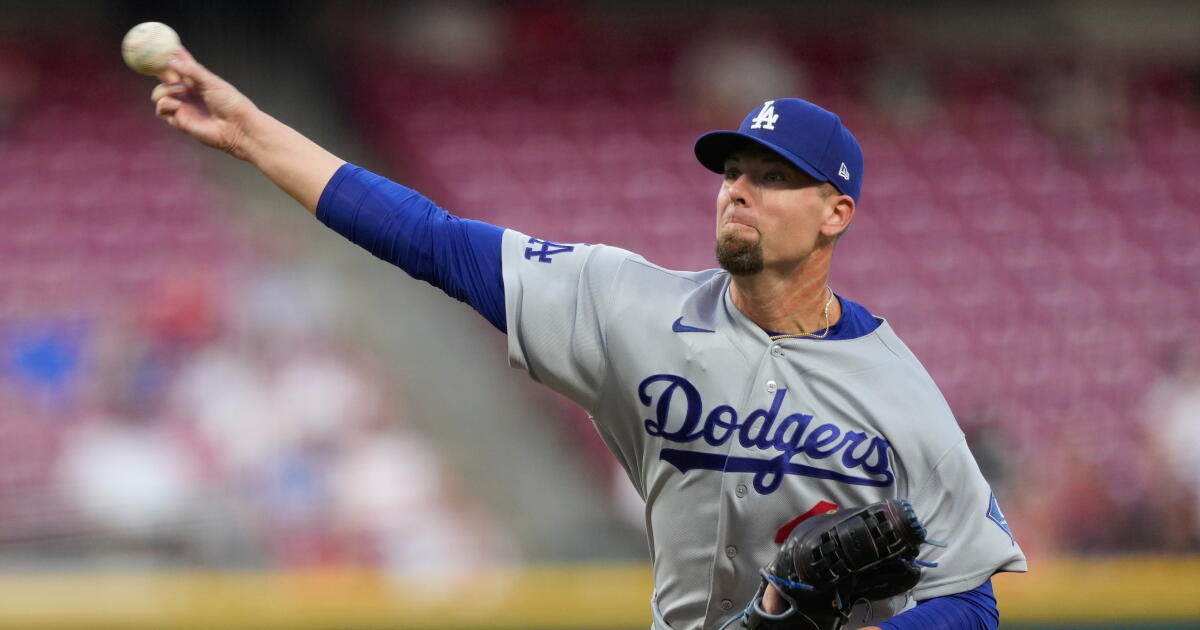
Dodgers’ Blake Treinen injured in bullpen, likely out for playoffs
SAN FRANCISCO — Dodgers reliever Blake Treinen is likely out for the postseason, after injuring his right shoulder warming up in the bullpen Saturday.
“I don’t know if it was a complete blowout, but really unfortunate,” manager Dave Roberts said after the Dodgers’ 4-3 win against the San Francisco Giants.
The Dodgers plan to put Treinen on the injured list Sunday, Roberts said. And he’ll undergo imaging to diagnose the injury.
“It just popped up,” Roberts said.
Treinen, 38, is the longest-tenured Dodgers pitcher on the roster. He spent over two months on the IL earlier this season with inflammation in his right elbow. But in 36 appearances this season, he posted a 3.64 ERA.
Treinen has a history of shoulder injuries and underwent right shoulder labrum and rotator cuff repair surgery after the 2022 season.
Iran war live: Tehran awaits official response as Trump rejects Hormuz plan | US-Israel war on Iran News
Live updatesLive updates,
US president rejects Iran’s seven-day plan to reopen the Strait of Hormuz, saying the deal is not ‘acceptable’.


Published On 27 Sep 2026

Four American tourists among 6 killed in suspected gas leak blast in Athens | News
Two women reportedly injured in blast in Athens’ historic Plaka district, buildings evacuated.
Published On 26 Sep 2026
Rescue teams have recovered the bodies of six people killed in a building collapse following a a blast in the historic centre of Athens, Greece, according to local authorities.
Documents and belongings found with four of the victims – two men and two women – on Saturday indicated they were United States citizens, Greek state broadcaster ERT and other local media reported.
Recommended Stories
list of 3 itemsend of list
The other two victims were reportedly an elderly couple, a British man and a Greek woman, who lived on the building’s second floor.
Two women were injured in an adjacent building, according to the fire department.
The blast that brought down the small, two-storey building in the popular tourist district of Plaka on Friday was believed to have been caused by a major gas leak, Athens Mayor Haris Doukas said. Neighbouring buildings were damaged and evacuated, he said.
“The damage extends to the entire street as well as the street behind [the building],” Doukas said. “We are talking about an unimaginable catastrophe.”
Two adjoining buildings severely damaged might have to be demolished, he said.
The Greek daily newspaper Kathimerini reported on Friday that the four tourists, who were due to leave their accommodation at about 11:00am (08:00 GMT), failed to board their flight back to the US.
![Rescuers work at the scene following Friday's powerful blast in Athens' Plaka district, Saturday, September 26, 2026 [Yorgos Karahalis/AP]](https://i0.wp.com/www.aljazeera.com/wp-content/uploads/2026/09/AP26269443758394-1790459604.jpg?w=640&ssl=1)
Plaka residents issued warning
A group of Plaka residents had alerted the municipality and the managers of the electricity and gas networks about the risks of short circuits or gas leaks in the area a year ago.
In a letter published by Kathimerini, the group called for the organisation of a security exercise to identify any potential shortcomings in the emergency response system.
The citizen movement “We Remain Active” also stated on social media that a resident of the street where the explosion occurred had reported a smell of gas for several weeks and had warned the authorities.
A Greek police spokeswoman confirmed on ERT that residents had made the report. However, the nature of the substance and its origin have not yet been determined.
Plaka lies at the foot of the Acropolis, Greece’s most visited ancient monument.

Fans STILL throw their bras at us on stage, reveal Westlife as they mark 25 years with record-breaking anniversary tour
THEY are marking 25 years with a record-breaking anniversary tour.
But despite celebrating a quarter of a century together, Westlife say they have never felt younger — thanks to fans still throwing their bras onto the stage.
Kian Egan, Shane Filan and Nicky Byrne have been inundated with fans throwing their undergarments on to the stage during their gigs at Dublin’s 3Arena.
Speaking to Biz on Sunday’s Emily backstage on Friday night, Kian said: “We have a B-stage where we get quite close to the audience. One bra got thrown up, and before we knew [it], it started growing to ten, 14 . . . It is a bit of fun, and nostalgic.”
Shane added: “We aren’t leaning into it too much or the stage would be covered!”
The Irish hitmakers are on track to surpass 150 dates on their 25th Anniversary World Tour and completed a record-breaking 13-show residency at the 3Arena last night.


They head to Aberdeen on Tuesday before playing dates across England, Wales and Scotland for their diehard fans.
Shane said: “We have 150 dates and it is growing. We don’t know how many it is going to be, but it is going to be more than 150 for sure.
“You keep yourself fit, you go to the gym, go for a run or surf — you just want to be in good shape for it. It is a very physical show.
“We aren’t out drinking every night, but we still get to enjoy it. We came off stage on the first night with a few pints of Guinness together. It was a lovely moment.”
The boys were fresh-faced twenty-somethings when they embarked on their first tour, East Meets Westlife, in 2000.
Asked if they feel fitter now, Shane said: “Without a doubt. We are getting older but we feel the same on stage.”
Now on their 15th tour, the band have made sure their hits World Of Our Own and Flying Without Wings still form part of their two-hour set.
“All these people have been with us since day one and now they get to relive these 25 years in one show for two hours,” Shane said.
The band are also keen to get former One Direction singer Niall Horan up on stage with them.
Kian said: “It has never been discussed, but you never know.”
Niall, over to you . . .
SET LIST
World Of Our Own
Uptown Girl
Bop Bop Baby
What About Now
When You’re Looking Like That (includes a Sweet Child O’ Mine guitar solo)
What Makes A Man
I Have A Dream
I Lay My Love On You
Starlight
Queen Of My Heart
Chariot
Fool Again
If I Let You Go
My Love
Unbreakable
Mandy
Flying Without Wings
Hello My Love
You Raise Me Up
Swear It Again
Westlife, The 3Arena, Dublin *****
WESTLIFE were the life and soul of Dublin for their 25th Anniversary World Tour concert on Friday night.
Shane Filan, Kian Egan and Nicky Byrne weaved through two hours of hits including World Of Our Own and Flying Without Wings for their adoring fans at the 3Arena.
Despite being the penultimate night of their 13-date residency in the Irish capital, the boys made sure every member of the audience had the time of their life.
The mesmerising drone show during You Raise Me Up and pitch-perfect vocals proved they were still the masters of a good ballad.
Their 1999 debut single Swear It Again got the crowd gushing like teenagers over their boyband heartthrobs.
The astonishing number of dates on this tour is a credit to the love Westlife have for performing.
The energy is infectious and I defy anyone to leave without a smile.
NEW LOOK IS A CARDI BY GUCCI
CARDI B looked ready for winter in her furry white jacket at Milan Fashion Week on Friday.
The American rapper was spotted out in the Italian city, where she proved she’s quite the fashion queen herself.
Cardi teamed the Gucci coat with tights from the same Italian luxury fashion house.
And she shared snaps of her look to her 160million online followers, captioning them: “Lord that new Gucci collection.
“So clean, sickening, sexy and detailed.
“Go ahead, just take my whole wallet.”
If I had Cardi’s money, I’d do the same.
ENGLAND rugby legend James Haskell would love to follow ex-footballer Vinnie Jones into acting in a gangster drama, like Guy Ritchie’s hit Netflix series The Gentlemen.
He told me: “I met Guy once. We didn’t talk about roles but if there was ever the opportunity, I’d 100 per cent do it.”
SINGER TALIA MAR has released her video for track Pyscho On A Couch.
The Stay The Night hitmaker stars in the video as herself and a therapist as she explains her troubles.
Fans can catch Talia at Koko in London on October 6.
If this video is anything to go by, Talia will certainly put on a show.
PALOMA HAS FAITH IN VOICE
PALOMA FAITH is ready to teach contestants on The Voice how to make their own kind of music.
The singer will join Sir Tom Jones as one of the guest mentors as the ITV show’s Battles – in which teammates duet – kick off on October 10.
Delta Goodrem joins Kelly Rowland’s group; Cheryl Tweedy works with WILL.I.AM’s team; and McFly’s Dougie Poynter and Harry Judd assist bandmates Danny Jones and Tom Fletcher.
Next Saturday, viewers get a glimpse of the guests at London’s Alexandra Palace, discussing which acts should make the semi-finals.
A source said: “Watching Cheryl’s return to TV and a glimpse of her role as a coach next series will give fans plenty to look forward to.
“Alongside the experience brought by Paloma, Delta, Dougie and Harry, the Battles will be a series highlight.”
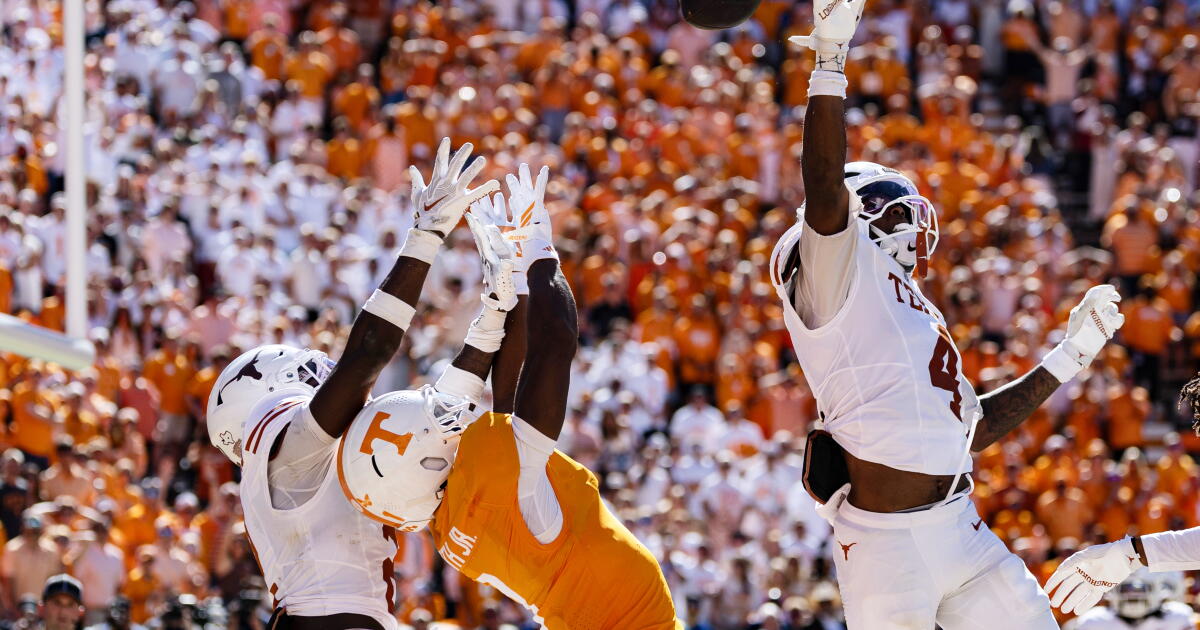
College football: No. 1 Texas holds off Tennessee
Colin Simmons tied the program record with five sacks as top-ranked Texas held off No. 14 Tennessee 20-17 Saturday with President Donald Trump on hand in the Longhorns’ first visit to Neyland Stadium.
Raleek Brown ran for 67 yards and a pair of touchdowns, and his four-yarder with 5:41 left gave the Longhorns the winning margin in the Southeastern Conference opener for both teams. Giannis Spetic had a pair of field goals.
It was a defensive day with Texas (4-0) dominating with 10 sacks. Simmons’ big day will be remembered for his vulgar celebration after one sack. He was flagged for unsportsmanlike conduct with the referee saying Simmons was “simulating” using the restroom.
“We took him out, we addressed it and put him back in,” Sarkisian said of Simmons. “At that point, I’m not going to give the guy a death penalty over an unsportsmanlike conduct. We got to fix it though. That can’t continue.”
Quarterback Brandon Faizon of Tennessee (3-1) made it interesting late, capping an 80-yard drive with a 30-yard touchdown pass to Mike Matthews with 1:22 left. Linebacker Arion Carter recovered the onside kick, and Jelani McDonald batted away Brandon’s pass to Travis Smith Jr. on the final play in the end zone.
Texas’ Arch Manning threw for 201 yards while being sacked six times. He also was intercepted once with the Longhorns needing the smothering defensive performance to help on a day with too many penalties, including two illegal forward passes by Manning.
at No. 2 Georgia 41, Oklahoma 13: Chris Cole scored on a 85-yard fumble return as the Bulldogs (4-0) took advantage of three first-half turnovers by John Mateer and overwhelmed the struggling Sooners in the SEC opener for both schools.
Mateer lost two fumbles, each recovered by Cole, and and had a pass instercepted as Oklahoma, which finished with four turnovers, fell behind 28-0. K.J. Bolden picked off a pass from Mateer in the second quarter.
Gunner Stockton was almost perfect in the first half for Georgia. Stockton completed his first nine passes, including a 35-yard touchdown throw to Talyn Taylor.
No. 3 Notre Dame 49, at Purdue 10: CJ Carr threw three touchdown passes and ran for another score and linebacker Drayk Bowen scored his first career touchdown on a 15-yard fumble return for the Fighting Irish.
Carr was 14-of-22 passing for 237 yards with his first interception of the season.Aneyas Williams carried 14 times for 80 yards with one TD as Notre Dame (4-0) produced a season-high 177 yards rushing. Notre Dame has won 14 straight and will start October with a perfect record for the first time since 2021.
at No. 7 Ohio State 42, Illinois 19: Jeremiah Smith tied an Ohio State record with four touchdown catches and also had career highs with 12 receptions and 217 yards in the rout of the Illini.
According to Sportradar, it is the 23rd time since 2000 an FBS player has had double-digit catches for at least 200 yards and four scores in a game. The last to do it was Western Michigan’s Sky Moore against Northern Illinois in 2021.
It is the fifth time an Ohio State receiver has had four touchdowns. The last time it happened before Saturday was Noah Brown at Oklahoma in 2016.
at No. 11 Texas Tech 49, Sam Houston 14: Red Raiders linebacker Austin Romaine returned two interceptions for touchdowns on consecutive passes thrown by different Sam Houston quarterbacks in the first half of what became a rout.
Texas Tech led only 7-0 before fellow linebacker Brock Gowlas leaped to deflect a pass thrown by Brett Holloway. Romaine, who had also jumped, then grabbed the ball out of the air and ran 15 yards for a touchdown with 14:54 left in the first half. On the first play after the ensuing kickoff, Bearcats starting quarterback Landyn Locke was back in the game, and his pass on first down was picked off by Romaine. That 31-yard return made it 21-0.
Wake Forest 30 at No. 16 Louisville 27: Connor Calvert kicked three field goals, including a 32-yarder with 6:20 remaining, to lift the Decons (3-1, 1-1 ACC) to the upset.
Gio Lopez threw for 225 yards and a touchdown. on 12 of 19 passing for the Demon Deacons (3-1, 1-1 Atlantic Coast Conference) against Louisville (2-2, 1-1). Carlos Hernandez caught nine of those for 194 yards, just three yards off the career best he set last season against Delaware. Ty Clark III carried the ball 21 times for 91 yards and two touchdowns.
No. 17 Iowa 20, at No. 18 Michigan 19: Hank Brown threw a game-ending, 16-yard touchdown pass to Reece Vander Zee to lift the Hawkeyes to the win in the Big Ten opener for both teams.
Iowa (4-0) went 91 yards on the final drive — boosted by an unnecessary roughness penalty against Michigan on a third down at midfield. Brown’s 29-yard pass to Addison Ostrenga set up the final play with two seconds on the clock.
Bryce Underwood threw a 49-yard touchdown pass to JJ Buchanan early in the fourth quarter — their second scoring connection of the game — but the Wolverines (3-1) could not make enough plays on both sides of the ball to hold on for the win.
Etc.
Wayshawn Parker broke a 54-yard run on the game’s opening play from scrimmage for the first of his three touchdowns and No. 15 Utah (4-0) held off host Iowa State (2-2) in the second half for a 31-17 win on Saturday in a Big 12 opener for both teams. … Conner Weigman threw four touchdown passes and ran for two scores, leading No. 25 Houston (3-1) to a 42-28 win over visiting Georgia Southern.
Lee Beebe Jr. rushed for 203 yards, including a 70-yard burst that set up Josh Hoover’s game-sealing one-yard touchdown run with 1:56 to play, and No. 5 Indiana (4-0) held on for a 29-23 over surprising Northwestern (2-1) in the Big Ten opener for both schools on Friday night. …
Mason Heintschel passed for 403 yards and six touchdowns, and host Pittsburgh (4-0) remained perfect by rolling past Bucknell 59-0 on Saturday. … Jeffrey Overton Jr. ran for a 76-yard, go-ahead touchdown late in the fourth quarter as Virginia Tech (4-0) rallied for a 21-14 victory at Boston College (2-2) in an ACC opener for both teams that was played in a nor’easter. …
Powerful storm brings flooding, power outages to northeastern United States | Weather News
Authorities warn residents that extreme conditions could pose risks and urge people to stay away from flooded areas.

Published On 26 Sep 2026
Residents of the northeastern United States are facing a powerful storm known as a nor’easter that has knocked out power and caused flooding across the region.
The storm has led to the cancellation of more than 400 flights and power outages affecting more than 88,000 homes and businesses as of Saturday afternoon local time. That figure is down from a high of 119,000 earlier in the day.
Recommended Stories
list of 3 itemsend of list
Bob Oravec, lead forecaster with the National Weather Service in College Park, Maryland, said that the storm is likely to persist, with “a lot of high winds, a lot of high tides and heavy rain possibility over the next few days for the northeastern US”.
The governors of New York and New Jersey declared states of emergency in counties expected to see the worst of the storm, including New York City, on Friday.

Authorities have also warned residents about the risks of flooding and high tides, cautioning people to stay away from the beach and areas inundated with water.
“Anyone who goes in or near the water this weekend is literally gambling with their life,” New York Governor Kathy Hochul said.
Despite the warnings, people have been seen kayaking down flooded streets in Long Island, New York, while others took advantage of large swells in Hampton, New Hampshire.
“In all the canals, the water is up really high and coming into people’s back yards,” Jay Boyd, a resident of Ocean City, Maryland, told The Associated Press news agency.
Oravec said that nor’easters are not unusual as the region of New England enters the autumn season, but that “this might be a little earlier than average for a big storm”.

About 425 flights have been cancelled and 1,338 delayed so far on Saturday, according to data from the flight tracker FlightAware.
Concerts and sporting events have also been cancelled, including musician Ed Sheeran’s scheduled shows in the state of Massachusetts on Friday and Saturday.

The holiday destination in Asia boasting festivals and futuristic landmarks that’ll make you feel like you are in Miami
AZERBAIJAN is nicknamed the Land of Fire and is a fascinating mix of Eastern and Western culture.
Antoinette Cumberbatch shares her account of discovering the country’s delicacies, hot weather, rich history, plus a party scene reminiscent of Miami.
Watching US rapper Busta Rhymes work the screaming crowd in the balmy 32ºC heat, I feel like I’m in Miami.
In fact, I’m actually dancing the night away beside the Caspian Sea at Azerbaijan’s lively Dream Fest, held each July.
It takes place 35 minutes’ drive from the enthralling capital, Baku, at Sea Breeze Resort on the golden coast, also home to a huge array of sports activities and buzzing beach clubs.
Fish Box serves up excellent sushi, from £13.50 a platter, and with my spacious one-bed pad at White Villas, I get a private garden. Villas sleeping two start from £110 a night (Seabreeze.az).


Fire Starter
Hours earlier, I’d explored another side of Azerbaijan, which straddles Europe and Asia, discovering why it’s nicknamed the Land of Fire.
On the outskirts of Baku, the Ateshgah Fire Temple vividly brings this to life.
Here, history isn’t tucked behind glass – instead, fire flashes red-hot between ancient stones from an altar in the middle, and I duck through low doorways to learn how merchants stopped here while travelling along the Silk Road. Entry costs £6.50 (Ateshgahtemple.az).
Another eternal flame is Yanar Dagh, a hillside of natural gas where fire burns continuously at a scorching 1,000ºC.
I finish my fiery sightseeing with a visit to Baku’s Bar19 at Flame Towers, an imposing structure by day and a dazzling sight at night, serving up city views alongside Flame cocktails – a sweet mix of Bacardi, Passoã, amaretto and lime juice, £13 (Fairmont.com).
Come morning, I stroll along the city’s waterfront, Baku Boulevard, to take in more futuristic landmarks, such as Deniz Mall and indoor arena Crystal Hall, plus the world’s largest flying flag in State Flag Square.
Then I explore Icherisherer, the official name for the Old City and a UNESCO World Heritage site since 2000.
I wander the labyrinth of passageways, where cats sleep in doorways and locals sell goods including carpets and pillbox sheepskin hats, haggling to nab one of the latter for £12. In other corners, I find locals offering home-made Turkish delight and playing draughts.
A few minutes’ walk from Icherisherer and an array of designer shops, is Art Gallery Hotel, set in a grand Art Deco building with walls adorned with striking pieces.
Luxurious rooms feature quirky headboards, gold lamps and large showers, and stays start from £85 per night (Arthotelbaku.com).
Dumpling Day
Sitting among retro ornaments and mismatched furniture at restaurant Ryumochnaya By Beerbasha, I feast on delicious pasztet – a chicken pâté with jam – £2.20, and moreish chicken Kyiv, £5.65.
The most surprising but incredible dish is a sweet tomato salad with cherry sauce, £5.25 (@Ryumochnaya_beerbasha).
At the more traditional Novbahar, I fill up on dushbara – tiny dumplings in a savoury broth, £2.60 – gutab flatbread filled with pumpkin, £1.30, and succulent grilled beef saj, £17.50. The local pinot grigio pairs nicely, too (Novbahar.az).
As my trip draws to a close, I climb the 12th-century Maiden Tower – 28m high and one of Baku’s most recognisable landmarks – for the sea views.
Entry costs £6.50. But for vistas of the entire city, I find Highland Park unbeatable.
The funicular up to its beautiful gardens costs less than 50p and, as I soak up the panoramic view of Baku, it leaves me awestruck. Just like Azerbaijan itself.
BTW
Direct flights to Azerbaijan start from £466 return.
Find out more about Dream Fest at Dream musicfest.com.
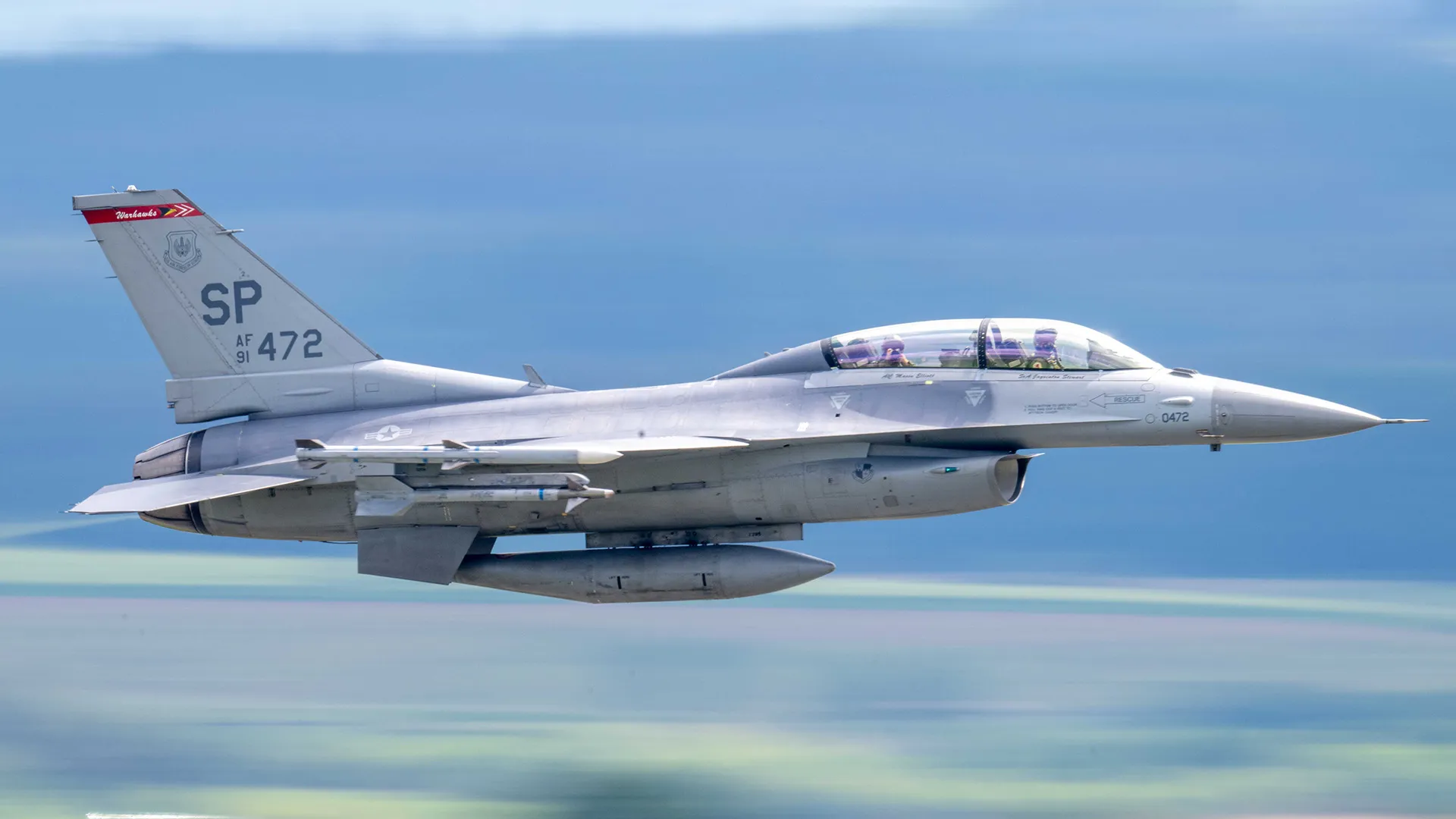
USAF F-16 Crashes At Spangdahlem Air Base In Germany

The pilot of a U.S. Air Force F-16 Fighting Falcon assigned to the 52nd Fighter Wing safely ejected before the aircraft crashed at Spangdahlem Air Base in Germany, according to the wing.
The pilot is still receiving medical treatment, the wing said in a statement. Emergency response teams are still on the scene. The cause of the incident, which took place about 2:30 p.m. local time, is still under investigation and additional details will be released when available.
The crash happened as the jet was on approach to land at the installation, located in the western German region of Rhineland-Palatinate, according to the New York Post.
“Following a plane crash in the vicinity of U.S. Air Base Spangdahlem, fire and emergency response teams from the Eifel District of Bitburg-Pruem were dispatched to the scene,” The Associated Press reported, citing the district.
Images emerged on social media showing smoke rising in the distance.
The F-16 crash at Spangdahlem was the second mishap in a week for USAF F-16s. On Sept. 17, an F-16 from the 149th Fighter Wing at Joint Base San Antonio-Lackland in Texas crashed in northern Michigan. The pilot in that incident also ejected.
According to air traffic control (ATC) audio, the pilot’s wingman said at the time of the Michigan crash, “we have a possible mayday. My wingman may have taken a bird.” TWZ cannot independently confirm what caused the crash. The audio continues and offers a fairly dramatic and raw look at how the incident occurred over the air waves.
This is a developing story.
UPDATE: 3:35 PM Eastern –
The 52nd Fighter Wing provided some additional information.
“The aircraft was returning to Spangdahlem Air Base following a routine training flight involving four F-16s when the crash occurred,” the wing stated. “The remaining three aircraft diverted to Ramstein Air Base and landed safely. The pilot of the crashed aircraft ejected safely and received medical care.”
“Emergency response personnel responded to the scene, with local German fire departments and emergency medical services providing support,” the wing added. “German emergency response partners have offered their continued assistance as needed. The 52nd Fighter Wing appreciates the swift response and continued support of our German partners.”
Contact the author: howard@twz.com

Ben Affleck makes jibe about failed J-Lo marriage as he says kids don’t come to him for relationship advice
TWICE-divorced Ben Affleck has revealed the brutal response he gets from his children when he tries to give them relationship advice.
The actor, who was previously married to Jennifer Garner and Jennifer Lopez, revealed his kids are quick to put him in his place when he weighs in on their friends’ love lives.
Speaking on Jimmy Kimmel Live!, Ben, 54, recalled trying to offer his opinion during a conversation at the dinner table.
He said: “I said, ‘Well, the thing about that relationship there with that person is…’ and the 17-year-old just turns to me and goes, ‘Oh, like you’re the expert on relationships?’”
Ben added: “I give advice and try to talk to them, parent them as you do. What I found is that now it’s not only one teenager rolling their eyes.
“I’ll kind of launch into something at the dinner table and I’ll catch them giving each other looks and I realise I’m the caricature in this story.”


Ben shares Violet, 20, Fin, 17, and Samuel, 14, with his ex-wife Jennifer Garner.
The pair married in 2005 and divorced in 2018.
Ben later married Jennifer Lopez, 57, in 2022, almost two decades after they called off their first engagement.
Their marriage ended in 2024.
Last year, Ben told GQ he had “nothing but respect” for JLo and described the breakup as having “no scandal, no soap opera, no intrigue”.
He said there was no single dramatic event behind it, but stopped short of sharing the private details.
Meanwhile, the actor remains close to Jennifer Garner and had hoped to cast her as his on-screen wife in his new film Animals.
He told Entertainment Weekly: “I thought, God, Jen Garner would be amazing for this role.”
Jennifer ultimately did not take the role, which went to Kerry Washington.
However, he added: “I would love to work with her, frankly. She’s fabulous, and we’re really good friends, and I’m profoundly grateful to her, and we have a great thing.
“I still would wanna work with her in the future, but what you don’t wanna do is take the audience’s baggage and have it work against you, you know?”
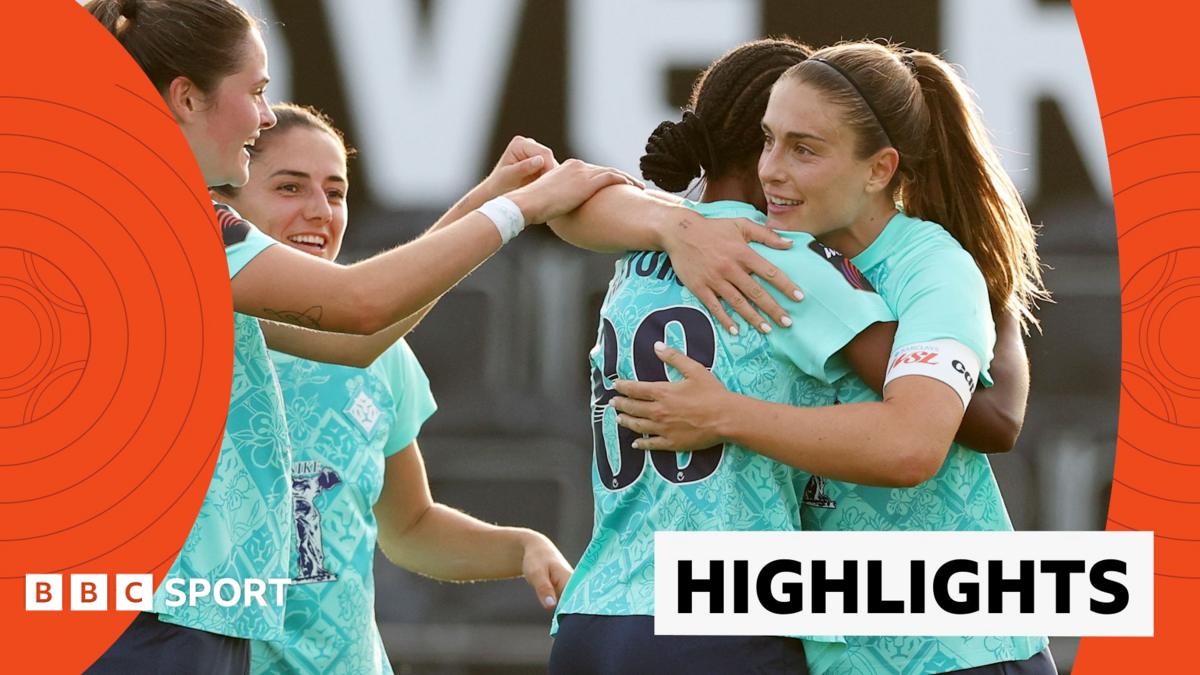
Putellas scores first WSL goal as London City beat Brighton
Alexia Putellas scores her first goal in the Women’s Super League as London City Lionesses beat Brighton 2-0 at the Copperjax Community Stadium.
Source link
Trump says he is rolling back Biden-era US fuel economy rules for cars | Automotive Industry News
The US president said he would end a so-called ‘EV mandate’ that steered consumers to electric vehicles.
Published On 26 Sep 2026
United States President Donald Trump has announced new fuel economy standards that roll back requirements adopted under his predecessor, arguing they will lower automobile prices and encourage manufacturers to expand production in the US.
In a social media post on Saturday, Trump said the new standards would “TERMINATE” what he called former US President Joe Biden’s “EV (electric vehicle) mandate”, accusing the previous administration of imposing costly requirements on carmakers and steering consumers towards electric vehicles.
Recommended Stories
list of 3 itemsend of list
“These new Standards will take the waste out of building cars in America. That means LOWER PRICES, saving families thousands on a new, beautiful, and safe car,” Trump wrote.
The changes form part of a broader Trump administration effort to reverse Biden-era policies supporting lower-emission vehicles, increasing the gap between US policy and global trends favouring electric vehicles.
While Trump and US Republicans have used the term “EV mandate” to describe higher fuel efficiency requirements instituted under Biden, a Democrat, there are no federal guidelines or laws that require Americans to buy electric cars or bar the sale of ones powered by petrol.
At the centre are Corporate Average Fuel Economy (CAFE) standards. This system, established by the US Congress in 1975, requires automakers to meet average fuel economy targets across all cars and light trucks they sell, meaning that a brand that sells an inefficient vehicle would also have to sell a more efficient one to help comply with the government’s standards.
Under rules finalised by the Biden administration in 2024, the required fleetwide fuel economy was scheduled to rise from 39.1 miles per gallon (mpg) to about 50.4mpg by 2031. The administration said then the measures would reduce fuel consumption and emissions to combat climate change while helping motorists save money at the pump.
As a result, auto manufacturers have ramped up production of EVs to help meet the Biden-imposed fuel economy requirements. The Republican-controlled US Congress, however, gutted consumer tax incentives last year for electric vehicles as part of Trump’s One Big Beautiful Bill Act.
Trump did not provide details regarding what the new fuel economy standards would be. But in December 2025, he announced a proposal that would set the industry fleetwide average for light-duty vehicles at roughly 34.5mpg by 2031, more than 30 percent lower than the Biden-era rule.
In a reposting of Trump’s announcement, US Transportation Secretary Sean Duffy said an announcement would be “COMING MONDAY”.
Al Jazeera has reached out to the White House for comment.
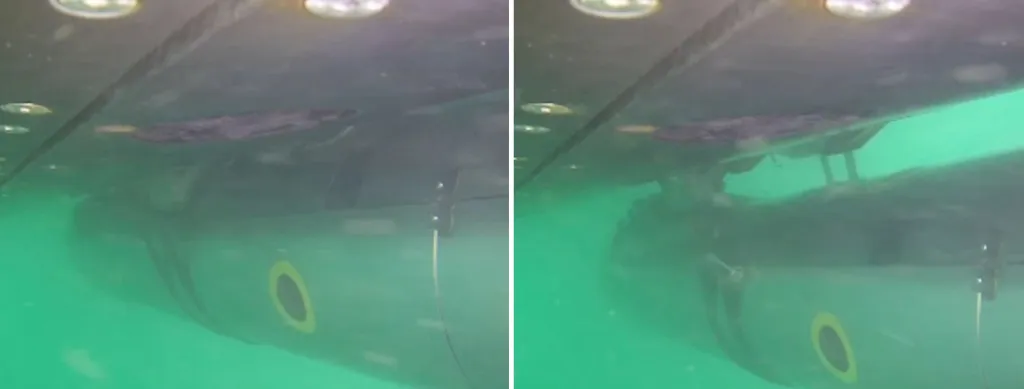
Torpedo Fired From Uncrewed Submarine For The First Time By U.S., U.K.
A British Excalibur uncrewed underwater vehicle (UUV) has fired a U.S. Mk 48 heavyweight torpedo in what is said to be a first-of-its-kind test for both countries. Though just a proof-of-concept so far, this is a significant new step for the United States and the United Kingdom toward future operational fleets of armed UUVs.
The U.S. Navy and the Royal Navy conducted the armed UUV test at the British Underwater Test & Evaluation Center (BUTEC), a maritime test range in Scotland, on September 13. Personnel from the Pentagon’s Defense Innovation Unit (DIU) and the Naval Undersea Warfare Center Keyport Division (NUWC Keyport), as well as unspecified industry partners, also took part, per a U.S. Navy press release.
The test was also carried out under the umbrella of Pillar 2 of the trilateral Australia-United Kingdom-United States (AUKUS) defense cooperation agreement, which was first announced in 2021. AUKUS’ Pillar 2 covers a wide range of advanced technology cooperation, with particular focus on uncrewed platforms and autonomy. Pillar 1 of the agreement centers on support for Australia’s establishment of a nuclear submarine force.
For the September 13 test, the Mk 48 torpedo was slung under the Excalibur UUV. The nearly 40-foot (12-meter) long, 19-metric-ton submersible drone has a large internal payload bay, but it is reportedly not large enough to accommodate the Mk 48, which is the standard heavyweight torpedo in U.S. Navy service today. The 19-foot-long, 21-inch-diameter weapon has been successively upgraded over the years to expand its capabilities and improve its resistance to enemy countermeasures.


The Royal Navy officially unveiled Excalibur, which was developed by U.K.-based MSubs under Project Cetus, last year. The external torpedo launch capability was the result of two additional efforts, called Project Broadsword and Trial Iron, according to the U.S. Navy release.

The September 13 test “successfully validated the mechanical, electrical, and software integration of a U.S. kinetic payload onto an allied autonomous vessel, proving that allied forces can rapidly achieve weapon interchangeability,” the Navy’s release adds. “Approved in February 2026 by the Department of the Navy Rapid Capabilities Office (DONRCO), the project was executed in less than seven months.”
How the Excalibur UUV was controlled during the test and whether the torpedo was launched at a test target of some kind are unknown. TWZ has reached out for more information.

“BROADSWORD is a great example of how AUKUS Pillar II drives interoperability in across the alliance. Demonstrating the launch of a US torpedo from a UK extra-large unmanned underwater vehicle (XLUUV) is an important early step in developing lethality in our undersea autonomous systems,” U.S. Navy Vice Adm. Robert Gaucher, Director of Submarine Programs, did say in a statement. “We look forward to continuing to leverage the AUKUS partnership to keep pushing the potential warfighting advantages of unmanned undersea systems.”
“This successful test marks a historic first for allied undersea warfare,” U.S. Navy Adm. Daryl Caudle, Chief of Naval Operations, also said in a statement. “Proving that we can seamlessly launch a U.S. heavyweight torpedo from a Royal Navy autonomous underwater vehicle validates our shared vision for true interchangeability.
“This is a really important moment in our journey towards building a hybrid navy, which is where the Royal Navy will sail with crewed ships and submarines alongside uncrewed and autonomous vessels,” Luke Pollard, U.K. Minister of State for Defence Readiness and Industry, separately said in an interview with LBC radio. “It is a substantial increase in our lethality, to show that torpedoes can be fired not just by the Astute class hunter-killer submarines that we have in the Royal Navy, but also now by our uncrewed systems.”

The U.S. Navy and the Royal Navy employ various tiers of UUVs operationally today, but primarily for mine-sweeping and reconnaissance and surveillance missions. Future fleets of submersible drones capable of carrying out attacks on other vessels will create entirely new operational possibilities. Operated closely together with crewed surface warships and submarines, torpedo-toting UUVs could be sent ahead into riskier environments and offer an immediate option for engaging any threats they might find. Even a bigger UUV like Excalibur would also be more challenging for opponents to spot and track than a traditional attack submarine.
Excalibur is also in a category of larger and more capable submersible drones that offer significant endurance and higher degrees of autonomy. Adding in the ability to launch torpedoes, in turn, then opens the door to new concepts for employing these UUVs in groups more independently of crewed companions. In the future, for instance, armed Excaliburs or similar UUVs might be deployed to a particular maritime choke point to not just monitor for enemy movements, but actively hold them at risk.

The Royal Navy’s Xtra Large Underwater Autonomous Vehicle – project CETUS
In addition, in general, UUVs offer a way to expand total undersea warfare capacity in a more cost-effective manner compared to acquiring and fielding more traditional submarines. The ability to have more presence below the waves at a lower price point also translates to more persistence across large areas, something that could be especially valuable across the broad expanses of the Pacific, as well as other bodies of water globally. This presents additional targeting challenges and uncertainty for opponents.
“In securing the North Atlantic, especially against those nations that wish to do us harm, like Russia, the ability for us to now say it’s not just where our submarines are that you need to worry about – it is about how we create greater deterrence and question marks in the eyes of our adversary, with uncrewed systems there as well,” U.K. Minister Pollard said in speaking with LBC.
Pollard’s remarks here speak to particular considerations the British government is faced with just in its backyard. This includes the so-called Greenland-Iceland-United Kingdom (GIUK) Gap, which is the main path through which Russian Navy submarines transit to and from bases in the northwestern end of that country and the Atlantic proper. There is also the English Channel and the nearby Baltic Sea. The Royal Navy has limited capacity with its crewed submarines to monitor this and other critical regional chokepoints. UUVs could then help take pressure off its fleet of just five (of a planned seven) Astute class submarines, helping free those boats up for the myriad other missions they are tasked with, including carrier escort and special operations support.
“By converting commercial and allied uncrewed undersea hulls into high-end strike assets, the partnership drastically alters the cost-exchange ratio in contested maritime environments,” the U.S. Navy’s press release today notes, as well.
There are still many questions still to be answered about future larger UUV operations, including just how they will be deployed and recovered. Video the U.S. Navy released today shows that the torpedo-armed Excalibur was launched into the water in Scotland using a commercial truck-mounted crane. U.S. shipbuilders Huntington Ingalls Industries (HII) and General Dynamics National Steel and Shipbuilding Company (NASSCO), among others, have been working on new options for launching and retrieving larger drone submersibles from surface warships. External carriage on the hulls of ships and/or submarines might also be an option in the future.

Additional torpedo and other munition options for UUVs beyond the full-size Mk 48 could also be on the horizon. The U.S. Navy has invested heavily in compact and lightweight torpedo designs that could be well suited for employment from underwater drones like Excalibur.
The U.S. Navy says it is working with its international partners on another similar UUV capability demonstration, but this time involving an Anduril Dive-XL, under what is dubbed Project Cutlass. This effort “will tackle advanced payload integration data, command and control architectures, and tactical employment scenarios to further mature uncrewed undersea capabilities,” according to the U.S. Navy’s release.
The Royal Australian Navy is already in the process of acquiring and fielding a militarized version of the Dive-XL, called Ghost Shark. It’s also worth noting that the Dive-XL evolved from the earlier Dive-LD design. The Dive-LD is in at least limited operational U.S. Navy service now, a fact that was revealed by Iran’s capture of one of these submersible drones earlier this month, as you can read more about here.

Introducing: Dive-XL
The U.S. Navy is also continuing to push ahead with plans to field a force of Orca XLUUVs from Boeing. In August, the service announced that an Orca had conducted a 1,000-nautical-mile transit in the Pacific the preceding month as part of the ongoing development of that design.
Other countries are pursuing larger UUVs, as well. China has been making strides in this regard and is in some ways ahead of other competitors globally.
Excalibur’s ability to launch a standard Mk 48 heavyweight torpedo is already an important show of progress now toward a shared goal of a future underwater ecosystem that includes submersible drones that are able to attack other vessels.
Contact the author: joe@twz.com
Icons of Mexican American culture unite in ‘Mariachi Meets the Smiths’
Perhaps no one genre of music screams “Mexican” more than mariachi music.
Yet a close second is probably the melodic sound of British rock band the Smiths.
Many have pondered why Mexicans and Mexican Americans have such an affinity for those blokes from across the pond. Maybe it’s that lead singer Morrissey’s outsider mentality and melancholic words resonate with the demographic — or there’s something acutely relatable about the melodramatic musings of a romantic yearner.
Decades ago, The Times’ own Gustavo Arellano explored the Smiths and Morrissey’s appeal to Latinos and Mexicans, specifically.
He noted that Morrissey’s malaise mirrors the sentiment of many ranchera songs, also citing that his effeminate onstage persona is a perfect subversion of Mexican machismo. These elements make the singer an anglophone mash-up of Pedro Infante and Juan Gabriel, Arellano added.
Both the Smiths and mariachi music can drive even the most macho Mexican man to tears with their poetic lyrics and layered instrumentals.
To celebrate the special choke hold these musical stylings have on Mexican Americans in Southern California, the L.A.-based group Mariachi Tierra Mia is putting on a “Mariachi Meets the Smiths” show at the Ford amphitheater on Sunday. The show will merge not only the cultural resonance of the two in Mexican American culture, but also unite the sounds.
The idea to incorporate elements of mariachi music into a cover of a Smiths tune happened by happenstance in December 2024.
Members of Mariachi Tierra Mia were performing at a Christmas party when an attendee requested that the group perform the 1984 Smiths track “Heaven Knows I’m Miserable Now.”

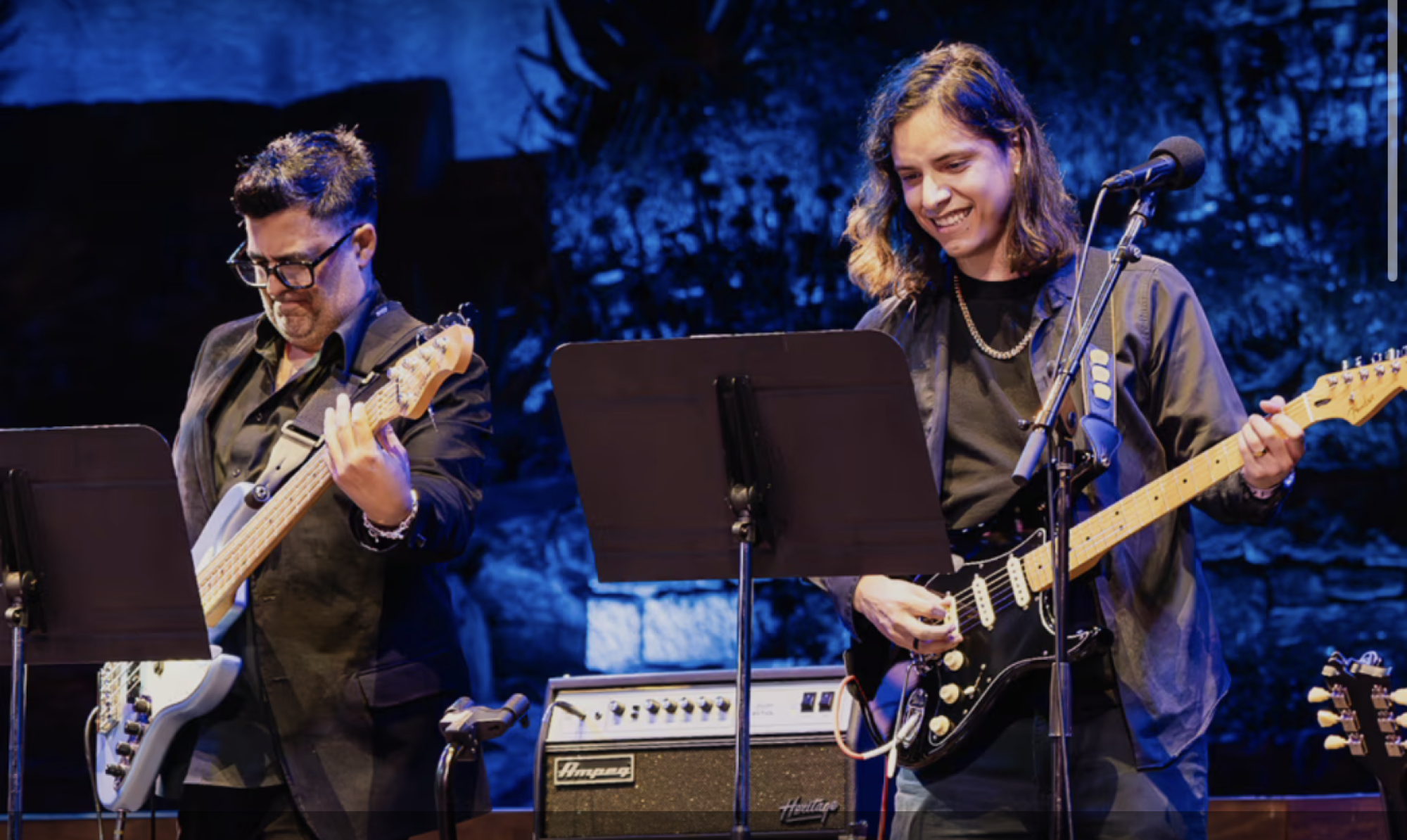
Members of rock band The Last Line of Defense who will perform at The Ford as part of “Mariachi Meets The Smiths.”
(Mariachi Tierra Mia)
The ensemble’s leader, Maira Solis, didn’t know the song — but her husband and fellow bandmate Ivan Peña signaled that he did. Later on in the night, he performed the song alongside two dancing, masked luchadors.
The video of Peña belting out the song while outfitted in his mariachi regalia struck a chord with audiences online after the group posted it on social media.
“The relationship between Mexicanos and the Smiths needs to be studied,” Peña told The Times. “[The video] seemed like a very innocuous thing, but days later, it had 3 million views. That was the first time that ever happened to us, and to me, personally.”
The overwhelmingly positive response to Peña’s rendition of the Morrissey-penned tune let him know that people had an appetite to see the Smiths and mariachi blended together.
Born in 1991, Peña was born years after the Smiths broke up, but was introduced to the group’s catalog at age 5, while his uncle drove him around in a lowrider. The first tracks he heard from the band were “Heaven Knows I’m Miserable Now” and “Ask.”
“I don’t think the music has aged a wink. It’s just gotten better with time,” he said. “It’s clearly resonated across generations. Now you even see Gen Z getting in on it too and realizing music of the past is so substantial.”
But the fandom surrounding the Smiths, and more specifically Morrissey, has entered more complex territory in light of the Smiths frontman’s past political commentary.
In recent decades, the crooner has grown increasingly sympathetic toward far-right political stances, voicing anti-immigration and anti-Muslim sentiments, as well as his allegiance to white nationalist party For Britain in the U.K.
Despite this, many fans, like Peña, don’t see a problem with continuing to listen to the Smiths and Morrissey’s solo work.
“I get that he’s a polarizing guy. I know he’s notorious,” Peña said. “I [say], separate the art from the people behind it … because the piece itself is not at fault for the shortcomings or views of the people who made it.”
Sunday night’s concert will be split in two acts, with the first being a bilingual mariachi set by Mariachi Tierra Mia composed of genre standards and more modern covers. For the second act, Peña’s rock group the Last Line of Defense will perform songs by the Smiths and be joined by the mariachi group to merge the sounds.
Incorporating the mariachi to create straightforward covers of the Smiths’ material proved challenging as Peña did not want to put a spin on the songs’ composition — no added notes and no new harmonies were allowed.
“You could task a mariachi band with doing a one-for-one adaptation of the Smiths’ songs, [but] most of the tracks do not work on the mariachi setting,” he said. “Whereas the guitar is leading the charge in a rock band. The guitar and the vihuela are essentially the rhythm section, so you have to translate guitar riffs to the melody section of the mariachi, [which is the] trumpets and violins.”
According to the 34-year-old musician, very few of the English band’s song fit into that mold.
He knows that fans love the original material and he wants to respect the essence of the time-tested songs. Out of that reverence for the group’s music, Peña noted that all the Smiths covers will be performed only in English.
Peña’s final take on why Mexicans are so infatuated with the Smiths?
“Mexicans love catchy music,” he said. “It’s all of the feels. It’s the good, the bad, and a bit of longing. The lyrics aren’t lying to you. [We can all relate to] Morrissey’s angst, his rebellion, his malaise, and, on the other side of that, his optimism.”