The money-saving expert took 9,532,571 steps last year – and swears by one essential factor

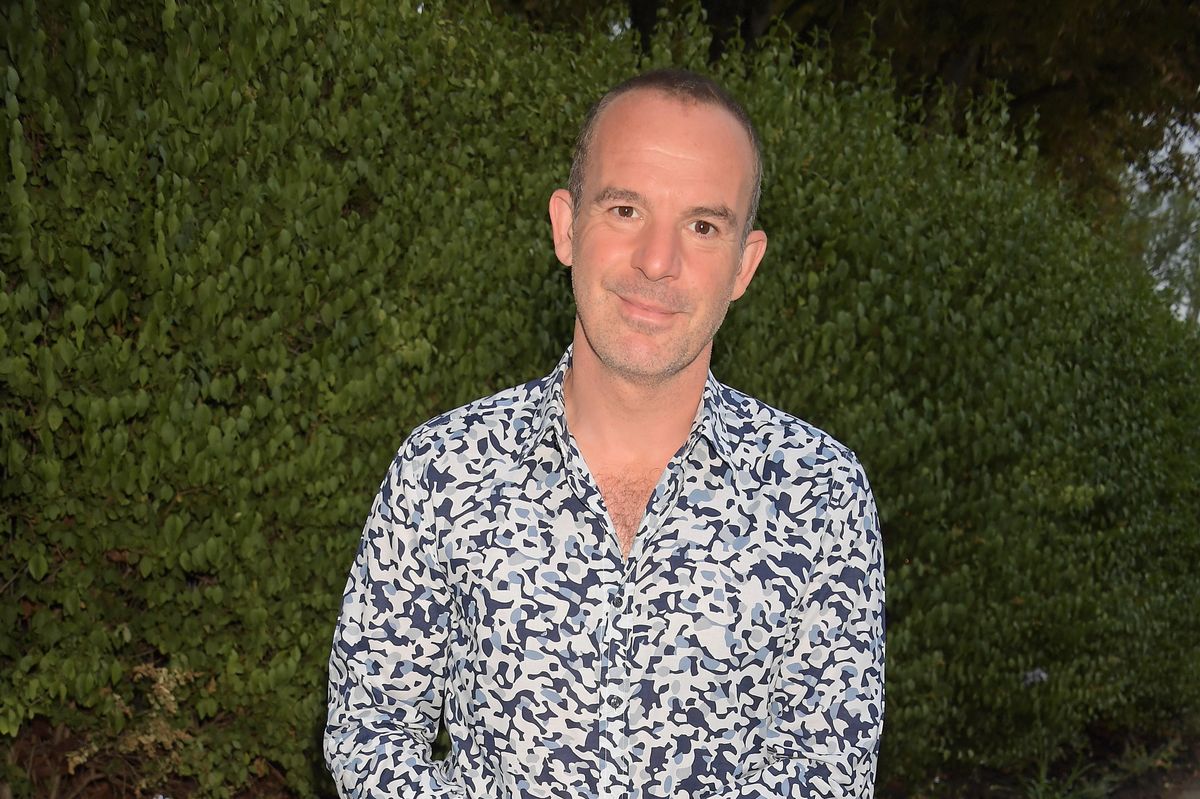
Martin Lewis swears by one ‘big rule’ to reach his walking targets (stock image)(Image: David M. Benett/Dave Benett/Getty Images)
He’s the expert behind game-changing advice on all things personal finance – whether it’s energy bill tips or DWP claims. So, it may surprise you to learn that Martin Lewis, 53, has now shed light on his personal fitness routine, having achieved an impressive 9,532,571 steps in 2025.
In total, that equates to roughly 26,000 steps per day, which completely smashes the commonly lauded ‘10,000’ daily steps health target. Although the MoneySavingExpert (MSE) founder confessed it had become quite an ‘obsession’ during the past year, he owes much of his triumph to one ‘big rule’.
In a blog updated on January 5, he wrote: “My big rule… if I’m talking, I’m walking. If I have a phone call to make or a meeting that doesn’t need a video call, then I do it while walking. Often, this is outdoors – I try to get all my calls arranged in a row so I can have a long walk. It’s now instinctive that if the phone rings and I’m sitting down, I jump up before I answer it.”
Ahead of his Tuesday shows, Martin also added that he doesn’t get transport to the filming studio and instead opts for a 75-minute walk, even when it’s snowing, raining or freezing outside. He continued: “For many, this will sound bizarre, but I find obeying self-imposed routines can help with health and fitness, so if it keeps me stepping, it’s good.”
Despite Martin’s walking milestones, the NHS suggests that you ‘do not have to walk for hours’ to reap the perks from this low-intensity exercise. In fact, just a brisk 10-minute walk per day can help you build stamina, burn calories, and potentially bolster heart health.
In a past ZOE Podcast, Professor Claire Steves from King’s College London, also revealed that just 45 minutes of walking three times a week could enhance your brain health.
At the time, she said: “So, to improve your cognitive health, you need to do more exercise than you’re doing now – up to a point – unless you’re an Olympic athlete.
“That’s the key thing. If we look at really big population studies, we can see effects, even with minimal levels of exercise and it’s fairly linear…So, whatever you’re doing, if you go up by a third, you’ll be improving yourself.”
What is a ‘brisk walk’?
Official NHS advice encourages Brits to incorporate ‘brisk walks’ into their daily routine. This generally means moving at around three miles per hour, which is faster than a stroll.
If you’re unsure how fast you’re walking, you can download the free Active 10 app on your smartphone. This shares suggestions for boosting your speed.
The health service’s advice adds: “If you’re not very active but are able to walk, increase your walking distance gradually. If your joints are a problem, check whether your local swimming pool holds exercise classes.
“The water helps to support your joints while you move and can help you strengthen your muscles.” For more information, click here.
For the latest money-saving tips, shopping and consumer news, go to the new Everything Money website