Energy bills

Martin Lewis says £8 radiator upgrade can slash heating bills this winter

Temperatures are dropping sharply

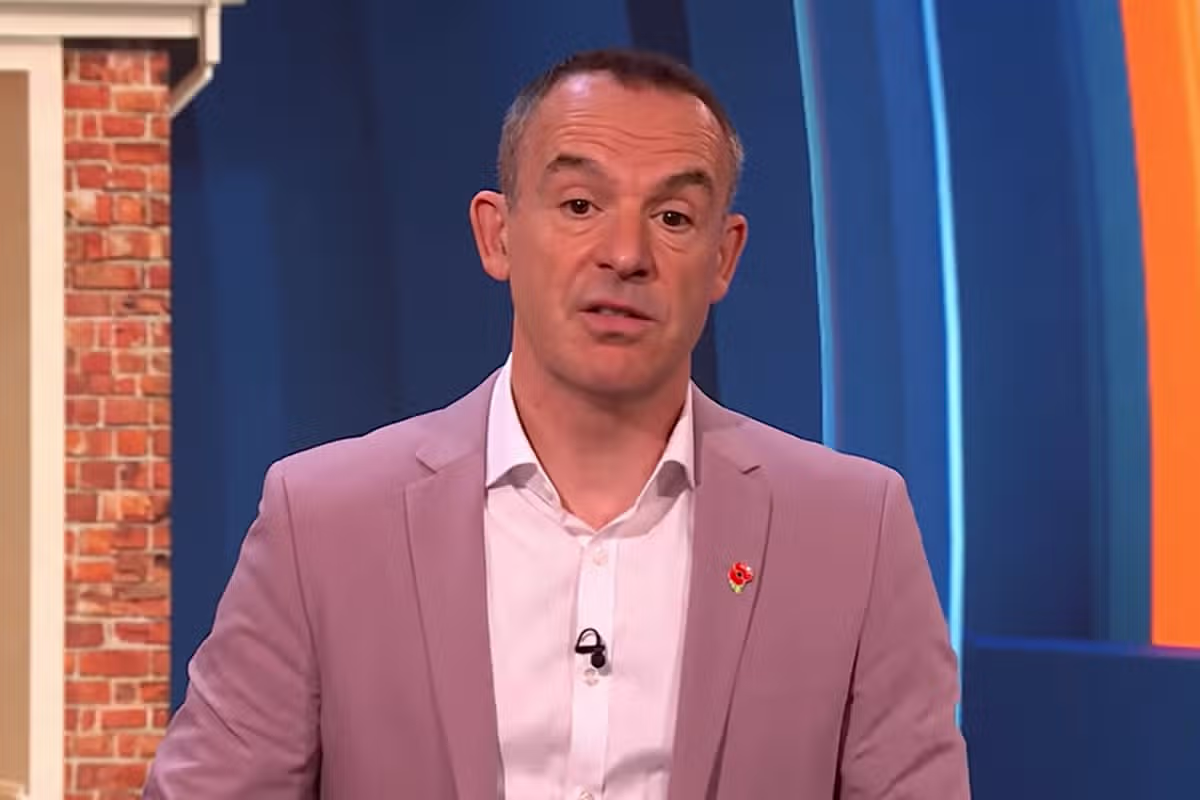
Money-saving guru Martin Lewis has shared how households across Britain can slash their heating costs this winter using an inexpensive product. Temperatures are dropping sharply – and with energy bills reaching record highs, families are searching for ways to keep warm without emptying their wallets.

The Met Office has forecast overnight temperatures will plummet to between -4C and -6C over the coming days. This comes alongside rocketing energy costs – with some experts forecasting a 28% increase come January.

During his ITV Money Show Live this week, Mr Lewis explained that households could make minor modifications to their radiators – resulting in substantial reductions to energy bills. He initially advised people to go through unused rooms and reduce the heating settings – while ensuring radiators have been properly bled.

There are also several affordable purchases worth considering – such as reflective panels to place behind radiators and shelves positioned above them. He stated: “Fit reflective foil behind radiators on external walls. You can get specialist foil-only on external walls, not interior. That works, doesn’t it, the reflective foil? People are asking if it’s a myth. It’s not a myth. It really does work.

“It means the heat is reflected back into the house rather than going into the external walls. Install a radiator shelf. You can get them for about eight quid. They go on top of the radiator-again, the heat is then being bounced away and brought into the main part of the house. And finally, move your big furniture away from the radiators because otherwise you’re just paying to heat the back of the furniture. You want that air to be circulating around the house.”

Ensure our latest DWP headlines always appear at the top of your Google Search by making us a Preferred Source. Click here to activate or add us as Preferred Source in your Google search settings

One viewer questioned whether radiators work better positioned on an inside wall or beneath the window. Prof Richard Fitton, Technical Director at Energy House Labs, explained: “We generally design radiator systems to go under a window so the air naturally rises in front of the window, keeps that window kind of to one side of the heat and circulates round and round. So you would want it under the window-that is absolutely the key place to do it.”

Mr Lewis added: “Take my one-degree challenge. It doesn’t sound very much. The World Health Organization says for a healthy adult, you can set the thermostat at 18°. Most of you are far higher than that. Obviously, if you’ve got a medical condition or older people, you’ll want it to be higher. But if you were to drop, say, from 21°C to 20°C, that could cut your heating bill by 7%.

“I am not telling you to do it. I’m telling you to experiment and see whether you can really notice a difference. So maybe you put a little bit more clothing on while you’re doing it on the top. Also a little note because people often contact me: if it’s cold outside, lots of people turn the thermostat up. The thermostat’s job is to take your house to a set temperature. You don’t need to turn it up. Let the thermostat do its work for itself.”
Source link

‘We swapped UK for Mediterranean paradise where electricity fuel are a fraction of the cost’

Laura and Callum Anderson say the better weather and cheaper cost of living made it a no-brainer

A family swapped “miserable” Scotland for the Mediterranean – where their energy bill costs just £85 and they have no pressure to “keep up with the Joneses”.

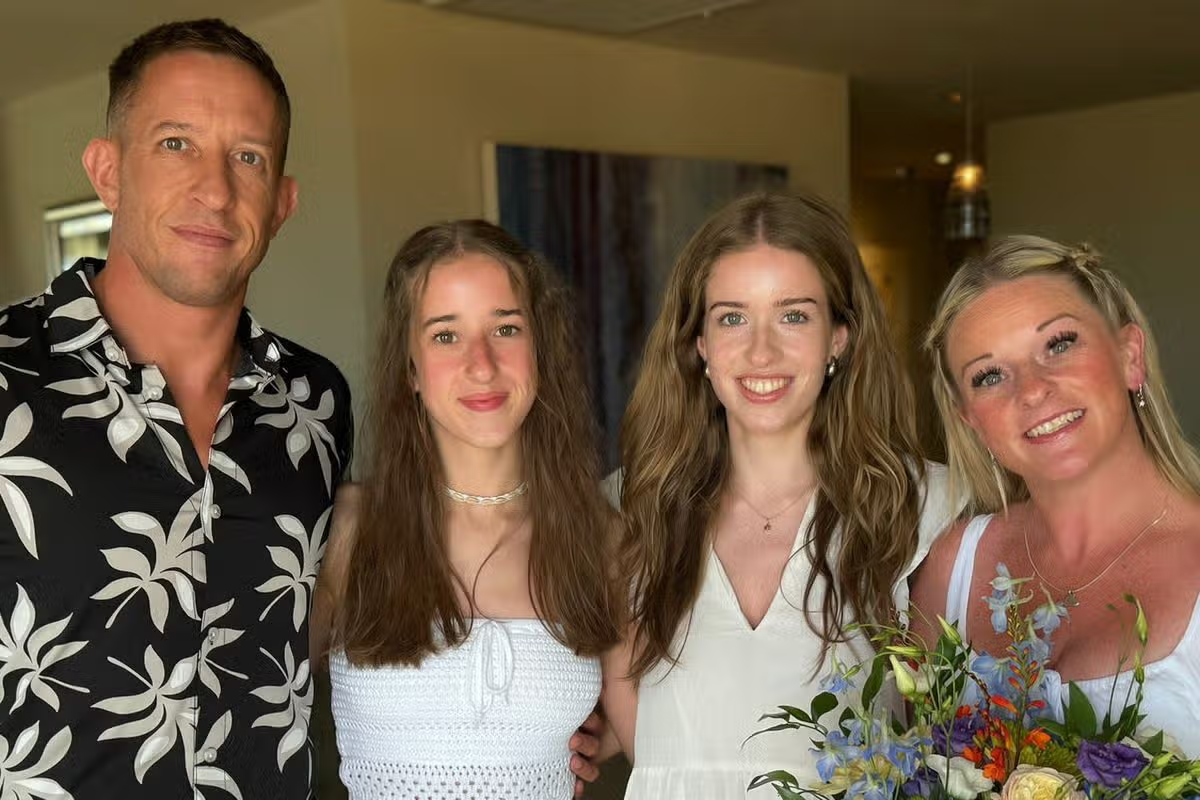
Laura and Callum Anderson, both 42, moved out to Malta with their youngest daughter when their heating bill shot up to £1,100 a month. They swapped their £1,600 a month four-bed farmhouse in Fife for a three-bed penthouse for £2,500 per month and moved out in October 2026. And despite the jump on rent, they are saving £1,251 a month – as bills and petrol is cheaper and there is no council tax.

Laura, a business owner, living in Naxxar, Malta, said: “If we weren’t living in Malta we would have had to move out of our house.

“It was £690 per month just for oil, with electricity on top of that, wood on top of that, it was £1,100 just to heat the house and put the lights on. Electricity is £85 per month here. We basically wanted to move to Malta to enjoy life.”

Laura and Callum had previously lived in Malta between 2010 and 2013 after they were able to get a full relocation package through Callum’s work as a recruitment consultant – but moved back to Fife to set up their own business.

And after returning to renew their vows in 2024, they decided to move back out permanently. Laura said: “We came here in 2024, and we renewed our wedding vows.

“At that point we were like, ‘Why are we staying in Scotland, what is the point?’ I love Scotland and I’m very much an outdoorsy person and like walks with the dogs and being at the beach even in Scotland, but it was just miserable.

“Last winter in Scotland was especially bad. It didn’t stop raining for six months. It sounds like an exaggeration, but it must have rained for 26 days every single month.”

Laura’s health was also a motivation to move. She was diagnosed with Premenstrual dysphoric disorder (PMDD) – a severe form of premenstrual syndrome that causes intense emotional and physical symptoms – such as depression, anxiety, irritability, and fatigue – in November 2023 and had to pay for private care as she struggled to get help on the NHS.

She struggled with her mental health and said the “doom and gloom” of Scotland was not helping, and so they made the “positive step” and made the move.

“I was paying a fortune in tax and in private medical insurance,” she says. “It makes me feel resentful at my own country and I don’t want to feel like that because I love Scotland.

“Because of my PMDD, I struggle a bit with my mental health and being in Scotland in the doom and gloom was not great for my mental health so we decided to make a positive step by moving.

“We were spending too much time indoors with the fire on. We ended up getting dragged into watching the news with the doom and gloom about how taxes have gone up and people can’t afford to feed themselves. It’s very negative.”

They flew out in October 2026 on digital nomad visas with youngest Mia, 17 – with Lucy, 20, flying out to visit whilst she remains in the UK to attend university. Laura and Callum still run their business selling saunas remotely, and have a team based in Scotland covering the day-to-day operations.

Their daughter, Mia, plans to become a strength and conditioning coach, and Laura says Malta is a “hub” where people travel to train up. They flew out without a permanent home sorted, choosing to stay in an Airbnb so they could view properties in person.

Now settled in a three-bed penthouse, Laura says the “pressure to keep up with the Joneses” is not as big a thing out in Malta. She said: “Our car in Scotland was included on our insurance and it was £650 per month.

“We lived on a farm and I had to drive 20 minutes just to get to the shop. Fuel was £130 per week. Here, fuel is £33 every two weeks. It was £180 per month for Sky broadband and Wi-Fi. Here, Wi-Fi is £25.”

Paying £750 for their visas, they are “really happy” they made the move. “Apart from missing our eldest daughter, we’re not missing anything,” she said.

“We’ve deliberately chosen to live in an area with access to good walks for the dogs. Walking is one of the things that really helps my head so it’s important I go out on those long walks.

“I love Scotland and I’m more than happy to go back and visit but it was stifling and there’s a lot of positivity here.”

Ensure our latest real life stories always appear at the top of your Google Search by making us a Preferred Source. Click here to activate or add us as Preferred Source in your Google search settings

Price breakdown per month

Fife

Rent: £1,600

Electricity: £1,100

Council tax: £150

Car: £650

Fuel: £520

Broadband and Wi-Fi: £180

Private healthcare: £240

Total: £4,440

Malta

Rent: £2,500

Electricity: £85

Car and insurance: £375

Private medical insurance: £138

Fuel: £66

Wi-Fi: £25

Total: £3,189

Source link

Couple hit by ‘bankruptcy and illness’ quit UK for Spain – and they won’t return

Chris and Becky Yates., originally from near Huddersfield in West Yorkshire and later based in Gloucestershire, faced not only money troubles but chronic illness, too

For many people, years of hard work and saving are meant to lead to a dream retirement – so bankruptcy in your 50s can seem unthinkable. But that’s what happened to Chris and Becky Yates. The couple, originally from near Huddersfield in West Yorkshire and later based in Gloucestershire, faced not only money troubles but chronic illness, too.

Chris’s surveying and construction business was rocked by the turbulence in the sector during the 2010s, while Becky was forced to give up her civilian role with the police as she battled fibromyalgia – a condition of the central nervous system that can cause widespread pain.

With their “comfortable, privileged lifestyle” under threat, they decided on drastic action: relocating to rural Spain after becoming enchanted with an area west of Valencia.

Chris told the i Paper: “It is an area of small, traditional towns surrounded by mountains, farmland and orange groves. It feels very different from the busy resorts and heavily developed parts of the Spanish coast.

“It was the old-fashioned Spain we had hoped to find, with independent shops and bars where people remember your name and their faces light up when you walk through the door. We quickly fell in love with the area.”

Chris and Becky, now 60, began laying the groundwork for their expat life, sorting through what to keep, sell or ship to Spain. They put their house on the market too, intending to use the money raised to finance their move.

Chris and Becky made the ferry crossing to their new home with their Newfoundland dogs. These days they rely mainly on Becky’s pension, worth £1,700 a month, while Chris does “odd jobs” to supplement their earnings.

The couple say they spend about €100 (£83) a week on food and have adapted to life in Spain, picking up conversational Spanish and enjoying a “very good life”.

Chris added: “A decade ago, we were sitting in an empty house in Gloucestershire after bankruptcy and illness had dismantled the life we thought we would have. Today, we feel we have the best of both worlds. We have no intention of returning.”

According to Chris, the couple are now in an off-grid three-bed, two-bath property with a swimming pool for €1,100 (£917) a month.

Solar panels provide their electricity, meaning they pay nothing for power and believe they’re saving about €150 (£125) every month.

They also maintain that the warmer weather has had a beneficial effect on Becky’s health. While she still lives with the condition, Becky is said to be more “active and thriving”.

Ensure our latest headlines always appear at the top of your Google Search by making us a Preferred Source. Click here to activate or add us as Preferred Source in your Google search settings

Source link