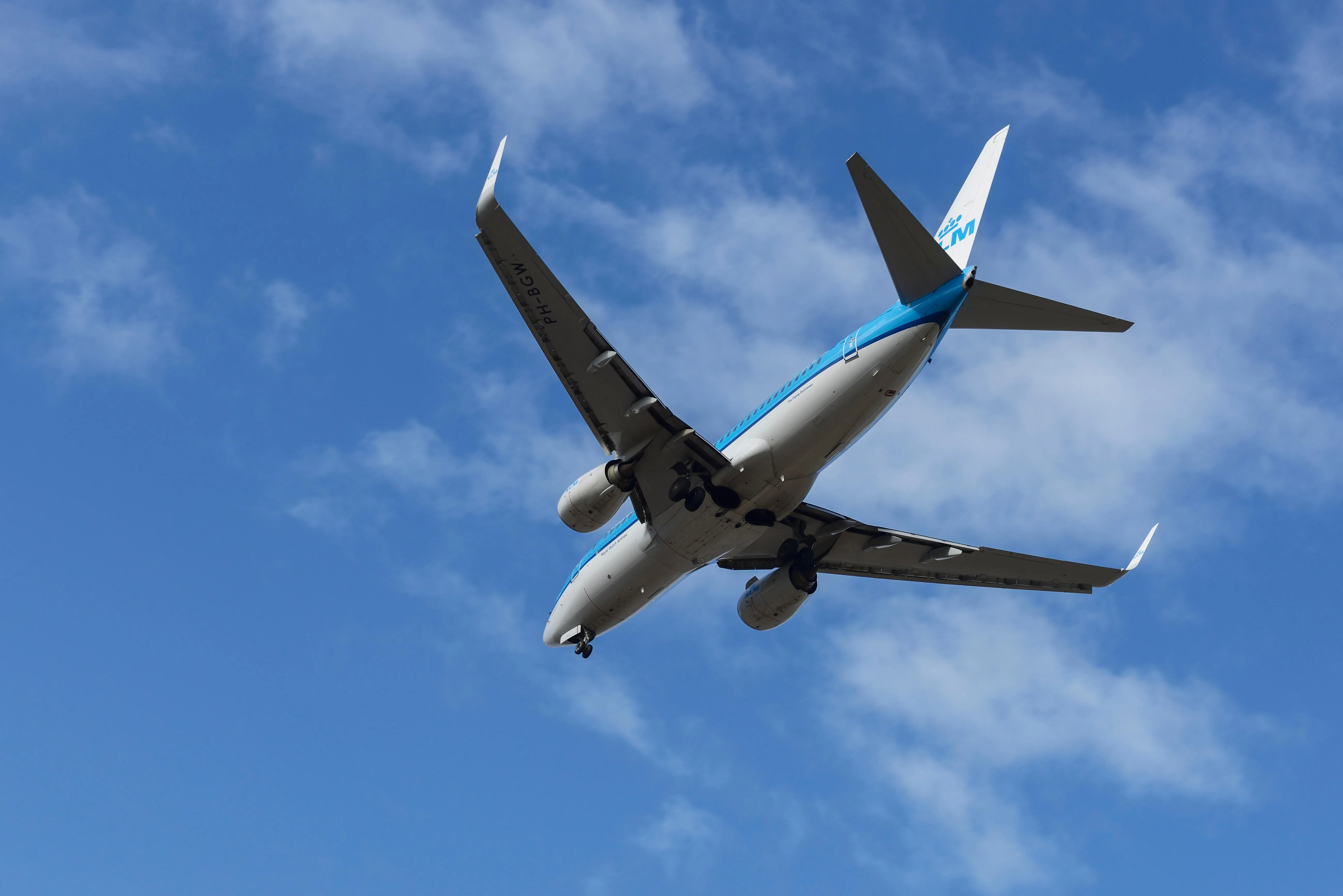

RISING fuel costs linked to the war in Iran have forced a major airline to slash more than 100 flights – including services to and from London.
Dutch company KLM is axing 160 flights across Europe over the next month as soaring fuel prices pile pressure on the industry ahead of the busy summer period.
The cuts will hit routes in and out of Amsterdam’s Schiphol Airport, with departures and arrivals split evenly .
Despite the disruption, the airline insists there is no shortage of jet fuel, saying the move is purely down to spiralling costs.
A KLM spokesperson said: “Passengers affected by these changes will be rebooked onto the next available flight.
“As these are destinations KLM serves multiple times a day, such as London and Düsseldorf, travellers can usually be accommodated quickly.


“KLM expects a busy May holiday period and is making sure passengers can travel to their holiday destinations as planned.”
KLM’s flight cancellations comes after the head of the International Energy Agency Fatih Birol said mass flight cancellations will begin “soon” if the Strait of Hormuz remains closed.
“In the past there was a group called ‘Dire Straits.’ It’s a dire strait now, and it is going to have major implications for the global economy”, Birol told AP.
Adding: “And the longer it goes, the worse it will be for the economic growth and inflation around the world.”
Birol’s deadline means airports could face critical fuel shortages by May, causing travel chaos for Brits heading abroad during the school May half-term holidays.
Oil prices have soared since the start of March after Iran closed off the Strait in response to US-Israeli forces bombing.
The Persian Gulf chokehold sees around 40 per cent of the world’s jet fuel supply pass through.
It comes after ACI Europe, which represents European airports, said the key trade route must open within three weeks or fuel reserves will run drastically low on Friday.
A number of airports in Italy have already warned that they were running out of fuel.
According to local reports earlier this week, Brindisi-Casale Airport confirmed that Jet A1 fuel was not available for a short period of time.
And British Airways has announced it will permanently axe its service from London Heathrow to Jeddah in Saudi Arabia from April 24.
The airline had been operating a four flights a week service since November 2024.
But a shift in demand, due to the conflict in the Middle East, has led to the airline terminating the service.
KLM stressed the cancellations make up just one per cent of its European schedule.
But the move will still spark concern for Brits planning trips abroad as airlines battle rising operating costs.
It comes as carriers across Europe scramble to balance the books amid the fuel crisis.
Earlier this month, UK airline Skybus pulled the plug on all future flights between London Gatwick and Newquay.
The route, which launched in November 2025, had been backed by Cornwall Council and the Department for Transport under a public service scheme due to run until the end of May.
However, a slump in passenger numbers combined with higher fuel costs forced the airline to ground the service early, with its final flights taking off on April 2.
The latest cuts raise fresh fears of further disruption for holidaymakers as the peak summer season approaches.
Meanwhile other vital UK services could also face shortages if a deal to end the Middle East war is not struck soon.
Medicines UK, which represents companies making 85 per cent of NHS prescriptions, said NHS patients could face prescription shortages within weeks.
This could place “significant pressure for the NHS as early as June”, the organisation warned.
And Brits could even face shortages of supermarket staples such as beer and meat as officials fear the blockade of the Strait could cut vital carbon dioxide supplies.
CO2 is used in food packaging to improve the shelf life of salad, packaged meats and baked goods – and also slaughtering nearly all pigs and most chickens.
Tim Lang, professor of food policy at the University of London, who has been a member of several government bodies including the UK Council of Food Policy Advisors, told The Sun that the UK has “next to no food storage”.