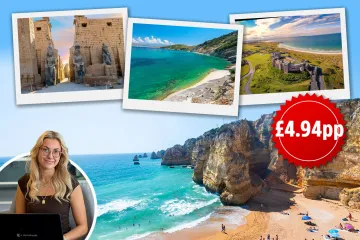
WHO doesn’t love a holiday bargain? Well, British Airways is launching new flights that cost less than the average UK pint.
However, the two return journeys to the beautiful Mediterranean islands come with a small catch.
British Airways is launching return flights for £5 – but there is a catchCredit: AlamyAnyone wanting to take advantage of the cheap flights needs to have Avios pointsCredit: Getty
British Airways is launching two Avios-Only flights nextsummer – so you have enough points on its reward scheme to go on them.
The new return flights will be to Palma in Majorca and Heraklion in Crete.
Sign up for the Travel newsletter
Thank you!
Flights to the Greek island of Crete will depart on August 14, 2027 and returning a week later on August 21.
Seats will be available for 35,500 Avios + £5 return in Euro Traveller.
For a return flight in Club Europe its 60,000 Avios + £40.
Crete is the largest island in Greece and one of the biggest in the Mediterranean Sea.
On the same dates, British Airways will also have an Avios-Only flight to Palma, Majorca.
Seats will be available for 28,000 Avios + £5 return in Euro Traveller.
In Club Europe, seats are available for 49,000 Avios + £40 return with checked baggage included as standard.
Majorca meanwhile has a beautiful coastline, picturesque villages and its busy capital of Palma has lots of bustling restaurants and a huge cathedral in the centre.
Heraklion in Crete has a Venetian port and pretty beachesCredit: Getty Images
Once you’ve joined the British Airways Club, you can earn points by shopping online through the Avios portal, booking hotels and car hire, using co-branded credit cards, or converting Nectar points.
If you’re a frequent flier, you can earn through BA flights, as well as other IAG airlines like Iberia, Aer Lingus, Vueling and LEVEL, as well as partner airlines Qatar Airways, Finnair, and Loganair.
Other brands associated with IAG loyalty include brands like Domino’s, Deliveroo, River Island, Marks and Spencer and Boots.
For a more in-depth look at Avios and how to claim points, read more here.
The British Airways Avios-Only flights go on sale tomorrow.
The last outgoing flight is from Newcastle at 4.25pm with fares starting from £21.99.
The last inbound flight from Brussels to Newcastle is at 7.30pm with prices from £214.99.
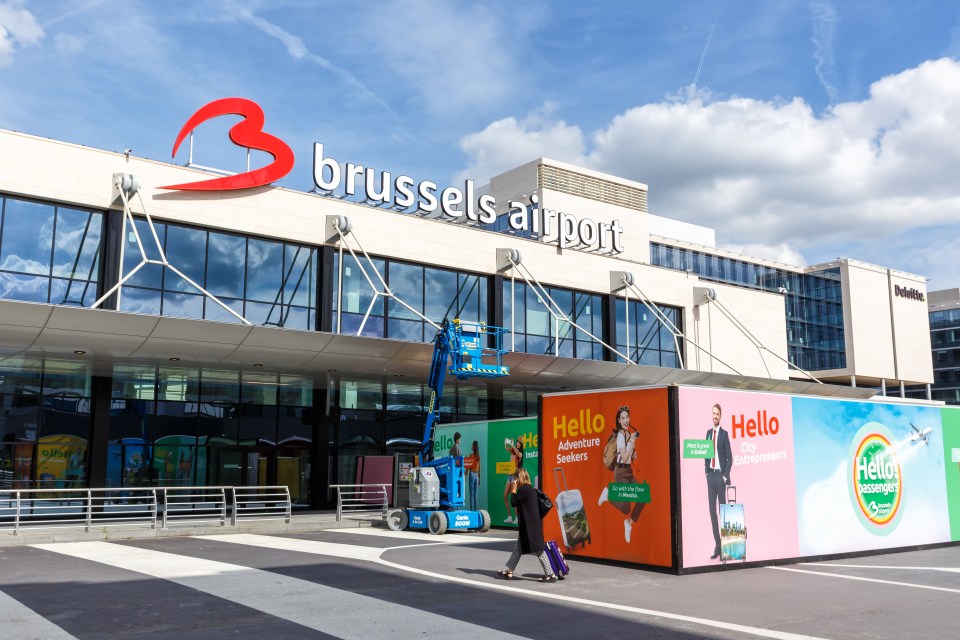
At Brussels Airport in Zaventem, The Brussels Times reported that the only Ryanair route that will remain will be to Dublin.
By January 2027, the price of aviation tax will have risen by 50 percent going from €2 (£1.68) in January 2025 to €7 (£5.87) in January 2027.
Ryanair boss Michael O’Leary called the measure a “failed and stupid initiative.”
According to reports, eight routes will be discontinued from Brussels Airport in Zaventem.
More than 1.1million seats will be affected by the cancellationCredit: AFPThe Newcastle to Brussels South Charleroi Airport route is set to be axedCredit: Getty
Meanwhile, 12 routes will be cut from Brussels South Charleroi Airport.
ONE UK airport which closed in 2022 is taking another step closer to welcoming passengers back.
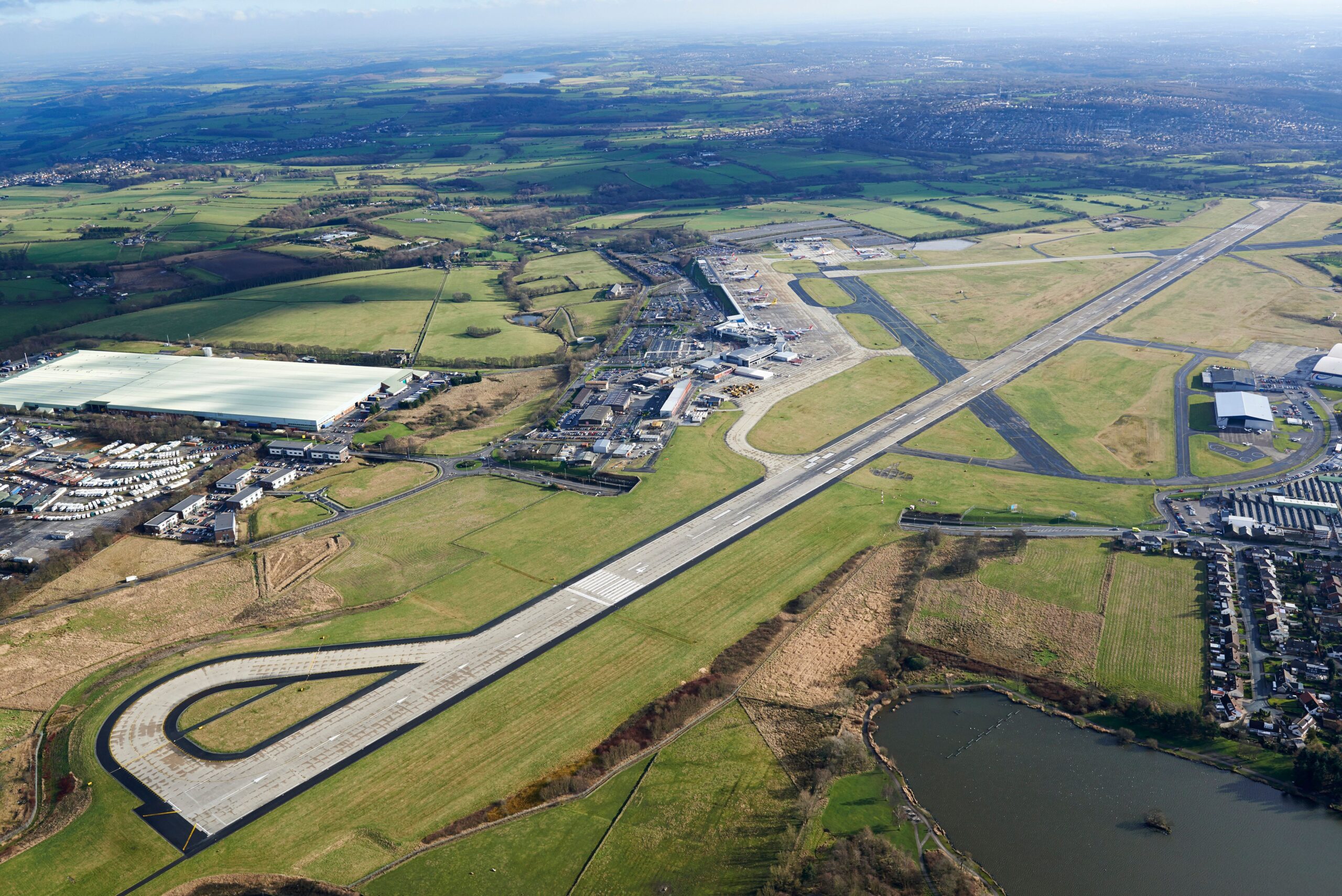
Doncaster Sheffield Airport closed after becoming “commercially unviable” and has been left empty since, but it has now announced it’s set to come under public ownership.
Doncaster Sheffield Airport is set to reopen to passengers in 2028Credit: AlamyNow, it’s been announced that the airport will come under public ownershipCredit: Alamy
South Yorkshire Mayor Oliver Coppard called the deal a “major milestone” towards reopening the airport.
According to reports, South Yorkshire Mayoral Combined Authority (SYMCA) will buy the airport becoming the freehold owner and landlord to the City of Doncaster Council lease.
Sign up for the Travel newsletter
Thank you!
Oliver Coppard said that the airport being bought by SYMCA would also “provide long-term control, certainty and flexibility” and attract private investment too.
Before it closed, the regional airport acted as a gateway to Europe for those living in the north of England.
It had airlines like TUI and Wizz Air and flew to the likes of Spain and Portugal.
When it reopens, it’s possible certain routes could be reinstated, as well as longer ones too.
The airport is home to one of the longest runways in Europe, measuring 2,893 metres, which means it could host big jets for long-haul journeys.
As of yet, no airlines have been confirmed for when the airport reopens.
Designs for the revamped terminal have been revealedCredit: City Of Doncaster / Mayor Ros Jones
Christian Foster, Director of FlyDoncaster – the company set up to manage the airport – told Sun Travel: “It does feel like the world has changed post-Covid, whereas people were focused on two weeks in Spain or Greece, nowadays we’re seeing a lot of people keen to take city breaks.”
“We’d love to fly to places like Croatia, and other destinations that are a bit more quirky like Azerbaijan.
“We’re keen to look at emerging places to visit as well, like India.“
Another plan for the airport is that when it opens, it will have local businesses rather than chains like Costa or Starbucks.
There would be a mixture of restaurants, bars and shops as well as seating.
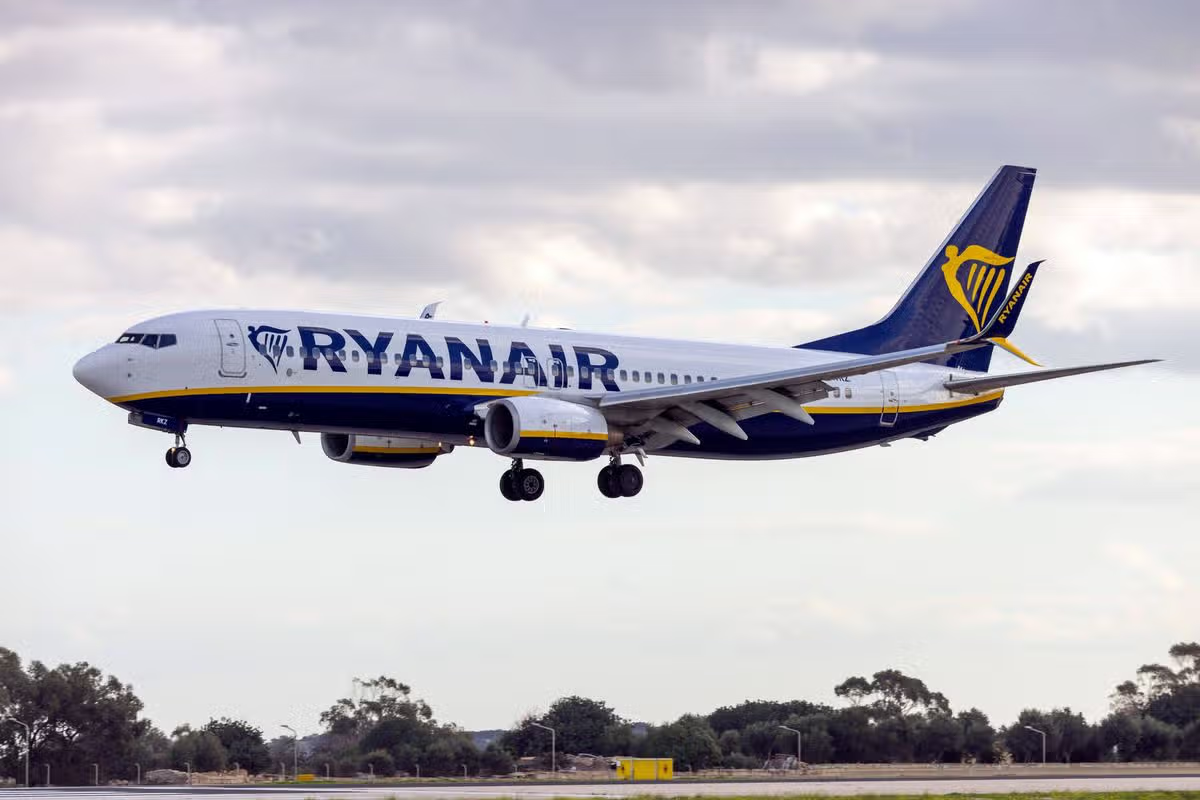
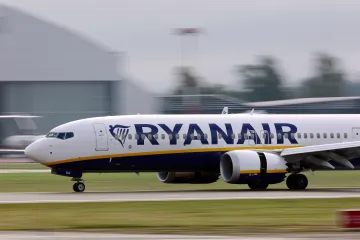
Passengers were not happy after airline Ryanair poked fun at one type of passenger onboard their planes – encouraging them the ‘stop’ making a key mistake onboard
10:04, 20 Oct 2026Updated 10:23, 20 Oct 2026
Ryanair passengers have been told to ‘stop’ doing one thing onboard(Image: GordZam via Getty Images)
Ryanair has hit out at passengers who make one key mistake when traveling on one of their planes for a short haul flight. This follows the airline previously advising passengers to ‘please stop wearing’ jeans during flights.
When flying many people have three basic priorities, having a good seat, being as comfortable as possible while onboard, and spending as little money as possible. And while remaining seated in the same spot for extended periods can be decidedly uncomfortable, particularly when you’re short on legroom, people have started to take further steps to help pass time while onboard aeroplanes.
With cabin humidity on many commercial flights dropping below 20%, which is drier than a desert, many people opt to take facemasks, moisturiser and eye cream onboard in their hand luggage.
The thought behind the process it to prevent passenger’s skin from feeling tight, dull, or irritated upon arrival. Ryanair has established a reputation on social media, where they frequently poke fun at their own passengers, and jokingly threaten to introduce even more regulations and charges than they currently impose – such as extra legroom seats or late check-in fees.
What shouldn’t passengers do when on a short haul flight with Ryanair?
Nevertheless, Ryanair has now criticised travellers who insist on keeping their skin moisturised while onboard one of their aircrafts. Posting on their Facebook page, the airline issued a statement to their passengers.
They wrote: “Stop doing skincare onboard, it’s a 2-hour flight.” However, many passengers were furious with the airline and quickly flocked to the comment section to express their own views.
One person said: “Stop measuring my bag with a ruler like it’s national security, it’s a 2-hour flight.”
A second person added: “Please tell the cabin crew to put a smile on their face – It’s just a 2-hour flight.”
A third added: “Carry on like this and I’ll allow my husband to bring his foot file and use it on our trip over to UK on the November 5.”
A fourth said: “What are these bizarre Ryanair posts about?! You’d think their marketing team would manage social media in a more sophisticated way?!”
Others, however, commented on the post to express their own bugbears on short haul flights.
One person said: “Travel pillows for 1-2 hour flights still intrigue me more than skincare.”
A second added: “Skincare? I’ve actually seen a man clipping his nails! This should be strictly prohibited under financial sanctions!”
A third said: “Don’t start clapping before the plane has even landed!”
Ensure our latest content always appears at the top of your Google Search by making us a Preferred Source. Click here to activate or add us as Preferred Source in your Google search settings
So to get to the island, tourists including Brits, need to fly to Athens or Thessaloniki before taking a smaller connecting plane over to the island.
However, this is set to change as work on the runway will see it extended to be 1,799m long which means that it will be able to accommodate much larger types of aircraft.
During the works, emergency flights will be permitted to land, which includes medical evacuations, search and rescue.
However, there is some opposition to the plans.
The runway will be extended to accommodate larger aircraftCredit: AlamyCurrently the airport can only accommodate smaller aircraftCredit: Unknown
President of the Chios chamber of commerce Pantelis Legatos said: “The early closure will seriously affect the economy and society of the island, especially during the holiday season (Christmas, New Year), when people have planned trips, family visits and medical appointments.
“Chios, as a border island 5 miles from Turkey, depends on the air connection with the capital for health, entertainment and freedom reasons.”
The original plan was to close the airport on January 15 which is months later than the current schedule.
The work will take four months and see the airport shut over the festive period with local authorities and business owners urging the for the dates of the work to be changed
Chios Airport will be shut for four months for the upgrade
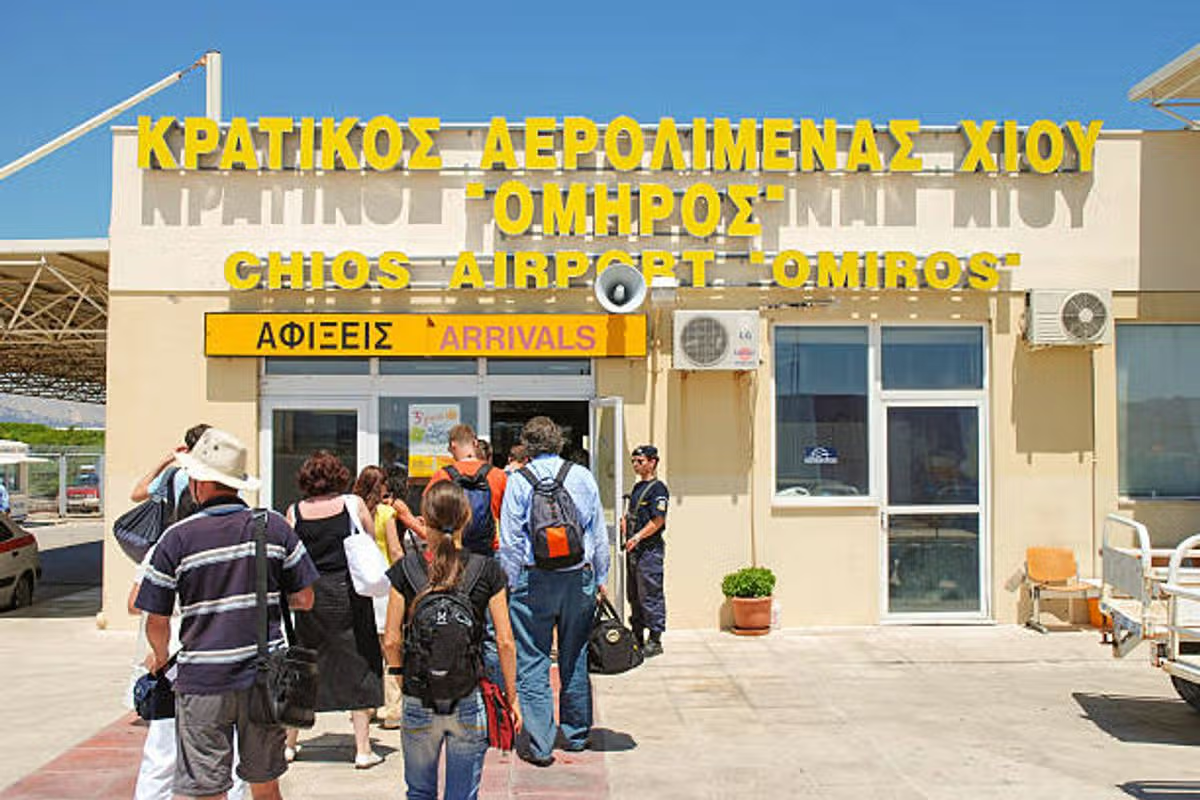
A Greek airport will close for four months as major runway upgrades are completed.
Chios Island National Airport in Greece will close between November 15, 2026 and March 15, 2027 for the work to take place.
The Hellenic Civil Aviation Authority say the project will extend the runway to 1,799 metres to accommodate larger aircraft ahead of the 2027 tourist season.
The work will see all commercial flights canceled. Emergency operations, including medical evacuations and search and rescue flights, however, will continue using helicopters operating from the parking apron.
As well as extending the runway to the north, the upgrades will also see an overall improvement of the airport’s operational infrastructure.
Originally the work was expected to take five months but it is now scheduled to only take four.
The plans have been strongly objected to by local authorities and business leaders, who see the winter closure as ‘economic strangulation’ for the small island.
They have come up with an alternative timeline that allows the airport to remain open during the Christmas and New Year Holiday.
The mayor of Chios, Giannis Malafis, said it was crucial the island’s airport remained open during the festive period.
He insisted that any decision on the future of the project should be taken in consultation with local bodies and Chios society.
Island representatives are still seeking clear answers on the duration of the shutdown and how this is expected to impact the local economy.
The contractor has pledged to make every effort to speed up the works, with the aim of getting the project done by 28 February.
However, this does not make any difference to the holiday season that is creating concerns for locals.
The HCAA notes that its goal is to limit the runway closure to the shortest possible period.
A look at your rights if a flight is delayed or cancelled, when your entitled to compensation and if your travel insurance can cover the costs.
What are my rights if my flight is cancelled or delayed?
Under UK law, airlines have to provide compensation if your flight arrives at its destination more than three hours late.
If you’re flying to or from the UK, your airline must let you choose a refund or an alternative flight.
You will be able to get your money back for the part of your ticket that you haven’t used yet.
So if you booked a return flight and the outbound leg is cancelled, you can get the full cost of the return ticket refunded.
But if travelling is essential, then your airline has to find you an alternative flight. This could even be with another airline.
When am I not entitled to compensation?
The airline doesn’t have to give you a refund if the flight was cancelled due to reasons beyond their control, such as extreme weather.
Disruptions caused by things like extreme weather, airport or air traffic control employee strikes or other ‘extraordinary circumstances’ are not eligible for compensation.
Some airlines may stretch the definition of “extraordinary circumstances” but you can challenge them through the aviation regulator the Civil Aviation Authority (CAA).
Will my insurance cover me if my flight is cancelled?
If you can’t claim compensation directly through the airline, your travel insurance may refund you.
Policies vary so you should check the small print, but a delay of eight to 12 hours will normally mean you qualify for some money from your insurer.
Remember to get written confirmation of your delay from the airport as your insurer will need proof.
If your flight is cancelled entirely, you’re unlikely to be covered by your insurance.
IF you’re desperate for a getaway but don’t want to spend loads, it might be time to look beyond the usual high street holiday agents.
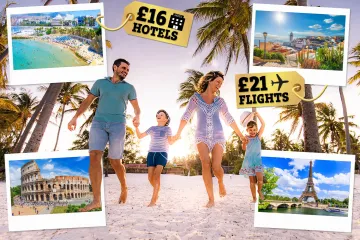
We’ve found a lesser-known booking site where you can bag entire package holidays from just £118, hotel rooms from £16 a night, and flights for as little as £9.
Your next holiday could be closer than you think with these bargain getawaysCredit: Alamy
Browse cheap holidays, flights and hotels on Opodo
Opodo acts as a massive travel search engine, scouring hundreds of airlines and millions of hotels to pull together some of the absolute cheapest deals on the internet.
As a travel writer who scours the internet each week for the cheapest holidays for Sun readers, these are some of the lowest travel fares I’ve ever seen.
Sign up for the Travel newsletter
Thank you!
So whether you’re after a quick weekend city break, a week-long beach escape, or even a solo travel retreat – here’s our guide to the very best travel bargains on Opodo right now.
Package holidays
Package hols are where you get the most bang for your buck on Opodo, as you can save up to 40% extra by booking your flights and hotel together through the website.
Or you can click here to browse all cheap package holidays.
Mallorca – from £121pp
Boat sailing, Majorca island, Spain. Cala MarmolCredit: Getty
With flight times around two and a half hours, Mallorca is an easy hop away for some autumn sun, with pleasant October temperatures of around 24C.
Spend your days exploring the winding, cobbled streets of Alcudia’s Old Town, hiking the spectacular Serra de Tramuntana mountains, or soaking up the sun on the pristine white sands of Es Trenc.
Browse Mallorca holidays from £121pp
Tenerife – from £147pp
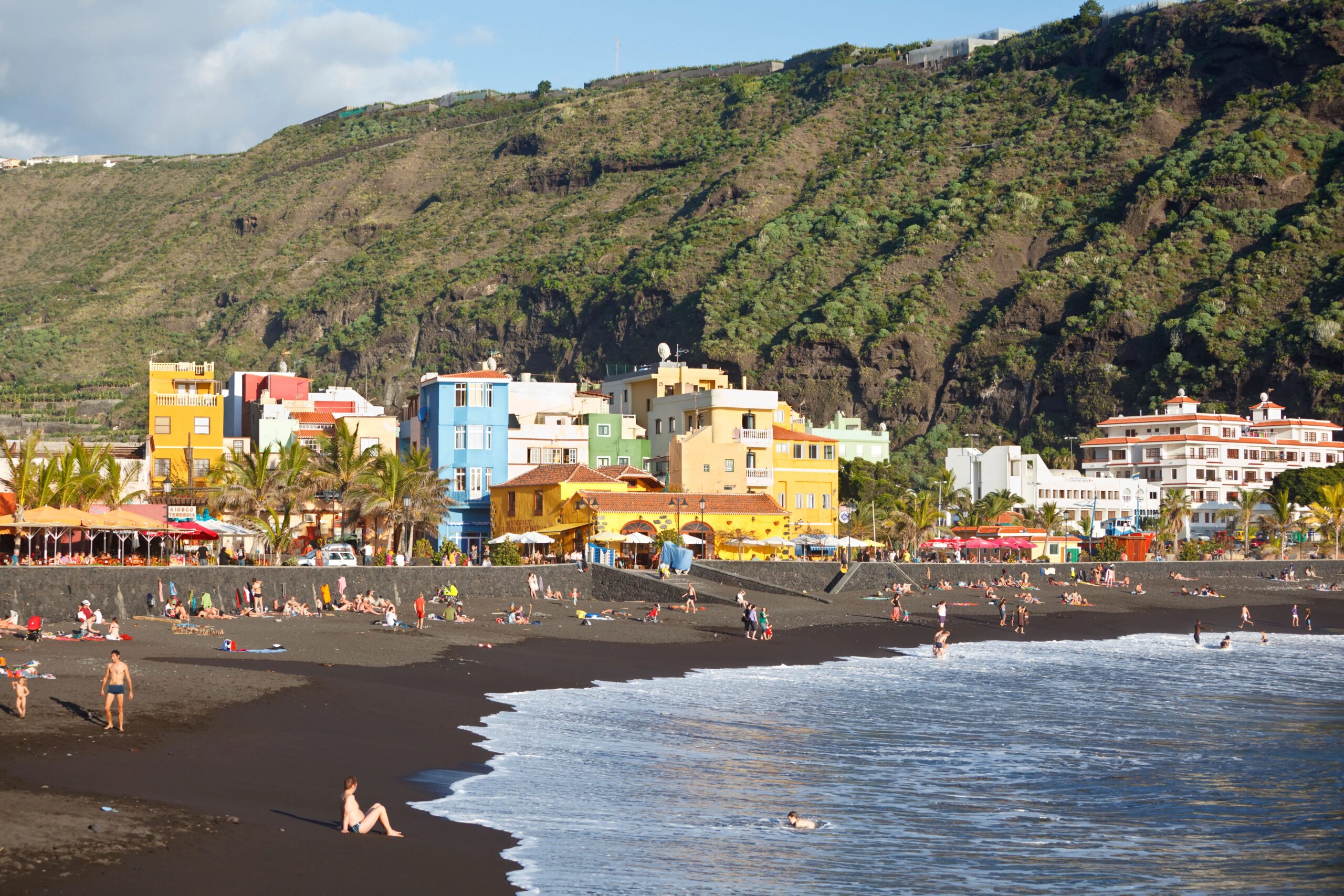
Playa de las Teresitas in TenerifeCredit: Getty
The flight to Tenerife is only four hours from the UK, yet it still reaches highs of 26C in October.
Once you’re there, stroll the volcanic beaches of Costa Adeje, enjoy €3 tapas in traditional tavernas, hit up award-winning waterpark Siam Park or even go whale watching.
Browse Tenerife holidays from £147pp
The Algarve – from £118pp
Beautiful village of Carvoeiro in the Algarve, PortugalCredit: Getty
Autumn is the perfect time to visit Portugal‘s stunning southern coast, offering warm highs of 25C without the overwhelming summer crowds.
Wander around the bustling Olhao fish market, hike along dramatic coastal cliffs to see the spectacular rock formations, or simply relax on the golden sands of Praia dos Pescadores right by Albufeira’s old town.
Browse Algarve holidays from £118pp
Rome – from £119pp
You don’t need a huge budget to experience Rome, especially with Opodo offering package holidays from £119pp.
In the Italian capital the streets themselves are their own attraction. Soak up the atmosphere at the Spanish Steps, or toss a coin over your shoulder into the Trevi Fountain.
Browse Rome holidays from £119pp
Flights
You could fly to Barcelona from £9 if you’re signed up to Opodo PrimeCredit: Getty
Opodo offers super cheap flights to destinations in Europe and beyond, but they get even cheaper if you join Opodo Prime.
For example, you can bag a one-way flight to Barcelona for £24 each way, but if you’re signed up to Opodo Prime this sinks down to £9.
It costs £8.99 a month and also gets you discounts on hotels, so if you like to go on holiday regularly, it could save you some serious cash.
Ryanair has announced it is axing all flights to and from Bremen in GermanyCredit: AlamyThe city currently has a direct route from London Stansted which will end in April 2027Credit: Alamy
Currently, Ryanair offers daily flights from London Stansted to Bremen for as little as £15.
But in a new announcement, these will come to an end in April 2027.
Sign up for the Travel newsletter
Thank you!
On the Ryanair website, it appears tickets for the final flights to Bremen are scheduled for March 27, 2027.
The German city is known for its maritime history and gothic look that some often say looks ‘fairytale-like’.
With Ryanair withdrawing the route, there will be no direct links to Bremen from the UK.
Those wanting to visit the German city will have to take stopover flights which can take over double the time.
The shortest is with KLM, which has a stopover in Amsterdam and takes three hours and 20minutes.
Last year, Ryanair announced it would be dropping 24 routes to and from Germany, cutting nearly 800,000 seats in total.
It was revealed that nine airports would be affected, along with the plans of those wanting a winter break, and including major cities that are popular with tourists.
These are:
Berlin
Hamburg
Memmingen
Baden-Württemberg
Cologne
Frankfurt-Hahn
Dortmund
Dresden
Leipzig
Bremen has been compared to a ‘fairytale’ by visitorsCredit: Alamy
In April of this year, the airline confirmed it would be reducing its flight schedule to and from Berlin by 50 per cent.
Ryanair’s CEO Eddie Wilson said back in August: “Germany’s air travel market is broken and needs an urgent fix.
“As a result of these high government taxes/fees (the highest in Europe), and Lufthansa’s high-fare monopoly, German citizens/visitors now pay the highest air fares in Europe.”
AUTUMN is the perfect time for a city break holiday abroad.
Fewer crowds, cooler temperatures, and quieter restaurants – there’s something to be said for a long weekend post-summer.
And with hundreds of countries under our belts, as the Travel Team at The Sun, we know which are the best spots to visit after summer but before winter is in full swing.
Here are our favourite cities to visit this autumn, along with our top tips, cheap pints and very affordable flights thrown in.
Warsaw, Poland
Try the cosy Hala Koszyki food hall for some fantastic foodCredit: Alamy
Known as the Grinch by friends due to my ambivalence to Christmas, Warsaw is the perfect place to visit in autumn before the festive season takes over.
Not only is it also frequently named one of the cheapest city break destinations, but it was named top city to visit by European Best Destinations 2026.
The architecture of the city is stunning, with historic 17th century buildings compared to the more modern Brutalist blocks.
Start with a wander around the beautiful Old Town which was reconstructed after WWII, when 85 per cent of it was destroyed.
Then head over to the Neon Museum, with hundreds of huge neon signs from the Cold War (one to get your camera out for, definitely).
The food scene is fantastic too – I highly rate Momu which specialises in Polish dishes using a smoke-roasting oven, or huge food hall Hala Koszyki which was the first of its kind in the city.
You can find really cheap hotels – ibis budgets start from as little as £35 (so £17.50 each), while Ryanair flights are £30 return. So a mega cheap holiday!
Or you can find two-night city breaks for just over £100pp with loveholidays. Kara Godfrey, Deputy Travel Editor
Lisbon, Portugal
Lisbon is still warm but just as beautiful outside of summer with lots to doCredit: AlamyHow about trying to design your own street art on a graffiti workshop?
The Portuguese capital comes into its own in autumn, with oodles of sunshine and warm temperatures perfect for exploring its maze of hilly streets, grand squares and spectacular architecture.
I’ve just returned from a perfect weekend break that went beyond the tourist trail with the help of the new Andaz Lisbon hotel (rooms from £242 a night).
Just steps from the grand, riverfront square Praca do Comercio, the hotel in a former grand bank has a spectacular rooftop restaurant and bar.
Their exclusive experiences pair you with locals to delve deeper – like renowned street artist Migeul Brum who not only gave us a whistle-stop tour of some incredible murals and installations but allowed us to get hands on and create our own with a graffiti workshop.
Their Seven Hills by Night revealed some of the city’s vibrant neighbourhoods for fun after dark.
We sipped classic cocktails in hidden speakeasy Foxtrot and enjoyed a live performance of traditional Fado music at Bohemia Lx Se.
And for a glimpse of the glorious seafaring history, a tuk tuk tour took us to the arty district of Belem where we explored the Belem Tower and Monument to the Discoveries.
And of course, no visit to the district would be complete without sampling the irresistible custard tarts at the original bakery, Pastels de Belem.
Flights to Lisbon from £14.99 from the UK. Lisa Minot, Head of Travel
Tallin, Estonia
You can get pints of hot chocolate – the perfect drink for an autumnal stayCredit: Alamy
The capital of Estonia might not be your first thought for a city break but it should be.
With a three-hour flight time, the city is far enough away to feel a bit more of an autumn chill but not so far that the flight feels like a strain.
Tallinn is an easy city to walk around; all the main sights are close to each other, especially in the UNESCO World Heritage-listed Old Town.
Here you’ll find Gothic spires, cobbled alleyways and the Kiek in de Kök Fortifications Museum which even explores the city’s coffee culture.
And everything is super cheap – I managed to visit the KGB Prison Cells and then grab lunch afterward for around £15.
A pint will set you back a few euros, as will a PINT of hot chocolate – yes really.
The benefit of go in autumn is that the freezing weather of winter hasn’t quite kicked in yet and you can enjoy exploring the city crowd-free.
With LastMinute.com, you could head away for three nights to Citybox Tallinn City Center Hotel, which has a modern interior and light airy rooms for £194pp for three nights including flights. Cyann Fielding, Travel Reporter
Seville, Spain
Seville comes into its own in shoulder seasonsCredit: Alamy
Seville is the Spanish city that comes alive in shoulder season – seeing as summer has unbearable highs that approach 40C.
But that drops off in autumn, meaning you can get some post-summer warmth within just a few hours.
And there are some fantastic, must-see attractions, from the Seville Cathedral (the largest gothic cathedral in the world) and the Moorish Royal Alcazar of Seville.
Skip the expensive flamenco shows and watch the many free performances in the parks.
The ultimate cheap breakfast is at Bar Alfafa, a tiny restaurant squeezed between two roads where you will find coffee and toast for just €2.10 (£1.78), as long as you can find a table between the locals.
The beauty of Spain is that wine is cheap (expect to pay around €2-€3 (£1.69-£2.54) per glass), but head to the local chain 100 Montaditos where you can get beers for under €1.50 (£1.27).
TUI has three-night breaks for as little as £180 each, with your hotel and flights thrown in.
Cheap booze, quick flights and 28C highs in autumn – what more could you want? Kara Godfrey, Deputy Travel Editor
Vilnius, Lithuania
Go back in time as the leaves change colour in VilniusCredit: Getty
If you aren’t still longing after lounging about on beaches or sun-searching, but are ready to embrace autumn in all its glory, I’d say a trip to Vilnius is on the cards.
The capital of Lithuania, especially its medieval Old Town is beautiful with cobblestone streets, towering church towers and shops with autumnal window displays.
With its old-school look, I felt almost as if I’d stepped back in time.
It’s quiet too as Lithuania gets far fewer visitors in general than the likes of Spain or Portugal.
When I popped out early on a Sunday morning for a wander around the Old Town, it was practically deserted.
To make it even better, food and drink is cheap too. One cafe called Vynomanai sold coffee for €2 (£1.70) and beer for €3 (£2.55).
The best snack I tried and a must-try is called kepta duona. Essentially it’s fried bread in garlic – which is like the UK’s version of pork scratchings.
Flights start from £19 with Ryanair, or Loveholidays has seven-night breaks from £249pp. Alice Penwill, Travel Reporter
Amsterdam, The Netherlands
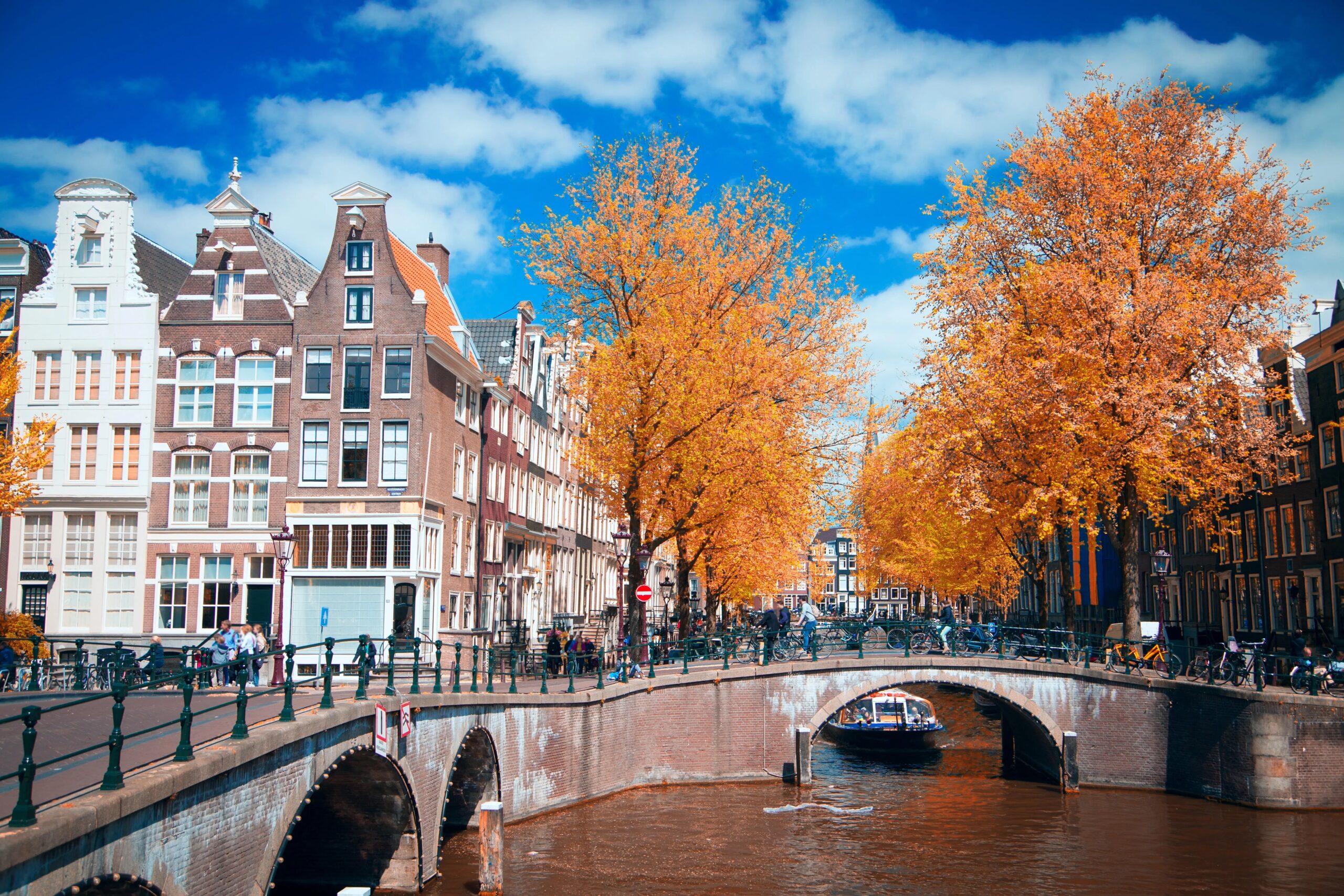
The famous canals come alive in autumnCredit: Alamy
Amsterdam is big on nature. Canals weave between its Baroque buildings and the cobblestone streets are lined by bushy trees that look even more spectacular in the autumn months, painting the streets in shades of red and orange.
While summer time is all about beer, the coming months focus on hot and cosy tipples like Warme Chocolademelk (Dutch Hot Chocolate) and Gluwhein (similar to mulled wine), both from around €4.
Grab yourself a glass from one of the traditional brown bars which tend to feature large windows from which visitors can watch the world go by, drink in hand.
Make sure to gobble back some Dutch classics. Comfort food is a staple in these parts and autumn is the perfect time of year to sample them.
Keep your eyes peeled for Stamppot, a hearty dish, made of mashed potato, sausages and sauerkraut – Moeders in the Jordaan whips up a truly authentic version.
Make sure to pick up some stroopwafels, too, a classic sweet treat which comprises of sticky caramel sandwiched between two thin, circular waffles.
You can still bag EasyJet flights from around £25 from London airports in November this year. Sophie Swietochowski, Assistant Travel Editor
Tirana, Albania
Tirana is often overlooked in favour of the Albanian Riviera but its a beautiful weekend destinationCredit: Alamy
It takes around three hours to reach the capital of Albania and once you’re there, there is plenty to do over a weekend at a leisurely pace.
In the centre of the city, visit Skanderbeg Square, the city’s central plaza featuring a towering clock tower.
Another top spot is the free Pyramid of Tirana – it’s a bit of a work-out to reach the top but the view of the city is well worth it.
And if there is one thing you shouldn’t miss, make sure to visit Bunk’Art 1 & 2 which are massive underground Cold War bunkers converted into museums, including one all about surveillance.
Street food will cost you a few quid and coffee or a pint is under £2 each.
What’s even better is that return flights cost as little as £28 per person. Cyann Fielding, Travel Reporter
Paris, France
Get some Christmas shopping done in the world’s fashion capitalCredit: AlamyIt’s one of the best places to come for food and shopping, says Sophie
I can think of no better place than Paris to transition you from summer, seamlessly into the cosy season. For me, it’s the shopping that draws me back year after year.
It is the fashion capital of the world, after all.
So make sure to travel with an empty suitcase so you can pick out your winter wardrobe while you’re here from the many vintage boutiques littered around the Le Marais district in the 3rd and 4th Arrondissements.
Here you’ll find classic kilo shops that sell bargain items priced by weight – you could pick up a whole outfit for €15.
Plus the city is just a hop, skip and a jumper over the Channel, reachable by plane, train or car – take your pick.
The culinary scene is another huge draw in autumn, too. Now is time to trade out the rosé wine for something more wintry and, in my opinion, no where in the world produces better red wine than France.
Le Barav, in the same region as the vintage shops, houses a wine shop on one side and restaurant on the other.
You can go and pick your wine for a supermarket price and then pay a €7 corkage fee to drink it in the restaurant area while tucking into a cracking charcuterie and cheese platter.
Wowcher city breaks with flights included start from £99. Sophie Swietochowski, Assistant Travel Editor
Move comes as haze from Indonesian fires makes Singapore and Kuala Lumpur the world’s most polluted cities.
Published On 13 Oct 202613 Oct 2026
Firefly, a Malaysian low-cost airline, has extended the suspension of its flights between Kuala Lumpur and Singapore through Wednesday as smoke from fires in Indonesia continued to blanket the region.
The announcement came as IQAir, an air quality monitor, ranked Singapore and the Malaysian capital Kuala Lumpur as the world’s two most polluted cities on Tuesday.
Recommended Stories
list of 2 itemsend of list
Firefly said in a statement that flights between the Sultan Abdul Aziz Shah Airport (SZB) near Kuala Lumpur and the Seletar Airport in Singapore (XSP) have been cancelled up to Wednesday due to “weather and haze conditions”.
It called the action a “proactive safety measure”.
The fires, mostly on the Indonesian islands of Sumatra and Borneo, are the country’s most intense in 11 years. They have been spurred by El Nino, a weather pattern expected to be among the strongest in four decades.
IQAir, a Swiss air quality monitoring company, said Air Quality Index in Singapore stood at 199 on Tuesday and 183 in Kuala Lumpur. Readings above 150 are generally considered unhealthy, and those above 300 are classified as hazardous.
Firefly, a subsidiary of Malaysia Aviation Group, which includes Malaysia Airlines, first announced the flight cancellations on October 10, citing “low visibility” due to the haze conditions.
Firefly said that affected passengers were being rebooked on Malaysia Airlines flights between Kuala Lumpur International Airport and Singapore’s Changi Airport, subject to seat availability.
The Singapore government has reintroduced subsidised care for haze-related illnesses, as it last did in 2015, when smoke from Indonesian fires hung over the region for weeks.
In Malaysia, schools reopened in most states on Tuesday as air quality improved slightly, but they remain closed in three states, one federal territory and several districts.
Malaysia’s foreign minister, Mohamad Hasan, said on Monday that he would press for stronger regional mechanisms when foreign ministers of the Association of Southeast Asian Nations (ASEAN) meet next month.
“We already have an ASEAN mechanism for natural disasters, but haze is not included or classified as a natural disaster,” he told reporters in Sepang, according to Bernama, Malaysia’s state news agency.
The Philippines, which chairs the bloc this year, confirmed that the issue would be on the agenda.
“It’s in the agenda,” Dominic Xavier Imperial, a spokesman for the Philippine Department of Foreign Affairs, said of the November meeting, which will precede the 49th ASEAN summit in Manila.
Mohamad, the Malaysian minister, said Indonesia had deployed about 60,000 personnel to fight the fires, but thick smoke had grounded 34 aircraft, including planes and helicopters.
Remote terrain and limited water supplies have also hindered the effort, he said, and cloud seeding is not possible without suitable rain clouds. He acknowledged Indonesia’s efforts but urged more effective action, citing the toll on Malaysian communities.
A spokesperson for Jet2 explained: “As a customer-focused business, we continually review our programme in response to what our customers want, and we will make adjustments where required.
The Sun’s Natasha Clark recently visited, saying: “I tentatively packed jeans fearing the poor weather forecast and high-teen temperatures were all we were destined for.
“But thankfully they remained at the bottom of the case as the mercury soared to 25C.
“Even in January, temperatures average a balmy 20C and there’s less than 4mm of rain a month, guaranteeing glorious blue skies.”
SAUDI Arabia has been targeted by missile attacks over the weekend – some of which hit the King Khalid International Airport in Riyadh.
It has led to a change in FCDO advice – so what happens if you have a holiday booked, or a flight stopover?
King Khalid International Airport was targeted in a missile attack over the weekendCredit: APAs a result, the FCDO for Brits advises against all travel to Saudi ArabiaCredit: REUTERS
What is happening in Saudi Arabia?
Over the weekend, Houthi forces in Yemen launched an attack on in Saudi Arabia’s capital city, Riyadh.
The FCDO advises against all travel to parts of Saudi Arabia.
It read: “Following a serious incident at King Khalid International Airport on 10 October 2026 at approximately 1500 (local time), we advise British nationals to stay away from King Khalid International Airport until the airport is secure and to monitor the advice of the Saudi authorities.”
It adds that it advises against:
all but essential travel to all airports within Saudi Arabia except for Medina International Airport
all travel to within 10km of the border with Yemen
all but essential travel to Aseer province, Riyadh province, Najran province, Jizan province and the cities of Taif, Jeddah and Dammam
It continued to say: “There is a heightened threat against airports, military bases, ports and energy infrastructure across Saudi Arabia, including Abha, Jizan, Najran, Riyadh, Taif, Jeddah and Yanbu, as well as Saudi shipping vessels in the Red Sea.”
“Further attacks against airports are very likely. Follow Saudi Civil Defence alerts.”
Riyadh is frequently used as a stopover destination for BritsCredit: Getty
Are flights still going to Saudi Arabia?
King Khalid International Airport closed on Saturday following the missile strikes and remains closed with flight disruption across the region.
While the Saudi Arabia air space remains open, there is a high risk of short-notice airport closures, diversions and airspace disruption.
Reuters has reported that certain airlines have suspended flights to Riyadh.
Lufthansa Group has suspended flights to Riyadh until October 16.
Air France-KLM has halted services to the Saudi capital until the end of the month.
Emirates which flies Brits to Riyadh via Dubai has been affected by cancellations.
What if I’m currently in Saudi Arabia?
The FCDO advice reads that any British national in the Middle East should prepare for flight cancellations and possible airspace closures.
The advice also states:
follow advice from the local authorities and sign up to FCDO Travel Advice email alerts
refrain from capturing or sharing images of conflict-related incidents
monitor local and international media for the latest information, including updates relating to airports and airspace which could close at short notice
stay away from areas around oil infrastructure and military facilities. Exercise caution at transport hubs
keep your travel plans under review and ensure your travel documents are up to date
before you travel, check that your route does not include travelling through areas or airports where FCDO advises against all but essential travel and, if it does, consider whether your travel is essential
if travelling by air, check that your reservation is confirmed and the status of your flight before travelling to the airport. Remain alert at airports and follow instructions from local authorities
if you are advised to take shelter, stay indoors or find the nearest safe building or designated shelter. An interior stairwell or a room with as few external walls or windows as possible may provide additional protection. The greatest risk is from falling debris caused by intercepts, and you are safest inside a secure structure
Saudi Civil Defence may issue early warning alerts to people in affected areas
Head here to read the latest guidance on ‘how to prepare for a crisis’ and what to include in emergency supplies.
What if I have a holiday booked and can I cancel my trip?
Before you cancel a flight or holiday booking, speak to your travel provider first – especially if it’s a stopover flight as it may be rerouted.
In places where the FCDO advises against all but essential travel, you may be able to cancel a package holiday and get a full refund.
IF you’re after an insanely affordable holiday, then there is a fantastic travel website you need to know about.
Opodo offers flights, hotels, car hire and package holiday deals for prices that will make you do a double take.
Opodo offers incredibly affordable package holidays, as well as deals for individual flights and hotelsCredit: Getty
We’ve found hotels in Marrakech from £16, return flights to Barcelona from £21 and even entire Tenerife holidays from £147pp, to name but a few.
So whether you’re looking to book a family holiday, a couples getaway or even a solo travel retreat, here’s our round-up of the best Opodo deals right now.
Sign up for the Travel newsletter
Thank you!
Browse affordable deals on Opodo – package hols from £92pp
Alicante – £117pp
Visit Postiguet Beach on a trip to Alicante, Spain from £117pp with OpodoCredit: Getty
Hop on a two-and-a-half-hour flight over to Alicante to soak up some rays on a stunning stretch of Spanish coast, with sizzling highs of 25°C in October.
Postiguet is the main beach here, sitting at the foot of Mount Benacantil and watched over by Santa Barbara Castle.
Once you’re done topping up your tan, you can hike up to the spectacular castle to soak up panoramic views of the Mediterranean coastline for free.
With package deals from £117pp, a quick sunny Spanish getaway might be closer than you’d think.
Browse Alicante package holidays from £117pp
Rome – £119pp
Visiting the Colosseum is free on the first Sunday of every monthCredit: Alamy
You do not need to spend a fortune to visit Rome, with Opodo’s package holiday deals starting from £119pp.
Rome is a giant, open-air museum where simply wandering the cobbled streets to toss a coin in the Trevi Fountain or marvel at the Pantheon costs absolutely nothing.
Plus if you time your trip to include the first Sunday of the month, visits to state museums, attractions and even the Colosseum offer free entry.
Head across the river to the buzzing Trastevere neighbourhood for authentic €3 pizza by the slice and €5 Aperol Spritzes.
Browse Rome package holidays from £119pp
Cheap flights
Here’s our selection of bargain flights we found with Opodo Prime
If you’re signed up to Opodo Prime, you can bag super cheap flights like the ones we’ve found below.
Opodo Prime plans start from £8.99 a month and can save you hundreds per year on flights, hotels and more.
Tenerife stays warm in the winter and is only a four hour flight away from the UKCredit: Getty
Tenerife is a classic, affordable winter sun destination, with highs of 26°C in October and still sitting at toasty highs of 24°C in November.
The flight is only four hours from the UK for these sunny temperatures, and once you’re there, there are loads of ways to enjoy all that sunshine.
Stroll the sweeping volcanic beaches of Costa Adeje, enjoy €3 tapas in traditional tavernas or go whale watching on an unforgettable boat tour.
Make sure to check out Siam Park, a paradise for waterpark fans which has been crowned the world’s No.1 waterpark for 10 consecutive years by Tripadvisor.
Browse Tenerife package holidays from £147pp
Athens – £162pp
Tick off a trip to the impressive city of Athens in Greece from £162pp with OpodoCredit: Getty
Ancient historical sites, snazzy rooftop bars, amazing Greek food – Athens is an underrated choice when it comes to city breaks.
The famous Acropolis of Athens is a must-visit. To stretch your cash, buy a €30 combo ticket which gets you into seven major archaeological sites.
When it comes to cheap eats, you can grab some delicious pork or chicken gyros stuffed with chips and tzatziki for around €3, before hitting the bars for a €2 Mythos beer.
This deal includes a stay at the Sparta Team Hotel, which is only a 12-minute taxi ride or 20-minute walk away from the Acropolis.
Browse Athens package holidays from £162pp
Cheap hotels
Here’s our selection of bargain hotels we found on Opodo (prices per night)
Paris – £92pp
Stroll along the Seine in Paris for fantastic views of the city and its famous landmarksCredit: Alamy
Enjoy a chic getaway to the French Capital with friends or your partner for under £100 each.
Take in the city with strolls along the Seine, or venture to the cobbled hills of Montmartre to take in sweeping views of the city from the Sacre-Coeur basilica.
For a budget-friendly feast, skip the expensive restaurants and hit up a local boulangerie. Grab a fresh baguette, a wedge of creamy brie, and a cheap bottle of supermarket wine for a delicious Parisian picnic.
A MAJOR airport has been hit by strike action with thousands of passengers facing cancelled strikes.
Ground handling group, Alyzia, are taking part in a national strike which affects airlines like Brussels Airlines, ITA Airways, Air Arabia and United Airlines.
Staff at Brussels Airport is staging a walkoutCredit: Getty
The airport expects only half of the flights handled by Alyzia to operate as planned.
Brussels Airport said that airlines working with Alyzia have contacted passengers directly to inform them about the status of their flight and their options.
Sign up for the Travel newsletter
Thank you!
It added: “We regret the inconvenience caused by this union action.”
The strike action comes as workers protest against governmental policies.
According to FlightRadar which monitors movements of planes, Brussels Airport has had 103 cancellations today and 34 flights have been delayed.
As this strike is outside the control of individual airlines, it will be deemed an ‘extraordinary circumstance’, which means if your flight is cancelled you will not be entitled to compensation.
Public transport is also expected to be disrupted in Brussels today too.
The good news for Brits is that flights handled by Aviapartner will not be affected.
This includes major airlines serving UK destinations such as British Airways, easyJet, Ryanair, Tui, and Wizz Air.
The airport told The Independent that around 400 flights will still operate as usual today.
The strike is expected to affect almost 20 airlinesCredit: AP
Flight compensation rules
A look at your rights if a flight is delayed or cancelled, when your entitled to compensation and if your travel insurance can cover the costs.
What are my rights if my flight is cancelled or delayed?
Under UK law, airlines have to provide compensation if your flight arrives at its destination more than three hours late.
If you’re flying to or from the UK, your airline must let you choose a refund or an alternative flight.
You will be able to get your money back for the part of your ticket that you haven’t used yet.
So if you booked a return flight and the outbound leg is cancelled, you can get the full cost of the return ticket refunded.
But if travelling is essential, then your airline has to find you an alternative flight. This could even be with another airline.
When am I not entitled to compensation?
The airline doesn’t have to give you a refund if the flight was cancelled due to reasons beyond their control, such as extreme weather.
Disruptions caused by things like extreme weather, airport or air traffic control employee strikes or other ‘extraordinary circumstances’ are not eligible for compensation.
Some airlines may stretch the definition of “extraordinary circumstances” but you can challenge them through the aviation regulator the Civil Aviation Authority (CAA).
Will my insurance cover me if my flight is cancelled?
If you can’t claim compensation directly through the airline, your travel insurance may refund you.
Policies vary so you should check the small print, but a delay of eight to 12 hours will normally mean you qualify for some money from your insurer.
Remember to get written confirmation of your delay from the airport as your insurer will need proof.
If your flight is cancelled entirely, you’re unlikely to be covered by your insurance.
However, if you are due to fly with the likes of Ryanair, easyJet, Wizz Air or British Airways – ground handling for these airlines is carried out by another provider at the airport.
The strike action comes as workers protest against governmental policies.
Unfortunately, as this strike is outside of the airline’s control it will be deemed an ‘extraordinary circumstance’, which means if your flight is cancelled you will not be entitled to compensation.
Ground handling staff are set to walk out and around 140 flights are expected to be cancelledCredit: Shutterstock Editorial
However, airlines do still have a duty of care to passengers.
This means that they should rebook or refund your flight free of charge as well as provide you with food and drink, as well as accommodation if required.
NOT a lot beats the feeling of having that first pint on holiday – but it would taste even better if it was a fraction of the cost too.
Jet2 has found the cheapest holiday destinations for a beer where the average pint costs less than £3.
Jet2 has found the cheapest destinations with pints as little as £1.27Credit: Getty Tunisia comes in the cheapest – and it has incredible beaches tooCredit: Alamy Stock Photo
At the very top of the list for cheapest pints is Tunisia, which comes in at £1.27 – this is £3.74 less than that of the UK where an average pint stands at £5.01.
From the UK, Tunisia is around three hours away and it’s a great autumn and winter sun option for Brits too as in October temperatures can reach 25C.
Sign up for the Travel newsletter
Thank you!
In November, temperatures in Tunisia can be as high as 20C and even in December it can be 16C – at that time in UK, highs only reach 8C.
Return flights in December can be as cheap as £48 too.
Lisa said: “Relatively undiscovered by us Brits, Djerba is a great-value option for those looking to explore beyond the Med favourites.
“Sizzling in summer, temperatures remain high all the way through to November and rarely dip below the 20Cs, even in the depths of winter, making it ideal for out-of-season sunshine.”
Jet2Holidays has a break to the 3-star Les Orangers Beach Resort which is seven-nights all-inclusive departing from Manchester on May 25 2027 from £839pp.
The resort has an outdoor pool with lots of activities and it’s close to a sandy beach and Hammamet’s Old Town.
Both Bulgaria and the Czech Republic which both have an average beer cost of £1.74Credit: Getty
The next spot is shared by Bulgaria and the Czech Republic which both have an average beer cost of £1.74.
Bulgariahas everything you need for a great holiday from vibrant cities likeSofiato coastal resorts like Sunny Beach, Golden Sands and Albena.
One-way flights to Sofia can be as little as £14 – and returns can cost under £30.
Czech Republic is the perfect city break for Brits thanks to being two hours away and it has one-way flights from £17.
The city’s capital of Prague is filled with history with a huge Cathedral , old town squares and beer culture – which is easier to get involved with when pints cost less than £2.
3-star Comfort Hotel Prague City East, 3 nights bed and breakfast departing from Leeds Bradford on November 2, 2026 from £497pp.
Bulgaria is known for having cheap coastal resorts and affordable pintsCredit: AlamyThe Silver Coast in Portugal is a great alternative to the AlgarveCredit: Getty
The American-style hotel has a huge lobby and restaurant area – and the nearest tram shops is right outside the entrance.
Other top spots include Hungary which has an average beer price of £2.08.
The capital, Budapest, is also known for having lots of thermal baths – it has 123 natural hot springs and 50 thermal bathhouses.
Coming in fifth on the list is Portugal where beer is an average of £2.14 per pint.
Brits can easily head to the Algarve, known for its beautiful beaches, or the Silver Coast which is much less crowded but still has an incredible coastline.
David Hills, Chief Customer Officer at Jet2, said: “We know that value matters to our customers, and that doesn’t just mean getting a great deal when booking their holiday. It’s about how far their spending money goes once they arrive too.
“With destinations including Portugal, Spain, Turkey and Croatia offering beers for considerably less than the UK average, there are plenty of places where customers can enjoy some sunshine or a city break and make their holiday money stretch that little bit further.”
Here are the 10 destinations where your beer money goes further…
IT’S out with the old and in with the new, as holiday-makers seek out less visited destinations.
This year will see growing interest in “Cinderella destinations”, previously overshadowed by more heralded neighbours, finds research for operator Riviera Travel.
Romania’s Bran Castle, inspiration for the Dracula taleCredit: GettyDracula, played by Christopher Lee in 1958Credit: Alamy
Bookings for South Korea are up 167 per cent, year on year, while those for Uzbekistan have risen by 42 per cent.
So, before securing next year’s getaway, take a look at Sophie Swietochowski’s alternative suggestions . . .
Sign up for the Travel newsletter
Thank you!
TRANSYLVANIA
You might think Transylvania, a Romanian region strongly linked to vampires, should only be visited at this time of year as we approach the spooky season.
But there’s so much culture and fascinating history to be explored, beyond the Dracula myths.
Glorious hiking trails make it a rambler’s paradise while animal lovers should keep their eyes peeled for brown bears, which are highly concentrated in this area of Romania.
GO: The eight-day trip costs from £1,749pp based on two people sharing and including return flights and transfers, accommodation in four-star hotels, daily breakfast, two lunches and two dinners, and 12 experiences. For details, check out rivieratravel.co.uk.
SRI LANKA
Go Bananas and spot monkeys in Sri LankaCredit: Getty
While Sri Lanka is not exactly an undiscovered destination, it has become more popular in recent years as more and more travellers favour it over the much-visited Thailand.
Tourist numbers are lower than for other nearby destinations, meaning prices are still cheaper and travellers can get more bang for their buck.
Also, you won’t be dealing with mega crowds and tourist traps.
Instead, you can expect high-end accommodation and loads of wildlife (a half-day safari trip should be top of your list of things to do).
If wildlife is what you’re after then a stay at the 5H Sun Siyam Pasikudah offers great value for money — and you’re likely to spot monkeys and cows strolling the beach or elephants in the backstreets nearby.
GO: Seven nights’ half-board at the 5H Sun Siyam Pasikudah is from £1,379pp including flights from Gatwick and transfers on April 13. Book by October 15. See travelbag.co.uk or call 0203 393 9620.
SLOVENIA
Peak time viewing in the Slovenian AlpsCredit: Getty
Those on the hunt for glorious alpine views and vast lakes tend to make a beeline for Switzerland or Austria.
These destinations can make a heavy dent in the wallet, though.
Its glacial rivers and snow-drenched peaks could rival those in the fanciest resort towns of popular holiday countries, with the dramatic Lake Bled offering the most glorious backdrop for tourist snaps.
Make sure to visit the Vipava Valley, too.
It’s Slovenia’s answer to Tuscany and home to some unique white wines that you won’t find anywhere else.
GO: Seven nights’ room-only at the 4H Triglav Bled is from £459pp including flights from Luton on February 22. See loveholidays.com.
UZBEKISTAN
The Shah-i-Zinda in Samarkand, which was built between the 11th and 15th CenturiesCredit: Getty
Brits can visit Uzbekistan visa-free for up to 30 days, which is more than enough time to indulge in the country’s fascinating architecture.
Turquoise domes and colourful mosaics are a key feature of many notable buildings, including the Shah-i-Zinda in Samarkand, which was built between the 11th and 15th Centuries.
The ancient trading route that makes up the Silk Road passes through the heart of the country and, if you have got cash to splash, you can soak up the best of it on an 11-day adventure.
The trip starts in Tashkent before heading to the Ayaz-Qala desert fortress, Khiva (a Unesco World Heritage city), Bukhara and Samarkand.
GO: The Silk Road trip is from £3,249pp based on two people sharing, including return flights and transfers, nine nights in three to four-star accommodation, daily breakfast and nine meals, plus ten experiences. For details, check out rivieratravel.co.uk.
SOUTH KOREA
The wondrous Gyeongbokgung Palace in South KoreaCredit: thianchai sitthikongsak
Forget Japan, South Korea’s K-pop music, quality beauty products and fascinating culinary scene have the younger generations hooked.
And with the recent launch of direct Virgin Atlantic flights from Heathrow to South Korean capital Seoul, the country is now easier than ever to reach.
So if this sounds like your cup of tea (or bowl of kimchi), book now before visitor numbers skyrocket.
Seoul, in particular, blends history and culture with modern-day living — palaces sit between skyscrapers, and traditional markets are close to contemporary shopping areas.
GO: Eight nights’ room-only at the 5H Grand Hyatt Incheon is from £1,458pp including flights from Heathrow on May 12. Check out virginatlantic.com/holidays.
Unite general secretary Sharon Graham said: “Leeds Bradford Airport is very profitable and can more than afford to come back to the table with an offer that doesn’t fall short of our members’ expectations.
“Our hardworking members should not be paid less than those doing the same jobs at other airports.
“Workers taking action at Leeds Bradford Airport have Unite’s full support in their fight for fairer pay.”
It also previously revealed plans to one day launch long-haul flights, with most routes being to Europe including Spain.
Although the airport is losing all of it’s easyJet flights next year, which will be axed by January 2027.
Unite regional officer Neil Whitaker said they had “no choice but to strike,” citing a “fair pay rise” needed to call it off.
A Leeds Bradford Airport spokesperson told Sun Travel: “Leeds Bradford Airport acknowledges the proposed industrial action due to take place between 16-18 October involving a group of operational colleagues.
“We respect the right of employees to participate in lawful industrial action. However, we are disappointed by this and do not believe strike action is the right way to resolve the issues still under discussion.
“The airport has made what we believe is a fair and responsible offer that is significantly above inflation and reflects both current economic conditions and the need to ensure the long-term sustainability of the business.
“Our priority now is to minimise disruption for customers, many of whom have worked hard and saved for important holidays, family visits and business travel. At this stage we anticipate running near-normal operations during the period.
“Leeds Bradford Airport plays a vital role in connecting Yorkshire to the world. Industrial action has the potential to cause inconvenience for thousands of customers and local businesses who rely on those connections.
“We remain committed to constructive dialogue with Unite and would welcome continued discussions aimed at reaching a resolution.
“It is important to recognise that any profits generated by Leeds Bradford Airport are reinvested back into the airport and has been for a number of years. Those funds support improvements to facilities, infrastructure, operations and customer experience including the ongoing LBA:REGEN project which saw the opening of a new central search zone and staff welfare facilities this week.”
The cancellations were due to airport fees, Ryanair said, as well as environment taxes in Europe.
Sign up for the Travel newsletter
Thank you!
The removal of Ryanair flights – which also included a number of routes from the UK – has left just British Airways operating flights, along with European airlines TAP and Azores Airlines.
And new figures have found that the loss of Ryanair passengers has seen a drop in tourists of 100,000 already.
According to the Regional Statistics Service of the Azores (SREA), passengers arriving at the island airport dropped by 103,766 between April and August.
And there are fears this could increase even more, with projections of up to “391,000 overnight stays” lost a year.
They are often called Europe’s HawaiiCredit: Getty
Brits wanting to fly to the island from the UK can now only fly with British Airways, which runes flights from London Heathrow between April and October.
Otherwise alternative routes are to fly to Portugal with a connecting flight from Lisbon or Faro.
THE docile dugong munches on the swaying grasses covering the seabed, kicking up billows of sand as it lazily grazes.
Just a few feet above, I’m snorkelling in the warm waters of the Red Sea and fascinated by this gentle giant, also known as a sea cow.
The stylish Jaz Elite AmaraCredit: SuppliedA dugong, aka a sea cow, eating in the Red SeaCredit: Supplied
But it isn’t long before my attention is diverted by a magnificent green turtle gliding effortlessly to the surface for air.
And then there are the reefs, where shoals of vibrant fish dart between the thickly-carpeted colourful corals mere feet below me.
Sign up for the Travel newsletter
Thank you!
Best of all, this stunning marine life is just steps from my hotel, the beachfront 5H Jaz Elite Amara in the Egyptian resort of Marsa Alam.
This hot new winter-sun destination for tour giant Tui offers the chance to swim in the Marsa Mubarak reef in the bay right by the hotel, with a long pier bringing you to within metres of the natural wonders.
Further south than Hurghada on the Red Sea coast, direct flights to Marsa Alam this winter mean less time travelling and more time relaxing.
And I can’t think of somewhere more suited to that than the all-inclusive Jaz Elite Amara.
This sprawling resort features four huge pools fringed by loungers and over-water sunbeds as well as the largest outdoor whirlpool in Egypt.
And that’s before you get to the vast swathe of sand looking out on to the Marsa Mubarak reef, complete with a relaxed beach bar.
A turtle in the sea off Marsa AlamCredit: SuppliedA spacious room at the Jaz Elite AmaraCredit: Supplied
The 272 spacious rooms are set in six two-storey blocks around the pools amidst swaying palms and manicured gardens.
My second-floor room was cool (nice, quiet air con), calm and very comfortable, with two queen beds, a sofa and bathroom with twin sinks and huge rainfall shower.
The roomy terrace was perfect for relaxing, day or night.
You can upgrade to a sea view but I was perfectly happy with my room overlooking the pools. And you can also splash out a little extra on swim-up pool rooms.
Kids are well catered for with their own club space as well as dedicated pools, ideal for allowing Mum and Dad a chance to enjoy the gym and spa, with its sauna, steam room and range of treatments.
But the natural wonders of this environment are not to be missed.
The resort’s 5H PADI dive centre offers the chance to learn to scuba dive in gloriously warm waters with so much to see.
And while the desert landscape is stark, jumping onto a quad bike to roar through the wilderness is another thrilling way to explore.
Lisa on a quad bike on safariCredit: SuppliedLisa in a hot air balloon over LuxorCredit: Supplied
The landscape — and the driving — are surprisingly varied.
One minute we’re whizzing along flat, sun-baked plains, the next we are bouncing over rocky tracks along dry river beds.
It’s full throttle through narrow paths surrounded by towering sandstone cliffs, then we’re kicking up plumes of golden dust as we bank around dunes.
Do as we did and book a late-afternoon safari for the piece de resistance, though.
After an hour weaving our way through the desert, nothing could prepare me for the view as we crested a hill and looked down upon the glistening Red Sea as the sun began to set.
With the desert falling into the water, we paused to watch as the sky turned brilliant orange.
Making our way back to the Bedouin camp where we’d started as dusk fell, there were more treats to come with a generous buffet of lamb, chicken, vegetables, rice and salads.
Bellies full, we took a walk away from the bright lights of the camp with a guide to look skywards.
Lisa enjoys a spot of snorkellingCredit: SuppliedTutankhamun’s mummy in a tombCredit: Supplied
Free from light pollution, we were soon spotting stars and planets aplenty in the vast desert skies.
Back at the Jaz Elite Amara, there was still time for a nightcap and a little live entertainment on the hotel lobby’s generous terrace before bed.
And refuelling was never an issue with the all-inclusive hotel offering a huge buffet for breakfast, lunch and dinner, with live cooking stations and a vast amount of choice.
Breakfast featured all your usual hot favourites — with fresh omelettes and pancakes — as well as a vast array of fresh fruit and vegetables.
Lisa at the Temple of HatshepsutCredit: Supplied
GO: MARSA ALAM
GETTING/STAYING THERE: Seven nights’ all-inclusive at the 5H Jaz Amara Elite, Marsa Alam, is from £975pp including flights from Gatwick on January 10, 20kg checked luggage and transfers.
Lunch and dinner sees more choice, with meat and fresh fish cooked to order in front of you as well as a huge choice of salads, dips and mezze delights.
Hotel guests also get one a la carte meal a week in the hotel’s Tao Tao Asian restaurant, and day and night, fresh pizzas, burgers and salads are also served at the pool snack bar and Bay View beach restaurant.
My short stay proved just the tonic after a few long winter months — and even in February, when I went, we enjoyed temperatures in the mid to high 20s every day and glorious blue skies.
Add in the ease of flying directly into Marsa Alam, just a ten-minute drive from the Jaz Elite Amara, and you get a fuss-free, luxury sunshine break.
And after all that wonderful food, I possibly returned home looking not a little unlike my dugong friend.
Lisa in the Valley of KingsCredit: Supplied
IF YOU MISS THIS TOMB THEN TUT TUT
HE lies to one side of the tomb in a simple, clear glass box. Covered in a white shroud with just his head and feet visible, is the mummy of Tutankhamun.
The boy king died more than 3,300 years ago. Yet seeing him resting so quietly in his underground tomb in the Valley of the Kings was the absolute highlight of my trip to Luxor.
While the sparkling treasures discovered by Howard Carter in the tomb are now in the new Grand Egyptian Museum in Cairo, standing just inches from the king himself feels far more atmospheric.
The setting is surprisingly modest compared to the colourful, intricately decorated tombs of other pharaohs nearby – and all the more otherworldly for it.
And the best part is you can easily tick off a bucket-list wonder like this from your Red Sea beach holiday.
Staying in Marsa Alam, holidaymakers can book a tour to visit Luxor, the bustling city on the banks of the Nile, at the heart of the ancient Egyptian empire.
It’s an early start and a long drive – around four to five hours each way across the desert – but worth every single minute.
Accompanied by an expert Egyptologist, we kicked off our whistlestop tour at Karnak Temple.
The scale is astonishing – columns soar skywards and endless sphinxes stretch out before you.
From there, we clambered aboard a traditional felucca open-decked boat for a trip along – and across – the Nile to the west bank where waiting coaches ferried us to the Valley of the Kings.
You’ll have time to access three of the incredible 63 tombs that lie beneath the desert landscape.
Visiting Tutankhamun’s tomb requires a separate ticket – bought at the main visitor centre for around £11 – but coming all this way and skipping it would be a crime.
The scale of the tombs can take your breath away.
From the unique paintings of everyday ancient Egyptian life in Ramses III’s final resting place to the grand pillared hall and huge granite sarcophagus lid in the tomb of Merenptah, it’s almost too much to take in.
Emerging into the bright sunshine we made our way onwards to the equally impressive terraced Mortuary Temple of Hatshepsut, carved dramatically out of the cliff-face, and the mortuary temple of Ramses III, the second largest ancient temple in Egypt.
Our last gem sits unassumingly at the side of a road alongside a jumble of cafes and touristy shops.
The Colossi of Memnon are two huge, quartzite sandstone statues.
Nearly 60ft high, they depict Pharaoh Amenhotep III and once stood as guardians of the entrance to a vast mortuary temple complex and Egypt’s greatest ancient temple.
Time and man have ravaged the ancient wonder and just the two Colossi remain – standing guard in the shadow of the sun-baked cliffs of the Theban Hills.
The long journey back to Marsa Alam saw me quickly nodding off – my head full of the day’s adventures and still marvelling at the astonishing mummy at rest in his tomb.
LISA MINOT
Ancient Luxor tour from Marsa Alam with private Egyptologist guide, from £195pp, see tuimusement.com.