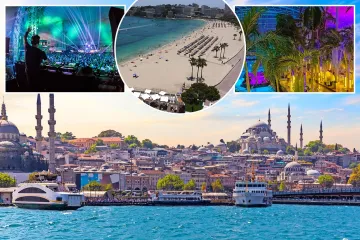
A HUGE new airport is coming to Turkey and it will be built directly on the sea.
The new airport in the Black Sea province of Trabzon in Turkey will be the country’s third airport built on the sea and is set to cost £732million.
Turkey is getting a new airport and it will be built on the seaCredit: Ministry of Transport and Infrastructure of the Republic of TurkeyThe airport will be in Trabzon, a city home to around one million peopleCredit: Ministry of Transport and Infrastructure of the Republic of Turkey
The airport will eventually have a 3,000 metre runway that will be 45 metres wide, meaning it will be able to handle larger planes.
There will also be a taxiway next to the runway of the same width and length.
Sign up for the Travel newsletter
Thank you!
As for the terminal, it is set to span 110,000-square-metres and will be able to handle up to 10million passengers a year.
ONE airline is returning to the UK after more than a decade with a direct route from London.
Cyprus Airways is relaunching daily direct flights to Larnaca on April 23, 2027.
New flights will launch from London Stansted to Larnaca in April 2027Credit: AlamyThe daily service has return flights from £355Credit: Getty
The airline last regularly served London until 2015, also flying to Stansted – although it was a different company at the time under government ownership.
It will be a year-round service and according to its website, return trips start from €423 (£355) in Economy Basic.
Sign up for the Travel newsletter
Thank you!
With this option, holidaymakers get one 10kg cabin bag included and a personal item.
Another is Economy Flex which includes one 10kg cabin baggage and a personal item as well as one checked bag at 23kg included – there’s also free seat selection.
Cyprus Airways also has Business Class which has in-flight service, lounge access and priority check-in.
The ticket includes 15kg cabin baggage, two 32kg checked bags, seat selection, fast track, meals included and priority boarding.
Thanos Pascalis, chief executive of Cyprus Airways, said: “By adding London Stansted to our network from April 2027, we are providing our customers with greater choice and flexibility while further strengthening our presence in one of Cyprus’ most significant international markets.
“We look forward to welcoming passengers on board and offering them the convenience, reliability and authentic Cypriot hospitality that define Cyprus Airways.”
For those Brits who arrive in Larnaca in April, they can expect average highs of around 18C.
It’s a popular spot for the cooler months as well as in October it still has highs of 22C and it remains as high as 14C in December.
Singer Peter Andre has his own holiday home in LarnacaCredit: Alamy
There shouldn’t be a long wait in the airport either as Cyprus doesn’t require EES checks.
Brits with a valid passport can visit the country for up to 90 days without the need for a visa.
The island itself gets over 300 days of sunshine each year and is known for having beautiful beaches – including one of the best in the world.
In the Europe list of ‘World’s Best Beaches‘, Golden Beach found on the Karpaz Peninsula in the north of the island comes in at number 30 out of 50.
The beach has 2.4 miles of sand and is known for its wild beauty and sand dunes – it’s a place where you’ll find sea turtle nesting grounds.
Talking to Sun Travel he said: “For anyone going to Larnaca, I have three recommendations. One is a new restaurants called Theta in Perivolia which is very near the airport.”
Peter also loves to go to a Japanese restaurant called Nippon.
He also added: “There’s another one called Opa Souvlaki Kiti, it’s not fancy, but if you want a proper Greek kebab done the Cypriot way, go there.”
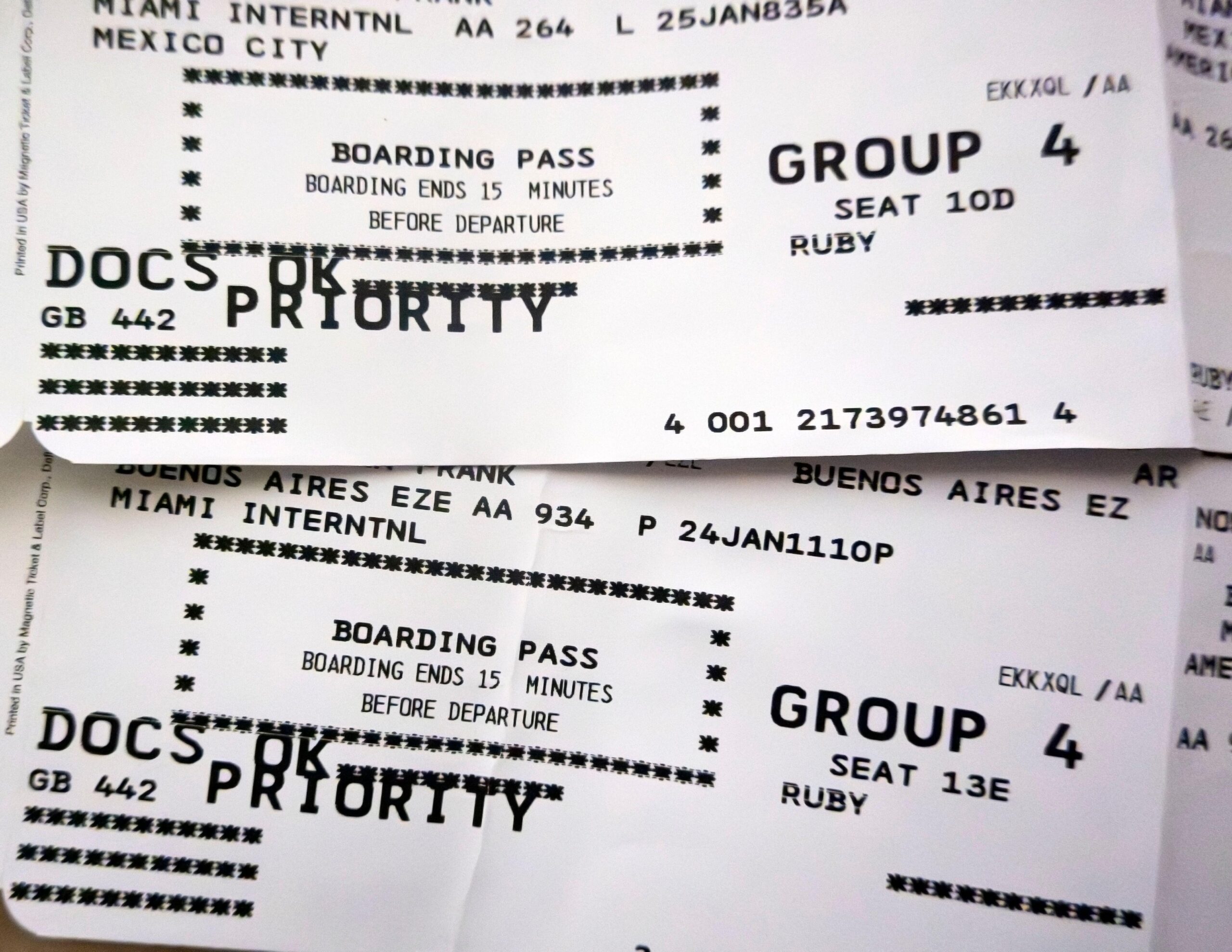
NEXT time you’re flying somewhere long-haul, there is a little-known code you might spot on your boarding pass.
The ‘secret’ code means you could be entitled to a complimentary hotel room, certain meals, and airport transfers by the airline.
STPC is an abbreviation for ‘Stopover Paid by Carrier’ – it’s a perk for when a long-haul journey requires a longer layover.
Usually this is given if there is no connecting flight available and travellers then have to take a stopover between eight to 24 hours.
Sign up for the Travel newsletter
Thank you!
In some cases you can request this at the gate, but in most, you will have to apply for the STPC voucher days in advance through the airline’s website or customer service.
Talking to Travel + Leisure, Andrés Serra, head of operations at Optimise Travel said: “This is a transit service arranged in advance for long layovers. It is different from compensation for delayed or cancelled flights.”
She continued to add that in some cases if a traveller chooses to take the longer layover when a shorter one is available, some airlines might offer STPC, while others might not.
Eligibility depends on the airline, specific route, fare class, cabin type, and the exact length of the connection.
Included in STPC programs is usually the hotel room, some meals and airport transfers, but additional things like room service and alcohol usually are not.
This is available for passengers travelling in economy with a layover of 12 hours or more.
Those travelling in business class with the airline who have a layover of nine hours or more are eligible for a complimentary hotel stay if a shorter layover flight option is not available.
The rules of STPC vary depending on the airlineCredit: Alamy
Emirates‘ STPC is called Dubai Connect, providing a free hotel, transfers, and meals for those with long stopovers.
For those travelling in economy and premium economy there must be a minimum of an 8 hour layover with a maximum of 26 hours.
Business and first class passengers are entitled to Dubai Connect for a layover that’s a minimum of six hours.
Those who want to use Dubai Connect must book at least 12 hours ahead of the incoming flight to Dubai.
Meanwhile, Qatar Airways offers STPC for passengers with a long layover at Hamad International Airport in Doha.
The connection in Doha must be between 8 and 24 hours.
For those buying tickets through the likes of Avios or other award schemes, the STPC will not be able to be used.
The hotel will be between four and five stars, with complimentary round-trip airport-to-hotel transfers and a visa will be supplied too.
EASYJET is allowing parents to claim back the cost of their baby’s first passport from today.
Simply book an easyJet holiday, use the promo code and the £66.60 will come off the price of the break.
Families can redeem the price of their baby’s passport when booking a holidayCredit: Joe Pepler/PinPepThe airline will take £66.60 off the price for qualifying familiesCredit: Getty
The new initiative starts from today after research showed that almost four in five parents said a baby’s first holiday was a landmark family moment.
Usually when Brits apply for a baby passport online, it costs £66.60 – a paper application sent by post increases the price to £80.
Sign up for the Travel newsletter
Thank you!
But with the airline, this cost will be paid for by easyJet when families book their next holiday.
Use the promo code FIRSTPASSPORT when making the booking to get the extra discount.
There’s no minimum spend on the holiday and children must be two-years-old or younger at the time of travel.
The offer ends on November 26 at 11pm – for more information, head here.
Stuart Wright, Customer Director at easyJet holidays, said: “Travel has a unique way of bringing families together, and a baby’s very first holiday is often one of those moments parents remember for years to come.
“By covering the cost of a baby’s first passport, we’re helping more families start making those memories that little bit sooner.
“Combined with our great-value packages, family-friendly hotels and thousands of Free Kids Places, it’s another way we’re making family holidays easier and more affordable.”
If you need some inspiration on where to book, easyJet recently announced it would be launching six new routes from UK airports in time for autumn.
Use the promo code FIRSTPASSPORT when making the booking to get the extra discountCredit: David Parry/PA Media Assignments
One of these flights will be from Newcastle to Fuerteventura which will start on October 25, and operate twice a week – on Thursdays and Sundays.
Easyjet’s Luton-Ljubljana flights start on October 26 three times a week on Mondays, Wednesdays and Fridays.
There are 18 new routes launching next summer too with a choice of city breaks to island escapes.
Two of these routes will be to Girona which will be a first for easyJet.
One will take off from Liverpool on March 28 and operate twice a week on Wednesdays and Sundays.
Girona will also take off from Gatwick starting on June 3, operating three times a week on Tuesdays, Thursdays and Sundays.
IN JUST over two months, we will be in 2027 and with that in mind you might want to start planning your next getaway.
The good news is that the best 25 places to visit in 2027 have just been revealed.
The list compiled by National Geographic features far-flung islands as well as European city gems.
So here are some of our favourites from the list:
Sign up for the Travel newsletter
Thank you!
Vestland, Norway
Vestland in Norway is home to Europe’s longest and deepest fjordCredit: Getty
Vestland can be found in the southwest of Norway and is known for its waterfalls and wilderness.
Head to Folgefonna National Park where you can see one of the country’s largest glaciers and Trolltunga, a massive rock formation that sticks out of a lake.
There’s also Sognefjord, which is Europe’s longest and deepest fjord.
The best way to get to Vestland is by heading to the capital of the country, Bergen, with flights from the UK taking around two hours and costing from £91 return.
Luxor, Egypt
Luxor in Egypt has one of the largest ancient cities ever found in the countryCredit: Getty
Luxor in Egypt is often forgotten about compared to the likes of Cairo and El Gouna but the destination is known for an ancient city and tombs.
Travellers can head to The Lost Golden City, which is the ancient city of Aten and is thought to be one of the largest ancient cities ever found in Egypt.
National Geographic also noted how getting to Luxor will be easier soon as there will be an extension of two free visas – the summer entry visa for travellers visiting on Egyptian-owned airlines and a four-day transit visa.
Flights direct to Luxor from the UK take around five-and-a-half hours and cost from £149 return.
Puerto Rico
Puerto Rico is often dubbed ‘The Island of Enchantment’Credit: Maridav
Dubbed the ‘La Isla del Encanto’ which translates in English to ‘The Island of Enchantment’, Puerto Rico is dominated by a central mountain range covered in tropical rainforest.
In addition to this, the island is littered with white sand beaches and crystal clear waters.
Visitors can explore the historic forts of Old San Juan, where you’ll find blue cobblestone streets.
Flights from the UK to Puerto Rico usually include a stopover, taking between 11 and 15 hours and costing from £550 return.
Dumfries and Galloway, Scotland
Dumfries and Galloway is the only spot in the UK to feature on the listCredit: Getty
The only UK spot to feature on the list is Dumfries and Galloway in Scotland, with sandy beaches and rugged coastline.
Often nicknamed the ‘Scottish Riviera’, Dumfries and Galloway can be found in the southwest of Scotland and is home to medieval castles, such as Caerlaverock Castle, which is a triangular pink sandstone castle with its own moat.
There’s also Galloway Forest Park, which is the UK’s first International Dark Sky Park, with clear views of around 7,000 stars as well as the Milky Way.
If heading to the region, it is about an hour-and-a-half from Glasgow Airport, which costs as little as £30 return to fly to from London.
Grenada
Grenada is known as the ‘Spice Isle’ for producing nutmeg, mace and cocoaCredit: Getty
The Caribbean island of Grenada is known as the ‘Spice Isle’ for producing nutmeg, mace and cocoa, but also has beautiful mountains, rainforests and beaches.
Each August you could even travel to Spicemas on the island, which is an annual carnival with parades, street parties and Jab Jab (where people paint themselves with molasses and mud) – and the festival is celebrating 150 years in 2027.
While on the island you can also snorkel Molinere Bay, which features life-size submerged art.
Flights from the UK to Grenada usually involve a stop and cost from around £932 return.
Santander, Spain
Santander in Spain has a vibrant fishing quarter and pretty Old TownCredit: Getty
If you are looking for somewhere different in Spain to head to in 2027, look no further than Santander, the coastal capital of the country’s Cantabria region.
Full of history, the city has a vibrant Old Town where you can visit the Magdalena Palace.
The city also has a fishing quarter, which is the ideal spot to dig into some local cuisine with favourite dishes including calamari with onions and clams in marinara sauce.
Flights between the UK and Santander take around two hours and cost as little as £29 return.
Normandy, France
Normandy will celebrate Millennium2027: European Year of the NormansCredit: Alamy
Known for its Gothic cathedrals, Normandy is a great European destination for history lovers.
And in 2027 the city will celebrate Millennium 2027: European Year of the Normans with more than 1,000 events planned across the year including medieval feasts, street performances and concerts.
One event in June will see 40 Viking-style ships sail along the Normandy coast.
And you don’t even have to hop on a plane to get to the destination – instead, you could catch the ferry from Portsmouth costing as little as £28 per way.
Melbourne, Australia
Melbourne will host eight matches during the Rugby World Cup next yearCredit: Alamy
For a long-haul trip, Melbourne in Australia is one of National Geographic’s highlight destinations for 2027 with sports, a vibrant nightlife and thriving food scene.
And for rugby fans, the waterfront Docklands district will host eight matches during the Rugby World Cup next October.
Make sure to visit St Kilda Pier and beach as well to spot the colony of local penguins.
Flights to Melbourne from the UK usually involve a stopover and cost from around £550 return.
Leipzig, Germany
Leipzig in Germany is known for being the home of many famous musiciansCredit: Getty
For somewhere different in Germany, in 2027 you should head to Leipzig, which is the largest city in the state of Saxony.
The city is home to one of Europe’s largest railway stations, Leipzig Hauptbahnhof, which has a grand 300 metre facade as well as a multistorey shopping centre.
In 2027, there will also be several events celebrating all the famous musicians to come from the city including Bach and Beethoven, with a Beethoven Festival in May and Bachfest in June.
The closest airport with direct flights from the UK is Berlin with returning flights costing from £41 – it then takes around an hour-and-a-half to drive to Leipzig.
Tricity, Poland
Tricity refers to the three neighbouring cities of Gdansk, Sopot and Gdynia in PolandCredit: Getty
Sat on Poland‘s Baltic coast, Tricity refers to the three neighbouring cities of Gdańsk, Sopot, and Gdynia.
Each city has its own character, heaps of history and vibrant seaside resorts.
For example, in 2027, Gdynia will host the regatta of the World Sailing Championships meanwhile Gdansk will have its St Dominic’s Fair with food, concerts and performances.
The best way to get to the region from the UK is by flying direct to Gdansk, which takes around two hours and costs from £29 return.
Full list of National Geographic’s top 25 places to travel to in 2027
The last outgoing flight is from Newcastle at 4.25pm with fares starting from £21.99.
The last inbound flight from Brussels to Newcastle is at 7.30pm with prices from £214.99.
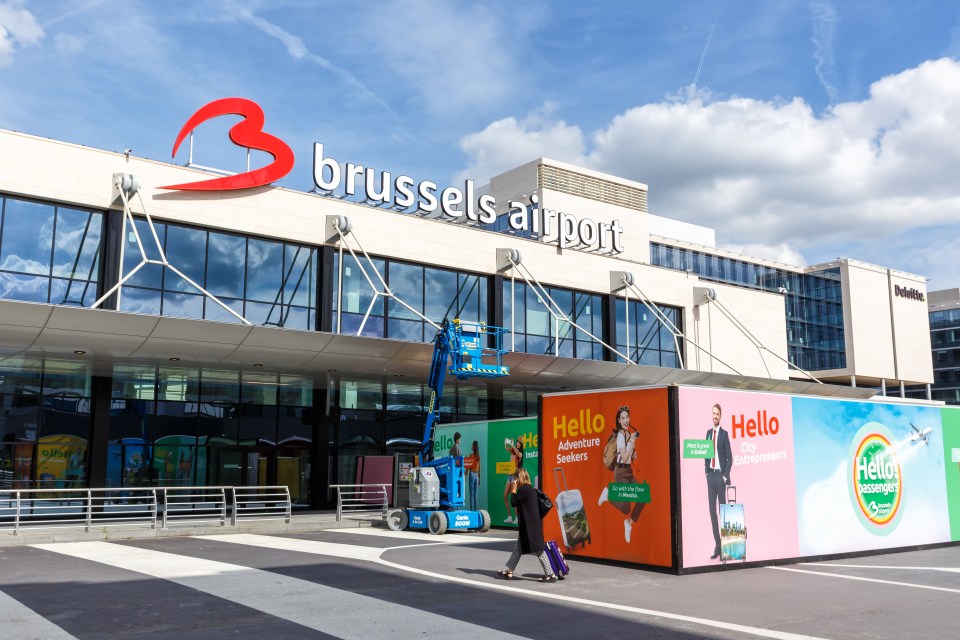
At Brussels Airport in Zaventem, The Brussels Times reported that the only Ryanair route that will remain will be to Dublin.
By January 2027, the price of aviation tax will have risen by 50 percent going from €2 (£1.68) in January 2025 to €7 (£5.87) in January 2027.
Ryanair boss Michael O’Leary called the measure a “failed and stupid initiative.”
According to reports, eight routes will be discontinued from Brussels Airport in Zaventem.
More than 1.1million seats will be affected by the cancellationCredit: AFPThe Newcastle to Brussels South Charleroi Airport route is set to be axedCredit: Getty
Meanwhile, 12 routes will be cut from Brussels South Charleroi Airport.
ONE UK airport which closed in 2022 is taking another step closer to welcoming passengers back.
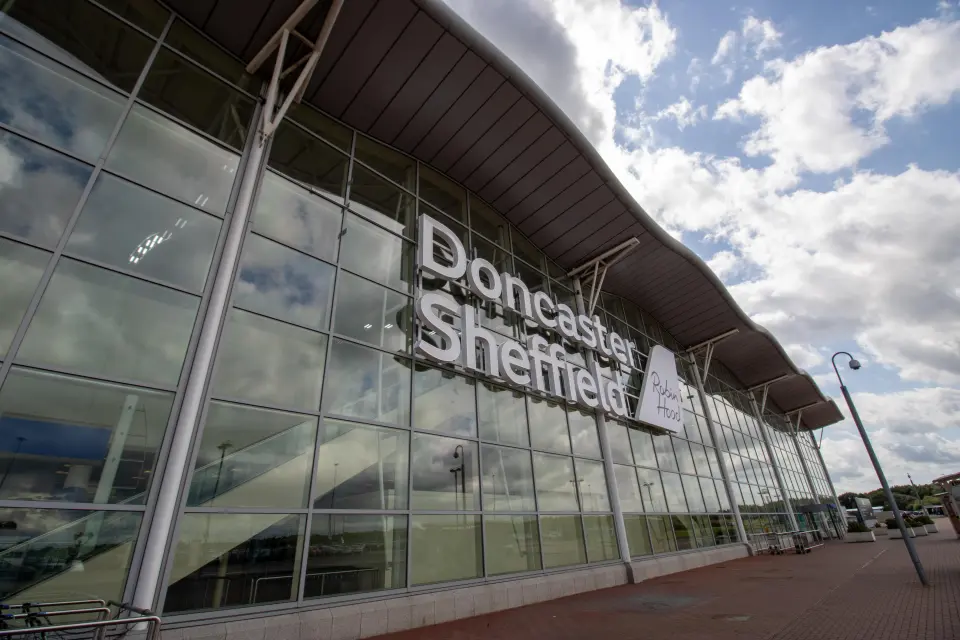
Doncaster Sheffield Airport closed after becoming “commercially unviable” and has been left empty since, but it has now announced it’s set to come under public ownership.
Doncaster Sheffield Airport is set to reopen to passengers in 2028Credit: AlamyNow, it’s been announced that the airport will come under public ownershipCredit: Alamy
South Yorkshire Mayor Oliver Coppard called the deal a “major milestone” towards reopening the airport.
According to reports, South Yorkshire Mayoral Combined Authority (SYMCA) will buy the airport becoming the freehold owner and landlord to the City of Doncaster Council lease.
Sign up for the Travel newsletter
Thank you!
Oliver Coppard said that the airport being bought by SYMCA would also “provide long-term control, certainty and flexibility” and attract private investment too.
Before it closed, the regional airport acted as a gateway to Europe for those living in the north of England.
It had airlines like TUI and Wizz Air and flew to the likes of Spain and Portugal.
When it reopens, it’s possible certain routes could be reinstated, as well as longer ones too.
The airport is home to one of the longest runways in Europe, measuring 2,893 metres, which means it could host big jets for long-haul journeys.
As of yet, no airlines have been confirmed for when the airport reopens.
Designs for the revamped terminal have been revealedCredit: City Of Doncaster / Mayor Ros Jones
Christian Foster, Director of FlyDoncaster – the company set up to manage the airport – told Sun Travel: “It does feel like the world has changed post-Covid, whereas people were focused on two weeks in Spain or Greece, nowadays we’re seeing a lot of people keen to take city breaks.”
“We’d love to fly to places like Croatia, and other destinations that are a bit more quirky like Azerbaijan.
“We’re keen to look at emerging places to visit as well, like India.“
Another plan for the airport is that when it opens, it will have local businesses rather than chains like Costa or Starbucks.
There would be a mixture of restaurants, bars and shops as well as seating.
A look at your rights if a flight is delayed or cancelled, when your entitled to compensation and if your travel insurance can cover the costs.
What are my rights if my flight is cancelled or delayed?
Under UK law, airlines have to provide compensation if your flight arrives at its destination more than three hours late.
If you’re flying to or from the UK, your airline must let you choose a refund or an alternative flight.
You will be able to get your money back for the part of your ticket that you haven’t used yet.
So if you booked a return flight and the outbound leg is cancelled, you can get the full cost of the return ticket refunded.
But if travelling is essential, then your airline has to find you an alternative flight. This could even be with another airline.
When am I not entitled to compensation?
The airline doesn’t have to give you a refund if the flight was cancelled due to reasons beyond their control, such as extreme weather.
Disruptions caused by things like extreme weather, airport or air traffic control employee strikes or other ‘extraordinary circumstances’ are not eligible for compensation.
Some airlines may stretch the definition of “extraordinary circumstances” but you can challenge them through the aviation regulator the Civil Aviation Authority (CAA).
Will my insurance cover me if my flight is cancelled?
If you can’t claim compensation directly through the airline, your travel insurance may refund you.
Policies vary so you should check the small print, but a delay of eight to 12 hours will normally mean you qualify for some money from your insurer.
Remember to get written confirmation of your delay from the airport as your insurer will need proof.
If your flight is cancelled entirely, you’re unlikely to be covered by your insurance.
Ryanair has announced it is axing all flights to and from Bremen in GermanyCredit: AlamyThe city currently has a direct route from London Stansted which will end in April 2027Credit: Alamy
Currently, Ryanair offers daily flights from London Stansted to Bremen for as little as £15.
But in a new announcement, these will come to an end in April 2027.
Sign up for the Travel newsletter
Thank you!
On the Ryanair website, it appears tickets for the final flights to Bremen are scheduled for March 27, 2027.
The German city is known for its maritime history and gothic look that some often say looks ‘fairytale-like’.
With Ryanair withdrawing the route, there will be no direct links to Bremen from the UK.
Those wanting to visit the German city will have to take stopover flights which can take over double the time.
The shortest is with KLM, which has a stopover in Amsterdam and takes three hours and 20minutes.
Last year, Ryanair announced it would be dropping 24 routes to and from Germany, cutting nearly 800,000 seats in total.
It was revealed that nine airports would be affected, along with the plans of those wanting a winter break, and including major cities that are popular with tourists.
These are:
Berlin
Hamburg
Memmingen
Baden-Württemberg
Cologne
Frankfurt-Hahn
Dortmund
Dresden
Leipzig
Bremen has been compared to a ‘fairytale’ by visitorsCredit: Alamy
In April of this year, the airline confirmed it would be reducing its flight schedule to and from Berlin by 50 per cent.
Ryanair’s CEO Eddie Wilson said back in August: “Germany’s air travel market is broken and needs an urgent fix.
“As a result of these high government taxes/fees (the highest in Europe), and Lufthansa’s high-fare monopoly, German citizens/visitors now pay the highest air fares in Europe.”
NEW ‘contactless’ e-gates have just been introduced at a major UK airport.
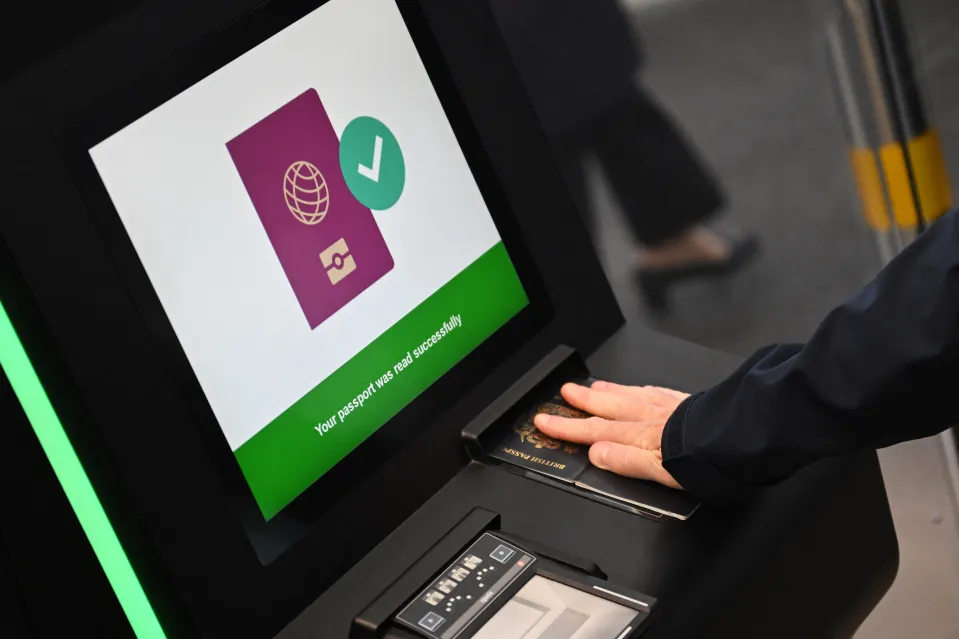
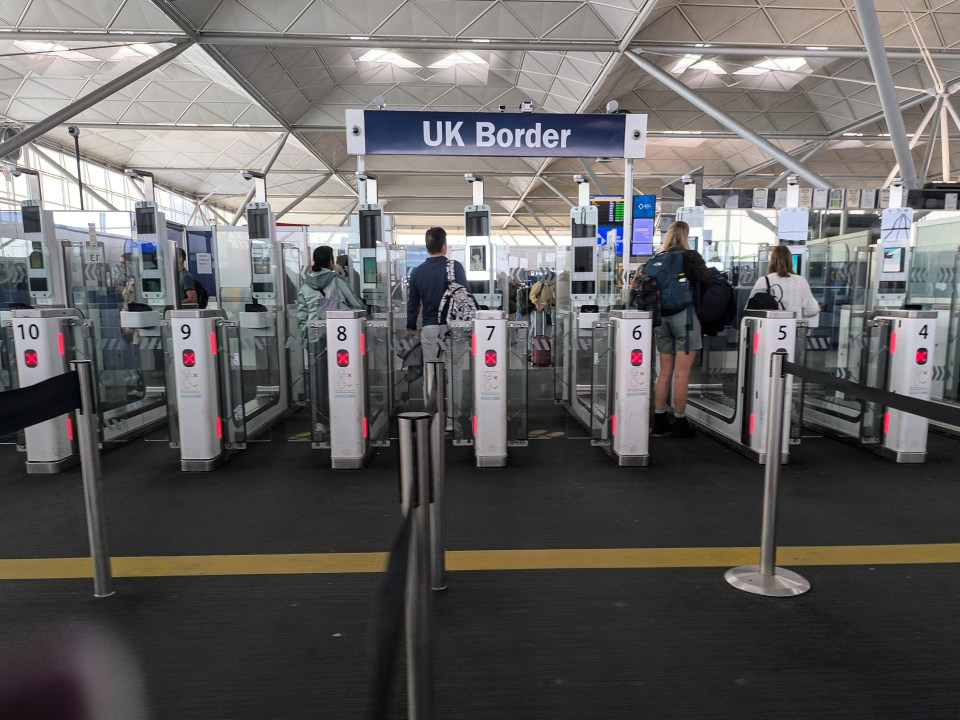
Brits returning to the UK won’t have to scan their passport in a new government scheme to speed up arrivals – and it’s now in place at Gatwick Airport.
The new technology means Brits arriving back into the UK won’t needs to scan their passportCredit: AFP
East Midlands Airport was the first to introduce the new system on October 6, followed by Gatwick – and eventually it will be rolled out at 13 UK airports.
The contactless system is set to be up to 25 per cent faster than current e-gates.
Sign up for the Travel newsletter
Thank you!
When one writer for The Times tested out the new e-gates, she said it took just 12 seconds to get through.
How it works is that passengers will have their photo taken at an e-gate which will be checked by the system, verified against immigration, travel and passport information.
Essentially it takes away the need to both have a picture taken and scan the passport.
Once the checks are complete, the e-gates will open automatically.
If there is a need for further checks, then passengers will need to place their passport on the reader – or they could be asked to see a Border Force officer.
Passengers are still being told to keep their passport with them at all times.
At the moment, the contactless system will be for British citizens only, but eventually could be used by other nationalities.
The other airports which will have the new e-gate system are Birmingham, Bristol, Cardiff, Edinburgh, Gatwick, Glasgow, London Heathrow, London City, London Luton, Manchester, Newcastle and London Stansted.
Gatwick Airport has introduced new ‘contactless’ e-gatesCredit: Alamy
Phil Douglas, director general of Border Force, said: “This is a win for travellers coming to our brilliant country.
“By using state-of-the-art technology, we are making journeys smoother and faster, all while fully maintaining the UK’s robust border security.
“Our digital transformation also builds on our work this summer to extend eGates to children aged eight and above, making life a little easier for families.”
A MAJOR UK airport that sees millions of passengers through its doors each year could come to a complete halt this week.
A strike at Leeds Bradford Airport may mean that no flights will be able to land or depart across two days.
Leeds Bradford Airport is set to come to a complete standstill this weekCredit: GettyAlmost 130 members of staff are staging a walkout over payCredit: Alamy
If it does go ahead as planned, then it will mean no flights will be able to land, depart and passengers won’t be able to pass security.
Nearly 130 workers are staging a walkout at Leeds Bradford Airport in a dispute over pay.
Sign up for the Travel newsletter
Thank you!
Those striking includes a mix of air traffic control workers, security, customer service and cleaners.
The industrial action is set to start on October 16 and last until 6am on Sunday 18.
There have been ongoing talks over pay since December 2025 but Unite members involved said it “didn’t go far enough”.
Unite regional officer Neil Whitaker said they had “no choice but to strike,” and what would be needed to call of the action is a “fair pay rise”.
In a statement from the airport, it said: “Leeds Bradford Airport acknowledges the proposed industrial action due to take place between 16-18 October involving a group of operational colleagues.
“We respect the right of employees to participate in lawful industrial action. However, we are disappointed by this and do not believe strike action is the right way to resolve the issues still under discussion.
“The airport has made what we believe is a fair and responsible offer that is significantly above inflation and reflects both current economic conditions and the need to ensure the long-term sustainability of the business.
“Our priority now is to minimise disruption for customers, many of whom have worked hard and saved for important holidays, family visits and business travel. At this stage we anticipate running near-normal operations during the period.”
Leeds Bradford Airport is set to handle around 4.5million passengers every yearCredit: Getty
“Leeds Bradford Airport plays a vital role in connecting Yorkshire to the world. Industrial action has the potential to cause inconvenience for thousands of customers and local businesses who rely on those connections.
“We remain committed to constructive dialogue with Unite and would welcome continued discussions aimed at reaching a resolution.
“It is important to recognise that any profits generated by Leeds Bradford Airport are reinvested back into the airport and has been for a number of years. Those funds support improvements to facilities, infrastructure, operations and customer experience including the ongoing LBA:REGEN project which saw the opening of a new central search zone and staff welfare facilities this week.”
The terminal was renovated with a modern arrivals process with 83 per cent more seating and two premium lounges.
Flight compensation rules
A look at your rights if a flight is delayed or cancelled, when your entitled to compensation and if your travel insurance can cover the costs.
What are my rights if my flight is cancelled or delayed?
Under UK law, airlines have to provide compensation if your flight arrives at its destination more than three hours late.
If you’re flying to or from the UK, your airline must let you choose a refund or an alternative flight.
You will be able to get your money back for the part of your ticket that you haven’t used yet.
So if you booked a return flight and the outbound leg is cancelled, you can get the full cost of the return ticket refunded.
But if travelling is essential, then your airline has to find you an alternative flight. This could even be with another airline.
When am I not entitled to compensation?
The airline doesn’t have to give you a refund if the flight was cancelled due to reasons beyond their control, such as extreme weather.
Disruptions caused by things like extreme weather, airport or air traffic control employee strikes or other ‘extraordinary circumstances’ are not eligible for compensation.
Some airlines may stretch the definition of “extraordinary circumstances” but you can challenge them through the aviation regulator the Civil Aviation Authority (CAA).
Will my insurance cover me if my flight is cancelled?
If you can’t claim compensation directly through the airline, your travel insurance may refund you.
Policies vary so you should check the small print, but a delay of eight to 12 hours will normally mean you qualify for some money from your insurer.
Remember to get written confirmation of your delay from the airport as your insurer will need proof.
If your flight is cancelled entirely, you’re unlikely to be covered by your insurance.
A NATIONWIDE strike in Spain is expected to ‘bring the country to a complete standstill’ next month.
The industrial action will affect flights, public transport, shops, restaurants and museums.
Trips to Spain could be affected by a nationwide strike next monthCredit: Getty ImagesFlights are expected to be cancelled or face severe delays on November 11Credit: Getty
The shutdown is due to take place on November 11 when major trade unions in Spain will stage a 24-hour walkout.
The strike is protesting the escalating housing crisis – and it will be the country’s first joint general strike in almost 15 years.
Sign up for the Travel newsletter
Thank you!
While it hasn’t been confirmed, flights across Spain are expected to face cancellations or delays.
Previous general strikes have heavily involved airport ground staff, air traffic controllers, and airline cabin crews causing lots of disruption.
It’s not just flights either – on the ground, public transport will be affected.
The strike is expected to impact trains including high-speed lines, the city metro, and buses which could face severe disruption.
Roads could be closed as well in cities like Madrid and Barcelona which are likely to see large protest marches.
For anyone already on holiday there at the time, the walkout could see some restaurants, museum and shops close too.
If they’re not shut, the opening hours could be reduced to holiday hours.
Advice for those due to travel on November 11 is to keep an eye on any updates from your airline.
Keep an eye on notifications on the airline for those due to fly on that dayCredit: Alamy
Many airlines operate flights from the UK to Spain like BA, EasyJetRyanair, Iberia, TUI, Jet2, Wizz Air and Vueling.
Disruption to flights on this day would be deemed as being an “extraordinary circumstance” which means airlines aren’t required to pay extra compensation.
However, airlines are legally required to rebook you or offer a refund.
A look at your rights if a flight is delayed or cancelled, when your entitled to compensation and if your travel insurance can cover the costs.
What are my rights if my flight is cancelled or delayed?
Under UK law, airlines have to provide compensation if your flight arrives at its destination more than three hours late.
If you’re flying to or from the UK, your airline must let you choose a refund or an alternative flight.
You will be able to get your money back for the part of your ticket that you haven’t used yet.
So if you booked a return flight and the outbound leg is cancelled, you can get the full cost of the return ticket refunded.
But if travelling is essential, then your airline has to find you an alternative flight. This could even be with another airline.
When am I not entitled to compensation?
The airline doesn’t have to give you a refund if the flight was cancelled due to reasons beyond their control, such as extreme weather.
Disruptions caused by things like extreme weather, airport or air traffic control employee strikes or other ‘extraordinary circumstances’ are not eligible for compensation.
Some airlines may stretch the definition of “extraordinary circumstances” but you can challenge them through the aviation regulator the Civil Aviation Authority (CAA).
Will my insurance cover me if my flight is cancelled?
If you can’t claim compensation directly through the airline, your travel insurance may refund you.
Policies vary so you should check the small print, but a delay of eight to 12 hours will normally mean you qualify for some money from your insurer.
Remember to get written confirmation of your delay from the airport as your insurer will need proof.
If your flight is cancelled entirely, you’re unlikely to be covered by your insurance.
A MAJOR airport has been hit by strike action with thousands of passengers facing cancelled strikes.
Ground handling group, Alyzia, are taking part in a national strike which affects airlines like Brussels Airlines, ITA Airways, Air Arabia and United Airlines.
Staff at Brussels Airport is staging a walkoutCredit: Getty
The airport expects only half of the flights handled by Alyzia to operate as planned.
Brussels Airport said that airlines working with Alyzia have contacted passengers directly to inform them about the status of their flight and their options.
Sign up for the Travel newsletter
Thank you!
It added: “We regret the inconvenience caused by this union action.”
The strike action comes as workers protest against governmental policies.
According to FlightRadar which monitors movements of planes, Brussels Airport has had 103 cancellations today and 34 flights have been delayed.
As this strike is outside the control of individual airlines, it will be deemed an ‘extraordinary circumstance’, which means if your flight is cancelled you will not be entitled to compensation.
Public transport is also expected to be disrupted in Brussels today too.
The good news for Brits is that flights handled by Aviapartner will not be affected.
This includes major airlines serving UK destinations such as British Airways, easyJet, Ryanair, Tui, and Wizz Air.
The airport told The Independent that around 400 flights will still operate as usual today.
The strike is expected to affect almost 20 airlinesCredit: AP
Flight compensation rules
A look at your rights if a flight is delayed or cancelled, when your entitled to compensation and if your travel insurance can cover the costs.
What are my rights if my flight is cancelled or delayed?
Under UK law, airlines have to provide compensation if your flight arrives at its destination more than three hours late.
If you’re flying to or from the UK, your airline must let you choose a refund or an alternative flight.
You will be able to get your money back for the part of your ticket that you haven’t used yet.
So if you booked a return flight and the outbound leg is cancelled, you can get the full cost of the return ticket refunded.
But if travelling is essential, then your airline has to find you an alternative flight. This could even be with another airline.
When am I not entitled to compensation?
The airline doesn’t have to give you a refund if the flight was cancelled due to reasons beyond their control, such as extreme weather.
Disruptions caused by things like extreme weather, airport or air traffic control employee strikes or other ‘extraordinary circumstances’ are not eligible for compensation.
Some airlines may stretch the definition of “extraordinary circumstances” but you can challenge them through the aviation regulator the Civil Aviation Authority (CAA).
Will my insurance cover me if my flight is cancelled?
If you can’t claim compensation directly through the airline, your travel insurance may refund you.
Policies vary so you should check the small print, but a delay of eight to 12 hours will normally mean you qualify for some money from your insurer.
Remember to get written confirmation of your delay from the airport as your insurer will need proof.
If your flight is cancelled entirely, you’re unlikely to be covered by your insurance.
EASYJET is the latest airline to cut flights from its winter schedule in order to manage fuel costs.
The airline in total has now cut almost 1.4million seats between October 2026 and March 2027.
EasyJet has announced it will be cutting a further 600,000-700,000 seatsCredit: ALBIT / SplashNews.comIn total 1.4million flights have been axedCredit: Getty
EasyJet usually offers around 50million flights over the winter season.
But earlier this year it announced 700,000 flights would be axed from the schedule.
Sign up for the Travel newsletter
Thank you!
And now almost another 700,000 flights have been cut with latest axing meaning it’s had a reduction of two days’ worth of flying, according to Gurufocus.
Talking to the Financial Times, chief executive Kenton Jarvis explained that easyJet would be scaling back capacity over certain months so that it could avoid paying high fuel costs.
In a statement, the airline said “Subject to pricing and passenger demand, Ryanair expects this one-off winter schedule cut to reduce [November 2026 – March 2027 losses] by €70 million to €100 million (£85.8million).”
The two million seats works out to as many as 13,000 flights, although which routes will be affected is yet to be confirmed.
Ryanair has also cut seats for this year with warnings of price increasesCredit: Hans Lucas/AFP via Getty Images
Talking about 2027, Michael O’Leary said that flight prices were “only going one way”, which is “significantly upward”.
He added: “Fares for Ryanair passengers and every other passenger into the summer of 2027 are going to rise materially, I believe, because of significantly higher oil prices.”
However, if you are due to fly with the likes of Ryanair, easyJet, Wizz Air or British Airways – ground handling for these airlines is carried out by another provider at the airport.
The strike action comes as workers protest against governmental policies.
Unfortunately, as this strike is outside of the airline’s control it will be deemed an ‘extraordinary circumstance’, which means if your flight is cancelled you will not be entitled to compensation.
Ground handling staff are set to walk out and around 140 flights are expected to be cancelledCredit: Shutterstock Editorial
However, airlines do still have a duty of care to passengers.
This means that they should rebook or refund your flight free of charge as well as provide you with food and drink, as well as accommodation if required.
NEW travel technology is being rolled out across UK airports – which will let you leave without having to scan your passport.
There is nothing worse than returning from your holiday tired and wanting to go home, only to have to dig out your passport to travel through the e-gates.
A new airport system is set to be introduced in the UKCredit: Getty
But within the next few weeks new ‘contactless borders’ are expected to be installed at Birmingham and East Midlands airports which won’t require you to scan your passport.
Instead, the new system will scan your face and match it to your passport image stored in its system.
Sign up for the Travel newsletter
Thank you!
The system would work by airlines sending passport images of British passengers arriving each day, to border control.
Anyone then not recognised at an e-gate, will be asked to revert to the current method of scanning their passport.
If this also failed, then the passenger would need to go to a manned border force desk.
The aim of the new process is to reduce long queues at airports.
The Times reports that it would then eventually be used across all e-gates at a number of airports.
This includes Birmingham, Bristol, Cardiff, East Midlands, Edinburgh, Glasgow, Gatwick, Heathrow, London City, Luton, Manchester, Newcastle and Stansted airports, by early next year.
The first airports to get the system will be Birmingham and East MidlandsCredit: Alamy
Initially, it would only be for British passport holders, but could extend to other nationalities in the future.
Phil Douglas, the director general of Border Force, said: “It will mean we have a more secure border and a much faster transit through the airport.
“It’s quicker, it’s more modern, it’s more secure.”
WHETHER you’re a plane enthusiast or simply like being in the heart of the action, at these airside cafes and pubs you can see it all.
Some visitors say you can feel rumbling beneath your feet and smell jet fuel in the air as they watch planes and helicopters take off in front of them.
The Aerodrome Café
The Aerodrome Café is right next to Elstree AerodromeCredit: Google mapsSit outside with a coffee, piece of cake and see the aircraft take off in front of youCredit: Google maps
At The Aerodrome Cafe in Elstree, you can sip on a coffee while watching planes take off in front of you.
The small cafe sits next to the Elstree Aerodrome which dates back to World War II and now serves light-aircraft and helicopters.
Sign up for the Travel newsletter
Thank you!
Inside the cafe, is a cosy log burner and as for the food, the kitchen is actually led by a Michelin-trained chef.
You can munch on all-day breakfasts and hot meals, including freshly made pizzas and Sunday roasts – or opt for an afternoon coffee with homemade cake.
For those wanting to see the airfield, head outside for the best views where passengers say you can hear “plane noises” and actually see them land and take off.
The Airport Pub, Manchester
Manchester Airport has views of the runway and planes take off just 50 feet awayCredit: AlamyEnjoy a pint, pizza and watch jumbo jets take offCredit: THE AIRPORT PUB
You’ll practically be on the runway at this pub (not really), but it’s only 50 feet away from where the planes take off at Manchester Airport.
Grab a pint, burger or pizza, take a pew and watch the jets take off. One visitor wrote on Tripadvisor: “Kids loved watching the plane land and take off, even spotted a 787!”
Another said: “The location is great, right next to the runway which makes this pub excellent for plane spotting, if you’re an avid plane spotter or if you just want to watch planes take off or land while you’re having lunch.”
For kids, there’s even an airplane shaped playground with slides and monkey bars.
Quite often the pub holds events over bank holidays, and family fun events with face painting and glitter tattoos.
The Lookout, London
The Lookout has views over Biggin Hill Airport in LondonCredit: TripAdvisorVisitors have reported smelling jet fuel and the rumble of planesCredit: TripAdvisor
Aptly called The Lookout, this community cafe sits just outside of Biggin Hill Airport in London.
While you won’t see the landing of jumbo jets, the airfield is used for smaller planes and private charters.
In The Lookout Cafe, they serve up hot breakfasts – you can get pancakes or waffles with a choice of topping for £7.25.
For kids, there’s a Little Flyers menu which includes a lunchbox deal where you can get a sandwich, juice carton, small chocolate bar, a piece of fruit and packet of ‘Pombears’ crisps or popcorn for £5.45.
One visitor wrote on Tripadvisor: “Be prepared for a whiff of aviation fuel and noise with your coffee but that’s part of the setting if you sit outside.
“Look out for the fancy jets, helicopters and, of course, the Spitfire – you can hear that coming before you see it.”
Hangar 9, Surrey
Light aircraft now lands at Redhill Aerodrome in SurreyCredit: Hangar 9Enjoy a full English with views across the airfieldCredit: Hangar 9
Redhill Aerodrome in Surrey has been a working airfield since the 1930s.
Its historic hangar was originally constructed and began operations in 1934 as part of the aerodrome – now inside it is Hangar 9 Cafe which serves breakfast and lunch.
Visitors have said not only does it serve up a tasty food, but it also has “brilliant views of the light planes and helicopters taking off on the field beyond”.
The airfield sees action with helicopter operations, charter services and even flight training schools.
The Apron Cafe and Bakery, Retford
The Apron Cafe and Bakery in Retford is open every day between 9am to 5pmCredit: TripAdvisorYou can see the small planes from the outside area of the cafeCredit: TripAdvisor
Just outside of Retford, you can get a front row seat to see planes take off at Gamston Airport.
Rather than commercial planes, it’s an airfield for light private planes, flight training aircraft and small helicopters.
You can watch all the action next to the runway at The Apron Cafe and Bakery, which is open from 9am until 5pm every day for breakfast, and lunch from sandwiches to main meals.
On Sundays, you can even opt for roast dinners, and if you’re really hungry, enjoy the full three courses.
One visitor said: “The planes kept the children amused between courses.”
Another added: “Amazing breakfast. When you have the weather it’s nice to sit outside and watch the planes and helicopters.”
SEVERAL new passenger rights are set to come into force across the UK and Europe.
It’s good news for Brits as there are new passenger rights coming into force that could save families hundreds.
New passenger rights are being introduced in the UKCredit: Alamy
From parents being allowed to sit with their child for no extra cost to new luggage rules, travellers won’t have to fork out as much for hidden extra costs.
Here’s a rundown of all the new rules coming into force across the UK and Europe:
Sign up for the Travel newsletter
Thank you!
Sitting with children
Under the new rules, airlines can no longer charge for certain extras including parents wanting to sit with their child.
According to the Government, a parent and child are charged up to £104 on a return journey for sitting together.
Prime Minister Andy Burnham said: “Charging parents just to sit with their children is a rip-off, plain and simple.”
Transport Secretary Heidi Alexander said: “Parents should not have to feel the pinch just to sit next to their child on a flight, or for amending a simple booking error.
“That’s why we’re scrapping these unnecessary charges for all airlines.
“Another everyday fix to help put money back in people’s pockets and give households more breathing room.”
It will bring UK traveller rights more in line with EU traveller rightsCredit: Alamy
Booking error corrections
Another rule being introduced means that passengers will have greater flexibility to correct name errors on bookings for free.
If you needed to correct something on your booking before, such as a spelling mistake in your name, then it could have cost you as much as £40 to change.
Andy Burnham added: “Being hit with a hefty fee for a simple spelling mistake on a booking form isn’t right.
“People are fed up with these little charges that add up, so I’m putting a stop to them.
“This is what our everyday fixes are all about.
“Giving people room to breathe by tackling the small irritations that catch people out, waste their time and cost them money.”
Changing your booking details could have cost you £40 previouslyCredit: AlamyEurope is in the process of changing luggage rulesCredit: Alamy
Luggage fees – Europe only
The EU is looking to make hand luggage free as part of a major overhaul of passenger rights.
Back in June, the European Parliament and EU member states agreed on new air passenger rules, which would include allowing passengers to have two pieces of hand luggage free of charge.
This would be one small personal item that usually fits under the seat in front of you and a larger cabin bag weighing up to 7kg.
The new rules are expected to come into force in October 2027 at the earliest.
However, for Brits, the rules won’t apply on outbound journeys – say from London to Majorca, in Spain.
It will apply to UK passengers on their return leg, though from an EU country, so theoretically if you wanted to do lots of shopping abroad you won’t have to pay for that extra case on the way back home.
Airlines, such as easyJet, are currently reviewing their luggage rules though and the UK Government could also make the same rule in the future.
With easyJet for example, if you want a cabin bag measuring up to 56 x 45 x 25cm, you’ll need to pay extra for it and the price varies depending on demand, the route, your flight date and the time of booking.
Though if you get to the gate and haven’t paid for a cabin bag but have one with you, you will be charged £60.
For Ryanair, if you want a cabin bag measuring up to 55 x 40 x 20cm, then it will cost you between £12 and £36 at the time of booking, or between £20 and £60 when at the airport.
For a family of four, this could cost as much as an additional £240 per way, so £480 per return flight.
However, no airlines have been confirmed for the airport yet.
Christian Foster, Director of FlyDoncaster – the company set up to manage the airport – told Sun Travel: “It does feel like the world has changed post-Covid, whereas people were focused two weeks in Spain or Greece, nowadays we’re seeing a lot of people keen to take city breaks.
“We’d love to fly to places like Croatia, and other destinations that are a bit more quirky like Azerbaijan.
“We’re keen to look at emerging places to visit as well, like India.“
It closed back in 2022 and has been left abandoned sinceCredit: Alamy
Inside, there are plans to fill the airport terminal with local businesses instead of your usual Costa or Starbucks.
There would be a mixture of restaurants, bars and shops.
Back in July, the airport also gained approval was given by the Civil Aviation Authority (CAA) to move forward with a public consultation.
During the public consultation, locals can express their opinions on the reopening of the airport before October 4.
In the airport’s latest update, three fire appliances have also been ordered for the airport ahead of its reopening next year and before welcoming passengers in 2028.
PARENTS will no longer be stung with rip-off fees just to sit next to their children on flights.
Airlines will be forced to seat under 14s beside a mum, dad or an accompanying adult for free.
Parents will no longer be stung with rip-off fees just to sit next to their kidsCredit: GettyAirlines will be forced to seat under 14s beside a mum, dad or an accompanying adult for freeCredit: Getty
It could save families up to £104 on a return trip.
Passengers will also be able to fix simple spelling mistakes on bookings without being hit with charges of up to £40.
Sign up for the Travel newsletter
Thank you!
PM Andy Burnham said: “People are fed up with these little charges that add up.
Then from Birmingham you’ll be able to head to Copenhagen, Rome Fiumicino in Italy and Marrakech in Morocco which is perfect for winter sun – with some of these flights costing as little as £14.99 per person, per-way.
And there are other lesser-known destinations where you won’t find the crowds experienced elsewhere in Europe such as Tirana in Albania and Warsaw Modlin in Poland.
The airline has also announced that it is increasing the amount of flights departing Manchester Airport to 26 destinations including Malaga, Palma de Mallorca and Madrid in Spain.
It comes as the airline’s boss Michael O’Leary also warned of flight prices rising next year.
At a press conference last week, he said: “Fares for Ryanair passengers and every other passenger into the summer of 2027 are going to rise materially, I believe, because of significantly higher oil prices.
And the flights start from as little as £14.99 per person, per wayCredit: EPA
“I have no doubt fares are rising next year. The question is by how much.”
The airline also announced recently that it was axing even more seats that are equal to around 13,000 flights.
In 2025, France lost 25 routes and some 750,000 seats last winter and in Brussels, Ryanair axed 20 routes and cut one million seats across Brussels-Zaventem and Brussels South Charleroi airports.
IF you haven’t started planning your holidays for next summer yet, well you’re in luck as easyJet has just announced 18 new routes.
Whether you want to head off to a popular city break destination or explore somewhere you would have never considered, the major budget airline is launching routes to several countries.
EasyJet is launching 18 new flight routes for next summer including to lesser-known destinations such as Tivat in MontenegroCredit: Getty
For example, if you love visiting Spain there will be six new routes to the country including the airline’s first-ever flights to Girona.
Often dubbed the Immortal City due to its long history of being attacked and defended over the centuries, Girona is the perfect spot for Game of Thrones fans as it was used for filming the series.
Sign up for the Travel newsletter
Thank you!
The route will take off from Liverpool on March 28 and operate twice a week on Wednesdays and Sundays.
Though, if you are based closer to London flights to Girona will also take off from Gatwick starting on June 3, operating three times a week on Tuesdays, Thursdays and Sundays.
Fancy somewhere else in Spain? Liverpool will gain a new route to Murcia from March 29, taking off twice a week on Mondays and Fridays.
Alternatively, if you are based in Scotland, Aberdeen will gain flights to Barcelona from March 31, taking off on Wednesdays and Saturdays.
The same airport will also launch flights to Majorca from May 3, on Thursdays and Sundays.
Or with a 700-year-old historic quarter, you can travel to Bilbao from Edinburgh starting March 30 with flights operating on Tuesdays and Sundays.
In Tivat, make sure to head to the marina which is backed by mountainsCredit: Getty
Away from Spain, there will be three new routes flying to France from nextsummer as well.
Found on the island of Corsica, with sprawling Mediterranean beaches and scenic coastal walks, you could head to Ajaccio from London Gatwick, starting on June 30.
Alternatively, from Bristol Airport, head to Montpellier from July 1 or if you are based near Manchester, flights to Bastia launch on June 29.
Each of these routes will operate twice a week.
If enjoying delicious pasta in Italy is more your thing, there is a new route launching between Birmingham and Milan Malpensa from March 29 operating twice a week on Mondays and Fridays.
Edinburgh will also gain flights to the ‘eternal city’ of Rome from March 30, with flights departing on Tuesdays and Saturdays.
There are new flights to Greece as well including RhodesCredit: Viliam MuchaAlternatively, you could head to a number of new destinations across Spain, France and ItalyCredit: Getty
For somewhere a little different you can head to Montenegro from Edinburgh, with flights heading to Tivat from March 29.
There will be flights between Birmingham and Tivat too, beginning on May 3.
Both routes will operate twice weekly.
When in Tivat, explore the marina backed by mountains and home to the Tivat Submarine, which is a decommissioned Heroj P-821 submarine that is part of the Maritime Heritage Museum.
If you happen to live in or near the Scottish capital, you can fly to Hamburg in Germany as well from March 29.
And Bristol will add flights to Burgas in Bulgaria from May 28.
Back in the north, from Newcastle you could head to Larnaca, Cyprus, and enjoy soft,sandy beaches from March 31, operating weekly on Wednesdays.
And if you want to live out your Mamma Mia dreams, there are two new routes to Greece launching including flights from London Southend to Rhodes starting on April 27 and operating twice a week as well as flights between London Luton and Thessaloniki starting on May 1, with weekly Saturday flights.