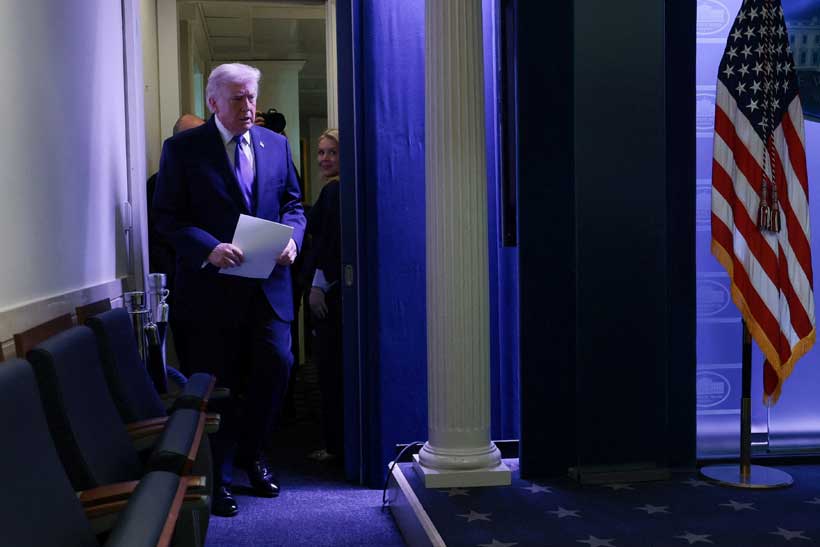
The Jamieson Greer has told Mexican industry leaders that tariffs imposed by Donald Trump will remain in place, even as negotiations to revise the United States-Mexico-Canada Agreement intensify ahead of a July review deadline.
The remarks, delivered during meetings in Mexico City, signal a major shift from decades of tariff free trade under USMCA and its predecessor NAFTA.
End of Zero Tariff Era
According to multiple sources, Greer made it clear that the United States does not intend to return to a zero tariff framework.
This marks a fundamental change in North American trade policy, where free trade in autos and parts had been the norm for over 30 years. The introduction of tariffs, including a 25 percent duty on automotive imports, has disrupted deeply integrated supply chains across the region.
Impact on Key Industries
The implications for Mexico are significant:
- More than half of Mexico’s auto and steel exports go to the United States
- Vehicle exports have already declined, with job losses in the auto sector
- Steel and aluminum industries face steep duties, some as high as 50 percent
These pressures have weakened Mexico’s competitive position, especially as the United States has negotiated lower tariffs with other partners.
Shifting Trade Rules
U.S. negotiators are also pushing for stricter rules of origin.
Proposals include requiring 100 percent North American sourcing for key components such as engines and electronics, up from current thresholds of around 75 percent. This would force manufacturers to further regionalize supply chains, potentially increasing costs but aligning with Washington’s goal of boosting domestic production.
Mexico’s Position
The Mexican government, led by Claudia Sheinbaum, is seeking relief from tariffs as part of the USMCA review. Officials aim to secure at least partial reductions, particularly in the auto and steel sectors, before finalizing broader trade revisions.
However, the latest signals from Washington suggest that while some easing may be possible, a full rollback is unlikely.
Why It Matters
This development underscores a broader shift in global trade policy away from pure free trade toward managed trade and economic security.
For Mexico, the stakes are high due to its deep economic integration with the United States. Persistent tariffs could reshape manufacturing patterns, investment decisions, and employment across North America.
What’s Next
Formal negotiations are set to begin in late May, with both sides aiming to resolve key disputes before the July deadline.
Key areas of focus will include:
- Tariff levels on autos and metals
- Rules of origin requirements
- Broader economic security cooperation
The outcome will determine the future structure of North American trade.
Analysis
The U.S. position reflects a strategic recalibration rather than a temporary policy shift. By normalizing tariffs, Washington is prioritizing domestic industry and supply chain control over traditional free trade principles.
For Mexico, this creates a structural challenge. Its export driven model, built on open access to the U.S. market, now faces persistent barriers. While some adjustments may preserve competitiveness, the era of frictionless trade appears to be over.
Ultimately, the negotiations will test whether North America can adapt to a new trade paradigm or whether tensions will deepen within one of the world’s most integrated economic regions.
With information from Reuters.