


FIFA could disburse millions to members as Infantino seeks re-election | Football
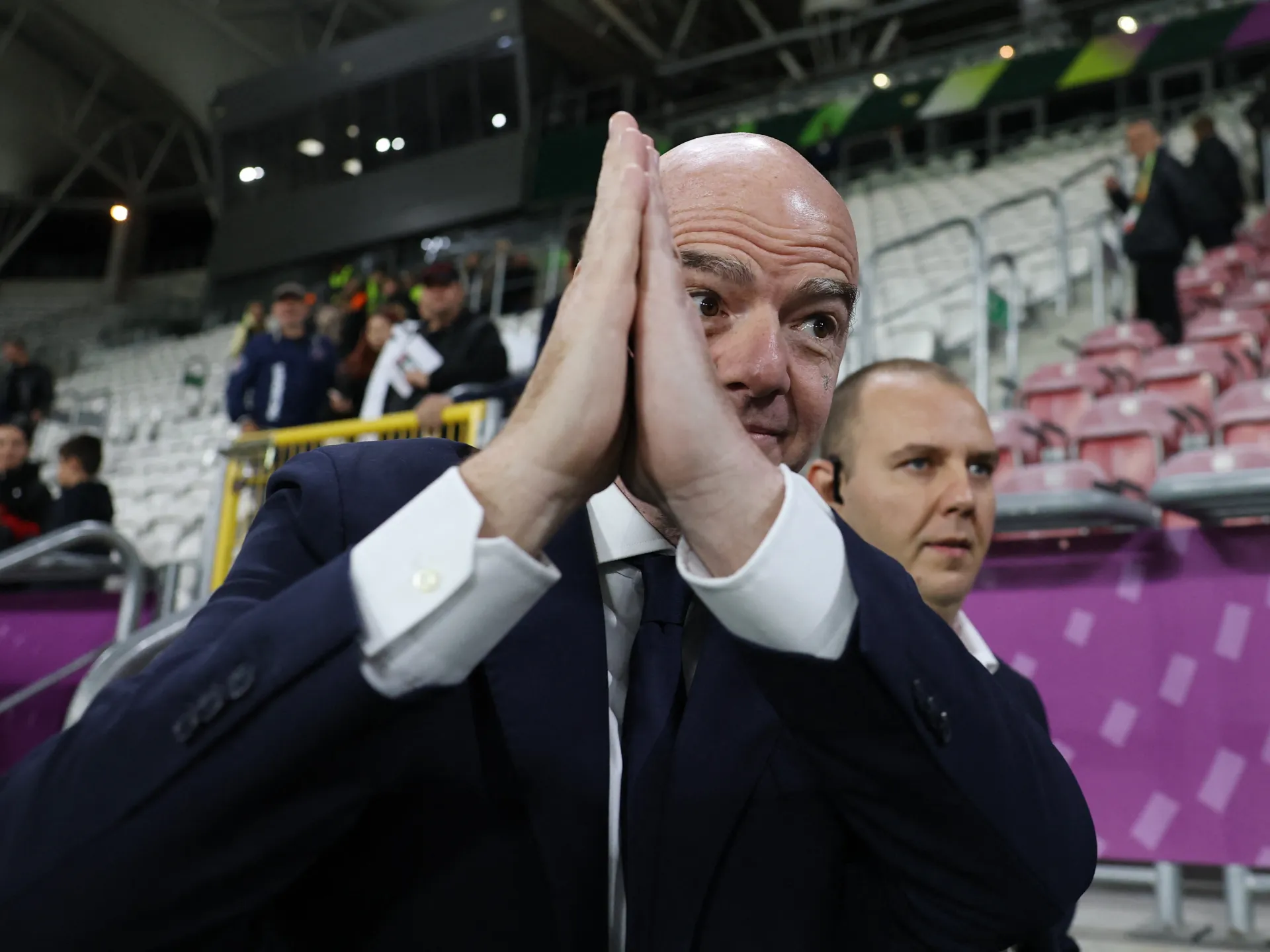
FIFA president Gianni Infantino is willing to discuss the disbursement of millions of dollars to the member associations of football’s global governing body as the Swiss chief seeks re-election to the post he has held for 10 years amid growing opposition.
The amount of the distributions to individual nations will be on the agenda of the FIFA Council’s October 15 meeting, according to a letter Infantino sent to the heads of the six regional confederations, as reported by media in the United States on Monday.
“I will not prejudge the amount,” Infantino wrote, according to one report. “I will support the greatest level of additional funding that can responsibly be delivered through FIFA’s proper governance process, applied fairly and supported by transparent and auditable arrangements. The ambition is welcome. The financial evidence, governance and implementation must now support it.”
“A single figure can begin the discussion, but it cannot complete a global policy. I have therefore instructed the Secretary General to consolidate all submissions into one integrated assessment for consideration by the FIFA Council.”
The move is seen as Infantino’s latest attempt to placate regional football bodies, as well as their chiefs, in a bid to hold on to his position as the most powerful man in football.
Earlier this month, the 56-year-old confirmed his bid amid widespread criticism of his leadership and the growing threat of legal proceedings.
Infantino has faced stiff opposition since the fallout from his proposed plan to sell approximately 20 percent of a proposed new entity, FIFA Forward Enterprise (FFE), focused on the commercial and operational facets of the World Cup and other FIFA tournaments.
The Swiss-Italian has been the most powerful man in world football over the past 10 years, but has increasingly lost support from regional football confederations and national associations. Last month, he appeared to be pulling out all the stops in a bid to retain his position, despite growing calls for his ousting and wide-ranging disapproval of his plans.
On Friday, the English Premier League and three other top European leagues called for governance reform of FIFA.
A joint statement with leagues from Spain, Italy and Germany accused Infantino of actively promoting “exploitative ideas rather than safeguarding against them”.
He is seen as a divisive figure in international football, with his close ties to some of the most powerful global leaders and plans for maximising revenue from football viewed as a threat to the game.
With fewer than six months until the next round of elections for FIFA’s presidency, Infantino appears to be losing ground among his usual backers.
FIFA presidents are limited to three terms, each lasting four years.
However, in 2022, Infantino successfully argued that his first spell in charge, which began when he was elected at an extraordinary FIFA Congress in 2016 following Sepp Blatter’s resignation, should not count towards that limit because it completed an interrupted mandate.
His plans to run for a fourth term have been questioned by critics and rights groups, who have asked FIFA’s Governance, Audit and Compliance Committee (GACC) to block the re-election bid.
The financial discussion comes in the wake of UEFA, CONCACAF and the AFC calling for Infantino to resign over the plan.
UEFA president Aleksander Ceferin and CONCACAF’s Victor Montagliani recently wrote a letter to FIFA, seeking payments such as the one Infantino addressed in his letter. Salman bin Ibrahim Al Khalifa, head of the Asian Football Confederation, made a similar request, per the reports.
Among the investors in FFE was to be Joshua Kushner, the brother of President Donald Trump’s son-in-law Jared Kushner. Trump is a close ally of Infantino.
Infantino subsequently abandoned the private equity plan, but he has refused to resign, and he plans to run for re-election in March. With seven weeks remaining for candidates to announce their intention to oppose Infantino, no challenger has stepped forward.
Had Infantino’s FFE plan gone through, each member nation would have received at least $20m. The letter from UEFA and CONCACAF asks for every member association to receive a minimum of $10m from FIFA’s reserves, according to the reports.

Lego Masters Experience family Review: Prices, tips, and what to expect in Billund, Denmark
Ever watched a TV show like Amazon Prime’s Lego Masters and wished you were the one under the studio lights, racing against a ticking clock? That is the exact magic Lego House is trying to capture with its recently opened Lego Masters Academy in Billund, Denmark – the ultimate pilgrimage site for brick fans.
I took my seven-year-old resident Lego expert to test out the 75-minute Level 2: Build Me Up session, and it delivered from start to finish. Enthusiastic Play Agents, as they call themselves, started the experience by getting the crowd excited outside the studio with an interactive live countdown. Once the doors rolled open, we all entered a vibrant space designed to mirror the TV set, complete with a central podium, upbeat music, and studio lighting.
Do you have a travel story to share? Email webtravel@reachplc.com
The session started with an accessible warm-up follow along building session where we were shown professional building techniques. Small challenges were then added, before we were ready for the main event – building a completely original custom build, in our case our own self portrait Lego figure.
Timers flashed up on massive overhead screens as we were told to help ourselves to colour-coded, shape-sorted brick pits to grab materials for our custom builds. Here it really felt like the TV show, with everyone reaching out to grab handfuls of bricks, aware that the 15-minute timer was now ticking. After brick selecting ended, we all raced back to our building stations to get started on our builds.
A little overwhelemed by the noise, my seven year old opted out of this custom build, and instead preferred to help me finish mine and watch others at work. This wasn’t an issue at all – with the Play Agents keeping him included, making him smile by asking about his favourite LegoLand rides, and making sure he was still having fun. My mistake was not showing him any episodes of the TV show before we visited – I’d really recommend parents of younger children prep them this way.
By the time the timer went off, we had just about finished our slightly wonky multicoloured person. Unlike the competitive TV show, at the end all creations are showcased in a shared gallery, so we went up and put our creation on the podium, ready for all to admire, before coming together with new friends for a joint picture.
While the Masters Academy costs extra, on top of a Lego House ticket, the value for money is outstanding. Every participant keeps their custom build as a souvenir, and you are encouraged to jam-pack an official takeaway box with loose bricks at your station. Organisers promise the contents are worth far more than the ticket price – and the only rule is the lid has to be able to shut.
Overall we really enjoyed our session. My son threw himself into marking every countdown, glowed with pride over our creation and was delighted by his heavy tressure-like takeaway box – which came in very handy that night keeping him occupied at dinner. Whether you are a die-hard Lego fanatic or traveling as a family, it is a unique experience.
Top Tips for anyone visiting the Lego House Billund Lego Masters Experience
Pricing for the Lego Masters Experience is split by age and experience level. The Level 2 session which we did costs £15 per guest for 75 minutes. Older builders aged ten and above can opt for Level 3: aROUND the Bricks We Go, which runs for 90 minutes at £17 with a focus on advanced techniques. The 60 minute level one session is £14 and marketed at beginner builders.
Keep in mind that these require a separate add-on ticket on top of standard LEGO House general admission, which costs £29 per person, with discounts for booking online. Children under thirteen must be accompanied by a paying adult for the Lego Masters Experience.
If you are planning to go, binge watch a couple of episodes of Lego Masters show beforehand so younger kids can anticipate the studio set and timer format.
Book well in advance – ideally before picking your trip dates – as sessions are limited and often full. Make sure to select an English-language session if applicable.
Make sure to pick up your wristbands at least 15 minutes early, as studio doors lock strictly on time. Keep your wristband – this also gives you access to photos of the session.
Book the holiday
- Norwegian Air offers direct flights from London Gatwick to Billund with return fares from £120 on norwegian.com.
- Stay at the Pirate’s Inn Motel LegoLand Holiday Village, from £180 per night for two.
- LEGO House tickets start from £29 when booked in advance on legohouse.com.
- Lizzie and family enjoyed a two-day Legoland pass, starting from £57 for a 2-day pass when booked online, or £40 for a 1-day pass. You can find out more at legoland.dk/en.
AFCON qualifiers: Wissa guides DR Congo to win, Tunisia held by Botswana | Football
Democratic Republic of the Congo secure their second straight win in Group E, with striker Yoanne Wissa scoring again.
Published On 29 Sep 2026
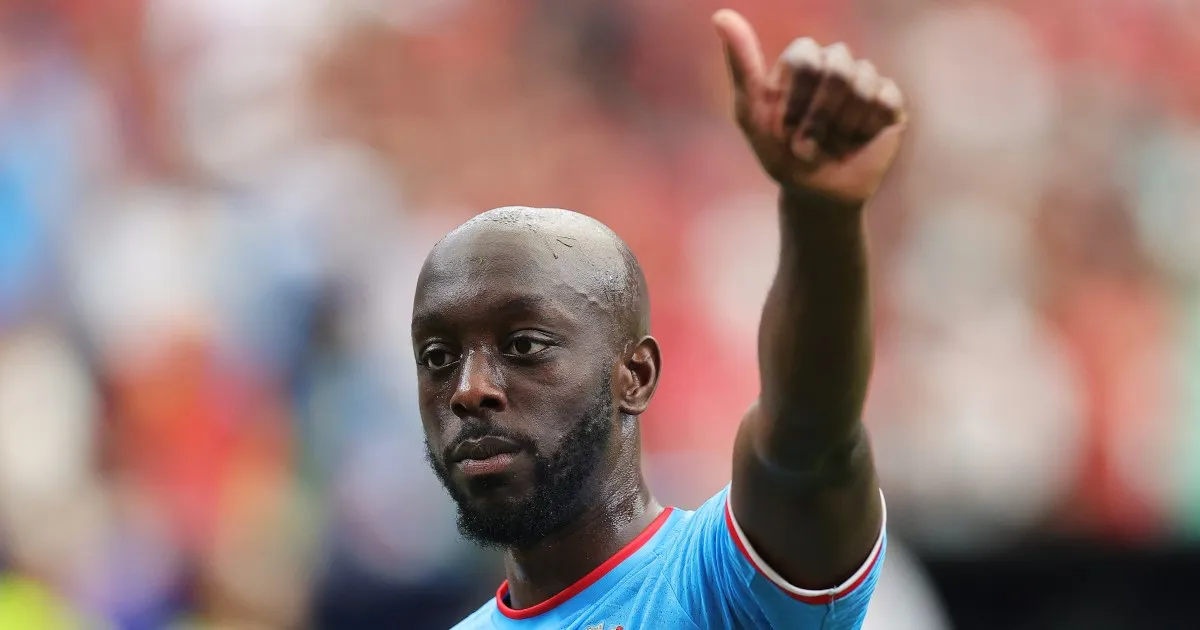
Yoane Wissa scored the first goal and created the second as the Democratic Republic of the Congo (DRC) spoiled a Zimbabwe homecoming by winning a 2027 Africa Cup of Nations qualifier 2-1 in Harare.
The 30-year-old Newcastle United striker struck in the 30th minute, poking a loose ball into the net after goalkeeper Elvis Chipezeze allowed a cross to slip from his grasp in the qualifying match on Monday.
Recommended Stories
list of 3 itemsend of list
DRC, who secured a historic last-32 finish at the 2026 FIFA World Cup, went further ahead in first-half added time when a Wissa pass sent Samuel Moutoussamy through to score.
After being outplayed in the opening half by a team 89 places higher in the FIFA world rankings, Zimbabwe improved after half-time, with Marshall Munetsi scoring a 93rd-minute consolation goal.
Zimbabwe last played at home in November 2021 before the Harare venue was deemed unsuitable for international fixtures, leading to lengthy renovations.
DRC, whose second of two AFCON titles came 52 years ago, top Group E with a maximum six points after launching their campaign with a 2-0 home victory over Equatorial Guinea.
Botswana hold Tunisia to draw
Zimbabwe and Equatorial Guinea, who meet twice in November, have three points each, and Sierra Leone are pointless.
A first-minute goal from Loren Zuniga earned Equatorial Guinea a 1-0 win over Sierra Leone in Cameroon’s capital, Yaounde.
Equatorial Guinea are among the 11 of the 48 qualifiers for the AFCON group stage who must host matches at neutral venues as they lack an international-standard stadium.
Central African Republic are another “homeless” nation. They fell 1-0 to Burkina Faso in Group F in the Moroccan commercial hub of Casablanca. Aboubacar Camara netted the second-half winner.
Struggling Tunisia were held at home for the second time in four days, drawing 2-2 with Botswana in Rades near Tunis.
Tunisia looked set for a first competitive win this year when Hazem Mastouri scored either side of half-time after Botswana had taken the lead.
But the minnows from Southern Africa – 90 places below Tunisia in the world rankings – equalised on the hour through a delicate lob from substitute Lebogang Ditsele.
It was the second successive 2-2 draw for Botswana after sharing the points in Libya last week, and they remain top of Group H on goals scored ahead of Tunisia.

Holidaymakers still trust humans over AI when looking for travel advice
Most UK holidaymakers still consult and trust their family and friends’ recommendations over AI for travel advice

Three-quarters of Brits said having a holiday booked gives them a ‘sense of purpose’(Image: Hilton)
A landmark study of 14,000 travellers from countries including the UK and Australia found that in the UK, family (84%) and friends (81%) trumped AI (45%) for travel tips and holiday hotspots.
Just one in 10 rely on influencers for travel advice – highlighting ‘The Travel Trust Equation’ will be a strong theme emerging for 2027. Artificial intelligence is seen to be transforming the way we travel, but it hasn’t quite replaced the human touch. It also revealed they are set to prioritise things like balance, flexibility and trips that leave a lasting impact.
Of the 1,000 Brits surveyed as part of the Hilton 2027 Trends Report, The Great Rebalance, three-quarters said having a holiday booked gives them a ‘sense of purpose’.
This reflects ‘The Beforeglow’, with booking a trip giving people a much-needed psychological boost and offering them a sense of excitement, motivation and escape weeks, or even months, ahead of departure. More than a quarter (27%) also seek a new perspective through travel, which changes how they view everyday life when they get back home.
Simon Vincent CBE, executive vice president and president, EMEA, Hilton, said: “Travellers are increasingly focused on making their time away count. Rather than chasing a one-size-fits-all idea of the perfect trip, they’re looking for experiences that reflect their own interests and priorities.
“Our job is to help guests make the most of every trip; whether they’re exploring a new destination, reconnecting with loved ones, taking time to switch off – or even a little bit of everything.”
The study also found 60% of all Brits claimed having a holiday booked helps them stick to personal goals, while 53% use them to mark important life moments, meaning travellers are well into their ‘Optimisation Era’.
But 28% of Gen Z travellers see holidays as a chance to kick-start a healthier lifestyle, whereas 63% are more likely to make a significant life change after returning home from their travels.
Nearly three quarters of this generation (74%) also feel motivated to stick to personal goals knowing a holiday is on the cards, and 32% regarded maintaining their fitness routine while away as ‘non-negotiable’.
But the Morning Consult research found 29% of younger travellers feel pressure to plan the ‘right’ kind of trip – compared with just 6% of 62-80-year-olds, showing a rise in ‘Boomer Goals’.
Only 18% of this older generation stick to a strict itinerary, compared with 41% of Gen Z, with 53% of Boomers favoured a spontaneous approach instead. And 72% never feel pressure when making travel decisions, compared with only 27% of Gen Z.
Travel loyalty is emerging as another status symbol among younger holidaymakers, with 27% of Gen Z belonging to a points or miles programme.
The rise of ‘Status Seekers’ suggests travel loyalty programmes have entered a new era, where status matters as much as savings.
With 37% even admitting to feeling jealous of friends with a higher travel status, as 41% see that status as a sign of personal success.
A further 58% of 18-to-29-year-olds believed people with elite travel status have greater influence over group travel decisions.
Where travellers stay is changing too, as gardens were named as an accommodation ‘must-have’ by 40% of Brits, placing them ahead of hotel pools at 33%.
Fresh air and time outdoors were key to holiday relaxation (76%), while 47% will use travel to spend more time immersed in settings such as forests, mountains and coastlines.
UK adults are also reconsidering the traditional big annual getaway in favour of shorter, more flexible breaks, with 65% planning to take more short trips over the next year.
Among these “micro-travellers”, 35% want to tick more destinations off their travel lists, and 26% value the spontaneity offered by shorter breaks.
A further 56% will plan a micro-trip around one standout experience, rising to 74% of Gen Z travellers.
Simon Vincent added: “With a portfolio spanning everything from luxury retreats and city-centre collection hotels to family-friendly resorts and extended-stay brands, we offer travellers the choice and flexibility to find the experiences that are right for them.”
Seven travel trends for 2027
- The Travel Trust Equation – AI may be transforming travel, but it hasn’t replaced the human touch.
- Status Seekers – Travel loyalty programmes have entered a new era: where status matters as much as savings.
- Boomer goals – In contrast to the younger generation’s optimisation obsession, Boomers are making a compelling case for doing less.
- The Beforeglow – Booking a trip is giving people a much-needed psychological lift, offering a sense of excitement, motivation and escape weeks, or even months, ahead of departure.
- Optimisation Era – Self-optimisation culture continues as travellers will see time away as an opportunity to return home levelled-up.
- Wellness Rewired – Nature is the new must-have, with outdoor spaces now valued more than hotel pools.
- The Micro-Travel Mindset – More Brits are swapping one big annual holiday for a series of shorter, experience-led escapes throughout the year

Josh Widdicombe ‘breaks silence’ after Strictly Come Dancing shake up backlash
Josh Widdicombe took part in his first live show of Strictly Come Dancing last weekend, but the new hosts have since faced a wave of backlash. The presenting shake up seemed to leave viewers torn

Josh Widdicombe appears to have broken his silence (stock image)(Image: Guy Levy/BBC/PA Wire)
A new host of Strictly Come Dancing is said to have “broken their silence” after fans of the show claimed the new format “doesn’t work”. Josh Widdicombe, 43, presented his first live show alongside Emma Willis and Johannes Radebe on Saturday night, however viewers have been left torn about the show’s new set up.
Now it appears Josh has broken his silence following the backlash as he posted on his Instagram stories on Monday (September 28) following a lot of conversation about the future of Strictly Come Dancing. It seems his fellow cast members are supporting him, as he shared what could be deemed a very telling post.
It comes after the new hosts previously made a candid confession. Earlier this month, they admitted a “stressful” change had been announced.
More recently, Josh re-shared a post that was initially published by professional dancer Lauren Oakley. It said: “We couldn’t be in safer hands than with these beautiful people.
“Strictly is about family, uplifting others, and creating a safe space for celebrity contestants to be vulnerable and do something so outside of their comfort zone.
“This trio have been so warm and welcoming, and they felt like family from the minute they stepped into the studio, and we love having them with us.
“Professional, funny, kind and fantastic at what they do. I couldn’t feel more lucky to be sharing the screen and our Saturday nights with them.”
The heartfelt post was shared with a picture of Emma, Josh and Johannes and Josh re-posted it alongside three red hearts, clearly thankful for the support. It was a very touching moment.
It comes after Strictly fans were left concerned over the new hosting format, with some claiming it “doesn’t work”. The new hosts took over from Tess Daly and Claudia Winkleman, with bosses hoping they’d prove to be a power trio.
However, while fans have seemed impressed with Emma, some remain unsure about her co-hosts. The shake up has left viewers pretty divided.
One said: “Okay, I don’t want to be a hater, but three hosts is just not working. Not at all. “
Another added: “I normally enjoy Strictly, but not this year. The presenters just don’t gel.”
Meanwhile, there are some who think the format just needs to be tweaked a little. A different social media user wrote: “Josh Widdicombe could have easily taken over the Claudia Winkleman role.”
Someone else also replied: “Emma is brilliant. Josh should be upstairs.”
One more also chimed in with: “But surely it’s about the dancing? That’s great, give these presenters a chance for heaven’s sake.”

NewGenIvf announces pricing of $1.25M public offering of shares (NIVF:NASDAQ)
NewGenIvf Group (NIVF) announced the pricing of public offering expected to generate approximately $1.25M in gross proceeds before placement agent fees and offering expenses.
The offering comprises 17.86M ordinary shares or pre-funded warrants in lieu thereof, priced at $0.07 per ordinary share. Pre-funded
Inglewood football coach says he played ineligible players because he thought they could play in Texas
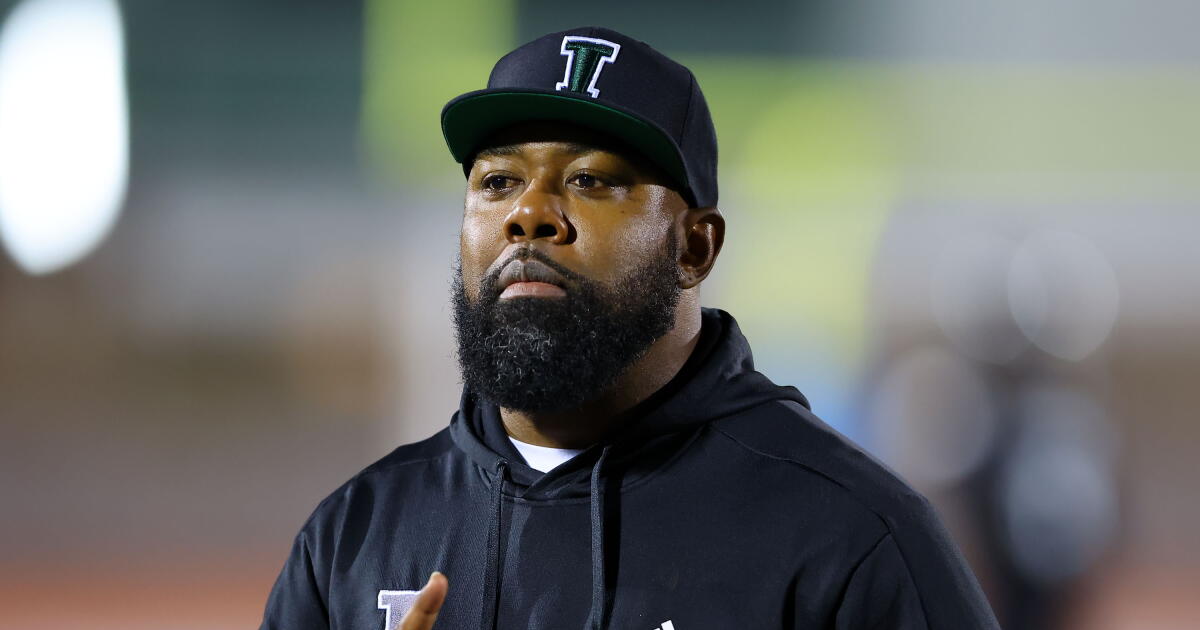
According to documents obtained by The Times via the California Public Records Act, Inglewood High School confirmed to the Southern Section that its football coach, Mil’Von James, played three ineligible players during a game in Austin, Texas, last month.
The reason, according to the letter sent to the Southern Section office, was, “The coach stated that he was not aware CIF eligibility rules applied to a game in Texas.”
That raises the question how many more times Inglewood has used ineligible players for out-of-state football games under James, the head coach since 2019. Last season on Sept. 25, 2025, the team played in Midland, Texas, three days before sit-out transfer players became eligible. Inglewood won 43-42. One of the players on the team who had not been cleared to play was Masyn Harvey, a quarterback transfer and holder on PATs.
Harvey, now playing for a prep school team, declined to return a request for comment if he had played.
If Harvey did play, Inglewood should have forfeited its win last season to Midland. Because Inglewood lost to Westlake of Austin on Aug. 28, a forfeit was moot for this season. Inglewood informed the Southern Section that it imposed a two-game suspension as punishment to James, who returned to coach last week in a win over Downey. The school said it would extend the sit-out period by another week to those players who participated while not cleared.
As for corrective action, the school stated, “Going forward, all ineligible players, across all sports, will be in street clothes on the sideline and must check in with the game administrator prior to the start of each game. We will send all coaches, across all sports, a weekly email listing ineligible players and the reasons for their ineligibility.
“At the start of each season, we will re-train all coaches on eligibility criteria and the clearance process and require them to sign an acknowledgment confirming they understand.”
James has a history of using ineligible players. He was dismissed at Hawkins High in 2016. The Los Angeles Unified School District did not share why James was fired, calling it a confidential personnel matter. LAUSD dismissed James soon after the discovery of ineligible players, resulting in Hawkins forfeiting all of its games to finish 0-13. Since then, the City Section established a rule that teams must exchange rosters before games to verify that players are eligible.
The Southern Section declined comment, but according to a letter response from an assistant commissioner, “Based on your self-report, preventative measures and the corrective actions taken, we will consider this matter closed.”
Australia raises interest rates to 15-year high | Business and Economy News
Reserve Bank of Australia lifts benchmark rate to 4.6 percent amid stubborn inflation.

Published On 29 Sep 2026
Australia’s central bank has raised interest rates to a 15-year high, spelling higher mortgage payments for millions of Australian households.
The Reserve Bank of Australia (RBA) on Tuesday lifted the benchmark rate by 0.25 percent to 4.6 percent, its highest since 2011.
Recommended Stories
list of 4 itemsend of list
The RBA said inflation remained elevated and that previously flagged “upside risks” had materialised, including higher energy prices due to the United States-Israel war on Iran and rising tech costs.
“There continue to be heightened uncertainties about the outlook for domestic economic activity and inflation,” the bank’s monetary board said in a statement.
“The Middle East conflict remains unresolved, and there are scenarios where inflation is higher and activity lower than forecast,” it said.
“Global oil supply disruptions are maintaining upward pressure on global and domestic energy prices and inflation. A period of prolonged uncertainty may also cause growth to be lower overseas and in Australia.”
Australia’s annual rate of inflation stood at 3.5 percent in July, well above the central bank’s 2–3 percent target.
Central banks typically raise their benchmark interest rate when policymakers believe prices are rising too fast.
Higher interest rates raise the cost of borrowing, including mortgages, cooling consumer demand and bringing down inflation.
The latest hike is set to heap further strain on Australian households already grappling with three previous increases this year.
In a research report earlier this month, Roy Morgan said nearly one-third of Australian mortgage holders, or nearly 1.8 million people, were at risk of “mortgage stress” – where households spend 25-45 percent of after-tax income on payments – as of July.
Australia’s Treasurer Jim Chalmers, who is not responsible for setting interest rates, acknowledged that the hike would mean greater hardship for many Australians.
“We know a lot of Australians are under pressure and this will make things harder,” Chalmers said in a post on X.
“Inflation and interest rates are going up around the world but we know that doesn’t take the sting out of today’s decision.”
Chalmers said the government would take responsibility for “our part of the fight against inflation”.
“That means continuing to manage the budget responsibly, rolling out tax cuts and cost of living help, and addressing the longer term challenges in our economy in an uncertain global environment,” he said.

Saunas, cinnamon buns and coastal scenery on the new rail route from Malmö to Oslo | Scandinavia holidays
‘This carriage is due for modernisation. Don’t miss the opportunity to experience 90s Germany style,” reads the sign on the door to the dining carriage. The couple inside aren’t missing theirs: they’re taking endless selfies in the clinical pink-and-turquoise carriage that looks like a hospital canteen and smells like cinnamon buns and strong filter coffee.
I’m on Snälltåget’s iconic red-shelled train, on the Swedish rail company’s new route from Malmö to Oslo – a 6.5-hour journey along Sweden’s picturesque western corridor. Until now, the journey between the two cities involved long bus rides and fragmented train transfers. This direct line is easier and cheaper, with tickets starting at £11 each way. It’s already a hit, shuttling more than 25,000 passengers since launching this summer.
I was first seduced by Scandi rail travel a decade ago on a journey from Stockholm to Gothenburg, when I was berthed in a cosy dark-wood cabin and listened to a pianist play in a dining car. This time, starting in Malmö, I will take advantage of the new route to make a series of stops along the country’s western shore.
In my view Malmö, across the Øresund Bridge from Copenhagen, is too often overlooked in favour of Stockholm. The southern port city is less polished than the capital and grittier, but its residents seem more outgoing and curious. Within an hour of arriving, I’m invited to drinks by a group of local people – a level of openness I never experienced living in Stockholm. Almost half of the population is under 35, and 187 nationalities are represented, making it a hotbed of creativity. In the centre of town, the Form/Design Center occupies a former 16th-century grain store, now a meeting point and exhibition space for design, crafts and architecture enthusiasts. Then, there are Moderna Museet and Malmö Konsthall modern art galleries.
At Möllevången, or Möllan, a trendy neighbourhood popular with creatives, everybody looks as if they’re at art college, or have just returned from a weekend in Berlin. My friend Rob, who has lived in Malmö for nearly a decade, guides me through Folkets Park, the “people’s park”, pointing out his favourite pizza spot, Far i Hatten, which occupies cute wooden huts. We find a table at Ava nearby for a beer on a leafy square dotted with hip restaurants and organic wine bars – it feels like Malmö’s equivalent to London Fields in Hackney. Resisting the urge to continue our purposefully staid bar crawl, we down a nightcap at Bar Bobo and call it a night.
Snälltåget operates just one direct Oslo-bound train a day, at 6.38am from Malmö Central (plans are in the works to increase this next year), so it’s an early start at a station teeming with families and backpackers with rucksacks the size of fridge-freezers. We soon pass the romanesque towers of Lund Cathedral before chugging through pancake-flat yellowing agricultural fields, then skirt Apelviken bay – Varberg’s long, sandy horseshoe beach popular for kitesurfing and surfing.
Varberg is Sweden’s equivalent of a coastal British market town. It’s got bunting, cobbled streets, intimate cafes and a weekend market with vendors peddling fresh vegetables, fruit, marmalade, leather belts and socks. It’s also a spa town, which inspired my visit. I was intrigued by its pretty, Moorish-inspired Kallbadhuset (cold bath house), set on wooden piles above the Kattegat sea, where for about £8 visitors gain access to segregated men’s and women’s saunas, both with spellbinding sea views. A plunge in the brisk water after the sauna proves the perfect antidote to a 6am start after a bottle of red wine the night before. Floating on my back, I look up to see a group of Swedish veterans sitting on a wooden bench, baring all (it’s a nude bathhouse), the building’s mustard shades completing an almost Hockney-esque scene.
According to a sign outside Skarpe Nord – a community-run women’s bathing spot nearby – people have been nude-bathing in Varberg for more than 100 years. Walking along the promenade by a cavernous passage of blasted rocks that resembles a secret pathway from Lord of the Rings, I pass a collection of other designated naked bathing spots. But with the grey weather showing no sign of clearing, my hotel’s spa proves more inviting.
In the bowels of Hotell Gästis hides a replica of Vladimir Lenin’s favourite bathhouse. The hotel’s owner, Lasse Diding, built the spa as a homage to his idol, inspired by a visit to the original bathhouse in St Petersburg in the 1980s. This slightly eerie space is clad in more than 75,000 cobalt tiles and decorated with candlelit busts of communist leaders.
Diding’s interest in the communist movement began during the Vietnam war and never left him. The eccentric entrepreneur is responsible for Varberg’s many visible politically left-leaning monuments – a giant Palestine flag, Hotell Havanna (an ode to revolutionary Cuba) and a statue of Danuta Danielsson, who became a symbol of solidarity after hitting a marching neo-Nazi with her handbag in Växjö in 1985.
The following morning, I hop on the fast train to Gothenburg, a 39-minute ride away. After checking in at the sophisticated, French boudoir-style Hotel Pigalle, just five minutes’ walk from Central station, I wander along Kungsgatan, the city’s modern shopping artery, towards Magasingatan. The area is packed with vintage shops (Ragtime, Pop and Humana) and craft stores such as Customwood, which makes bespoke wooden furniture to order.
after newsletter promotion
I grab a fika (the Swedish tradition of taking a break to drink coffee and indulge in a sweet treat) at Da Matteo, a barn turned cafe spread across three floors. The Scandi-industrial interiors are straight out of a design magazine, as bespectacled folk work away on their laptops. Scents of bread and coffee drift from the in-house bakery and coffee roastery; my bullar (a classic cardamom bun) and a latte cost just under a tenner.
Wandering around Slottsskogen park later, I remember why I wanted to move to Gothenburg after a fleeting first visit all those years ago. Sweden’s second-largest city is compact and easy-going. It has a rough-around-the-edges feel like Malmö in places, with the liveability, nature and culture of Stockholm. At its heart is the pretty old town of Haga, which has narrow cobbled streets, inviting wafts of baked goods and the sound of creaky, wooden trams chugging by. And Slottsskogen is my favourite park in Europe. Roughly the size of Hyde Park, it’s home to deer, penguins and Gotland ponies, and exactly the kind of place you can spend long hours strolling without purpose.
The Gothenburg to Oslo leg of the journey is the cinematic climax. It starts with rolling green pastures, cows grazing on a riverbank and forests thick with towering conifers beneath a blue summer sky. Then nature really starts showing off: lakes widen, trees grow greener and granite canyons appear grander with every kilometre, drawing excited kids to press their noses against the windows.
Keen to see it up close, after pulling into Oslo I dump my bags at Citybox, a minimalist hotel a few minutes’ walk from the station, and head north to Sognsvann. This lake and recreational area on the outskirts of the city is the starting point for a circular walk up to Vettakollen, a popular viewpoint. After an easy, 30-minute uphill hike, I reach a rocky mound skirted by pine trees, where families are picnicking. Oslo unfurls in the distance, the urban sprawl of metal and glass stretching to the fjord. For me, this is what makes Scandinavia special: the urban and the natural worlds seamlessly colliding.
The trip was provided by Visit Sweden. One-way tickets from Malmö to Oslo with Snälltåget cost from 149 Swedish kronor (£11). Double rooms at Hotell Gästis from £90. Doubles at Hotel Pigalle from £85. Single rooms at Citybox Oslo from £68
Venezuelan Gov’t, Opposition Faction Announce Judicial and Freedom of Speech Agreements
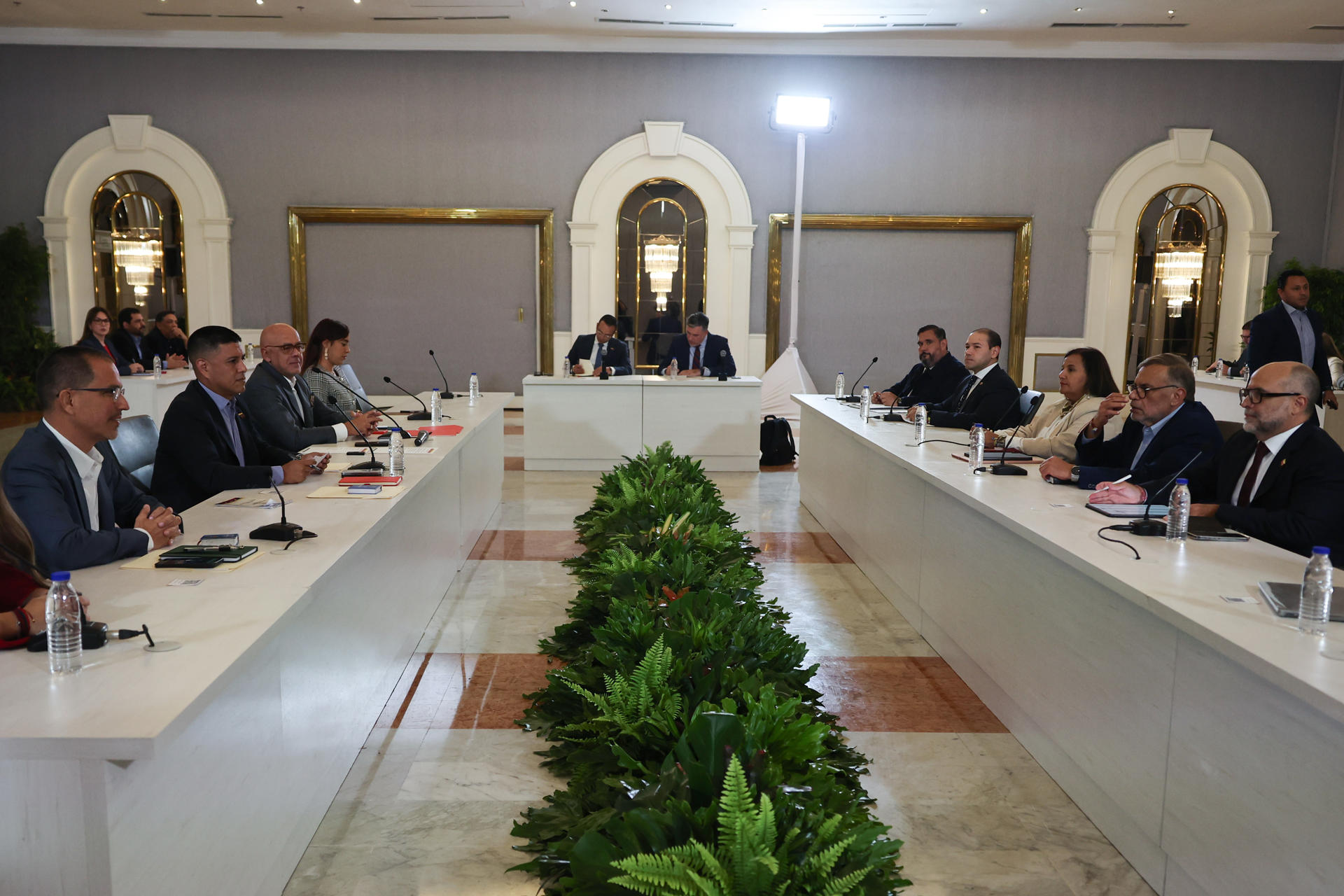
The Venezuelan government and opposition delegations met at the 5-star Meliá Hotel in Caracas. (National Assembly)
Caracas, September 28, 2026 (venezuelanalysis.com) – The Venezuelan government and delegates representing a defunct, opposition-majority parliament concluded, on September 25, a second round of US-backed talks focused on political and judicial reforms.
The negotiations produced preliminary agreements focused on judicial reform and loosening administrative restrictions on several opposition-aligned news outlets.
The primary advance in the negotiations centered on a comprehensive proposal to restructure Venezuela’s Supreme Court of Justice (TSJ).
According to official statements, both delegations established a seven-person committee to review the qualifications of Supreme Court justice candidates. The two parties also agreed to create a Judicial Nominations Committee within the National Assembly to oversee the selection process for new magistrates.
This committee will oversee applications from legal scholars, public sector workers, and civil society members, subjecting applicants to rigorous constitutional criteria before submitting a final list of recommended nominees for a plenary vote in the legislative body.
Speaking at the close of the talks at the Meliá Hotel in Caracas, National Assembly President and head of the government delegation, Jorge Rodríguez, highlighted the consensus achieved regarding judicial reform.
“We have reached concrete agreements to strengthen our democratic institutions, starting with a transparent process to evaluate and appoint magistrates to the Supreme Court,” Rodríguez stated to reporters. “This dialogue demonstrates that through constitutional channels and mutual respect, Venezuelans can resolve their differences without foreign interference.”
Representatives from the opposition delegation similarly acknowledged the priority of reforming the judicial branch.
Dinorah Figuera, president of the faction from the defunct National Assembly elected in 2025, claimed that the ongoing negotiations are aimed at “re-institutionalizing” the country.
“If the TSJ and the CNE move forward alongside political and civil guarantees, social issues and the health sector must also be linked to this process of re-institutionalization.”
The two sides launched a dialogue process in August, with a first round of talks launching the Supreme Court overhaul as well as a joint initiative to recover Venezuelan gold reserves frozen by the Bank of England. The 31 tons of gold, valued at around US $4 billion, will reportedly be transferred to the US before being used for earthquake reconstruction efforts with oversight from US authorities.
The Trump administration has endorsed the negotiations, with the State Department calling it a “unique opportunity” for a “political transition” in Venezuela. In a press conference last week, US Secretary of State Marco Rubio affirmed that the ongoing talks will “create the groundwork and rebuild the institutions necessary in order to have free and fair elections.”
In addition to the latest judicial reforms, both delegations agreed to lift long-standing administrative sanctions against select media organizations such as El Pitazo, Efecto Cocuyo, EFE Agency, among others.
Several outlets had been subjected to legal investigations or broadcast suspensions after being accused of endorsing or broadcasting content linked to past coup attempts and violent anti-government demonstrations.
The lifting of the administrative bans is intended to restore legal broadcast licenses and digital accessibility to several platforms. Government negotiators emphasized that while media outlets are expected to operate within the bounds of national laws regarding public safety, anti-hate regulations, and constitutional order, the agreement serves as a good-faith gesture to expand freedom of expression and media pluralism in the country.
As the closing of the second round of talks, both the Venezuelan government and opposition negotiators indicated that technical commissions will continue working in the coming weeks to finalize the nomination guidelines for the TSJ magistrates and monitor the administrative implementation of the media agreements. They will begin a third round of talks in October.
Washington’s backing for the 2015 National Assembly to take part in dialogue with the government has exposed rifts among the Venezuelan opposition, particularly with a far-right sector led by María Corina Machado.
A longtime endorser of international sanctions and aggressive regime-change strategies, Machado has reportedly attempted to return to Venezuela in recent weeks after a long hiatus abroad.
According to multiple sources, the attempts to enter Venezuelan territory have been frustrated by transportation-related technical issues; in both air and sea travel attempts, the companies involved cancelled the trips due to operational problems.
Despite a long absence from Venezuela, Machado has retained support in the US political establishment. The United States Senate has scheduled an urgent committee meeting to address the political situation in Venezuela, with lawmakers explicitly placing Machado’s return to Venezuela and her political eligibility at the top of the agenda.
Edited by Ricardo Vaz in Caracas.

Saved by the Bell actor Dennis Haskins who starred as beloved principal Mr Belding dies aged 75

ACTOR Dennis Haskins, best known for playing beloved Principal Richard Belding on Saved by the Bell, has died aged 75.
Jay Schachter, Haskins’ agent of more than 20 years, confirmed the “tragic loss” in a touching tribute.
He wrote: “Everyone loved Mr. Belding, and those of us who got to know Dennis loved him even more.
“He was a great person, and he loved, I mean absolutely LOVED his fans.
“He always had time for them, no matter what. He was my client and dear friend for over 20 years, and I will miss him terribly.”
The star’s cause of death has not yet been disclosed.
Haskins, from Chattanooga, Tennessee, initially played the role of Principal Belding on the show Good Morning, Miss Bliss from 1988-1989.
The series then became Saved by the Bell, which aired on NBC until 1993, followed by Saved by the Bell: The New Class from 1993-2000.
Haskins earned the nickname “America’s Favourite Principal” for his performance.
His character’s exasperated ‘Hey, hey, hey, what is going on here?’ as he struggled to control his students became one of the show’s most iconic lines.
Most read in Entertainment
Haskins also reprised his role in the spinoff specials Saved by the Bell: The College Years in 1993 and Saved by the Bell: Wedding in Las Vegas in 1994.
Before launching his TV career, Haskins attended the University of Tennessee at Chattanooga, where the school said he was deeply involved in campus life.
Breaking news… More to come…

RBA delivers fourth rate hike of 2026 to 4.60% as inflation pressures

Katharina13
The Reserve Bank of Australia (RBA) unanimously raised its cash rate target by 25 basis points to 4.60% at its September 2026 meeting, matching market expectations. The move marks the central bank’s fourth rate increase this year, pushing borrowing costs to their highest level since 2011.

At media day, Clippers begin with an apology, then look to the future
A new age of Clippers basketball started on Monday.
It’s about moving on, or attempting to, after the franchise endured a nightmare offseason.
“My entire summer’s been basketball,” guard Darius Garland nonchalantly said during media day at Intuit Dome. “My main thing is to come in here and win games. So, that’s my main focus.”
The Clippers’ offseason was engulfed by the NBA’s salary-cap circumvention investigation into the team’s endorsement deals with Kawhi Leonard. The NBA fined the Clippers $30 million, stripped them of five first-round picks, dealt suspensions to owner Steve Ballmer and president of basketball operations Lawrence Frank — and the Clippers ultimately traded Leonard, who was fined merely $700,000, back to Toronto.
Garland represented his teammates in prioritizing hoops.
But for Trent Redden, the Clippers’ interim president of basketball operations, things weren’t that simple. The admittedly nervous executive started Monday’s news conferences by apologizing to the Clippers’ faithful for the aftermath of the Leonard situation.
“Our fans deserve to hear from us before this, and for that we’re sorry,” Redden said. “We’ve been listening to the thoughts, the concerns, and feeling the emotions of our fan base. They mean everything to us. … We hope to fulfill our promises to them, to build their trust and move forward through this time.
“This franchise often has done its best work with its back against the wall … We hope to represent our fans the same way we always have in dark times, by coming out fighting.”
Fighting is all the new-look Clippers can do as they enter the 2026-27 season.
Leonard is back north of the border. Other stars, such as Paul George, James Harden and the recently retired Russell Westbrook, are distant memories in L.A. For the first time in years, the Clippers aren’t entering a season with championship aspirations.
“It’s been difficult,” said Ty Lue, who enters his seventh season as the Clippers’ coach. “But I give our players a lot of credit … the leadership is great [and] the morale is great, even in these tough situations. That’s good to see, when you have your players coming in every day, giving everything they have; a lot of teams don’t have that.”
The Clippers’ league-record streak of 15 consecutive winning seasons is in jeopardy. Nonetheless, the team will still feature plenty of intrigue roster-wise, with a mix of youngsters “doing TikToks” and “old heads” trying to keep up, as Garland described it.
“I think we can surprise a lot of people,” he said.
Garland himself, 26, enters his first full season in L.A. as the team’s go-to scorer. A two-time All-Star, he’s primed to lead a promising backcourt alongside 19-year-old rookie Keaton Wagler, the Clippers’ No. 5 pick in the 2026 draft.
Wagler is one of the team’s promising young players, alongside fellow rookie Baba Miller, Kobe Sanders and the rehabbing Jordan Miller and Yanic Konan Niederhauser.
“I’m just going to do my best to stay mentally focused,” Wagler said when asked about the pressure of being the team’s first top-five pick since Blake Griffin in 2009. “Not worry about all the outside noise.”
The Clippers return key role players like Derrick Jones Jr., Kris Dunn, Bradley Beal and Brook Lopez, and sport new ones like Max Strus and Gradey Dick via trades.
However, the team’s ceiling will rest on the influence of new forwards Brandon Ingram and Rui Hachimura. Hachimura is coming off a strong playoff run and four-year stint with the Lakers.
“One thing about here … everybody talks about how they take really good care of their players,” Hachimura said of signing a two-year, $28-million contract with the Clippers this offseason.
Ingram, the centerpiece of the Leonard trade, is a solid three-level scorer and will shoulder much of the offensive load alongside Garland — when healthy.
Redden shockingly shared that Ingram is recovering from a partially torn Achilles tendon in addition to heel surgery.
“I had been dealing with some pain throughout the year with the Raptors, especially coming down crunch time with the Raptors,” Ingram said. “I didn’t quite know what it was. Near the end of the season, we figured out what it was, and surgery was the best thing to do.”
The 29-year-old Ingram, though, should make a full recovery and claims his best days are still ahead of him.
He feels the same way about his new Clippers team.
“I know [there are] little to no expectations for us this year,” Ingram said. “We have enough in the building to compete. This is what we love to do. So, we’ll go out and compete every single night, learn, go on to the next game and get better and better.”

Public transport drivers strike in Manila over soaring fuel prices | Protests
Thousands of public transport drivers in the Philippines begin a three-day strike over soaring fuel prices. Drivers say incomes are falling short of a living wage because of rising costs and taxes.
Published On 29 Sep 2026

Dad missing for a week after disappearing in France
He has not contacted his family in the UK

Andy Shirlaw
A dad has vanished in France after losing contact with his family back home in the UK. Andrew Shirlaw, known by his family as Andy, has disappeared whilst travelling through France.
The 65-year-old’s family have been left worried after he failed to contact them for days. His disappearance has been described ‘completely out of character’ by his daughter Gabriella.
Andrew went missing on September 22. Hi s last known location was Paris, France. It is believed that he had planned to travel down to the south before eventually finishing his trip in Toulouse.
Friends of the family who last saw him in Paris are extremely worried about his disappearance. Andrew’s family have described him as around 6ft tall with a slim build.
He often wears glasses and a hearing aid whilst sticking to a style of patterned shirts, shorts and sandals. |He is fluent in French and is known to be very talkative and open to interacting with strangers.
Andrew’s daughter has released a statement after reporting him missing. Gabriella Payne said: “Our dad, Andrew Shirlaw, Andy, aged 65, has been missing since Tuesday, September 22.
“His last known location was Paris, and we believe he was planning to travel south, eventually ending in Toulouse. We are extremely concerned because it is completely out of character for Andy not to maintain contact with us.
‘’Friends who saw him in Paris were also concerned about him before we lost contact. Andy is British but speaks fluent French with an English accent.
“He is very slim, around 6ft tall, often wears clear glasses and sometimes a hearing aid. He is very talkative, eccentric and will often strike up conversations with strangers.
“If you have seen Andy, spoken to him, travelled with him, or have any information at all about where he may be, please DM me or contact the local police. Even if you’re not in France, please share this post — particularly with anyone you know in Paris, Bordeaux, La Rochelle, Toulouse or elsewhere in France.
Claims Swirl Around U.S. Marines Injured Aboard Mystery Vessel Attacked In The Strait Of Hormuz
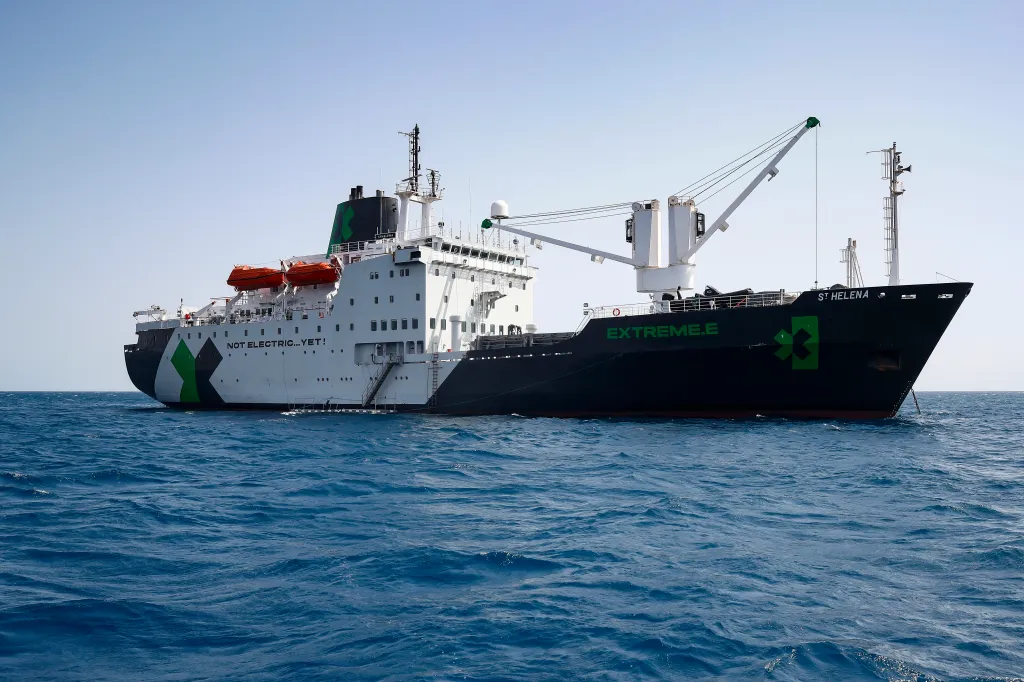
On Sunday, NBC News reported that Marines were injured during an Iranian cruise missile attack while transiting the Strait of Hormuz on Sept. 14. The network’s sources said the Marines were not on a U.S. Navy ship, but they did not identify which vessel they were on. However, a former Royal Mail vessel that at one point was being converted into a floating armory stands out as a strong possibility.
While much remains unclear about the Sept. 14 incident, there was only one vessel known to have been struck that day, according to the United Kingdom Maritime Trade Operations (UKMTO) and a maritime security official we spoke with. The ship was eventually identified by several maritime media outlets as the M/V St. Helena. Again, the St. Helena’s involvement remains unconfirmed, but the ship’s interesting background is of particular note.

“Eight U.S. Marines were injured two weeks ago when an Iranian cruise missile attacked the ship they were operating on in the Strait of Hormuz,” NBC reported, citing three U.S. officials. “The Marines were not seriously injured, but they sustained smoke inhalation and possibly traumatic brain injuries, as they had symptoms of concussions, such as headaches, the officials said.”
“The Marines, seven of them enlisted and one officer, all returned to duty soon after the Sept. 14 attack, the U.S. officials said,” according to the network. “The officials said the Marines were operating as part of a battalion landing team during the Iranian anti-ship cruise missile attack.”
TWZ cannot independently confirm that Marines were on board the St. Helena or that they were injured. We reached out to the Pentagon and U.S. Central Command (CENTCOM) for more information. The Pentagon referred us to CENTCOM, and CENTCOM declined comment.
The incident took place amid an uneasy truce between Iran and the U.S. broken up by sporadic Iranian attacks on ships transiting the Strait of Hormuz. At the same time, the U.S. military is enforcing a blockade on Iranian ships, during which it has struck several for trying to bypass that effort as well as in retaliation for Iranian attacks on shipping. Negotiations between Washington and Iran have ebbed and flowed, and U.S. President Donald Trump is once again mulling a choice between continuing talks or renewing large-scale attacks.
As we noted earlier in this piece, after the vessel was struck, several maritime industry trade publications identified it as the St. Helena.
“Iran has attacked a historic former British Royal Mail passenger ship in the Strait of Hormuz,” TradeWinds News reported on Sept. 15, a day after the incident. “Maritime security sources identify the 6,800-gt St Helena (built 1989) as the latest vessel to be hit by an ‘unknown projectile’ in the war-torn waterway. The attack was reported late on Monday, according to UK Maritime Trade Operations, which cited a ‘verified source’ for the incident without identifying the vessel.”

“UKMTO has received a time late report of an incident within the Strait of Hormuz,” the organization reported on Sept. 15, citing an incident that took place a day earlier. “A verified source has reported that a vessel has been struck by an unknown projectile.”
“There is no reported damage or environmental impact,” UKMTO added. “Authorities are investigating.”
According to Lloyd’s List, the ship was being operated by the Ambrey maritime security firm at the time it was struck. Ambrey declined to comment.
Shipping expert Sal Mercogliano and open-source investigator Tom Bike were among those suggesting the St. Helena could have been the vessel at the heart of the NBC report.
Exactly what the St. Helena was doing at the time it was struck is unclear; however, the ship has had a very unusual past.
The vessel entered into service in 1990 and “sailed between Cape Town, South Africa and Saint Helena and Ascension Islands, carrying both passengers and cargo, some of which was Royal Mail, earning her the rare RMS designation,” according to Cruise Arabia and Africa.
The St. Helena was Britain’s last working postal ship, according to Maritime Executive. After it was retired in 2018 because it was no longer needed for that function, things got really interesting.
Two different organizations took over the vessel, including, as we noted earlier in this story, a company that was planning to use it as a floating armory in the Middle East.
“Renamed MNG Tahiti, the 103-meter (340-foot) ship is being readied by her new owner MNG Maritime to become a floating armory working in the Gulf of Oman,” Maritime Executive wrote on April 22, 2018. “She will deliver security guards and weapons to vessels sailing through the region and is expected to be operational in her new role in the next few months.”
It is unclear what happened to that plan. However, two years later, an off-road racing series called Extreme E said that it “secured exclusive use of the former Royal Mail ship in 2018.” After that, the ship underwent “an extensive refurbishment process, which has included total overhaul of steelwork, engines, generators, propellers, interior and cabin space, and more, making it not only fit for purpose, but also as efficient as possible ahead of its new mission.”

The ship was “specifically designed to transport all the infrastructure and equipment the Extreme E needs for their race weekends,” the organization stated. The plan was to have the ship serve “as its freight and logistics hub due to her versatility and ability to carry and unload a mixture of cargo, like all 10 of the championship’s ODYSSEY 21’s [electric off-road racecar], as well as team members and guests. This was also fit with a Science Laboratory so research can be conducted enroute to the race locations.”
Both the St. Helena and MNG Tahiti have the same international shipping identification number of IMO 8716306, according to the MarineTraffic website.
On Sept. 17, 2024, the St. Helena was put up for sale, according to Horizon Ship Brokers. The current ownership is unclear. We reached out to Horizon Ship Brokers for more details.

Last year, the saga of the St. Helena took a new turn. A company called Terra Nova Expeditions chartered the vessel for Antarctic cruises, but those plans were scrubbed last month because the vessel was stuck in the Persian Gulf and was no longer available for the Antarctic sailing season.
It was last tracked via its transponder near Dubai nearly two months ago, according to MarineTraffic.
While we can’t confirm that Marines were onboard when St. Helena was hit, Marines have been training for this exact mission set. USNI News reported in 2023 that a “force of 100 Marines, newly trained by Navy personnel,” stood ready “to respond, if ordered, to provide armed security aboard foreign commercial ships transiting the Strait of Hormuz.”
Those Marines were members of the 26th Marine Expeditionary Unit (MEU) embarked on the three-ship Bataan Amphibious Ready Group (ARG), USNI added at the time.
It is unclear if those plans are still in place and if Marines in the region have actually been ordered to provide armed security for foreign vessels sailing through or near the strait. Regardless, Marines could be quickly trained to take on this mission set and have drilled for ship boarding and searches for years, especially special operations and specially-tasked units. CENTCOM declined to comment when we asked if there are U.S. personnel embarking on commercial ships transiting the Strait of Hormuz.
At the same time, it is possible that the unique attributes of St. Helena made it a convenient host ship for sea base operations for U.S. forces in the region specifically for this crisis. Adapting commercial vessels for exactly this purpose has a long history around the Strait of Hormuz, as it was a central facet of the Tanker Wars during the 1980s, that saw U.S. forces operate from barges in the region. Today, commercial vessels remarkably similar to St. Helena operate in similar roles, especially in support of special operations and interdiction operations.

Once again, we have no idea what the ship’s mission was at the time of the incident and if Marines were simply helping it transit safely out of the Persian Gulf or something more, but the attack did expose the fact that individual Marines are more involved with activities in this tumultuous body of water than it may seem.
Contact the author: howard@twz.com.

Teresa Giudice asks for privacy for daughter Milania Guidice
“Real Housewives of New Jersey” star Teresa Giudice is asking for privacy for her daughter Milania Guidice after an incident at the airport resulted in police intervention.
On Wednesday, Tampa International Airport police were called to step in when Milania, 20, reportedly became emotional and ran away from her reality star mom, older sister, Gia Giudice, and a counselor traveling with the family. Police bodycam footage, obtained by TMZ, revealed the family was fighting over a recent health scare involving Milania.
In the video, the family is in an elevator with police, and Teresa is heard explaining that her daughter “had fentanyl in her system” and that she wants to save her daughter’s life. “You’re reckless,” Teresa says to Milania. “After you get help, you never have to speak to me again.”
Milania retorted that she “was laced” and said, “I go to college.” Milania, who attends the University of Tampa, then asked if she was going to be placed “back in the psych ward.” Earlier in the clip, a police officer is heard explaining that Milania had been released from a Baker Act facility and was being transported to a rehabilitation facility.
“As a mother, there is nothing more important to me than the health, safety, and well-being of my children,” Teresa wrote in a statement on Instagram on Monday. “The past few months have been incredibly difficult for our family, and I feel it is important to say something while also protecting my daughter during an extremely vulnerable time in her life.
“Milania has experienced tremendous heartbreak and significant psychological trauma after losing two of her best friends. Grief affects everyone differently, and watching your child try to process that kind of loss is something no parent can ever truly prepare for.”
In July, Milania’s best friend, Victoria Zardoya, died on a weekend trip to Tampa, during which the 20-year-old sustained fatal injuries when she fell while exploring the ruins of Ft. Dade from the Spanish-American War with a group of friends.
It’s unclear who the second friend is.
“Right now, my only focus is my daughter — making sure she is surrounded by love, family, support, and the care she needs,” Teresa’s statement continued. “I understand that because our family has lived much of our lives in the public eye, there will naturally be questions and speculation. But Milania is my daughter before she is anything else. She is a young woman going through an incredibly difficult and deeply personal time, and she deserves the opportunity to heal without every moment of her pain being analyzed publicly.
“I am asking, from one mother to another, and from one family to all of you, to please show Milania compassion and kindness and allow her the privacy she needs right now,” the statement concluded.
In May, Milania was arrested and charged with simple assault after an incident at the New Jersey home of Teresa and Luis “Louie” Ruelas, Milania’s stepdad. Milania allegedly punched someone in the forehead, who was referred to in court by the initials “LR.”
If found guilty, she faces up to six months in jail, probation and a $500 fine. Her next hearing is Tuesday.
CPKC subsidiary to issue C$1.8B in senior notes across four tranches
Canadian Pacific Railway Company (CPRC), a wholly owned subsidiary of Canadian Pacific Kansas City (CP), has announced a public offering of C$1.8B across four tranches of senior notes.
The multi-tranche offering comprises C$500M of 4.20% notes due 2030, C$

Luka Doncic and Austin Reaves ready to take charge of Lakers
The bromance between Luka Doncic and Austin Reaves remains strong and it’s a bond the Lakers will lean on with LeBron James no longer on the team.
After eight years of James being the Lakers’ leader, the role now will be shared by Doncic and Reaves.
Doncic already took a step in that direction when he invited his teammates to his home country of Slovenia in August for a bonding trip.
Reaves chided Doncic about losing in rowing, bowling and golf while they were in Slovenia together.
Reminded about it Monday at the Lakers’ media day, Doncic immediately retorted: “I beat him in golf two days ago. … He didn’t say that, huh?”
Doncic paused and smiled.
“The key was I was playing great golf,” Doncic said. “He gave me some strokes, I’m not going to lie — as he should.”
Reaves spoke about the events his group won in Slovenia and how they beat Doncic in the process.
“We won the rowing, we won the golf, we won bowling,” Reaves said. “Luka tried to put on a blue shirt when his rowing team lost, which is crazy. But he did host us, so we let him hold the first-place trophy for once.”
The two friends and teammates have developed a closeness that their teammates have noticed.
“They get along so well that it’s kind of easy for them to co-lead this team — in different ways sometimes,” Jake LaRavia said. “I think sometimes Luka leads by example and we watch him and we watch how he goes about himself. AR can sometimes be a bit more vocal. But I think they both do a great job at what they are good at it when it comes to being leaders for this team.”

Lakers guard Luka Doncic speaks during the team’s media day in El Segundo on Monday.
(Eric Thaye r/ Los Angeles Times)
Doncic led the NBA in scoring last season (33.5 points per game) and was third in assists (8.3). He averaged 7.7 rebounds and shot 47.6%, including 36.6% from three-point range.
The three-year, $165-million contract extension Doncic signed last year kicked in this season.
“Obviously, it’s a new challenge,” he said about his leadership role. “I was in this position in my career a lot of times, so it’s not new to me. But I feel great, I feel excited, and like I said, I’m ready to go. It’s been a long time since I played basketball, so I’m ready.”
Reaves is entering his sixth season with the Lakers, making him the longest-tenured player on the team. In June, he signed a four-year, $180-million deal, the largest contract for an undrafted player in NBA history.

Reaves earned it by averaging career-highs in points (23.2) and rebounds (4.7).
The Lakers have nine new players and Reaves knows he’ll need to provide guidance.
“I think it’s different for everybody,” Reaves said. “I’m not going to lead the same way Bron does. I’m not going to lead the same way Luka does. I like to do things a little different. I was talking about doing more one-on-one conversations. There will be times where I need to speak up in group settings and I’ll do that when the time comes. But I think you just got to be true to yourself and do what’s comfortable for you.”
Doncic played in just 64 games last season. He missed the last five regular-season games and all of the playoffs with a left hamstring strain. After spending time in Europe rehabbing his hamstring over the summer, Doncic said he’s healthy and ready to go with no restrictions when the Lakers begin training camp Tuesday.
“I know I had a lot of time, just taking it slowly, not taking no risks,” Doncic said. “But right now, I’m feeling great. I feel rested. Mentally I feel great, so I can’t wait just to start.”
With Walker Kessler, Quentin Grimes, Jaden Hardy, Kevon Looney, Sandro Mamukelashvili, Collin Sexton, Matisse Thybulle and Ziaire Williams among the newcomers on the Lakers, Doncic and Reaves are looking forward to what comes next.
“I like everybody that we signed,” Doncic said. “I think there’s a lot of underrated guys. … Now training camp is going to help us a lot, focus on basketball, get to know what they like on the court, but I’m very excited to play with all of them.”

Fiery end for SpaceX Starship mission | Space
Elon Musk’s SpaceX’s next-generation Starship rocket reached orbit for the first time despite an unexpected engine shutdown mid-flight on Monday. But it exploded in a ball of flames when it touched down in a controlled landing over the Pacific Ocean.
Published On 28 Sep 2026

Russia pounds Ukraine’s Kyiv after deadly strike on Academy of Sciences | Russia-Ukraine war News
Russian forces have again struck the Ukrainian capital, Kyiv, hours after a drone hit the National Academy of Sciences in the historic centre of the city, killing at least two people.
Explosions were heard across Kyiv early on Tuesday, with Mayor Vitali Klitschko saying missile debris had fallen in the courtyard of one building while a second had caught fire in another part of the city.
Recommended Stories
list of 3 itemsend of list
The attacks come as Russia has begun hitting Kyiv and other Ukrainian cities with faster, high-flying jet drones.
Emergency officials said the strike on the National Academy of Sciences on Monday killed two people, with one person’s body recovered from the rubble later in the evening.
Video shared online appeared to show a fast-moving drone slamming into the building at a steep angle and exploding, sending smoke into a clear sky. People were seen leaning out of windows as bright orange flames engulfed part of the building.
Volodymyr Horbulin, a former secretary of Ukraine’s National Security and Defence Council, told the public broadcaster Suspilne that he was at work at the academy when it came under attack. He said his assistant, who was near the building, was killed and that he was also slightly wounded.
The academy is near the German Embassy, a cathedral, the national opera and government buildings.
In a statement, the academy called the attack “Russian terror” and “barbarity” aimed at “peaceful people who were simply at their workplaces”.
Foreign Minister Andrii Sybiha accused Russia of cynicism for hitting a scientific institution during the workday.
“Russia is deliberately expanding the boundaries of what it believes the world will tolerate,” he said in a statement, urging Ukraine’s allies to provide more air defences.
Jet-powered drones
Ukrainian President Volodymyr Zelenskyy said Russian forces also hit a medical facility in Kyiv on Monday. He said at least nine people had been killed in Russian drone strikes throughout the country, while more than 80 people were wounded.
In his nightly video address, Zelenskyy said Ukraine was still having difficulty countering the faster, high-flying Russian jet-powered drones.
“New interceptors are being actively tested,” he said. “Some combat groups are using them, but, of course, some details still need to be refined to achieve enough effectiveness and scale. We are speeding up the developers.”
According to the Ukrainian president, 90 of 120 drones fired on Ukraine on Monday were jet-propelled, rather than propeller-driven, with an interception rate for this type of drone at 57 percent.
Widening targets
Officials said the Russian strikes on Kyiv also targeted a pharmaceutical company and petrol stations. In other cities and regions, civilian facilities, businesses and communications infrastructure were hit.
In the southeastern city of Dnipro, a Russian drone attack on a business centre killed three people and wounded 19, according to officials. Another person was killed in a logistics office in Synelnykove, southeast of Dnipro, the regional governor said.
Emergency services said an attack on infrastructure in the southeastern city of Zaporizhzhia wounded 32 people.
Al Jazeera’s Jonah Hull, reporting from Kyiv, said Russia has been hitting economic targets across Ukraine “in a rolling series of strikes that have been ongoing for six days now”, during the day and night.
“Data centres increasingly being hit, as well as digital and communications infrastructure,” he said. “Kyiv Star, the country’s biggest cell provider, was hit on Sunday, as was the second biggest, Vodafone Ukraine. The government is said to be preparing for the worst: a total blackout in communications should that come.”
The Russian attacks have brought Kyiv “firmly into the eye of this war”, Hull added.
Ukraine has also increased attacks on Russia, targeting oil refineries as well as online retailers to try to undermine revenues and support for Moscow’s war effort.
Zelenskyy said on Monday that Ukraine struck Russian oil facilities in the Krasnodar region and two defence plants.
Both sides have denied deliberately targeting civilians.

Rita Ora stuns in blonde bombshell look as she shows off her ’80s moves in Flashdance-inspired music video
RITA Ora pulls up her socks and shows off her ’80s moves.
The singer and actress, 35, was seen dressed in long woollen socks and orange shoes as she shot the video to new single All Natural — directed by hubby Taika Waititi.
Like Jennifer Lopez’s 2003 video to I’m Glad, it is inspired by the 1983 movie Flashdance.
She posted pics and footage online, with the caption: “Talk to me.”
Her fourth album is expected out next year.
Speaking to Bizarre’s Jack at a London screening to mark the 10th anniversary of his hit film, Hunt For The Wilderpeople, Taika said Rita’s long-awaited album was “amazing”.


He added: “This new record is incredible. I’ve heard a lot of it.
“It was such a departure from stuff that she’s probably known mostly for. It’s a different sound.”
Taika directed the sultry video for Rita’s latest single, All Natural, and also directed and starred in the video for 2023’s Don’t Think Twice.
Getting Oscar-winner Taika to work on your project can’t come cheap, but Taika assured us with a wink that he and Rita had come to an arrangement.
He chuckled: “There is a very mates’ rates deal going on. I think it’s been free each time. It’s just fun to get to work together.
“It’s great because we’re kind of in similar industries, but they’re very different disciplines – and when you’re with someone, you want to be able to do some work together.
“I’m really amazed and surprised at what she does, but also super- confused all the time.”