



NFL Week 5 picks: 49ers defeat Seahawks; Rams prevail over Bills
p]:text-cms-story-body-color-text”>
Sunday, 1:05 p.m. TV: CBS.
Line: Broncos by 3½. O/U: 42½.
This is a bad time for the Chargers to see Denver. Their offense is still struggling, Justin Herbert took a beating at Seattle, and here comes that Broncos pass rush. With the exception of last week, Denver’s offense has scored on good defenses.
Pick: Broncos 24, Chargers 17

How much worse can Yemen’s humanitarian crisis become? | Conflict News
UN says fighting has displaced more than 200,000 people in five weeks.
For more than a decade, Yemen has been facing one of the most severe humanitarian crises in the world.
The latest round of fighting between the government and the Houthis is worsening the suffering of millions of people.
The United Nations migration agency says it is alarmed by the speed of the displacement.
So, how difficult is it for aid agencies to operate in Yemen?
And how much further can the situation deteriorate?
Presenter: Dareen Abughaida
Guests:
Abdusattor Esoev – Chief of Mission for the International Organization for Migration in Yemen
Hisham Al-Omeisy – Senior Yemen Advisor at the European Institute of Peace
Ammar Al-Asaadi – Programme Manager at ZOA, an international relief and recovery organisation
Published On 8 Oct 2026

Protesters blame ‘vulture funds’ for Spain’s housing crisis
However, Jorge Galindo, director at the Esade centre for economic policy, says that available data makes it difficult to know exactly how many Spanish properties are owned by so-called “vulture funds” and being used for speculation.
He points to Bank of Spain figures from 2024 showing that only 8% of properties for rent are owned by companies.
Galindo says he concludes from the data available that there is not a notable accumulation of property to rent among a small number of owners in Spain.
“When it comes to explaining the rise in rentals, that is not the big cause,” he says. “What explains it is the shortage of supply compared to demand over recent years.”
The Bank of Spain appears to agree, and has estimated that the country has a housing shortfall of around 750,000 homes.
The institution’s deputy governor, Soledad Núñez, warned in September that by 2028 that could rise to one million.
There are 3.8 million empty properties in Spain, according to the National Statistics Institute (INE), but a large number of those are in depopulated rural areas and therefore have little relevance to the current crisis, which is most acute in urban hubs.
Other explanations for this high number include properties awaiting renovation, or legal disputes between family members who have inherited them.
Demographic changes play a major part in the imbalance between supply and demand.
Between 2021 and 2025, there were about 1.2 million new households in Spain, driven in great part by the arrival of migrants who have played a major role in the country’s recent economic growth.
However, house building has not kept pace, with fewer than half-a-million new homes during that period.
That was partly because Spain’s construction industry had shrunk in the wake of the Eurozone crisis, while the cost of materials rose substantially after Covid, and a lack of political consensus put legal obstacles in the way of building.
“It was not a priority for us to build new houses,” Galindo says. “But, once the demographic boom came, we realised how costly it was for us.”
He adds that short-term tourist accommodation, like Airbnb, which has been identified by both the Spanish government and many activists as a culprit, is likely to have had a more localised effect, pushing up prices in specific urban areas rather than having an overall impact.
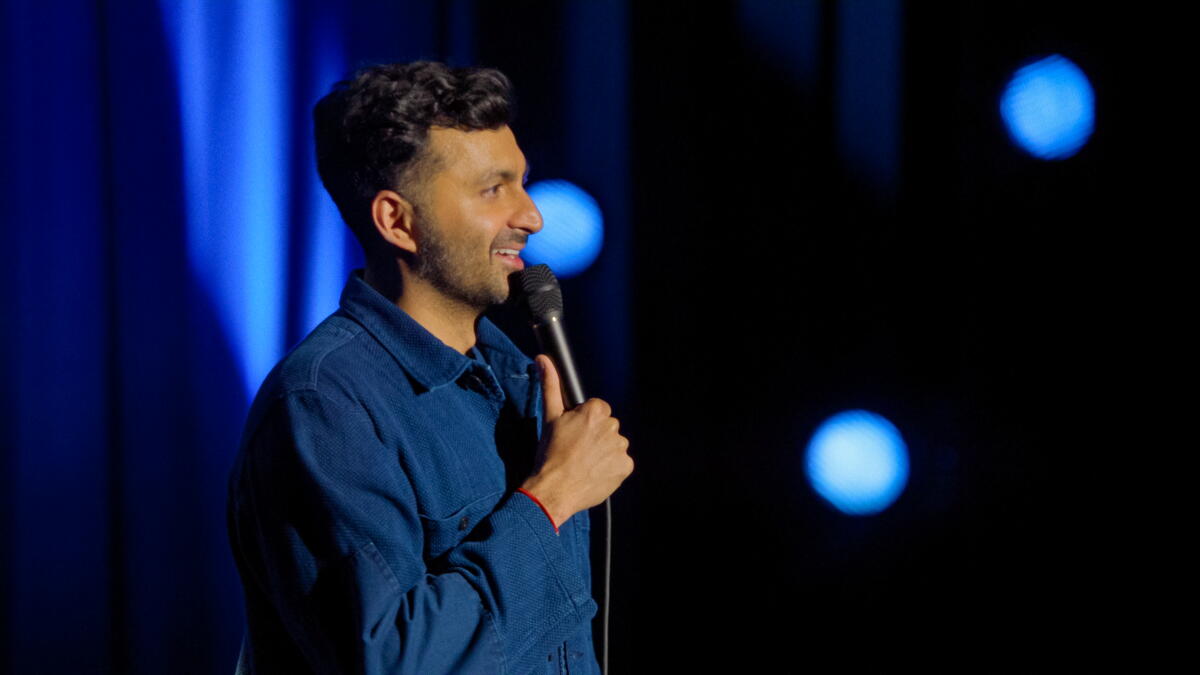
Nimesh Patel’s ‘Buy the dip’ finds humor and hope in a country in crisis
Nimesh Patel’s stock in comedy has been on an upswing lately. From sold-out shows to a skyrocketing social media following and the release of his first Netflix special, “Buy the Dip,” last month, it’s been amazing the difference a year makes. The new hour filmed in Washington, D.C., delivers surgically precise, dryly delivered jokes and personal stories about America falling apart from the heart of our nation’s capital.
Despite the dire circumstances, it’s in our country’s DNA to believe in the power of the rebound. So does Patel, who’s seen one play out with his own career after taking an unexpected hit. Last fall, the comedian faced public backlash for his decision to accept — and then reject — a spot on the controversial Riyadh Comedy Festival, for which he’d been offered $125,000 to perform along with major names like Dave Chappelle, Bill Burr, Sebastian Maniscalco, Whitney Cummings and many more. The rollout of a comedy festival in Saudi Arabia, a nation whose government has been accused of human rights abuses and, according to U.S. intelligence, the brutal murder of journalist Jamal Khashoggi at its consulate in Turkey, lead to a war of words on the internet aimed at the comedians on the lineup. Hearing the scrutiny loud and clear and ultimately deciding the money wasn’t worth it, Patel decided to pull out and tell the world via Instagram that he wasn’t going, opting instead (and somewhat grudgingly) to make up for the lost bag with 40 extra shows added to his nationwide theater tour. The response to his video announcement drew even more ire from comedy fans. Looking back on it now, he admits his delivery at the time, looking tired and somewhat annoyed by his own decision, wasn’t the greatest.
“People read that as sarcasm and like woe is me,” Patel said in a recent conversation with The Times over Zoom. “I can see why they thought that I was a poor actor in the video that I posted. But everyone acts better than the person they see on the screen until it becomes their life and then they’re like, ‘Oh s—, yeah, I probably would have done the same thing.’ So, f— them!”
Despite the roasting he received, Patel stuck to his word and did the shows. Stepping on stage night after night to earn the money he had planned on making last year from one canceled gig in Saudi Arabia gave him the reps he says he needed to perfect the new hour of material. The title “Buy the Dip” is a nod to the remnants of his former career in finance — it’s stock market terminology about buying a failing asset with the hope that it will go up in value again. But it also describes the optimism from which he now makes his decisions as a parent and as someone who still believes that things can get better, even at their lowest.
“I have to be an optimist, I have to believe the world is getting better, because otherwise, what the f— did I do by having a kid?” he said.

In his Netflix debut special, “Buy the Dip,” comedian Nimesh Patel turns personal setbacks and a troubled America into sharply observed jokes grounded in unexpected optimism.
(Courtesy of Netflix)
His belief in positivity followed him to D.C. to record the special, the town where he says he got his first big breaks as a comedian opening for major acts like Maz Jobrani at the Warner Theatre, headlining the Bier Baron and the DC Improv and even the Kennedy Center — “or the now-defunct Trump whatever you’re supposed to call it,” he joked. When it comes to his comedy trajectory, taking the long view is essential to realizing that Patel’s path to this special started over a decade ago when Chris Rock discovered him while on stage in Brooklyn and helped him get writing gigs on “Saturday Night Live” and the 2016 Oscars ceremony, two opportunities that solidified his resolve to go into comedy full-time after he lost his job in finance.
As an Indian American comedian, he knows there is a spotlight of cultural representation on him, which he notes in the special and even makes fun of. That kind of attention isn’t on just him but also on Indian Americans in even higher-profile jobs, such as, say, the first Indian American director of the FBI, the chronically embattled Kash Patel.
“Let me be clear, it’s really difficult to both be proud of Kash and despise him at the same time,” Patel says. On the one hand, there’s the astonishing feat of going from being one of the few Indian kids in Virginia amid post-9/11 racism to becoming head of the nation’s domestic intelligence agency. On the other there’s a career riddled with gaffes and allegedly immoral conduct that makes him an easy punching bag for the writers at “SNL” with the help of his late-night TV doppelganger Aziz Ansari.
“For him to go from that to then be serving the country at this level, that is an incredible achievement, and it’s just so sad that that is who our representative is at the moment,” Patel said. “Just like when an Uber driver says to me, ‘Your last name is Patel? Like Kash?’ I’m like, ‘Yeah, just like that, but not like that at all, you know?’”

Patel revisits the backlash he faced after accepting, then withdrawing from, Saudi Arabia’s Riyadh Comedy Festival, and how dozens of extra tour dates helped shape his new material.
(Courtesy of Netflix)
While trying to distance himself from one person who shares his family name, when it comes to his actual family, Patel has plenty of jokes of being too close to them. Like many millennials, he’s squeezed tight between caring for aging parents and raising a child. At 40, he says in the special that people in his age bracket have become the “Sandwich Generation.” Though, to be fair to his toddler, keeping track of his parents is a much harder task at times.
“They won’t take help. They’re very independent, and I imagine I was the same way when I was growing up,” Patel said. “So it’s that in itself is just like the Progressive commercial that we’re all becoming our parents, but in real life and not driven by a corporate marketing team. It’s just funny to see that play out.”
Whether the obstacles he faces in life are laugh-out-loud funny or career hurdles that threaten to topple him into the abyss, the idea that he can always bounce back is the key to staying unfazed during the highs and the lows of life. And to the extent that anyone can take a lesson from Patel in the art of staying even-keeled, he hopes the special will make people feel a little less bad about the country being on the brink of destruction.
“Everyone knows that we’re not in a good spot right now,” he said. “The dip is here now. I fully believe that we can recover, I hope that we can. It’s going to be a lot of pain. I don’t know if we’re at the bottom just yet, but I’m optimistic, and I have to be. Otherwise, I don’t know what I’m doing.”
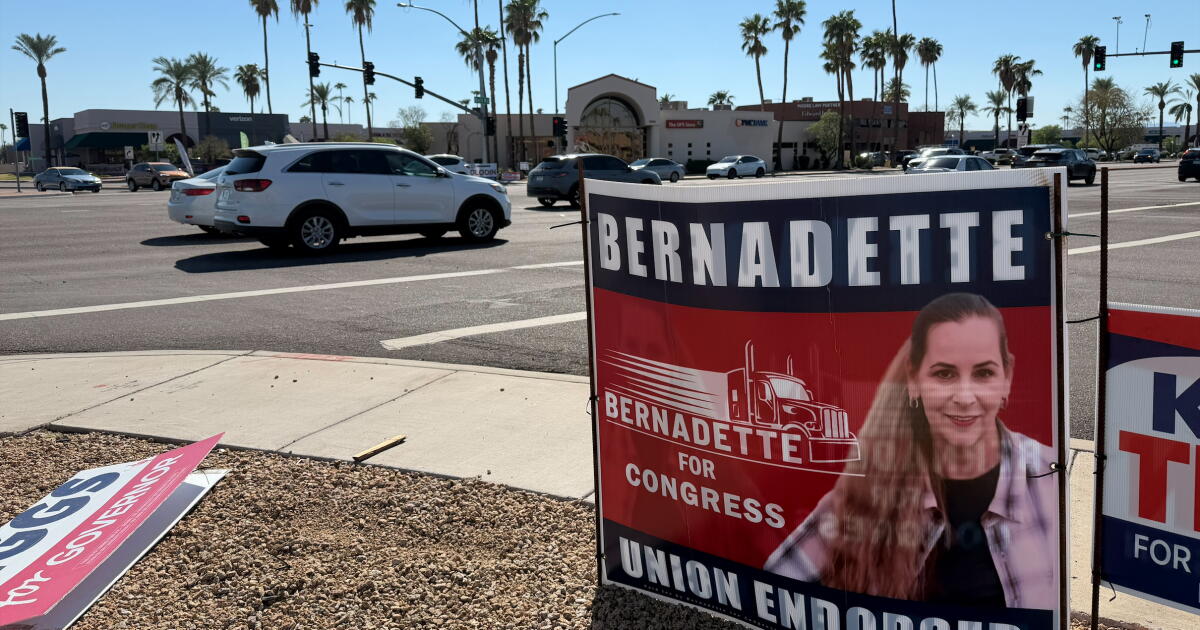
Arizona congressional candidate says she was sexually assaulted when repairing campaign signs
PHOENIX — An Arizona congressional candidate says she was knocked unconscious and sexually assaulted this summer when repairing campaign signs overnight.
Bernadette Greene-Placentia told investigators that two men raped her, and she kicked her feet up at one point to try to fight back. She said she felt the weight of one of her attackers on her body, and had bruises on her arms from being held down, a bump on her head and other injuries, according to police reports.
“I knew that I had been knocked out,” Greene-Placentia told the Associated Press on Wednesday.
Greene-Placentia, 52, is a Democrat who is challenging incumbent Republican Rep. Abe Hamadeh for the 8th Congressional District seat representing parts of metro Phoenix that are reliably red. She said she told her husband and campaign staff about the mid-August attack in Sun City days after it happened. The Phoenix New Times first reported on it Wednesday.
Greene-Placentia told the AP she was disgusted that two men took control of her body and she had no say in it. She said she decided to speak out publicly when she realized she was telling voters she would advocate for them when she was not advocating for herself.
“My takeaway is that I have a lot more empathy and understanding of why so many women don’t come forward,” she said. “And, and I’m hoping that I can encourage them.”
Greene-Placentia said she couldn’t recall many details of the Aug. 14 assault, including the exact location or a description of the men, though she said one wore black boots and had small feet. She told investigators one of the men used an expletive to describe her, and she believes he referenced her political party.
The Maricopa County Sheriff’s Office declined to comment on its investigation of the attack.
Greene-Placentia is a former long-haul trucker and later ran a small transportation company, according to her campaign.
In a social media post supporting Democrat Pete Buttigieg’s 2020 run for the presidency, Greene-Placentia called herself a former Republican and a “never Trumper,” and said she voted Libertarian in 2016. Greene-Placentia later became more engaged in Arizona Democratic politics.
She said she often put up and repaired campaign signs overnight because it was cooler than the blistering summer days and there was less traffic.
Arizona Democratic Party treasurer Greg Freeman said he got a call from Greene-Placentia, a friend who ran his 2024 campaign for a county assessor, the morning of Aug. 17. She told him she had been sexually assaulted by two men, Freeman said, and he could tell she wasn’t ready to go to the police or share it publicly.
“Obviously she was processing it on the phone,” Freeman said. “She was just in shock. She was just horrified by what happened.”
Greene-Placentia said she wishes she had called police immediately and gone to the hospital. After the attack, she took multiple showers and washed the clothes she was wearing, police reports state.
The embarrassment and anger made it hard for her to come forward, she said. She reported the attack to police in late August.
Billeaud and Yu write for the Associated Press.
UK sport tickets: Price increases analysed for the Ashes, Wimbledon, Silverstone and more
In a world with increasingly volatile economics and changing consumer habits, broadcasting live sport has been one of the more reliable ways for companies to generate revenue.
And live sport – and entertainment – is one of the few industries whose financial success is unlikely to be significantly compromised by artificial intelligence in the coming years.
That means more and more companies have taken an interest in buying the rights to show sports events, which means more TV subscriptions than ever before are necessary for fans wanting to watch all of the action.
A football fan in the UK, for example, must subscribe to Sky Sports, TNT Sports, Amazon Prime and Premier Sports, if they want to watch all of the matches across the Premier League, Champions League and Scottish Premiership.
And they must pay for an annual TV licence to watch other matches on the BBC and ITV.
Without taking advantage of special offers, other sports can require even more subscriptions and even more money.
“It certainly helps when you can say to a fan that they only need to buy one subscription to see everything in one sport,” says Pete Oliver, CEO of growth markets for DAZN, a global sports streaming service.
“If a sport is very fragmented, we would say it’s not going to be a great proposition for the fan [for us to be involved], and it’s probably not going to be a great commercial prospect for us.
“The cost of entertainment [subscriptions] generally will increase over time.
“There is natural inflation in the market, there is a lot of competition for sports rights, the athletes want to be paid more money, and the leagues want to do what is right for them, and if they can get somebody to pay more for the content, they will”
Man City charges: Maresca says players focused on Liverpool test | Football
Manchester City manager Enzo Maresca claims players unfazed by financial breaches verdict ahead of Liverpool showdown.

Published On 8 Oct 2026
Manchester City manager Enzo Maresca has brushed off the guilty verdict hanging over the club and says he and the players are fully focused on football matters.
City could face a severe points penalty and even expulsion from the Premier League after an independent commission found they used “sham” commercial contracts to inflate revenue and cut costs by over 900 million pounds ($1.2bn) between 2009 and 2018.
Recommended Stories
list of 4 itemsend of list
City, who top the league with five wins in five games, return to action for the first time since the guilty verdict was revealed when they travel to Liverpool on Sunday.
The eight-time Premier League winners, who have appealed the decision, then play their first game in front of their own fans since the verdict, when they entertain back-to-back Champions League holders Paris Saint-Germain on Wednesday.
“I am very calm, the club has been quite calm. We trust completely the club,” Maresca told City’s in-house media on Thursday.
“We understand the noise, but the focus for us is what we control and we control the football side.
“The feeling is fantastic, to be honest.”
Maresca, who was assistant to former manager Pep Guardiola during the 2022-2023 season, addressed the players for the first time since the verdict when they returned to training on Thursday following the international break.
When asked about the reaction of the squad – many of whom have been linked with a move away from City if the club’s appeal fails – Maresca said they were “excited” given their start to the season.
“The players are excited for the next two games, but especially they are excited because in this moment, we are top of the league, so the players they are just focused on that,” he said.
“They know that what we can control is the football side. They are not worried at all about different things. They know they are professionals.
“They know that the noise is there, but they don’t care too much about the noise.
“They are just focused on this moment, how we can beat Liverpool, how we can, together with the fans, try to win at Anfield.”
As part of City’s appeal against the decision they have continued to maintain their innocence, saying the independent commission’s opinion contains “clear material errors” and that they possess evidence supporting their position.
The commission also found the club guilty of charges relating to their failure to cooperate with the investigation.
Premier League holders Arsenal begin the weekend’s action in the top flight on Saturday when they entertain Leeds United with the chance to move level on points with City, who would then hold Sunday’s game in hand.
Colombian embassy to open in Jerusalem, Israeli FM says | Israel-Palestine conflict News
Colombian President Abelardo De la Espriella had promised closer ties with Israel on the campaign trail.

Published On 8 Oct 2026
Israel has announced that Colombia will open an embassy in Jerusalem, becoming the latest country to establish a diplomatic mission in the disputed city claimed as a capital by Israelis and Palestinians. Most countries have their embassies in Israel in Tel Aviv.
Israeli Foreign Minister Gideon Saar said Thursday the Latin American country’s embassy would open next week as he touted expanding relations with the region.
Recommended Stories
list of 3 itemsend of list
“Next Wednesday, we are going to inaugurate … the Colombian embassy,” Saar told attendees at a conference in Jerusalem.
An official at the Colombian Foreign Ministry in Bogota told AFP news agency the country’s Foreign Minister Omar Bula Escobar would travel to Jerusalem on Sunday ahead of the opening.
Colombian President Abelardo De la Espriella, who was sworn in as president in August, promised close relations with Israel during his election campaign. When he came into office, he restored diplomatic ties between Colombia and Israel. Colombia had previously severed ties with the country over Israel’s genocidal war in Gaza.
The announcement comes as a small but growing list of countries has opted to route their diplomatic ties with Israel through Jerusalem.
Since 2018, the US, Guatemala, Paraguay, Kosovo, Honduras, Papua New Guinea, Fiji, Nauru and Somaliland, which has been recognised as an independent entity only by Israel, have opened embassies in the city.
Other countries that have diplomatic relations with Israel have located their embassies in Tel Aviv, as Jerusalem is not recognised by the international community as Israel’s capital.
“We will work hard because this is the diplomatic battle over the truth. And the truth is, Jerusalem was always the capital of one nation,” Saar said, dismissing Palestinian claims to the capital.
The Israeli minister said the Democratic Republic of the Congo would open its embassy in Jerusalem “very soon” and hinted at another opening.
“I think that with the possible results in Brazil, they might have the same move,” he said after right-wing Senator Flavio Bolsonaro won the first round in the country’s presidential election.
Protesters in Colombia took to the streets of Bogota on Wednesday to rally against the new far-right government’s policy towards Israel, including the decision to open the Jerusalem embassy.
“When diplomatic relations with Israel were broken off, the message was that we would not be a nation complicit in their atrocities,” Nicolas Isaza, who took part in the protest, told Al Jazeera.
“Today our government is no longer drawing a line against the atrocities being committed in Palestine,” he added.

Celebrity Traitors’ secret real-life connections that could make or break show
As viewers tuned into tonight’s episode of The Celebrity Traitors, the Mirror takes a look at some of the strong ties that bind this year’s batch of stars, which could take them all the way to the end

There are plenty of friendships on the show already(Image: BBC)
The Celebrity Traitors is well underway and it’s already brimming with wild twists and turns – including a self-confessing traitor and a weird adversion to physical touch.
We’re only two episodes in, but fans will have already spotted that a number of stars seem chummy even before getting themselves settled in the iconic Scottish Highlands castle.
Friendliness isn’t always a superpower on the show – the sneakiest often prevail once it really gets going – but loyalty can go a long, long way.
As we’ve seen in previous seasons (Hello Rachel Duffy and Stephen Libby), forging an alliance can make all the difference when all eyes are on you at the Round Table. And it sometimes takes just one strong ally to sway the opinion of the group.
Here, the Mirror takes a look at some of the strongest bonds in Celebrity Traitors this year, and how they might shake things up…
Rob Beckett and Romesh Ranganathan
Starting off with possibly the best-known connection in the show, comedians Rob Beckett and Romesh Ranganathan already feel like a package deal, with their friendship dating back to their early days on the 2010 comedy circuit.
Rob first learned of Romesh’s comedic talents through a friend and headed out to see his set at his dad’s pub. His initial feeling was that of annoyance, having “wanted to be the only good one at comedy”. But this irritation quickly blossomed into a friendship that would see them right to the top of their profession.
Both feeling like “outsiders” in a middle-class industry, Rob and Romesh secured a solid bond before hitting the big time. Reminiscing in a 2021 address to the Royal Television Society, Rob, now 40, shared: “Coming up through comedy and telly, which is quite a middle-class world, we bonded because we both felt we didn’t belong. We really did get on…Having a mate that you can share the madness with was great.”
Having built impressive careers independently, becoming familiar faces on the likes of A League of Their Own, 8 Out of 10 Cats, Mock the Week, and Taskmaster, it soon became clear that viewers loved the pair’s natural on-screen dynamic.
In 2019, Rob and Romesh were snapped up by Sky Television for Rob and Romesh Vs…, a series which sees the two funnymen plunged into unfamiliar territory together.
One episode saw the pals perform a country song in Nashville after meeting Shania Twain, while another followed them as they performed Hollywood-style stunts for Hollyoaks.
Summing up their relationship as the Traitors’ games began, Rob quipped: “I know Rob very, very well. I mean, I’ve sat next to him as he’s had a colonic.”
It’s clear nothing much fazes the duo, who are able to adapt to pretty much any situation imaginable – from dancing in Swan Lake to training with the NFL. Will their bond and shared chameleon abilities prove to be one of this season’s greatest weapons? We’ll have to wait and see.
Richard E. Grant and Jerry Hall
Another friendship that has also come under the spotlight is that of Richard E. Grant and Jerry Hall. Neighbours over in swanky Richmond and friends for 30 years, Richard was a guest at Jerry’s 2016 wedding to media tycoon Rupert Murdoch, whom she divorced in 2022.
Jerry has spoken fondly of the fun she shared with the Withnail & I thespian on the set of the 2004 kids’ fantasy film, Tooth, which delves into the lives of tooth fairies living in ‘Fairytopia’.
Describing the critically reviled movie as “ridiculous” ahead of their Traitors reunion, Jerry chuckled: “We had such a laugh, and I went on holiday with him earlier this year, just after Christmas, to Africa with some friends. And we danced all night. We had so much fun! Little did we know back then that we’d both be here!”
Richard, 69, had viewers’ jaws firmly on their living room floors after proudly outing himself as a traitor in the very first episode, followed by plenty of backtracking. While many faithfuls were less than convinced by the Academy Award winner’s subsequent performance, supermodel Jerry stood firmly by her pal.
Jerry, 70, insisted: “I just don’t believe Richard’s a Traitor. I know Richard, I’ve known him 30 years and he’s my neighbour. He says and does eccentric things. He’s an amazing guy, but I think he’s acting out because he’s not been chosen.”
While en route to their shipwreck challenge, Jerry was quick to agree with Industry actress Myha’la, who said, “I really, really genuinely do not think he’s a traitor,” declaring, “I don’t either.”
This show of loyalty may prove very useful to Richard when it comes to quashing some very understandable doubts over his faithfulness.
Of course, fans of a more cynical bent could also argue that Richard and Jerry could have discussed tactics beforehand in one of their neighbourly chats, and that a long game could well be afoot to see them both splitting the prize…
Bella Ramsey and Sebastian Croft
Having braved the tangled feudal webs of Westeros together, Bella Ramsey and Sebastian Croft will likely feel prepared for the cloak-and-dagger world of the Traitor’s Castle. And their established friendship could prove to be a powerful alliance.
Bella, now 23, was just 11 years old when they astonished Game of Thrones fans with their portrayal of the pint-sized yet formidable head of House Mormont, Lyanna Mormont.
Sebastatian, known as ‘Bash’ to pals, made his Thrones debut in 2016 – the same year as Bella – giving a brief but memorable performance as a young Ned Stark.
While the pair never got to share a scene, Sebastian, 24, could barely contain his excitement as he pictured the two of them plotting together. The star, who is known to be a huge Traitors buff, enthused: “I love Bella! Imagine us in the turret together. That would be the dream.”
Being well-used to sticky endings in their former shared set, you can guarantee that these two won’t be too horrified by increasingly frequent dispatches of their castlemates. But they also know that sometimes it’s the ones you care for the most who can leave you with a Valyrian steel sword in the back.
In a private castle exchange in episode two, Bella admitted, “I go back and forth on you, Bash”, making their suspicions clear. Bash was quick to refute this, signalling their closeness as he argued, “I genuinely think you’d know if I was.” Bella considered this and noted that they thought Sebastian would know too, if it were the other way around.
Both actors pledged to have each other’s backs, but it was evident that neither one of them left the conversation feeling 100 per cent at ease. During a piece to camera segment, Bella shared: “I know Sebastian, who I know as Bash. We met quite a few years ago, I think at an awards thing we were both at. I mostly trust Bash, but there’s something just a little bit unsettling that I just have to keep in the back of my [mind].” They added, “I can’t trust everybody. This is a game. Nothing is personal”
Sebastian, too, is erring on the side of caution, telling the camera: “I love Bella, and I’ve tried to make myself as little of a threat to them, but as much of an asset, because Bella is a formidable player. That’s someone I’m definitely keeping an eye on.”
Joe Lycett and James Acaster
Joe Lycett and James Acaster are also good pals, with their friendship dating back to their days on the pub circuit nearly 20 years ago. The comedic pair, who have appeared on numerous panel shows together, have a running joke about people frequently getting them mixed up.
Back in 2021, Joe, 38, cheekily riffed on this by putting James’ face on posters for his tour, causing some confusion amongst comedy fans. Clarifying that this wasn’t an awkward error on the part of the printers, Joe issued the following statement via X: “I would like to publicly apologise to Mr Acaster and his team for this.
“The posters were an experiment to see if my face was a deterrent to the British public and if his face would sell more tickets for my show.”
He proceeded to jest: “It is with great disappointment that I have discovered sales have shot up. Mr Acaster’s legal team contacted my representatives, and after talks we have agreed on an out-of-court settlement.”
Will the similarities between the duo prove to be a help or a hindrance this season? We shall certainly see.
Maya Jama and… half the castle
A natural leader, fans were no doubt thrilled to see Maya Jama don that infamous green cloak and make it look like a fashion moment. And it’s likely the presenter’s natural people skills will prove to be a real asset here.
Maya, 32, has crossed paths with a number of fellow Traitors celebs in the course of her work. In 2020, she competed against James Acaster on The Big Fat Quiz of the Year.
Memorably, James dislodged a safety partition screen in an humorously chaotic attempt to stop Maya’s team from seeing his written answer. It’s likely she won’t have forgotten the comedian’s competitive streak.
In March 2021, Maya appeared on Romesh’s podcast Hip Hop Saved My Life, where she discussed developing her early love of hip hop through her mum’s Eminem CDs. She also offered Romesh some tips on his makeup techniques.
Then, in February 2024, Maya was seated in the front row at Italy’s Milan Fashion Week, right next to Little Mix’s Leigh-Anne Pinnock. More recently, Maya co-presented the Artist of the Year award at the BRIT Awards 2026 with none other than You’re Beautiful singer, James Blunt.
While there will be few unfamiliar faces here for Maya, she has played down any significant connections, asserting: “I’ve met a few people in the cast, but nobody really knows me, so we’re all starting from scratch.”
Nevertheless, these various brushes over the years will surely come in useful when it comes to keeping a careful eye out at the round table.
The Celebrity Traitors returns tonight at 8 pm on BBC One.
Do you have a story to share? Email me at julia.banim@reachplc.com.
Join The Mirror’s WhatsApp Community or follow us on Google News , Flipboard , Apple News , TikTok , Snapchat , Instagram , X , Facebook , YouTube and Threads – or visit The Mirror homepage .
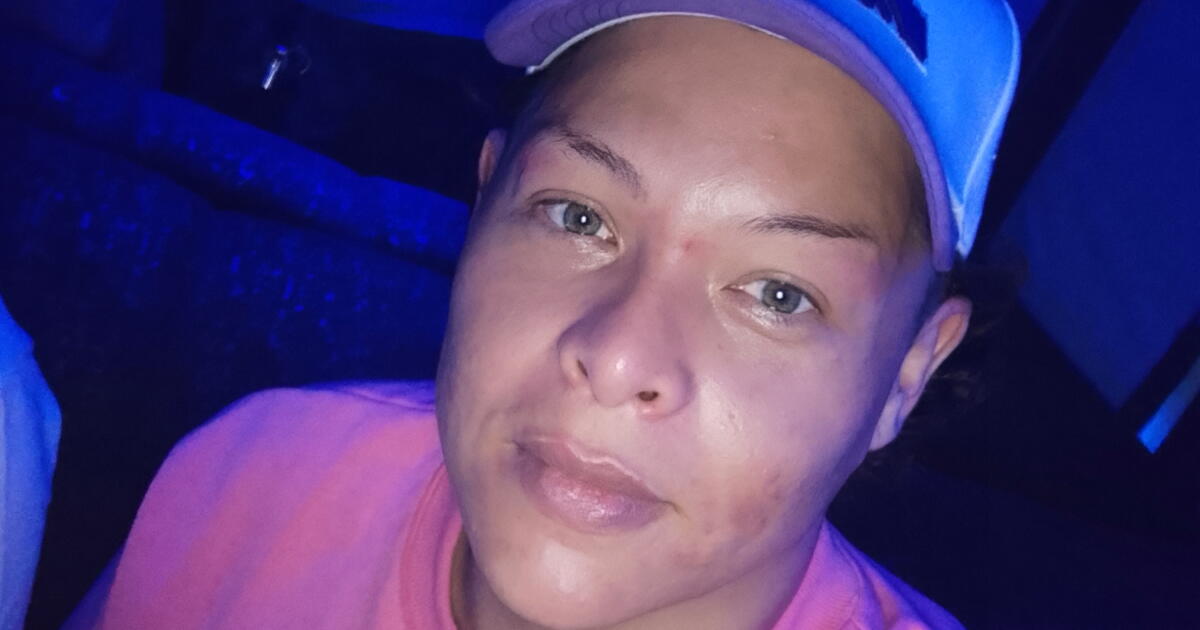
Deported to Central African Republic, a transgender woman who lived openly in Miami is hiding again
DAKAR, Senegal — In Miami, Daniela Fuentes styled hair for clients and performed in drag at a nightclub called Azúcar. She wore her blond wig in public and dressed as the woman she had known herself to be since adolescence in Cuba.
Now, more than 6,000 miles away in the Central African Republic, she wears men’s clothes, lowers her voice and tries not to draw attention to the breasts she developed after beginning hormone treatment as a teenager. As part of U.S. efforts to deport people to countries other than their own, authorities sent her Aug. 29 to a place where she has no ties and where advocacy groups have reported arbitrary detention, torture, and other rights violations of sexual and gender minorities.
“Everything is difficult here because I have to hide who I am,” said Fuentes, a 32-year-old transgender woman living on a compound she rarely leaves, sharing a room with four Cuban men also deported from the U.S. “I don’t know this place, the people or the language, and I have no idea what will happen to me.”
The Central African Republic — one of the world’s poorest countries, a place with a history of conflict that the U.S. State Department advises American travelers to avoid — is one of at least 12 African nations that signed agreements to accept “third-country” deportations, a policy the U.S. Supreme Court last month allowed to continue, at least temporarily.
In the Central African Republic — where transgender people have little to no legal protections and are marginalized in much of society — Fuentes dons her wig only in the privacy of her bathroom. She described disguising herself as protection, first in U.S. detention and now in a country she first heard of when she was already headed there on a deportation flight.
“My whole life, my whole identity, was taken away from me,” Fuentes said.
Public records say a judge ordered Fuentes to leave the U.S. but offer no other information. Immigration and Customs Enforcement officials did not reply to emailed questions.
Tens of thousands of people have been deported to “third countries”
Fuentes’ compound in the capital, Bangui, is an apartment complex where the government houses male deportees.
Fuentes said she can leave but that officials have advised her and others to avoid it — they have no identification, which could lead to issues with the police. It also means they can’t work, she said, and she’s waiting on travel documents that would allow her to leave the country. The International Organization for Migration, an agency associated with the United Nations, has provided food, and the migrants say they’ve crowdsourced for donations to buy groceries.
The U.S. — via agreements often not made public — has deported about 25,000 people to more than two dozen countries that aren’t their own, the vast majority to Mexico, according to a tally by Third Country Deportation Watch, a partnership of Refugees International and Human Rights First. The U.S. has not released numbers or details.
From January 2025 to August 2026, more than 500 were sent to countries in Africa, according to a Human Rights Watch report published Thursday — including at least 12 people who identify as lesbian, gay, bisexual or transgender and were deported to places that criminalize same-sex relations or public same-sex romantic conduct. Some advocates say the number is likely higher.
“These are not bureaucratic errors or isolated incidents,” said Bridget Crawford, of the group Immigration Equality. “They are the predictable result of policies that purposefully abandon our legal and moral obligation to protect LGBTQ+ immigrants fleeing persecution.”
The U.S. government says the policy is lawful and that receiving governments provide assurances deportees won’t be persecuted or tortured.
Daniela Fuentes says ICE detained her with men before deportation
Fuentes grew up in La Lisa, on Havana’s outskirts, and said she understood from childhood that she was different. She began living as a woman in adolescence and started taking hormones at 18.
She ran a salon from her home, coloring and cutting hair. She said she was harassed because of her gender identity and attacked at least twice, leaving scars on her arm and head. Police also questioned her about operating a private business, she said — though housefront businesses are common in the area.
In 2023, Fuentes sold her home and left amid a deepening economic crisis and a crackdown on dissent — even as Cuba, one of Latin America’s most progressive countries for LGBTQ+ rights, adopted new inclusion laws. Making her way to the U.S., she said, she presented as a man traveling through Central America; she believed it was safer.
After seven months in Mexico, she said, she entered the U.S. through Texas via CBP One, a President Joe Biden-era online appointment system that allowed migrants to live in the country for two years on humanitarian grounds. Then she went to Miami.
There, she began living openly as a woman again. She found work styling hair and performed at Azúcar. Though she lacked permanent legal status, Fuentes said Miami offered something she’d rarely experienced: the freedom to move through daily life as herself.
That ended when officers encountered her outside a motel. Fuentes said they learned she had missed an immigration court hearing in Texas. She said she asked that the case be moved to Florida but received no response.
Fuentes said she was taken into custody and later placed in immigration detention with men. Officials confiscated her wig and gave her a male detainee’s uniform, she said.
Such treatment is in line with a January 2025 executive order directing officials to exclude transgender women from women’s prisons and detention centers.
“When I learned that they were going to put me with men, I almost fainted,” Fuentes said.
Deportees said they boarded a flight without knowing the destination
Fuentes was held at two detention facilities in Florida, then transferred to Texas. When armed officers arrived there, she said, she suspected she was facing deportation, but they didn’t reveal she was being sent to Africa until about five hours into the flight.
Other deportees on the flight told AP they also weren’t told the destination until they were on the plane. Dozens have been sent to the Central African Republic, including an Iranian woman facing persecution in her home country and an Afghan whose brothers worked with the U.S. military.
Fuentes said she does not understand why she was sent to Africa rather than Cuba. She told AP she has no lawyer.
The U.S. does repatriate Cuban citizens, as part of agreements to resume deportation flights in 2023, despite tensions in relations between the countries. Charter flights have arrived in Havana regularly.
Yasmany Moreno, another Cuban deportee in Bangui, said that upon arriving, the group had no visas or documents establishing their legal status in the country. Officials spoke of providing assistance for 90 days, he said, but the deportees didn’t know what would happen afterward or where they would live.
Several told AP their longer-term status remained unclear and that U.S. authorities had taken their identity documents.
A policy officer at the Central African Republic’s Foreign Ministry said the deportees are in “good hands” and are being monitored by the International Organization for Migration. He spoke on condition of anonymity because he was not authorized to discuss the matter publicly.
The U.S. this year committed to $85 million in funding to IOM for Central African Republic operations including “assistance to migrants” and “community stabilization.”
IOM says migrants can seek asylum in the country, request assistance to return home or get help traveling to another place they’re authorized to enter. It referred questions about the deportees’ status and individual cases such as Fuentes’ to Central African Republic officials. A government spokesperson didn’t reply to phone calls and text messages seeking comment.
Human Rights Watch’s report says some people deported to third countries face detention, abuse and the prospect of persecution. Eswatini has held deportees in a maximum-security prison without charges. Equatorial Guinea has held them against their will at a hotel owned by the president’s family.
“Several of these African governments are not only complicit in U.S. abuses but have violated the human rights of these deported people themselves,” Michael Garcia Bochenek, of Human Rights Watch, said in a statement.
Fuentes and other deportees say they can’t work, with most days spent at the compound
Fuentes said the Cuban men in her room know she is a woman and look out for her. She rarely feels safe enough to leave. Once, at a supermarket, workers pointed at her breasts and initially refused to sell her fruit, she said. Other people in Bangui have mocked her and pointed at her.
“My personal appearance is awful,” she said. “I look like a different human being.”
Moreno described restrictions on the group’s movements, saying officers accompanied them to the market and on occasional outings but restricted them from going out at night.
Fuentes and Moreno said they have no passports or other identification and cannot work. Most days, Fuentes remains at the compound, looking at her phone and waiting for travel documents.
She said Cuba has agreed to accept her return — a Cuban embassy document shows she is authorized.
But Fuentes said she hopes to seek asylum elsewhere, possibly Canada.
“The harassment and economic hardship that caused me to flee still remain,” she said.
Banchereau writes for the Associated Press. Jean Fernand Koena in Bangui, Central African Republic; Tim Sullivan in Minneapolis; and Cristiana Mesquita in Havana contributed to this report.

Matthew Stafford, Josh Allen among NFL’s best liars. Here’s why
Both NFL most valuable players. Both bound for Canton. Both surgically precise with their passes.
Matthew Stafford and Josh Allen are two of the best liars in football.
Peyton Manning sat in the studio and cued the video. Stafford looked off a Philadelphia safety last Sunday to hold him in place. He froze a cornerback with a glance. Then he threw an out-and-up to Puka Nacua, absorbing a big hit as he released the ball.
“That’s a lot of looking off,” Manning said.
Hall of Fame linebacker Luke Kuechly, watching from his own home studio, agreed.
“The quarterback will lie to you,” Kuechly said. “He’s going to look you off. He’s going to pump you. But the one thing that never lies to you is the route.”
Welcome to “The Breakdown,” the ESPN2 show in which Manning and Kuechly provide different perspectives from opposite sides of the ball, discussing strategy, preparation and key storylines heading into marquee NFL matchups.
This show airs on Friday at 12:30 p.m. PDT, and this week’s episode focuses on Monday night’s game between the Rams and Buffalo Bills at SoFi Stadium. The show is in its second season, and Kuechly replaces Bill Belichick, who played the defensive counterpart to Manning in Season 1.
“I’ve had lots of college coaches and pro players and high school coaches that watch this show that love it,” Manning said. “Because they want the details, but also for the casual fan to be able to understand and follow the game and maybe be entertained at the same time. It’s a delicate balance.”
Elements that Manning and Kuechly identified as critical to Monday’s game:
- Stafford’s eyes. The Rams quarterback will try to move Buffalo defenders with his looks, a flick of his shoulders, a tiny pump fake. Kuechly advises defenders to watch the route.
- Greg Rousseau. Kuechly identifies Buffalo’s edge rusher as the scariest player on tape, especially with his long arms that almost seem telescopic.
- Allen’s ability to throw outside the numbers. The Bills quarterback has the arm strength to get the ball to any of his receivers at any time. “I would need a cutoff man to complete some of the throws he makes,” Manning said.
- Quick snaps. Stafford is a master of catching the defense off guard and before it has set. It’s a look, Manning said, that some teams call “cheetah.” Kuechly said the rule for the defense should be that the play starts when the center touches the ball.
- The last possession. Manning believes the last team that has the ball will be the team to win, and that the game will be back and forth the whole way.
Manning credits Kobe Bryant as the inspiration for “The Breakdown.” The late Lakers legend created a film-analysis series called “Detail,” which was designed to show the public how a professional basketball player studies game tape. It debuted in 2018 during the NBA playoffs.
Bryant then called Manning.
“He said, ‘Hey, I want you to do ‘Detail’ for football,’” Manning said. “He wanted me to take people behind the ropes in football, so that’s what I did.”
Manning did it alone at first, using only his voice to break down quarterbacks. Eventually, he brought in a defensive specialist for another perspective and they both appeared on camera.
Bryant’s concept of franchising the show across different sports gave Manning the idea to do the same with “Peyton’s Places,” thereby creating spinoffs with his brother, Eli, John McEnroe, Sue Bird and others.

Israel opens first-ever pavilion at Morocco defence show | Benjamin Netanyahu News
Israel opened its first national pavilion at Morocco’s Marrakech Air Show, joined by Israel’s top military contractors.
Published On 8 Oct 2026
Israel’s Ministry of Defence says it is participating for the first time in a defence exhibition in Morocco, as it announced its first-ever national pavilion at the Marrakesh Air Show 2026.
“This marks Israel’s first official participation in the defence exhibition held in Morocco since the signing of the Abraham Accords”, Israel’s Defence Ministry said in a statement on Thursday.
The ministry said eight Israeli defence companies exhibited “advanced, combat-proven technologies at the show” in Marrakesh, which runs until Saturday.

The Marrakech Air Show, taking place from October 7 to October 10 this year at the Marrakech Royal Moroccan Air Force Base, is organised every two years and is meant for civil and military aeronautics and space industries to highlight their latest offerings.
“Israel’s three major defence industries, Elbit Systems, IAI, and Rafael, also exhibited, presenting solutions across the air, land, sea, space, intelligence, cyber, and digital domains,” it said.

The announcement is the latest sign of increasing ties between the Arabic-speaking North African country and Israel, since the two established ties in 2020 as part of the US-backed Abraham Accords.
Last month, Israel and Morocco agreed to upgrade their diplomatic ties, including elevating their respective missions to embassies and appointing ambassadors to both countries.
The move followed a meeting between the two countries’ foreign ministers, hosted by the US ambassador to the United Nations, Mike Waltz, on the sidelines of the United Nations General Assembly in New York.
They also agreed to expand air travel, including by reinstating direct flights operated by carriers from both nations, and confirmed plans for high-level bilateral visits in the coming months.
Morocco is also one of the five countries that have pledged to send troops to Gaza, under the US-backed International Stabilization Force (ISF) as part of US President Donald Trump’s so-called Board of Peace.
Syria calls for independent probe into sinking of ship in Black Sea | Russia-Ukraine war News
Syrian authorities questioned why search and rescue operations were called off before the fate of 10 sailors was known.
Published On 8 Oct 2026
Syria has called for an “independent and transparent” investigation into the sinking of a cargo ship in the Black Sea, demanding answers over the fate of the ship’s 10 crew members, including nine Syrians and an Egyptian, who remain unaccounted for.
The Togolese-flagged Alfa Watan, went down in Bulgaria’s exclusive economic zone early on Tuesday, amid a rising number of drone strikes hitting Black Sea shipping during the Russia-Ukraine war.
Recommended Stories
list of 3 itemsend of list
It is unclear who carried out the attack.
Mazen Aloush, from the Syria’s port authority asked the International Maritime Organization (IMO) and Bulgarian authorities to find out why a search and rescue mission was called off, before the missing sailors were found.
“Their fate is still unknown” said Aloush, adding that “the reasons that led to the suspension of search and rescue operations” had to be established.
The attack on Tuesday also hit the Palau-flagged Able, setting it ablaze. Eighteen Turkish and Indian crew members were rescued from the burning vessel, while the Alfa Watan sank.
Both commercial ships were managed by Turkey-based companies, according to the Equasis merchant shipping database.
The Syrian sailors’ union said contact with the ship’s crew had been lost and no survivors had been found after search operations were halted.
![The fire-damaged “Royad Mammadov” ship in the Black Sea after a fire aboard the vessel outside Romania’s territorial waters left two people dead on October 5 2026 [Reuters]](https://i0.wp.com/www.aljazeera.com/wp-content/uploads/2026/10/2026-10-05T150002Z_1974670076_RC22XNAQIP2B_RTRMADP_3_ROMANIA-INCIDENT-1791231511.jpg?w=640&ssl=1)
Aloush condemned the targeting of a civilian commercial vessel saying it was a serious breach of maritime security and a threat to sailors.
He said Syrian General Authority for Ports and Customs was closely monitoring the incident.
He urged authorities to use all available technical means to locate and inspect the wreckage to help establish what caused the ship to sink.
He called for international and maritime bodies to strengthen measures to help commercial shipping as attacks in the Black Sea rise.

Sydney Sweeney revealed as distant cousin of fellow bombshell Marilyn Monroe after Euphoria star has family tree traced
SYDNEY Sweeney has discovered she is related to fellow blonde bombshell Marilyn Monroe.
The Housemaid and Euphoria actress’s family tree reveals she is a ninth cousin once removed of the Hollywood icon.
Researchers found the stars’ fathers were both descendants of a Massachusetts settler called Ezra Perry who died in 1689.
Sydney, 29 — who starred in a controversial advert for American Eagle with the tagline Sydney Sweeney has great jeans — has often been compared to Marilyn, born Norma Jeane Mortenson.
She had huge hits with movies such as Some Like It Hot, Gentlemen Prefer Blondes and The Seven Year Itch.


The research was carried out by MyHeritage.
Spokesman Roi Mandel said: “People have always drawn parallels between Sydney and Marilyn Monroe.
“Uncovering their shared branch was incredible.”
The startling discovery is bound to excite Sydney, who has worn several outfits similar to ones sported by Marilyn.
In February she wore a vintage dress inspired by the late Hollywood icon to the Santa Barbara International Film Festival.
The slinky Ceil Chapman design was startlingly similar to one which Marilyn wore on the cover of Life magazine in 1952.

Neurogene stock a new Overweight at J.P. Morgan (NGNE:NASDAQ)

Dmitry Vinogradov
J.P. Morgan has initiated coverage of gene therapy developer Neurogene (NGNE) with an Overweight recommendation, highlighting its lead program NGN-401 targeting a rare neurodevelopmental disorder known as Rett syndrome.
Analyst Priyanka Grover’s bullish view came at a time when shares
How will El Niño affect Highway 2 in the San Gabriel Mountains?
I miss the ease with which I used to hop into my car, gear and dog loaded, and head to the Mt. Waterman trailhead deep in Angeles National Forest for a day of serenity and adventure. It was one of my go-to happy places.
But the segment of Angeles Crest Highway to reach the trailhead has been closed since last December when heavy rain destroyed several sections of the roadway. I could technically reach the trail by taking the closed highway 3.8 miles on foot from the closure’s start to the trailhead, or the Pacific Crest Trail for part of the way. But as I said, I miss the ease of it all.
This winter, Southern California is expected to be pummeled by a “super” El Niño that could bring record-breaking amounts of rain — and maybe snow — to the region. I have been worried about whether storms will blast away the progress that construction crews have made repairing Angeles Crest Highway, a 66-mile stretch of California 2 through the San Gabriel Mountains, along with causing more damage.
In anticipation of further closures of California 2 in the San Gabriel Mountains, I have compiled a list of trails that would be most inaccessible should the roadway close. I hope you can use the list below to either hike trails you’ve never tried or haven’t visited in a while.
First, let’s talk about the current state of California 2.
Over the last four years, the route has seen multiple months-long closures after storms blasted out massive chunks of roadway, leading to lengthy repairs.
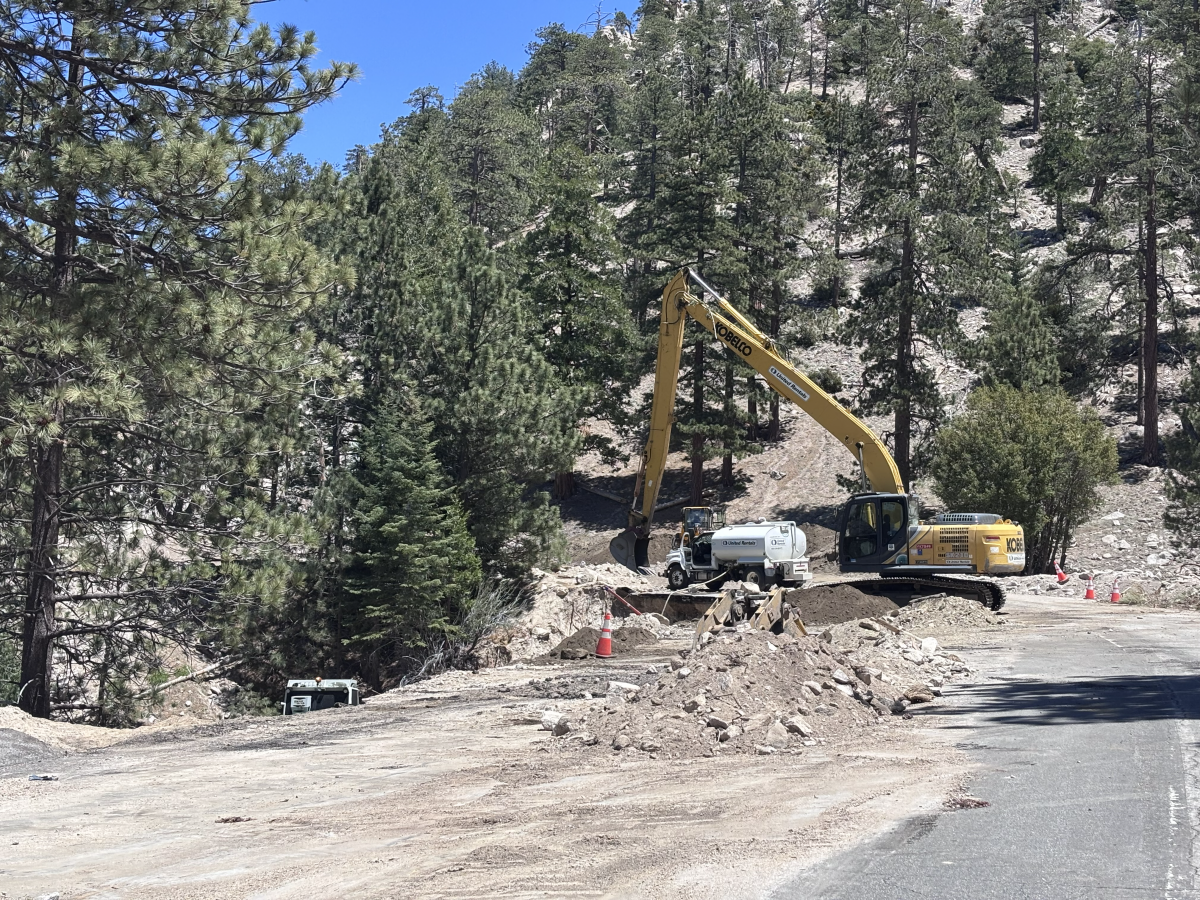
Since January, the California Department of Transportation and its contractors have worked on three emergency projects on Angeles Crest Highway. The work stretches over nearly 30 miles and includes about 40 places identified as needing to be repaired. The projects are noted below by postmile value, a numerical identifier used by state and federal officials to identify precise locations on a specific route:
- From Postmile 79.2 in L.A. County to Postmile 1 in San Bernardino County; construction completed: 80%; anticipated completion date:
Winter 2026/27 - From Postmile 55 to 66.39; construction completed: 40%; anticipated completion date: Summer 2027
- From Postmile 64 to 74.3; construction completed: 20%; anticipated completion date: Winter 2027/28
Crews have and will continue installing K-rail barriers around washed-out shoulders and road; repairing eroded slopes and embankments under the road; reconstructing shoulders and slopes to their “original design grades,” which is a feat of engineering I’m personally impressed by; and installing erosion control measures to better ensure a future storm does not cause the exact same issues that prompted previous repairs, according to a Caltrans fact sheet of the project.
Caltrans spokesperson Eric Menjivar said in an email Tuesday that at least some of the repairs are on hold as the agency obtains supplemental funding through an internal review process to finish the repairs.
Contractors have continued work to prep the roadway for El Niño, he said, including slope erosion control work.

An excavator works to repair a segment of Angeles Crest Highway.
(Jaclyn Cosgrove / Los Angeles Times)
In terms of the timing of when we will start to see rainfall, it could be as early as this month.
“Forecasters say there’s a 75% chance this latest El Niño — a climate pattern characterized by warmer ocean waters in the central and eastern tropical Pacific — will be stronger than any other since 1950,” Times staff writer Iris Kwok wrote. “There is a 98% chance that El Niño will be ‘very strong’ for the three-month period ending in December, according to the National Oceanic and Atmospheric Administration’s Climate Prediction Center.”
That’s why I wanted to dig into which trails would be most affected by a California 2 closure. Below, I’ve listed trails that are primarily accessed using a trailhead off the route, while also noting how hikers might still reach a peak or vantage point using another option.
I am not suggesting where damage will or won’t occur, but rather encouraging you to get out on these trails soon — especially if they’ve been on your list for a while — while it remains easy enough to drive to their trailheads. Additionally, we cannot predict how our trails will fare during a significant El Niño winter.

A sweeping view of Angeles Crest Highway and the San Gabriel Mountains from the Hoyt Mountain trail.
(Jaclyn Cosgrove / Los Angeles Times)
Here are trails primarily accessed off California 2:

The Gabrielino Trail is a multiuse trail frequented by hikers, bikers and horseback riders.
(Jaclyn Cosgrove / Los Angeles Times)
- Grizzly Flat Trail: A challenging 7.4-mile out-and-back route where you climb up and then down the mountainside, reaching the Stonyvale picnic area where you can have a lunch break before clambering back up the mountain.
- Hoyt Mountain via Grizzly Flat: A 4.6-mile steep jaunt up to Hoyt Mountain, a 4,415(ish)-foot peak in the front range of the San Gabriel Mountains in Angeles National Forest. There are multiple routes to reach it (see map), which you can read about in a previous Wild.
- Switzer Falls and picnic area: The 4.6-mile Switzer Falls hike, one of the most popular in the forest, is primarily reached via the Switzer picnic area off California 2; note that my distance includes walking down from the parking area adjacent to the road, as the gate has been closed recently because of bear activity; if that trailhead became inaccessible, Switzer Falls could be reached off the Gabrielino Trail, but it’s a much longer hike (about 20 miles one way from Azusa, or about 8.8 miles one way from near Pasadena).

One cascade of Switzer Falls.
(Brian van der Brug / Los Angeles Times)
- Colby Canyon Trail: This difficult 9.2-mile out-and-back trail takes hikers to Strawberry Meadow, a flat area in the San Gabriels with nice views. Note: Do not attempt to use the mountaineering route to reach Strawberry Peak. There is an option, as noted on the map, to also hike to Josephine Peak during the same excursion.
- Strawberry Peak Trail: This 7-mile out-and-back route takes hikers to the highest peak in the front range of Angeles National Forest. Said to resemble an upside-down strawberry, the summit is reached through a moderately strenuous hike that offers great views of the surrounding mountains. The route is exposed and should not be attempted on warm weather days.
- Mt. Wilson area: If California 2 shuts down before Mt. Wilson Red Box Road, which leads to the Mt. Wilson Observatory, several trails will be either inaccessible or much more challenging to reach. That includes reaching Mt. Disappointment, Mt. Deception or Mt. Markham. Hikers would technically be able to access those peaks by first summiting Mt. Wilson, but that requires a 7-mile journey up Little Santa Anita Canyon where you gain about 4,800 feet. There’s a limited number of people who want to hike more after that.
- Redbox to Valley Forge: A beautiful 4.8-mile out-and-back trek to Valley Forge Trail Camp via the Gabrielino Trail, where hikers can go farther in multiple directions should they choose.

The Vetter Mountain lookout tower in Angeles National Forest.
(Jaclyn Cosgrove / Los Angeles Times)
- Vetter Mountain Lookout: A 5(ish)-mile round trip that includes a stop at a fire lookout where you will get sweeping views of the surrounding peaks and valleys.
- Devils Canyon Trail: A 5.8-mile out-and-back stretch down 1,400 feet into a shaded canyon where a seasonal stream runs.
- Mt. Hillyer from Chilao via Silver Moccasin Trail: A 6(ish)-mile journey in a corner of the San Gabriel Mountains that has both high desert vibes and pine trees — and boulders! (One of my favorites.)
- Three Points to Sulphur Springs: This is a 7.4-mile out-and-back hike along the Pacific Crest Trail where you reach Sulphur Springs Trail Camp. The camp sits at 5,300 feet and features about six tent-camping sites. Its campsites are shaded by tall pine trees, ideal for hanging a hammock. It has vault toilets but no potable water or bear boxes.
- And more!
There are obviously others, including some I’m not listing because I know they’re not in great condition. Additionally, several hikes remain accessible under the current closures only by hiking or biking to them. That includes the Burkhart Trail, Cloudburst Summit to Cooper Canyon Trail Camp, Throop Peak, and, as mentioned, the Mt. Waterman Trail.
I found a few hikes I’ve never done thanks to this week’s Wild. I hope it serves a similar purpose for you. Let me know if you get out there and where you go! If you received this newsletter as an email, you can simply reply, and your messages come right to me. See you out there!

3 things to do

Skaters meander through Little Tokyo during a previous CicLAvia event.
(CicLAvia Los Angeles)
1. Dilly-dally through downtown L.A.
CicLAvia will host a 6.5-mile open streets event from 9 a.m. to 4 p.m. Sunday via a route that connects Echo Park, downtown L.A., Chinatown, Little Tokyo, the Arts District and Boyle Heights. Guests are welcome to walk, bike or use other people-powered mobility devices to traverse the route. See rules for e-bikes. Learn more at ciclavia.org.
2. Craft local clay in L.A.
Clay artist Evelyn Hernández will host from 10 a.m. to 1 p.m. Sunday a hike through Griffith Park and teach participants along the way to identify clay and earthen pigments in their natural habitat. Attendees will also create a ceramic piece using locally processed clay. Tickets are $48.05 to $63.63 based on your economic ability to pay. Register at events.humanitix.com.
3. Haunt the hillsides near Atwater Village
Dance Quest will host a Halloween-themed silent disco from 9:30 to 10:30 a.m. Saturday through Griffith Park. Attendees will dance along a 1.5-mile loop trail while wearing headphones with a curated playlist. Halloween costumes and flair welcomed and encouraged. Suggested donation of $15 to $25. Register at eventbrite.com.

The must-read

George Jensen records audio of geese and ducks during a Los Angeles Field Recording meetup at the Sepulveda Basin Wildlife Reserve.
(Kayla Bartkowski / Los Angeles Times)
One of the best parts of hiking is the unexpected sounds that nature provides, from the crunch of your boots on the sandy soil to the surprisingly thunderous sounds a covey of quail makes as it leaves a shrub (which has maybe scared a certain outdoors journalist more than once). And because L.A. has a club for truly everyone, there’s now a place nature sound lovers can go to really appreciate what they find outdoors, the Los Angeles Field Recording Club. “I feel like now everything’s so … doctored. But when you’re recording, this is what’s really happening. You’re hearing real sound. You’re engaged with the world in a real way,” said George Jensen, founder of the Los Angeles Field Recording Club.
Happy adventuring,

P.S.
Everyone is looking for a way to escape this heat wave, including the black bears of the San Gabriel Mountains. Wildlife photographer Robert Martinez shared a video this week of one of our ursine neighbors taking a dip into cool water deep in Angeles National Forest. The bear even takes time to exfoliate, using what appears to be a concrete barrier to scratch its back. Now that’s self-care!
For more insider tips on Southern California’s beaches, trails and parks, check out past editions of The Wild. And to view this newsletter in your browser, click here.

Rubio refuses to comment on Guilfoyle allegations
ATHENS, Greece — U.S. Secretary of State Marco Rubio flatly refused to comment on a new report alleging that U.S. Ambassador to Greece Kimberly Guilfoyle engaged in improper and possibly illegal conduct before taking up her post.
Rubio told reporters that he would not discuss the allegations contained in a Wall Street Journal story that said Guilfoyle had asked a donor and supporter of President Trump to pay a $100,000 credit card bill just before her confirmation hearing, promising him access to administration officials if he did.
He spoke before leaving Greece, where he delivered a speech calling for European countries to return to what he described as their civilizational roots.
Rubio said he was aware of The Wall Street Journal’s report, which was published late Wednesday, but had no idea if it was true and he would not address it.
“You guys walk around thinking that because some source told you something and you reported it, it’s the gospel. It’s not the gospel. It’s not the gospel for me. That’s not the way we do things,” he said at the foot of his plane as Guilfoyle, who was there to see him depart Greece, looked on.
At a joint news conference with the Greek foreign minister on Wednesday, Rubio said he would not address the allegations while visiting a foreign country, but added, “Suffice it to say our embassy here is doing a great job. Our ambassador has been a strong ambassador here.”
The top two Democrats on the House Foreign Affairs and Senate Foreign Relations committees have called for an investigation into Guilfoyle, but Rubio would not say if he was prepared to open one.
Congressional Democrats already were looking into claims reported last month by the Wall Street Journal that Guilfoyle acted improperly while serving as the top U.S. envoy to Greece.
The Journal reported that Guilfoyle told guests at a reception that the U.S. could undermine the Greek government if it chose to, promoted the business interests of one particular Greek construction and energy company, and allowed its lobbyist into private diplomatic meetings.
Guilfoyle, a former Fox News Channel host and California prosecutor who was once engaged to Trump’s son Donald Jr., has denied any wrongdoing and Rubio has defended her before.
Lee writes for the Associated Press.

NFL now says it’s OK to celebrate by pretending to drink a beverage
Raise your pretend glasses, Kyle Juszczyk and Jake Ferguson, and chug the imaginary beverages of your choice. Your recent five-figure fines have been rescinded!
The NFL and the NFL Players Assn. released a joint statement Wednesday to clarify some of the on-field celebrations that are and are not allowed during NFL games.
Of particular significance to San Francisco 49ers fullback Juszczyk and Dallas Cowboys tight end Ferguson is this sentence: “Recent celebrations imitating drinking a beverage will not be considered violations or result in discipline.”
Juszczyk had been fined $29,852 after celebrating two catches during a Sept. 20 win over the Miami Dolphins by pantomiming the act of drinking a beverage, something he’s done for years. The league initially ruled it an “imitation of chugging a beer” that “constituted an offensive demonstration and could reasonably be construed as being in poor taste.”
“I wasn’t drinking beer in my celebration,” Juszczyk told reporters on Sept. 24. “I think you guys all know my nickname is Juice. I have Juice on my pads. The stadium yells ‘Juice!’ when I catch the ball. When I celebrate, I celebrate by drinking juice, and it’s been that way for years. So I was surprised as anybody when I got a fine this week.”
Ferguson was fined $13,611 for a similar celebration during a Cowboys win over the Washington Commanders also on Sept. 20. The fifth-year player later said that his invisible drink was actually Gatorade.

The fines to Juszczyk and Ferguson had been reported as rescinded before the joint statement from the league and its players union came out. Colts offensive lineman Matt Goncalves also should be off the hook for his fine of $8,847 for a similar celebration during a game against the Kansas City Chiefs on the same day. His fake beverage of choice for that particular celebration, Goncalves has said, was Coke.
It seems like the NFL realized players could claim to have been demonstrating their love for anything from water to a wild huckleberry mint mojito mocktail and decided to let this one go. As for the still-prohibited celebrations, those include gestures that depict violence (including the use of guns/weapons and gang-related signs), imitate smoking or drug use, or are sexual in nature
The Associated Press contributed to this report.
US suspends Microsoft and Adobe from visa programme amid fraud claims | Business and Economy News
Visa probe also targets universities for allegedly exploiting international students to reduce US wage costs.
Published On 8 Oct 2026
The United States government is suspending several major tech companies, including Adobe and Microsoft, from a programme that gives skilled foreign workers a path to permanent residency amid allegations of fraud.
This comes amid pressure by the White House on companies to hire more Americans. “Our message to Microsoft is: You’re a great American company, but you’ve got to hire great American workers,” US Vice President JD Vance said at a news conference on Thursday.
Recommended Stories
list of 4 itemsend of list
Vance added that the Redmond, Washington-based tech giant laid off 6,000 American workers, while obtaining 6,300 H-1B visas and almost 3,000 green cards.
“You cannot lay off American workers and replace them with foreign indentured servants,” Vance said.
“When someone comes in, they are completely subordinate to that company. If they lose that job, they have to leave the country.”
Across the tech sector, there have been more than 131,000 layoffs in 2026 alone, according to Layoffs.fyi, which tracks job cuts across the tech and startup industries.
Neither Adobe nor Microsoft responded to Al Jazeera’s request for comment.
Secretary of Labor Keith Sonderling also said that several major information technology firms will be suspended from the programme as well. Among them are Indian tech giants Infosys and Tata Consultancy Services.
The Department of Labor also said it had uncovered $22bn worth of visa fraud.
“Today we are protecting something far more valuable than any dollar amount. We are protecting the American worker,” Sonderling said.
During the news conference, officials also announced a crackdown on alleged J-1 visa fraud involving nine universities, including MIT, Harvard, Yale, Stanford and Cal State, amid allegations that they brought in international students to undercut US wages. A J-1 visa allows foreign nationals to enter the US temporarily for education or cultural programmes. Universities use these visas to bring in international PhD candidates or scholars.
Vance claimed that when schools employ an American as a researcher, that person earns $20,000 more than someone brought in under a J-1 visa.
Al Jazeera asked for data supporting this claim, but the White House did not respond.
Microsoft’s stock slumped 7.5 percent on the heels of the news, while Adobe was up 4 percent in midday trading on Thursday.

Warrants used to search Andrew’s homes were unlawful, court says
The next stage in this legal dispute will be a behind-closed-doors hearing over whether the police can still retain material seized from Mountbatten-Windsor’s homes under alternative powers designed for situations like this.
The error that has led to Thames Valley Police accepting the search warrants were unlawful relates to the particular power the judge permitted the force to use when its officers raided the properties.
Strict legal safeguards on searches bar the police from automatically seizing sensitive material without thinking through in advance the need to take it.
Examples of that material include advice from a suspect’s lawyer or material which does not really belong to them, such as copies of confidential work-related papers from an employer.
In practice, if the police find such material during a search, they should return it rather than use it in their investigation.
The category of search warrant that was granted by the court in this instance did not take into account the possibility of such protected material being seized.
However, the law says police can in fact seize that kind of material – or potentially retain it in the event of an error – providing they pass some extra tests.
Thames Valley Police must now convince a judge that the material is likely to be of “substantial value” to their investigation into Mountbatten-Windsor and, ultimately, potential evidence to present to a court.
So while the force has conceded the search warrant was unlawful, a judge will have to decide whether this alternative search power, with its extra safeguards, justifies them keeping and using the material after all.
Joe Rogan renews multimillion-dollar podcast deal with Spotify
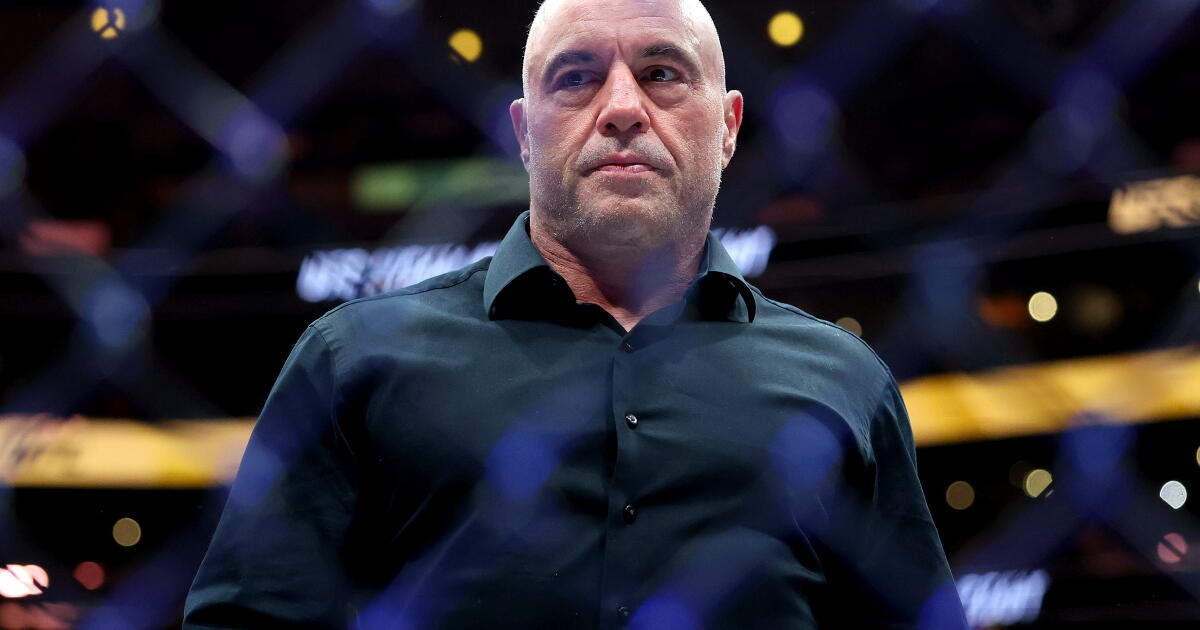
Spotify on Thursday said it renewed its deal with Joe Rogan, who leads the audio company’s most popular podcast “The Joe Rogan Experience.”
Rogan’s podcast, which has 18 million followers on Spotify, has been the company’s top podcast since 2020. The terms of the multiyear licensing deal were not disclosed. The Wall Street Journal, citing unnamed sources, reported the deal had an estimated earn out of $250 million.
“The partnership with Spotify has been an amazing fit, and they’re incredible to work with,” Rogan said in a statement. “I’m extremely happy and excited to continue with them for years to come.”
Rogan first entered into an exclusive multiyear podcast deal with Spotify in 2020 in a deal said to be worth $100 million. The partnership was key to driving podcast audiences to Spotify, which at the time was mostly known for as a streaming music service.
In 2024, the company extended its partnership for “The Joe Rogan Experience” to be distributed on other platforms, which has continued in its current deal. Rogan’s show was ranked as the top podcast last year on Spotify, YouTube and Apple Podcasts.
“Joe has built something incredibly enduring, and his show continues to resonate with a massive global audience because there’s simply nothing else like it,” said Jordan Newman, head of content partnerships at Spotify in a statement.
“The Joe Rogan Experience” has run into controversy, spurring a Spotify boycott in 2022 led by Neil Young over concerns that Rogan and his guests were spreading misinformation related to the COVID-19 vaccine. Rogan also received criticism over how he used the N-word on past episodes of his show, which he later apologized for.
After the backlash, Spotify posted its content moderation rules and said it would add content advisory labels on COVID-related podcasts. Rogan also said he would do a better job of balancing different perspectives.
Young later returned to Spotify in 2024.
