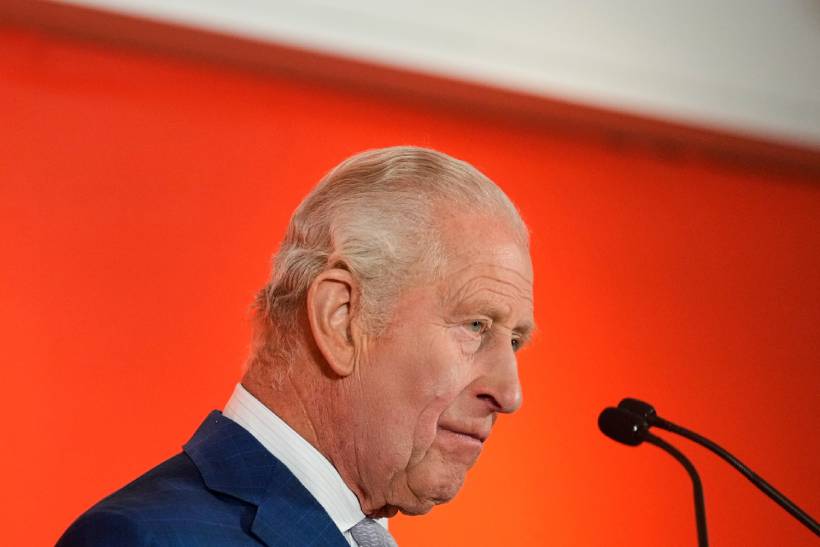
The visit of King Charles III to the United States comes at a time of visible tension between Washington and London. His meetings with Donald Trump and symbolic engagements linked to the anniversary of the United States Declaration of Independence highlight Britain’s effort to preserve a relationship that has faced increasing political strain. Rather than seeking immediate policy breakthroughs, the visit underscores a broader diplomatic strategy focused on long term stability.
Worst tensions in decades
Relations between the US and the United Kingdom are being described by analysts as the most difficult since the Suez Crisis. Disagreements over global conflicts, defence commitments, and rhetoric from Washington have created friction not only with Britain but also with other European allies.
Political differences driving the strain
Tensions have been sharpened by clashes between President Trump and Keir Starmer, particularly over foreign policy decisions such as Britain’s stance on the Iran conflict. Criticism from Washington, alongside broader disagreements within alliances like NATO, has added to the sense of divergence.
Role of royal soft power
King Charles III’s visit is less about direct political negotiation and more about reinforcing deeper ties. Through speeches, public appearances, and outreach beyond government circles, the monarch is aiming to remind Americans of the longstanding cultural, security, and historical links between the two nations. His address to Congress and symbolic messaging emphasise shared values while subtly encouraging cooperation and openness.
Beyond politics to public diplomacy
The visit targets not just policymakers but the American public. By engaging across different states and institutions, the British monarchy is working to sustain goodwill that can outlast any single administration. This reflects a strategy of insulating the broader relationship from short term political tensions.
Questioning the special relationship
The idea of a “special relationship,” first popularised by Winston Churchill, is increasingly being reassessed. Some British officials argue the term feels outdated in a changing global order, where alliances are more transactional and expectations around defence and economic contributions are rising.
Analysis
The UK’s approach reveals a calculated reliance on continuity rather than confrontation. With limited leverage over US policy decisions, London is using soft power to maintain influence and access. The monarchy provides a unique diplomatic channel that operates above partisan politics, allowing Britain to keep communication lines open even during periods of disagreement.
However, this strategy has limits. Symbolism cannot fully offset structural tensions such as defence spending gaps, diverging foreign policy priorities, or shifting global power dynamics. While royal diplomacy can ease atmospherics, it cannot substitute for alignment at the governmental level.
In the longer term, the visit illustrates Britain’s recognition that its global role depends heavily on sustaining strong ties with Washington, even in less favourable political conditions. By playing a long game, the UK is attempting to ensure that current strains do not permanently weaken one of its most important strategic partnerships.
With information from Reuters.