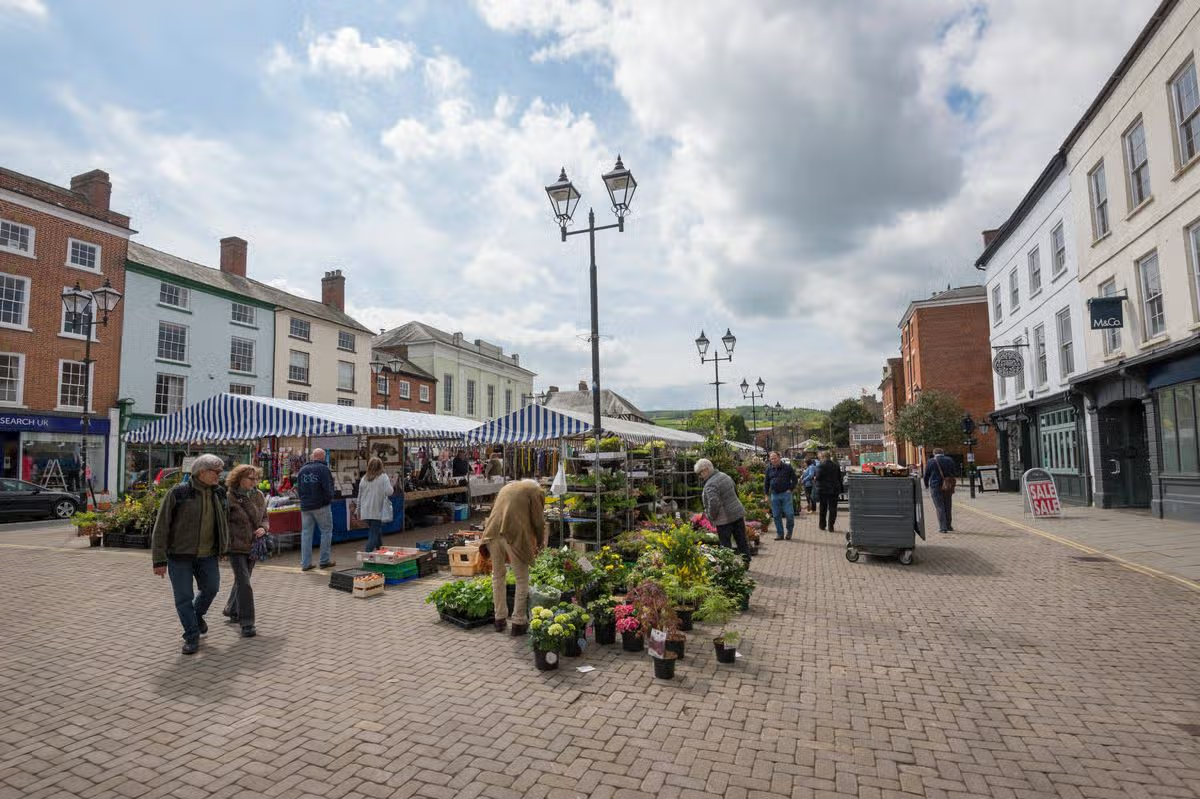
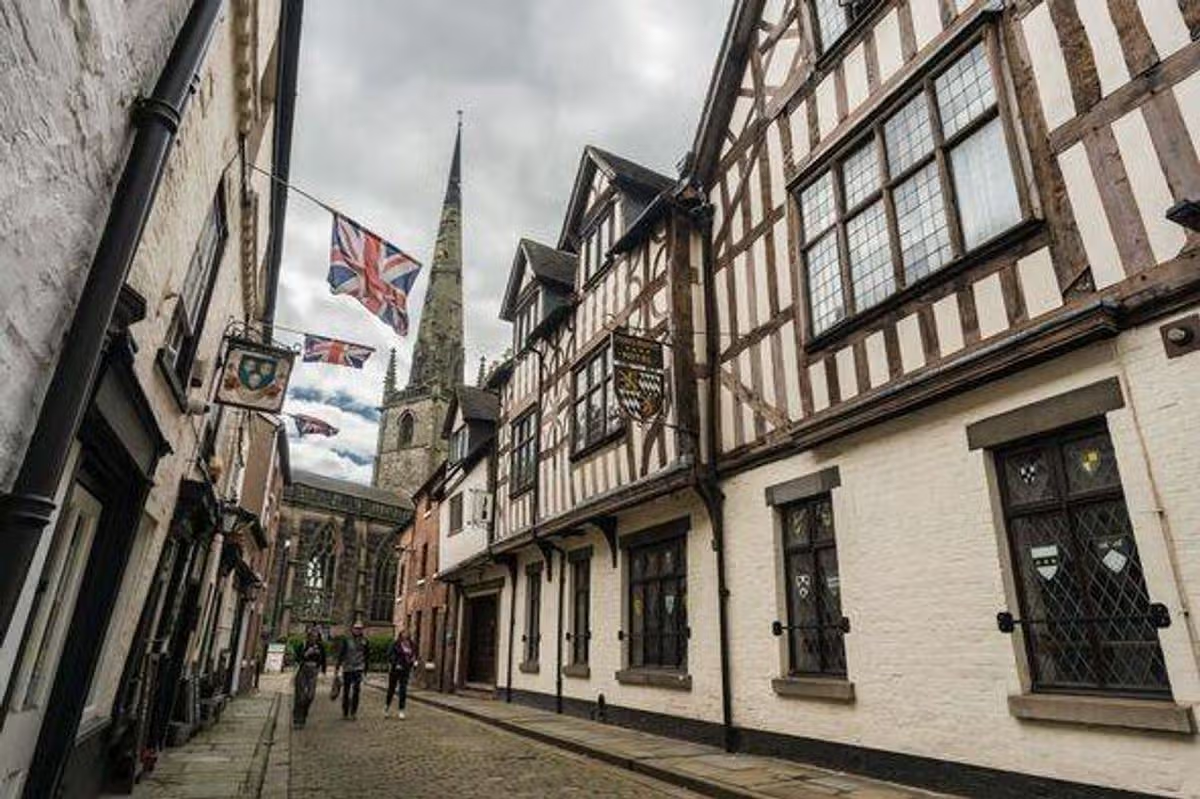
The spot is famed for its cobbled streets, Norman castle and stunning architecture
The town has plenty of shops, cafes and restaurants to visit(Image: Photos by R A Kearton via Getty Images)
Long hailed by poet John Betjeman as “the loveliest town in England,” Ludlow has also earned a global reputation as a premier food and drink destination. With over 500 listed buildings and a skyline dominated by a Norman castle, Ludlow effortlessly blends ancient, storybook charm with a modern appeal.
Winding cobblestone streets lead visitors to delis, bakeries, welcoming pubs and acclaimed restaurants.
Frequently dubbed the “food and drink capital of the Marches”, Ludlow’s thriving hospitality scene is fuelled by its impressive variety of locally sourced produce. In 2024, a Which? Travel survey of more than 9,000 people asked respondents to rate the food and drink in their favourite inland towns and villages.
Ensure our latest travel stories always appear at the top of your Google Search by making us a Preferred Source. Click here to activate or add us as a Preferred Source in your Google search settings
As Which? Travel put it, “Instead of a handful of high-end eateries, there’s a culture of local produce as well as numerous pubs and cafes, served by people who care about the food.”
This ethos is reflected on every plate, with an emphasis on fresh, locally sourced ingredients and menus that change with the seasons.
TripAdvisor currently ranks Old Downton Lodge as Ludlow’s finest restaurant, while waterside favourite CSONS is another beloved choice for relaxed, quality dining, along with Kin Kitchen and The French Pantry for café and bistro-style fare. Pub lovers are spoilt for choice with options including The Queens and The Boot Inn, both of which are highly rated on TripAdvisor.
Experts from Ludlow Distillery note that the town’s food and drink scene benefits greatly from a thriving network of local producers, ranging from artisan cheesemakers and bakers to craft brewers and distillers.
They stated: “The strength of this offering is best seen (and tasted) by a visit to the Local to Ludlow Market in the Castle Square (where growers and makers based within 30 miles of the town sell a range of high-quality and carefully selected produce), and the award-winning Broad Bean fine food delicatessen on Broad Street.”
The town proudly champions ‘Slow Food’, a global grassroots movement with thousands of members worldwide that brings together a love of good food with a commitment to community values.
In recent years, the movement in Ludlow has gone from strength to strength.
Slow Food Ludlow Marches offers activities throughout the year, including visits, talks, demonstrations, meals and Taste Workshops at Ludlow Food Festival in September.
Ludlow Food Festival ranks among the town’s most celebrated annual events, regularly drawing around 15,000 visitors to Ludlow Castle over three days.
Both locals and visitors alike can look forward to the Winter Festival at Ludlow Castle. Taking place between 27 and 29 November 2026, the event showcases local entertainment, mulled wine, and much-loved highlights from the Ludlow Food Festival.
Head along on the second or fourth Thursday of the month to discover the Ludlow Local Produce Market, a vibrant showcase of food and drink made within a 30-mile radius.
The stalls champion sustainability and seasonality, turning an ordinary shopping trip into a thoroughly enjoyable afternoon out.
Outside of Shropshire, Wells was named runner-up for inland dining by Which? Travel.
Other destinations receiving recognition include Lavenham in Suffolk, Llangollen in Denbighshire, Stamford in Lincolnshire, and Cartmel in Cumbria. Each offers its own distinctive flavour of a foodie escape.
A HISTORIC town will host a festive wonderland with real reindeers for just one day.
The UK’s largest single-day Christmas market is returning with more than 120 stalls this December.
Beverley Festival of Christmas is branded the UK’s largest single-day Christmas marketCredit: East Riding of Yorkshire CouncilThe festive event even features a real reindeerCredit: Visit East Yorkshire
The Beverley Festival of Christmas will return on Sunday, December 13, bringing thousands of visitors to the East Yorkshire town for one of the country’s biggest festive events.
Shoppers will be able to browse more than 120 stalls selling everything from handmade gifts and Christmas decorations to jewellery, homeware and locally produced food.
Sign up for the Travel newsletter
Thank you!
The market will spread across Beverley’s historic Saturday Market, Wednesday Market and North Bar, with independent traders offering plenty of inspiration for anyone still searching for Christmas presents.
The day will kick off with a spectacular parade at 10am, setting off from Wednesday Market and travelling along Toll Gavel towards Saturday Market.
Santa Claus will lead the procession alongside his reindeer, with live music, comedy acts, Steampunks, majorettes and Bernese mountain dogs also expected to take part.
Visitors can browse through over 120 market stalls for freeCredit: East Riding of Yorkshire Council
After the parade, Father Christmas and his reindeer will remain in Saturday Market until mid-afternoon, giving families the chance to see them up close and take photographs.
Visitors can also expect traditional Victorian fairground rides, face painting, birds of prey displays and ice sculptures throughout the day.
Brass bands, carol singers and dancers will provide a festive soundtrack as shoppers explore the town centre.
The festival will be running from 10am until 4pm and the entry is free.
The event was first established in 1995 by local shop owner John Bird, who brought Beverley’s traders together to create a special day of Christmas shopping.
It has since grown into one of East Yorkshire’s best-known festive traditions, with 2026 marking its 30th year.
I’LL admit it. I’m a scaredy cat. So it was rather out of character for me to be tip-toeing through a churchyard in the pitch black, led by a stone-faced monk and the Witchfinder general.
I was on a Ghostly and Macabre tour in the quiet Suffolk town of Bury St Edmunds.
Jenna Stevens experienced a Ghostly and Macabre tour in the quiet Suffolk town of Bury St EdmundsCredit: SuppliedThe Nutshell, which claims to be the UK’s smallest pub, measuring just 15ft x 7ftCredit: Supplied
Costumed guides John and Mike had been recalling gruelling stories of local murders and the paranormal before we made our way, squelching through soggy maple leaves, to the charnel house.
“This is usually when the owls join us” said Mike. Just then, an owl hooted back, right on-cue.
Sign up for the Travel newsletter
Thank you!
The house was built to store bones when graveyards became full. And what happened when the crypt piled up? Well, that’s where ‘bonfire’ comes from (bone-fire in old English).
“Usually, no one is allowed in here” whispered Mike. “But on tours with us, you can come in.” I gulp.
I was starting to become convinced these animals were paid actors. I’ll keep it secret what I saw inside. Just know that I darted back to my hotel room in a flash afterwards.
Luckily, the ivy-clad Angel Hotel, where Charles Dickens penned The Pickwick Papers, is nothing like the eerie building I’d been exploring.
My room had a free-standing copper bathtub and plump bed, while downstairs, the kitchen was cooking up hearty dishes such as braised-beef ‘Pickwick Pie’.
The 1,000 year-old abbey ruins and gardens, where once stood one of Britain’s most powerful monasteriesCredit: SuppliedStay at the Angel Hotel, where Charles Dickens penned The Pickwick PapersCredit: Supplied
It was also perfectly positioned for exploring the rest of this quaint town and its quirky thrills.
That includes the 12th-century Moyse’s Hall Museum, which is set to open a new gallery named Crime And Superstition on Halloween this year.
The gallery explores Bury’s deep-rooted ties with witchcraft, including everything from 17th century voodoo poppets to hand-made wands.
The centrepiece is A Tryal Of Witches, the best-documented English witch trial, detailing a 1662 case in which two Suffolk women were found guilty of bewitching children.
Slightly less spooky is the 1,000 year-old abbey ruins and gardens.
Visitors enter via a huge, 14th century Abbey Gate under an imposing portcullis into the remains of what was once one of Britain’s most powerful monasteries.
Opposite here, on Abbeygate Street, you will find a truly thriving high street with boutiques including chocolatiers, tailors and antique shops.
I was visiting on a Saturday, when the local market was in full swing and the independent cafes and restaurants were packed, including Italian spot PrimaVista, where the fresh tomato spaghetti easily rivalled dishes I’ve had in Italy.
Make sure to swing by The Nutshell, which claims to be the UK’s smallest pub, measuring just 15ft x 7ft.
It’s delightfully quirky, with a 400-year-old mummified cat displayed above the bar along with a mummified rat.
“It’s to tease the cat”, flat-capped local Chris smirked.
Bury locals are fiercely proud of their brilliantly bizarre town, and after my time here I admit, I’m under its spell, too.
One of Britain’s most magnificent haunts is about to be possessed by ghosts, ghouls, foul creatures and the undead. The stately home and grounds of Blenheim Palace, a Unesco World Heritage Site, are usually bywords for elegance and beauty. But an unholy horde is taking over Sir Winston Churchill’s birthplace from Thursday until November 1, for a sixth year.
They come armed with 134 gravestones, 24 coffins, 118 spiders, 100 crows, 72 skeletons, and the chilling intent of scaring the living day-lights out of people.
Some 10,000 thrillseekers are expected at the 18th century home to the Dukes of Marlborough at Woodstock, Oxfordshire for Halloween at Blenheim. Each, if they dare, will walk the near mile-long, after-dark trail with spooky lighting, sounds, and live-scare actors.
One of them is Esther McCormick, 28, who will be dressed as a pumpkin-headed scarecrow. She says: “In previous years I’ve been a weird Stranger Things-like monster with one long tentacle, another a haunted highwayman, and another a fortune-teller, reading people’s palms by the side of the road.”
Everyone is welcome, she says, from ages 0 – 99. “We tone down the jump scares for the little ones who come while it’s still light, then dial up the fear factor when the night sets in. It’s a lot of fun, people do jump out of their skin.”
Frights will come in all shapes and sizes and tap into many phobias. A gigantic spider puppet will emerge from a 20m-long web tunnel, there will be a ghostly pirate’s wreck, Dracula’s lair, vampire hunters, and a set of spine-chilling catacombs.
Simon Smalley, senior content producer at Culture Creative, says: “We have interactive neon coffins for visitors to take selfies in. There’s a sentence I never thought I’d say! It’s gorgeously ghoulish and fantastic fun. And don’t miss the monster disco, a high-energy finale featuring mirror balls and lights for the whole family to dance under.”
Planning for the trail, which took 15 people 10 days to build and has 500 lighting fixtures, took a year. Simon says: “It’s about how we can make things bigger, better, louder, scarier. Next year the spider might be 50ft tall.”
Rebecca Jenkins, 52, runs Rusticus which provided the seven actors and puppeteers for the event. She said: “There’s such an appetite for Halloween. You might assume that summer sees the biggest crowds, but it’s actually October half-term where we are the busiest.
“People want to be fully immersed. So we’re finding more and more that the whole family might come dressed up. They’re the star of their own Halloween – not just watching from afar.” A recent survey shows 36% of shoppers plan to celebrate this year, up from 27% in 2025.
*Halloween at Blenheim Palace, £19 adults, £13 a child. visit tickets.blenheimpalace.com
FANCY a stay inside a haunted hotel this Halloween? Consider a night at Ettington Park in Stratford Upon Avon.
The property is home to so many ghosts that the AA declared it to be the most haunted hotel in the country, with plenty of ghostly sightings by guests.
Ettington Park Hotel in Stratford is considered the most haunted hotel in the UKCredit: @ettingtonparkhotel/InstagramThe Long Gallery is said to be one of the most haunted rooms in the hotelCredit: HeadBox
Ettington Park’s roots go all the way back to the time of William the Conqueror, and as many as 21 ghosts are said to wander its corridors.
Guests and staff have reported sightings of a woman standing by their bed, floating candles and even taps turning on on their own.
Sign up for the Travel newsletter
Thank you!
One of the most commonly sighted ghosts is Lady Emma in White, who is believed to be a former governess – she wears a long white gown and vanishes into solid walls.
An older Victorian woman has also been seen and heard walking near the conservatory, while others have seen the ghost of a man walking with his dog inside the library.
One member of staff even claimed that on Christmas Eve, a candle lifted up off the mantelpiece and floated by itself.
The Long Gallery on the top floor has a vaulted ceiling and is said to be one of the eeriest parts of the building.
Lots of guests have taken to social media after their stay to reveal their experience, with one writing on Facebook: “I woke in the night feeling rather cold and was hit by a feeling of pure fear. It felt like someone was leaning over me and so close I couldn’t move .
“The room was completely black but I was totally convinced someone was there. I don’t know how long I lay terrified before I screamed.”
Another said that during their stay they woke up in the middle of the night to find the taps running and had to “sleep with the lights on all night.”
Talking to The Sun, another guest said that he woke and was laying in bed when he saw a light under the door.
It’s said that a Roman villa once existed on the site of the hotelCredit: Hand Picked Hotels
When he opened it, he “saw this woman standing there, screaming, but there was no sound. I was really freaked out.”
The hotel is tied closely to The Shirleys, one of Warwickshire’s oldest families and has owned Ettington for many years.
There’s evidence that people have been living in the area for at least 2,000 years and that it’s possible a Roman villa once existed on the site of the Ettington Park Hotel.
Next door is a private chapel with a graveyard and tombs, ancient headstones and a pet cemetery.
The hotel has a beautiful swimming pool and spa areaCredit: @ettingtonparkhotel/InstagramStays at the hotel start from £125 per nightCredit: Hand Picked Hotels
The hotel even featured in the 1963 film‘The Haunting’ which follows a small group who spend several nights in a sinister, isolated mansion to investigate whether it is truly haunted.
Aside from its hauntings, visitors describe the hotel as incredibly beautiful and it’s a popular wedding venue too.
If you fancy a stay and perhaps a glimpse of a ghost, the hotel has a variety of rooms from superior to feature and classic.
Meals are served in the grand Drawing Room which has tapestries and enormous windows with views of the grounds.
Afternoon tea is popular too and starts from £29 per adult.
The hotel even has its own spa with a huge swimmingpool, hot tub and treatments too from manicures to massage.
THE festive wrapping paper is on sale, the family-size box of Quality Street is stacked in shops – Christmas is officially on its way.
If you’re a true fan of the season, you’ll obviously want to head to the UK’s biggest Christmas market.
Manchester Christmas Market will return in early NovemberCredit: AlamyThe festive market will have 210 stalls across 10 locations across the cityCredit: Visit Manchester/Mark Waugh
And the largest is actually in Manchester which opens at the beginning of next month.
Returning on November 6, it will run for over six weeks – so there’s plenty of time to visit whether you’re a local or not.
Sign up for the Travel newsletter
Thank you!
It’s so enormous that there are 210 stalls across 10 locations spread about the city centre.
The stalls will sell everything from festive food and drink – think hot chocolate and mulled wine – to international street food, if you’re over the yorkshire pudding wraps.
Handmade gifts and stocking fillers can be found there too, if you’re ready to start Christmas shopping.
Albert Square will be where most of the city’s festivities will be, including its 50-metre high Ferris wheel.
There will also be a pop-up ‘pub’ for the festive season as well as a giant Santa, a vintage Helter Skelter and a huge tree installation and life-sized selfie sleigh.
If you’re on the hunt for ice skating, you’ll find it at Cathedral Gardens along with some market stalls too.
Across the city will be live entertainment, and plenty of Christmas lights.
The Manchester Christmas Parade will be held again this year on December 6.
There will be a ‘pop-up pub’ and Christmas ParadeCredit: Visit Manchester/Manchester City
Kids will be able to spot Snow Queens, reindeers, Nutcrackers, toy soldiers and even Santa who will be travelling onboard the Elf Express.
Visitors will find the market spread across locations including; Albert Square, Lincoln Square, King Street, St Ann’s Square, Exchange Street, New Cathedral Street, Exchange Square, Corn Exchange, Cathedral Gardens, and Market Street.
A recent study by Christmas Tree Worldalso recently crowned Manchester Christmas Market as the UK’s best.
Factors were based on the number of Google searches, social media posts and videos, hotel prices, history, number of stalls, entry cost and closeness to public transport.
With much cheaper hotel prices than the like of New York city, the Manchester Christmas Market was also voted second best in the world.
The market will come to a close on December 22.
However, the Albert Square and Cathedral Gardens will remain open throughout the Christmas period until January 3, 2027.
THE biggest tropical waterpark in the UK will close at the end of October – and won’t reopen until 2027.
Waterworld in Staffordshire is a year-round attraction for families, thanks to its 30C temperatures.
The UK’s biggest tropical indoor waterpark will close on November 2Credit: Facebook/Waterworld Aqua ParkIt will undergo upgrades and is expected to open in early 2027Credit: Facebook/Waterworld Aqua Park
But after the end of October half-term, Waterworld will temporarily close for upgrades to its waterpark.
It is expected to reopen early next year, although no date has been confirmed.
Sign up for the Travel newsletter
Thank you!
Visitors can enjoy the last day of thrills on Waterworld’s 30 rides and attractions on November 1 along with a live DJ.
Wayne Goodall, managing director of Waterworld Leisure Resort, said: “Our closing party is the perfect chance for visitors to make a last splash with us before we close for a short time to make exciting changes across the Aqua Park.
“At its heart, Waterworld offers families a place to spend time together, escape from everyday life and enjoy that holiday feeling, whatever the weather.
“The upgrades we have planned are set to build on that sense of fun and enhance the way we tell our story, creating a more immersive experience for our guests. We can’t wait to reveal more about the upcoming investment soon.”
He added that the Adventure Mini Golf and Adventure Mini Village will remain open.
The tropical waterpark sits at 30C even in the winter along with slides like the Space Bowl which is shaped like a UFO.
Nucleus is a popular water rollercoaster, there’s also Stormchaser and Cyclone.
The waterpark is also home to Thunderbolt, which is the UK’s first trap door drop slide.
On November 1 will be the ‘Last Splash’ partyCredit: Waterworld
As well as the main wave pool, there are river rapids and the Jungle House is suitable for youngsters with water cannons and the monsoon monster splash.
The bubble pools are a more relaxing spot away from the high-speed watercoasters thrills.
During the summertime, there’s an outdoor pool open to visitors too.
Of course, the waterpark is still available to book now with tickets available for £17.50 – for children under three-years-old tickets start from £7.
Away from the waterpark, there are two mini golf courses inside the resort, each with 18-holes as well as a mini Adventure Village with everything from doctors to libraries.
Both of these attractions will remain open throughout the rest of the year.
At Waterworld Resort is also two mini golf coursesCredit: Refer to sourceThe play village opened three years ago in 2023Credit: Refer to source
There’s also a restaurant, cafe and gift shop on-site which are also expected to remain open.
In recent years, the attraction has undergone a number of renovations.
One of the newest additions to the waterpark as well is the M Club Spa and Fitness.
In 2023, it opened its new £250,000 immersive play village, then in 2024, £13million was spent on behind-the-scenes upgrades to the waterpark.
This beautiful seaside town has gorgeous coastal walks and plenty to see
09:57, 13 Oct 2026Updated 09:59, 13 Oct 2026
This article contains affiliate links, we will receive a commission on any sales we generate from it. Learn more
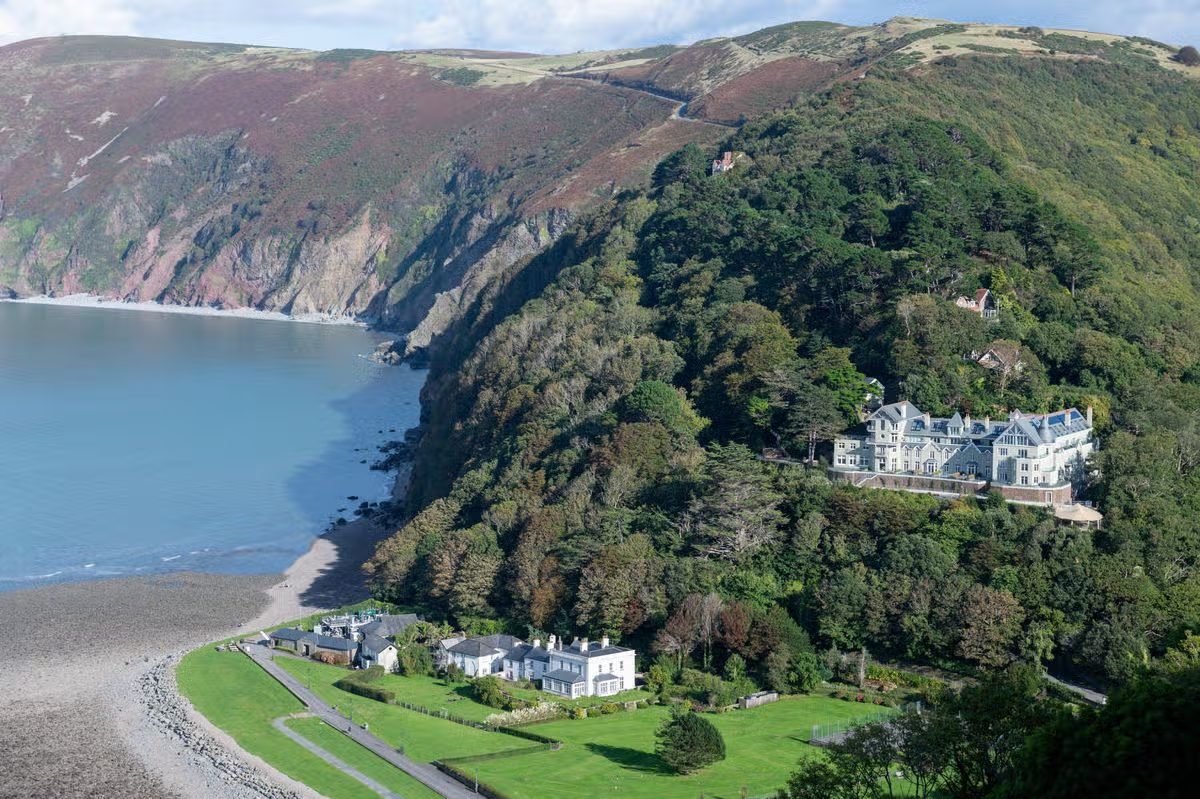
This gorgeous spot is perfect for autumn(Image: Tom Meaker via Getty Images)
As the summer throngs start to thin out, late August and September offer an ideal opportunity to discover Devon’s coastline, with less crowded beaches, gentler temperatures and beautiful walks just waiting to be enjoyed. A delightful seaside town nestled between steep hills and the Bristol Channel has been crowned Devon’s finest seaside destination by Which?, placing it squarely on the map for an idyllic West Country escape.
Lynmouth is the sort of spot that appears almost impossibly picturesque, with its lovely riverside location, striking coastline and classic village appeal. Perched on the fringes of Exmoor National Park, it’s encircled by breathtaking scenery and is frequently dubbed “Little Switzerland”.
The region is a paradise for ramblers, with the South West Coast Path and Tarka Trail winding through the village and providing numerous routes to discover. Tourists can trace the River Lyn upstream to Watersmeet, a striking wooded gorge looked after by the National Trust, complete with riverside paths and a tea garden.
Among Lynmouth’s standout features is the renowned Lynton and Lynmouth Cliff Railway, which has linked the twin villages since 1890. The 260-metre railway holds the title of the world’s highest and steepest water-powered railway, with travellers enjoying panoramic coastal vistas as they journey between the two settlements.
Those looking to transform their visit into a romantic getaway, River View is a second-floor flat positioned directly alongside the river in Lynmouth. The property boasts a furnished balcony with views over the bay, and on a clear day, guests might even glimpse the Welsh coastline in the distance.
Within, the flat provides a cosy open-plan lounge and kitchen space kitted out with everything required for an uncomplicated self-catering break. A king-size master bedroom with an en-suite shower room delivers a peaceful retreat in which to relax after a day discovering the coastline.
The balcony proves a particularly beautiful location for a morning cuppa or an evening tipple, with vistas across the river and the neighbouring village. There’s also no need to fret about preparing every meal, with numerous cafes and eateries nearby for breakfast, lunch or dinner.
For a different setting, Ilfracombe sits less than 20 miles away, celebrated for its selection of restaurants and historic harbour. Guests can also catch sight of Damien Hirst’s eye-catching ‘Verity’ statue positioned at the harbour entrance before returning to the tranquil environment of Lynmouth.
For even more striking scenery, holidaymakers can make the 1.5-mile trip to the Valley of Rocks, where soaring cliffs and distinctive rock formations form one of Exmoor’s most spectacular landscapes. The area is also home to intrepid goats and some of the highest sea cliffs in Britain, making it a memorable spot for a coastal walk.
If a large group gathering is in the pipeline, the area is additionally home to Lynhurst, a spacious, impressive property just a brief stroll from the historic village of Lynton. Nestled within stunning gardens and natural woodland, it boasts a games room with a slate pool table and dart board, alongside an outdoor table tennis table for abundant entertainment.
Visitors who have previously enjoyed a stay at River View have posted glowing reviews online. One guest said: “Lovely apartment. Perfectly situated with everything we needed. A real ‘home from home’. We love Lynmouth and will be back.”
Another added: “A wonderful location for walkers as several spectacular river and coastal walks from the door. Great for visitors with dogs, close to the promenade for walks and meeting lots of other dogs.”
A more in-depth review explained: “A small but well-equipped and comfortable flat with beautiful views over the river to the sea. Good location to explore the area. Luckily found a temporary parking spot initially on Riverside Road in order to unpack, as the flat entrance is on a pedestrianised street.
“Parking permit was £25 for the week at the nearby Upper Lyndale car park. Tesco delivered groceries without difficulty. Walks locally and some National Trust properties made it a very enjoyable week in a lovely location.”
One guest pointed out, however, that “the two flights of steep stairs would need to be taken into consideration by anybody perhaps not a 100% fit”, while another revelled in the scenery, commenting: “We had the door open all the time and could listen to the water and the wildlife, which we really enjoyed.”
AUTUMN and winter family holidays in the UK are a gamble – you could get glorious sunshine and plenty of fresh air, or be stuck inside playing board games on repeat thanks to nonstop rain.
But there’s one chain of seaside resorts boasting such an array of indoor and outdoor activities, it barely matters what the weather is.
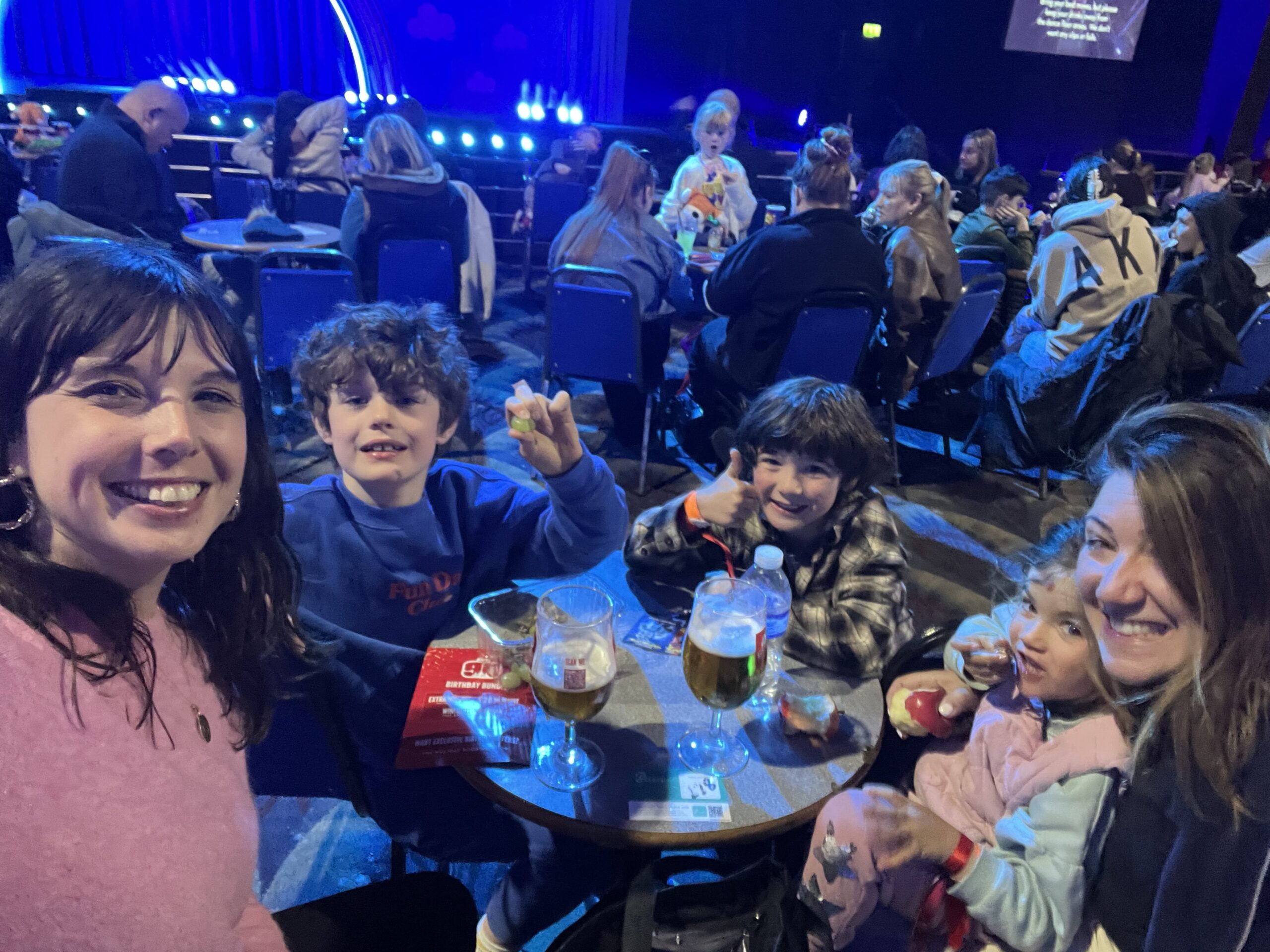
The Sun’s Head Of Travel, Caroline McGuire, and the rest of her holiday group enjoyed a recent action-packed staycationCredit: Caroline McGuireButlin’s holidays are affordable yet full of plenty of indoor activities for the kids to see and do – even when the weather’s badCredit: Butlins
Butlin’s has so many indoor activities that you could fill an entire three days without spending any time outdoors.
A school mum and I took our families on the all inclusive break earlier this year, after one too many staycations were marred by huge downpours – and were blown away by the offering (not the wind).
Butlin’s is really hard to get your head around if you haven’t been before – for starters, it’s SO cheap. Well… it is if you go for the cheapest accommodation.
Their base rates start from £49 for four nights for a family of four during October half term at their Minehead site, for example – that’s an astonishing £12.25pp per holiday.
But that’s in their cheapest comfort rooms, which don’t have a kitchen – the cheapest accommodation with a kitchen is £69 in the comfort apartments, and the prices go all the way up to £502 if you’re in the fancier bayside apartments.
At their Skegness site, where we stayed, accommodation over half term ranges from £122 in their standard rooms, up to £515 in the Maple Walk Premium Lodges and £791 in the platinum plus caravans.
We stayed in the Maple Walk lodges that first opened in 2024. The high-end, three-bedroom property featured a sleek kitchen, outdoor decking and a wood- panelled master bedroom.
Maple Walk has its own entrance and even housekeeping, signalling a big departure from Butlin’s main, affordable offering.
Caroline’s son and a friend enjoy the fairgroundCredit: Caroline McGuireThe value you get out of a four-night break when factoring in the activities is astonishingCredit: Caroline McGuireThe sites have tons of paid-for activities you can sign up to, like laser quest, the fairground, bowling, go-karting, climbing and aerial adventure coursesCredit: Free for editorial use
But it doesn’t matter where you book – the activities included in the price are the same.
That includes the indoor waterparks, the West-End-style shows and entertainment like wrestling, the Skypark outdoor playparks, the soft plays and certain arts and crafts sessions.
Then if you book during a particular holiday, the resorts often host plenty of extra themed activities for free – for example, at October half term they have free fireworks displays, silent discos and pumpkin carving.
The sites have tons of paid-for activities you can sign up to as well, like laser quest, the fairground, bowling, go-karting, climbing and aerial adventure courses.
The value you get out of a four-night break when factoring in the activities is astonishing.
Let’s say for instance, you went to one of their shows every evening of your stay – for a decent seat at a West End production of a similar standard to the Butlin’s Masked Singer Live show, you’d be looking at around £40pp minimum, while WWE live show tickets cost from £40pp to £150pp for regular arena seats.
If we’re conservative, that’s £120pp for three nights of quality shows already.
And these are top quality performances. The year-round pantomime is so hilarious it had me slapping my thigh, and the Animals and Mythical Beasts production brought tears to my son’s eyes.
The star of the shows for us, however, was the Maximum Pro Wrestling, which included a star turn from one of the celebrity hosts, Jeff Brazier.
Then you have the free soft play – at between £5 and £12 per child across the UK, it’s free at Butlin’s and entry to the water park – which typically costs between £15 to £26pp at decent-sized venues in Britain.
Book yourself into both of those twice over the course of your stay and that averages around £47pp, rising up to £167pp for the value of the free entertainment on offer when you factor in the cost of the shows.
That’s before you add in any of the paid-for activities. During our three-night stay, we played mini golf and laser quest, spent far too many pound coins in the arcade, enjoyed arts and crafts and went to the fun fair.
If you’re planning on going all out on the food and drink, their relatively new all inclusive bundles are great value too.
We opted for the all-inclusive dining and drinks packages. The Premium Dining package costs £33.95 an adult and £19.50 a child (age six to 14) per day, and covers a buffet breakfast and a buffet dinner.
These are full of choice, with Indian, Chinese, roast dinners, cheeseboards, burgers, soft serve and far more on offer for dinner.
At breakfast, there was everything from a Full English (with a fantastic veggie selection), made to order toasted sandwiches and omelettes, cereals, pastries fruit and pancakes.
The drinks package starts from an extra £25.95 an adult per day and £10.50 a child, which includes unlimited booze, soft drinks and Costa coffee.
If you think you’ll get through more than four pints of Madri beer at £6.10 each, or five glasses of house wine at £5.60 each, over the course of the afternoon and evening then it’s well worth shelling out for.
The resorts also have new self-serve bars for the first time too, with beers, ciders, cocktails, spirits and mixers and soft drinks.
Each Butlin’s resort has a large indoor arcade featuring hundreds of gamesCredit: Caroline McGuireThe ‘Splash’ swimming pool at Butlin’s holiday resort in Bognor RegisCredit: AlamyFor a decent seat at a West End production of a similar standard to the Butlin’s Masked Singer Live show, you’d be looking at around £40pp minimumCredit: Butlins
If you don’t want to gorge at the buffet like we did every night, the DineAround package includes a buffet breakfast and then you can pick from the other on-site dining options for a two-course lunch or dinner.
This could be pub grub at The Beachcomber Inn or classic American diner-style food. Or you can simply pay as you go or cook in your accommodation.
Prices for all inclusive get even cheaper during termtime, midweek breaks, with all-inclusive food and drink bundles on Showtime Breaks starting from £28 per person, per night for a family of four.
So if you’re paying £39 for a comfort room that sleeps up to 6 people on a midweek break, that’s a further £312.12 for the premium dining and drinks plan – working out at £351.12 in total or £22pp a night for accommodation, activities, and all inclusive food and drink.
It’s almost hard to argue against going out for food at those kinds of prices…
The spot is particularly loved for paddling thanks to its shallow waters and that it has lifeguards in the summer season.
There are parking and toilets close to the beach.
14. Rhossili Bay, Gower Peninsula, Wales
Rhossili Bay in Wales, followed closely behindCredit: Getty
Over in Wales, scoring a slightly higher 74.73, the three-mile- long Rhossili Bay beach often sits on Wales’ top 10 beaches list.
It has even previously been described as the ‘supermodel of British Beaches’ by The Independent.
The beach is ideal for having a picnic or heading into the water for a surf.
You can also visit Worms Head, where you may see seals basking in the water below.
13. Luskentyre Beach, Isle of Harris, Outer Hebrides
Luskentyre Beach scored 75.56 overallCredit: Andrew Barr
Scoring 75.56, Luskentyre Beach on the Isle of Harris in Scotland came in at 13th place.
Luskentyre Beach features rolling dunes, turquoise waters and miles of white shell sand.
What makes the spot even more special is that it is often visited by free-roaming white Highland ponies.
There is a small car park not too far from the beach.
12. Bournemouth Beach, Dorset, England
Bournemouth Beach is loved by families and has lifeguards based at the beach between April and SeptemberCredit: Getty
Bournemouth Beach managed to score slightly higher, securing 75.83 out of 100.
The beach is a great family-friendly spot as it is known as one of the safest beaches in the UK, with lifeguards based at the beach between April and September.
Between April and the end of October there is also a land train that runs along the promenade.
For a small charge, you can hop on it between Bournemouth Pier and either Boscombe Pier or Branksome Chine.
11. Barafundle Bay, Pembrokeshire, Wales
According to Visit Pembrokeshire, Barafundle Bay is often compared to a Caribbean beachCredit: Getty
This golden beach is backed by dunes covered with long grass and pine trees.
According to Visit Pembrokeshire, it is even often compared to a Caribbean beach.
It is worth noting though that the beach has no facilities and is a half- mile walk over cliffs from the closest car park.
10. Woolacombe Beach, North Devon, England
Woolacombe Beach was the only beach in Devon to feature on the listCredit: Getty
Taking 10th place with a score of 78.48 is Woolacombe Beach in North Devon.
Often ranked among the best beaches in the UK, Woolacombe Beach stretches for three miles and is known for its golden sand and great surfing conditions.
It is great for a family day out as well, with large car parks close to the beach, public toilets, shops and restaurants.
Travel Reporter Cyann Fielding, who has visited the beach several times, said: “Woolacombe Beach is so big you will always find a spot in the sun to relax but make sure to go for a swim too as the water has shallow entry making it ideal for paddling with the little ones.”
9. Durdle Door Beach, Dorset, England
The famous Durdle Door Beach came in ninth placeCredit: Getty
Scoring 80, Durdle Door Beach – home to the famous landmark – came in at ninth.
The beach sits on the Jurassic Coast which is made of natural limestone.
Along the shingle beach you will find limestone caves too, though you cannot enter them.
It is also worth noting that there is a steep 15-to-20-minute walk from the car park to the beach including more than 140 steps.
8. Porthmeor Beach, St Ives, Cornwall, England
Porthmeor beach is ideal for surfing as well as swimmingCredit: Getty
The pale yellow, soft- sand beach is backed by the picturesque buildings.
The beach is ideal for surfing as well as a swim when the wind is calmer – and there are several rock pools ideal for the little ones wanting to investigate.
Porthcurno Beach came in seventh place with a score of 83.11Credit: Getty
Another Cornish beach – Porthcurno Beach – came in seventh place with a score of 83.11.
Boasting soft white sand, the beach is ideal for families with little kids as there is a stream down one side of the beach ideal for splashing and paddling in.
Thanks to a towering headland around the beach, it is quite sheltered from the wind too.
From the beach, you can also head off on a walk to other coves or even to Treryn Dinas – a headland home to a fort dating back to the Iron Age.
6. Newborough Beach, Anglesey, Wales
Newborough Beach stretches for 3.5 milesCredit: Alamy
Just missing out on the top five with a score of 83.33 is Newborough Beach in Wales.
This golden beach stretches for 3.5 miles and is backed by Newborough Forest.
The beach is also known for its connections to Llanddwyn Island – a tidal island with a striking lighthouse.
You can walk to the island at low tide and see views across the sea.
5. West Wittering Beach, West Sussex, England
West Wittering in West Sussex is a much-loved spot for windsurfing, kitesurfing and stand-up paddleboardingCredit: Getty
The family-friendly beach stretches between Penally and Castle Beach with views of Caldey and St Margaret’s Islands.
The beach is also popular with gentler watersports, thanks to calm waters.
There is also a car park and a cafe at the beach.
3. Perranporth Beach, St Agnes, Cornwall, England
Perranporth Beach in Cornwall secured third placeCredit: Getty
Scoring 93.33, Perranporth Beach in Cornwall came in third place.
This Cornish gem is loved for both swimming and surfing, as well as snorkelling.
And it is accessible, making it great for visiting with little ones.
When the tide heads out, you can walk to Ligger Point which is around two miles.
2.Camusdarach Beach, West Highlands, Scotland
A Scottish spot with clear waters came in second placeCredit: Getty
Coming in second place and just missing out on the top spot is Camusdarach beach in Scotland with a score of 95.13.
Camusdarach Beach boasts white shell sand and also has crystal- clear turquoise waters.
From the beach you are also able to see the islands of Rum, Eigg, Muck, and Skye.
From the car park, it is only a three-to-five minute walk to the beach.
1. Llanddwyn Beach, Anglesey, Wales
Llanddwyn Beach, located in Anglesey, North wales came out on topCredit: Getty
The 3.5-mile beach that then came out on top as the best in the country is Llanddwyn Beach in Wales, scoring 96.67.
With views over Eryri National Park, Llanddwyn Beach has large sand dunes and soft sand.
At the western end of the beach is a tidal peninsula with Twr Mawr lighthouse, old pilots’ cottages and the ruins of a 16th- century church.
At low tide you can cross to the island and explore the buildings.
Though if you want to spend your time on the beach, there is still plenty to see and do with the spot being a prime location for windsurfing and kitesurfing.
YOU SAY Oxford Circus, you think crowded streets and busy shops – but there is a whole other side to it you might not have known about.
So we’ve taken it on in two different way – as a busy mum looking to keep her kid busy, to a girly weekend in the city without going to the shops.
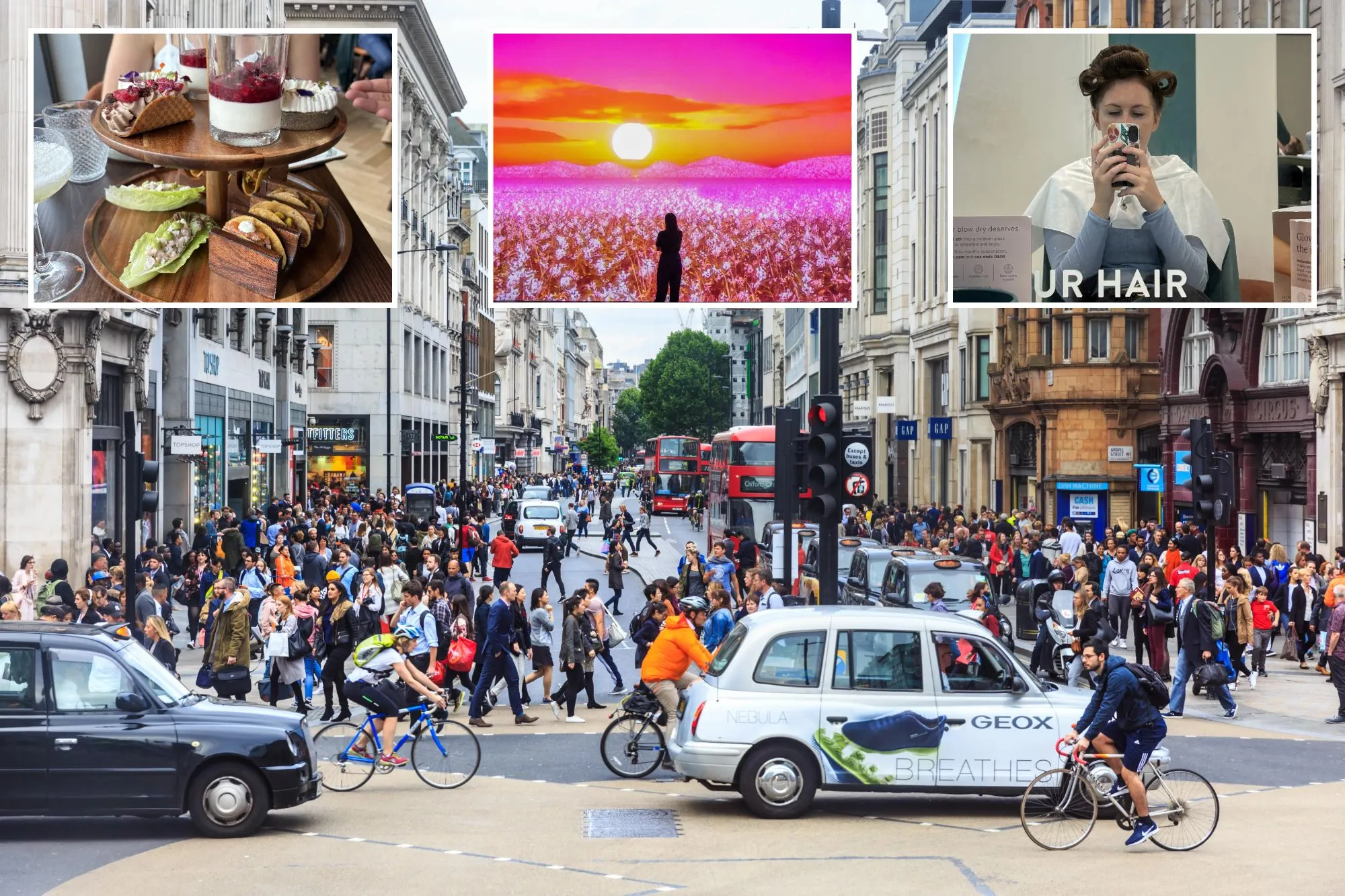
Soho might be famed for its shops but it has a whole other side to itCredit: AlamyAnd with the plans revealed for its pedestrianisation, here is how to do it as a mum, and a girly weekend without the shops.Credit: PA
Blow dry bars, Mexican afternoon teas and gorgeous Italian dinners
Kara Godfrey, Deputy Travel Editor, explores the busy centre on a girly weekend wanting some pampering.
Growing up in the countryside, my first impression of London was the hubbub of Soho, with bustling streets full of eager shoppers elbowing each other out of the way.
Sign up for the Travel newsletter
Thank you!
Yet 20 years later, having since moved to (and left) the crazy capital, I know there is more to the iconic city centre than its shops.
And with the announcement that it is about to become pedestrianized, it’s about to become an attraction in its own right.
If you want to explore the centre of London without actually dipping into the shops, it also makes for the perfect girly day out either with your best mate or your mum – if you know where to go as a local.
It is a fantastic destination for a pamper, with affordable nail salons and hairdressers – and did you know one of London’s most famed blow dry bars is found at the bottom of the John Lewis department store?
Having first launched in Chelsea back in 2014 (becoming a fave with the Made in Chelsea stars), Duck & Dry has become an institution for the place to go before a big event.
I sank into the plush chairs, laidback music overheard while I chatted to my hairdresser as my hair was massaged and washed.
As a woman in my mid-30s, I’ve realised that it’s the little luxuries that make life worth it and a person kneading all of my worries away is one of them.
Just 30 minutes later, I left a new woman with a fresh new do so gorgeous, I even bought a blow dry brush on my way out to try and replicate it at home.
What better way to start the day then with a blow dry?
(Don’t stop there though, one of my favourite nails bars, Cona, is just around the corner, with the hidden salon tucked behind the bold oranged painted cafe front).
Hair done, nailed fixed – we needed something to line our stomach and gone are the days of our 20s where we opted for a bottomless brunch.
Being more afternoon tea gals, one of the more unique ones is found in the Treehouse Hotel just off the main high street.
This isn’t your usual afternoon tea, however, (although you will still find a scone or two on top) – it’s called the Afternoon Te-Quila, so expect a Mexican fusion.
Starting with a freshly made margharita, we gorged on fresh fish tacos, pumpkin pies and even a unique chocolate taco, pumped full of decadent chocolate mousse.
The views are just as amazing, looking out over London from the top floor, but as I sat under a ceiling of green hanging plants, I was transported to somewhere much more tropical.
There is so much to do outside of this as well that doesn’t require you to lug shopping bags around town.
Or how about catching a West End show? The Palladium has some fantastic shows coming up including Delta Goodrem, Michael Ball and of course the Christmas panto.
Forget your usual afternoon teas – this is a Mexican inspired one with a viewI loved the free margherita alongside the fantastic views
(While I might have said there is so much to do along the high street without the shops, I would still recommend popping into the new M&S flagship, with four entire floors of homeware, clothes and a Food Hall. I may have left with both new linen trousers and some Percy Pigs…)
Don’t think I forgot about dinner, because London isn’t one of the world’s best food capitals for no reason.
And with more than 600 restaurants to choose from, according to OpenTable, where do you even start?
Well I’ve found just the place, if you want somewhere slightly quieter away from the crowds, but with fantastic service, a low-key atmosphere and hearty, Italian portions.
Enter Lavo at the BoTree.
Start at the bar for a cocktail – while the menu might sound confusing, it explains which cocktail they are similar to, so I had their version of a negroni.
On weekends there is also a live DJ who toes the line of great, lo-fi music without being so loud you can’t hear each other.
Slightly woozy at this point, my direction to my table was welcome before gorging on towering piles of tuna tartare and large bowls of penne a la vodka.
Our extremely funny server even tempted us into sharing what is now going down as one of the best tiramasus we’ve ever eaten.
The restaurant was low-key but so chicThe portion sizes were huge too
And when you need to rest your weary feet from a day of pounding the pavements, you can’t get much more central than the Radisson Blu Bond Street.
Currently undergoing a renovation, it is just steps from the main road, with some of the best views of the high street from my room overlooking the shops.
With Oxford Circus not having many late night openings, don’t worry about not getting any sleep, as it was super quiet once everything had closed.
The cosy restaurant – with that brand new smell – also had a fantastic breakfast spread to refuel, from pancakes and avocado toast to all of the pastries and trimming of a Full English.
So while Oxford Circus will always be known at the shopping high street, there is so much more to it to bring your out of town friend, siblings or parents to without having to step into a shop.
Unless you get a Percy Pig craving, that is.
Illusion museums, kid-friendly food halls and ‘treehouse’ hotels
Caroline McGuire, Head of Travel (Digital), explores as a mum with a seven-year-old to keep occupied
As a London mum, I regularly take my seven year old into the city centre for theatre, museums, parks and all the other awesome attractions it has to offer kids.
But Oxford Street? Are you mad? It’s somewhere I’d actively avoided, assuming it was the worst place for a very active kid who loves running around and touching everything in sight.
How wrong I was. Because we recently spent an overnight stay on Europe’s most famous high street… and it was one of our best 24 hours in the capital.
Oxford Street has changed a lot since I was a kid, coming up from the home counties to spend my Christmasmoney at Topshop.
In some ways for the bad (those many American candy stores), but in many other ways for the good.
As some of the big chain stores have departed, enterprising new ventures have opened up that are perfect for a family day out.
Take for instance, the Twist Museum. A brilliantly fun illusion museum – even though the grumpy middle aged woman in me still insists it’s not a museum.
We had such a great time exploring all of the mind-bending activities, our favourites being the 3D hologram creator, the mirror room and the ‘big and small room’.
Swingers surprised me with how great it was for kidsCredit: dot dash media
It was so cool that I now have three pictures from there alone on my fridge at home – high praise.
Equally fun was Swingers Golf and Carnival Games, which I’d always written off as an adults-only venue for big kids at heart to have fun with a beer.
Not so, as during the day in the school holidays it was packed with families enjoying easily the best crazy golf I’ve ever done in my life.
Then you get a half-hour pass to play as many games as you can in a retro-style arcade.
As a parent who’s forked out more pound coins than I care to remember at amusement arcades, it was a total joy to do it all for free… and with a time limit. Plus, I got to sip on an extremely good frozen marg while I did it.
If the kids are feeling hungry, their food offering is a godsend. Several high-end food trucks like Patty and Bun burgers and Breddos tacos mean you can all pick what you want to eat.
If you’re looking for something every so slightly more highbrow, we ended our day at Frameless – the very cool digital art experience where you’re put inside famous paintings, as they surround you on huge screens and come to life.
It was really surprising to see how much my son engaged with such old paintings, which he may have dismissed as stuffy in a gallery, by bringing them to life.
I was surprised how much my kid loved Frameless tooCredit: Alamy
Of course after pounding the streets for so long, we were in need of some refreshments, so we headed to Market Halls, which has every food any foodie or fussy kid would want.
I dined on Malaysian Nasi Goreng and Thai soup, while my son had savoury crepes for main… and Nutella crepes for pudding.
Thankfully, with our extremely full stomachs we didn’t have far to go to lay our heads, as we were booked into the Treehouse Hotel, an achingly cool and modern property on Langham Place, with some of the best views of London I’ve ever seen.
Our room was very Scandi-style, with a lovely window seat so we could look out over the city.
The next morning, we managed to find space in our stomachs for brekkie, at the Mexican inspired Madera restaurant, where I had a bagel topped with scramble tofu, vegan cheese and jalapeno pickled red onions, while my son opted for the waffles with whipped cream and berries.
We fell in love with the Treehouse hotel
We lingered far too long over breakfast, sad to tear ourselves away from the stunning views from our table.
All that fun of museums, art exhibitions, golf, arcades, and some fantastic food and drink, without stepping foot into a shop?
Teenage me would never believe it.
The New West End Company represents 100 streets in the district including Oxford Street, Regent Street and Bond Street.
They explain: “New West End Company is solely focused on representing and keeping the West End thriving. Established more than two decades ago, today our 800+ membership includes the most respected names in global retail, leisure, hospitality, real estate and business.
“We keep our West End streets clean and safe, promote world-class experiences, provide trusted data and insight, and make the case for policies that support growth. Between 2026-2031, we are investing £60 million to make the district stronger, safer and even more competitive.
“Together with our partners – including Westminster City Council, the Metropolitan Police, the Mayor of London – we are proud to shape the district our members thrive in.“
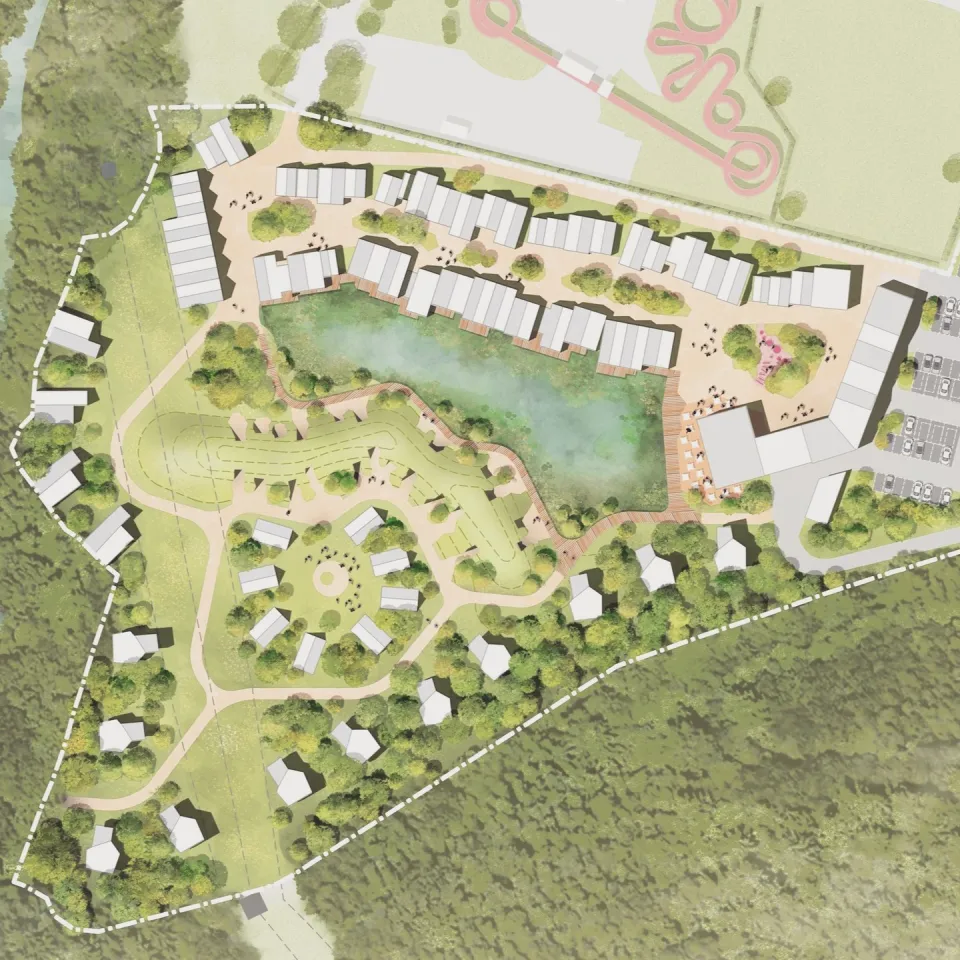
James Mancey, deputy managing director at Paultons Park, said: “Our vision is to deliver 129 units, designed to comfortably accommodate just under 600 guests at full capacity, 100 guests fewer than previously outlined.
“We anticipate it will be several years before our vision for on-site accommodation is brought to fruition; however, we are committed to continually reinvesting in our attraction, providing a world-class experience for our guests, and planning for the long-term.”
It isn’t the only addition Paultons Park is planning either.
Set to open in 2027 is a new water coaster called Serpent’s Curse, with twists, a hill and a final lake plunge.
Next year, the theme park is adding a new water coaster as wellCredit: Paultons Park
Overall, the water coaster will be 471-metres long and reach speeds of up to 44mph.
Talking about the new ride, Paultons has said it will be one of the ‘biggest rides ever built’ at the park.
The theme park was also recently named the Theme Park of the Year at the UK Theme Park Awards.
The park is home to more than 70 rides and attractions, including the recently opened Valgard: Realm of the Vikings, with Paultons Park’s first inverting coaster, Drakon.
During a 24-hour visit, Bethany Gavaghan discovered the market town’s independent shops, cafes and winding old streets — and left wanting more
08:32, 01 Oct 2026Updated 08:41, 01 Oct 2026
Reach’s Bethany Gavagha had no idea of what to expect from the market town(Image: Getty)
If you thought you had to travel hundreds of miles to cities such as Edinburgh for old town charm and a sense of being swept into a Harry Potter novel, think again — there are destinations far closer to home that are well worth a visit.
Reach’s Bethany Gavagha had never set foot in Shrewsbury in Shropshire and, despite having spotted some gorgeous photographs, she arrived with very little in the way of expectations. Writing for the Express, Bethany shared how she always preferred to keep an open mind when visiting somewhere new, and as she hadn’t done much reading or come across a great deal of content about it, she genuinely had no idea what to expect.
Shrewsbury was, however, previously crowned the town with the best high street in the UK by The Telegraph, which described it as a “beacon of light piercing the gloom”.
It noted that Shrewsbury boasted a healthy selection of quirky and independent businesses that give shoppers a “fine reason to escape the tyranny of Amazon”. Locals spoke with great pride about their town as a result.
Bethany shared: “I was there for almost exactly 24 hours, and I found out quickly that is the ideal sweet spot if you’re someone just passing through, as everything is conveniently located and easy to get to. “
Things to do in Shrewsbury
Shrewsbury is the kind of place where history is impossible to miss. The medieval market town sits within a loop of the River Severn, close to the Welsh border, with its winding streets, timber-framed buildings and hidden passageways giving the centre plenty of character.
The town’s location once made it strategically important, and Shrewsbury was first recorded in a charter in 901. Today, though, it’s the independent shops, cafés, markets and historic sights that make it such an appealing place to explore.
Shrewsbury has a particularly strong independent shopping scene. According to Visit Shropshire, independent retailers outnumber big chains by almost 50%, with boutiques and quirky shops tucked into the town’s medieval streets and narrow passages.
One of the biggest draws is Shrewsbury Market Hall, which has been voted Britain’s Favourite Market. The bustling hall is packed with food stalls, cafés, independent traders, arts and crafts and fresh produce, making it an easy place to spend far longer than planned.
There’s plenty to see between shopping stops, too.
Shrewsbury Castle is a Norman fortress sitting right beside the railway station, making it an easy addition to a wander around the town. For a completely different experience, The Quarry offers 29 acres of riverside parkland and nature reserve inside the loop of the Severn – a peaceful escape from the busy streets.
History buffs can visit Shrewsbury Abbey, founded in 1083 and made famous to many readers by Ellis Peters’ Brother Cadfael novels.
Then there are the medieval passages themselves. Narrow lanes and little cut-throughs lead off the main streets, making exploring Shrewsbury feel more like an adventure than a conventional shopping trip.
Bethany’s stay
Bethany stayed in a room that was somewhere between a hotel and an Airbnb, called Boutique Shrewsbury Rooms, tucked away in a peaceful corner of the town, just across the river and through a small park — just about manageable on foot from the train station if you’re lugging a heavy suitcase.
“I’d definitely recommend staying there if you enjoy a no-fuss approach to holidays, as you just let yourself in with a keypad and the room and the location were both gorgeous,” she wrote.
A coffee machine stocked with a variety of pods also earned a big thumbs-up from her.
Come morning, the first stop on Bethany’s agenda was a café boasting “with some of the friendliest staff”. The Shrewsbury Coffeehouse is warm and inviting, full of charm in its décor, with generous seating spread across two floors.
She opted for avocado on sourdough toast, which proved to be a perfect brunch choice — packed with flavour and finished with a scattering of chilli flakes for an added kick. Exactly what you need to set yourself up for a full day of sightseeing.
During her visit, the weather was far from kind. She said: “In fact, we actually received what I think might have been the biggest deluge of rain I’ve seen all year, but this led me to realise just how much you can still do indoors, which I normally find quite rare in older towns like this.”
Bethany kicked things off with a visit to the Shrewsbury Museum and Art Gallery, which offered a brilliant glimpse into the local area. She discovered that woolly mammoths once roamed the fields surrounding Shrewsbury — a fact Bethany found utterly captivating — and the vintage fashion collections were absolutely stunning to take in.
The town is a genuine must-visit for anyone who loves independent shops and cafés. There was even an outdoor food market offering everything from freshly baked goods to Indian cuisine.
“One place that caught my eye was the Old Market Hall cinema, which puts on everything from ballets to dramas and more,” Bethany said.
Noting the building looked “fascinating”, she added: “We didn’t manage to go in this time, but it’s firmly on my list for our next visit.”
In need of something sweet, her next port of call was a coffee shop called the Cat’s Pyjamas. It was a brilliantly quirky space — cocktails on the menu too — and a perfect haunt for indie and creative types. Bethany opted for their red velvet lamington, which was a solid 10/10.
“I would absolutely go back for more without any persuasion needed,” she said.
With a free afternoon to spare, Bethany loved wandering through the winding cobbled streets. “It was surprisingly calm for a Saturday, which only added to its charm. Maybe the weather played a part, but it definitely had that hidden gem feel compared to more hyped medieval towns like Wells, which have gone viral on social media.”
The birthplace of Charles Darwin, Shrewsbury is home to around 77,000 people and reportedly boasts more than 500 independent retailers and hospitality venues. That’s what “makes the town centre really stand out,” said Seb Slater, executive director at Shrewsbury BID.
Bethany said: “My favourite shop was a huge underground shop selling antique items, Shrewsbury Antiques Centre, which has been going for more than 30 years. I never buy anything from places like this but just walking around is an experience in itself.
With more than 50 individual traders, the range on offer is enormous.
Her final port of call was a pizza restaurant that she had strolled past earlier and earmarked as somewhere that looked well worth a visit. You can catch the mouth-watering aromas from several doors away, so it was an absolute no-brainer.
Dough and Oil has built its reputation on sourdough pizza, homemade sides and desserts, and boasts a fun-filled interior complete with a photobooth and mini football table. It ticked every single box.
She had said it before, but Bethany firmly believes the only true way to judge a pizza restaurant is to sample their margherita first — and she would give it 100% recommendation. With the visit drawing to a close, it was time to head back.
The train station was just a short walk downhill from there. She concluded: “All in all, it was a successful 24 hours, and definitely somewhere I’d like to learn more about and get to know again, hopefully with better weather next time.”
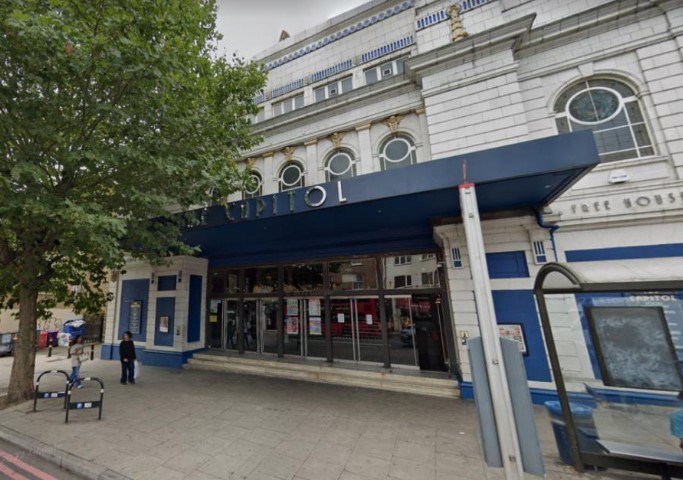
It was housed in a former 1920’s Art Deco building that used to serve as a cinema.
Sign up for the Travel newsletter
Thank you!
The picture house showed its last film in 1978 then opened as a bingo hall before JDWetherspoonssnapped it up in 1996.
But, new life is set to be breathed into the Grade II listed building as developers have revealed plans to transform it into a soft play, according to News Shopper.
Planning permission was approved back in January, with developers now working through a series of conditions to ensure the original features in the building are protected.
A multi-level play structure, party rooms, café facilities and an on-site manager’s flat is set to feature in the building.
Meanwhile, accessible toilets, buggy parking and areas for staff are also set to be built.
However, fans of the building need not worry as its original cinema entrance and distinct features will be protected.
No opening date has been confirmed for the soft play area, but works continue to be underway.
UK Prime Minister Andy Burnham is promising a major improvement to public services including social care, housing and energy. Al Jazeera’s Milena Veselinovic reports on what he’s proposing and what it could mean for the people of the UK.
After a roasting hot summer during which a trip to the beach to escape the heat was top of everyone’s agenda, Rosaleen Fenton made an autumnal visit to one of the country’s most popular seaside towns
08:41, 30 Sep 2026Updated 08:54, 30 Sep 2026
Rosaleen whizzed down to St Ives on a GWR train
A summer trip to Cornwall can often feel like a battle against the crowds. With thousands of visitors packing into its narrow lanes, navigating St Ives during peak season can make you feel like you are trapped in an endless queue – albeit one with access to delicious Cornish pasties roughly every five feet.
But as the schools reopen their doors, the town quietens down and begins to feel like a place reclaimed by its residents. I had been told September is the best time to visit, so I gave it a go, my mum and I hopping on a Great Western Railway (GWR) train from London Paddington, hoping for a glorious, slightly calmer seaside weekend.
Our journey took on a mythical feeling as we headed further west. GWR has recently revived its Line to Legend Land storybook, a century-old set of promotional travel pamphlets and books that encourage passengers to explore the scenic regions by train. It is packed with South West folklore and retellings, and now a new tale by former Children’s Laureate Sir Michael Morpurgo.
Do you have a travel story to share? Email webtravel@reachplc.com
The railway has installed five life-sized statues of these legendary figures across the network. Stepping onto the platform at St Ives, you were greeted by the famous mermaid of Zennor – which celebrates the legend of a local chorister lured beneath the waves. Reading about a coastline teeming with mythical creatures while watching Carbis Bay slide past your window felt like the perfect way to leave a busy working week behind.
Our home for the weekend was Tregenna Castle Resort, perched high on a hill and offering one of the most breathtaking views in the West Country – and not one I tire of looking at.
These stone walls have seen a lot of history. Built in 1774 as a grand private home, it was later purchased by GWR as an exclusive hotel. Today, the 72-acre estate is a dream for holidaymakers. Situated amidst lush ground, it boasts indoor and outdoor pools, woodland walks, a nine-hole golf course, and courts for tennis, badminton and pickleball.
Then there is the food, which deserves its own spotlight. We dined at the Godrevy View Restaurant, named after the distant lighthouse said to have inspired Virginia Woolf. The ever-changing menu is far superior to standard hotel fare. We begin with a beautifully arranged, nicely seasoned tomato salad served with Thai basil whipped ricotta, watermelon, ponzu and chervil (£11). For main, an 8oz fillet steak is generous, served alongside fondant potatoes, carrot puree, asparagus and baby beets.
On Sunday, we enjoyed roast beef, cooked to perfection, with all the trimmings, including Yorkshire puddings hiding a decadent treat within – a small dollop of braised beef swimming in rich jus. My daily routine quickly settled into gluttony – a delicious fry-up for breakfast, a rich chocolate brownie for dessert – an extremely pleasant way to start and finish every day.
While the town, which has a stand-out independent shopping scene and was named the UK’s prettiest seaside town just this week, is calmer in September than the summer holiday months, the streets still felt substantially fuller than you’d expect from a place of 11,000 people. A great energy, but the bustling made me yearn to return to the sublime peace of Tregenna Castle, just 15-minutes away.
With our visit coming just days after Prime Minister Andy Burnham said he was in favour of a ‘tourist tax’ for Cornwall, the topic of overtourism was top of my mind. It’s fair to say business owners in the area remain divided on the topic, but for me, the benefits are easy to see. St Ives records more than 220,000 overnight stays annually, meaning it could bring in over £1,000,000 a year – a lifeline for a town where social issues are pressing, despite its well-to-do reputation. There’s a foodbank here, and a lot of young people who can’t survive in a property market where 15% of homes are second ones.
Chatting with locals, many said they no longer live in St Ives itself, preferring nearby Penzance, where they have room to breathe, cheaper homes, and not every shop sells clotted cream fudge.
Yet as a visitor, I can see why those in the industry are wary of scaring anyone off. It’s clear how holidaymakers pour vital cash into the local economy through independent shops, galleries and restaurants. Last year Jon Hyatt, who chairs Visit Cornwall, said he was “against any charge that might put visitors off”.
It’d be a terrible shame if they were, given how much there is to enjoy, from frolicking in the waves of Porthmeor Beach and peering off the side of Smeaton’s Pier, to touring the Barbara Hepworth Museum and Sculpture Garden.
Unsure of what to take on next, my travel companion tried using an AI bot to plan a fun day out for us. Unsurprisingly, technology failed us with the app repeatedly instructing us to catch a bus route that hasn’t existed for over two years. Abandoning our future robot overlords, we turned to a friendly member of hotel staff instead, who pointed us straight toward Tate St Ives – a far superior mode of recommendation.
Opened in 1992 on a cliff overlooking Porthmeor Beach, the displays change regularly. We caught an exhibition by Halima Cassell, whose intricate geometric sculptures play beautifully with light and shadow. Outside, it feels as if her artwork was continuing, a rainbow appearing over the beach, ending atop the RNLI flag.
Afterward, we walked a stretch of the South West Coast Path and enjoyed the brutally beautiful landscape, with the rhythm of the waves calming our frazzled nerves. As a special treat, we returned to London on GWR’s overnight Night Riviera Sleeper service.
I slept blissfully after a trip to the glorious buffet bar, where you can enjoy a free hot chocolate, before heading to slumber in a carriage. Getting onto the top bunk is no trouble, with a smart fold-away ladder showing how cleverly designed this small cabin is.
We arrived back in London just after 5am, though passengers can stay on board until closer to 7am. Breakfast is delivered (for me, a bacon roll) alongside piping hot coffee – which gives me the strength to start my day back in London, where I mourn the glorious coastline I left behind.
Book it
Tregenna Castle Resort, Treloyan Avnue, St Ives. Rooms and luxury self-catering lodges available. Visit tregenna-castle.co.uk
GWR operates regular services from London Paddington. To travel in a sleeper cabin on the Night Riviera, you need to purchase a regular train ticket, plus a supplement for the cabin. For the best deals, book up to three months in advance. Book at GWR.com.
Timed entry tickets to Tate St Ives on Porthmeor Beach cost £14 (£1.50 extra with a voluntary donation), though locals can get unlimited all-year entry for £10. Book in advance at tate.org.uk/visit/tate-st-ives.
Named among the world’s five coolest neighbourhoods, it packs cafés, international food and welcoming pubs into a small pocket of a major city.
The neighbourhood is jam-packed full of coffee shops, pubs and restaurants(Image: Nicola Roy)
A £4.60 oat milk mocha might not be everyone’s idea of a bargain. But at Zennor in Govanhill, I’d argue it’s worth every penny – and the surrounding streets offer plenty of reasons to stay after the last sip.
The neighbourhood on Glasgow’s south side earned a place among the world’s five coolest neighbourhoods in Time Out’s annual list. Its appeal goes well beyond fashionable coffee shops, with a diverse mix of people, cultures and businesses shaping the area.
From Turkish börek to Pakistani street food, independent cafés to a pub named after a footballing legend, there’s plenty to explore. Some may say it’s all new coffee shops and no substance, but they couldn’t be more wrong.
A neighbourhood best explored on foot
Victoria Road is a natural starting point. Busy with dog walkers, friends catching up and people carrying takeaway coffees, it leads towards the green space of Queen’s Park.
Govanhill is one of Scotland’s most diverse neighbourhoods, reflected in its cafés, bakeries, takeaways and gift shops. You could easily spend hours browsing and stopping for something to eat.
Options include a flat white from a Transylvanian coffee shop or traditional Turkish börek from Pistachio. For me though, Zennor was the destination of choice.
On the corner of Langside Road and Dixon Avenue, Zennor’s second Glasgow location combines Scandi-inspired light wood and stainless steel décor with paper lanterns and the smell of freshly ground coffee.
Zennor’s seasonal specials are really where they excel, but I didn’t spot anything on there that caught my eye on this occasion, so I opted for a mocha. And you can’t pop in here without grabbing a sweet treat, such as their dark chocolate and sea salt cookie – utter bliss.
With oat milk, my coffee order totalled £4.60. It pains me to admit, but I don’t think that’s too steep these days, particularly when it’s this good. And it’s worth every penny in my opinion.
Where to head for a pint or a plate of pasta
Directly opposite Zennor is the Rose Reilly, my favourite pub in Govanhill. Named after the legendary footballer, it offers a welcoming atmosphere, a good choice of drinks and plenty of outdoor seating for sunny days.
For something more substantial, I recommend Pakistani Street Food for a samosa, Bar Vini for a generous serving of pasta and Errol’s Hot Pizza for the best pizza you’ll ever eat.
Together, these venues offer plenty of scope to turn a quick coffee visit into a longer afternoon or weekend exploring the neighbourhood.
More than a ‘coolest neighbourhood’ label
Govanhill’s fashionable reputation is only part of its story. The area faces challenges, and residents hold differing views about how it has changed, with gentrification a particularly contentious issue.
My view, however, is that its mix of people and cultures is what makes it such a lively and fascinating place to discover. The coffee may provide a reason to stop, but it is far from the only attraction.
There’s also libraries, craft spaces, workshops, community projects and events, and with great public transports links too, you’re never too far from other parts of the city. Other nearby neighbourhoods in Glasgow’s south side, like Pollokshields, Strathbungo and Mount Florida, are also full of fun things to do.
JANE Austen knew what she was doing when she wrote her books in atmospheric locations.
And with a new movie based on her novel Sense & Sensibility coming out this weekend, the locations in the film are the perfect destination for a staycation.
The new Sense & Sensibility film used Dartmoor for several scenes – and having been hundreds of times I know the National Park very wellCredit: Cyann FieldingThe new film featuring Daisy Edgar-Jones is believed to have filmed in Princetown and TavistockCredit: YouTubeThey even shot a scene at Ditsworthy Warren House – which was also used in War HorseCredit: YouTubeThe National Park is around nine times the size of the City of ParisCredit: YouTube
I have visited Dartmoor National Park more times than I can count, including the spots used in the film – and I stand by that it is the best staycation spot in England.
The National Park spans 368 square miles and to put that into perspective, its around nine times the size of the City of Paris.
Sign up for the Travel newsletter
Thank you!
In fact, Dartmoor is so huge you could spend a whole week exploring it and you could still come back again and see new things.
But you won’t see skyscrapers and massive roads here – instead, rolling hills meet meandering rivers with winding country roads running alongside them.
The new Sense & Sensibility film starring Daisy Edgar-Jones as Elinor Dashwood and Esmé Creed-Miles as Marianne Dashwood, used the rugged and windswept landscapes of Dartmoor extensively to film scenes of the movie.
One location used was Gutter Tor – a large granite rock pile that makes for the ideal walk.
There is a small car park not too far away and after exploring the tor, head to Ditsworthy Warren House, just south of the tor, which was also used in film and it already featured in Steven Spielberg‘s film War Horse.
As a child and still now as an adult, I love searching for letterboxes on Dartmoor – a traditional hobby box with a rubber stamp inside and a visitor book.
Across the moors there are loads of places to explore, including Dartmeet where you can waddle through the riverCredit: Alamy
Obviously some are harder to find than others and while I haven’t found one at Gutter Tor, there are three officials ones in the area.
It is a great activity for kids, like the ultimate hide and seek.
You will usually find them in the crevices of the granite rocks, or even under some that are light enough to move.
Another spot the new blockbuster used as a filming spot was Princetown, which is one of the National Park’s villages.
The small village is home to the famous Dartmoor Prison, made entirely out of granite.
Many myths and folklore about Dartmoor originate at this prison and are usually about escaped prisoners.
I’d really recommend heading to the Dartmoor Prison Museum to learn more about the 200-year-old building.
And if you want to hear more about the folklore, book onto a Heart of Dartmoor Guided Walk, based in Princetown.
Gutter Tor is another spot used for filming – if heading on a walk to the Tor, make sure to look out for a letterboxCredit: AlamyThey aren’t regular letterboxes, but instead ones with a stamp in to say you were herein the guestbook.Credit: Alamy
For half a day (£40pp) or a full-day (£70pp) visitors head off on walks across open moorland and tracks with a guide who will share local folklore, history and hidden features.
Pop into Dartmoor Brewery’s shop as well and pick up some of their famous Jail Ales which have won numerous awards over the past few years.
The ales all come from the brewerynext door, which is England‘s highest brewery at 446.5 metres above sea level.
If you want to sit and enjoy a pint in a pub, then pop into the Plume of Feathers or the Prince of Wales.
The final Dartmoor filming spot was Tavistock – a historic market town on the edge of the National Park.
Known as the original home of the cream tea, it is well worth spending a day exploring.
The World Heritage status town is home to loads of independent shops, a famous pannier market and an award-winning farmers market.
The town has a heap of restaurants, pubs and cafes as well and if you want to extend your stay then book into the Cornish Arms for a night, costing from £124 per night.
Across the moors there are loads of award-winning pubs tooCredit: AlamyAnd you might see the famous Dartmoor poniesCredit: Alamy
Dartmoor has more to explore than just these filming spots though…
One of the most popular spots to visit – with good reason – is Haytor.
The towering tor at the edge of the moors provides the ideal walk for those who enjoy being outside but don’t want anything too rigorous.
By Haytor is also The Moorland Hotel, with stunning gardens and a large restaurant serving delicious comfort food.
Staying here is the perfect base to explore the National Park and what makes it even better is that it costs from just £80 per night – so £40 per person per night, with breakfast included.
And across the moors you will find more than 70 pubs in total, many of which have won awards for either their drinks or food.
For example, head to The Chagford Inn, which is recognised as a leading West Country gastropub and focuses on farm-to-table menus.
Tavistock was also used for filmingCredit: AlamyThe bustling town has lots of coffee shops as well as top restaurantsCredit: Alamy
Also in Chagford, drop into the Three Crowns which is the Gold Winner for Pub of the Year at the Visit Devon Tourism Awards and a Devon Life Food and Drink Awards finalist.
Another fun family spot – that is free to visit – is Dartmeet.
Here you can go for a dip in the river, head over a traditional clapper bridge and venture across giant stepping stones that span the river.
If all of this wasn’t enough, Dartmoor is actually the only place in England you can wild camp for free.
So, get your tent out and you’ll have free accommodation too.
SCARBOROUGH Spa Cliff Lift was closed with immediate effect last month – with fears it might never reopen.
The funicular is the oldest of its kind in the country and has been described as a ‘landmark’ for the town.
Scarborough’s funicular is the oldest of its kind in the UK first opening in the 1800sCredit: AlamyIt was closed last month due to safety concernsCredit: Alamy
Another assessment that examined the tracks and carriages said that the lift operates in a “challenging coastal environment, where salt-laden air, high winds and severe weather can accelerate wear and corrosion”.
The cliff lift is the oldest of its kind in the country, first opening in 1875.
Originally, it was used to transport passengers between the hotels on the Esplanade and the spa.
It was powered by water and gas engines until the 1950s when it was converted to run on electricity.
The funicular has been subject to coastal erosion due to its proximity to the seaCredit: Alamy
Council leader Carl Les, said: “The lift is an important part of Scarborough’s history and identity, and we recognise the affection people have for this landmark attraction.”
Last year when the attraction turned 150-years-old, live performances and exhibitions were held in the town to celebrate its anniversary.
There are roughly 12 funicular’s left in the UK with fewer that still function.
The Saltburn Tramway, which shut back in January 2026, reopened earlier this month.
And another one that’s set to open next year after a 10-year-closure is Folkestone’s Leas Lift which was forced to close in 2017.
The hunt for the UK’s best fish and chip shop 2027 is on and there are 40 potential winners, as the shops near you make the shortlist and standout amongst thousands
There are four in one county alone(Image: Bloomberg Creative via Getty Images)
More than 40 chippies have been named on the National Fish and Chip Awards longlist, as they battle it out to be winners of the National Fish & Chip Awards for 2027.
There are contenders in almost every county, from the seaside to small villages and big cities; the UK is home to an array of tasty chippies.
This lineup of fish and chip shops has impressed the judges, scoring ‘outstanding’ across a number of categories, including food quality, customer service, industry expertise and commitment to sustainability.
Selected from entries across the UK, the businesses in the longlist have impressed judges with their products, service and ability to represent fish and chip-loving communities up and down the country.
In their 39th year of awards, they continue to recognise greatness in the food world, across 14 categories, which includes the highly contested Restaurant of the Year.
The current Takeaway of the Year titleholder, Aman Dhesi, co-owner of The Scrap Box in York, Yorkshire, shared what his win meant to him last year.
He said: “More than six months on from winning, we’re still seeing the impact of the award. It gave the business a huge boost, as did reaching the top 10 the year before, but probably the biggest thing has been the opportunities it’s opened up for us outside the shop, from media and travel to meeting people across the industry and getting involved in some really exciting projects.
“For those in the top 40, I’d say enjoy the process and make the most of it. The awards journey really makes you look closely at your own business – what you do well, what makes you different and where you can still improve.
“We learned a huge amount through the process before we ever won. And don’t try to second-guess what the judges want. Be proud of what makes your shop yours and tell that story.”
The next stage will narrow this number down to 20 in the semi-finals, before the top 10 is revealed for 2027.
The shortlist for the 40 best Fish and Chip takeaways in the UK:
Bristol
Bishopston Fish Bar
Jolly Fryer
Devon
Chippies Plaice, Newton Abbot
Taffs Fish and Chips, Torrington
Dorset
Somewhere Else Fishy, Sherborne
Essex
The Hook of Halstead
Greater Manchester
Taylors, Stockport
Hampshire
Berties, New Milton
Best Fry, Southampton
Mike’s Traditional Fish and Chips, Eastleigh
Mister Pink’s, Milford-on-Sea
Hertfordshire
The Corner Plaice, Rickmansworth
Lancashire
The Cottage, Blackpool
Lincolnshire
Catch 22, Tattershall
Linfords Fish and Chips, Market Deeping
Pips Chips, Cleethorpes
London
Chipping Wharf Fish & Chips, Bow
Fish! Kitchen, Southwark
Skipjacks, Harrow
Merseyside
The Good Catch (Freshfield), Liverpool
Norfolk
Grosvenor Fish Bar, Norwich
Nottinghamshire
Angell’s Fisheries, Newark
Oxfordshire
Harrison’s Fish & Chip Co., Oxford
Somerset
Knights Fish Restaurant, Glastonbury
Suffolk
Tulula’s Fish & Chips, Halesworth
Surrey
The Hake, Weybridge
Seafare Guildford
Yorkshire
The Fish Bank, Sherburn-in-Elmet
Northern Ireland
County Antrim
Browns Award Winning Fish and Chips, Belfast
Merchant Fish and Chips, Ballymena
County Down
The Frying Squad (Balloo), Bangor
McCann’s Fish & Chips, Newcastle
Scotland
Aberdeenshire
Garioch Fish Bar, Inverurie
Lows Traditional Fish & Chips (Westhill), Aberdeen
Ayrshire
Enzo’s Fish and Chips, Irvine
The Fish Works, Largs
Inverness-shire
Hilton Chip Shop, Inverness
Monster Fish & Chips Co., Fort Augustus
Wales
Powys
Hennighan’s Fish & Chips Bottom Shop, Machynlleth
Vale of Glamorgan
Farnhams Fish and Chips (Boverton), Llantwit Major
THE UK’s biggest waterpark is about to be the best place to start your weekend.
Sandcastle Waterpark, which is the largest and recently voted best in the country will be open for more hours of fun on Friday evenings.
Sandcastle Waterpark in Blackpool has launched new evenings eventsCredit: Sandcastle Waterpark Blackpool / FacebookOn Friday nights it will be open for an extra four hoursCredit: PR Handout image
The Blackpool waterpark has launched its Friday Night Splash event, so now you can spend your evening on its 18 slides and in the swimming pool.
Usually the waterpark is open is until 2:30pm in the week and 4pm on the weekends.
Sign up for the Travel newsletter
Thank you!
But the new Friday sessions will let you visit from 4pm until 8pm, for a post-work splash before the weekend.
The tropical waterpark, which is always heated to 28C, has something for everyone whether you’re after family-friendly splash zones or thrilling flumes.
There are 18 slides in total, and those wanting to try out the speedy rides should head to The Master Blaster which is described as “white knuckle”.
There’s also Sidewinder, the world’s first indoor half-pipe waterslide and Montazooma, a high-speed ride with hairpin bends and 360 degree helixes on the way from top to bottom.
For families, head to Thunderfalls, which are two twisting waterslides for side-by-side racing.
There are also treehouses and forts for kids to play in and that’s where you’ll find the country’s biggest water cannon.
The slower moving Ushi Gushi River Creek is the lazy river ride while the Typhoon Lagoon is the waterpark’s huge wave pool.
While the kids are splashing about, adults can escape to the Sea Breeze Spa for an extra £7 to unwind in the sauna, steam room, and aromatherapy lounge.
The waterpark has just been voted the best in the countryCredit: PR Handout image
For the ultimate VIP day out, the £60 Tiki Cabana package gets you park entry, lunch and soft drinks, spa access, and the private retreat comes with a TV and hot tub.
Tickets to the waterpark for a three-hour session costs from £25.50 per person over the age of eight (if booked in advance).
Tickets for kids between three and seven-years-old cost from £16.50 per person and children under three go free.
The waterpark is two minutes from Blackpool Pleasure Beach – so it’s easy to make a day out of it and see all the attractions.
The main season runs until October 31, with opening dates from Wednesday to Sunday – this drops down to just weekends after this.
The AA Hotel of the Year in Scotland was named as Crossbasket Castle in High Blantyre, while in Wales it was Porth Tocyn Hotel in Abersoch, Gwynedd.
In Northern Ireland, Culloden Estate & Spa in Holywood, County Down nabbed the top spot.
There is also an AA Hotel of the Year for London, which was The Emory.
Old Course Hotel, Golf Resort & Spa was named the AA Spa Hotel of the YearCredit: Trip Advisor/Old Course Hotel, Golf Resort & Spa Management
When it came to the AA B&B of the Year, Lys-Na-Greyne, Aboyne, Aberdeenshire secured the award.
The B&B features six rooms with en-suites and there is also a lounge, conservatory and gardens for guests to explore.
The B&B also sits in the Cairngorms National Park making it the perfect spot for those who want to explore Royal Deeside by hiking, fishing and biking,
And for a slightly further afield day trip, Balmoral Castle is only a 20-minute drive away.
If you want to pamper yourself, visit Old Course Hotel, Golf Resort & Spa, St Andrews in Fife, which won AA Spa Hotel of the Year.
The spa at the hotel is one of Europe’s top spa facilities, with a number of hydrotherapy treatments and a 20-metre indoor swimmingpool.
The Penny Bun, Otley, West Yorkshire took the award for AA Inn of the Year.
Coming out on top as the AA Hotel of the Year in England is the Calcot & Spa, Tetbury, GloucestershireCredit: Trip Advisor/Calcot & Spa ManagementIt dates back to the 14th century and is surrounded by wildflower meadowsCredit: Trip Advisor/Calcot & Spa Management
And last but not least, the AA Restaurant with Rooms of the Year award was given to House of George W. Davies, Broadway, Worcestershire.
Simon Numphud, Managing Director of AA Hotel & Hospitality Services said: “Every year, the AA Hospitality Awards shines a light on hotels, restaurants, B&Bs, Inns and Chefs going above and beyond to deliver memorable experiences for guests and diners.
“This year’s winners showcase the breadth and quality of hospitality across the UK, giving consumers a host of trusted recommendations and inspiration for their next meal or stay.
“Behind every award is a commitment to quality and service, which is what helps sets British hospitality apart, underpinning its world-renowned reputation.”
AA Hospitality Awards
AA Chefs’ Chef of the Year
Adam Byatt of Trinity Restaurant, London
AA Restaurants of the Year
England – The Star Inn, Harome, North Yorkshire
London – AngloThai, London
Wales – The Walnut Tree Inn, Abergavenny, Monmouthshire
Scotland – Swadish by Ajay Kumar, Glasgow, Glasgow City
AA Group of the Year
The Celtic Collection, Newport, South Wales
AA Hotels of the Year
London – The Emory, London
England – Calcot & Spa, Tetbury, Gloucestershire
Scotland – Crossbasket Castle, High Blantyre, South Lanarkshire
Wales – Porth Tocyn Hotel, Abersoch, Gwynedd
Northern Ireland – Culloden Estate & Spa, Holywood, County Down
AA Small Hotel Group of the Year
AA Wine Award
England and Overall – etch. by Steven Edwards, Brighton, East Sussex
Wales – The Jackdaw, Conwy, Conwy County Borough
Scotland – Knockinaam Lodge, Portpatrick, Dumfries and Galloway
AA Sustainable Restaurant of the Year
The Black Swan at Oldstead, Oldstead, North Yorkshire
AA Inn of the Year
The Penny Bun, Otley, West Yorkshire
AA B&B of the Year
Lys-Na-Greyne, Aboyne, Aberdeenshire
AA Restaurant with Rooms of the Year
House of George W. Davies, Broadway, Worcestershire
AA Spa Hotel of the Year
Old Course Hotel, Golf Resort & Spa, St Andrews, Fife
AA Sustainable Award
Malmaison & Hotel du Vin, Nationwide
AA College Restaurant of the Year
The Classroom, Cardiff & Vale College, Cardiff
New 4 Rosettes
Frog by Adam Handling, London
Hide and Fox, Hythe, Kent
Ikoyi, London
Inver, Strathlachlan, Argyll and Bute
LI~LY by Aiden Byrne, Knutsford, Cheshire
The Cocochine, London
New 3 Rosettes
AngloThai, London
Daise by Tony Parkin, Wirral, Merseyside
FERN, Nanstallon, Cornwall
Flavour, Tarbert, Western Isles
KYND at Hampton Manor, Solihull, West Midlands
Langar Hall Hotel, Langar, Nottinghamshire
Lofft, Cardiff
Luna Omakase, London
Orrery by Pierre Minotti, London
Restaurant Elm, Sheffield, South Yorkshire
Sō-lō Restaurant, Aughton, Lancashire
St Barts, London
The Bath Priory Hotel, Restaurant & Spa, Bath, Somerset