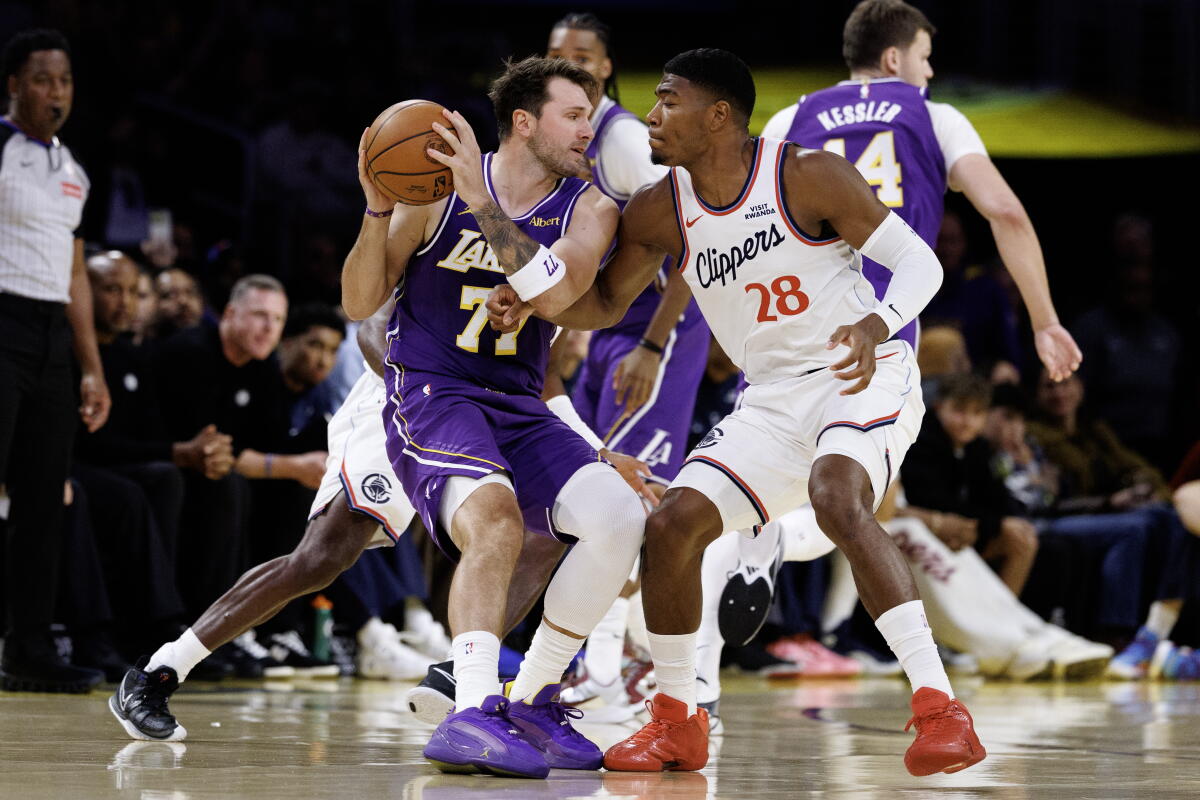
Two former teammates sized each other up. Luka Doncic waved off the screen. He wanted the matchup with Rui Hachimura. The crowd at Crypto.com Arena buzzed in anticipation.
Doncic smiled wide.
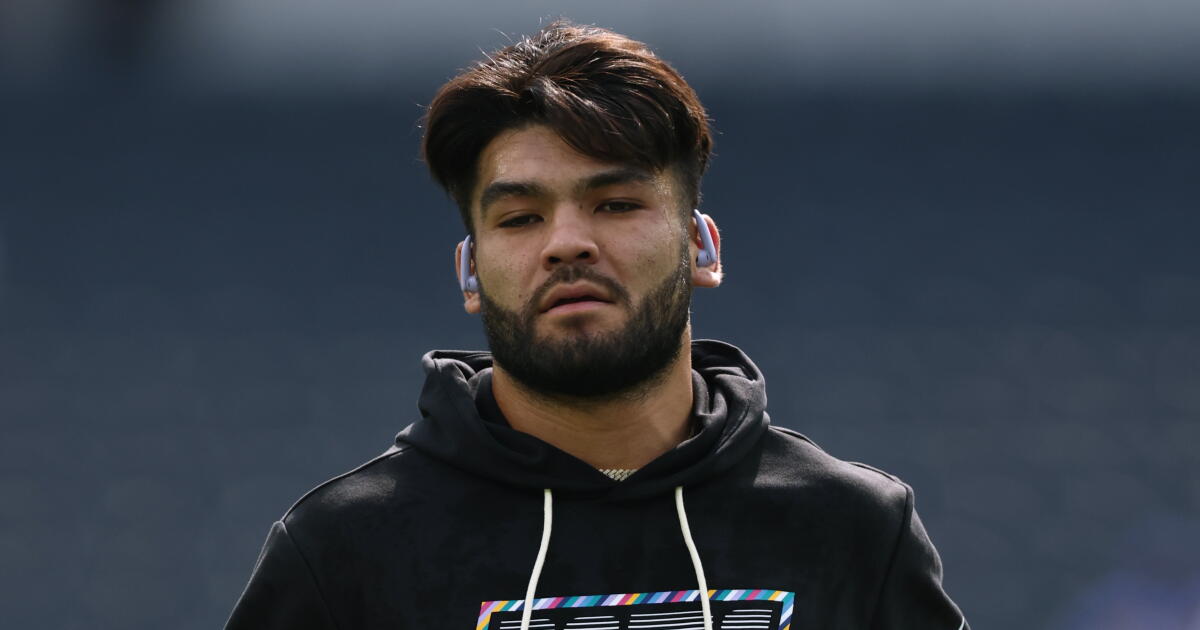
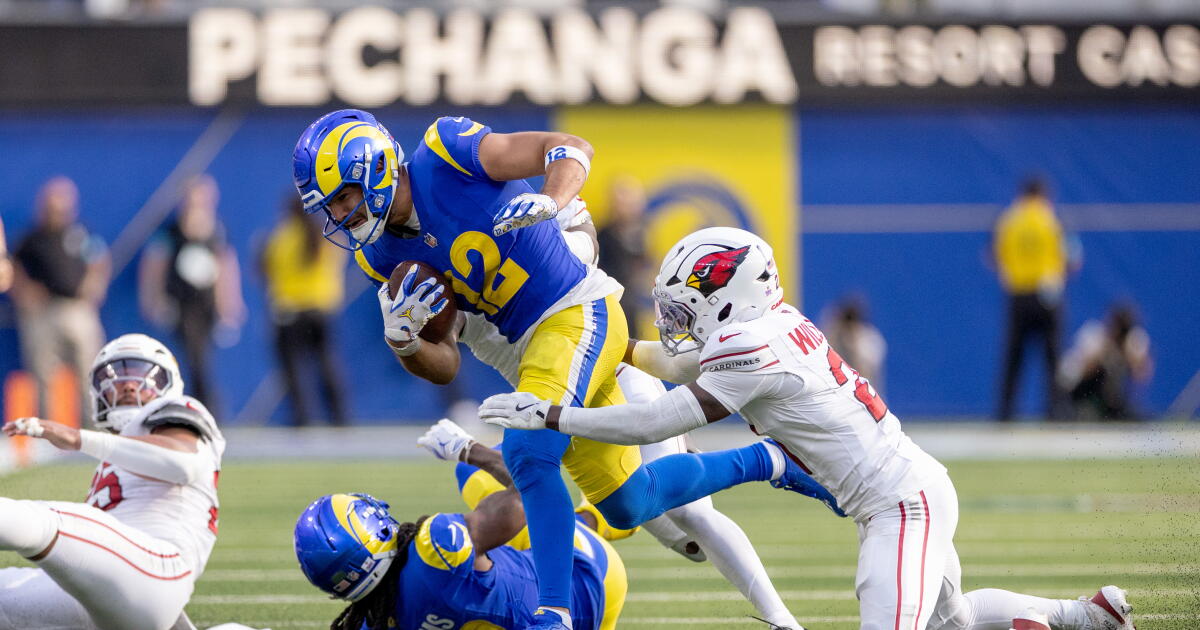
After four years in which he became a staple in the Lakers’ lineup, Hachimura returned to face his former team for the first time as a Clipper on Friday at Crypto.com Arena. The forward got a warm greeting from the fans, who welcomed him in the starting lineup with a loud roar. The Lakers played a video tribute during the first timeout to honor Hachimura’s four years with the franchise.
But as he started piling up his 16 points in the Lakers’ 125-117 win over their crosstown rival, the crowd started to turn on the sharp-shooting Hachimura.
“Traitor!” one fan yelled when he hit a shot during a tight first half before the Lakers pulled away by outscoring the Clippers 39-26 in the third quarter.
Hachimura, who left the Lakers in free agency, made his love for the team clear. He signed a relatively conservative two-year, $28-million deal with the Clippers, turning down other offers in part because he wanted to stay in L.A.
“It was amazing,” Hachimura said of his time with the Lakers. “I had a great time with them. The organization, yeah, of course I miss them, but it was time to move on. It was special, my four years, four seasons with them. I’m happy with the Clippers right now, and I gotta keep growing my career.”
Clippers coach Tyronn Lue said playing the first game back in an old arena can be disorienting. He experienced it after leaving the Lakers, who drafted him in 1998, and returning with the Washington Wizards in 2002. He had never seen the other locker room in his former home arena.
“Just being on the other side, the other bench, in the other locker room, it was just really weird,” Lue said. “And then playing against guys that kind of taught you the game, kind of molded you as a player, and just sitting across from it, it was really weird for me.”
Hachimura jokingly walked toward the Lakers locker room before the game. Before beginning his pregame shooting routine, Hachimura hugged Lakers assistant Beau Levesque, who was Hachimura’s player development coach, and Lakers guard Austin Reaves, one of his closest friends.
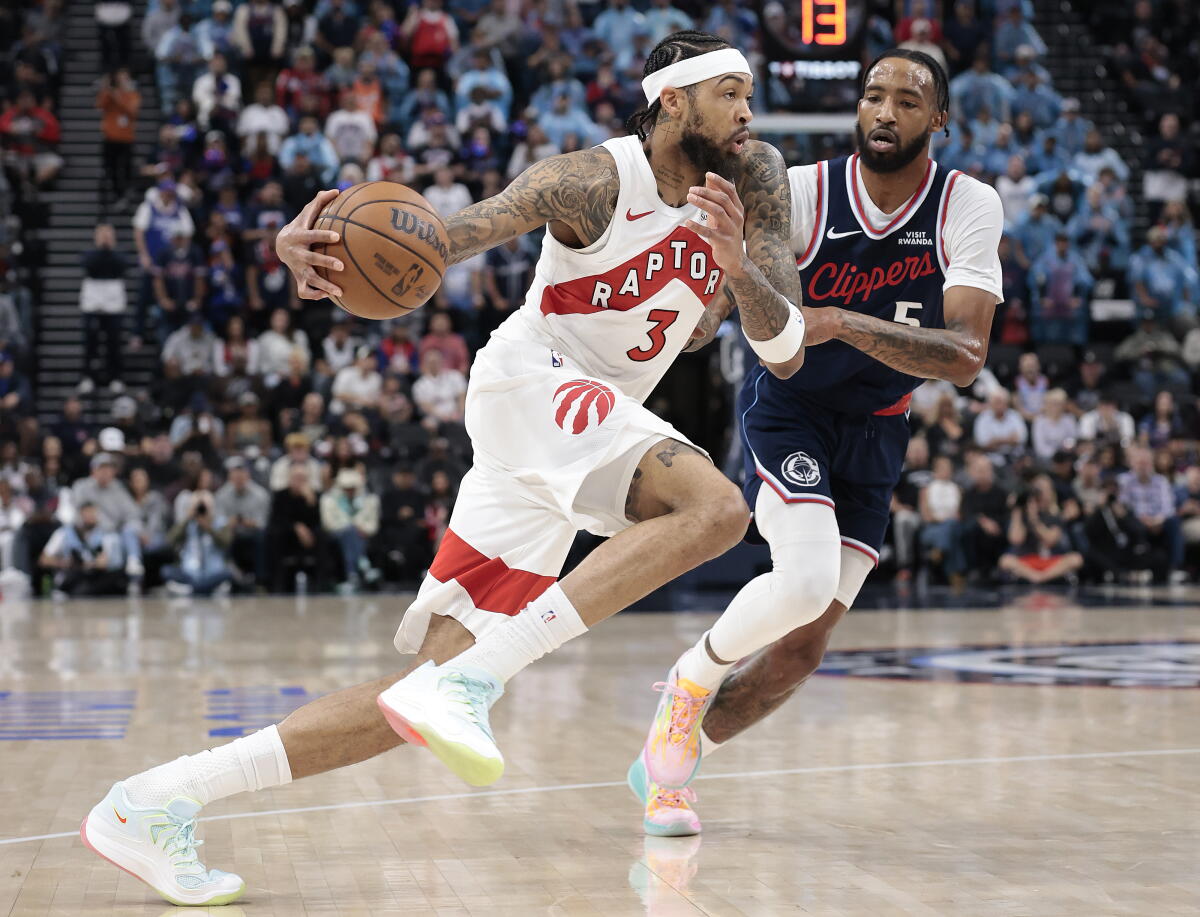
Clippers forward Rui Hachimura, right, guards Lakers guard Luka Doncic in the first half Friday.
(Gina Ferazzi / Los Angeles Times)
When Hachimura was traded to the Lakers in January 2023, Reaves was in his second season with the Lakers. While they became close, Reaves initially spent weeks thinking Hachimura didn’t speak English.
“I’d sit by him on the plane and he didn’t speak to me,” Reaves said this week. “After that, I couldn’t get him to shut up. Great guy, great player and I miss him.”
Hachimura developed into one of the Lakers’ most dependable shooters. A 35.6% three-point shooter while with Washington, where he was drafted ninth overall in 2019, Hachimura shot 44.3% from three during his last season with the Lakers. Lakers coach JJ Redick marveled at Hachimura’s reliable mid-range game that he once compared to “prime Michael Jordan.”
During the playoffs, when the injury-riddled Lakers stunned the Houston Rockets in the first round before losing to the Oklahoma City Thunder in the Western Conference semifinals, Hachimura shot a sizzling 56.9% (15 for 31) from three. His career 51.6% postseason three-point shooting percentage is the highest in NBA history.
Hachimura filled a supporting role with the Lakers, where he was overshadowed by Reaves, Doncic and LeBron James. But with the Clippers, he has a leading opportunity. Hachimura had the second-most shot attempts among Clippers players Friday, going five for 14 from the field and three for six from three.
Facing different defenses than he saw while being the Lakers’ fourth offensive option, Hachimura’s efficiency has dipped. He is shooting 29.6% from the field and 38.5% from three while averaging 13 points and seven rebounds for the Clippers (0-2).
“I think understanding some of the actions we’re trying to run from him, like being quicker, being faster, not allowing guys to get back to his body so he can come off open, and just timing things,” Lue said of how Hachimura can adjust to being a focal point of an opposing team’s scouting report. “Little timing things here and there. We know when it’s post up, teams are doubling. So he has to find a way in transition, playing faster, attacking early, attacking faster in transition, but we’ll get him shots.”
During pregame warmups, Doncic sprinted out of the Lakers tunnel and straight to Hachimura, who was warming up in the corner. Doncic wrapped his former teammate in a hug. They laughed and joked all the way to midcourt before Hachimura resumed his shooting.
When the game started, Hachimura hit his first three over Doncic, who was late to close out. The Lakers star waved his hand in mock disgust toward Hachimura.
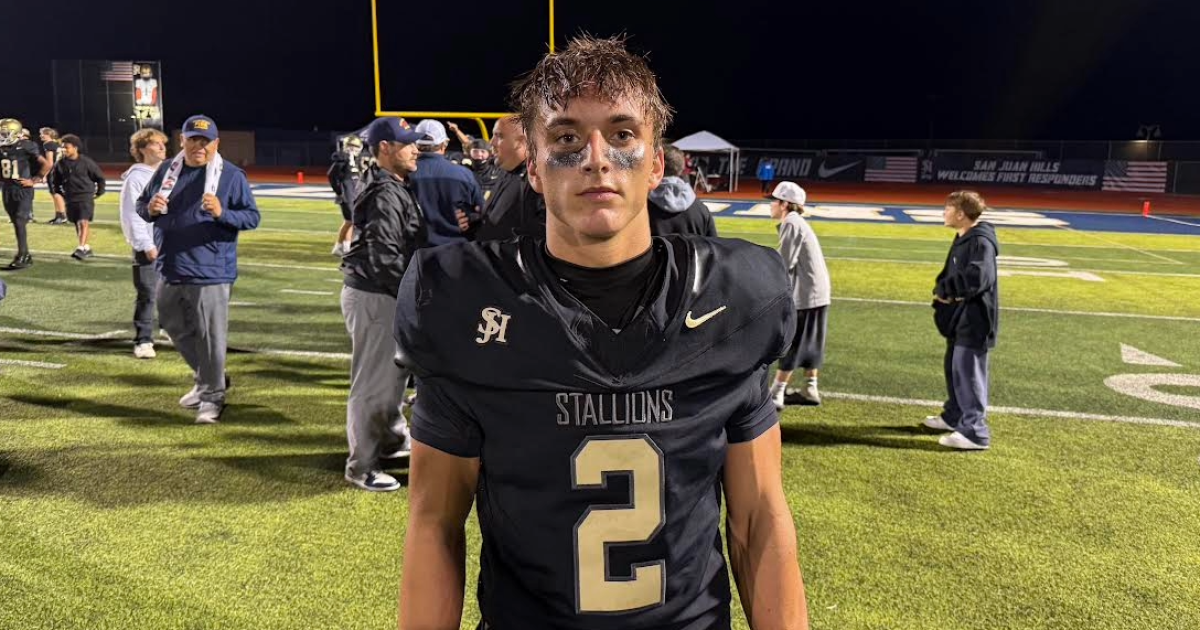
The energy at The Badlands Stadium on Friday night was too much for Mother Earth to handle. She had to put a temporary stop to it.
Both sets of players for San Juan Hills High and San Clemente were fired up by a full crowd of rowdy fans, and it promised to be one of the best high school atmospheres of the season.
But then everybody was forced into the basketball gym after five minutes and seven seconds of play. For 90 minutes a lightning delay threatened to end the affair all together.
Nothing, however, could force these two teams and communities to give up on this night. After the Norte fire tore through 570 acres across south Orange County, destroying many homes in the process, everybody needed this. The matchup — which hadn’t been played since 2021 — meant so much to both the Stallions and Tritons.
“Between the white lines, for 48 minutes, I expect nothing less than war,” San Juan Hills head coach Robert Frith said before kickoff.
It was San Juan Hills (8-1) that ultimately came through with an 16-0 upset victory, which puts it on the brink of the Alpha League title before next week’s big matchup against Mission Viejo.
This was the Stallions’ first win against San Clemente (7-1) since 2015, and likely knocked the Tritons out of contention for the CIF Southern Section Division 1 playoffs. That felt pretty sweet for Arthur Tuverson, who gave a little smack talk to the San Clemente student section after the game, taunting them about the defense’s shutout.
It was the junior defensive back’s 52-yard touchdown interception that sealed the victory. As he ran it down the field, the noise in the stadium reached pre-delay levels.
“I knew they were in desperation mode and needed to pass the ball,” Tuverson said after the win. “I made the play. I was waiting for it.”
Both teams played with backup quarterbacks as Preston Beck for San Clemente and Eiler King for San Juan Hills were out because of injuries.
The Stallions turned to senior Parker Armstrong, who started two years at Scripps Ranch High in San Diego. He finished the night completing 17 for 19 passes for 172 yards, doing enough to manage a low scoring contest and help his team not turn the ball over for the seventh game running.
The Tritons gave freshman Koston James his first taste of varsity action, but it was a tough game to come into as he finished 11-for-16 passing for 60 yards with two interceptions.
San Clemente coach Jaime Ortiz knew that points would be at a premium in this matchup.
“We’re going to have to play good defense and not allow the big play,” Ortiz said pregame.
Frith called it a power of wills. San Clemente let gave up only 20 rushing yards, but San Juan Hills’ two interceptions and swarming defensive line swung the game.
Late in the third quarter, San Clemente attempted a flea flicker and San Juan Hills was on James the second he got the ball back. It was exemplary of the home team’s sustained energy during a long and tiring night.
San Clemente often ran two-way star Jaxson Rex out of the Wildcat formation, letting the Brigham Young commit’s athleticism take center stage. A lot was put on the talented senior’s shoulders to get the offense going. He finished with five catches for 42 yards and 32 rushing yards.
His counterpart, Texas State commit Luke Frith, finished with four catches for 48 yards.
Frith noted pregame that special teams would have a big role to play in the night. He was correct, as San Juan Hills senior kicker Trevor Koko knocked through two field goals in the first half, and then nailed a season-long 44-yarder to put the Stallions up 9-0 in the third quarter. San Clemente missed a field goal when down 3-0.
Penalties also hurt the Tritons as they committed 10 for 105 yards in the team’s first loss of the season after last week’s game against Mission Viejo was cancelled because of the Norte fire.
Before the game, first responders were honored and both coaches made sure to express their gratitude for the swift and effective work of those who protected the communities.
The coaches on both sidelines wore Orange County Fire Authority hats as a token of gratitude.
“[The hats] are a sign that it is sometimes bigger than football, and a lot of programs could take note of that,” Ortiz said.
The Lakers appeared to be on their way to almost being whole Friday night when guard Collin Sexton returned to play for the first time this season. Then word came that key role player Jake LaRavia was out because of an ankle injury.
Still, the Lakers pressed on in their second game, a game against the crosstown rival Clippers, a game with meaning for both teams.
Though the Lakers were sloppy with the ball in the fourth quarter, having six players score in double figures helped them pull out a 125-117 win over the Clippers at Crypto.com Arena.
Austin Reaves led the way with 28 points and nine assists, but he had six turnovers. Luka Doncic had 23 points, seven assists and six rebounds, but he had 11 of the Lakers’ 21 turnovers.
Walker Kessler was a force again, scoring 22 points on 10-for-14 shooting, grabbing eight rebounds and blocking six shots.
The Lakers led by 15 points in the second half after the score was tied at halftime, but kept turning the ball over and saw the lead sliced to six with three minutes and 18 seconds left on a basket by Darius Garland, who finished with 26 points.
But Kessler played big in the final few minutes, making two free throws and blocking a shot late in the game.
Kessler sopened the game with his defensive presence. He stole the basketball and took it the length of the court for a two-handed dunk in the first quarter.
Kessler blocked a shot by Derrick Jones Jr., leading to a three-pointer by Reaves for an 89-77 Lakers lead in the third quarter.
Kessler then went to work on the backboards, grabbing an offensive rebound and scoring on a reverse layup while being fouled by Brook Lopez. Kessler flexed and yelled. He missed the free throw, but his basket had given the Lakers a 91-77 in the third quarter and it kept their momentum going.
Kessler kept up his fantastic play in the fourth quarter, challenging a shot on defense by Rui Hachimura and then running on the fast break to catch a lob from Reaves for a two-handed dunk and a 15-point Lakers lead.
It was also the return of Hachimura, who spent 3 ½-seasons with the Lakers before joining the Clippers this summer on a two-year, $28-million deal. The well-liked Hachimura was shown just how much when the Lakers played highlights from when he played with them.
Clippers forward Rui Hachimura, playing tight defense on Lakers guard Luka Doncic, returned to Crypto.com Arena where played for parts of three seasons. He had 16 points, six rebounds and two steals.
(Gina Ferazzi / Los Angeles Times)
Hachimura had 12 points at the half, doing his part to help the Clippers stay at 64-64.
Before the game, Lakers coach JJ Redick spoke glowingly of how Hachimura played during the preseason for the Clippers.
“They’re running a lot of the same stuff for Rui that they ran for PG [Paul George] and at times Kawhi [Leonard],” Redick said. “He’s playing free and he’s playing ultra-aggressive right now.”
With three minutes and 52 seconds left in the first quarter, Sexton checked into the game, and his first play was a steal.
Sexton missed the first regular-season game and five exhibition games because of lower leg injury. He played 16 minutes and had five points and three steals.
Etc.
LaRavia didn’t play because of a sprained right ankle. LaRavia played in all 82 games last season for the first time in his career. His goal was to play in all 82 this season, but he’s already missed his first game and might not be available to play until Sunday at Utah or Tuesday at home against the Portland Trail Blazers.
“We talked last week and mentioned that was one of his goals for the season. He had the same goal last year and he was able to do that,” Redick said. “Play through some stuff at times last year. Wanted to play. We talked to him this morning before shoot-around and I was going to try to give it a go and went to the treatment room and just it’s not there, but he’s hopeful he could be back Sunday, if not Tuesday.”
MILWAUKEE — Milwaukee is going absolutely nuts. The Brewers have sold out Game 3 and Game 4 of the World Series.
The Tampa Bay Rays will host those games, but the Brewers invited fans to come to their stadium and watch on the big screen. The Brewers sold more than 31,000 tickets to each of their watch parties at $15 apiece. On Friday morning, StubHub offered them for resale, starting at $168.
There is nothing quite like a city uniting behind a team that never has won a World Series. Ask Logan Henderson.
Henderson, the Brewers’ starting pitcher Saturday in Milwaukee, grew up a huge fan of the Houston Astros. He was 15 when he saw his first World Series game.
“My parents had always said, if we were fortunate enough to be able to watch them go to the World Series, we’re going to do everything we can to get there,” Henderson said. “I was blessed that my parents got tickets to go to the games.
“There’s nothing like it. I’m on the other side of it now. I was a spectator and a fan, now I’m a player. It’s definitely surreal.”
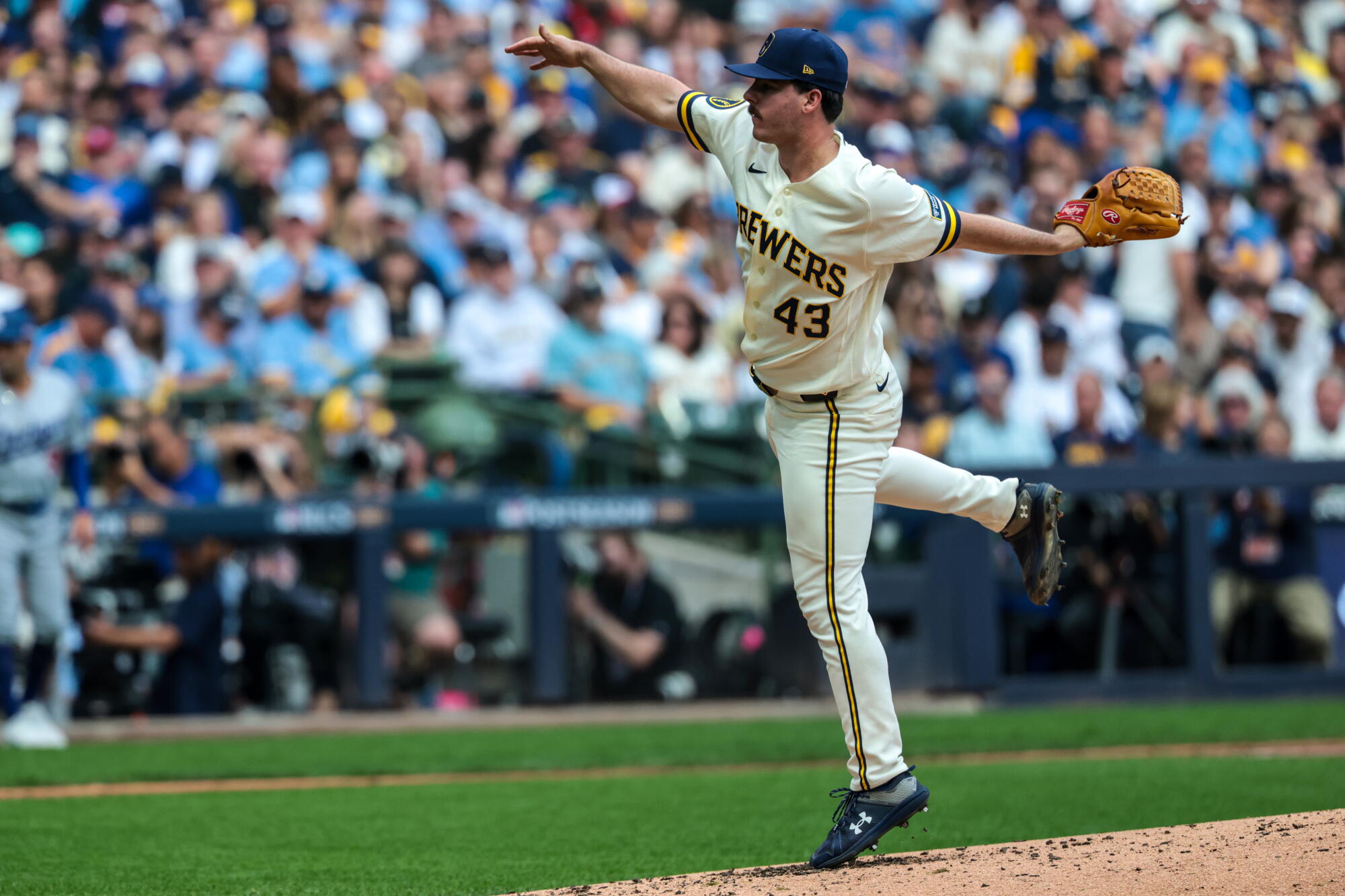
Milwaukee Brewers pitcher Logan Henderson follows through on a pitch during Game 2 of the NLCS against the Dodgers in Milwaukee on Oct. 12.
“I went to the one before the crazy one,” he said. “L.A. ended up winning that game.”
In the crazy one, the Dodgers blew two four-run leads, tied the score with three runs in the ninth inning and lost in the 10th.
If we knew then what we know now, Game 4 would be the crazy one: Dodgers pitcher Alex Wood constantly changing his signs, suspicious that the Astros might be up to something, whatever that might be.
Dodgers pitcher Alex Wood delivers from the mound during Game 4 of the World Series against the Astros on Oct. 28, 2017, in Houston.
(Pool / Getty Images)
Wood was vindicated three years later, when a league investigation revealed the Astros had been cheating in 2017, stealing signs from a television monitor next to the dugout and relaying them to batters by banging on trash cans. The practice, according to the report issued by commissioner Rob Manfred, was refined during the regular season and extended “throughout the postseason.”
The scandal outraged the Dodgers and their fans. The Los Angeles City Council voted unanimously to demand Manfred award the 2017 championship to the Dodgers. Their players wanted nothing to do with that. A real championship, after all, would come with champagne and beer in the clubhouse and a parade through the streets.
When the Astros’ team buses arrived at Dodger Stadium for games during the pandemic season of 2020, when ballparks were closed to the public, Dodgers fans gathered outside to boo.
Dodgers fans boo Jose Altuve of the Astros after he struck out in a game on Aug. 3, 2001, at Dodger Stadium.
“That meant absolutely everything to the city. I hope that means what it did for me to the fans in Milwaukee here.”
The Rays also are trying to bring their first championship home to Tampa Bay. In 2017, hard as this might be to believe today, the mighty Dodgers had not won a championship in 29 years.
And now, as a major leaguer, Henderson has an acute appreciation of the little things that can mean the difference between victory and defeat, between a parade and another plaintive chorus of “wait ‘til next year.”
“I would rather face a player that was taking steroids than face a player that knew every pitch that was coming,” Wood tweeted after Manfred’s report on the Astros’ cheating.
Henderson knows how hard this is to do. The Brewers haven’t appeared in the World Series in 44 years, and owner Mark Attanasio said nervous fans already are wondering whether their next appearance will be 44 years away.
So I asked Henderson if, all these years later, the scandal changed how he felt about those Astros.
He paused.
He exhaled.
He paused again.
“Maybe a little bit,” Henderson said. “It’s unfortunate. I try not to think about it or talk on it too much. I think now, being in the game, my perspective on it is a little different.
“I think for the kid in me — and the huge baseball fan I was — that team will always have a special place in my heart.”
It was a potential nightmare scenario. Starting left tackle, Elijah Paige, had been scratched in pregame warm-ups at Penn State. And in his place stepped a true freshman in his first start at USC, forced to find his way in a White Out, surrounded by a hostile crowd of 114,000 strong.
But when Vlad Dyakonov learned he was stepping in, a couple of hours ahead of kickoff, his coaches were surprised by how little it seemed to faze him.
“Some of us [coaches] were like, ‘Does he realize what he’s getting himself into?’” coach Lincoln Riley said, with a grin. “He didn’t flinch, man.”
You could say the same, generally, about USC’s entire front through the first half of this season. After years of shallow depth, unfortunate injuries, and transfer misfires at the position, USC’s offensive line has been the stabilizing force propelling its high-powered attack to a 6-1 record.
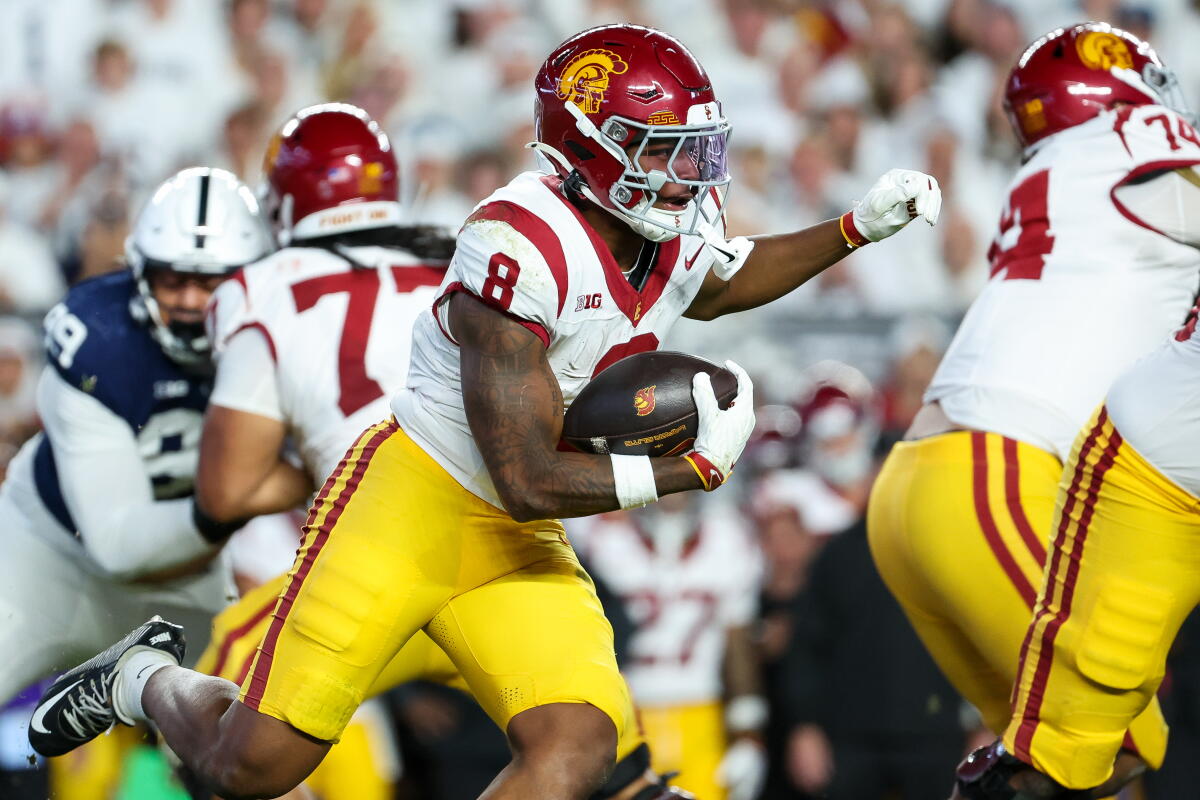
USC running back King Miller carries the ball as the offensive line blocks during a win at Penn State on Oct. 10.
(Isaiah Vazquez / Getty Images)
That’s a testament primarily to offensive line coach Zach Hanson, who, in his fifth season, has now fully rebuilt the room in his image.
“He’s a very steady guy,” Riley said of Hanson. “He’s not a guy who fluctuates a lot day to day, so our players kind of feed off of that. There’s a steadiness to our group.”
USC is also entering the brutal back half of its schedule with that group as healthy as it has been all season. As the Trojans take to the road Saturday looking to build momentum off the big win over Penn State and subsequent bye week, they’ll have all five starters available along the offensive line against Wisconsin. Paige is set to return, as is left guard Hayden Treter, who missed the last two games.
It comes at an ideal time, considering the pass rusher they’ll have to contend with Saturday. The Badgers have just eight sacks as a defense this season, but boast one of the best pass rushers in the Big Ten, senior Sebastian Cheeks. Cheeks leads the conference with 28 quarterback pressures.
Few teams, though, have been better than USC through seven games at protecting the quarterback. The Trojans’ starting offensive line has only given up one more combined pressure (29) than Cheeks has accumulated himself this season, while only allowing seven sacks in seven games.
“We’re a unit,” center Tobias Raymond said. “So everyone is feeding off each other.”
USC offensive lineman Elijah Paige blocks during a game against Oregon at the Coliseum on Sept. 26.
(Ben Liebenberg / Getty Images)
With Cheeks and a handful of other fearsome pass rushers approaching on USC’s upcoming Big Ten slate, right tackle Justin Tauanuu said the Trojans used the bye week to get back to the basics up front.
“Going against great players like that, you have to go back to fundamentals,” Tauanuu said. “Fundamentals will triumph over everything else.”
USC hasn’t looked like a line in need of much instruction this season. Jayden Maiava has faced pressure on just over 20% over his dropbacks, which ranks 10th among all quarterbacks nationally. It’s also a considerably lower rate of pressure than any USC quarterback has faced in recent years. The previous low, under Riley, was 30.5% with Miller Moss at quarterback in 2024.
Part of that success is Maiava’s penchant for getting rid of the ball quickly. But his protection has certainly been a critical aspect of his success this season. Because when pressure has managed to reach him, the USC senior has been much less effective as a passer. According to Pro Football Focus, Maiava has a completion rate of just 39% under pressure versus 79% when he has a clean pocket.
Blitzes also haven’t bothered USC’s passing attack much, either. Another product of the line’s impressive performance to date. Maiava has essentially had the same amount of time to throw when blitzed (2.7 seconds) versus when not blitzed (2.78 seconds).
Creating room in the run game has been a different story. USC has been considerably less effective on the ground this season than in recent years — a fact that Riley said was front of mind during the bye. The Trojans rank ninth in the Big Ten in rush yards per attempt (4.33) and 10th in rush plays of 20-plus yards (5).
“We definitely can run the ball better,” Riley said. “We’re gonna need to run the ball better. Good is not good enough for us.”
As a whole, though, it’s hard to imagine USC being in a better place up front this season. Especially considering where the position stood at the start of Riley’s tenure. The coach tried, at first, to build the room through the transfer portal and saw mixed results. After that, injuries ravaged an otherwise thin room.
But now the depth Hanson has built over the past few years is paying off. USC has already weathered injuries, including a season-ending injury to last year’s starting center, Kilian O’Connor. Meanwhile, several highly touted linemen are still currently buried on the depth chart, among them five-star freshman Keenyi Pepe, whose progression Riley said has been impressive.
“If you just kind of look at the makeup of it, we don’t have transfers,” Riley said. “We have a lot of guys who were kind of homegrown in this program. We have a good healthy young group. Zach has obviously had a big role in putting that whole group together.”
Rams receiver Puka Nacua will not practice Friday because of a calf injury and will be listed as questionable for Sunday’s game against the Las Vegas Raiders, coach Sean McVay said Friday.
Nacua took part in the majority of practice on Thursday but did not finish it. McVay indicated that tests revealed “a little minor thing in there,” and that Nacua would be a game-time decision Sunday.
“I don’t think he knows exactly when it occurred,” McVay said, adding, “he felt it where he wasn’t able to have some of the power and full explosion … but i don’t think he was aware of any sort of specific play that led to it.”
Nacua played in the season-opening loss to the San Francisco 49ers and then sat out two games because of a hip injury that caused abdominal soreness. He returned and produced more than 100 yards receiving in each of the next two games, and then caught six passes for 80 yards in last Sunday’s 18-16 defeat by the Arizona Cardinals.
Nacua, the NFL receptions leader in 2025, has 37 catches for 417 yards and a touchdown, and he also has rushed for a touchdown this season.
Nacua’s injury is the latest in a series suffered by a Rams team that opened the season as the favorite to win Super Bowl LXI at SoFi Stadium, but has lost its last two games to fall to 2-4.
Receiver Davante Adams is expected to be sidelined six to 10 weeks because of a hamstring injury suffered against the Cardinals.
Jordan Whittington, Konata Mumpfield, Tutu Atwell and rookie CJ Daniels are other Rams receivers.
“It’s our job to figure out, all right, what are some of the spots we can put them in that accentuate their skillsets,” McVay said.
Inside linebacker Nate Landman is out because of a concussion, McVay said. So veteran Eric Kendricks, who was signed to the practice squad a few weeks ago, will be activated to the roster against the Raiders.
Cornerback Trent McDuffie, who sat out against the Cardinals because of a groin injury, did not practice this week and will be listed as questionable against the Raiders.
ARE you racking your brain for new ways to entertain the kids this half term, especially given the unpredictable weather?
Do not fear – here we’ve collated a full list of some of England’s best attractions in EVERY county in the UK, from walks in the rolling countryside, to electrifying museum exhibitions, donkey sanctuaries and even a tour of an enormous board game collection.
Discover charming gardens, engaging interactive exhibitions and one of Europe’s largest carriage collections.
Dunstable Downs, Dunstable
Soak in the stunning views of the Dunstable Downs, lovingly sculpted by nature over hundreds of years. Miles of circular walks and beautiful nature make it the spot for an afternoon amble.
The village, Neolithic henge and stone circle, Avebury, WiltshireCredit: Getty
Berkshire
Reading Museum, Reading
Learn all about Reading’s fascinating history by exploring an assortment of exhibitions, with everything from biscuit tins to beetles, Romans and Rodin. The museum also boasts it’s very own version of the Bayeux Tapestry – painstakingly recreated in full by Victorian embroiderers, and a great option if you’ve not been able to get tickets for the sell-out British Museum exhibition.
The Museum of English Rural Life, Reading
With nine distinct themed galleries, the museum walks you around the most comprehensive collection of rural artefacts ranging from huge steam trains to ancient farming tools.
Visit the Museum of English Rural lifeCredit: Alamy
Bristol
Banksy free walking tour, Bristol
Bristol is the hometown of the street artist Banksy. Take a self-guided tour through the artist’s very own stomping ground and admire some of his most famous works.
M Shed Museum, Bristol
The 1950s transit shed, originally called M Shed offers visitors a whistlestop tour of the city’s history.
A Banksy mural in BristolCredit: ReutersArtwork based around a burglar alarm by artist Banksy on the wall of an alley in Albion Docks, BristolCredit: Getty
Buckinghamshire
Wycombe Museum (the chair museum), High Wycombe
Quaint grounds holding a collection of local art and furniture from the 17th to the 21st centuries.
Coombe Hill, Dunsmore
Walk from the town base up to the prominent monument for panoramic views across the Chiltern Hills.
Cambridgeshire
The Fitzwilliam Museum, Cambridge
View huge collections of global antiquities, master paintings, pottery and a sprawling number of historical artefacts.
The Museum of Zoology, Cambridge
Enjoy wandering through the vast array of animal specimens, skeletons, fossils, and taxidermy, as well as several exciting educational displays.
The roman City Walls in Chester, CheshireCredit: AlamyNorthgate and the old Bluecoat Hospital building, City Walls, Chester, CheshireCredit: Alamy
Cheshire
Cheshire Story House, Cheshire
More than just a theatre, this beloved venue on Hunter Street offers free family craft sessions run every weekend.
Walk the city walls, Cheshire
Bring a brolly and good set of waterproofs and set off scaling Cheshire’s historic city walls, which includes two miles of Roman gates, medieval towers and stunning views across the city and Welsh hills.
City of London
The British Museum, Great Russell Street
The UK’s biggest museum, with the world’s largest collection of works – eight million pieces exploring human history, art, and culture.
The Natural History Museum, South Kensington
One of the UK’s most popular museums with 80 million items, including the famous blue whale skeleton.
Cornwall
Falmouth Art Gallery, Falmouth
View a rotating fine art collection and family exhibitions inside the municipal buildings.
Healeys Cornish Cyder Farm, Penhallow
Visitors can access farm animal areas, historic farming equipment, jam kitchens, and even enjoy some free tasting sessions.
Cumbria
Kendal Castle ruinsCredit: AlamyKendal castle at dawnCredit: Alamy
Kendal Castle, Kendal
Bring the dog and pack a picnic to enjoy a scenic stroll around Kendal Castle ruins with stunning views of the town.
Cookhouse Gallery, Windermere
A family run gallery with a wide selection of gorgeous paintings inspired by the local natural beauty.
Derbyshire
Derby Museum and Art Gallery, Derby
Home to the world’s largest collection of works by Joseph Wright of Derby, it features a range of historic artefacts and stunning artworks.
Pickford’s House, Derby
Pickford’s House is located in a Georgian townhouse and features exhibitions of domestic life from the 18th to 20th centuries.
The Fitzwilliam Museum in CambridgeCredit: PA
Devon
Royal Albert Memorial Museum and Art Gallery, Exeter
Explore free galleries covering local history, natural history, world cultures, and an Egyptian tomb.
The Donkey Sanctuary, Sidmouth
Enjoy cuddling the 500 donkeys and mules looked after by cheerful charity workers.
Dorset
Tyneham Village, Wareham
Amble through the abandoned village of Tyneham, which was evacuated in December 1943 during WWII and still looks the same as it did 80 years ago.
Tyneham Village, near Wareham, Dorset. Evacuated in 1943 and remains deserted. Church and School only intact buildingsCredit: AlamyTyneham Village, near Wareham, DorsetCredit: Alamy
Gold Hill, Shaftesbury
Walk down the iconic steep cobbled street featured in the Hovis advert. Enjoy incredible views of the sloping countryside, as well as the village’s quaint shops and cafes.
County Durham
Durham University Oriental Museum, Durham
Discover extensive art and archaeology collections from North Africa and Asia.
Locomotion Rail Museum, Shildon
Home to Europe’s largest undercover collection of historic rail vehicles.
There are a range of activities families in the UK can enjoy at zero costCredit: Getty
East Riding of Yorkshire
Arctic Corsair, Hull
Dive into Hull’s deep-sea fishing industry at this museum that includes a historic deep-sea trawler built in 1960.
Ferens Art Gallery, Hull
A fine art collection with everything from Viking swords and Roman mosaics to a full-sized Woolly Mammoth.
East Sussex
The shops and cafes of The Lanes in Brighton, SussexCredit: AlamyBrighton’s LainesCredit: Getty
The Laines, Brighton
Wander the historic laines of Brighton, with winding cobbled streets that lead to endless jewellers and quaint trinket shops.
Hastings Fishermen’s Museum
A small but mighty museum exploring the history of Hastings‘ fishing industry, featuring boats, videos, and a small shop.
Essex
Clacton Pier, Clacton-on-sea
Europe’s largest pleasure pier has something for all ages, from exhilarating rides to mountains of arcade machines and gorgeous sea views.
Clacton Pier, Clacton on Sea, EssexCredit: GettyFunfair rides and games on Clacton pierCredit: Getty
Pets Corner, Harlow
Pet, stroke and feed the animals at pets corner, with dozens of farmyard friends and even some exotic extras.
Gloucestershire
The Museum of Board Games, Newent
Explore the unique museum’s 600 collection spanning the 19th century through the mid 20th century, including early linen-printed history boards and 1950s TV-themed games.
Forest of Dean Sculpture Trail
Enjoy a 4.5-mile stroll through beautiful forest, stopping to enjoy the spectacle of woodland sculptures.
Temporary Scuplture Trail Forest of Dean Gloucestershire.Credit: Alamy
Greater London
Myddelton House Gardens, Enfield
Former home and gardens of the horticulturist, Edward Bowles.
William Morris Gallery, London
Step inside the famous textile designer’s former home and learn about his influence on the design industry.
The skeleton of a Blue Whale above visitors in the Natural History MuseumCredit: Alamy
Greater Manchester
Museum of Science and Industry, Manchester
Home to 250 years of innovations across science and technology, as well as UK’s oldest surviving train station.
People’s History Museum, Manchester
Learn about the history of the working class in the UK, with displays on the Peterloo Massacre and the women’s suffrage movement.
Hampshire
New Forest National Park
Walk or cycle through the magical New Forest countryside. Pause to watch the friendly free-roaming ponies and spot the cattle and deer munching away in the meadows.
Fort Nelson, Fareham
Explore the huge Victorian fort and view over 700 artillery pieces with free admission via the Royal Armouries.
Herefordshire
The Cat’s Back trail, Craswall
Take a dramatic ridge walk along the border for stunning valley views.
Longtown Castle, Hereford
Explore the overgrown medieval ruins and clamber over rugged stone walls.
Hertfordshire
Natural History Museum of Tring
Enjoy quirky Victorian zoological collections and fossils. The museum houses one of the finest collections of mammals, birds, reptiles and insects in the UK.
North Hertfordshire Museum, Hitchin
Take in a delightful selection of local history galleries and art, including a woolly mammoth tusk to a pair of Stanley Matthews’s football boots.
Close-up of a cheeky donkey peering over a fence at the Isle of Wight Donkey SanctuaryCredit: AlamyA pony pictured at the Isle of Wight Donkey Sanctuary in Ventnor, on the Isle of WightCredit: Alamy
Isle of Wight
Isle of Wight Donkey Sanctuary, Ventnor
Home to rescued donkeys and ponies, a great day out for animal lovers. Visitors can relax afterwards at the cafe or enjoy browsing the gift shop packed with pony-themed trinkets.
The Isle of Wight Bus & Coach Museum, Ryde
Enjoy free entry and browse and climb aboard vintage buses and coaches. The museum is home to impressive collection of Island buses and coaches dating from 1927 to modern day models.
Kent
Maidstone Museum, Maidstone
Collection of more than 600,000 artefacts and specimens, exploring fine art, human history, and textiles.
The Beaney House of Art & Knowledge, Canterbury
Housed in a Grade II listed building, the museum is home to some of Canterbury’s best artworks.
Buses at Ryde Bus Museum, Isle of WightCredit: Alamy
Lancashire
Harris Museum and Art Gallery, Preston
Discover art, culture, and history, with displays on printed textiles, the remains of an elk, and glassblown scent bottles.
Samlesbury Hall, Samlesbury
A stately home dating back to 1185 with a cafe, shepherd huts and UK’s first wafflery.
Leicestershire
New Walk Museum and Art Gallery, Leicester
Displays include a 15-metre Rutland Dinosaur and stories about Leicester’s achievements and obstacles.
Newarke Houses Museum, Leicester
Built in 1511, with exhibits on the Leicestershire Regiment and Tudor objects.
Recreated vintage Post Office display at the Museum of Lincolnshire LifeCredit: AlamyVictorian kitchen, Museum of Lincolnshire Life, Lincoln, England, UKCredit: Alamy
Lincolnshire
Lincoln Museum and Usher Gallery, Lincolnshire
Showcases everything from artefacts from the Stone, Bronze and Iron Ages, to works by Turner, as well as forensic processes of the Anglo Saxons.
Museum of Lincolnshire Life, Lincolnshire
Home to 250,000 items dating back to 1750, including a World War I tank, as well as a museum trail and playground for kids.
Merseyside
Victoria Gallery and Museum, Liverpool
Uncover artworks across different eras, including archaeological items and oceanography displays.
Walker Art Gallery, Liverpool
National gallery of the North, with paintings and sculptures from Rembrandt, David Hockney and Rodin.
Norfolk
Wells next to the sea in NorfolkCredit: AlamyWells is famous for its crabbing sceneCredit: Alamy
Crabbing in Wells
Grab a pack of bacon and your crabbing gear and set up camp at Wells’s famous crabbing quay.
Norwich Cathedral
Explore the 44-acre close and join free hourly guided tours from Monday to Saturday.
North Yorkshire
Dorman Museum, Middlesbrough
Discover the town’s history with dinosaur installations and a slice of meteorite from space.
Northamptonshire
Northampton Museum and Art Gallery, Northampton
Tour the quaint museum’s fascinating array of displays, including its shoe collection, fine and decorative art and local heritage artefacts.
Wellingborough Museum, Wellingborough
Traverse through Wellingborough’s local social history. Includes artifacts and rotating family-friendly community exhibits inside a distinctive Victorian building.
Northumberland
The Grace Darling Museum, Bamburgh
A unique museum that teaches visitors about the life of Victorian Britain’s greatest heroine, Grace Darling, who risked her life to rescue nine survivors from the wrecked SS Forfarshire in 1838.
The Grace Darling Museum, Bamburgh Northumberland, dedicated to the lifeboat rescue by Grace Darling in 1838 of the crew of the wrecked ForfarshireCredit: AlamyThe Grave of Grace Darling – St Aidan’s churchyard, Bamburgh, NorthumberlandCredit: DHUB_Search_Alamy_NUK
Hardian’s Wall, Brampton
Explore one of England’s national treasures, Hadrian’s Wall, the most heavily fortified and best-preserved land frontier of the ancient Roman Empire.
Nottinghamshire
Sherwood Forest, Mansfield
Wander the forest once home to Robin Hood and discover the history of the legend of the archer and his Merry Men who stole from the rich to give to the poor.
Green’s Windmill and Science Centre, Nottingham
Climb a working 19th-century windmill and explore interactive science exhibits dedicated to mathematical physicist George Green.
Oxfordshire
Ashmolean Museum, Oxford
The world’s first university museum, featuring vast art and archaeology collections opened in 1683 thanks to gifts from Elias Ashmole.
Pitt Rivers Museum, Oxford
Famous for its dense Victorian-style cabinets filled with global anthropological and archaeological artifacts. Connected to Oxford’s Museum of Natural History, which is also free.
Oakham Castle Museum and All Saints church OakhamCredit: AlamyHorseshoes displayed on a wall behind the minor courthouse in the Great Hall of Oakham CastleCredit: Alamy
Rutland
Rutland County Museum, Rutland
More than just your run-of-the-mill museum, Rutland offers interactive family-friendly exhibits like an AR iSandBox and a Jurassic Sea Dragon virtual reality experience.
Oakham Castle, Oakham
Travel through time as you explore the 12th-century Norman Great Hall in famous for its unique collection of more than 200 ceremonial horseshoes, and plenty more historic gems.
Shropshire
The British Ironwork Museum, Oswestry
Home to a selection of sculptures, awe-inspiring artworks, and stunning trial walks. Offers free entry during off-peak periods, such as Tuesdays to Fridays during September to February.
Shrewsbury Museum & Art Gallery, Shrewsbury
Set in a Victorian music hall, Shrewsbury museum features local and international artefacts and art.
Somerset
Cheddar Gorge, SomersetCredit: Getty
The Museum of Somerset, Taunton
Explore 400 million years of Taunton’s history across nine galleries, including an 80,000-year-old Banwell Bear Ice Age skull
Visit Cheddar Gorge
Explore the nation’s biggest gorge on foot, enjoying dramatic limestone cliffs and hiking trails.
South Yorkshire
Preserved industrial chimney at the Kelham Island Industrial Museum SheffieldCredit: AlamyBessemer converted steel making furnace at Kelham Island Industrial museum in SheffieldCredit: Alamy
Kelham Island Museum, Sheffield
Learn about life in Victorian-era Sheffield, with artefacts including a 1760’s chocolate pot and Metrovick milk float.
Millennium Gallery, Sheffield
All things art and design in Sheffield, including one of the finest collections of metalwork in the world.
Staffordshire
Nowton Park in Bury St. Edmunds, SuffolkCredit: Alamy
Samuel Johnson Birthplace Museum, Lichfield
Learn about the first lexicographer Samuel Johnson, who created A Dictionary of the English Language.
Stafford Castle, Stafford
Step back to 1100 AD with archaeological artefacts and learn about the history of the castle.
Suffolk
Christchurch Mansion, Ipswich
Tudor brick mansion featuring collection of items from the Tudor period including clothing, children’s toys, and musical instruments.
Nowton Park, Bury St Edmunds
A 200-acre park featuring a maze, a totem pole, wildflower meadows, and a large arboretum.
Bury St Edmunds, SuffolkCredit: Alamy
Surrey
Mercedes-Benz World
See up to 100 rare and exotic cars up close, while also stopping to absorb the electric atmosphere from the track.
Guildford House Gallery
Browse free rotating art displays and local craft exhibitions, including antique furniture, fine plaster ceilings, a unique painted closet.
Display at Mercedes-Benz WorldCredit: AlamyMercedes-Benz World at Brooklands, WeybridgeCredit: Alamy
Tyne and Wear
South Shields Museum and Art Gallery, South Shields
Discover the history of South Tyneside inside this historic building with a Victorian tea room, served by costumed staff.
OuseBurn Farm, Newcastle upon Tyne
Located in the heart of Newcastle, the working city farm includes animals, gardens, fields for strolls, and a sensory trail.
Warwickshire
St Nicholas’s Park, Warwick
Parked next to Warwick Castle, the iconic park offers large open green spaces, a great children’s playground, and scenic riverside walks.
Rugby Art Gallery and Museum
Explore a mix of local history and contemporary art. The museum and gallery is home to 220 pieces of 20th-century and contemporary British art and interaction displays of Roman artefacts.
West Midlands
National Memorial Arboretum, Alrewas
British site of national remembrance with over 400 memorials and 25,000 trees.
Aston Hall, Birmingham
Grade I-listed Jacobean house with a beautiful public park, as well as collections from the Birmingham Museum & Art Gallery.
West Sussex
Petworth Park, Petworth
Explore 700 acres of free landscaped parkland and spot its historic herd of fallow deer.
Chichester Cathedral
Step inside the 950-year-old landmark and soak in the history, but don’t forget to look out for the resident peregrine falcons.
West Yorkshire
Royal Armouries, Leeds
Historic weaponry and armour, from Japanese samurai swords to modern warfare including Henry VIII’s armour.
A display of a knight in steel armour on horseback and an infantryman at the Royal Armouries Museum in Leeds, Leeds DockCredit: Alamy
Bolling Hall Museum, Bradford
Learn about the lives of the families that lived in Bolling Hallover different time periods.
Wiltshire
Longleat House, Warminster
Explore an Elizabethan manor house with 900 acres of parkland. It features featuring fine art, period furnishings, and 19th-century Crace interiors.
Avebury Stone Circle, Marlborough
Explore the famous standing stone monument and 17th-century stables housing a museum to the iconic monument.
Worcestershire
Malvern Hills
Wander iconic hills, famous for being home to fresh spring water, and enjoy panoramic views of the sloping countryside.
Worcester City Art Gallery and Museum, Worcester
Enjoy local-history displays, fine art and relics in a Victorian-era brick building with gift shop and cafe.
NEWARK, N.J. — Arseny Gritsyuk and Nico Hischier scored first-period goals, Nico Daws made 16 saves and the New Jersey Devils beat the Ducks 4-1 on Thursday night.
Anthony Mantha restored the two-goal lead with 6:33 left in the third, and Jack Hughes added an empty-netter with 6.1 seconds remaining. New Jersey won its second straight to improve to 6-4-0, while the Ducks dropped their fifth in a row to fall to 4-6-0.
Gritsyuk and Hischier each scored their fifth goal of the season, with Jesper Bratt assisting on both scores. Hughes assisted on Gritsyuk’s goal.
Tim Washe scored for the Ducks on a tip at 8:20 of the third period. Ville Husso made 25 saves for the Ducks.
Gritsyuk opened the scoring at 4:38 of the first, connecting from close range off Bratt’s centering pass. Hischier scored off a rebound on a power play with 41 seconds left in the period.
Up next for the Ducks: at Philadelphia on Saturday.
NEW YORK — Artemi Panarin had two goals, Brandt Clarke scored in overtime and the Kings won their second consecutive game, 3-2, at the New York Islanders on Thursday night.
The Kings have back-to-back victories after losing their first six games. They were the final NHL team without a win before defeating Washington on Tuesday night.
The Kings were outplayed for much of the game and were outshot 43 to 26. Panarin beat rusty backup Semyon Varlamov glove side twice, and Darcy Kuemper kept making stops even as his rebound control was lacking, finishing with 41 saves.
Kuemper cracked for the first time with just under six minutes left in the second period when rookie Victor Eklund’s shot squeezed through on a power play. Matthew Schaefer wired a wrist shot past Kuemper 7:06 into the third.
Clarke scored the winner with 2:18 left in overtime after he and his teammates possessed the puck for several shifts in a row.
Varlamov, the 38-year-old making his first home start since Nov. 25, 2024, after double partial knee replacements, denied Adrian Kempe on a penalty shot and made some big-time saves after giving up the soft goals to Panarin on the Kings’ first five shots.
Panarin has four points in two games after four combined over the first six.
Kings forward Quinton Byfield was out after getting hurt against the Capitals. Byfield did not take part in the morning skate and is considered day to day with an upper-body injury.
Up next for the Kings: at the New Jersey Devils on Saturday.
The Rams’ injury woes continued Thursday when star receiver Puka Nacua left practice because of a calf injury, a team official said.
Nacua was sidelined for two games this season because of a hip injury, but he has played the last three games for a Rams team that opened the season as the Super Bowl favorite but is 2-4 heading into Sunday’s game against the Raiders in Las Vegas.
The Rams are already thin at receiver in the wake of a hamstring injury suffered by Davante Adams during the Rams’ 18-16 defeat by the Arizona Cardinals last Sunday. Adams, 33, will be sidelined for six to 10 weeks, coach Sean McVay said.
It remains to be seen if Nacua, who led the NFL in receptions last season, will play against the Raiders.
Jordan Whittington, Konata Mumpfield, Tutu Atwell and rookie CJ Daniels are other Rams receivers.
After six weeks of filling in as lead NFL game analyst for CBS Sports, Watt has reached a multi-year agreement to continue alongside play-by-play announcer Jim Nantz in the network’s top broadcast booth. The terms of the deal have not been disclosed.
The move assures that Watt will call his first Super Bowl on Feb. 13, 2028, in Atlanta. In a video posted Wednesday on his X account, Watt said it is “humbling” to be in such a position.
From the first meeting in Arizona with David Berson & Ross Molloy, to the brotherhood of the NFL Today desk, an unforgettable year with Ian, Evan, Ken & crew and now alongside legendary Jim Nantz, Tracy Wolfson, Rikhoff and the whole crew.
“It is a true honor and a privilege, and I do not take that responsibility lightly at all,” Watt said. “I appreciate their trust in me, and I have an absolute blast doing it every single week. And I cannot wait to continue to do it.”
The former three-time defensive player of the year wasn’t so sure the news would be that good Monday morning when he saw he had missed a call from parent company Skydance global sports group chairman David Berson.
“I’m thinking to myself, ‘Oh man, missed call from the boss. Am I in trouble for potentially breaking Jim Nance’s hand on the broadcast on Sunday with our with our ball drill?’” Watt joked. “It turns out that it was significantly better news than being called into the principal’s office.”
After a 12-season NFL career (10 with the Houston Texans, two with the Arizona Cardinals) that included five Pro Bowl selections, Watt joined CBS Sports as a studio analyst in 2023, then moved to the broadcast booth to call games with play-by-play announcer Ian Eagle last season.
Watt got bumped up to the top booth this season after Tony Romo, who had been the network’s lead game analyst since 2017, was placed on indefinite leave following his July arrest on suspicion of operating a vehicle while intoxicated. Earlier this month, CBS announced it had “mutually agreed to part ways” with Romo.
“I’ve had a front-row seat to JJ’s growth as a top-tier broadcaster, watching him tackle this role just like he did his hall-of-fame playing career,” Berson said in a statement. “He’s insightful, entertaining, passionate, meticulous in his preparation, and the ultimate teammate. He has a unique ability to see things and communicate to fans of all levels. We are thrilled to have him leading our NFL coverage.”
SOUTHERN SECTION PLAYOFFS WEDNESDAY’S RESULTS First Round
DIVISION 1 Pool A #1 Mater Dei d. #8 Harvard-Westlake, 25-13, 25-14, 25-22 #5 Santa Margarita d. #4 Oaks Christian, 25-21, 29-27, 24-26, 25-22
Pool B #7 Marymount at #2 Sierra Canyon, postponed #3 Mira Costa d. #6 Los Alamitos, 3-1
DIVISION 3 Sunny Hills d. Cerritos, 3-2 Santa Ana Foothill d. Oak Park, 20-25, 25-23, 25-17, 22-25, 15-10 Cerritos Valley Christian d. Chaminade, 16-25, 25-23, 25-20, 25-23 Beckman d. Alemany, 3-0 Newbury Park d. Corona Santiago, 26-24, 25-19, 18-25, 25-13 Redlands d. Rosary, 21-25, 25-22, 25-20, 25-16 Etiwanda d. Murrieta Mesa, 3-0 Thousand Oaks d. Saugus, 23-25, 21-25, 25-20, 25-14, 15-12 Corona del Mar d. Claremont, 3-0 Flintridge Prep d. Millikan, 25-17, 28-26, 25-20 St. Margaret’s d. Bishop Amat, 3-0 La Salle d. Huntington Beach, 3-1 Crescenta Valley d. Chaparral, 25-16, 22-25, 27-25, 25-21 La Canada d. Crossroads, 25-13, 25-15, 25-21 Lakewood St. Joseph at Marina Windward d. Aliso Niguel, 3-0
DIVISION 5 Marlborough d. West Torrance, 3-0 Liberty d. Academy for Academic Excellence, 3-1 Hesperia Christian d. Peninsula, 3-0 Canyon Country Canyon d. Moorpark, 3-0 El Toro d. Troy, 3-0 Valencia d. Western Christian, 3-1 San Jacinto d. Culver City, 3-1 St. Anthony d. Santa Monica Pacifica Christian, 23-25, 25-9, 25-19, 25-21 Viewpoint d. Southlands Christian, 3-1 Westridge d. Arrowhead Christian, 3-1 Irvine d. Beaumont, 3-2 Paraclete d. Gahr, 21-25, 27-25, 25-21, 26-28, 15-13 Maranatha d. Sultana, 3-1 La Serna d. Burbank Providence, 3-1 Quartz Hill d. Temple City, 3-0 Capistrano Valley d. Palm Desert, 19-25, 25-16, 25-14, 25-9
DIVISION 7 Pasadena d. CAMS, 3-2 Tustin d. Immaculate Heart, 3-0 Laguna Blanca d. Brea Olinda, 3-0 Sacred Heart of Jesus d. Chino, 3-1 Placentia Valencia d. South Hills, 25-16, 25-17, 23-25, 25-20 Nordhoff d. Trinity Classical Academy, 3-0 Barstow d. Highland, 25-20, 25-16, 25-21 Webb d. Mary Star of the Sea, 3-0 Pasadena Marshall d. Eisenhower, 25-23, 25-19, 25-22 Beverly Hills d. Whittier, 3-0 Vistamar d. Rialto, 3-1 Northview at Calvary Baptist Fullerton d. Indio, 3-0 Buckley d. Tahquitz, 3-0 Rio Hondo Prep d. Arlington, 20-25, 16-25, 25-23, 25-21, 16-14 Foothill Tech d. St. Genevieve, 3-2
DIVISION 9 Rancho Mirage d. Santa Paula, 3-0 Canoga Park AGBU d. Saddleback, 3-2 San Jacinto Valley Academy d. Cobalt, 3-0 St. Monica Academy d. Anaheim, 25-20, 27-25, 25-19 Nogales d. Carter, 3-2 Santa Rosa Academy d. Carpinteria, 3-0 Westminster d. Vasquez, 3-2 Azusa d. Moreno Valley, 3-2 St. Jeane de Lestonnac d. Santa Clarita Christian, 3-2 Jurupa Hills d. Sierra Vista, 3-2 Desert Christian Academy d. Victor Valley, 3-0 Wildwood d. Hillcrest, 3-2 Buena Park d. Excelsior Charter, 25-17, 22-25, 25-8, 25-10 Milken Community d. Eastside, 25-17, 22-25, 25-8, 25-10 California d. Garden Grove, 3-0 Twentynine Palms d. Shadow Hills, 3-2
DIVISION 11 Compton Early College d. Grove, 3-0 El Monte Arroyo d. Ambassador Christian, 3-0 Mesrobian d. Rubidoux, 3-2 Ramona d. Animo Leadership, 3-1 La Sierra Academy 3, Long Beach First Baptist 0 Pacific Lutheran d. Thacher, 3-0 Grace d. Shalhevet, 3-1 Newport Christian d. New Covenant, 3-0 Tarbut V’ Torah d. Oak Grove, 3-0 Workman d. California Lutheran, 3-2 Santa Clara d. EF Academy, 3-0 Lynwood d. Desert Chapel, 25-17, 25-9, 25-22 Norton Science Academy d. Newbury Park Adventist, 25-21, 25-22, 5-25, 25-22 Joshua Springs d. Liberty Christian, 3-0 Downey Calvary Chapel d. River Springs, 3-1 Silver Valley d. Riverside Bethel Christian, 3-0
THURSDAY’S SCHEDULE (Matches at 6 p.m. unless noted) Second Round
DIVISION 4 Portola at Burbank Burroughs Yorba Linda at North Torrance Notre Dame Academy at Arcadia Vista Murrieta at Ventura Ayala at Santa Barbara, 5 p.m. Rancho Cucamonga at Hemet Royal at Glendora Bonita at Linfield Christian
DIVISION 6 Alta Loma at Villa Park Temescal Canyon at Dos Pueblos St. Bonaventure at Temecula Prep Capistrano Valley Christian at Ridgecrest Burroughs Castaic at Santa Fe Rim of the World at Santa Ana Calvary Chapel Mayfair at Schurr Yucaipa at Lakewood
DIVISION 8 Samueli Academy at Bellflower San Gabriel Academy vs. San Gorgonio at Indian Springs Fairmont Prep at San Jacinto Valley Burbank at Riverside Prep Lighthouse Christian at Garden Grove Pacifica Rio Mesa at Jurupa Valley Big Bear vs. Geffen Academy at UCLA SAC gym, 5 p.m. Bell Gardens at Artesia
DIVISION 10 Leuzinger at Glendale Canyon Springs at Orange Adelanto at Orange County Classical Academy, 4:30 p.m. Chaffey vs. New Roads at Park Century School, 5 p.m. La Quinta at Miller Redlands Adventist at Loara Ganesha at Lancaster Cornerstone Christian
Note: Second round (Divisions 3, 5, 7, 9, 11) Sat., Oct. 24; Quarterfinals (Divisions 2, 4, 6, 8, 10) Tues., Oct. 27; Second Round pool play (Division 1) Tues., Oct. 27; Quarterfinals (Divisions 3, 5, 7, 9) Wed., Oct. 28; Semifinals (Divisions 2-11) Sat., Oct. 31; Third Round pool Play (Division 1) Sat., Oct. 31; Finals (all divisions) Sat., Nov. 7 at TBA.
Rhyne Howard added 16 points and Naz Hillmon had 15 for the Dream, who host Game 4 on Saturday.
It was the second straight strong game for Reese, who had 30 points and 16 rebounds in Game 2, which the Dream also won for their first victory ever in the Finals. She now has a double-double in each game of the Finals.
“It feels good when you’re in the Finals. It’s a long season and you play against everybody and go through and push through, but when you can do it at the highest level, this is what you live for, this is what the offseason is for,” Reese said. “I put the work in for this moment and I’m just happy I could lead the team to a win. We’re feeling good going into Saturday.”
With the score tied at 49 in the third quarter, Atlanta scored eight straight, including four by Reese. Golden State got within 59-55 on Tiffany Hayes’ layup, but could get no closer as Atlanta closed the quarter scoring 12 of the final 14 points.
Atlanta has dominated the third quarter so far in the series, outscoring Golden State 63-35 in the three games.
This game was originally scheduled to be played on Thursday at the Gateway Center Arena, where the Dream play most of their home games. The league was able to work with the Atlanta Hawks and State Farm Arena to play the next two games of the championship series there so that they could have a much bigger crowd. Gateway seats 3,500 fans while State Farm Arena can seat more than 17,000.
Wednesday night’s game was sold out, as is Game 4 on Saturday, which will also be played at State Farm Arena.
Dodger Stadium was eerily quiet on Wednesday, as a light rain fell over the already-yellowing grass. A crow perched on an empty seat. Scattered lights flickered in mostly-dark hallways.
Before the World Series had begun, the stadium was closed down for the season, hosting just one last event before officially wrapping up the 2026 slate.
In the interview room, tucked away at the entrance to the clubhouse, president of baseball operations Andrew Friedman and general manager Brandon Gomes took their seats at the podium for their end-of-season press conference.
There was the usual end-of-season checklist. Are you expecting any changes to the coaching staff or front office? “I expect status quo,” Friedman said. Is Shohei Ohtani going to undergo offseason surgery? “That’s not on the table,” Friedman said.
“I welcome it,” Friedman said of such claims. “For us, and we’ve talked about this a lot, even after successes and we winning a World Series and then winning back to back, everything we do is for our fans. And there’s a lot of noise around us in general. We don’t really pay much attention to it. It’s a partnership we feel with our fans, and so people saying that we’re done and we’re on the downside of this run — it’s just more noise to us because everything for us is about the motivation we have to have a parade in the streets of Los Angeles next November.”
Friedman also didn’t seem to anticipate any trickle down from Walter’s outside ventures — Walter’s insurance companies are under federal investigation and face several lawsuits — affecting the Dodgers’ offseason budget.
“It’s been business as usual for us,” Friedman said. “We talked to Mark after we lost, and he was obviously really disappointed. But so much of his focus was on, ‘OK, what can we do? What are our plans? What are our thoughts for the off season?’ And our brains weren’t quite there yet, but so much of his focus was how do we put ourselves in the best position to win in ‘27?”
How will the Dodgers go about picking themselves up from their NLCS exit?
The Dodgers’ 2026 season wasn’t exactly a failure. They won 100 games in the regular season and lost in the playoffs to the only team that won more than that — the Brewers. But the Dodgers, with their star power and payroll, aren’t in the business of accepting moral victories.
Though plenty went wrong in the postseason, from Ohtani’s struggles following hisinjured list stint, to stalwart Yoshinobu Yamamoto’s surprising short start in Game 2 of the NLCS, the overarching theme in the Dodgers’ four straight losses to the Brewers was a lack of offensive execution, especially with runners in scoring position.
“Obviously throughout the latter part of the year, it was stuff we were talking about and trying to put our finger on,” Friedman said of the offense. “And in a lot of ways, it’s a little bit of a game of whack-a-mole, where it can be one thing for some period of time, and then it’s something else, and then it’s something else. Sometimes it’s noise, and sometimes it’s real. And what’s important for us is to be able to sift out the noise and isolate what’s real and what things we can improve upon. We’ll spend a lot of time really focusing on that in the off season.”
Asked if the age of the lineup could be a contributing factor, Friedman pointed to the strong finishes of some of the more veteran players on the roster.
“I don’t think it’s as easy as to paint it with that broad of a stroke,” he said.
Friedman, in an effort to continue to extend the Dodgers’ run of success, has kept in mind the cliff that successful veteran teams can fall off of, if the roster isn’t properly backfilled.
“This isn’t something that we just woke up and were like, ‘Oh wow, the age of our position player group,’” Friedman said. “We knew what things were going to look like in ‘26, ‘27, but also how talented these guys are, the way they prepare. And so much of our long-term contract bats are betting on the human — betting on the person, betting on the work ethic, betting on them doing everything they can to keep themselves in the best position to have success. But when you couple the core talent that we have at the major league level with the position-player strengths that we have in our farm system, that’s what makes us excited, is the art of how to onboard some of these young, talented minor league players.”
The Dodgers had the No. 1 ranked farm system as of mid-August, according to MLB Pipeline. But many of those prospects, including the three outfielders who the Dodgers’ Top 3 (Josue De Paula, Eduardo Quintero and Mike Sirota), are blocked by veteran players.
“For us, it’s just about having as many many talented players as we can, and things tend to sort themselves out,” Friedman said.
This offseason, the Dodgers will also have to figure out what to do about their soon-to-be free agents, a group headlined by left-hander Tarik Skubal. The two-time Cy Young winner was not only the best pitcher available on the trade market when the Dodgers acquired him from the Tigers at the trade deadline, but he’s in line to be the best pitcher available this offseason as well.
“It’s not easy for a guy to get traded in the middle of a season to come to a new city, new clubhouse,” Friedman said. “You have set routines, and you have to make those adjustments. It’s not easy. The way he was able to seamlessly transition, not just in terms of on the field, but in the clubhouse, I can’t say enough good things about the impact that he made in such a short period of time.
“We have a tremendous amount of respect for him on and off the field. … He’s put himself in this position to go out and be a free agent. And for us, it’s, continue to talk to [his agent, Scott Boras]. But he and his family have to make a choice over where they want to spend the next X number of years, and obviously we wish him nothing but the best.”
When asked about negotiations, however, Friedman spoke generally, saying the Dodgers were still “wrapping [their] arms around” their offseason strategy.
The impending lockout, which is expected to go into effect on Dec. 1 as soon as the current CBA expires, and uncertainty over changes in the next CBA, will certainly affect the free agent and trade markets this offseason. And though MLB navigated a lockout just five years ago, the owners’ push for a salary cap has many around the industry bracing for a longer work stoppage and murkier landscape on the other side.
“I never have any feel for how a market’s going to play out,” Friedman said. “We’ve kidded ourselves in the past that, like, ‘Hey, we think this is going to happen,’ and it just takes on its own life form. So for us, it’s just about being as prepared as we possibly can be, and pouncing on opportunities.”
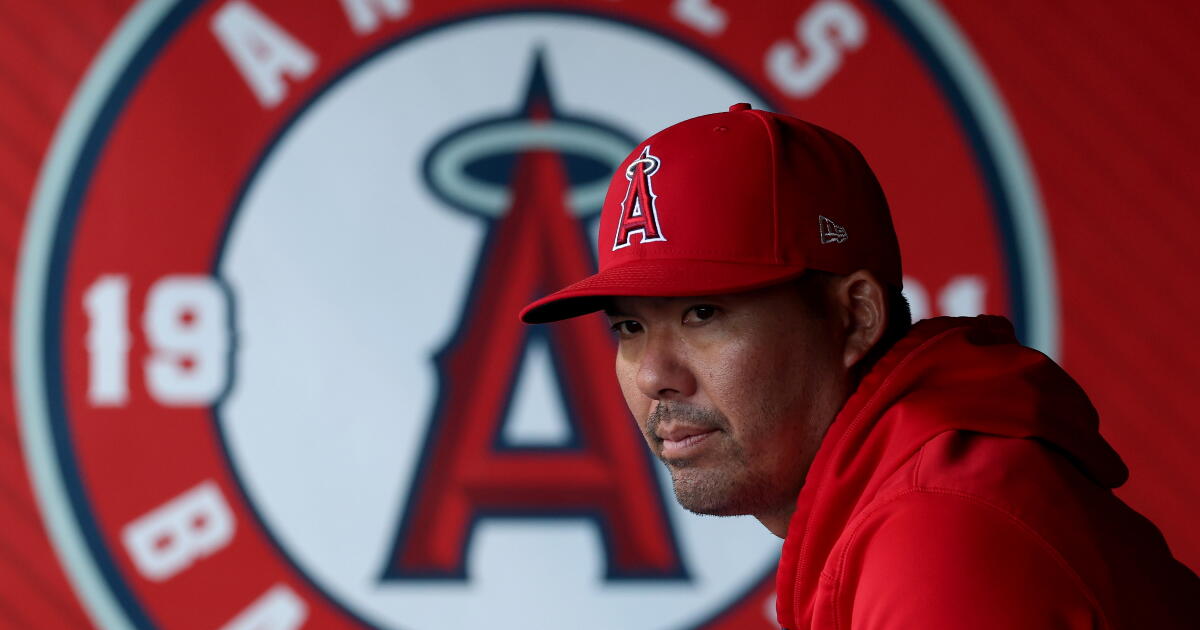
The Angels have fired manager Kurt Suzuki after he lost 100 games in his only season in charge of the long-struggling club.
Baseball operations consultant John Mozeliak announced Wednesday that the Angels declined the option on Suzuki’s contract and would open a search for a new manager in 2027. Suzuki has been offered the opportunity to stay with the organization as a special assistant.
“Kurt has earned tremendous respect in our clubhouse, and I’ve seen firsthand how much he cares about our players,” Mozeliak said in a statement. “I do not believe our record this year was a true reflection of his true abilities as a manager.”
Mozeliak indicated he made the decision in coordination with Kroenke Sports & Entertainment, which reached a deal to purchase controlling ownership from Arte Moreno on Sept. 1. The sale is not expected to close until next year, but the sports conglomerate run by Los Angeles Rams owner Stan Kroenke is already making significant changes to its beleaguered baseball team.
The Angels went 62-100 — the first 100-loss season in franchise history — and finished last in the AL West in their only season under Suzuki, who ended his 16-year major league playing career as a catcher for the Angels in 2021-22. Suzuki had never been a manager at any level before he was given the job by general manager Perry Minasian, who had employed Suzuki as his special assistant for the previous three seasons.
Minasian was fired by Moreno last June, and longtime St. Louis Cardinals GM Mozeliak stepped in on a temporary basis to run the front office while leading the search for a permanent GM to replace him. That transition plan has been thrown into flux by Moreno’s decision to sell, and Mozeliak didn’t indicate whether he has a long-term future in his own job, although he said he had been looking “toward 2027 and beyond” while reaching the decision to fire Suzuki.
Mozeliak also indicated that Suzuki’s entire coaching staff is not expected to return in its current positions, but some members had been offered staff positions in the organization.
Mozeliak already fired Suzuki’s pitching coach, Mike Maddux, and two staffers in August because he felt the team wasn’t making sufficient use of the technology and analytics available to its pitchers. Mozeliak promoted Tim Leveque, the Angels’ Double-A pitching coach, to the major league staff at the time.
Suzuki’s replacement will be the seventh manager, including interims, to lead the team in nine seasons since it parted with Mike Scioscia after the 2018 season. The Angels have had 11 consecutive losing seasons and 12 straight non-playoff seasons, both the longest active skids in the major leagues.
The Angels now have MLB’s third current managerial vacancy, all in the AL West. The Seattle Mariners and the Houston Astros also parted ways with their managers after the season.
SOUTHERN SECTION PLAYOFFS TUESDAY’S RESULTS First Round
DIVISION 2 Newport Harbor d. Los Osos, 25-21, 25-10, 25-23 Redondo Union d. Crean Lutheran, 25-15, 25-16, 25-16 San Juan Hills d. Mayfield, 25-19, 25-14, 25-14 Corona Centennial d. Bishop Montgomery, 21-25, 25-15, 25-23, 25-19 Orange Lutheran d. Eastvale Roosevelt, 3-2 Murrieta Valley d. Palos Verdes, 3-2 Sherman Oaks Notre Dame d. West Ranch, 3-0 Long Beach Poly d. Campbell Hall, 25-17, 25-23, 25-14
DIVISION 4 Portola d. Trabuco Hills, 25-12, 25-17, 26-24 Burbank Burroughs d. Summit, 3-0 North Torrance d. El Dorado, 3-0 Yorba Linda d. Whitney, 25-22, 25-22, 25-13 Arcadia d. Santa Monica, 3-2 Notre Dame Academy d. San Marino, 3-1 Ventura d. Oak Hills, 25-15, 25-23, 25-19 Vista Murrieta d. Tesoro, 3-0 Ayala d. Village Christian, 3-2 Santa Barbara d. Ontario Christian, 3-1 Rancho Cucamonga d. Laguna Beach, 25-13, 16-25, 25-21, 25-21 Hemet d. San Dimas, 3-1 Glendora d. La Palma Kennedy, 3-2 Royal d. Xavier Prep, 25-18, 25-18, 25-20 Bonita d. Chadwick, 25-23, 25-12, 25-23 Linfield Christian at Chino Hills
DIVISION 6 Alta Loma d. Laguna Hills, 3-2 Villa Park d. Granite Hills, 27-29, 23-25, 25-23, 25-17, 15-10 Dos Pueblos d. Torrance, 3-0 Temescal Canyon d. Bishop Diego, 3-1 Temecula Prep d. Le Lycee, 26-24, 25-20, 22-25, 21-25, 15-11 St. Bonaventure d. Woodbridge, 3-1 Capistrano Valley Christian d. Rowland, 3-1 Ridgecrest Burroughs d. Loma Linda Academy, 25-20, 25-14, 25-16 Castaic d. Oxford Academy, 3-0 Santa Fe at Rancho Christian Santa Ana Calvary Chapel 3, Palm Springs 1 Rim of the World 3, Norte Vista 1 Schurr d. Holy Martyrs, 3-1 Mayfair d. Norwalk, 3-2 Yucaipa d. Oxnard, 3-1 Lakewood d. Covina, 3-0
DIVISION 8 Samueli Academy d. Montclair, 3-1 Bellflower d. Bolsa Grande, 25-11, 26-24, 20-25, 25-23 San Gorgonio d. Oxnard Pacifica, 3-0 San Gabriel Academy d. El Rancho, 26-28, 25-14, 25-21, 26-24 San Jacinto Valley d. Western, 3-0 Fairmont Prep d. St. Pius X-St. Matthias Academy, 3-0 Burbank d. Colony, 3-0 Riverside Prep d. University Prep, 3-0 Garden Grove Pacifica d. Lancaster Desert Christian, 25-21, 25-14, 25-22 Lighthouse Christian d. Westminster La Quinta, 3-0 Jurupa Valley d. Kaiser, 25-11, 20-25, 25-15, 20-25, 18-16 Rio Mesa d. Orange Vista, 3-0 Big Bear d. Ramona, 25-20, 20-19, 25-17 Geffen Academy d. Pomona Catholic, 3-2 Artesia d. Century, 3-0 Bell Gardens d. West Valley, 3-0
DIVISION 10 Leuzinger d. Perris, 3-1 Glendale d. CSDR, 3-1 Orange d. Beacon Hill, 3-0 Canyon Springs d. Avalon, 3-1 Orange County Classical Academy d. Indian Springs, 25-22, 25-12, 17-25, 27-25 Adelanto d. Compton, 3-1 Chaffey d. Anza Hamilton, 3-2 New Roads d. Bassett, 3-0 La Quinta d. Westmark, 3-0 Miller d. Glendale Adventist, 3-0 Loara d. Montebello, 3-2 Redlands Adventist d. Rosemead, 3-1 Lancaster d. Cathedral City, 3-2 Ganesha d. Dominguez, 3-0 Cornerstone Christian d. River Springs, 3-0 Santa Ana Valley at St. Mary’s Academy, Wed.
Note:Second Round (Divisions 4, 6, 8, 10) Thurs., Oct. 22; Quarterfinals (Divisions 2, 4, 6, 8 10) Tues., Oct. 27 at higher seeds; Semifinals (all divisions) Sat., Oct. 31 at higher seeds; Finals Nov. 6 or 7 at TBA.
WEDNESDAY’S SCHEDULE (Games at 6 p.m. unless noted) First Round
DIVISION 1 Pool A #8 Harvard-Westlake at #1 Mater Dei #5 Santa Margarita at #4 Oaks Christian
Pool B #7 Marymount at #2 Sierra Canyon #6 Los Alamitos at #3 Mira Costa
Note: Open Division second round pool play Tues., Oct. 27; Third round pool play Sat., Oct. 31. Finals Sat., Nov. 7 at Cerritos College.
DIVISION 3 Cerritos at Sunny Hills Oak Park at Santa Ana Foothill Chaminade at Cerritos Valley Christian Alemany at Beckman Corona Santiago at Newbury Park Redlands at Rosary Murrieta Mesa at Etiwanda Saugus at Thousand Oaks Claremont at Corona del Mar Flintridge Prep at Millikan Bishop Amat at St. Margaret’s La Salle at Huntington Beach Chaparral at Crescenta Valley Crossroads at La Canada Lakewood St. Joseph at Marina Aliso Niguel at Windward
DIVISION 5 West Torrance at Marlborough Liberty at Academy of Academic Excellence Hesperia Christian at Peninsula Moorpark at Canyon Country Canyon Troy at El Toro Western Christian at Valencia Culver City at San Jacinto Santa Monica Pacifica Christian at St. Anthony Southlands Christian at Viewpoint Westridge at Arrowhead Christian Irvine at Beaumont Gahr at Paraclete Maranatha at Sultana Burbank Providence at La Serna Quartz Hill at Temple City Palm Desert at Capistrano Valley
DIVISION 7 CAMS at Pasadena Immaculate Heart at Tustin Brea Olinda at Laguna Blanca Chino at Sacred Heart Los Angeles South Hills at Placentia Valencia Trinity Classical Academy at Nordhoff Highland at Barstow Webb at Mary Star of the Sea Eisenhower at Pasadena Marshall Whittier at Beverly Hills Rialto at Vistamar Northview at Calvary Baptist Indio at Fullerton Tahquitz at Buckley Rio Hondo Prep at Arlington St. Genevieve at Foothill Tech
DIVISION 9 Santa Paula at Rancho Mirage Canoga Park AGBU at Saddleback Cobalt at San Jacinto Valley Academy Anaheim at St. Monica Academy Carter at Nogales Carpinteria at Santa Rosa Academy Vasquez at Westminster Azusa at Moreno Valley St. Jeane de Lestonnac at Santa Clarita Christian Jurupa Hills at Sierra Vista Victor Valley at Desert Christian Academy Wildwood at Hillcrest Excelsior Charter at Buena Park Milken Community at Eastside California at Garden Grove Twentynine Palms at Shadow Hills
DIVISION 11 Grove at Compton Early College Ambassador Christian at El Monte Arroyo Rubidoux at Mesrobian Animo Leadership at Ramona Long Beach First Baptist at La Sierra Academy Thacher at Pacific Lutheran Grace at Shalhevet New Covenant at Newport Christian Oak Grove at Tarbut V’ Torah Cal Lutheran at Workman EF Academy at Santa Clara Desert Chapel at Lynwood Norton Science Academy at Newbury Park Adventist Liberty Christian at Joshua Springs River Springs at Downey Calvary Chapel Riverside Bethel Christian at Silver Valley
The World Series is upon us, and this one should be a delight: The team with the best record in the National League, the Milwaukee Brewers, against the team with the best record in the American League, the Tampa Bay Rays.
The players are about to take baseball’s grandest stage. Yet this has somehow become a strange national obsession: not how Jacob Misiorowski or Junior Caminero might shine in the series, but how many people might watch it.
Should you care? Not really. Have you ever thought about watching a World Series game and thought, “Hmmm, let me consider what the ratings might be before I decide to tune in?”
Major League Baseball cares, of course, because its owners count on billions of dollars from the sale of television rights, and those rights are worth more money when more people watch the games. And, since the fog of a collective bargaining war has enveloped the sport, the ratings make for an intriguing subplot in the World Series.
This World Series is what owners say they want: less of, say, the Dodgers and the New York Yankees, more of teams from smaller markets that seldom advance through the playoffs, if they even get there. Neither the Brewers nor the Rays have won a World Series.
Yet the ratings for the Dodgers-Yankees World Series in 2024 almost doubled those for the Arizona Diamondbacks and Texas Rangers in 2023, and this year’s ratings should be much closer to 2023 than 2024.
So, in a sport that already generates the majority of its broadcast revenue in national rather than local packages, amid the collapse of regional sports networks, are the owners taking a risk of making less money on the World Series?
Fox currently airs the World Series as the jewel of a seven-year, $5.1-billion deal that expires in 2028.
Ed Desser, a Santa Monica-based consultant who launched NBA TV and helped negotiate the Dodgers’ record SportsNet LA deal, said the value of a World Series featuring teams such as the Dodgers and Yankees goes beyond the large audiences they command because they play in large markets.
“It’s commonplace for people to hate the Dodgers, hate the Yankees — and, to some extent, that’s good for business, because it’s another rooting interest. Anything that gets people to focus their attention is good,” Desser said. “It’s easy to hate a team that’s in a glamorous place and spends more than almost anybody.
“I’m not sure that anybody has an ax to grind against the Rays or the Brewers. Sports is about passion.”
That said, neither Desser nor Bob Thompson, the former president of Fox Sports Networks, believes MLB is setting itself up for a big fall in revenue from the Fall Classic.
For Fox — and whatever other bidders might emerge come 2028 — ratings would be important, but not as much as you might think.
“Does expected audience matter? Of course,” Desser said. “They’re in the media business, and the way you monetize is by selling subscriptions to your channel and selling advertising.
“But, typically, you’re taking a much longer viewpoint. You’re making a deal that might be five, eight, 12 years. When you do that, you have an expectation that some teams get better, some teams get worse, sometimes you get a large market, sometimes you get a small market. It kind of evens out.”
This is the fifth season of the current Fox contract. The 10 World Series berths have been spread among nine teams, with the Dodgers appearing twice.
To a broadcast outlet, Thompson said, financial success in the World Series is not just about ratings.
“It’s about how good the matchup is and how long the matchup goes. The bulk of the advertising is sold up front (before we know the teams),” Thompson said. “Ratings for the series aren’t going to be a huge deal, unless you’re selling time in, say, Game 6 and Game 7, where you can really be jacking your rates.”
Last year’s Dodgers-Blue Jays World Series extended to seven games, attracting viewers amid a dramatic finish and ultimately getting a higher rating than the 2024 Dodgers-Yankees series, even though Canadian viewers weren’t included in that Nielsen count. The Dodgers-Yankees series lasted five games, and the Dodgers beat up on the Yankees when the Yankees weren’t beating themselves.
Even if the World Series itself might be worth less with more lower-profile teams competing, Thompson said MLB could include it as part of a larger package, or dangle it as an incentive for streaming outlets or other new bidders.
He also noted that the latest MLB collective bargaining proposal calls for fewer regular-season games and more postseason games.
“Playoffs are going to get you a premium over regular-season games,” Thompson said.
And, to the extent that postseason ratings might be in decline, ratings for everything — sporting events, awards shows, news shows, dramas, comedies, you name it — are in decline. Only the NFL is immune to lower ratings.
“Big events matter more than they used to, even with smaller audiences,” Desser said. “The World Series is still a big event, and there is a premium for that.”
The three most-watched shows on broadcast television in the week of Oct. 5-11, according to Nielsen: Sunday Night Football (Atlanta Falcons vs. Baltimore Ravens) with 17 million viewers; SEC Football (Alabama vs. Georgia) with 12 million viewers; NLCS Game 1 (Dodgers vs. Brewers) with 11 million viewers.
The top entertainment show that week: Tracker (CBS), with 7.4 million viewers.
The owners will make their money on the World Series, one way or another.
“Even at a lower expectation for audience, there is still going to be that value,” Desser said. “It’s one of the biggest things happening in October.”
Put away the holochess board, C-3PO is going to the 2027 Super Bowl!
An animated “Star Wars” version of Super Bowl LXI featuring characters from the galaxy far, far away will air live, simultaneously with the game, on Feb. 14 on Disney Channel and Disney XD, the NFL announced Monday along with partners ESPN, Lucasfilm and Disney. “Star Wars Funday Football” will also be available on Disney+ and the ESPN app.
Anthony Daniels, who has portrayed C-3PO since the original “Star Wars” trilogy, will voice the worry-prone protocol droid in the live alternate telecast. If the brief teaser video is any indication, C-3PO will be joined by his favorite astromech, R2-D2.
“Star Wars Funday Football” will feature live-animated avatars of all of the players on the field as they play the game. Viewers can expect “Star Wars” characters to sub in during special moments, as well as various Easter eggs to appear throughout the game.
The “Star Wars” themed telecast follows previous “Funday Football” installments that were themed to “Toy Story,” “The Simpsons,” and “Monsters, Inc.” This marks the first time that the Super Bowl is getting the “Funday Football” treatment.
The traditional telecast, featuring announcers Joe Buck and Troy Aikman with reporters Lisa Salters and Laura Rutledge, will be available on ESPN, ABC and Disney+.
Super Bowl LXI will be held at SoFi Stadium in Inglewood. Details for the halftime performance have not officially been announced, but Jay-Z is rumored to be the headliner.
Following “Star Wars Funday Football” and Super Bowl LXI, a newly restored version of “A New Hope” will return to theaters on Feb. 19. “Star Wars: Starfighter,” a new standalone film starring Ryan Gosling as Kade Auberon, is slated to hit theaters May 28.
The 67-year-old sportscaster didn’t actually injure himself demonstrating the so-called “Peanut” punch with CBS broadcast booth partner J.J. Watt — who is 37 and a three-time former NFL defensive player of the year — during the Buffalo Bills-Las Vegas Raiders game on Sunday.
He seems to feel foolish though.
“I learned a lesson,” Nantz said Tuesday on ESPN’s “The Pat McAfee Show.” “You got J.J. Watt cradling the ball like this. What am I — I’m going to like knock it out of his hands? Come on, the thing was vacuum sealed into his chest.”
Named after retired cornerback Charles “Peanut” Tillman, the “Peanut punch” has become an effective method for defensive players to cause fumbles. While showing viewers how offensive players should hold the football to counter the maneuver , Watt encouraged Nantz to “give that a good punch.”
“Really?” Nantz asked.
“Hard as you got, brother,” Watt replied.
So Nantz delivered a solid blow to the ball, which didn’t budge in Watt’s arms.
“I did kind of go aggressively here after this ball because J.J. encouraged me to do so,” Nantz told McAfee while watching a clip of the incident.
Back on the broadcast, Nantz immediately winced and grabbed his hand.
“I did not think you were going to go that hard,” Watt laughed. “That was so much harder than I thought you were going to go.”
Nantz clearly was in discomfort, but he chuckled about it as well.
“My wrist is broken,” he told his booth partner. “Like I’m going to knock it out of your hands.”
“Get Jim some ice,” Watt joked as they were going to commercial.
After halftime, Nantz could be seen in the booth with his hand wrapped. That led some people to believe he had seriously injured himself.
“I heard from people you can’t believe,” Nantz told McAfee. “[Bills quarterback] Josh Allen texted me an hour after the game and said, ‘Did you just break your hand? I hear you broke your hand.’ I heard from a former president of the United States, reached out and wanted to know if my hand was broken.”
McAfee and company speculated that the former president was Barack Obama, but Nantz did not reveal his identity.
After the game, Watt joked on X: “CBS Injury Report Week 7 — Jim Nantz: Questionable (Wrist/Hand).”
The NFL joined in the good-natured fun, posting the clip on Instagram and writing, “the peanut punch isn’t for everybody,” along with a laughing emoji.
While Nantz admitted his hand and wrist “did hurt for a while,” he told McAfee that any reports beyond that were “greatly exaggerated.”
“It did sting, I’m not going to kid you,” Nantz said. “But I gave it my best, and as soon as I did it, I regretted it because I felt like everything had been compressed. And I did think I was going to wake up Monday with this thing about triple the size, but I’m fine. I’m not going to be on the injury report this week. I’m going to be good to go. No broken bones.”
BIG Brother’s Omar El Mayer will remain in the spy house despite being accused of “coercive and abusive” behaviour towards Rhianna Collins – but I’ve heard of events that have happened in the shared bedroom that feel even more worrying.
The Sun’s mole on the show has shared details of one strange action the jewellery salesman has performed before bed and how it has raised eyebrows on set amid fan outcry.
Big Brother’s Omar El Mayer will remain in the spy house despite being accused of “coercive and abusive” behaviour towards Rhianna CollinsCredit: ITVWomen’s Aid have spoken out over Omar’s behaviour as viewers rush to complain to OfcomCredit: ITV
Omar, 21, scolded Rhianna, also 21, for speaking about their argument to her co-stars before using “red-flag” language including “don’t talk about me”, “don’t cry”, “don’t look away from me”, “sort yourself out” and “fix up”.
Now unaired scenes can be revealed and it all hangs on Big Brother’s thorough duty of care measures.
Our source said: “If there are people sharing a bed, Big Brother has a rule that every night they individually have to show the camera a thumbs up or thumbs down to show that they consent to that situation.
Omar, 21, scolded Rhianna, also 21, for speaking about their argument to her co-stars before using “red-flag” languageCredit: ITVThere is a rising storm around Omar remaining on the showCredit: Shutterstock Editorial
“If there is no sign, or a thumbs down, Big Brother intervenes and calls them to the diary room.
“Over the last few nights Omar has been putting thumbs DOWN and so has been called into the diary room.
“When he’s in there he doesn’t really seem to explain much.”
The revelation shocked me, as a Big Brother fan as well as someone who closely reports on the show, because surely it seems more likely Rhianna would be the one flagging concern to bosses.
Our source added: “It’s raised eyebrows – if he’d done it once, fair enough, but the fact he’s done a thumbs down over a few nights suggests it’s a pattern of behaviour to control the narrative.
“There’s clearly complex emotions at play but it’s troubling.”
The revelation comes amid a rising storm around Omar remaining on the show.
As yet, bosses have not moved to remove him from the house.
A Big Brother spokesman said: “All Housemates receive Respect and Inclusion training and an extensive briefing from the Big Brother Senior team to prepare them for living in the House and to set out Big Brother’s expectations for appropriate behaviour and language.
“Housemates are monitored 24 hours a day and any instances of inappropriate behaviour are responded to appropriately.
“Welfare and safeguarding are prioritised throughout the production, with a dedicated welfare team available to support Housemates before, during and after their time in the House.”
Yesterday Women’s Aid spoke out following complaints over last night’s “worrying” scenes between Omar and Rhianna.
Spokesman Veronica Oakeshott told The Sun: “The nature of abuse means that it often begins with ‘red flag’ coercive and controlling behaviours like isolating you from friends or repeatedly putting you down, before escalating into other forms of abuse.
“Coercive control creates invisible chains and a sense of fear that impacts every element of a survivor‘s life.
“It’s worrying to see behaviours like this being given a platform in popular media like Big Brother.”
Women’s Aid has been contacted by “many viewers who have expressed concern”, added Veronica.
We also told how fans, ex-Housemates and celebrities have all demanded Omar is axed over his behaviour – with viewers in their droves contacting TV regulator, Ofcom.
She added: “We continue to urge television companies such as ITV to engage with experts like Women’s Aid to understand the nature of abuse and how they can do better to protect contestants. We would welcome a discussion with the Big Brother team.”
Scenes between Omar and Rhianna have seen her telling Omar “I don’t want to argue with you”, to which he replied “Well, then, don’t say mad things that you don’t mean. It’s not fair. You need to sort it out, get it together.”
Rhianna then whispered “I’m sorry” and he accepted her apology saying “it’s OK” before they spent the night together in bed.
In another sinister moment from last night’s hard-to-watch episode, Omar interrupted Rhianna’s conversation with Rochelle and Phillip to whisper in her ear.
Bending down to Rhianna in bed to conceal his warning, Omar said: “Do me a favour, I know you’re upset, but don’t talk about me. Thank you.”
One viewer commented: “The fact Omar’s comfortable doing this on national TV scares me for what he does behind closed doors.”
Another added: “This has become dangerous now. Omar needs removing from the house.
“He has been gaslighting and emotionally abusing Rhianna for weeks.
“You don’t have to be a genius to know what would be happening if the cameras and other housemates weren’t there.”
U2 is coming to SoFi Stadium for the first time — and performing during a Rams game for the first time in nearly 25 years.
The legendary Irish rock band will headline the halftime show for the NFL’s first Thanksgiving eve game as the Rams host the Green Bay Packers on Nov. 25. The game will stream live on Netflix.
The only other time U2 has performed at halftime of an NFL game was at Super Bowl XXXVI on Feb. 3, 2002, when the New England Patriots defeated the then-St. Louis Rams 20-17 at the Superdome in New Orleans.
“There’s a reason U2 has headlined stadiums for decades: they don’t just perform, they deliver iconic moments audiences remember forever,” Netflix co-CEO Ted Sarandos said in a statement. “We’re thrilled that they’ll bring that same magic to the NFL stage on Netflix. It’s going to be an unforgettable night for football fans and Netflix members worldwide.”
U2’s halftime show will feature special guests, the streaming service said.
Netflix has featured big-name halftime performers during some of the previous NFL games it has streamed, including Beyoncé on Christmas day in 2024 and Snoop Dogg on Christmas last year.
U2 — which features singer Bono, lead guitarist the Edge, bass player Adam Clayton and drummer Larry Mullen Jr. — celebrated their 50th anniversary last month with a concert. The group performed at Mount Temple Comprehensive School, where the four members were students when they first got together as a band in 1976.
The band has won 22 Grammy Awards and was inducted into the Rock and Roll Hall of Fame in 2005. Its 16th studio album, Carnival de Luz, is set to drop on Nov. 13.
The Clippers will have their hands full when the season opens trying to contend in the always tough Western Conference after being slapped with the harshest penalties in league history for violating salary cap circumvention rules.
With Kawhi Leonard, James Harden and Ivica Zubac gone from last season’s team, they’ll focus on developing a new core of stars, including rookie Keaton Wagler, when they open play Wednesday by hosing the Sacramento Kings at Intuit Dome.
Another positive for the team: Tyronn Lue is a proven asset as coach and he’ll be tasked with developing and blending in the younger players. Wagler spent the summer building up his body and has potential to be a strong defender.
The league’s year-long investigation is over and the Clippers have a clear path, albeit rocky, to move on and again become competitive in the West. They finished ninth in the conference last season and were eliminated by the Warriors in a play-in game.
Now fully recovered from a foot injury, two-time All-Star guard Darius Garland will be counted on to provide floor leadership. Also returning are former All-Star guard Bradley Beal, guard Kris Dunn, forward Derrick Jones Jr. and center Brook Lopez.
“I think we can surprise a lot of people,” Garland said.
Garland is fully recovered from toe and foot ligament injuries. In 19 games last season, he averaged 19.9 points with 6.4 assists. With a full offseason and training camp, Garland is expected to be one of the team’s top players.
Other young players to watch are guard Kobe Sanders, who had a productive rookie season when averaging 7.3 points and nearly 20 minutes a game as part of the rotation, and center Yanic Konan Niederhauser, who had his rookie season end early because of a foot injury but he showed promise over 41 games.
Forward Brandon Ingram, driving against Clippers forward Derrick Jones Jr. last season, is now a teammate after the Kawhi Leonard trade was completed following the salary cap circumvention investigation.
(Ronald Martinez / Getty Images)
Additions include All-Star forward Brandon Ingram and guard Gradey Dick, who were part of the Leonard trade to Toronto, wing Max Strus, guard Jalen Pickett, forward Baba Miller, forward Isaiah Jackson and forward Nick Martinelli.
“I know [there are] little to no expectations for us this year,” said Ingram, who will miss the start of the season while recovering from May surgery for a partially torn Achilles. “We have enough in the building to compete. This is what we love to do. So, we’ll go out and compete every single night, learn, go on to the next game and get better and better.”
Strus also will be out for a while after injuring his right foot during training camp.
Departed from the team are forward John Collins, guard Bogdan Bogdanovic, forward Nicolas Batum and wing Bennedict Mathurin.
Also noteworthy: owner Steve Ballmer won’t be sitting courtside after being banned by the NBA for a year as part of the team’s steep punishment for circumventing salary-cap rules. Top basketball executive Lawrence Frank has been banned for six months. The penalties included the loss of five first-round draft picks.
“I give our players a lot of credit … the leadership is great [and] the morale is great, even in these tough situations,” Lue said at the start of training camp. “That’s good to see, when you have your players coming in every day, giving everything they have; a lot of teams don’t have that.”