It is one of the most popular holiday destinations in the UK but a 20-minute drive away you’ll find a much better beach.

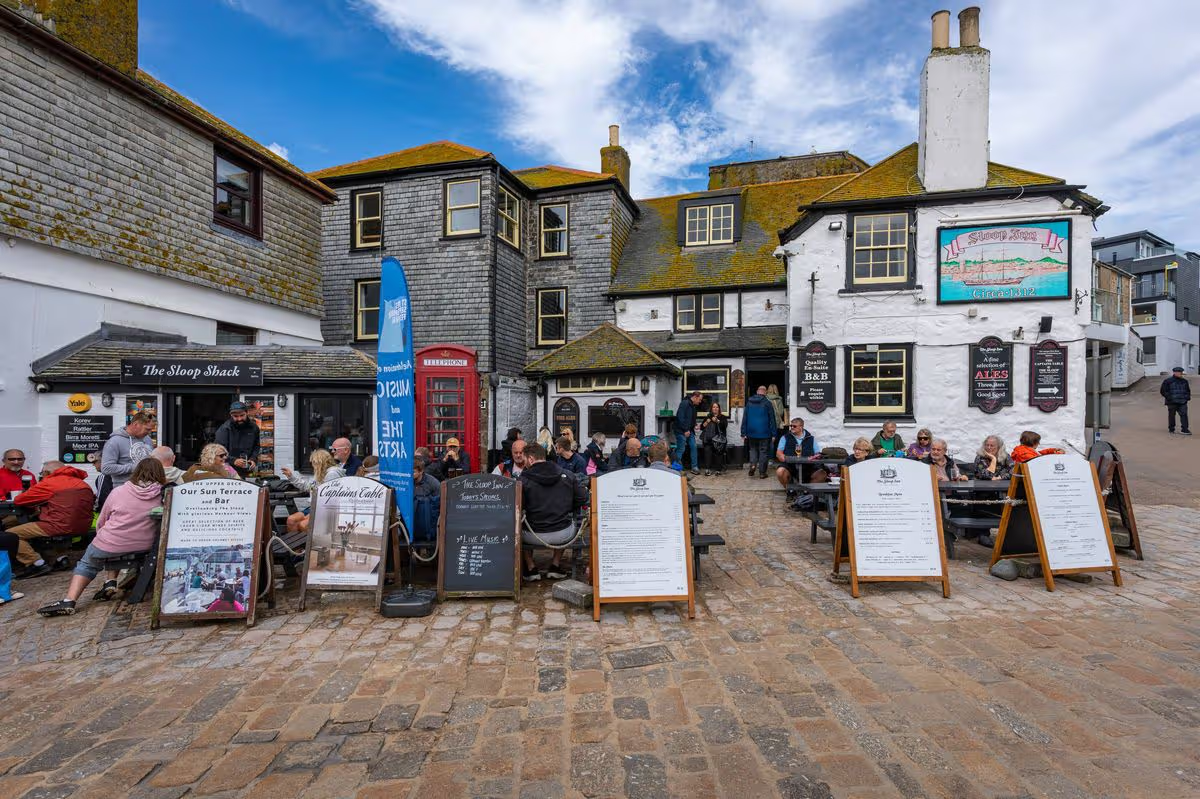
St Ives is set to be one of the busiest holiday destinations in the UK this summer thanks to what it has to offer visitors — pictured is The Sloop Inn, one of the oldest inns in Cornwall(Image: Milos Ruzicka via Getty Images)
Cornwall is famous around the UK and beyond for its beauty, whether it’s the quintessential seaside towns and villages, seafood, dramatic cliffs, golden beaches or azure sea. Each beach and cove has its own unique charm, but some, like St Ives on the north-west coast, are more famous than others. In fact, it is going to be the most popular place for staycations in the UK this year, according to Sykes Holiday Cottages.
And that’s just the latest accolade for the town, which has also been called the “artsiest” in Cornwall. In 2011, the postcard-perfect town outshone rivals from Spain, France and Italy to be named one of Europe’s top beach destinations. However, despite its picturesque appeal, when I visited during a recent summer I found that St Ives was marred by murky waters and an overwhelming number of tourists (including me, of course). And those considering a Cornish getaway might discover a more enchanting spot just around the corner, just like I did.
Is St Ives a good place to visit?
In short, yes. St Ives is brimming with attractions, boasting five sandy beaches and a gently sloping shoreline perfect for families and those looking to bask in the sun. The beachfront is well-equipped with amenities including lifeguard patrols from Easter through September, deck chair rentals and water sports equipment available for hire, including kayaks, stand-up paddleboards and more. On a sunny day, Porthmeor Beach buzzes with activity, earning its reputation as the town’s “premier” beach.
Just beyond the beachfront, visitors can explore a delightful labyrinth of narrow lanes lined with pastel cottages, which play host to several restaurants, bars and cafes. Local dining spots serve up authentic Cornish fare, with traditional dishes like pasties, crab and mussels. It’s also been called “Cornwall’s art mecca” by virtue of being home to the Tate, the Barbara Hepworth Museum and Sculpture Garden, historic studio Leach Pottery, the award-winning Porthminster Gallery and a swathe of smaller indie galleries.
If you’ve never been, like I hadn’t until last summer, it’s a must-visit. Arriving with high hopes, the bay looked breath-taking from afar (that is, from the bustling car park at the top of the town). The honey-coloured stone buildings in the streets below were inviting but once I set foot on the beach reality hit.
Families and groups occupied every bit of sand on a weekday afternoon in July. Even at 4pm, Porthmeor beach was still crowded, including its far side. With a Cornish pasty in hand, I finally found a spot to sit, only to be met by an army of seagulls that had clearly spent the day gorging on litter left on the sand.
The real let-down came when I went for a quick swim in the sea. Having visited Kynance Cove and Pedn Vounder Beach just days before, I was underwhelmed by the slightly murky water that seemed polluted by heavy footfall and frequent boat activity. I questioned why I was swimming here when Cornwall is home to so many clear, secluded coves.
Is there a better alernative?
Later that same evening, when I drove further up the coast towards Hayle, I discovered a gem. Gwithian Towans Beach is at the far end of St Ives Bay and boasts a wide, spacious sandy beach that is popular for surfing but rarely crowded. It’s approximately a 24-minute drive via the Hayle Bypass to this incredible beach, which is backed by massive dunes perfect for a long walk.
When the tide recedes, the nearby Godrevy Beach seamlessly blends with Gwithian to create a vast expanse of beach. At high tide, it transforms into a distinct cove, framed by cliffs and the National Trust-owned headland. Situated at the far end of St Ives Bay, Godrevy Beach is a neighbouring treasure, famed for its iconic lighthouse and a small colony of seals.
The water here is noticeably clearer, likely due to its exposure to Atlantic swells that disperse sediments. A swim here is invigorating and less daunting than in St Ives itself. On the beach, you can find a private spot behind dramatic rocks, even on a bustling afternoon. However, the true marvel of this westerly location is the sunset views.
Is there parking?
Parking is available at the top of the headland in a National Trust car park, from where it’s a short walk down to Gwithian beach for a quick dip. This is arguably more accessible for visitors than parking at the top of St Ives and navigating the steep streets down to the shoreline there. Facilities are somewhat limited, with a small cafe and surf shop at Gwithian and a National Trust cafe at Godrevy. Limited toilet and shower facilities are available in the Gwithian parking areas.