A former Michelin-starred chef has reopened a well-known chippy as part of his Salt and Malt restaurant and takeaway chain
Fish and chips remain a popular seaside treat(Image: Mark Taylor)
Few foods are as quintessentially British as fish and chips. From seaside holidays to Friday night takeaways, the humble dish has become a much-loved part of life in the UK.
But the classic pairing of crispy battered fish and golden chips is actually more than a century old. Fried fish and potatoes were eaten separately before the two came together in the late 19th century, with English Heritage dating the combination to towards the end of the 1800s.
It wasn’t long before fish and chips became synonymous with a day at the seaside. This is where Reach’s reporter Mark David Taylor went to visit one iconic seaside for a day trip and to try some fish and chips.
Former Michelin-starred chef Josh Eggleton took over the much-loved seafront chippy after more than 20 years in business, transforming it into one of his Salt & Malt restaurant and takeaway outlets within just a few weeks.
And it appears to have struck a chord with locals straight away – by 6pm on the glorious summer Saturday of Mark’s visit, there was already a queue for tables inside the Weston-super-Mare restaurant, with an even lengthier one snaking outside for takeaways.
Boasting blue-tiled frontage, black and white ‘chessboard’ floor tiles and ribbed glass partitions between booths, this gleaming new Salt and Malt bears a striking resemblance to existing branches, giving the impression that Eggleton is eyeing up further seaside locations. And rightly so, as this upmarket fish and chip concept is absolutely crying out for wider expansion, reports Wales Online.
Featuring sustainably sourced North Atlantic fish, gluten-free chips and daily specials – on this occasion, Cornish Mounts Bay sardines with toasted sourdough, salad and pickles – it’s undeniably a ‘posh’ chippy, yet Eggleton has been mindful not to price out everyday seaside visitors.
Takeaway prices remain reasonably competitive with most seafront chippies – small cod and chips is £12.50, battered sausages are £2.40 and the kids’ meals are £7, chips in a cone at £2 and a large chip box for £5.60.
Inside the restaurant, prices are naturally higher, with battered haddock and chips with buttered crushed garden peas coming in at £19, and a homemade fishcake with cod, haddock, lemon, dill and parsley priced at £14.50.
The children’s menu (for ages 16 and under) in the restaurant is a reasonable £7.50, offering battered fish, sausage, chicken chunks, scampi and halloumi, all served with chips and a choice of peas, baked beans, carrots or cucumber.
Yet it’s the inventive touches and alternatives that sets Salt and Malt apart from your typical seaside chippy.
Alongside gluten-free batter as standard, diners can opt to have their cod or haddock baked in garlic butter rather than battered – perhaps the healthier choice for those craving a ‘beach body’ this summer.
For those less concerned about such matters, free chip refills are also on offer, though the portions are hearty enough that you may not need them.
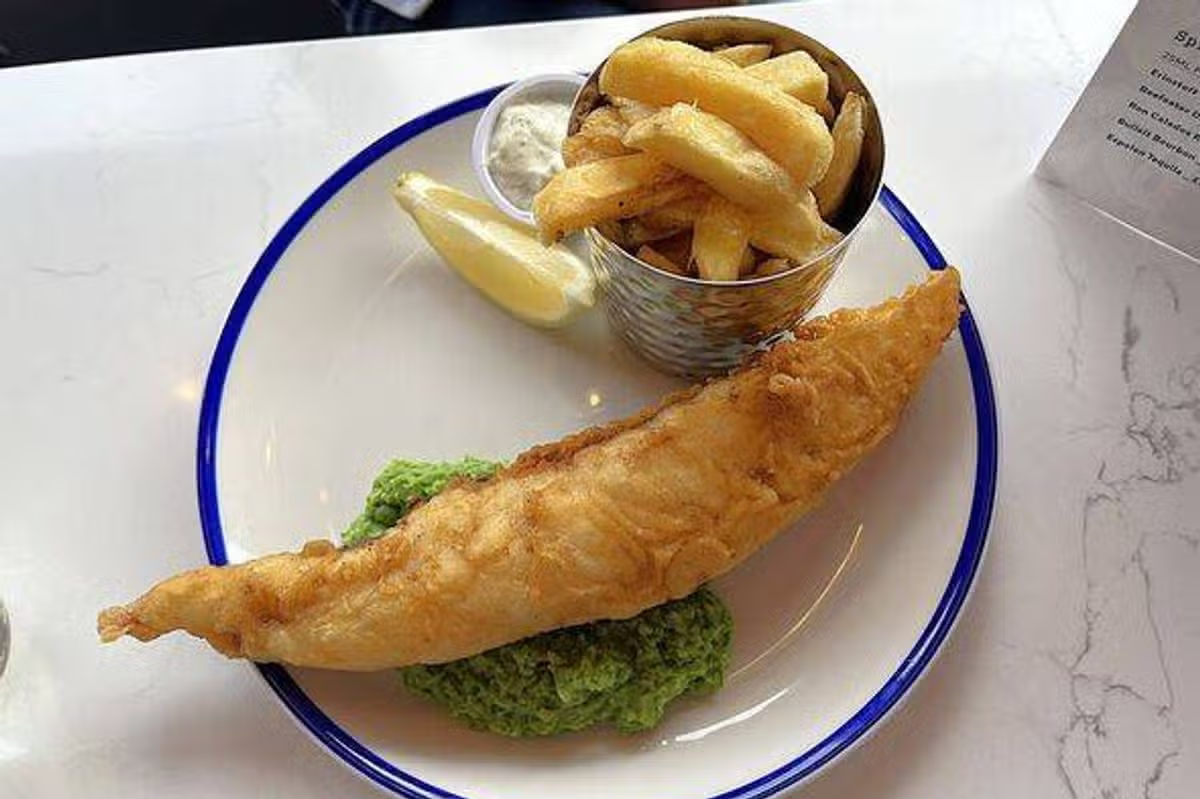
Mark and his plus one sampled the cod and chips (£18) and the curried cod burger (£16.50), and neither disappointed. The cod was wrapped in crisp, golden batter, with large, moist and succulent flakes of fish inside, accompanied by a generous serving of buttery crushed peas.
Granted, £18 is above average for fish and chips, but this was a superb rendition of the great British seaside staple and well worth every penny. Nestled in a soft brioche bun, the curried cod burger featured a generous portion of lightly battered fish with a subtle curry sauce flavour, accompanied by tartare sauce, coleslaw and pickled red cabbage.
The chips were perfectly cooked – crispy on the outside, fluffy within, and completely grease-free.
Essentially, the dish brought together all the finest elements of a traditional seaside chippy – fish and chips, a bread roll, curry sauce and classic burger toppings – and the combination was nothing short of brilliant. If summed up in just two words, they’d be “top drawer”.
Traditional chippy favourites paired with stunning coastal views – what more could anyone ask for?
A PRETTY English seaside town could soon get a massive upgrade.
Gorleston in Norfolk is home to Gorleston-on-Sea Beach which was recently named one of Europe’s best beaches in Tripadvisor’s Travellers‘ Choice Awards.
Gorleston in Norfolk could be getting a new waterfront attraction with a soft play area and wellness centre
And now the seaside destination could be getting even better with a new waterfront attraction.
The Ocean Room used to be a thriving nightclub with bands like Blur and Pink Floyd performing there.
Sign up for the Travel newsletter
Thank you!
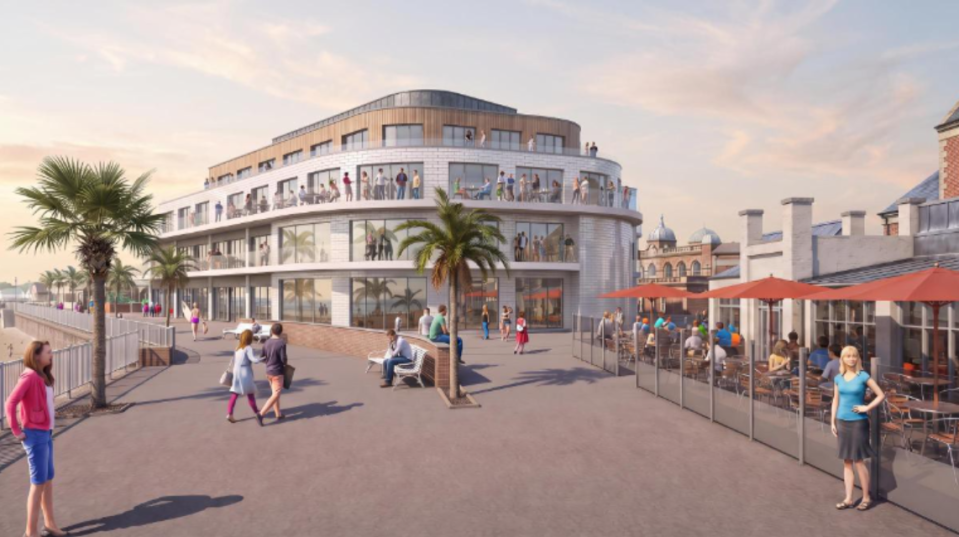
Now, the council has sold the building for £500,000 with future plans looking to replace the building with a soft play area, indoor games space, a coffee shop and a wellness centre with a spa.
The surrounding area would be redeveloped too with connections to the nearby Gorleston Pavilion Theatre and the bandstand.
If The Ocean Room was to be saved, the local council has estimated it would cost £1million to repair the building.
According to the BBC, the developer said: “The Ocean Room holds a special place in the hearts of many and the team recognises the building’s removal will be a source of genuine disappointment for the community.
“However, it should be noted that the council itself identified significant structural concerns with the building before the site was sold.”
While formal plans have not been submitted to the council yet, the round, Art Deco building could be facing its last days.
It would be built where the current Ocean Room is
The Ocean Room originally opened back in 1939 and used to host dinner dances, boxing events, nightclub evenings and concerts.
It then closed in 2024 after its tenants went into administration and the building has remained empty since.
Looking for your next coastal getaway? We have teamed up with family-owned coach holiday specialist Daish’s Holidays to give two lucky readers the chance to win a £400 voucher towards a UK break
Enjoy a seaside escape with Daish’s Holidays
Looking for a charming seaside break? Daish’s Holidays, a UK based family-owned coach holiday specialist, is giving two lucky readers the chance to win a £400 voucher to spend on a UK getaway at one of its 11 hotels.
Picture days spent strolling along scenic coastlines, exploring picturesque seaside towns and villages, unwinding in welcoming accommodation, and enjoying good food and live entertainment. It’s a perfect recipe for a relaxing coastal getaway with Daish’s.
Each winner will enjoy a half-board, four-night stay at one of 11 charming Daish’s hotels across Britain’s favourite seaside destinations:
Newquay: Barrowfield Hotel
Bournemouth: Bournemouth Sands Hotel
Isle of Wight: Daish’s Hotel
Torquay: Devonshire Hotel | Abbey Lawn Hotel
Scarborough: Esplanade Hotel
Weymouth: Hotel Prince Regent | The Russell Hotel
Eastbourne: Imperial Hotel
Weston-Super-Mare: Sandringham Hotel
Llandudno: Somerset Hotel
Travel by coach from one of Daish’s Holidays’ many pick-up points across England, from West Yorkshire to Cornwall, or make your own way and enjoy a self-drive break.
Whether you’re looking for fresh sea air, sightseeing or simply a chance to relax and unwind, a Daish’s Holidays break could be the perfect seaside escape.
To be in with a chance of winning, simply fill in the form below. If you can’t see the form, click here.
For full details and to explore all destinations, visit www.daishs.com.
The rules come under Public Spaces Protection Orders (PSPOs), which can result in fixed penalties when breached.
In this case, first-time offenders may be given a penalty of £100, with a maximum fine of £500.
However, even with the ban lifted, some councils still require dogs to be on leads while walking on footpaths, promenades, piers and zig zags.
The seasonal ban comes every year with the aim of keeping beaches clean and safe during the busier summer months, especially when children may be visiting the coast.
Foul left behind by pets can also act as a major health hazard – even if the majority of dog owners are responsible enough to pick it up.
The rules do not apply to guide dogs, who are allowed on beaches at all times while working and in a harness.
One shop worker called it ‘the friendliest town in England’
The town’s working harbour remains one of the main attractions(Image: Paolo Paradiso via Getty Images)
One charming UK seaside town is famous for its oysters, bustling harbour and colourful collection of independent shops. Oysters have long been at the heart of Whitstable’s identity, with the town’s seafood heritage dating back centuries.
Today, its working harbour remains one of the main attractions, with fishing boats, seafood stalls, a market and waterside places to eat. But there’s much more to Whitstable than its famous seafood.
The town is a haven for independent shopping, with Harbour Street, the High Street and the surrounding streets lined with quirky boutiques, vintage stores, galleries, delis, bookshops and homeware shops.
Only a handful of national chains remain.
Just over an hour from London by train, the town has become a popular weekend retreat for city dwellers, reports the Express.
Visitors can spend the day browsing independent businesses before grabbing some fresh seafood and taking a stroll along the coast.
Wander down Harbour Street and the High Street, and you’ll encounter shopfronts brimming with character. Here, you can uncover a variety of distinctive treasures like the stunning Pearl Shop selling contemporary pearl jewellery and marine object d’arts, to George’s Whitstable, a fixture of the high street for 50 years and a true Aladdin’s Cave of treasures
You’ll also find award-winning British artisan cheeses at The Cheese Box, unique gifts at Buttercup Independent Toy Shop, a beautiful selection of books at Harbour Books, Whitstable’s beloved independent bookstore, and sweet treats at HoneyKanes Bright & Beautiful Shop, all without stepping inside a single chain store. That reputation has only strengthened in recent years.
Whitstable flourishes on independence, creativity and community spirit.
This sentiment is echoed by Stewart McArthur, from Brisbane, Australia, who is on a gap year and working at The Wit! of Whitstable, a vibrant Harbour Street gift shop that recently moved up from a small harbour stall to a prime High Street location.
He said: “You can wander up and down the street and see anything you need – there are so many different style stores that you don’t really need Amazon here.
“This is quite a busy little town. It just seems to get a lot of people coming through, which helps the independent businesses.”
Tourists, he added, are absolutely crucial. “They really support a lot of the local businesses when they come through. It gets busy, but I wouldn’t say overwhelmed,” he said.
For Stewart, what sets Whitstable apart is its sense of community. “It’s the friendliest town in England, it’s just a nice, chill, relaxed place. It’s nice to have a conversation with anyone who comes by.”
That sense of community was perhaps best illustrated by the tale of Revival Food & Mood, a social enterprise café and wellbeing hub that lost its premises during the 2021 lockdown.
Rather than disappearing, it was rescued by a grassroots campaign championed by residents with backing ranging from local groups to household names like Suggs from Madness and celebrated potter Keith Brymer Jones.
Thanks to the town’s resolve, Revival ultimately secured funding through the government’s Community Ownership Fund and reopened in a restored heritage building on the High Street. It now operates not only as a café but also as a venue for music, social gatherings, and mental health support.
Vanessa Brolly, the front-of-house manager at Revival Food & Mood told the Express: “There was a lot of support from the community about making sure that they found a new home.”
The wellbeing hub café is supported by East Kent and Bexley Mind, and has been in Whitstable for roughly eight years, though only two at its current site, and provides a variety of dishes, drinks, and social events such as “Chatty Tuesday” and a regular “Sound Social” in partnership with a neighbouring record shop.
Ms Brolly said: “There’s definitely a very close-knit community feel here. For example, we’ve got the social sounds event on tonight and that’s being run by the record shop, which is about two doors down and they’ll come in and play the records. Everyone’s always looking to collaborate, which is nice.”
Step inside and you’re welcomed by quirky décor designed to brighten the spirits, featuring an indoor garden complete with a water fountain, snug booth seating, and a 1970s-inspired relaxation space kitted out with sofas, vinyl decks, lamps, and a mirror ball.
Ms Brolly noted that national chains such as Costa and Prezzo have shut their doors, yet believes this speaks to the strength of independent businesses rather than any ill-feeling towards big brands.
“If I were visiting, I wouldn’t go to Costa,” she said, emphasising that visitors come to Whitstable in search of unique, independent spots.”
She went on to say that funding initiatives, such as Canterbury Council’s levelling-up programme, could also help keep Whitstable’s flourishing independent scene alive, but ultimately, what makes the town truly special to her is straightforward. “Everyone supports each other.”
For her, the best thing about working at Revival is “being involved in the community and listening to good music.”
Mrs Sally Miller, owner of Anchors Aweigh Vintage, has run her seaside vintage shop for 13 years.
Having lived in neighbouring Tankerton for over 17 years, she’s witnessed first-hand how the high street has changed over time. Step inside and it’s impossible not to be captivated by its treasure trove of curiosities — a shop overflowing with history, character and one-of-a-kind finds that each seem to have a story of their own.
Mrs Miller told the Express: “You get more versatility now than you did. A lot of the locals moan about the idea that it’s all down to people from London. Actually, we probably have more people from Sheffield than from London, but that doesn’t occur to them. The world is a transient place now, isn’t it?”
“Some of the locals are like, ‘all these people!’ But you live in a nice place – people aren’t going to avoid it. When you talk about DFLs [Down From Londoners], it doesn’t really matter. It’s a transient place, a tourist destination. And because we do live in a nice place, people come. The more the merrier!”
Yet for Mrs Miller, the backbone of Whitstable’s businesses remains its local community: “We get a lot of repeat customers, a lot of local shoppers as well. They like popping in for buttons and little bits.”
What keeps independent shops thriving and sets Whitstable apart, she believes, is a winning combination of attentive service and a warm, welcoming atmosphere that fosters genuine conversation and connection with every customer who walks through the door.
“People like to talk, they like to stop. We give them the time of day – I’m sure we probably keep people in here longer than they should be,” she laughed.
“It’s the service. People still appreciate the service.”
That sense of camaraderie runs deep — if she doesn’t have something in stock, Ms Miller is more than happy to point customers in the direction of a fellow trader, as they all get along and know one another well.
She added: “We have a strong shop local culture. We’re really lucky. People here talk to you.”
Pearl Shop owner, jeweller and pearl specialist Bibi Southwell also revealed how the town’s heritage and community spirit shaped her business: “We first opened as a pop-up in August 2024, and the response was incredible – both locals and visitors really embraced us. That encouraged us to open permanently just a couple of months later in October. Whitstable’s longstanding history with oysters made The Pearl Shop feel like a natural addition to the town. With its coastal charm, creativity, and independent spirit, it was the perfect fit.
“My favourite thing is being able to be creative every day and sharing that with the community. There’s such warmth here, and we’re surrounded by other independent shopkeepers who all support each other.
“Whitstable draws people from all over thanks to its seaside character, oysters, and thriving independent scene. We see loyal locals who come back regularly as well as visitors who discover us while exploring the high street and both are equally important to us.”
She added: “Whitstable has an authenticity that you don’t find everywhere. The town celebrates creativity, uniqueness, and quality over mass-produced sameness. Visitors come here expecting to find something they won’t see on every other high street, and that gives independents like us the space to really thrive.”
On the subject of the recent closures of chains such as Costa, Ms Southwell said it underlines how people in Whitstable actively seek out independent businesses. Echoing views shared by others including Ms Brolly, she explains that visitors arrive wanting to soak up the distinctive character of the town, rather than the familiar chains they can find anywhere else.
“It shows that people in Whitstable actively choose independents. When you visit, you want to experience the character of the town, not the same coffee chain you’d find anywhere else. I think Whitstable is proving that high streets can survive, and even flourish, when they’re built around small, passionate businesses instead of big brands.”
While many traders are celebrating Whitstable’s flourishing independent scene, not everybody is persuaded it can last. One shop owner, speaking on condition of anonymity, offered a sobering reminder of the very real pressures bearing down on the town’s small businesses.
“They’ve let the harbour be rented out to everything you can imagine that we don’t need in a small seaside town, instead of seafood, for people to make money instead of seafood, which is what we actually need there,” they said. “I don’t want another glossy piece by someone from London saying this is the ‘new Camden’. That’s five years behind the times and it doesn’t help us. Until councils stop raiding towns that were built by small family businesses, we’re all going to die. The local councils couldn’t organise a p***-up in a brewery.”
The shopkeeper’s exasperation is plain to see: “Tourists come here expecting seafood, and instead they find crochet cushions and Thai curry. That’s not what this harbour was built for.”
They went on to say that the town’s weekend atmosphere has been put under strain: “Our weekends are dominated by traffic jams and alcohol. Families leave early, children can’t run around, and the council won’t close the smallest, most dangerous roads for safety. This place risks turning into a tourist attraction, rather than a real working town with shops and families.”
Despite this, the shopkeeper conceded that Whitstable retains its undeniable appeal. “The town will always be amazing – but there’s something not quite right about what goes on behind the scenes when small coastal towns are made popular.”
A spokesperson from Canterbury City Council told the Express: “We’re very pleased to hear such positivity about Whitstable, which only goes to reinforce our view that it’s one of the UK’s best seaside towns – a fantastic place to live and work in, and also wonderful for a visit or extended stay.
“Clearly it’s never possible to please everybody, but given the fact the negative comments have been made anonymously, it makes you wonder if the individual has been turned down for trading opportunities at the harbour and their views have been affected as a result.
“The criticism is also incorrect, because there is seafood readily available at the harbour. The harbour is visited by thousands and thousands of people each year and our commercial units along the south quay are very popular with local residents and visitors alike.
“The hugely popular Whitstable Rocks Oyster Festival takes place each September – this year from 12 to 14 September, see whitstablerocksoysterfestival.com – which brings lots of people in and is also run by a private business.
“At its heart, Whitstable remains a fishing town with an active harbour and plenty of businesses selling seafood. Shops selling a whole mix of other goods complement this offer, which leads to a great balance of traders overall.
“But don’t take our word for it – Daily Express readers should come and experience Whitstable for themselves!”.
After a roasting hot summer during which a trip to the beach to escape the heat was top of everyone’s agenda, Rosaleen Fenton made an autumnal visit to one of the country’s most popular seaside towns
08:41, 30 Sep 2026Updated 08:54, 30 Sep 2026
Rosaleen whizzed down to St Ives on a GWR train
A summer trip to Cornwall can often feel like a battle against the crowds. With thousands of visitors packing into its narrow lanes, navigating St Ives during peak season can make you feel like you are trapped in an endless queue – albeit one with access to delicious Cornish pasties roughly every five feet.
But as the schools reopen their doors, the town quietens down and begins to feel like a place reclaimed by its residents. I had been told September is the best time to visit, so I gave it a go, my mum and I hopping on a Great Western Railway (GWR) train from London Paddington, hoping for a glorious, slightly calmer seaside weekend.
Our journey took on a mythical feeling as we headed further west. GWR has recently revived its Line to Legend Land storybook, a century-old set of promotional travel pamphlets and books that encourage passengers to explore the scenic regions by train. It is packed with South West folklore and retellings, and now a new tale by former Children’s Laureate Sir Michael Morpurgo.
Do you have a travel story to share? Email webtravel@reachplc.com
The railway has installed five life-sized statues of these legendary figures across the network. Stepping onto the platform at St Ives, you were greeted by the famous mermaid of Zennor – which celebrates the legend of a local chorister lured beneath the waves. Reading about a coastline teeming with mythical creatures while watching Carbis Bay slide past your window felt like the perfect way to leave a busy working week behind.
Our home for the weekend was Tregenna Castle Resort, perched high on a hill and offering one of the most breathtaking views in the West Country – and not one I tire of looking at.
These stone walls have seen a lot of history. Built in 1774 as a grand private home, it was later purchased by GWR as an exclusive hotel. Today, the 72-acre estate is a dream for holidaymakers. Situated amidst lush ground, it boasts indoor and outdoor pools, woodland walks, a nine-hole golf course, and courts for tennis, badminton and pickleball.
Then there is the food, which deserves its own spotlight. We dined at the Godrevy View Restaurant, named after the distant lighthouse said to have inspired Virginia Woolf. The ever-changing menu is far superior to standard hotel fare. We begin with a beautifully arranged, nicely seasoned tomato salad served with Thai basil whipped ricotta, watermelon, ponzu and chervil (£11). For main, an 8oz fillet steak is generous, served alongside fondant potatoes, carrot puree, asparagus and baby beets.
On Sunday, we enjoyed roast beef, cooked to perfection, with all the trimmings, including Yorkshire puddings hiding a decadent treat within – a small dollop of braised beef swimming in rich jus. My daily routine quickly settled into gluttony – a delicious fry-up for breakfast, a rich chocolate brownie for dessert – an extremely pleasant way to start and finish every day.
While the town, which has a stand-out independent shopping scene and was named the UK’s prettiest seaside town just this week, is calmer in September than the summer holiday months, the streets still felt substantially fuller than you’d expect from a place of 11,000 people. A great energy, but the bustling made me yearn to return to the sublime peace of Tregenna Castle, just 15-minutes away.
With our visit coming just days after Prime Minister Andy Burnham said he was in favour of a ‘tourist tax’ for Cornwall, the topic of overtourism was top of my mind. It’s fair to say business owners in the area remain divided on the topic, but for me, the benefits are easy to see. St Ives records more than 220,000 overnight stays annually, meaning it could bring in over £1,000,000 a year – a lifeline for a town where social issues are pressing, despite its well-to-do reputation. There’s a foodbank here, and a lot of young people who can’t survive in a property market where 15% of homes are second ones.
Chatting with locals, many said they no longer live in St Ives itself, preferring nearby Penzance, where they have room to breathe, cheaper homes, and not every shop sells clotted cream fudge.
Yet as a visitor, I can see why those in the industry are wary of scaring anyone off. It’s clear how holidaymakers pour vital cash into the local economy through independent shops, galleries and restaurants. Last year Jon Hyatt, who chairs Visit Cornwall, said he was “against any charge that might put visitors off”.
It’d be a terrible shame if they were, given how much there is to enjoy, from frolicking in the waves of Porthmeor Beach and peering off the side of Smeaton’s Pier, to touring the Barbara Hepworth Museum and Sculpture Garden.
Unsure of what to take on next, my travel companion tried using an AI bot to plan a fun day out for us. Unsurprisingly, technology failed us with the app repeatedly instructing us to catch a bus route that hasn’t existed for over two years. Abandoning our future robot overlords, we turned to a friendly member of hotel staff instead, who pointed us straight toward Tate St Ives – a far superior mode of recommendation.
Opened in 1992 on a cliff overlooking Porthmeor Beach, the displays change regularly. We caught an exhibition by Halima Cassell, whose intricate geometric sculptures play beautifully with light and shadow. Outside, it feels as if her artwork was continuing, a rainbow appearing over the beach, ending atop the RNLI flag.
Afterward, we walked a stretch of the South West Coast Path and enjoyed the brutally beautiful landscape, with the rhythm of the waves calming our frazzled nerves. As a special treat, we returned to London on GWR’s overnight Night Riviera Sleeper service.
I slept blissfully after a trip to the glorious buffet bar, where you can enjoy a free hot chocolate, before heading to slumber in a carriage. Getting onto the top bunk is no trouble, with a smart fold-away ladder showing how cleverly designed this small cabin is.
We arrived back in London just after 5am, though passengers can stay on board until closer to 7am. Breakfast is delivered (for me, a bacon roll) alongside piping hot coffee – which gives me the strength to start my day back in London, where I mourn the glorious coastline I left behind.
Book it
Tregenna Castle Resort, Treloyan Avnue, St Ives. Rooms and luxury self-catering lodges available. Visit tregenna-castle.co.uk
GWR operates regular services from London Paddington. To travel in a sleeper cabin on the Night Riviera, you need to purchase a regular train ticket, plus a supplement for the cabin. For the best deals, book up to three months in advance. Book at GWR.com.
Timed entry tickets to Tate St Ives on Porthmeor Beach cost £14 (£1.50 extra with a voluntary donation), though locals can get unlimited all-year entry for £10. Book in advance at tate.org.uk/visit/tate-st-ives.
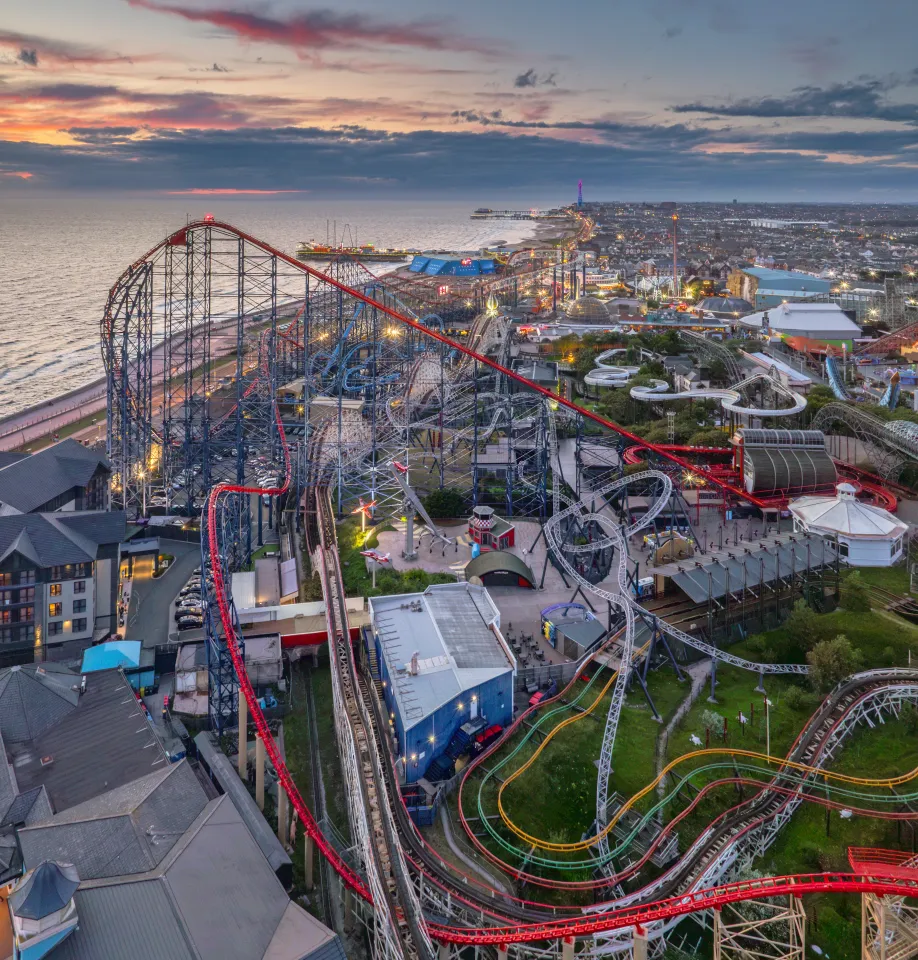
The £8.7million ride is the largest ride of its kind in the UK, swinging riders 42 metres into the air on a rotating pendulum.
Amanda Thompson OBE, CEO of Pleasure Beach Resort said: “To be named Best of the Best is a massive achievement for our park.
“Our industry is full of so much talent, so to be recognised among the best speaks volumes on the dedication and hard work that has kept us moving forward for 130 years.
“Aviktas has been a hugely valuable addition to the park and I’ve been delighted by its reception so far.
Earlier this year a new ride opened at the park as well, which has been named the bestCredit: Pleasure Beach
“If they haven’t already I’d absolutely encourage people to visit Pleasure Beach and give our ride, now recognised as one of the world’s best a go!”
If you fancy heading to the theme park this autumn, Pleasure Beach Resort will remain open for most of September and October.
In October, you could also head to the theme park’s Halloween event – Journey to Hell – where you head through an immersive scare experience with three new scare mazes.
The winners of the Park World Excellence Awards
HERE are the top winners:
Best Roller Coaster of the year: Falcons Flight at Six Flags Qiddiya City
Best rollercoaster (limited budget of the year): Fireline Redwood, Fraispertuis City at Jeanménil, France
Best Ride(s) of the Year: Skywatch at Six Flags Widdya City and Aviktas at Blackpool Pleasure Beach Resort
Best Ride(s) (limited budget of the year): Seesaw Swing at Bellewaerde and Rush Water Canyon and Gold Rush at O’Fun Park
Best Dark Ride or Media-Based Experience of the Year: Rally Flaklypa at Hunderfossen Eventypark
Best Water Park Experience: Aquaticar at Legend of the Glowing Gaurdians, Aquarabia Qiddiya City
Best Large Park of the Year: Europa Park
Best Regional Park of the Year: Bellewaerde and Nigloland
Best Waterpark of the Year: Aquarabia Qiddiya City
THE enormous new Eden Project being built in the seaside town of Morecambe is officially underway.
Work started last month on the £100million project and the public will be able to visit part of it as soon as next year with a full opening expected in 2028.
The Eden Project in Morecambe will sit right on the beach frontCredit: Eden Project ‘The Elder Tree’ attraction is the most expensive at £4.5millionCredit: Eden Project
The first part to open will be the Bring Me Sunshine Garden, it will have tall Austrian pine trees, a natural flower meadow and a solar-powered, shell-shaped outdoor pavilion and classroom that harvests rainwater.
The garden was shown off at the 2026 RHS Chelsea Flower Show and will open as a permanent part of the Eden Project in Morecambe in spring 2027 – it will be completely free to visit.
Sign up for the Travel newsletter
Thank you!
The rest of the Eden Project Morecambe is scheduled to fully open in winter 2028.
The biggest part that has been unveiled so far is called ‘The Elder Tree‘ – it will be 65 feet tall and will guide visitors on a journey from its roots to the trunk hollows.
It is set to show people how to “reconnect” with and “restore nature”.
There will be two very different experiences called The Realm of the Sun and The Realm of the Moon.
The Realm of the Sun has been described as “a bright, lush landscape of the near future — a place where humanity has rediscovered how to repair and re-engage with the broken rhythms of the natural world”.
The Realm of the Moon is as an immersive but “darker” space with a hyper-real rockpool which will have sped-up cycles of tides.
The two realms, will be linked by an area called Metronome, where visitors will buy their entry tickets.
It was revealed today that the Pears Foundation has gifted the attraction £2.5million towards the Eden Project’s habitations zone.
The Realm of the Moon will be a ‘darker space’ with a hyper-real rockpoolCredit: Eden Project
This area of the attraction has been described as Eden Project Morecambe’s “signature experience”.
Inside will be four theatrical spaces, named High Street, Market, Farm and Town Square with immersive activities in each.
Eden Project Morecambe said the activities will “reflect people’s daily lives, sharing how local place-based adaptation and world-wide innovation can collide to help us adopt approaches that can positively impact our planet”.
There will be a 750-capacity Tidal Theatre, a 300-capacity restaurant and a shop at the attraction as well.
Inside the biome will be paths around exotic plants and even waterfallsCredit: UnknownAt the very top is expected to be a restaurant with a large outdoor terraceCredit: Eden Project
Other details that have been previously mentioned include hangingplants,mini gardens, a multi-sensory area, and awaterfall.
There’s plenty to around Morecambe too like the Happy Mount Park, the Eric Morecambe Statue and The Smugglers Den pub all rated highly on TripAdvisor.
Morecambe has a pretty five-mile English beach too which in 2024 was named one of UK’s most beautiful in a list of 37 by Time Out.
Filming locations include SunderlandPoint, a village of 30 houses at the end of a tidal causeway and the Stone Jetty which is all that remains of the original Victorian harbour.
SCARBOROUGH Spa Cliff Lift was closed with immediate effect last month – with fears it might never reopen.
The funicular is the oldest of its kind in the country and has been described as a ‘landmark’ for the town.
Scarborough’s funicular is the oldest of its kind in the UK first opening in the 1800sCredit: AlamyIt was closed last month due to safety concernsCredit: Alamy
Another assessment that examined the tracks and carriages said that the lift operates in a “challenging coastal environment, where salt-laden air, high winds and severe weather can accelerate wear and corrosion”.
The cliff lift is the oldest of its kind in the country, first opening in 1875.
Originally, it was used to transport passengers between the hotels on the Esplanade and the spa.
It was powered by water and gas engines until the 1950s when it was converted to run on electricity.
The funicular has been subject to coastal erosion due to its proximity to the seaCredit: Alamy
Council leader Carl Les, said: “The lift is an important part of Scarborough’s history and identity, and we recognise the affection people have for this landmark attraction.”
Last year when the attraction turned 150-years-old, live performances and exhibitions were held in the town to celebrate its anniversary.
There are roughly 12 funicular’s left in the UK with fewer that still function.
The Saltburn Tramway, which shut back in January 2026, reopened earlier this month.
And another one that’s set to open next year after a 10-year-closure is Folkestone’s Leas Lift which was forced to close in 2017.
WHEN there’s a chill in the air but you still fancy a trip to the seaside, you have to visit this one destination – it’s the warmest in the UK and HAS the least rain.
Not to mention it has some incredible beaches and the world’s biggest Wetherspoons – so it’s the perfect place for a break on the coast this September.
Kent is the warmest spot along the UK coastline in autumn – you can head to BroadstairsCredit: AlamyOr visit Margate which is also home to the world’s largest WetherspoonsCredit: Alamy
Away Resorts has found the best UK seaside spots by analysing average daytime temperature, sea water temperature, rainfall and in top spot, is Kent.
Kate Watts from Away Resorts said: “September can be a brilliant time to enjoy everything the UK has to offer.”
Sign up for the Travel newsletter
Thank you!
She continued: “Our research highlights that you don’t need to go abroad to catch the last of the sun.
“From the Kent Coast to the Isle of Wight, Pembrokeshire to Cornwall, there are plenty of destinations around the UK where Brits can make the most of the coast before autumn arrives.”
Thanks to it being the warmest destination with temperatures of 19C and only 11 days of rain – Kent is the best place to visit in autumn.
And luckily, there are plenty of coastal spots within the county to choose from.
If you’re after a traditional seaside experience, head to Broadstairs.
It has seven sandy beaches and bays including Viking Bay – lots have traditional beach huts and stripy deck chairs.
One must-do is to pop into Morelli’s Gelato, a retro ice cream parlour, for some mega sweet treats – it first opened in 1932.
As for what else you can do there, Deputy Travel Editor Kara Godfrey who hails from Kent tells us her favourite spots in Broadstairs.
Away Resorts has found the warmest spots along the UK coastlineCredit: Away Resorts
She said: “Bar Ingo is my favourite restaurant in Kent, offering Basque small plates with some of the friendliest staff (and in this year’s OpenTable Top 100), and I can never leave Arrowsmiths without picking up a few gifts for myself.
“You can also explore its history via Charles Dickens, exploring his home and namesake pub after he spent some time there.
“But come for Viking Bay, a rare sandy beach in Kent, with some fish and chips from The Mermaid or even a surf lesson or two and embrace the seaside town life.
“Make sure to stay at Smith’s Townhouse – having only opened last year, its one of the coolest in town without the price tag (with some of the best coffee in town too).”
Ramsgate is where you’ll find a soft sandy beach backed by the world’s biggest Wetherspoons.
Called the Victoria Pavilion, arguably the best views are up the top on the enormous rooftop terrace which looks over the coast.
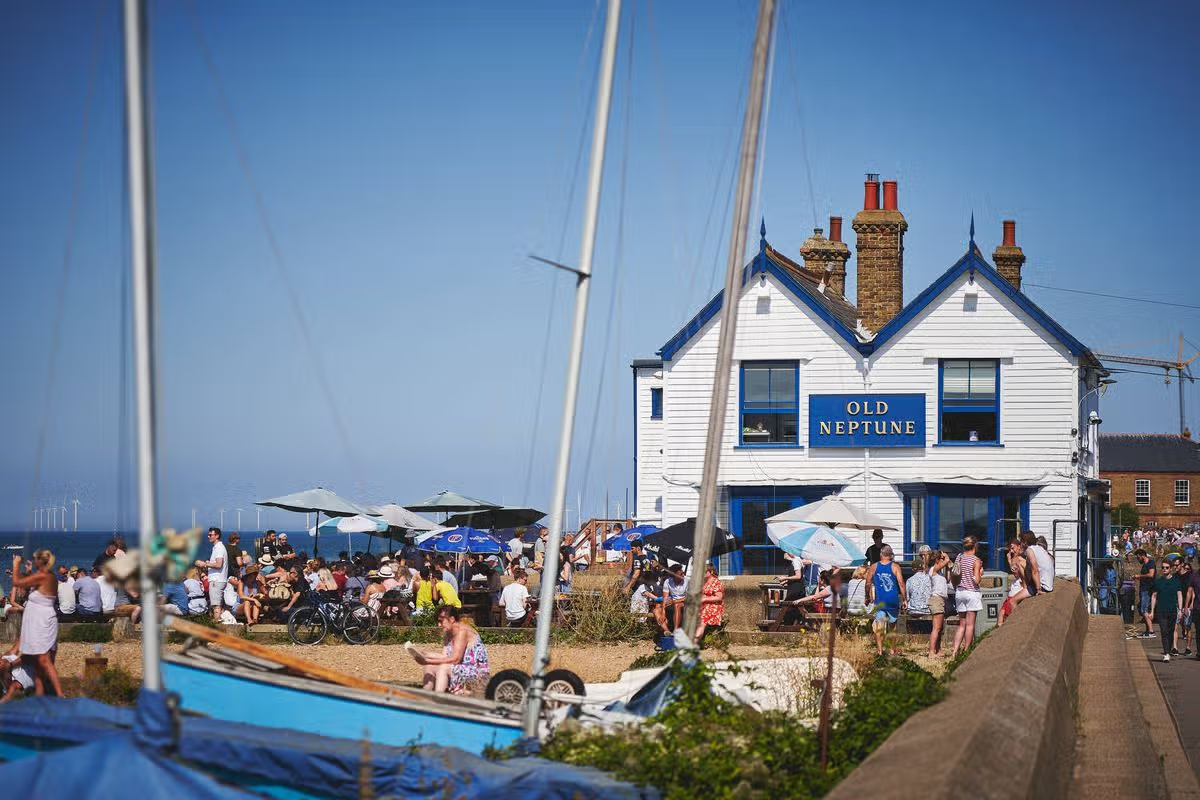
The Old Neptune is right on the beach front in WhitstableCredit: AlamyDon’t miss the Folkestone Mermaid by the beach frontCredit: Alamy
Whitstable is another popular seaside town where you’ll find oyster shops, posh charity shops and art galleries.
One of the most beautiful beach pubs is there, called The Old Neptune; punters love it as they can enjoy a pint right on the sand.
Margate has been nicknamed Shoreditch on Sea thanks to its fancy wine bars, cafes and fine dining restaurants.
Or if you want a bit of nostalgia, head into the Dreamland theme park that visitors say is like ‘stepping back in time’ thanks to its vintage fairground rides.
Don’t miss Folkestone either which was voted Time Out’s best UK place to visit last year.
It has trendy shops and coffee spots on its brightly coloured high street and heading down to the beach don’t miss the Folkestone Mermaid – like they have in Copenhagen.
WE stroll along the soft sand, taking in the afternoon sun as the shallow waters wash over our feet.
Ahead of us, kids are tucking into ice creams, and along the harbour wall, a crowd is at the ready with crabbing lines, dangling them one by one into the sea.
Aerial view of Weymouth Bay and Weymouth Beach with the historic town center, colorful buildings, a bustling promenade, and boats in the harbor in WeyCredit: AlamyThe historic Nothe Fort in WeymouthCredit: Alamy
Here in Weymouth, on Dorset’s south coast, you get traditional amusement in, well, spades.
It is the quintessential Victorian resort, although its popularity dates back further, to King George III, whose first of many visits was in 1789 after doctors recommended sea bathing for his health.
Sign up for the Travel newsletter
Thank you!
In those days, he would not have been able to enjoy the Pirate Ship or spinning Paratrooper now found on the sands.
Nor could he have sunk a cold beer from the many bars and restaurants along the esplanade.
Her loud and infectious laugh backs that up and it most definitely adds to the cheer of the place.
Stepping into her guesthouse is like stepping back in time. Every wall, tabletop, windowsill and mantelpiece features antique objects, as varied as voodoo-esque dolls, telescopes and ship steering wheels.
Many of them have come down the generations from her grandparents’ vintage shops round the capital.
Our room had a ship theme, which was fitting considering it has a lovely bay window with harbour views.
Being in such a prime location means it’s easy to potter around the town, with plenty of cafes, restaurants and pubs on your doorstep.
For sheer portion size, a large cod and chips from Bennett’s fish and chip shop could probably do Mum, Dad and a couple of little’uns. It was pretty tasty too.
Or if you’re keen for a fancier version of this seaside staple, Catch At The Old Fish Market offers a fine dining experience with a tasting menu of fresh-caught local seafood.
For a proper good pint, the Old Rooms Inn sits just across the river from The Ocean Guesthouse and is reachable by Town Bridge, which opens up every so often for boats to pass. I’d recommend taking the novelty route and making the two-minute crossing by row boat.
For a more lengthy jaunt in the water, Weymouth And Portland Boat Trips offers hour-long adventures.
The colourful Weymouth harbourCredit: AlamyQuirky hotelier and former Londoner Maxine GilroyCredit: Supplied.
As the name suggests, we travelled from Weymouth quayside to Portland — which despite being an island, is connected to the mainland by Chesil beach.
Known for its quarries and white Portland limestone — which was used to build the likes of Buckingham Palace, St Paul’s Cathedral and the British Museum — Portland is a gorgeous place to spend the day with shallow coves for swimming and sunsets to die for.
Keep your eyes peeled for the harbour — you may recognise it as the location that hosted the sailing events at the London 2012 Olympics, and regular contests still take place there.
On our journey, we saw Team USA practising windsurfing in preparation for the 2026 iQFOiL World Championships, which took place this month.
If you prefer to stick to dry land, then Nothe Fort, a ten-minute walk from the guesthouse, is a must.
Built in the 1860s, the building is as fascinating as what’s inside.
Kids will love it too, even if they aren’t into history — there are ramparts and tunnels to explore, military outfits to try on and cannons fired from the parade ground.
Exhibitions run throughout the year and special events take place during October half-term, too, with daily “mouse hunts”, spooky bingo and pumpkin golf.
IF you want a historic stay in one of the UK’s coolest seaside towns, we’ve found one of the best.
Here’s everything you need to know about staying at Margate‘s The George & Heart House.
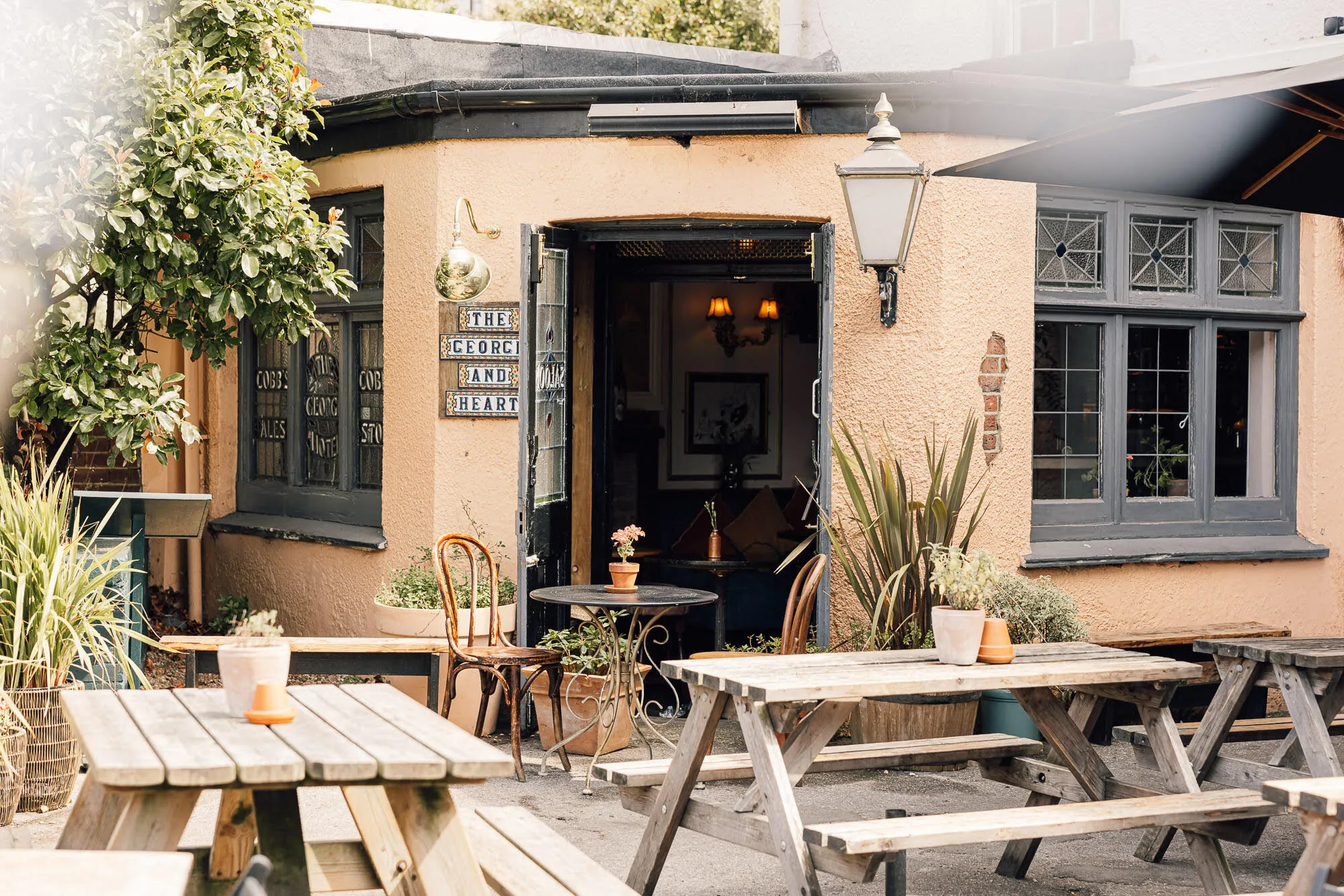
One of Margate’s most stylish places to stay is The George & Heart HouseCredit: SuppliedThe pub dates back to the 18th centuryCredit: Supplied
Where is The George & Heart House?
You couldn’t ask for a much better spot from which to explore Margate.
Across the road are the Old’s Town’s vintage shops, cafes and pubs while just a five-minute walk away is the beach as well as the Turner Contemporary art gallery and retro amusement park Dreamland, both of which are free to enter.
Sign up for the Travel newsletter
Thank you!
Margate train station is a ten-minute stroll from the hotel.
What’s it like?
Sat on the edge of Margate’s Old Town, this revamped 18th-century coaching inn is full of character.
The charming interior features exposed brickwork, velvets, fringes and drapes with eco-friendly up-cycled furniture and a colour scheme of pink and dark green.
What are the rooms like?
There are six compact rooms designed by Kent creatives, all with their own unique style and names.
Among them, Burley & Field has Art Deco and Oriental influences while Home Alone With Mrs Jones is a riot of 1970s Biba-style imagery.
There is also the plush and spacious Heritage Suite, where I stayed, which takes up an entire floor.
It comes with two bedrooms and a big living space complete with a small kitchen area, two sofas, wall-mounted flatscreen TV and a dining table.
The hotel is the perfect base for exploring the rest of MargateCredit: Supplied
What is there to eat and drink?
Definitely eat here. The restaurant delivers mainly pub classics, including burgers and fish and chips, but also more elaborate dishes such as pork Milanese.
I had the halibut in a tomato and caper sauce with new potatoes and tenderstem broccoli which was perfectly cooked and delicious.
In the summer you can also dine in the pub’s airy Stables Courtyard.
The breakfast is continental, including juices, muesli, fruit, croissants, ham and cheese.
What else is there to do?
The hotel has a Zen Den, which offers massages and facials by appointment, but can also be used by guests for morning stretches or meditation.
Is it family friendly?
The hotel’s two-bedroom Heritage Suite sleeps four, so works for families.
Is it accessible?
Due to being a historic pub, the hotel is not wheelchair accesible
The village has been crowned the finest seaside destination by Which? and is a must-visit for anyone seeking a peaceful autumn break in the UK
15:31, 16 Sep 2026Updated 15:33, 16 Sep 2026
One spot is perfect for getting away during the cooler autumn months(Image: Getty Images)
As the summer crowds begin to thin out, late September offers the perfect chance to explore the UK’s stunning coastline, with quieter beaches, milder temperatures and spectacular coastal paths just waiting to be discovered. Tucked away on the north Devon coast, one spot is a picture-postcard seaside village where the East and West Lyn rivers meet the Bristol Channel.
A charming seaside village tucked between dramatic hillsides and the Bristol Channel has been named Devon’s best seaside destination by Which?, cementing its status as an essential stop for a quintessential West Country getaway. Lynmouth sits beneath its hilltop neighbour, Lynton, with both forming part of the spectacular Exmoor National Park.
Sitting on the edge of Exmoor National Park, it is surrounded by stunning landscapes and is frequently likened to “Little Switzerland”.
At the heart of the village is its harbour, a reminder of Lynmouth’s roots as a small fishing settlement. Its history stretches back centuries, with records dating to at least the 13th century.
One of the area’s most famous attractions is the Lynton & Lynmouth Cliff Railway, which connects the seaside village with Lynton high above. The historic railway is powered by water and offers visitors a memorable way to travel between the two communities while taking in the surrounding scenery, reports the Express.
Today, Lynmouth offers a winning combination of harbour views, rushing rivers, wooded valleys and dramatic coastline. With Exmoor’s walking trails right on its doorstep, it is an appealing destination for anyone looking to escape the crowds and enjoy a peaceful slice of the Devon coast.
Visitors can follow the River Lyn upstream towards Watersmeet, a magnificent tree-lined gorge managed by the National Trust, complete with riverside walkways and a charming tea garden.
For those looking for a spectacular group getaway, the area is also home to Lynhurst, an impressive and distinguished property just a short walk from the historic village of Lynton.
Tucked within stunning gardens and natural woodland, it features a games room with a slate pool table and dartboard, as well as an outdoor table tennis table to keep guests thoroughly entertained.
For couples in search of a romantic getaway, River View is a second-floor apartment set right on the riverbank in Lynmouth. The property features a furnished balcony overlooking the bay, and on a clear day, guests may even spot the Welsh coastline in the distance.
Inside the apartment, visitors will find a cosy open-plan living and kitchen area, fully kitted out for a hassle-free self-catering break. A king-size master bedroom with an en-suite shower room offers a peaceful retreat in which to unwind after a day exploring the local coastline.
The balcony is a particularly lovely spot to savour a morning coffee or an evening drink, with sweeping views across the river and the picturesque village below. With plenty of cafés and restaurants nearby serving breakfast, lunch and dinner, there’s absolutely no pressure to cook every meal either.
For a change of scenery, Ilfracombe lies fewer than 20 miles away, well known for its diverse dining scene and historic harbour. Visitors can also take in Damien Hirst’s iconic ‘Verity’ statue at the harbour entrance before heading back to the tranquil surroundings of Lynmouth.
Previous guests at River View have been fulsome in their praise online. One visitor wrote: “Lovely apartment. Perfectly situated with everything we needed. A real ‘home from home’. We love Lynmouth and will be back.”
Another noted: “A wonderful location for walkers as several spectacular river and coastal walks from the door. Great for visitors with dogs, close to the promenade for walks and meeting lots of other dogs.”
One particularly detailed review read: “A small but well-equipped and comfortable flat with beautiful views over the river to the sea. Good location to explore the area. Luckily found a temporary parking spot initially on Riverside Road in order to unpack, as the flat entrance is on a pedestrianised street.
“Parking permit was £25 for the week at the nearby Upper Lyndale car park. Tesco delivered groceries without difficulty. Walks locally and some National Trust properties made it a very enjoyable week in a lovely location.”
One guest noted that “the two flights of steep stairs would need to be taken into consideration by anybody perhaps not a 100% fit”, while another savoured the surroundings, remarking: “We had the door open all the time and could listen to the water and the wildlife, which we really enjoyed.”
River View can be booked through Holiday Cottages, with a four-night stay in September starting from £449.
If you’re looking for a great family-friendly city break without breaking the bank, I need to sell you Porto.
Porto is a great holiday destination for families that won’t break the bankCredit: AlamyThe architecture is both stunning and free to seeCredit: Catherine Lofthouse
We’ve visited Lisbon and the Algarve before and found them to be an affordable alternative to some of the top Spanish hotspots.
So it came as no surprise that Porto was named by the Post Office in a recent city costs barometer as the place in Western Europe with the biggest price drop in tourists costs, with costs falling by 15.5 per cent in 2025 compared to the previous year.
Sign up for the Travel newsletter
Thank you!
I was wowed by the affordable accommodation options I found for my family of five, with cheap-as-chips drinks and public transport to boot.
Two nights sleeping on a boat at the marina cost just €242 (£207), while flights can be found for as little as £18.99 each way.
And it makes for the best bit of post-summer sunshine when temperatures are on average 23C in September, although is reaching 32C this week.
Porto is a lovely city to wander around and explore.
There’s the beautiful blue and white tiles on the churches and at Sao Bento railway station, vintage trams trundling along, a cable car to see the sights and a double decker bridge where pedestrians can cross the Douro River up high or down low.
And we weren’t forking out loads for cold drinks and ice creams when we needed a rest – glasses of wine were £2.57 (€3), a beer was £1.50 (€1.80) and ice creams were between £1.70 and £2.57 (€2-€3) a pop.
My top tip for keeping your city break in budget would be to avoid some of the expensive tourist traps that might not actually add much to your trip other than extra costs, especially if you have to pay for five people each time.
The Livraria Lello – supposed to be the most beautiful bookshop in the world – is beautiful but costs £13.70 (15.95€), working out to mor than £50 for a family of four.
The Murals in Sao Bento train station are worth a visitCredit: AlamyOur house boat stay was super affordable tooCredit: Catherine Lofthouse
My boys were just as happy to admire the lovely old fixtures and fittings in nearby shops – all for free.
An unusual spot that has won hearts recently is the McDonald’s in the former Imperial Cafe in Praça da Liberdade, reputed to be the world’s most beautiful branch of the fast food chain.
Inside you’ll find chandeliers, a striking eagle statue over the entrance and gorgeous art deco stained glass, along with your standard fast food menu.
It’s family-friendly swaps like these that can make or break your city stay.
Make sure to remember the tourist tax for adults and teens, which is £2.57 (€3) per person per night which you pay on arrival.
You can also squeeze in some beach time too.
We headed up to coastal town Viana do Castelo, which hosts one of Portugal‘s biggest festivals in mid-August, and our train fare for five of us was £57.50 (67€) return.
Porto is picture- and pocket-perfect, with laidback vibes aplenty. We could easily have spent much longer in the city, especially with its low-cost living.
TUCKED away in the English countryside is a quiet village that has attracted some big names.
It has pretty cobblestone cottages, traditional pubs all with the backdrop of rolling green hills and no, it’s not in the Cotswolds – but it looks like it could be.
The village of East Dean has pretty cottages and a village green pubCredit: AlamyThe Tiger Inn used to be a hotspot for smugglers – now it’s a cosy English pubCredit: Alamy Stock Photo
There’s even a blue plaque outside the house on the green that reads “Sherlock Holmes, consulting detective and bee keeper, retired here 1903-1917.”
200 years ago, the village wasn’t exactly a celebrity hotspot – instead it was used by smugglers.
What is now the village pub apparently served as a secret meeting place and retreat for contraband runners.
It’s called The Tiger Inn and sits at the centre of the village on the green and has been described as a ‘quintessentially English pub’ by visitors.
The village is popular with celebrities and a few minutes from the coastCredit: Alamy
Previously, it’s won Rural Pub of the Year for the South East and has had multiple recognitions from the South East Sussex CAMRA (Campaign for Real Ale) – including winning Country Pub of the Year.
It serves up very British dishes too from Ploughmans, to fish and chips and sausage and mash.
One visitor wrote on Tripadvisor that it’s “an incredibly beautiful place, one of the best pubs in the South East.”
Another described it as an “amazing village pub on the green.”
It’s not just food – visitors can book a stay at the inn from £90 – or £45pppn.
There are other options when it comes to staying in the village too, including camping at Newhouse Farm Wild Camping which has 72 pitches.
The village is believed to be the fictional home of Sherlock HolmesCredit: AlamyIt’s near to the pretty beach of Cuckmere HavenCredit: Alamy
You can pitch on the grass from £30 per night for two adults.
There are also four pods including The Sett, which can sleep up to four people from £100 per night – or £25pppn.
The village is actually quite close to the seaside too – in the car it’s a four-minute drive to beauty spot Birling Gap where you can look out over the Seven Sisters cliffs.
If you fancy taking a walk, you can start at the Tiger Inn and venture towards the sea front which will take around an hour and a half.
For more of a beach, there’s nearby Cuckmere Haven, which is a 13-minute drive away.
The Folkestone Leas Lift is set to finally reopenCredit: Folkestone Leas LiftThe funicular was forced to close back in 2017Credit: The Folkestone Leas Lift Company Charity / Facebook
However, a long campaign has finally see restoration works start, with it planning to reopen by 2027.
The £6.6million works will restore the main systems, which connects the top of the cliff to the beach.
Sign up for the Travel newsletter
Thank you!
Not only that but the cafe is also being restored, along with the waiting room and addition of an outdoor terrace.
It remains one of the oldest in the UK, and one of just three of its kind left, being a water-balance funicular.
It has since carried more than 36million people since it opened.
It had hoped to reopen by this summer, although this has since been delayed to next year.
But its great new for families visiting the seaside town, as it makes the cliff and beach much more accessible.
Chair of the Leas Lift Build Committee Jo Streeter said in regards to works starting: “We wanted to be absolutely sure that as well as getting value for money – which is vital for our funders and supporters – we selected a company that understands what the Lift means to Folkestone.”
The works are expected to cost £6.6millionA new cafe is also part of the plansCredit: Folkestone Leas LiftIt is set to open by 2017
Folkestone even had two other lifts – The Metropole Lift and the Sandgate Hill Lift – although these no longer exist.
And the seaside town has recently surged in popularity, with it being less than an hour from London.
A BELOVED UK seaside town is set to get a new, faster train to London – slashing journey times by 15 minutes.
Visitors and commuters travelling to and from the coastal area will soon be able to make it to London in just over an hour.
A new speedier train service between London and Hastings is launchingCommuters and tourists will be able to get to the coastal town in just over an hourCredit: Alamy
The new rail service will connect the capital with the East Sussex town of Hastings and its set to launch in December of this year.
Hastings boasts a charming shingle and pebble beach and plenty of pubs, cafes and restaurants.
Sign up for the Travel newsletter
Thank you!
Journeys from London to the quaint seaside town can currently take as long as 1 hour and 47 minutes.
The new Southeastern Railway service will connect the two locations with a train that takes just 1 hour and 18 minutes to get to London Bridge.
The new service will depart from London’s Charing Cross before calling at Waterloo East, London Bridge, Tunbridge Wells, Battle, St Leonards Warrior Square before arriving in Hastings.
The new transport project has been described as being in a “pilot” phase – and demand for the service will have to be shown for it to be made permanent.
It comes as part of an upcoming timetable shakeup that aims to better connect South East London, Kent and East Sussex.
The new service will run to London once in the morning, with a further return journey scheduled in the evening.
The morning train is set to depart Hastings at 8:05am and arrive at Charing Cross at 09:33am.
The evening train journey will set off from Charing Cross at 4:11pm and arrive in Hastings at 5:42pm.
Speaking about the introduction of the speedier service, Helena Dollimore, MP for Hastings, Rye and the villages, said: “Securing a faster train service for our town has been one of my top priorities as our local MP. When we are almost the same distance from London as Brighton, why should our train take twice as long?”
Highlighting the importance of the trains that serve both commuters and tourists, she added: “This new service is great news for commuters and for our local shops, hotels, pubs, and restaurants that rely on tourists coming down to visit us.
“This new fast train will be a pilot service. If we want it to stay, we all must use it to show the demand.”