
popular

Popular UK coastal path shuts down for more than 3 MONTHS over summer

A POPULAR UK coastal path is set to close for months this summer.

It’s been confirmed that the scenic walking route will be out of use while essential repairs are made.

Three women hiking and laughing in a field.
A popular UK walking route will be closed this summer Credit: Getty
Portsmouth taken from Farlington.
Hampshire’s Langstone Coastal Path is being repaired Credit: HelenWalkerz65

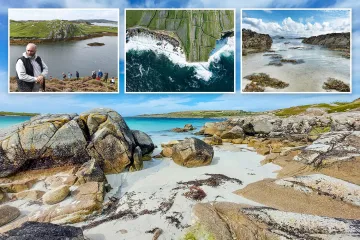
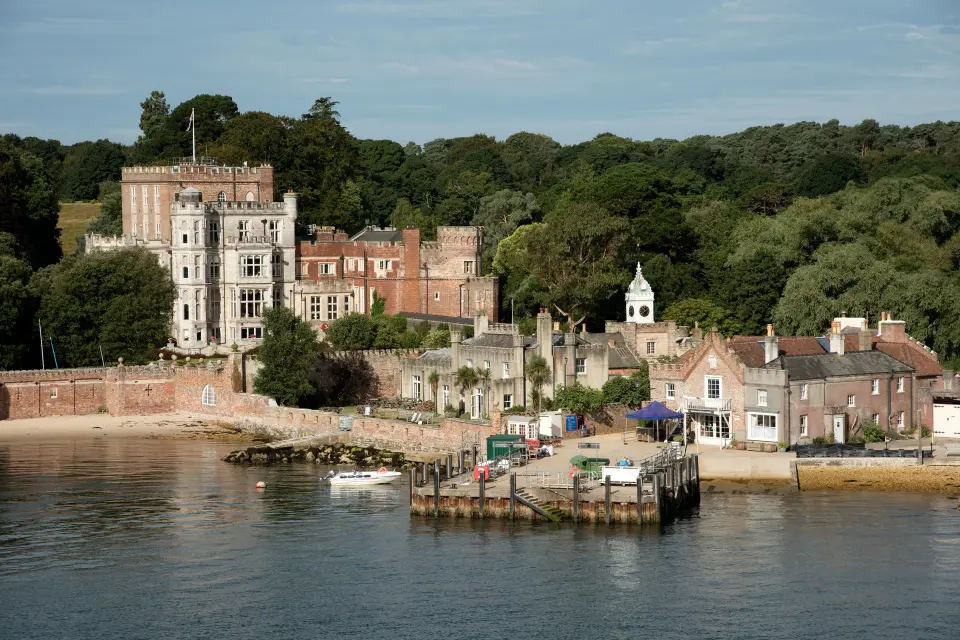
The Langstone Coastal Path, located behind Farlington Marshes near Portsmouth, is a beloved walking and cycling trail that passes through natural beauty spots and coastal towns.

But the public will not have access to the Hampshire footpath this summer while coastal erosion repairs are underway.

The nature-packed hiking trail, which boasts a 23km route that loops around the Langstone Harbour, will be closed over the summer months from May 26 until September.

This will allow for refurbishments to be done to areas of the sea wall damaged by coastal erosion, in order for the area and its wildlife to remain protected.

BEACH BEAUTY

European beach city nicknamed ‘Little Barcelona’ has £4 wine and £18 flights


LONG WAIT

World’s longest flight set to take 22 hours delayed AGAIN due to Iran crisis

The National Highways project means that a diversion will be put in place while the works are in progress. This will run along Eastern Road and Havant Road.

Katarina Saradinova, head of scheme delivery for the South East region, told The Portsmouth News: “This is a beautiful location, and our work will help protect the coastline, wildlife and surrounding environment for future generations.

We understand the diversion route will lead visitors away from the scenic nature reserve, but these closures are essential to allow repairs to the sea wall, damaged by coastal erosion, to be carried out safely. Unauthorised access could also disrupt the construction schedule,” she added.

Efforts have also been made to ensure that the timing of the works disrupts wildlife habitats as little as possible.

The summer project has been planned in order to avoid disturbing the nesting period of overwintering birds in the area.

While access will still be available from the western entrance of Farlington Marshes, the path between Farlington Marshes car park and Chalk Dock Lake car park will be off limits.

The Chalk Dock Lake car park will also be closed.

Source link

Venezuela: Popular Movements Protest US Military Drills in Caracas

“No to the yankee drill” and “Yankee go home” banners during a protest on Saturday. (Rome Arrieche)

Caracas, May 24, 2026 (venezuelanalysis.com) – Venezuelan grassroots organizations took to the streets on Saturday to protest the US holding “rapid response” military drills in Caracas.

Dozens of activists from multiple collectives belonging to the ALBA Movimientos coalition gathered in the morning in front of the Indigenous Resistance monument in Plaza Venezuela and read a statement expressing “outrage” at the US holding an exercise in Caracas less than five months after its January 3 bombings and kidnapping of President Nicolás Maduro and First Lady Cilia Flores.

“As Venezuelan popular organizations, 141 days since the brutal US military attack and kidnapping of President Maduro and Deputy Cilia Flores, […] we repudiate yankee militarist imperialism and are outraged that the US is executing military exercises in our country,” the organizations expressed.

Speakers, including National Assembly deputies Rigel Sergent and Oliver Rivas, condemned the US-Israel war against Iran and the growing threats against Cuba while reiterating support for the Venezuelan government led by Acting President Delcy Rodríguez.

Also on Saturday, several leftist organizations held a rally in Chacaíto to protest the violation of the country’s sovereignty and denounce the Venezuelan government’s accommodation of US impositions.

“This exercise is extremely serious because it makes concepts like sovereignty appear hollow for younger generations,” trade unionist Adelmo Becerra told those present. “Our challenge is to maintain the idea of sovereignty alive in collective memory.”

Demonstrators painted posters reading “Yankee go home!” and chanted slogans such as “We refuse to be a US colony!” Participating organizations included the Communist Party (PCV), Corriente Comunes, and the Socialist Workers’ League (LTS).

A third rally, called by members of the ruling United Socialist Party (PSUV), took place in Plaza Bolívar, with participants shouting anti-imperialist slogans and burning posters of US President Donald Trump and Secretary of State Marco Rubio.

On Saturday morning, US forces flew two Osprey MV-22B aircraft over Caracas before landing near the embassy compound in the southeast of the capital. The tiltrotor transport aircraft took off from the USS Iwo Jima, one of the warships that participated in the January 3 attacks and where Maduro and Flores were airlifted to after being kidnapped by US special forces.

“Ensuring the military’s rapid response capability is a key component of mission readiness, both here in Venezuela and around the world,” a social media statement from the US embassy read.

US Southern Command (SOUTHCOM) Commander General Francis Donovan oversaw the military drills and visited Caracas for a second time. He flew in on an Osprey alongside a marine contingent.

According to US officials, Donovan met with “senior” Venezuelan government leaders at the embassy. At the time of writing, there is no public information on which officials were present. Donovan’s previous visit in February saw him hold talks with Rodríguez, Interior Minister Diosdado Cabello, and then-Defense Minister Vladimir Padrino López.

In a statement, SOUTHCOM reiterated US forces’ commitment to the Trump administration’s “three-phase plan,” which ends with a political “transition.”

For its part, the Venezuelan government did not comment on the US military drills. Caracas issued a statement on Thursday announcing that it had authorized “evacuation exercises” for eventual “medical emergencies and catastrophic events.” Foreign Minister Yván Gil read the communiqué in a video published through official social media channels.

However, amid fierce public backlash, Venezuelan authorities deleted the statement and video from all accounts. A similar incident occurred in late February when the Foreign Ministry published a statement that criticized Iran’s response to the US-Israeli aggression and then withdrew it following outcry from grassroots and solidarity movements.

On Saturday night, the Communications Ministry posted a video stressing the importance of “controlling emotions and waiting for the right moment.” Though making no reference to the US exercises, it stressed that the priority is safeguarding “the existence and the security of the state.”

Since the January strikes, the Trump White House has exacted major concessions from the acting Rodríguez administration, including taking control of Venezuelan oil revenues, auditing its Central Bank, pushing pro-business legislative reforms, and securing the handover of former diplomatic envoy Alex Saab to face money laundering charges in Florida.

Saturday’s military exercises also elicited strong anti-US reactions on social media from Chavista and opposition figures alike. Writer José Roberto Duque, a staunch government supporter, urged people to paint patriotic murals and express their repudiation of “imperialist arrogance.”

Claudio Fermín, a longtime opposition politician, expressed his “outrage” in a social media message, comparing US forces to “cats marking their territory.” Jesús “Chuo” Torrealba, former secretary-general of the opposition MUD coalition, argued that the US actions appeared to be a “demonstration of military prowess.”

Edited by Lucas Koerner in Caracas.

Source link

Venezuelan Gov’t Announces New Popular Consultation, ‘Productive Pilgrimage’

Delcy Rodríguez kicks off the new “pilgrimage” stage at the Cabelum company in Bolívar State. (Presidential Press)

Mérida, May 21, 2026 (venezuelanalysis.com) – Venezuelan Acting President Delcy Rodríguez announced that on 12 July the country will conduct its second popular consultation of the year to fund local projects. 

The Venezuelan leader made the announcement during the inauguration of the “City of Entrepreneurship” at the Giant Cacique Tiuna commune in Caracas on Monday, an event with local small-scale entrepreneurs. The upcoming vote follows the first consultation of 2026, which took place on March 8 in 5,336 communal circuits.

“I am pleased to announce that the second popular consultation will take place on July 12. So, everyone should prepare for this national consultation,” Rodríguez stated. “It will be open to projects in any of the Seven Transformations,” she added, referring to the government’s development plan across different areas.

A significant development for the upcoming vote is the incorporation of new types of organizations into the process. The acting president announced that the consultation will include 120,000 condominium boards and 15,000 neighbor associations, emphasizing the importance of consolidating a “common effort” alongside traditional communal projects. Following the March 8 consultation, Rodríguez pledged to expand the process to traditionally middle-class areas where there is no grassroots organization.

Popular consultations have become the main mechanism of government policy to transfer funds to grassroots organizations. Prior to the vote, communities hold assemblies to identify the local priorities, traditionally focusing on infrastructure, public services, or supplying healthcare facilities.

The most-voted initiative receives the equivalent of US $10,000, with the local organizations charged with executing the projects and rendering accounts. According to official figures, the Venezuelan government supported 33,743 initiatives in 2025. On some occasions, state, regional, and municipal offices have funded the second-place projects in several communes.

The upcoming July vote will be the seventh national consultation since the mechanism was consolidated, following two rounds in 2024 and three in 2025.

Venezuelan authorities have yet to specify whether the condominium boards and neighbor associations will access similar funding and if all will be eligible to participate. Their jurisdiction and ability to access state funds have yet to be defined. The move to expand the consultation to organizations in traditionally middle-class apartment complexes and residential areas bypasses the communal instances envisioned by former President Hugo Chávez as “unit cells” for the construction of socialism.

New Phase of ‘National Pilgrimage’

The announcement of the July consultation coincided with the launch of a second phase of the “Great National Pilgrimage” to defend peace and oppose sanctions. The pilgrimage, a large-scale political mobilization strategy, began the new stage on 19 May with a special emphasis on dialogue with the productive sectors of the economy.

According to Interior Minister Diosdado Cabello, this new phase differs from the first stage, which concluded on April 30, by expanding its reach to non-metropolitan areas and focusing on specific regional economic activities such as fishing, agriculture, and the oil industry.

During a rally in the western state of Zulia on Tuesday, Cabello explained that the objective is to establish direct engagement with the population, independent of political affiliation, and to channel proposals on public services, security, and financing to the Rodríguez administration.

At the same time, the Caribbean nation’s acting president held meetings in Bolívar state with the aluminum conductor company Cabelum. She stated that the pilgrimage aimed to go “to the heart of productive Venezuela” to identify structural obstacles and promote productivity. In recent months, the Venezuelan National Assembly has approved several pro-business reforms with the stated purpose of attracting private sector investment, both national and foreign.

Rodríguez explicitly linked the pilgrimage’s goals to the need for diplomatic dialogue with the Trump administration to request a removal of unilateral coercive measures, which she lamented have imposed a “very high cost” on the Venezuelan population.

The pilgrimage, which also includes mass assemblies and the collection of proposals for public management, is expected to run alongside the preparations for the upcoming July consultation. Venezuelan authorities have defended the initiative as an effort to reach out to other political factions under common national goals.

Edited by Ricardo Vaz in Caracas.

Source link

‘Extreme’ health risk warning for popular Brit holiday destination

People visiting these islands could be at risk of high UV levels

People have been urged to take certain precautions as the ultraviolet radiation risk at a popular holiday destination area has been raised to “extreme”. Health officials in the Canary Islands have elevated the UV risk across several of the islands.

According to the Canary Islands Health Department, UV radiation levels are presently classified as “very high” across all islands. And Fuerteventura, Lanzarote and Gran Canaria have reached the highest “extreme” warning category.

Prolonged exposure to ultraviolet radiation can lead to serious health complications, including DNA damage, severe sunburn, allergic skin reactions, eye conditions and a heightened risk of skin cancer, including melanoma. Health experts also caution that UV exposure can suppress the immune system and even trigger the reactivation of viruses such as cold sores.

The alert particularly impacts those who spend lengthy periods outdoors, whether for work or leisure, as well as individuals with fair skin, light eyes or a family history of skin cancer. Children and older adults are also regarded as especially at risk.

As reported by Canarian Weekly on May 21, health authorities are strongly advising people to avoid direct sunlight between 11am and 5pm wherever possible, seek out shaded areas and wear protective clothing, wide-brimmed hats and approved sunglasses with UVA and UVB protection. The application of SPF 50 sunscreen is highly recommended, even on overcast days.

Authorities also issued a reminder to parents that babies under one year old should never be exposed directly to sunlight, as their skin is particularly sensitive and incompatible with most sun creams. The Canary Islands consistently record some of the highest UV radiation levels across Spain throughout the year, owing to their geographical position and climate.

How to apply sunscreen

The NHS warns that most people do not apply enough sunscreen. As a guide, adults should aim to apply around six to eight teaspoons of sunscreen if you’re covering your entire body.

READ MORE: Drivers in England urged to put ‘light coloured’ towel in their car from FridayREAD MORE: 5 UK areas issued with amber heat health alerts as heatwave warning upgraded

If sunscreen is applied “too thinly”, the amount of protection it gives is reduced. If you plan to be out in the sun long enough to risk burning, sunscreen needs to be applied twice:

  • 30 minutes before going out
  • Just before going out

Sunscreen should be applied to all exposed skin, including the face, neck and ears, and head if you have thinning or no hair, but a wide-brimmed hat is better. Sunscreen needs to be reapplied liberally and frequently, and according to the manufacturer’s instructions.

This includes applying it straight after you have been in water, even if it’s “water resistant”, and after towel drying, sweating or when it may have rubbed off. It’s also recommended to reapply sunscreen every two hours, as the sun can dry it off your skin.

Further to this, the NHS recommends you should do the following to stay safe in the sun:

  • Spend time in the shade between 11am and 3pm
  • Never burn
  • Cover up with suitable clothing and sunglasses
  • Take extra care with children
  • Keep babies under six months out of direct sunlight
  • Use at least factor 30 sunscreen – make sure to use enough and re-apply frequently

Source link

Column: Jack up taxes on California’s rich? Popular liberal mantra, but bad idea

The Democrats’ mantra this election year — especially among wannabe governors — is that the richest Californians should “pay their fair share.” But by any objective measurement, they already do.

I’m referring to state taxes, not federal. It’s a valid argument that the most prosperous Americans should kick in more to the federal government, particularly after President Trump and the Republican Congress lowered taxes for the wealthy, who already had a pretty good deal.

But it’s a different story in California, where state government lives off the well-heeled. Yet, never-satisfied liberal Democrats and public employee unions constantly cry for more.

In fact, an unexpected surge of $16.8 billion in state tax revenue, mostly due to the stock market boom and capital gains earnings, is bailing out Gov. Gavin Newsom and allowing him to claim a balanced budget as he prepares to depart Sacramento and run for president in 2028.

You’re reading the L.A. Times Politics newsletter

George Skelton and Michael Wilner cover the insights, legislation, players and politics you need to know. In your inbox Monday and Thursday mornings.

The state Franchise Tax Board recently reported which income groups pony up the most taxes. The more money you earn, the steeper your income tax burden. Of course, that’s the way it should be. But California pushes its progressive tax system to the extreme.

We’ve got by far the highest state income tax rate in the nation at 13.3%.

In 2024, the latest year for which there’s complete data, the top 1% of California taxpayers accounted for 40% of the total state income tax revenue, the FTB reported. But they earned just 24% of the taxable income. To be in the top 1%, your annual earnings had to be at least $973,000.

The top 0.1% kicked in 21% of the tax, while earning 12% of the income. To be in that megarich class, you needed annual earnings of at least $4.7 million.

By contrast, middle-class families with incomes between $73,000 and $139,000 paid 9% of the state’s income tax take.

This doesn’t mean we should weep for the rich and demand more from the struggling lower middle class.

But the problem with Sacramento living off the wealthiest taxpayers is that they’re unreliable. Their fortunes flourish in boom times and fall when the economy busts. When the stock market sneezes, California state government catches pneumonia.

If the state treasury is overflowing, Democratic lawmakers tend to spend freely, expanding programs and creating new ones. Then when the cache inevitably shrinks in bad times, the policymakers’ usual response is to essentially turn their eyes.

Rather than sharply whack spending and raise taxes, they gimmick up the budget with borrowing, deferred spending and crossed fingers. And they dig the hole deeper.

For decades, under Democratic and Republican governors, we’ve sorely needed to update our archaic tax system to make it less volatile and more dependable.

A reform that makes lots of sense is to extend the sales tax to services primarily used by businesses. They could deduct the cost on their federal tax returns. And California state and local governments would steadily collect several billion dollars annually. Some income and sales tax rates could even be lowered.

California also has the nation’s highest state sales tax rate at 7.25%. Combining state and local sales tax rates, we have the seventh-highest at 8.99%.

Taxing deductible business services makes sense to many politicians — but only privately. They’re too weak-kneed to seriously consider it in public. There’d be winners and losers and high political risks.

When Xavier Becerra, the current Democratic front-runner in the June 2 gubernatorial primary, entered the race a year ago, I asked him about extending the sales tax to services, as all other states do. He wanted nothing to do with it.

“We need to stabilize our tax system in California with a more steady source of revenue,” he told me. “But I’m not a fan of the sales tax to begin with. It lands on working families.”

He was not interested in exploring a possible tax on services that didn’t hit working families.

Becerra, a former California attorney general and U.S. health secretary, added: “Before we start exploring new taxes, we should explore existing budget spending. We have to scrub the budget.”

In revising his new budget proposal last week, Newsom proposed $5.1 billion in modest tax hikes on businesses — even as unanticipated revenue was surging. He asked the Legislature for a limit on corporate tax credits and a tax on digital software.

He also proposed to trim $3.7 billion from Medi-Cal healthcare for the poor.

Newsom proposed spending $349.9 billion in the next fiscal year and asserted that budgets would be balanced for 18 months. But after that, he and practically everyone else in Sacramento foresee deficit spending without extensive fiscal restructuring.

But you don’t hear a peep about that from leading Democratic candidates running to replace Newsom. Most are talking about imposing significantly higher business taxes to pay for new or expanded programs.

Billionaire hedge fund founder Tom Steyer wants to close “the corporate tax loophole.” What he’s talking about is gutting Proposition 13’s property tax breaks for commercial holdings. He’d make it easier to reassess when partners sell their portions of a property — a commonly called “split roll” that would treat commercial property differently than residential.

That was tried in 2020 and rejected by voters.

Steyer also supports the billionaire tax that’s expected to be on the November ballot. It would impose a one-time 5% tax on the net worth of California’s 200-plus billionaires.

To their credit, no other gubernatorial candidate supports this misguided proposal. Practically all the $100-billion windfall would flow solely into healthcare while causing fed-up super wealthy to flee the state.

Former Orange County Rep. Katie Porter would raise taxes on the most profitable corporations to pay for free child care and college tuition. They’re both good causes but of questionable fiscal feasibility right now.

Rather than pushing rich investors and job creators out of state, we should be encouraging them to stick it out in California and continue to pay their fair share.

What else you should be reading

The must-read: Who won and who lost in Thursday night’s California gubernatorial debate? Our columnists weigh in
TikTok dough: The Steyer campaign pays influencers. Their posts don’t always make that clear
The L.A. Times Special: Steyer campaign staffer linked to video of rival Katie Porter berating staff

Until next week,
George Skelton


Was this newsletter forwarded to you? Sign up here to get it in your inbox.

Source link

I visit popular holiday spot every year — but noticed a sad change this time

The holiday destination is hugely popular with UK tourists, and it’s brilliant – but one significant difference is hard not to notice

There’s nothing quite as exciting as discovering somewhere new on holiday. Trying out new restaurants, exploring the attractions and wandering for hours makes for the ideal short break, especially when the weather’s lovely and warm.

I love to travel and aim to visit a new city or country at least once a year. That said, I’m also a bit of a creature of habit, and there’s one destination I’ve returned to repeatedly that never loses its appeal. I first went to Playa Blanca in Lanzarote aged just nine, and it’s since become my family’s ultimate go-to retreat.

If you’ve visited before, you’ll know it feels very much like a second home. British and Irish tourists are everywhere, numerous seafront bars screen football while serving pints and full English breakfasts, and the streets are lined with familiar shops including Spar, Mango, Aldi and Lidl.

But the glorious sunshine, stunning beaches, distinctive landscape and lovely villas make it exceptional, so it’s hardly surprising that my family and I always look forward to our visits there.

We’ve been so often that all the typical tourist attractions have been crossed off our list. Timanfaya volcano, the cactus gardens and Mirador del Rio – a spectacular viewpoint nearly 500 metres above sea level – are all worthwhile visits, but nowadays when we go it’s purely for unwinding.

However, after our return earlier this month, I spotted a major difference, and unfortunately not a positive one.

Like most holidaymakers, there’s only one thing occupying my thoughts when I travel — and that’s the food. Playa Blanca has an abundance of outstanding restaurants catering to every possible taste, from traditional Spanish tapas and paella to sushi, curries, pasta and countless other options.

There are certain places we return to without fail, as well as exciting newcomers constantly appearing on the scene. It’s really unusual to have a disappointing meal anywhere across Playa Blanca.

However, this year many of the restaurants we went to were noticeably quieter than usual. The island itself appeared no less busy than normal, but even during peak periods, the dining spots we passed or visited had noticeably fewer customers.

Asia Playa Blanca, a personal favourite, was practically empty when we dropped in for lunch one afternoon. One family arrived, took their seats and promptly left — a disheartening sight, especially given the exceptional standard and presentation of the Japanese cuisine.

La Bodegon, a superb tapas spot along the waterfront, also seemed to be serving considerably fewer customers than I’ve seen before. While Lanzarote has pleasant weather throughout the year, visitor numbers typically drop during winter — but this was May, and the streets were as packed as ever.

The slump in restaurant footfall could be down to the construction of several large, all-inclusive hotels near the resort over the past few years.

For families in particular, opting for half-board at one of these properties is likely far more cost-effective and convenient than hunting down a different restaurant each evening.

If Playa Blanca is on your travel radar this year, a wander through the old town and a visit to a couple of local restaurants is highly recommended. Top picks would include Imagine India, La Casa Roja and Primari for curries, paella and Aperol Spritz respectively.

The staff are wonderfully friendly and attentive — you’ll often be treated to a complimentary Limoncello or honey rum at the end of your meal — and you might just stumble upon your new favourite dining destination.

Source link

Ryanair warns passengers travelling to 12 popular destinations

Popular budget airline is to cancel routes in 2026 after a row with officials

Ryanair has given bad news for passengers going to 12 destinations. The airline regularly keeps customers with bookings in the loop regarding travel updates and on its website has explained that the routes are being chopped.

It said that 12 routes are being cut – with the result that 700,000 seats are effectively being lost to air gtravel. The issue has arisen around its Thessaloniki base – meaning it’s closing for the three aircraft based there. It said: “This devastating loss in off-peak winter connectivity is the direct result of the hopelessly uncompetitive costs charged at the German-run Fraport Greece monopoly and Athens Airport.

“The Greek Govt. made the wise decision to reduce the Airport Development Fee (ADF) by 75% (from €12 to €3 per passenger) from November’24, which should have directly stimulated year-round connectivity and tourism across Greece. However, most Greek airports, particularly those run by Fraport Greece, refused to pass the tax cut onto passengers and instead have pocketed the tax cut for themselves. Since then, Fraport Greece have continued to increase charges, which are now +66% above their pre-Covid levels. Likewise, Athens Airport will hike charges this Winter.

“Consequently, Greek airports are no longer competitive in the off-peak shoulder and Winter months, when the tourism industry’s reliance on low-fare connectivity is most acute. Ryanair has therefore been left with no choice but to reallocate capacity to more competitive countries like Albania, regional Italy, and Sweden where airports have passed on the savings from Govt. tax reductions. “

READ MORE: Latest paper boarding pass rules for all major UK airlines in 2026READ MORE: BBC expert says easyJet Jet2 Ryanair TUI travellers need to make key booking change ‘for protection’

Ryanair said it presented an ambitious growth plan to the Greek government in what it said would grow traffic to 12m passengers per annum, base 10 additional aircraft and launch 50 new routes over the next 5 years. It said it would carry out the plan if airport charges were frozen and the 75% Airport Development Fee reduction is passed on to passengers at all airports.

Ryanair Chief Commercial Officer, Jason McGuinness said: “Ryanair regrets to announce the closure of our Thessaloniki base and reductions in Athens for Winter ‘26, resulting in the loss of 700,000 seats and 12 routes across Greece, as well as the suspension of operations at Chania and Heraklion during the off-peak months. These preventable traffic reductions are a direct result of the airports’ failure to pass through the ADF reduction, particularly in Thessaloniki where the Fraport Greece monopoly have hiked airport charges +66% since 2019.

“The removal of 3 based aircraft, 500,000 seats (-60% vs. Winter ‘25) and 10 routes from Thessaloniki for Winter ‘26 will be devastating for the city and region, as Ryanair provided 90% of international capacity to Thessaloniki last Winter. Unfortunately, there will now be less low-cost air fares for Thessaloniki’s citizens and visitors, and year-round tourism will be harmed as a result. These aircraft will be reallocated to Albania, regional Italy and Sweden, where airports have passed on their Govt’s aviation tax savings – resulting in more connectivity, tourism and jobs this Winter in those regions.

“There is an opportunity for Greece to secure significant year-round traffic growth however, this investment can only be realised once the German-run Fraport Greece monopoly fully passes through the Greek Govt.’s sensible tax cut from November’24 – allowing airlines such as Ryanair, to deliver the connectivity required to reduce Greece’s chronic seasonality.”

The cancelled routes:

  • Thessaloniki to Berlin
  • Thessaloniki to Chania
  • Thessaloniki to Frankfurt-H
  • Thessaloniki to Gothenburg
  • Thessaloniki to Heraklion
  • Thessaloniki to Niederrhein
  • Thessaloniki to Poznan
  • Thessaloniki to Stockholm
  • Thessaloniki to Venice-T
  • Thessaloniki to Zagreb
  • Athens to Milan-M
  • Chania to Paphos

Ryanair has also pulled its aircraft from Chania and Heraklion.

Fraport, which runs 14 airports in Greece said Ryanair’s decision is “exclusively related” to the airline’s commercial strategy and profitability considerations. “Any claims linking this decision to airport charges or the airport development fee imposed by the Greek state are entirely unfounded,” it adds. Fraport Greece has invested over €100 million (£86 million) to upgrade Thessaloniki, the statement added.

Meanwhile, Ryanair has announced the closure of its Berlin operating base and a 50% reduction in its winter schedule to the German capital, citing escalating aviation taxes in the country. The Irish budget airline confirmed that relocating seven aircraft to alternative hubs would see its Berlin passenger numbers drop from 4.5 million to 2.2 million annually.

Source link

The popular European country being hit by the worst airport queues as ‘families forced to wait six hours’

WAITING times in airports have increased since the introduction of EES – but one destinations has had travellers queueing for up to six hours.

Portugal is a beautiful country for a family break, but the lengthy queues mean that some are spending longer lining up in the airport than they do on the plane.

Portugal has been experiencing very high queues at its airports Credit: Alamy
Some travellers have experienced queues up to six hours Credit: Alamy

Follow The Sun’s award-winning travel team on Instagram and Tiktok for top holiday tips and inspiration @thesuntravel.

EES delays and travel chaos have dominated the news, and some airports in Portugal in particular have passengers waiting in very long queues.

One travel blogger posted on Instagram: “Last week a family I advised landed in Lisbon and stood in line for 6 hours and 40 minutes. Their toddler slept on a suitcase. They missed their transfer to the Algarve.

“EES (the EU’s new biometric entry system) is now live. Faro processes 7x more summer traffic than its capacity. Luggage handlers are striking April through June. And the airport you choose to land in will define your first 24 hours in Portugal.”

ALL IN

Holiday spot slashes prices to entice Brits – from 7 nights all inclusive for £289pp


LAST MINUTE

All the CHEAPEST holidays you can still book for May half term – from £163pp

The flight time between the UK and Lisbon is up to three hours, so some British travellers are standing in the airport for longer than they’re on the plane.

Queues through Lisbon Airport have been causing frustration amongst many travellers.

One Brit wrote just yesterday on X: “Warning if you are flying to Portugal any time now, actually spent longer queuing than the actual flight, was a shambles with half the machines not working, and further queues to passport control.”

Bottlenecking is a cause of lengthy wait times at Lisbon and Faro Credit: Alamy

Another said leaving Lisbon Airport was the “one of the worst passport control experiences” with hours of waiting.

The EU’s EES (entry/ exit) system has increased the queuing time for inward and outward passengers by four and even five times as much, according to The Resident.

It’s not just Lisbon either; Faro Airport in the south is experiencing lengthy delays too with some saying that they’ve queued from the terminal to airside.

One big reason for the delays that Lisbon and Faro airports suffer from is caused by what’s called ‘bottlenecking’.

Essentially it’s airport congestion from when lots of flights land at the same time, or delays cause lots of passengers to be in one place at the same time.

One holidaymaker called Lisbon Airport one ‘of the worst passport control experiences’ Credit: Alamy

They occur mostly at security checkpoints, passport control, boarding gates, and baggage handling areas resulting in lengthy queues.

One of our own Travel Reporters experienced the situation herself in Lanzarote when multiple flights landing at the same time ended up in a three-hour queue through the airport.

The queues have been getting so bad that airlines like Ryanair have even called for EES to be suspended until September – after the peak summer travel period.

While you can’t avoid EES queues, there are ways to make them less uncomfortable.

Make sure to check out our tips from where to sit on the plane to the best time to take a flight.


Source link

Ryanair to axe 700,000 seats to popular European holiday destination this year

RYANAIR is axing MORE flights to Europe – hitting four popular airports this year.

The budget airline has confirmed that it would be closing its base at Thessaloniki as well as reducing flights at Athens.

Stunning views of Kalyves bay and beach. Beautiful Crete island, Greece.
Greek holiday destinations Crete (pictured) as well as Athens and Thessaloniki are the latest to have Ryanair flights scrapped Credit: Alamy

Not only that, but off-season flights to Chania and Heraklion in Crete have been scrapped.

This means 700,000 fewer seats on sale this winter, working out to a 45 per cent reduction, and resulting in 12 routes being scrapped in total.

Ryanair has cited airport charges as the reason behind the reduction in flights, saying the airports are “no longer competitive” in the off peak season.

Ryanair’s Chief Commercial Officer, Jason McGuinness said they “regretted” the closures and reductions, but said it was because of the “failure to pass through the ADF reduction” unlike other airports in Greece.

SPAIN PAIN

Ryanair warns Spain to stop new entry rules as ‘queues are longer than flights’


JEREMY CLARKSON

Here’s how to deal with Ryanair drunks & it’s not taking away brekkie pint

He added: ” The Fraport Greece monopoly have hiked airport charges +66% since 2019.

“Unfortunately, there will now be less low-cost air fares for Thessaloniki’s citizens and visitors, and year-round tourism will be harmed as a result.

“These aircraft will be reallocated to Albania, regional Italy and Sweden, where airports have passed on their Govt’s aviation tax savings – resulting in more connectivity, tourism and jobs this Winter in those regions.”

It comes as the budget airline axes millions of seats elsewhere in Europe.

Last summer, they airline confirmed two million seats across Spain would be scrapped, with all routes to Tenerife North, Santiago de Compostela, Vigo, Jerez and Valladolid cancelled.

And back in March, Ryanair cancelled all flights to The Azores, often dubbed the Hawaii of Europe.

Source link

Jason Statham and wife Rosie Huntington-Whitely build £25m ‘forever home’ next to popular nudist beach

JASON Statham and Rosie Huntington-Whitely have decided to build their grand ‘forever home’ right next to a popular nudist beach.

They’ll be in for an eyeful whenever they open their curtains though, as the gorgeous sea view is much-loved by naturists according to the Daily Mail.

Jason Statham and Rosie Huntington-Whitely are building their new home by a popular nudist beach Credit: Getty
The property cost them £20million and further renovations are estimated to cost another £5million Credit: Getty

The movie hardman and his supermodel fiancee opted for a 20-acre spot on the south coast to house the £20million property.

But it’s estimated to cost the couple a further £5million for additional building works.

The Sun exclusively revealed last weekend that Jason and Rosie, who share two children together, had bought the property.

It features five bedrooms, its own private beach and a treehouse.

HARDMANSION

Jason Statham buys stunning £20m seaside home with Rosie Huntington-Whiteley


make a splash

Jason Statham shares rare pics of his kids on £3k a night holiday with Rosie

The couple share two children together Credit: PA
Jason and Rosie met in 2009 and got engaged 7 years later Credit: Getty

It also includes a wild swimming pond and a 42,000 sq ft boating lake.

Horse stables are currently under construction behind the main house, and plans for a large gym and pool are under way.

The house was originally designed by a trusted architect of the Royal Family in a modern, brutalist style.

It’s a far cry from the pair’s London abode, and Rosie shared how she was looking forward to living in the idyllic countryside ‘forever home’.

She told The Sun: “I’ve been dreaming of this since I left home. “It will be mud and kids climbing trees.”

Jason and Rosie met at a party in 2009 and got engaged in 2016.

Source link

BBC Breakfast viewers ‘fuming’ as show ‘bins’ popular segment ‘completely in tatters’

BBC Breakfast has been hit with complaints by angry viewers following a major shake-up

BBC Breakfast viewers have been left rather unimpressed following a segment shake-up.

The morning show returned to screens on Saturday (May 9) for another instalment. Naga Munchetty and Charlie Stayt were back at the helm, to discuss some of the biggest stories hitting the headlines.

However, normally on the programme, the hosts pass over to Newswatch host Samira Ahmed, who delves into viewers’ thoughts on recent BBC News coverage.

BBC Newswatch is a weekly show offering viewers and listeners the opportunity to respond to BBC News. The segment sees Samira presenting viewer feedback on the BBC’s reporting of major stories, with audiences either praising or critiquing the coverage.

But fans hoping to watch the latest Newswatch were left disappointed as the segment was conspicuously missing from BBC Breakfast. As the clock approached the typical Newswatch time, Naga and Charlie continued their interview with Labour’s deputy leader Lucy Powell.

And when the interview stopped and the hosts moved onto the next topic, angry fans soon took to X to fume over there being no Newswatch. One person wrote: “Hope newswatch hasn’t been binned for repeats of the same political news.” A second added: “Never thought I’d be desperate for news watch.”

A third comment read: “Fuming it’s dropped.” Another person penned: “Mean buggers binning newswatch, it’s only 10min long sods.” Someone else said: “Saturday viewing fun completely in tatters lol.”

This is not the first time Newswatch has taken a break from screens. In March, Samira announced the segment would be off air for several weeks – but reassured viewers that it would return to screens.

“We are off air next weekend over Easter but we will be back to hear more of your thoughts about how the BBC covers the news, in a fortnight,” Samira told viewers.

Meanwhile, journalist and broadcaster Samira has 20 years’ experience in print and broadcast and has hosted Newswatch since 2012. In 2020, Samira was named British Broadcasting Press Guild audio presenter of the year.

She has presented many news and arts programmes over the years for BBC TV and radio, including The World Tonight, PM, Sunday Morning Live on BBC One, Night Waves on Radio 3 and The Proms on BBC Four.

BBC Breakfast airs Monday to Sunday from 6am on BBC One.

Source link

Popular UK seaside pier opens famous Paris-like attraction this summer

BLACKPOOL Pleasure Beach has opened a brand-new attraction that you may have seen before.

The new love-lock installation is similar to ones found in Paris, New York and parts of London.

A large heart-shaped sculpture on a pier with text "love is in the air with Love Locks" and "buy yours now from the rides ticket boxes and lock in those memories."
Blackpool’s Central Pier has just opened its new love lock attraction Credit: Facebook
Aerial photograph of Blackpool Pleasure Beach and the resort town's seafront in North West England, UK.
Blackpool Pleasure Beach is following in the footsteps of cities like Paris and London Credit: Alamy

Follow The Sun’s award-winning travel team on Instagram and Tiktok for top holiday tips and inspiration @thesuntravel.

Yesterday, Blackpool‘s Central Pier opened its new addition, a huge, red, love-lock installation.

Text on the heart reads ‘Heart of Central Pier’, ‘We Love Central Pier’.

The new display allows couples and visitors to attach their own padlocks to the heart, which is a trend that occurs in cities all over the world.

GO SEA IT

£9.50 holiday spot with shipwrecks, seals offshore & horseshoe-shaped waterfalls


SIGHT SEA

£9.50 holidaymakers’ favourite Skegness activities… away from the beach

Visitors can buy a new lock and attach it to the heart frame, they can be bought from the ride pay boxes for £5 each.

The new installation has been met with positivity, one person wrote on Facebook: “Blackpool is where i found my Teen love after nearly 35 yrs so deffo want to buy 1 for here.”

Another said: “We coming on friday and its our 20 year anniversary so will defo be doing this x.”

Love locks are a trend in cities across the world, the largest being on the 400-metre-long Hohenzollern Bridge in Cologne, Germany.

It’s considered the world’s largest and most famous love-lock bridge.

Another famous display is the Pont des Arts in Paris.

Blackpool Pleasure Beach is taking steps closer to building a ride that will be “tallest of its kind” – a record-breaking gyro-swing called Aviktas.

The ride will carry 40 people at a time, swinging them through a massive 120-degree arc that reaches 138ft above the promenade.

An exact open date hasn’t been confirmed, but the ride is expected to welcome its first passengers later in the year.


Source link

Major airline scraps two popular flight routes until next year

TWO holiday destinations are losing their Virgin flights until next year.

The major airline has confirmed that flights to both Dubai and Seattle will no longer go ahead this year.

Virgin Atlantic planes at the South Terminal of Gatwick Airport, London.
Virgin’s Seattle and Dubai flights have been paused until next year Credit: Alamy
Aerial view of Atlantis The Royal Residences and Palm Jumeirah in Dubai.
Flights to Dubai have been suspended by a number of airlines Credit: Alamy

Flights to Dubai are off the cards for most airlines right now, with the Iran war putting the winter sun destination on the no-travel list.

Virgin Atlantic had already suspended flights from London Heathrow to Dubai, but has now confirmed they would not go ahead until winter 2027.

It comes as its London Heathrow flights to Riyadh were cancelled entirely after just a year.

The airline is also suspending flights to Seattle until March 27, 2027.

PLANE TO SEE

Airline boss warns fuel crisis is WORSE than Covid as costs triple in months


FUEL FEAR

All the airlines that have cancelled flights amid jet fuel shortage holiday fears

A Virgin spokesperson said: “Unfortunately, we have taken the difficult decision to temporarily suspend our seasonal service to Dubai for the winter 2026 season, while services to Seattle will also be temporarily suspended for the winter 2026 season only, before resuming in March 2027.

“Customers can continue to travel to Seattle with our partner Delta Air Lines who will offer daily services from London Heathrow.”

“We’d like to apologise to any affected customers and will be contacting them with their options which include rebooking or a refund.”

The airline is instead adding more flights to two of its destination in Africa.

From October 25, there will be 11 weekly flights to Cape Town, as well as 10 a week to Johannesburg.

They added: “The updated flight schedule enhances convenience for travellers, with earlier morning arrivals into South Africa allowing passengers to maximise their time on the ground, and later evening departures offering a more seamless overnight journey to London.”

Source link

Ryanair threatens to scrap all flights at another popular European airport

RYANAIR is considering cancelling all flights to another airport in Europe over a dispute in airport fees.

The airline is reportedly set to close its base at Makedonia Airport later this year.

A plane taking off over the sea with a city and mountain range in the background, Thessaloniki, Greece.
Ryanair is reportedly considering closing its base in Thessaloniki Credit: Alamy
Aerial view of Thessaloniki Airport, a plane on the runway, and coastal suburbs along the Thermaic Gulf, Greece.
Thessaloniki is considered an entryway to spots like Mount Olympus Credit: Alamy

Follow The Sun’s award-winning travel team on Instagram and Tiktok for top holiday tips and inspiration @thesuntravel.

Ryanair currently operates three aircraft from its base in Thessaloniki, but is considering shutting it down from October 2026.

Reports have been linked to issues related to a 15 per cent increase in airport charges.

However, no official announcement has been made by the airline.

With the airline considering leaving the city, there are growing concerns about tourism within Thessaloniki – a place where tourists visit to see Mount Olympus and the beautiful beaches of Halkidiki.

The news has prompted Thessaloniki Mayor Stelios Angeloudis to call an emergency meeting with regional tourism officials to assess the situation.

A tourism representative told local media that the “priority for everyone is and must be the interest of the city.

“If the reason for the possible closure is the high increases, then Fraport should reconsider its pricing policy.”

Sun Travel has approached Ryanair for comment.

This isn’t the first time Ryanair has closed a base due to the rising cost of airport fees.

The budget airline confirmed last year they would be cutting 1.2million seats across Spain and closing bases in the likes of Valladolid and Santiago de Compostela.

The airline also recently announced that it would be reducing its flight schedule to and from Berlin by 50 per cent.

When it comes to flights being affected, this means Ryanair passenger numbers will fall from 4.5million to 2.2million by next year.

This will affect flights from the UK which includes routes from LondonManchesterBirmingham and Edinburgh.


Source link

A remote Northern California waterfall has gotten so popular that reservations are required

Sometimes, beauty is a burden.

Such is the case with Burney Falls, a Northern California waterfall whose loveliness became such a siren song to costume-wearing Instagram mermaids, selfie-taking TikTok tour guides and off-the-beaten-track road trippers that crowds grew and grew, until the natural wonder just couldn’t handle it any more.

Crowds in recent years have damaged trails, trampled plants and clogged rural roads.

Now, as part of a pilot program to reduce overcrowding, the California Department of Parks and Recreation will require advance reservations to visit the Shasta County waterfall on many days this summer.

“Burney Falls is a crown jewel of the California State Park System, and we want all visitors to have an enjoyable and memorable experience when visiting this one-of-a-kind destination,” State Parks Director Armando Quintero said in a statement. “By allowing visitors to make a reservation in advance, we can help keep crowds manageable and not push the park’s resources past the breaking point.”

The reservations, which can be purchased online, will be required to visit the falls Fridays through Sundays and on holidays during peak visitation season, from May 15 through Sept. 27.

On those days, McArthur-Burney Falls Memorial State Park will offer 103 parking passes for 8 a.m. to noon, an additional 103 passes for 1 p.m. to 5 p.m., and 35 passes for the entire day.

The day use passes will cost $11 per vehicle, according to State Parks, with discounts for seniors and people with disabilities.

California State Parks annual pass holders will pay no additional charge but must make reservations. Visitors with overnight campground or cabin reservations will not need additional passes for day use.

The 129-foot waterfall — a wide curtain of white water cascading from a basalt cliff face — generates its own rainbow and once was dubbed the “Eighth Wonder of the World” by President Theodore Roosevelt.

Visitors to Burney Falls pose for a selfie.

Visitors often endure long lines to get a selfie at Burney Falls. Here, Rachel Brussbau poses with her 1-year-old daughter, Sage, and Crysten Michol in July 2023.

(Paul Kuroda / For The Times)

But for much of its history, it “experienced limited visitation due to its rural location … and lack of publicity,” the State Parks department said in a statement.

“For generations of visitors, it had the reputation of a small, family-oriented park and one of California’s best-kept secrets,” the department said. “However, over the past decade, and especially with the growth of social media, that secret is now world-famous.”

Crowds swelled during the COVID-19 pandemic, when indoor public spaces closed.

A State Parks spokesperson told The Times in an email Monday that in 2015, Burney Falls had 121,495 visitors. Numbers “have steadily risen since that time, peaking at 322,192 visitors in 2020 during the pandemic,” the spokesperson said.

Since then, about 220,000 people have visited the park each year.

The spokesperson said the numbers account only for people who come in through the official entrance and not those who park illegally on the side of the road and enter off-trail.

Because so many people have veered off established trails, the park in recent years has experienced increased erosion and damage to sensitive vegetation and sacred tribal land, according to the State Parks department. Heavy traffic and illegal parking also have created unsafe conditions along State Highway 89, one of the heavily forested county’s main thoroughfares and a critical fire evacuation route.

“Campers with reservations are hesitant to leave the park, knowing that it may take up to two hours to re-enter on busy days,” the department statement read.

Because of limited parking, the gates often close for several hours each day.

“If lucky enough to gain entry, visitors inside the park are met with extreme overcrowding, long restroom lines, and overflowing trash cans instead of a peaceful, rejuvenating experience at one of the nation’s most awe-inspiring natural landmarks,” State Parks said.

In the summer of 2024, State Parks closed all access to the waterfall for the season to repair trails and slopes damaged by heavy crowds and storm erosion.

The department said it will evaluate the day use reservation system at the end of the summer and make adjustments if necessary for future peak visitation periods.

State Sen. Megan Dahle (R-Bieber), whose district includes Shasta County, said the pilot program “is likely to disrupt some trips” until word spreads.

“Unfortunately, for several years it has been clear something needs to change at Burney Falls,” Dahle said. “I hope this is an interim measure on the way to longer-term fixes to accommodate visitors.”


Source link

Palestinian National Popular Action Committee condemns Israel abduction of flotilla activists – Middle East Monitor

The Palestinian National Popular Action Committee have today issued a press statement strongly condemning the Israeli abduction of activists Saif Abu Khashk and Thiago Ávila in international waters near the island of Crete. “This act of maritime piracy,” the Committee said, “is part of a continuing pattern of violations of all international norms and laws.”  The statement said Israel’s cross-border lawlessness comes as no surprise from an occupation that systematically disregards international law. “We hold all those complicit in these crimes, including those who remain silent, fully responsible.” 

It added; “While we hold the occupation fully accountable for the safety of Saif and Thiago, we urgently call on the Governments of Spain and Brazil to intervene immediately to secure their safety and ensure their prompt release.”

The Committee expressed its appreciation and esteem to the two activists, Saif and Thiago, as well as to all participants in the “Sumud Flotilla” who confronted the occupation’s arrogance and piracy with their unarmed presence and firm determination. “These sacrifices reaffirm that the struggle for freedom and justice will continue,” it concluded.

READ: Israeli court extends detention of 2 Gaza-bound flotilla volunteers

Source link

‘I’m a travel expert, ditch these 3 popular UK destinations and go here instead’

One travel influencer has suggested three places in the UK which people should consider visiting instead of more popular destinations. “It’s not about skipping any of them… just travelling a little differently,” she said

The UK is full of incredible places to visit, from historic sites dating back thousands of years, to bustling towns and cities. Whether you want to spend some time in the countryside or on a beach, or if shopping in high-end boutiques and eating in Michelin-star restaurants is more your speed, we’ve got it all.

There are plenty of places in the UK which are famous across the world as destinations for tourists, from the ancient mystery of Stonehenge and the historic streets of Edinburgh, to the spectacular countryside of the Cotswolds and the iconic Big Ben. But what if you want something a bit more off the beaten path?

One travel influencer has suggested three places in the UK which people should consider visiting instead of the more popular destinations. Apryl, who has 47,000 followers on Instagram and regularly shares tips for travel in the UK, shared the advice on social media. Writing in the first slide of the post, Apryl said: “Three places everyone plans in England but I wouldn’t… where I’d go instead.”

Writing in the caption, she said: “Everyone goes to the icons, and you probably should too. But if you’ve already done them, or want something a little less crowded, here’s what I’d add to your England itinerary.” She added: “It’s not about skipping any of them… just travelling a little differently.”

Ely instead of Oxford

Firstly, she said people planning to visit Oxford should instead consider the Cambridgeshire city of Ely. She said: “Fewer crowds, cathedral views, medieval streets.”

Nestled in the Cambridgeshire countryside, the city’s most iconic feature is the spectacular Ely Cathedral, with its incredible octagonal tower. Tourism site Visit Ely describes it as “the destination city with something for everyone”.

It said: “From the monastic buildings of the city past, the vibrant food scene and the scenic majesty of the Riverside, Ely packs a great deal into a pocket city. With Ely Cathedral, independent shops around the city centre, places to relax and replenish both body and mind, there has never been a better time to enjoy this quintessentially English jewel in the heart of East Cambridgeshire. “

Hastings Old Town instead of Brighton Pier

Next, Apryl said people planning a visit to Brighton Pier should instead consider travelling 36 miles east to Hastings Old Town in East Sussex. Apryl said: “Fishing huts, antique shops, and a slower seaside.”

Hastings Old Town is famous for its 19th-century Net Shops, tall, black wooden sheds originally built to provide weatherproof storage for fishing gear. Today the huts are Grade II-listed, while one serves as a free museum.

The area itself comprises the part of the town of Hastings which existed before the 19th century. Today it is the easternmost valley of the current town.

Content cannot be displayed without consent

Chester instead of York

Apryl’s final tip was directed at people planning a trip to the historic city of York. She said people should instead visit Chester in Cheshire. She said: “Timbered streets, Roman walls, and fewer crowds.”

Steeped in history, Chester has the most complete city walls and the largest Roman Amphitheatre in the UK, as well as a 10th century cathedral. Chester Zoo is also home to 35,000 animals, and is reportedly the most-visited attraction in the UK outside London.

Visit Cheshire said: “Visit Chester, for its bewitching beauty and unique atmosphere which make it one of Britain’s most popular places for an unforgettable short break. The ancient city is a breath-taking experience with each chapter of Chester’s history etched into the very fabric of the city. Walk where Roman Legionnaires marched to war, Viking raiders wreaked havoc and Norman invaders conquered Anglo Saxons.”

Concluding, Apryl clarified she wasn’t suggesting people shouldn’t visit Oxford, Brighton, or York, but that they should consider other lesser-known destinations too. “Don’t cancel your trip… just try these too,” she said.

Source link

Ryanair says airlines will ‘abandon’ popular EU hotspot if new rule goes ahead

Ryanair has criticised a new aviation tax that has been imposed on a European country and urged it to be abandoned as the airline outlined its impact on travel and tourists

Ryanair has slammed the new aviation tax imposed on a major holiday hotspot and urged it to be ditched in a bid to boost visitor numbers.

The beautiful country of Austria offers a scenic escape, thanks to its dramatic backdrops of snow-capped mountains, mirrored lakes, alpine forests, rolling hills, national parks, and fairy-tale-like villages. Vienna, Salzburg and Hallstatt are among the most popular destinations for Brits.

According to the outspoken people at budget airline Ryanair, a €12 (£10.39) aviation tax imposed by the countries could severely impact airlines and, in turn, travel to the country.

Ryanair claimed the tax will see airlines such as Wizz Air, Level and easyJet “abandon Austria”, although it’s worth noting these other airlines have not issued statements to this effect. Two of Austria’s biggest airlines, AUA and Ryanair, have cut their capacity and closed routes, opting for “lower-cost neighbouring countries” such as Albania, Italy and Slovakia, according to Ryanair. The airline has long been a vocal opponent of many different forms of aviation taxes, despite a post-tax profit of £1.31 billion last year, according to AJ Bell.

READ MORE: Not the Caribbean, not the Maldives – this beautiful beach is in the UKREAD MORE: Pet owners warned new EU travel rule could see your dog banned from going abroad

Earlier this week, Ryanair called on the Government of Austria to ditch its €12 aviation tax by May 1, over concerns that it could lead to a “decline in airlines, routes and traffic serving Austrian airports”. The airline noted that the €12 tax has made “Austria uncompetitive”, as countries such as Albania, Italy and Slovakia have opted to revoke aviation taxes, lower ATC fees, and introduce growth incentive schemes to help reduce airport costs for airlines.

Ryanair has demanded that the €12 aviation tax is axed by the Austrian government, or else claims that it won’t invest in the country. The airline says it has a $1 billion (£740 million) growth plan, which could include basing 10 new B737 aircraft based in Vienna. If these proposed plans went ahead, Ryanair says the country’s traffic would grow by 70%, to 12 million passengers within the next five years.

As much as Ryanair’s bosses may not like the levy, the aviation industry has long benefitted from generous tax breaks. Even now, no fuel duty is paid on jet fuel, and no VAT is applied. This is in sharp contrast to other modes of transport. When it comes to driving in the UK, petrol is hit with a levy of 52.95 pence per litre, as well as 20% VAT.

“Aviation’s exemption from fuel duty and VAT appears more like an indirect subsidy that allows airfares to be kept artificially low. The absence of tax has helped to fuel passenger growth and the sector’s CO2 emissions have increased 125% since 1990. Over the same period, the UK’s overall emissions decreased by 43%,” writes the Aviation Environment Federation.

In a statement released on April 21, the CEO of Ryanair, Michael O’Leary, said: “Today we call again on Chancellor Stocker and Transport Minister Hanke to abandon their failed high tax policies. Austria has become totally uncompetitive, and is losing aircraft, routes and traffic to lower cost alternatives like Slovakia, Albania and Regional Italy. Even Sweden, the home of Greta Thunberg and flight shaming, has now abolished its aviation tax.

“Meanwhile, Austria has the highest aviation taxes, the highest ATC fees, and Vienna Airport has abandoned its growth incentive schemes, making Austria and Vienna hopelessly uncompetitive at a time when neighbours such as Slovakia have abolished aviation taxes, slashed ATC fees, and have lowered airport charges through growth incentive schemes, which Vienna Airport used to offer, but no longer does.

“The solution to Austria’s aviation crisis is clear. We need leadership and we need action. Abolish Austria’s harmful €12 aviation tax, cut Austria’s expensive ATC fees immediately by 50% to make them competitive with neighbouring Slovakia, and demand that Vienna Airport reinstate the growth incentive schemes, which were such a success when Vienna introduced them 8 years ago.

“Ryanair can and will deliver rapid traffic and tourism growth for Vienna, but only when Austria offers a competitive cost base to that currently offered in Slovakia, Albania and Regional Italy. Until such time as it does, it is inevitable that Austria will continue to lose aircraft, routes, traffic and jobs to lower cost countries, while “Sleepy Stocker” and “Hopeless Hanke” fiddle around with “reform” of the aviation tax, when what it needs, is abolition.

“It’s time for action from the Stocker Govt, and we call on them to abolish this stupid aviation tax on 1 May next, and give Austria an opportunity to recover the traffic, tourism and jobs it has lost as a result of its high tax policy over recent years.”

Do you have a travel story to share? Email webtravel@reachplc.com

Source link

Holidaymakers urged to leave these popular items at home or risk airport delays

A skincare expert has shared which beauty products are likely to cause problems at airport security due to hand luggage liquid rules – and how to avoid any hold-ups

With summer getaways fast approaching, countless holidaymakers are gearing up to travel overseas. As skincare continues to surge in popularity, many will be packing their creams and serums – yet skincare specialists are cautioning that transporting these products can prove more complicated than anticipated.

Experts at Landys Chemist have outlined the key ways skincare items can cause issues at airport security.

Skincare specialist Rhysa Phommachanh explained: “Many travellers are now packing full skincare routines in their hand luggage, but it can be confusing knowing which products are allowed. As a general rule, if a product can be spread, rubbed, or sprayed, it will usually fall under airport liquid restrictions.”

For instance, numerous skincare products nowadays appear as jellies, balms and sticks.

All of these are classified as liquids by airport security, as are sheet masks and eye patches.

Failing to adhere to airport security regulations could result in travel disruptions or having your belongings seized.

To conserve luggage space, travellers sometimes transfer larger items into smaller containers to meet requirements.

Nevertheless, these unidentified containers can prompt queries at security and trigger manual inspections, which can prove time-consuming.

It’s also probable that any pressurised containers such as facial mists, setting sprays or spray sunscreens will require manual examination and slow down security lines.

It is crucial to familiarise yourself with the regulations at each airport you pass through, as updated liquid rules are gradually being introduced across the country.

Restrictions may vary from one airport to another, so ensure you are fully aware of the specific guidelines before you board your flight.

When it comes to skincare, a minimalist approach often yields the best results.

As reported by the Express, Rhysa said: “A more simplified approach tends to work best for long-haul travel.

“Basic essentials such as lip balm, a lightweight moisturiser, or a facial mist are usually more than enough to maintain hydration without overwhelming the skin barrier.”

Source link

Popular beach resort warns families to avoid digging holes in the sand

HOLIDAYMAKERS are being warned not to do one common activity at the beach.

Beach days are always fun, especially in the summer with the family – but the public are being warned to never dig a large hole in the sand in one part of the UK.

The coastguard is warning beachgoers to not dig holes on the beach Credit: Getty

This is because a large hole can collapse in on itself and could pose the risk of trapping someone, including kids and pets.

The fresh warning comes from the coastguard at Cleethorpes, a popular seaside town destination with a four-mile beach, traditional pier and family-friendly activities, making it the ideal day out.

According to the BBC, Cleethorpes Coastguard deputy station manager Shaun Lee said: “It’s like an avalanche effect, where the sand just keeps collapsing and collapsing, and then people just get completely buried in it.

He explained that when a hole is dug with steep sides, the wet sand will dry out and make it looser and as a result, more prone to collapsing.

Read more on travel inspo

GO ON

All the little-known websites for cheap or FREE tickets to gigs, theatre & festivals


HOL YES

I’m a travel editor & mum-of-3… my favourite family holidays from just £3pp a night

He added: “We don’t want to be the fun police – just be aware of what you are doing if you are digging holes.”

Also in Lincolnshire, last year coastguards filled a hole in Sandilands Beach that was nearly two metres deep.

At the time, the coastguards said they filled the hole “for safety reasons”.

Last June, the coastguard filled a hole on Weymouth Beach as well, which was around 1.5metres deep.

It took the coastguard three people and 30 minutes to fill.

Senior Coastal Operations Officer Allan Norman, at HM Coastguard, said: “Buckets and spades are a lot of fun – but most of us wouldn’t dream of digging a 5ft deep hole at a park where youngsters are running about and people walk in the evening.

“It’s the same at busy beaches: deep holes can be hard to spot in the sand and pose the risk of someone falling in and being injured, particularly little children and older people.

“There’s also the danger of the sand collapsing on top of you, causing injury and suffocation.

“These incidents require whole teams of rescuers.

“We’d just ask people to stay aware of who else is on the beach and the potential risks of digging too deep.”

Last year, coastguards filled a hole in Sandilands Beach that was nearly two metres deep Credit: Mablethorpe Coastguard

Even though beachgoers are warned against creating large holes at the beach, it doesn’t mean you can’t dig them at all.

Allan advises to just not dig it deeper than waist height and to avoid digging tunnels, which are even more likely to collapse.

He added that you should fill the hole in before you leave the beach.

If you do happen to be caught in a situation where you get stuck in a large hole on the beach, GOV.UK recommends creating a circle of people around the hole, who dig with their hands to create an outer circle.

Then create another circle of people behind that circle, but they will be removing the sand dug from the first circle.

By creating multiple circles, it will make the original hole bigger and more shallow and as a result, it will be less likely to collapse.

In other beach news, here are our 26 must-visit UK beaches for 2026 – including tropical-feel spots and family-friendly finds.

Plus, here’s the UK’s warmest beach that’s also home to two of the ‘most idyllic holiday homes’ and you can stay from just £30pp a night.

Holes can collapse and end up trapping people Credit: Getty

Source link

Ryanair threatens to axe flights to popular European hotspot over EU rules chaos

Ryanair has threatened to cancel flights to a popular EU country if border control delays do not improve, as the EU’s new Entry Exit System (EES) causes waits of up to 40 minutes at its airport

Ryanair has threatened to cancel flights to a beloved European hotspot unless lengthy queue delays are brought under control.

David O’Brien, CEO of Ryanair’s Malta subsidiary Malta Air, has put the government on notice that the airline could divert capacity away from Malta to rival Mediterranean destinations if border check hold-ups at the airport fail to improve.

“If we find ourselves with significant congestion and delay, we’d have to redirect capacity away from Malta to other destinations and that’s not something we’d like to do,” he told the Times of Malta.

The EU’s new entry/exit system (EES) has triggered significant delays at a string of busy airports, with passengers in Malta facing waits of up to 40 minutes.

Have you been caught up in EES delays? Email webtravel@reachplc.com

READ MORE: Ten airlines add extra charges as jet fuel crisis gets worseREAD MORE: What the Iran War fuel crisis actually means for your holiday prices

The problem affects all non-EU travellers, with passengers from the UK – Malta’s biggest market – bearing the brunt of the disruption.

“Europe is utterly unprepared in a general sense. We hope Malta is prepared. We haven’t reached summer peak yet,” Mr O’Brien warned.

David Curmi, executive chairman of national carrier KM Malta, also voiced his concerns to the Times of Malta over mounting delays.

“We are unable to wait for passengers to board our aircraft. Passenger compensation regulations state that we have to compensate all passengers, including those who arrive late because of this system,” he said.

Both aviation chiefs have called for the system to be suspended to prevent delays and passengers missing their flights during the peak summer period.

It was announced yesterday that Greece has suspended EU fingerprint and facial scans for British holidaymakers. The country has chosen to abandon the new biometric security measures amid fears about queue chaos spreading across the continent. Queues have been hitting the country, with four-hour waits reported in many destinations, including Greece.

Eleni Skarveli, director of the Greek National Tourism Organisation in the UK, emphasised that the decision would “ensure a smoother and more efficient arrival experience in Greece” and would “significantly reduce waiting times” while easing congestion at airports.

A total of 122 passengers were reportedly prevented from boarding the flight from Milan Linate to Manchester on Sunday due to delays at passport desks triggered by the roll-out of the EU’s Entry Exit System (EES). The 11am departure was delayed for 59 minutes before taking off with the bulk of seats vacant.

READ MORE: Virgin Atlantic launches new 13-hour flights to South Korea – what it’s like onboardREAD MORE: Mum misses £1,400 TUI holiday after making simple battery mistake

Under the EES, travellers are required to register their biometric information, which involves having their fingerprints scanned and photograph captured.

They must also respond to questions about their visit, such as whether they have accommodation arranged, sufficient funds for their trip and a return ticket.

All children must register, though under-12s are exempt from fingerprinting. EES is free for travellers.

Prior to its launch earlier this year, the Home Office warned travellers to anticipate “longer wait times at border control”, while Advantage Travel Partnership advised visitors to southern Europe to “allocate four hours for navigating the new system”.

The system is designed to strengthen border security by reducing illegal migration and identifying visitors who overstay. Once registered, travellers won’t need to repeat the process for three years. Any future border crossing during that timeframe will require verification of an individual’s fingerprints and photograph, which is anticipated to be faster than the initial registration.

Ryanair has been contacted for further comment.

Source link

Popular countries like Spain and Italy will ‘pay Brits thousands’ to move abroad

Destinations loved by Brits are actually paying people to move there. If you fancy a life in the sun, you could make some extra cash while topping up your tan in Spain or Italy

Many people may dream of moving abroad, but you might not realise that some countries will actually pay you to do so. If you fancy living in the glorious sunshine, and making some money in the process, you could actually embark on the travel adventure of a lifetime by packing your bags for good.

Countries like Spain, Italy and Greece will actually pay Brits “thousands” to relocate and start a new life abroad. If you’re fed up of the weather, fancy starting a fresh chapter or simply want to move to somewhere totally different, it may be something worth considering to liven things up.

Schemes people can use were recently highlighted on TikTok by History On A Map to tell people what they need to know. It’s incredible to think you can be paid to relocate to these beautiful countries.

Italy

Italy is one country that pays people to relocate. If you fancy tucking into pasta, enjoying gorgeous wine and immersing yourself in history a little more, you can actually be paid to move here. It explained: “Regions like Calabria, Molise and Sardinia are suffering from massive depopulation.

“To revive these ghost towns, the local governments are offering between €10,000 (£8,705.50) to €30,000 (£26,116.50) to people under 40 who are willing to settle there.”

Content cannot be displayed without consent

It turns out Italian regions such as Calabria, Molise and Sardinia offer financial incentives to boost declining populations in rural areas. There are reported to be schemes that offer up to €30,000 to people willing to move to towns with fewer than 2,000 to 3,000 residents.

Usually, to benefit from the scheme, applicants need to be under 40, start a business or renovate a home. There are some guidelines people need to follow to be able to benefit.

Spain

Again, towns in rural areas are looking for people to move there, such as Ponga in Asturias. The video detailed: “As part of the empty Spain initiative, the town of Ponga is offering €3,100 per person just to move there.”

According to reports, this figure is actually claimed to be between €2,971 and €3,000 per person (often reported as roughly £2,600) to new residents. However, there are additional incentives for couples and families to boost its dwindling population.

If you fancy taking the leap, the scheme requires a five-year commitment to live in the area. In other words, you need to be sure before you apply to move.

Greece

You can also move to the tiny island of Antikythera in Greece. It’s said people can be paid up to €500 per month for the first three years.

The relocation package aims to repopulate the area, providing new residents with a house, a plot of land and the monthly payments. The initiative primarily targets families and skilled professionals such as bakers, builders and farmers to support the local community.

Other options

The video also highlights that people can be paid to move to Japan. The amounts people can be paid differ, as every scheme has its own set of guidelines, and may not be as much as detailed in the video.

While people can’t be paid for simply moving to Ireland, grants are available for people who move to renovate properties on its remote offshore islands. There are all sorts of schemes people can benefit from, but it’s not as easy as packing your bags.

There are rules people need to follow to benefit, and they vary depending on where you want to apply to move. Do your research to find out more.

Source link