There’s something special about this place, known for its laid-back vibe and thriving bohemian culture, and what I think is arguably one of Britain’s best high streets.
This beautiful town is perfect for autumn(Image: CHUNYIP WONG via Getty Images)
Living in London, life can sometimes feel rather frenetic. While I adore city living, I do try to escape at least a few times a year to properly unwind.
Among my favourite retreats is Totnes, a market town renowned for its relaxed atmosphere and delightful high street,celebrated for its artistic community and flourishing bohemian spirit. It also boasts, in my view, one of Britain’s best high streets.
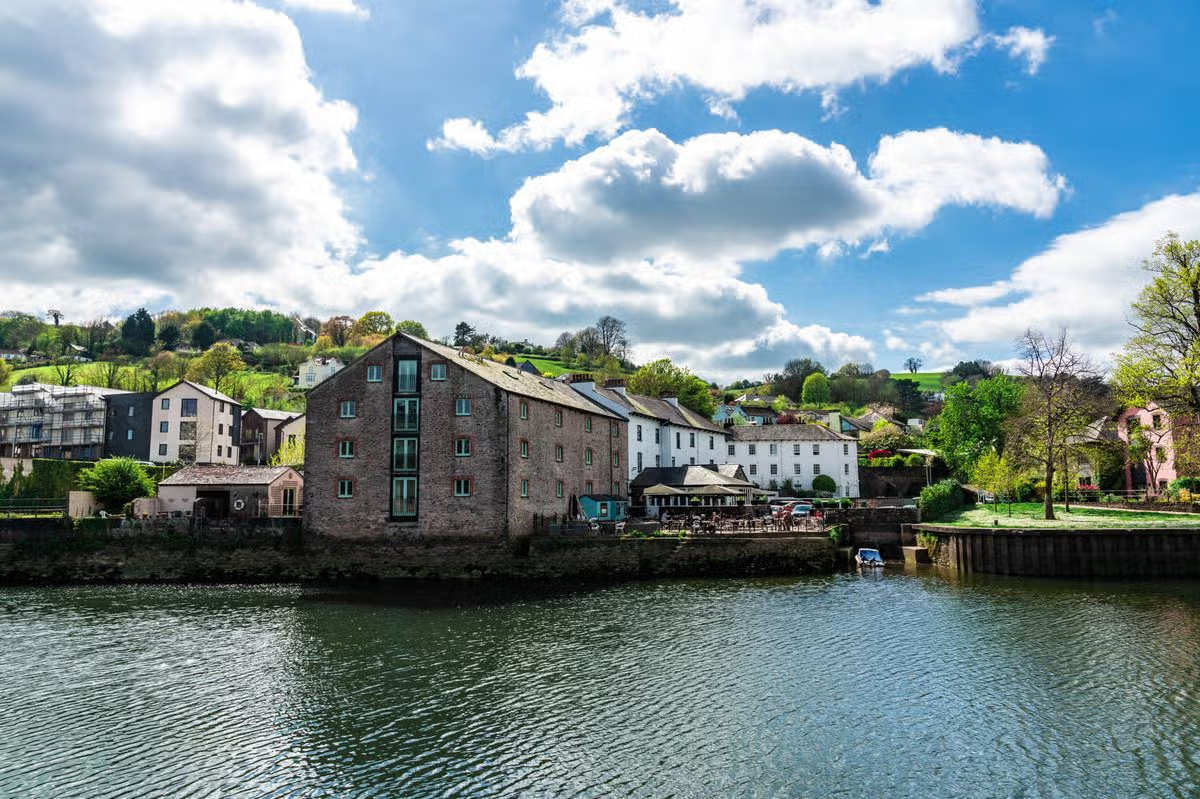
Beginning at the lower end of the street, you can cross the bridge spanning the River Dart and truly absorb the town’s character from there.
During the summer months, the town is adorned with vibrant bunting, while small boats drift across the water.
In autumn, it’s equally gorgeous, as the trees turn red and gold and the high street lights up with cosy shop fronts to escape from the biting wind.
There is abundant riverside greenery, and the town buzzes with energy. After crossing the bridge, pop into The Curator for a coffee – the first of numerous independent establishments scattered along the high street
The coffee is excellent, and they offer a delightful range of pastries if you fancy settling down for a snack – though don’t overindulge, there’s plenty more to discover.
The high street climbs gradually upwards and is flanked by hundreds of independent retailers, charity shops and tearooms.
Further along the high street, you’ll find the Cornish Bakery, which fills the street with the delicious savoury scent of pasties. They cater for all tastes; even my vegan brother discovered something he truly enjoyed.
As the high street curves round to the left, you’ll come across Butterworth’s Vintage Co, a compact yet impressive secondhand shop stocking everything from knitwear to workwear and even vintage magazines.
Once you’ve had a good root through the merchandise, you might fancy a swift drink or perhaps another bite to eat – and you’re in luck.
Just a short walk from Butterworth’s sits The Bull Inn, a fantastic establishment boasting an extensive organic food menu alongside nine guest rooms, should you need somewhere to stay for the night.
The highlight of The Bull Inn for me is its delightful garden, where you can kick back in the sunshine and watch the world go by. Situated directly across the car park, and much like the rest of the town, it’s frequently adorned with gorgeous bunting.
On a glorious day, it’s truly hard to beat – and if you’re anything like me, you’ll be more than ready to take the weight off your feet after all that browsing along the high street.
FORGET Santa in Lapland or skiing in France – when winter rolls around you’ll find me sunning myself abroad, trying to find some last-minute warmth to break up the UK’s long, grey months.
Having visited 58 countries as the Deputy Travel Editor, I’ve found some fantastic places that tick all the boxes of a winter sun break, without costing a fortune.
I’ve been to 58 countries – and I always ditch the chilly UK for somewhere hot in winterYou can find some great bargains and get some sun at the same time – if you know where to lookCredit: Alamy
By that, I mean warm weather, direct flights (keeping them under seven hours, for any long-haul flight haters) and some very big bargains when it comes to hotels and beers.
So here are my favourite winter sun spots, some of which aren’t that far – and with hotels from £35 a night.
Marrakech
One of my favourite spots for winter sun that doesn’t break the bank is Morocco.
I’ve explored the Hassan II Mosque of Casablanca, and visited the beaches of Agadir.
But I think the best bargain is found in Marrakech.
Not only is it perfect for some pre-Christmas shopping – I found fantastic dupes of expensive branded candles and curtains in the souks – but you can still get temperatures just above 20C in winter.
Food is cheap too, as you’ll pay just a few pounds for a freshly-made tagine meal.
For an affordable hotel stay, skip the big name chains and go for a local riad – small traditional Moroccan hotels – which you can find for as little as £35 on websites such as Booking.com and Airbnb.
These are usually fantastic locations, and usually with some free mint tea or breakfast thrown in.
Flights are cheap too – Ryanair fly there from £14.99.
We found a deal for a seven-night stay at Aqua Mirage Club from November 26, with return flights from Manchester, for £379pp on Loveholidays.com.
Riads are a great place to stay in Marrakech on a budgetCredit: AlamyYou can pick up some fantastic bargains in the souksCredit: Alamy
Cape Verde
African island, no jet lag and flights under seven hours – enter Cape Verde.
While lots of people head to the island of Sal, I much prefer Boa Vista.
Most of the TUI hotels are right on the beach, with swim-up bars and waterparks.
But leaving the resort is worth it too.
I found white sand beaches like Santa Monica with barely anyone on them, making me feel like I was on a Maldives private island instead.
My favourite was Praia Carlota, where you can lose the days in the hippy Morabeza beach hut with fried fish and local Strela beer.
Sand-boarding, kite-surfing, boat trips; visit in February and you can go whale-watching during humpback mating season too.
We found a deal for a seven-night stay at Hotel Pontao from November 30, with return flights from London Gatwick, for £430pp at On The Beach.
Boa Vista is a quieter alternative to the island of SalCredit: AlamyOr just stay at the hotel’s swim up bars…Credit: PR SUPPLIED
El Gouna
When it comes to Egypt, one of my favourite destinations for winter sun is El Gouna.
Flights there are around 5hr30 which go to Hurghada, with a short transfer.
The gated community means it is extremely safe as only people staying at the hotels can enter, and its still around 25C in December.
Hop on a boat to explore the man-made lagoons, or go on Sunset Desert Safaris, with hiking and stargazing with El Gouna Mountain Goats.
If you don’t mind going further afield, you can even book day trips to Luxor (just expect a very early start).
When it comes to choosing a place to stay, I highly recommend Cook’s Club.
The four-star resort has it all – fantastic restaurant, lagoon-front pool, live DJs, and rooms are super chic.
And seven night stays are as little as £509 each with your flights and breakfast with loveholidays.
We found a deal for a seven-night stay at Doubletree By Hilton Mangroovy El Gouna Resort from December 9, with return flights from London Gatwick, for £379pp at Loveholidays.
El Gouna is built on a man made lagoonCredit: AlamyCook’s Club is affordable and stylish (and has a pool right on the water)Credit: Supplied
Tenerife
If you’re keen not to go much further than Spain for your winter holiday, your best bet is to head to Tenerife which is often considered the warmest of the island (due to its location off the African coastline).
Temperatures are around 22C – not hot but warmer than the UK highs of 9C.
Holidays are a bargain – loveholidays has December seven-night stays for under £200 – but I highly recommend The Ritz-Carlton Tenerife.
The dusty pink building looks like something from a fairytale, complete with beautiful suites and a hidden beach you can get to by funicular.
Seven night holidays here can be found for £797pp with flights and breakfast thrown in.
If you can drag yourself away from the hotel, there are some fantastic outdoor adventures on the island such as whale watching and hiking.
Otherwise get ready for a night out on the town of Playa de las Américas, where you will find the best bars and restaurants.
Try Spain’s cheap chain 100 Montaditos, called the Wetherspoons of Spain where sandwiches are €1 (80p) and beers are €1.50 (£1.29).
We found a deal for a six-night stay at BLUESEA Interpalace from November 15, with return flights from London Stansted, from £349pp atLastminute.com.
The Ritz-Carlton Tenerife is a huge pink hotel that is worth the splurgeCredit: AlamyIt even has a hidden beach for guests to get to by funicularCredit: Alamy
The United Arab Emirates is currently on the safe to travel list, with Emirates still offering daily flights from the UK.
First, the hotels – I was blown away by the Premier Inns here, which are just as cheap as the UK at around £30, but some come with rooftop swimming pools. Yes, really.
Beach clubs can also be done on a budget.
Some, like DRIFT, can cost a little as £30 midweek, which can be used against your food and drink (with Ladies Days costing just £20 instead) while others like Lucky Fish are currently free to visit Monday to Thursday.
And lunch deals let you visit some of the famous restaurants without the price, like Ce La Vie offering a three-course meal for £28 rather than their dinner menu which has £30 dishes alone.
But my favourite place to go was the Grand Souk, where you’ll find breads stuffed with cheese or Nutella for £1.22, or Iranian falooda — a sorbet-like dessert made of thin rice noodles and syrup — for £1.
Return flights from the UK can currently be found for around £500.
We found a deal for a six-night stay at Ibis Styles Dubai Jumeira from November 11, with return flights from London Gatwick, from £867pp with TUI.
Dubai isn’t all expensive skyscrapers and barsCredit: AlamyEven Premier Inn hotels in Dubai have rooftop poolsCredit: Premier Inn
Doha
Similar to Dubai yet often overlooked, Doha makes for a great winter sun destination without too long of a flight.
Flights from the UK are with Qatar Airways – often being named one of the world’s best airlines – and take around 6hr40 (and around £530 return).
It is a great ‘luxury on a budget’ for some royalty without the riyal.
My favourite hotel to go for is The Ned; while not ‘cheap’ it is much cheaper than the one in the UK and feels much fancier than it costs.
As little as £102 a night (compared to London’s £330), it’s retro glamour with gorgeous interiors and an outdoor swimming pool.
If you just want a base, there are also Premier Inn hotels for around £28 a night.
Taxies are cheap, it feels very safe as a woman travelling around and one of the best attractions is affordable – go to the National Museum of Qatar (currently around £5 entry).
Otherwise head straight to the beach clubs – for example, Doha Beach Club is around £12 each (or ladies visit on Tuesday for free). What more could you want?
We found a deal for a seven-night stay at Steigenberger Hotel Doha from January 17, with return flights from London Stansted, from £705pp with On The Beach.
The Ned is luxury on a budget but much cheaper than the London hotelCredit: JOE CHUA AGDEPPAYou can also find cheap beach clubs in Doha tooCredit: Alamy
THE view from the top of the High Temple at Lamanai is one you will struggle to find anywhere else.
Most of the great Mayan sites, including Mexico’s Chichen Itza, stopped visitors climbing their pyramids years ago.
Visit Lamanai’s ruins including the Mask TempleCredit: GettyRelax by the pool at Naia Resort And SpaCredit: Supplied
Here, you can still haul yourself up the worn stone steps to the summit and look out across the treetops.
It is one of many surprises in Belize, a former British colony, squeezed between Mexico and Guatemala on the Caribbean coast.
Sign up for the Travel newsletter
Thank you!
Roughly the size of Wales, it packs in ancient ruins, thick rainforest and the second-largest barrier reef in the world. And English is the official language.
I spent a week there, starting deep in the rainforest of the north before heading south to the beach.
My first stop was Chan Chich Lodge, on the Gallon Jug Estate in the north-west of the country, which is surrounded by a 30,000-acre private reserve.
Almost everything on the menu comes from the estate’s own organic farm, and I explored the grounds and saw the free-range animals that supply the kitchen.
The estate grows its own coffee too. It was so good that I came home with a few bags stuffed in my case.
The best way to see the surrounding rainforest is on horseback, on a guided ride along the trails around the lodge.
King Lewey’s Island Resort, a quirky, pirate-themed private island 12 miles off the coastCredit: Instagram/@kingleweyislandOne of Belize’s beautiful beachesCredit: Getty
Braver guests can head out after dark on a night safari in open-top trucks, with a chance of spotting jaguars and tapirs, Belize’s shy, pig-like national animal.
Lamanai, home to that High Temple, is a day trip from the lodge. It is two hours by road, then 45 minutes by boat up the New River.
Its name means “submerged crocodile” in Yucatec Maya, a nod to the crocs that still lurk in the lagoon beside the ruins.
People lived here for more than 3,000 years, far longer than at most Mayan cities.
You wander past the Jaguar Temple and the Mask Temple, with its giant carved stone faces, before tackling the High Temple itself.
The steps are steep and worn smooth, with handrails on some stretches, but the view over the rainforest from the top is worth every puff.
Then it was time to swap the jungle for the beach. I flew south to the coast with domestic airline Tropic Air.
The little propeller plane is half the fun. As you near the coast, the Belize Barrier Reef appears beneath you.
My base for the second half of the trip was the Placencia peninsula, on Belize’s southern coast. I stayed at Naia Resort and Spa, a boutique hotel set in a 200-acre private reserve.
Its pool, a few steps from the beach, is as warm as a bath.
Come sunset, the sky turns orange and pink across the water. With a rum punch in hand, it’s hard to care about anything else.
My beachfront studio opened straight on to the sand, and came with an outdoor shower for rinsing off under the open sky after a long day out.
I ate well at 1981, the resort’s waterfront restaurant, and the cocktails were delicious too.
The real highlight was a day of island hopping and snorkelling by boat from Placencia.
First stop was Moho Caye (pronounced “key”), a speck of golden sand surrounded by clear blue water. I snorkelled alongside nurse sharks, docile bottom-feeders that pose little threat to swimmers, watched stingrays glide past and spotted hefty lobsters tucked into the reef.
Before moving on, I sat down to a seafood feast on the beach, with fresh lobster, white fish and crab — all caught the day before by my guide Akeem from Cultural Experience Belize.
Then it was on to the second stop of the day, King Lewey’s Island Resort, a quirky, pirate-themed private island 12 miles off the coast, where I jumped back in to explore more of the reef.
Back on dry land, a rum punch rounded off the day. I can confirm it’s strong enough to make any pirate proud.
On my final night, the local Garifuna community — people of African and Caribbean ancestry — laid on a beach dinner with drumming and dancing.
Watching the dancers perform, I couldn’t think of a better way to say goodbye to Belize.
GO: BELIZE
GETTING THERE: American Airlines flies from Heathrow to Belize City via the US. Return fares from £721pp. See aa.com.
STAYING THERE: Chan Chich Lodge from £107pp a night, B&B, based on two sharing for a three-night stay. See chanchich.com.
Beachfront studios at Naia Resort And Spa from £203pp a night, room-only, based on two sharing. See naiaresortandspa.com.
AS the plane circled in to land in the city of Murcia in south-eastern Spain, we caught our first glimpse of La Manga.
The 13-mile-long strip separates Europe’s largest saltwater lagoon, Mar Menor, and the Mediterranean Sea.
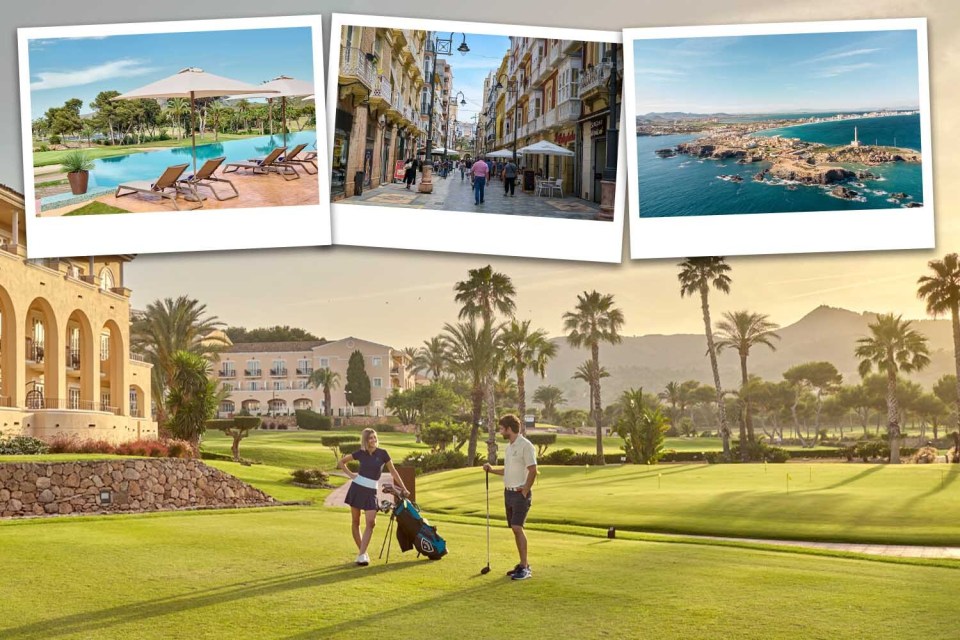
La Manga’s pristine golf courseCredit: SuppliedRelax by the infinity poolCredit: Supplied
It was as impressive to see from the air as it was to explore on foot, but it was what lay beneath the warm waters on either side of the sandbank that really made our trip.
The beach of Cabo de Palos on the southern cape of La Manga is widely regarded as one of Europe’s best snorkelling hotspots, with protected marine beds and crystal-clear visibility in the shallow bays.
Sign up for the Travel newsletter
Thank you!
With nothing but an old pair of goggles, my partner Owain and I saw starfish, octopus and an array of colourful reef fish in a small cove under the lighthouse.
The seagrass beds are renowned as one of the biggest breeding grounds for seahorses, and with dive shops and excursions taking off every hour from the harbour, snorkel enthusiasts will be in their element.
The beach was a ten-minute drive from our hotel, the Grand Hyatt La Manga Club Golf & Spa. And while we could have easily spent every day snorkelling around the reef beds, there was too much else to explore at the 5H resort.
With 11 restaurants on site, we struggled to decide which we enjoyed more out of the red Thai prawn curry and hand-made gyoza dumplings at Asia Restaurant or the Aberdeen Angus steak with truffle mash on The Terrace Grill Steak House.
The latter did come with sunset views over the golf course, though.
But our favourite meal of all came at the hotel’s private beach restaurant, La Cala, which you get to via an on-demand mini-bus service down to the coast via the Calblanque National Park.
Game, set and match on the tennis courtsCredit: SuppliedWander the streets of the ancient city of Cartagena, just 30 mins awayCredit: Alamy
Sharing a huge pan of squid ink paella, home-made bread and a bottle of rosé on the terrace overlooking the bay was a highlight of the trip.
Luckily, there were many activities on offer to burn off all our overindulgences.
While the hotel has the biggest and best hotel gym I’ve ever seen, as well as tennis courts, two swimming pools, a football pitch, a cricket centre, bike hire and a spa, the jewel in La Manga Club’s crown is the three 18-hole golf courses that surround it.
Before teeing off, we had a lesson with resort pro Iain Hanna, who helped us work on our swing using analytic equipment before letting us loose on the pristine fairways.
Put your feet up in a plush hotel bedroom at the Grand HyattCredit: SuppliedAmenities are plenty at this swanky resortCredit: Supplied
With 325 days of sunshine a year, the resort — which hosted the Spanish Open for five years from 1973 — is a firm favourite for golfers looking for a sunny winter escape.
But even if golf isn’t your thing, the hotel is a good base to explore the Murcia region.
The historic city of Cartagena — known as the “Port of Cultures” — is 30 minutes away.
Its Roman theatre, which was built between 5 and 1 BC and would have seated 6,000 to 7,000 people, was only discovered by accident in 1988 during construction of a new crafts centre.
The resort’s dazzling interior, featuring The Last Green barCredit: SuppliedThe beach of Cabo de Palos on the southern cape of La Manga is widely regarded as one of Europe’s best snorkelling hotspotsCredit: Getty
Entry is via the museum opposite the town hall and costs seven euros per person, and it is a must for the breathtaking views of the city alone.
At the Molinete Archaeological Park, we wandered around the ruins of an old Roman bathhouse and perused the reconstructed painted murals and some of the 300 artefacts found there.
Then it was time for cañas and tapas. We loved La Uva Jumillana, where beers and tapas cost from around 3.20 euros each.
Bodega La Fuente does good pinchos, Las Termas del Pincho is a lively stop for a drink and El Vinagrillo serves more substantial tapas to finish.
Our last stop was the National Museum of Underwater Archaeology, which is free on Sundays.
It covers the city’s maritime history — the port city of Cartagena was once the Carthaginians’ capital in Spain — and displays treasures recovered from Spanish shipwrecks around the world.
Driving back along the palm-tree-lined promenade as the sun set, I decided that with cheap flights, sunny climes and more Roman ruins and artefacts to see than most cities in Europe, this corner of Murcia should be top of any autumn sun list.
GO: LA MANGA
GETTING THERE: Ryanair flies to Murcia from Birmingham, Bournemouth, Manchester, East Midlands and Luton with fares from £16.99 one way. See ryanair.com.
STAYING THERE: Rooms at the Grand Hyatt La Manga Club Golf & Spa start from £146 per person, per night. See hyatt.com.
THE Cotswolds is one of the few places in the UK that looks even more beautiful at this time of year than during the summer months.
Gorgeous thatched-roofed cottages offer a snug escape, old pubs light up roaring fireplaces and woodlands are carpeted with fiery leaves.
The Cotswolds is one of the few places in the UK that looks even more beautiful at this time of year than in summerCredit: AFPA four-night midweek break at Kestrel Cottage is from £476.50 in January and early February (excluding half term)Credit: Supplied
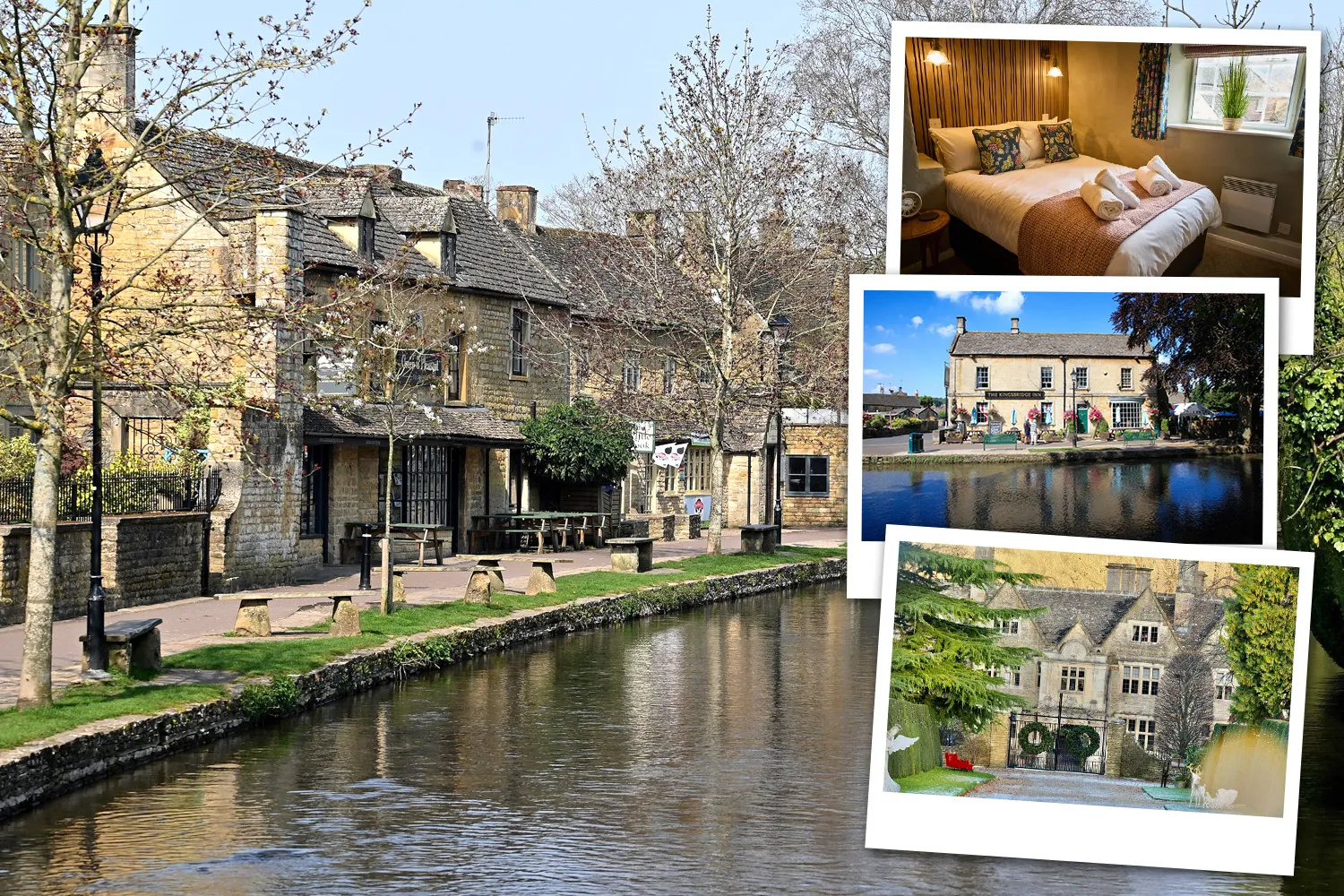
I was visiting Bourton-on-the-Water, which offered all of this and more. In fact, the picture-perfect village has been dubbed the “Venice of the Cotswolds” thanks to its gorgeous scenery.
Weaving its way through the heart of the village, the River Windrush has a series of low stone bridges spanning its clear, shallow waters.
Sign up for the Travel newsletter
Thank you!
Honey-coloured homes line the grassy banks, creating a stunning backdrop that looks like the set of an English murder-mystery drama.
Its charm is magical and it comes as no surprise to learn that Kourtney Kardashian pipped me to the post, visiting the village and snapping the cottages I was lucky to call home for the weekend in her Instagram story.
Kestrel Cottage is the perfect bolthole for a weekend away. With one beautifully-decorated bedroom and a comfy sofabed, there is more than enough room for a couple, family or group of friends.
It’s one of four cottages set within an old mill and it’s bursting with character. It looked like it was straight out of an interior design magazine with fluffy carpets, a chic olive-coloured kitchen and bare-brick walls.
I loved how well equipped and homely the kitchen was, with enough facilities to whip up dinner for a cosy night in, along with all the decor you’d want to jazz up your own home.
Kourtney Kardashian has visited the Cotswolds villageCredit: GettyThe reality star posted this snap of her in Bourton onlineCredit: kourtneykardash/Instagram
My fairytale visit does come with a cautionary tale, though.
And Bourton-on-the-Water serves up the perfect picture spots, with a steady stream of visitors — although slightly less so now that summer is over (another good reason to visit in autumn).
Plus, staying in the heart of the village comes with the luxury of slipping out before the crowds for a peaceful wander in the sunshine to grab a morning coffee.
Bakery On The Water is the enemy of your waistline, but well worth it. Two cappuccinos and a side of pastry and sausage roll was the fuel we needed to explore.
We bounced from gift shop to restaurant, perusing all the lovely-looking menus, past the sweet store and ice cream parlour (making a note to return in summer), before turning the corner to find the beautiful Victorian Christmas Shop — a treasure trove for the festive-obsessed among us, myself included.
Coffees long gone, we treated ourselves to a pint or two by the fire at The Old New Inn, and wiled away the afternoon playing cards and debating where to eat that evening.
Bourton-on-the-Water leaves you completely spoilt for choice when it comes to food. With Smiths, the award-winning burger joint, two Italians, a Chinese, chippie and pizza spot, it’s almost impossible to agree.
A beautiful old mill towers above the River Eye at Lower SlaughterCredit: Getty
GO: COTSWOLDS
STAYING THERE: Save 20 per cent off all 2027 dates for all Cotswold Cottages, when booked before November 16.
A four-night midweek break at Kestrel Cottage is from £476.50 in January. For this autumn, four nights arriving November 20 is from £532 in total.
Members of Boundless – the club for public sector and civil service workers, employed and retired – can save an extra ten per cent. See boundless.co.uk.
After much debate, we opted for one of the lovely village pubs, The Willow, which has a huge garden overlooking the river.
This hostelry does pub classics properly, including a top-notch fish served with suitably crunchy chips (£19.95) and a traditional steak and mushroom pie loaded with moreish gravy (£19.50). The roast dinners looked good, too. Although those are best saved for Sundays.
Ahead of filling your belly, a Sunday in the Cotswolds is best spent strolling the scenic landscapes — and this time we decided to venture beyond the confines of the village.
A gentle, winding footpath guided us through the countryside towards the twin villages of Lower Slaughter and Upper Slaughter.
The peaceful, 1.5-mile route takes you along the banks of the River Eye, past wildflower meadows and yet more honey-coloured cottages.
The tranquillity of Lower Slaughter (despite its name) is what struck us most, especially when compared to its tourist hotspot neighbour. Crowds were minimal and all that could be heard was the chirp of birds and a gentle stream.
If you’d like to fuel here ahead of your walk back, Slaughters Country Inn is known for its excellent roasts.
Cosying up inside by the fire, we enjoyed another well-earned drink before ducking low ceilings to get to the restaurant, where we were met by giant Yorkshires, roast beef and all the trimmings.
Skip dessert, though, and end your meal at the Hawkstone Brewery instead — another gem we can thank Jeremy Clarkson for.
It’s less Aperol spritz and more traditional English pints — mine with an elderflower twist. The perfect way to toast an autumn escape.
A DREAMY cottage in the highlands is a perfect destination to escape for a retreat.
It can also be a base for an action-packed family adventure break – with dolphin spotting among the highlights. Janice Hopper reveals all…
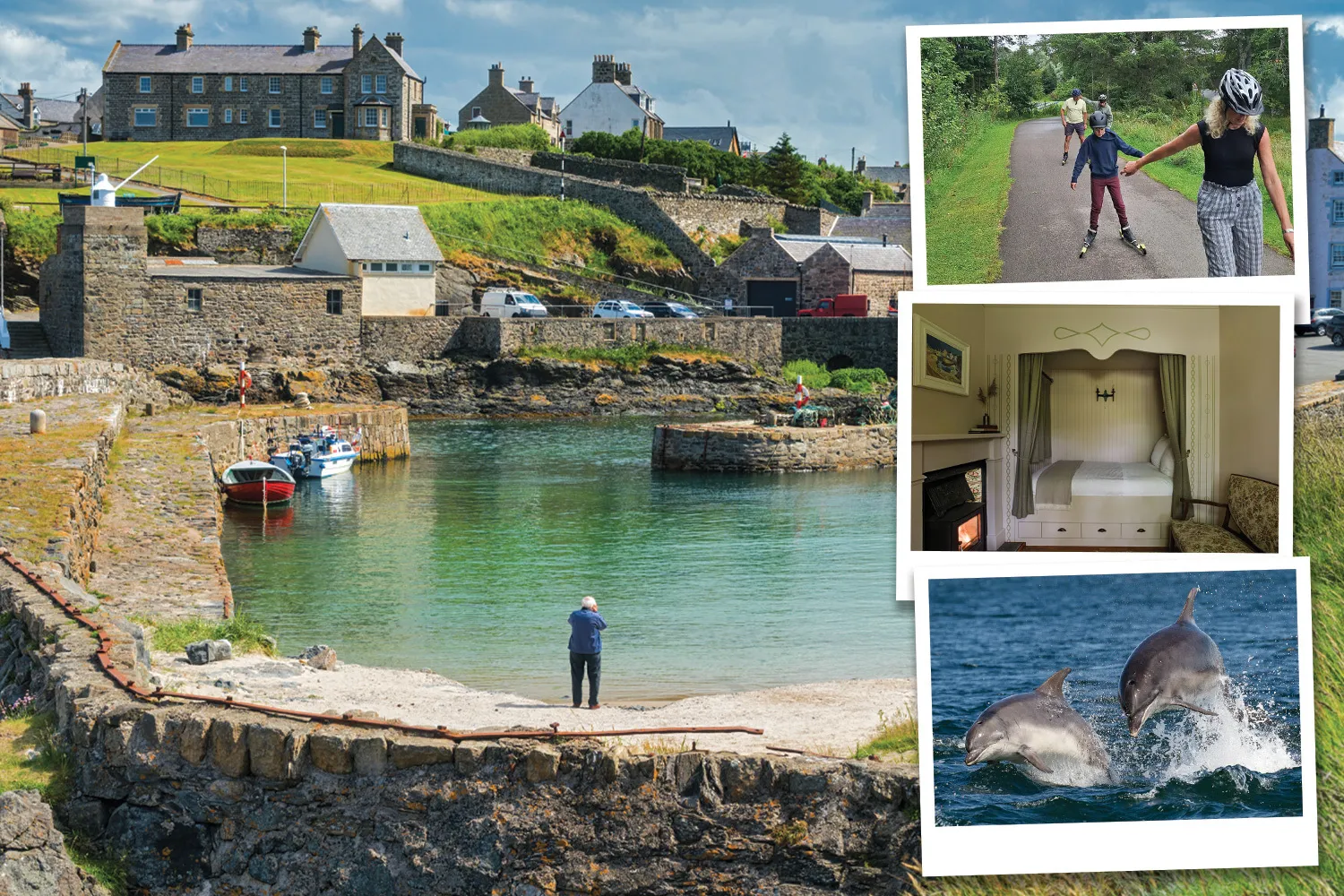
Janice and her family seen roller-skiingCredit: Supplied by Janice HopperPortsoy Harbour is a historic location famous for being rich in salmonCredit: Getty Images
With our feet strapped into boots atop skis with wheels, coach Logan advises us to glide just like him.
Our wobbly attempts at roller-skiing aren’t great, so we soon move on to cross-country skiing on the dry-slope matting instead, where my husband Eamon and our sons Samuel, 12, and Joseph, 11, and I do actually glide.
Sign up for the Travel newsletter
Thank you!
We’ve booked a family session at Huntly Nordic And Outdoor Centre, which ends with us all flinging ourselves, whooping and screaming, down a slope on rubber rings.
It’s a fun way to experience the Scottish hills. Three-hour activity sessions cost £18.15 per adult, £12.15 per child (Livelifeaberdeenshire.org.uk).
After all the exhilaration, it’s time to check into our two-bedroom cottage on the elegant Mayen Estate.
With a classy colour palette, the cosiest stove and a beautiful ”box bed” in the master, plus a fire pit and hot tub in the garden, Butlers Cottage is a gorgeous hideaway.
We task the boys with rolling out dough and sprinkling on the cheese and salami from our pre-ordered pizza kit, from £21, before popping it in the outdoor pizza oven as the sun starts to wane.
The next morning, we wake to the sound of Highland cows nearby, before taking a peaceful riverside stroll along the Deveron and exploring Mayen’s stunning two-acre Walled Gardens, open exclusively to holiday guests for £20 per cottage.
Our two-bed cottage is located on the elegant Mayen Estate, with it’s stunning two-acre Walled GardenCredit: Garden at Mayen Estate – Supplied by PRTry to spot the bay’s resident 200 bottlenose dolphins and the chance to listen to recordings of their callsCredit: Getty Images
It’s August, so everything is in full bloom as we wander through walkways of lavender, white lilies and glorious glasshouses.
Huntly is also home to a cinema, castle, shortbread factory and swimming pool, but we head to scenic Greenmyres Lochan for Canadian canoeing and standup paddleboarding, £28 per person for an hour and a half.
After peeling off our wetsuits, we reward ourselves with a Sunday roast at The Bank Cafe & Restaurant.
Here, choose your carvery meat and three sides, such as sticky red cabbage and macaroni cheese, for just £15, or seven sides for £21 (Thebankrestauranthuntly.com).
Buttery orange biscuits from Dean’s Shortbread, £2.49 (Deans.co.uk) and Irn Bru ice cream, £3 a scoop, from long-standing Rizza’s wrap up our day nicely (Rizzas.co.uk).
While Butlers Cottage is set amid rolling hills, the golden sands of Banff Bay are only half an hour away.
After wandering along the shoreline, we warm up with hot chocolate, £4.50, and a dainty Victoria sponge tower, £3.40, at Annie’s Cakery (Facebook.com/anniescakery7).
Butlers Cottage is a gorgeous hideaway and a perfect hub for a lazy or action-packed retreatCredit: Clare LouA beautiful ‘box bed’ in the cottage’s master bedroomCredit: Supplied by PR
Housed in the town’s former railway station, AKA The Platform, there’s a lovely homeware and fashion shop, too (Theplatform-macduff.co.uk).
Also close by is Portsoy, famous for its salmon. After learning more about the local catch at the free Salmon Bothy museum (Salmonbothy.org), we buy flavoursome smoked fillets, £4 each, from Messrs J Smith at the historic harbour to cook later, before hitting Spey Bay’s free Scottish Dolphin Centre, half an hour away (Dolphincentre.whales.org).
There are binoculars for trying to spot the bay’s resident 200 bottlenose dolphins and the chance to listen to recordings of their calls.
The local dolphins are considered the world’s “chubbiest”, thanks to their extra layers for keeping warm in the chilly waters.
We’re alright though, we have a hot tub to return to. . .
The stove is a feature of the cosy cottage – adding character to the holiday letCredit: Supplied by PR
PUMPKIN patches have always seemed like an unnecessary waste of time and money to me – how can you possibly make a whole day out of a 1-minute chore at the local Tesco?
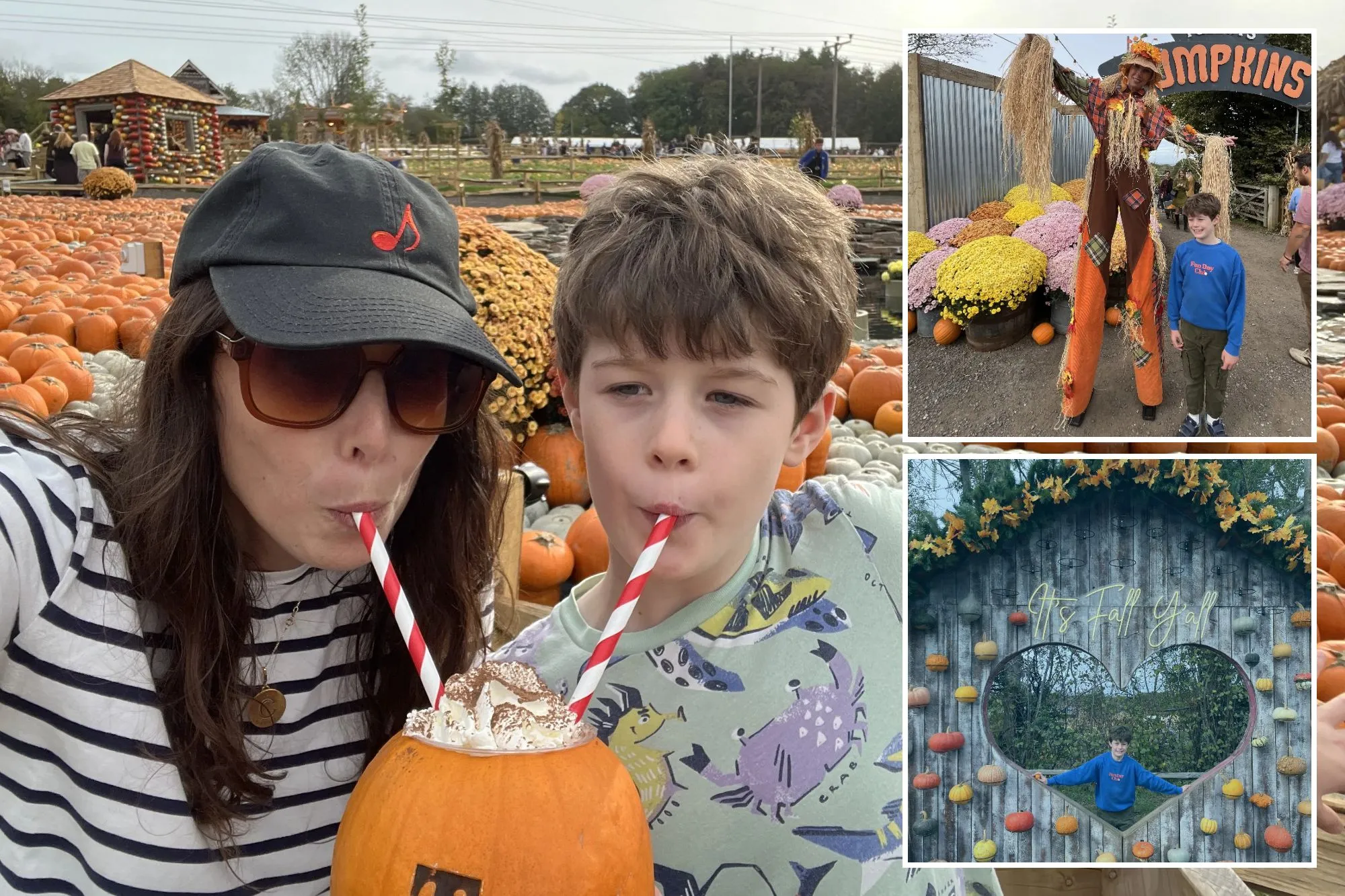
Well… after a glorious five hours at Tulley’s Pumpkin Festival near Crawley in West Sussex, I am here to preach with the zeal of the newly converted.
The Sun’s Head Of Travel, Digital, Caroline McGuire and her son at Tulley’s Pumpkin Festival
My son and I drove over an hour to reach the countryside site, which grows 1.5 million pumpkins over 100 acres in readiness for their autumn extravaganza.
During the drive, my son (and I privately) questioned why on earth we were travelling so far and how it could possibly be worth it.
Sign up for the Travel newsletter
Thank you!
Within a minute or so of entering their beautifully presented attraction – think huge barrels of autumn-hued flowers, massive crates of pumpkins and specialist gourds in all colours, shapes and sizes – we realised how wrong we were.
Tulleys Farm is HUGE and an absolute masterclass in how to put on a huge event.
First of all… the pumpkin picking. Armed with a wheelbarrow, we set off to the main patch to pick our Halloween masterpiece.
There were insane numbers of them spread out over an enormous field and we spent a good hour searching for both the largest and smallest, which felt like proper old-fashioned family fun.
This year, they’ve also introduced Pumpkin Valley, a new attraction featuring huge sculptures of hot air balloons, guitars, hobbit houses and lakes made of pumpkins.
Pumpkin patches are probably 50 per cent about the pumpkins and 50 per cent an opportunity for a great photoshoot and Tulleys has engineered some fabulous family pics that I’ll be scrolling back to for years.
Tulleys Farm grows 1.5 million pumpkins over 100 acres in readiness for their autumn extravaganzaPumpkin patches are probably 50 per cent about the pumpkins and 50 per cent an opportunity for a great photoshoot
They also have a lovely illuminated woodland walk, with plenty more photoshoot backdrops, which was so cute we did it twice – even though it was still broad daylight, thanks to our decision to visit in late September.
What’s particularly nice about all of this is how calm it all is, despite the huge crowds it draws.
We did wait in a line for 30 minutes for a £12 chocolate milk in a hollowed-out pumpkin, at my son’s insistence, but other than that I don’t think we waited for longer than a minute for anything.
There is a ferris wheel and a carousel for those looking for an extra bit of fun, but other than that it is all about pumpkin fun.
Musicians roam the site, playing songs to the kids, and also man the stage at a barn where diners have their lunch from a number of food outlets.
The food and drink offering is good, with a standard bar serving beers, wine and cocktails, and companies sell everything from Greek food and pizzas to burgers and pasta, alongside a number of coffee shacks, although plenty of families brought their own picnics in too.
Our last stop was the marketplace area, with the aforementioned, many-coloured gourds.
We had a great time picking out miniature pumpkins – from deep red and dark green to downright ugly, warty ones, all of which are now adorning our living room.
This year, they’ve also introduced Pumpkin Valley, a new attraction featuring huge sculptures of hot air balloons, guitars, hobbit houses and lakes made of pumpkins
I was slightly concerned about the costs racking up, as we piled 10 of them in the wheelbarrow alongside our giant pumpkin that is so large I can barely carry it 10 feet.
But one of the biggest surprises of all… when we got to the till, the whole lot (based on size) was just £17.
As we finally called it a day, wheeling our treasure to the car, my son proclaimed it was “more than worth the drive and he would have travelled twice as far,” then promptly asked if we could return for the Christmas festival that he’d spotted advertised on the way out.
THE docile dugong munches on the swaying grasses covering the seabed, kicking up billows of sand as it lazily grazes.
Just a few feet above, I’m snorkelling in the warm waters of the Red Sea and fascinated by this gentle giant, also known as a sea cow.
The stylish Jaz Elite AmaraCredit: SuppliedA dugong, aka a sea cow, eating in the Red SeaCredit: Supplied
But it isn’t long before my attention is diverted by a magnificent green turtle gliding effortlessly to the surface for air.
And then there are the reefs, where shoals of vibrant fish dart between the thickly-carpeted colourful corals mere feet below me.
Sign up for the Travel newsletter
Thank you!
Best of all, this stunning marine life is just steps from my hotel, the beachfront 5H Jaz Elite Amara in the Egyptian resort of Marsa Alam.
This hot new winter-sun destination for tour giant Tui offers the chance to swim in the Marsa Mubarak reef in the bay right by the hotel, with a long pier bringing you to within metres of the natural wonders.
Further south than Hurghada on the Red Sea coast, direct flights to Marsa Alam this winter mean less time travelling and more time relaxing.
And I can’t think of somewhere more suited to that than the all-inclusive Jaz Elite Amara.
This sprawling resort features four huge pools fringed by loungers and over-water sunbeds as well as the largest outdoor whirlpool in Egypt.
And that’s before you get to the vast swathe of sand looking out on to the Marsa Mubarak reef, complete with a relaxed beach bar.
A turtle in the sea off Marsa AlamCredit: SuppliedA spacious room at the Jaz Elite AmaraCredit: Supplied
The 272 spacious rooms are set in six two-storey blocks around the pools amidst swaying palms and manicured gardens.
My second-floor room was cool (nice, quiet air con), calm and very comfortable, with two queen beds, a sofa and bathroom with twin sinks and huge rainfall shower.
The roomy terrace was perfect for relaxing, day or night.
You can upgrade to a sea view but I was perfectly happy with my room overlooking the pools. And you can also splash out a little extra on swim-up pool rooms.
Kids are well catered for with their own club space as well as dedicated pools, ideal for allowing Mum and Dad a chance to enjoy the gym and spa, with its sauna, steam room and range of treatments.
But the natural wonders of this environment are not to be missed.
The resort’s 5H PADI dive centre offers the chance to learn to scuba dive in gloriously warm waters with so much to see.
And while the desert landscape is stark, jumping onto a quad bike to roar through the wilderness is another thrilling way to explore.
Lisa on a quad bike on safariCredit: SuppliedLisa in a hot air balloon over LuxorCredit: Supplied
The landscape — and the driving — are surprisingly varied.
One minute we’re whizzing along flat, sun-baked plains, the next we are bouncing over rocky tracks along dry river beds.
It’s full throttle through narrow paths surrounded by towering sandstone cliffs, then we’re kicking up plumes of golden dust as we bank around dunes.
Do as we did and book a late-afternoon safari for the piece de resistance, though.
After an hour weaving our way through the desert, nothing could prepare me for the view as we crested a hill and looked down upon the glistening Red Sea as the sun began to set.
With the desert falling into the water, we paused to watch as the sky turned brilliant orange.
Making our way back to the Bedouin camp where we’d started as dusk fell, there were more treats to come with a generous buffet of lamb, chicken, vegetables, rice and salads.
Bellies full, we took a walk away from the bright lights of the camp with a guide to look skywards.
Lisa enjoys a spot of snorkellingCredit: SuppliedTutankhamun’s mummy in a tombCredit: Supplied
Free from light pollution, we were soon spotting stars and planets aplenty in the vast desert skies.
Back at the Jaz Elite Amara, there was still time for a nightcap and a little live entertainment on the hotel lobby’s generous terrace before bed.
And refuelling was never an issue with the all-inclusive hotel offering a huge buffet for breakfast, lunch and dinner, with live cooking stations and a vast amount of choice.
Breakfast featured all your usual hot favourites — with fresh omelettes and pancakes — as well as a vast array of fresh fruit and vegetables.
Lisa at the Temple of HatshepsutCredit: Supplied
GO: MARSA ALAM
GETTING/STAYING THERE: Seven nights’ all-inclusive at the 5H Jaz Amara Elite, Marsa Alam, is from £975pp including flights from Gatwick on January 10, 20kg checked luggage and transfers.
Lunch and dinner sees more choice, with meat and fresh fish cooked to order in front of you as well as a huge choice of salads, dips and mezze delights.
Hotel guests also get one a la carte meal a week in the hotel’s Tao Tao Asian restaurant, and day and night, fresh pizzas, burgers and salads are also served at the pool snack bar and Bay View beach restaurant.
My short stay proved just the tonic after a few long winter months — and even in February, when I went, we enjoyed temperatures in the mid to high 20s every day and glorious blue skies.
Add in the ease of flying directly into Marsa Alam, just a ten-minute drive from the Jaz Elite Amara, and you get a fuss-free, luxury sunshine break.
And after all that wonderful food, I possibly returned home looking not a little unlike my dugong friend.
Lisa in the Valley of KingsCredit: Supplied
IF YOU MISS THIS TOMB THEN TUT TUT
HE lies to one side of the tomb in a simple, clear glass box. Covered in a white shroud with just his head and feet visible, is the mummy of Tutankhamun.
The boy king died more than 3,300 years ago. Yet seeing him resting so quietly in his underground tomb in the Valley of the Kings was the absolute highlight of my trip to Luxor.
While the sparkling treasures discovered by Howard Carter in the tomb are now in the new Grand Egyptian Museum in Cairo, standing just inches from the king himself feels far more atmospheric.
The setting is surprisingly modest compared to the colourful, intricately decorated tombs of other pharaohs nearby – and all the more otherworldly for it.
And the best part is you can easily tick off a bucket-list wonder like this from your Red Sea beach holiday.
Staying in Marsa Alam, holidaymakers can book a tour to visit Luxor, the bustling city on the banks of the Nile, at the heart of the ancient Egyptian empire.
It’s an early start and a long drive – around four to five hours each way across the desert – but worth every single minute.
Accompanied by an expert Egyptologist, we kicked off our whistlestop tour at Karnak Temple.
The scale is astonishing – columns soar skywards and endless sphinxes stretch out before you.
From there, we clambered aboard a traditional felucca open-decked boat for a trip along – and across – the Nile to the west bank where waiting coaches ferried us to the Valley of the Kings.
You’ll have time to access three of the incredible 63 tombs that lie beneath the desert landscape.
Visiting Tutankhamun’s tomb requires a separate ticket – bought at the main visitor centre for around £11 – but coming all this way and skipping it would be a crime.
The scale of the tombs can take your breath away.
From the unique paintings of everyday ancient Egyptian life in Ramses III’s final resting place to the grand pillared hall and huge granite sarcophagus lid in the tomb of Merenptah, it’s almost too much to take in.
Emerging into the bright sunshine we made our way onwards to the equally impressive terraced Mortuary Temple of Hatshepsut, carved dramatically out of the cliff-face, and the mortuary temple of Ramses III, the second largest ancient temple in Egypt.
Our last gem sits unassumingly at the side of a road alongside a jumble of cafes and touristy shops.
The Colossi of Memnon are two huge, quartzite sandstone statues.
Nearly 60ft high, they depict Pharaoh Amenhotep III and once stood as guardians of the entrance to a vast mortuary temple complex and Egypt’s greatest ancient temple.
Time and man have ravaged the ancient wonder and just the two Colossi remain – standing guard in the shadow of the sun-baked cliffs of the Theban Hills.
The long journey back to Marsa Alam saw me quickly nodding off – my head full of the day’s adventures and still marvelling at the astonishing mummy at rest in his tomb.
LISA MINOT
Ancient Luxor tour from Marsa Alam with private Egyptologist guide, from £195pp, see tuimusement.com.
DOES everything feel a bit much at the moment? If so, I can let you in on the perfect way to escape the turbulence of 2026.
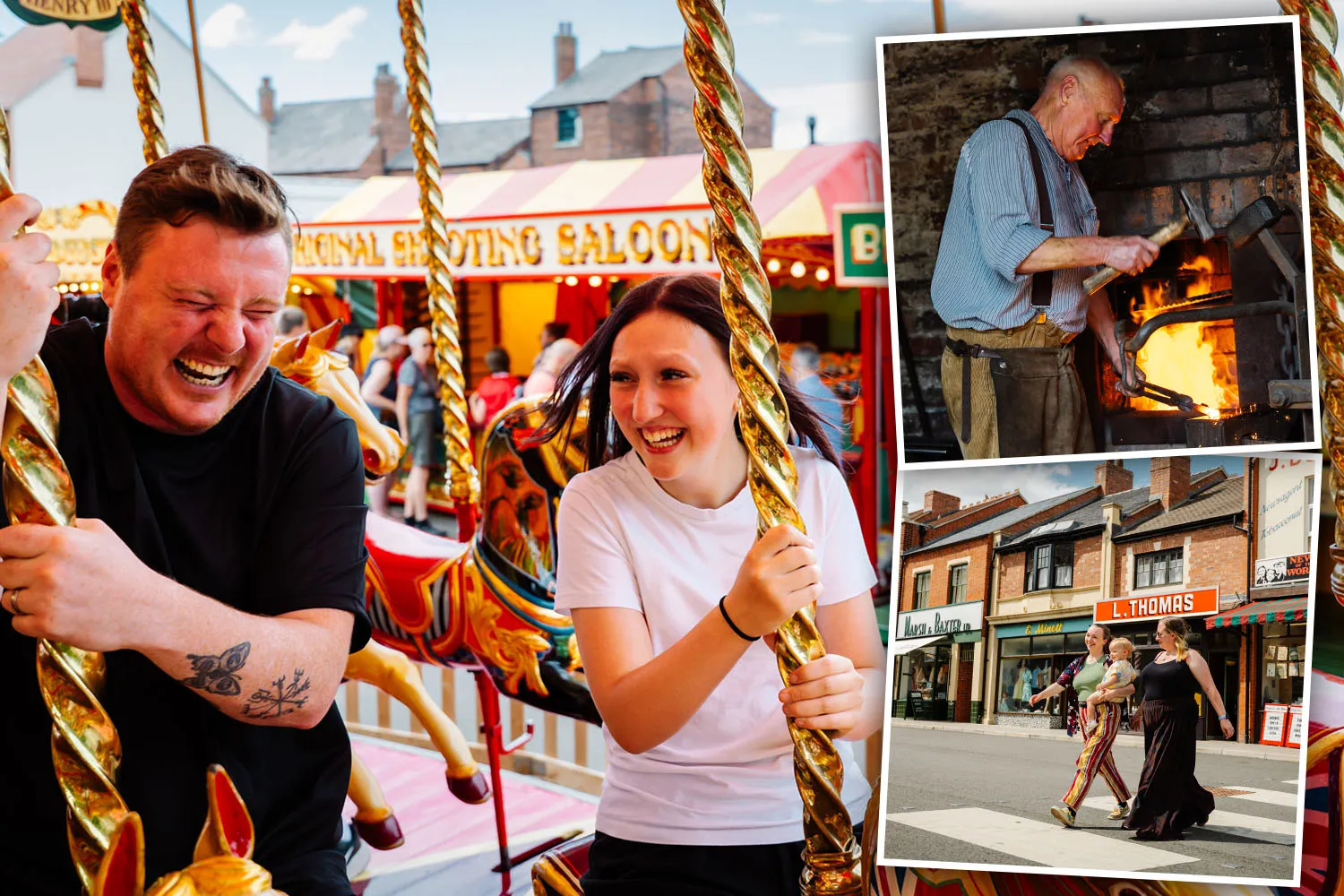
My family and I have just taken a step back in time to a bygone era — The Black Country Living Museum in the West Midlands.
The Black Country Living Museum in the West Midlands is like travelling back in time to a bygone eraCredit: SuppliedBoys Jasper (left) and Wilf with grandad Dave Watkins, enjoyed exploring the 26-acre attractionCredit: Supplied
This gem is genuinely one of the most fascinating attractions I have ever experienced with my boys Wilf, nine, and Jasper, six. And it is a masterclass in escapism.
The open-air attraction spans 26 acres and is packed with history.
Sign up for the Travel newsletter
Thank you!
It’s so much more than your average museum, though. This is an extremely immersive way for families to experience, first-hand, the Black Country — a region in the West Midlands with a history of coal mining, ironworking and brickmaking.
There are life-sized streets, dockyards and blacksmiths, laid out as they would have been at the height of the Industrial Revolution.
Visitors can wander among more than 80 original shops, houses and buildings, with actors recreating what life was like inside — and the historic characters will chat to you as if they are really in the past.
It will take at least three hours to get around, but I would give it five.
Our day began with a double-decker bus taking us down the winding, cobbled streets as the old-time conductor gave my boys authentic tickets for their journey.
To make the experience more exciting for the lads, I brought along their grandad, Dave Watkins, 70, a Brummie who has lived and worked in the Black Country his whole life — and supports local football team, West Bromwich Albion.
The Blacksmith’s Workshop gave onlookers a demonstration of chain-making in a furnaceCredit: SuppliedAn old traditional English street features old school sweet shops and fish and chip shopsCredit: Supplied
In one shop, he was delighted to find the brand of cigarettes his dad used to smoke. But it’s not just the sights of history you experience, it’s the tastes, too.
We ordered lunch at the Hobbs & Sons fish and chip shop — a reconstructed 1930s store that originally stood in this very town.
It was, hands down, the best cod and chips any of us had ever had. Chefs follow a traditional recipe and the novelty of eating from chip paper on a picnic table beside the canal that runs through the museum got extra wow points, too.
If you’re not a fan of a chippy supper, you can bring your own picnic — or there’s the Workers’ Institute Cafe, where we grabbed a cheese sandwich for the boys to share on the car journey home.
There’s also the T. Cook’s sweet shop, where costumed staff weigh out classic sweets, like mint humbugs, into paper bags.
Next-door is the cute Veal’s bakery, where the boys gobbled down a brownie.
The museum captures authentic smells, too. The industrial scent of coal filled the air, the homes you can go inside smelled authentically lived-in and even the outdoor lavvies were stinky, which my boys obviously found hilarious.
As is the way with primary school kids, the lads were delighted to hear the gross facts the dressed-up characters cheerily shared.
The barman in one of several old-fashioned pubs was happy to answer their questions about why there was sawdust sprinkled on the floor (it was, disgustingly, to soak up the spit of the working men).
Wilf thought the best part was the tour of the faithfully-rendered boat docks — the dock worker was so charismatic.
Jasper, on the other hand, was most enamoured with the historic fairground filled with a few of the beautiful, vintage rides (which cost an extra £2.50 each), as well as the Blacksmith’s Workshop, where we all enjoyed watching an extremely engaging demonstration of chain-making in a furnace.
Fans of Peaky Blinders will get a thrill walking round the museum as its historic streets and buildings have been used as filming locations in all six series of the BBC show.
There really is so much to fit in that we didn’t have time to try the retro putting green or join in with an authentic Edwardian school lesson — we were kicking ourselves for only allowing ourselves three hours.
But the bonus of the Black Country Living Museum is that if you buy a day ticket, you have unlimited return visits for 12 months.
Grandad Dave and I vowed to have a pint together when we return.
These old-fashioned pubs really are the perfect place to distract yourself from the modern day.
GO: BLACK COUNTRY LIVING MUSEUM
ADULT tickets cost from £27.95 when booked in advance, while child tickets cost from £15.50.
Day tickets come with an UnChained Annual Pass, which gives unlimited return visits for 12 months. See bclm.com.
While many may flock to the huge French resorts of Val D’isere or Chamonix, for a more intimate romantic ski getaway one hidden Austrian getaway scoops the title
09:00, 02 Oct 2026Updated 09:28, 02 Oct 2026
Is Austria’s Gastein valley one of Europe’s most romantic winter getaways(Image: Atelier Wolkersdorfer)
There are ski resorts built for thrill seekers, and there are ski resorts built for those searching for glamour. Then there is the Gastein Valley in Austria, a place that seems designed for something else entirely – romance.
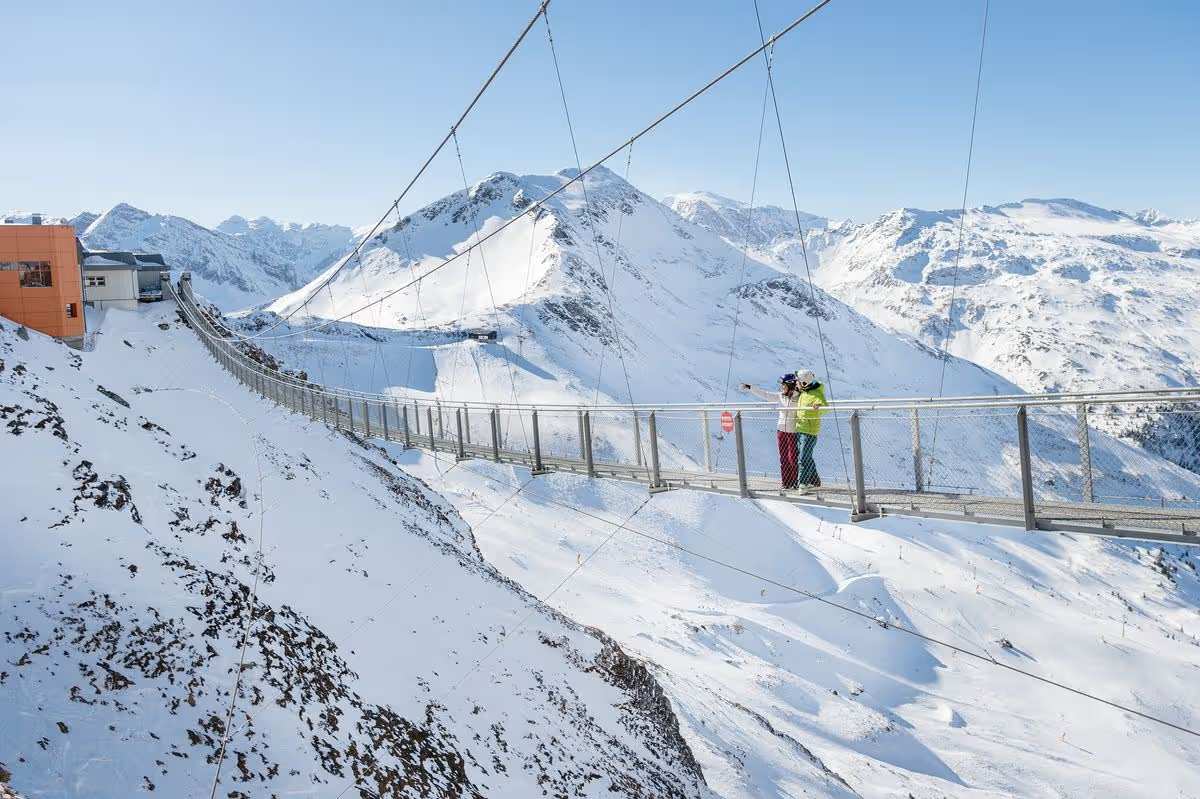
Hidden deep within the Alps in the province of SalzburgerLand, the valley’s twin spa towns of Bad Gastein and Bad Hofgastein combine sweeping mountain scenery, healing thermal waters and classic wooden ski huts that ooze quintessential Austrian charm.
While German may not be known as a romantic language, the Austrian alpine culture all but makes up for it with its cosy wooden lodges with roaring fires, extremely good local wines (I promise it’s not just Riesling), and let’s not forget about the fondue. Something I indulged in for the first time on a recent trip, surrounded by a roaring fire in said cosy lodge, at Bellevue Alm Gastein. Washed down with a good quantity of schnapps, of course.
Do you have a travel story to share? Email webtravel@reachplc.com
With plenty of lodges to curl up in, it’s clear why the region has quietly gained a reputation as one of the Alps’ most romantic winter destinations. The resort of Bad Gastein itself is unusual. Rather than spreading gently across a valley floor like most Alpine resorts, it clings dramatically to the side of a steep gorge.
After a walk around the town during golden hours on a brisk February evening, looking at the mountain views and the marvels of architecture that surrounded me, it hit me – I’m in a Wes Anderson film. The streets were lined with grand pastel coloured hotels perched perilously onto the mountainside, just like in one of my personal favorite films, The Grand Budapest Hotel. I walked through the flakes, feeling as though I had just stumbled onto a film set with Ralph Fiennes and Bill Murray.
But this wasn’t just a figment of my imagination. The cult-classic director is said to have traveled to Bad Gastein, seeking alpine inspiration for the Oscar-nominated hit. Clearly, he found it. It is especially easy to spot when looking up at the façade of the Grand Hotel de l’Europe. The hotel looks out over a cliff, a gentle waterfall crashing below, with all but a bright pink 19th-century funicular distinguishing it from the film itself.
As I continued my wander, the noise of the waterfall offered its own theatrical backing track – and one that becomes even more magical in winter, when mist from the waterfall freezes into crystals and snow dusts the pastel-coloured buildings. This is a magic that has been enchanting people for centuries, with the town having inspired many Romantic composers.
Franz Schubert and Johann Strauss found musical inspiration from the valley, while it is said Mozart himself was born in Bad Gastein before his pregnant parents moved to the nearby city of Salzburg.
Today, that historic grandeur remains, giving the resort a slightly surreal atmosphere that feels part Hollywood and the perfect place for a day together on the slopes.
During a 24-hour visit, Bethany Gavaghan discovered the market town’s independent shops, cafes and winding old streets — and left wanting more
08:32, 01 Oct 2026Updated 08:41, 01 Oct 2026
Reach’s Bethany Gavagha had no idea of what to expect from the market town(Image: Getty)
If you thought you had to travel hundreds of miles to cities such as Edinburgh for old town charm and a sense of being swept into a Harry Potter novel, think again — there are destinations far closer to home that are well worth a visit.
Reach’s Bethany Gavagha had never set foot in Shrewsbury in Shropshire and, despite having spotted some gorgeous photographs, she arrived with very little in the way of expectations. Writing for the Express, Bethany shared how she always preferred to keep an open mind when visiting somewhere new, and as she hadn’t done much reading or come across a great deal of content about it, she genuinely had no idea what to expect.
Shrewsbury was, however, previously crowned the town with the best high street in the UK by The Telegraph, which described it as a “beacon of light piercing the gloom”.
It noted that Shrewsbury boasted a healthy selection of quirky and independent businesses that give shoppers a “fine reason to escape the tyranny of Amazon”. Locals spoke with great pride about their town as a result.
Bethany shared: “I was there for almost exactly 24 hours, and I found out quickly that is the ideal sweet spot if you’re someone just passing through, as everything is conveniently located and easy to get to. “
Things to do in Shrewsbury
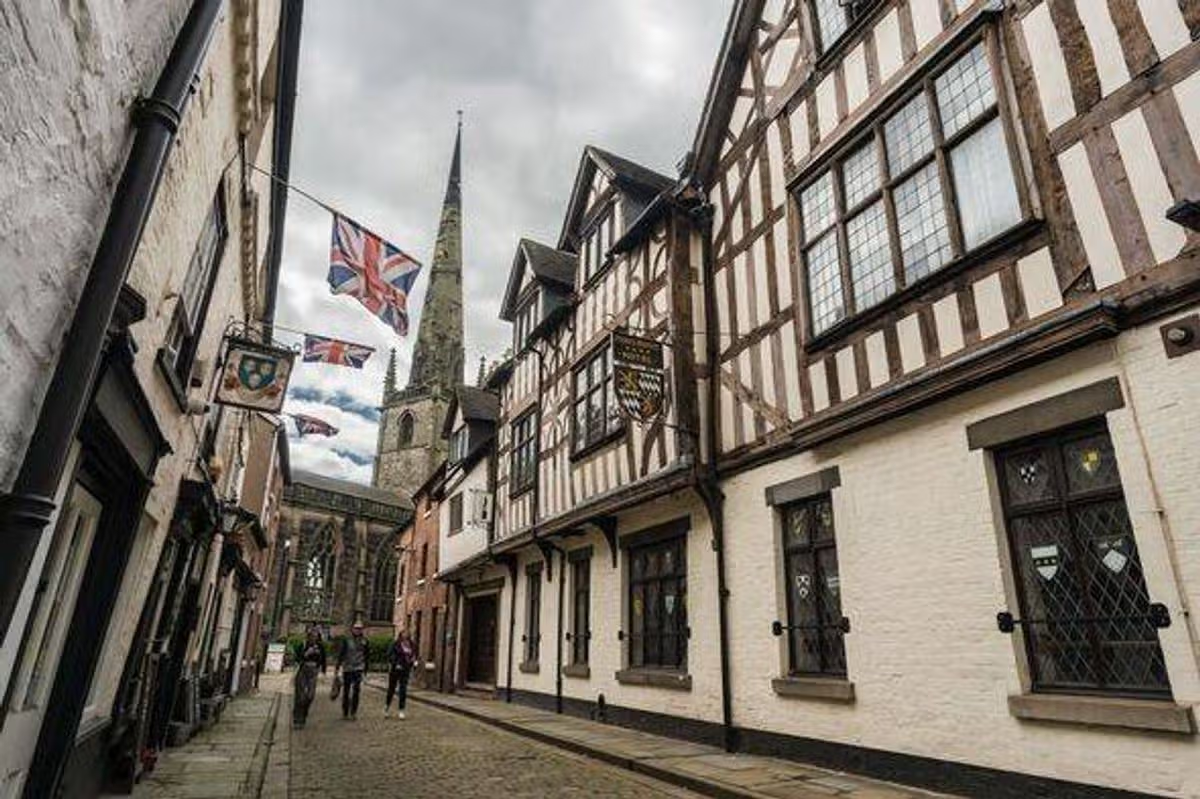
Shrewsbury is the kind of place where history is impossible to miss. The medieval market town sits within a loop of the River Severn, close to the Welsh border, with its winding streets, timber-framed buildings and hidden passageways giving the centre plenty of character.
The town’s location once made it strategically important, and Shrewsbury was first recorded in a charter in 901. Today, though, it’s the independent shops, cafés, markets and historic sights that make it such an appealing place to explore.
Shrewsbury has a particularly strong independent shopping scene. According to Visit Shropshire, independent retailers outnumber big chains by almost 50%, with boutiques and quirky shops tucked into the town’s medieval streets and narrow passages.
One of the biggest draws is Shrewsbury Market Hall, which has been voted Britain’s Favourite Market. The bustling hall is packed with food stalls, cafés, independent traders, arts and crafts and fresh produce, making it an easy place to spend far longer than planned.
There’s plenty to see between shopping stops, too.
Shrewsbury Castle is a Norman fortress sitting right beside the railway station, making it an easy addition to a wander around the town. For a completely different experience, The Quarry offers 29 acres of riverside parkland and nature reserve inside the loop of the Severn – a peaceful escape from the busy streets.
History buffs can visit Shrewsbury Abbey, founded in 1083 and made famous to many readers by Ellis Peters’ Brother Cadfael novels.
Then there are the medieval passages themselves. Narrow lanes and little cut-throughs lead off the main streets, making exploring Shrewsbury feel more like an adventure than a conventional shopping trip.
Bethany’s stay
Bethany stayed in a room that was somewhere between a hotel and an Airbnb, called Boutique Shrewsbury Rooms, tucked away in a peaceful corner of the town, just across the river and through a small park — just about manageable on foot from the train station if you’re lugging a heavy suitcase.
“I’d definitely recommend staying there if you enjoy a no-fuss approach to holidays, as you just let yourself in with a keypad and the room and the location were both gorgeous,” she wrote.
A coffee machine stocked with a variety of pods also earned a big thumbs-up from her.
Come morning, the first stop on Bethany’s agenda was a café boasting “with some of the friendliest staff”. The Shrewsbury Coffeehouse is warm and inviting, full of charm in its décor, with generous seating spread across two floors.
She opted for avocado on sourdough toast, which proved to be a perfect brunch choice — packed with flavour and finished with a scattering of chilli flakes for an added kick. Exactly what you need to set yourself up for a full day of sightseeing.
During her visit, the weather was far from kind. She said: “In fact, we actually received what I think might have been the biggest deluge of rain I’ve seen all year, but this led me to realise just how much you can still do indoors, which I normally find quite rare in older towns like this.”
Bethany kicked things off with a visit to the Shrewsbury Museum and Art Gallery, which offered a brilliant glimpse into the local area. She discovered that woolly mammoths once roamed the fields surrounding Shrewsbury — a fact Bethany found utterly captivating — and the vintage fashion collections were absolutely stunning to take in.
The town is a genuine must-visit for anyone who loves independent shops and cafés. There was even an outdoor food market offering everything from freshly baked goods to Indian cuisine.
“One place that caught my eye was the Old Market Hall cinema, which puts on everything from ballets to dramas and more,” Bethany said.
Noting the building looked “fascinating”, she added: “We didn’t manage to go in this time, but it’s firmly on my list for our next visit.”
In need of something sweet, her next port of call was a coffee shop called the Cat’s Pyjamas. It was a brilliantly quirky space — cocktails on the menu too — and a perfect haunt for indie and creative types. Bethany opted for their red velvet lamington, which was a solid 10/10.
“I would absolutely go back for more without any persuasion needed,” she said.
With a free afternoon to spare, Bethany loved wandering through the winding cobbled streets. “It was surprisingly calm for a Saturday, which only added to its charm. Maybe the weather played a part, but it definitely had that hidden gem feel compared to more hyped medieval towns like Wells, which have gone viral on social media.”
The birthplace of Charles Darwin, Shrewsbury is home to around 77,000 people and reportedly boasts more than 500 independent retailers and hospitality venues. That’s what “makes the town centre really stand out,” said Seb Slater, executive director at Shrewsbury BID.
Bethany said: “My favourite shop was a huge underground shop selling antique items, Shrewsbury Antiques Centre, which has been going for more than 30 years. I never buy anything from places like this but just walking around is an experience in itself.
With more than 50 individual traders, the range on offer is enormous.
Her final port of call was a pizza restaurant that she had strolled past earlier and earmarked as somewhere that looked well worth a visit. You can catch the mouth-watering aromas from several doors away, so it was an absolute no-brainer.
Dough and Oil has built its reputation on sourdough pizza, homemade sides and desserts, and boasts a fun-filled interior complete with a photobooth and mini football table. It ticked every single box.
She had said it before, but Bethany firmly believes the only true way to judge a pizza restaurant is to sample their margherita first — and she would give it 100% recommendation. With the visit drawing to a close, it was time to head back.
The train station was just a short walk downhill from there. She concluded: “All in all, it was a successful 24 hours, and definitely somewhere I’d like to learn more about and get to know again, hopefully with better weather next time.”
IT’S 10pm on a Sunday and I’m dancing alongside 50 strangers, an Aperol spritz in one hand and a skewered olive in the other.
I’m at La Ciclatera Sotto Il Mare, a bar tucked into the medieval walls of Bari in southern Italy.
Bari’s stunning seafront at duskCredit: GettyPolignano a Mare beach in cliffsCredit: Getty
This historic port city is the capital of Puglia, sitting in the heel of Italy’s boot on the Adriatic coast.
And it’s that same coastline I’m now gazing at, swaying to Italian tunes the locals know every word to as they dig into shared pizza boxes.
Sign up for the Travel newsletter
Thank you!
It’s a moment that really captures the city’s vibe, and is just one of many reasons to see it for yourself.
This summer, easyJet started flying to Bari from Manchester, joining its existing routes from Gatwick and Bristol. With a flight time of just under three hours, it’s a fresh alternative to the usual long weekend in Barcelona or Lisbon.
Until now, Bari has largely been known to Brits as a stepping stone to the more famous corners of Puglia — but it deserves better..
Bari’s real charm lies in its old town, Bari Vecchia, where you can easily lose a whole day.
Its alleys twist between pale stone houses strung with washing lines, past tiny churches and crumbling shopfronts, before opening on to squares packed with restaurants, bars and trendy gelato spots.
Despite being on the coast, Bari isn’t brimming with beaches but there are still sunbathing spots — Pane e Pomodoro is a 30-minute stroll from the centre.
This small stretch of sand is easy to swim from and dotted with bars. It gets very busy at weekends though, so arrive early.
Those after a bit of culture should check out the Basilica di San Nicola, an 11th-century church built to house the remains of Saint Nicholas, the man who inspired Santa Claus.
A few streets away, there’s the 12th-century Castello Svevo, which has a museum and art exhibitions, as well as panoramic vistas from its ramparts.
But the biggest attraction in Bari is the food. It is the birthplace of orecchiette — the “little ears” pasta shape Puglia is famous for — and you’ll find it on most menus.
The best I had was at La Beuat, a modern seafood spot on a tiny square in the Carbonara district.
Every table was full of locals tucking into dishes such as grilled octopus and fiery spaghetti all’assassina — Bari’s signature pasta cooked in a scorching pan until the edges char.
Three courses for two with wine came to around €60 (£50), which is fairly standard for a good quality meal in the old town.
For more traditional vibes, La Cantina dello Zio is a family-run trattoria famous for its orecchiette with turnip tops.
The huts of heritage site AlberobelloCredit: AlamyBari’s famous ‘little ears’ pasta, orecchiette, with turnip greensCredit: Alamy
Another favourite was Osteria del Borgo on Piazza Mercantile, one of the old town’s most atmospheric squares.
As I ended every evening with a stomach full of pasta, I was grateful for the short walk back to my hotel, the 4* Movenpick Bari.
Rooms are contemporary and comfortable and breakfast is served on the eighth floor, which has sweeping views of the city and harbour.
Bari is a great base for exploring the Puglia region and Ionian coast, where powder-white sands have earned it the nickname “the Maldives of Italy”.
Hire a car from around £30 per day to reach the more remote areas or let the train take the strain.
Polignano a Mare, the clifftop town famed for its beach carved into the cliffs, is fewer than 30 minutes away from Bari by rail.
Monopoli, with its whitewashed old town and string of turquoise coves, is also well worth an afternoon visit for a swim and plate of pasta by the harbour.
A little further afield is Alberobello, a UNESCO World Heritage Site that is renowned for its trulli (traditional cone-roofed stone huts).
That said, you don’t have to go far. Bari has more than enough charm, food and character to fill a long weekend — especially if you plan your days around what’s on the menu.
GO: BARI
GETTING THERE: easyJet runs direct flights from Manchester, Gatwick and Bristol to Bari from May to October, from £32.99 each way.
I RAISE my fork to my mouth and lock eyes with Stevie. My heart stops. He’s 6ft, super-muscly and has a cracking set of teeth.
He spends the next hour watching me eat by candlelight, and he’s there again at breakfast the next morning.
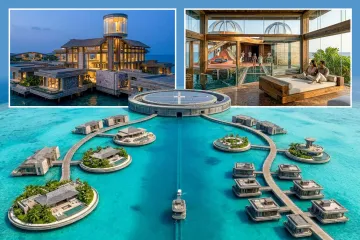
The Maldives is widely known as the world’s most romantic honeymoon hotspotCredit: SuppliedUnderwater restaurants allow visitors to enjoy the diverse ocean life without getting their feet wetCredit: Supplied
But far from being my husband or an admirer, Stevie is a blacktip reef shark simply enjoying his natural habitat at Oblu Xperience Ailafushi — a four-star resort on a tropical island in Male Atoll of the Maldives.
The country is known as the world’s most romantic honeymoon hotspot, but I was there to check out its wilder side,
Sign up for the Travel newsletter
Thank you!
Of course, this included dining at Only Blu, the largest underwater restaurant in Asia.
Sitting 22ft below sea level, it’s a way to enjoy the diverse ocean life, without getting your feet (or hair) wet.
It’s not included in Ailafushi’s all-inclusive “Fushi” plan, but it’s well worth splashing out on (prices start from £95 per person).
I was just inches away from blue powder surgeonfish, humbug damselfish and dozens of parrotfish as I tucked into my decadent five-course meal — though I did feel slightly guilty as I stuffed forkfuls of the “reef catch of the day” into my mouth. I hoped I wasn’t eating any of their brothers or sisters!
As several sharks swam by, including the one I nicknamed Stevie, “oohs” and “aahs” spread like a Mexican wave.
This kind of restaurant could be gimmicky. But the food — which included pistachio scallops, tuna poke bowls and decadent chocolate desserts — was genuinely delicious.
There were so many fish displaying vivid colours, it was like being inside a Windows screensaverCredit: SuppliedMy over-water villa was stunning — exactly what you picture when you think of a Maldivian suiteCredit: Supplied
Just a 20-minute complimentary speedboat ride from Male airport, Ailafushi is a more affordable choice than many Maldives resorts, with all-inclusive packages starting at £160 per person per night.
But for the comparatively bargain price (most four-star resorts average at £300), you don’t miss out on the luxury.
My over-water villa was stunning — exactly what you picture when you think of a Maldivian suite, with an outdoor shower, private sundeck and stairs that drop you straight into the pale blue Indian Ocean.
Each night, I drifted off to the soothing sound of the waves beneath my floorboards. And every morning, I threw off my pyjamas and jumped directly into them.
It was the same at Ailafushi’s more upmarket five-star sister hotel, Oblu Select at Sangeli, where there’s even a window in the floor for 24-hour ocean life viewing.
But if the idea of sleeping and showering above sharks and stingrays gives you the creeps, both resorts offer beach houses and family suites far enough from the shore to put your mind at ease.
You should get out on the water, though, if your fears allow. Especially as guests can pick up a snorkel and fins to use for free throughout their stay.
I’ve never seen such amazing sea life, with reef sharks, unicorn fish, eagle rays and turtles just feet away.
The tropical resorts have their own spas for guests to feel even more relaxed – including free treatmentsCredit: GettyGuests can book local island excursions, fishing trips and moonlight cruisesCredit: Getty
Like many reefs around the world, the coral is sadly bleached. But there were so many fish displaying vivid colours, it was like being inside a Windows screensaver.
If you’d rather stay above the waves, though, there’s still plenty to see and do on dry land and boat.
Guests can book local island excursions, fishing trips and moonlight cruises.
My favourite was the sunset dolphin cruise. They might be wild animals, but they certainly put on a show, leaping in the air and gliding along the side of the boat.
At one stage, there were so many gasps and pointed fingers, it felt like I was watching a fireworks display. Guests also have access to free pedalos, kayaks and stand-up paddle boards.
And both resorts also have their own spas, ELE|NA Ayur — perfect for while your partner, kids or hungover pals are napping.
At Sangeli, where guests get a free 45-minute treatment for every four nights they stay, a stress-buster massage melted away the tension I built up during the 14-hour journey to get there from London Heathrow via Dubai.
Equally dreamy was the full-body Balinese treatment at Ailafushi, where prices start at $50.
Ailafushi is a more affordable choice than many Maldives resorts, with all-inclusive packages starting at £160 per person per nightCredit: SuppliedAlice tried out a sunset line-fishing trip and reeled in a giant remoraCredit: Supplied
Life is equally indulgent at the more peaceful Sangeli.
Alongside couples’ massages and intimate dinners, there’s a phenomenal free kids’ club with puppet making, cupcake decorating, palm leaf crafts and scavenger hunts.
There’s also a slide that plops you directly into the sea — fun for all ages. I howled with laughter as I sped round the tight bends before crashing into the gentle waves at the bottom.
If you’re feeling energetic — or simply want to work up an appetite for your next meal at one of each resort’s four restaurants — try the over-water gym with one of the best views in the world.
You could also attempt a sunrise yoga class, if you haven’t had too many of the hotel’s unlimited cocktails the night before.
By this point, you’ve probably seen plenty of fish from your villa, perhaps snorkelled with several and spotted them during a boat trip. So why not try catching a couple on a sunset line-fishing trip?
Whether you’re a seasoned fisherman or, like me, have never picked up a rod in your life, it’s the perfect way to spend an early evening.
And you might surprise yourself. I went in thinking I’d have no luck at all, but ten minutes before our time was up, I felt a hard tug on my line and eventually reeled in a giant remora.
I squealed with delight (and perhaps a little fear) as it flapped about in front of my face. But I quickly threw him back into the shimmering water.
Despite being a Muslim country where alcohol is all but banned, booze is freely available at all tourist resorts.
They also take international holidays incredibly seriously.
I’m told Christmas is an extravagant affair with Santa Claus arriving on a flyboard or parasail before descending to the beach with gifts.
I was there for Halloween and they did not hold back — think eyeball cupcakes, a terrifying haunted house, and dark red cocktails served in blood bags.
Four waiters dressed as zombies even carried a “body” in a coffin through the restaurant at dinner.
Yes, it costs more to get there (return flights start at £785 with Emirates) than Ibiza and your hotel will be a little more expensive, but you’ll barely spend a thing once your feet hit the white sands. And truly, it’s worth it.
Forget the White Isle — make the Maldives your next trip.
GO:
GETTING/STAYING THERE: A seven-night all-inclusive getaway to OBLU Xperience Ailafushi is from £1,831pp based on two sharing an Ocean View Room and including flights from Gatwick on November 11. See destination2.co.uk.
A seven-night stay at OBLU Select Sangeli in a Beach Villa is from £2,915pp including flights from Gatwick on November 18. See kenwoodtravel.co.uk.
There is no better way to explore a city than by foot, but not all places are as suitable for an adventure as others, as I found out during a recent visit to the world’s most walkable city
I set out on a walk around the city(Image: Milo Boyd)
There is no better way to explore a city than on foot. Once touched down in a city, bag in the hotel and a fresh pair of socks on, the first thing I do is go for a walk.
It is impossible to get a feel for a place from the back of a taxi or from the elevated vantage point of a coach. You’ve got to start pounding the pavement, ideally without a destination in mind, and see where you end up.
On a recent trip to Rome, I set out from my central station hotel and marveled at the carnage of the Trevi Fountain queues, crossed the Ponte Sant’Angelo, and witnessed a coordinated group of ball-under-cup scammers sweatily fail to take anyone’s money. Last spring, I headed out into Benidorm, finding myself an impossibly cheap roast, a seafront pint of Guinness, and a ‘Good boys go to heaven, bad boys go to Benidorm’ t-shirt.
And so, in April, I applied the same approach to Seoul, a city recently named the most walkable in the world.
Do you have a story to share? Email webtravel@reachplc.com
Each year, Time Out conducts an annual city survey, this time around quizzing 24,000 people on how easy or not it is to discover given cities on foot. The ranking is based on the highest percentage of locals who rated their city’s walkability ‘good’ or ‘amazing’, and the South Korean capital tops the list.
“A city doesn’t have to be small to be walkable. In fact, Seoul is one of the largest cities on the list by surface area and population, but its impressive 93 percent approval rating from locals has secured the South Korean capital joint-first position. Why? Well, the city has a reputation as an exceedingly safe place to stroll by day and night, and is home to neighbourhoods such as Myeongdong, Insadong, and Hongdae, which are all primed for exploring on foot,” writes Time Out.
“Then there are the innovative pedestrian walkways, like Seoullo 7017, an 1074m-long elevated ‘sky garden’ which has seen an old inner city highway revamped into a stroll-worthy green space, home to 24,000 different plants. In downtown Seoul, the Cheonggyecheon Stream is flanked by a walkway that not only links many of the city’s central metro stations, but also landmarks such as Gwanjang Market, Jongmyo Shrine and Gyeongbokgung Palace.”
I could not disagree more.
Seoul is a fantastic city. It’s alive with a kind of youthful, optimistic energy that feels far removed from most places I’ve visited; it’s fearlessly trendy, and it’s centered on an urban mountain blanketed with cherry blossoms come the spring.
But walkable it is not. Seoul is a car city.
The almost unbelievably cheap cost of an Uber (we’re talking around £5 for a half-hour ride) means that hopping in a cab is far more common than in the UK, while the wide, four and six-lane roads that dominate much of the city encourage motoring. And produce a lot of fumes.
According to NASA, Seoul is one of the world’s cities with the worst air pollution, beating Los Angeles, Tokyo, Paris, and London. You can certainly feel it. On one crisp morning, I walked up Namsan, the 170-meter-tall hill in Seoul’s center. The view from the top would be spectacular, were it not for the heavy, shimmering cloud that hung over everything.
Walking back down, I started to get the vague feeling I’d done something wrong. I hadn’t accidentally offended a waiter or lost my hotel pass; it was the signs. Seoul is a city of signs. From the expected ‘no smoking’, to the less typical ‘no archery’, to the possibly unique ‘no hiking without a flashlight’, everywhere you look, some kind of rule is being transmitted to you. It doesn’t leave you with a feeling of freedom and exploration, nor do the CCTV cameras placed on tall metal poles in the city’s woodland.
It’s a place that’s big on rules and completely opposed to bins. Having finished a snack, I walked for two hours without finding a trash can. South Koreans are expected to take their rubbish home with them – a system that says a lot about the population’s diligent character, but one I find inherently anti-social.
As I do the lack of pavements that had me regularly sliding down alleyway walls to give way to cars, and the complete, frustrating prohibition of jaywalking. Couple all of this with the fact that the city lacks an obvious centre and is exhaustingly massive, and its status as one of the world’s least walkable cities is clear.
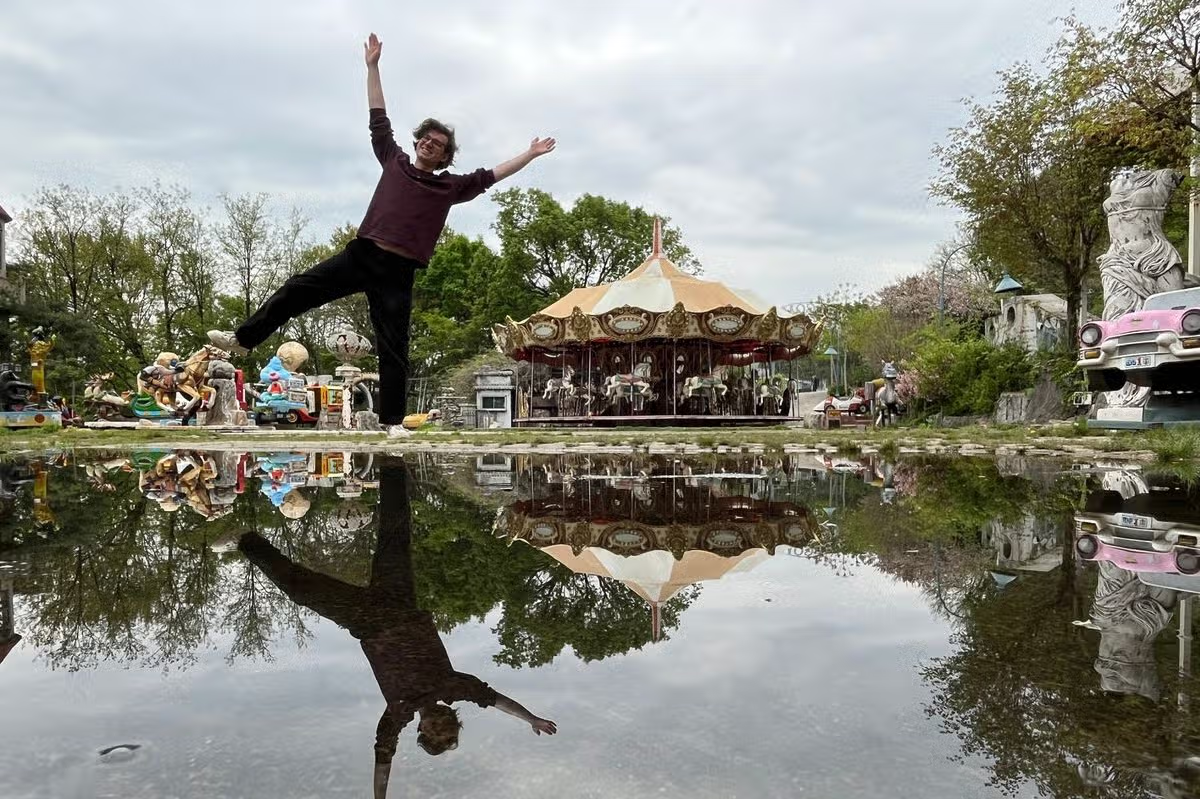
Given my love of treading the tarmac, it says a lot about how fantastic the rest of Seoul is that I left in love with the place. From the fish-filled waters of Cheonggyecheon River, the rusty octopus of Yongma Land, and the impossibly cheap but high-grade cosmetics, it’s a fascinating place that feels like it’s at the centre of the world. Just prepare to order a cab.
This city is a favourite among trendy, wealthy people – but I don’t see the charm.
This city is beloved by tourists – but I don’t get the hype(Image: Getty)
I have been lucky enough to see a fair amount of the world not only in my role as a travel reporter, but also in my own time. However, after spending a long weekend in this popular European city I have finally discovered a place I will never return to.
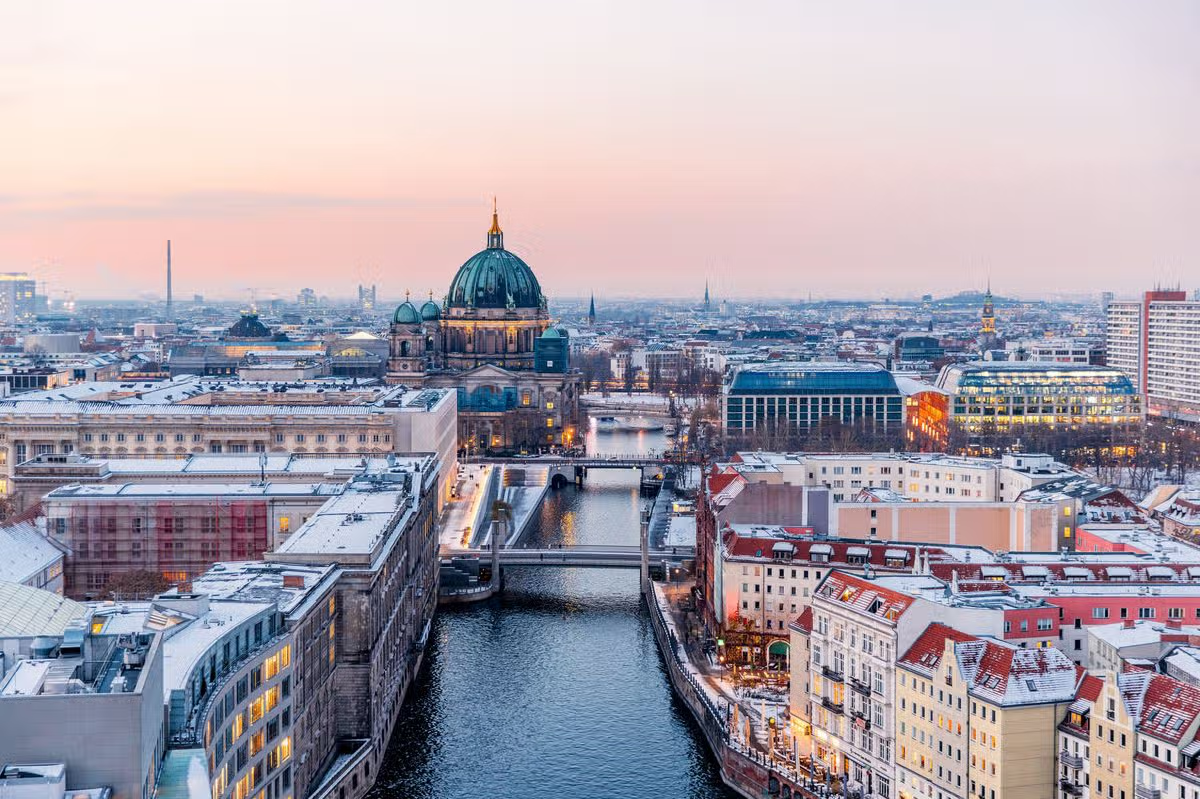
Berlin is beloved by trendy east Londoners who pretend they don’t have a double barrelled surname and a trust fund. The city is full of even trendier Berliners who pretend they don’t have any interest in being cool, whilst still trying as hard as possible to appear so.
I have visited before and found the city grey, utilitarian, dirty and ugly. At the time I had a friend living there who told me the city would “eat you alive” if you let it – and I believed him.
I spent a weekend there and over those two days I stood in human faeces whilst walking through a park, watched people urinate in the U-Bahn, saw one man vomit and another man sit in it.
I was hounded by wasps for every hour of the day, and shady characters for every hour of the night.
I didn’t get eaten alive, but by the time I flew out of the city morale was low. I spent the next seven years vowing I would never return – but a twist of circumstance saw me packing my bags last Friday to spend another long weekend in Berlin.
My friends were visiting Europe from New Zealand, and the only weekend I had free time to see them was the weekend they were in Berlin, so I decided I’d give it another go. I was hoping my initial impression of the city had been wrong, and that my return trip would show me the real side of the city
Whether real or not, the side I saw was not to my liking.
The city was still as utilitarian and grey as I remembered. We stayed in Neukölln, a trendy artistic neighbourhood with plenty of coffee shops, späti (like off-licences but with seats outside to sit and enjoy a beer) and vintage shops. These are all my favourite things, but Berlin’s version of them was tinted with the greasy pallid feeling you get after a night out that has gone on several hours too long.
My least favourite thing about Berlin however, is the wasps. In late summer, they have reached peak population and ruin the city’s outdoor spaces. Sitting outside to enjoy a brunch, coffee or a pint becomes a feat of endurance as these angry insects swarm you, fall inside your pints, try to crawl inside your nose and mouth and generally make a nuisance of themselves. It’s also illegal to kill them, as they are protected under the Wildlife Act.
Over the three days I was there I had two of them die in my beer, and four of them make my £7 donut inedible.
My Berlin weekend was not all bad. I did find an amazing coffee shop near our accommodation called Leuchtstoff Kaffeebar. The coffee was delicious – perhaps the best I’ve had since I left New Zealand two years ago, and I enjoyed a Bircher Muesli that set me up perfectly for my day of wandering the city.
The café also serves pastries, and had a very cool mezzanine that you could climb up to via a ladder.
I also visited the Jewish Museum in Kreuzberg. Admission is free, and the building is truly something to behold. It uses architecture and art installations to create a feeling of absence and highlight the huge loss felt by the community as a result of the millions murdered during the Holocaust.
A large section of the building is below ground, with multi-media installations and plenty of information about the history of Judaism and their persecution in Germany. It was a sombre afternoon, but definitely worth a visit if you are in the city,
Despite finding a few things I liked about Berlin, overall my sense of the city was that it is without whimsy. I won’t say it’s soulless – but the soul it possesses is not one I care to find out more about.