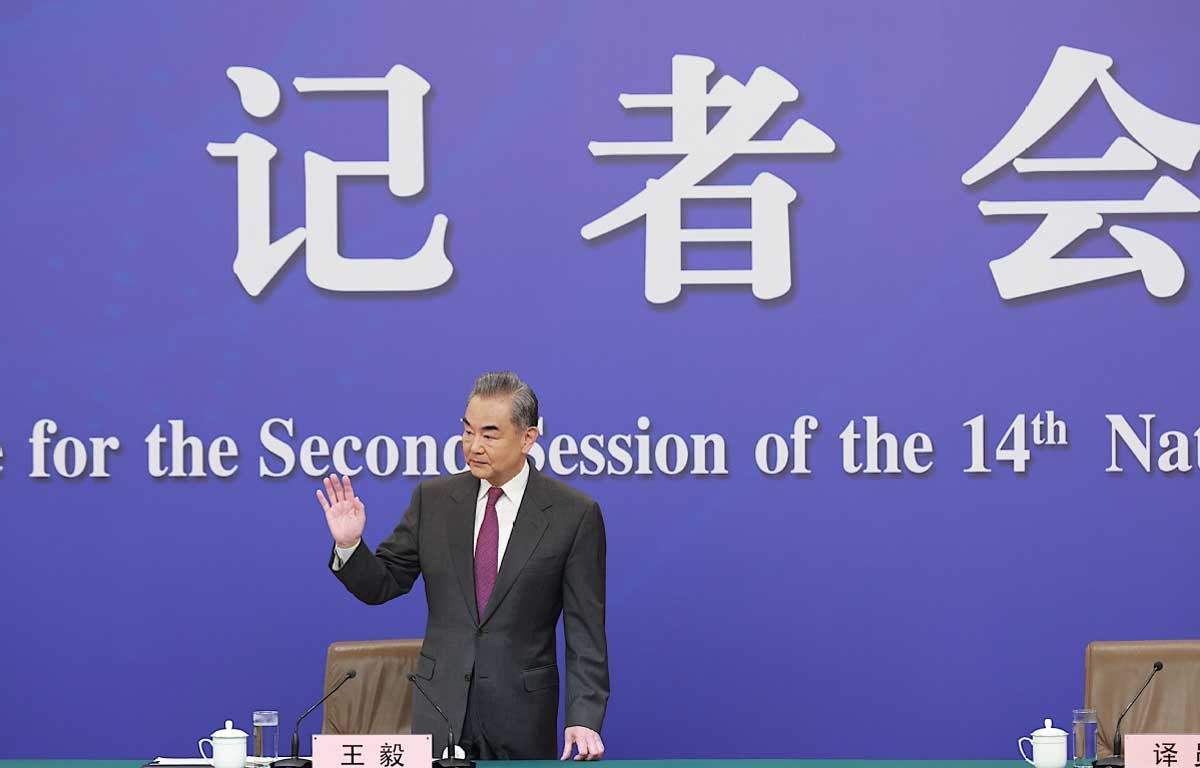
China said on Tuesday it does not seek a “sphere of influence” in the Pacific, as Foreign Minister Wang Yi defended Beijing’s growing engagement with Pacific island nations following criticism over a recent missile test in the South Pacific.
The remarks came during talks in Beijing with Solomon Islands Foreign Minister Rick Houenipwela, as regional tensions continue to intensify amid strategic competition between China and Western allies.
China Rejects Geopolitical Motives
Wang Yi said China’s cooperation with Pacific island nations is based on mutual respect and shared development rather than geopolitical ambitions.
He stressed that Beijing’s partnerships come without political conditions and are not imposed on other countries. Wang also said Pacific island states are independent and sovereign nations that should not be treated as any country’s “backyard” or be subject to outside interference.
Stay ahead of the geopolitical week.
MD Briefing delivers expert analysis across five global fronts — the Indo-Pacific, energy, geoeconomics, European security, and the Middle East — every Monday morning. Free.
China reaffirmed its willingness to expand cooperation with the Solomon Islands in areas including green energy, healthcare, and climate change.
Missile Test Sparks Regional Concerns
The meeting followed China’s recent test launch of a missile carrying a dummy warhead from a nuclear powered submarine into the South Pacific.
The test drew criticism from several regional governments, including the Solomon Islands, which questioned both the timing and the message sent by the launch.
Solomon Islands Prime Minister Matthew Wale described China as “a good friend” but said the missile test was “not something a friend does,” while reaffirming his country’s commitment to strengthening ties with Australia.
The launch also coincided with the signing of a new mutual defense agreement between Fiji and Australia, highlighting growing security cooperation among Pacific nations.
Pacific Becomes Strategic Battleground
The Pacific has become an increasingly important arena for geopolitical competition as China expands its diplomatic, economic, and security engagement across the region.
Meanwhile, Australia, the United States, New Zealand, and other partners have stepped up investment, defense cooperation, and development assistance in an effort to maintain their influence among Pacific island countries.
Many Pacific governments continue to pursue a balanced foreign policy, seeking economic cooperation with multiple partners while avoiding alignment with any single major power.
Why This Matters
China’s latest comments underscore the growing diplomatic contest for influence in the Pacific, where infrastructure investment, security partnerships, and climate cooperation have become central to regional politics. The region’s strategic location and maritime significance make it increasingly important in broader competition between China and Western allies.
Future Outlook
China is expected to continue expanding economic and development cooperation with Pacific island nations, particularly in renewable energy, healthcare, and infrastructure. At the same time, Australia and its partners are likely to deepen security and development initiatives across the region. As strategic competition intensifies, Pacific governments will continue balancing relationships with competing powers while seeking investment and support that align with their national priorities.
With information from Reuters.