
Carney, Erdogan launch ‘strong and resilient’ Canada-Turkiye partnership | Business and Economy News
On trade, investment and innovation, leaders will work toward conclusion of a Canada-Turkiye Free Trade Agreement.

Published On 22 Oct 2026
Canadian Prime Minister Mark Carney and Turkish President Recep Tayyip Erdogan have announced the launch of a Canada-Turkiye Strategic Partnership, backed by a three-year action plan.
“In an increasingly complex global security environment, rising geopolitical uncertainties, and evolving humanitarian challenges, a strong and resilient Canada-Turkiye partnership is essential, providing a foundation to mitigate shared threats and capitalise on new opportunities,” said a statement by the two leaders on Thursday.
This comes as Carney is on a two-day visit to Turkiye, seeking to forge a new partnership as Canada looks to reduce its dependence on the United States.
The partnership’s three-year action plan rests on four pillars: trade and investment; defence and security; energy; and ties between people, the statement said.
On trade, investment and innovation, the two leaders agreed to “work toward successful conclusion of a Canada-Turkiye Free Trade Agreement”, it said. They will also expand bilateral trade and investments in priority sectors including energy supply, defence production, aerospace, and Artificial Intelligence (AI).
On defence and security, the leaders “underlined their intent to deepen bilateral and multilateral cooperation”. They also agreed to “strengthen cooperation in support of peace and security in the Euro-Atlantic region and beyond including Ukraine, South Caucasus, and the Middle East, in particular Gaza”.
Meanwhile, energy ministers from both countries will work on areas such as LNG, nuclear energy and critical minerals.
‘Launching a new era’
Speaking to reporters in Ankara alongside Carney on Thursday, Erdogan said the two countries “hope to increase our trade volume, which currently stands at around $3 billion, to $5 billion initially and then to $10 billion through the steps we will take”.
He said the two sides had agreed to begin free trade agreement negotiations before the end of the year to boost trade and investment, adding that elevating Turkiye-Canada relations to the level of a strategic partnership would not be merely a symbolic step on paper.
“We have today overcome the disconnect that had persisted between Turkiye and Canada for many years. Now we are launching a new era between Turkiye and Canada,” he said.
Canadian and Turkish leaders will convene next month in Ankara for the first round of trade talks, the joint statement said.
Carney is on the first bilateral visit by a Canadian prime minister to Turkiye, although he travelled to Ankara in July to attend the NATO summit.
He was scheduled to meet with Erdogan and other officials before travelling to Istanbul for talks with Turkish business groups as the two countries seek to deepen trade ties.
The Canadian prime minister has sought to diversify partnerships and reduce reliance on the US amid an escalating trade war with President Donald Trump, marked by US tariffs on Canadian goods, retaliatory measures by Canada and statements questioning Canadian sovereignty.
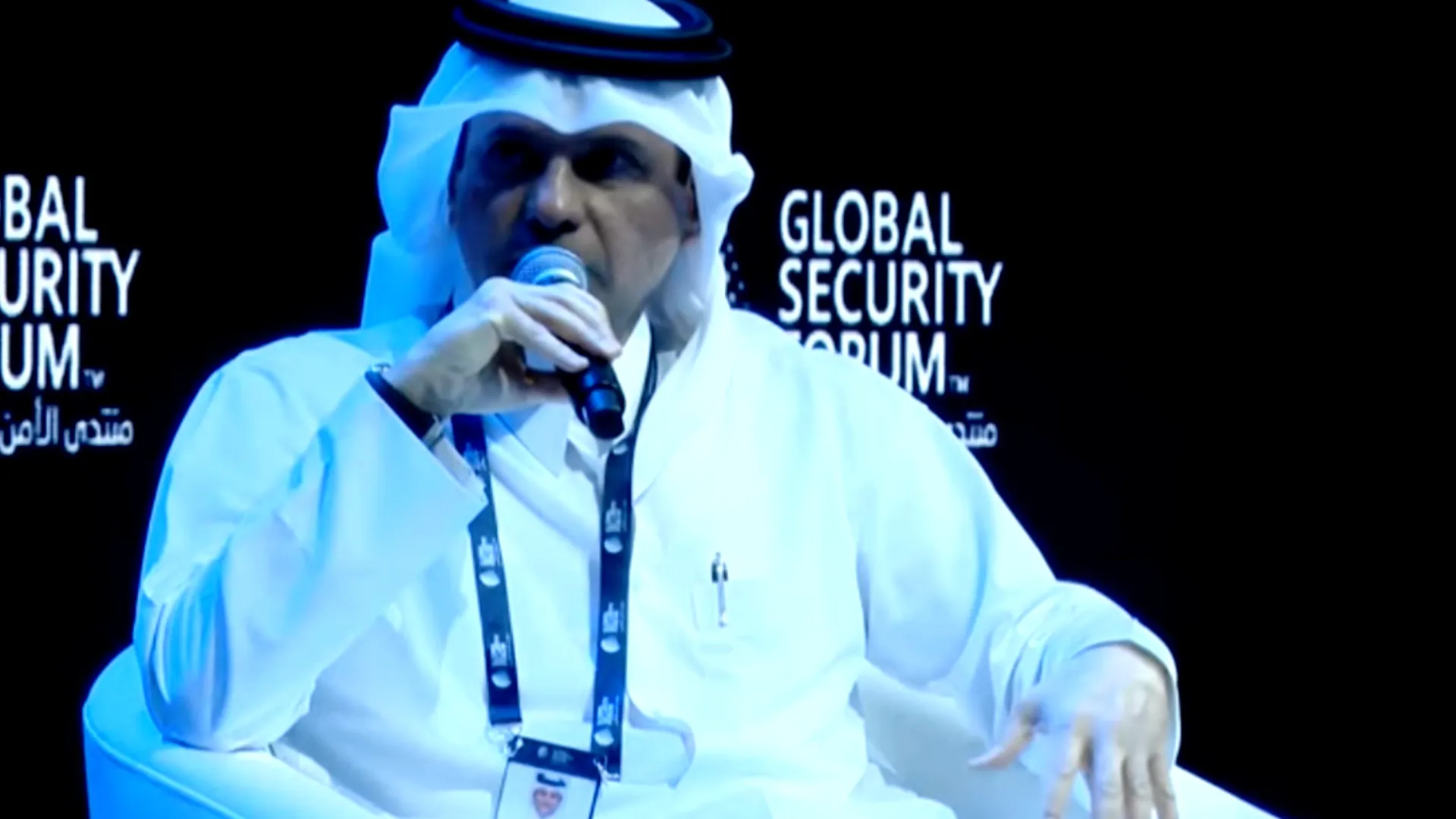
Qatar to unveil regional defence partnership | News
Qatar is preparing to announce a new regional defence partnership aimed at strengthening its military capabilities, Qatar’s Deputy Prime Minister and Minister of State for Defence Affairs, Sheikh Saoud bin Abdulrahman al-Thani, told the Global Security Forum in Doha.
Published On 19 Oct 2026
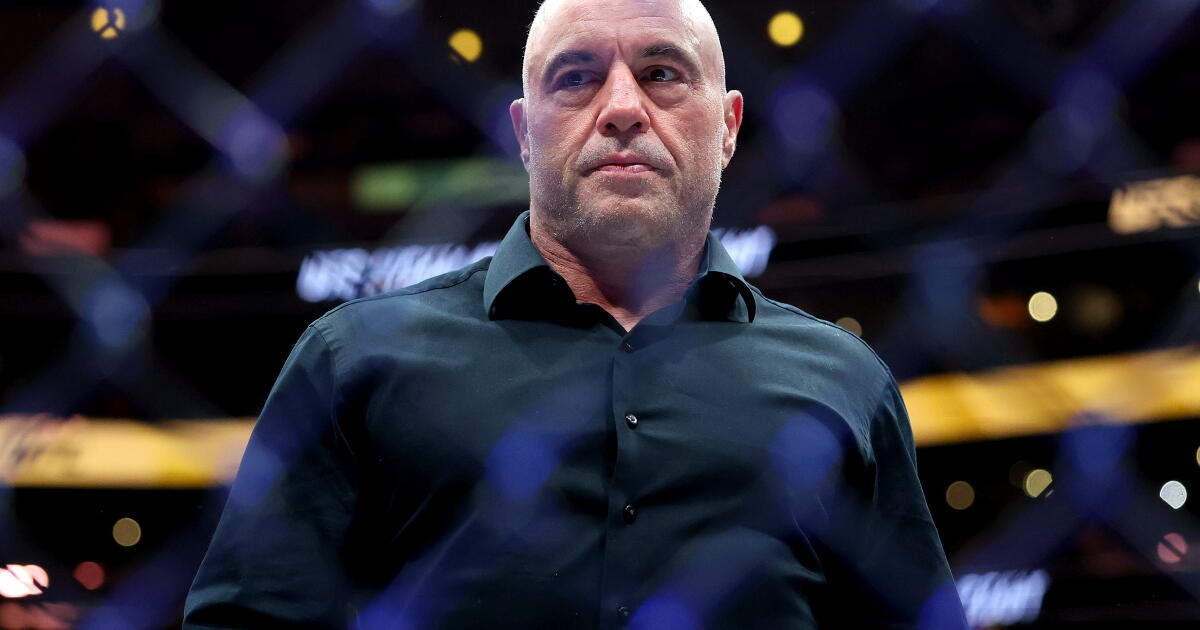
Joe Rogan renews multimillion-dollar podcast deal with Spotify
Spotify on Thursday said it renewed its deal with Joe Rogan, who leads the audio company’s most popular podcast “The Joe Rogan Experience.”
Rogan’s podcast, which has 18 million followers on Spotify, has been the company’s top podcast since 2020. The terms of the multiyear licensing deal were not disclosed. The Wall Street Journal, citing unnamed sources, reported the deal had an estimated earn out of $250 million.
“The partnership with Spotify has been an amazing fit, and they’re incredible to work with,” Rogan said in a statement. “I’m extremely happy and excited to continue with them for years to come.”
Rogan first entered into an exclusive multiyear podcast deal with Spotify in 2020 in a deal said to be worth $100 million. The partnership was key to driving podcast audiences to Spotify, which at the time was mostly known for as a streaming music service.
In 2024, the company extended its partnership for “The Joe Rogan Experience” to be distributed on other platforms, which has continued in its current deal. Rogan’s show was ranked as the top podcast last year on Spotify, YouTube and Apple Podcasts.
“Joe has built something incredibly enduring, and his show continues to resonate with a massive global audience because there’s simply nothing else like it,” said Jordan Newman, head of content partnerships at Spotify in a statement.
“The Joe Rogan Experience” has run into controversy, spurring a Spotify boycott in 2022 led by Neil Young over concerns that Rogan and his guests were spreading misinformation related to the COVID-19 vaccine. Rogan also received criticism over how he used the N-word on past episodes of his show, which he later apologized for.
After the backlash, Spotify posted its content moderation rules and said it would add content advisory labels on COVID-related podcasts. Rogan also said he would do a better job of balancing different perspectives.
Young later returned to Spotify in 2024.