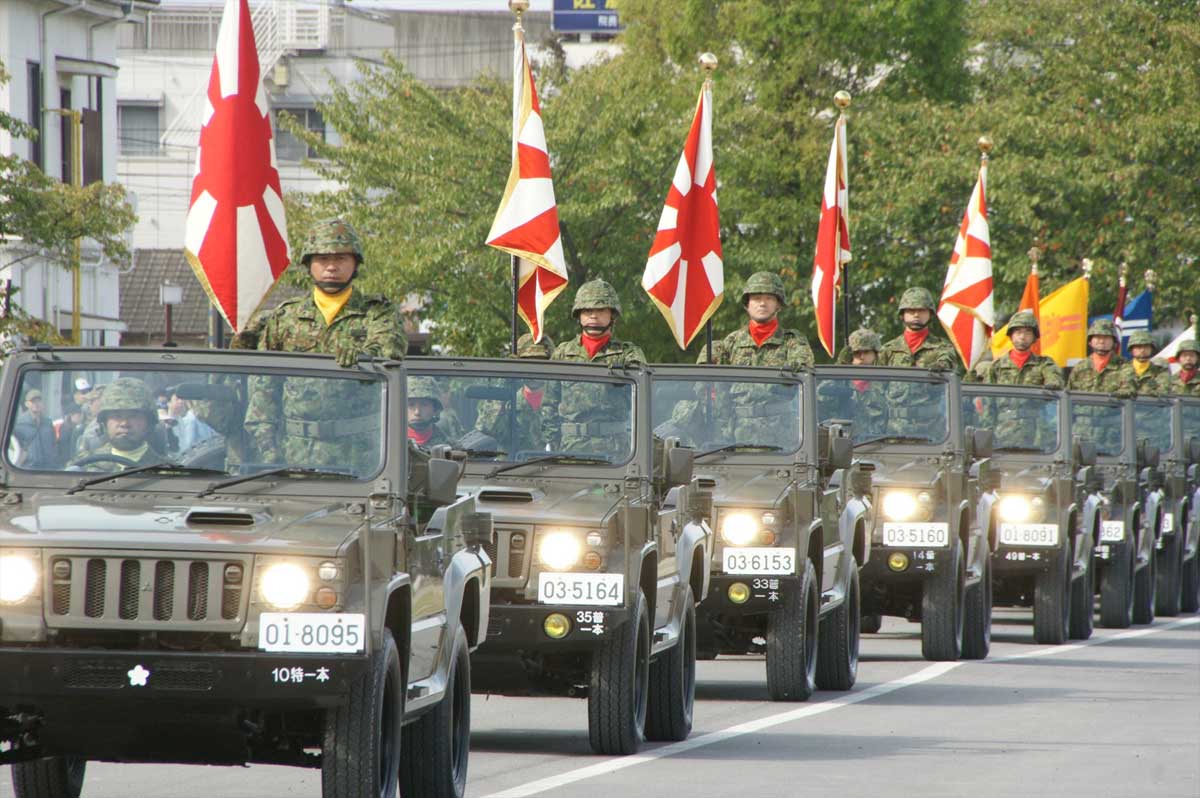
Relations between North Korea and Japan remain deeply strained due to historical grievances, North Korea’s nuclear and missile programmes, and growing regional security tensions. In recent years, Japan has significantly increased defence spending and accelerated military modernisation in response to North Korea’s missile launches and China’s expanding military presence.
Tokyo has adopted a new national security strategy that includes acquiring long range strike capabilities, expanding missile defence and strengthening cooperation with the United States and other regional partners. Japan says these measures are necessary to deter growing security threats, while North Korea and China have criticised them as evidence of Japan moving away from its post World War Two defensive posture.
The latest remarks come as North Korea also continues expanding its own naval capabilities and developing new missile systems.
North Korea accused Japan on Tuesday of transforming its military into an offensive force, claiming Tokyo’s overseas military ambitions are now a reality rather than a hypothetical threat.
Stay ahead of the geopolitical week.
MD Briefing delivers expert analysis across five global fronts — the Indo-Pacific, energy, geoeconomics, European security, and the Middle East — every Monday morning. Free.
A commentary published by the state run Korean Central News Agency criticised Japan’s defence modernisation programme, pointing to plans to develop unmanned submarines, expand long range missile capabilities and acquire advanced weapons from the United States.
The comments come amid growing military activity across East Asia as regional powers continue strengthening their armed forces.
The KCNA commentary argued that Japan is abandoning its long standing policy of maintaining forces solely for self defence.
It claimed Tokyo is developing unmanned submarines capable of carrying torpedoes and naval mines that could be deployed near neighbouring coastlines to conduct pre emptive attacks during a conflict.
The report portrayed these developments as evidence that Japan is shifting toward a more offensive military posture.
Japan’s Foreign Ministry did not immediately comment on the allegations.
North Korea also highlighted Japan’s efforts to strengthen its missile capabilities.
According to the commentary, Tokyo is pursuing domestically developed long range missiles, a new ballistic missile with a reported range of up to 3,000 kilometres, upgraded anti ship missiles and hypersonic glide weapons.
The report also criticised Japan’s acquisition of United States made Tomahawk cruise missiles as part of its broader military modernisation programme.
Japan has argued that these capabilities are intended to strengthen deterrence against growing regional threats.
The criticism comes as North Korea continues expanding its own military capabilities.
State media recently reported that leader Kim Jong Un observed the launch of a strategic cruise missile and inspected weapons systems aboard the newly built 5,000 tonne destroyer Kang Kon.
Kim has instructed that the vessel enter operational service within two months as part of efforts to strengthen North Korea’s naval combat capabilities.
Pyongyang has also commissioned another destroyer, the Choe Hyon, and announced plans to construct additional warships, including larger 10,000 tonne vessels.
The exchange of criticism reflects broader security tensions across Northeast Asia.
Japan has strengthened defence cooperation with the United States and regional partners while increasing military investment in response to North Korea’s expanding nuclear and missile programmes and China’s growing military activities.
North Korea has responded by accelerating weapons development, conducting missile launches and modernising its naval forces, further contributing to regional strategic competition.
The latest comments highlight the increasingly confrontational security environment in Northeast Asia, where military modernisation by one country is often cited by others to justify their own defence expansion.
As Japan strengthens its deterrence capabilities and North Korea continues developing advanced weapons, the risk of heightened regional tensions and military competition is likely to remain elevated.
North Korea
Seeking to strengthen its military capabilities while criticising Japan’s expanding defence posture.
Japan
Modernising its armed forces in response to growing regional security threats.
United States
Supporting Japan’s defence strategy as part of its broader Indo Pacific security framework.
South Korea
Closely monitoring military developments involving both North Korea and Japan.
Regional Neighbours
Watching the evolving security balance as military competition intensifies across Northeast Asia.
Regional attention will remain focused on Japan’s continuing defence modernisation and North Korea’s naval expansion, including the planned deployment of its new destroyers.
Any additional missile tests, military exercises or defence announcements by either country are likely to be closely monitored by neighbouring governments and could further shape the security dynamics of the Indo Pacific region.
With information from Reuters.