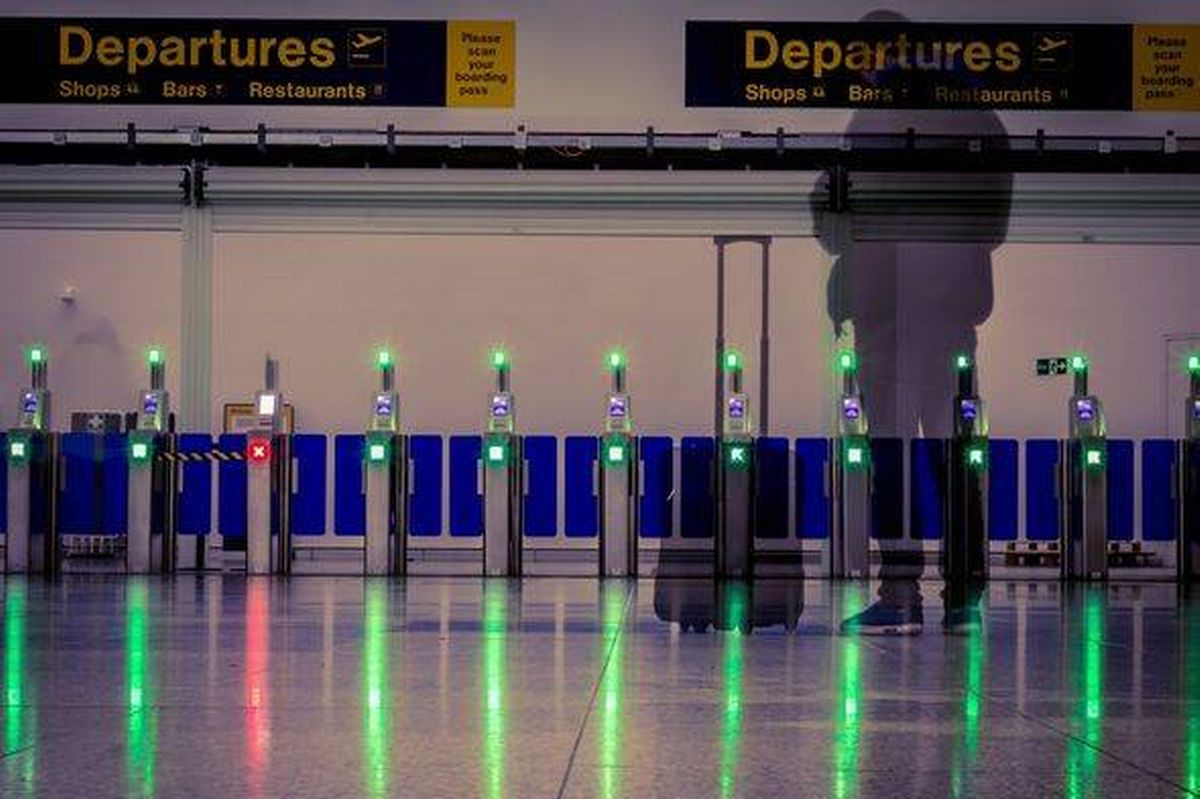
From EU border fingerprint checks to new visa waivers and tourist taxes, British holidaymakers face major changes in 2026. Here are some of the most important ones you need to know about before you jet off

The world of travel is constantly changing, with alterations to airport regulations, tourism restrictions, and new paperwork to complete. These changes can often leave holidaymakers scratching their heads, unsure of how they’ll be affected or what steps they need to take.
The upcoming year promises a wave of significant changes, particularly for Brits traveling to or from the EU. The potential requirement for a visa waiver is on the horizon, and the new entry and exit system is likely to be implemented this year, reports the Express.
But what does this mean for the average holidaymaker? And what do Brits need to sort out before they set off? Here’s a breakdown of some of the changes you need to keep an eye on if you have a trip booked.
EU Entry/Exit System (EES)
After numerous delays, the Entry/Exit System (EES) finally got off the ground in October. This means anyone from outside the Schengen Area, including Brits, will have to provide fingerprints and a facial image at the border when entering EU countries.
This initiative aims to phase out manual passport stamps and make it easier to monitor tourists who overstay their welcome. However, the roll-out of the system has hit a number of snags.
For instance, the Port of Dover was initially set to start using EES in October for car passengers, but this was pushed back to early 2026 to prevent delays over the busy festive season. Not all EU airports have the system up and running yet, so if you’re planning to travel early next year, your experience may differ.
The deadline for full implementation across all Schengen members, as well as Iceland, Liechtenstein, Norway, and Switzerland, is set for 10 April 2026. Once operational, travellers won’t need to do anything beforehand, but there may be lengthier airport queues as people adjust to the new system.
ETIAS – EU Visas
ETIAS (European Travel Information and Authorisation System) is a new visa waiver programme for exempt visitors making trips to the EU. It’s similar to the United States’ ESTA, and the procedure will be largely the same.
Once implemented, Brits planning an EU holiday will need to complete an ETIAS application, which is a pre-screening that permits you to enter the Schengen Area without a visa.
The downside is that the visa will cost €7 per person (roughly £6.10). However, once approved, the ETIAS will remain valid for three years or until your passport expires, whichever happens first.
Currently, no launch date has been declared on the official ETIAS website, but it’s advisable to stay alert for any updates. The launch date for ETIAS has already been postponed several times, and while it’s presently set for Q4 of 2026, which is October, there could still be delays in rolling out the system.
As with any travel visa or application, only use the official ETIAS website for applications and steer clear of third-party sites.
Brits face bigger bills on arrival
Overtourism has consistently made the news throughout 2025, and Brits travelling to certain countries might be caught off guard by unforeseen additional costs.
An increasing number of destinations are implementing tourist taxes, and while these are typically minor nightly fees, they can quickly accumulate for extended stays or larger groups. English mayors are also set to be given the authority to impose tourist taxes, meaning even staycations could come with added expenses.
New tourist taxes set to begin in 2026 include Edinburgh, where a 5% surcharge will be added to hotel bills from July, and Thailand, which will levy a 300 baht fee (approximately £7) on air passengers.
Brits heading abroad might also discover they’re charged more than locals to visit popular sites. A recent case in point is the Louvre in Paris, which announced that from early 2026, EEA residents will be charged €22 for entry, roughly £19.15, whereas those from outside the EEA, including Brits, will be hit with a €32 admission fee (around £27.86).
U.S. National Parks are set to introduce a two-tier pricing system for American citizens and tourists, with the latter being hit with an additional $100 fee on top of standard charges to gain entry into popular parks such as the Grand Canyon and Yellowstone. This surcharge can be applied per person or per vehicle, depending on the park’s policy.
For instance, a family visiting the Grand Canyon typically pays $35 (roughly £25.87) for a private car. However, under the new rules for non-Americans, this will skyrocket to a staggering $135, meaning visitors could pay just under £100 to simply pass through the gates.
Changes to liquid rules
Air travellers should stay up-to-date with any changes to liquid rules at their departure and destination airports, as the 100ml rule is often subject to change and has even been scrapped in some places due to advancements in technology.
At Birmingham, Gatwick, and Edinburgh airports, passengers can now carry up to two litres of liquids in their hand luggage, thanks to enhanced scanning technology. Meanwhile, at Luton Airport, while the 100ml rule remains in effect, there’s no longer a requirement to remove liquids from your hand luggage. This means the small plastic bag is no longer necessary; you can simply place your luggage in the scanner.
However, it’s important to remember that the regulations at your destination may differ. So, if you bring a two-litre bottle from the UK in your hand luggage, it might need to be stowed in a checked bag for your return journey.
Tightening of smoking and vaping bans
Several Spanish holiday hotspots favoured by Brits are considering imposing stricter regulations on smoking and vaping in public areas. In certain tourist hotspots like Barcelona and the Balearic Islands, puffing away on a cigarette or vape is already prohibited on beaches, while some Canaries’ beaches have been declared ‘clean-air zones’.
However, new proposals set to potentially take effect in 2026 could see a total ban on smoking and vaping in various outdoor spaces, including beaches and bar terraces throughout Spain, with immediate fines for those flouting the rules. In the Canary Islands, penalties for violating anti-smoking laws currently range from €30 to €2,000 (approximately £26 to £1,730), so it’s anticipated that similar fines would accompany the new regulations.
Crackdowns on unruly passengers
A recently enacted law in France, which may soon be replicated across other EU nations, is set to clamp down hard on disruptive behaviour among air passengers.
READ MORE: Ryanair launches flash sale with £25 flights to 21C Canary Islands this JanuaryREAD MORE: Major boost for incredible £7.4bn tunnel that will connect Europe and Africa
Starting from November, passengers traversing French airspace who commit offences such as using an electronic device when forbidden, hindering flight crew, or failing to adhere to safety instructions, will face hefty fines of up to €10,000 and flight bans lasting up to four years. For repeat offenders, fines can soar to €20,000, serving as a stern reminder for passengers to maintain decorum when flying over France.
The French Civil Aviation Authority will maintain a database of misconduct, enabling French airlines to report troublesome passengers and identify habitual offenders.
Have a story you want to share? Email us at webtravel@reachplc.com