rules

UK passport appearance rules that risk passengers being turned away if broken

People could find themselves unable to travel this summer if they don’t spot these problems

Aside from your plane ticket, your passport is one of the most important documents you need to travel. But Brits need to make sure their passport’s appearance doesn’t put an end to holidays before they even start.

With fuel disruptions and other global events making the thought of holidays a bit stressful, people need to make sure their passports are valid and free of any additional issues that could prevent them from heading to their destination. These could seem minor, but airport security won’t take chances, and Brits could be out of pocket.

Usually, the main concern for people jetting off on holiday is ensuring they have enough valid months left on their passport. However, minor tears and water damage that seem like small issues may render a passport invalid in the eyes of border authorities – regardless of how long it has left to expire.

According to the GOV.UK website, you must replace a damaged passport immediately. This can typically take three weeks, but it can sometimes be longer, with waits of up to six weeks, so anyone with plans coming up soon should act fast.

What kind of damage will make a passport invalid?

The GOV.UK website lists all of the reasons that could render a passport invalid for travel. These include:

  • when the personal details or observation page are unreadable
  • laminate peeling or lifting away from the personal details page
  • unreadable security details
  • missing or detached pages
  • where the front, back or personal details page has been cut
  • damage or discolouration to any part of the passport caused, for example, by water/chemical/ink spills or tears/rips/bite marks

People who have the blue e-Passport may be found invalid for travel if the perforated passport numbers have been torn or the personal details page is torn, damaged, or cracked. People could also be rejected from passport checks if their passport has a chip or antenna that shows through the endpaper on the back cover of a burgundy e-Passport or the personal details page of a blue e-Passport

Damage that does not need an explanation and won’t render a passport invalid for travel includes:

  • any damage that is not on the personal details or observation pages
  • any visas, vignettes or immigration stamps are unaffected by the damage (Passport officers must be happy there are no security features or details missing)
  • any damage or discolouration to the passport cover and blank visa pages is caused by water/chemical/ink spills/tears/rips/burning/bite marks/writing or drawings

To replace a damaged passport, Brits can apply online here to be processed as quickly as possible. It costs £102 for adults, and customers will need a digital photo and a credit/debit card. GOV.UK added: “You’ll need to ask someone to confirm your identity online if you’re replacing a lost or stolen passport.”

People with travel plans that are sooner than the typical three-week turnaround may apply for a fast-track service at a premium cost. This usually results in an appointment at the Passport Office within a week, with documents often being issued the next day.

This express service comes at an added cost compared to the normal wait time and process. It costs £192 for an adult passport (or £206 for a 54-page frequent traveller passport).

Source link

Latest Ryanair, EasyJet and Jet2 check-in times and rules for 2026

Everything travellers need to know about online check-in rules and bag drop deadlines for Ryanair, EasyJet and Jet2 in 2026

With the two May bank holidays fast approaching, numerous travellers will be plotting to make the most of the long weekends by jetting off on getaways. Among the most popular airlines operating at UK airports are Ryanair, Jet2 and EasyJet, and passengers flying with these carriers are being urged to familiarise themselves with the latest check-in regulations.

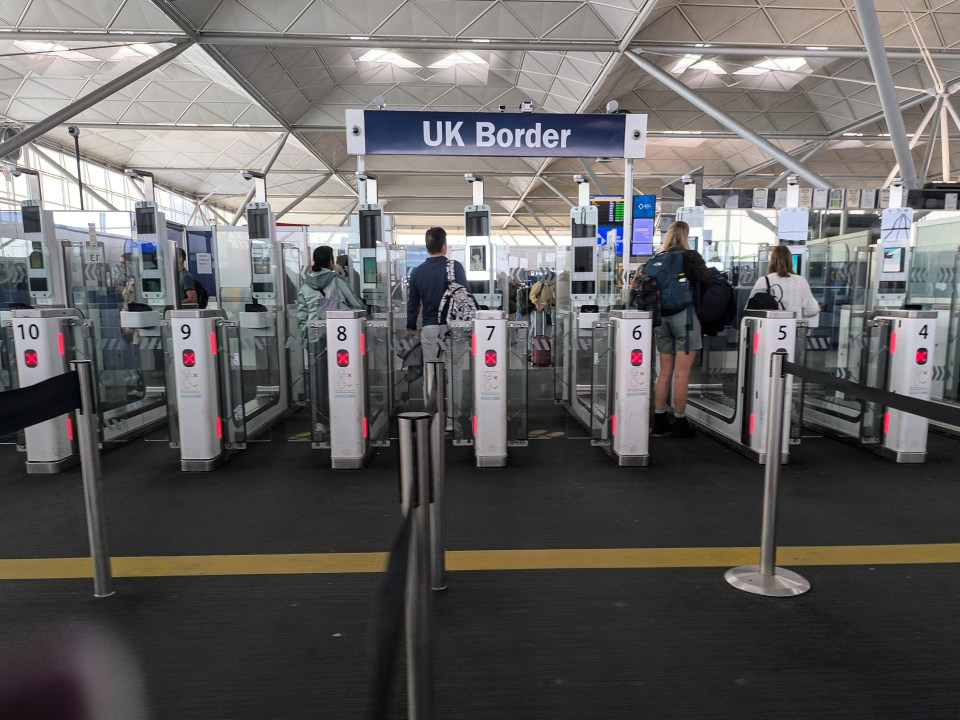
There are specific policies and rules that holidaymakers need to be aware of, including various timing requirements to avoid missing their flights. Due to longer queues at passport control following the rollout of EES (Entry/Exit System) for passengers travelling to non-Schengen destinations, travellers are advised to factor in additional time when arriving at and departing from overseas airports.

Check-in desks have designated closing times for passengers to drop off their luggage before shutting. For anyone heading abroad with bags to check in, here are the current rules for Ryanair, Jet2 and EasyJet you’ll want to get to grips with to avoid last-minute panic.

Ryanair’s latest check-in rules

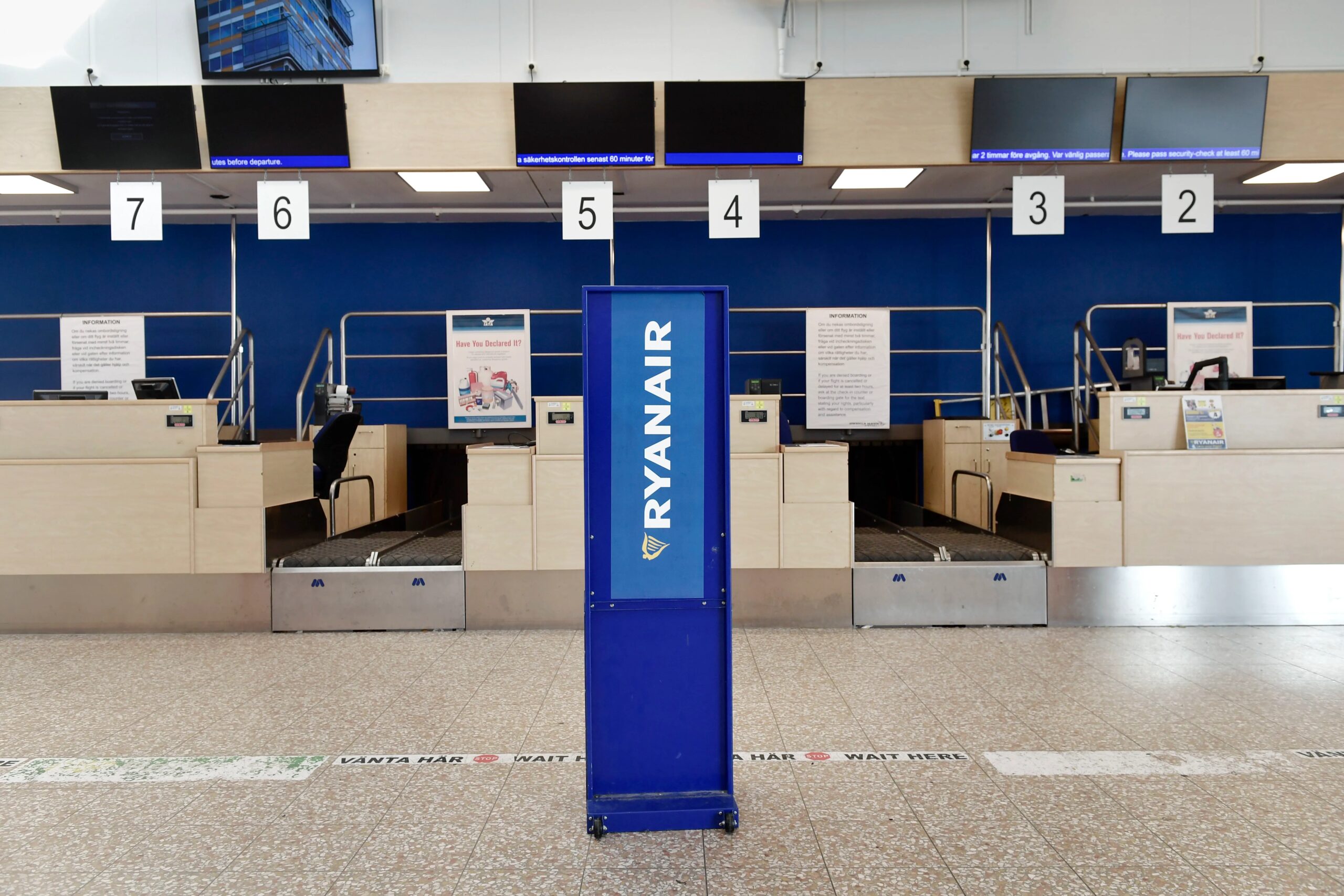
Ryanair has overhauled how check-in and boarding passes operate in a bid to streamline airport procedures. The most significant upcoming change is that check-in and bag drop desks will close earlier, coming into effect from November 10, 2026. The current deadline means desks typically open two hours before and close 40 minutes before your scheduled departure.

In November, desks will close 60 minutes before departure across all airports. The airline is introducing this change to allow passengers more time to clear security and passport control, particularly owing to potential delays from the new EU Entry/Exit System (EES), reports the Liverpool Echo.

Should you fail to check in online up to two hours before your scheduled departure time, you may still check in at the airport up to 40 minutes before departure, however you will be charged an airport check-in fee. See Ryanair’s table of fees. “We urge all passengers to check in online before arriving at the airport to avoid these fees,” the airline says.

Towards the end of last year, Ryanair switched to 100% digital boarding passes via the Ryanair App, with exceptions for certain destinations such as Morocco and Turkey, which still require printed passes. If you have checked in but are unable to access your digital pass, staff can provide a free replacement.

You can check in via the Ryanair.com website or through the mobile App. Once logged in, select check-in and input your travel document details. For your safety and security, and for the safety and security of your fellow passengers and crew, the check-in process must be completed by you personally, by a passenger on your booking, or by someone with personal knowledge of you and your luggage.

If you have pre-reserved a seat, online check-in is available up to 60 days before your scheduled departure. Bear in mind that both your outbound and return flights must fall within that 60-day window. If you haven’t reserved a seat and one is being randomly allocated to you, check-in opens 24 hours before your flight and closes two hours before departure.

Airport check-in is also an option, though you’ll be charged a fee per passenger for the additional service – refer to Ryanair’s table of fees for full details. Should you have already checked in but are unable to display your boarding pass on the app upon arriving at the airport, you will be issued a replacement boarding pass free of charge.

Jet2’s latest check-in rules

Online check-in through Manage My Booking is available from 28 days up to six hours before departure via Jet2’s website or app. You’ll need to either print your boarding passes, download them to your device, or check in at the airport no later than three hours before your scheduled departure.

At the airport, Jet2 check-in desks typically open at least two hours and 30 minutes before your scheduled departure, and potentially up to three hours beforehand. Jet2 says: “Please arrive at the airport in good time, as our check-in desks will close 40 minutes before your scheduled departure time. By this point, you must have completed the check-in process.” If you have checked luggage, you must arrive at the check-in desk by the time stated on your itinerary, or at least two hours before your flight departs. You are also required to be at the boarding gate no later than 30 minutes before the scheduled take-off time.

Jet2 is unable to provide online check-in for flights departing from Turkey. It says: “You can still complete the process and get your pre-allocated seats, but you’ll need to visit our airport check-in desks to collect your boarding pass before you go to security.”

In line with European Regulations, passengers are prohibited from carrying certain items into security-restricted areas or aboard an aircraft. To view the complete list of banned items, visit the Jet2 website. At select UK airports, Jet2 provides a Twilight Check-in service, allowing passengers to drop off their luggage at the airport the evening prior to departure, provided their flight is scheduled before noon.

Due to the EU Entry/Exit System (EES) which launched on April 10, 2026, travellers should allow additional time at the airport for the mandatory biometric registration process. Once you have checked in online, amendments to your booking, such as adding extra baggage or changing names, cannot be made without contacting customer services directly.

EasyJet’s latest check-in rules

Passengers can check in online from 30 days up until two hours before departure, downloading or printing boarding passes for all their flights. A passport or identity card may be required, and EasyJet might ask travellers to verify their contact information.

The airline doesn’t accept PDF scans of boarding passes on mobile devices, as airport security personnel cannot scan them. Passengers must use either the official app version or a clearly printed paper copy. Lost boarding passes can be reprinted, and when printing, the entire pass must be legible.

Should any booking amendments be made – such as adding hold luggage or altering flight times – passengers must check in again and obtain a fresh boarding pass. EasyJet says: “If you have any technical problems whilst checking in, please don’t give up and do try again later. If you continue to have difficulty, please ask our ground crew for help when checking in at the airport: this must be done before the bag drop closing time.”

The airline emphasises there are crucial timings for travel. Passengers need to have all documentation prepared and allow sufficient time to navigate the airport to arrive punctually for their flight. Those running late may be refused travel by EasyJet, resulting in a missed flight. All timings are calculated from your flight’s scheduled departure time. Unless EasyJet informs you otherwise, these timings remain valid even if your flight is delayed, as the airline states it always endeavours to recover any lost time. You can view the complete list of crucial timings on the EasyJet website.

A statement on the website reads: “Please note – airport times may change after you’ve booked. For example, if there’s major disruption or new airport procedures such as increased security. We’ll send any updates using the contact details we have for your booking, so please check with the booker that we have the correct details. Please also check our Flight Tracker for the latest updates about your flight.”

Arrival times differ by airport, but general deadlines are calculated from your scheduled departure:

  • Bag drop opens: Usually two to three hours before departure.
  • Bag drop closes: Strictly 40 to 60 minutes before departure, depending on the airport.
  • Gate closes: Promptly 30 minutes before departure.

Source link

Spanish airports to introduce new rules for thousands of Brits

BRITS have been stuck in huge three hour queues in Spain in recent weeks due to new European entry rules, EES.

But new border rules are set to make it much easier for thousands of holidaymakers.

New rules will help ease queues at Spanish airports Credit: Alamy
Thousands of people have been stuck in queues in Spain (stock image) Credit: Alamy

Whilst Spain hasn’t followed Greece which has temporarily lifted biometric checks , airports are set to help relieve the horrendous waits.

The Spanish airport authority AENA has instructed staff to assist the most vulnerable passengers including families with young children and people with disabilities.

According to reports in the Spanish press, they will allow anyone in these groups to go straight through to passport control if the wait for the new biometric machines is more than 25 minutes.

Brits have been reporting waits for hours because the queues are so long with hundreds of frustrated passengers in them.

QUEUE KNEW!

I avoided dreaded EES airport chaos in Spain – how I skipped the mega queues


ALL CHANGE

Greece SCRAPS dreaded EES airport tests for Brits after seeing 3-hour queues

Many have missed their flights because they could not check in on time, with suitcases unloaded and planes taking off without them.

Greece says it isn’t prepared to put up with the situation caused by the new European Union rules and has temporarily suspended biometric checks.

The airports of Palma in Majorca, Málaga, Alicante, Madrid and Barcelona have all confirmed their technology is working properly.

However, they also admit that the volume of passengers at busy times outweighed the capacity, often happening when a number of UK flights land at the same time.

Airport staff have been told to divert families and passengers with reduced mobility to the traditional passport stamping queues if they have to wait 25 minutes at biometrics.

They can also stagger flight arrivals in consultation with AENA’s flight arrival team.

The measures are being described as an adjustment not a suspension.

It’s not just Spain, as there are lots of other airports that have seen massive queues.

Schipol in Amsterdam as well as Faro and Lisbon in Portugal have all seen holidaymakers left stuck at security with a huge backlog of people.

The new travel rules require all non-EU nationals to register their biometrics instead of having their passport stamped at border control.

And our travel expert gave two of her top tips on how to avoid the EES chaos.

Passengers with kids or with limited mobility will be able to skip the queue Credit: Getty

Source link

U.S. troops may sue military contractors for their injuries, Supreme Court rules

The Supreme Court ruled Wednesday that U.S. troops may sue military contractors for their injuries, siding with a soldier who was badly injured when a Taliban operative working at the Bagram Airfield detonated a suicide bomb.

Five soldiers were killed and 17 were wounded, including 20-year-old Winston Henceley, who suffered a fractured skull and brain injuries and is permanently disabled.

In a 6-3 decision, the court ruled that neither federal law nor the Constitution shields military contractors if their mistakes or negligence result in solders being injured in a combat zone.

Justice Clarence Thomas wrote the court’s opinion for an unusual majority that included Justices Sonia Sotomayor, Elena Kagan, Neil M. Gorsuch, Amy Coney Barrett and Ketanji Brown Jackson.

In the past, Thomas has objected to court precedents that prevented troops from suing the U.S. government for their injuries, including from medical practice.

And he said that rule should not be expanded to shield military contractors.

Justice Samuel A. Alito Jr. dissented, along with Chief Justice John G. Roberts and Justice Brett M. Kavanaugh.

“Because the Constitution gives the federal government exclusive authority over foreign affairs and the conduct of wars, federal law preempts all state law that substantially interferes with the Government’s exercise of those powers,” Alito wrote.

Hencely had tried to stop and question Ahmad Nayeb, an Afghan employee, as he walked toward soldiers who had gathered for a Veteran’s Day 5K race in 2016.

The Army concluded that Hencely’s intervention “likely prevented a far greater tragedy,” and its investigation concluded that the Fluor Corporation that had a contract to run operations at the base was primarily responsible for the attack.

The report said Fluor was negligent in hiring an Afghan who had been a Taliban operative, and it failed to closely supervise him.

But Henceley sued Fluor for his injuries; a federal judge in South Carolina and the 4th Circuit threw out his suit.

“During wartime, where a private service contractor is integrated into combatant activities over which the military retains command authority, a tort claim arising out of the contractor’s engagement in such activities shall be preempted,” the 4th Circuit said.

The court agreed to hear his appeal and overturn the 4th Circuit, clearing his suit to proceed.

Source link

Brits face steep £350 costs in new rules for travelling to Europe with pets

BRITS are being warned of new travel rules to Europe that apply to all pet owners.

Under the new rules, Brits can no longer use an EU pet passport to enter the EU with their pets, even if they have a holiday home there or their pet passport was issued years ago.

Rules for Brits travelling with their pets have changed Credit: Getty

The new rules mean that Brits travelling with their dog, cat or ferret, must now instead get an Animal Health Certificate (AHC).

However, unlike the old passports these certificates are only single-use.

This means you will need a brand new certificate for every trip you take to the EU with your furry friend.

A spokesperson for the UK government’s Animal and Plant Health Agency said: “From 22 April, new EU rules change how GB residents travel to the EU with their pets, but holidays with your pets are still possible.

Read more on travel inspo

CHEAP BREAKS

UK’s best 100 cheap stays – our pick of the top hotels, holiday parks and pubs


GO ON

All the little-known websites for cheap or FREE tickets to gigs, theatre & festivals

“To avoid delays and ensure a smooth journey, pet owners residing in Great Britain should get an Animal Health Certificate if they’re travelling from Great Britain to an EU country.”

The UK government’s website adds: “EU pet passports may now only be issued to people whose main home is in the EU and should not be used by people who have holiday homes in the EU or visit seasonally.”

This means that any pet passports issued before April 22 this year are no longer valid.

Once you have the certificate, it can be used for up to six months of onward travel within the EU and then again for re-entering the UK.

Though pet owners will just have to make sure that their pet’s rabies vaccinations are still up to date.

Under the old rules, each person could travel with up to five pets, so for a family of four this would’ve meant up to 20 pets.

Now the rules mean that only five pets are allowed per vehicle, despite the number of people in the vehicle.

Though if you are travelling on foot, you can still have up to five pets.

An Animal Health Certificate (AHC) for pet travel typically costs between £99 and £350.

In comparison, an EU pet passport would have cost between £17 and £85.

Brits will now need a certificate to travel with their dog, cat or ferret Credit: Getty

As a result, getting a new AHC each time you travel with your pet will cost you more money than the old pet passport.

The government also warns though that different member states of the EU may have specific pet travel requirements, so pet owners should check the specific entry requirement of the country they are heading to before they travel.

The new rules will also not impact Brits from returning to the UK with their pets and when they do they will still be able to use their EU pet passport.

There are some cases where additional paperwork is also needed such as someone else travelling with your pet.

If this is the case, then your pet must travel within five days of yourself and the person who is travelling with your pet must have written permission to go alongside your pet’s travel document.

There are some exceptions to the new rules, such as if you are heading to a dog show or competition, sporting event or training programme.

In other related travel news, Brits have admitted to choosing holiday destinations based on their dog.

Plus, here are six UK hotels that are the best for dog-friendly visits with cosy rooms and animal goodie bags.

The new rules replace the EU pet passport needed previously Credit: Getty

Source link

Appeals court rules Texas can require Ten Commandments in school

Texas Attorney General Ken Paxton, seen here in April 2024, celebrated an appeals court ruling on Tuesday in favor of Senate Bill 10, which mandates public schools to display the Ten Commandments in all classrooms. Pool File Photo by Justin Lane/UPI | License Photo

April 22 (UPI) — A U.S. appeals court has ruled that Texas can require schools to display a copy of the Ten Commandments, finding the legislation that mandates the Decalogue in classrooms does not require students to believe in the religious teachings.

The Tuesday ruling from the Fifth Circuit Court of Appeals is a victory for Texas conservatives and Christians who have fought to further include religion in public spaces. The decision is expected to be appealed to the Supreme Court.

“This is a major victory for Texas and our moral values,” the state’s Republican attorney general, Ken Paxton, said in a statement.

“The Ten Commandments have had a profound impact on our nation, and it’s important that students learn from them every single day.”

Texas Gov. Greg Abbott signed Senate Bill 10 into law June 10, directing every classroom in all Texas public schools to display the Ten Commandments starting Sept. 1, but has been tied up in litigation since.

While proponents argue the Decalogue is foundational to American life, opponents state that mandating it in schools is an unconstitutional violation of the separation of church and state.

The American Civil Liberties Union, which represented multi-faith Texas families in the case, said it was “extremely disappointed” by the decision and expects the Supreme Court to reverse it.

“The court’s ruling goes against fundamental First Amendment principles and binding U.S. Supreme Court authority,” the ACLU of Texas said in a statement.

“The First Amendment safeguards the separation of church and state, and the freedom of families to choose how, when and if to provide their children with religious instruction. This decision tramples those rights.”

The appeals court on Tuesday ruled 9-7 to overturn a lower court’s preliminary injunction that found S.B. 10 likely unconstitutional.

In its ruling, the appeals court found S.B. 10 “looks nothing like a historical religious establishment.”

“S.B. 10 authorizes no religious instruction and gives teachers no license to contradict children’s religious beliefs (or their parents’). No child is made to recite the Commandments, believe them or affirm their divine origin,” the court said.

Source link

Ryanair warns passengers it’s changing its luggage rules in 2026

As well as announcing a new rule, Ryanair is in the process of installing more self-service bag-drop kiosks, with 95% of the airports it operates from to have them by October

Ryanair is changing its luggage rules, it announced today.

From November 10, all check-in and bag drop services at all airports it operates from will close 60 minutes prior to scheduled departure, up from 40 minutes currently.

The budget airline claims this is to provide “more time for passengers to get through airport security and passport queues” which will “reduce the very small number of passengers who currently miss their flight departure as they are getting stuck in these airport queues.”

The change means the 20% of Ryanair passengers who check their bag will have slightly more time to get through airport security and passport queues and arrive at their departure gate before boarding starts.

READ MORE: Ten airlines add extra charges amid jet fuel crisis and flight cancellations – full listREAD MORE: Key date for pet owners as dogs set to be banned from over 600 UK beaches

Ryanair is in the process of installing more self-service bag-drop kiosks, with 95% of the airports it operates from to have them by October.

Ryanair CMO, Dara Brady, said: “From Tuesday 10 November next, Ryanair customers will see airport check-in and bag drops close 60 minutes before scheduled departure, instead of today’s 40 minutes. This will allow these 20% of our customers (who check in a bag) more time to clear through airport security and passport queues, and get to their departure gate on time, especially during busy travel periods when some of these airport queues can be longer.

“We are also installing self-service kiosks at over 95% of Ryanair airports before October. This means a quicker bag-drop service, less queuing at airport desks, and an even more punctual service for the 20% of our customers who still wish to check in a bag, while the 80% (who don’t check in a bag) will be unaffected by this small 20-minute change, as they will continue to check in online before they arrive at the departure airport and they go straight through airport security to their departure gate.”

Over the past week, Ryanair passengers have been affected by the new entry/exit system (EES), which has led to long queues at some European airports. Passengers scheduled to fly from Milan Bergamo to Manchester were left behind due to difficulties at passport control.

The system was rolled out across all Schengen Area border checkpoints on April 10. Over the last few weeks it has meant that passengers have taken longer to get through airport security and some have even missed flights as a result.

EES requires non-EU nationals, including British citizens, to register biometric data. This includes facial scans and fingerprints, which are subsequently verified each time they cross a European Schengen Area border. EES is operated by the respective border control authority in each nation rather than by airports or airlines.

Ryanair has since addressed the incident at Milan Bergamo airport. Its spokesperson said: “Should these passengers have presented at the boarding gate desk before it closed, they would have boarded this flight.”

Source link

‘I’m a travel expert – 3 key checks to make under new EU rules before going to the airport’

The European Union’s (EU) Entry/Exit System (EES) has caused major travel disruptions across European airports, and a travel expert has issued three key checks every traveller should do

A travel expert said there are three key checks every holidaymaker should make before heading to the airport, following the new EU rules.

As of April 10, 2025, the European Union’s (EU) Entry/Exit System (EES) was fully implemented across European airports. It requires all Brits travelling to the Schengen area to “create a digital record” and register their biometric details, such as fingerprints and a photograph.

The new digital border system has replaced manual passport stamping, and after the initial registration, the EES remains valid for three years. While it’s only needed for the first arrival at the airport border in the Schengen area, it’s caused major travel chaos as thousands of British holidaymakers register with the new system, leading to significant queues and delays of up to four hours across European airports.

READ MORE: TUI travel update statements for all holidaymakers ‘due to travel’READ MORE: Latest Jet2 rules for flying with children and babies

Adam Edinburgh, Head of Travel and New Products at Post Office Insurance, told the Mirror: “Passengers may be impacted by facing longer queues initially due to biometric data collection, a process expected to take several minutes per person.

“Passengers should be encouraged to plan contingency options if travelling on a tight schedule (alternative routes or transport), as any teething problems or incomplete information could cause delays to miss flights, ferries, or connections.”

The travel expert also outlined three vital checks that Brits should do before heading to the airport, in a bid to make their journey as smooth as possible following the rollout of the EES. He advised:

  1. “Check your passport expiry date (must be valid for at least 3 months after your trip for EU countries)
  2. “Know your entry airport’s EES setup (expect biometric checks)
  3. “Keep essential travel documents easily accessible, including passports, travel insurance, accommodation confirmation, and proof of onward or return travel.”

Explaining exactly how the EES works, Adam said: “Travellers entering for the first time will undergo biometric registration at border kiosks or e-gates. This includes the system capturing a facial image, fingerprints (if visa-exempt), passport details, and entry/exit information.

“For subsequent visits, the process will be faster due to the data already being stored. It’s important to note that no pre-registration is required – registration happens at the border during your first entry. “

Countries in the Schengen area include: Austria, Belgium, Bulgaria, Croatia, Czechia, Denmark, Estonia, Finland, France, Germany, Greece, Hungary, Iceland, Italy, Latvia, Liechtenstein, Lithuania, Luxembourg, Malta, Netherlands, Norway, Poland, Portugal, Romania, Slovakia, Slovenia, Spain, Sweden, and Switzerland. The EES system is not required for travel into the Republic of Ireland and Cyprus, as they are not within the Schengen area, and Greece has relaxed its EU requirements for Brits, ditching the need for biometric details.

For travel insurance before your next trip, visit the Post Office website. Or visit the government website for more information on the new EES system.

Do you have a travel story to share? Email webtravel@reachplc.com

Source link

Ryanair threatens to axe flights to popular European hotspot over EU rules chaos

Ryanair has threatened to cancel flights to a popular EU country if border control delays do not improve, as the EU’s new Entry Exit System (EES) causes waits of up to 40 minutes at its airport

Ryanair has threatened to cancel flights to a beloved European hotspot unless lengthy queue delays are brought under control.

David O’Brien, CEO of Ryanair’s Malta subsidiary Malta Air, has put the government on notice that the airline could divert capacity away from Malta to rival Mediterranean destinations if border check hold-ups at the airport fail to improve.

“If we find ourselves with significant congestion and delay, we’d have to redirect capacity away from Malta to other destinations and that’s not something we’d like to do,” he told the Times of Malta.

The EU’s new entry/exit system (EES) has triggered significant delays at a string of busy airports, with passengers in Malta facing waits of up to 40 minutes.

Have you been caught up in EES delays? Email webtravel@reachplc.com

READ MORE: Ten airlines add extra charges as jet fuel crisis gets worseREAD MORE: What the Iran War fuel crisis actually means for your holiday prices

The problem affects all non-EU travellers, with passengers from the UK – Malta’s biggest market – bearing the brunt of the disruption.

“Europe is utterly unprepared in a general sense. We hope Malta is prepared. We haven’t reached summer peak yet,” Mr O’Brien warned.

David Curmi, executive chairman of national carrier KM Malta, also voiced his concerns to the Times of Malta over mounting delays.

“We are unable to wait for passengers to board our aircraft. Passenger compensation regulations state that we have to compensate all passengers, including those who arrive late because of this system,” he said.

Both aviation chiefs have called for the system to be suspended to prevent delays and passengers missing their flights during the peak summer period.

It was announced yesterday that Greece has suspended EU fingerprint and facial scans for British holidaymakers. The country has chosen to abandon the new biometric security measures amid fears about queue chaos spreading across the continent. Queues have been hitting the country, with four-hour waits reported in many destinations, including Greece.

Eleni Skarveli, director of the Greek National Tourism Organisation in the UK, emphasised that the decision would “ensure a smoother and more efficient arrival experience in Greece” and would “significantly reduce waiting times” while easing congestion at airports.

A total of 122 passengers were reportedly prevented from boarding the flight from Milan Linate to Manchester on Sunday due to delays at passport desks triggered by the roll-out of the EU’s Entry Exit System (EES). The 11am departure was delayed for 59 minutes before taking off with the bulk of seats vacant.

READ MORE: Virgin Atlantic launches new 13-hour flights to South Korea – what it’s like onboardREAD MORE: Mum misses £1,400 TUI holiday after making simple battery mistake

Under the EES, travellers are required to register their biometric information, which involves having their fingerprints scanned and photograph captured.

They must also respond to questions about their visit, such as whether they have accommodation arranged, sufficient funds for their trip and a return ticket.

All children must register, though under-12s are exempt from fingerprinting. EES is free for travellers.

Prior to its launch earlier this year, the Home Office warned travellers to anticipate “longer wait times at border control”, while Advantage Travel Partnership advised visitors to southern Europe to “allocate four hours for navigating the new system”.

The system is designed to strengthen border security by reducing illegal migration and identifying visitors who overstay. Once registered, travellers won’t need to repeat the process for three years. Any future border crossing during that timeframe will require verification of an individual’s fingerprints and photograph, which is anticipated to be faster than the initial registration.

Ryanair has been contacted for further comment.

Source link

Latest Jet2 rules for flying with children and babies

Here’s what Jet2 passengers travelling as a family need to know

Heading off on holiday is an exciting time, but travelling as a family can also prove demanding. You’ll need to ensure everything is organised and all your crucial documents such as passports and boarding passes are sorted.

As well as this before departing, it is useful to familiarise yourself with any rules or regulations you might be unaware of – including any airline requirements. This is particularly important when travelling with children and babies. And by making sure you know what’s expected, you can make your journey as easy as possible.

Here are the latest Jet2 rules for passengers travelling with children and babies.

Firstly, the travel operator allows only those aged 14 or above to travel unaccompanied, and that any passenger under the age of 14 can only travel if accompanied by a passenger aged 16 years or over who will assume full responsibility for them. Jet2 guidance adds: “Some countries impose special conditions for minors who are travelling either alone, or without their legal parent/guardian.”

Passengers are advised to verify the requirements for their destination. When departing or entering Portugal, including Madeira, without a parent or legal guardian, young people under the age of 18 are required to have a letter of authorisation with them.

This letter must be signed by the parent or legal guardian and contain accurate detail confirming the young person’s temporary address and the responsible person’s contact information, while in their destination. Jet2 adds: “To avoid delays at the border, we recommend a copy of the signatories’ (parent or legal guardian) photo identification is carried with the young person for verification purposes, by the authorities at the Portuguese border.

“Residents or nationals of Portugal under the age of 18, leaving Portuguese territory, may additionally require authorisation letters to be legally certified prior to departure.”

Travelling with Jet2 with children and babies

Travellers are permitted to bring up to two items per child or infant at no extra cost, which can include a pram or buggy, a car seat, a baby carrier, and a travel cot. Items must not exceed 32kg in weight and any further items will be subject to excess baggage charges.

Infants under two years of age on the date of travel can fly free of charge. Infants over 7 days old without any underlying health conditions won’t require prior clearance and will be permitted onboard.

However, babies aged between two and seven days old will require prior approval from Jet2.com. Infants 2-14 days old who have been incubated, ventilated or have experienced any birth complications will also need authorisation before flying, and Jet2 says it is unable to carry any infants less than 2 days old.

Bookings can be made before an infant has been born. Should their name be unconfirmed, simply enter the first name as ‘Unborn’ and last name as ‘Baby’. Jet2 further explains: “Once the infant’s name has been confirmed, contact us and we’ll be happy to update the name free of charge.”

Infants will be positioned on the lap of their accompanying adult and fastened using an extension seatbelt, which will be supplied by cabin crew and you are not allowed to use your own infant or extension seatbelt. Alternatively, you can reserve a seat for them where they’ll need to sit in a car seat, provided it meets the necessary criteria.

Anyone wishing to book a seat for an infant is advised to contact the Jet2 Customer Service team for guidance and costs. Jet2 is also informing passengers that if you’re flying with an infant and you’ve already added a hold bag to your booking, your allowance will automatically be increased by an additional 10kg per infant, free of charge.

Source link

TUI, easyJet, Jet2 and BA update on how early to get to airport with EU rules chaos

As the European Union’s (EU) new Entry/Exit System (EES) is fully introduced, airlines have issued advice on what time Brits should arrive at the airport to avoid disruptions

Airlines including TUI, easyJet and Jet2 have issued updates and travel advice amid the rollout of the European Union’s (EU) new Entry/Exit System (EES), urging travellers to arrive at the airport as ‘early as possible’.

Brits heading abroad have been hit with major travel disruptions following the rollout of the European Union’s (EU) new Entry/Exit System (EES). There have been reports of lengthy border control queues at European and UK airports, along with missed flights, as thousands of holidaymakers pass through the new digital border system for the first time.

The EES, which was fully implemented on Friday, 10 April, requires all Brits travelling to the Schengen area to “create a digital record” and register their biometric details, such as fingerprints and a photograph. It is required for their first arrival at the airport border in the Schengen area, and after the initial registration, the EES remains valid for three years.

READ MORE: Travel expert’s passport warning as Brits risk £160 fee or being denied boardingREAD MORE: 5 travel changes Brits should be aware of before summer

The government noted that the EES “may take each passenger extra time to complete, so be prepared to wait longer than usual at the border.” Yet, travellers have reported gruelling delays of up to three hours and missed flights, and airlines have issued key advice to passengers as they grapple with the new digital border system.

TUI

In a travel alert on the EES, TUI advised passengers: “At some airports, you might still find longer queues, particularly at busy travel periods. We know this isn’t the travel experience you want before, or after your holiday – and it’s certainly not the one we want for you – so please know we’re doing all we can to support.

“To help your journey run as smoothly as possible, please allow a little extra time when passing through border control. Keep any essential medication in your hand luggage in case of delays, and when departing the EU, head straight to passport control after dropping your bags to avoid hold‑ups. Bringing some extra water for comfort is also a good idea.”

easyJet

In an “important update” released earlier this month, easyJet warned: “Airports across Europe may experience longer queues at passport control whilst the new European Entry /Exit System (EES) border checks are being completed.

“This will mean you may need to have your biometrics taken, including your face and fingerprints scanned.” They advised passengers to plan their travel to and through the airport as they may “experience longer queues”.

Travellers who need to drop off their bags should “go there as soon as it opens”, and then make their way through “security as early as possible”. They further cautioned that there could be additional checks at passport control before the gate, and that passengers should go to the gate or boarding area “as soon as it’s announced”.

easyJet added that travellers should ensure they have all the correct documents required for travel, although Brits do not need to do anything before arriving at the border for the EES. They further warned that there could be “longer queues” at their arrival airport.

Jet2

On expected delays from the EES, and how it could impact holidaymakers, Jet2 said: “There may be longer wait times at Border Control at some EU Airports, especially at busy times. Once you start your EES registration, it should take around 1-2 minutes per person to complete.

“There may be longer wait times than usual when you arrive in destination and before your flight back to the UK. Unfortunately, this is outside of our control. But remember, there’s nothing you can prep before you travel.”

Meanwhile, in response to a traveller following delays at Faro Airport, Jet2 advised on X: “We kindly recommend customers arrive to the airport as early as possible, to allow plenty of time to make it through.”

For travel back into the UK, Jet2 said: “You’ll also need to pass through EES when leaving the EU in the same way you do on arrival. Depending on how busy the airport is, this may result in longer wait times at passport control before boarding your flight to the UK. After checking in for your flight, please head straight to security and passport control in order to arrive at your gate in plenty of time.”

British Airways

On general information about the new digital system, British Airways explained on their website: “You should allow extra time to register your biometric details, such as fingerprints and a photo, the first time you enter the EU. There is no cost for EES registration, and your digital record will last three years before you need to register again.”

In response to a question on X about arrival times at the airport, a member of British Airways said: “Hi there. We ask customers travelling on our European short-haul flights to be there two hours prior to departure. It would be three hours if you’re travelling on a long-haul flight and one if you’re travelling on a domestic flight within the UK.”

For more information on the new EES system, visit the government website.

Do you have a travel story to share? Email webtravel@reachplc.com

Source link

EasyJet flier arrives in Tenerife to ‘crazy shoving chaos’ over new travel rules

A content creator known as Just Deano arrived to Tenerife after his EasyJet flight from Manchester Airport but said passengers caused chaos over disruption fears

A content creator said “panicked” passengers started to shove each other over fears that new travel rules would leave them queuing up for hours.

The new Entry/Exit System (TTS) travel requirement has caused chaos across several European airports — and some Brits have even missed flights because of long waiting times in countries like Spain, Portugal and Poland.

These rules require non-EU nationals, including Brits, to register their biometrics, as opposed to having their passports stamped at border control, but it has led to major disruption.

However, Just Deano, who touched down in Tenerife this week, said there was a lot of carnage from flustered travellers, despite him getting through immigration within minutes.

The Yorkshireman, who hails from Huddersfield, travelled to the popular Spanish Island from Manchester Airport via EasyJet.

And before touching down, he told his subscribers: “What you’re really interested in is probably how long it’s going to take me to get through to immigration because I’ve seen reals and posts and videos about this — and apparently it is a nightmare.

“So, this is the best flight ever video, but hopefully it don’t go wrong at the immigration.”

However, after landing, it wasn’t the queues that caused trouble, it was the passengers themselves, according to Deano.

He said: “Ok, so it’s quarter to nine now, let’s see how long it takes. Everyone is panicking over this issue. So everyone is pushing and shoving past each other. It’s chaos. Absolute chaos. But we will see how long it takes.”

The camera then cut to the next scene where Deano said: “All that fuss for nothing! It’s 20.52. That took me seven minutes from getting off the bus from the plane to getting through.

“I didn’t have to fingerprint. I don’t know if that’s because I’ve done it before. I’m not really sure but all that fuss for nothing. Seven minutes, that’s all it took. People panicking, pushing and shoving. Crazy. Absolutely crazy. We’re out and we’re good to go.

“We went to the e-gate machine. It didn’t ask for my fingerprints, probably because I have already done that in different countries. And then you went past and did the whole look at the photo, another automatic e-gate.”

EES was introduced to replace the passport stamp and it automatically checks when a person enters and exits a country in the EU.

This means Brits need to register details including fingerprints, facial images and to scan their passports on their first visit in the Schengen area.

However, after it was recently rolled out, many passengers at Tenerife South Airport claimed some of the machines failed to work with fingerprints being rejected. Others said they missed their flights because of the delays.

One disgruntled Brit wrote: “The key is to arrive three hours early so at least you are in the front of the queue when problems start.”

Another said: “Love Tenerife but HATE the airport.”

Police have even had to come in to control the chaos but Deano said he encountered no such problems during his trip to Tenerife where he is staying for one week.

After posting his video, which you can watch in full here, one person replied: “I would hate to be a Brit traveller now.”

Another said: “You did well getting through new border gates. Took me 4 hours last week getting through Barcelona. 3 non EU planes landed at similar times so had 500 people getting angry and impatient to get through.”

A third said: “You were extremely lucky to get through so quickly probably yours was the only flight landing around that time.”

Source link

Supreme Court rules for Chevron in Louisiana wetlands damage case

April 17 (UPI) — The Supreme Court ruled unanimously in favor of Chevron in a case related to damage to wetlands in Louisiana that dates to World War II.

The case was brought more than a decade ago and relates to damage allegedly done when Chevron’s corporate predecessors were refining aviation gas on behalf of the federal government during the war, Scotusblog and The Washington Post reported.

The 8-0 ruling sent the federal lawsuit back to a lower court in a move that could jeopardize a $745 million ruling against the company to restore the wetlands, as well as other similar cases with fossil fuel companies before courts in the United States.

Parishes in Louisiana filed the case with the help of state officials against oil and gas companies refining crude oil along the coast during the war, claiming that proper permits were never obtained for their work and that they had not followed “prudent industry practices.”

The previous decision on the $745 million ruling was made by a state court, which Chevron contended does not have the jurisdiction to rule because it was working under the auspices of the federal government.

After the state court judgement was handed down, the company’s lawyers asked the U.S. Supreme Court to move the case to a federal court, where it may be able to have the ruling thrown out.

U.S. President Donald Trump departs the White House en route to Davos, Switzerland on Wednesday. Photo by Olivier Douliery/UPI | License Photo

Source link

FDA to weigh looser rules on unproven peptides touted by RFK Jr., MAHA

The Food and Drug Administration will hold a meeting in the summer to consider easing restrictions on more than a half-dozen peptide injections, a group of unapproved therapies that have become popular among wellness influencers, fitness gurus and celebrities.

The meeting announcement Wednesday follows repeated pledges by Health Secretary Robert F. Kennedy Jr. to loosen regulations on peptides, which are often pitched as a quick way to build muscle, heal injuries or appear younger. There’s little research behind those claims and most peptides have not been reviewed for safety by the FDA.

Kennedy has discussed using peptides for his own injuries. And some major supporters of his Make America Healthy Again movement are big proponents of them, including Gary Brecka, a self-described “longevity expert” who sells various peptide formulas through his website.

The FDA said in a federal notice Wednesday that it will ask a panel of outside advisors to review seven peptides at a meeting in July, specifically whether they should be added to a list of substances that can be safely produced by pharmacies. In the meantime, the agency said it would soon remove the chemicals from a restrictive list reserved for unapproved, high-risk drugs. The peptides under discussion include some of the most popular among influencers, such as BPC-157, which is marketed to heal injuries and reduce inflammation.

“The Wild West is about to become wilder,” said Dr. Peter Lurie, a former FDA official who now leads the Center for Science in the Public Interest. In an interview, Lurie said allowing peptides on the market without clinical testing poses a “profound threat” to FDA’s decades-old system for vetting drugs.

“I don’t see why one would take the path of a proper drug approval if there is now this less rigorous, alternative path to market,” he said.

Under President Biden, the FDA added nearly 20 peptides to the federal list of substances that should not be produced by compounding pharmacies — businesses that mix medications that aren’t available from drugmakers.

At the time, the FDA’s panel of pharmacy advisors voted overwhelmingly that the peptides did not meet the criteria for substances that can be safely compounded. And FDA regulators agreed, saying later that the substances “present significant safety risks,” because most have not been extensively tested in humans.

Many of the FDA advisors and internal staff who oversaw those decisions no longer work for the agency. The FDA’s pharmacy panel currently has a number of vacancies, which Kennedy could fill before the July meeting.

Kennedy previewed Wednesday’s move in an interview with podcast host Joe Rogan. Both men have repeatedly spoken about peptides and claimed to have benefited from their use.

RFK Jr. claims personal benefit from peptides

“I’m a big fan of peptides,” Kennedy told Rogan. “I’ve used them myself and with really good effect on a couple of injuries.”

Given Kennedy’s statements, Lurie said it was doubtful the drugs would receive real scrutiny from FDA.

“Everybody knows the outcome that the secretary wants,” Lurie said. “I don’t believe for one moment that what’s going on here is an honest investigation of whether these products should be compounded.”

Scott Brunner of the Alliance for Pharmacy Compounding said the coming meeting will be the start of a “protracted process.” Even if the panel votes to make the peptides available, and the FDA agrees, the agency will still have to draft and publish rules on the change, he noted.

Peptides are essentially the building blocks of more complex proteins. Inside the human body, peptides trigger hormones needed for growth, metabolism and healing.

In recent years peptides have become widely known through the blockbuster success of GLP-1 medications, which the FDA has approved for treating obesity and diabetes. Other FDA-approved peptides include insulin for diabetics and hormone-based drugs for several medical conditions.

But many of the peptides promoted online have never been approved, making them technically illegal to market as drugs. Several peptides, such as BPC-157 and TB-500, are banned by international sports authorities as doping substances.

But that has not stopped them from gaining a foothold in the burgeoning marketplace for wellness hacks and alternative remedies.

“I think this is a disaster in the works,” said Dr. Eric Topol of Scripps Research Translational Institute, who has studied the issue. “These peptides have no data to support their safety and efficacy.”

Meanwhile, some dietary supplement makers have begun mixing peptides into capsules, protein powders and gummies. At a recent FDA meeting, the industry argued for expanding the federal definition of supplements to permit the use of newer ingredients such as peptides in their products.

Safety risks were cited previously

When the FDA added a number of injectable peptides to its list of restricted substances in 2023, it cited safety risks including cancer and liver, kidney and heart problems.

That triggered pushback from wellness entrepreneurs, compounding pharmacies and their allies in Washington.

Last year several members of Congress, including Republican Sen. Tommy Tuberville of Alabama, sent letters to Kennedy asking him to lift limits on peptide production.

Some in the compounding industry argue that FDA restrictions have given rise to an illicit market of imported chemicals from China and other countries, which are not subject to U.S. drug standards.

Kennedy has echoed those concerns.

“With the gray market you have no idea if you’re getting a good product,” Kennedy told Rogan. “And a lot of this stuff that we’ve looked at is just very, very substandard.”

Perrone writes for the Associated Press.

Source link

TUI, easyJet and Jet2 hand luggage rules from banned items to latest liquid restrictions

TUI, easyJet, Jet2 and British Airways hand luggage rules aren’t just about what the airlines will let you bring onboard – passengers are subject to airport rules too

Brits heading on their holidays will want to take note of hand luggage rules – and not just the ones that help you swerve those pesky extra fees.

While many of us fly with different airlines including TUI, easyJet, Jet2 and British Airways, hand luggage rules aren’t just about what these firms allow; they’re also dependent on your airport, destination and other factors. These restrictions are universal across various airlines when departing from the UK, but it’s important to note that there could be different rules at the airport you’re flying back into the UK from.

If you’re found to be carrying a prohibited item in your hand luggage, it could be confiscated at airport security. On the UK government website, it states: “Airport security staff will not let anything through that they consider dangerous – even if it’s normally allowed in hand luggage.”

READ MORE: Ryanair check-in warning for Brits who risk paying extra £55 per person at the airportREAD MORE: Unexpected item most people take on holiday could get you stopped at airport security

Therefore, it’s vital to check any hand luggage restrictions before arriving at the airport to ensure a safe and seamless journey. It’s also important to check the size limits for your carry-on bag before your flight, as they vary by airline.

List of common items banned in hand luggage

Corkscrew: but it is allowed in hold luggage.

Knife (with a sharp or pointed blade and/or blade longer than 6cm) – but it could be allowed in hold luggage depending on the airline.

Large scissors (with blades longer than 6cm) – but it could be allowed in hold luggage depending on the airline. However, you can carry small scissors, such as sewing or embroidery scissors, in your hand luggage, but the blade must be shorter than 6cm.

Fireworks, flares and other pyrotechnics (including party poppers and toy caps): these are also not allowed in hold luggage.

Non-safety matches: and they are not allowed in hold luggage either. However, safety matches are allowed in hand luggage, but not in hold luggage.

Liquids: The majority of UK airports require liquids to be under 100ml; however, some airports have scrapped this rule. This includes: Birmingham, Bristol, Edinburgh, London Gatwick, London Heathrow, London City, Teesside, Belfast International, Belfast City, and Newquay. As rules have evolved, it’s advisable to check directly with the airport for both your outbound and inbound flights, as countries outside the UK may also impose different restrictions. The government outlines that you cannot take frozen liquids, including frozen breast milk, in your hand luggage, but there are some exceptions to the 100ml rule. Passengers are allowed to take “liquid containers up to 2 litres through security at all UK airports” for medical purposes, special dietary requirements, or baby food or milk. Liquids above 100ml purchased at the airport or from duty-free can be taken on board.

Cigarette lighters : they must be placed in a resealable plastic bag in carry-on luggage and kept on you throughout the flight. The government states that passengers may carry only one lighter on board an aircraft, and it cannot be packed in hold luggage.

Niche items banned in hand luggage

Heavy bats and sticks (including baseball, softball and cricket bats): – although they are allowed in hold luggage.

Golf clubs, darts, walking/hiking poles, catapult, crossbow and martial arts equipment (including knuckledusters, clubs, coshes, rice flails and nunchuks): but they are all permitted in hold luggage.

Firearms (including replica firearms): but they could be allowed in hold luggage, so it’s best to check directly with your airline before travel.

Harpoon or spear gun: but they might be allowed in hold luggage, so check directly with your airline before travel.

Work tools: this includes drills, a tool with a blade or shaft longer than 6cm, Stanley knife, saw, screwdriver, hammer, pliers, wrench or spanner, bolt gun or nail gun, crowbar and blowtorch). However, they can be taken in hold luggage.

Do you have a travel story to share? Email webtravel@reachplc.com

Source link

Nine of the European airports where Brits are facing massive queues and missed flights due to new travel rules

THE new EES travel requirement is causing chaos at many European airports from three hour-long queues to missed flights.

From Portugal to Spain and Poland, here’s where Brits have been held up since the full rollout of the new travel rules.

Brits are now required to register their biometrics at EESCredit: Alamy
Passengers at Lisbon Airport reported queues for two hours through passport controlCredit: AFP

New travel rules require all non-EU nationals to register their biometrics instead of having their passport stamped at border control, but it has held up travellers for hours.

Portugal

At Lisbon Airport, one passenger wrote on X yesterday (April 13), that he had been queueing for two hours to get through the airport.

Over the weekend, Lisbon as well as airports in Porto and Faro actually stopped EES registration because of excessive passenger wait times.

This was on the morning of April 11 and later restarted in the afternoon.

SHORE WINS

How to bag yourself a stunning British seaside holiday break for just £49


TRIP UP

The Sun’s travel experts reveal their best EVER holidays & how you can do them too

Spain

At Palma Majorca Airport in the capital of the island, there were reports of queues “between two and three hours” at passport control on April 11.

This was in a joint statement from Airports Council International Europe (ACI-Europe) and Airlines for Europe (A4E).

They added that some UK-bound aircraft left half-empty after boarding gates closed while passengers were still stuck in the immigration line.

On the same day, there were long queues in Tenerife South Airport – one passenger took a short video of the line.

She wrote on Facebook: “Tenerife South Airport departures for the passport stamp before boarding. I do worry about summer which is going to be another record breaker. What is the solution? The new EES system just isn’t good enough.”

Belgium

Delays at Brussels Airport on April 10 even caused passengers to miss their flights.

The Airports Council International reported that in one instance there weren’t any passengers on a plane when the gate closed.

It said one flight from Brussels to the UK was missing 51 passengers at departure.

And then, “another flight had zero passengers on board at gate closing time, and 90 minutes later, 12 passengers were yet to reach the gate”.

Italy

At Milan Airport 100 people were left stranded when an easyJet flight to Manchester left without them.

The delays due to the new EES checks meant travellers were waiting in lines over three hours long.

Some passengers left in the airport were throwing up and passing out due to the heatwave over the weekend.

easyJet spoke to The Sun and said: “While this is outside of our control, we are sorry for any inconvenience caused.”

Netherlands

Other passengers reported delays at Amsterdam Schiphol Airport.

One took to social media and wrote that hardly any passport gates were open, leaving older travellers and families with young kids stuck in lines.

Poland

In Poland, there were also problems. One traveller described passport control as a “shambles” at Krakow Airport.

They said: “Arrived an hour 10 minutes ago. Yet still have this queue to get through. I estimate another hour at least.

“Avoid Krakow if you want to: save your sanity/make a meeting/have a connection/enjoy your holiday.”

Head of Sun Travel Lisa Minot explains what EES means for you…

THE Sun’s Head of Travel Lisa Minot has explained everything you need to know about EES

The new system – designed to strengthen the European borders – requires every passenger to have their biometrics recorded.

Every traveller has to scan their passport and have a facial biometric before providing prints from the four fingers on their right hand.

Children under 12 have to do the biometric but do not have their fingerprints taken.

All then have to answer four questions about their reason for travel. Both fingerprints and facial biometrics are required the first time a traveller uses the system, and then just one of the two for every subsequent trip.

Then every three years, you are expected to go through the full process again.

While airports across Europe have the space to add this additional process, it is adding a huge amount of extra time to the customs checks.

Although it removes the need to have stamps in your passport, everything still needs to be checked either by a border officer or an e-gate.

If you’re heading abroad soon, here are our seven tips for the new EES rules.

And this travel app could help you avoid massive airport queues caused by EES.

Tenerife South Airport also experience delays due to EES travel requirementsCredit: Alamy

Source link

Border chaos explained – why Easyjet passengers missed flight as new travel rules start

With EasyJet passengers missing flights, and tourists with other airlines left affected too, the Mirror can explain more about the rules that have come into affected at European Union nations

Brits have been plunged into travel chaos after long delays due to new EU border rules which have led to some passengers missing their flights home and ending up stranded abroad.

Around 100 EasyJet passengers were left behind when a flight from Milan’s Linate airport to Manchester left travellers behind who were stuck in massive lines, on Sunday. The new European Entry/Exit System (EES) was fully rolled out across the EU on Friday and it requires people from third-party countries, including the UK, to go through biometric and facial recognition checks.

Huge lines hit major airports in several cities, including Paris, Lisbon and Milan, as desperate travellers were forced to wait to clear immigration.

Some stranded passengers claimed people were vomiting and passing out in the huge queues at Milan’s Linate airport, on Sunday, as they also dealt with a heatwave.

READ MORE: Spanish airport launches ‘Brits only’ lanes to cope under new border rulesREAD MORE: Historic 180 year-old ferry to UK seaside towns ending as ‘no takers’ to run it

What is the EES?

The EU’s Entry/Exit System started on October 12, 2025, but it was rolled out fully on Friday, April 10. It is a new digital border system for people from third-party countries, including the UK, entering the Schengen area, which is essentially anywhere in the EU and a few additional countries.

This new system has replaced the old method of officials manually stamping passports when people arrive into the Schengen area.

What does the new process look like for Brits?

British travellers are asked to create a digital record at the port or airport on arrival, on their first visit to a Schengen area country after this new system. People do not have to fill anything out before they travel and the EES registration is free of charge.

Travellers could be asked to have a photo taken at a dedicated booth and submit their fingerprints. People could also be asked to provide fingerprints or a photo when they leave the Schengen area.

The government noted that the EES may take “each passenger a few extra minutes to complete”, but once done, the EES record is valid for three years.

Later this year, Brits will also need to participate in the new visa-waiver scheme, the ETIAS (European Travel Information and Authorisation System), which is set to be implemented in late-2026.

Not to be confused with EES, ETIAS will require Brits visiting the EU to apply for a visa-exemption, with the application costing €20 (about £17.42), although it will be valid for three years.

What countries are in the Schengen area?

Austria, Belgium, Bulgaria, Croatia, Czechia, Denmark, Estonia, Finland, France, Germany, Greece, Hungary, Iceland, Italy, Latvia, Liechtenstein, Lithuania, Luxembourg, Malta, Netherlands, Norway, Poland, Portugal, Romania, Slovakia, Slovenia, Spain, Sweden, and Switzerland.

The Republic of Ireland and Cyprus are not within the Schengen area, and therefore EES is not applicable when travelling to either of these countries.

What issues have travellers faced so far?

One Brit revealed she was among the 100 people desperate to get home after the EasyJet flight took off from Milan and abandoned them. Carol Boon, 59, speaking to the BBC, said she had been away for a hen do but was left stuck in a “very stressful” situation at the airport with “people arguing, someone fainted, someone was sick”.

Another traveller, Max Hume, from Leeds, told the BBC that he spent a staggering £1,800 to get back home as soon as possible and travelled through Luxembourg.

EasyJet told The Mirror that the ordeal was “outside of our control” and said it held the flight for nearly an hour, adding: “These delays are unacceptable and so we continue to urge border authorities to ensure they make full and effective use of the permitted flexibilities for as long as needed so our customers’ travel plans are not impacted.

“Should a customer miss their flight due to EES delays they are offered free flight transfers on a later easyJet flight. For customers who book on other airlines they will need to contact their travel insurance to make a claim.”

Another passenger slammed EasyJet for the ordeal and claimed she was only offered £12.25 in compensation from the airline. Speaking to the BBC, the 17-year-old student, from Oldham, Greater Manchester, said she was forced to wait 20 hours in the airport with her boyfriend until they could get a flight the next day.

Kiera said these new flights would set her mum back £520 and they were going to Gatwick instead of Manchester. The student added that the couple got to the airport hours ahead of their flight but still didn’t make it on. She said: “We got here at seven-thirty for our flight at eleven so were super early. We got to Border Control and it was a massive queue of people.”

Jet2 has issued a fresh alert to passengers at Faro Airport, in Portugal, after reports of “congestion” through the site. In response to a passenger’s post online, a spokesperson for the airport said “the queues are completely out of our control”, adding: “We kindly recommend customers arrive to the airport as early as possible, to allow plenty of time to make it through.”

A spokesperson for ABTA, the association of travel agents and tour operators, says: “We’re advising passengers to go straight to passport control as soon as you have gone through check-in and security; that way you get the EES checks out of the way as early as possible.

“We’re also advising passengers to follow their transport provider’s advice on when to arrive at airports/ports etc. If flying, the usual rule is to arrive at the airport for a flight from Europe at least two hours before, so we’d encourage people to apply that as a minimum, but to also check with their airline and airport.”

Source link

New April 2026 rules in France could see you fined €500 – full list

Tourists could get caught out by tough new legislation

Holidaymakers heading to France are being warned about strict new rules that could result in on-the-spot fines of up to €500. France remains one of the most popular destinations for UK travellers, but a nationwide ban on oral nicotine products, which came into force on April 1, 2026, is expected to catch out many visitors.

A spokesman for tobacco product retailer Northerner said: “Under the new law, nicotine pouches and similar oral nicotine products are completely banned in France. Despite objections from many European countries, the ban includes the sale, import, possession, and use of oral nicotine products, meaning holidaymakers could fall foul of the law just by having pouches in their possession.

“Possible consequences include fines, which some sources suggest can be around €100–€500+ on the spot, and potentially criminal penalties. If you’re going to France, don’t pack nicotine pouches at all.

“Any products containing nicotine (synthetic or natural), packaged for sale, and designed for oral use are included within the ban. This includes non-medicinal pouches, gums, lozenges, beads, pastes, strips, and liquids. The ban does not apply to smokeless tobacco products such as chewing tobacco.”

Separate from the pouch ban, France is also tightening smoking rules. Smoking is banned in many outdoor public areas such as beaches, parks, areas near schools, outdoor sports venues, and bus stops. Fines for breaking these rules are typically around €90–€135, rising to much higher amounts if unpaid.

Markus Lindblad, Head of External Affairs from Northerner, said: “France still has an exceptionally high smoking rate, around 23% compared to about 12% in the UK. Nicotine pouches are an effective alternative to cancer-causing cigarettes, so completely banning them removes the option for French smokers.

“Absurdly, this ban doesn’t include chewing tobacco, which is known to be cancer-causing. If the French government’s goal really is to improve public health, then given the harms we know are caused by alcohol, it would actually make much more sense for them to ban champagne rather than nicotine pouches. We want to see strong regulation of nicotine pouches, not total prohibition.”

Source link

Airport chaos sweeps Europe as new travel rules see three hour queues and passengers missing their flights

THE new EES travel system came into full effect just days ago – and it is causing travel chaos at airports in Europe.

Over the weekend, huge queues at border control meant some passengers were forced to miss their flights while others waited hours to leave the airport.

The new EES rules mean there are lengthy queues at passport controlCredit: Alamy
Lisbon Airport even stopped EES requirement over the weekend to ease queuesCredit: AFP

EES, which is the EU’s Entry/Exit System, became fully operational on April 10, 2026.

The new rules require all non-EU nationals to register their details like fingerprints and facial images before going abroad.

It will replace the need for stamps and is designed to make border crossings quicker.

But so far, lots of passengers have faced huge queues at border controls, some over four hours long.

GREAT ESCAPES

Ten European city or beach holidays for under £100pp INCLUDING flight & hotel


SHORE WINS

How to bag yourself a stunning British seaside holiday break for just £49

This weekend, the use of EES biometrics at three Portuguese airports; Lisbon, Porto and Faro, were actually stopped because of excessive passenger wait times.

To ease the queues, EES registration was halted on the morning of April 11 – it later restarted in the afternoon.

Public Security Police spokesperson Sérgio Soares, told press “the collection of biometrics at departures from Humberto Delgado (Lisbon), Francisco Sá Carneiro (Porto) and Gago Coutinho (Faro) Airports was interrupted from the beginning of the operation this morning.

“The interruption continues and is currently being reevaluated. This is to ensure that the waiting time is not longer than what we intend, namely so that people do not miss flights.”

However this was the case at Milan Airport in Italy.

Some passengers were left behind over the weekend as a result of the huge EES registration queues.

The BBC reported that over 100 people were left stranded when an easyJet flight to Manchester left without them.

The delays due to the new EES checks means travellers were waiting in lines over three hours long.

Some passengers left in the heat of the airport were throwing up and passing out.

One passenger told the BBC that her having to rebook her flights cost her an extra £520 as a result.

Another stranded passenger who spoke to The Independent said they had booked another flight at the cost of £1,600 – and with a connection through Luxembourg.

An easyJet flight from Milan to Manchester left without over 100 of its passengersCredit: Alamy

easyJet told The Sun: “Due to delays in EES processing by border authorities, some passengers departing from Milan Linate yesterday experienced very long waiting times at passport control.

“We held flight EJU5420 from Milan to Manchester for nearly an hour to give passengers extra time but it had to then depart due to crew reaching their safety regulated operating hours. Customers who missed the flight have been offered a free flight transfer. 

“We continue to urge border authorities to ensure they make full and effective use of the permitted flexibilities for as long as needed while EES is implemented, to avoid these unacceptable border delays for our customers.   

“While this is outside of our control, we are sorry for any inconvenience caused.”

Meanwhile, at Brussels Airport on the very first day of the EES rollout, the Airports Council International reported that in one instance there weren’t any passengers on a plane when the gate closed.

It said one flight from Brussels to the UK was missing 51 passengers at departure.

And then, “another flight had zero passengers on board at gate closing time, and 90 minutes later, 12 passengers were yet to reach the gate”.

There were concerns raised about the new travel rules prior to the full rollout, with officials asking for EES to be delayed until later in the year.

If you’re heading abroad soon, here are our seven tips for the new EES rules.

And this travel app could help you avoid massive airport queues caused by EES.

The full rollout means all passengers are required to enter their biometric dataCredit: Alamy

Source link

Ryanair hand luggage rules – surprising items you can take onboard

Ryanair has strict hand luggage rules with the free small personal bag limited to 40x30x20cm, but there are some surprising items you can bring onboard

As you prepare to board flights for your spring and summer holidays, knowing exactly how big your hand luggage should be and what you can and can’t pack can be a stressful affair – but Ryanair’s regulations allow some surprisingly unusual items.

While their free ‘small personal bag’ policy continues to leave countless travellers scratching their heads over whether their bag qualifies, the airline appears considerably more relaxed about what’s actually inside it.

Most airlines, Ryanair included, allow passengers to bring a ‘small personal bag’ on board free of charge, provided it fits beneath your seat.

If you haven’t bought the additional hand luggage option, there’s a considerable risk you’ll face a fine for carrying a bag larger than 40x30x20, making it absolutely essential that everything you pack serves a purpose.

Ryanair bans a lengthy list of items from their flights, including certain razors, some alcoholic beverages and sports equipment – however, people are astonished to discover what you are actually permitted to bring aboard.

The catalogue of items the airline allows on board encompasses many things that wouldn’t necessarily seem essential to the average traveller. Essentially, if it doesn’t appear to pose any danger, they’ll welcome even the most peculiar of items on board.

According to the Ryanair website, passengers can in fact travel with ashes on board the aircraft as a permitted item in cabin bags or as an addition to their standard allowance. However, these must be accompanied by both a death certificate and cremation certificate.

They state: “Please make sure that any ashes are very securely packaged inside a suitable container with a screw-top lid and that this is protected against breakage.”

Additionally, passengers are permitted to bring a parachute in their carry-on luggage, including paragliding wings, provided they conform to the standard size and weight restrictions.

For those wanting extra peace of mind, you can even bring your own life jacket, as long as it contains two carbon dioxide cylinders and two spares.

Confusion frequently arises regarding which electronic devices are permitted in hand luggage, and it turns out the answer is far more generous than most would expect. According to their website, Ryanair permits “up to 15 personal electronic devices” onboard.

These include smartphones, tablets, laptops, cameras, handheld gaming consoles, headphones and power banks. The caveat is that each must not exceed 100 Wh, which applies to spare lithium batteries and power banks, all of which are permitted provided they fall within this limit.

The stipulations for these electronic devices are somewhat more precise, however, with the airline specifying: “Spare lithium batteries must be individually protected to prevent short circuits by: placement in original retail packaging, or insulating terminals by taping over exposed terminals, or placing each battery in a separate plastic bag or protective pouch.”

Regarding items deemed ‘strictly prohibited’, this primarily refers to objects that could inflict harm or present a significant danger. Their catalogue includes:

  • Guns, firearms and other devices that discharge projectiles — devices capable, or appearing capable, of being used to cause serious injury by discharging a projectile.
  • Stunning devices — devices designed specifically to stun or immobilise
  • Explosives and incendiary substances and devices

The following items Ryanair state must not be carried on board for health and safety reasons, but can be carried in your hand luggage.

  • Items designed for chopping, such axes, hatchets and cleavers,
  • Ice axes, ice picks and ice skates,
  • Razors and razor blades (except safety or disposable razors with enclosed blades and razor heads held in plastic compartments),
  • Box cutters,
  • Knives with blades of more than 6cm, including lockable or flick knives, ceremonial or religious knives and hunting knives made of metal or any other material strong enough to be used as a potential weapon, craft knives and utility knives and scrapers,
  • Scissors with blades of more than 6cm, as measured from the fulcrum,
  • Martial arts equipment with a sharp point or sharp edge, including throwing stars,
  • Swords and sabres,
  • Swordsticks, meat cleavers, machetes, Scalpels, crampons, grappling irons, hooked bars of iron and plates with iron spikes used in mountaineering,
  • Harpoons and spears,
  • Ski poles and walking or hiking poles
  • crowbars, drills and drill bits, including cordless portable power drills
  • tools with a blade or a shaft of more than 6 cm capable of use as a weapon, such as screwdrivers and chisels,
  • saws, including cordless portable power saws,
  • blowtorches,
  • bolt guns and nail guns,
  • hammers, pliers, wrenches and spanners
  • Baseball and softball bats,
  • Clubs and batons, such as billy clubs, blackjacks and night sticks,
  • Martial arts equipment (for example, knuckledusters, coshes, flails),
  • Tennis rackets, squash rackets and so on,
  • Cricket bats,
  • Hockey sticks, hurley sticks and lacrosse sticks,
  • Kayak and canoe paddles,
  • Skateboards,
  • Billiard, snooker and pool cues,
  • Darts,
  • Fishing rods.

When it comes to liquids, each container must not exceed 100 ml and must be transported in a single, see-through plastic bag measuring up to 20 cm x 20 cm.

Ryanair requires that you’re able to “completely seal the bag” and accommodate it within your hand luggage. It will probably be removed from your baggage for separate screening.

Source link

European Union travel rules could slow tourists without EU passports

New rules for entry into the European Union might slow down people without EU passports. File Photo by Patrick Seeger/EPA

April 10 (UPI) — The European Union has implemented a new digital border system for those traveling without an EU passport, and it’s likely to cause long lines at airports and border crossings.

The new Entry/Exit System requires non-EU passport holders who don’t need a visa to enter — including Americans — to present their passports, give fingerprints and take a photo when entering their first EU country if they are staying up to 90 days.

Ireland and Cyprus are not participating.

They will also have to answer a few questions about their visit, such as how long they’re staying, where and if they will have enough money.

People with a United States passport would have to do this upon landing at their first EU airport. After that, their passport will be enough for entry around Europe for three years, but they’ll have to answer questions on each trip.

Many airports and border crossings have set up electronic kiosks that allow users to scan themselves in, but the wait could be long. Before this, non-EU members could move freely across borders without stopping.

A new visa-waiver system called European Travel Information and Authorization System is coming at the end of 2026. No date has been announced yet. This will allow travelers to apply to register their information before their trips and link it to their passports.

ETIAS will cost $23.44 per person and will also last three years. Those under 18 and over 70 will not have to pay.

At Dover, England, ferry passengers have had to use the kiosks a mile away from the ferry, the BBC reported. People will have to take buses that will drive them to the ferry.

Eurostar, which runs trains through the English Channel Tunnel, has installed 49 EES kiosks in its London St. Pancras terminal. But right now border police are doing the checks, BBC reported.

Eurostar said it will use the kiosks “once the operational software and the activation timetable are confirmed and approved by the French Ministry of Interior.”

The Channel Tunnel has installed more than a hundred kiosks on each side of the Channel.

John and his wife Phil, a married couple from Motherwell, Scotland, said they stood in line for five hours in Pisa Airport after flying in from Glasgow.

John, with an Irish passport, was in line for an hour, but Phil has a British passport and had to wait.

“When I came through, all the planes which had arrived in the hours before had all their suitcases unloaded from the carousel, left stacked on the concourse floor,” John told the BBC.

“There were several elderly people in those queues and, as you can imagine at this time, lots of children. Our government must do something about this,” he said.

Children race to push colored eggs across the grass during the annual Easter Egg Roll event on the South Lawn of the White House in Washington on April 21, 2025. Easter this year takes place on April 5. Photo by Samuel Corum/UPI | License Photo

Source link