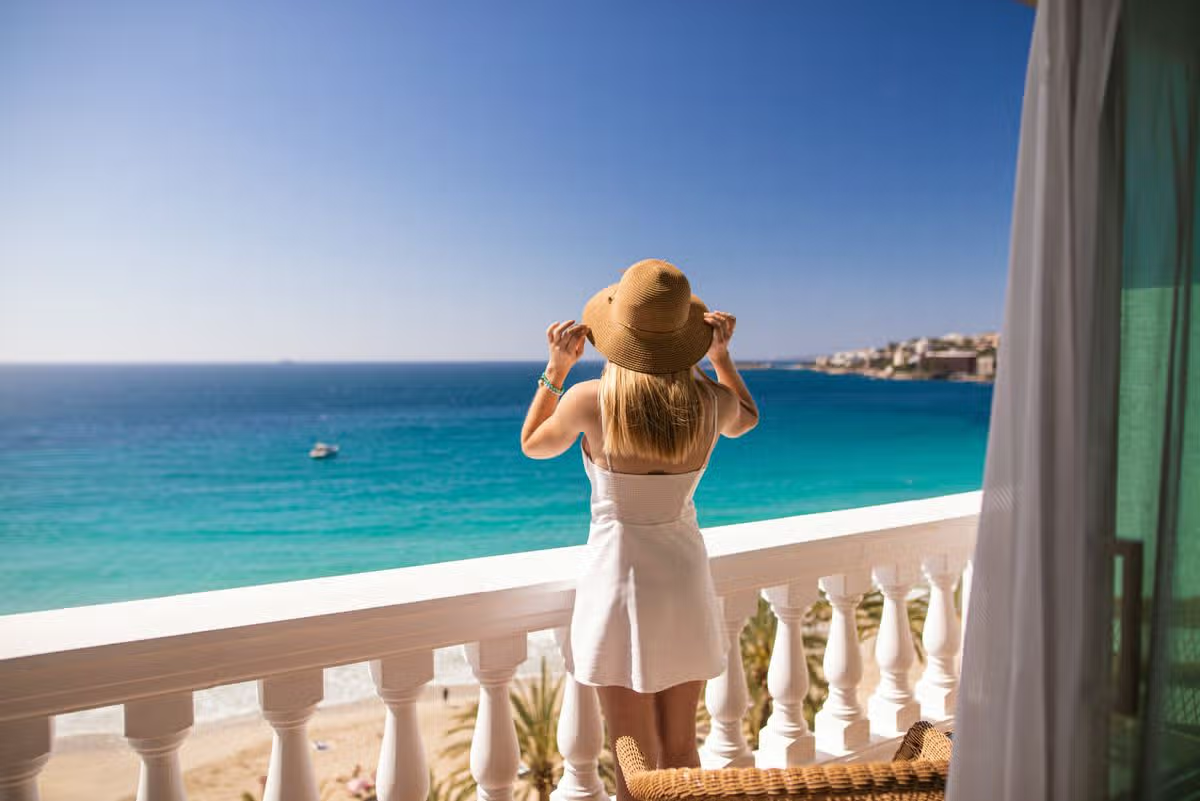
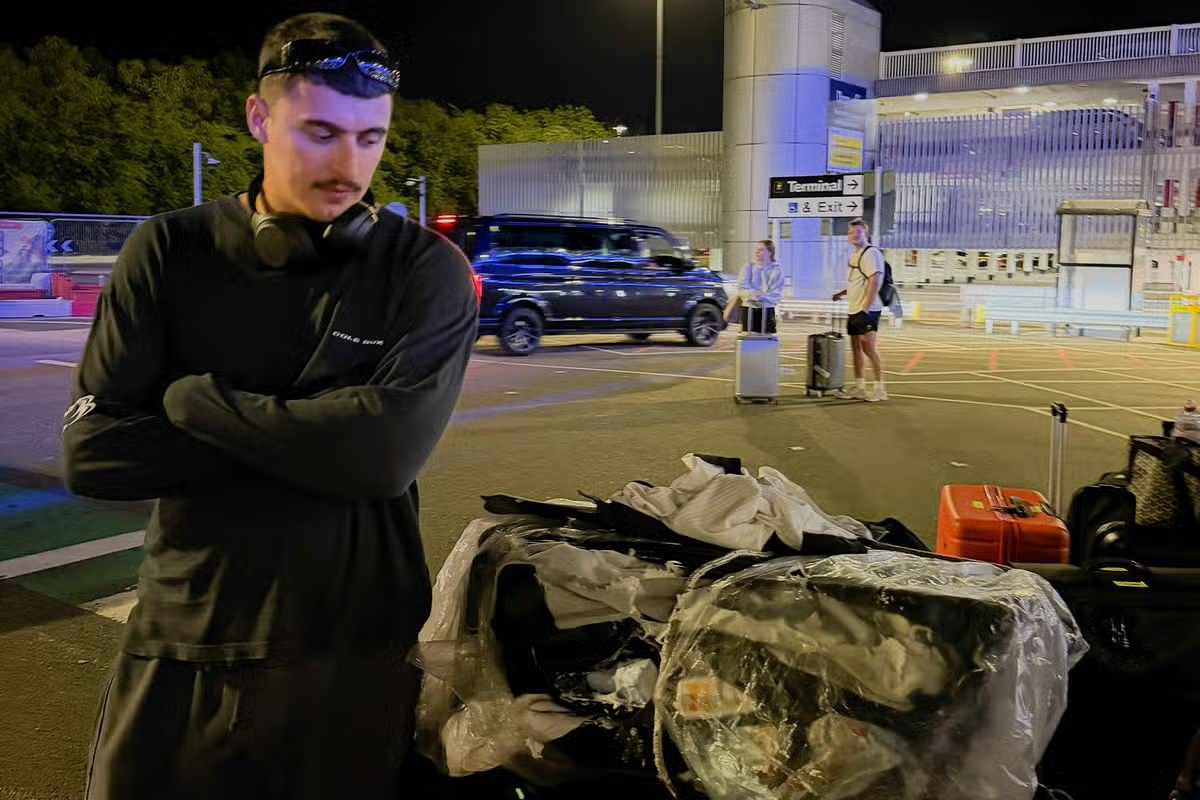
A Brit holidaymaker was left amazed after finding out that the plane he was aboard had driven over his suitcase – ‘completely destroying’ the bag and everything inside it. Louis Maybury, 27, was flying home from Madrid to Manchester Airport after a fortnight’s holiday with his partner when cabin crew woke him up with an unexpected request.
With approximately 30 minutes until touchdown, he was asked to remain on board once the other passengers had disembarked. He was then escorted to the cockpit, where the pilot delivered the unwelcome news: his luggage had been run over by the aircraft back in Madrid.
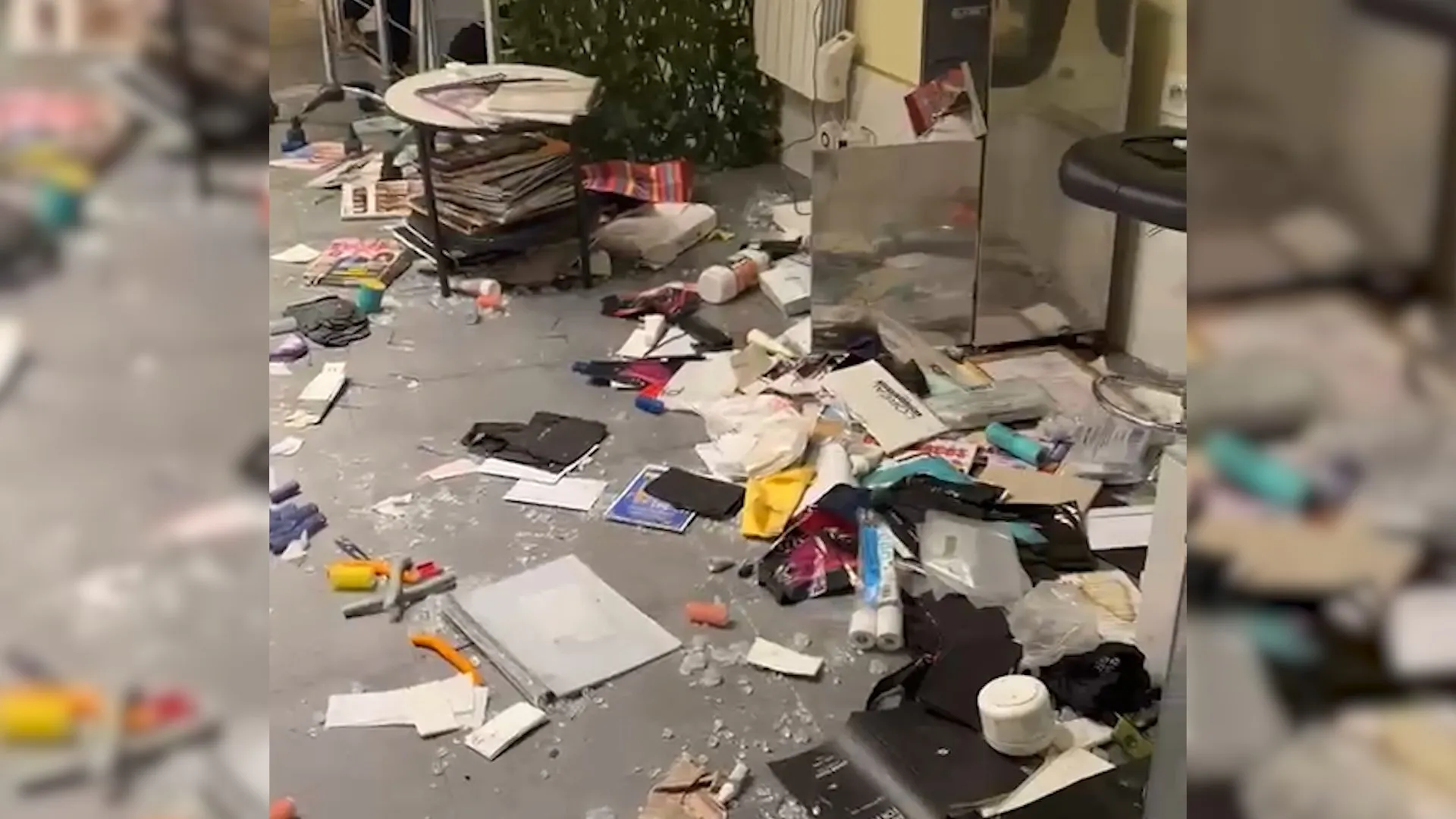
Louis could do nothing but watch in disbelief as his mangled suitcase appeared on the baggage carousel, containing what he claims was around £5,000 worth of belongings. His partner filmed the moment the battered bag was handed back to him in tatters on 11 July.
Louis, from Manchester, said: “I was extremely upset by the situation. I had packed two full weeks’ worth of belongings, including everything I needed for my trip.
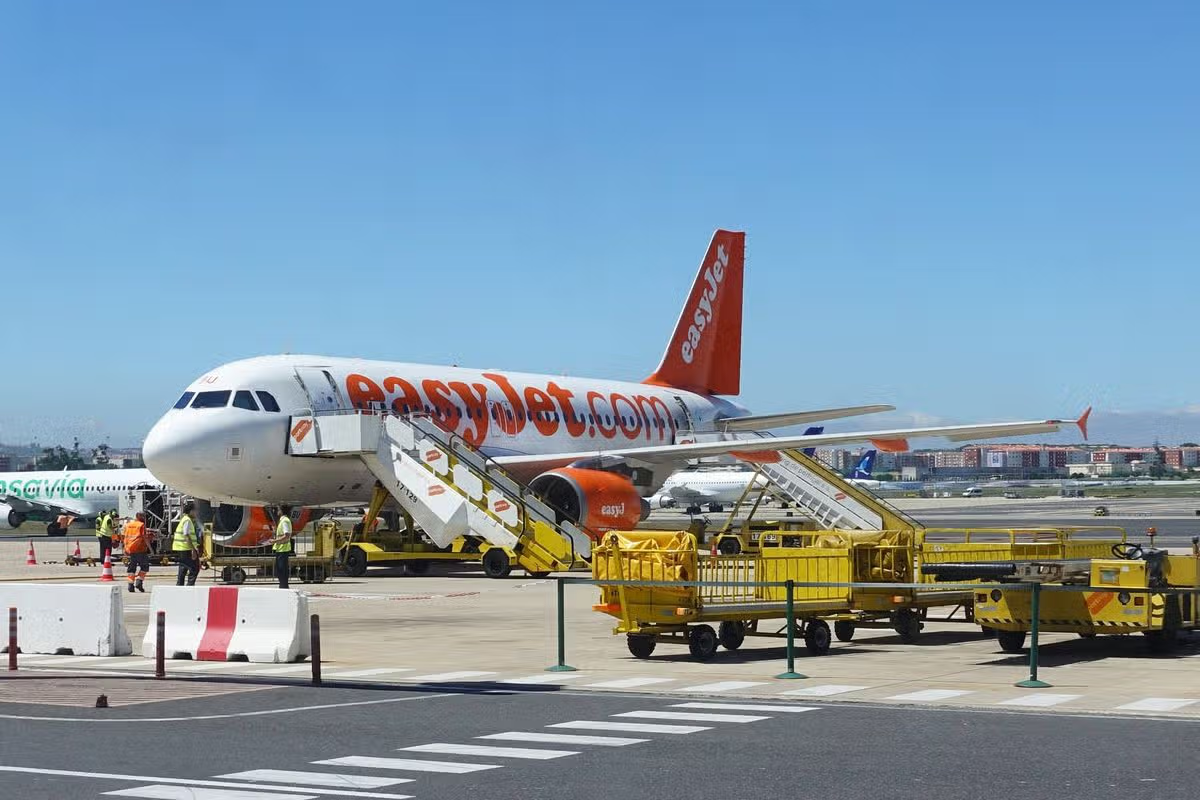
“Unfortunately, all of my belongings were destroyed.” EasyJet staff informed Louis that his suitcase had been run over on the tarmac at Adolfo Suárez Madrid-Barajas Airport, resulting in a two-and-a-half-hour delay.
Since then, he has been engaged in a dispute with the airline over compensation for his possessions, which he valued at £5,000. Among the damaged items were a Burberry bag worth just over £1,000, an Invisalign retainer costing £500, and three Acne Studios shirts valued at roughly £300 each.
He said: “I was eventually left with no choice but to accept the minimum compensation offered and try to recover the remaining losses through my own insurance. Everything was destroyed, included a designer bag, four pairs of shoes, expensive chargers and an Oral B Toothbrush.”
An easyJet spokesperson said: “We’re very sorry that Mr Maybury’s luggage fell from a baggage cart and was damaged by an aircraft as it was coming onto stand. Safety is our highest priority and our engineers subsequently carried out an inspection of the aircraft and cleared it for departure.
“We know how important it is for customers to feel confident that their belongings are well cared for when travelling with us, so we investigated this with our ground handling providers in Madrid at the time and contacted Mr Maybury to apologise for his experience and provided him with the compensation he is due.”
‘I have nothing left.’ Small business owners in Paris say they are traumatised after rioters looted their shops. With more protests expected across France on Saturday, Al Jazeera’s Virginia Pietromarchi speaks to shopkeepers fearing further destruction.
The new strategy shifts the bloc’s focus from long-term climate concerns to urgent security measures.
Published On 20 Oct 202620 Oct 2026
The European Commission has unveiled a new Arctic strategy for the European Union that lists security and resilience first among four priorities, alongside climate change, economic prosperity and opportunities for Arctic communities.
The strategy calls for a new maritime security hub to help member states and partners share information and monitor maritime activity in the Arctic, the Commission said on Tuesday.
Recommended Stories
list of 3 itemsend of list
The hub would later expand to track shadow fleet vessels, detect illegal fishing and pollution, and improve search and rescue coordination.
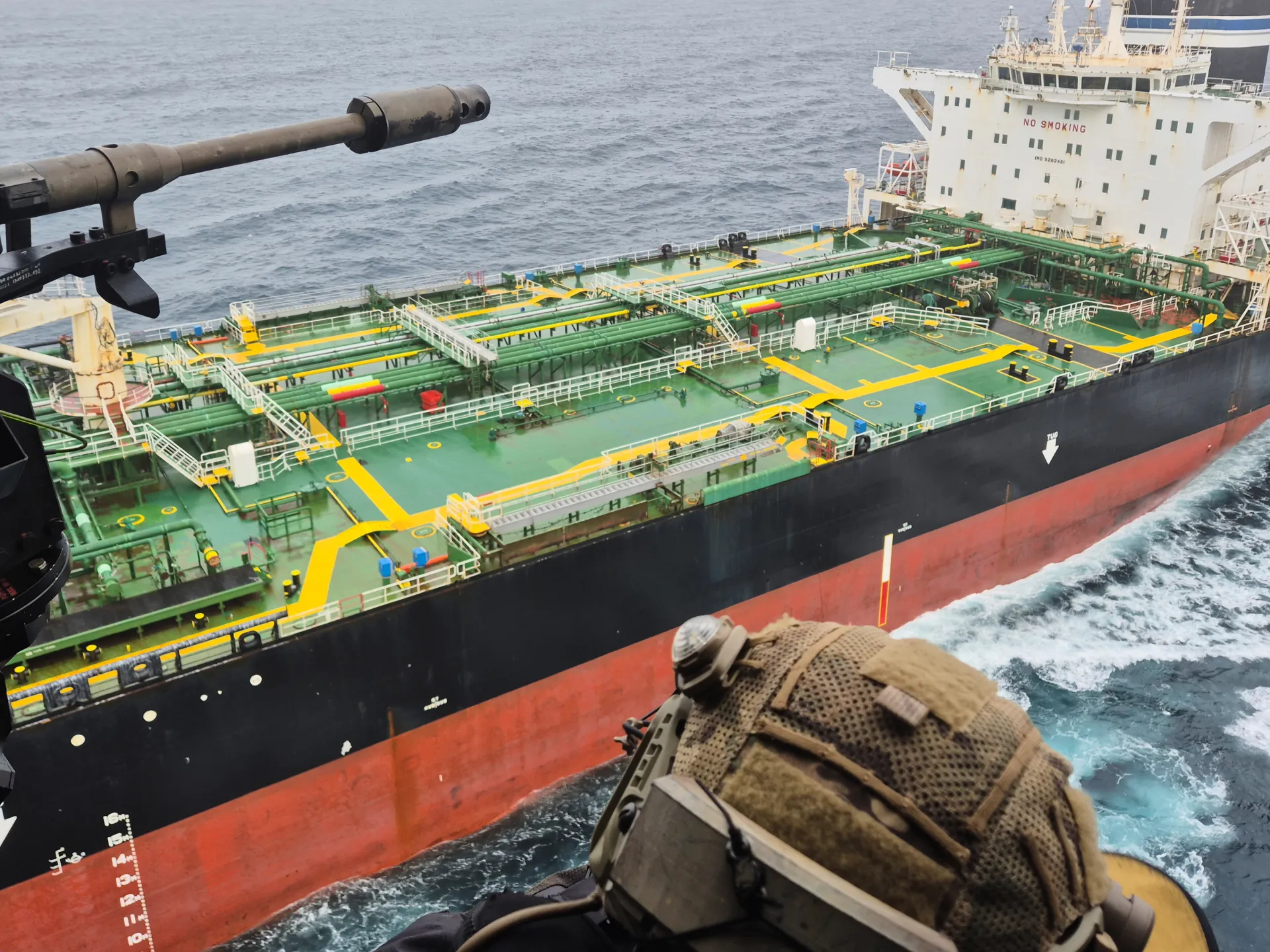
The Commission also said the EU will work to expand European icebreaker capacity. Icebreakers are specialised vessels designed to navigate ice-covered waters by breaking up sea ice and maintaining safe shipping routes.
“The Arctic is one place where the tectonic plates of geopolitics are colliding,” European Commission President Ursula von der Leyen said, adding that sovereignty and territorial integrity can no longer be taken for granted.
EU foreign policy chief Kaja Kallas said Russia is expanding its military footprint in the high north, citing drone incursions, GPS jamming and cable sabotage, the AFP news agency reported.
Cutting reliance on Washington
Several measures appear aimed at reducing dependence on the United States. The Commission said the EU will back a strategic pan-Arctic fibre-optic telecommunications cable project linking Greenland directly to Europe. It is part of a wider plan that would also connect Canada, Japan and South Korea.
The EU will also provide secure satellite connectivity for government communications through the IRIS² constellation, a constellation AFP said is meant to rival US tech mogul Elon Musk’s Starlink.
The shift follows US President Donald Trump’s repeated demands to take control of Greenland, a Danish autonomous territory. Although his tone has softened this year, with a security deal signed with Greenland and Denmark, many in Europe remain wary, AFP said.
Member states press for action
The strategy follows last month’s meeting of leaders from 12 countries, including Germany, France, Finland and Denmark. Member states urged the EU to take a more strategic and proactive role, according to a joint statement.
Participants identified Russia as the largest threat while noting the ambitions of China and the US.
At the meeting, German Chancellor Friedrich Merz said the era of “high north, low attention” was over. Finnish Prime Minister Petteri Orpo called Russia the most significant long-term threat and said the EU must treat the Arctic as a strategic frontier.
The Commission reiterated the EU’s position remains that oil, coal and gas should stay in the ground, including in the Arctic.
To combat increasing climate concerns, the Commission pledged to “strengthen climate research, observation and monitoring to better understand these changes and support effective responses”, while working in tandem with the people who live and work in the Arctic.
Hundreds of thousands of Europeans took to the streets for separate demonstrations putting pressure on governments across the EU.
Published On 17 Oct 202617 Oct 2026
Hundreds of thousands of Europeans have taken to the streets in separate, uncoordinated demonstrations to protest against the rising cost of living in their countries.
Saturday’s protests were in Belgium, France, Italy and Portugal in a wave of unrest that has put pressure on national governments across the European Union.
Recommended Stories
list of 3 itemsend of list
France experienced one of its most turbulent days of protests in decades, with over 550,000 people joining demonstrations and police facing off with protesters across the country – but it was not the only country to see significant demonstrations.
In Belgium’s capital Brussels – which has already seen weeks of protests by students against university registration fees – police fired tear gas and water cannon to disperse protesters, who they accused of launching missiles at them and setting fires.
In Liege, a smaller city east of Brussels, police also deployed water cannon to break up demonstrations. Police did not say how many people attended.
An estimated tens of thousands of protesters marched in Lisbon, the Portuguese capital, against the cost of living crisis, low wages and an inability to access housing in major cities. House prices in Portugal have more than doubled since 2017, while rents for new leases have increased nearly as much.
Portuguese Parliamentary Affairs Minister Carlos Abreu Amorim said on Friday that the “government will not yield to shouts from the street”.Protesters said their leaders are “out of touch” with the problem.
In Milan and Bologna, Italian police reported that, alongside peaceful cost of living rallies, protesters threw stones and clashed with officers.
Italian media reported several injuries and arrests.
Portuguese demonstrators in Lisbon set up tents to protest against the housing shortage, soaring rents and low wages [Filipe Amorim/AFP]
French protests spill over
None of the protests reached the same scale as the nationwide rallies in France but they may be a sign of spilling over into other European nations, according to Alberto Alemanno, Professor of EU Law & Policy at HEC Paris business school.
“France is the epicentre of this movement … and there are signs now that this is spreading beyond France,” Alemanno told Al Jazeera.
He said Saturday’s protests may not be the last in many of these countries and new hotspots could emerge.
In Greece, Germany, and Austria, the “early stages” of a movement is emerging, with mobilisation expected “in the coming week”, he said.
They are not a single movement, he explained, but several protests happening at the same time, with some “shared grievances”: underfunded education, rising costs and, for students, uncertain prospects after graduation.
The unrest comes at a crucial time for Europe, as the continent prepares for what Alemanno called an “unprecedented super-cycle of national elections” in the coming 12 months, with votes scheduled in Spain, France, Italy and Poland.
“Inevitably, all these protests, all these mobilisations, are going to be at the centre of the political conversation,” Alemanno said.
Riot police fire water cannon during a youth protest in Brussels [Nicolas Maeterlinck/AFP]
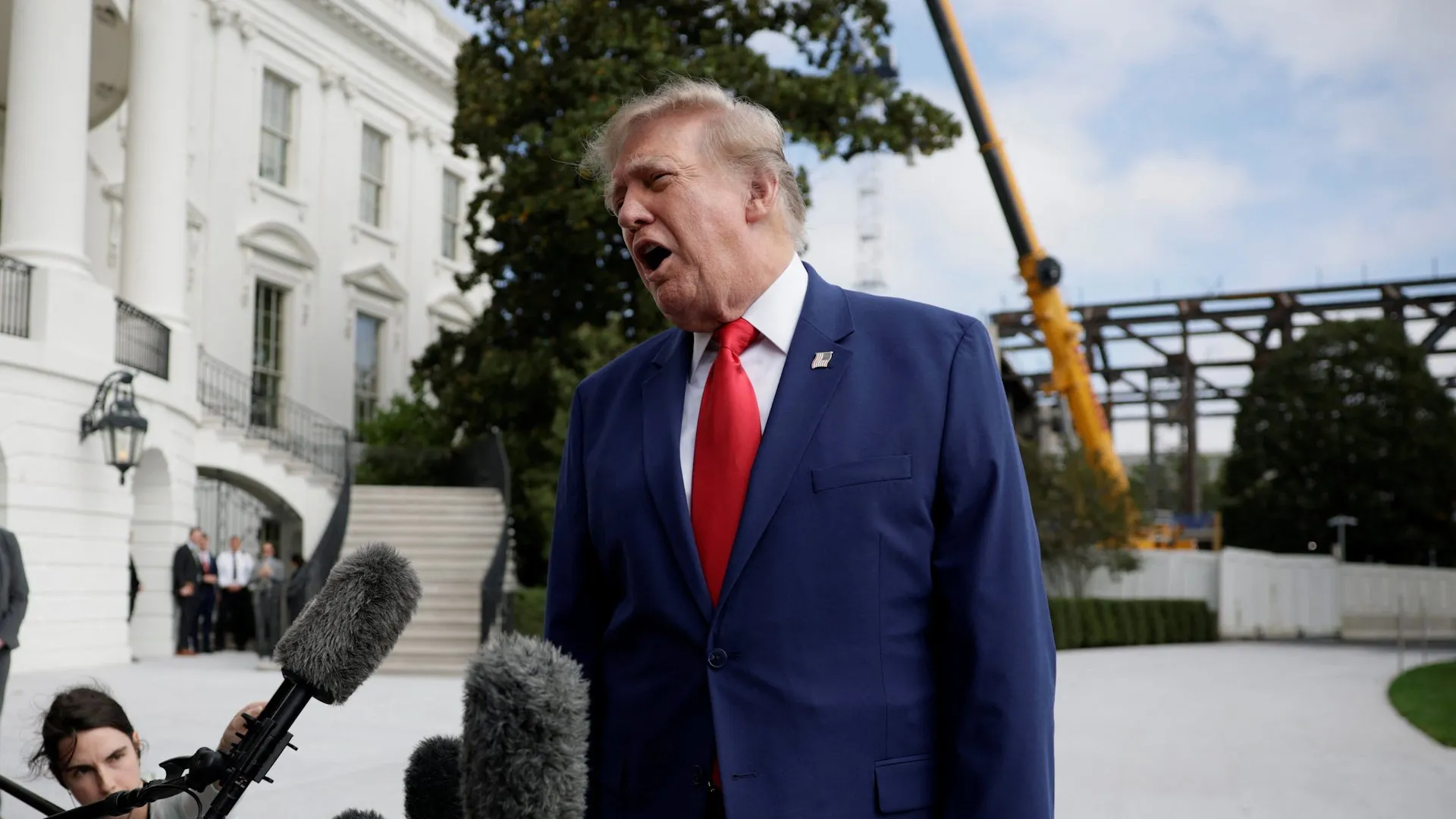
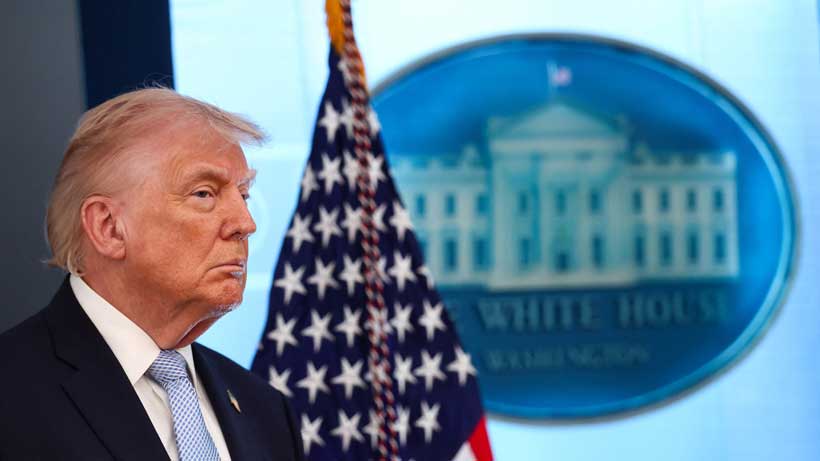
United States President Donald Trump has signed an executive order waiving newly-passed Russia sanctions, claiming the move is in the US’s “national interest”.
Earlier this month, Trump also announced a deal to bring stocks of Russian diesel into global markets, in a bid to drive down energy prices that have spiked during the US-Israel war on Iran. The US Treasury waived sanctions on Russian diesel sales until April 2027.
Trump’s embrace of Russian energy has angered Ukraine, European partners and many US officials, who say the move rewards Moscow while it continues its four-and-a-half-year war against its neighbour.
Ukraine’s President Volodmyr Zelenskyy slammed Trump’s diesel deal as “a gift” to Russia’s President Vladimir Putin that will help fund his war effort.
While European countries have also criticised Trump’s embrace of Russian energy, the US president has accused them of “hypocrisy”, as figures show that European Union countries continue to import Russian gas.
Here’s what we know:
Which sanctions has Trump waived?
In his executive order on Friday, Trump called off numerous planned Russia-related sanctions days before they were due to take effect, including duties on Russian goods and penalties for buying the country’s oil and gas.
The now-blocked measures were part of legislation passed in Congress with bipartisan support last month, named after the late US Senator Lindsay Graham, an outspoken critic of Russia.
They would have included up to 100 percent tariffs on all goods brought into the US from the five top importers of Russian crude oil or gas, including China and India. They could also have imposed equal penalties on countries deemed to have knowingly bought oil or gas from Russia 30 days after the law’s implementation, or to be among the top five countries helping Moscow circumvent sanctions on sales of its oil.
The waiver will hold until the Trump administration believes “further action is appropriate”, according to the executive order.
US Congressman Don Beyer, a Democrat from Virginia, said the sanctions waiver amounts to a “surrender to Putin” that “betrays our Ukrainian partners and defies clear congressional intent”.
Who will benefit from this?
Vasily Astrov, an economist at the Vienna Institute for International Economic Studies, told Al Jazeera that the Russian government will likely be the greatest beneficiary because the easing of sanctions means Russian oil will not have to be further discounted.
He estimated that about 60 cents of every extra dollar in the price of a barrel of Russian oil would “end up in state coffers”.
Russian official Kirill Dmitriev, an envoy for Putin, hailed the US decision to waive the sanctions as “an important and truly historic moment”.
Other beneficiaries include major importers of Russian oil and gas, such as China and India, who are now less exposed to the risk of secondary US penalties.
While Trump hopes the measures will also help bring down oil prices for US consumers before November mid-term elections, experts say that is less certain.
Addressing the US’s recent diesel deal with Russia, EU economy chief Valdis Dombrovskis said it is unlikely to have a significant impact on global prices.
According to Trump, that deal would bring 300,000 tonnes of diesel fuel into US and global markets “immediately”, followed by 500,000 tonnes in November, and 1 million tonnes afterwards.
“If we look at the volumes, they are not of any macroeconomic significance, and frankly, there are strong doubts whether Russia is even able to supply those volumes, and according also to US quality standards, those are big question marks,” Dombrovskis told the AFP news agency.
Which countries still buy oil from Russia?
China and India are the largest buyers of Russian crude oil, purchasing 6 billion euros ($6.74bn) and 3.6 billion euros ($4.04bn) worth respectively in September, according to the Centre for Research on Energy and Clean Air (CREA), a nonprofit think tank.
Hungary and Slovakia, the landlocked EU members that have exemptions to the bloc’s ban on Russian crude, also remain big customers, buying a combined 290 million euros ($326m) worth of the commodity in September, said CREA. Turkiye imported 172 million euros ($193m) worth of Russian crude oil the same month, the think tank added.
Since the end of 2022, the largest importers of Russian oil products, which include diesel, have been Turkiye, China, Saudi Arabia, Brazil and Singapore.
Saudi Arabia imported the most Russian oil products in September at 534 million euros ($600m), followed by Turkiye with 321 million euros ($361m), China with 304 million euros ($342m) and India with 161 million euros ($181m).
Is Europe buying increasing amounts of gas from Russia?
“The European Council regrets the United States’ decision to temporarily lift sanctions on Russian diesel,” European leaders said in a joint statement adopted following a two-day European Council meeting in Brussels this week.
But despite its own near-blanket ban on Russian oil, the EU has continued to import large quantities of Russian gas, though it plans to phase out those imports next year.
Urgewald, a Germany-based group that researches coal companies, reported this week that more than 12 million tonnes of Russian Arctic LNG was transported into EU ports from January to September this year, a 9.5 percent jump from the same period last year.
In September, EU countries imported 817 million euros ($918m) of pipeline gas, and 615 million euros ($691m) of liquefied natural gas (LNG), according to CREA.
EU members France and the Netherlands were the largest LNG importers, bringing in 446 million euros ($501m) and 116 million euros ($130m) respectively, according to the think tank. France’s LNG imports represented a 103 percent increase from the previous month, it added.
France’s President Emmanuel Macron has been among the most outspoken about Trump’s diesel deal with Russia, saying on Friday that it “sends a negative message” and would have no impact on global prices.
Hungary imported the most Russian pipeline gas of any EU member by far during the month, with 414 million euros ($465m) worth. Slovakia and Bulgaria brought in 161 million euros ($181m) and 132 million euros ($148m), respectively, according to CREA data.
US President Donald Trump has waived more sanctions on Russia in a bid to ease energy prices, leading to a chorus of condemnation from Ukraine and EU allies. The executive order comes as the rift between Trump and Ukraine’s Zelenskyy widens.
Riot police clash with protesters for fourth day, as young Albanians protest corruption and poor university conditions
Published On 16 Oct 202616 Oct 2026
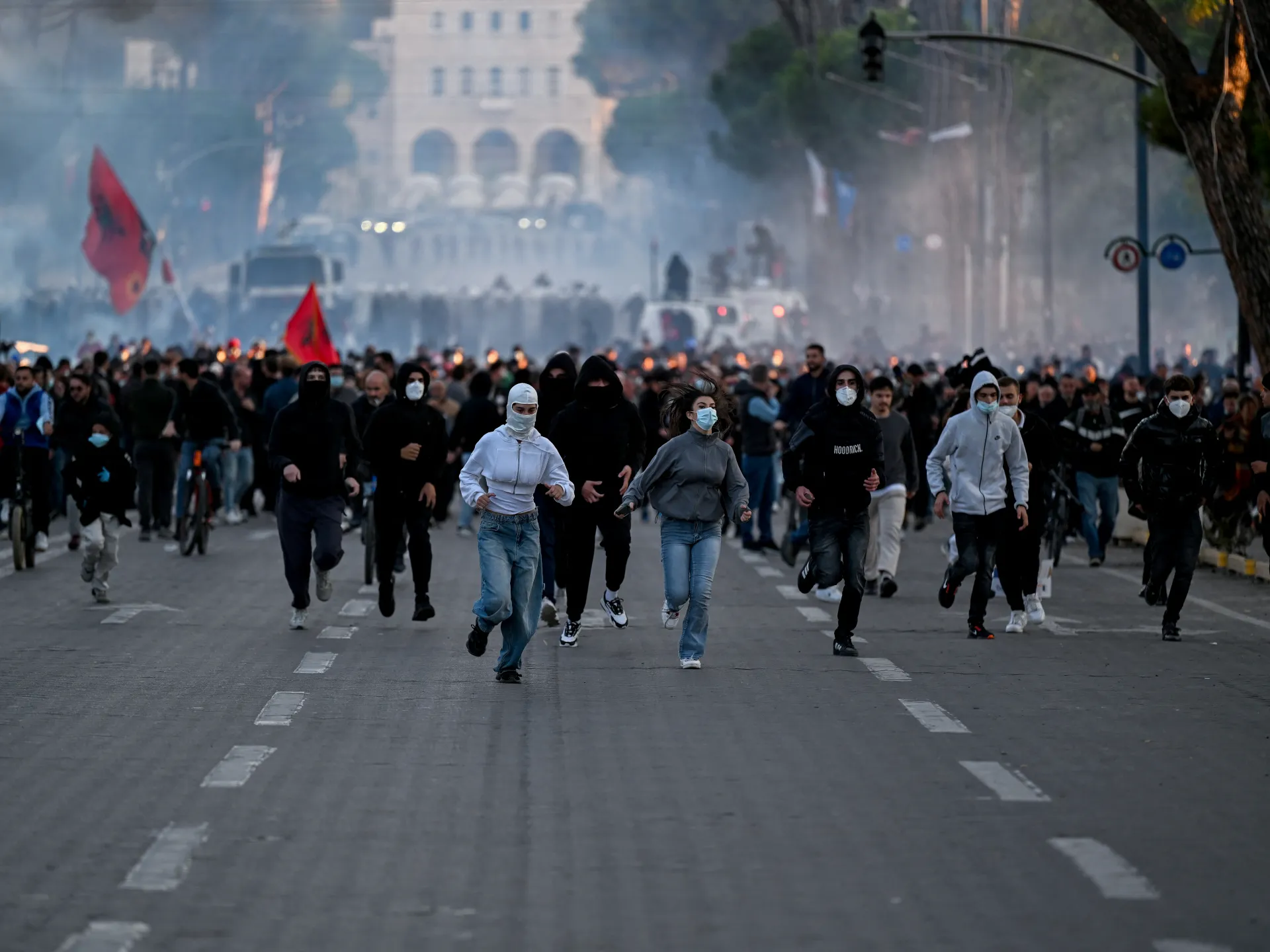
Albanian Prime Minister Edi Rama has blamed “foreign hands” for the increasingly violent student-led protests that are calling on him to resign.
Riot police clashed with protesters outside the education ministry for the fourth day in a row, as thousands of young Albanians marched through the capital, Tirana, on Friday to protest government corruption and poor university conditions.
Recommended Stories
list of 3 itemsend of list
“This is not a student phenomenon,” Rama said in a video address on Friday. He said there were “foreign hands that do not wish for Albania to be at peace”.
Rama insisted that the protest had “absolutely nothing to do with the hardships, problems or legitimate aspirations of anyone who desires a better life”.
Police officers used water cannon and tear gas as demonstrators hurled rocks.
The protests have spread beyond the capital to Elbasan, Shkodra and Korca, where demonstrators broke windows and set fire to rubbish bins, local media reported.
The ongoing escalation follows months of mostly peaceful demonstrations, originally sparked by the sale of part of Albania’s coastline to a luxury resort development linked to Jared Kushner, US President Donald Trump’s son-in-law.
Days of unrest have increasingly targeted banks and government buildings. Protesters hurled bricks and concrete blocks at the education ministry on Tuesday. They also set fire to several buildings across the city, including the prime minister’s office, the finance and justice ministry buildings and branches of several banks.
According to a police statement, 160 people were detained over alleged acts of violence on Thursday evening.
The EU question
Demonstrators are demanding Rama’s resignation, as well as electoral and education reforms.
The prime minister, whose government denies corruption, said he would be ready to discuss rising education costs but rejected the calls to resign.
He said on Thursday, “My responsibility is to listen, address legitimate concerns and keep Albania moving forward.”
His dismissal “would be a betrayal of the Albanians who gave me a strong mandate to complete negotiations on European Union membership”, he added.
Corruption scandals have complicated Albania’s efforts to join the EU. Analysts say the country is a hub for gangs seeking to launder money from drugs and weapons trafficking.
Rama won a fourth term last year on promises to take Albania into the EU, aiming for membership as early as 2028.
Ukraine president earlier said Kyiv was ‘done’ with energy ceasefire and strikes on Russian oil refineries would resume.
Published On 15 Oct 202615 Oct 2026
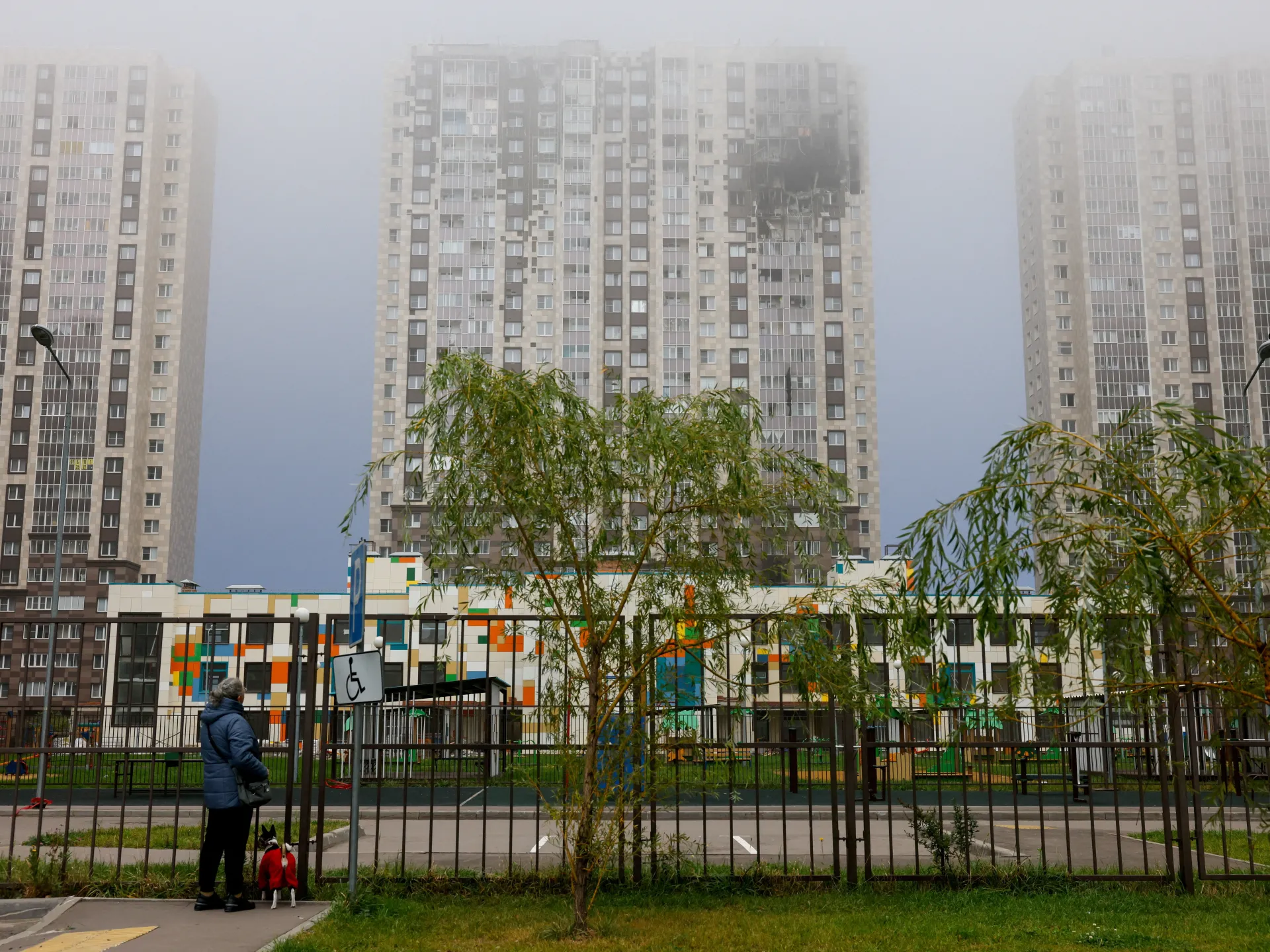
Russia says Ukraine has targeted an oil refinery in Ryazan, about 180 kilometres (110 miles) south of Moscow, as President Volodymyr Zelenskyy said Kyiv was “done” with an energy ceasefire unilaterally announced by United States President Donald Trump over the weekend.
“The Kyiv regime attempted a large-scale attack on an oil refinery in Ryazan,” Moscow’s defence ministry said in a statement on Thursday, adding that a “fire broke out after drone debris fell onto the refinery site.”
Recommended Stories
list of 3 itemsend of list
Ukraine’s president earlier told the British newspaper the Financial Times that strikes on Russian oil refineries would resume, and accused the US of weakening Ukraine’s position on the battlefield by allegedly withdrawing crucial intelligence sharing.
Trump on Sunday unilaterally announced an “energy ceasefire” that was not publicly confirmed, and Moscow continued striking Ukrainian energy infrastructure. Ukraine said it suspended attacks on Russian energy sites for several days after Trump’s announcement.
The US has pressured Ukraine to halt strikes on Russian refineries, claiming that a suspension of attacks and a deal to purchase 1.8 million tonnes of diesel from Russia would help reduce soaring fuel prices.
“This politically is not simple [in America], because everybody will want to ask how it can be when some people are surviving, fighting, dying – and you make . . . business with the guys with such aggression,” Zelenskyy told the FT.
Zelenskyy also alleged that Ukraine’s access to SpaceX’s satellite internet service was restricted, potentially leaving it more vulnerable to Russian attacks. The Ukrainian armed forces use SpaceX’s military-grade Starshield system for offensive and defensive operations.
In a post on X on Wednesday evening, SpaceX owner Elon Musk said that only the US military and Trump had the authority to limit Starshield’s usage and speed for clients.
In a separate post, he called for Zelenskyy to “go” as Ukraine’s leader.
“And so the slaughter continues,” Musk wrote in a separate post on X. “Time for Zelensky to go.”
Ukraine is heavily dependent on Western military aid in its fight against Russia, particularly from the US and Germany. However, Kyiv’s relations with Washington have been strained in recent weeks, with Trump calling on Saturday for Zelenskyy to be replaced.
Against this backdrop of tensions, Zelenskyy said he would be willing to pause strikes on Russian energy sites again, but only if the US supplied Ukraine with crucial Patriot interceptors.
Zelenskyy is due to meet European leaders in Brussels on Thursday as he pushes for tougher sanctions on Moscow and faster delivery of support from the European Union.
Dutch Prime Minister Rob Jetten has called on EU leaders to “step up” their game to ensure Ukraine wins the war against Russia.
The EU has already pledged $50 billion in support for Ukraine next year. However, the sum falls far short of the $175 billion Kyiv plans to spend on its defences next year.
Trump has denied that the US has stopped sharing intelligence with Ukraine.
UK Prime Minister Andy Burnham says renegotiating relationship with the EU could reverse some post-Brexit ‘damage’.
Published On 12 Oct 202612 Oct 2026
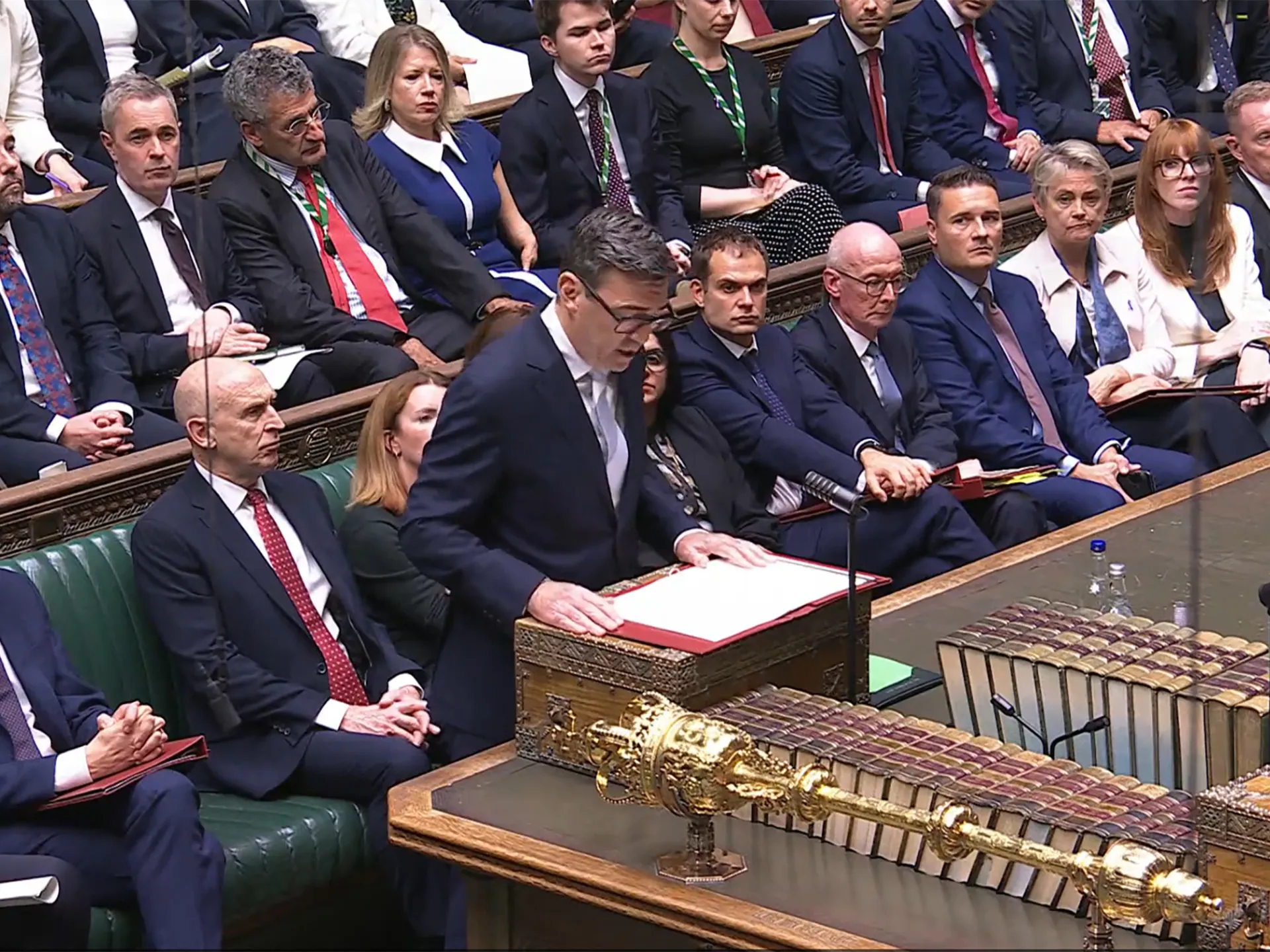
UK Prime Minister Andy Burnham has pledged to push for closer relations with the European Union, confirming he will attend a bilateral summit in Brussels next month.
Addressing parliament on Monday, Burnham said parts of the trade deal agreed with the EU after the UK voted to leave in 2016 would be renegotiated.
Recommended Stories
list of 3 itemsend of list
Burnham said that the British public would be “the boss” at every stage of renegotiating Britain’s relationship with the EU and that he wanted “serious dialogue” about long-term ties.
He told members of parliament that his focus at the summit would be boosting growth in the economy and controlling illegal immigration.
Among the topics of discussion at November’s summit are cutting bureaucracy for British food exports and emissions trading, as well as a “new youth experience scheme” and deeper cooperation on immigration.
The prime minister, who came into office in July, said the agreements could reverse some of the “damage” done to the post-Brexit British economy.
He told MPs that Britain needed to “take a calm, clear-eyed look at the world as it is today”.
“Sticking to the status quo is not good enough,” he said, adding that “public opinion currently supports a pragmatic approach like the one I am suggesting”.
After his address, the leader of the opposition, Kemi Badenoch, said Burnham would be unable to secure a better deal as the EU was ” tough negotiators” and warned that he had already “shown his hand”.
The claim marks the first time a UK prime minister has publicly acknowledged Russia’s interference in the vote to leave the EU.
Published On 12 Oct 202612 Oct 2026
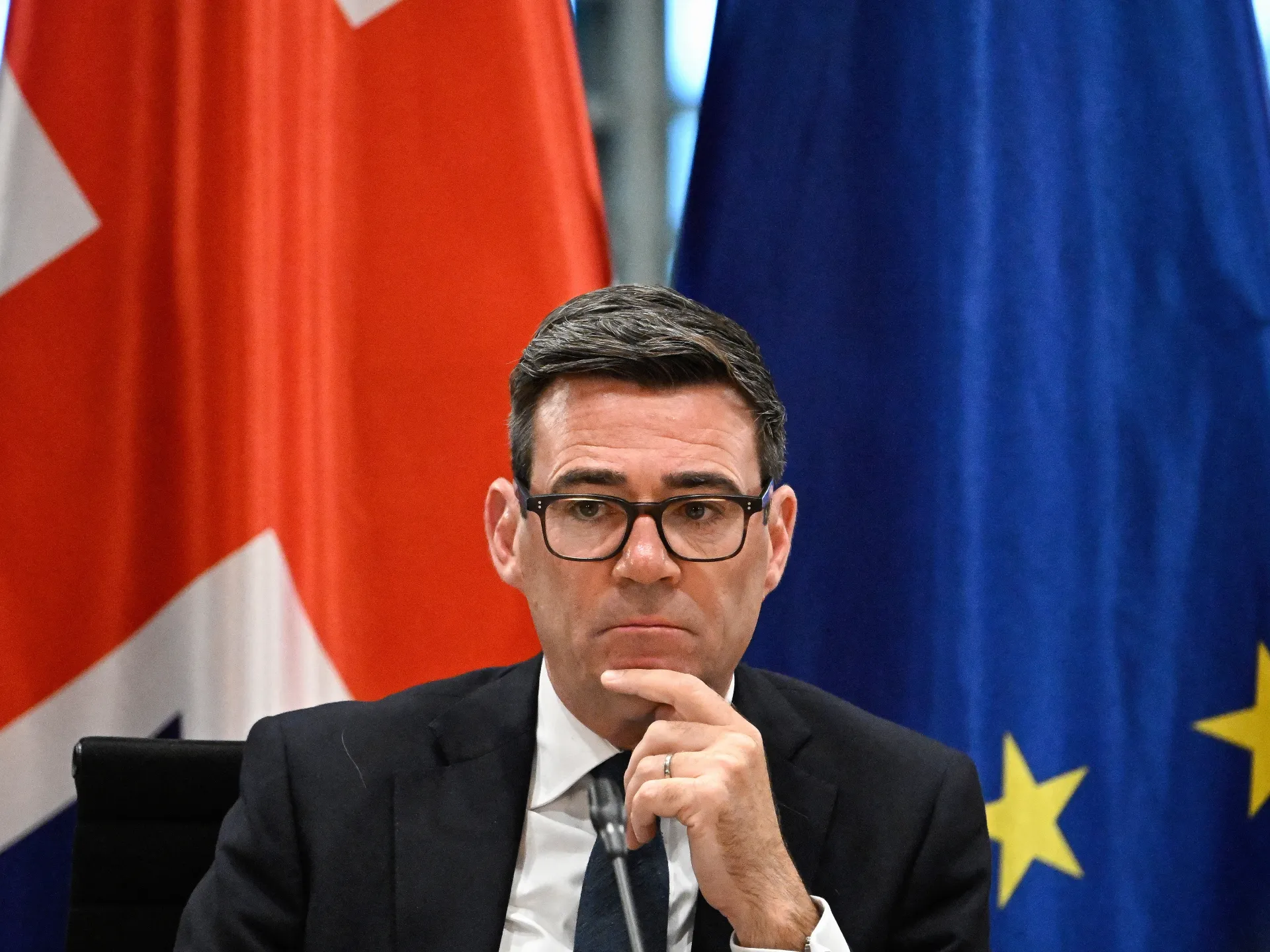
UK Prime Minister Andy Burnham has said it is “clear” that Russia interfered in the country’s 2016 Brexit vote, warning French and German voters of the same threat.
“I asked the question coming to Downing Street: Was there interference in the 2016 referendum from Russia? And I’ve had the clear answer that yes, there was,” Burnham said in an interview with The Rest Is Politics podcast released on Sunday.
Recommended Stories
list of 3 itemsend of list
Burnham’s comments mark the first time a UK prime minister has publicly acknowledged that Russia interfered in the UK’s vote to leave the European Union. Burnham did not provide evidence for or details on the claim.
He said that “these things are important now to put clearly on the record, and, I believe, help voters in Germany and France understand that some of this politics is instigated via our enemies, namely Russia.”
Burnham said he spoke with German Chancellor Friedrich Merz about possible links between Russia and the far-right Alternative for Germany party when the two leaders met last week in Berlin.
In his address to the United Nations General Assembly in September, Burnham also condemned Russia’s attempt to interfere in the UK’s 2019 general election.
According to a 2020 report by Parliament’s Intelligence and Security Committee, the UK government had failed to ask for a deep assessment of Russia’s interference in the 2016 referendum. The report did confirm that Russia had meddled in the 2014 Scottish independence referendum, however.
Russia has repeatedly denied meddling in Western democracies or interfering in another country’s elections or referendums, casting the UK as being gripped by “anti-Russian hysteria”.
UK reconsiders Brexit
Last month, Burnham argued that the UK should reconsider options for a future relationship with the EU, including rejoining the bloc, reigniting the decisive debate more than a decade after the historic vote.
He said that the UK’s departure from the bloc had failed to fulfil Brexit supporters’ pledge of “taking back control”, and instead has made the UK weaker economically and on immigration.
From this month the new rule will start coming in at all UK airports with it fulling in force by early 2027
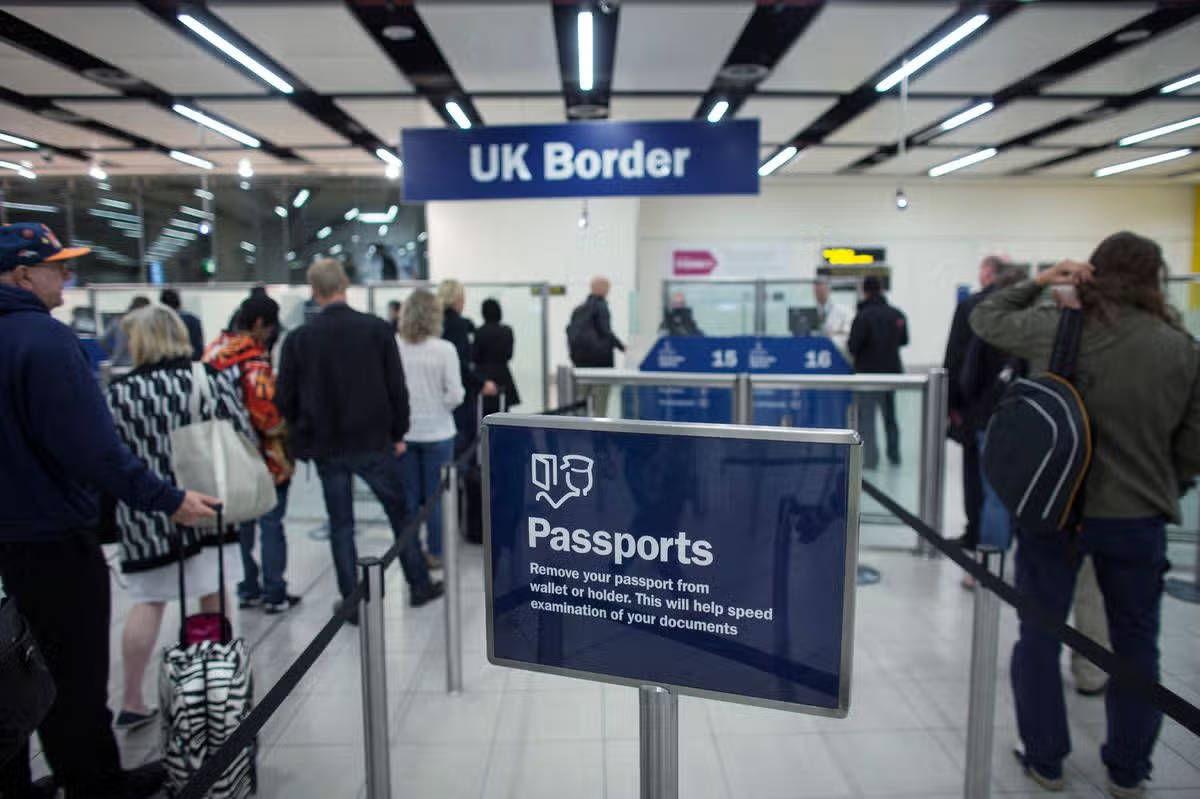
Passengers arriving in the UK will be able to pass through e-gates without showing their passports(Image: Getty Images)
Anyone with a passport has been warned of a major change for all travellers – coming in early 2027. People who may hve been hit by delays getting back into the UK and tryin to use an eGate has been told of the rule change.
From early 2027, passengers arriving in the UK will be able to pass through the gates without showing their passports, according to the Home Office. East Midlands Airport became the first to offer the new system this week, which uses facial technology to scan passengers on approach.
After taking a photo, the system checks the passenger against verified immigration, travel and passport information. The gate then opens automatically once the checks are complete, meaning passengers do not need to place their passport on the e-gate reader.
If further checks are needed, travellers will need to put their passport on the reader or may be directed to a Border Force officer. After opening at the Leicestershire hub, the Home Office said all UK airports will have contactless e-gates by early 2027. Passengers must still carry their passports, though.
Here’s how it works:
passengers approach an eGate and have their photo taken
the system checks this live image against verified immigration, travel and passport information
the eGate opens automatically once these checks are complete
The system uses state-of-the-art facial technology to verify a passenger’s identity before the UK’s robust border security checks are carried out in full. Legitimate travellers can then simply walk through, without needing to place their passport on the eGate reader.
If further checks are needed, passengers will need to place their passport on the reader or may be directed to a Border Force officer, as happens today. Border Force officers will continue to monitor all eGates offering assistance, and passengers should keep their passport with them at all times.
Testing shows the new contactless system is up to 25% faster than using a passport on an eGate.
The phased rollout starts at East Midlands Airport, initially for British citizens, before expanding to more airports and other nationalities already eligible for eGates over the coming months.
Phil Douglas, Director General of Border Force, said: “This is a win for travellers coming to our brilliant country. By using state-of-the-art technology, we are making journeys smoother and faster, all while fully maintaining the UK’s robust border security.
“Our digital transformation also builds on our work this summer to extend eGates to children aged eight and above, making life a little easier for families.
Karen Dee, chief executive of AirportsUK, the trade body for UK airports, said: “This will be excellent news for the passenger and demonstrates how UK airports continue to be at the forefront of new technologies to keep our borders safe, while improving the travelling experience.
“It is vital that we have the fast, efficient borders that arrivals into the UK now expect, and we will work closely with our members and government officials to ensure a smooth rollout.”
Chris Wilson, Head of Terminal & Capacity Planning at Birmingham Airport, said: “We’re pleased to be one of the first airports in the UK to introduce UK Border Force’s contactless eGates.
“Working closely with our industry partners and government agencies, we have actively supported the rollout of the new UK Border Force system here at Birmingham Airport.”
Customers arriving into the UK will benefit from this new speedier and smoother arrival through the border. Millions of people already use eGates every year – the fastest way for legitimate travellers to enter the UK. This marks the latest step in the government’s efforts to modernise the UK border, delivering on the Immigration White Paper.
Earlier this year to e-gates at UK airports were expanded to include younger children allowing, children aged eight and nine returning to the UK to use e-gates.
The gates use facial recognition technology to check passengers’ identities against the photo in their passport, which is generally quicker than manual inspections. Children must be at least 120cm tall so they can be seen by biometric scanners, and accompanied by an adult.
Under previous rules, only passengers aged 10 and above were allowed to use the gates, forcing families with younger children to queue for passport booths.
In addition to the 13 UK airports with e-gates, children aged eight and nine are also now permitted to use them at ports in Brussels and Paris, where juxtaposed checks take place.
Negotiators aim to present a proposal to Russia in the coming weeks, meanwhile Putin says resumption of talks unlikely.
Published On 10 Oct 202610 Oct 2026
Russian President Vladimir Putin has said an immediate resumption of peace talks with Ukraine is unlikely, citing drone attacks on Moscow during parliamentary elections last month.
In a phone call with US President Donald Trump on Friday, Putin said Moscow was ready to resume negotiations with Kyiv after the parliamentary elections. However, the drone attacks on the capital made the resumption of trilateral peace talks between Russia, Ukraine and the US unlikely.
Recommended Stories
list of 3 itemsend of list
“By launching a large-scale drone attack on Moscow, other cities and polling stations on the most important day of the elections, and by targeting some people involved in organising the elections, the Kyiv regime has, in reality, interrupted the possibility of an immediate resumption of the negotiation process,” said Kremlin foreign policy aide Yuri Ushakov about the call with Trump.
“As the president said, we will now assess when these negotiations can resume,” he added regarding the trilateral talks.
US Secretary of State Marco Rubio said on Thursday that Russia’s war in Ukraine is at a dangerous stalemate and the United States will keep working towards a deal to end the war.
Ukrainian President Volodymyr Zelenskyy said earlier this week that the country was ready to hold trilateral talks with the United States and Russia this month.
US-Russia diesel deal
Earlier on Friday, Donald Trump announced after the call with Putin that Russia agreed to deliver more than 300,000 tonnes of diesel to American and global markets.
The deal was criticised by US lawmakers, Zelenskyy and European allies.
Zelenskyy called the agreement a “gift to Putin”.
“All that money goes toward the war against people, against Ukraine, against all of us. I believe our team is simply being used as a smokescreen. And that is certainly not fair,” he said in a statement.
In response to the US-Russia diesel deal, a government spokesperson said the United Kingdom would continue to “maintain pressure on Russia through the toughest sanctions regime ever imposed by the UK.”
A British couple were left with a massive £28,000 bill while holidaying in a beautiful Greek island
A mother has vowed never to go abroad on holiday again after massive accident (Image: Kennedy News and Media)
A mother has said she will never go abroad on holiday again after being handed a £28,000 bill. Diane Steadman, 61, was on holiday on the Greek island of Skiathoson September 11 when disaster struck.
To get between the beaches on their £2,200 holiday, Diane and partner Mick Raftery had used quadbikes they’d rented. However, during one short journey between two beaches, the pair claim they were hit by a local car.
The impact from the rear sent both Diane and Mick flying off the road. While Mick came away with a few cuts and bruises, Diane landed heavily, breaking two vertebrae in her back. Diane recalled: “I felt a jump in my back and I don’t remember anything else.”
She added: “All I remember is waking up on the road. He [the car diver] wasn’t watching the road and didn’t have time to slow down. I was in and out of consciousness, I didn’t have the energy to speak to anybody when I woke up. I tried to be strong but I’m so frightened, I feel like I’m going to die.
After being moved by ambulance to a local medical centre Diane, a mother-of-two, was rushed to the mainland for further treatment, all under the belief the whole incident would be covered by her travel insurance.
However, she was shocked to find out that quadbikes weren’t covered by her policy.
What’s more, although she was under intense pain relief, she was unable to afford a £40,000 operation, so had to borrow a massive £28,000 to fly back to the UK via air ambulance on September 30.
As she waits for an operation to fix her back, Diane has paid tribute to her partner but also admitted she does not intend to go abroad again.
She said: “It’s just been one thing after another, I will not be going abroad again, no way. Mick has been brave and tried to put a smile on my face. I’m scared of the operation, everyone is telling me it’s going to be okay.”
Meanwhile Mick has issued a warning of his own pleading with people to make sure they check the small print of their insurance policies so they know what is and isn’t covered to avoid something similar happening to him and Diane.
He added: “Check your insurance before you rent a quad bike. We were mistaken in thinking insurance covered quad bikes too.”
As well as asking people to check their policies, Mick has also set up a GoFundMe to help him and Diane cover some of their costs following the disaster.
Talks will focus on the €1 billion daily deficit and rare earth export restrictions.
Published On 7 Oct 20267 Oct 2026
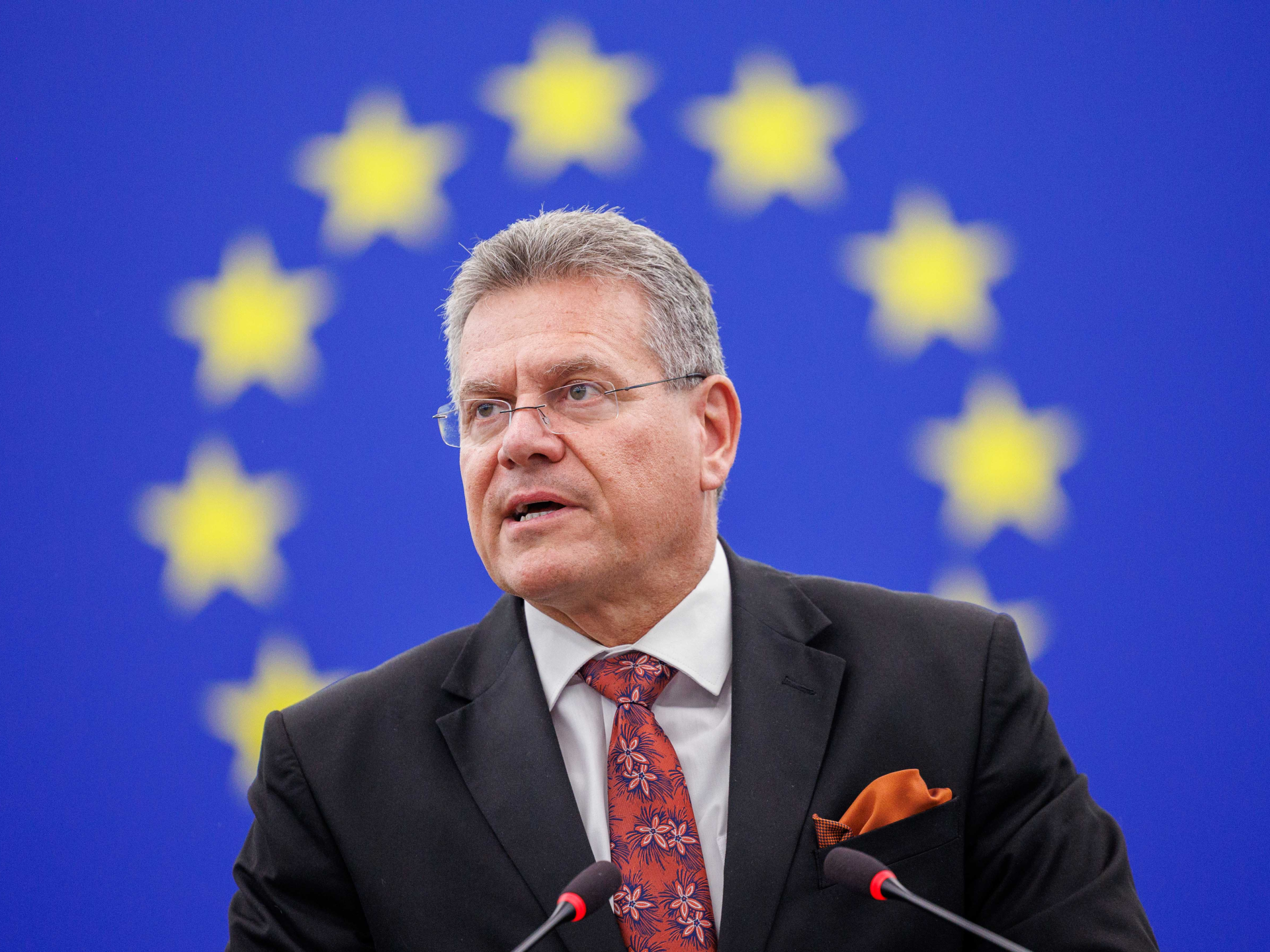
European Trade Commissioner Maros Sefcovic has arrived in Beijing for talks on the European Union’s (EU) growing trade deficit with China.
Sefcovic will meet Chinese Commerce Minister Wang Wentao on Thursday and Friday after months of discussions over the EU’s trade deficit of more than €1bn ($1.12bn) daily, as well as Chinese curbs on exports of rare earths and other critical minerals.
Recommended Stories
list of 3 itemsend of list
Meanwhile, Chinese companies are increasingly challenging Europe’s top car brands. China rejected the EU request for voluntary curbs on Chinese hybrid car exports as the two sides enter negotiations, the Financial Times reported on Wednesday. The European Commission now hopes to get Beijing to accept a unilateral EU measure to cap hybrid imports instead, the outlet said, citing two diplomats briefed on the plan.
The two days of discussions come just as a majority of EU lawmakers called for a more assertive trade policy towards Beijing in a non-binding resolution on Wednesday. China vowed a “resolute response” to safeguard its industries if the European Union goes ahead with restrictions against Chinese companies or products, according to its commerce ministry.
Germany and France propose rapid EU measure
French President Emmanuel Macron and German Chancellor Friedrich Merz, leaders of the bloc’s two biggest powers, on Tuesday urged the EU to prepare a “credible instrument” that could be quickly activated to strike back against countries that harm the bloc economically.
The new measure would not target any specific country. German officials said the EU needed a tool as powerful as the Section 301 tariffs imposed by the United States or China’s restrictions on critical-mineral exports.
The proposed weapon – to be discussed at an EU leaders’ summit next week – would give the European Commission the power to respond to a trade aggression within days.
China responded to the letter by urging Paris and Berlin to steer clear of “protectionist” measures.
“We hope that France and Germany, as major economies in the world, will uphold openness, cooperation and free trade,” the commerce ministry said in a statement.
“They should avoid going down the wrong path in the wrong way, only to ultimately suffer the consequences themselves.”
G20 finance leaders, except China’s, agreed in September to act against “non-market” distortions that exacerbate imbalances. Beijing says that hyping up issues such as economic imbalances and overcapacity is a form of protectionism designed to exert pressure on and restrict China.
Ongoing trade talks
EU and Chinese officials have been discussing trade imbalances since June. Sefcovic said he wanted “tangible results by October” as well as some form of commitment that can be put to EU leaders meeting in Brussels.
Trade relations with China top the summit’s agenda next week, as ballooning debt has prompted auditors to warn about the next seven-year EU budget and has spurred protests in France.
European Commission President Ursula von der Leyen told the European Parliament last month that the trade imbalance had reached a tipping point and that Europe would use every tool at its disposal to rebalance the relationship.
Officials said today ‘don’t try to smuggle them across the border in your luggage’
11:22, 07 Oct 2026Updated 11:22, 07 Oct 2026
Because of recent and ongoing animal disease outbreaks in the EU, there are restrictions in place for bringing in most meat and all dairy products.(Image: Getty)
A new warning has been issued for anyone bringing food into the UK from the EU – even if it was bought at the airport. In an update today the Department for Environment, Food and Rural Affairs issued an alert for anyone going to Eurpean hotspots like Spain, France, Greece and Italy this half term.
An outbreak of disease on the continent means that a number of foood items are banned – and there is a high chance anyone buying a sandwich, or bringing back produce will infringe the laws. Since last April, those arriving risk having goods seized at UK borders and may face penalties reaching as much as £5,000.
In a new post on X today DEFRA said: “Meat and dairy products from the EU can spread animal diseases. Stay faithful to our biosecurity and don’t try to smuggle them across the border in your luggage.” It’s against the law for travellers entering Great Britain from any EU country to carry items including sandwiches, cheese, cured meats, raw meats, or milk. Therefore, picking up a sandwich at a Spanish airport and taking it into the UK could get you into trouble.
Officials have confirmed that the new rules, which came into force last year, continue to apply as the holiday season gets underway with the start of June. The current legislation states that anyone discovered importing banned products such as sandwiches, cheese, cured meats, raw meats, or milk into Great Britain will face enforcement measures at customs.
Content cannot be displayed without consent
These measures have been put in place following a foot and mouth disease outbreak affecting Europe. In a recent development, those travelling to Greece have been alerted to a newly identified outbreak in the country. This recent information confirms that the prohibition on all food products – including duty free purchases – will continue for an extended period.
Border officers will be on the lookout for illegal food products, with offenders given the option of handing over their items or having them seized and disposed of. Officials warn that “In serious cases, those found with these items run the risk of incurring fines of up to £5,000 in England.”
As confirmed cases of foot and mouth disease (FMD) continue to increase across Europe, the UK Government has introduced bans aimed at halting its spread.
The restrictions, intended to protect domestic animal health, farmers’ livelihoods and UK food security, prohibit the personal importation of meat and dairy products from cows, sheep, goats and pigs originating from the EU, reports Wales Online.
Authorities have confirmed that Foot and Mouth Disease (FMD) presents no danger to humans, and there are currently no recorded cases within the UK. Nevertheless, it remains a highly contagious viral illness affecting cattle, sheep, pigs and other cloven-hoofed animals, including wild boar, deer, llamas and alpacas.
Labour MP Ben Goldsborough has questioned whether adequate steps are being taken to inform the public through a parliamentary written question. He asked Environment, Food and Rural Affairs Secretary Emma Reynolds: “If she will make an assessment of the potential merits of funding public awareness campaigns, including advertisements at airports and ports, on (a) foot and mouth disease and (b) African swine fever.”
DEFRA minister Dame Angela Eagle detailed the extensive actions recently taken to publicise the ban: “Biosecurity is a priority for this Government. To protect UK farmers and animals from serious diseases like Foot and Mouth Disease and African Swine Fever, we used the Christmas period as an opportunity to remind the public about the personal imports ban on travellers from the EU and EEA countries bringing dairy and meat products to GB, that came into force last year.”
She further stated: “This included promoting awareness of the rules to the travelling public and extending our reach through partnership channels across Government and with industry. Our insights survey results indicate that over 90% of respondents are aware that they should not bring back meat and dairy products from these countries.”
Dame Angela added: “Any decisions on funding paid campaigns will be made based on the current threat level, evidence of effectiveness and available resources, ensuring maximum impact in protecting UK biosecurity.”
The outbreak on the continent represents a considerable threat to farming businesses and livestock. FMD can trigger significant economic losses through reduced production in affected animals, as well as restricted access to overseas markets for livestock, meat and dairy products.
Following confirmed outbreaks of FMD in Germany, Hungary, Slovakia and Austria earlier this year, the Government has already prohibited personal imports of cattle, sheep and other ruminants, pig meat and dairy products from those nations.
The new measures apply exclusively to travellers entering Great Britain, and will not be enforced on personal imports arriving from Northern Ireland, Jersey, Guernsey or the Isle of Man. Speaking at the launch, Farming Minister Daniel Zeichner said: “This government will do whatever it takes to protect British farmers from foot and mouth. That is why we are further strengthening protections by introducing restrictions on personal meat and dairy imports to prevent the spread of the disease and protect Britain’s food security.”
Restrictions on meat, dairy and animal products for human consumption
You cannot bring in any of the following:
cheese, milk and dairy products like butter and yoghurt
pork
beef
lamb
mutton
goat
venison
other products made from these meats, for example sausages
You can bring the following into Great Britain from any country without any restrictions:
bread, but not sandwiches filled with meat or dairy products
cakes without fresh cream
biscuits
chocolate and confectionery, but not those made with a lot of unprocessed dairy ingredients
pasta and noodles, but not if mixed or filled with meat or meat products
packaged soup, stocks and flavourings
processed and packaged plant products, such as packaged salads and frozen plant material
food supplements containing small amounts of an animal product, such as fish oil capsules
Dr Jorge Martin-Almagro, UK Deputy Chief Veterinary Officer for international and trade affairs, issued a stark warning: “Following the detection of foot and mouth disease in EU countries resulting in a rising risk of introduction into Great Britain, we have extended restrictions on the personal imports of food products that pose a risk in FMD transmission.”
He went on to emphasise the Government’s preparedness, adding: “Robust contingency plans are already in place to manage the risk of this disease to protect farmers and Britain’s food security. This biosecurity measure combined with all others we have implemented are critical to limit the risk of FMD incursion. I would urge livestock keepers to continue exercising the utmost vigilance for signs of disease, ensure scrupulous biosecurity is maintained and to report any suspicion of disease immediately to the Animal and Plant Health Agency.”
Nevertheless, Dr Martin-Almagro points out that certain exceptions to these restrictions do exist, explaining: “A limited set of exemptions from these rules in place. For example, a limited amount of infant milk, medical foods and certain composite products like chocolate, confectionery, bread, cakes, biscuits and pasta continue to be allowed.”
Another rule change has come in(Image: Oscar Wong via Getty Images)
Brits are being urged to check their passports before travelling, with a new rule now in effect.
Experts said the changes highlighted the risk of simple travel document mistakes. They have explained the rule change and given advice on wider passport checks to make before travelling.
From September 28, passengers travelling on Irish Ferries’ Dublin-Holyhead and Rosslare-Pembroke routes, in both directions, are required to present a valid passport or Irish passport card before boarding. But new research from Saga Travel Insurance suggests many Brits could still be caught out by basic passport and travel document rules.
It said 16% admitted they didn’t know when their passport expires, with a 8% currently holding an expired passport. Further, 10% had less than a year remaining on their passport and one in 14 (7%) had previously been denied entry to a country because they didn’t have enough time left on their passport.
Saga said there was also widespread confusion around post-Brexit travel rules, with half (50%) of holidaymakers saying they were not confident they understood the visa and travel requirements for visiting Europe.
Michelle Cooper, director of Travel Insurance at Saga, said: “Nobody should have their holidays ruined because of a simple passport error. A few quick checks can help people avoid unnecessary stress, unexpected costs and disruption at the airport.”
The travel insurance provider surveyed 500 people in the UK and found that Brits could be at risk of avoidable disruption when travelling overseas due to simple oversights.
The passport rules catching Brits out after Brexit
Half (50%) of holidaymakers are still not confident they understand the visa and travel requirements for visiting Europe after Brexit, the survey found.
Michelle said: “If you’re travelling to Europe for an extended period, you may now be required to apply for a new visa type. Travellers can spend up to 90 days in the Schengen area within any rolling 180‐day period, but it’s not as simple as it sounds.
“The 180 days are counted backwards from each day you’re in the EU or a Schengen country, so every trip adds up. That means even frequent short breaks can push you over the limit without realising.
“If you go beyond 90 days, you could face fines or even a ban from re-entering. Anyone planning to stay longer will need to apply for the new Schengen Visa.”
What is the Schengen area?
The Schengen area is a group of 29 European countries where travellers can move between countries without routine passport checks. It includes popular holiday destinations such as France, Spain, Italy, Greece and Portugal.
Confusion around the ‘10-year passport rule’ is the most widely discussed passport concern online, according to the analysis from Saga Travel Insurance, with Reddit discussions on the issue amassing 35,417 upvotes.
Michelle explained: “EU and Schengen countries require passports to be less than 10 years old on the day of entry. While all new passports last exactly ten years, passports issued before 2018 remain valid for 10 years and nine months. If you have an older passport, make sure you check both the issue date and expiry date before travelling to avoid problems at the border.”
Brits warned over new ETIAS travel checks for Europe
From late 2026, British travellers visiting most European countries will need to apply for a new European Travel Information and Authorisation System (ETIAS) before travelling. The new system is similar to the UK’s Electronic Travel Authorisation (ETA) scheme and will apply to visa-exempt travellers visiting 30 European countries for short stays of up to 90 days within a 180-day period.
Michelle said: “Travellers may not realise that visiting Europe will soon involve an additional pre-travel authorisation step. From late 2026, British holidaymakers will need to apply for ETIAS approval before travelling to many popular European destinations.
“The authorisation will be linked directly to your passport, meaning travellers could be denied boarding if their ETIAS details don’t match their travel document or if the authorisation has expired. Most ETIAS applications are expected to be processed within minutes, but it could take longer if additional checks are required. Holidaymakers should apply well in advance of departure to avoid last-minute disruptions.
“Similar systems already exist elsewhere. For example, UK travellers visiting the United States must apply for an Electronic System for Travel Authorisation (ESTA) before departure. These systems are becoming more common globally, so it’s important to check requirements for each destination well ahead of travel.
“As with passport validity rules, people are responsible for making sure they have the correct travel authorisation before they leave the country. If someone is unable to travel because they failed to obtain valid ETIAS or ESTA approval, travel insurance is unlikely to cover costs associated with denied boarding or cancelled trips.”
Bosnia and Herzegovina votes on October 4 in an election that may determine whether the country breaks its political deadlock, strengthens its path towards the European Union or faces fresh divisions that could reverberate across the Balkans.
Hundreds of flights have been cancelled in a union dispute that could affect thousands of passengers
Robert Rowlands Deputy editor, money and lifestyle, content hub and Maria Ortega
17:24, 02 Oct 2026
EasyJet says it is “extremely disappointed” that the action is taking place – file image of one of the airline’s planes at Lisbon airport(Image: Sergey Sokolnikov via Getty Images)
A ‘massive’ EasyJet cabin crew strike has resulted in the cancellation of hundreds of flights in a popular British tourist destination – and could jeopardise Christmas plans for holidaymakers.
The initial 5-day industrial action is expected to ground approximately 500 scheduled flights across Lisbon, Porto and Faro airports. And the festive period is also set to be disrupted.
The strike began this Friday, October 2, in Portugal and is the first of two walkouts planned for this year. The affected flights involve all domestic airports, but mainly Lisbon and Porto.
The EasyJet cabin crew strike goes on until Tuesday, with 443 flights from the Lisbon, Porto, and Faro bases already scrapped as of this morning, according to the National Union of Civil Aviation Flight Personnel (SNPVAC). “80% of flights involving the Lisbon, Porto, and Faro bases” between October 2 and 6 have already been cancelled, union official Ana Dias told local news agency Lusa. They noted that “the impact has already been massive.”
EasyJet, meanwhile, said 55% of flights were set to operate over the five-day strike period. The National Union of Civil Aviation Flight Personnel (SNPVAC) reported strong participation on Friday, the first of five scheduled strike days for EasyJet cabin crew, adding that only minimum services are being maintained.
EasyJet has confirmed that two return flights from Manchester Airport to Portugal have been axed in the coming days due to industrial action, the MEN reports. The walkout was announced by the National Union of Civil Aviation Flight Personnel and is set to impact flights from Lisbon, Porto and Faro airports, all served by EasyJet from Manchester Airport.
Sic Noticias reports that the union has said other currently scheduled flights could still be disrupted by the strike, although some may be operated by aircraft and crews from other European bases. An official EasyJet source told Lusa on Thursday that the airline anticipates operating approximately 55% of its schedule during the strike period. The source explained that, in addition to “minimum services” (representing about 22% of its Portugal-based operations), the airline is maintaining flights to and from the country operated by crews from other European bases.
The company says these operations are being conducted “in full compliance with applicable laws and regulations,”. The SNPVAC union deems the use of workers from other bases to replace striking staff “illegal” and is considering taking the matter to court.
EasyJet said it was “extremely disappointed” that the strike was taking place, despite its “ongoing efforts to maintain a constructive dialogue and reach an agreement.” It expressed regret over the disruption caused to passengers.
An EasyJet spokesperson said: “We are extremely disappointed that the union representing our Portugal-based cabin crew has announced an industrial action from 2 to 6 October, despite our willingness to continue a constructive dialogue and reach an agreement to meet our employees’ requests and protect the sustainability of EasyJet business in Portugal.
“We are sorry for the impact the unnecessary action will have on our customers, and are doing all we can to minimise disruption, including cancelling two return flights from Manchester in advance to allow our customers to rearrange their travel plans. Customers have been informed directly and offered options including a free transfer or a refund.
“We advise customers travelling to or from Portugal between 2 and 6 October to check the status of their flight via our Flight Tracker.”
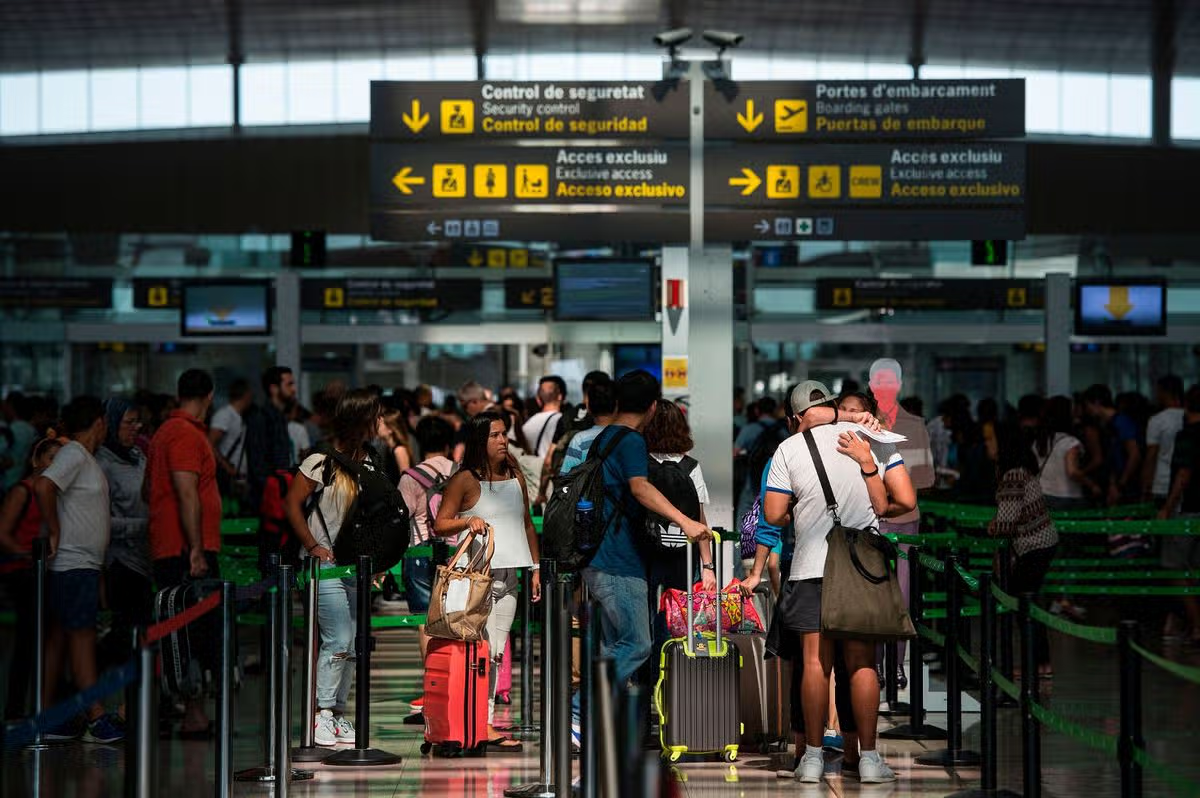
Brits are continuing to face delays due to the EES system, and queues of five hours were reported just last week at a popular city break destination for those visiting from outside the EU
The long queues seen over the summer seem to be continuing for Brits(Image: JOSEP LAGO/AFP via Getty Images)
European Entry/Exit System (EES) continues for Brits with a major European airport confirming that non-EU visitors faced five hour queues last week.
The Brussels Times reports that non-European travellers, including Brits and Americans, were forced to go through staffed control posts leading the the huge queues. In a statement to the Belgian news outlet, the airport confirmed that additional police officers are being trained for the border control posts and they were seeking “structural solutions”.
When contacted for comment, a spokesperson from Brussels Airport said: “Since the introduction of the European Entry/Exit System (EES), border checks for travellers covered by this system have taken longer, as is the case at many other airports. In addition, passengers from certain non-EU countries can no longer use the e-gates. As a result, more passengers need to go through staffed border control points, which has increased waiting times.”
They added: “All parties involved continue to work together on long-term solutions.” The airport spokesperson confirmed the airport had added two extra border control booths for the Federal Police at departures, in addition to two booths that were added at arrivals before the introduction of EES.
They went on to say: “The Federal Police also increased staffing levels on a permanent basis during the summer, and further reinforcements have been planned. More police officers are also being trained to ensure sufficient staffing at border control points, and additional infrastructure needs are being assessed.
“In addition, 60 EES pre-registration kiosks have been installed. These allow non-EU travellers to submit some of their information in advance. The connection between the e-gates and the pre-registration kiosks is still being tested so that, in the future, passengers from certain non-EU countries may be able to use the e-gates again.”
EES launched nearly a year ago, on October 12 2025, before officially becoming operational on April 10 2026. However, over the summer months holidaymakers have reported a myriad of issues with the system.
But no sooner was it launched than countries started to pause, or even shelve the scheme, due to the huge queues snaking through airports. Nine countries have put full EES implementation on hold, despite the fact that the EU said there would be no extension to the deadline. Holiday hotspots such as Greece briefly made an exemption for British holidaymakers over the summer, which has now been reversed, putting them back in the queue.
Over on Reddit, a poster took to the R/Belgium sub with a post titled: “Brussels airport queues should be a national scandal”, asking: “Why are they so bad? EES isn’t new anymore. They hardly have anyone checking passports. Are people in Belgium aware that queuing for 1hr + isn’t normal?”
One poster replied: “If you’ve got a kid under 12 you have to go through a manual check and can’t use the kiosks, and while usually shorter than the all passports line, it can sometimes be long as well. We waited 20-30 minutes last Friday mid morning. The all passport line was all the way along the back of the security screening area. I don’t remember the last time I’ve seen more than 3 agents working and an all passport line shorter that didn’t back up into the arrivals corridor. “
Reviews of the airport on Google tell the same story. One visitor said: “The passport control situation at Brussels Airport is completely unacceptable. Every time I arrive and have to use the “All Nationals” queue, I face the same problem: an enormous line and an extremely long wait, sometimes lasting hours.”
They added: “This is an international airport and one of the main gateways to the capital of Europe. Yet the passport control capacity seems completely inadequate for the number of arriving passengers. Hundreds of people are forced to stand in line after long flights because there are simply not enough control points operating to process passengers within a reasonable time.”
Have a story you want to share? Email us at webtravel@reachplc.com
The Trump administration has warned France and Germany to release emergency diesel reserves to help lower global fuel prices or risk facing a potential US ban on diesel exports, according to people familiar with the discussions.
The warning represents a sharp escalation in Washington’s pressure on European allies as President Donald Trump looks for ways to increase fuel supplies and bring down prices ahead of the November midterm elections.
US officials have become increasingly frustrated with France and Germany, which Washington believes have not fully acted on earlier commitments to release emergency oil and petroleum reserves as global fuel markets face mounting disruptions.
“It is in Europe’s best interest to work with the United States as we pursue multiple pathways to boost the supply of refined products and lower costs for consumers,” a US official told Reuters.
Stay ahead of the geopolitical week.
MD Briefing delivers expert analysis across five global fronts — the Indo-Pacific, energy, geoeconomics, European security, and the Middle East — every Monday morning. Free.
A second source familiar with the discussions said the United States had asked the European Union to release 120 million barrels of diesel over the next six months.
The demand highlights the growing importance of Europe’s fuel reserves at a time when disruptions to major energy-producing regions are tightening global supplies.
Washington Raises Pressure on Europe
The US administration’s warning comes as Trump considers restricting US diesel exports as part of a broader effort to increase domestic supplies and reduce fuel prices for American consumers.
The approach creates a difficult balance for Washington. Limiting exports could increase the amount of diesel available inside the United States, potentially putting downward pressure on domestic prices. But it could simultaneously reduce supplies available to international markets, particularly Europe, which has become increasingly dependent on imported refined fuels.
US Energy Secretary Chris Wright said on Wednesday that the administration expected European countries to announce additional diesel supplies soon.
“We’ve lost some diesel exports from the Middle East, although we’re restoring those, and we’ve lost diesel exports from China,” Wright told reporters.
The disruptions have exposed the vulnerability of global refined fuel markets to geopolitical conflicts and changes in trade flows.
Germany’s economy ministry did not immediately respond to a request for comment, while France’s energy ministry declined to comment.
The White House’s pressure also appears to have become a broader diplomatic issue among Western allies.
An official at the French presidency said Trump and French President Emmanuel Macron did not discuss the issue when they met on the sidelines of the UN General Assembly in New York last week.
Macron, however, plans to convene a video conference of G7 leaders to address rising fuel prices and the availability of refined petroleum products.
The discussions are expected to include coordination over the release of emergency reserves in cooperation with the International Energy Agency.
Why Europe Matters to the Fuel Market
Europe’s position in the global fuel market has changed substantially since Russia’s invasion of Ukraine.
European countries previously relied heavily on Russian crude oil and refined petroleum products. The subsequent sanctions and restrictions on Russian energy imports forced European governments and companies to find alternative suppliers.
The result has been greater dependence on imports from countries including the United States and suppliers in the Middle East and Asia.
That dependence has become more significant as the conflict involving the United States, Israel and Iran has disrupted energy flows from the Middle East.
The loss or reduction of refined fuel exports from major suppliers can quickly affect diesel markets because refining capacity cannot always be shifted between regions immediately.
Diesel is particularly important because it powers much of Europe’s commercial transport, heavy industry, agriculture and logistics sectors. Sustained shortages can therefore affect the broader economy rather than simply increasing prices at fuel stations.
The US Faces Its Own Fuel Dilemma
For Trump, the issue also has a strong domestic political dimension.
Fuel prices are highly visible to American consumers, making gasoline and diesel costs politically sensitive ahead of the November midterm elections.
The administration is therefore examining multiple ways to increase available supplies and reduce costs.
But a potential US diesel export ban could have consequences beyond America’s borders.
The United States has become an important supplier of refined petroleum products to international markets. Restricting those exports could tighten supplies elsewhere, potentially pushing international prices higher even if American prices fall.
That creates a difficult policy tradeoff for Washington.
The administration wants to protect US consumers from high fuel costs while maintaining sufficient supply in global markets. European governments, meanwhile, face pressure to use their own emergency reserves even as they seek to maintain energy security following the loss of Russian supplies.
Europe Seeks a Coordinated Response
France appears to be pursuing a broader G7 response rather than treating the issue as a bilateral dispute with Washington.
Macron’s planned meeting would allow the world’s major industrial economies to discuss the availability of refined products and potentially coordinate emergency stock releases through the International Energy Agency.
Such coordination could help prevent individual countries from taking measures that unintentionally worsen shortages elsewhere.
But disagreements over how much fuel should be released, when reserves should be used and who should bear the cost could complicate the process.
Emergency reserves are designed primarily to protect countries against severe supply disruptions. Releasing large quantities can provide temporary relief, but it also reduces the buffer available if another disruption occurs.
That makes Europe’s response particularly consequential at a time when energy markets remain exposed to geopolitical shocks.
A New Test for Transatlantic Energy Relations
The dispute illustrates how the global energy system has become increasingly intertwined with broader geopolitical and trade relationships.
Europe needs reliable fuel supplies after cutting its dependence on Russian energy, while the United States is attempting to use its position as a major energy producer and exporter to address domestic price pressures.
Trump’s warning to France and Germany adds another layer to that relationship by linking European reserve policy to continued access to US diesel exports.
Whether Europe ultimately releases the amount of diesel Washington has requested will depend on national assessments of market conditions, domestic energy security and the risks of further supply disruptions.
For now, the dispute signals that the energy consequences of conflicts in the Middle East are reaching far beyond the region itself.
As the United States and its European allies try to contain fuel prices, they face a common problem but increasingly different pressures over how the burden of stabilising global energy markets should be shared.
Siegfried Muresan’s loss of the confidence motion increases the prospect for snap elections.
Published On 30 Sep 202630 Sep 2026
Romania’s pro-European Prime Minister-designate Siegfried Muresan has failed to win a parliamentary vote of confidence, prolonging a political crisis seen as a boost for the rising far right.
Muresan, a liberal European Parliament member who was the latest of three designated prime ministers, secured only 182 votes out of the 233 required to secure the confidence motion on Wednesday, according to the official count.
Recommended Stories
list of 3 itemsend of list
The far-right Alliance for the Union of Romanians (AUR) largely boycotted the vote.
The 45-year-old had proposed what he described as a “reform-oriented” governing programme under his centre-right National Liberal Party (PNL), which teamed up with the Save Romania Union party, or USR, and the small ethnic Hungarian UDMR party.
President Nicusor Dan said he would nominate a new prime minister candidate on Monday afternoon, after holding talks with the leaders of the parliamentary parties, to avoid snap elections.
Siegfried Muresan addresses delegates of the Romanian Parliament prior to a vote at the parliament in Bucharest, Romania, on September 30, 2026 [AFP]
Romania saw the collapse of a pro-European coalition government in May, when governing social democrats, together with the opposition far right, ousted liberal Prime Minister Ilie Bolojan in a no-confidence motion at that time.
The far right, which comprises about a third of Parliament, threatened to impeach the president if he does not call early elections once the conditions are met.
Romania, a member of the EU and NATO that borders Ukraine, has not held snap elections since the fall of communism in 1989.
Political analyst Cristian Pirvulescu told the AFP news agency that snap elections would lead to another fragmented Parliament, but with an emboldened far right.
“Early elections mean that, from the moment they are called, it would take four months before a new government could be formed,” Pirvulescu told AFP. “Due to political instability, Romania finds itself in a very complicated economic situation. Four months is already a very long time.”
The country of 19 million has been struggling for months with the highest public deficit and inflation in the European Union.
Supporters of Romania’s far-right politician and former presidential candidate Calin Georgescu, not in picture, cheer as he leaves the Court of Appeal in Bucharest on September 28, 2026, following a new hearing in the case in which he and other defendants are accused of actions against Romania’s constitutional order [AFP]
A content creator who returned to Majorca after spending over three years living in the Dominican Republic has taken to social media to express her sadness over what she found when visiting home
A woman who returned to Majorca after years away was left saddened by what she saw (stock)
A woman who returned to Majorca after over three years living elsewhere expressed her sadness at what she found in the Spanish holiday hotspot.
Carol Vásquez, a native of the popular Balearic island in Spain, had been living in the Caribbean town of Punta Cana in the Dominican Republic for three and a half years, when she decided to come back for a visit.
However, upon her return this summer Ms Vásquez said she was saddened by what she discovered as she noted a massive influx of tourists. Majorca is a major travel hub for Brits during the spring and summer months due to the warm seas and hot climate.
So upset was Ms Vásquez that she took to TikTok to share her dismay admitting she was “a bit sad” over how peak tourist season had changed how she felt about her home island.
The content creator said: “I am feeling a bit sad because I am from Mallorca. I have actually lived in Punta Cana for three and a half years, and every time I come back to Mallorca, especially now in the summer, I don’t enjoy it.
“I get really overwhelmed because there are many tourists. There are so many tourists that the local people cannot enjoy the island.”
However, Ms Vásquez said that her criticism of Majorca was not just about the typical tourism hotspots such as the beaches, but parts of the island where locals who live there year round gather.
She added: “I’m not talking about the beaches anymore; I’m talking about the town centre, the places where we’ve always gone to eat.”
Ms Vásquez subsequently claimed that there was “no way to enjoy the island” and that the only way to do so was by “dodging people”.
Ms Vásquez’s comments come as Spain continues to try and find ways to manage an annual overtourism crisis that sees millions of people travel to its towns and cities, often affecting local people.
Majorca is often one of the hardest hit, welcoming around 13.6m last year alone. In fact, the problem has become so acute that Marga Prohens, President of the Balearic Government, has called for “limits” on tourism.
In a statement during the Forbes Economic Summit 2026, the politician declared the situation was not sustainable. She said: “We cannot continue growing at this pace and with this model.
“We can’t keep measuring the success of tourist seasons by the number of tourists coming each year; we need to talk about limits and manage them.”
This doesn’t mean Ms Prohens is against tourism, but she emphasised the need to think about it beyond things such as beaches and hotels to help the region best utilise its biggest economic driver without making the overtourism situation worse.
She added: “Tourism is much more than hotels, sun, and beaches, or managing visitor flows; it is innovation, artificial intelligence, digitalisation, and new technologies.”




![Demonstrators sit amid 40 tents set up to protest against housing shortage, soaring rents and low wages on Rossio square in central Lisbon on October 17, 2026. Thousands of people marched on October 17, 2026 through the centre of Lisbon at the call of the CGTP trade union to protest against increasingly difficult living conditions. The slogans and demands focus mainly on higher wages and pensions, as well as protests against the rising cost of housing and fuel. [Filipe Amorim/AFP]](https://i0.wp.com/occasionaldigest.com/wp-content/uploads/2026/10/AFP__20261017__D3LK2MC__v1__HighRes__PortugalPoliticsHousingDemo-1792267175.jpg?w=640&ssl=1)
![Riot police uses a water cannon against demonstrators in Brussels during a youth protest [Nicolas Maeterlinck/AFP]](https://i0.wp.com/occasionaldigest.com/wp-content/uploads/2026/10/afp_6ad3d52b2c56-1792267563.jpg?w=640&ssl=1)










![Supporters of Romania’s far-right politician and former presidential candidate Calin Georgescu, not in picture, cheer as he leaves the Court of Appeal in Bucharest on September 28, 2026, following a new hearing in the case in which he and other defendants are accused of actions against Romania’s constitutional order [AFP]](https://i0.wp.com/www.aljazeera.com/wp-content/uploads/2026/09/afp_6abd16ba6649-1790777018.jpg?w=640&ssl=1)