Long-haul flights can cause in-flight circulation stiffness and fatigue, especially for older travellers

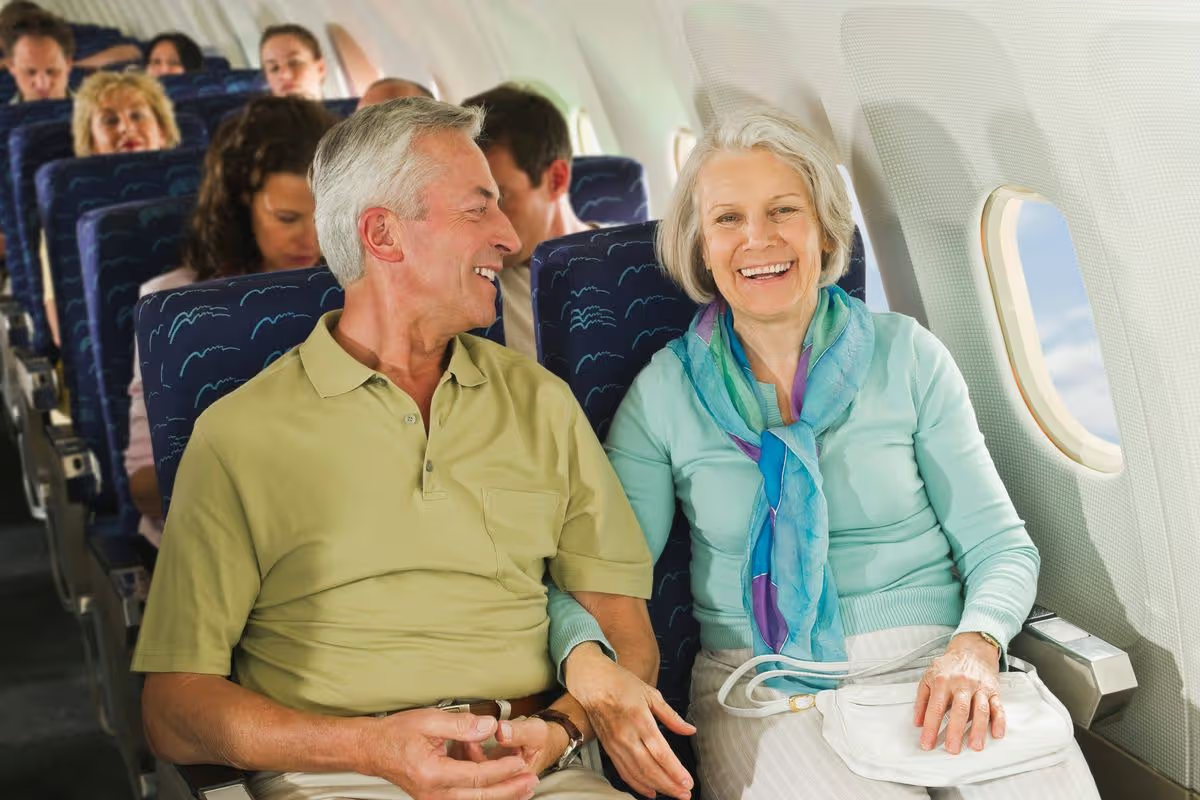
Senior travellers urged to perform simple task on the plane ‘every 30 minutes’(Image: Westend61 via Getty Images)
Anyone who’s flown long-haul will be acutely aware of the stiffness, exhaustion and sluggish circulation that can develop, potentially marring the start of your holiday. And this is particularly relevant for older passengers.
With this in mind, Inspiring Vacations has teamed up with Melbourne-based Pilates instructor Brittany Tatterson to reveal some movements anyone can perform while still aboard their flight.
She explained: “Seated movements every 30 to 60 minutes are ideal, with the opportunity to stand and walk every one to two hours where possible. Many people wait until they already feel stiff, but by that point the body has already tightened and circulation has slowed.
“The good news is you don’t need to stand in the aisle or take up extra space. The most effective movements are often the smallest and can be done entirely within your seat.”
The discreet in-seat exercises you can do (without anyone noticing)
The first movement Brittany suggests is gently tilting your pelvis forward and backwards, as this can help engage your core and relieve pressure from your lower back.
“You can also keep your toes on the floor and slowly lift your heels up and down to encourage circulation through the legs, which is particularly important on long-haul flights,” Brittany added.
“Breathing is another big one. Inhaling through your nose and allowing your ribs to expand, then exhaling slowly, can help improve both your breathing and overall energy levels.” She also notes that even minor neck movements, such as gentle nods, turns and slight tilts, can alleviate tension that accumulates from screen time and poor posture.
Meanwhile, simply clenching and releasing your glutes can help support your pelvis and ease strain on the lower back without drawing any attention from those around you.
How to move without annoying your neighbour
While these movements are vital for a comfortable journey, Brittany emphasises that they should never come at the expense of those around you.
“Move slowly and mindfully; there’s no rush. Slower movement is not only more considerate, it’s actually more effective for the body,” she says. “The key is to keep everything small and controlled, staying within your own space wherever possible.”
A few simple etiquette rules can make all the difference:
- Keep movements small and within your seat space
- Avoid wide arm stretches or anything intrusive
- Move during quieter moments, not meal service
- Only walk the aisle when it’s clear