India beat West Indies by five wickets to qualify for the semi-finals of the ICC Men’s T20 World Cup, where the hosts will meet England at Wankhede Stadium in Mumbai.
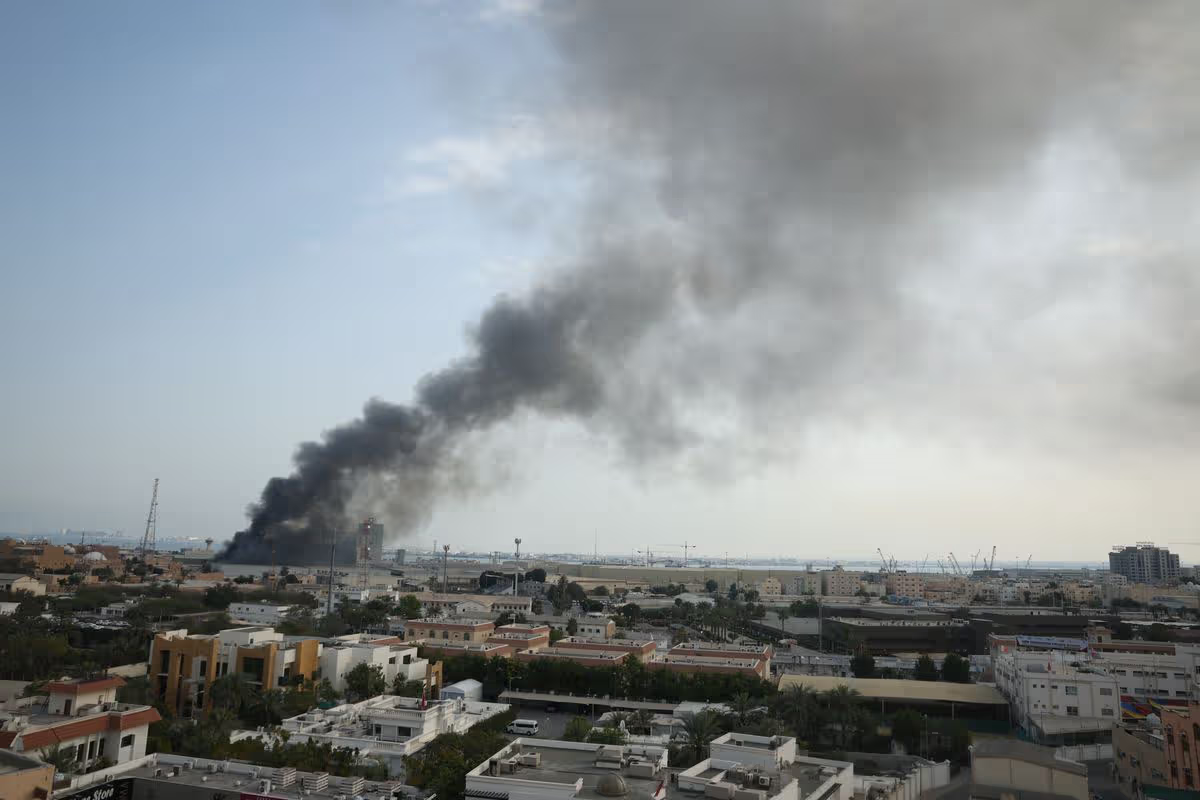
Video from Abu Dhabi captured the moment a second Iranian drone struck the Al Salam Naval Base. A fire was already burning from an earlier hit and what appears to be a cruise ship could be seen docked in the background.
Weekly insights and analysis on the latest developments in military technology, strategy, and foreign policy.
The joint U.S.-Israeli operation against Iran has entered its second day. The Iranians, as well as their regional proxies, continue to retaliate in kind against multiple countries in the region.
Readers can catch up first on the events of the first day of the war with our initial rolling coverage here.
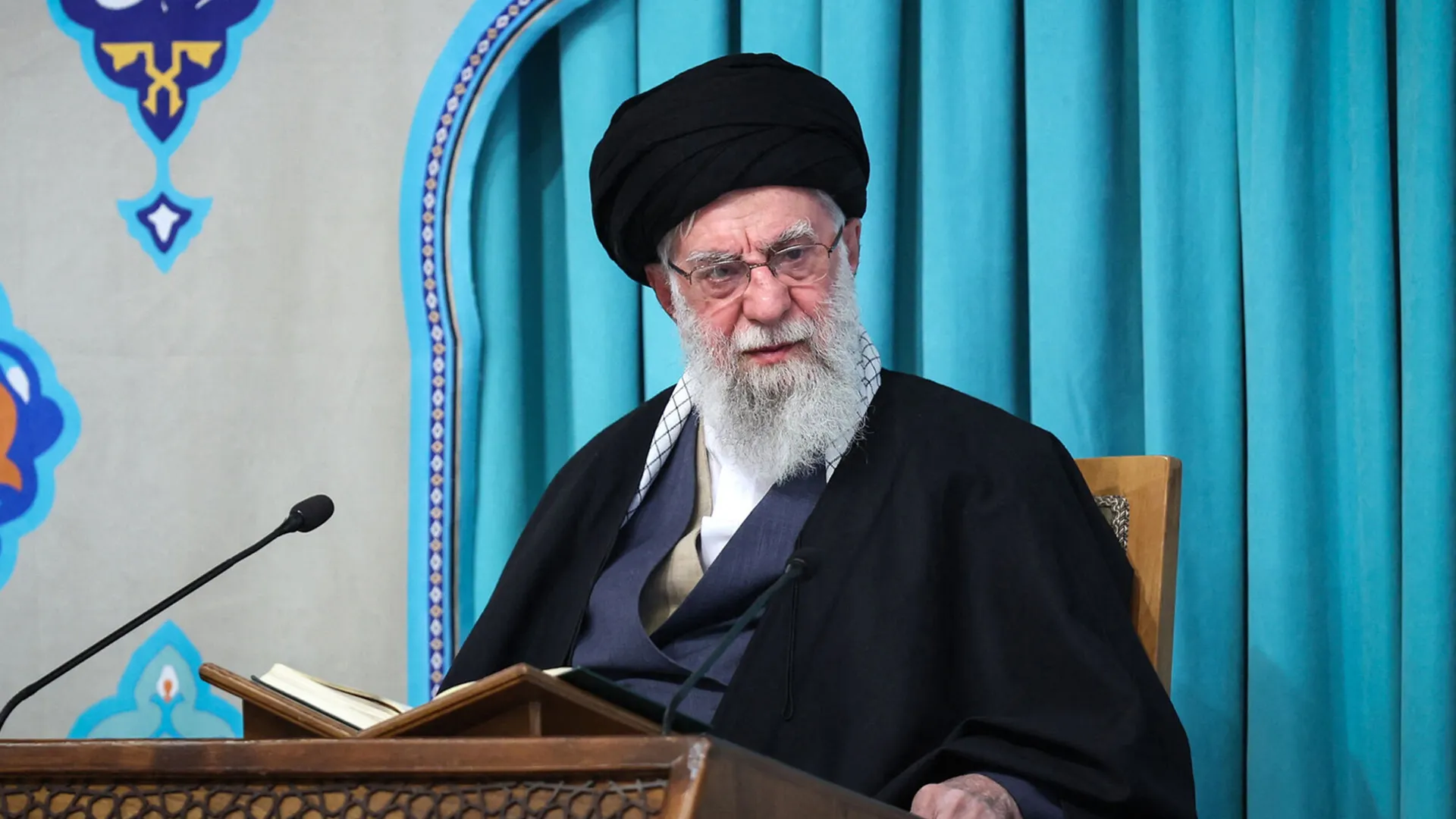
The death of Supreme Leader Ayatollah Ali Khamenei, now confirmed by Iranian authorities, has created a new dimension to the conflict. The regime in Tehran has pledged to avenge Khamenei, and has also announced 40 days of public mourning.
The Islamic Revolutionary Guard Corps issued a statement mourning the death of Ali Khamenei.
The IRGC framed his death as a sign of divine acceptance and victory, vowing severe and decisive revenge against those responsible.
It pledged that the Guards, Iran’s armed forces, and…
Public Relations of the Islamic Revolutionary Guard Corps:
• The heaviest offensive operation in the history of the Armed Forces of the Islamic Republic of Iran will begin in moments towards the occupied territories and the bases of the American terrorists.
Speaking with CBS News‘ Robert Costa by phone earlier tonight, President Donald Trump suggested that a new diplomatic resolution to the conflict may now be within reach. It is “much easier now than it was a day ago, obviously, because they [the Iranians] are getting beat up badly,” he said.
“Yes, I think so. There are some good candidates,” Trump added when asked if he had someone he would like to see lead Iran now. He also said he knew who was running Iran following Khamenei’s death, “but I can’t tell you.”
“It’s what we expected. Less than we thought, actually. We thought it’d be double,” the President also said about Iran’s retaliatory attacks so far.
Asked by @costareports who is calling the shots in Iran now following Ayatollah Khamenei’s death, Trump said, “I know exactly who, but I can’t tell you.”
On whether there’s someone he wants to see lead Iran now, Trump said, “Yes, I think so. There are some good candidates.”
As for Iran’s retaliatory attacks on Israel and U.S. assets and allies in the region, Trump told @costareports, “It’s what we expected. Less than we thought, actually. We thought it’d be double.”Though he said he is keeping watch and the situation remains fluid. @CBSNews
The rest of our new rolling coverage continues below, with the most recent updates at the top.
UPDATE: 11:06 AM EST—
U.S. Central Command (CENTCOM) has confirmed the first U.S. casualties of the conflict.
“Three U.S. service members have been killed in action and five are seriously wounded as part of Operation Epic Fury,” according to an official statement. “Several others sustained minor shrapnel injuries and concussions — and are in the process of being returned to duty. Major combat operations continue and our response effort is ongoing.”
The statement does not say where these casualties occurred.
CENTCOM Update
TAMPA, Fla. – As of 9:30 am ET, March 1, three U.S. service members have been killed in action and five are seriously wounded as part of Operation Epic Fury.
Several others sustained minor shrapnel injuries and concussions — and are in the process of being…
CENTCOM has also confirmed that Iran targeted the U.S. Navy’s supercarrier USS Abraham Lincoln, but says that the missiles “didn’t even come close” to the ship.
🚫Iran’s IRGC claims to have struck USS Abraham Lincoln with ballistic missiles. LIE. ✅The Lincoln was not hit. The missiles launched didn’t even come close. The Lincoln continues to launch aircraft in support of CENTCOM’s relentless campaign to defend the American people by… pic.twitter.com/AjaeHMemtA
Reports are now emerging about U.S. Air Force B-2s having struck targets in Iran sometime overnight. Flight trackers and others had already been pointing to growing signs that a flight of the bombers had flown sorties in support of Operation Epic Fury.
The B-2s are on their way back to Whiteman AFB as PETRO41 flight. They checked in earlier this morning with SEVILLE CONTROL over the Straight of Gibraltar just like Op Midnight Hammer. I love how the Spanish controller say’s to them, “Adios” 😎🇺🇸💪 pic.twitter.com/IuiTAxkrf5
#OperationEpicFury#FreeIran “OPERATION EPIC FURY” BOMBER MISSION At last, I can confirm that overnight a flight of 4 B-2A “Spirit” bombers flew non-stop from the United States to Iran to attack targets belonging to the regime.
Fox News is also reporting that the bombers dropped 2,000 bombs rather than the 30,000-pound Massive Ordnance Penetrator (MOP bunker busters employed during Operation Midnight Hammer strikes on Iran last year. TWZ has previously noted that B-2s were likely to make an appearance in Operation Epic Fury last night, but also highlighted that the bombers could bring immense conventional firepower to bear even without carrying MOPs.
NEW: 4 B2 bombers flew round trip from the US- dropped dozens of 2000 lb bombs on underground ballistic missile sites in Iran: US defense official tells me.
B-2s will likely show up tonight, making direct attacks on key targets in a way no other platform can. Yes this could include MOPs, but also lots of JDAMs against less fortified targets. They can achieve massive effects in a single sortie. One B-2 can carry 80 500lb JDAMs. Entire… pic.twitter.com/d0ztfmHYVN
The IDF is now saying that it destroyed the General Staff headquarters of Iran’s Internal Security Forces, as well as the command center responsible for coordinating the defense of Tehran.
IDF:
The “Tharallah” headquarters, which served as the command responsible for defending Tehran against military threats, was destroyed. pic.twitter.com/fwjO3N67Yn
“We have eliminated the tyrant Khamenei and dozens of senior figures from the oppressive regime, and our forces are now hitting the heart of Tehran with growing intensity, a campaign that will only ramp up in the coming days,” Israeli Prime Minister Benjamin Netanyahu has said in a new video statement.
Prime Minister Netanyahu, speaking from the roof of the Kirya in Tel Aviv, said that “we have eliminated the tyrant Khamenei and dozens of senior figures from the oppressive regime, and our forces are now hitting the heart of Tehran with growing intensity, a campaign that will… pic.twitter.com/jea6COl1tx
Multiple outlets have also now reported that the U.S. Central Intelligence Agency provided key intelligence that enabled Israel’s strike on Supreme Leader Khamenei’s compound.
UPDATE: 9:50 AM EST—
U.S. Central Command has now issued a formal statement regarding the targeting of what it calls an Iranian “Jamaran class corvette.” This is how the U.S. military refers to Iran’s Moudge class warships, which are also often described as frigates. Satellite imagery provider Vantor had initially assessed the ship that was struck to be an Alvand class warship, from which the Moudge class is derived. You can read more about this in TWZ‘s previous reporting here.
An Iranian Jamaran-class corvette was struck by U.S. forces during the start of Operation Epic Fury. The ship is currently sinking to the bottom of the Gulf of Oman at a Chah Bahar pier. As the President said, members of Iran’s armed forces, IRGC and police “must lay down your… pic.twitter.com/NzsR3dI2Hs
Imagery circulating points to Iranian attacks in the vicinity of France’s naval base in Abu Dhabi in the United Arab Emirates.
There are reports that another ship has been struck, this time off the United Arab Emirates on the Persian Gulf side of the Strait of Hormuz. The crew of the vessel was reportedly able to extinguish the resulting fire and are continuing their voyage.
Iranian Foreign Minister Araghchi has told Al Jazeera that the country’s Assembly of Experts could elect a new Supreme Leader to succeed Ayatollah Ali Khamenei in the next few days. A U.S. official has also told that outlet that it is still unclear how Khamenei may impact Iran’s actions going forward.
Iranian Foreign Minister Araghchi:
Maybe in one or two days, the Assembly of Experts will elect a new leader for the country. pic.twitter.com/6PU0fJrK86
“My message to the remaining officials of this republic of terror is this: surrender to the Iranian nation. Declare your loyalty to my plan and our transition framework, and hand over power without further bloodshed,” Reza Pahlavi, the eldest son of Mohammad Reza Pahlavi, the last Shah of Iran, and now an opposition figure to the regime in Tehran living in exile, has written in a post on X. “Any attempt by the remnants of the regime to appoint a successor to Khamenei is doomed to failure in advance. Whoever they place in his position will not only lack legitimacy, but will also be a partner in the crimes of this regime.”
“To the military, law enforcement, and security forces, I say: your weapons must be used to defend the great nation of Iran, not the republic of crime, thuggery, and its anti-Iranian criminals. Join the people of Iran and the Lion and Sun Revolution,” he added. “Use your arms to protect Iranians against the mercenaries of the Islamic Republic so that this 47-year nightmare may end more swiftly.”
My compatriots,
Ali Khamenei, the Zahhak of our time — the demon who, only weeks ago, issued the order for the massacre of tens of thousands of Iran’s finest sons and daughters — is gone.
Pakistani authorities have confirmed the violent clashes around the U.S. Consulate in Karachi, sparked by the war on Iran, have left several dead and dozens wounded.
The ongoing conflict continues to cause major disruptions in general air traffic through the region, with the airspace over multiple countries restricted or closed entirely.
UPDATE: 8:44 AM EST—
U.S. Central Command (CENTCOM) has released additional imagery of ongoing activities as part of Operation Epic Fury.
First 24 hours of Operation Epic Fury:
“The President ordered bold action, and our brave Soldiers, Sailors, Airmen, Marines, Guardians, and Coast Guardsmen are answering the call,” – Adm. Brad Cooper, CENTCOM Commander pic.twitter.com/McrC7xeM0A
The IDF has released a video showing Iranian F-4 and F-5 combat jets being targeted on the ground in Tarbiz.
🎯STRUCK: Two F5 and F4 fighter jets at the airport of Tabriz in western Iran, as the jets were prepared for takeoff
The strike was conducted to degrade the Iranian Air Force’s activities and to further expand the degradation of their aerial defense. pic.twitter.com/lEvpyiPI5M
“For the first time in Operation Roaring Lion, air force aircraft are operating in ‘stand-in’ over the skies of Tehran in a powerful strike against regime and repression targets.” Defense Minister Israel Katz has said. There will be “continuous powerful strikes” on targets in the Iranian capital, he added. The IDF has also released a new video outlining the phases of its operation that it says has now given it total air superiority over Tehran
Defense Minister Israel Katz says the Israeli Air Force is striking Tehran with “stand-in” munitions, meaning those dropped directly over their targets.
“For the first time in Operation Roaring Lion, air force aircraft are operating in ‘stand-in’ over the skies of Tehran in a…
— Emanuel (Mannie) Fabian (@manniefabian) March 1, 2026
‼️ The video outlines the phases of the operation: targeting air defense systems and missile launchers in western Iran, then paving the way toward Tehran and establishing aerial superiority over the capital. pic.twitter.com/STDYyyZvG3
‼️WATCH: For the first time since the start of Operation ‘Roaring Lion’, the IAF is striking targets belonging to the Iranian terror regime in the heart of Tehran.
Over the past day, the IAF conducted large-scale strikes to establish aerial superiority and pave the path to… pic.twitter.com/DN2MkGCfWc
The IDF says its strikes have killed the Chief of Staff of Iran’s armed forces, Abdolrahim Mousavi, as well as dozens of other senior officials.
🔴ELIMINATED: Abdolrahim Mousavi, the Iranian Chief of Staff of the armed forces.
Additionally, the IDF struck & eliminated 7 members of the top Iranian security leadership in Tehran and 40 senior commanders. pic.twitter.com/0a4wf3dk9N
The IDF is also continuing to target Iranian ballistic missiles, as well as air defenses and drone capabilities. Israeli authorities assess that Iran still has approximately 2,500 ballistic missiles of all types, which “constitutes an existential threat,” according to The Times of Israel.
The IDF publishes a new batch of footage showing strikes against Iranian ballistic missile launchers, air defenses, and drones pic.twitter.com/dUNmmbapXS
— Emanuel (Mannie) Fabian (@manniefabian) March 1, 2026
The Israeli military assesses that Iran currently possesses some 2,500 ballistic missiles.
Ahead of June 2025’s war, the IDF said it identified efforts by Iran to significantly accelerate the production rate of ballistic missiles and increase its stockpile from around 3,000 to…
— Emanuel (Mannie) Fabian (@manniefabian) March 1, 2026
IDF jets have already dropped more than 1,200 munitions on targets in Iran. Israeli Defense Minister Katz has also said strikes on Iran “will continue for as long as necessary” and until “the objectives are achieved.”
Israeli Air Force fighter jets dropped over 1,200 munitions during strikes in Iran over the past day, the military says. pic.twitter.com/jSnZNwJK6u
— Emanuel (Mannie) Fabian (@manniefabian) March 1, 2026
Defense Minister Israel Katz says the strikes on Iran “will continue for as long as necessary” and will not stop “before the objectives are achieved.”
“The elimination of Khamenei is a turning point. We all hope that the activity will also lead to the outcome we want, that the… pic.twitter.com/yei2lnwqUz
— Emanuel (Mannie) Fabian (@manniefabian) March 1, 2026
Iranian missiles have struck Beit Shemesh in Israel, causing casualties.
The Iranian Regime directly fired missiles toward the civilian neighborhood of Beit Shemesh, killing innocent civilians.
The Iranian regime purposely targets civilian targets while we precisely target terror targets. This is who we’re operating against—a regime who uses… pic.twitter.com/9W8Fp4T2tH
— Emanuel (Mannie) Fabian (@manniefabian) March 1, 2026
Some 20 people were injured, including four in serious and critical conditions, by the Iranian ballistic missile impact in Beit Shemesh, medics say.
The Magen David Adom ambulance service says it is taking 17 victims to hospitals, including two in serious condition, one person… pic.twitter.com/Vzz6yxhFgw
— Emanuel (Mannie) Fabian (@manniefabian) March 1, 2026
Skylight, a small Palau-flagged oil tanker, has reportedly been struck in the Gulf of Oman, resulting in injuries to members of its 20-person crew (said to include 15 Indian and 5 Iranian nationals). This tanker has been under U.S. sanctions for links to Iran’s Ministry of Defense since December. There are no indications that it was attempting to sail through the Strait of Hormuz, but the exact circumstances surrounding the attack are unclear.
SKYLIGHT (9330020) wasn’t passing through the Strait of Hormuz. She’s been anchored in the Musandam governorate of Oman (north of UAE at 26.288021, 56.266388) since 2026-02-22. This small 11K DWT tanker, mostly used for fueling other tankers, has been blacklisted by the US since… https://t.co/pDLmmXVnwO
— TankerTrackers.com, Inc. (@TankerTrackers) March 1, 2026
UPDATE: Note this small oil tanker is known as part of the Iranian oil refined products smuggling operation, and was put under US sanctions in December (US Treasury linked it to the Iranian Ministry of Defense). So the reported “hit” may not be what it looks at first glance. https://t.co/JB0SbpVLUl
يُعلن مركز الأمن البحري عن تعرض ناقلة النفط (SKYLIGHT) وتحمل علم جمهورية (بالاو) للاستهداف، على بعد (٥) أميال بحرية شمال ميناء خصب بمحافظة مسندم، وتم إخلاء جميع طاقم الناقلة المكون من (۲۰) شخصا، بينهم (١٥) شخصا يحملون الجنسية الهندية، و(٥) أشخاص من الجنسية الإيرانية.
— مركز الأمن البحري| MARITIME SECURITY CENTRE (@OMAN_MSC) March 1, 2026
At least three people were killed and dozens wounded in another round of Iranian attacks on the United Arab Emirates (UAE), according to that country’s Ministry of Defense. UAE authorities have previously said that some injuries sustained as a result of Iranian attacks have come from falling debris as a result of interceptions of incoming threats.
NEW: UAE Ministry of Defense says 3 people were killed and 58 suffered minor injuries in the Iranian attack, including Emirati citizens and several foreign nationals.
Authorities confirmed that debris from drones intercepted by air defences fell in the courtyards of two homes in Dubai, resulting in two injuries. The injured have received the necessary medical care. Authorities also clarified that the sounds heard across the emirate were the…
— Dubai Media Office (@DXBMediaOffice) March 1, 2026
“The Ministry of Defence has announced that the UAE air force and air defence forces have so far dealt with 165 ballistic missiles, two cruise missiles and 541 Iranian drones since the start of the Iranian attack,” according to an official statement. “The ministry said that on the morning of the second day of the attack, UAE air force and air defence forces destroyed 20 ballistic missiles, while eight missiles fell into the sea. They also destroyed two cruise missiles and 311 drones. However, 21 drones struck civilian targets. The ministry affirmed the capability of the UAE air force and air defence to address various threats.”
The Ministry of Defence has announced that the UAE air force and air defence forces have so far dealt with 165 ballistic missiles, two cruise missiles and 541 Iranian drones since the start of the Iranian attack.
British authorities say that missiles that Iran has fired missiles in the direction of Cyprus in the Eastern Mediterranean. U.K. Defense Minister John Healey says he does not believe the launches were directly aimed at British forces on the island, but that “it shows how indiscriminate” Iran’s retaliatory attacks have been. Authorities in Cyprus have pushed back on this, saying there are no indications the country was ever under threat.
BREAKING: Britain reveals: Iran launched two missiles at Cyprus
British Defense Secretary: Two missiles launched from Iran were fired towards Cyprus, where the kingdom maintains strategic military bases. He clarified that London believes the missiles were not aimed directly at…
In relation to statements and media reports referring to the launch of missiles towards the direction of Cyprus, it is clarified that this is not the case and there is no indication whatsoever that the… pic.twitter.com/4ylQKyWsRf
Israel is pounding a number of targets in Tehran with heavy munitions. The strikes appear to be focused on regime targets. The IDF also says the strikes are aimed on securing air superiority and creating a clear route to Tehran. This is likely in reference to manned fighter getting the ability to make direct attacks en masse with minimal risk. This would open up the skies to larger scale bombardment of the capital by relying less on standoff munitions.
The Israeli Air Force is carrying out an extensive wave of airstrikes against “targets of the Iranian terror regime in the heart of Tehran,” the military says.
The military says the IAF carried out extensive strikes in the past day “to establish air superiority and open the way…
— Emanuel (Mannie) Fabian (@manniefabian) March 1, 2026
Iran has hit Oman for the first time in the conflict, striking the port of Duqm on the Arabian Sea, facing the Indian Ocean. Apparently, long-range kamikaze drones were used. This is something of a surprise as Oman has provided diplomatic facilitation between the U.S. and Iran.
Iran has struck Oman for the first time, with at least two Iranian attack drones hitting the port of Duqm, wounding one worker.
40 buildings have been damaged by Iranian strikes in Tel Aviv.
The Tel Aviv-Yafo Municipality reports that 40 buildings were damaged by the Iranian missile strike overnight, and more than 200 residents have been evacuated to hotels. pic.twitter.com/5M4xE5qqAE
At least six people were killed in the violent protest at the U.S. consulate in Pakistan that we previously mentioned.
Police say at least 6 people have been killed in clashes as hundreds of protesters stormed the U.S. Consulate in Pakistan following the killing of Iran’s supreme leader. https://t.co/ghGtH9K8Dv
Iran’s internet outage continues, which has limited visibility into the country to some degree during the crisis.
⚠️ Update: #Iran‘s internet blackout has now passed the 24-hour mark with national connectivity flatlining at 1% of ordinary levels.
The measure limits civic engagement at a key moment for the country’s future after the killing of Ayatollah Khamenei in US and Israeli airstrikes. pic.twitter.com/W4jDgds1Ty
An Iranian National Security Council member says a temporary leadership council will be established today. Another official said there were plans in place for exactly this scenario.
The power vacuum that exists in the country is clearly one of the key pressure points the U.S. and Israel would hope to exploit, although what comes next could end up with a negative outcome. Trump has stated that he has an idea who will take over in Iran that will be a positive for the U.S., but he did not elaborate.
Iranian National Security Council Secretary Ali Larijani:
The temporary Leadership Council will be formed today.
President Trump has just posted that the threat from the IRGC that it will be executing an unprecedented reprisal operation will be met with an even larger amount of force.
🚨🚨Trump on Truth Social: Iran just stated that they are going to hit very hard today, harder than they have ever been hit before. THEY BETTER NOT DO THAT, HOWEVER, BECAUSE IF THEY DO, WE WILL HIT THEM WITH A FORCE THAT HAS NEVER BEEN SEEN BEFORE! Thank you for your attention to…
It is clear that Iran’s playbook is to target civilian areas as well as U.S.-related military areas in Arab gulf states. Doing so puts pressure on the governments that the U.S. is clearly trying to assuage. At the same time, some of these areas are less defended than those near U.S. installations, which makes scoring hits more probable. How long defenses in these areas can hold out is an increasingly important question.
An Iranian missile hit Dubai International Airport this morning, with smoke seen rising near the north end of the airfield. pic.twitter.com/keBhRAsuAf
After a night of many celebrating the death of the Supreme Leader, there are now demonstrations in Iran vowing revenge.
We are also beginning to activity emerge at U.S. embassies and consulates, such as in Pakistan:
UPDATE: 1AM EST—
The IDF says it has struck more than 30 new targets in Iran as part of continuing operations, “including aerial defense systems, missile launchers, regime targets and military command centers.”
🎯 ONGOING STRIKE: 30+ targets so far, in western and central Iran, including aerial defense systems, missile launchers, regime targets and military command centers.
The IDF will continue to degrade the Iranian terror regime’s capabilities until they can no longer threaten our… pic.twitter.com/hygz4sgUlM
A video U.S. Central Command (CENTCOM) released earlier today looks to show a strike targeting some of Iran’s Russian-made MiG-29 fighters. The full video shows U.S. forces striking drones, air defense sites, shore defense radar installations, and more.
As the President stated, our objective is to defend the American people by eliminating imminent threats from the Iranian regime.
The President ordered bold action. CENTCOM forces are delivering an overwhelming and unrelenting blow. pic.twitter.com/B0k5gV4YnU
CENTCOM has also now released a video indicating the employment of ground-launched Army Tactical Missile System (ATACM) short-range ballistic missiles as part of ongoing strikes on Iran.
CENTCOM has also denied various claims that had been circulating earlier in the day, including about U.S. casualties, an attack on a U.S. naval vessel, and the severity of damage to U.S. facilities in the region.
🚫The Iranian regime claims to have killed 50 U.S. service members. LIE. ✅There have been no reported U.S. casualties.
🚫The IRGC claims that a U.S. Navy ship was struck by missiles. LIE. ✅No U.S. Navy ship has been struck. The Armada is fully operational.
The IDF says that there have been at least 20 waves of Iranian missiles in the past 24 hours. The IDF has also assessed that Iran has launched at least 150 ballistic missiles at Israel since the start of the new conflict, according to The Times of Israel. This would be just slightly less than the number of missiles the Iranians fired at Israeli targets on the first night of the 12 Day War. Experts have also highlighted a notable difference in the size and coordination of individual Iranian barrages in the current conflict. While clearly, Iran’s command and control is disrupted, this could also be attributed, at least partially, to different tactics and decentralizing the command and control process in preparation for major disruptions that this conflict would bring.
🚨For the 20th time in the last 24 hours, millions of Israelis run to shelter across Israel under Iranian missile fire🚨
That MIGHT be a function of changes the IRGC made to its command structure post 12 Day War to prevent the paralysis that seemed to grip them at the time.
Imagery has emerged showing the U.S. Fifth Fleet headquarters in Bahrain being subjected to additional Iranian attacks. Civilian sites in Bahrain also continue to be hit. Authorities in Bahrain say they have intercepted at least 45 missiles and nine drones launched from Iran.
Satellite imagery circulating online, attributed to Chinese firm MizarVision, shows plumes of black smoke rising from at least two separate locations at Ali Al Salem Air Base in Kuwait. At least one of these areas appears to be a fuel storage facility. TWZ has not yet been able to independently confirm any damage to the base.
🔴 High-resolution Chinese satellite imagery shows that Ali Al Salem air base in Kuwait was attacked by Iran, with thick smoke rising. pic.twitter.com/XpvxCOPcBm
The port of Jebel Ali in the United Arab Emirates (UAE) was the target of another Iranian strike.
Iranian-backed militants in Iraq have claimed responsibility for an attack on the airport in Erbil, the capital of that country’s northern autonomous Kurdish region. Pro-Iran protesters have also reportedly been trying to force their way to the U.S. Embassy inside Green Zone in Baghdad.
Chaos in Baghdad this morning as pro-Iran regime protestors attempted to breach the Green Zone, reportedly trying to get to the U.S. embassy. pic.twitter.com/OpZPZUL3Oq
“The [UAE’s] Ministry of Defense announced that the Air Force and Air Defense forces of the United Arab Emirates have succeeded, since the start of the Iranian attack, in intercepting and destroying 137 ballistic missiles and 209 drones launched toward the country’s territories, confirming the high readiness of air defense systems and their capability to handle various threats,” according to a machine translation of official statement. “The Ministry clarified that since the start of the attack, 137 Iranian ballistic missiles were detected and launched toward the country, with 132 of them destroyed, while 5 fell into the sea. Additionally, 209 Iranian drones were detected, 195 of which were intercepted, while 14 fell within the country’s territories and waters, causing some collateral damage.”
الدفاعات الجوية الإماراتية تتعامل مع 137 صاروخاً و209 طائرة مسيرة
أعلنت وزارة الدفاع أن القوات الجوية والدفاع الجوي لدولة الإمارات العربية المتحدة نجحت منذ بدء الهجوم الإيراني، في التعامل مع وتدمير 137 صاروخاً باليستياً و209 طائرة مسيّرة أُطلقت باتجاه أراضي الدولة، مؤكدةً… pic.twitter.com/93XmWy7AgE
Joe Kent, the Director of the National Counterterrorism Center, has put out a statement about monitoring for potential threats to the homeland. The Department of Homeland Security is reportedly concerned about the potential for cyberattacks from “Iranian-aligned” actors, according to CBS News.
As the Iran conflict continues to unfold, @ODNIGov’s National Counterterrorism Center is engaged and operating at full capacity, 24/7. We are tracking developments in real time, assessing any potential risks to the homeland, identifying emerging threats, and providing timely,…
Questions remain about the real state of progress in Omani-mediated talks between the United States and Iran over the latter’s nuclear program in the weeks leading up to the conflict.
They took as suspicious proposals that Iran saw as concessionary.
Am not saying what Iran proposed would have been enough, I dont know, but it seems US negotiators did not have the expert guidance to understand it correctly
When the Screen Actors Guild gathers to present its annual awards for the 32nd time on Sunday at 5 p.m. at the Shrine Auditorium in L.A., the event will have a new name: the Actor Awards presented by SAG-AFTRA. The new moniker aligns with the name of the statuette that’s been presented to winners since 1995 (but a lot of folks are still referring to them as the SAG Awards). The show will stream live on Netflix, with Kristen Bell hosting for the third time, after previous gigs in 2018 and 2025.
In the film categories, just two weeks before the Academy Awards, the top contenders are “One Battle After Another” and “Sinners.” Paul Thomas Anderson’s political thriller led all films with seven nominations, including cast in a motion picture and individual recognition for actors Leonardo DiCaprio, Chase Infiniti, Teyana Taylor, Benicio del Toro and Sean Penn.
“One Battle’s” toughest competition will likely be Ryan Coogler’s Southern vampire horror-musical, “Sinners,” which earned five nominations. Michael B. Jordan, Wunmi Mosaku and Miles Caton each earned individual nominations, as well as nods for the film’s cast and stunt ensembles.
Timothée Chalamet, nominated for male actor in a leading role for “Marty Supreme,” could be the first performer to win in consecutive years after taking home the Actor last year for his portrayal of Bob Dylan in “A Complete Unknown.” “Marty Supreme” has three nominations overall, including Odessa A’zion for female actor in a supporting role and performance by a cast in a motion picture.
In television, Apple TV’s “The Studio” scored the most nominations, with five, including one for performance by an ensemble in a comedy series. The show’s individual nominees are Seth Rogen, Kathryn Hahn, Ike Barinholtz and the late Catherine O’Hara.
HBO’s “The White Lotus” and Netflix’s “Adolescence” followed with four nominations each. The latter’s nominees include 16-year-old Owen Cooper, who would be the youngest performer to win an individual Actor Award. Currently, the youngest winner is Kate Winslet, who was 20 when she won for female actor in a supporting role for “Sense and Sensibility” in 1996.
Harrison Ford will be presented the SAG-AFTRA Life Achievement Award during the telecast. Recent honorees include Jane Fonda, Barbra Streisand and Sally Field.
Follow along as we update the list live throughout the evening. Nearly everyone in attendance will go home with an actor, but who will take home an Actor statuette?
Miles Caton, “Sinners” Benicio del Toro, “One Battle After Another” Jacob Elordi, “Frankenstein” Paul Mescal, “Hamnet” Sean Penn, “One Battle After Another”
Kathryn Hahn, “The Studio” Catherine O’Hara, “The Studio” Jenna Ortega, “Wednesday” Jean Smart, “Hacks” Kristen Wiig, “Palm Royale”
Performance by a male actor in a comedy series
Ike Barinholtz, “The Studio” Adam Brody, “Nobody Wants This” Ted Danson, “A Man on the Inside” Seth Rogen, “The Studio” Martin Short, “Only Murders in the Building”
Britt Lower, “Severance” Parker Posey, “The White Lotus” Keri Russell, “The Diplomat” Rhea Seehorn, “Pluribus” Aimee Lou Wood, “The White Lotus”
Performance by a male actor in a drama series
Sterling K. Brown, “Paradise” Billy Crudup, “The Morning Show” Walton Goggins, “The White Lotus” Gary Oldman, “Slow Horses” Noah Wyle, “The Pitt”
Performance by a female actor in a television movie or limited series
Claire Danes, “The Beast in Me” Erin Doherty, “Adolescence” Sarah Snook, “All Her Fault” Christine Tremarco, “Adolescence” Michelle Williams, “Dying for Sex”
Performance by a male actor in a television movie or limited series
Jason Bateman, “Black Rabbit” Owen Cooper, “Adolescence” Stephen Graham, “Adolescence” Charlie Hunnam, “Monster: The Ed Gein Story” Matthew Rhys, “The Beast in Me”
Action performance by a stunt ensemble in a motion picture
Sam Kerr scored her first international goal in 28 months as Australia opened their Asian Cup campaign with a 1-0 win over the Philippines in Perth.
The Chelsea striker, who returned to action in September after nearly two years on the sidelines following an anterior cruciate ligament injury, scored the winner in the 14th minute as she nodded in from close range.
Kerr’s goal – her 70th for her country – proved to be the sole highlight of the match at the Perth Stadium, with Australia wasting a number of chances.
“I think I’m just finding my confidence again,” said 32-year-old Kerr.
“I feel like I’m still my normal self, I’ve just got to get more touches in and around the box.
“Today was a good start and there’s a lot of belief in the team but as you see today, there’s a lot of quality teams in the Asian Cup so you have to take it one day at a time.”
Australia’s next game is against Iran at the Gold Coast Stadium on Thursday, with Iran opening their campaign against South Korea on Monday.
The games are set to go ahead, although the Asian Football Confederation has postponed a number of domestic matches on the continent following the conflict in the Middle East.
On Saturday, the United States and Israel launched attacks on Iran, which has responded with retaliatory strikes across the Middle East.
“In light of the developing situation in the Middle East, matches in the West Region, originally scheduled for 2-3 March 2026, will now be rescheduled,” the AFC said in a statement.
“The AFC will continue to closely monitor this rapidly evolving situation and remains resolute in ensuring the safety and security of all players, teams, officials, and fans.
“In this regard, we are in close and regular contact with the IR Iran women’s national team and officials in Gold Coast, and are offering our full support and assistance.”
Until Khamenei’s successor is picked, the three-member leadership council, including Ayatollah Alireza Arafi, will lead Iran.
Published On 1 Mar 20261 Mar 2026
Share
Iranian authorities have announced a three-member interim leadership council to run the government after the killing of Supreme Leader Ali Khamenei in Israeli-United States strikes.
Iran’s government pledged to avenge the killing on Saturday of Khamenei, who had been in power for nearly four decades. Tehran has since targeted Israeli and US assets located across Gulf countries in retaliatory strikes.
Recommended Stories
list of 4 itemsend of list
While US President Donald Trump has said he wants a change in Iran’s government, the religious leaders of Iran moved on Sunday to start the process of choosing Khamenei’s successor.
Plumes of smoke rise over residential areas of Tehran from US-Israeli air strikes on March 1, 2026 [Fatemeh Bahrami/Anadolu]
What is the interim leadership council?
Article 111 of Iran’s Constitution authorises a temporary leadership council to assume the supreme leader’s duties until a successor is elected.
That council will consist of President Masoud Pezeshkian; the chief justice of the Supreme Court, Gholam-Hossein Mohseni-Ejei; and a member of the Guardian Council, Ayatollah Alireza Arafi.
So who are these three figures who will temporarily run Iran as it reels from war?
Pope Francis greets Ayatollah Alireza Arafi, president of the Islamic Seminaries of Iran, during a private audience at the Vatican on May 30, 2022 [Handout/Vatican Media via Reuters]
Ayatollah Alireza Arafi
Arafi has been a member of the Guardian Council since 2019. Its members are appointed by the supreme leader. It is an Islamic legal authority that vets Iran’s laws and policies to make sure they conform to Islamic principles. It approves election candidates, has veto power over legislation passed by parliament and supervises elections.
Arafi also serves as the deputy chairman of the Assembly of Experts, the body responsible for overseeing the selection of the supreme leader. He leads Friday prayers in Qom, Iran’s most important religious centre, and heads the seminary system, overseeing education for religious leaders nationwide.
Masoud Pezeshkian, the president of Iran, attends the United Nations General Assembly in New York [File:Angelina Katsanis/AP]
Masoud Pezeshkian
Pezeshkian, 71, is a reformist politician and heart surgeon who served in the army during the Iran-Iraq War. He was elected president in the 2024 elections.
He previously served as health minister under President Mohammad Khatami and, after 2005, as a member of parliament representing the northwestern city of Tabriz.
Pezeshkian ran unsuccessfully for president earlier but in 2024 won on a reform-oriented platform and has since navigated economic pressures and regional tensions.
He earlier campaigned on economic stabilisation, easing social restrictions and pursuing constructive engagement abroad while affirming loyalty to the Islamic Republic’s constitutional framework.
Reacting to Khamenei’s assassination, Pezeshkian said in a statement that Iran now considers “it its legitimate duty and right to avenge the perpetrators and masterminds of this historic crime”.
Gholam-Hossein Mohseni-Ejei [File: AFP]
Gholam-Hossein Mohseni-Ejei
Mohseni-Ejei is a senior religious leader and has headed the judiciary since Khamenei appointed him to the post in July 2021.
He previously served as intelligence minister from 2005 to 2009 and later as prosecutor-general and first deputy chief justice. He is regarded as a hardline figure aligned with the conservative wing of the government.
In January, when the collapsing rial triggered protests across Iran, Mohseni-Ejei promised “no leniency” towards what he called “rioters”.
Mohseni-Ejei said the US and Israel “openly and explicitly supported the unrest” in the country after Trump called on Iranians to take to the streets.
After Khamenei’s killing, Trump again addressed the Iranian public on Saturday, calling for them to topple the government. “This will probably be your only chance for generations,” he said on Saturday after the US and Israeli attacks on Iran began.
Charlotte Crosby has revealed that her one-year-old baby daughter has taken her first steps in a very sweet updateCredit: InstagramCharlotte captured her walking her first cute steps on cameraCharlotte also posted a gorgeous video clip of her daughter Alba dancingCredit: Instagram
Charlotte posted some cute clips and captioned them: “Had some little milestones while out here. Alba officially ditched her night nappies. 5 nights and counting no nappy no accidents.
“And Pixi took her first steps! I really truly think next week we are gonna have an official little walker!
“She’s so tiny it looks so strange her taking steps. She’s definitely earlier than Alba my clever little munchkin.
“Feeling all the emotions watching them take these next steps.
In a later snaps, a giggling Pixi looked adorable as Charlotte captioned them: “We caught this one step on camera last night but she did about 4 at once yesterday.”
A gorgeous snap of Alba followed with her dancing adoringly for the camera, as her proud mum captioned the clip: “I just can’t with her,” alongside a string of loving emojis.
The TV personality laid bare her life last year in the Paramount+ show, Geordie Stories: Charlotte Mam of Two.
However, Speaking exclusively to The Sun, Charlotte said: “You heard it here first. I won’t be continuing doing that one, not that exact show.
“Whether or not I have another show about my life or following my wedding, that will happen at some point when I do decide to get married, but right now that show with Paramount is parked up.”
But when her agent tried to get her on series two he was told reality stars are ‘banned’.
In an exclusive interview with The Sun, Charlotte said: “I would love to do that but you do know they’ve got a no reality rule. That is a genuine fact.”
Jake runs the Streamline Executive chauffeur company, with clients includingDavid Beckham.
The couple are very proud parents to Alba, born in 2022, and Pixi, born in 2025.
Pixi looked adorable as she walked towards her motherCredit: InstagramCharlotte’s daughter Alba was born in 2022, and Pixi in 2025Credit: Instagram/thecharlottecrosbyCharlotte shares herdaughters with fiancé Jake Ankers, who she got engaged to in November 2023.Credit: InstagramCharlotte rose to fame when she appeared in the reality show Geordie ShoreCredit: Instagram/@peppergirlsclub
FROM our boat chugging its way across Sydney Harbour, the tourists on top of the famous Bridge look tiny.
“That’ll be us tomorrow!” my travelling companion gleefully shouts. I gulp. I’m not a fan of heights.
Sign up for the Travel newsletter
Thank you!
Stewart Jackson living the high life on top of Sydney Harbour BridgeCredit: SuppliedAn Aboriginal guided tour with Tribal Warrior on Be-lang-le-wool (Clark Island), SydneyCredit: Destination NSW
The splendour of the Opera House, bathed in early autumn sunshine, provides a welcome distraction as we make the short trip up the coast.
The $A8 (£4) ferry trip to the chilled beach suburb of Manly is a cheap way to get the stunning views of Sydney’s skyline from the water without shelling out for a tourist boat.
Manly is a popular spot for surfing, swimming and chilling out, and we also went to snorkel in the protected marine reserve of Cabbage Tree Bay with our expert guide from EcoTreasures.
Just a few hours earlier we’d been knocking back cocktails in the late-night bars of harbourside area, The Rocks.
But a 20-minute hop on a ferry and we were donning masks and flippers and seeing a wonderful array of exotic sea creatures in their natural habitat.
We saw green turtles, blue gropers, banjo rays and tropical butterfly fish in Manly’s welcoming waters.
A quick stop for a tasty beach-side lunch with waves crashing below us at The Pantry, and we head back into the city for a sumptuous waterfront dinner at Midden by Mark Olive in the base of the Opera House, before taking in its annual open-air show just round the corner.
That was a decent distraction ahead of the looming bridge climb.
The experience isn’t cheap, with prices from £126pp, but the views are as amazing as you’d expect.
And, for those who also get nervous around heights, it wasn’t too bad at all, given the gradual nature of the climb and the sturdy construction of the bridge!
The Romanesque interiors of the historic Queen Victoria Building, Sydney built in 1898Credit: Destination NSW
Our climb was led by an indigenous Australian guide who gave us a fascinating walk-through of Sydney’s history from an Aboriginal perspective as we ascended.
And that native Australian flavour underpinned all of our experiences as we explored Sydney – from our harbour tour with the Tribal Warrior Cruise company to a menu inspired by traditional bush food at Midden.
A guided tour around the city’s stunning (and free to enter) Botanical Gardens was a relaxing way to spend a sunny afternoon.
If you’re travelling as part of a group, I’d recommend buying a picnic box from the Botanic House restaurant to take out among the exotic trees and chattering birds.
For a less formal, more fun way to eat in the evening, try the newly opened Paddy’s Markets just a short hop from the city centre in Chinatown.
Here, you’ll find an array of vibrant street food and bars serving cocktails or whatever else takes your fancy after a day exploring.
Or if you’re celebrating – after Sydney helped you conquer your fear of heights.
Anton Forsberg made 29 saves, Alex Laferriere scored in the second period and the Kings beat the Calgary Flames 2-0 on Saturday night to end a five-game losing streak.
Forsberg had his second shutout of the season and 10th of his NHL career, two nights after coming on in relief of Darcy Kuemper in the second period of an 8-1 home loss to Edmonton.
Laferriere scored with 4:24 left in second, putting his own rebound past goalie Dustin Wolf for his 14th goal of the season. Adrian Kempe added his 22nd into an empty net in the final minute.
Wolf made 35 saves. He spent seven years in the Los Angeles Junior Kings youth program before playing major junior for Everett in the Western Hockey League.
The Kings have three games left on a six-game homestand.
Up next for the Kings: vs. Colorado at Crypto.com Arena on Monday night.
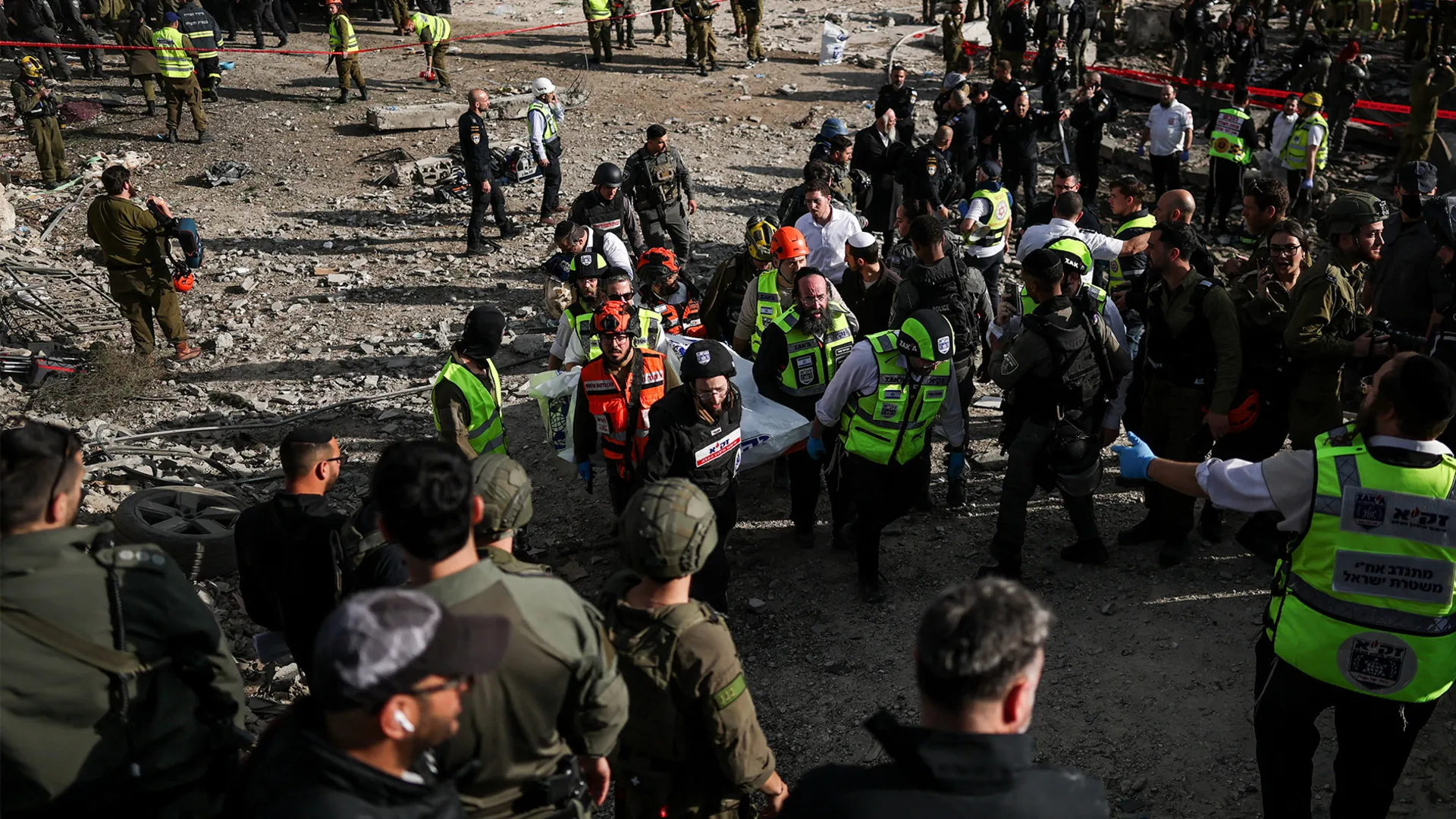
An Iranian missile attack on the Israeli town of Beit Shemesh, 30 kilometers west of Jerusalem, has killed at least nine people and wounded dozens more. The strikes reportedly targeted an army headquarters and a weapons manufacturing complex.
Simon Calder warned that, even if the major airports reopen, it will take some time for normal service to resume
15:42, 01 Mar 2026Updated 15:43, 01 Mar 2026
Hundreds of thousands of flyers have been disrupted
A travel expert claims international airports currently shut due to military action in Iran could reopen earlier than many anticipate. Journalist Simon Calder shared his forecast whilst boarding a flight from Istanbul, Turkey.
One individual has died and 11 others have been wounded at airports in Dubai and Abu Dhabi. Over 3,400 flights have been scrapped and airports in Dubai and Abu Dhabi in the United Arab Emirates (UAE), along with Qatar’s capital, Doha, and Manama in Bahrain were among those shuttered.
The Foreign Office is advising British nationals against all but essential travel to Bahrain, Kuwait, Qatar and the UAE. This means hundreds of thousands of travellers are stranded in the region, many of whom are believed to be either British or those attempting to fly to the UK.
In an Instagram video, Mr Calder stated: “The main question is when is the disruption going to stop?”.
“Dubai indefinitely closed; Emirates is kind of saying that sometime on Monday it might start up again. Doha, they’re going to give an update at 6 o’clock British time tomorrow. And Etihad and Abu Dhabi airport, they’re saying, well actually, yeah, we might be opening before that.
Content cannot be displayed without consent
“And I hope that the flight ban and also the travel advice from the Foreign Office saying do not go to these places will be lifted as soon as possible so that people can come back.
“I’m going to say, if you twisted my arm, we will probably see flights start up in the next couple of days but in a small way because, of course, planes and pilots and cabin crew and passengers are all out of position. So it’s going to take some time to get this back to normal and I simply hope that it is done with the maximum energy and indeed money just to try to make sure that people are back when they need to be as soon as possible.”
Mr Calder explained that – aside from the Covid-19 pandemic – disruption on the scale witnessed over the weekend hadn’t been seen since the 2010 Eyjafjallajökull volcano eruption and resulting ash cloud in Iceland.
During that week-long episode, approximately 20 countries shut their airspace to commercial aircraft, affecting roughly 10 million passengers. Mr Calder suggested things weren’t quite that severe ‘yet’ but described these as extraordinary circumstances and warned matters were ‘definitely heading in that direction’.
He also noted that, given the sheer scale of the airports affected and the extent of the chaos, it would require a substantial amount of time for the situation to resolve itself even once flights restarted.
He added: “Just bear in mind that every day that there are no flights going in and out of the world’s busiest international airport, Dubai, and Doha, and Abu Dhabi, that is two and a half thousand flights and about half a million people. The numbers are really staggering.
“Every hour generally, on average, 20,000 people land and depart from those airports, and so you have a massive problem building up. And certainly the numbers haven’t been added to because, of course, people are there, but what’s happening is that people’s holidays are ending and so they are being added to the back of the queue at the airport. It’s a desperate position for them to be in.
“It is going to be quite interesting to see how it is done, because you’ve got to remember that the numbers in Dubai rather exceed the current capacity of them.
“So let’s take a case of an expat who’s booked on the 5th of March, and let’s hope very much that flights are back on the 5th of March. That expat is expected to take her or his seat, and the fact that somebody’s been there for five days and really wants to get home isn’t relevant; it’s whoever’s got the booking in.
“And so I think there may well be shuttle services operated. They might even go to somewhere like Cyprus; they might just take people back and forth to a relatively short-haul destination from where people can board relatively short-haul flights. That would seem to cause the least amount of problem. I
” don’t know if this is going to happen, but I do know that there’s an awful lot of people out there who really want to be somewhere else and heavens, just imagine the stress and upset if you know that there’s somebody across the Gulf who is sending drones and missiles in your direction. A horrible situation for everybody.”
Explosions are being heard in Iran, Israel and across several Middle Eastern states after the United States and Israel began attacking Iran on Saturday.
Tehran has responded by launching waves of missiles and drones at Israel and towards several military bases in the Middle East where US forces operate.
Iran had previously warned that if it were attacked, it would respond by targeting US military facilities across the region, which it considers legitimate targets.
Which countries have been attacked?
Israel’s air force says it dropped more than 1,200 munitions across 24 of Iran’s 31 provinces over the past day in its joint attack with the US.
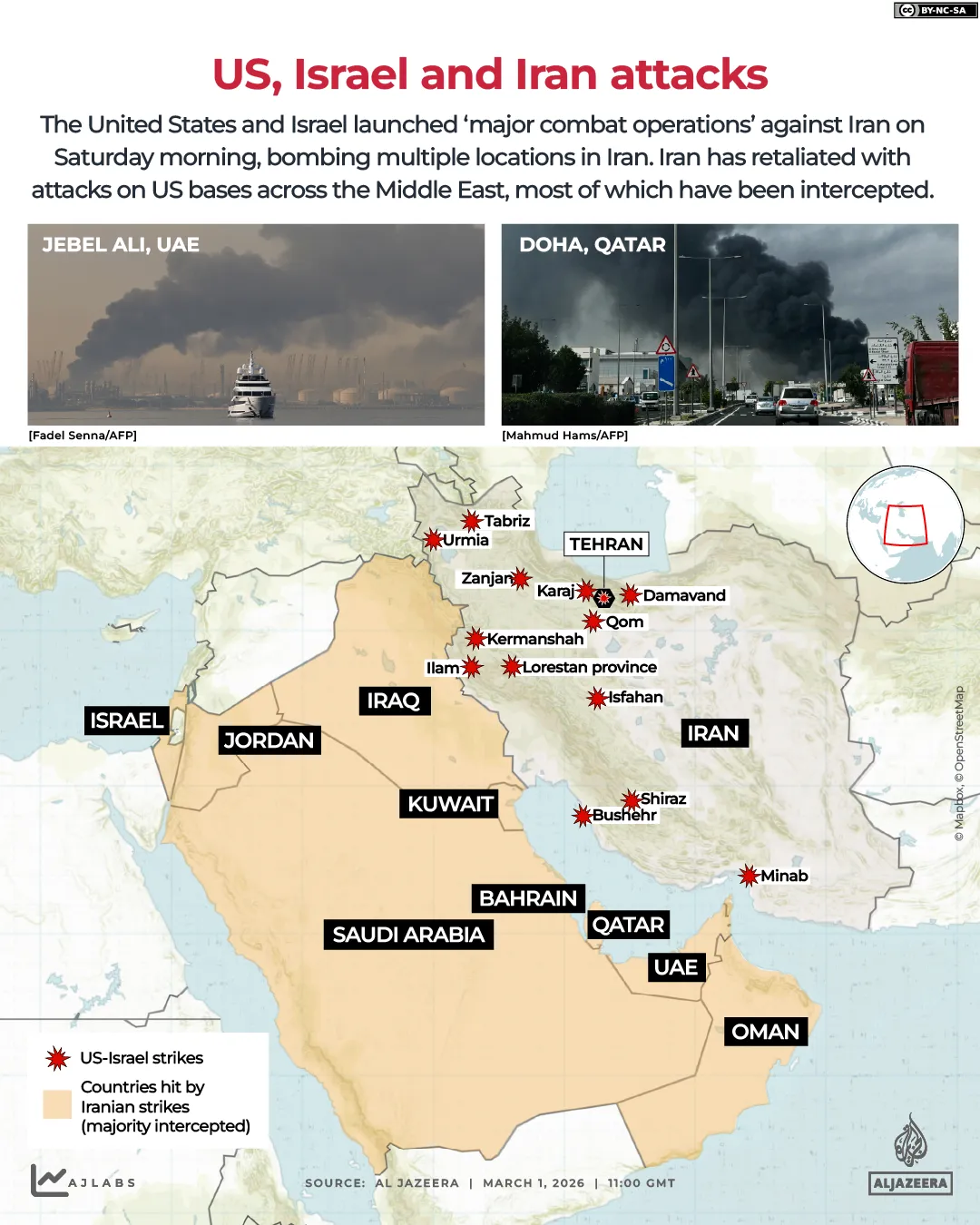
Iran’s Islamic Revolutionary Guard Corps (IRGC) says it has launched attacks on 27 bases in the Middle East where US troops are deployed as well as Israeli military facilities in Tel Aviv and other parts of Israel.
So far, Iran has launched strikes across eight countries in the region: Bahrain, Iraq, Jordan, Kuwait, Oman, Qatar, Saudi Arabia and the United Arab Emirates.
Most of these attacks have been intercepted.
(Al Jazeera)
US military presence in the Middle East
The US has operated military bases in the Middle East for decades.
According to the Council on Foreign Relations, the US operates a broad network of military sites, both permanent and temporary, across at least 19 locations in the region.
Of these, eight are permanent bases in Bahrain, Egypt, Iraq, Jordan, Kuwait, Qatar, Saudi Arabia and the UAE.
As of mid-2025, there are about 40,000 to 50,000 US soldiers in the Middle East stationed in both large, permanent bases and smaller forward sites.
The countries with the most US soldiers are Qatar, Bahrain, Kuwait, the UAE and Saudi Arabia. These installations serve as critical hubs for US air and naval operations, regional logistics, intelligence gathering and force projection.
(Al Jazeera)
How many people have been killed or injured?
Below are the confirmed casualties across the 10 countries that have been subject to attacks as of Sunday at 13:40 GMT.
Due to the rapidly evolving situation, all figures may change as more information becomes available.
Iran – killed: 201, injured: 747
As of Sunday morning, the Iranian Red Crescent Society and official state-linked media have reported preliminary casualty figures of 201 people killed and at least 747 injured as rescue operations continue.
Since then, explosions continue to be heard across Iran with Israel saying it has carried out a large aerial attack on the “heart of the capital”.
The deadliest single incident occurred in the city of Minab in southeastern Iran, where a strike on an elementary girls school reportedly killed at least 148 people and injured 95. The attack occurred on Saturday, and the death toll has been climbing since.
Israel – killed: 9, injured: 121
On Sunday afternoon, an Iranian ballistic missile strike on central Israel’s Beit Shemesh killed eight people and injured about 20. Rescue workers are still combing through the rubble.
Late on Saturday, one woman in the Tel Aviv area was confirmed killed after being struck by falling shrapnel.
At least 121 others have been reported injured, at least one seriously.
At least 40 buildings in Tel Aviv were damaged in Iranian strikes on Saturday, the Israeli newspaper Haaretz reported, citing the city government.
An explosion occurs in Tel Aviv on February 28, 2026, after Iran launched missiles into Israel [Gideon Markowicz/Reuters]
Bahrain – killed: 0, injured: 4
Iranian missiles targeted the headquarters of the US Navy’s 5th Fleet in Bahrain’s Juffair area.
Bahrain’s Ministry of Interior also confirmed that the country’s international airport was targeted with a drone, “resulting in material damage without loss of life”.
On Saturday night, several residential buildings in the capital, Manama, were struck by Iranian drones.
Government hospitals said four people were receiving treatment for shrapnel-related injuries.
A building was damaged in the Seef commercial district of Manama, Bahrain, on March 1, 2026, in an Iranian drone attack [Hamad Mohammed/Reuters]
Iraq – killed: 2, injured: 5
The US and Israel also targeted the Jurf al-Sakher base, also known as Jurf al-Nasr, in southern Iraq, which houses the Popular Mobilisation Forces, made up of mostly Shia fighters, and the Iran-supported Iraqi paramilitary group Kataib Hezbollah.
Iraqi state media and sources within Kataib Hezbollah confirmed that two fighters were killed in the strikes and five were wounded.
In northern Iraq‘s semiautonomous Kurdish region, where the US is reported to still have troops, several powerful explosions were reported near the US consulate and international airport in Erbil.
Air defences intercepted the drone attacks on Saturday, according to reports.
A plume of smoke rises near Erbil International Airport in Erbil, Iraq, on March 1, 2026 [Shvan Harki/AFP]
Jordan – killed: 0, injured: 0
The Jordanian armed forces reported intercepting 49 drones and ballistic missiles that entered Jordanian airspace. While their fragments caused localised property damage, there have been no deaths or injuries within the kingdom.
Kuwait – killed: 1, injured: 32
Kuwait’s Ministry of Defence says Ali al-Salem Air Base came under attack by a number of ballistic missiles, all of which were intercepted by Kuwaiti air defence systems.
A drone targeted Kuwait International Airport on Saturday, resulting in minor injuries to a number of employees and limited damage to the passenger building.
On Sunday, Kuwait’s Ministry of Health said one person had been killed and 32 wounded.
Kuwait City in the aftermath of strikes by Israel and the US on Iran [Stephanie McGehee /Reuters]
Oman – killed: 0, injured: 5
On Sunday morning, the Oman News Agency, quoting a security source, said two drones had targeted the Duqm port, injuring one foreign worker.
Later, Oman’s Maritime Security Centre said a Palau-flagged oil tanker was attacked about 5 nautical miles (9km) off Oman’s Musandam governorate, injuring four people.
Qatar – killed: 0, injured: 16
As of Sunday morning, the Qatari Ministry of Interior confirmed that the number of injured was at 16 people. Most injuries were reported to be from falling shrapnel and debris with one person seriously hurt.
The Qatari Ministry of Defence confirmed that two ballistic missiles struck the Al Udeid military base, where US forces are stationed, while a drone targeted an early warning radar installation.
Qatari air defence systems, in coordination with regional partners, successfully intercepted about 65 missiles and 12 drones over Qatari airspace, it said.
The Qatar Civil Aviation Authority suspended all air navigation indefinitely. Qatar Airways grounded all flights and advised passengers that updates will be provided on Monday by 9am (06:00 GMT).
All schools have moved to remote learning, and public gatherings for Ramadan have been suspended until further notice to ensure public safety.
Saudi Arabia – killed: 0, injured: 0
The Saudi Ministry of Foreign Affairs confirmed that Iranian attacks targeted both the capital, Riyadh, and Eastern Province, home to major oil infrastructure and the King Abdulaziz Air Base.
The kingdom has officially reported no casualties as of Sunday afternoon.
United Arab Emirates – killed: 3, injured: 58
As of Sunday afternoon, at least three people in the UAE were confirmed killed and 58 others wounded.
A Pakistani national was killed and seven people were injured when debris from intercepted missiles and drones fell on a residential area near Zayed International Airport in Abu Dhabi.
The Ministry of Defence confirmed that another individual, identified as an Asian national, was killed by falling shrapnel in a residential district of the capital.
Additionally, four airport staff at Dubai International Airport sustained injuries, and four people were injured at Palm Jumeirah after a fire in a building caused by falling debris.
As of Sunday afternoon, The UAE’s Defence Ministry says it detected 165 ballistic missiles, destroying 152, and intercepted two cruise missiles.
A highly anticipated new Western drama in the hit Yellowstone franchise is about to start on Paramount+
‘Action-packed’ Western drama has ‘everything you could ask for’(Image: PARAMOUNT PLUS)
Yellowstone’s new spin-off that puts Kayce Dutton (played by Luke Grimes) at the forefront is finally here, and it’s a must-watch for fans of the gripping Western drama.
Airing today (Sunday, 1st March) on CBS in the US and later available on Paramount+, Marshals: A Yellowstone Story follows the rancher and former Navy SEAL as he enlists with an elite squad of US Marshals to deliver justice across Montana.
As he wages war against violence and learns to adapt to working with a team, he must also strive to become the best father possible to his teenage son, Tate (Brecken Merrill).
The latest of several spin-offs from the popular neo-Western saga created by Taylor Sheridan, Marshals promises action-packed cases and gripping drama each week that is sure to keep viewers satisfied.
Although reviews have been mixed so far, garnering a 50 percent score on Rotten Tomatoes, critics agree the show has huge potential and is bound to keep die-hard fans enthralled.
Collider has praised Grimes’ central performance as Kayce, writing that he comes into his own as the Yellowstone franchise’s newest lead.
“Grimes carries the series with ease,” they went on, “graduating from being a supporting cast member roaming alongside Kevin Costner’s shadow to the leading man of his own cowboy-flavoured crime drama.”
Their review also assured fans that the shift to CBS hasn’t sanitised the gritty Yellowstone brand too much, adding: “Marshals is a neo-Western that is chock-full of potential.
“It’s action-packed, thrilling, and full of everything you could ask for in a Kayce Dutton-led series that fights hard to divorce itself from the “Y” that still lingers in the background. It’s not perfect, nor does it claim to be, but once it gets through the initial growing pains, it will be able to stand firmly on its own.”
Men’s Journal described the series as “kick-a**”, promising it still has the “Yellowstone magic”.
The review went on: “Marshals may not be as twisty or unpredictable as 1923 or the recent season of Landman, but it has that same sparkle and magic of the other Sheridan westerns.
“It’s the sort of show that doesn’t ask much to get invested, and rewards you with the simple pleasure of feeling good after you’ve watched an episode. In a world of morally grey anti-heroes, Kayce Dutton is here to be the perennial good guy on horseback. And frankly, it’s good to have him back.”
TVLine was also impressed with the Yellowstone universe’s latest offering, urging potential viewers not to be put off by Marshals’ broadcast on CBS, home to crime procedurals such as NCIS and FBI.
Paramount+ half price sale
This article contains affiliate links, we will receive a commission on any sales we generate from it. Learn more
Paramount+ is offering 50% off its Standard and Premium subscriptions until July 10.
“Marshals actually manages to serve both of its masters quite well,” they wrote.
“With its swelling score, sweeping cinematography, and gorgeous opening credits sequence (a dying art!), you’ll often find yourself wondering, ‘Wait, am I really watching a network procedural right now?’
“Marshals fires on all cylinders, sending the team on explosive missions that guarantee your Sunday nights will end with a bang.”
They concluded: “A visual treat with genuine heart, Marshals is enough of a crime procedural to appeal to viewers who enjoy a complete story told in 60 minutes, while also remaining prestigious enough to satisfy Yellowstone fans who might not typically watch a show like, say, S.W.A.T. or NCIS.”
Marshals: A Yellowstone Story premieres Sunday, 1st March on CBS and the following Monday on Paramount+.
For the latest showbiz, TV, movie and streaming news, go to the new **Everything Gossip** website.
Ensure our latest headlines always appear at the top of your Google Search by making us a Preferred Source.** Click here to activate**** or add us as your Preferred Source in your Google search settings.**
PHOENIX — The Dodgers have played mostly great baseball in Los Angeles for 68 years. How many position players wear the iconic L.A. cap on a Hall of Fame plaque?
“That is fascinating,” Freeman said. “That is amazing.”
That means the first position player to wear an L.A. cap in the Hall of Fame might well be the one that shed tears over leaving the Atlanta Braves. Freeman preferred to stay, but the Dodgers offered him a six-year contract and the Braves did not.
“Going into that offseason, it was hard to imagine him in a different uniform,” Friedman said. “And now it’s really hard to see him in a different uniform than ours.”
Yet the love affair between Freeman and Braves fans was so evident in his 2022 return to Atlanta that, in the moment, Clayton Kershaw said, “I hope we’re not second fiddle.”
Said Freeman: “I don’t shy away. I had 12 great years in Atlanta, but I’m having a blast here. It’s been four wonderful years, a couple of World Series titles. I’m here. I love every minute of this.”
We remember best what we remember last. Freeman is well aware of his legacy.
Freddie Freeman tosses his bat after hitting a walk-off grand slam in Game 1 of the 2024 World Series against the New York Yankees at Dodger Stadium.
(Wally Skalij / Los Angeles Times)
No one else in major league history has hit one in the World Series. That was the “Gibby, meet Freddie!” moment.
What is Kirk Gibson remembered for? Do we have to ask?
Gibson played 12 years in Detroit and won a World Series. He played three years in Los Angeles, won a World Series, and one of the greatest moments in baseball history was immortalized by one of the greatest calls in baseball history: “In a year that has been so improbable, the impossible has happened!”
Gibson is a Dodger.
Freeman played 12 years in Atlanta and won a World Series. He has played four years in Los Angeles and won two, with the walk-off grand slam to end one World Series game and a walk-off home run to end an 18-inning World Series game.
Freeman is a Dodger.
If you could follow him around town, you would see.
“I haven’t been able to leave my house once in the last few years without someone coming up to me,” he said. “Sometimes you just want to incognito and get to somewhere, but you can’t. It’s OK. That just means we’re doing something special here.
“Even in Orange County, it’s kind of taken over. There’s a lot more L.A. hats walking around than Angel hats in Orange County.
“It’s just fun to be a Dodger right now. It’s hard not to watch us wherever we go, and that’s special. It’s a great place to play. People want to come here and play. The fans obviously love us, and we appreciate all of it.”
Freddie Freeman waves to fans during Dodgerfest at Dodger Stadium on Jan. 31.
(Ronaldo Bolanos/Los Angeles Times)
Even the traffic. Freeman grew up in Orange County, so he takes the L.A. traffic in stride.
“The 55 isn’t that good either,” he said with a grin. “Or the 91.”
It sounds crazy to say that Freeman could play two or three times as long with the Braves and enter the Hall of Fame as a Dodger.
The totals through 12 years in Atlanta: one championship, five All-Star appearances, one most valuable player award, three top-5 MVP finishes, .295 batting average, .893 OPS.
The totals through four years in Los Angeles: two championships, four All-Star appearances, two top-5 MVP finishes, two legendary moments, .310 batting average, .907 OPS.
Freeman is 36. His contract covers two more seasons, although he said he would like to play four more with the Dodgers and then call it a career. That would make 12 years with the Braves, eight with the Dodgers.
Then, assuming his career does not fall off a cliff: Cooperstown.
“I’ve only been here for four years, and you’re already talking about this?” Freeman said. “That makes me happy because that means I’ve done my job well.”
Reggie Jackson played 10 years with the Oakland Athletics, five with the New York Yankees. His Hall of Fame cap features the Yankees.
Nolan Ryan played nine years with the Houston Astros and eight with the Angels. His Hall of Fame cap features the Texas Rangers, his team for five years.
If Freeman is elected, he and the Hall will confer about which team should be represented on his cap. That conversation might be a decade away, but I’ll say it now: In L.A. and in Cooperstown, Freeman is a Dodger.
Iranian state media confirmed that Ayatollah Ali Khamenei, Iran’s supreme leader since 1989, was killed in a joint US-Israeli air strike. Here’s what we know about him and the key moments that defined his rule.
A TEENAGER has forced society to reflect on its shortcomings and hypocrisies by wearing a keffiyeh neck scarf.
Joshua, not his real name, 17, has issued a damning indictment on the state of the world by stepping out in a patterned neck scarf with tassels that clearly singles him out as a free-thinking radical.
He said: “People usually wear this kind of scarf in the desert, yet here I am rocking it in Plymouth. Take that, societal expectations.
“I could have wrapped a normal scarf around my neck and done a better job of protecting myself from the cold. But then how would everyone know I’ve skim-readThe Communist ManifestoWikipedia page?
“By wearing this scarf I’m showing everyone I’m a Che Guevara-esque revolutionary. Although instead of overthrowing a dictator with guerilla warfare, I’m off to get the bus and browse the £1 DVDs in CEX. Assuming mum gives me a tenner.
“If enough people see me I reckon this sick capitalist system should come crashing down by dinnertime. Which works for me because I’m broke and can’t be bothered to get a job.”
Passer-by Jack, not his real name, said: “I was a normal, functioning member of society until I saw Josh’s scarf. Now I’m off to petrol bomb a bank.”
The lovely, funny “American Classic,” premiering Sunday on MGM+, is a love letter to theater, community and community theater. Kevin Kline plays Richard Bean, a narcissistic stage actor. He’s famous enough to be opening on Broadway in “King Lear,” but he has to be pushed onstage and is forgetting lines. After he drunkenly assails a hostile New York Times critic — caught on video, of course — he’s suspended from the play, and his agent (Tony Shalhoub) advises him to get out of town and lay low until the heat’s off, as they used to say in the gangster movies.
Learning that his mother (Jane Alexander, acting royalty, in film clips) has died, Richard heads back to his small Pennsylvania hometown, where his family — all actors, like the Barrymores, but no longer acting — owns a once-celebrated theater. To Richard’s horror, it has, for want of income, become a dinner theater, hosting touring productions of “Nunsense” and “Forever Plaid” instead of the great stage works on which he cut his teeth.
Brother Jon (Jon Tenney), running the kitchen at the theater, is married to Kristen (Laura Linney), Richard’s onetime acting partner, who dated him before her marriage; now she’s the mayor. Their teenage daughter, Miranda (Nell Verlaque) — a name from Shakespeare — does want to act and move to New York, as her mother had before her, but is afraid to tell her parents. Richard’s father, Linus (Len Cariou), is suffering from dementia, though not to the point he won’t actively contribute to the action; every day he comes out again as gay.
Across the eight-episode series, things move from the ridiculous to the sublime. Richard’s attempt to stage his mother’s funeral, with her coffin being lowered from the ceiling, while “Also sprach Zarathustra” plays and smoke billows toward the audience, fortunately comes to naught; but he announces at the ceremony that he’ll direct a production of Thornton Wilder’s 1938 play “Our Town” at the theater, to “restore the soul of this town.” (His big idea is to ignore Wilder’s stage directions, which ask for no curtain, no set and few props, with a “realistic version,” featuring a working soda fountain, rain effects and a horse.) Fate will have other plans for this, and not to give away what in any case should be obvious, the title of the play will also become its ethos, with a cast of amateurs, including Miranda’s jealous boyfriend, Randall (Ajay Friese), and ordinary people standing in for the ordinary people of Wilder’s Grover’s Corners.
The series has a comfortable, cushiony feeling; it’s the sort of show that could have been made as a film in the 1990s, and in which Kline could have starred as easily in his 40s as in his 70s; it has the same relation to reality as “Dave,” in which he played a good-hearted ordinary Joe who takes the place of a lookalike U.S. president. The town is essentially a sunny place, full of mostly sunny people, to all appearances, a typical comedy hamlet. But we’re told it’s distressed, and Mayor Kristen is in transactional cahoots with developer Connor Boyle (Billy Carter), who wants clearance to build a casino on the site of a landmark hotel. (Much of the plot is driven by money — needing it, trading for it, leaving it, losing it.) He also wants his heavily accented, bombshell Russian girlfriend, Nadia (Elise Kibler), to have a part in “Our Town.”
As in the great Canadian comedy “Slings & Arrows,” set at a Shakespeare Festival outside of Toronto, themes and moments and speeches from the play being performed are echoed in the lives of the performers, while the viewer experiences the double magic of watching a fine actor playing an actor playing a part. Kline, of course, is himself an American classic, with a long stage and screen career that encompasses classical drama, romantic and musical comedy and cartoon voiceovers; the series makes room for Richard to perform soliloquies from “Hamlet” and “Henry V,” parts Klein has played onstage. He brings out the sweetness latent in Richard. Linney, who played against her sweetheart image in “Ozark,” is happily back on less deadly ground (though she’s tense and drinks a little). Tenney, who was sweet and funny on “The Closer,” and who we don’t see enough of these days, is sweeter and funnier here, and gets to sing. (All the Beans will sing, except for Linus.)
As a comedy, it is often predicable — you know that things will work out, and some major plot points are as good as inevitable — but it’s the good sort of predictability, where you get what you came for, where you hear the words you want to hear, ones you could never have written yourself. “American Classic” is not out to challenge your world view in any way but wants only to confirm your feelings and in doing so amplify them. Shock effects are fine in their place — and to be sure there are major twists in the plot — but there is a certain release when the thing you’re ready to have happen, happens, whether it brings laughter or tears. Either is welcome.
I LISTEN in pitch darkness as a creature scuttles from one end of my canvas roof to the other.
Huntsman spider? Giant goanna lizard? A giant goanna lizard-sized spider? My mind is racing.
Sign up for the Travel newsletter
Thank you!
Sydney Opera House surrounded by the harbour and Royal Botanic GardenCredit: Destination NSWPaperbark Camp is an eco-glamping retreat 120 miles south of Sydney, tucked away in dense woodlandCredit: Supplied
Finally Emma, our Australian host, answers my panicked WhatsApp. “It’s a possum, Stew. No one ever died from a possum.”
Reassured, I snuggle back down under the covers and drift off to sleep with the soundtrack of the Australian forest echoing around me.
I’m staying at Paperbark Camp, an eco-glamping retreat 120 miles south of Sydney, tucked away in dense woodland on the banks of Currambene Creek.
My “pod” — essentially a wooden base with canvas roof and walls — has a sumptuous double bed, a deck with chairs and tables to chill while watching the exotic birdlife and kangaroos, and a delightful bath and shower room at the rear that is fully open to the forest.
And, yes, I did check under the loo seat for spiders!
The camp is our base for a week exploring the delights of rural New South Wales.
Yes, Sydney is a fantastic city but what if you want a little more adventure and authenticity?
It was certainly a chance to get close to the famous Aussie wildlife, with possums trotting up to the bar terrace and mobs of kangaroos grazing just yards away in the paddocks surrounding the camp.
Having honed our canoeing skills with the camp’s boats on the delightfully placid creek, we headed up the road to Kangaroo Valley for a paddle with a twist.
Here, we had two canoes lashed together either side of a picnic table, with two bottles of local fizz chilling and freshly-made hors d’oeuvres. How civilised.
The site is on the banks of Currambene Creek and when you’re bushed relax inside an eco podCredit: Supplied
Our sedate hour-long paddle up the river surrounded by steep tree-covered mountainsides in the morning sunshine was beautiful, with guide Travis acting as wildlife spotter and giving us an education on the ways of the Aussie bush.
Every stop we made shed more fascinating light on the history of the country’s indigenous people and each stop revealed more of their mind-blowing bushcraft and knowledge of the land.
Up in the Blue Mountains — a Unesco world heritage site — local tribal elder “Uncle Dave” gave us a warm welcome to Scenic World and an enthralling introduction to Aboriginal history.
Whether out in the bush or in Sydney, a tour encompassing Australia’s indigenous culture is well worth the time, with more than 300 distinct “nations” living side by side in harmony for thousands of years, each with their own spiritual connection to the country around them.
Uncle Dave had our group enthralled as he talked us through the customs and folklore of the breathtaking landscape around us from a cable car 800ft above the forest canopy.
The same was true as we toured the mangroves and woodlands of the beautiful coastal town of Jervis Bay.
Up the creek with a paddle in the canoeCredit: Supplied
Here, our guide Jacob fashioned a soothing ointment for insect bites from the sap of a bracken fern he’d pulled from the ground in front of us.
No plant goes to waste, he explained, pointing out some of the various unique uses for the wide range of trees and grasses around us.
The plentiful mangrove trees and their twisted branches are perfect for making boomerangs, for example.
If the idea of walking through a coastal forest with stunning views of the ocean is your thing, the 90-minute trek from Hyams Beach to Greenfield is well worth a look, with miles of beautiful white sand — the whitest in the world, the locals claim — and crystal-clear waters.
There are of course snorkelling spots in the area, and a quick boat trip out into the bay will almost guarantee a sight of dolphins, with migrating whales also around from May to November every year.
Jervis Bay’s beaches are also famous for stunning night-time displays of bioluminescence — in which a plankton “bloom” in the water glows in the dark — but that’s not an experience you can plan for!
Snorkelling in Currambene CreekCredit: Supplied
The local indigenous people’s name for Jervis Bay translates as “Bay of Plenty”, and the seafood on offer at renowned local watering hole The Huskisson Hotel certainly reflects that — a perfect way to refuel after a busy day and watch the sun set.
Exploring the stunning countryside of New South Wales will obviously require a car, and the average cost of hiring in Sydney is £45 a day.
And remember, they drive on the left Down Under so it’s easy for us Brits!
Back in the pitch darkness of the forest at Paperbark Camp, I’m woken from my well-earned slumber by a series of shrieks that sound not unlike the Demogorgon from Stranger Things.
I text Emma in the pod next door: “Did you hear that?”
As my ears pick up a rustling in the undergrowth just beyond my deck, her reply comes back: “If I told you that was just a possum, would you believe me?”
I don’t — but at least I know it can’t possibly be a 2ft Huntsman Spider.
A dolphin watching cruise in Jervis BayCredit: Supplied
BOSTON — Eight-year-old Martin Richard was a bright, sunny boy who loved to ride his bike and went “wild” when he played offense on his soccer team, scoring the winning goal in a championship game last year.
Krystle Campbell was the vivacious assistant manager of local steakhouse, the first to backstop fellow workers by running plates from the kitchen. She could instantly smooth over diners’ complaints with her smile.
They were both cheering on the sidelines of the Boston Marathon on Monday when two bombs went off with a thunderous boom and cloud of white smoke, claiming them as the first victims of the blast. Boston University officials confirmed the death of a third person Tuesday: a graduate student who has not been identified.
Friends and family members of the victims were still in shock after Monday’s chaos. Martin’s father, Bill Richard, who was tending to his wife and 6-year-old daughter, who were injured in the blast, released a statement thanking strangers for their prayers.
“We also ask for your patience and for privacy as we work to simultaneously grieve and recover,” he said.
Campbell’s mother, Patty, emerged briefly on the front steps of her family’s modest two-story home in Medford.
“We are heartbroken at the death of our daughter,” Campbell told reporters, her voice shaking between sobs. “This doesn’t make any sense.”
As federal investigators chased leads in the effort to find the perpetrators, doctors at Boston’s trauma centers tended to the more than 170 people wounded in the explosions, many of whom have been released. Dr. George Velmahos, the leader of the trauma team at Massachusetts General Hospital, said that although many of its surgeons trained on the battlefields of Iraq and Afghanistan, they were confounded by the severity of the injuries they confronted as waves of patients arrived at the emergency rooms Monday.
Some of the patients were in surgery for hours as doctors tried to remove metal fragments, spiky metal pieces that looked like nails without heads, and pellets that had shredded their limbs. But the positive outlook of many of them left Velmahos “moved and really amazed.”
“Some of them woke up today with no legs and told me they were just happy to be alive,” Velmahos said. “Some of them said they thought they were lucky.”
Among the relatives and friends who kept watch at Mass General was 39-year-old Corey Comeau, who was visiting his cousin and his cousin’s girlfriend Tuesday afternoon. Comeau, a chef at Stephanie’s restaurant on Newbury Street, near what is now a crime scene, said his cousin was “still a little shellshocked” but that his cousin’s 24-year-old girlfriend suffered worse injuries.
“They say they can save her leg,” Comeau said as he stood outside the hospital after visiting.
“I can’t believe I’m even saying that. It’s not normal conversation.” Still, he said, the mood inside the hospital was “much calmer today than last night” with doctors going from patient to patient and conferring with families.
“These are some of the best hospitals in the world. The staff has been unbelievable,” he said.
At the same time, Monday’s chaos bred confusion, as in the case of Krystle Campbell.
Campbell had been watching the marathon alongside her friend Karen, her grandmother Lillian Campbell said, and the family at first believed that she had survived with serious injuries to her legs. But the family learned Tuesday morning that it was Karen who lived.
Lillian Campbell said her granddaughter stopped by her house for the last time last Thursday afternoon, when they drank tea and talked for several hours about work, friends and life.
“She loved being around people. She loved doing things for people,” said Lillian Campbell, 79, who noted that her granddaughter moved in to take care of her after she underwent surgery a few years ago. “She was hard worker. She was bubbly all the time.”
Nick Miminos, who had recently hired Campbell as an assistant manager at Jimmy’s Steer House in Arlington, Mass., said the 29-year-old “had one of those personalities that belongs in hospitality.”
“The wait staff loved working with her,” Miminos said. “She would run food for them, clear the tables for them. She wasn’t just a figurehead. She enjoyed getting her hands dirty.”
Not far away in the Ashmont section of Dorchester, neighbors and friends of the Richard family grieved at a candlelight vigil for young Martin. Bill Richard had been a force in restoring the historic neighborhood. His wife, Denise, who suffered critical injuries Monday, was a librarian at the Neighborhood House Charter School, where Martin and his 6-year-old sister, Jane, were enrolled.
Twins Andreas and Alejandro Calderon, 10, came by the Richard house to place a soccer ball, signed with their names, on the family’s porch. The boys recalled Martin hopping around the playground at recess and unleashing his energy on the soccer field.
“When we put him on defense and goalie he would do good, but he would save his energy so when we put him on offense he would go wild,” said Andreas, whose father coached the team.
Other friends posted their memories of Martin on Facebook and Twitter. Among the more searing images was a picture of Martin, with his gap-toothed smile, holding a blue sign he had made with magic markers.
Rams safety Kam Curl (3) celebrates after intercepting a pass against the Chicago Bears in the divisional playoffs on Jan. 18.
(Jeff Roberson / Associated Press)
The Rams have not invested heavily at cornerback since 2019, when they traded two first-round draft picks for Jalen Ramsey. They have not drafted a cornerback since 2023, when they picked Tre Tomlinson in the sixth round.
Last season, the Rams thought their young and talented pass rush could compensate for their decision not to stand pat with the cornerbacks and safeties from the 2024 season.
That did not work out well.
Cobie Durant, a 2022 fourth-round draft pick, and Roger McCreary, a 2022 second-round pick by the Tennessee Titans who was acquired in a 2025 midseason trade, are free agents. So are Ahkello Witherspoon and Derion Kendrick.
The Rams have until May 1 to decide whether to exercise a fifth-year option on Emmanuel Forbes Jr. The Rams in 2024 signed the 2023 first-round pick after he was waived by the Washington Commanders. If the Rams exercise the option, Forbes would be guaranteed $12.6 million in 2027.
Safety Kam Curl is a free agent. But the Rams in January gave safety Quentin Lake a three-year extension that includes $25.7 million in guarantees, so it would be a surprise if the Rams are willing to pay a premium for Curl.
According to Pro Football Focus, Jamal Dean (Tampa Bay), Jaylen Watson (Kansas City) and Tariq Woolen (Seattle) are top free-agent cornerbacks. Top college prospects include Jermod McCoy (Tennessee), Mansoor Delane (Louisiana State), Brandon Cisse (South Carolina), according to the website.



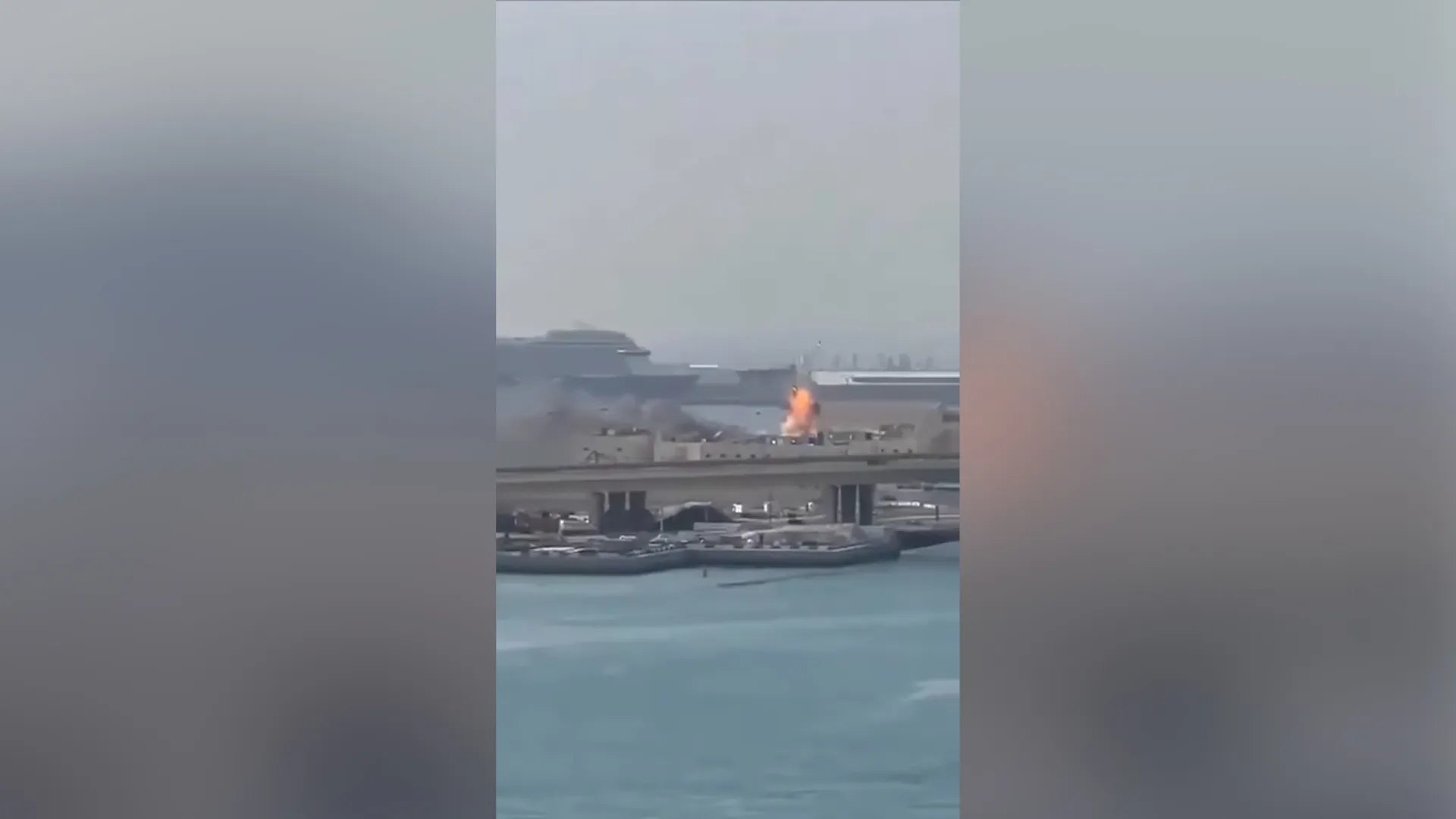
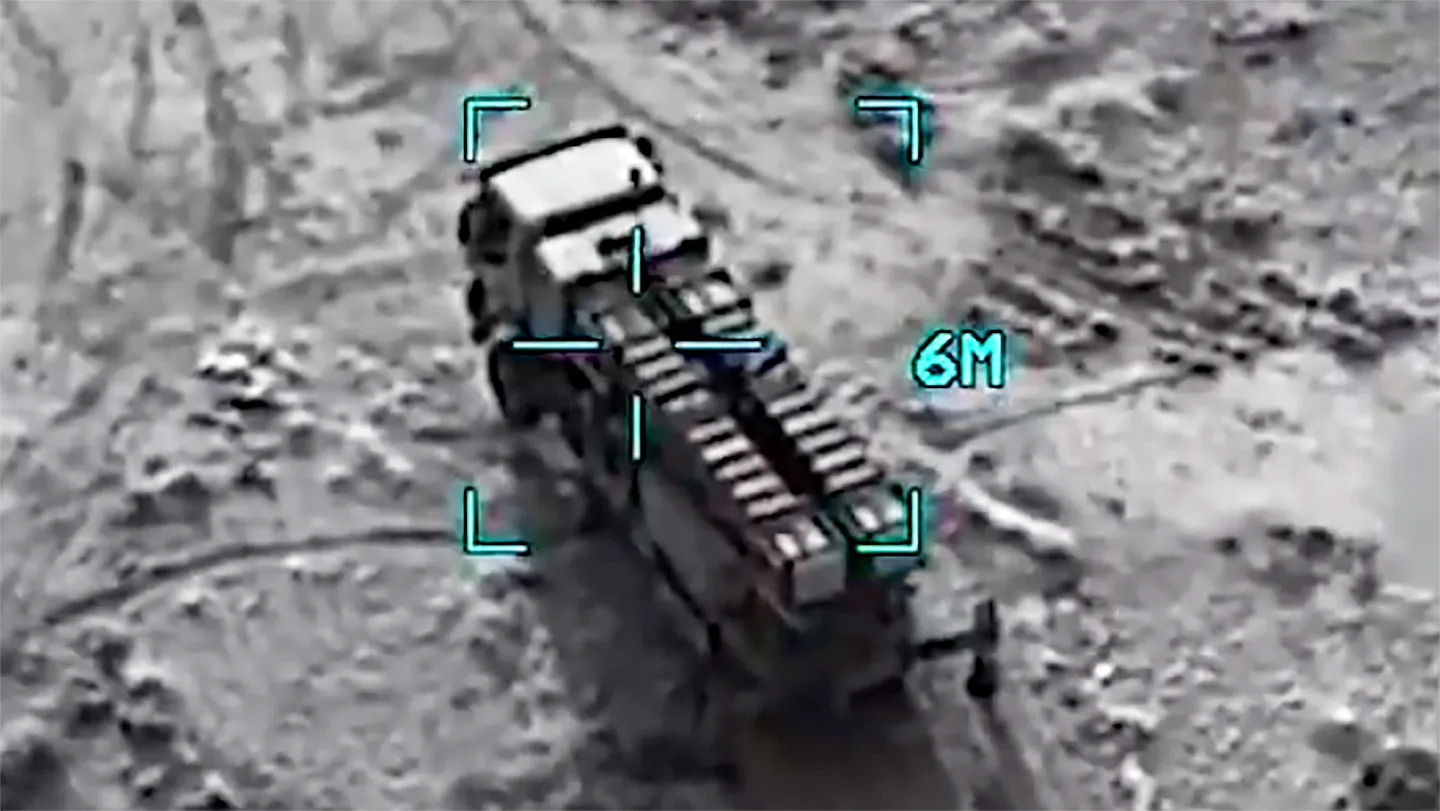



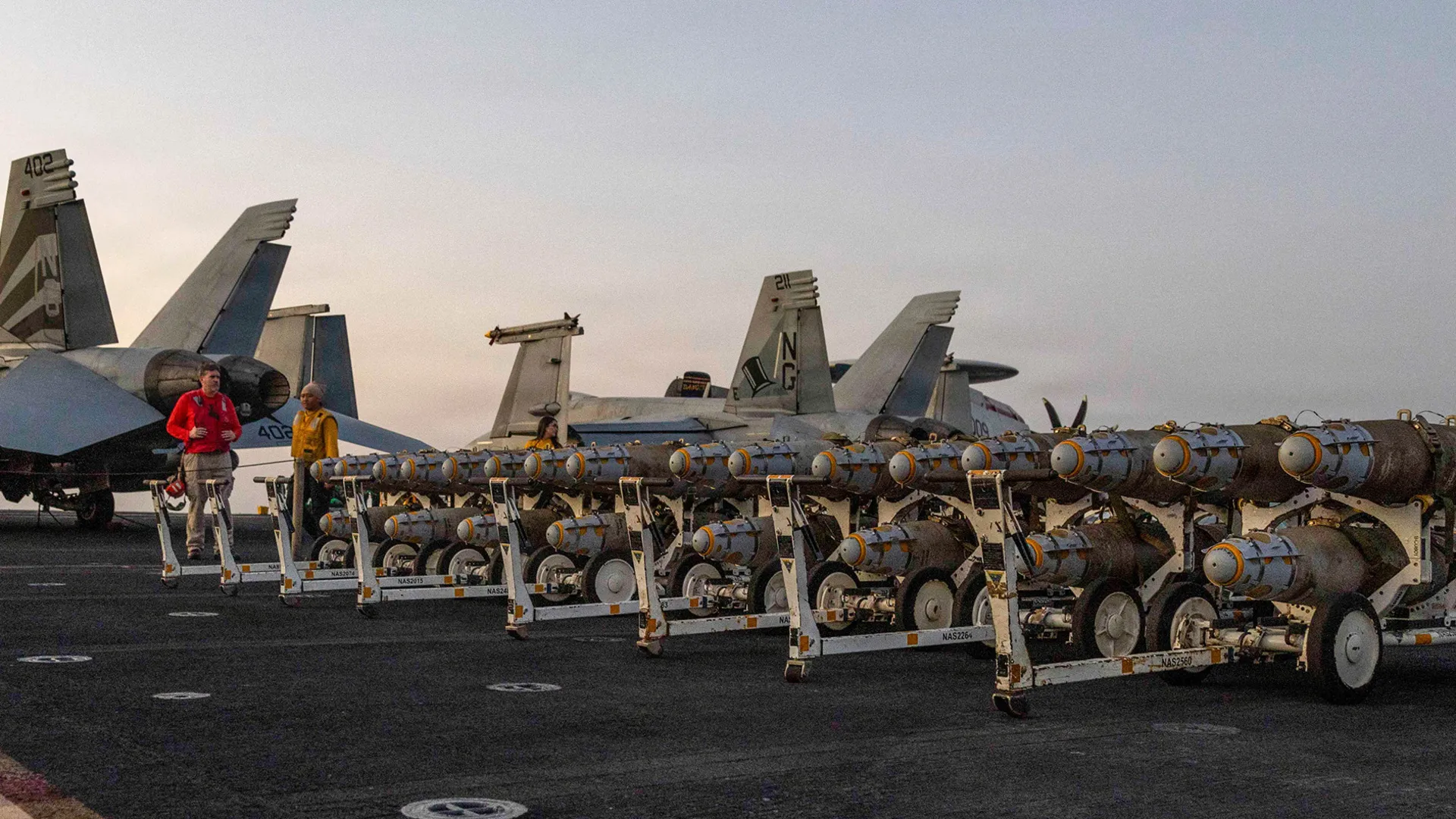


![Gholamhossein Mohseni Ejei was put on US and EU sanctions blacklists 10 years ago for his role in a crackdown on a popular uprising [File: AFP]](https://i0.wp.com/www.aljazeera.com/wp-content/uploads/2021/07/000_9DM946.jpg?w=640&ssl=1)