



Countryfile’s Matt Baker shares ‘big news’ with wife as couple make huge move
Matt Baker and his family will be back on screens very soon and fans are thrilled about it

Matt Baker and Nicola Baker (Image: Channel 4)
Countryfile star Matt Baker has shared some “big news” with his followers.
Matt Baker has thrilled his Instagram followers by sharing that he will be back on screens very soon with a brand new series. The Countryfile star confirmed he will be back next week with a new series called Our Farm In The Dales.
Alongside a picture of his family, Matt wrote, “Hi all, got some big news for all of you who enjoyed ‘Our Farm In The Dales’ (the series based on our family farm). We’re back with a new series, but with quite the twist. We’re calling it ‘Our Barn In The Dales’ as Nicola and I are converting the barn, stable, and granary at the end of the courtyard into a cottage…
“We’re deep in an epic adventure which will be spanned across 2 series, the first starting in a couple of weeks, is all the building and conversion stuff, and another series next year will be the interior bits and bobs. Hopefully full of all the things you loved in previous series with the animals, Mum Dad and of not forgetting his classic car – spoiler we finally finish it!”
He concluded the post, “A massive thanks to all our friends and new builder mates who are making our dream happen. See you in a couple weeks on More4 starting Tuesday 13 October 9pm!”
Matt’s followers were delighted by the announcement and took to the comment section to share their thoughts. One wrote, “We can’t wait for you to see it!”
“Ahhhh, great. We love seeing you all together,” another said while a third added, “That’s brilliant, I can’t wait to watch it. When will it be on TV?”
Someone else added, “Yay!!! Ah this is great news @mattbakerofficial. Lush family viewing. My son, in particular, loves you and wants to be a farmer. He’s in Butsfield YFC! You inspire him so much.”
“Great news! Looking forward to watching the new series,” one fan commented. This isn’t the only TV role Matt has announced recently, as he is returning to the BBC with his first solo series, Matt Baker: Life With Dogs.
The series, produced by his own company Big Circus Media, will explore the diverse roles dogs play in human lives – from working farm dogs to therapy dogs and assistance dogs for those with disabilities.
Matt told The Mirror: “Dogs have been a lifelong passion of mine, and I’m so excited to be making this series about the bond between humans and dogs. The show comes after the 48-year-old recently lost his beloved border collie Bob, leaving him heartbroken. He described Bob as “the ultimate companion through some of the greatest chapters of my life”.
The series will examine how dogs can be trained for medical detection, warning owners of oncoming seizures, as well as their roles in therapy and police work.
Our Barn in the Dales airs on October 13 on More4.
Mauritius Solves Africa’s Cross-Border Payment Friction
The island nation sets out to eliminate high fees and multi-day delays for African cross-border transactions.
This article appears in the October issue of Global Finance Magazine.
In a fragmented landscape, aggregation matters. This philosophy underpins Mauritius’s quest to become the epicenter of cross-border payments in Africa, where layers of friction and an inability to converge have impeded deeper economic integration.
By building frictionless systems anchored in regulation, technology, and market dynamics, Mauritius, a small, upper-middle-income island nation of just 1.26 million people, is redefining payments in Africa and shifting the narrative for a continent long bound to Western capital in international payments.
“Through trust, Mauritius has become a hub for digital finance,” said Shane Mungur, senior associate at Mauritius-based law firm BLC Robert & Associates.
The reality of cross-border payments in Africa is that businesses and entrepreneurs must route transactions through correspondent banks in Europe and the U.S., paying fees as high as 7.1%, compared with a global average of about 2.8%. Worse, transactions can take as long as seven days to complete.
Mauritius’s effort to demonstrate that seamless payments in Africa are feasible is part of the nation’s ambitious transition to what it terms a “future-ready economic” model. This includes shifting the economy from dependence on sugarcane production and textiles and apparel to a new framework with the financial sector as the heartbeat. It has also meant shifting the focus of its search for a competitive edge from regional and bilateral trade treaties, legal and regulatory reforms, tax incentives, and the speedy incorporation of companies to cutting-edge innovation.
“Mauritius remains relevant and attractive as payment ecosystems evolve,” said Sharmilla Bhima, a partner at Mauritius-based law firm Appleby. Expanding its international financial center’s scope to cover cross-border payments is based on a conviction that Africa’s economy can only transform and become truly resilient if money can move across borders efficiently, securely, transparently, and affordably.
In recent years, more than $80 billion in Africa-bound investments have been structured through Mauritius. More than 450 private equity funds are now domiciled there, deploying capital across the continent.
“Mauritius is a jurisdiction that serves as a gateway for businesses seeking to participate in Africa’s growing economic integration,” Bhima said.
Cross-Border Payments Boom
The timing appears to be right.
Africa’s cross-border payments market is ballooning. Valued at $329 billion last year, it is projected to hit the $1 trillion mark in the next decade. Fragmentation nevertheless remains a barrier to unleashing the benefits of cross-border payments, cutting against the growth of trade, investment, entrepreneurship, financial inclusion, and economic integration.
Plans for a common currency to replace more than 40 local currencies remain a pipe dream while multiple regulatory regimes, limited interoperability, weak transparency, and dependence on intermediary currencies make friction a constant.
The continent continues to depend on hard currencies that are in short supply, increase conversion costs, and tie up working capital. Yet, the success of the African Continental Free Trade Area, the continent’s most ambitious effort at market integration, stands or falls largely on the ability of the member states to settle transactions in local currencies. The same applies to e-commerce, which is impeded by strict domestic transfer restrictions and high fees. Only 55% of African governments permit electronic know-your-customer and remittance costs are the highest globally, averaging 8% to 8.5%.
As Africa tries to tackle cross-border payments, some 36 instant payment systems, 33 country systems, and three regional systems are live, enabling some instant payments but also adding complexity. The Pan-African Payment and Settlement System remains the boldest initiative to counter these impediments. So far, 31 countries, 190 commercial banks and fintechs, and 16 payment switches are connected.
Sticking to the Basics

BLC Robert & Associates
Mauritius aims to provide its own answer by sticking to the basics of finance. Its regulatory focus is on creating a predictable environment that attracts investment and encourages transparent and secure capital flows: not just a safe haven or conduit for laundering.
Predictability has made Mauritius a hotspot for foreign direct investment. Last year, FDI inflows reached a record $1 billion, up from $705.7 million in 2024. Most of this — $400 million — was in the financial services sector, compared to just $20.8 million in 2024.
The Bank of Mauritius has assembled what it considers to be robust hardware and software infrastructure that can integrate with existing systems across multiple jurisdictions. The Mauritius Automated Clearing and Settlement System and the Mauritius Central Automated Switch (MauCAS), both administered by the central bank, were designed with interoperability in mind. The former settles transactions in major currencies as well as the local rupee.
“This is one of the most effective competitive edges in payments,” Mungur said.
Mauritius is also exploiting its strategic location as a financial bridge between Africa and Asia. A partnership with China enables settlement of transactions with renminbi while linking MauCAS with India’s switch has significantly boosted digital payments.
While regulation and technology are fundamental to Mauritius’s positioning as a payments hub, so is its ability to adapt to changing market dynamics. By removing exchange controls, the rupee is fully convertible, while foreign currency accounts can be held locally and no approval is needed to repatriate profit or capital. This is critical for treasurers moving money across African borders.
The central bank is also cognizant of the payments landscape’s fluidity, from electronic transfers to mobile wallets, QR-based payments, blockchain, tokenization, and many other channels, and has made encouraging financial innovation a priority.
“Encouraging innovation has enabled Mauritius to adopt new technologies that improve speed, reduce costs, and enhance client experience,” said Bhima. Regulators have nevertheless been careful to safeguard financial integrity and prevent inherent risks associated with like money laundering, terrorist financing, fraud, cybercrime, and sanctions evasion.
On this, Mauritius understands that trust is essential to establishing itself as a hub for cross-border payments.

(Source: State of Inclusive Instant Payment Systems in Africa 2025)
John Njiraini is a contributing writer based in Kenya.

ICE detainees who were sprayed with a cleaning agent reach settlement
WASHINGTON — Six years after he was released from a California immigrant detention facility, Wilfredo Gonzalez Mena has to sleep with his back propped up by pillows, nearly in a seated position, to avoid gasping for air.
He blames his lasting medical issues on the 10 months he spent in custody until September 2020 at the Adelanto ICE Processing Center, about 60 miles northeast of Los Angeles, during which guards sprayed him and fellow detainees nearly around the clock with a concentrated disinfectant meant to guard against COVID-19.
Now Gonzalez Mena, who is one of six named plaintiffs in a class-action lawsuit filed in 2023 over the use of the cleaning solution, is expected to get a six-figure payout as part of a proposed settlement in the case, which was given preliminary approval on Sept. 25 by a federal judge in Riverside. The settlement applies to around 2,700 people detained at the Adelanto facility between March 11 and Sept. 30, 2020, who were exposed to the disinfectant called HDQ Neutral.
“When you least expected it, you would feel the mist,” Gonzalez Mena said. “They would spray us like we were animals.”
The Adelanto facility is operated by the GEO Group, a Florida-based private prison corporation that has faced criticism for years over conditions at its immigrant detention facilities. The company has also pushed back against California laws seeking to increase oversight of its facilities and inform the public about health and safety shortcomings.
Under the settlement, GEO Group and Spartan Chemical Co. Inc., the company that manufactures HDQ Neutral, acknowledged that HDQ Neutral — which is classified as a pesticide — can cause symptoms including blistering, chemical burns, vomiting, permanent eye damage, and damage to the respiratory tract, throat and stomach.
Those findings can now be used by class members who weren’t named plaintiffs and may pursue their own lawsuits, the settlement says.
Neither GEO Group nor the Department of Homeland Security responded to requests for comment. After the lawsuit was filed, GEO Group denied its allegations and said cleaning products are used safely and securely, in accordance with the manufacturer’s guidelines and sanitation standards, at all detention centers.
At the time, a GEO Group spokesperson called the allegations “part of a radical politically motivated campaign to attack ICE contractors, abolish ICE and end federal immigration detention.”
The company later swapped HDQ Neutral for a different cleaning product.
Lawyers from the Los Angeles-based civil rights nonprofit Trial Impact Project who are representing the former detainees called the settlement a victory.
Executive Director Sara Haji referenced other pending lawsuits addressing allegations such as medical neglect, retaliation and substandard food and water. Each one is a different lens into the same problem, she said.
“When a company like GEO settles instead of defending itself at trial, and when it admits that the pesticide it sprayed everywhere can cause serious health problems, it should cause us all to sit up and pay attention to what detained people have been telling us about the everyday cruelty of immigration detention,” Haji said.
The lawsuit alleged that GEO Group engaged in a “months-long poisoning” of detainees when its employees sprayed HDQ Neutral inside the facility. Before the pandemic, staffers had used it as a cleaning product. But as COVID-19 spread, they began spraying the concentrated solution across wide areas, “directly into the air and on all types of surfaces,” the lawsuit said.
Detained immigrants quickly began experiencing the effects, the lawsuit claimed, including nosebleeds, headaches and dizziness.
Spartan Chemical warns that inappropriate exposure can cause the types of effects detainees experienced. Long-term exposure has been linked to asthma and, in laboratory studies on animals, reproductive issues and birth defects.
In 2021, the Environmental Protection Agency found that GEO Group had violated federal law by misusing HDQ Neutral. The report found that staff and detainees were instructed to apply the pesticide inside the facility as often as every 30 minutes, without proper ventilation and at a dilution rate of 2 ounces per gallon of water, which is double the amount allowed for disinfectant use.
In September 2021, a federal judge ordered GEO Group to discontinue use of HDQ Neutral at the Adelanto facility, writing that it had been used “with a callous disregard for the safety of Adelanto’s detainees.”
Among the more than 100,000 pages of documents released during discovery for the lawsuit was an email from a nurse at the facility to Wendy Baca, who was acting health services administrator at the Adelanto facility for Wellpath, the company providing its medical care at the time.
The nurse wrote that patients were arriving with headaches, rashes and blisters, “we believe, due to the chemicals being used to spray.”
“Some of the officers have also reported ‘feeling burned’ after touching their skin with the same gloves that were used to handle the chemical. Please look into this so we do not endanger everyone we are trying to protect,” the nurse wrote.
Baca appeared dismissive of the nurse’s concern. She forwarded the email to GEO Group’s chief of security, asking him to look into it.
“Please also remind them not to put metal into light sockets, run with scissors, or anything usually avoided with a little common sense,” she wrote.
Mark Anthony Ferretiz, a former GEO Group cook supervisor who worked at the Adelanto facility for 14 years until March 2025, wrote in a declaration that his team was told to spray the red chemical “like Lysol.”
“I could taste the spray in my mouth when I used it, and it felt heavy in my lungs,” he wrote.
At some point, the facility’s safety manager brought men from HD Supply to talk to the staff about HDQ Neutral. After learning how often the chemical was being sprayed, one of the men told Ferretiz that it was “rat poison” and that “you’re going to kill someone like that,” he said.
Years later, former detainees such as Gonzalez Mena say they’re still living with the fallout. The former long-haul truck driver said his health deteriorated so significantly while he was detained that, afterward, he could no longer pass the required physical assessment because of his vision and breathing issues.
To make ends meet, he has turned to online resale.
“My wife says that after I was released, I didn’t go back to being the same person,” he said. “I’ve had depression and I often dream that I am there, in that place, and I want to get out.”

Dodgers’ bullpen went from question mark to exclamation point in NLDS
ATLANTA — And you thought the bullpen was going to be the weakest branch.
In the four aces, you trusted. The Dodgers’ stellar starting rotation of Yoshinobu Yamamoto, Tarik Skubal, Blake Snell and Tyler Glasnow? A quartet who can strong-arm anyone.
And you probably figured Freddie Freeman would get it going. You had faith in playoff risers Max Muncy, Kiké Hernández and Teoscar Hernández — and in the Dodgers’ playoff-proven offense overall.
You were not, however, so bullish on the bullpen.
That was the proverbial, annual question mark entering the best-of-five National League Division Series against the Atlanta Braves, whom the Dodgers vanquished with a 4-1 victory Wednesday at Truist Park to set up an NL Championship Series rematch with the Milwaukee Brewers.
Edwin Díaz, the Dodgers’ purported closer, had a disastrous, injury-marred first season with the team — or he was having one.
That left Tanner Scott — last season’s purported closer — handling the bulk of the ninth-inning duties this season, and he finished with a career-high 25 saves. But you were going to have to see him sustain that in the postseason to believe in Scott, whose first season with the Dodgers also was so disastrous that he wasn’t even included on the playoff roster.
The Dodgers are paying Díaz $69 million and Scott $72 million. A steep price and a sign of how badly the team wants to avoid having to turn to starting pitchers to finish off important postseason games, as they have in the past with Julio Urías, Walker Buehler and, last season, Yamamoto.

But until now, the Dodgers haven’t had much but frustration to show for their investment in Scott or Díaz — who were two names among four, including Roki Sasaki and Evan Phillips, that manager Dave Roberts suggested could close games in the playoffs.
It was a tangled trust tree that needed lots of water.
Or how about champagne? Maybe ice-cold beer?
Because after Alex Vesia, Edgardo Henriquez, Scott and Díaz combined to get the final 13 outs of Game 4 without giving up a run, they helped lead the charge in the clubhouse afterward, dousing one another to celebrate.
In the series, the Braves went one for 23 (.043) with runners in scoring position. That, according to OptaStats, is the second-lowest such batting average in a postseason series in history — and it doesn’t happen without a bullpen being locked in; the Braves went 0 for 13 with runners in scoring position against the Dodgers’ relief pitchers.
In the deciding Game 4, Vesia took the baton from Glasnow with two outs and two runners on in the fifth, got the inning’s final out on one pitch and came back out in the sixth. He gave up a double but got Drake Baldwin to line out before handing the ball to the hard-throwing Henriquez, who hit 100 mph or higher on 11 of his 15 pitches, retired five of six batters and earned his first postseason win.
Then Scott had the inning of his Dodgers career in the eighth — sitting down the Braves’ 3-4-5 hitters with a nasty array of sliders and fastballs. He punctuated his performance with a fastball on the corner that ended the inning and wound up costing Atlanta its final ABS challenge.
And, finally, in closing, Díaz.

-
Share via
He earned his second consecutive save with an efficient, eight-pitch, 1-2-3 inning. He isn’t the closer, not officially. But, darn, is he important: “For us to win the World Series,” Roberts said, “he’s got to be a relevant part of this equation … I’ve got to trust him.”
The way Díaz is dealing, why wouldn’t he? Díaz has given up just one hit in three postseason innings. And he’s feeling good.
“The last two nights it’s been amazing,” Díaz said. “That’s why I came here, to win games and close games like this one. So I’m really happy.”
Andrew Friedman, the Dodgers’ president of baseball operations, raved about Díaz’s resilience, referencing the roller coaster of a season that included an 8.68 earned-run average, neck and elbow injuries, a stint on the injured list and in triple A.
“He would say, ‘Hey, I’m ready to come back,’” Friedman said. “And it was like, ‘Hey, we need to see more, we need to see this really lock in.’ And at every turn, he said, ‘Whatever you guys need … anytime you want me to pitch, I’ll be ready.’
“It was never a question of the heartbeat and his ability to handle these moments. It was about just getting him right mechanically and getting back to the stuff that we’ve all seen over the years.”
Vesia is similarly impressed with his friend Scott’s resurgence.
“Going back to last year with ups and downs and adversity and all that stuff, we definitely leaned on each other,” said Vesia, who missed the World Series after the October death of his newborn daughter, Sterling Sol.
“And, you know, for this year to watch [Scott] really take off and have a great year, it’s been awesome, you know? It’s really awesome. With the closing role being undefined and all that stuff, he stepped up. Every year, there’s always guys that step up.
“Now, we got eight more.”
Eight more wins to three-peat, and no weak links anywhere.
How much does France spend on education compared with the rest of Europe? | Education News
French high school students have been protesting for more than two weeks over conditions in schools, including overcrowded classrooms and staff shortages, and they show no sign of stopping.
The unrest began on September 21 when pupils blockaded a school in the Paris suburb of Creteil, and within a week, their protest had spread across the country with students and police clashing violently.
On September 29, the demonstrations coincided with a nationwide public sector strike, in which teachers joined other state workers against a proposed pay freeze. More than 6,100 people have since been arrested.
With the government under pressure to rein in spending as its debt rises, Al Jazeera looks at how much France invests in education, how it compares with the rest of Europe and how it measures up against what the country spends on healthcare and defence.
How much does France spend on schooling?
According to the latest data from Eurostat, the European Union’s statistics agency, France’s public spending on education amounts to 5.1 percent of its gross domestic product (GDP). That figure does not include private spending, such as school fees paid by families.
The French Ministry of National Education uses a broader measure, known as domestic expenditure on education, which counts all the money that goes into education, whether from the state, local authorities, businesses or households. As well as teaching, it covers adult and continuing training and related costs such as school meals, boarding and transport.
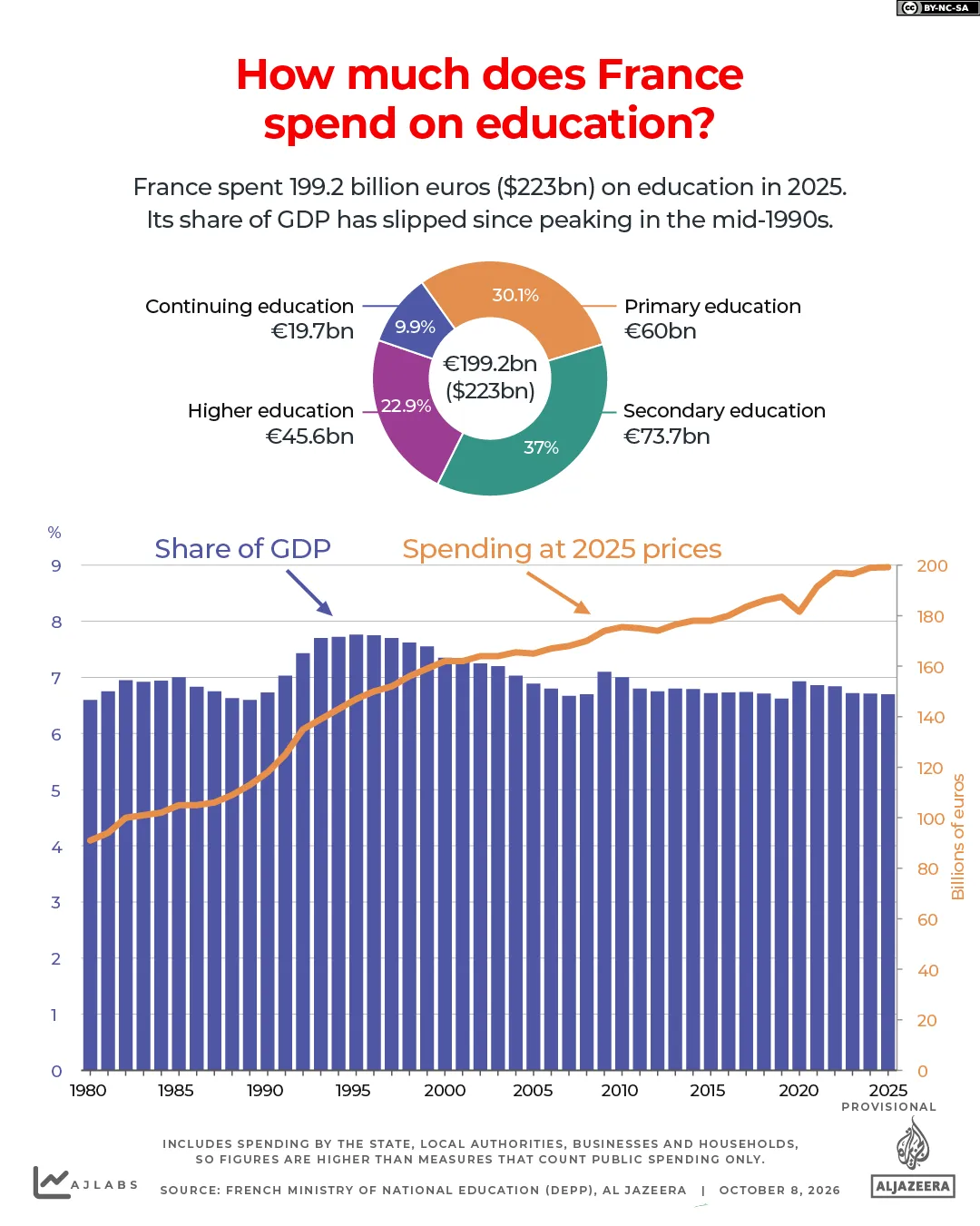
By this measure, France spent 199.2 billion euros ($223bn) on education in 2025, equivalent to 6.7 percent of its GDP and 2.4 billion euros more than in 2024, according to provisional ministry figures.

Spending has more than doubled since 1980, even after accounting for inflation. But the economy has grown too, so education spending’s share of GDP is lower today than it was in the mid-1990s.
Secondary education accounted for the largest share of spending at 73.7 billion euros (37 percent), followed by primary education at 60 billion euros (30 percent), higher education at 45.6 billion euros (23 percent) and adult and continuing education at 19.7 billion euros (10 percent), according to the National Education Ministry.
How much do other European countries spend on education?
Among European countries, Sweden spends the largest share of its GDP on education at 7.3 percent in 2024, followed by Iceland (7 percent) and Belgium, Estonia and Finland (6.3 percent each), according to Eurostat.
The lowest spenders are Ireland (2.7 percent), Greece (3.9 percent), Romania and Italy (4 percent each), and the United Kingdom and Spain (4.1 percent each).
At 5.1 percent, France is joint 13th, level with the Netherlands and Slovakia, and above the EU average of 4.8 percent.
But above-average spending has not shielded France from a problem affecting much of the developed world. Teacher shortages are growing across countries in the Organisation for Economic Co-operation and Development, according to the OECD’s latest Education at a Glance report.
Rather than leaving posts empty, many countries are filling them with teachers who lack full qualifications. In the 2024-2025 school year, 9 percent of primary and secondary teachers across the OECD were not fully qualified.
In France, the strain is most visible in secondary schools. About 11 percent of secondary teachers are not fully qualified, compared with less than 3 percent in primary schools. Furthermore, lower secondary classes average 26 pupils, compared with 23 across the OECD.
That echoes what pupils have been saying during the latest protests: Classes are large, and absent teachers are not being replaced. Some also described dilapidated buildings, a shortage of tables and chairs and, in some schools, rodent infestations. The intense heatwaves that hit France this year exacerbated existing problems in neglected buildings, many of which have no air conditioning, students said.
Teachers also feel undervalued. Only 4 percent said their profession is valued in society, the lowest share of any country surveyed and far below the OECD average of 22 percent.
How much has spending changed?
Historical UNESCO data showed France’s education spending slipped from 5.5 percent of GDP in 2017 to 5.3 percent in 2022 although it remained the ninth-highest among 29 European countries with data. A brief rise to 5.7 percent in 2020 reflected the pandemic shrinking the economy, not extra spending.
France was one of 14 countries where the share fell. Norway and Denmark saw the steepest drops while Slovakia, Slovenia, Lithuania and the Czech Republic recorded the biggest rises.
What else are these nations spending on?
The protests have coincided with nationwide public sector strikes over the government’s proposed 2027 budget, which seeks 54 billion euros ($61.3bn) in savings as French President Emmanuel Macron’s government tries to rein in a large public deficit.
Unions and public sector workers object in particular to a plan to freeze state employees’ salaries, which is expected to save about 2 billion euros ($2.27bn).
Across Europe, most governments spend more on education than on defence, but healthcare takes the largest share of national income of the three, according to 2022 data from the World Bank and UNESCO.
France spent 11.9 percent of its GDP on healthcare in 2022, one of the highest shares in Europe.
UK police charge Royal Navy member accused of working with foreign power | Courts News
Police say the incident is not connected to ongoing investigations at the RAF Fairford airbase.

Published On 8 Oct 2026
Police in the United Kingdom say they have arrested and charged a member of the Royal Navy accused of working with an unnamed foreign power after an investigation by counterterrorism police.
Teddy Young, 24, was charged with two offences under the National Security Act for allegedly obtaining protected information and preparing to transfer it for the benefit of a foreign power.
Recommended Stories
list of 4 itemsend of list
In a statement, authorities alleged that between November 2024 and May 2025, Young “obtained, copied, recorded or retained protected information, intending the conduct to benefit a foreign power… contrary to section 1 of the National Security Act 2023″.
Young is due to appear at London’s Westminster Magistrates’ Court later on Thursday.
“These are very serious charges against a serving member of the armed forces,” Commander Helen Flanagan, Head of Counter Terrorism Policing London, said in a statement.
“We have worked extremely closely with relevant operational colleagues within the Ministry of Defence as our investigation has progressed to ensure appropriate measures could be taken to mitigate any potential risks linked to this matter,” she added.
UK media reported that the officer was arrested at his home in Bedfordshire on Tuesday before he was taken into custody in London.
The police clarified that the case is not related to the ongoing investigation into an incident at the RAF Fairford airbase.

James Blunt reveals secret Traitors game he’s been playing that most viewers missed
Celebrity Traitors star James Blunt made a major move at the Round Table in the latest episode of the BBC show, which left Hannah Fry and Jerry Hall vulnerable for murder

James Blunt has admitted to some serious skulduggery in Celebrity Traitors(Image: BBC)
James Blunt has admitted to some serious skulduggery on Celebrity Traitors that only fan managed to rumble.
The You’re Beautiful crooner, 52, is among a slew of stars who have signed up for the second series of the BBC show, which kicked off this month.
Last week, James made a very subtle move at the Round Table, while his co-stars, Hannah Fry and Jerry Hall were vulnerable for murder to save the one he wanted to stay in the game.
After the rest of the Faithfuls received a shield to keep them safe, the singer claimed in front of the cast that he was suspicious of maths whizz, Hannah, while dramatically declaring that the ‘most obvious solution is often truest’.
Musing over the likelihood of one murder and a recruitment, James proposed the perfect plan would be to murder one threat to the Traitors – Amol Rajan – and recruit an even bigger threat – Hannah.
The nail-biting episode ended on a cliffhanger. However, James has now taken to Instagram admitting that mentioning Hannah was actually a ruse to stop her from being murdered as he needed her on side.
One eagled-eyed viewer posted: “I’d like to think it’s a tactic to keep her in the game. If her name is brought up the Traitors are less likely to murder her.”
Confirming that this was his game plan all along, James replied: “Bingo!”
We don’t know if Hannah, stays or not, however some fans reckon she must have survived another night on the show after James appeared to let the cat out of the bag online.
Fans are also wondering if thespian Richard E. Grant has been given the chop after the tense Round Table ended without any votes.
Richard was in journalist Amol’s bad books after being the first murder of the actor last week.
Speaking on Radio 4 today, Amol said that Richard, 69, apologised to him and admitted that he went “completely mad” filming the BBC show.
“Absolutely [I played it all wrong],” he said. “There is generally a tactic that is applicable and effective – you’ve got to try and stay schtum. And the one or two things I might say in my defence are: you know how these things work—it’s all in the edit.
“Also, lots of people were having a go at Richard, we all had a go at him because he said he was a traitor, which has never happened before and is a completely ludicrous thing to do.”
Revealing the pair had lunch together to clear the air, Amol concluded: “So it wasn’t just me doing it. I actually had a lunch with him (it was all filmed in Spring) a few weeks ago, and I did ask him and he said, ‘I’m so sorry, I went completely mad and thought you were a threat.'”
SURELY, he can’t survive?
Like this story? For more of the latest showbiz news and gossip, follow Mirror Celebs on TikTok, Snapchat, Instagram, Twitter, Facebook, YouTube and Threads.
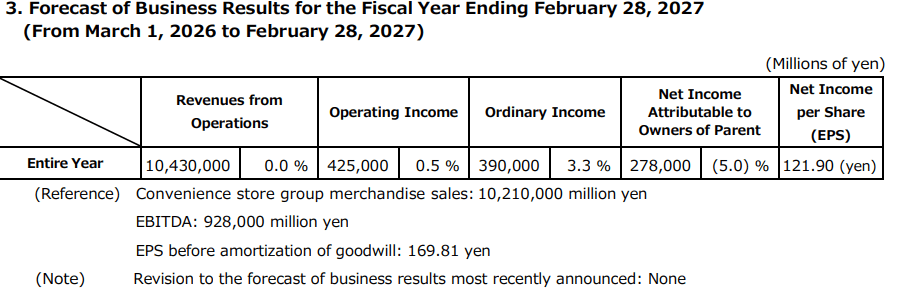
Seven & i Holdings GAAP EPS of ¥54.25, revenue of ¥5460.27B; reaffirms full-year outlook
Seven & i Holdings GAAP EPS of ¥54.25, revenue of ¥5460.27B; reaffirms full-year outlook
Source link
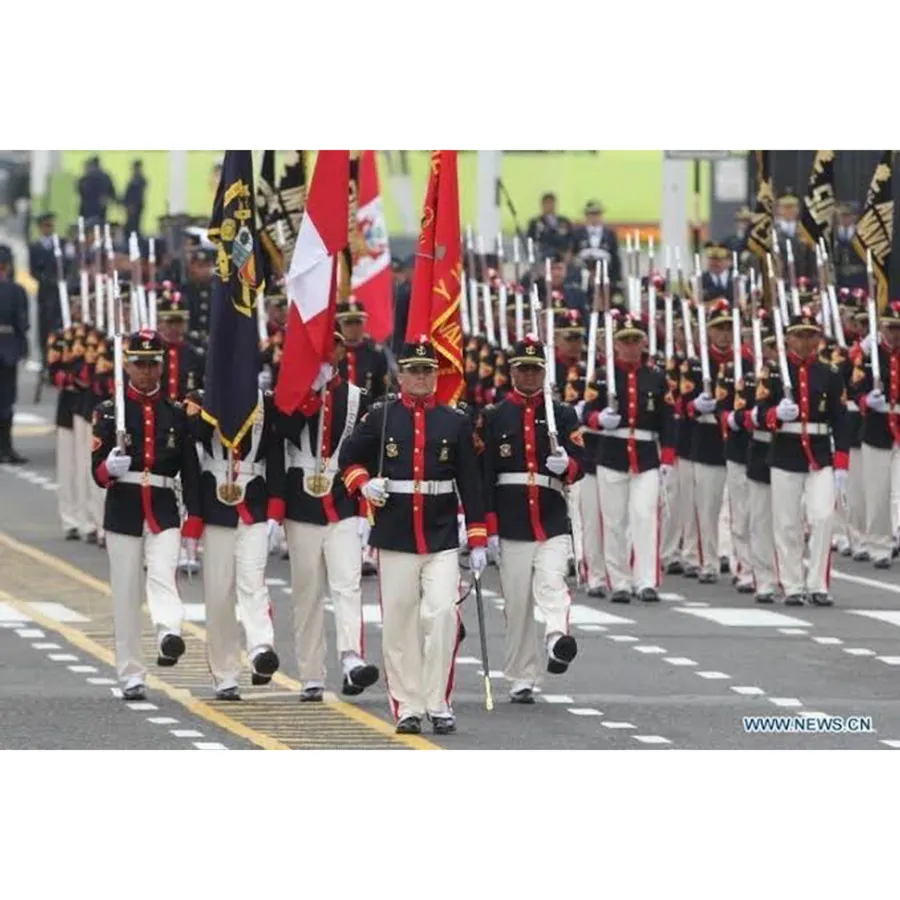
Thursday 8 October Battle of Angamos in Peru
The provided text details the Battle of Angamos, a crucial naval engagement that occurred on October 8, 1879, amidst the broader War of the Pacific. This conflict originated as a territorial dispute over mineral wealth in the Atacama Desert, drawing in Peru to support Bolivia through a mutual defense pact. During the confrontation off the coast of Bolivia, Chilean forces successfully surrounded and seized the Huáscar warship, resulting in the death of the notable Peruvian Admiral Miguel Grau Seminario. This decisive military defeat proved to be a critical turning point that left Peru vulnerable to subsequent enemy invasions. Today, Admiral Grau is celebrated as a national hero in Peru, with numerous public landmarks and streets dedicated to his memory.
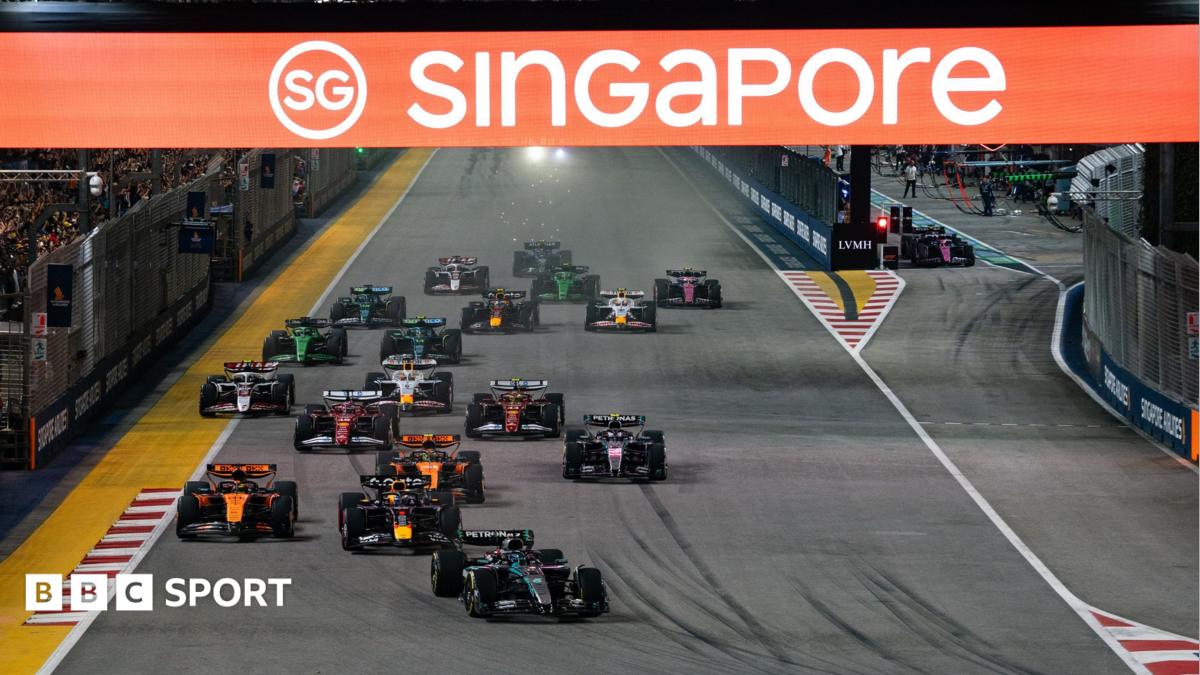
Singapore Grand Prix: Heat hazard declared for fourth time this season
The Singapore Grand Prix has been declared a heat-hazard race, the second weekend in a row that the designation has been used in Formula 1 and the fourth time this year.
The definition allows teams to fit cooling devices to their cars that pump liquid through a vest worn by the driver to manage temperatures in the cockpit.
A heat hazard is an official status for an event where it is forecast that temperatures will exceed 31C at some point during the race. It was first introduced in 2025.
Singapore is close to the equator and has long been known as one of the most demanding for drivers – in 2024, George Russell and Lewis Hamilton were treated for heat exhaustion after the race.
Temperatures in the city are always in the 31-33C region across the race weekend, with high humidity and a chance of rain every day.
The race is held at night, but temperatures remain in the region of 30C even after dark.
A cooling kit is not mandatory, but any driver who chooses not to use it has to carry 5kg of ballast in their car to ensure he does not have a competitive advantage.
The system uses a cooling tank and pump, usually situated in the car’s nose, that delivers a cooled liquid, such as glycol, through a system of pipes in a fireproof top worn under their overalls.
Some teams and drivers prefer not to use the system because of two key compromises.
It is difficult to keep the liquid cool enough for long enough so that it lasts for an entire grand prix – a problem exacerbated in Singapore because it is the longest race of the year.
And some drivers find the cooling top uncomfortable in the tight confines of the cockpit.
If the liquid cannot be kept cool, it reverts to car temperature, which is considerably higher than ambient. It is not unusual for temperatures in an F1 cockpit to rise above 40C.
Mercedes are one of the teams who have decided against running the system because they preferred to devote the resource that would have been involved in making it robust enough to last a race into car performance.
Governing body the FIA has granted teams an allowance under the cost cap of $50,000 (£38,000) if they can make a system that keeps the liquid cool for an entire grand prix, and a further $75,000 (£57,000) if they could make the top comfortable.
Mercedes deputy team principal Bradley Lord described the allowance as “small”, adding: “We didn’t believe that allowance was sufficient for us to be able to develop a solution that would be robust enough to last for the entire race.”
Singapore follows the Austrian, Italian and last weekend’s Bahrain Grand Prix in Malaysia in being declared a heat-hazard race this year.
Jon Rahm to quit LIV Golf tour over ‘unacceptable’ terms | Golf
‘Rahm has reviewed the proposed terms of LIV 2.0 and has determined that they are unacceptable,’ his lawyer said.
Published On 8 Oct 2026
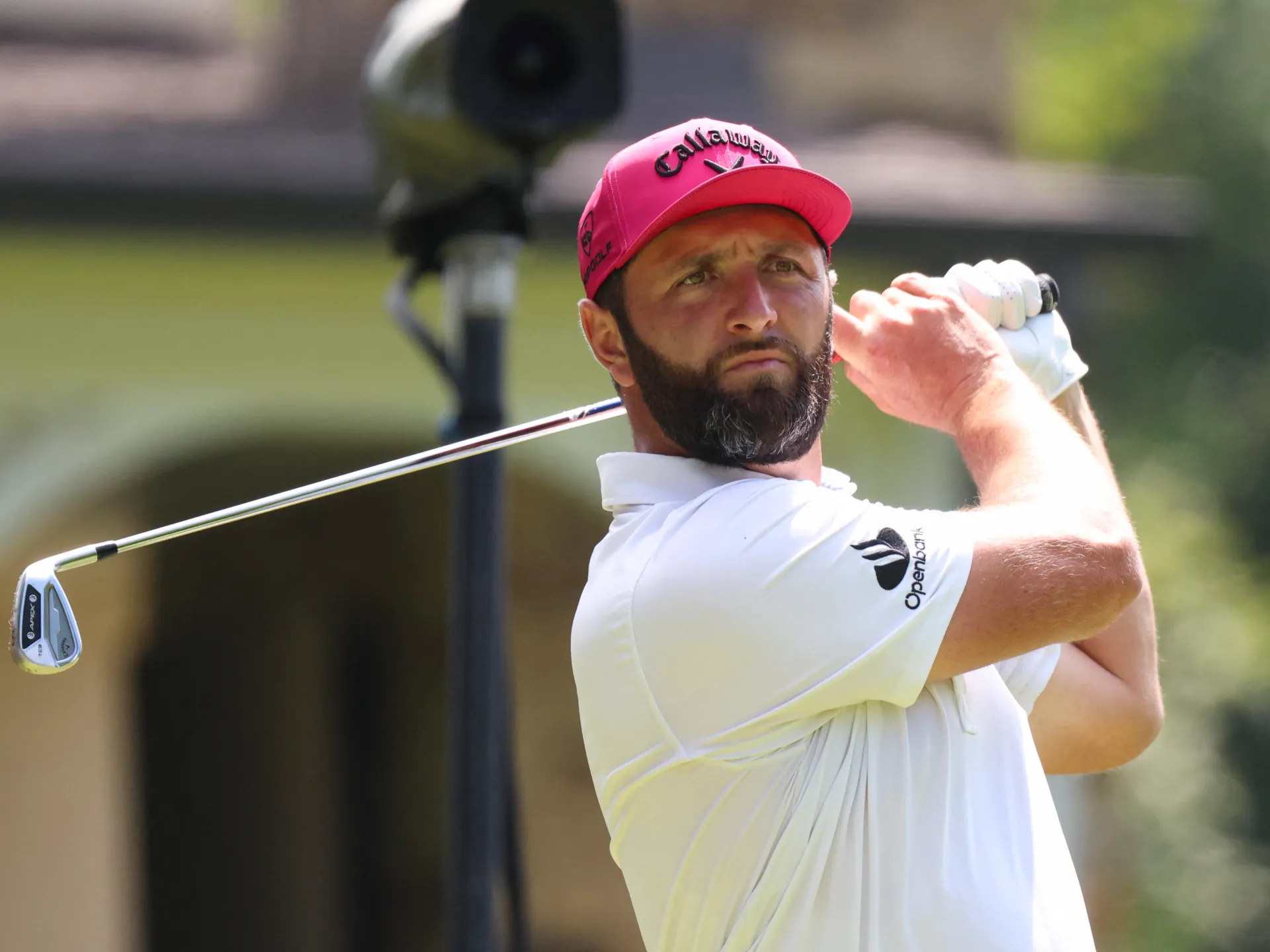
Former world number one Jon Rahm has said he is quitting LIV Golf, robbing the breakaway circuit of one of its biggest stars while it fights to emerge from bankruptcy.
Rahm’s lawyer John Beck told a bankruptcy hearing on Wednesday that the two-time major champion made his decision after looking over details of LIV Golf’s planned next phase.
“Mr Rahm has independently reviewed the proposed terms of LIV 2.0, as the parties have been referring to it, and has determined that those terms are unacceptable as to him, and he will not be participating going forward in LIV 2.0,” Beck told the court.
Other golfers asked a US bankruptcy judge to help terminate their contracts and clarify their ability to negotiate with other tournament organisers and sponsors as their LIV contracts go unpaid.
LIV has already agreed to terminate Sergio Garcia’s contract after determining that the league would not honour its terms, and lawyers for Bryson DeChambeau, Cameron Smith, An Byeong-hun, Marc Leishman, Cameron Tringale and Matthew Wolff asked the judge to allow those players out of their old contracts.
Ending those contracts would not preclude those players from agreeing to participate in LIV 2.0.
Rahm, one of the most high-profile players to join LIV Golf, has won three consecutive season-long individual titles on LIV since joining the circuit in late 2023, eight months after winning the Masters for his second major title.
When LIV Golf filed for Chapter 11 protection in New Jersey last month, its filing listed several star golfers as creditors still owed millions in unsecured claims. Among them, Rahm had the largest claim among players at $7.5m.
Earlier this week, LIV secured funding from BC Partners to help it emerge from restructuring and strengthen its financial footing before the 2027 season. The financing, up to $300m, remains subject to bankruptcy court approval and customary conditions.
BC Partners Credit, which provides financing to middle-market companies, said the funding would support what it described as the next phase of LIV Golf, under which players would become equity owners of the league and its teams.
Full details as some UK airports launch ‘passport-free’ gates – ‘by early 2027’
People can expect to see the change roll out at dozens of major UK airports

A major change to part of the airport security process is being made at some UK airports ‘by early 2027’(Image: Getty)
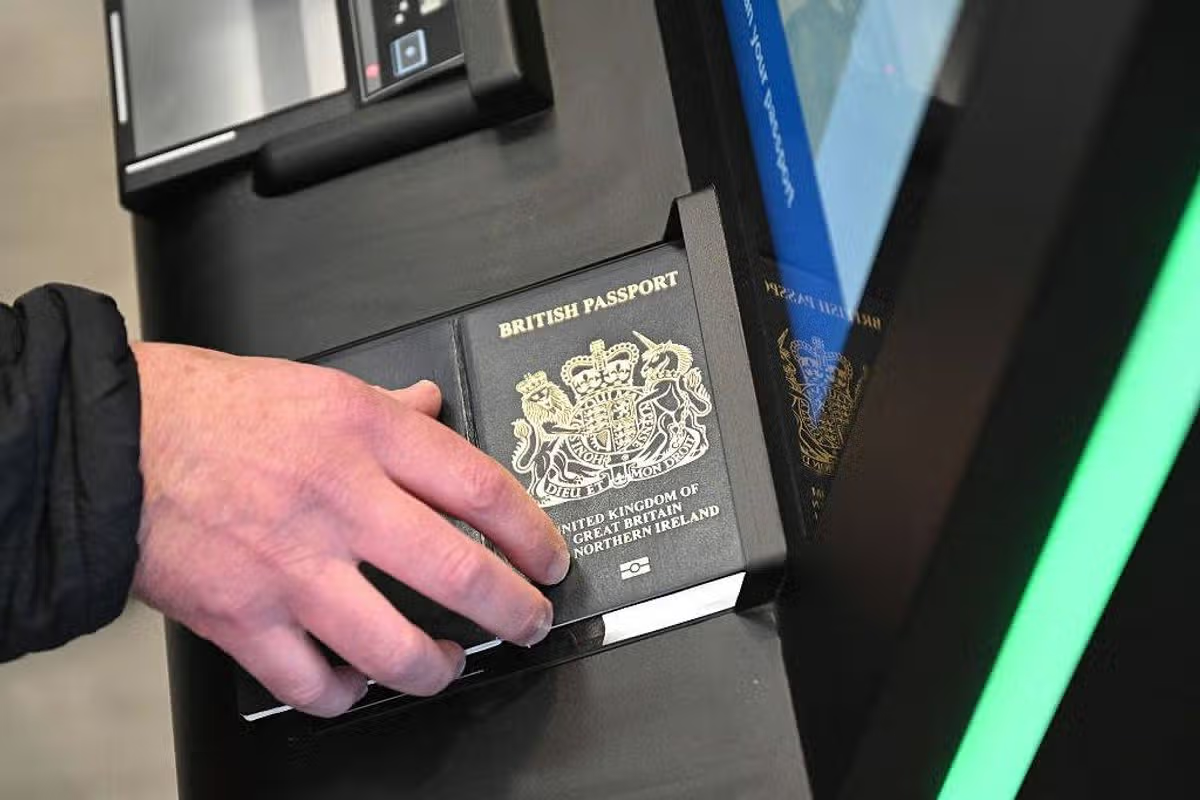
One part of airport security is about to get quicker for travellers at certain UK airports. The Government is set to roll out a “state-of-the-art” scheme regarding passports. People heading off on autumn and winter breaks might see this new system in place as airports gradually upgrade.
BBC Morning Live recently discussed a Home Office announcement claiming that a new “contactless system” for checking passports on arrival in the UK could be up and running by early next year at many major British airports. Consumer affairs expert Harry Kind claims that, although passengers won’t be able to leave their passports at home, this process change should make part of the return process “smoother and faster”.
The discussion stems from a BBC headline claiming the “passport-free” system was coming into effect. In an official update from the UK Government, it claims that passengers arriving in the UK will soon pass through airport checkpoints securely without showing their passports. The system uses facial recognition technology to allow arriving passengers to clear immigration without physically scanning their passports.
This is not a “passport-less” journey. Border Force explicitly states that passengers must keep their physical passports with them at all times. If the facial recognition scan hits a snag or requires additional vetting, you will be prompted to scan your physical passport or be directed to a Border Force officer.
The technology, described as a “cutting-edge contactless system”, will begin rolling out this month and gradually replace every airport eGate “by early 2027”. Here’s how it works:
- Passengers approach an eGate and have their photo taken
- The system checks this live image against verified immigration, travel and passport information
- The eGate opens automatically once these checks are complete
A statement reads: “The system uses state-of-the-art facial comparison technology to verify a passenger’s identity before the UK’s robust border security checks are carried out in full. Legitimate travellers can then simply walk through, without needing to place their passport on the eGate reader.
“If further checks are needed, passengers will need to place their passport on the reader or may be directed to a Border Force officer, as happens today. Border Force officers will continue to monitor all eGates offering assistance, and passengers should keep their passports with them at all times.”
The phased rollout starts at East Midlands Airport, initially for British citizens. The aim, by early 2027, is to expand this to more airports and other nationalities already eligible for eGates over the coming months.
The national rollout began on October 6, 2026. The government plans to have all UK airport eGates switched over to this contactless tech by early 2027. East Midlands Airport is the first UK airport to officially switch on the live contactless technology.
Standard eGates are currently functioning across 13 major UK airports (including Heathrow, Gatwick, Manchester, Edinburgh, and Stansted), all of which will transition gradually during this phased rollout. Phil Douglas, Director General of Border Force, claims that this is “a win for travellers coming to our brilliant country”.
He said: “By using state-of-the-art technology, we are making journeys smoother and faster, all while fully maintaining the UK’s robust border security. Our digital transformation also builds on our work this summer to extend eGates to children aged eight and above, making life a little easier for families.”
Steve Griffiths, managing director of East Midlands Airport, said: “As an airport committed to providing an effortless travel experience, we welcome any technological innovation that can help to safely make our customers’ journeys smoother, swifter and simpler. This complements changes that we carried out to our immigration hall recently to help improve the flow of arriving passengers through the area.”
BBC to cut raft of Radio 4 programmes including You and Yours
Last month, director general Matt Brittin said the BBC’s financial situation and changing audience habits “may well mean” some channels and radio stations have to close so resources can be invested in on-demand services.
Brittin told BBC One’s Sunday With Laura Kuenssberg that “we wouldn’t guarantee any programme or any channel will exist forever”.
In June, the BBC announced 550 job cuts in news, nations and TV and radio content as part of its first stage in its plan to save £500m across the corporation over the next two years.
Staff were told of proposals including ending Radio 4’s The World Tonight, and reducing the number of permanent presenters on Today from five to four, with a single anchor on Saturdays.
It was revealed that BBC One’s Breakfast would no longer be shown on Sunday mornings, and that the production teams making Sunday with Laura Kuenssberg and Newsnight would merge.
It followed April’s announcement that the BBC would cut between 1,800 and 2,000 jobs – or almost one in 10 – in an attempt to tackle “significant financial pressures”.
Last week, an influential group of MPs said the BBC licence fee should be extended to cover services other than TV, and that the corporation’s charter review should be scrapped and made permanent.
In its recommendations, the DCMS committee also said that political appointments to the BBC board should end, to improve public trust.

Big Brother’s Johanne flooded with support as she fights back tears after eviction
Johanne has addressed Big Brother viewers for the first time since leaving the iconic house

Big Brother’s Johanne has been flooded with support (Image: ITV)
A controversial Big Brother star has been flooded with support following their eviction.
Last week (October 2), Johanne Cade was the third Big Brother housemate to be evicted from the show after going head-to-head with Rochelle in the public vote. The pair had continued to clash and butt heads since the start of the show last month, with explosive rows often breaking out.
Viewers would take sides on who they believed was in the wrong at the time, with many complaints pouring in to Ofcom. Johanne herself was issued a formal warning from Big Brother after a particularly explosive row with Rochelle, in which Big Brother deemed her “tone and body language as unacceptable”.
But the star remains a talking point, as some viewers say she should return to the iconic house and that she should not have left in the first place. But despite her exit, the chaos and drama persist as tensions rise.
Nowadays, after leaving the show, Johanne has spoken out about her time in the iconic house as she is seen fighting back her tears in an emotional social media clip.
Taking to TikTok, Johanne shared a video captioned: “Still taking it all in. Thank you for loving me, laughing with me, and embracing every bit of JOHANNE.
“The love you’ve shown me means more than you know. Thank you for seeing me. P.S. This is my ONLY official page. Please report any fakes.”
In the clip, the star became emotional as she said: “I don’t want to cry, so I actually wrote this down so I can just say it in one take. To every single person who watched me, supported me, defended me, laughed with me, shouted at the TV because of me, voted for me and allowed me to be unapologetically Johanne, thank you.”
Fighting back tears, she added: “Walking into the Big Brother house was one of the craziest most incredible experiences of my life. I went in there determined to be myself. Loud, opinionated, emotional, glamourous, messy, funny and completely imperfect and I wouldn’t change a thing.”
Speaking about the “overwhelming support” after the show, Johanne then broke down in tears as she said: “It has meant more to me than you guys will ever know.
“I may have left the Big Brother house, but trust me, I am just getting started. There is so much more to come.” The Big Brother star then fought back tears as she admitted she “would not change a thing” and thanked her supporters once more.
The support came pouring in as one person wrote: “Girl, we need you to get a (good) agent so you can stay on our screen!” Another said: “YOU WERE SOOOOO FUNNY. That house is boring now.”
A third commented: “You are the peoples winner”, as a fourth added: “You are the greatest housemate in 20 years and you deserve the world.”
A fifth replied: “OMGGGG IS IT REALLY YOUUUU JOHANNE I WANTED YOU TO WIN IVE BOYCOTTED BIG BROTHER I STOPPED WATCHING IT NOW YOURE GONE I ONLY STARTED BECAUSE OF YOU, I saw your Aries tattoo so if you are than girl slaaaàaaaaayyy wanna see more of you but girl I love you so much.”
Over on Instagram, Johanne received support from famous faces including Alison Hammond and former Big Brother star Kerry Riches.
Big Brother continues tonight at 9pm on ITV2 and ITVX
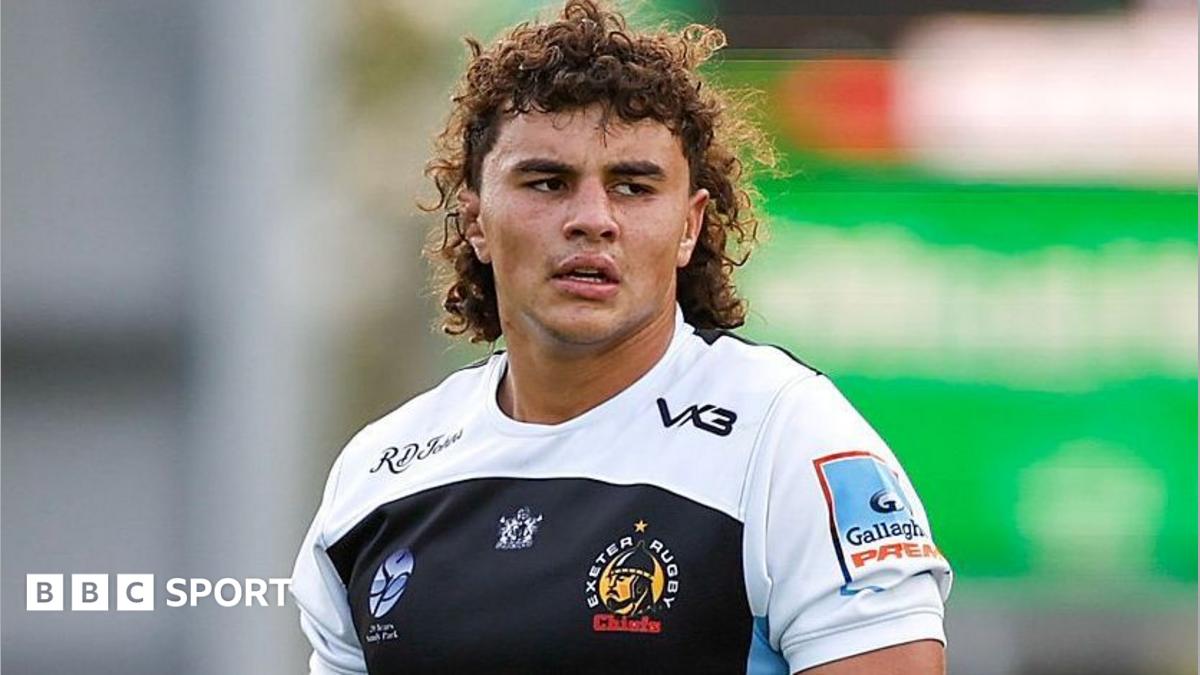
Kane James: ‘Improving’ Wales forward impresses Exeter boss Rob Baxter
Exeter boss Rob Baxter says he has been impressed with how young Wales back-row Kane James is maturing.
The 21-year-old won his international first cap in July when Wales lost in Argentina in the Nations Championship.
James broke into the Exeter squad last season and has started both of the Chiefs’ Prem games so far this campaign.
“He’s just following that really nice route where he’s improving at a nice rate, he’s having some good impact on games,” Baxter said.
“Kane can be really pleased with the trajectory his game is going in at the minute.”
James’ physical development has also been noted by Baxter, who says the former England Under-20 player – who switched allegiance to the country he grew up in earlier this year – has been working hard off the field.
“He’s getting thicker, that will happen with quality training, making sure he gets his nutrition and all this kind of stuff,” Baxter added.
“He’s such a diligent guy he is going to maximise his strength and his growth, but he is going to get bigger for quite some time, I would say with Kane.
“That obviously is helping him ride the contact, he’s explosive and very quick.
“Kane’s had a really, really good start to the season, we’ve got to just keep working on these little individual bits and pieces – sometimes in his determination to fly around, a little bit of accuracy trips, but that’s the way you want it.
“You want these lads enthusiastic to run around and get in the game and I think there’s a lot more still to come from Kane.”
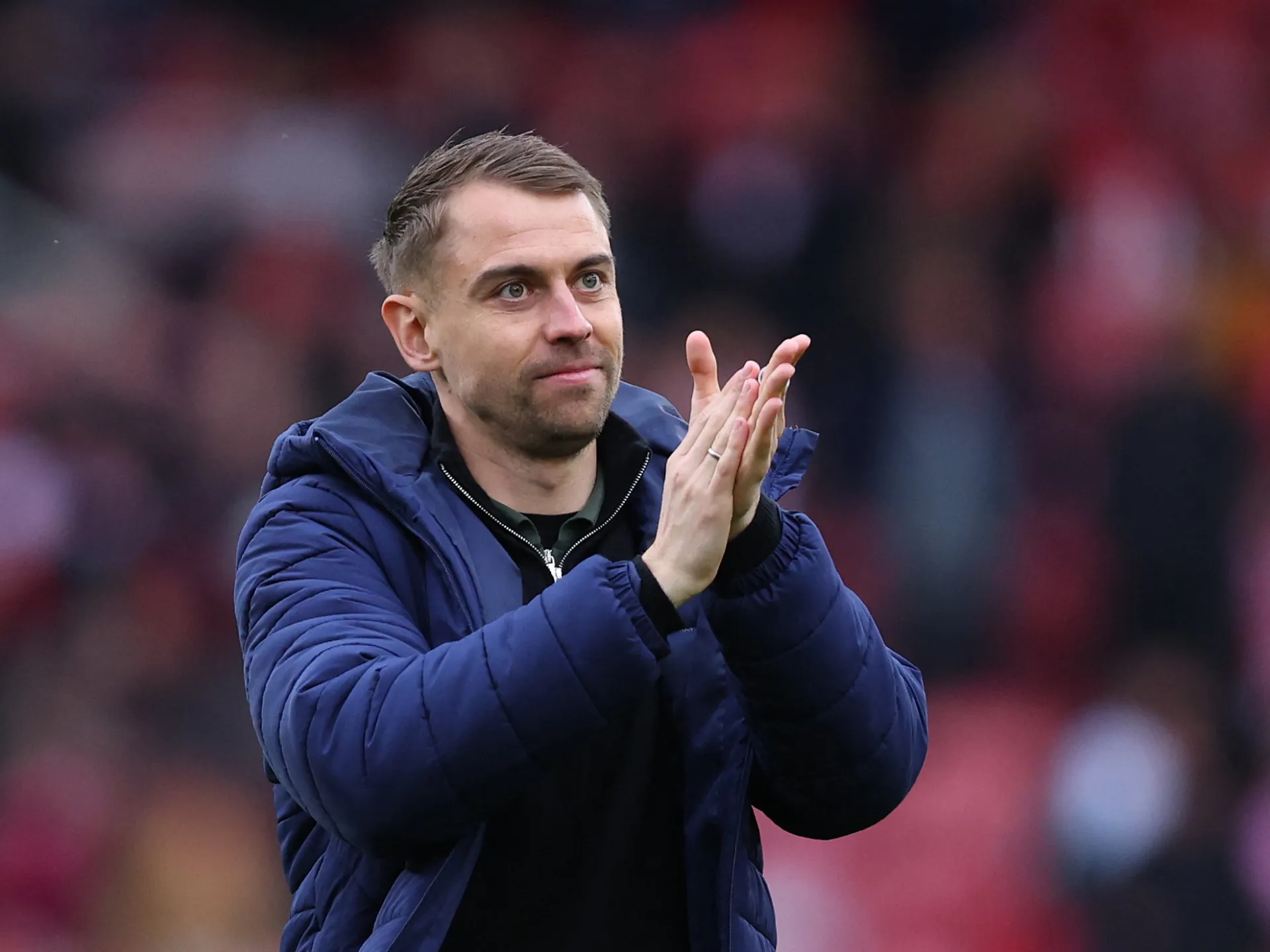
Southampton manager Eckert can stay on despite role in ‘spygate’ scandal | Football
Tonda Eckert let off with fine and reprimand but avoids ban and will continue in his role with the club.
Published On 8 Oct 2026
Southampton boss Tonda Eckert has escaped major punishment for his role in the so-called “spygate” scandal after the English Football Association (FA) announced a suspended ban.
Eckert was fined 28,000 British pounds ($37,000) and given a reprimand but avoided a lengthy ban in the announcement on Wednesday, and he is free to continue in his role at the English Championship club.
The Saints were kicked out of last season’s Championship playoff final and were docked four points in the current campaign after admitting to three breaches of English Football League (EFL) regulations following being caught snooping on semifinal opponents Middlesbrough and two other teams.
An EFL independent disciplinary commission ruled in May that Eckert had “specifically authorised” the spying, throwing his future at the English second-tier club into doubt.
The 33-year-old accepted full responsibility and was charged by the FA with misconduct.
The German coach attended an FA hearing at the start of the current international break. The outcome means he can continue in his role against rivals Portsmouth on Sunday.
“Tonda Eckert subsequently admitted the charges, and an independent regulatory commission imposed a six-week suspension from all football and football-related activity, which is suspended until the end of the 2027-28 season, a £28,000 fine and a reprimand following a hearing,” the FA said in a statement on Wednesday.
“The suspended sanction will come into effect in the event he is found to have committed a breach of rules or regulations by requesting, authorising, taking, or using information from any observation of the training of another club, in whatever guise that observation may take.”
Southampton said in a statement that this brings a “regrettable period of our history to a conclusion”.
The club, which sits 13th in the Championship, said that “measures have been put in place to ensure that such errors in judgement never happen again at our club”.
Southampton owner Dragan Solak said, “I’m pleased that the independent panel has come to a decision and that we have an outcome.
“We have already suffered enough, and we appreciate the panel’s recognition of that.
“We are confident the manager has learned from this matter, and a suspended sentence allows him to continue in his role.”
Eckert was appointed permanent Southampton boss in December 2025, leading the club to fourth spot in the Championship table after a poor start to the season.

Cristiano Ronaldo pays tribute to Lionel Messi after Argentina farewell | Football
‘I have the utmost respect for what you’ve accomplished with Argentina,’ Ronaldo writes in response to Messi’s post.
Published On 8 Oct 2026
Cristiano Ronaldo has hailed his longtime adversary Lionel Messi in a tribute to the Argentinian icon, who bid a grand farewell to international football.
The Portuguese forward wrote the message in response to Messi’s social media post on Wednesday, a day after Argentina’s friendly match against Benin in Buenos Aires, where the local idol and global icon bid an emotional goodbye.
Recommended Stories
list of 4 itemsend of list
“Leo, after so many years of defending your country, you’ve made history that will last forever,” Ronaldo said in his reply to Messi’s Instagram post in which the Argentinian poured out his emotions after hanging up his boots for his country.
“I have the utmost respect for what you’ve accomplished with Argentina,” Ronaldo added, ending the message with: “A hug”.

The careers of Messi and Ronaldo followed a similar trajectory and crossed paths for many years in club and international football.
It resulted in a hotly contested rivalry, mostly between the two players’ supporters over the past two decades.
The pair dominated the sport for more than 15 years, winning the prestigious Ballon d’Or award 13 times between them.
Their rivalry grew over the nine years in which they faced off against each other in Spain, with Messi starring for Barcelona and Ronaldo for Real Madrid.

Messi, 39, announced his retirement from international football after leading his country to the World Cup final in July in the United States, where the 2022 champions were runners-up behind Spain.
“Yesterday was my last game, and I already miss wearing the blue and white. I know I’m making the right decision,” Messi said in a lengthy message a day after his final match in the famous number 10 blue and white shirt. “It’s been an incredible journey, full of joy and also some sadness, but I know for sure that every step I took was worth it.”
“I don’t want to forget Diego [Maradona], who put our country where it deserved to be and who, as I always say, I know helped us both by being here with us and also from heaven, with every step we took,” he said.
“Thank you to the clubs where I played, for always respecting my feelings and allowing me to dedicate myself to my country whenever it was time to put on the national team jersey.”

Messi scored Argentina’s final goal in a 3-0 win and provided assists for the other two as the Albiceleste played in front of 85,000 fans at the Monumental Stadium.
Messi captained Argentina to the 2022 World Cup title and Copa America triumphs in 2021 and 2024, while also helping them win the 2022 Finalissima.
“I am grateful. I love you all very much; I’m going to miss you, and I will always thank you for having been by our side, by my side,” the Inter Miami playmaker added.
Messi and Ronaldo have vied for recognition as the greatest player of their generation throughout their illustrious careers.
The 41-year-old Portuguese forward was among the hundreds of thousands who responded to Messi’s post.
Messi’s final game came the same day Ronaldo apologised for his controversial departure from the Portuguese national team’s camp after a fallout with coach Jorge Jesus. It remains unclear whether Ronaldo will play for his country again, despite his apology for walking out, which leaves the door open to a return.
Messi and Ronaldo last met on the pitch in an exhibition match in Saudi Arabia in January 2023, when they took fans back in time to the heyday of their storied rivalry, as both forwards got on the scoresheet.
Ronaldo, who plays for Saudi Pro League champions Al Nassr, was part of a Riyadh Season Team that took on Messi’s then-club Paris Saint-Germain (PSG).

Inside Stephen Mulhern’s life from shock suspension and famous ex to health crisis
Away from the TV sets and shows, Stephen Mulhern’s had his fair share of drama and heartbreak over the years

Inside Stephen Mulhern’s life from shock suspension and famous ex to health crisis(Image: ITV)
He’s one of the country’s beloved presenters, but Stephen Mulhern has faced his fair share of drama and heartbreak in real life.
The TV star and magician has become a staple on screens since shooting to fame. His big break came at 20, when he appeared on The Big Big Talent Show, hosted by Jonathan Ross in the late 90s.
Since then, he has remained booked and busy: from hosting Dancing on Ice and the reboot of Deal or No Deal, to performing magic shows up and down the country.
Away from the TV sets and stages, though, what do we know about Stephen’s life? Who is his famous ex-partner? What was the ‘worrying’ illness he had to endure? Here’s everything we know about Stephen Mulhern.
Stephen’s shock suspension
Before becoming a national treasure, Stephen Mulhern started out as a keen magician and was the youngest member of the Magic Circle. The iconic magic organisation broke with tradition and allowed a 17-year-old Stephen at the time into their ranks
However, Stephen ended up getting suspended from the organisation after he broke one of their rules – never reveal your tricks. The presenter taught viewers a card trick on the TV show ‘Finger Tips.’ His membership was later reinstated.
“The trick was to put a box on your head and turn this ratchet so it looks like your head is spinning, so I did it on Fearne, and then showed them how to make it,” he told Heat Magazine in 2015.
Stephen added, “Well, the Magic Circle deemed it too good to reveal, so they suspended me.”
Stephen’s father’s death
Stephen was left devastated in November 2024 when his father, Christopher, died at the age of 76. Stephen developed an interest in comedy and magic from his father, who taught him tricks as a child.
“Magic was my dad’s hobby — and he was great at it,” he told The Sun in 2025 before adding: “Rather than a bedtime story, he would do a magic trick. He’d make a handkerchief vanish and appear under the pillow.”
And during an appearance on his ITV show, The Accidental Tourist in 2025, Stephen opened up about his father. Before setting off on his adventure, Stephen confided in the cameras: “If I were to tell my dad this, my dad passed away at the start of the year.”
Overcome with emotion, he had to pause the interview, apologising with a simple: “Sorry.” He then added, “[My dad] wouldn’t believe it. I hope he would be proud.”
Stephen’s health crisis
In November 2024, just weeks after his dad’s death, Stephen found himself in a health scare after reportedly collapsing at a Pizza Express and was subsequently rushed to the hospital.
Stephen was suspected of having had an adverse reaction to medication, which was exacerbated after consuming alcohol with his meal. He had also undergone a procedure earlier that day, which required anesthesia.
A source told The Mirror at the time: “Stephen has had an incredibly tough time over the past few weeks. His beloved father recently passed away, which has hit him hard and has been understandably very stressful.
“In addition, he had a procedure which took place yesterday (Wednesday). Following the anaesthetic that was administered, he had a few drinks, which made him unwell, and he was taken to the hospital as a precaution. He is now back home recovering.”
Furthermore, a similar medical emergency in March 2022 saw him hospitalised again and needing several weeks to recover under ‘doctor’s orders’. This sparked concern among fans who noticed his absence from episodes of Ant and Dec’s Saturday Night Takeaway.
After missing three consecutive weeks of TV, Stephen took to X, previously known as Twitter, to provide an update to his followers: “Hello all, Sorry I’ve been quiet on here recently, and thank you for all your lovely messages. I’ve had some time off and been resting up on doctor’s orders.”
Stephen’s famous ex
Stephen previously dated EastEnders star Emma Barton, who plays Honey Mitchell. The pair reportedly met during a 2008 pantomime production of Snow White, where Barton starred as the titular character and Mulhern played Muddles.
Despite keeping their romance under wraps, they parted ways amicably in 2011. Stephen also spoke about the relationship reaching a “natural end” in a candid chat with Celebs Now back in 2018.
He shared, “Last time I went on a date was about four years ago. That makes me sound really sad! I need a life. I need to stop working so much.”
Meanwhile, in 2024, Stephen was romantically linked to This Morning’s Josie Gibson after they were seen hand in hand outside a studio during the finale taping of Ant and Dec’s Saturday Night Takeaway.
The duo, Stephen and Josie, appeared rather close, igniting rumours of a secret romance. However, Josie addressed the rumours and told OK! Magazine that she and Stephen are nothing more than “best friends”.
Deal or No Deal airs Monday to Friday at 4pm on ITV1.

Nine concerns Dodgers should have about facing Brewers in the NLCS
p]:text-cms-story-body-color-text”>
Murphy is a baseball lifer who paid more dues than a union plumber before finally pulling on a big-league uniform for the first time when he was 56. Murphy pitched in the low minors for two organizations and for two independent teams before retiring to become a college coach at Maryville, Claremont-Mudd, Notre Dame and Arizona State. He also managed the Dutch national team to a European championship and a spot in the 1988 Seoul Olympics.
His big break came in 2015, when the Padres promoted him from their triple A team in El Paso to take over for Bud Black as interim manager. A year later Craig Counsell hired him as bench coach for the Brewers, and when Counsell took the Cubs’ managerial job ahead of the 2024 season, Murphy, now 67, was named his replacement.
Two-hundred and 93 regular-season wins and three playoff trips later, the baseball lifer is four wins away from the World Series, which would be the trip of a lifetime.
“I think it was just the relentless pursuit of something,” Murphy told Yahoo Sports of his long journey. “I wanted to be somebody. I wanted to be special.”
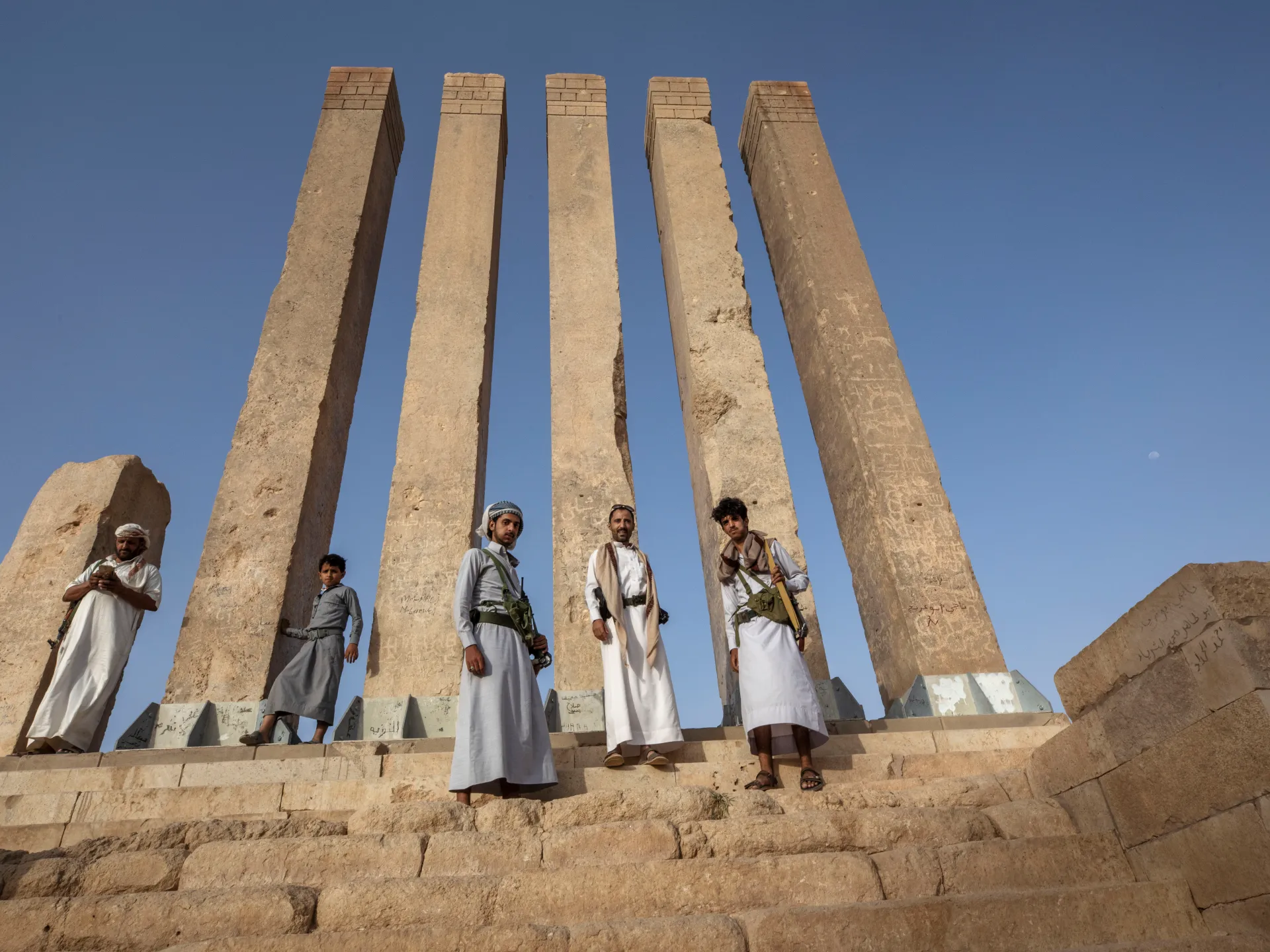
Yemen’s government needs tribes to defeat the Houthis. Will they join? | Conflict News
Sanaa, Yemen – The Yemeni government’s new military offensive against the Houthis is testing more than the balance of forces in the country – it is also testing whether the government can persuade powerful tribes in Houthi-controlled areas that the balance of power is beginning to shift.
For years, many of the tribes hostile or wary of the Iran-backed Houthis have stopped short of openly confronting the movement, deterred by their military strength and by previous failed uprisings. Those same tribes are now looking to the internationally recognised government’s newly-activated frontlines – on the Red Sea coast, Marib and al-Jawf primarily – to see if the limited advances made since the Dawn of Yemen military operation launch this week can turn into sustained gains.
Recommended Stories
list of 3 itemsend of list
The offensive by the Saudi Arabia-backed government forces follows major Houthi gains in September, when the armed group also known as Ansar Allah (Arabic for Supporters of God) swept across the country’s Red Sea coast. The Houthis captured vital trade corridors, including the port city of Mocha and territory around the Bab al-Mandeb Strait, one of the world’s most important shipping routes.
While airstrikes have inflicted losses on Houthi forces over the past few days, pushing towards Houthi strongholds where the group has been entrenched since the war started in 2014, including Sanaa, Saada, and Amran, remains a formidable challenge.
With the government declaring an all-out war on the Houthis, pledging to recapture Sanaa, tribal distrust of the government may diminish, prompting tribes to shift positions at the right time, experts say. The role of the tribes could therefore prove critical to the government’s ability to advance deeper into Houthi-controlled territories.
On Monday, Marib governorate – the government’s stronghold in the north – saw a large tribal rally attended by tribal sheikhs and local anti-Houthi fighters from tribes such as the Jadan from Marib, Nihm from Sanaa and other allied tribes.
The rally announced a general mobilisation to support the armed forces in the battle to “restore the state and topple the Houthi coup”.
“If this tribal support translates into actual mobilisation and sustained participation in the battle, tribes will help government troops advance toward Houthi-controlled areas and the Houthi heartland, including Sanaa,” said Adel Dashela, a researcher at the Sana’a Center for Strategic Studies.
Over the past decade of war in Yemen, tribes have repeatedly mobilised against the Houthis at a local level, but deep divisions and a lack of sustained outside backing have prevented the emergence of a unified tribal front. Nevertheless, tribes can potentially be a key source of manpower and influence for the government.
“Tribal fighters remain indispensable to any future campaign against the Houthis. But to be effective, their military engagement must occur through formalised state and coalition command structures, rather than as an independent vanguard,” Dashela said.
‘Wait for the right time’
Tribes in Yemen do not want to risk confronting Houthi forces without support, and they “wait for the right time” to act, Abdulsalam Mohammed, chairman of the Yemeni Abaad Studies and Research Center, said.
“The tribes seek a powerful state, and once they find the state reliable, they can side with it,” Mohammed said.
He added that tribes do not want to repeat mistakes made by tribes that had rebelled against the Houthis, and then not received enough support from the government.
“Those tribes revolted against the Houthis, and they were crushed amid the absence of the government’s effective role,” Mohammed said.
In January 2019, fighting broke out between the Houthis and the Hajoor tribe in northwest Yemen’s Hajjah, lasting several weeks. The Houthis eventually captured the Hajoor areas in March of the same year.
At the time, Saudi Arabia dropped food, medical supplies and weapons to besieged Hajoor fighters, but this did not prevent the tribe’s defeat by the Houthis.
Mohammed said that even in areas where the Houthis have local support, some tribes could gradually shift their allegiance towards the government, if they saw it as serving their interest.
“Not all tribes fighting for the Houthis are staunch supporters. Their motivations range from pragmatism to ideological loyalty and material necessity,” Mohammed said.
‘A friend of the tribe’
Over the past decade, the Houthis have weakened traditional tribal power structures in areas under their control, co-opting some leaders and replacing others with loyalists. They have defeated tribal challenges, and have withstood not only conflict with the Yemeni government and Saudi Arabia, but also bombing by the United States, the United Kingdom and Israel. All of that has reinforced a perception among tribes that the Houthi military capability had become “invincible”.
A tribal sheikh in northern Yemen, who asked not to be named for security reasons, told Al Jazeera that the Houthi military “supremacy” in the country over a decade-long war has “dwarfed the political and military role of the tribe”.
“Before the Houthi takeover of power, the government was like a friend of the tribe,” he said. “Today, the tribe is subordinate to the Houthis.”
The Houthis, according to him, used three tactics to tighten their grip on territories under their control: military force, financial incentives and their public identification with the Palestinian cause.
“The Houthis used military force if negotiations or financial incentives failed to win the tribes’ backing. Moreover, the Houthi military support for Palestine has earned the group additional popular and tribal support,” said the tribal figure.
As the Houthis built up enormous military and financial power over the past few years, the tribal sheikh said tribes acting alone could not match the group’s power. He also said that the government’s reported gains on some frontlines could not by themselves be taken as a sign that the Houthis were collapsing.
“A concrete government advance on the battlefields would reassure some Yemeni tribes that the Houthis have lost ground,” the tribal sheikh said. “Once this materialises, anti-Houthi and neutral tribes can feel confident and begin confronting the group.”

‘Vibrant, design-led and surprisingly green’: why the Dutch city of Eindhoven is perfect for a relaxed arty break | City breaks
A baggily clad skateboarder’s wheels clatter across concrete floors, the noise bouncing off exposed pipes and iron girders. Vaulted skylights set in high ceilings illuminate the industrial space and its central kitchen, from which my main course – a silky lemon risotto, spiked with samphire, rhubarb, garlic, baby onions and basil – has just been transported.
I’m in the Dutch city of Eindhoven, in North Brabant, famous for its historic connection to Philips, the one-time electronics giant. The restaurant, Radio Royaal, is housed in what was once their engine room, in the Strijp-S neighbourhood. Today, Strijp-S buzzes with concept stores, an indoor food market, MU Hybrid Art House and the Area 51 skatepark. The broader area, Strijp, was where the company was largely headquartered: its zones are named S, T and R. In the late 90s, Philips withdrew from the city where it had started in 1891, and the letters I, J and P were never assigned.
Philips had employed about half of the region’s working population, so its departure for Amsterdam inevitably left a huge hole. Fortunately for Eindhoven, this was short-lived, and within a decade the city had reinvented itself as a multicultural hub for design and innovation – so much so that Dutch Design Week, the largest event of its kind in northern Europe, has been held here since 2005.
This year’s iteration, from 17 to 25 October, has a jam-packed programme of exhibitions, workshops and seminars at more than 100 locations around the city, with thousands of local and international designers involved. About 350,000 visitors are expected, with displays spanning everything from a bar made from mushrooms to the manipulation of Dutch wool (which is coarser than other wools, such as merino) for wearable garments.
Well beyond Design Week, however, Eindhoven packs a punch in terms of creativity. On my visit, I discovered a city that is not only vibrant and design-led, but also surprisingly green.
Completely off-limits during Philips’ heyday, Strijp-S is perhaps the liveliest example of Eindhoven’s reinvention, with innovative businesses making the most of the industrial spaces. It’s distinguished, too, by the Trudo Tower, a 19-storey building where facade planters froth with more than 70 species of greenery. Purpose-built in 2020, these eye-catching apartments were designed to provide affordable housing for low-income residents.
Despite the city’s industrial past, about 40% of Eindhoven’s landscape comprises greenery. Walkways – complete with bat boxes – run alongside the Dommel river, while larger spaces, such as Karpendonkse Plas and Philips de Jongh park, provide walking and biking opportunities. This, plus an average commute time of 15 minutes, helps to explain why Eindhoven was named the world’s least stressed city last year.
As you walk from the UFO-shaped Evoluon (now functioning as an exhibition space and conference centre, and given by the company to the city on its 75th anniversary) on the edge of the Het Ven neighbourhood towards Strijp-R, the area becomes both green and residential. Ahead of the times, Philips saw the correlation between nature and healthy, happy employees. As early as 1910, the company started building workers’ accommodation with large gardens, which today are a mix of social and private housing.
Strijp-R’s primary allure, however, is the RK Complex. Formerly a Philips ceramics factory, it was bought by renowned Dutch designer Piet Hein Eek and opened in 2010. Other designers have workshops here, too: the idea, said Hein Eek, was to give young creatives an affordable space to work. The concept obviously works: in more than 15 years, only five of the 25 studios have changed hands.
Visitors flock here year-round to check out Hein Eek’s eco-forward scrap wood furniture and for glimpses into the studios, the cavernous exhibition space and the shop, packed with smaller design objects – ceramics, books, jewellery. The onsite Green Restaurant favours local, seasonal ingredients in hearty portions; it’s attached to the boutique Piet Hein Eek hotel, also one of the designer’s innovations. It has 14 rooms, each featuring a distinctive design style, with doubles from €135.
What makes a stay in Eindhoven even more interesting, however, are the myriad ways this impulse towards repurposing spaces, reusing materials and thinking sustainably shapes the visitor experience. I stayed at Hotel Mariënhge (doubles from €83) in the centre, a former monastery characterised by clean lines and cheeky art, its interiors effortlessly blending old and new.
after newsletter promotion
From here, it’s a short walk to the retail district, where vintage stores range from the highly curated Yatva Vintage to a Salvation Army ReShare store. Near Strijp-R, I happen upon Luna & Lore, owned and run by Luna Hartogs. “Lore is about wisdom passed on from previous generations, and I learned to sew from my grandmother,” she explains, as I rifle delightedly through rails of upcycled vintage clothing. “For me, it’s also about passing things on for people to enjoy.”
“Eindhoven gets called ‘Vintage Valhalla’ – a paradise,” Erik van Gerwen of Eindhoven 365 tells me over dinner at Fifth NRE, itself housed in a former gas factory. “There’s the Philips legacy, but the presence of the Design Academy also ensures a lively community, passionate about innovatively making use of what already exists.”
Creating opportunities is a recurring theme in Eindhoven. I see it again at New Order of Fashion, a nonprofit organisation providing makers with resources to experiment with, as well as a sellers’ platform. It’s also a lab, researching the future of fashion from a regenerative perspective, and a public space aiming to inspire visitors to think about their consumer choices.
I loiter outside the Muziekgebouw concert hall: since 2024, its facade has featured a massive mural of a street musician and classical concert violinist embracing. Named Echoes of Harmony, it was commissioned by Eindhoven city council to represent music’s ability to bridge barriers, and since named best mural worldwide by Street Art Cities.
On the city’s north-eastern edge, graffers can legally unleash spray cans in Berenkuil, a two-level roundabout and now the country’s largest open-air graffiti zone. Ramps and rails make it a beeline for skateboarders, too; again, I hear wheels grinding on concrete. There are no dibs here: the art lasts mere days before it’s sprayed over by someone else, but that, I’m told, is the point. In Eindhoven, perhaps more than anywhere else, the idea that everything is ephemeral, yet also renewable, seems entirely at home.
The trip was provided by the Netherlands Board of Tourism and Conventions
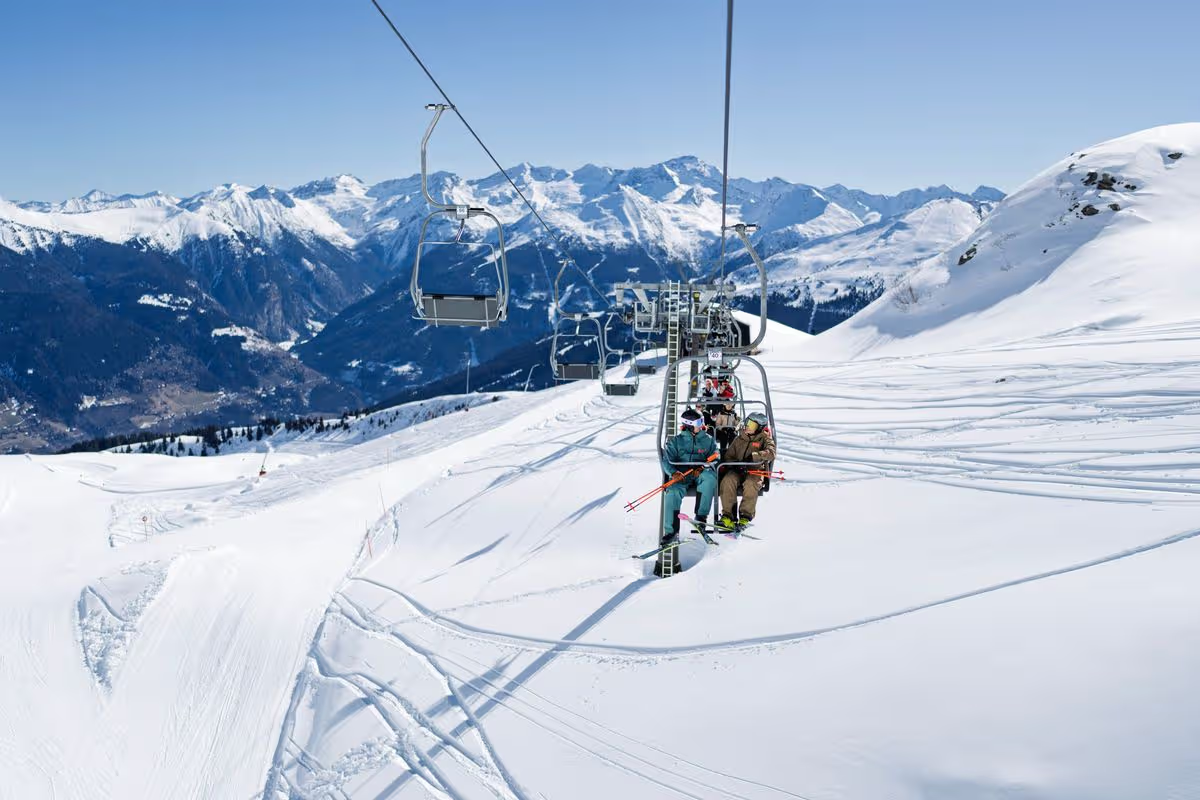
Europe’s ‘hidden gem’ ski resort where a five-day holiday costs less than you think
Ski holidays have gathered a reputation for being some of the most expensive getaways, but how much will a weekend on the slopes really set you back? Oliver Radcliffe went to find out
The truth about how much a ski holiday can really cost – is it just for the elites?
Ski holidays have a reputation for being on the pricey side. The very pricey side. Holidays to the Alps are increasingly thought of as a reserve for only the richest, as the Mirror’s trip to Megeve last year highlighted. But it doesn’t have to be. A day on the slopes in Austria’s Gastein Valley might not be as expensive as those new to the mountainside life may think (although it’s certainly all relative).
Spread across the trio of resorts of Bad Gastein, Bad Hofgastein, and Dorfgastein, the valley forms part of the region of SalzburgerLand, one of the lesser-known alpine destinations. Yet compared with some of Europe’s biggest-name resorts, the cost of skiing here remains reasonable.
While a local dry slope can offer a cost-effective start for beginners, nothing beats real snow for the authentic experience. A trip to the Angertal ski school could be the perfect place to build your skills and get you able to take on the slopes.
One really handy feature of the region is its Guest Mobility Ticket, which provides free public transport throughout the entire region.
So what does a realistic day on the mountains actually cost?
Do you have a travel story to tell? Email webtravel@reachplc.com
The lift pass
The biggest hidden expense for any skier is the lift pass. This is your ticket to the mountain’s ski lifts and gondolas, which transport you to the top of the slopes so you can ski down. Without a valid pass, you won’t be able to ride the lifts. Passes can range from single-day tickets to multi-day, weekly, or even season-long access, with prices varying widely.
In the Gastein ski area, a one-day adult ticket costs €69.50 (~£59). A six-day pass costs €344.50 (~£293), which works out at around €57.40 (~£49) per day, so staying for a few days noticeably reduces the daily cost.
The pass gives access to the main Schlossalm–Stubnerkogel ski area linking Bad Gastein and Bad Hofgastein, as well as the higher-altitude Sportgastein sector.
Ski hire
If you’re not travelling with your own equipment, rental is the next major cost. At the Angertal Skizentrum in Bad Hofgastein, a day’s rental starts from around €26 (£22) for skis and poles and €14 (£12) for boots.
For weekly rentals, expect to spend around €129 (£110) for skis and €65 (£55) for boots. Snowboard rental is priced similarly.
Ski lessons
For beginners, learning can also be the most expensive part. A three-day beginner’s course can set you back around €294 (£250), including 12 hours of lessons with a dedicated instructor.
Lunch on the mountain
Food prices in the mountains are slightly higher than at your local spot, but Austrian mountain huts are usually gentler on the wallet than some French mega-resorts.
A typical slope-side lunch might include €10–€15 (£8.50–£13) for dishes such as goulash soup or Tiroler gröstl, another €6 (£5) for a drink or coffee, and another €7 (£6) for a slice of strudel. Kaiserschmarrn, the sweetened shredded pancake, costs a little more at around €15 (£13)but it will keep you full well into the evening.
Altogether, €15–€25 (£13–£21) is a realistic spend for lunch and an espresso on the mountain.
One recommendation after a day on the slopes of Bad Hofgastein is the brand new Hirsch und Maus, perched at the mountain peak. A traditional Wiener Schnitzel costs the equivalent of €21 (£18). For those fed up with beige carbs, a Caesar salad is around €19 (£16).
Après ski
Après ski is a key part of the skiing experience, but it can be expensive. After a day on the nursery slopes, a half litre of the local Salzburg brew, Stiegl, costs the equivalent of €6 (£5.30) at the trendy Angertal 1180.
That overall figure can drop if you book lift tickets early, bring your own gear, or choose shorter passes such as half-day tickets. Skiing will never be a budget activity, but not every resort caters only to those on six figures, where single-day lift passes often exceed €80–€90 (~£68–£77).
After the lifts close, many skiers swap their boots for bathrobes and head to the valley’s famous thermal spas, soaking tired legs in steaming mineral waters surrounded by snow.
Accommodation
A classic double room at Hotel Zum Stern costs €294 (~£250) per room per night. Shared between two people, that’s about €147 (~£125) each per night.
Five-day holiday estimate (per person)
Based on the assumption that you’d buy a lift pass for each of the five days of a five-day ski holiday, hire skis and boots for the week, and each day have a mountain lunch, a Schnitzel-style dinner, and one beer Apres ski, this is how much you could expect to spend.
- Lift pass, 5 days: €66–78.50 a day, €330–392 (£280–335) a week
- Ski and boot hire, weekly: €194 (£165)
- Lunch, 5 days: €15–25/day, €75–125 (£65–105) a week
- Dinner, 5 days: £16–18/day, €94–106 (£80–90) a week
- One beer a day, 5 days: €31 (£26.50)
- Accommodation, 5 nights: €1,470 per room, halved to €735 (£625)
Total (no lessons): €1,474–1,536 (£1,255–1,305)
- Optional 3-day beginners course: ~€294 (£250)
Total with lessons: €1,768–1,830 (£1,505–1,555)