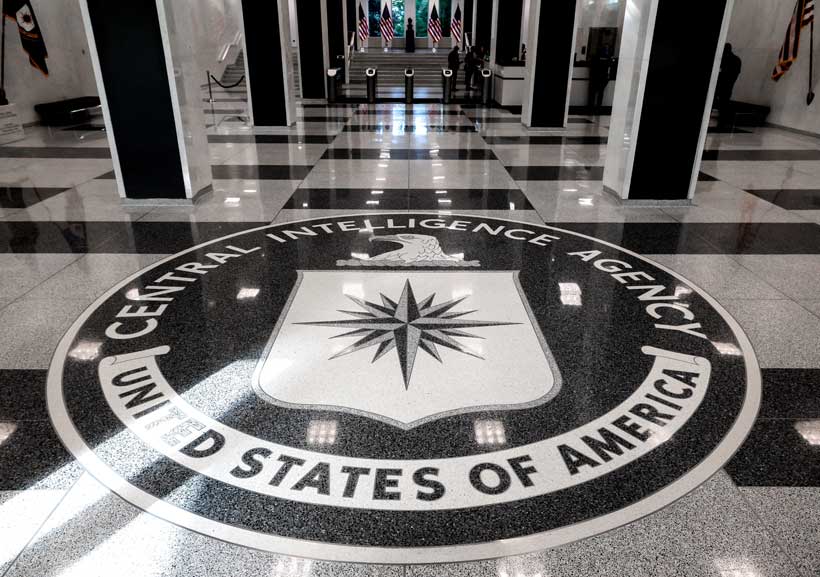
China reacted angrily to the CIA’s public campaign, launched in February 2026, to recruit spies from within the ranks of the Chinese military, vowing to take “all necessary measures” to protect its national security. The Chinese response to the “recruitment video” included an official warning: Foreign Ministry spokesperson “Lin Jian” stated that the attempts by forces hostile to China “will not succeed,” emphasizing that Beijing would resolutely counter foreign infiltration and sabotage operations. In addition to Beijing’s accusation that the United States engaged in blatant political provocation, the Chinese Embassy in Washington described the American recruitment video targeting Chinese military personnel as a “blatant political provocation” and an explicit admission by the United States of its attempts to steal other countries’ secrets. This was especially true given the nature of the video, released by the CIA, which featured Mandarin Chinese and targeted “disillusioned” Chinese military officers, exploiting corruption within the Chinese army and recent purges within the Chinese military leadership. While other foreign intelligence agencies typically maintain contact with sources and agents within both friendly and hostile militaries, observers noted that the 95-second CIA video was “unusually explicit,” as described by Newsweek magazine. This angered China, prompting it to lodge a formal protest through the Chinese Embassy in Washington.
To counter this American intelligence campaign, official Chinese measures to contain Western and American intelligence intensified. Beijing pursued a multi-pronged strategy to tighten the noose on espionage activities, including expanding the Anti-Espionage Law: China amended its laws to broaden the definition of “espionage” to include any data or documents that threaten national security, granting authorities greater powers to search and access electronic devices. (Increasing Public Awareness and “Reporting Hotlines”): The Chinese Ministry of State Security, which acts as China’s intelligence agency, encouraged citizens to report suspicious activities through substantial financial rewards and released educational videos on how to detect “foreign spies” who might be disguised as researchers or diplomats. (Chinese Technological Counter-Response): China used artificial intelligence and simulation tools to mock American recruitment videos, releasing videos that mimicked the same style to highlight “Wall Street corruption” and internal American crises. With (China’s purge of sensitive leaders): Beijing launched a widespread purge within the People’s Liberation Army, targeting high-ranking generals such as “Zhang Youxia” on charges of corruption and leaking sensitive information. With China’s expansion in drafting and enacting counter-sanctions laws: In March 2025, China activated new regulations for its Foreign Counter-Sanctions Law, allowing it to freeze assets and impose visa bans on any foreign individuals or entities that interfere in its internal affairs or threaten its security interests.
This confrontation comes at a time when reports indicate that the CIA is seeking to rebuild its human network in China after most of it was dismantled between 2010 and 2012. China has begun intensifying its internal security measures to counter Western espionage, particularly American espionage, by updating its anti-espionage laws, strengthening cybersecurity, and raising public awareness, targeting the activities of the CIA and Mossad. These efforts include strict data controls, protecting sensitive technology, dismantling spy recruitment networks, and considering Western espionage a direct security threat. Among the most prominent Chinese measures to contain Western and American intelligence activities are the following (updating anti-espionage laws): China has broadened the definition of espionage in its laws to include any documents, data, or materials related to national security, granting authorities wider powers to search and investigate suspects. (Strengthening cybersecurity): Beijing is conducting intensive campaigns to secure sensitive networks and data and is working to protect its digital infrastructure from infiltration, especially after reports indicating widespread cyber operations by Western actors. This is in addition to (Chinese security awareness campaigns): The Chinese Ministry of State Security (MSS) is urging citizens to report any suspicious activities, considering counter-espionage a societal responsibility. It has also published warnings about methods used to recruit spies. Along with Chinese authorities tightening control over foreigners and foreign companies in China, control has been intensified over foreign consultancies and companies that could be used as cover for intelligence activities, with a focus on uncovering foreign spies, whether affiliated with the CIA or any other foreign agency. Along with China’s emphasis on protecting technology and scientific research: Here, Beijing is taking strict measures to protect its technological and industrial secrets from theft, especially in the fields of artificial intelligence and computing, to prevent their exploitation to advance the interests of foreign countries.
This Chinese escalation comes at a time when US intelligence reports have described China as the “greatest overall military and security threat” to the interests of the United States and its allies, further intensifying the intelligence conflict between the two sides. Therefore, China began taking strict and decisive measures to contain Western and American intelligence activities within the People’s Liberation Army (PLA). These measures include strengthening information security through the Information Support Force, enforcing anti-espionage laws, and increasing internal oversight to ensure the protection of national security and development interests from infiltration and sabotage. The most prominent measures include tightening digital surveillance by enhancing capabilities in electronic espionage, signals intelligence, and cybersecurity to counter any breaches; strengthening internal security by tightening security measures around personnel and sensitive data to prevent recruitment or leaks; and activating the role of the Ministry of State Security domestically. The Chinese intelligence ministry, “MSS,” has become highly effective in combating foreign espionage, particularly American espionage, and in maintaining political security within military and civilian institutions. The Chinese authorities also established the Information Support Force: this force was created to promote the development and implementation of secure network information systems, thereby enhancing the army’s ability to repel infiltrations. With China’s keenness to modernize its anti-espionage laws, it has taken strict measures against infiltration and sabotage activities, pledging to protect China’s national security.
Based on the preceding analysis, we understand that these Chinese security measures are a response to intensive US intelligence efforts to recruit informants within the Chinese military, which has provoked Beijing’s ire and resentment. This is especially true given the sensitive timing for the Chinese military establishment, coming just weeks after another senior officer was implicated in President Xi Jinping’s anti-corruption campaign within the army. The video released by the CIA showing the recruitment and targeting of Chinese military personnel represents the latest episode in a US intelligence campaign targeting Chinese military personnel on social media. This campaign, which openly targets China, has been described by CIA Director “John Ratcliffe” as the agency’s top intelligence priority amidst what he called a generational competition with Beijing.