


Dame Jenni Murray, former BBC Woman's Hour presenter, dies at 75
She was the Radio 4 programme’s longest-serving presenter, having left in 2020 after 33 years.
Source link
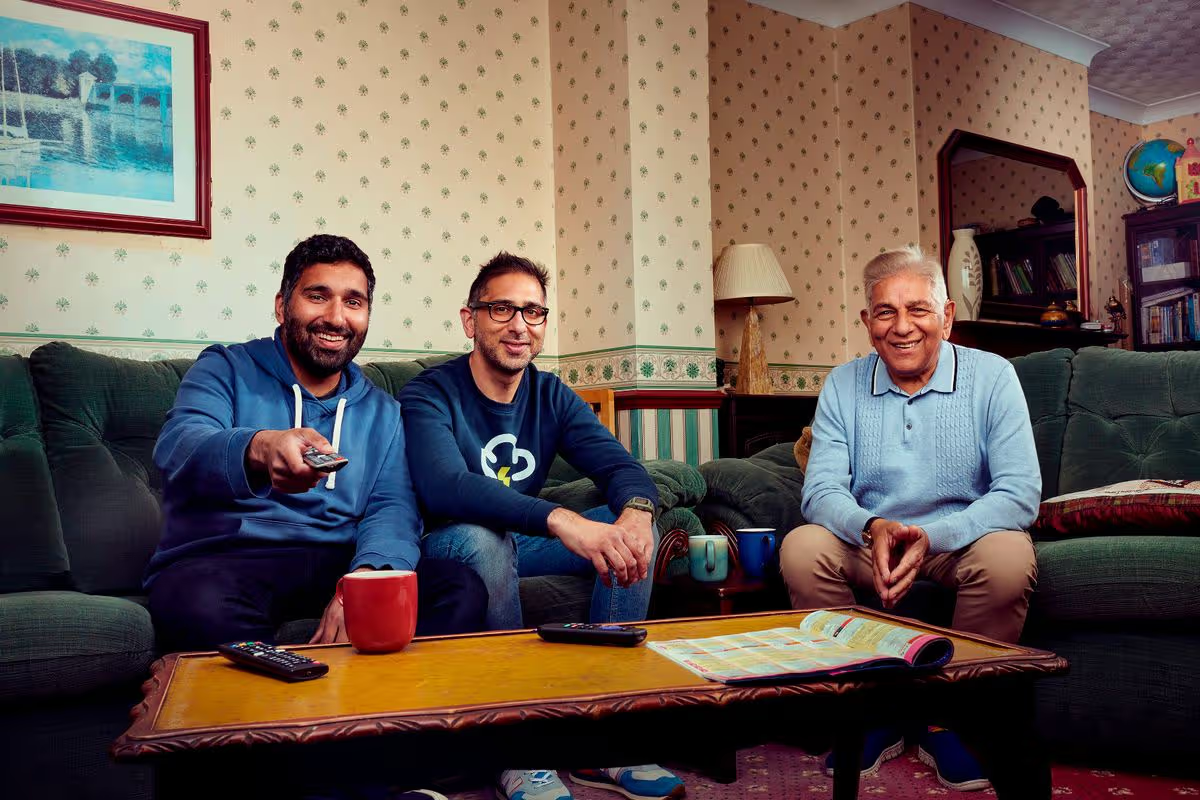
Gogglebox Siddiqui family’s rollercoaster 12 months from tragic death to hospitalisation
It’s been an eventful 12 months for Gogglebox’s Siddiqui family – from celebrating a big birthday to suffering a heartbreaking loss

Gogglebox Siddiqui family’s rollercoaster 12 months from tragic death to hospitalisation(Image: Channel 4)
The Siddiqui family are one of Gogglebox’s original stars – but the clan have had an up-and-down past 12 months away from the programme.
The beloved family joined the very first series of the Channel 4 show back in 2013, and consists of Baasit and his two brothers, Umar and Raza, as well as their father Sid. The mum, Nasreen, however, has not appeared on the show.
And it’s fair to say it didn’t take the Siddiqui family – who live in Derby – long to become firm favourites with fans.
However, the past 12 months have no doubt been a tough time for the family: from a sad death to member of the family being hospitalised.
The Siddiqui family suffers tragic death
In September 2025, the Siddiquis shared an emotional post on Instagram, revealing that their beloved cat Poppy had passed away. Alongside an image of a grey cat the caption read: “Sleep Tight Little One. Our little Diva Poppy – nearly 14 years and still didn’t feel long enough.
“A lifetime of memories we will all never forget. We hope you are reunited with your big brother Rufus and are both chasing rainbows together. Pets leave paw prints on our hearts, and memories in our souls. Sleep tight, little one.” The family received messages of sympathy from supporters following the tragic announcement.
Baasit and Mel’s anniversary
The Siddiquis had something to celebrate in October 2025 though, as Baasit and wife Mel hit a major wedding milestone. Posting on the Siddiqui family’s official Instagram account, Baasit wrote: “13 years married today, 16.5 years together – forever to go.
“Happy Anniversary to the absolute best, couldn’t do life without you. Love you xxx #weddinganniversary #anniversary #love.”
Baasit and Mel have been together for several years and are parents to a daughter named Amelia and a son named Theodore.
Raz’s horror fall
More recently, in February 2026, the family revealed that Raza had ended up in hospital and would be absent from the episode at the time. They upload a series of pictures of the TV star in hospital. In some images, he was hooked up to breathing machines.
And to explain his absence from the show, the post read: “For you eagle-eyed Goggleboxers, you may have noticed that Raza (@razathefaint) hasn’t joined us on the sofa so far this season. Sadly he had a bit of a fall, a few weeks back and cracked some ribs.”
The post said they fully expect him to return in a few weeks as he is recovering well. It went on: “He’s absolutely smashing his recovery, staying positive and keeping himself entertained with walks, telly, reading and nephew cuddles with Theodore.
“I know you guys reaching out and sending your well wishes will put a bigger smile on his face than morphine ever could. Can’t wait for all four Siddiquis to be back on team @c4gogglebox with the rest of the fab families.”
Sid’s 81st birthday
The Siddiquis celebrated a special day last month to mark dad Sid’s 81st birthday. They uploaded several family photos from over the years to Instagram, and captioned the post: “Happy Birthday Day aka Sid. Wishing you the most wonderful day! We love you xxx.”
Sid’s daughter-in-law Mel, who is married to Baasit, shared her well-wishes in the comments section, writing: “Happy birthday Sid AKA grandad. Have the best day!”
Supporters were also quick to express their affection, with one follower commenting: “Have a Wonderful Happy Birthday, may your day and year be filled with those you love, things that matter and above all joy.”
Gogglebox airs every Friday at 9pm on Channel 4

Trump administration sues Harvard, saying it violated civil rights law and seeking to recover funds
WASHINGTON — The Justice Department filed a new lawsuit Friday against Harvard University, saying its leadership failed to address antisemitism on campus, creating grounds for the government to freeze existing grants and seek repayment for grants already paid.
The lawsuit, filed in federal court in Massachusetts, is another salvo in a protracted battle between the administration of President Trump and the elite university.
“The United States cannot and will not tolerate these failures,” the Justice Department wrote in the lawsuit. It asked the court to compel Harvard to comply with federal civil rights law and to help it “recover billions of dollars of taxpayer subsidies awarded to a discriminatory institution.”
The lawsuit also asks a judge to require that Harvard call police to arrest protesters blocking parts of campus and to appoint an “independent outside monitor,” approved by the government, to ensure it complies with court orders.
Harvard did not immediately respond to a request for comment.
The lawsuit comes after negotiations appear to have bogged down in the months-long battle with the Trump administration that has tested the boundaries of the government’s authority over America’s universities. What began as an investigation into campus antisemitism escalated into an all-out feud as the Trump administration slashed more than $2.6 billion in research funding, ended federal contracts and attempted to block Harvard from hosting international students.
In a pair of lawsuits filed by the university, Harvard has said it’s being unfairly penalized for refusing to adopt the administration’s views. A federal judge agreed in December, reversing the funding cuts and calling the antisemitism argument a “smokescreen.”
Ted Mitchell, president of the American Council on Education, a major association of colleges and universities, accused the administration of launching a “full scale, multi-pronged” attack on Harvard. Friday’s lawsuit, he said, is just the latest attempt to pressure Harvard to agree to changes favored by the administration.
“When bullies pound on the table and don’t get they want, they pound again,” Mitchell said.
The Trump administration began investigating allegations of discrimination against Harvard’s Jewish and Israeli students less than two weeks after the president took office. The allegations focus on Harvard’s actions during and after pro-Palestinian demonstrations during the Israel-Hamas war.
Officials concluded Harvard did not adequately address concerns raised about antisemitism that drove some students to conceal their religious skullcaps and avoid classes. During protests of the war, Trump officials said, Harvard permitted students to demonstrate against Israel’s actions in the school library and allowed a pro-Palestinian encampment to remain on campus for 20 days, “in violation of university policy.”
In its lawsuit Friday, the Justice Department also accused Harvard of failing to discipline staff or students who protested or tacitly endorsed the demonstrations, such as by canceling or dismissing classes that conflicted with protests.
“Harvard University has failed to protect its Jewish students from harassment and has allowed discrimination to wreak havoc on its campus,” White House press secretary Liz Huston said Friday on X. “President Trump is committed to ensuring every student can pursue their academic goals in a safe environment.”
Despite their bitter dispute, Harvard and the Trump administration have held some negotiations, and the two sides have reportedly been close to reaching an agreement on multiple occasions. Last year, the administration and the university were reportedly approaching a deal that would have required Harvard to pay $500 million to regain access to federal funding and to end the investigations. Almost a year later, Trump upped that figure to $1 billion, saying that Harvard has been “behaving very badly.”
At the same time, the administration was taking steps in a civil rights investigation that had the potential to jeopardize all of Harvard’s federal funding.
In June, the Trump administration made a formal finding that Harvard tolerated antisemitism.
In a letter sent to Harvard, a federal task force said its investigation had found the university was a “willful participant” in antisemitic harassment of Jewish students and faculty. The task force threatened to refer the case to the Justice Department to file a civil rights lawsuit “as soon as possible,” unless Harvard came into compliance.
When colleges are found in violation of federal civil rights law, they almost always reach compliance through voluntary agreements. When the government determines a resolution can’t be negotiated, it can try to sever federal funding through an administrative process or, as the Trump administration has done, by referring the case to the Justice Department through litigation.
Such an impasse has been extraordinarily rare in recent decades.
Last summer, Harvard responded that it strongly disagreed with the government’s investigative finding and was committed to fighting bias.
“Antisemitism is a serious problem and no matter the context, it is unacceptable,” the university said in a statement. “Harvard has taken substantive, proactive steps to address the root causes of antisemitism in its community.”
In a letter last spring, Harvard President Alan M. Garber told government officials that the school had formed a task force to combat antisemitism, which released a detailed report of what unfolded on campus after Hamas militants stormed Israel on Oct. 7, 2023, killing around 1,200 people and abducting 251 others. Israel retaliated with an offensive that killed tens of thousands of Palestinians and displaced around 90% of Gaza’s population — prompting pro-Palestinian demonstrations at colleges around the country.
After the demonstrations at Harvard, Garber said the university had hired a new provost and new deans and that it had reformed its discipline policies to make them “more consistent, fair and effective.”
Since he took office, Trump has targeted elite universities he believes are overrun by left-wing ideology and antisemitism. His administration has frozen billions of dollars in research grants, which colleges have come to rely on for scientific and medical research.
Several universities have reached agreements with the White House to restore funding. Some deals have included direct payments to the government, including $200 million from Columbia University. Brown University agreed to pay $50 million toward state workforce development groups.
Balingit and Casey write for the Associated Press.
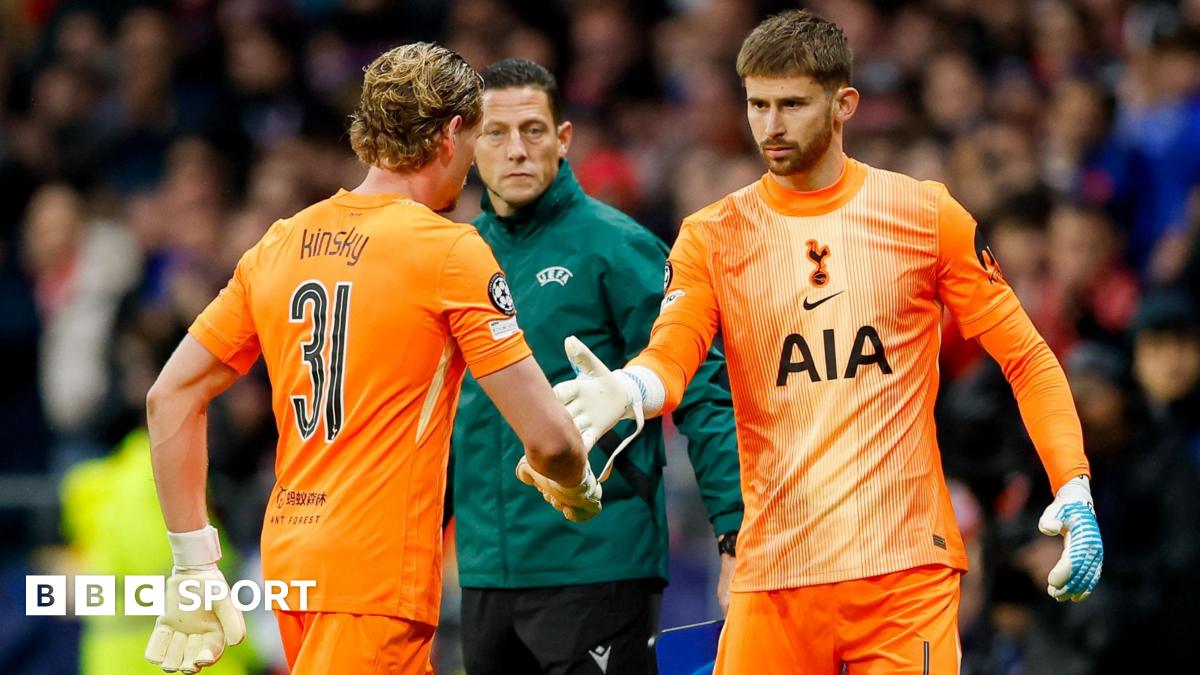
Tottenham: Guglielmo Vicario to have hernia surgery with Antonin Kinsky set to start against Nottingham Forest
Antonin Kinsky is set to return at Tottenham‘s goalkeeper once first-choice Guglielmo Vicario has hernia surgery following the Premier League game against Nottingham Forest on Sunday.
Spurs interim boss Igor Tudor controversially replaced Kinsky with Vicario in the 17th minute of their Champions League last-16 tie at Atletico Madrid on 10 March – which they lost 5-2 – after he conceded three goals.
The 23-year-old was consoled by several team-mates, including Vicario, as he made his way off the field.
Vicario has been dealing with the hernia problem for several matches but remains in contention to start in the crucial game at home against Forest.
The other option for Tudor is third-choice goalkeeper Brandon Austin, 27, who came through the club’s youth system and has made three senior appearances.
Tottenham said Italy international Vicario will undergo “a minor procedure” next week and hope to have him fit again by April.
The club said the operation had been “timed” for the international break in order to “have as minimal impact as possible”.
“Guglielmo will commence his rehabilitation with our medical staff immediately, and it is hoped that he could return to action within the next month,” added a statement from Spurs.
Kinsky and Austin have both been on the Tottenham bench for their past two games – a 1-1 draw at Liverpool in the Premier League and a 3-2 win over Atletico in the second leg of their Champions League tie.

U.S. court sentences Bolivian ex anti-drug chief to 25 years

March 20 (UPI) — A U.S. district court has sentenced former Bolivian anti-drug chief Maximiliano Dávila to 25 years in prison for conspiring to import large quantities of cocaine into the United States.
Dávila, 54, was convicted of coordinating cocaine shipments and using heavy weapons to protect drug trafficking operations while serving in senior law enforcement roles in Bolivia under former President Evo Morales.
The sentence, imposed Thursday by U.S. District Judge Denise L. Cote in a Manhattan court, concludes a legal process that began with his arrest near Bolivia’s border with Argentina in 2022 and his extradition in December 2024, Bolivian newspaper La Razón reported.
Dávila served as head of Bolivia’s Special Force to Fight Drug Trafficking, the country’s main anti-narcotics agency, until November 2019. His tenure placed him among the most influential figures in Bolivia’s efforts to combat drug trafficking.
However, his career was marked by allegations of ties to criminal networks, which later led to international investigations, according to local outlet Red Uno.
Prosecutors in New York said Dávila used his position to facilitate drug trafficking operations rather than combat them, turning his office into a logistical hub for organized crime.
They said he ensured safe passage for aircraft carrying cocaine from Bolivian airstrips to intermediate destinations in Central America and the Caribbean, with the drugs ultimately bound for the United States.
According to the investigation, Dávila provided armed protection for cocaine shipments, Bolivian newspaper El Deber reported.
In 2022, the U.S. State Department offered a $5 million reward for information leading to his conviction, underscoring his alleged role in regional drug trafficking networks.
In addition to the 25-year prison sentence, Dávila will face five years of supervised release. His defense has indicated it may appeal, though legal experts say the strength of the evidence makes a reduced sentence unlikely.
Iran’s Khamenei says enemy ‘defeated’ in written Nowruz message | US-Israel war on Iran News
Mojtaba Khamenei has not been seen in public since he replaced his slain father as Iran’s supreme leader.

Published On 20 Mar 2026
Supreme Leader Mojtaba Khamenei has said Iran’s enemies were being “defeated” in a written message for the Persian New Year, as the US and Israel continue to pound the country with attacks.
In a statement read on Iranian television on Friday, Khamenei praised the steadfastness of the Iranian people marking Nowruz, which he said ushered in the year of a “resistance economy under national unity and national security”.
Recommended Stories
list of 3 itemsend of list
“At the moment, due to the particular unity that has been created between you, our compatriots – despite all the differences in religious, intellectual, cultural and political origins – the enemy has been defeated,” he said.
Khamenei has not been seen in public since he became supreme leader, following the assassination of his father, Ayatollah Ali Khamenei, at the start of the war on February 28.
Iran’s supreme leader said that while the US and Israel believed that after one or two days of attacks, the Iranian people would overthrow the government, but this was a “gross miscalculation”.
The war was launched under “the delusion that if the pinnacle of the regime and certain influential military figures were to attain martyrdom, it would instil fear and despair in our dear people … and through this means, the dream of dominating Iran and subsequently dismembering it would be realised”, he said.
Instead, “a fracture has emerged in the enemy,” he added.
Analysts have observed that the Iranian constitution itself was drafted with the spectre of a power vacuum in mind, a “survival protocol” designed to give the system the capacity to continue even at a moment of maximum shock.
Khamenei also denied that Iran or its allied forces were responsible for attacks against Turkiye and Oman.
Those were “false flag” incidents used by Iran’s enemy to “sow discord among neighbours, and it may occur in other countries as well”, he claimed.
The Turkish Ministry of National Defence last week said NATO air defences intercepted a ballistic missile launched from Iran. Two people were killed in Oman after drones came down in the Sohar province.
The supreme leader also called on Afghanistan and Pakistan to end their fighting and said he stood ready to assist.
“We consider our eastern neighbours to be very close to us”, the supreme leader said. “I appeal to our two brotherly countries, Afghanistan and Pakistan, to establish better relations with each other … and I myself am ready to take the necessary actions.”
The neighbouring countries agreed to a temporary “pause” in hostilities during the Muslim holiday of Eid al-Fitr this week, after weeks of deadly violence.

How many episodes are left of Love Story JFK Jr?
Fans of the Ryan Murphy drama were left ‘shattered’ by Episode 8, which featured Princess Diana’s death

The Ryan Murphy series is coming to an end(Image: Disney+)
The most recent instalment of Love Story: John F Kennedy Jr and Carolyn Bessette has left audiences “shattered”.
Followers have been gripped by the new series for over a month, exploring the high-profile romance between its leading pair.
Created by Ryan Murphy, the drama unveils John (portrayed by Paul Anthony Kelly) and Carolyn’s (Sarah Pidgeon) relationship in the years preceding their tragic deaths on July 16, 1999, after a plane crash.
Episode 8 transports audiences to August 30, 1997, capturing the hours before Princess Diana’s heart-breaking death. The Royal passed away on the 31st after a car accident in Paris.
Carolyn is deeply affected by Princess Diana’s death because she had recently been seated behind her at Gianni Versace’s funeral. She also starts fearing for her own future under public scrutiny, whilst John appears to dismiss her worries, reports the Daily Record.
Viewers have been left heartbroken by the moving episode, with one X user posting: “I’m shattered beyond words this really broke me #lovestory.”
A second contributed: “#lovestory’s last episode might kill me, poor Carolyn,” whilst a third commented: “That was an unpleasant episode #LoveStory.”
And a fourth audience member remarked: “Just finished episode 8 of Love Story and I’m in tears. Those 42 minutes flew by and hit me so deeply I cried my eyes out.”
So when can audiences return to the drama?
How many episodes are left in Love Story Season 1?
As per usual, Love Story will be ready to stream on Disney+ next Friday (March 27). Unfortunately, that episode will be the series finale.
Entitled ‘Search and Recovery’, Episode 9 sees John and Carolyn battling to keep their relationship intact. As we witnessed in the series premiere, the pair will set off on a journey to Hyannis Port, accompanied by Carolyn’s sister Lauren (Sydney Lemmon).
We observed John clarifying that he would be piloting their small aircraft, before the show reverted back to the now-wedded couple’s initial encounter.
If the most recent episode left viewers teary-eyed, we can only image how emotional the responses to the series finale will be.
Love Story: John F Kennedy Jr and Carolyn Bessette ends with Episode 9, landing on Disney+ next Friday, March 27.
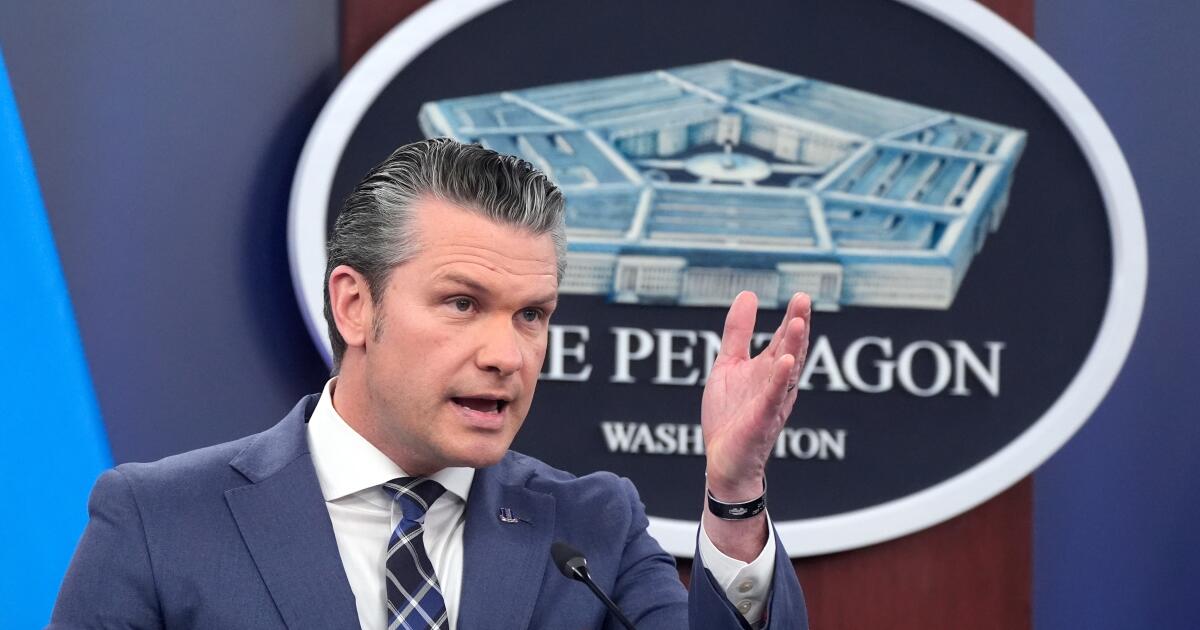
Pete Hegseth’s Christian rhetoric draws renewed scrutiny after the U.S. goes to war with Iran
WASHINGTON — Since becoming defense secretary, Pete Hegseth has found no shortage of ways to bring his strand of conservative evangelicalism into the Pentagon.
He hosts monthly Christian worship services for employees. His department’s promotional videos have displayed Bible verses alongside military footage. In speeches and interviews, he often argues the U.S. was founded as a Christian nation and troops should embrace God, potentially risking the military’s secular mission and hard-won pluralism.
Now the defense secretary’s Christian rhetoric has taken on new meaning after the U.S. and Israel went to war with Iran, an Islamic theocracy.
“The mullahs are desperate and scrambling,” he said at a recent Pentagon press briefing, referring to Iran’s Shiite Muslim clerics. He later recited Psalm 144, a passage of Scripture that Jews and Christians share: “Blessed be the Lord, my rock, who trains my hands for war and my fingers for battle.”
Hegseth has a history of defending the Crusades, the brutal medieval wars that pitted Christians against Muslims. In his 2020 book “American Crusade,” he wrote that those who enjoy Western civilization should “thank a crusader.” Two of his tattoos draw from crusader imagery: the Jerusalem Cross and the phrase “Deus Vult,” or “God wills it,” which Hegseth has called “the rallying cry of Christian knights as they marched to Jerusalem.”
Matthew D. Taylor, a visiting scholar at Georgetown who studies religious extremism and has been a frequent Hegseth critic, said, “The U.S. voluntarily going to war against a Muslim country with the military under the leadership of Pete Hegseth is exactly the kind of scenario that people like me were warning about before the election and throughout his appointment process.”
Taylor said Hegseth’s rhetoric and leadership “can only inflame and reinforce the fears and deep animosity that the regime in Iran has towards the U.S.”
When asked whether Hegseth views the war in Iran in religious terms, a Defense Department spokesperson pointed to a recent CBS interview in which Hegseth seemed to confirm as much.
“We’re fighting religious fanatics who seek a nuclear capability in order for some religious Armageddon,” Hegseth said of Iranian leaders. “But from my perspective, I mean, obviously I’m a man of faith who encourages our troops to lean into their faith, rely on God.”
Allegations U.S. military commanders cited biblical prophecies remain unverified
Generations of evangelicals have been influenced by their own version of Armageddon and the end of the world, circulated by books like the “Left Behind” series and “The Late Great Planet Earth,” or the horror film “A Thief in the Night.” Some evangelicals espouse prophecies in which warfare involving Israel is key to bringing about the return of Jesus.
Christian Zionist pastor John Hagee, head of Christians United for Israel, said of the Iran war, “Prophetically, we’re right on cue.”
The co-founder of Hegseth’s denomination, however, does not teach this theology. Pastor Doug Wilson of the Communion of Reformed Evangelical Churches identifies as a postmillennialist, meaning he believes most of the apocalyptic events of the Bible have already happened, paving the way for the gradual Christianization of the world before Christ’s return.
Hegseth has not said the Iran war is part of Christian prophecy. Yet days after the conflict began, claims went viral that U.S. military commanders were telling troops the war fulfilled biblical prophecies around Armageddon and the return of Christ.
The Associated Press has not been able to verify these claims, which stem from one source: Mikey Weinstein, the head of the Military Religious Freedom Foundation, a watchdog group. Based on allegations Weinstein said he received from hundreds of troops, 30 Democratic members of Congress asked the Pentagon inspector general to investigate.
In an interview with the AP, Weinstein declined to provide documentation or the original emails he received from service members. He said troops were afraid of retaliation, so they would not speak to the media, even if their identities remained protected.
Three major religion watchdog groups — the Freedom From Religion Foundation, the Anti-Defamation League and the Council on American-Islamic Relations — said they have not received similar complaints. The Pentagon declined to comment on the allegations.
Hegseth wants to reform the military chaplain corps
Hegseth’s church network, the CREC, preaches a patriarchal form of Christianity, where women cannot serve in leadership, and pastors argue that homosexuality should be criminalized. Hegseth last year reposted a video in which a CREC pastor opposed women’s right to vote. Wilson, its most prominent leader, identifies as a Christian nationalist and preached at the Pentagon in February at Hegseth’s invitation.
Both Wilson and Hegseth have questioned Muslim immigration to the United States. Wilson argues the country should restrict Muslim immigration in order to remain predominantly Christian. In “American Crusade,” Hegseth lamented growing Muslim birth rates and that Muhammad was a popular boys’ name in the U.S.
As head of the armed forces, Hegseth has overseen changes that are in line with his conservative Christian worldview, including banning transgender troops, curtailing diversity initiatives and reviewing women in combat roles.
Youssef Chouhoud, a political scientist at Christopher Newport University, said, “The intrusion of Christian nationalist policy, not just Christian nationalist rhetoric … that is what’s troubling.”
Hegseth has pledged to reform the military’s chaplain corps, which provides spiritual care to troops of any faith and no faith at all. He scrapped the 2025 U.S. Army Spiritual Fitness Guide and wants to renew chaplains’ religious focus, which he said in a December video message has been minimized “in an atmosphere of political correctness and secular humanism.”
Rabbi Laurence Bazer, a retired U.S. Army colonel and chaplain, said it risks making service members feel like outsiders when the language of military leadership draws exclusively from one faith tradition.
“The U.S. military reflects the full diversity of this country — people of every faith step forward to serve,” Bazer said in a statement. “That diversity is a strength worth protecting.”
Stanley writes for the Associated Press. AP reporter Peter Smith in Pittsburgh , and AP reporter Konstantin Toropin contributed to this report..
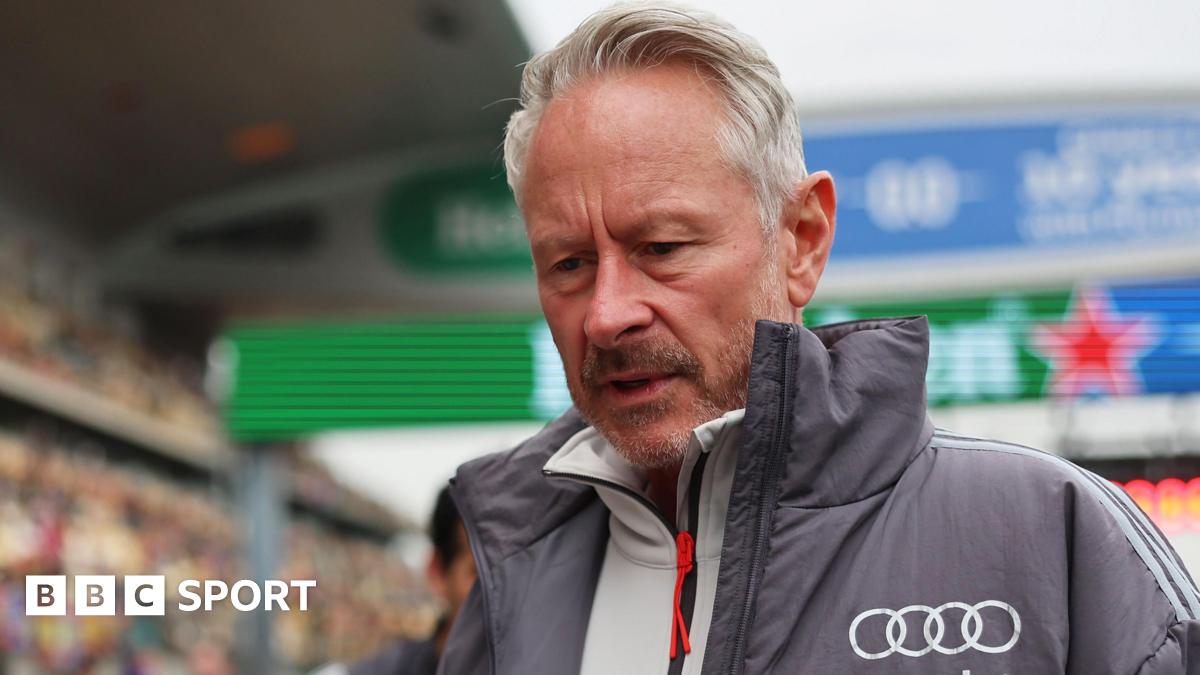
Jonathan Wheatley: Audi boss leaves with immediate effect amid link to Aston Martin
Audi team principal Jonathan Wheatley has left the team with immediate effect.
The development comes a day after news broke that the 58-year-old Englishman had been approached by Aston Martin to be their team principal.
A statement from Audi said Wheatley was leaving for “personal reasons”.
Mattia Binotto will take over the responsibilities of team principal in addition to his role as head of the Audi F1 project while the company takes its time to consider its next steps.
The move comes after an Audi board meeting on Friday with Wheatley and Binotto in attendance.
Wheatley had been under contract with Audi for at least the remainder of this year but a decision was made that he should leave immediately. It is the third management restructure in less than two years at Audi.
He will have to serve a period of ‘gardening leave’ before joining another team, the length of which will have to be negotiated between himself, Audi and potentially a future employer.
Key among Wheatley’s reasons for leaving were a desire to return to the UK by the end of this year.
Audi are not expected to look for a direct replacement for Wheatley, and are more likely to appoint someone to a role that is in charge of running the race team while Binotto retains overall control.
Aston Martin have not confirmed their interest in Wheatley but owner Lawrence Stroll has made him an offer to run the team under managing technical partner Adrian Newey.
Newey, who joined Aston Martin in March last year, has been acting as team principal since the position’s former occupant Andy Cowell was moved into a different position.
Cowell is now focusing on helping engine partner Honda resolve its problems with its new engine, which has started the 2026 season lacking performance and reliability.
In a statement on Friday, Stroll re-emphasised his commitment to and relationship with Newey, who is regarded as the greatest F1 designer in history.
Stroll said: “I would like to reaffirm that Adrian Newey is my partner and an important shareholder. He is AMR’s managing technical partner, and he and I have a true partnership built on a shared vision of success for the company.
“We do things differently here, and while we don’t currently adopt the traditional team principal role that you see elsewhere – it is by design.
“As the most successful engineer in the history of the sport, Adrian’s primary focus is on the strategic and technical leadership where he excels. He is supported by a highly skilled senior leadership team to deliver on all aspects of the business, both at the campus and trackside.”
Stroll met with former Red Bull team principal Christian Horner again this week, but Newey is said by sources to be opposed his former colleague joining Aston Martin.
Newey left Red Bull in April 2024 because his relationship with Horner had soured after nearly 20 years together.
If Stroll and Wheatley finalise their agreement, the new arrangement would free up Newey to focus on the key areas where he can make a difference without the distractions of other responsibilities.
Aston Martin are last in the championship after two races this season, with a car that is behind on development compared to its rivals and an engine that is beset by major vibration problems and is short on internal combustion power and energy recovery and deployment.

Families can swim with dolphins for 30% less thanks to Florida theme park package sale

SUN-seeking holidaymakers can save up to 30 per cent on packages for one of Florida’s top attractions.
The limited-time deal is the perfect chance to lock in a tropical escape to Orlando’s most exclusive park: Discovery Cove.

Discovery Cove Orlando packages: save up to 30%
If there’s any such thing as a classic bucket-list item, it’s swimming with dolphins – and that’s something you can do without breaking the bank this summer.
Discovery Cove in Orlando has just slashed prices for 2026, and we’ve got the inside track on how to stack your savings.
Right now, you can get up to 15 per cent off 2026 Discovery Cove packages.
But the real win for savvy readers is using the code SUNNY at checkout to snag an extra 15 per cent off – that’s a potential overall saving of 30 per cent.
For families watching the pennies, the Ultimate Package is the undisputed star of the show.
Not only do you get a full day of luxury at Discovery Cove, but it also includes 14 days of unlimited access to SeaWorld, Busch Gardens Tampa Bay and Aquatica.


It’s the best way to beat the 2026 rush and guarantee two weeks of world-class thrills for one upfront price.
The best part? Once you step inside this hidden island oasis, you can put your wallet away.
Discovery Cove is all-inclusive, meaning your breakfast, lunch, snacks and drinks are all covered.
You’ll spend the day getting up close and personal with some of the friendliest, most playful animals in Florida.
Head to the Dolphin Lagoon to step into the calm waters and see a dream come to life as you’re greeted by a bottlenose dolphin.
Discovery Cove Orlando packages: save up to 30%
If you want to explore further, you can snorkel through the Grand Reef, a vast underwater world where thousands of tropical fish and graceful rays drift over colourful coral.
For a change of pace, visit the Freshwater Oasis to see the fun-loving otters.
You can also stroll through the lush landscapes of Flamingo Point to observe the beauty of Caribbean Flamingos.
They even provide all the essentials, including snorkel gear, wetsuits, animal-safe suncream, towels and lockers.
With a strict limit of just 1,300 guests per day, you can dodge every theme park visitor’s nightmare: endless lines of slow-moving queues in the Florida heat.
Because capacity is capped, the park stays peaceful, allowing you to move at your own pace without the usual crowds.
Instead of waiting in line, you’ll be swimming through serene lagoons or hand-feeding tropical birds in the aviary.
You can book with confidence via AttractionTickets.com, a package provider with a stellar 4.8 Trustpilot rating.
This flash sale ends on March 31, so you’ll need to move fast if you have the Orange State in your sights this summer.
Another once-in-a-lifetime holiday experience is taking to the sea – and Norwegian Cruises Lines offers an incredible range of packages.
European travellers shouldn’t miss a theme park near Paris where kids can go free all summer.
Planning a hol closer to home? There’s a new £450 million Center Parks in Scotland underway with its own ‘subtropical swimming paradise’.

Could Iran war trigger the next global food shock? | US-Israel war on Iran
From factories to supermarket shelves, the Iran war is disrupting global supply chains.
First came the energy shock. Now, the Iran war is hitting something even more basic: Food.
With the Strait of Hormuz blocked, vessels are being rerouted and supply chains are under strain.
The disruption is pushing up the costs of almost everything from factories to supermarket shelves thousands of miles away.
The longer the Iran conflict continues, the greater the pressure on businesses and consumers worldwide.
The United Nations warns that rising food, oil and shipping costs could push an additional 45 million people into acute hunger – taking the global total above its record of 319 million.
Published On 20 Mar 2026

Air raid sirens blare during Eid call to prayer in Kuwait | Drone Strikes
Air raid sirens sounded across Kuwait City as Iran targeted US assets with missiles and drones. Footage shows alerts sounding as the call to Eid al-Fitr prayers was made at a mosque.
Published On 20 Mar 2026

Channel 4 viewers thrilled as detective drama from Death in Paradise boss returns
The crime drama from Death in Paradise’s creator has returned to screens with its third season and viewers were delighted

The Marlow Murder Club returns for a third season this week(Image: UKTV)
The beloved mystery drama, The Marlow Murder Club, made its comeback to our TV screens with the eagerly awaited third series and viewers have declared the opening instalment “brilliant”.
Adapted from the novels by Death in Paradise creator Robert Thorogood, the programme unfolds in the charming Buckinghamshire town of Marlow.
Where retired archaeologist and amateur detective Judith Potts (Samantha Bond) joins forces with dog walker Suzie Harris (Jo Martin) and vicar’s wife Becks Starling (Cara Horgan) to crack a series of captivating crimes.
Every series has featured an array of famous faces, with the likes of Peter Davison (The Gold, Gentleman Jack), Tony Gardner (The Larkins, Last Tango in Halifax) as well as the comedy icon Harry Enfield making a guest appearance in the newest series, reports Hello.
In season three, Judith, Suzie and Becks confront a new batch of baffling mysteries, assisted by Marlow Police’s senior detective, Tanika Malik (Natalie Dew).
The synopsis reads: “From the sudden death of the town’s beloved mayor – the nicest man in Marlow – to a celebrity chef found dead at the launch of his cookbook with half the town in attendance.
“The team will be working under the watchful eye of the Marlow community.
“They’ll also be called to action at a university reunion in an eerie manor house where, in a surprising twist, Becks finds herself amongst the suspects. Could this case threaten our amateur sleuths’ roles as civilian advisors?”
This gripping drama represents cosy crime at its finest. With absorbing mysteries, ingenious plot twists and abundant charm, it’s hardly surprising that The Marlow Murder Club has become such a firm favourite with audiences.
Sharing their reaction on social media, fans have praised the programme’s much-anticipated third run as “brilliant”.
One viewer posted on X: “Last night’s #MarlowMurderClub series 3 premiere was off to a great start, brilliant stuff from Samantha bond, Cara Horgan, Jo Martin, Natalie Dew.”
Whilst another commented: “So pleased this is back on. I love it.” A third audience member commended the show as a “brilliant crime drama,” whilst another applauded the “beautiful scenery and laugh out loud moments”.
Meanwhile, the programme has garnered favourable reviews from television critics, with The Times likening the drama to “the TV equivalent of a garden wallow listening to birdsong whilst enjoying a nice cup of tea,” in its three-star assessment.
Awarding four stars, the Daily Mail praised the show as “cosy crime at its snuggest and most comforting”.
All six episodes of The Marlow Murder Club Season 3 are now available to stream on U and Channel 4.

‘£2 beers and famous cocktails’ The alternative Caribbean island Brits barely go to with one of the world’s best beaches
OUR Spotlight On column looks at the best things to see and do in popular holiday destinations, as well as som lesser known spots.
This week, we’re looking towards more tropical climates and shining the light of the Caribbean island of Puerto Rico.
The Sun’s Deputy Travel Editor Kara Godfrey visited the island and raved about it.
She said: “I don’t know why more Brits don’t visit Puerto Rico when planning a Caribbean island.
“The food and drink scene is amazing – after all, its the home of the pina colada, and you can get the local Medalla Light beer for just $2.50 (£1.84) at some bars.
“My highlight was a food tour of San Juan with The Spoon Experience, where we had amazing coffee, ice cream and snacks.


“We even went on a boat trip to Flamenco Beach – one of the best in the world – where we had to jump off the boat and swim to shore.”
Here are some other things to do, as well as where to stay on the island.
MUST SEE/DO
Bad Bunny’s recent Super Bowl performance certainly put Puerto Rico firmly on the map.
This compact Caribbean island, which is the birthplace of the rapper and musician, is full of glorious landscapes from lush rainforests to sparkling beaches.
But the top thing for the bucket list has to be a visit to El Yunque National Forest, where visitors can swim beneath waterfalls and spot exotic birds.
The forest comes even more alive at night, thanks to its bioluminescent waters.
The island is home to three of only five bioluminescent bays in the world, including the brightest at Mosquito Bay in Vieques.
HIDDEN GEM
For a real taste of local life, head to the Piñones neighbourhood – also known as the “soul of the island”.
Afro-Caribbean heritage comes alive here through vibrant street food, such as alcapurrias, a tyoe of fried fritter made with with grated yuca and sometimes green banana.
Explorers should ditch the beach and head to Puerto Rico’s Central Mountain Region instead.
This area is known for its coffee production so sampling the freshly roasted brews is a must.
Make sure to try Creole-inspired dishes at traditional taverns while soaking up sweeping interior views.
BEST VIEW
If you don’t fancy trekking up the mountains, then Alma Hotel rooftop bar in Old San Juan is the next best thing.
You can drink in the views, which are undeniably spectacular at sunset, alongside a cocktail.
From this high vantage point you’ll be able to gaze out across the terracotta rooftops, and sparkling bay.
Knock back a plate of oysters alongside a canella old fashioned made with cinnamon-infused bourbon, rosemary syrup and orange bitters.
RATED RESTAURANT
Cocina Abierta in San Juan served a menu of reinterpreted classics like mofongo, traditionally made from mashed and fried green plantains, except here its made with peking duck.
Plates are bold, elegant and sophisticated.
A five-course tasting menu costs around £64 a head and booking is recommended.
Bacoa Finca y Fogón is another great spot that offers farm-to-table dining with a focus on sustainable cooking.
BEST BAR
La Factoría in Old San Juan is frequently ranked among the world’s best bars by 50 Best.
Made up of a maze of candlelit rooms, this chic bar not only serves up creative cocktails, it also hosts regular live music nights.
It’s chaotic, fun, and quintessentially Puerto Rican.
The James Beard award-winning Identidad Cocktail Bar is another top spot for cocktail lovers.
Try the whisky highball which celebrates typical Caribbean ingredients like Glenlivet Caribbean (a type of whisky) muddled with ginger, vanilla, cardamom, bitters and soda.
HOTEL PICK
Dreamcatcher by DW is a boutique vegetarian hotel with just nineteen rooms, that sits a ten-minute drive from Old San Juan.
Quirky suites feature stained-glass windows, old hacienda archways and concrete soaking tubs.
Guests can unwind on tropical terraces in breezy hammocks.
Rooms cost from £224 per night. See dreamerswelcome.com.

One of Europe’s best beaches is in the UK
ONE of the most beautiful beaches in Europe is actually in Britain – and the sandy shores are bringing back a beloved attraction this week.
The observation wheel in Weymouth is returning and will welcome beachgoers from tomorrow for the new season.
Visit Weymouth announced that Weymouth’s Observation Wheel will be opening tomorrow.
In a social media post, it said: “After a successful debut year in 2025, Weymouth’s Observation Wheel will be open again this Saturday 21st and Sunday 22nd March at 11am.
“It looks like we are in for a sunny weekend, so get ready for some amazing views! The attraction will then be open every day from Friday 27th March.
“From 10.30am on Saturday 28th March, the other beach rides will be open daily – just in time for the Easter holidays.”


Other rides opening next weekend include the helter skelter, pirate ship, pirate coaster and paratrooper.
It won’t be the last time you see the big wheel either as the family who own it have a five-year contract in place, according to the Dorset Echo.
This means it will be there and open for business until 2029.
The attraction is fairly new to the seaside town having only opened in April last year.
It stands at 85ft tall and can take up to 108 passengers at a time.
Anyone wanting to see the Jurassic Coastline should take a ride as it offers great views across the beach and further on.
Last year, prices for the Weymouth Wheel started from £5 for children under 10 as well as OAPs.
For adults, a single ticket is £6, while families of four (two children and two adults) could get onto the attraction for £20.
Weymouth Beach is a favourite for Brits, especially during the summer months.
It’s also considered one of the most beautiful in Europe.
Last year, Tripadvisor ranked the best beaches – and Weymouth Beach came in 20th place, when it came to the list of the best beaches in Europe.
It was praised for its ‘shallow, safe waters’ that are perfect for swimmers.
Other factors that went in its favour included its family-friendly activities like donkey rides and pedalo hire.
It was the fourth year in a row that Weymouth appeared on the list.
The Times even named Weymouth the UK’s best beach back in 2023 with its litter-free beach, and plentiful amount of fish and chip shops.
Brits have a similar opinion too, one beach-goer wrote on Tripadvisor: “It’s the best beach in the South if not the UK”.
Another went one further, saying: “Best beach in the world.. Love it here.”
For more on beaches, here are Sun Travel’s 26 must-visit UK beaches for 2026 – including tropical-feel spots and family-friendly finds.
And here are five UK beaches that feel more like abroad with white sand beaches and chic hotels.
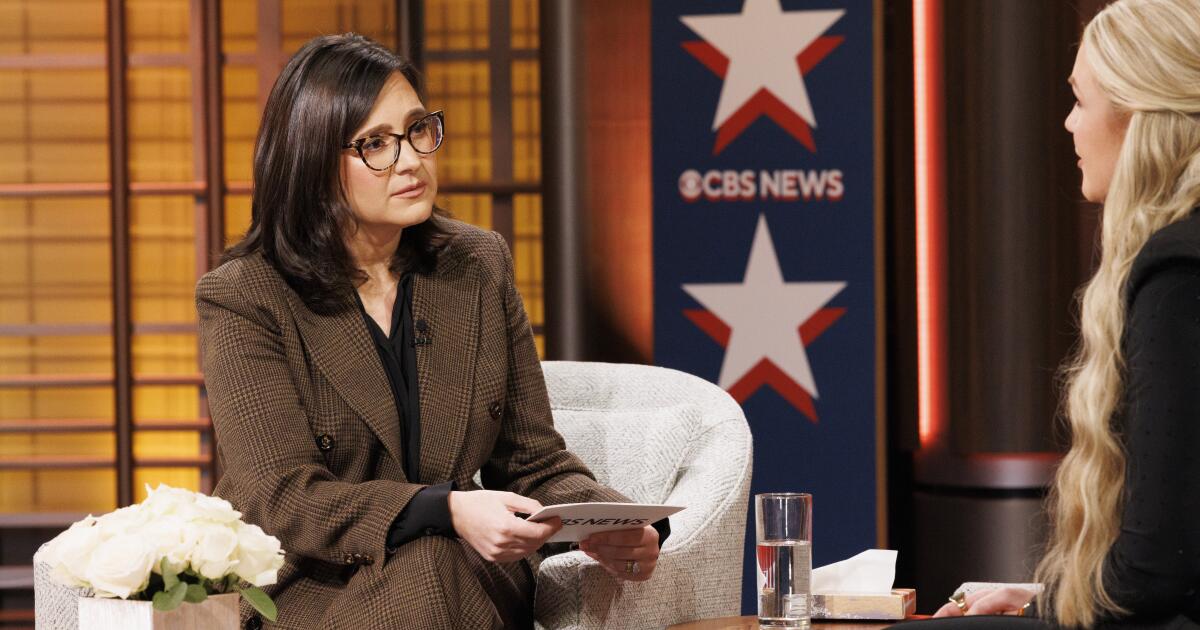
CBS News shuts down radio unit amid division-wide cuts
In a stunning move, CBS News is shutting down its radio division, getting out of the medium where its storied history began nearly 100 years ago.
CBS News Radio will stop offering its service to its 700 affiliate stations on May 22.
“While this was a necessary decision, it was not an easy one,” the company said in a memo obtained by The Times. “A shift in radio station programming strategies, coupled with challenging economic realities, has made it impossible to continue the service.”
CBS sold its own radio stations in 2017, but continued to offer hourly network newscasts to affiliate stations, including “World News Roundup,” which has been on the air since 1938. Legendary CBS News journalist Edward R. Murrow delivered his first report on the program.
The news of the shutdown comes as dozens of CBS News employees are learning Friday if they have a future at the struggling news division.
A morning email from CBS News President Tom Cibrowski and editor-in-chief Bari Weiss that was obtained by The Times said staff affected by a new round of job reductions will be notified by the end of the day. About 6% of the 1,000 CBS News employees will be affected.
The cuts had been hinted at earlier this year by Weiss, when she said her business goal for the division is to expand its reach on digital platforms. Weiss and Cibrowski raised the same issue in their note informing employees of the cuts.
“It’s no secret that the news business is changing radically, and that we need to change along with it,” they wrote. “New audiences are burgeoning in new places and we are pressing forward with ambitious plans to grow and invest so that we can be there for them.”
CBS News has been dealing with a decline in revenue for its TV programs, as viewers have gravitated toward streaming platforms and social media.
The network’s daily programs “CBS Evening News with Tony Dokoupil” and “CBS Mornings,” both run well behind their competition in the ratings. It does have two strong weekend franchises in “60 Minutes” and “CBS Sunday Morning.”
CBS News is expected to be under the same corporate ownership as CNN once parent company Paramount closes its $111 billion deal to acquire Warner Bros. Discovery. The two divisions are likely to share news gathering costs, which could lead to the closure of bureaus and a reduction of personnel.
CBS News lost about 100 employees in October as part of a massive round of cuts enacted at Paramount after the company was acquired by Skydance Media.
Weiss had joined CBS News earlier that month and was not directly involved in the staff reductions. She is said to be more personally involved in the cuts occurring Friday.
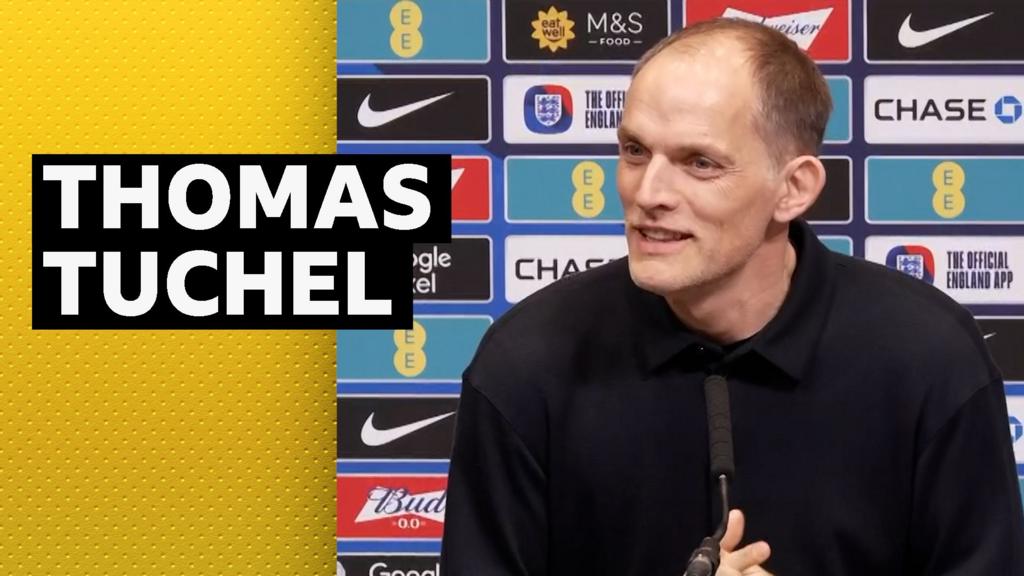
England squad: Thomas Tuchel explains squad selection
England manager Thomas Tuchel explains his decisions for selecting Manchester United players Harry Maguire and Kobbie Mainoo for his upcoming camp.
He also says it was a “tough decision” to not include Trent Alexander-Arnold in the expanded 35-man squad.
The Three Lions continue their World Cup preparations with friendlies at Wembley Stadium against Uruguay on 27 March and Japan on 31 March.
Teams must submit their final World Cup squads by Saturday, 30 May.
READ MORE: ‘Last opportunity to impress’ – Tuchel names 35-man England squad
Zelenskyy says Ukraine wants timeline for next round of Russia talks | Russia-Ukraine war News
Volodymyr Zelenskyy says ‘clear dates’ needed as Ukrainian negotiators prepare for discussions in US.
Published On 20 Mar 2026
Ukraine’s President Volodymyr Zelenskyy says Ukrainian negotiators will push for a clear timeframe for the next round of Russia talks, as diplomatic efforts to end the conflict have been paused amid the US-Israeli war on Iran.
Speaking to reporters on Friday, Zelenskyy said Kyiv wants “clear dates – at least approximate ones” for the negotiations.
Recommended Stories
list of 3 itemsend of list
“Everyone understands that the situation in the Middle East, the war, is affecting the postponement of this date,” he said.
Zelenskyy’s comments come as Ukrainian negotiators are set to hold talks in the United States on Saturday on US-brokered attempts to reach an agreement to end the more than four-year Russia-Ukraine war.
Previous rounds of negotiations between Kyiv and Moscow in Geneva and Abu Dhabi failed to yield a breakthrough.
The main sticking point has been territory, with Russia pushing for Ukraine to give up the remaining 20 percent of the eastern region of Donetsk that Russian forces have failed to capture.
Kyiv has refused that demand while calling for robust security guarantees from its Western allies to prevent any other Russian attack should an agreement to end the war be reached.
“We have received signals from the US side indicating readiness to continue working within the existing negotiation formats to bring an end to Russia’s war against Ukraine,” Zelenskyy said in a social media post on Thursday.
“There has been a pause in the talks, and it is time to resume them. We are doing everything to ensure that the negotiations are genuinely substantive.”
A senior Kremlin official indicated on Friday that a new round of US-mediated negotiations between Moscow and Kyiv will likely take place soon.
“The pause is temporary, we hope it’s temporary regarding the continuation of the trilateral format,” he said.
Amid the Iran war, Ukraine’s European allies have sought to reassure Kyiv that their attention remains focused on maintaining pressure on Russia to end the war.
“There is obviously a conflict in Iran going on, in the Middle East, but we can’t lose focus on what’s going on in Ukraine and the need for our support there,” British Prime Minister Keir Starmer said this week after meeting with Zelenskyy in London.
European countries also have raised concerns about a decision by US President Donald Trump’s administration to waive sanctions on some Russian oil supplies in a bid to offset soaring energy costs linked to the Iran war.
On Friday, Zelenskyy said Ukrainian officials at the US talks on Saturday would discuss the recent “dangerous” decision to ease those sanctions on the Russian energy sector.
Will Russian oil be the biggest winner in the US-Israel war on Iran? | US-Israel war on Iran News
Russian oil is emerging as a key beneficiary of the US-Israeli war on Iran, as countries scramble to charter tankers following United States President Donald Trump’s decision to temporarily ease sanctions, analysts say.
Following a phone call with Russian President Vladimir Putin on March 10, Trump said the US would waive Russian oil-related sanctions on “some countries” to ease the shortage caused by Iran’s closure of the Strait of Hormuz, which in peacetime carries 20 percent of the world’s oil and gas from producers in the Gulf.
This week, it was reported that a number of tankers carrying Russian oil bound for China had changed course and were heading for India instead.
According to figures from the Centre for Research on Energy and Clean Air (CREA), Russia earned an additional 672 million euros ($777m) in oil sales in the first two weeks of the war on Iran, which began on February 28 when Israel and the US launched strikes on Tehran, killing Ayatollah Ali Khamenei and other senior Iranian officials.
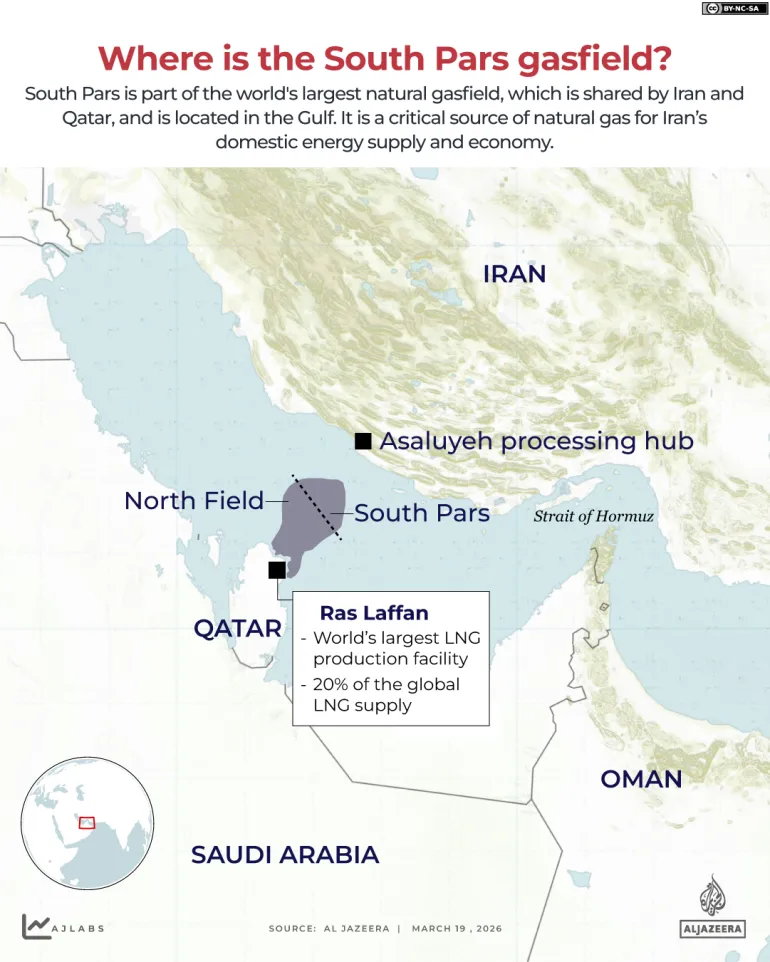
Iran has since struck back, launching thousands of missiles and drones towards Israel as well as US military assets and infrastructure in neighbouring Gulf countries. The war stepped up a level this week, when Israel bombed Iran’s critical South Pars gasfield, and Iran hit back with strikes on Gulf energy assets, including Qatar’s Ras Laffan Liquefied Natural Gas (LNG) facility – the world’s largest.

This week, the average price of Urals oil – the Russian benchmark – was significantly higher than the pre-war price of less than $60, at around $90 per barrel.
Here’s more about who is buying Russian oil and which other nations might benefit from the oil crisis.
Why is Russian oil benefitting from the Iran war?
Iran’s effective closure of the Hormuz Strait, which is the only sea route from the Gulf to the open ocean, has “walled in” 20 million barrels of Gulf oil per day, George Voloshin, an independent energy analyst based in Paris, told Al Jazeera.
This has prompted the US to, at least temporarily, ease sanctions on shipped Russian oil to slow the ensuing energy crisis and potential global price collapse. The price of Brent crude, the international benchmark, has risen to above $100 a barrel since the closure of the strait, compared with about $65 before the war began.
Many analysts say a price of $200 is no longer “far-fetched”.
“Russia has emerged as a primary beneficiary of the Middle East conflict due to the massive supply vacuum created by the closure of the Strait of Hormuz,” Voloshin said. “Global refiners are desperate for alternative medium-sour crudes, a need that Russia’s Urals grade specifically meets.”
He added that the US decision to grant a temporary reprieve for shipped Russian oil “has provided Moscow with a critical window to maximise export volumes and oil revenues, essentially allowing Russian crude to act as the world’s primary swing supply during the Iranian blockade”.

How has the price of Russian oil been affected so far?
The price of Russian Urals has surged significantly, experts say. As a result of US sanctions, the oil had been trading at below $60 a barrel for some time. However, while “Urals historically traded at a significant discount to Brent due to Western sanctions”, Voloshin said, “that gap has narrowed as demand outstrips supply”.
“Since the beginning of the year, the price of Russian oil is estimated to have risen by nearly 80 percent – most recently close to $90 per barrel – and consistently trading well above the G7 price cap of $60 as buyers prioritise energy security over regulatory compliance in a high-volatility environment,” he added.
Are ships changing course to deliver Russian oil to new buyers?
Earlier this week, Bloomberg reported that at least seven tankers carrying Russian oil had changed course mid-voyage from China to India, citing data from Vortexa, the data analytics group.
Then, Indian media quoted Rakesh Kumar Sinha, special secretary in the Ministry of Ports, Shipping and Waterways, confirming that the Aqua Titan, a Russian oil-laden tanker originally destined for China, is now expected to arrive at New Mangalore port on March 21 having been chartered by Mangalore Refinery and Petrochemicals Limited (MPCL).
India was the first country to receive a time-limited exemption from the US Treasury to import Russian oil that is already at sea, Voloshin said.
“There is clear evidence of a massive logistical redirection of Russian oil cargoes mid-voyage. Several tankers originally bound for Chinese ports have, indeed, switched trajectory to India. This shift is driven by India’s aggressive pursuit of discounted distressed cargoes to fill its strategic reserves and meet domestic demand, as well as the increased risk and insurance costs associated with long-haul shipments to East Asia via contested waters.”
Until recently, Trump had been strongly pressuring India to stop buying Russian oil, even slapping additional 25 percent trade tariffs on India last year in punishment for doing so. This was lifted earlier this year when Trump claimed he had received assurances from India’s Prime Minister Narendra Modi that India would start buying US oil, or even Venezuelan oil seized by the US, instead.
Which countries are buying Russian oil now?
Indian media has reported that India’s purchases of Russian crude have surged in the past three weeks, since the war on Iran began and the Strait of Hormuz was closed.
“The primary buyers of Russian oil continue to be India and China, who together now account for the vast majority of Russia’s seaborne exports,” Voloshin said.
Turkiye is also a significant buyer, he added, now using Russian crude to stabilise its domestic market amid the gas shortages caused by the Israeli strikes on Iran’s South Pars field.
“Additionally, a shadow fleet of ageing tankers continues to move Russian oil to smaller, less-regulated refineries across Southeast Asia and the Middle East, often through complex ship-to-ship transfers designed to obscure the origin of the crude,” he added.
He said this shadow fleet is becoming the primary delivery mechanism for oil in several contested regions, meaning more buyers could appear. “Additionally, the degree of cooperation between the US and its European allies remains a wild card. If the EU continues to refuse participation in military operations near Iran, the diplomatic and economic pressure on the US to maintain the Russian oil reprieve will likely increase.”

Will Russian oil remain in demand if the US re-imposes sanctions?
If there is nowhere else to readily source oil, countries may continue to seek Russian crude even if the US reimposes sanctions, Voloshin said. The International Energy Agency (IEA) says the closure of the Hormuz Strait has caused a shortage of 8 million barrels of oil per day.
If that persists, “major importers like India may feel they have no choice but to continue buying Russian oil to prevent domestic economic collapse”, Voloshin said.
If secondary sanctions on Russian oil are reintroduced, he added, buyers may demand much lower prices to compensate for the increased legal and financial risks of dealing with Moscow. “At the same time, in the presence of a continued severe market disruption, the US is very likely to roll over [extend] current exemptions,” Voloshin said.
Which other energy-producing nations could benefit?
Two other major non-OPEC energy producers that could benefit are Norway and Canada, experts say. However, this will largely depend on their capacity to increase production.
“Norway has already signalled its intent to maintain maximum gas and oil production to support European energy security, primarily selling to EU nations seeking to replace lost Iranian and Russian volumes,” Voloshin said. “Canada is exploring ways to increase its export capacity to the US Gulf Coast. However, like Russia, its ability to significantly ramp up production in the short term is constrained by pipeline throughput and infrastructure bottlenecks.”

Davina McCall ‘terrified’ by Comic Relief co-host as she issues four-word plea
Davina McCall has opened up about one of her concerns ahead of the Comic Relief programme due to be broadcast on the BBC and YouTube simultaneously for the first time

Davina McCall is presenting Comic Relief (Image: Getty Images for BAFTA)
TV host Davina McCall has joked that she is “mildly terrified” of one of her Comic Relief colleagues.
Davina, 58, will be co-hosting Comic Relief alongside a bevvy of different comedians and television personalities and has opened up about her fears ahead of the programme this evening (Friday, March 20).
Speaking to Bella magazine, Davina said: “What’s so nice is that I’m hosting with Joel Dommett, and Joel’s actually one of my best friends!
“So, it’s great to be presenting with him. Knowing that I’m with him while also presenting with Nan (Catherine Tate) is very reassuring, because actually, I am mildly terrified of Nan, if I’m honest.”
Davina also spoke of her job in making sure all the celebrities who do appear and take part on stage don’t break any rules, including when it comes to swearing.
She added: “How I’m going to stop her from swearing, I just don’t know! Obviously ‘please do not swear’ was my catchphrase – so I’m going to have to stay on my toes.”
Davina’s opening up about being on guard and making sure everyone behaves during Comic Relief comes after the former Big Brother spoke out about her health.
Earlier this year, she backed a call by the Royal College of Psychiatrists (RCPsych) to improve the understanding between menopause and mental health.
The menopause occurs when periods stop because of a drop in hormone levels. It can take place between the ages of 45 and 55, but can sometimes happen earlier. During the transitional phase, known as the perimenopause, a variety of symptoms can hit people.
Speaking about the impact of those symptoms Davina, an honorary fellow of RCPsych spoke of the wider impact of the menopause on someone’s life, reports the Independent.
Davina, who has also battled breast cancer and a brain tumour in recent years, said: “Some women sail through the menopause unscathed. But some don’t, and the impact on their mental health can be devastating and have a huge impact on their lives and their relationships.
“Together, we must make the link between mental health and menopause known across society, among health professionals, NHS, government, members of the public and employers, to improve the policies, care and support provided for all women experiencing menopause.”
Meanwhile, the Comic Relief broadcast is set to begin at around 7pm on BBC One from MediaCityUK in Salford. As well as streamed on the BBC, it will go out live on the BBC’s YouTube channel.
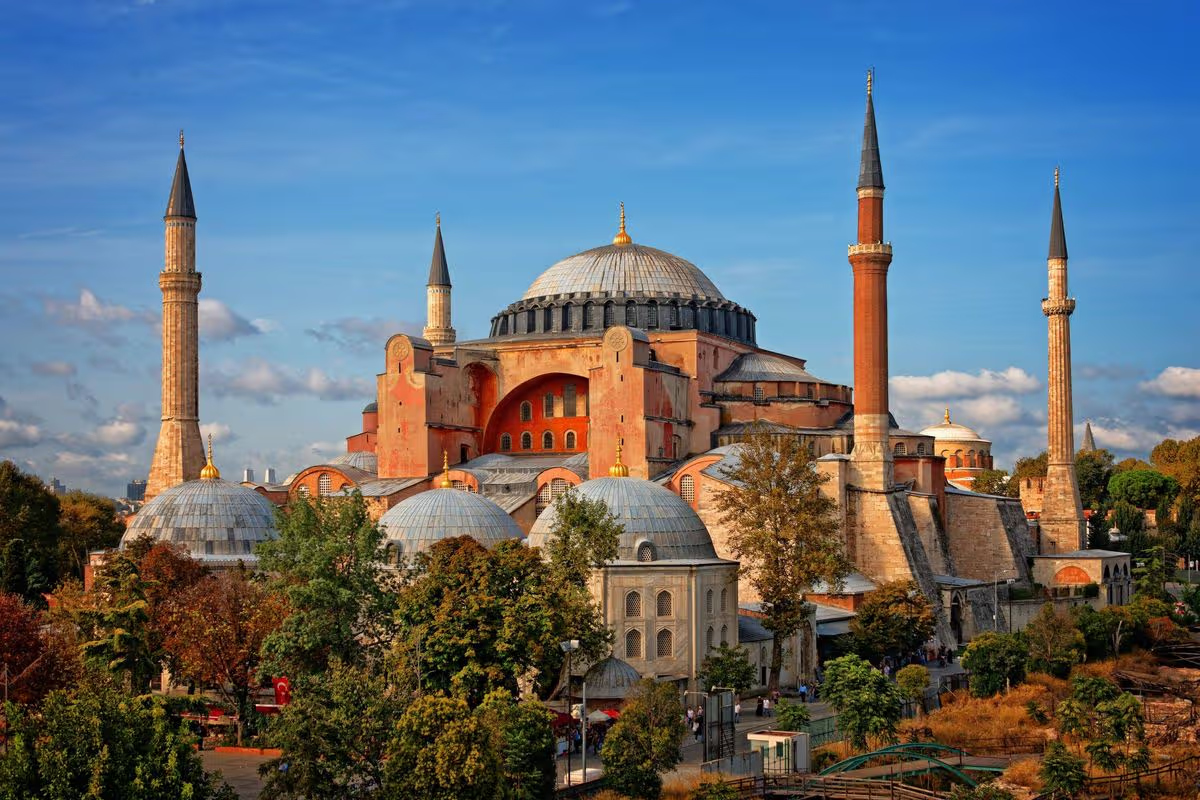
Europe’s ‘most walkable’ city has three magnificent sights in just 3,200 steps
“Take your time and don’t be afraid to get lost.”

This is Europe’s ‘most walkable city’ according to one study(Image: Getty)
When holidaying abroad, it’s far more enjoyable to explore your destination on foot rather than relying on vehicles or public transport. Whether wandering between landmarks or hunting for restaurants, being in a genuinely walkable location can significantly reduce travel anxiety.
Bearing this in mind, Braw Scottish Tours examined the walking distances and step counts between five principal attractions across 30 of Europe’s most visited cities. Their findings revealed that the Turkish metropolis of Istanbul ranks as Europe’s most walkable city.
There, a mere 2.5km stroll connects major sites including Hagia Sophia and the Grand Bazaar. Exploring this area requires roughly 3,250 steps and approximately half an hour’s walk.
On TripAdvisor, one traveller to the metropolis commented: “Istanbul is a magical city. Phenomenal and historical buildings pepper this amazing place. Literally, it takes days to soak in the nuances and atmosphere of Istanbul. Take your time and don’t be afraid to get lost.”
Another visitor added: “Istanbul is a magnificent city… one full of beauty, history, spectacular architecture, amazing restaurants, views to die for, wonderful little family-owned hotels, exceptionally kind and honest people, fun-filled nightclubs, exotic sounds, exotic smells, and many other fabulous things too numerous to mention.”
A third person said: “There are so many cliched phrases used to describe Istanbul – ancient and modern, where east meets west, old world blended with new world, etc., etc., and they are all true. There is history, culture, shopping, sightseeing, museums, galleries, boat trips. There is SO much!”
For those who have already explored Istanbul, or perhaps feel it’s not quite their cup of tea, fear not, there are numerous other pedestrian-friendly destinations across Europe.
Europe’s most walkable cities:
- Istanbul, Türkiye
- Milan, Italy
- Hamburg, Germany
- Dublin, Ireland
- Prague, Czechia
- Amsterdam, Netherlands
- Copenhagen, Denmark
- Birmingham, UK
- Frankfurt, Germany
- Kraków, Poland
U.S. Mint can begin producing Trump commemorative gold coin after arts commission approves design
WASHINGTON — A federal arts commission on Thursday approved the final design for a 24-karat gold commemorative coin bearing President Trump’s image to help celebrate America’s 250th birthday on July 4.
The vote by the U.S. Commission of Fine Arts, whose members are supporters of the Republican president and were appointed by him earlier this year, was without objection. It clears the way for the U.S. Mint to begin production on the coin, whose size and denomination are still under discussion.
“As we approach our 250th birthday, we are thrilled to prepare coins that represent the enduring spirit of our country and democracy, and there is no profile more emblematic for the front of such coins than that of our serving President, Donald J. Trump,” U.S. Treasurer Brandon Beach said in a statement.
The unprecedented move marks yet another example of Trump and his allies circumventing conventional past presidential practices — and even the law — to get what he wants. It’s the latest instance of Trump putting his name and likeness in the historical archive, following his renaming of the U.S. Institute of Peace, the Kennedy Center performing arts venue and a new class of battleships, among other tributes.
Federal law says no living president can appear on U.S. currency. But Megan Sullivan, the acting chief of the Office of Design Management at the Mint, said the Treasury secretary has authority to authorize the minting and issuance of new 24-karat gold coins, which Scott Bessent has used to get around that prohibition and put Trump on a coin.
She presented the coin’s final design at the commission’s March meeting on Thursday and said Trump had approved it.
“It is my understanding that the secretary of the Treasury presented this design, as well as others, to the president and these were his selection,” Sullivan said.
The White House and the Mint did not immediately respond to electronic and telephone requests for comment.
The front of the coin features an image of Trump in a suit and tie and with a stern look on his face. His fists rest on top of what is supposed to be a desk as he leans forward. Lettering on the top half of the coin spells “LIBERTY” in a slight arc. Directly underneath that are the dates 1776-2026. The words “IN GOD WE TRUST” are at the bottom, with seven stars on one side of the coin and six stars on the other side.
The reverse side depicts a bald eagle midflight with “UNITED STATES OF AMERICA” on the right side and “E PLURIBUS UNUM” on the left side.
“I know it’s a very strong and a very tough image of him, and I think it’s fitting to have a current sitting president who’s presiding over the country over the 250th year on a commemorative coin for said year,” said Commissioner Chamberlain Harris, a top White House aide to Trump.
The coin will be part of a “very limited production run,” Sullivan said, but the number has not been determined. The size and denomination of the coin also have not yet been decided, she said. Some commissioners noted Trump’s fondness for big things as they advocated for the largest size coin.
The Mint, which is part of the Treasury Department, has looked at a size for the Trump coin that is larger than its 1-ounce gold coin, which is about 1.3 inches in diameter, Sullivan said.
Its largest coin is 3 inches, “so we’re looking somewhere in there,” she said.
“I think the president likes big things,” said Commissioner James McCrery II, who was the architect on Trump’s design proposal for a 90,000-square-foot ballroom addition to the White House. The fine arts commission approved that proposal at its February meeting.
Harris told McCrery she agreed with him. She works in the White House as a special assistant to the president and deputy director of the Oval Office.
“I think the larger the better. The largest of that circulation, I think, would be his preference,” Harris said, speaking of Trump.
Superville writes for the Associated Press.