



Football gossip: Hall, Truffert, Calafiori, Tresoldi, Tomori, Espart, Sarr, Porro
Manchester United targeting Lewis Hall and Adrien Truffert, Real Madrid remain interested in Riccardo Calafiori and Liverpool and Arsenal both keen on Xavi Espart.
Manchester United are plotting a major defensive overhaul next summer and will revisit a deal for Newcastle and England left-back Lewis Hall, 22, who is keen to move to Old Trafford. Bournemouth and France defender Adrien Truffert, 24, is also a target. (i news) , external
Real Madrid remain interested in signing Italy defender Riccardo Calafiori, but Arsenal have made it clear an extraordinary offer would be required for them to sell the 24-year-old. (CaughtOffside), external
Liverpool and Arsenal are both interested in Spanish defender Xavi Espart, but Barcelona would reject offers for the 19-year-old, who has a release clause in excess of £84m. (Teamtalk), external
Newcastle are keen on making a move for AC Milan and England defender Fikayo Tomori when the 28-year-old becomes a free agent in the summer. (Football Insider), external
Arsenal are targeting a January move for Club Brugge striker Nicolo Tresoldi, 22, with the German reportedly valued at £42m. (Sun), external
Argentina midfielder Emiliano Buendia is set to sign a new contract at Aston Villa, while talks with Sweden’s Victor Lindelof, 32, and 19-year-old Englishman George Hemmings are also progressing. (Athletic), external
Manchester United are continuing to monitor the situation of Crystal Palace winger Ismaila Sarr, 28, with Galatasaray also still interested in the Senegal international. (Teamtalk), external
Tottenham and Spain right-back Pedro Porro, 27, would “seriously consider” the chance to join either Barcelona or Real Madrid. (Football Insider), external
Argentina defender Lisandro Martinez, 28, is set to leave Manchester United at the end of the season. (Mail), external
Is money ruining US elections? | US Midterm Elections 2026
Who pays for US elections and what do they get? Josh Rushing asks Lawrence Lessig and Bradley Smith.
The 2026 midterm elections are on track to be the most expensive in the history of the United States, with a record $11.6bn in political advertisements alone. Independent expenditure-only political action committees, or super PACs, dark money and billionaire donors now shape who runs and who wins, yet voters of both parties say money has too much power.
Josh Rushing asks two leading experts who is paying, what they are buying and whether the system can change.
Contributors:
Lawrence Lessig – Professor of law and leadership, Harvard Law School
Bradley Smith – Professor of law, Capital University
Published On 20 Oct 2026
EU revises Arctic strategy as pressure from Russia, US grows | European Union News
The new strategy shifts the bloc’s focus from long-term climate concerns to urgent security measures.

Published On 20 Oct 2026
The European Commission has unveiled a new Arctic strategy for the European Union that lists security and resilience first among four priorities, alongside climate change, economic prosperity and opportunities for Arctic communities.
The strategy calls for a new maritime security hub to help member states and partners share information and monitor maritime activity in the Arctic, the Commission said on Tuesday.
Recommended Stories
list of 3 itemsend of list
The hub would later expand to track shadow fleet vessels, detect illegal fishing and pollution, and improve search and rescue coordination.
The Commission also said the EU will work to expand European icebreaker capacity. Icebreakers are specialised vessels designed to navigate ice-covered waters by breaking up sea ice and maintaining safe shipping routes.
“The Arctic is one place where the tectonic plates of geopolitics are colliding,” European Commission President Ursula von der Leyen said, adding that sovereignty and territorial integrity can no longer be taken for granted.
EU foreign policy chief Kaja Kallas said Russia is expanding its military footprint in the high north, citing drone incursions, GPS jamming and cable sabotage, the AFP news agency reported.
Cutting reliance on Washington
Several measures appear aimed at reducing dependence on the United States. The Commission said the EU will back a strategic pan-Arctic fibre-optic telecommunications cable project linking Greenland directly to Europe. It is part of a wider plan that would also connect Canada, Japan and South Korea.
The EU will also provide secure satellite connectivity for government communications through the IRIS² constellation, a constellation AFP said is meant to rival US tech mogul Elon Musk’s Starlink.
The shift follows US President Donald Trump’s repeated demands to take control of Greenland, a Danish autonomous territory. Although his tone has softened this year, with a security deal signed with Greenland and Denmark, many in Europe remain wary, AFP said.
Member states press for action
The strategy follows last month’s meeting of leaders from 12 countries, including Germany, France, Finland and Denmark. Member states urged the EU to take a more strategic and proactive role, according to a joint statement.
Participants identified Russia as the largest threat while noting the ambitions of China and the US.
At the meeting, German Chancellor Friedrich Merz said the era of “high north, low attention” was over. Finnish Prime Minister Petteri Orpo called Russia the most significant long-term threat and said the EU must treat the Arctic as a strategic frontier.
The Commission reiterated the EU’s position remains that oil, coal and gas should stay in the ground, including in the Arctic.
To combat increasing climate concerns, the Commission pledged to “strengthen climate research, observation and monitoring to better understand these changes and support effective responses”, while working in tandem with the people who live and work in the Arctic.

ITV responds to concerns about Big Brother’s Omar as fans urge producers to step in
ITV have issued a statement after a furious backlash from fans in the way Omar has been treating fellow housemate Rhianna.

Omar in Big Brother(Image: ITV)
ITV has issued a statement after furious Big Brother fans voiced their concern about Omar’s behaviour towards Rhianna on Monday night’s episode.
Fans were quick to rush to social media to complain about his actions and some even called for producers of the show to “step in” after the altercation left Rhianna in tears. Others insisted he needed to be removed immediately.
ITV today released a statement pointing to their strictly-enforced welfare protocols. It said: “All Housemates receive Respect and Inclusion training and an extensive briefing from the Big Brother Senior team to prepare them for living in the House and to set out Big Brother’s expectations for appropriate behaviour and language.
“Housemates are monitored 24 hours a day and any instances of inappropriate behaviour are responded to appropriately.
To see more of the stories you love from The Mirror and to find them easily in Google then make us your preferred source. Free and easy-to-do, just click on the link here to find more from The Mirror at the top of your feed.
“Welfare and safeguarding are prioritised throughout the production, with a dedicated welfare team available to support Housemates before, during and after their time in the House.”
The issue arose as viewers watched on as Rhianna appeared to end her relationship with Omar. She questioned his maturity in conversation.
Rhianna was later called to the Diary Room. She was asked by Big Brother if she was okay and she told them: “I’m not that good but I’ll be fine. Obviously me and Omar have not been good over the last few days and sometimes I don’t like the way he speaks to me.”
She added: “I wouldn’t let a boy speak to me like that outside of here so why am I letting him speak to me like that… If it keeps going in circles, we can just be friends.”
Fans quickly shared their views on social media and said the viewing was “uncomfortable”. One user on X, formerly known as Twitter, said: “Big Brother really needs to intervene between Omar and Rhianna and call out the abhorrent actions of Omar.
“The way he speaks to her, the double standards and all the red flags are so concerning for her and any other potential future partners.”
Former I’m A Celebrity Star and regular guest on Big Brother companion shows Dean McCulloch shared a TikTok and captioned it: “Omar needs to be removed from the house with immediate effect.”
He said: “Those scenes that we had to watch tonight and that behaviour that Rihanna had to endure is completely unacceptable. That’s not even good TV. That’s not even close to being good TV.
“The way that he has spoken about her and to her and the way he is treating her . . . should not be tolerated in any way shape or form. He needs to be made an example of. The way he leaned over her, spoke to her in her ear, the way he told her she needed to fix up, the way he said look at me…we’ve moved into a dark place and Rihanna needs to be protected.”
ITV’s comment comes after Women’s Aid also responded to the scenes. On Instagram, they said: “We’re seeing coercive and controlling behaviours being given a platform in popular media like Big Brother. We’ve been contacted by many viewers who have expressed concern. Not only does Big Brother risk minimising survivors’ experiences, it also risks presenting abuse as a form of entertainment.
“Producers should understand their responsibility to keep contestants emotionally and physically safe. The women in these programmes are real people and need real support. We continue to urge television companies such as ITV to engage with experts like Women’s Aid to understand the nature of abuse and how they can do better to protect contestants.”
For confidential support, call the 24-hour National Domestic Abuse Freephone Helpline on 0808 2000 247 or visit womensaid.co.uk
Like this story? For more of the latest showbiz news and gossip, follow Mirror Celebs on TikTok, Snapchat, Instagram, Twitter, Facebook, YouTube and Threads.

Bridgewater Bancshares Non-GAAP EPS of $0.49 beats by $0.02, revenue of $43.2M beats by $1.4M (BWB:NASDAQ)
- Bridgewater Bancshares press release (BWB): Q3 Non-GAAP EPS of $0.49 beats by $0.02.
- Revenue of $43.2M (+19.7% Y/Y) beats by $1.4M.
- Pre-provision net revenue(1) increased $2.9 million, or 60.4% annualized, from the second quarter of 2026.
- Net interest income increased $2.1
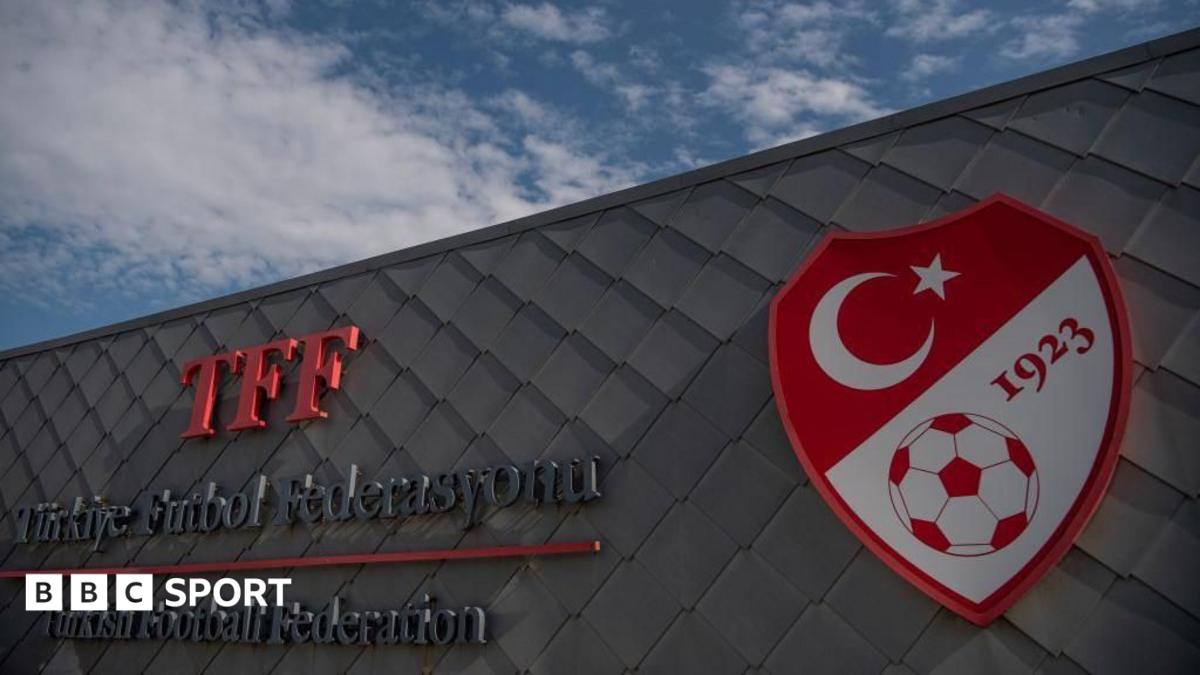
Turkish FA bans 147 officials for breaching betting rules
Trabzonspor president Ertugrul Dogan has been named among 147 football club officials to receive 45-day bans from the Turkish Football Federation (TFF) for breaching betting rules.
In September, it was announced 448 people had been provisionally suspended and referred to the TFF’s professional football disciplinary board over allegations they had placed bets while in office.
Like players and coaches, match officials are forbidden from participating in betting activities by TFF regulations, as well as those of Fifa and Uefa.
The TFF said the people involved had held posts at clubs in the top two divisions in Turkish football over the previous five years.
Of those, some 147 were found to have breached betting rules and will be barred from carrying out duties within football during the suspension period.
There were insufficient grounds for disciplinary action in the other 301 cases.
The Turkish football authorities have clamped down on betting in the sport over the last year.
In November 2025, 149 referees and 1,204 players were given bans following a TFF investigation.
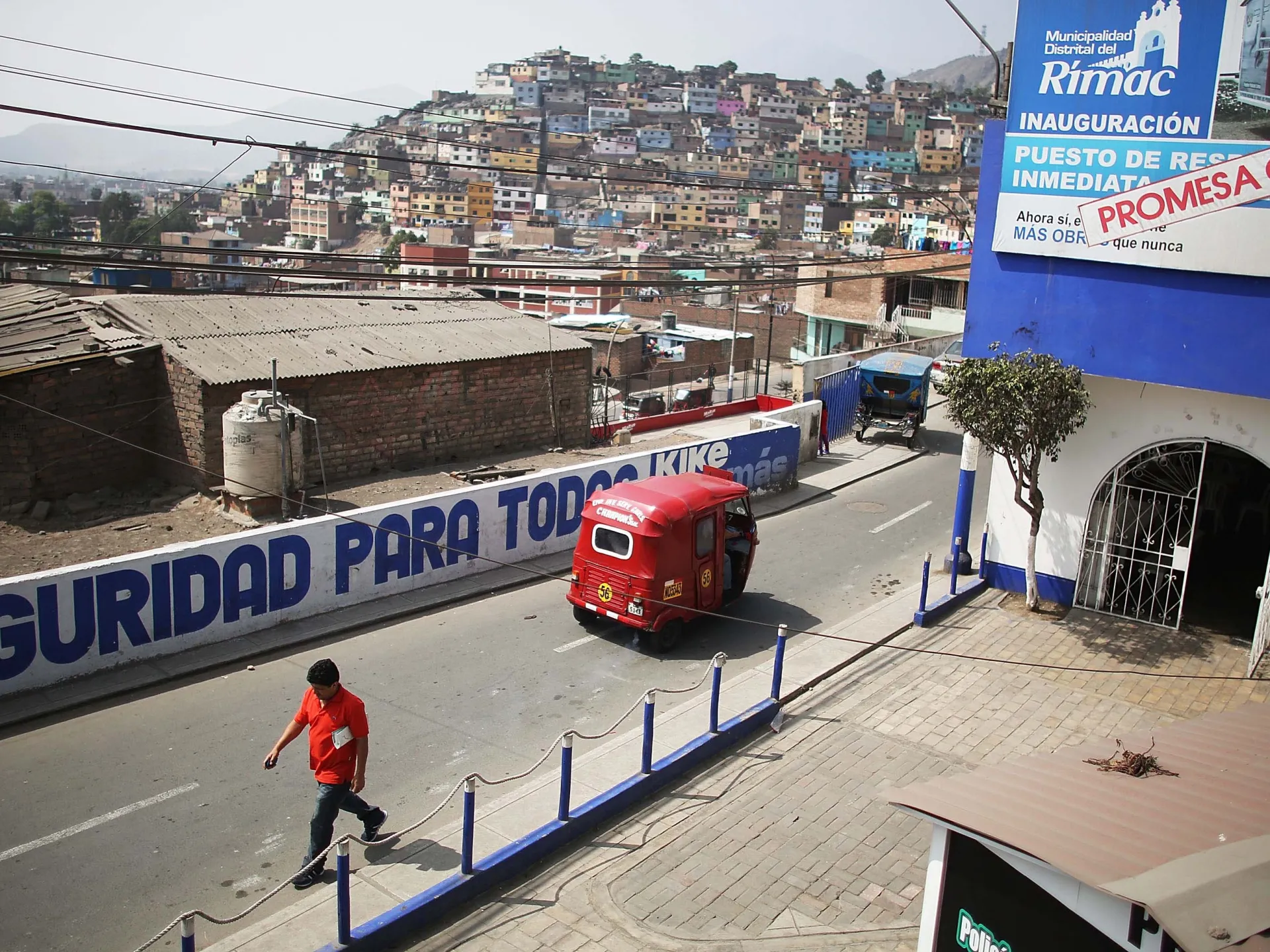
Oxfam analysis finds Peru’s richest captured 42 percent of all new wealth | Inequality News
The top 1 percent in Peru captured 42 percent of all new wealth generated between 2019 and 2025, an analysis by the nonprofit group Oxfam has found.
The report, released on Tuesday, highlights growing inequality in the South American country and raises questions about how the government is addressing deepening social divisions.
Recommended Stories
list of 3 itemsend of list
“Economic inequality in Peru has remained stubbornly high for decades. And when people feel that the same people always win, that nothing changes and nothing can change, inequality starts to look less like an injustice and more like the natural order of things,” said Alejandra Alayza, the executive director of Oxfam in Peru.
“That is a dangerous kind of fatalism, and we must tear it down.”
The nonprofit told Al Jazeera in an email that the 42 percent figure represents an increase from the 2000 to 2019 period, when the top 1 percent captured about 39 percent of all new wealth.
Just 1.4 percent of new wealth from 2019 to 2025 went to the poorest 50 percent of the country’s population, according to the group.
Experts warn the trend bodes poorly for public faith in government and democratic institutions.
Oxfam worked with the Institute for Peruvian Studies, a think tank in Lima, to publish a report this month on Peruvians’ perceptions of inequality in their country.
The groups found that 84 percent of Peruvians believed their country is governed by powerful interests that shape politics to their benefit. More than 75 percent also said that wealthy corporations and individuals avoid paying their fair share of taxes.
The survey also suggested that public opinion was in favour of action to address the issue.
About 70 percent of respondents said they want the government to do more to reduce inequality, which a majority felt had limited access to services such as healthcare, employment, education and justice.
“The undeniable scale of public support for action to reduce inequality leaves no room for complacency,” Alayza said.
“Inequality is not a force of nature; it is made by political choices. And different choices can build a different Peru.”
Political instability
Peru’s rising inequality has been accompanied by a period of political turmoil, particularly in the presidential palace.
A stream of probes, scandals and impeachments has led to Peru being governed by nine presidents in the last 10 years.
The latest, right-wing President Keiko Fujimori, was sworn into office in July after a narrow race that saw voting delays and heated recriminations among the leading candidates.
Experts believe powerful interests have found opportunity amid the political tumult.
“It’s sort of a paradox. How can you have such a rotation among elites but still have a relatively narrow political-criminal-business elite that holds a lot of power? I think both things are true in Peru,” Will Freeman, a fellow at the Council on Foreign Relations, a US-based think tank, told Al Jazeera.
Part of the political upheaval has come from clashes between the presidency and Peru’s powerful Congress, which has the power to impeach executive leaders on the basis of “moral incapacity”, an ambiguous term.
The repeated leadership shakeups have weakened Peru’s democracy, according to analysts.
In December 2022, for instance, then-President Pedro Castillo announced that he would illegally dissolve Congress in response to repeated attempts to impeach him.
His subsequent removal and arrest prompted widespread protests. The government of Castillo’s successor, Dina Boluarte, implemented a months-long crackdown on the demonstrations that rights groups say included widespread abuses for which there has been little accountability.
In the years since, the Peruvian government has also taken steps to weaken judicial oversight and hollow out anticorruption watchdogs.
The nonprofit Freedom House, which measures political freedom in countries around the world, ranked Peru as “free” in 2022. But its ranking dropped the following year to “partly free”, in light of the deadly clashes between security forces and protesters.
In its 2026 report, Freedom House maintained that Peru was only “partly free”, citing in part the denial of full political rights to certain groups, including Indigenous peoples.
“High-profile corruption scandals have eroded public trust in government, and the weakening of judicial independence has impacted the country’s governing bodies,” the nonprofit said.
Powerful interests, both licit and illicit, have taken advantage of those changes.
“The groups themselves are unstable and fluid,” said Freeman. “And yet, I think Peruvians are right to conclude that, generally, they are wielding outsized influence in defence of their own commercial interests or political power rather [than] in service of some kind of general welfare.”
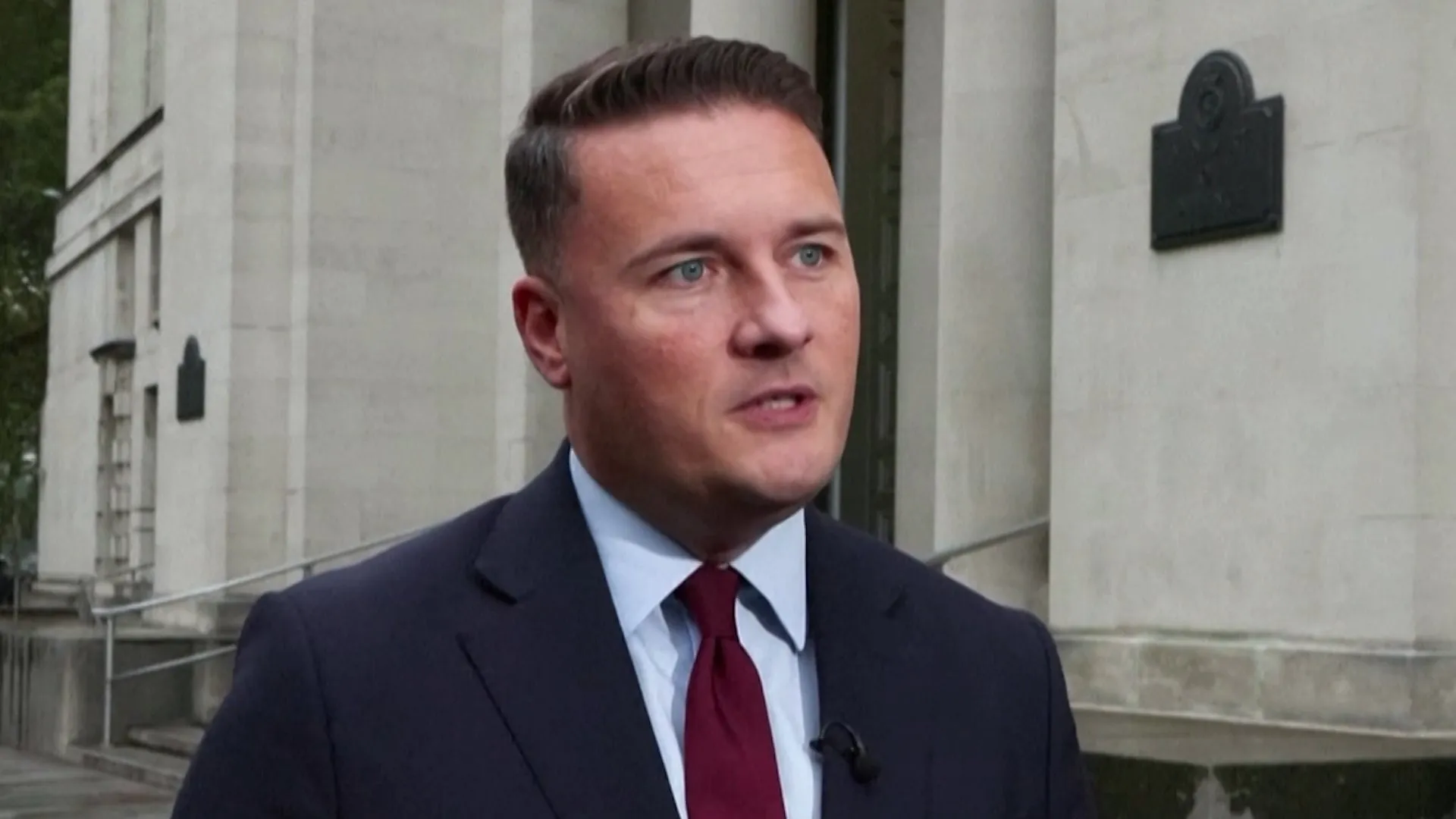
UK to deploy fighter jets to defend Saudi Arabia | Military
UK Defence Minister Wes Streeting says British Typhoon jets will carry out defensive missions to protect Saudi Arabia from escalating attacks by Yemen’s Houthi rebels, calling the escalation “outrageous” and “intolerable”.
Published On 20 Oct 2026

Jason Segel, Kayla Radomski marry at SoCal’s Huntington
Actor Jason Segel and dancer-actor Kayla Radomski are officially husband and wife, tying the knot three years after striking up a romance.
The pair married over the weekend, Radomski confirmed in a series of photos and videos she reposted Monday to her Instagram stories. Segel and Radomski reportedly married Saturday at the Huntington in San Marino, according to People.
A representative for Segel did not immediately respond on Tuesday to a request for confirmation.
The photos Radomski shared to her Instagram page show herself donning a white, strapless gown adorned with a pink and green floral pattern. One photo that Radomski reshared to her Instagram stories shows Segel in a deep burgundy suit, walking hand-in-hand with Radomski.
“Shrinking” star Segel and “So You Think You Can Dance” alumna Radomski were first spotted together in October 2023 during a date night at Universal Studios’ Halloween Horror Nights. They finally debuted their relationship at the 2024 Golden Globe Awards, when Segel was nominated for his work in the Apple TV series. The now-newlyweds continued to hit the red carpet at several other Hollywood events including the 78th Primetime Emmy Awards in September and high-profile parties.
“Nothing makes me happier than to stand by your side and see your light shine so bright!!!” Radomski said of Segel in an Instagram post in October amid the Season 2 premiere of “Shrinking.”
In June 2025, Radomski revealed that Segel popped the question and shared photos from their outdoor proposal. For Radomski, it was a “FOREVER YES.”

Braze leads software sector higher, while chip stocks mostly hold steady
Braze leads software sector higher, while chip stocks mostly hold steady
Source link
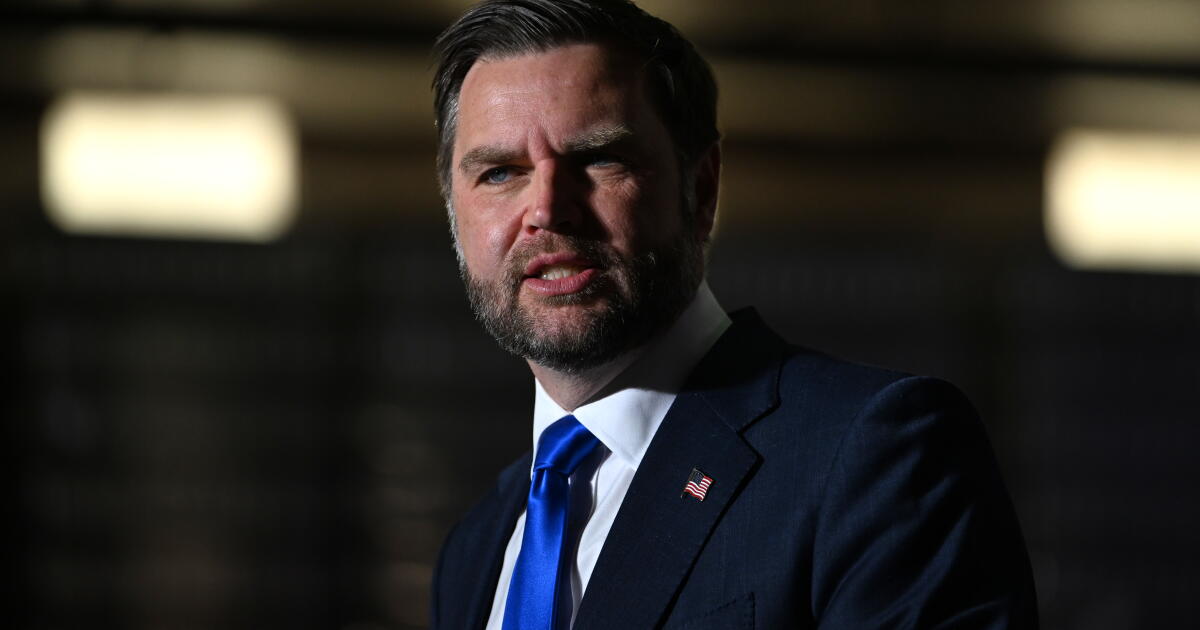
JD Vance declines to endorse Netanyahu for reelection, says he’s focusing on midterms
Vice President JD Vance declined Monday to endorse Israeli Prime Minister Benjamin Netanyahu for reelection a day after President Trump endorsed the embattled Israeli leader.
“The president has the most influential endorsement in American or international political history,” Vance said during an interview with journalist Mark Halperin.
“I endorse American candidates, and that’s where I’m focused on the midterms,” Vance said, while traveling Monday to campaign for Republican Senate nominee Michael Whatley of North Carolina. “So, I’m not getting involved in Israeli elections.”
Vance has campaigned for a foreign leader — then-Hungarian Prime Minister Viktor Orban, last spring before the right-wing leader’s party lost that country’s parliamentary election.
Vance’s deference to Trump on Netanyahu comes at an extraordinarily sensitive time for Jewish Americans and the U.S. alliance with Israel. Concerns about antisemitism have surged across the political spectrum ahead of the midterm elections.
Republicans have been eager to portray Democrats, notably Michigan Democratic Senate nominee Abdul El-Sayed, as hostile toward Jews and Israel, while they deal with their own internal schisms.
Vance has faced skepticism from Jewish Republicans about his commitment to Jewish Americans and the U.S. alliance with Israel.
Last month, Vance spoke privately in Las Vegas to the Republican Jewish Coalition, a leading GOP group committed to advocating for a strong U.S. relationship with Israel and against antisemitism.
Vance left a positive impression on his RJC audience while stopping short of disavowing influential conservative podcast host Tucker Carlson.
Vance has faced general questions about his association with Carlson, a former Fox News host who faced backlash last year for interviewing antisemite Nick Fuentes on his podcast.
In June, Vance sharply criticized members of Israel’s government for opposing Trump’s efforts to resolve the war with Iran.
In July, Vance said elements of the Israeli government had tried to influence American sentiment to derail negotiations.
“There are some people within their system that we know beyond a shadow of a doubt are manipulating and trying to change American public opinion to keep the war going on indefinitely,” Vance said during an appearance on Joe Rogan’s podcast.
Beaumont writes for the Associated Press.
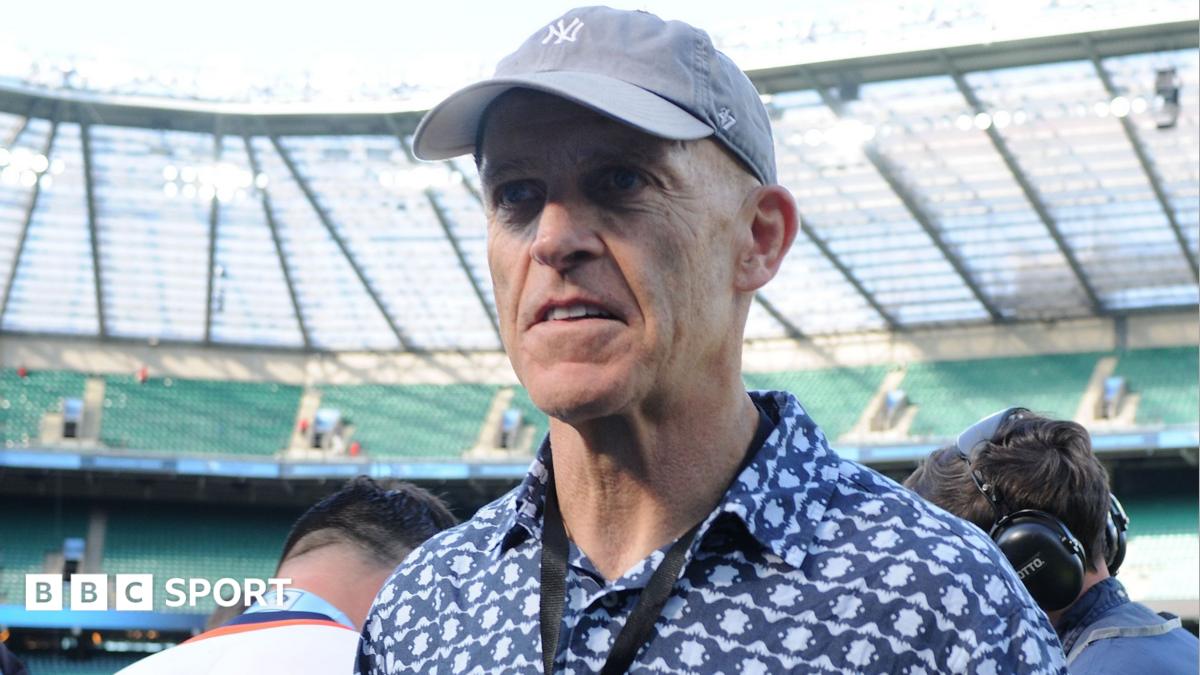
Dominic Silvester: Saracens owner backs CEO amid ‘executive-level chaos’ claims
Saracens owner Dominic Silvester says he has “full confidence” in chief executive Ed Coetzee and dismissed a newspaper article suggesting there was “executive-level chaos” at the club.
In an open letter on Saracens’ website, external, responding to an article in The Times last week, Silvester said Coetzee had achieved an “extraordinary amount” since being appointed in July.
“The board has full confidence in Ed and his team,” Silvester wrote.
“We believe they have the experience, capability and determination to raise standards across every area of the club, strengthen our financial sustainability and ensure that Saracens continues to be an organisation of which our players, staff, partners and supporters can be proud.”
The Times article, published on Friday, external, claimed the 2022 takeover in which Silvester assumed control from former owner Nigel Wray had “triggered a period of executive-level chaos”, pointing to Coetzee being Sarries’ third chief executive in two years and alleging a high turnover of staff.
“With such a churn in executive staff, club sponsors may well be reluctant to engage in relationship-building,” the article added.
But Silvester used his open letter to reject the suggestions and listed Coetzee’s achievements, such as bringing the all-female athletics meeting Athlos and the Gaelic football fixture between Mayo and Kerry to the club’s StoneX Stadium.
He also highlighted the securing of new commercial and hospitality partnerships and a beefed-up executive team, with Jason Thomas as chief financial officer and Rob Cook as chief operating officer.
“Together, Ed, Jason and Rob bring significant experience, complementary expertise and a clear commitment to building a financially sustainable business while maintaining Saracens’ high-performance sporting ambitions,” Silvester wrote.
“We are ambitious about our future, realistic about the work required to achieve our goals and united in our commitment to taking Saracens forward.”
Kenya confirms ninth Ebola case amid concerns about regional spread | Ebola News
A 24-year-old man, who was already being held in quarantine, is the latest to test positive, according to the Health Ministry.
Published On 20 Oct 2026
Kenya has confirmed a new Ebola case, bringing the total number of infections in the country to nine, amid an outbreak in the Democratic Republic of Congo (DRC), raising concerns about a regional spread.
A 24-year-old man, who was already being held in quarantine, is the latest to test positive, Kenya’s Ministry of Health said in a statement on Tuesday.
Recommended Stories
list of 3 itemsend of list
“He was isolated at the first sign of illness, tested and started on treatment immediately upon confirmation of his positive test result,” it said, adding he “was already in quarantine when he fell ill”.
The man was a close family member of Kenya’s first Ebola patient, who had travelled from the DRC, through Uganda and before arriving in Kenya and dying at a Nairobi hospital on October 5.
“All nine cases belong to one cluster, and as of today there is no evidence of transmission outside this group,” Director-General for Health Patrick Amoth said in a statement on Tuesday.
“Eight patients are stable and responding well to treatment, while 134 of 135 contacts have been traced and quarantined,” Amoth said.
Amoth said a milestone was in sight for the majority of the contacts in quarantine as they had remained well for the 21-day monitoring period and could return home from October 25.
It appealed to communities to welcome them back, saying they “pose no risk of infection”.
The ministry said no infections had occurred within quarantine facilities and that it was continuously monitoring infection-prevention measures to protect health workers.

Despite the nine infections, Kenya has not imposed restrictions on travel, trade or public gatherings, with authorities saying the country remains open for business.
In the DRC, there have been more than 9,000 Ebola cases and 4,000 deaths since May.
The European Centre for Disease Prevention and Control says it’s the second-largest epidemic on record.
It has been difficult to contain because there is no licensed vaccine or specific treatment for the Bundibugyo strain of the virus.
Venezuela: From Revolution to Recolonization
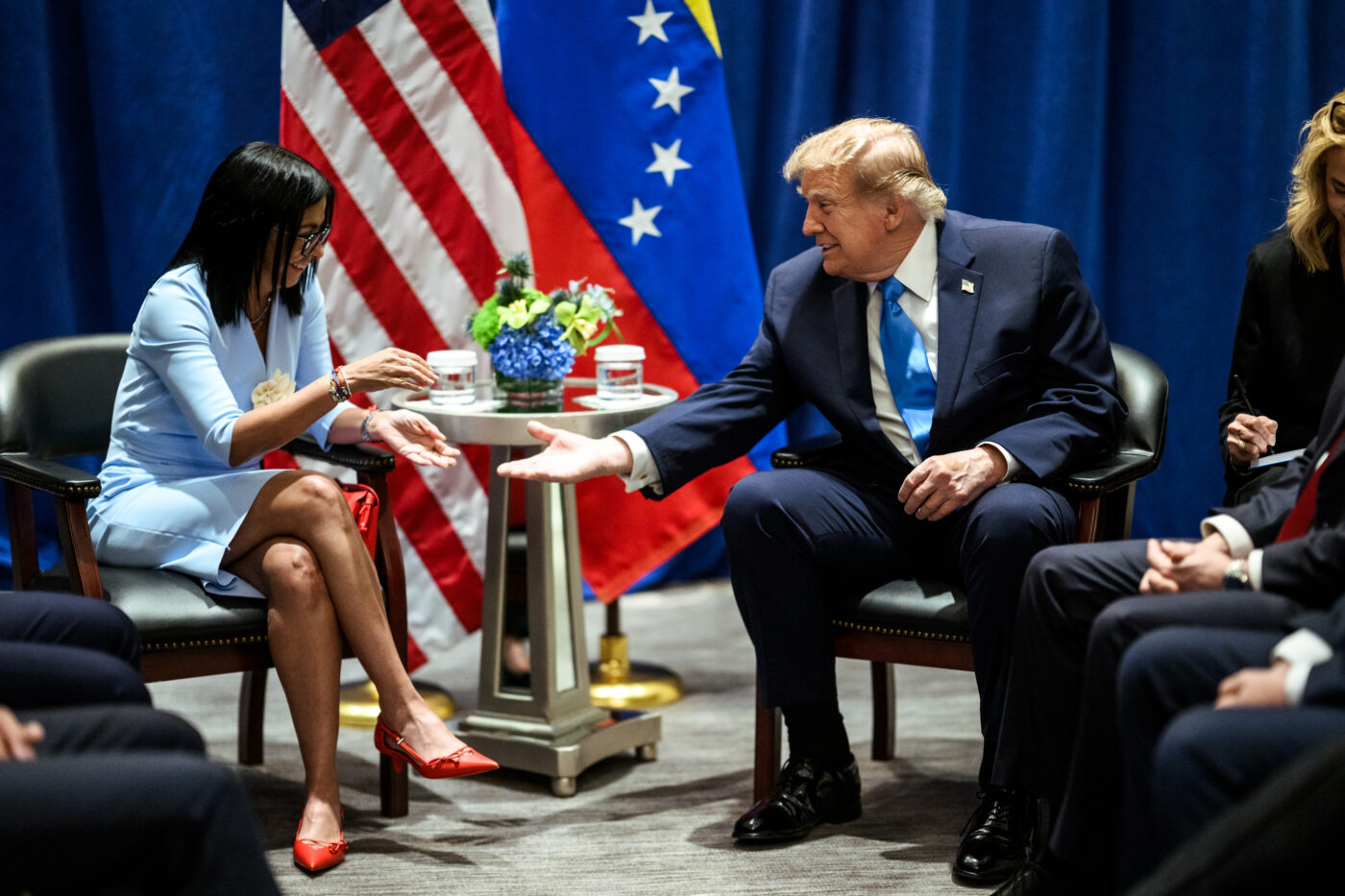
Venezuelan leaders went from threatening a new Vietnam to fawning over Trump. (Presidential Press)
Between smiles and a handshake, Venezuelan Acting President Delcy Rodríguez thanked US President Donald Trump for “supporting the country’s return to multilateral forums,” following a face-to-face meeting on September 22 that she called “historic.”
In her address before the UN General Assembly one day later, Rodríguez reiterated her gratitude to Trump while promising a “democratic transformation” of her country. The acting leader’s trip to New York, a mere nine months after the January 3 US bombings and kidnapping of President Nicolás Maduro and First Lady Cilia Flores, perfectly encapsulated the Venezuelan government’s international and domestic realignment with US imperialism in general and its MAGA faction in particular.
In her speech, she euphemistically called the January 3 military strikes “the outcome of the exhaustion of domestic politics and heightened confrontation with the US,” basically holding Venezuela partially responsible for the imperialist attack it suffered.
The abandonment of Maduro
Rodríguez’s trip was as symbolic for what was said as for what was left unsaid. The acting leader and her entourage heaped praise on Trump and took turns posing for pictures. Rodríguez also maintained an undignified silence when Trump, addressing the UN, gloated about the January 3 military operation and abduction of Maduro, whom he called an “outlaw dictator,” while shamelessly boasting that “to the victor belong the spoils.”
Maduro and Flores – currently detained in Brooklyn just 10 miles from UN headquarters and facing a show trial on ludicrous “narcoterrorism” charges – were not worth a single mention by Rodríguez. This stance has been backed by pro-government pundits who are increasingly dropping the “acting” label when referring to Rodríguez.
Her government has effectively undermined Maduro and Flores’ sovereign immunity argument to get their charges dismissed. US Justice Department prosecutors told the court that Caracas, via its embassy in the US, had advocated to the State Department for Rodríguez to receive head-of-state immunity in an unrelated civil lawsuit in Florida. But, Venezuelan authorities have declined to do the same vis-à-vis Maduro and Flores in what the US Justice Department called “devastating silence.”
The official indifference is even more remarkable given Flores’ documented health issues, heavily aggravated by the brutal kidnapping, which led defense attorneys to request that she be moved to house arrest during the trial. This silence contrasts with the Maduro government’s loud defense of Alex Saab, which repeatedly brought up his health issues under incarceration during the international campaign for his release.
Saab is another prime example of the Rodríguez administration’s pragmatic rapprochement with Washington. He was irregularly handed over to US agencies in May and recently pleaded guilty in a US federal court in Miami, promising to cooperate against unnamed Venezuelan officials.
An imperial satellite
The Venezuelan leadership’s diplomatic activity in New York more broadly showcased a new foreign policy direction that is now unmistakably marching to Washington’s drum.
Rodríguez held talks with International Monetary Fund and World Bank representatives, deepening reengagement with the Washington-based financial institutions that former President Hugo Chávez denounced as instruments of US imperialism and booted them out of the country. The specter of another IMF loan-and-adjustment package returns as the Rodríguez administration begins negotiations to restructure the country’s enormous and illegitimate debt.
In addition, Rodríguez held sideline meetings with US allies only, such as Netherlands PM Rob Jetten, Trinidad and Tobago PM Kamla Persad-Bissessar and Chilean President José Antonio Kast. Rodríguez also hosted Paraguayan President Santiago Peña in Caracas before flying to the US.
The right-wing Chilean and Paraguayan administrations had firmly backed US regime change efforts in Venezuela, leading the Maduro government to sever ties. Trinidad and Tobago’s case was even more egregious, with Caracas suspending all cooperation, including in key cross-border natural gas projects, after Port of Spain endorsed Washington’s military buildup and extrajudicial boat bombings on Venezuela’s doorstep in late 2025.
Rodríguez and her team also broke with the Chavista tradition of holding meetings with global majority countries similarly under Washington’s gun, especially allies and strategic partners like Cuba, Iran, China and Russia. A customary event in Harlem, alongside Cuban officials and international solidarity movements, was scrapped as well.
The acting president’s UN address exposed how anti-imperialism and the defense of multipolarity have vanished from the official discourse. Absent was the hitherto denunciation of Washington’s criminal wars across the globe, replaced by a vague expression of solidarity with “peoples who suffer war.” Nor was there any condemnation of US economic sanctions, which remain in place against Venezuela and its former allies.
Rodríguez offered no words of support for Cuba as it faces a US blockade that gets more murderous by the day. There was no mention of Palestine either. Before January 3, Venezuelan representatives had never wasted an opportunity to reiterate support for the Palestinian cause and to expose the international community’s failure to rein in the genocidal, Western-sponsored settler colony.
In contrast, Venezuela joined the US, Israel, Ukraine, Western European countries and Latin American right-wing governments in boycotting the UN’s commemoration of the 25th anniversary of the Durban Declaration. The 2001 World Conference Against Racism marked a milestone in the ongoing struggle to end racism and colonialism, provoking the ire of the US and Israel, which have led boycotts of every one of its commemorations.
Fuel for a sputtering empire
Along with the 180-degree foreign policy shift, the Rodríguez administration has moved to restructure the economy to the benefit of a declining US hegemon reeling from its strategic defeat in the war against Iran.
With US officials’ input and supervision, Venezuelan authorities have overhauled energy and mining laws in the interest of multinational corporations, slashing taxes and royalties as well as ceding operational and commercial control. Corporate executives, often shepherded by Trump aides, have paraded through the presidential palace to sign agreements carving up Venezuela’s immense subsoil resources.
A recent oil deal with the Trump administration, which Rodríguez also hailed as “historic,” will turn over 17 prime oilfields holding more than a fifth of Venezuela’s crude reserves to a private petroleum company, NABEP, controlled by the Pentagon. Furthermore, the US State Department will be able to buy 20 percent of NABEP’s output at cost, while having a right of first refusal for the remaining 80 percent, for which a Venezuelan oil official promised a major “sales discount.” In other words, Venezuela is going to supply energy below market price to the imperial war machine.
Whatever revenue is ultimately left for Caracas is still going to be controlled by the US Treasury Department, under what Venezuelan state oil company (PDVSA) chief defended as a “state-to-state agreement.” A recent Financial Times report revealed that the White House is presently barring Venezuela from paying dividends to Russian and Chinese joint venture partners in a flagrant attempt to drive them out.
Washington’s semi-colonial control extends beyond privileged access to natural resources, including strategic minerals. A looming privatization drive and debt restructuring process are likely to further entrench Venezuelan dependence on Western monopoly capital. At the same time, the US is also looking to turn the South American country into a captive market for its heavily subsidized agricultural output. Venezuela’s imports of staples such as rice and corn have skyrocketed this year, seriously threatening national production, especially small and mid-size campesino farms supplying much of the country’s food.
(Ab)uses of history
The speed and scope of Caracas’ realignment with Washington has made it an uphill battle for those still insisting that the acting Rodríguez government is merely conducting a “tactical retreat” without straying from the Bolivarian Revolution’s strategic horizon.
One early line of argument was to invoke historical examples, such as the Brest-Litovsk treaty, to rationalize difficult concessions at gunpoint. However, the analogy grew ever more dubious with the passing months, as the Bolsheviks never renounced their anti-imperialist internationalism nor the nascent socialist state’s sovereignty over the commanding heights of the economy.
The argument that subordinating the economy to US-led capital was akin to China’s post-1978 opening up belies the reality that Venezuela does not even manage its own export revenues and must have its expenses approved by the US State Department, subject to auditing by CIA-linked firms like Deloitte.
Venezuelan government officials and unofficial spokespeople have also abused examples related to Chávez, namely his call for troops to stand down in the failed 1992 insurrection and the fact that he did not martyr himself in the 2002 coup that briefly overthrew his democratically-elected government. However, in both cases, Chávez never surrendered his core principles concerning independence and sovereignty. In 2002, he allowed himself to be taken prisoner by the putschists to avoid a bloodbath, but he did not resign and would not have sat quietly if Venezuela were turned into a US semi-colony overnight. On multiple occasions, Chávez underscored he was prepared to fight and die on the frontlines should Venezuela face an Iraq-style US invasion.
There are other historical analogies that are, unfortunately, more appropriate. Iraq after the US invasion, like Venezuela, to this day does not control its oil revenues, which are deposited in a New York Federal Reserve account. Iraq was until recently under US military occupation, hosting some two dozen bases – a possibility that Trump has recently left open for Venezuela. In past months, the US has carried out extrajudicial executions on Venezuelan soil and deployed military assets in the wake of July’s double earthquake, including temporarily taking over operations at the Simón Bolívar International Airport and La Guaira port.
Egypt under President Anwar Sadat is likewise a very instructive precedent. Sadat never renounced his predecessor Gamal Abdel Nasser, simply presenting his program as a “correction” of past mistakes. Yet he progressively dismantled the achievements of Nasserism, rolling back land reform and industrialization policies in favor of imperialist capital. Sadat also realigned Egypt from the Soviet Union to the US camp, going on to reestablish ties with Israel and abandon the Palestinian cause.
Vietnam: The forgotten analogy
Lacking justifications for the new alliance with the Trump administration, Venezuelan government officials and influencers have resorted to straw man arguments, claiming that the “international left” wanted the Venezuelan people to immolate themselves by confronting a vastly superior military foe.
The official rhetoric eclipses what was until recently Caracas’ preferred historical analogy: Vietnam. In late 2025, as the US ramped up its military buildup, Venezuelan leaders warned that Trump would face a “second Vietnam” if he dared to attack. There were months of military drills and detailed preparations across the country, consistent with Venezuela’s asymmetric doctrine of “prolonged people’s war”.
Ultimately it is impossible to know how much resistance Venezuela could have mounted against the US onslaught because the leadership opted not to fight. US air superiority and electronic warfare notwithstanding, Venezuelan defense officials have neglected to explain why only one of Venezuela’s 5,000 Russian-made Igla-S manpads – ideal for taking down low-flying helicopters and combat aircraft – was used. Venezuela’s armed forces offered no organized resistance on that fateful morning, leaving Maduro’s Cuban security detail virtually alone to confront the invader in what reportedly still proved a fiercely heroic firefight that left 32 Cubans dead.
Though Venezuela might have been unable to avoid decapitation of its top leadership – either via capture or assassination – it could have raised the costs for the US empire to a politically unacceptable degree, potentially miring it in the sort of Iraq-style quagmire that the Trump administration most feared.
Instead, almost overnight, the acting government seamlessly pivoted from vowing to combat imperialism by all means necessary to fawning over Trump and his underlings. Promises that not a “single drop” of Venezuelan oil would be shipped to the US in case of an attack were replaced by risible claims that supplying crude at cost to the Pentagon was Chávez’s plan all along.
Unable to present a convincing case for the domestic and foreign policy U-turns, official and unofficial government spokespeople have also lashed out at criticism from the Latin American left. Most recently, former Colombian President Gustavo Petro slammed the Rodríguez administration for giving away the nation’s oil to Trump. Caracas responded with ad hominem invectives.
At Washington’s behest, Venezuela has also halted all subsidized oil shipments to Cuba, which has added to the island’s gravest energy crisis in its history. Cuba’s Deputy Foreign Minister Carlos Fernández de Cossío recently said that Venezuela remained a “friendly” country, but added that “ally is too strong a word.”
The cost of capitulation
The human toll of resistance, whether in sanctions-besieged Venezuela or on the battlefields of West Asia, is always immense. However, as national liberation movements have long understood, the price of capitulation is inevitably higher, especially in the medium and long term. Chávez and Maduro clearly grasped this reality, rallying the masses to withstand decades of US hybrid warfare and forging close alliances with anti-imperialist states from Cuba to Iran.
The cost of submission, meanwhile, is being borne by the Venezuelan laboring classes, from small farmers hard hit by US agricultural dumping to the urban semi-proletariat devastated by spiraling inflation resulting from Washington’s pilfering of the nation’s export earnings.
For its part, Venezuela’s comprador bourgeoisie, in both its traditional and emergent fractions, stands to reap fabulous rewards from the demolition of the legislative pillars of the Bolivarian Revolution – viz., hydrocarbons, mining, housing and real estate, or forthcoming axing of labor and land laws – reasserting itself as a servile intermediary for US imperialism.
There is no better example than NABEP owner Alejandro Betancourt, an oil mogul who amassed a fortune from often-unfulfilled state contracts dating back to 2009 and was hand-picked by the Trump administration as a middleman in the 25-year agreement backstopped by the Pentagon. The White House went as far as pressuring domestic and foreign courts to drop money laundering accusations against Betancourt.
Rodríguez and her leadership faction likewise benefit from what analyst William Serafino has called the new regime of “co-government” with the Trump White House, tying their fortunes to the latter to outflank rivals and solidify the strategic alliance with local and imperialist capital.
The current acting president is one of the architects of the post-2018 neoliberal economic package that was the fulcrum of a new governability pact with the local bourgeoisie, freezing wages and social spending in exchange for social “peace”. Indeed, as then vice president, Rodríguez reportedly brought Betancourt back to Venezuela in 2023, shuttering an investigation into his alleged corruption and key role in financing the self-proclaimed Juan Guaidó “interim presidency” during the first Trump administration. The episode is symptomatic of the Venezuelan government’s Faustian gambit to appease business sectors and maintain a modest economic recovery under crushing sanctions, but at the cost of slowly eroding its popular support base.
The Maduro administration’s concessions hollowed out the Bolivarian Revolution’s sovereign edifice but its institutional foundations remained formally intact alongside the internationalist geopolitical scaffolding binding Venezuela to the broader Axis of Resistance. The post-January 3 semi-colonial offensive has set about demolishing this structure of political-military and economic independence. While the destruction can be repaired through sustained bottom-up mobilization advancing a national popular alternative to capitulation, it will likely be the outcome of a medium- and long-term process. Nevertheless, there are growing signs of revolutionary movements and intellectuals organizing to confront the US empire and its local agents and reconquer sovereignty as the cornerstone of any future socialist construction.
What should be clear without a sliver of a doubt is that the “Rodrigato” – and the lumpen bourgeoisie it represents – has opted to pact with the Trump administration. Any revolutionary strategy to resist re-colonization must begin from concrete analysis of concrete conditions. Ignoring the acting Venezuelan leadership’s discourse and policies, pretending that there is a cunning secret plan being devised or trying to frame everything as a masterful 3D chess move, will ultimately hamper the most important task: fighting US imperialism.
Source: Sovereign Media

90s pop icon reveals she snubbed chance to go on Celebrity Traitors as she confirms HUGE 30th anniversary tour next year
STEPPING on to the Pyramid stage at Glastonbury in 2023 was a big moment for Texas, who had last played at the festival 24 years earlier.
But whatever expectations frontwoman Sharleen Spiteri and her band had for the gig were blown out of the water, because it sent them stratospheric once again and gained them thousands of new fans.
Now they are capitalising on their expanded fanbase by heading out on an 11-date arena tour of the UK and Ireland next October, and releasing a 30th anniversary version of their No1 album White On Blonde, featuring hits including Say What You Want, Black Eyed Boy and Halo.
And as good news comes in threes, today Texas have also released a new single, Another Way To Cry.
In an exclusive chat, Sharleen told me of their success: “I think it tastes sweeter than it ever has.
“The honest truth is that when we did that Glastonbury a couple of years ago, you never know how it’s going to go, but that Glastonbury changed everything. Suddenly there was a whole new audience that wanted to see Texas and we announced that tour off the back of that.


“It just was a moment of, ‘Wow, people really do still want to see us.’ When you look out into that audience, the ages vary all over the shop. It’s quite extraordinary.
“There’s been lots of people going, ‘When are you going on tour?’ so it’s good that there is still that desire to see us, and for us, that just makes the desire to go and play even stronger than it’s ever been.”
If you have not seen Texas yet, I urge you to snap up tickets when they go on general sale at 10am next Friday, October 30.
There, you will be able to hear the Scottish rockers’ new single, which is a rollicking, brassy singalong with Sharleen’s bluesy voice shining strong.
The accompanying video — an ode to the film Paris Texas, which was the inspiration for the band’s name — sees her exploring the Scottish highlands and bumping into fellow Scot, Trainspotting star Robert Carlyle.
On shooting the visuals, she said: “We had every season in the space of an hour, which was extraordinary, but that’s Scotland. We had scorching sun, pouring rain then sleet and hail stones and wind.
“It was fun, alongside our mates the Highland cattle, which was fantastic.”
And she insisted the Highland cows in the video were genuine. She continued: “It’s not AI, they were actually there. There was one point where me and Robert were walking down the road and they were coming right up, and they’re gigantic and they’ve got horns.
“If it just moved its head in the wrong direction and you’re anywhere near that horn you’re getting whacked by it.”
Thankfully they emerged unscathed and Sharleen has since been back in the studio.
Asked if there is an album of new music on the way too, she said: “Yeah, we’re working on a new record.”
As for White On Blonde, which will be out on February 5, Texas are chuffed it is being released on vinyl for the first time after they were recently fleeced trying to buy another of their records on the format.
She explained: “There was only ever vinyl made for the Press. We actually had to buy one of the old albums back because we’d given them away.
“We ended up buying our own record back for £1,200, about a year ago, because we needed it for a video. It was hysterical. I was literally like, ‘What? £1,200!’”
And they have got someone special on board to write the liner notes — Peter Kay.
Speaking about the comedian, who directed and starred in the 2006 video for their song Sleep, she said: “Peter is such a big music and Texas fan, and he’s a big friend of ours. He’s so geeky in his knowledge of music and stuff like that.
“It just felt exactly right because of his connection to the band and the fact he made the video for us and he bought White On Blonde and he’d always talked about it.
“It felt like the absolute right thing to do.”
I DON’T HAVE RIGHT TRAITS
SHARLEEN turned down the chance to go on The Celebrity Traitors in her native Scotland – insisting she’s a “s*** liar.”
She was approached by the series producers, but doesn’t think she’s competitive enough to be a success on Claudia Winkleman’s hit show.
She explained: “I’m very flattered to have been asked and I said, ‘Thank you, but no.’ I couldn’t do it.
“I absolutely love The Traitors. It’s such a great, unbelievable programme and I’m watching it currently and I just couldn’t do it. I’d be all over the shop.
“I’d gladly play the game. But I’m a s*** liar. That is the truth. I wouldn’t remember who I told a lie to or what I did and I’m not that big of a player.
“I’d probably go, ‘Nah, you’re alright.’ The thing is, the only place I’m really competitive is on a stage.
“In games I’m really not competitive at all. So I’d probably be really rubbish.”
She added: “I want to be a fan, but not a fan in it. I want to be a fan watching it. I’m very happy with that situation.”
JADE-D BY PRINCESS FAILURE
JADE has revealed she was “devastated” not to land the role of Princess Jasmine in 2019’s live-action remake of Aladdin, after the role went to Naomi Scott.
The Little Mix star, who auditioned for director Guy Ritchie, said: “I was pretty devastated. I think I got down to the last few. I sent a letter once I knew they’d reached out, saying that Jasmine was my sort of idol growing up.
“She was the only character I could really look up to as someone of Arab heritage, so Princess Jasmine was who I dreamed of being.”
On Channel 4’s The Assembly, she added: “I did three rounds of auditions. I sang A Whole New World in Guy Ritchie’s living room.
“I didn’t get the part and that’s fine. But I was quite sad for some time, definitely. I was gutted, I can’t lie.”
JUDI DENCH says panned 2019 Cats movie was a “waste” of Andrew Llloyd Webber’s “goodwill and talent.”
She starred as Old Deuteronomy in the much-mocked movie and in her new memoir, she writes: “Oh God, I can’t bear it – and he had waited so long for it to be made.
“What a waste of all that goodwill and talent.”
JAY-Z’S UP FOR THE BIG GAME
JAY-Z has chosen himself to be the headline act for next year’s Super Bowl half-time show, according to a report in the US.
Justin Bieber and Miley Cyrus were said to be in talks to perform at the show in Los Angeles on February 14.
Instead the rapper, who’s firm Roc Nation has had a deal with the NFL since 2019, will be taking centre stage.
He has yet to comment on the story, although he’s set to perform two shows at the SoFi Stadium in LA this Friday – where the big game will be held –so he may well announce it there.
His wife Beyonce previously headlined in 2013 and then joined Coldplay during their set there three years later.
And I imagine he’d want her as a guest if he takes to the pitch, too.
Jenna’s looking pawsome
JENNA ORTEGA has been to London, Rome and New York in the past week and she’s had a special someone by her side the whole time – her pet pooch.
The Wednesday actress, who wore this beaded dress for the US premiere of her new film Klara And The Sun in the Big Apple on Monday, said her whippet Twigs helps her stay grounded.
Jenna, who posed for pics in New York with co-star Amy Adams and director Taika Waititi, said: “My dog follows me everywhere.
“It’s hard doing the job that I do, travelling to all of these different hotels and foreign countries, so to have something that is consistent and true, and looks after me, and I look after her, it’s nice.”
That dog must have racked up more air miles this week than I have all year.
BLUNT’S A TRAITOR FUME RESIDENTS
RESIDENTS of the London borough of Acton have dubbed James Blunt a traitor.
He filmed his new Circles music video there, but then pretended it was somewhere else.
I revealed snaps of the Celebrity Traitors star riding around on a mini tractor while shooting the video in a park last week.
But locals soon spotted James had renamed Acton’s mainline station “Battersham”, leaving them fuming.
“We thought James was going to put Acton on the map with his video,” a friend, who sent me snaps of James recording his video, told me after seeing the clip.
“It’s not Battersham, this is Acton. And we’re proud of it.”
NO DIRTY A.I TRICKS IN DANCING SEQUEL
THE producer behind the Dirty Dancing sequel insists they won’t bring back Patrick Swayze using AI.
Jennifer Grey will reprise the role of Frances ‘Baby’ Houseman and film bosses are working out how to celebrate late actor Patrick, who died in 2009.
Producer Nina Jacobson said: “That’s one of the things that you really have to focus on: how to let people mourn him in a movie. And don’t worry – we won’t be bringing him back with AI.”
She said they are “trying to chase the feeling of that original movie”.
Nina added: “Being able to tell a young love story that could take some of those risks but also inspire those feelings felt like an incredible chance for us.”
PHIL JOINS PIRATES CREW
PIRATES Of The Caribbean is being brought to life by Secret Cinema – and they’ve got a household name on board to help out.
I can reveal Phil Daniels, who starred in EastEnders, and whose voice featured in Blur’s 1994 hit Parklife, has joined the cast as Captain Barbossa.
Johnny Depp’s character Jack Sparrow will be played by Olivier Award winner George Maguire.
Pirates Of The Caribbean: The Immersive Adventure, opens in February and has already had its run extended by six weeks due to demand.
It will also be the first production by Secret Cinema – which allows punters to watch films on the big screen while the action also unfolds around them – at its purpose-built flagship venue in London’s Greenwich.
Time to ready my sea legs.
LIAM GALLAGHER is winding up Oasis fans by claiming they’ve already finished a new album – but I’m not so sure.
Responding to someone on X who wrote: “Oasis have SEVEN great albums and those songs will LIVE FOREVER”, rocker Liam said: “8 including the new 1.”
I’ll believe it when I hear it.

Can Six Flags regain the trust of roller-coaster fans?
Accidents on roller coasters are rare. But that is precisely why when they happen, they are so disarming and affecting. Places such as theme and amusement parks are where we go to momentarily escape the stressors of daily life, often with friends or loved ones.
Last week, Hassan Jihad Ibn Kariem, 42, of Atlanta, was ejected from a roller coaster at Six Flags Over Georgia and struck other riders as he fell, the Cobb County Police Department said in a statement. It’s tragic and heartbreaking, and the type of event that can make all fans of these spaces begin to question their safety, and whether theme parks can be a third space where we can go for a respite.
It’s been a particularly rough year for Six Flags, a company still in transition after merging with Cedar Fair just a couple of years ago. Last month, Six Flags Magic Mountain closed its X2 coaster permanently after a history of injuries. While it’s important to note that there is no connection or similarities between the two incidents, their combination creates an overall public perception that the brand is compromised. The industry will be closely watching how Six Flags responds in the weeks and months that it may take to complete an investigation.
In the days since the Georgia accident, I have been asked repeatedly, by friends and even members of the media, if I have been scared on a roller coaster or would hesitate to get on one.
They’re not easy questions to answer. For one, roller coasters are safe, and yes, I have been scared on them, but they are designed to frighten, to thrill and provide airtime in our seats that makes us wonder just how secure they are. To be sure, this is not a flaw. This is their intent.
I was also reminded of a 2003 accident at the Disneyland Resort, when a guest died after a derailment on Big Thunder Mountain. The ride was shuttered for about six months before it was reopened, and when it did so it was immediately met with long lines and cheers. Such is the pull and trust of Disneyland, but the company at the time was relatively transparent about the cause of the accident — two bolts on the locomotive’s left guide wheel assembly fell off — and measures taken to retrain workers.
It took officials from the state of California three months to investigate the incident, and Disney detailed to the media the changes it made to park maintenance procedures. Big Thunder has operated without any headline-generating incidents since.
We don’t yet know what happened in Georgia, and it may be some time before we do, but I only hope Six Flags is similarly direct, especially if this accident was the result of mechanical or human error. There’s too often little reporting on roller-coaster incidents, in part because rules and regulations can vary by state, and also because most infractions are deemed relatively minor and quickly handled in-house by the various parks. Journalists, including myself, should do better when it comes to requesting public records and educating ourselves on coaster engineering.
And when the unthinkable happens, such as what occurred last week, the public should be made aware of exactly what caused it. We’re owed that. To be sure, this is less about assigning blame for an accident, and more about ensuring measures are taken to guarantee it doesn’t happen again. Park operators would be wise to realize the issue just won’t be forgotten or disappear.
Of course, nothing is 100% fail-proof. Daily life is full of risk-taking endeavors such as getting behind the wheel of a car, and riding a roller coaster is strictly optional. But theme and amusement parks — despite the warnings that accompany most any attraction — enter an unspoken contract with their guests. And that is that here, you are safe. I don’t know when or if Six Flags will regain the trust of those who may be rightfully coaster-timid at the moment. But I know that the way they respond can determine whether they’ll lose it for good.
This week in SoCal theme parks

The dinosaurs on the Disneyland Railroad.
(Todd Martens / Los Angeles Times)
- A dinosaur spotlight. The other week, I noted a recent ride around the park on the Disneyland Railroad was looking particularly spiffy, thanks to a refurbishment of the Grand Canyon diorama and dinosaur-heavy Primeval World section of the attraction. No changes to the dinos, but the lighting overall felt more lively and theatrical. Later Walt Disney Imagineering posted a behind-the-scenes look at the updates on Instagram, noting there had been a full lighting overhaul. A switch to an LED-based system gave the team greater control and flexibility in the tone of the lighting.
- A Magic Mountain coaster reopens. Six Flags closed a number of rides around the country, including Goliath at its Valencia park, after a man fell to his death from a roller coaster at one of its parks in Georgia. After a two-day shutdown and review last week, Goliath reopened by the end of the week.
- A can’t–miss Disneyland double feature. We’ve highlighted the current Walt Disney Studies film program at Santa Ana’s Frida Cinema before, but this Sunday will have a showing that’s particularly notable to park fans. The movie theater will be screening “Disneyland Handcrafted” and “Disney Worldbuilders,” two films that I’ve praised. The screening, hosted by author/historian Jeff Kurtti, will feature a discussion with former Imagineer-turned-historian Tom Morris as well as Roland Betancourt, who wrote the fascinating “Disneyland and the Rise of Automation: How Technology Created the Happiest Place on Earth.” Tickets are $16 for the 5:30 p.m. event on Sunday.
- Get ready for candy cane season. Disneyland has unveiled the dates in which guests can attempt to snag one if its handmade, oversize 18-inch candy canes. They are available select dates at Candy Palace in Disneyland and Trolley Treats in Disney California Adventure beginning Nov. 27. Prepare to rope drop the park if you want one, as guests will need to head straight to the candy shop to score a wristband to purchase one. I bought one back in 2018 or so, and used it primarily as a holiday decoration. Since then, they’ve become a coveted item thanks to social media hype, and I’ve struck out in attempts to snag another one. @FoodatDisneyland has all the dates.
- Attention, Haunted Mansion fans. Disneyland Magic Key holders can starting this week pick up one of four lenticular cards celebrating 25 years of Haunted Mansion holiday. They’re free, and released on Mondays at Disneyana in Disneyland, Kingswell Shop in Disney California Adventure and WonderGround Gallery in Downtown Disney. Limit one per guest, and the cards come with a display frame. More information is available on the Disneyland Magic Key site.
- Meow Wolf noodles! The opening of Meow Wolf’s L.A. locale is now just a couple months away, and the Santa Fe, N.M.-based art collective is in the midst of a promotion with Tsujita Artisan Noodles. The latter, with local locations in the downtown Arts District as well as in Sawtelle, is currently serving up what it’s calling the Meow Wolf Anti-Gravity Noodles. The noodles on the latter appear in a frozen, midair state, and Meow Wolf fans may also want to go for the branded chopsticks.
Tell us your stories. Ask us your questions.
Have a theme park tale to share? Whether it was a good day or less-than-perfect day, I would love to hear about it. Have a question? A tip? A fun photo from the parks to share? Email me at todd.martens@latimes.com. I may feature your note in an upcoming newsletter.
Ride on,
Todd Martens
P.S.

The Ghost of Halloween Future (Samantha Aotaki) in “A Halloween Carol.”
(Lawrence Meyers)
On a lighter note, it’s spooky season, and that means the L.A. immersive scene is at its best. I’ve long maintained that there is a big overlap between the the theme park community and those who appreciate interactive, immersive entertainment, and that is why I would heartily recommend “A Halloween Carol,” which has a few more dates open before its run concludes next week.
The show, as the name implies, is a twist on the Charles Dickens classic, only here we are visited by the ghosts of Halloween past, present and future. It’s an insightful look at how, from a young age, we are asked to don metaphorical masks of sorts. The show asks us to grapple with what aspects of our personality we are hiding, or putting forth, and does so via intimate, one-on-one conversations, many of which take on a philosophical bent.
If you come ready to play, you may find yourself being disarmed to the point of vulnerability. I wouldn’t call it scary — some may even find some moments near the end a bit sexy — but it does ask us to thoughtfully confront how honest and performative we are being to get through the day.

Why this is the UK’s most underrated attraction
WE’RE always on the hunt for the next big thing to keep families entertained without breaking the bank – and there is a spot in London often overlooked that has a great line up for 2027.
Home to thousands of events every single year, London’s Southbank Centre is bigger than most people think, spanning 11 acres from one foot of the London Eye all the way to Waterloo Bridge.
Best of all? A whopping 40 per cent of everything on offer is completely FREE.
Speaking exclusively to Sun Travel, Mark Ball, Artistic Director of the Southbank Centre has lifted the lid on all the thrilling events and exhibitions set for next year adding that “there’s always something to entertain you here”.
And it seems only locals know the full extent of the hidden gem, with Mark adding that they often see it as their art centre with just under half of visitors coming from the South London area.
So here are his top tips on everything coming up.
Read more on travel inspo


Family-friendly activities, events and attractions
When it comes to 2027, families will have loads to do, including a re-designed ‘V-Play’ space, with soft play for children aged between two and seven years old.
Tickets for this area will cost under a tenner.
For the slightly older kids there will be ‘Small Evolutions’ – a new virtual reality experience launching next September.
The project is inspired by the 50-year-old skatepark at the Southbank Centre and will allow visitors to experience skateboarding tricks in virtual reality.
Another family favourite is the Imagine Children’s Festival which will return in February half-term and span 10 days.
During the festival – which is designed for children aged zero to 11-years-old – there will be theatre, dance, music and drawing workshops.
Events for fans of music and the arts
If it is music you’re into then head to the centre’s famous Meltdown Festival.
Following in the footsteps of pop superstar Harry Styles – who curated the 2026 event – artist FKA Twigs will be curating the event for 2027.
She will be the headline performer as well as the overarching curator of the event and will deliver a multi-sensory experience packed with dance, video, visual arts, and live music.
Reflecting on what it was like working with a global pop icon like Harry Styles for last year’s festival, Mark revealed how dedicated the former One Direction star was to the Southbank festival.
Mark said: “Harry is so passionate about music and he’s got such a range of musical influences.
“People see him through one lens as a big global pop star, but his influences are really diverse – from avant-garde Japanese music to electronic and classical.”
And despite his global status, Harry was as hands-on as it gets.
“Harry’s fingertips were over every decision. Whenever he could on his days off, or even after performing huge stadium shows, he would sneak in from Wembley to sit in the back of the auditorium and support the artists he had booked. He was incredibly present.
“For his own show, he wanted to work with an orchestra for the first time, delivering this stunning orchestral presentation with Harry at the centre on piano and vocals.
“We’re always looking out for who will be the Elton Johns or Paul McCartneys of our generation — and it’s people like Harry Styles,” Mark added.
Looking forward to next year’s event, FKA twigs said: “I am honoured and excited to be curating Meltdown at the Southbank Centre.
“The potent artistic and cultural landscape in London has raised me from Croydon College, to performing in underground cabaret clubs, dancing till sunrise in warehouses on the docks and last year being lucky enough to sing my operatic songs in one of the largest arenas in London.
“The cultural and artistic clash in this city is like no other.
“Where cultures, sounds, stories and traditions from all over the world meet, collide and transform one another. I intend to bring you a slice of all that has raised me and continues to inspire me: celebrating the diversity, freedom and creative energy that I believe makes London one of the world’s great capitals of music and the arts.”
Other celebs included in the line up for 2027 include world-renowned pianist Lang Lang who featured on Channel 4‘s The Piano and will headline a major performance in December.
It also wouldn’t be the Southbank Centre without exhibitions and one exciting one coming in 2027 is a Chris Ofili exhibition at Hayward Gallery, which will mark his return to the capital.
Free events to pop in your calendar
According to Mark, one of the best things about the Southbank Centre is that 40 per cent of all the events are free.
And there are also a heap of ways to get cheaper tickets, with an under 30s scheme, as well as family tickets and local tickets.
The Winter Light programme, which will return soon as well as at the end of 2027 is free to visit, for example.
The trail includes neon installations, outdoor light art and projections, usually running from November through to February.
At the same time visitors will also be able to enjoy the winter food and Christmas market.
As for next summer, the Summer Terrace Stage with free outdoor concerts, classes and performance events will return again.
Hidden gems at the centre
The fun of visiting the Southbank Centre though goes beyond the events.
In fact, the attraction has many hidden gems not many visitors know about.
And they are all free to visit as well.
For example, on Level 5 of Royal Festival Hall visitors can discover The National Poetry Library which houses the world’s largest collection of post-war poetry and spoken word.
It also features a pop-up children’s poetry library.
Mark added: “Two thirds [of the Royal Festival Hall] is public space… It gives that sense that the Royal Festival Hall is a kind of people’s palace.
“It’s for everybody – a really vibrant, kind of village hall type space where there’s lots going on.”
“One of the really lovely things about going into the Royal Festival Hall on the weekend is lots of people self-organise activities.
“At the weekend there are people playing board games, there are dancers rehearsing and they’re all people from the local community using it as a community resource.”
And around the centre there are often free exhibitions or trails to explore including a current Quentin Blake trail.
Mark said: “We’ve got a whole series at the moment of huge illustrations of artists by the designer Quentin Blake, who is 90 this year and has made these kind of archetypes of musicians and skateboarders pasted throughout the building, so you can wander around the building, find these wonderful Quentin Blake stories.”
Talking of skateboarders, visitors can also head to the Southbank Skatepark which is the UK’s longest-running dedicated skatepark.
“People don’t think that the skate park is part of the Southbank Centre, but it is – we absolutely see it as part of the cultural offer here,” added Mark.
How to spend a day in the area
As for Mark’s personal recommendations to make a full day out in the area, there are loads of great food and drink spots nearby.

He said: “If you’re feeling a bit flush and you want a really fancy drink, Skylon is a restaurant that overlooks the river with floor-to-ceiling windows and an amazing drinks bar with gorgeous cocktails.
“It’s a really good way of treating yourself.
“There’s also a great kind of old-school boozer called the Hole in the Wall, at the back of Waterloo Station.
“You have to go through quite a tiny door to get there, so lots of people miss it but it has really nice beer.”
And if coffee is your preferred tipple, “the best coffee in London” according to Mark, can be found at Beany’s – a little van on the left hand side of the bridge.
The best way to find out what is happening at the Southbank Centre – especially as more events are yet to be announced – is by signing up to the newsletter, according to Mark.
What if I’m not local?
If you can’t make it to London, the Southbank Centre actually has programmes across the UK as well.
For example, every five years in partnership with regional galleries the Southbank Centre hosts The British Art Show which tours five UK cities over 18 months.
The next edition will be held in 2028 and travel to Coventry, Swansea, Bristol, Sheffield and Newcastle and Gateshead.
Meltdown festival also hosts events across the country with artists curating local weekends to support struggling grassroots venues.
Mark said: “Grassroots music venues are the lifeblood of the music industry, where the musicians get their first try out, where they learn how to perform in front of an audience, it’s really important that those places thrive.”
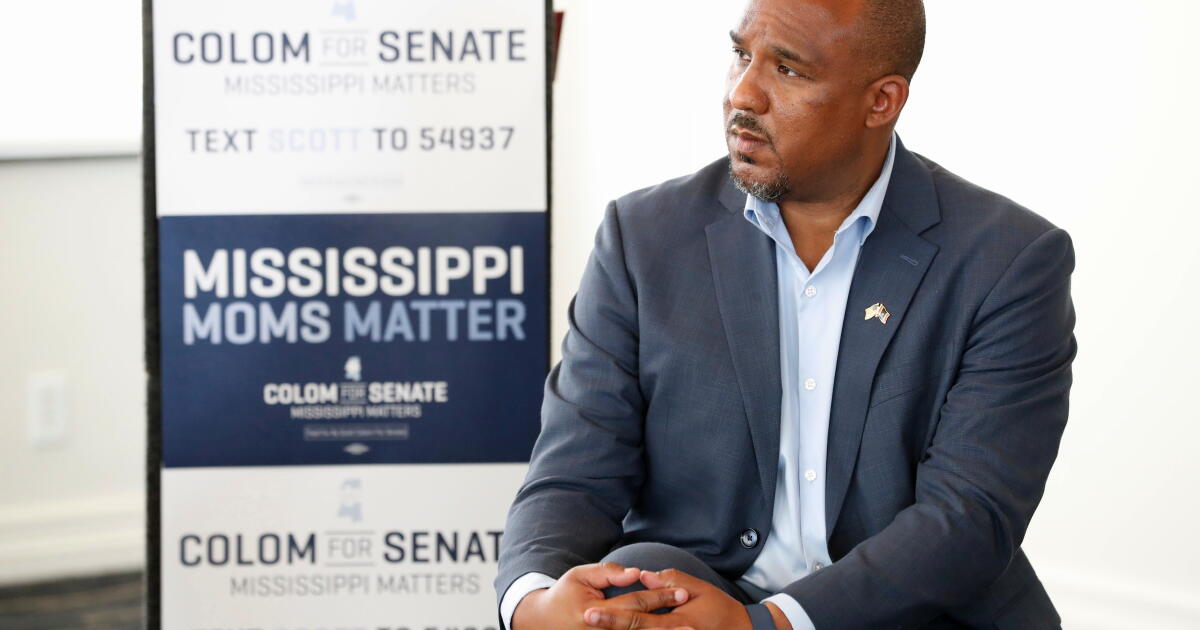
Senate Democrats launch first ad in Mississippi as their midterm optimism spreads to the South
WASHINGTON — Senate Democrats’ top campaign spending group is wading into Mississippi’s U.S. Senate race for the first time this year, an aggressive move in a deep-red state that signals a party on the offensive as Republicans look to protect a slim majority.
The Senate Majority PAC, aligned with Democratic Senate Leader Chuck Schumer of New York, will spend $1.2 million on a new television advertisement to boost Scott Colom, a district attorney, in his campaign against Republican Sen. Cindy Hyde-Smith. The ad, first disclosed to the Associated Press, is set to start Wednesday and run through Election Day.
“Senate Majority PAC has been watching this race closely, and it is clear Colom is running a competitive race that has put Hyde-Smith on her heels,” group spokesperson Lauren French said in a statement.
With just two weeks to go in the race, it’s unclear what impact the ad will have in a matchup that’s been set since Colom won a March primary. Still, it’s a substantial investment in a race that’s seen only about $8 million in total spending, with Colom outspending Hyde-Smith nearly $4.6 million to $3.2 million, according to AdImpact.
Hyde-Smith, first appointed and then elected in 2018, is running for reelection in a state Republicans have long dominated. In the 2024 presidential race, Republican Donald Trump won Mississippi by nearly 23 percentage points over Democrat Kamala Harris, and a Democrat hasn’t won a Senate race in the state since 1982.
However, some Democrats believe Hyde-Smith is vulnerable, and she underperformed Trump by 6 percentage points in 2020, the year he lost his White House reelection bid to Democrat Joe Biden.
The television ad touts Colom’s time as district attorney, while labeling Hyde-Smith a “do-nothing” senator.
“A decade in power, Hyde-Smith hasn’t passed one piece of legislation, but she did vote to kick people off Medicaid,” a narrator says in the ad, which will run on television stations statewide alongside a digital campaign.
Hyde-Smith’s campaign and the National Republican Senatorial Committee did not immediately respond to requests for comment.
Colom has raised Democratic hopes in a year when electoral winds are at their backs. Georgia Sen. Raphael Warnock was the latest high-profile Democrat to campaign with Colom last week, and Harris, who was Biden’s vice president, is set to rally with Colom on Thursday.
Republicans currently hold a 53-47 majority in the Senate and were expected to face a friendlier map this year with fewer seats to defend. But high costs and gas prices amid an unpopular war in Iran under a Republican president have made Democrats optimistic, with the Senate Majority PAC spending its final weeks investing in conservative territory. It’s already announced spending in Kansas, where megachurch pastor and Democratic nominee Adam Hamilton is trying to unseat Republican Sen. Roger Marshall.
Colom would be his state’s first Black senator since Reconstruction, the 12-year period after the U.S. Civil War when the 13th, 14th and 15th Amendments were adopted.
Some Democrats have criticized national groups for not spending more in Southern states like Mississippi.
“I worry, to be very honest, that Democrats are missing a real opportunity to invest in a serious and sustained way in the South,” Warnock said Sunday on NBC’s ”Meet the Press.”
Cappelletti writes for the Associated Press.

Almost $1M in rare trading cards stolen from FedEx truck in Santa Ana
A FedEx truck parked near the sprawling grading center of Professional Sports Authenticator (PSA) in Santa Ana was robbed a week ago of trading cards worth nearly $1 million, the Santa Ana Police Department said.
PSA reported to police that two stolen pallets of about 100 packages of cards apiece had an approximate value of $963,000. About 50 packages from a third pallet were also stolen, and their value was still being calculated as of Tuesday morning.
The cards had been sent from all over the country to PSA to be graded, a necessary step for collectors in authenticating their wares. Items included primarily sports cards and Pokémon cards, as well as one-of-one pieces. The cards had been graded and were set to be returned to their owners when they were stolen.
The FedEx driver left the vehicle, which was parked near PSA’s shipping and receiving address at 1610 E. St. Andrew Place, for an hour to 90 minutes, police said. The truck lock was busted and packages stolen while he was away.
“It remains an open case,” Santa Ana police spokesperson Natalie Garcia told NBC News, “and we have not made any arrests or recovered any stolen goods.”
PSA said it was taking measures to prevent the stolen cards from circulating through the usual venues and marketplaces while also reimbursing card owners for at least a portion of their losses. Trading cards and other collectibles are verified and assigned condition grades by PSA, which establishes their value and protects them by assigning serial numbers and certification information. PSA said it has deactivated the certificates tied to the stolen items.
“We have deactivated the certificates for the stolen items and notified marketplace partners so they can be on the lookout for rare and serialized items,” PSA said in a statement. “Our customer service team has contacted affected customers directly and is arranging compensation based on fair market value.”
PSA sent a letter to affected cards owners, detailing the steps taken to make the owners whole.
“After leaving our PSA facility in Southern California, a FedEx vehicle transporting PSA orders was burglarized, and items were stolen,” the letter read, continuing with a list of items titled “What we are doing.”
Among the items are deactivating the serial numbers on the affected items, notifying commerce partners across digital, auction and other selling platforms so they can look out for stolen items; aiding FedEx and law enforcement in their investigations; and studying what happened so a repeat can be avoided.
Nick Andrews, whose social media persona is the Boston Card Hunter, is keeping track of items reported stolen, a number that had exceeded 1,000 by Tuesday morning. He wrote on X that one victim had cards worth $500,000 stolen.
Card trader Sky-B said on a video that 104 of the cards he collected over the past two years are missing. They had been certified at PSA and were being returned to him in Michigan when he learned about the theft. He said he spent $8,000 on grading, and the cards carried insurance of up to $156,000, less than their market value.
“There were cards in that order that you can’t replace,” Sky-B said.
Longtime sports business reporter Darren Rovell, an avid trading card and memorabilia collector since childhood, said on social media that expensive collectibles are at risk any time they are shipped. Not only can shipping labels and declared insurance values reveal their potential contents, “the simple name PSA or Collectors in the address box is the threat,” Rovell wrote.

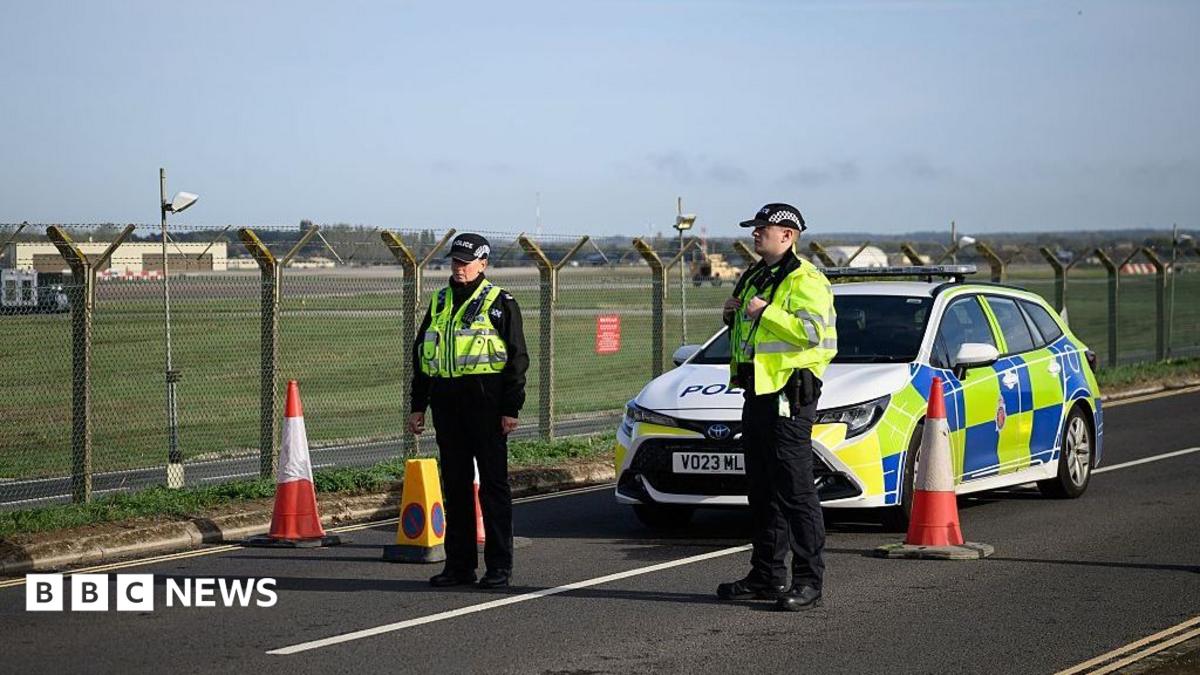
Two men re-arrested in RAF Fairford investigation
Two men have been re-arrested after an incident near RAF Fairford last month, counter-terrorism police have said.
A 24-year-old UK national, and a 25-year-old dual UK-Iranian national, are being held on suspicion of assisting a foreign intelligence service under Section 3 of the National Security Act 2023, with police saying the investigation relates to Iran.
Police had been alerted to three suspicious vehicles near the US airbase in Gloucestershire in the early hours of 27 September – a major incident was subsequently declared and dozens of homes evacuated.
Seven men had initially been arrested as part of the counter-terror police investigation and were later released on bail.
Five men were found with petrol in three vans near the airbase – they were initially arrested on suspicion of committing offences under the Explosives Act and then further arrested on suspicion of preparation of a terrorist act.
The re-arrests announced on Tuesday relate to a 24-year-old man who was initially held on the 27 September near the base and a 25-year-old who was arrested on suspicion of preparation of terrorist acts days later on 1 October in Westminster.
The other five men remain on police bail.
The head of National Counter Terrorism Policing, Assistant Commissioner Laurence Taylor said: “This is very much a live investigation, and our evidence gathering continues, but at this time our position remains the same; we consider it highly likely that there is Iranian state involvement.
“Our investigators are continuing to examine what that level of involvement was and the ambition behind it.”
The officer added that national security investigations can take time to progress due to their sensitive nature.
“Our specialist teams have been working tirelessly to interrogate the many lines of enquiry involved in this hugely complex investigation,” he said.
Following the incident, Gloucestershire Police said it had received a call about “three suspicious vehicles” travelling towards RAF Fairford at 00:45 BST.
A bomb disposal team was deployed to the village to examine a number of vehicles, police said at the time.

Big Brother’s unseen bedroom scenes that expose Omar’s ‘controlling’ behaviour as our mole accuses him of twisted game
BIG Brother’s Omar El Mayer will remain in the spy house despite being accused of “coercive and abusive” behaviour towards Rhianna Collins – but I’ve heard of events that have happened in the shared bedroom that feel even more worrying.
The Sun’s mole on the show has shared details of one strange action the jewellery salesman has performed before bed and how it has raised eyebrows on set amid fan outcry.
It comes as Women’s Aid have spoken out over Omar’s behaviour as viewers rush to complain to Ofcom.
Omar, 21, scolded Rhianna, also 21, for speaking about their argument to her co-stars before using “red-flag” language including “don’t talk about me”, “don’t cry”, “don’t look away from me”, “sort yourself out” and “fix up”.

Now unaired scenes can be revealed and it all hangs on Big Brother’s thorough duty of care measures.
Our source said: “If there are people sharing a bed, Big Brother has a rule that every night they individually have to show the camera a thumbs up or thumbs down to show that they consent to that situation.
“If there is no sign, or a thumbs down, Big Brother intervenes and calls them to the diary room.
“Over the last few nights Omar has been putting thumbs DOWN and so has been called into the diary room.
“When he’s in there he doesn’t really seem to explain much.”
The revelation shocked me, as a Big Brother fan as well as someone who closely reports on the show, because surely it seems more likely Rhianna would be the one flagging concern to bosses.
Our source added: “It’s raised eyebrows – if he’d done it once, fair enough, but the fact he’s done a thumbs down over a few nights suggests it’s a pattern of behaviour to control the narrative.
“There’s clearly complex emotions at play but it’s troubling.”
The revelation comes amid a rising storm around Omar remaining on the show.
As yet, bosses have not moved to remove him from the house.
A Big Brother spokesman said: “All Housemates receive Respect and Inclusion training and an extensive briefing from the Big Brother Senior team to prepare them for living in the House and to set out Big Brother’s expectations for appropriate behaviour and language.
“Housemates are monitored 24 hours a day and any instances of inappropriate behaviour are responded to appropriately.
“Welfare and safeguarding are prioritised throughout the production, with a dedicated welfare team available to support Housemates before, during and after their time in the House.”
Yesterday Women’s Aid spoke out following complaints over last night’s “worrying” scenes between Omar and Rhianna.
Spokesman Veronica Oakeshott told The Sun: “The nature of abuse means that it often begins with ‘red flag’ coercive and controlling behaviours like isolating you from friends or repeatedly putting you down, before escalating into other forms of abuse.
“Coercive control creates invisible chains and a sense of fear that impacts every element of a survivor‘s life.
“It’s worrying to see behaviours like this being given a platform in popular media like Big Brother.”
Women’s Aid has been contacted by “many viewers who have expressed concern”, added Veronica.
We also told how fans, ex-Housemates and celebrities have all demanded Omar is axed over his behaviour – with viewers in their droves contacting TV regulator, Ofcom.
She added: “We continue to urge television companies such as ITV to engage with experts like Women’s Aid to understand the nature of abuse and how they can do better to protect contestants. We would welcome a discussion with the Big Brother team.”
Scenes between Omar and Rhianna have seen her telling Omar “I don’t want to argue with you”, to which he replied “Well, then, don’t say mad things that you don’t mean. It’s not fair. You need to sort it out, get it together.”
Rhianna then whispered “I’m sorry” and he accepted her apology saying “it’s OK” before they spent the night together in bed.
In another sinister moment from last night’s hard-to-watch episode, Omar interrupted Rhianna’s conversation with Rochelle and Phillip to whisper in her ear.
Bending down to Rhianna in bed to conceal his warning, Omar said: “Do me a favour, I know you’re upset, but don’t talk about me. Thank you.”
One viewer commented: “The fact Omar’s comfortable doing this on national TV scares me for what he does behind closed doors.”
Another added: “This has become dangerous now. Omar needs removing from the house.
“He has been gaslighting and emotionally abusing Rhianna for weeks.
“You don’t have to be a genius to know what would be happening if the cameras and other housemates weren’t there.”