


Czech Republic’s Election Winner Is Up In The Air
There were long faces in Brussels in early October when Czech parliamentary elections handed a victory to Andrej Babiš’s ANO party. And even longer ones a month later when Babiš, short of a majority, announced plans to form a coalition with the far right, pro-Russian SPD and the eccentric, libertarian Motorists alliance.
Although the jury is still out on whether this new populist government will join those in Slovakia and Hungary to form an anti-EU front in Central Europe, it will look very different from the pro-EU, pro-Ukraine Spoulu (Together) government it replaces, headed by Petr Fiala.
Babiš Returns to The Czech Republic — and Repositions Himself
Returning to the premiership—Babiš, aged 71, was prime minister from 2017 to 2021 and before that deputy prime minister and finance minister from 2014—is a major personal victory for the Czech Republic’s richest man, estimated to be worth over $4 billion. Babiš’ made his fortune through his holding company, Agrofert, the now-huge agribusiness and chemicals powerhouse he founded in 1993.
Babiš has moved steadily to the right, with ANO’s populism a long way from the centrist positions ANO (YES) championed when Babiš set up the party in 2012. Although dubbed the Czech Trump for his anti-establishment outbursts and authoritarian rhetoric, observers believe Babiš Mark II will be more measured, favoring stability and prioritizing his business interests and those of the Czech Republic.
“An ANO-led government will face institutional constraints on its near-term ability to implement significant policy shifts, notably the outgoing coalition’s constitutional majority in the upper house [the Senate], where it holds 60 of 81 seats,” argues Malgorzata Krzywicka, director, Sovereigns at Fitch Ratings. “[We expect] a broadly prudent fiscal policy, although it is likely to adjust foreign policy, notably regarding alignment with some EU priorities.”
Babiš, Like Trump, Has a Second Act
Another potential issue for Babiš is centrist, pro-EU President Petr Pavel’s power to veto ministerial appoints and legislation. Meanwhile, the prospect of a populist anti-EU front amongst the four Visegrad countries must be measured against next April’s parliamentary elections in Hungary. Polls suggest Prime Minister Viktor Orban is running well behind his pro-EU challenger, Péter Magyar.
That said, Babiš’s return to power—like US President Donald Trump’s, after a gap of four years—will likely mean change.
“Divergence from Spolu’s strongly pro-Western stance is likely, for example over providing munitions to Ukraine,” reckons Krzywicka. It could lead to disputes with the EU in such areas as energy or migration, she added.
That said, “we think these are highly unlikely to intensify sufficiently to have consequences, such as the suspension of EU funds.”

Antoine Semenyo: Why Man City want to sign Bournemouth’s ‘extraordinary’ forward
Semenyo’s profile is a unique one and at the reported price point, it feels like a no-brainer.
Stylistically we have seen City lean into attacking in transition with more pace this season than previously under Guardiola, who has played on the strengths of Haaland, Foden, Tijjani Reijnders and Doku – attacking quickly over big distances.
As a result, City have scored from more fast breaks this season than during the entire 2023-24 and 2024-25 seasons combined.
Bournemouth‘s direct style of attack means Semenyo’s pace, good hold-up play, smart decision-making and two-footed ball-striking are more easily transferred to this City side.
These are dangerous traits, especially when going long against teams that attempt to press high up the pitch.
Guardiola likes versatile players too, given they provide solutions to injury crises.
With Doku out injured, Reijnders has come in and shifted Foden out to the left. Semenyo would provide Premier League proven quality on both wings.
“The years we were successful, not just the strikers [were scoring], especially the wingers, attacking midfielders. We need that,” said Guardiola earlier this month.
City’s over-reliance on Haaland’s 19 goals will be something he wants to address. Foden has scored the second most with seven but has been moved away from the number 10 position, where he scores often from distance.
The signing of Semenyo would help get Foden back in the areas Guardiola feels he is most dangerous.
Semenyo has the added benefit of providing goals himself while starting as a winger. With eight in the league this season, only Igor Thiago and Haaland have more.
If City want to overtake Arsenal and win the league, getting scorers behind Haaland would be a smart move.
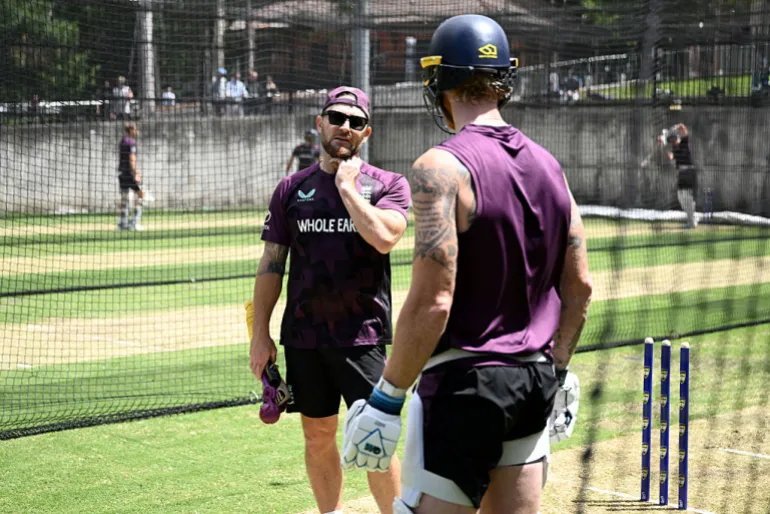
Stokes concerned for England’s mental wellbeing on Ashes tour of Australia | Cricket News
Captain Ben Stokes said protecting England players’ welfare was his top concern amid claims of excessive drinking on a mid-Ashes beach break, without directly addressing the allegations.
Stokes was peppered with questions on Wednesday ahead of the Boxing Day Test in Melbourne about the team’s behaviour at Noosa between the second and third Tests after British media reports compared it with a “stag-do”.
Recommended Stories
list of 4 itemsend of list
Unverified social media footage appeared to show opener Ben Duckett drunk and disoriented.
Their disastrous five-Test tour, which has seen Australia take an unassailable 3-0 lead, took another hit on Wednesday when pace spearhead Jofra Archer was ruled out of the rest of the series with a side strain.
England cricket chief Rob Key on Tuesday pledged to investigate the drinking claims, while the England and Wales Cricket Board said in a statement it was intent on establishing the facts.
Stokes, whose team have already lost the Ashes, said his main concern was the players’ mental welfare and to ensure they were ready for the Melbourne Test starting Friday.
“I’m obviously aware of the reports and everything circulating around right now,” Stokes said.
“My main concern is my players, and how I handle this moment is the most important thing to me.
“The welfare of everyone in there, and probably some certain individuals as well, is the most important thing to me right now as England captain.
“It’s never a nice place to be in when not only the media world, but also the social media world, is piling on top of you,” he added.
“It’s a very tough place to be in as an individual. As an individual, when you know you’ve got the support of the people who are sort of leaders, in a sense, it’s very good to know that you’ve got that support.”
Asked directly whether his teammates had “done anything wrong in Noosa”, Stokes replied: “I’ve just answered everything there.”
Stokes calls for focus as spotlight increases on England
England went to Queensland tourist resort Noosa after losing the first two Tests in Perth and Brisbane heavily.
They spent several days on the sand and around restaurants and bars before travelling to Adelaide, where they lost the third Test as Australia retained the Ashes.
Britain’s Daily Telegraph reported that “after drowning their sorrows after the Brisbane Test, it is no exaggeration to say some, certainly not all, players drank for five or six days”.
It added that players “did nothing outrageous in Noosa” but there was concern over the level of drinking, with England’s professionalism already under the microscope after their limited preparations.

Stokes conceded that when a side was losing, there would be scrutiny, and “rightly so”.
“When you are 3-0 down you don’t really have a leg to stand on but we’ve got two games of cricket to play. That’s what we have to focus on,” he said.
“We haven’t won a game in Australia for a long, long time.”
England have gone 18 Tests since winning a match in Australia, dating back to their last series victory there in 2010-11.
Their capitulation in this series in 11 days of play is the joint second quickest in more than a century, since the 1921 Ashes was completed in eight days.
Making matters worse, Archer will take no further part in the tour, with Gus Atkinson replacing him in Melbourne.
The under-performing Ollie Pope paid for his poor form at number three, with Jacob Bethell taking over in the only other change.
England’s Test woes in contrast to Australia’s Ashes high
Bowling with the wicketkeeper standing up to the stumps can bruise a fast bowler’s ego, but Australia paceman Scott Boland said Alex Carey’s stellar glovework in the ongoing Ashes series has helped him grow comfortable with it.
Carey’s wicketkeeping masterclass has been a key factor in Australia’s unassailable lead in the five-match series, and the 34-year-old was particularly impressive in the second Test at the Gabba, where he stood up to Boland and Michael Neser.
With the wicketkeeper breathing down their necks, English batters were pretty much confined to the crease, which meant the home bowlers did not really need to vary their length.
“I’ve just never really bowled to the keeper up to the stumps before,” Boland told reporters ahead of the fourth Test.
“Everyone wants to be a fast bowler, and you don’t really like the keeper up to the stumps.
“But I’ve seen over the last month how effective it is and how still I can keep their batters by Alex being up to the stumps.”
Wicketkeepers typically stand farther back from the stumps when facing fast bowlers to give themselves more time to react to the high speed and bounce of the ball, reducing the risk of missed catches.
Even from close range, Carey showed tremendous reflexes to pouch a thick edge from Ben Stokes after the England captain had nicked a Neser delivery in the second innings.
Dismissals like that gave confidence to Boland that he could continue bowling his edge-inducing length balls regardless of where Carey stood.
“I just need to trust that the length balls I bowl to try and nick guys off is the same length I bowl when he’s up to the stumps or back,” the 36-year-old said.
“The Gabba was pretty bouncy and he was up to the stumps for a bit of it and catching balls above waist-high and I bowled a bouncer and he caught that, so I have full trust in him up there.”
Former Australia wicketkeeper Ian Healy called Carey “clearly the best in the world”, while teammate Steve Smith termed him a “freak”.
UK travel company goes into administration after 55 years

A UK travel company has collapsed into liquidation after 55 years.
The Civil Aviation Authority announced that the Ickenham Travel Group stopped trading in November.

The London-based company previously traded under the names Abu Dhabi Holidays, Ras Al Khaimah Holidays and Letsgo2.
It ceased trading as a licence holder on November 20, 2025 after more than five decades.
The CAA told customers who are overseas that their return flight remains valid and they should check in with their airline ‘as per the existing flight ticket’.
It continued: “The CAA is speaking to the service providers for the other elements of your trip to ensure these continue as planned.”
Read more on travel closures


It issued the following advice for people with ATOL protected packages due to travel after that date.
The CAA said: “If you have an ATOL flight inclusive package booking and have been issued with flight tickets, the flights may be valid for travel, and you are advised to check with the airline.
“If the airline confirms you have a valid ticket for travel, you may have the option to travel.
“However, other services may not have been paid to the local suppliers, and you will be required to re-arrange and pay for these services again. To avoid any issues in resort, you should confirm the cost of all the services in advance of travel where possible.”
More to follow… For the latest news on this story keep checking back at The Sun Online
Thesun.co.uk is your go-to destination for the best celebrity news, real-life stories, jaw-dropping pictures and must-see video.
Like us on Facebook at www.facebook.com/thesun and follow us from our main Twitter account at @TheSun.

Zelensky moves towards demilitarised zones in latest peace plan for Ukraine
Ukraine’s President Volodymyr Zelensky has given details of an updated peace plan that offers Russia the potential withdrawal of Ukrainian troops from the east that Moscow has demanded.
Giving details of the 20-point plan agreed by US and Ukrainian negotiators in Florida at the weekend, Zelensky said the Russians would respond on Wednesday once the Americans had spoken to them.
Describing the plan as “the main framework for ending the war” Zelensky said it proposed security guarantees from the US, Nato and Europeans for a co-ordinated military response if Russia invaded Ukraine again.
On the key question of Ukraine’s eastern Donbas, Zelensky said a “free economic zone” was a potential option.
He told journalists that as Ukraine was against withdrawal, US negotiators were looking to establish a demilitarised zone or a free economic zone. Any area that Ukrainian troops pulled out of would have to be policed by Ukraine, he stressed.
“There are two options,” Zelensky said, “either the war continues, or something will have to be decided regarding all potential economic zones.”
The 20-point plan is seen as an update of an original 28-point document, agreed by US envoy Steve Witkoff with the Russians several weeks ago, which was widely seen as heavily geared towards the Kremlin’s demands.
The Russians have insisted that Ukraine pulls out of almost a quarter of its own territory in the eastern Donetsk region in return for a peace deal. The rest is already under Russian occupation.
Sensitive issues including questions over territory would have to be resolved “at the leaders’ level”, but the new draft would provide Ukraine with strong security guarantees and a military strength of 800,000, Zelensky explained.
Much of the updated plan resembles what came out of recent talks in Berlin involving US negotiators Witkoff and Jared Kushner with Ukrainian and European leaders. The setting then moved to Miami last weekend where US President Donald Trump’s team spoke separately to Russian envoy Kirill Dmitriev and then Ukrainian and European officials.
There now appears to be far more detail on the territorial issue, although it is clear the Ukrainian side was unable to reach a consensus with the Americans.
Zelensky explained that if Ukraine was prepared to pull its heavy forces back by five, 10 or 40km in the 25% of Donetsk it still held to create an economic zone, making it virtually demilitarised, then Russia would have to do the same “accordingly by five, 10, or 40km”.
Russian troops are currently about 40km (25 miles) east of Ukraine’s “fortress belt” cities of Sloviansk and Kramatorsk, having captured the town of Siversk.
Russian President Vladimir Putin is unlikely to be impressed by the kind of compromise being proposed for Donetsk. He said this month that Russia would take control of the entire east of Ukraine by force if Ukrainian troops did not pull out.
Zelensky made clear that such a free economic zone would have to be under Ukrainian administration and police – “definitely not the so-called Russian police”. The current front line would then become the boundary of the economic zone with international forces on the ground along the contact line to ensure no Russian infiltration.
Russia has so far rejected a European proposal to police any peace deal through a Coalition of the Willing as a “brazen threat”.
A referendum would need to be held on the whole peace plan, Zelensky said, ad only a referendum could decide on the idea of a potential free economic zone in Donbas.
He emphasised that an economic zone would also have to be set up around the Zaporizhzhia nuclear power plant currently occupied by Russia, and that Russian troops would have to pull out of four other Ukrainian regions – Dnipropetrovsk, Mykolaiv, Sumy, and Kharkiv.
The main points of the plan reaffirm Ukraine’s sovereignty and propose a non-aggression pact between Russia and its neighbour with a monitoring mechanism.
As well as strong security guarantees mirroring Nato’s Article Five, which requires members to aid an ally under attack, Ukraine is to be allowed a maximum military strength of 800,000 in peacetime.
Discussions are still going on over a US plan to receive compensation in return for security guarantees, so Zelensky says it is not currently part of the document.
There is no reference barring Ukraine from joining Nato, which was in the original 28-point plan and something Russia has consistently demanded.
And the latest framework proposes that Ukraine joins the European Union with a defined date of accession. It is currently a candidate, but a number of other candidate countries are seen as first in line, such as Albania.
There are plans for a Ukraine investment fund of about $200bn involving both the US and Europe.
Among the other points is a requirement for Ukraine to hold elections as soon as possible after the deal is signed. Russia and the US have both pushed for a vote, even though Ukraine is under martial law because of the full-scale invasion.

Best Christmas films for children and toddlers and how to watch
Christmas is a time for the whole family, including the very youngest members of the household.
With Christmas Day just hours away, families are on the hunt for festive films that cater to all ages.
A flurry of new Christmas movies have recently hit the screens, from Netflix‘s Champagne Problems and My Secret Santa to Prime Video‘s Oh. What Fun.
However, these might not be the most suitable picks for the younger audience. So, here’s a guide to where you can catch some of the top-notch Christmas films for children.
Christmas films for children and toddlers
The Snowman
The 1980s classic fantasy animation, The Snowman, is an iconic and charming viewing experience for the entire family.
The Snowman spins the story of a young lad who crafts a snowman that springs to life while everyone else is fast asleep, whisking him off on an extraordinary journey.
Adding to the thrill is the fact that the narrative is introduced by none other than the late glam rock legend David Bowie.
The Snowman is available on Channel 4.
Mickey Mouse’s Once Upon A Christmas
Mickey Mouse also has his own holiday film with Once Upon A Christmas, a compilation-style movie featuring three separate tales about love, kinship and the spirit of giving.
This animated Disney gem stars Minnie Mouse, Donald Duck, Goofy, Daisy Duck, Pluto, and naturally, Mickey Mouse himself.
Mickey’s Once Upon A Christmas is available to watch on Disney+.
A Charlie Brown Christmas
**For the latest showbiz, TV, movie and streaming news, go to the new **Everything Gossip** website**
A Charlie Brown Christmas may be celebrating its 60th anniversary this year, but it remains a timeless classic for good reason.
Disheartened by the commercialisation of the holiday season, Charlie embarks on a quest to uncover the true essence of Christmas by directing his school’s nativity.
Through this venture, he discovers that Christmas isn’t about material possessions but love and the celebration of Jesus Christ’s birth.
A Charlie Brown Christmas is available on Apple TV.
Arthur Christmas
Featuring the voices of James McAvoy and Bill Nighy, Arthur Christmas centres around Santa Claus’ well-meaning but bumbling grandson, Arthur.
Upon realising that Santa has overlooked delivering a present to a little girl on Christmas Eve, Arthur embarks on a frantic last-minute quest to ensure it reaches her before daybreak.
Arthur Christmas is available for rent or purchase on Prime Video, or for streaming via Sky Go or NOW.
Klaus
Another contemporary Christmas family favourite is Klaus, which explores the origin story of Santa Claus.
After spoilt postman Jesper is banished to the desolate town of Smeerensburg, he teams up with reclusive woodsman Klaus to distribute toys, igniting community spirit and a cherished new tradition.
Klaus can be streamed on Netflix.
The Polar Express
Voiced by the legendary actor Tom Hanks, The Polar Express follows a young lad who, doubting the magic of Christmas, embarks on an enchanting train journey to the North Pole.
During his voyage, he forms new friendships and experiences the true essence of Christmas.
The Polar Express is available for rent or purchase on Prime Video, or for streaming via Sky Go or NOW.
The Muppet Christmas Carol
Often hailed as one of the greatest Christmas films ever, the 1990s flick The Muppets Christmas Carol holds a special place in many hearts.
Featuring Kermit the Frog, Miss Piggy, Gonzo, Rizzo and the rest of the Muppets crew, these endearing puppets breathe life into Charles Dickens’ timeless story, A Christmas Carol.
At the centre of this yuletide film is none other than actor Michael Caine, portraying the curmudgeonly Ebenezer Scrooge.
The Muppet Christmas Carol can be viewed on Disney+.
Oxnard still reeling from Glass House immigration raids, deportations
OXNARD — A father who has become the sole caretaker for his two young children after his wife was deported. A school district seeing absenteeism similar to what it experienced during the pandemic. Businesses struggling because customers are scared to go outside.
These are just a sampling of how this part of Ventura County is reckoning with the aftermath of federal immigration raids on Glass House cannabis farms six months ago, when hundreds of workers were detained and families split apart. In some instances, there is still uncertainty about what happened to minors left behind after one or both parents were deported. Now, while Latino households gather for the holidays, businesses and restaurants are largely quiet as anxiety about more Immigration and Customs Enforcement raids lingers.
“There’s a lot of fear that the community is living,” said Alicia Flores, executive director of La Hermandad Hank Lacayo Youth and Family Center. This time of year, clients usually ask her about her holiday plans, but now no one asks. Families are divided by the U.S. border or have loved ones in immigration detainment. “They were ready for Christmas, to make tamales, to make pozole, to make something and celebrate with the family. And now, nothing.”
At the time, the immigration raids on Glass House Farms in Camarillo and Carpinteria were some of the largest of their kind nationwide, resulting in chaotic scenes, confusion and violence. At least 361 undocumented immigrants were detained, many of them third-party contractors for Glass House. One of those contractors, Jaime Alanis Garcia, died after he fell from a greenhouse rooftop in the July 10 raid.

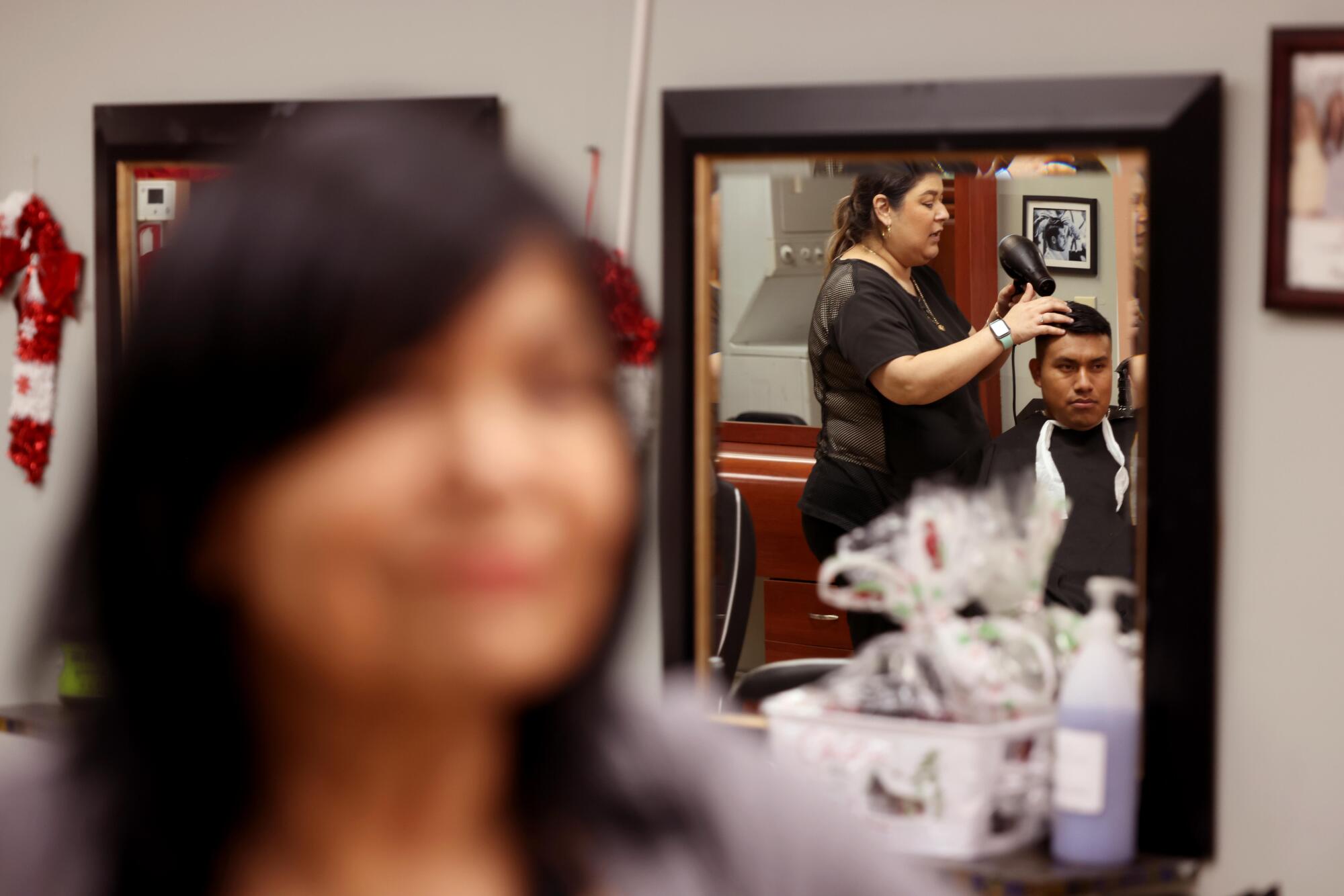
Jacqueline Rodriguez, in mirror, works on a customer’s hair as Silvia Lopez, left, owner of Divine Hair Design, waits for customers in downtown Oxnard on Dec. 19, 2025.
(Genaro Molina/Los Angeles Times)
The raids catalyzed mass protests along the Central Coast and sent a chill through Oxnard, a tight-knit community where many families work in the surrounding fields and live in multigenerational homes far more modest than many on the Ventura coast. It also reignited fears about how farmworker communities — often among the most low-paid and vulnerable parts of the labor pool — would be targeted during the Trump administration’s intense deportation campaign.
In California, undocumented workers represent nearly 60% of the agricultural workforce, and many of them live in mixed-immigration-status households or households where none are citizens, said Ana Padilla, executive director of the UC Merced Community and Labor Center. After the Glass House raid, Padilla and UC Merced associate professor Edward Flores identified economic trends similar to the Great Recession, when private-sector jobs fell. Although undocumented workers contribute to state and federal taxes, they don’t qualify for unemployment benefits that could lessen the blow of job loss after a family member gets detained.
“These are households that have been more affected by the economic consequences than any other group,” Padilla said. She added that California should consider distributing “replacement funds” for workers and families that have lost income because of immigration enforcement activity.

An Oxnard store owner who sells quinceañera and baptism dresses — and who asked that her name not be used — says she has lost 60% of her business since the immigrant raids this year at Glass House farms.
(Genaro Molina/Los Angeles Times)
Local businesses are feeling the effects as well. Silvia Lopez, who has run Divine Hair Design in downtown Oxnard for 16 years, said she’s lost as much as 75% of business after the July raid. The salon usually saw 40 clients a day, she said, but on the day after the raid, it had only two clients — and four stylists who were stunned. Already, she said, other salon owners have had to close, and she cut back her own hours to help her remaining stylists make enough each month.
“Everything changed for everyone,” she said.
In another part of town, a store owner who sells quinceañera and baptism dresses said her sales have dropped by 60% every month since August, and clients have postponed shopping. A car shop owner, who declined to be identified because he fears government retribution, said he supported President Trump because of his campaign pledge to help small-business owners like himself. But federal loans have been difficult to access, he said, and he feels betrayed by the president’s deportation campaign that has targeted communities such as Oxnard.

“There’s a lot of fear that the community is living,” said Alicia Flores, executive director of La Hermandad Hank Lacayo Youth and Family Center in downtown Oxnard, on Dec. 19, 2025.
(Genaro Molina/Los Angeles Times)
“Glass House had a big impact,” he said. “It made people realize, ‘Oh s—, they’re hitting us hard.’ ”
The raid’s domino effect has raised concerns about the welfare of children in affected households. Immigration enforcement actions can have detrimental effects on young children, according to the American Immigration Council, and they can be at risk of experiencing severe psychological distress.
Olivia Lopez, a community organizer at Central Coast Alliance United for a Sustainable Economy, highlighted the predicament of one father. He became the sole caretaker of his infant and 4-year-old son after his wife was deported, and can’t afford child care. He is considering sending the children across the border to his wife in Mexico, who misses her kids.
In a separate situation, Lopez said, an 18-year-old has been suddenly thrust into caring for two siblings after her mother, a single parent, was deported.
Additionally, she said she has heard stories of children left behind, including a 16-year-old who does not want to leave the U.S. and reunite with her mother who was deported after the Glass House raid. She said she suspects that at least 50 families — and as many as 100 children — lost both or their only parent in the raid.
“I have questions after hearing all the stories: Where are the children, in cases where two parents, those responsible for the children, were deported? Where are those children?” she said. “How did we get to this point?”
Robin Godfrey, public information officer for the Ventura County Human Services Agency, which is responsible for overseeing child welfare in the county, said she could not answer specific questions about whether the agency has become aware of minors left behind after parents were detained.
“Federal and state laws prevent us from confirming or denying if children from Glass House Farms families came into the child welfare system,” she said in a statement.
The raid has been jarring in the Oxnard School District, which was closed for summer vacation but reopened on July 10 to contact families and ensure their well-being, Supt. Ana DeGenna said. Her staff called all 13,000 families in the district to ask whether they needed resources and whether they wanted access to virtual classes for the upcoming school year.
Even before the July 10 raid, DeGenna and her staff were preparing. In January, after Trump was inaugurated, the district sped up installing doorbells at every school site in case immigration agents attempted to enter. They referred families to organizations that would help them draft affidavits so their U.S.-born children could have legal guardians, in case the parents were deported. They asked parents to submit not just one or two, but as many as 10 emergency contacts in case they don’t show up to pick up their children.

Rodrigo is considering moving back to Mexico after living in the U.S. for 42 years.
(Genaro Molina/Los Angeles Times)
With a district that is 92% Latino, she said, nearly everyone is fearful, whether they are directly or indirectly affected, regardless if they have citizenship. Some families have self-deported, leaving the country, while children have changed households to continue their schooling. Nearly every morning, as raids continue in the region, she fields calls about sightings of ICE vehicles near schools. When that happens, she said, she knows attendance will be depressed to near COVID-19 levels for those surrounding schools, with parents afraid to send their children back to the classroom.
But unlike the pandemic, there is no relief in knowing they’ve experienced the worst, such as the Glass House raid, which saw hundreds of families affected in just a day, she said. The need for mental health counselors and support has only grown.
“We have to be there to protect them and take care of them, but we have to acknowledge it’s a reality they’re living through,” she said. “We can’t stop the learning, we can’t stop the education, because we also know that is the most important thing that’s going to help them in the future to potentially avoid being victimized in any way.”
Jasmine Cruz, 21, launched a GoFundMe page after her father was taken during the Glass House raid. He remains in detention in Arizona, and the family hired an immigration attorney in hopes of getting him released.
Each month, she said, it gets harder to pay off their rent and utility bills. She managed to raise about $2,700 through GoFundMe, which didn’t fully cover a month of rent. Her mother is considering moving the family back to Mexico if her father is deported, Cruz said.
“I tried telling my mom we should stay here,” she said. “But she said it’s too much for us without our dad.”
Many of the families torn apart by the Glass House raid did not have plans in place, said Lopez, the community organizer, and some families were resistant because they believed they wouldn’t be affected. But after the raid, she received calls from several families who wanted to know whether they could get family affidavit forms notarized. One notary, she said, spent 10 hours working with families for free, including some former Glass House workers who evaded the raid.
“The way I always explain it is, look, everything that is being done by this government agency, you can’t control,” she said. “But what you can control is having peace of mind knowing you did something to protect your children and you didn’t leave them unprotected.”
For many undocumented immigrants, the choices are few.
Rodrigo, who is undocumented and worries about ICE reprisals, has made his living with his guitar, which he has been playing since he was 17.
While taking a break outside a downtown Oxnard restaurant, he looked tired, wiping his forehead after serenading a pair, a couple and a group at a Mexican restaurant. He has been in the U.S. for 42 years, but since the summer raid, business has been slow. Now, people no longer want to hire for house parties.
The 77-year-old said he wants to retire but has to continue working. But he fears getting picked up at random, based on how abusive agents have been. He’s thinking about the new year, and returning to Mexico on his own accord.
“Before they take away my guitar,” he said, “I better go.”

Passenger asked same question 3 times on 1 flight says rude habit must stop
A woman has issued a stark message to anyone travelling by plane this holiday season – as she reminds them to ‘be generous’ following her recent experience on a flight

When travelling on a long-haul flight, many people make sure to pre-book their seats to ensure extra comfort throughout the journey. That’s exactly what one woman decided to do before setting off to visit her family in San Juan, Puerto Rico, knowing she faced a long, uncomfortable journey otherwise.
She pre-booked a first-class window seat on the left side of the plane so she could see her grandma’s house from above before landing. But her peace was disrupted throughout the flight, as no fewer than three people stopped at her row to ask her the same question. Taking to Reddit, she said: “I was asked to switch seats three times by three separate people on one flight.
“When I arrived to my seat there was a very elderly woman in the aisle seat and another woman in the aisle seat across the way. The younger woman said, ‘this is my mother, she has dementia and she can’t even feed herself. Can we switch so I can care for her during the flight?'”
Feeling awkward, the woman regretfully switched seats with her – but her problems didn’t stop there. She said: “I know I made the choice to switch, this is about the frequency of asks.
“Then two other women come up and gave me another ‘we couldn’t book together but we want to sit together can you move to this other aisle seat please?’
“At that point I was seething, but seeing as I’d barely touched my butt to the new aisle seat, I just said ‘whatever’ to them and moved.
“When a third person came up to me to start the ‘hi um’ I immediately said ‘I have switched twice already, you can take it up with someone else’.
“I know I chose to move for these people, but I’m so upset that I paid for that specific window seat and my options were basically, help a woman with dementia but enjoy my view, or move and sit in an aisle seat by the bathrooms.
“I don’t know. It’s also not lost on me that I don’t look like the traditional first class passenger.”
Sharing a message to anyone who asks other to switch mid-flight, she added: “Listen, if you borked your booking and you want to switch with people, be generous.
“Send me a free drink or something, slip me a £20, tell the cabin crew so I get my preordered meal, be generous.”
Commenting on her post, one user said: “Don’t let other people’s problems become your problems. Sit in your assigned seat. If people need accommodations, they can take it up with the FAs (flight attendants).”
Another user added: “I never understand why they can’t bug the person next to them.”
A third user said: “I would happily move for the grandma but the others are on their own after that.”

Ryan Brierley: Former Salford full-back takes over as club’s CEO
Former captain Ryan Brierley is returning to Salford to become chief executive, the consortium that has won the bid to run the phoenix club has said.
Brierley, one of the players who departed the club midway through the 2025 campaign, has ended his playing career at Oldham in order to take on the role.
He has been appointed two days after fellow former Salford player Mason Caton-Brown’s consortium was successful in applying for membership of the second-tier Championship from the Rugby Football League.
The old Salford Red Devils club were wound up on 3 December after a turbulent year, with a mass player exodus, late wage payments, heavy defeats and ultimately the loss of their Super League status for 2026.
“Salford is in my heart, and I believe saving its rugby league heritage is something that transcends rivalry,” 33-year-old Brierley said.

Analysis: Is Lebanon controlled by ‘mini deep states’?

Bank customers and Depositors Association members hold placards during a protest organized by the ‘Depositors’ Outcry’, a group campaigning for the rights of depositors, in Beirut, Lebanon, on Thursday Customers are angry over the continued restrictions that local banks have imposed on withdrawals and transfers since 2019. Photo by Wael Hamzeh/EPA
BEIRUT, Lebanon, Dec. 24 (UPI) — Once hailed as the “Switzerland of the Middle East,” Lebanon has undergone an infernal descent into deeply rooted corruption, financial collapse and state failure, suggesting that the country is governed by a unique model of “mini deep states” that have flourished under its sectarian and clientelist system, political and financial analysts said.
Endemic corruption, misgovernance, sectarianism, wars and political disputes have long fueled Lebanon’s multiple crises.
The 2019 financial collapse — described by the World Bank as a “deliberate depression” and the worst globally since 1850 — was the tipping point that revealed the country’s situation to be far worse than anyone had realized.
Six years later, the situation remains almost unchanged. No one has been charged or put on trial and no official has acknowledged responsibility for the crisis or the estimated $110 billion in bank deposits squandered under state mismanagement.
The first serious attempt to address the financial crisis came Friday, when Prime Minister Nawaf Salam’s government presented a draft law aimed at tackling the financial system’s huge funding gap and enable depositors to gradually regain access to their frozen savings — though probably not in full.
The draft law, yet to be debated and expected to be amended, was quickly met with opposition from the banks and depositors, arguing that its provisions are insufficient or unfair. Crucially, it fails to address corruption as the root cause of the crisis and provides no mechanism for accountability.
However, Lebanon’s problems extend far beyond the recent financial crisis, stemming from a corrupt and inept political elite whose sectarian and clientelist networks consistently put personal gain above the nation’s survival, analysts say.
One of the most striking examples of deliberate systemic failure is the chronic power shortages, which have forced most citizens to rely on private or neighborhood generators — run by what many describe as a “mafia” protected by influential political leaders — since the end of the 15-year civil war in 1990. This has created cumulative deficits of about $43 billion.
The same pattern applies to nearly every other sector and extends to the country’s political system, reflecting the reality that all major political forces have blocked meaningful change and prevented reforms for decades.
Despite their political divisions, these forces share common interests, effectively acting as a deep state rather than merely an elite sectarian cartel.
To Mohammad Fheili, a risk strategist and monetary economist, Lebanon is better understood as a system of “multiple, competing and at times cooperating mini-deep states operating within a consociational (power-sharing) confessional framework.”
Rather than a single hidden chain of command, power, Fheili notes, is distributed across overlapping circuits involving security services, the banking and financial sector, senior judges and prosecutors, and top public officials. These networks outlast governments and are bound together by mutual protection.
“Sectarianism is the main channel of organization and veto, but it is not the only engine,” he told UPI. “It provides quotas, patronage pipelines and narratives of legitimacy. However, the driving incentives are often clientelism, rent extraction, protection from prosecution and control of state resources.”
As a result, the same political establishment came to dominate legislation, government and the economy, with decisive influence over appointments, contracts and financial regulation.
Such a “deep state” is not a new phenomenon. Its roots can be traced back to Lebanon’s founding in 1943, when it developed alongside a “rentier economic model,” according to Makram Rabah, a political activist and history professor at the American University of Beirut.
While the civil war saw the rise of militia leaders who later became powerful political figures in peacetime, Rabah said that Syria’s military presence in Lebanon after 1990 introduced “a kind of dual system, in which local actors were allowed to benefit economically as long as Syria controlled foreign policy and security.”
“This is what gave the system its longevity,” he told UPI.
The civil war also normalized militia power, wartime political economy and impunity, Fheili noted, adding that the post-war order “recycled many wartime actors into peacetime governance through a spoils-and-veto arrangement rather than institutional reconstruction.”
A sectarian cartel, he said, then emerged, dividing ministries, contracts and regulatory favors –and transforming political competition into a struggle over access to the state.
The withdrawal of Syrian troops from Lebanon in 2005 — just a few months after the assassination of Prime Minister Rafik Hariri in Beirut — paved the way for Iran-backed Hezbollah to consolidate its control over the country.
Although the militant group has consistently denied involvement in Lebanon’s entrenched corruption — arguing that its funding from Iran is sufficient — experts contend that it nonetheless benefits from the country’s clientelist system, even operating a shadow parallel economy.
Lebanon’s financial collapse, Rabah argued, revealed Hezbollah as both a beneficiary of and a participant in the system, as many of its institutions faltered during the meltdown. Moreover, the perception that it relied solely on Iranian funding and was free from corruption has proven to be “a fallacy.”
With each sect — Muslims and Christians alike — protecting its own corrupt members, it became impossible to hold anyone accountable or bring them to justice. A few exceptions were recorded, but only because those arrested had lost the political protection of their patrons.
“There are many ministers and officials who are extremely corrupt, but no one dares to act against them, as they are protected by their sect and political leaders,” said Mohammad Chamseddine, policy research specialist at the Information International research and consultancy firm.
Although the Lebanese government adopted a new, anti-corruption law in 2020 and began work on a national anti-corruption strategy, he said these efforts failed to yield any results due to the prevailing sectarianism.
“Such an interaction of religion, politics and money is everywhere and consolidates corruption,” Chamseddine told UPI. “Only a real revolution — when people storm the houses and palaces of the corrupt and put them in jail — can change this.”
Lebanon’s losses from corruption and the deep state, accumulating since the 1990s, are difficult to estimate, exceeding tens of billions of U.S. dollars, according to Chamseddine.
However, dismantling the country’s “mini deep states” and eliminating corruption is possible –even if only partially — but it would require a long process of gradual, progressive steps, starting with an independent judiciary, the analysts said.
Would the disarming of Hezbollah, which was significantly weakened by Israel during last year’s war, be the starting point?
“It may open tactical space, but only if reforms target the entire ecosystem, not just Hezbollah or the banks,” Fheili said.
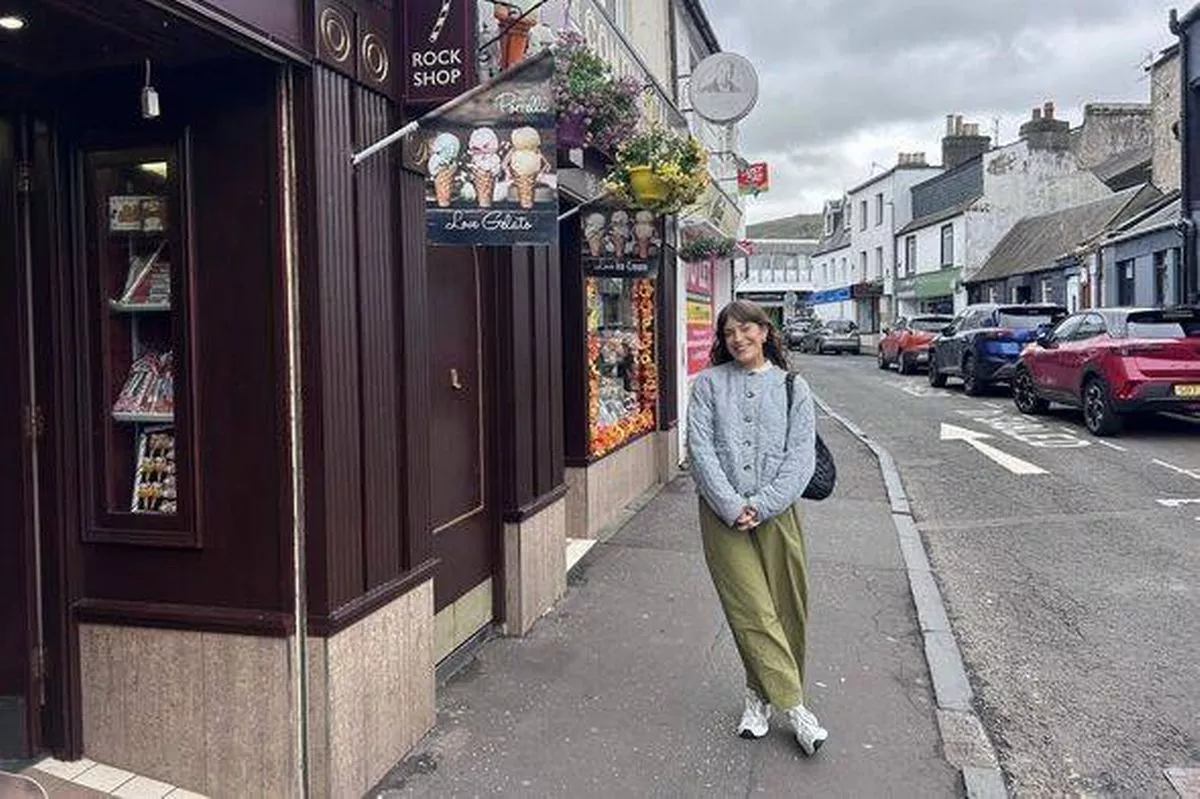
I went to pretty seaside town for the first time in years – one thing really surprised me
It offers stunning coastal views, a thriving high street and a rich history – and it’s perfect even in the rain

Christmas is a really exciting time, but it’ll be January before we know it, and the thought of the long, dark months ahead is enough to ruin anyone’s festive cheer.
However, one easy way to combat the January blues is to get out and about, blowing off the cobwebs by the seaside. And there are definitely no shortage of amazing UK spots to choose from.
There’s one particular location I went to loads when I was younger, that draws crowds in the summer, but is less visited during winter. However, after spending a drizzly and cold weekend there for the first time in years, I’m surprised to say it’s just as charming – maybe even more so.
Largs, an amazing seaside town on Scotland’s west coast, about an hour from Glasgow, is the place in question. Renowned for its Viking museum, quaint amusement arcades and ferry trips to the Isle of Cumbrae, it’s a destination many Scots are likely to have enjoyed during the warm summer days, reports the Express.
It’s one of those places that I remembered so fondly that I was convinced it couldn’t possibly live up to my nostalgic recollections – especially under grey skies.
But on the contrary, our family trip was filled with lovely rainy beach walks, delicious food, and even a couple of unexpected Viking sightings – all without a hint of sunshine.
Nestled by the Firth of Clyde, this charming seaside town offers everything you could want, including an array of lovely hotels and accommodation options. We stayed at the Old Rectory, a stunning holiday home that comfortably sleeps up to 14 guests, complete with a hot tub and ample space for relaxation.
One of the best things about Largs is how close you always are to the waterfront, no matter where you’re staying. The Victorian-style promenade is brimming with activities, sights, and a fantastic selection of eateries serving everything from traditional fish and chips to mouth-watering Thai cuisine.
Largs holds historical significance as the site of a pivotal battle in 1263, marking the end of extensive Viking influence in Scotland. You can delve into this history at the Vikingar museum or immerse yourself in the annual Largs Viking Festival, which we were fortunate enough to experience during our visit, complete with battle re-enactments, live music, and intriguing costumes.
Beyond its Viking heritage, Largs is also renowned for its art deco-style ice cream parlour, a long-standing attraction for visitors over the years.
Nardini’s, hailed as Scotland’s most famous cafe, is a must-visit for its inviting atmosphere and irresistible ice cream. Nestled on the waterfront like Vikingar, it’s an idyllic spot to enjoy a scoop or two of your favourite ice cream flavour.
Beyond its famed frozen treats, Nardini’s also offers a vast selection of cakes and light bites, making it a perfect pit stop for lunch or a quick snack during your seaside strolls. Venture further into the town, and you’ll discover quaint winding streets brimming with independent gift shops, eateries, and even more ice cream parlours.
One morning, we found ourselves at Perk, a vibrant cafe full of plants and books, boasting an impressive menu. The vanilla matcha was divine, and I couldn’t resist ordering the sumptuous feta and avocado waffles.
And if you’re still peckish after your meal, there’s a cake cabinet bursting with pastries and other sweet treats available for takeaway.
While Largs may not be home to any high street giants, it does boast an array of independent vendors showcasing their unique products. A large market tent houses retailers offering everything from organic dog food to wooden lamps, jewellery, soaps, and even tarot readings – a real treasure trove that could keep you occupied all day.
For those looking for a bit of an adventure, a quick ferry ride from the port will whisk you away to the Isle of Cumbrae, home to the lively town of Millport. The island is compact enough to cycle around in just a few hours, with a rewarding pint waiting for you at the end before a swift 10-minute sail back to the mainland.
Nearby lies the stunning Kelburn Castle, a beautiful park and estate that even hosts its own music festival during the summer months. It’s a family-friendly spot, boasting numerous playparks, waterfalls and more to discover – all conveniently located less than 10 minutes from Largs.
But truth be told, Largs itself offers more than enough to keep you entertained for a day or even a weekend. Don’t let the typical Scottish drizzle deter you – it only adds to the charm of the seafront walks and makes the cosy ice-cream parlours even more inviting.
London’s ‘first’ modern tube station reopens after £35million upgrade
A LONDON tube station has reopened after a huge £35million renovation.
Colindale tube station on the Northern Line reopened fully to the public this week with a grand new station entrance.
According to Ian Visits, it is London Underground’s first modern tube station built using a timber construction.
Replacing the former station building – which was much smaller – commuters will find the ticketing hall completely decked out with timber wood.
The wood is meant to reference the area’s aviation heritage as well, as the station sits where the London Aerodrome used to be and host air shows with early versions of planes which were made of wood.
The Aerodrome was then later turned into the RAF Hendon military base.
Read more on travel inspo


The roof has also been designed so that it has a flat section and an arched section, so that the former collects rain and the latter lets rain water run off.
It has been designed this way to stop drains from overflowing.
Part of the roof is also a ‘green’ roof, which means it has plants and vegetation on it.
Inside the ticket hall is the old station clock as well, which has been cleaned up.
There is a new lift for commuters too, as well as large windows letting light flood in and the public to see the trains on the platforms.
Outside the station, pavements have been widened too.
During the construction work, the old platforms were destroyed but two ‘dinner plates’ at either end of the platforms were salvaged.
They were used as warning signals to train drivers during World War II to not stop too long at the station as it was a prime bombing location.
The ‘dinner plates’ were then donated to the local RAF museum.
The final bits of work on the station are currently being completed as passengers use the station once again, with hopes of everything being done by June 2026.
This includes demolishing the old station building, letting out a small retail space – most likely to a café and adding an accessible toilet.
The project on the station has taken place gradually over the past couple of years and has been carried out due to the rising population in the area.
The former station would have been at capacity by the end of 2026, but the new station means that the station will be large enough to accommodate for the new housing projects in the area.
London’s Deputy Mayor for Transport, Seb Dance, said: “The Mayor and I feel strongly that everyone should be able to enjoy everything our great capital has to offer, which means it’s vital we make our transport network as accessible as possible.
“I’m delighted that Colindale is now the 94th step-free Tube station and will benefit from a whole host of other improvements to not only improve accessibility but also support major housing developments in the local area, as well as boosting local businesses and inclusive economic growth.
“More than a third of Underground stations across the capital are step-free and we are determined to keep growing this number as we build a fairer, better London for everyone.”
In other rail news, the world’s most famous train is running services from a major UK city next year.
Plus, five abandoned UK railway stations set to reopen with new train routes – as part of £200million expansion.

Wizz Air’s new £40 route to sun-drenched city that is ‘world’s best place to live’
The city was voted the ‘best place to live’ by Forbes in 2022. With affordable food and drink, stunning architecture and beautiful beaches, it is easy to see why

Wizz Air has just announced a new route to a city named the best in the world to live in.
The Hungarian budget airline will run a new flight service offering daily direct flights from London Gatwick to Valencia in Spain. This route will launch on 29 March 2026 and fares will be available from £40 for a return journey.
Valencia will be one of the main European urban enclaves from which a total solar eclipse can be observed on 12 August 2026. The unique astronomical phenomenon that will not occur again in the Iberian Peninsula until 2090. Although it will still be daylight, at around 8:32 pm the city will be plunged into total darkness for just over a minute. Open spaces facing west are expected to be the best observation points, this is sure to be an unmissable event for astronomy lovers.
The stunning Spanish city was crowned the best place to live in 2022. It is the perfect getaway this March, when the Wizz Air route launches. At that time of the year it boasts balmy 20C temperatures and delivers £4 vino. The beauty of many Spanish cities, including this one, lies in their walkability. Within a small area, you can explore food markets, marvel at ancient architecture, and relax on the beach with a refreshing sangria
.
READ MORE: Free UK attraction for kids crowned best in Europe after 3-year makeoverREAD MORE: Majorca’s new tourist rules including beach games ban – what you need to know
Considering an average meal costs €13.25 (£11.09), a bottle of wine is about €5 (£4.18), and your morning coffee comes in at just € 2.04 (£1.71), according to transfer platform Wise, it’s no wonder Valencia was named the top place to live by Forbes. A must-visit spot is the old town, where you can witness a significant piece of Christian history at the Valencia Cathedral – home to the Holy Grail – which archaeological studies suggest could be the chalice used by Jesus in the Last Supper.
The magnificent Cathedral is a blend of Gothic, Romanesque and Baroque styles, and if you’re feeling adventurous, ascend the Miguelete Tower for a breathtaking panoramic view of the city. Just a stone’s throw away, you’ll discover the UNESCO World Heritage Site of the Silk Exchange (La Lonja de la Seda), the epicentre of Valencia’s thriving silk trade in the 15th century.
This building is a true gem of Gothic architecture, featuring grand columns, detailed stonework and a spectacular ceiling that’s worth straining your neck to see. A true outdoor city, Valencia sees locals enjoying their coffee on sun-drenched plazas in authentic Mediterranean fashion. Don’t miss a stroll through the stunning Turia Gardens, once a riverbed and now one of Spain’s largest urban parks.
Valencia also proudly presents 20km of blue-flag beaches, home to some of the finest Paella restaurants. The only decision you’ll need to make is whether to amble over to nearby Cabanyal or Malvarrosa, or pedal further afield to beaches like El Saler.
If, surprisingly, paella isn’t your cup of tea, the Central Market offers a vast array of fresh produce, including tapas, the juiciest olives you’ll ever savour, and fresh seafood.

#HumAngle2025RoundUp: Here are HumAngle’s 10 Most Read Stories of 2025

1. The Making and Unmaking of Abubakar Shekau – Ahmad Salkida (43,043)
To understand the present and make corrections for the future, we must revisit the past. This investigative exposé details the making and unmaking of Abubakar Shekau; how a boy who was good at playing football became a perfume seller and then a terrorist warlord who orchestrated abductions, killings, and terror across Nigeria.
2. What Resettlement Looks Like When The Gunshots Haven’t Stopped by Sabiqah Bello (35,710)
In this delicate story about Fati Bukar and her son, we look at how lives are affected by insecurity, displacement, and resettlement. This story shows us that the human fallout of the insurgency doesn’t manifest only in the fear of lives and properties; it also takes form in the fear of saying goodbye to a loved one, not to death, but to distance. The story is a reminder that government solutions must involve the people they were created to serve and consider the nuances of their lives.
3. Lost Homes, No Aid: The Forgotten IDPs Uprooted by Terrorists in North Central Nigeria by Isah Ismaila (35,387)
Due to terrorist activities, residents have moved to a Shiroro displacement camp in Niger State, North Central Nigeria. But for these people, life is stalled. Business owners have abandoned their shops, children can no longer go to school, and healthcare doesn’t exist. In this story, we highlight how institutional neglect traps citizens in a cycle of poverty and despair.
4. Boko Haram is Tracking and Assassinating Defectors in Nigeria’s North East. Here is how. By Usman Abba Zanna (29,904)
We reported how former Boko Haram members trying to reintegrate into society have a target on their backs by the group. Here, we showed that renouncing allegiance to the terror groups doesn’t end the war; it simply makes you a different kind of target.
5. Boko Haram/ISWAP Resurgence in Lake Chad Region Sparks Alarm by Usman Abba Zanna (29,553)
Through sophisticated operations, incessant small-scale abductions, and major funds generation from high-profile abductions, we document the resurgence of Boko Haram and ISWAP attacks in the Lake Chad region. These early warning signs show communities witnessing fresh assaults from terrorists, and through open-source monitoring, we reveal how terrorists are amplifying their online presence by leveraging TikTok.
6. Borno’s Resettled Families Are Quietly Fleeing Again by Usman Abba Zanna (24,416)
In 2019, the Borno State government commenced the resettlement of displaced families to Kawuri, their hometown in northeastern Nigeria. The returnees believed that life would return to what they were used to, but their current state is deplorable. In this report, we found that they have no healthcare, no basic essential supplies, and the persistent presence and growing threat of Boko Haram insurgents is forcing them to flee once again.
7. Can Digital Technology Fix Efficiency and Accountability in Nigeria’s Government Agencies? by Ibrahim Adeyemi (21,054)
Nigeria has a long history of a lack of accountability and transparency in public spaces. To reduce this and boost efficiency in Government parastatals, the Central Bank of Nigeria (CBN) established the DocFlow and the MDA Naira Payment Solution.
The DocFlow system was created to digitalise the daily operations of government workers, replacing paper-heavy processes. The MDA Naira Payment Solution is focused on automating payment processes for Ministries, Departments, and Agencies (MDAs), with a system promising to make transactions faster and more accurate while also preventing fraud and reducing errors. We looked at the efficiency of these systems.
8. The Implications of Burkina Faso, Mali, and Niger’s Exit from ECOWAS by Usman Abba Zanna (19,297)
In January, Burkina Faso, Mali, and Niger exited ECOWAS and formed the Alliance of Sahel States (AES). While this exit was celebrated by mass rallies across the three countries, it sent shockwaves through the region. Here, we looked at the economic ramifications and implications of this break.
9. Massacres in Border Communities Ignite New Terror Wave in Benue State by Johnstone Kpilaakaa (18,923)
Benue communities in North-Central Nigeria have been at war with recurring violence between farming communities and nomadic herders over land and resources. This crisis has forced people, young and old, into displacement. In this report, we show that for the old, home no longer exists as they knew it; for the young, home is a place born out of violence and death.
10. The Evasive Funding Channels Sustaining Boko Haram/ISWAP in Nigeria by Aliyu Dahiru (15,036)
People often wonder and ask how terror groups can fund their operations and provide for themselves far away from society. To answer the age-old question of terror financing, this analysis showed us that beneath the violence, beyond the battlefield, terrorists have taken control and now govern civilian spaces, collecting taxes, enforcing laws, and offering basic welfare, particularly within their strongholds in the Lake Chad region. Other illicit financial flows come from crypto donations, smuggling, and black market operations.
The provided content discusses a series of investigative stories covering issues around terrorism, displacement, and digital technology in Nigeria.
Stories include the life and actions of terrorist Abubakar Shekau, the challenges faced by internally displaced persons due to terrorism, and the resettlement issues in regions affected by insurgency. It highlights the targeting of defectors by Boko Haram and the resurgence of this group along with ISWAP in the Lake Chad region.
Additional articles address border massacres in Benue State, the potential of digital technology to improve government efficiency, and the economic implications of Burkina Faso, Mali, and Niger’s exit from ECOWAS.
Also covered are the funding channels for Boko Haram/ISWAP and their impact on society. These stories emphasize the broader socio-economic and security challenges within affected Nigerian communities, urging more informed and people-focused solutions.

Where child stars from Christmas films are now… from shock car chase to ‘dating’ Brad Pitt & marriage to Elon Musk’s ex

THEY were the sweet child actors who made us laugh and cry in our favourite festive films.
But since their big breaks in Christmas movies, few have bagged big parts and many traded fame for ‘normal’ jobs away from our screens.
While the flicks boosted the careers of Matilda star Mara Wilson, whose first role was in A Miracle on 34th Street, and Game of Thrones actor Thomas Brodie-Sangster, who first appeared in Love Actually, not everyone experienced such luck.
The Holiday star Miffy Englefield told us she was forced out of acting for good because she ‘looked older’ than her years.
And another big name, who starred alongside Arnold Schwarzenegger, Natalie Portman and Ewan McGregor, had quit the profession following a “full-blown psychotic breakdown”.
It can be a tough industry that sees some like high-flying star Thomas, who recently returned to his Love Actually role for a Google Pixel ad, rise to international acclaim while others end up in the depths of despair.


From Christmas gigs to jail for car chases, we explore what became of the kids in your favourite Christmas flicks.
Nativity! – Sydney Isitt-Ager
In the 2009 film, child actress Sydney Isitt-Ager played little Sadie in Mr Madden’s class.
The film follows Mr Madden – played by Martin Freeman – as he fibs to his class his Nativity performance has been picked up by a Hollywood bigwig.
Sydney – who is the daughter of Nativity! writer and director Debbie Isitt – starred in all three of the movies.
She went in to study at a theatre college in Epsom, Surrey and bagged her first role as a grown up in a Netflix Christmas film in 2022.
She played Miss Nerris in the film Christmas On Mistletoe Farm – also starring Nativity! co-star Ashley Jensen.
Sydney, now 26, also appeared in Nativity the Musical, on stage, saying: “Did someone say full circle moment?”
Most recently she starred in the stage musical Military Wives, directed by her mum.
Elf – Daniel Tay
The child actor starred opposite Will Ferrell in 2003 Christmas flick Elf.
In the movie, Daniel was just 12 when he played Buddy’s half brother Michael.
Instead of pursuing a career in Hollywood, the brainbox went to study Economics at prestigious US college Yale.
Now 34, he also studied Chinese and coaches students taking their SATs while writing on the side.
The Santa Clause – Eric Lloyd
Eric played adorable Charlie Calvin in all three of the Santa Clause movies with Tim Allen.
Aged just eight when he was cast in the role, he finished up the series in 2002 as a teen.
But now aged 39, he still works in showbiz but opts for a behind the scenes role.
He got into sound engineering and opened his own production studios in Glendale, California.
In 2022, he revived his role to appear in The Santa Clauses, a TV special based off the films, alongside Allen.
Bizarrely, his film co-star David Krumholtz made a WWE Raw appearance.
Bad Santa – Brett Kelly
As dorky Thurman Merman, Brett Kelly had his first role in Bad Santa and its sequel.
He went on to have roles in Paul Feig’s Unaccompanied Minors in 2006 and Adrien Brody film High School before studying business in Canada.
But in 2016, he chose to gain 50lbs to bring back his role as Thurman in Bad Santa 2.
He said: “The pain came after. It took about four months to put on and then I’d say about twice that to take it all off.”
For the last four years, the 32-year-old been starring in Canadian legal drama Family Law where he plays paralegal Cecil Patterson.
Jingle all the Way – Jake Lloyd
The 1996 film was Jake Lloyd’s first Hollywood role – starring as Arnold Schwarznegger’s son Jamie in the holiday romp.
His biggest role came in 1999 when the ten-year-old was cast by George Lucas as Anakin Skywalker in Star Wars: The Phantom Menace.
In 2001, he quit the industry after bullies targeted him over his role in the Sith vs Jedi epic.
He told The Sun at the time: “My entire school life was really a living hell.”
In 2015, Jake was arrested after a car chase and was held for 10 months while awaiting trial.
He was then diagnosed with schizophrenia and transferred to a psychiatric facility in 2023, where he completed to 18-month inpatient stay.
Jake, now 36, said he needed to hit “rock bottom” to help him accept his diagnosis, medication and the need to “honestly take part in treatment”.
Love Actually – Thomas Brodie-Sangster
Thomas was 13 when he starred as Sam who seeks advice from his stepdad Daniel (Liam Neeson) after falling for a classmate.
The London-born actor went on to star in Nanny McPhee and The Maze Runner movies, as well as playing Paul McCartney in the John Lennon biopic Nowhere Boy.
He starred as Jojen Reed in two seasons of Game of Thrones and, more recently, he has appeared in the historical TV drama Wolf Hall: The Mirror and the Light.
In June 2024, Thomas, now 35 married actress Tallulah Riley at Anstey village church in Hertfordshire.
Tallulah, who starred in the 2007 movie St. Trinian’s, previously wed Tesla mogul Elon Musk, twice.
They first married in 2010, divorcing two years later, before tying the knot a second time in 2013 and splitting in 2014.
Deck the Halls – Alia Shawkat
She may be better known for playing Maeby Funke in Arrested Development but one of Alia’s first roles was in Deck the Halls.
She starred as Matthew Broderick’s daughter Madison in the festive flick back in 2006.
Since, she has had roles in Broad City, sells paintings and provided vocals for band Fake Problems in 2010.
This year, Alia, now 36, notched up eight acting credits on IMDB – including runaway hit Severance, starring Adam Scott, Lego Marvel Avengers and Poker Face.
But in 2019 and 2020, there were rumours she was dating Brad Pitt after the pair were repeatedly spotted together.
But Shawkat laughed off the story, telling the New Yorker they were just friends.
She added: “It was so weird. Now it’s like a weird dream, where I’m, like, ‘Did that happen?’
“He was, like, ‘I’m sorry. It happens. If you hang out with me, it happens.’ He had no awareness of it at all.”

Fairytale town dubbed ‘Cornwall on the east coast’ with pretty fishing harbour and no loud arcades
SCATTERED across the UK are a number of beautiful seaside towns and one has been described as looking like Cornwall – despite being over 400 miles away.
The village of Staithes was once the largest fishing port on the North East coast – it’s still used for fishing, but on a much smaller scale.
It has pretty cobbled streets with a small sandy beach that sits inside its natural harbour and traditional seaside cottages.
Despite its position along the Yorkshire coastline, lots of people are saying looks like it belongs in the south.
One wrote on Tripadvisor that it’s the “Cornwall on the east coast”.
Another added that it’s a “place is for good old fashioned fun, no slot machines down here”.


Unlike other seaside towns and villages there aren’t any big piers or arcades.
If you visit during the colder months and need to warm up, then head to Dotty’s Vintage Tearoom for coffee, tea and cake.
There’s also the Royal George Pub, Captain Cook Inn and The Cod and Lobster seafood restaurant which sits on the very edge of the coastline.
The village has independent boutiques and its own museum too where visitors can learn about Captain Cook and the history of Staithes.
Most read in Best of British
You can easily visit other spots along the coast as Staithes sits between Whitby and Middlesbrough along the coastline.
It’s a popular seaside spot and was mentioned by Sun readers as one of their favourite underrated places in Yorkshire.
Sun reader Amy Stevenson said: “There’s no place quite like Staithes, it’s just so picturesque.”
Another mention was from Claire Allen who walked 4,000 miles around the UK coastline, raising money for Shelter charity.
Along the way visited over 1,000 coastal towns and villages – and Staithes is one of her favourites.
She told Country Living: “The view down to the village is almost enough to remember it by, but the narrow streets, pretty houses and a sheltered, sandy beach that’s as popular with fossil hunters as it is with families, put Staithes firmly at the top of the places-to-go-back-to list.
“There are pubs, cafes and tearooms, but not so many that it feels impersonal.
“I met a couple who were so taken with the place, that they’d spontaneously decided to extend their holiday.”
Here’s where to find the ‘best seaside town’ in the UK with a castle on the beach…

Bamburgh in Northumberland is constantly topping the rankings when it comes to the UK’s best seaside town.
The annual Which? ranking of seaside towns is created every year, with thousands of people surveyed about their experiences of UK beach holidays over the last year.
Once again, Bamburgh in Northumberland came top of the pile, making it four years in a row that the north east town has claimed the title.
Bamburgh is renowned for its stunning sandy shoreline, backed by the imposing ruins of its ancient castle.
One Travel Writer who visited said: “Visitors can take a dip in the fresh North Sea if they’re feeling bold, however I decided to simply dig my toes into the soft sand and take in the sights of Bamburgh Castle, which stands imposingly atop a hill behind the beach, creating a real life work of art.
“Making the scene even more idyllic is the small snack van, Bait at Bamburgh, tucked away in a car park behind the dunes.
“Its phenomenal crab crumpets are its signature dish, while local smoked Craster kippers are also on offer, providing beach-goers with delicious gourmet seafood treats plucked straight from the sea in front of them.
“The same locally-sourced produce can be found in places like the Potted Lobster, a relaxed bistro-style restaurant, whose freshly-prepared meals have earned it a place in the Michelin guide on four separate occasions.
“The Copper Kettle and Clock Tower tearooms serve similarly well-regarded fare. The former of the two describes itself as being “widely recognised as one of the finest Tea Rooms in the country” while the latter is part of the castle that draws people to Bamburgh from far and wide.“
Plus, one Sun writer reveals more on the ‘prettiest town’ in Yorkshire where she grew up that southerners won’t have heard of.
And from someone who’s walked 10,000 miles through British countryside names their quaint English village that everyone should visit.
Little-known pink beaches and turquoise lagoons that you won’t believe are in Wales

BEACH lovers heading to Wales are in for a treat – the country is known for its clean water and beautiful scenery, with plenty of activities to keep the whole family entertained.
Wales has 21 Blue Flag beaches, among them Prestatyn in North Wales, Borth in Mid Wales and Trecco Bay Porthcawl in South Wales.
Welsh beaches are also family-friendly – expect safe, sandy stretches that are ideal for children – with options for dog walking all year round, too.
Before checking into your £9.50 Holiday in Wales, you’ll want to know which beach to hit first.
We’ve spoken to local experts and holiday park staff to ask for their top tips on the best beaches in Wales, from the lesser-known gems to the best place for a day out with kids. Here’s what they said…
Best for families
Steph Powell, a parent blogger from south Wales, says: “Caswell Bay is our favourite beach because of its gorgeous open, flat sands (it’s nestled in the beautiful Gower coastline).
“There’s lots of space for playing games in the sand and the sea is just gorgeous.
“There are vendors at the beach entrance to grab food, drinks and beach accessories – or bring a picnic.”
Tip: Get there early if you want a space in the car park, or catch a bus (the number 1 bus connects Swansea Bus Station to Caswell Bay via Mumbles, single fares from £1.60).
Best secret beach
Chantelle Hawkins, Guest Experience Manager at Trecco Bay, recommends escaping the crowds by walking to Pink Bay, one of Porthcawl’s most westerly beaches.
She said: “Hardly anyone goes there. It’s so quiet and it’s such a nice walk through like the sand dunes to get there. It’s full of pebbles and is perfect for a little picnic.”
The beach – accessible via a 15-minute walk from Rest Bay – is named after the unique pink marbling effect in a certain light.
Best for wild swimming
Daniel Start, author of Wild Guide Wales, recommends heading to the coast around Abereiddy in South Wales for a wild swim – whether you prefer the sea or a man-made coastal lake like Abereiddi Blue Lagoon, which was built by miners.
He said: “This spectacular and popular lagoon was created when the old slate quarry was breached, connecting it narrowly to the sea.
The winching tower ruins provide three levels for jumping. Further along the coast path is the beautiful beach of Traeth Llyfn and the rock arch of Penclegyr, which you can swim through.”
Best for dogs
There are dog-friendly walks all along the spectacular Welsh coastline.
You could opt for the stunning Wales Coast Path, which stretches 870 miles in total beside the sea.
And while some beaches have summer restrictions (tip: check beforehand), there are plenty of year-round options for those who like to get their paws sandy.
In North Wales, Conwy Morfa is great at low tide with views across to the Great Orme.
In mid-Wales, the wild and beautiful Ynyslas Beach (neighbouring Borth) welcomes dogs all year round.
Meanwhile, Newton Beach, one of the quieter beaches around Porthcawl in South Wales, is Chantelle Hawkins’ favourite.
She says: “You can make a day of it by continuing the walk to Ogmore Beach, which is also dog-friendly. It’s a lovely walk through dunes and the Merthyr Mawr Nature Reserve.”
Best for watersports
June Williams, 74, from Knighton in Radnorshire, Wales, stayed at Parkdean Resorts Ty Mawr.
She recommends any of Rhyl’s four beaches for a day out, saying: “They’re all lovely beaches, from Rhyl right the way down to Abergele.”
While Rhyl Central is the busiest section and safest for swimming, Rhyl East is the place to go if you want to try watersports such as kite surfing, windsurfing and paddle boarding.
Head to PKS Watersports, next to the Kite Surf Cafe, to hire equipment and book lessons (from £45).
Best beach with a pub
Set just off Pendine Sands, Springwell Inn is a cosy seaside pub with a welcoming atmosphere.
The menu includes home cooked favourites, from burgers to pork loin, and portions are generous.
Sunday roasts are a highlight, and good value (£15 for one course, £19 for two courses; kids’ portions cost £7.50 for one course and £13.50 for two courses).
Choose from beef, pork, turkey and nut roast – finished with a choice of brownie, crumble or sticky toffee pudding.
Beach pubs, cafes with island views and unicorn ice cream shop among Sun readers’ best places to eat and drink in Devon

HEADING to Devon on your next £9.50 Holiday? Then take our experts’ advice on the best places to eat and drink while you’re there.
We’ve spoken to local residents and Sun readers who have holidayed in Devon to get their top tips on the best places to eat and drink – from local pubs to food trucks and everything in between.
Here’s what they said…
Best local pub
If you’re staying in North Devon, Paul Braithwaite, General Manager at Ruda Holiday Park, recommends visiting his favourite pub, The Thatch in Croyde.
He said: “I like old and quirky things. The Thatch is very quaint, dog-friendly and there are always locals there so lots of people you can talk to.
The food is very good and reasonably-priced. I love lobster but they also do great burgers and pub classics.”
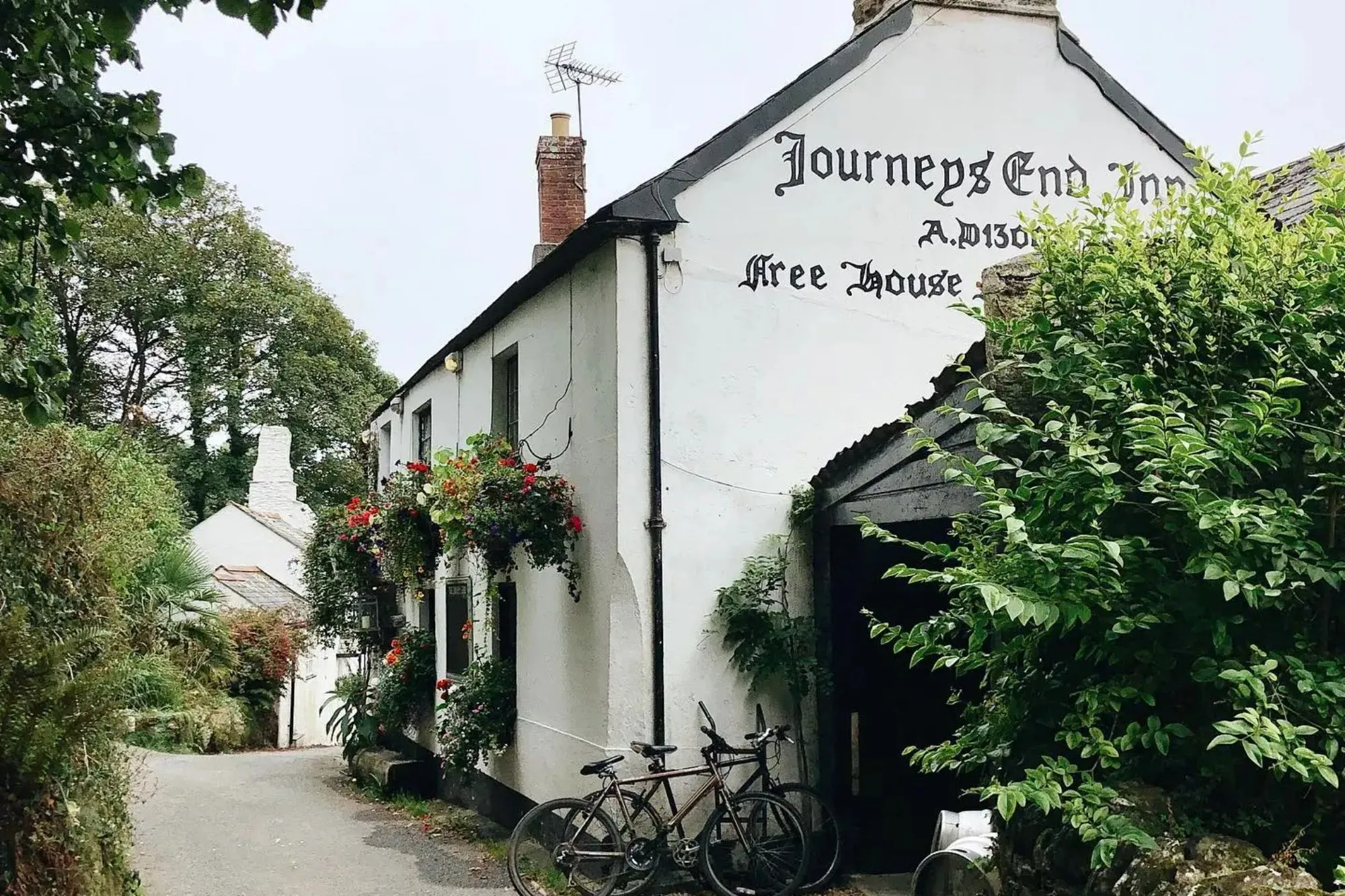
In South Devon, don’t miss The Journey’s End, a 13th-century pub in Ringmore, a ten-minute walk from Challaborough Bay.
Gem Krupa, Holiday Homes Sales Manager at Challaborough Bay Holiday Park, says: “The head chef has won awards for his food and the food is amazing.
“He is Irish but has travelled through Asia so some of his food has got an Asian twist. It’s pub grub, but really, really nice.”
Try wok fried noodles (from £16.50) for dinner or beef sandwiches for lunch (£8). Kids’ meals, like cheeseburgers or fish and chips, cost £8.
Favourite place for a cheap eat
Tessa Lomas, 31, from Braunton, owns Hippy Happy Hoppers, a summertime food truck in Croyde.
You can pick up a hopper (Sri Lankan pancake bowl) with chocolate and banana for £3, or a hearty curry one for £9.
Tessa also recommends Blue Groove in Croyde, a seasonal cafe with a relaxed, seaside vibe and large outdoor terrace.
It serves breakfast, lunch and dinner and you can eat there, or make it even more wallet-friendly by ordering takeaway.
Kids’ egg on toast costs £1.95, while an adult’s breakfast sandwich costs £5 (takeaway).
Family-friendly touches include an outdoor play area and crayons for kids.
This is also a great place to sample local seafood – splash out on West Country mussels (£12.55 for a starter, dining in).
Best for a meal on the beach
If you want proximity to the beach, you can’t beat Beachside Grill, set on Saunton Sands in North Devon.
Sun reader Dawn Brannigan, 54, from Wakefield, said: “It has big windows and a terrace upstairs. You can sit inside or outside, which is really lovely if it’s a nice day.
I travel on my own, so this is a good place to sit and enjoy the view or have a read while I’m eating.”
Mains start at £9 and a kids’ menu is available.
Favourite restaurant
Tessa Lomas recommends The Duck Dive in Braunton. She says: “It has a great menu that changes with the season, good cocktails and a fun atmosphere.
“It’s a restaurant but then switches to a bar so it’s good for dinner and a night out.”
Dawn Brannigan recommends the Tarko Lounge in Barnstaple. She said: “It has a 1920s Art Deco feel, which is really cool.
They have a large menu – I had a lovely all-day breakfast (£9.95) and fresh juice (£3.85 for a pink lemonade). It’s located in Green Lanes shopping centre so it’s good for retail therapy.”
Meanwhile in South Devon, Sun reader Richard Tilley also discovered one of these lounges, Visto Lounge in Torquay, not far from Parkdean Resorts Torquay.
Richard, 62, from Devizes in Wiltshire, said: “It’s nice and modern, and makes good burgers.”
If you’re located closer to Plymouth, try Seco Lounge, which is also modern, family-friendly and allows dogs.
Tip: Bag a bargain with a lunchtime deal – soup and half a panini for £6.25, available weekdays between 12-5pm.
Favourite brunch/breakfast spot
Located at Bigbury-on-Sea, Venus cafe has indoor and outdoor seating that looks out towards Burgh Island and Bantham.
For brunch with a sea view, try an egg bap (£4.99) or a breakfast burrito (Devon free range egg, cheese, bacon and hash brown with sriracha sauce, £9.99).
The cafe has good plant-based options, too, like dahl soup and vegan chilli (mains from £7.99).
Favourite place to get ice cream
On the water’s edge in Plymouth, Pilgrim’s sells arguably the best ice cream around.
Its 22 flavours range from classic clotted cream vanilla to “unicorn” (strawberry, blueberry and marshmallow swirled together).
There are vegan and gluten-free options available, as well as milkshakes and smoothies.

Kawhi Leonard scores season-high 41 points in Clippers’ victory
Kawhi Leonard scored a season-high 41 points and James Harden added 29 as the Clippers beat the Houston Rockets 128-108 on Tuesday night.
Leonard shot 16 for 23 from the field and four for five from long distance as the Clippers won consecutive games for just the second time this season. The Clippers were coming off a 103-88 win over the Lakers on Saturday that broke a five-game skid. The Clippers also won consecutive games Oct. 24-26, against Phoenix and Portland.
Harden, who shot seven for 14 from the field and three for eight from long distance, was helped by 12-for-13 shooting from the line.
John Collins and Kobe Sanders added 13 points apiece and Kris Dunn scored 11 for the Clippers (8-21), who shot 54% (20 for 37) from three-point range.
Kevin Durant scored 22 points on eight-for-15 shooting, and Alperen Sengun finished with 19 points and 11 rebounds for Houston (17-10), which was nine for 30 (30%) from long distance.
Amen Thompson added 19 points for Houston, and Jabari Smith Jr. scored 16 for the Rockets, who have lost four of their last five games.
The Clippers, who trailed by six points after one period, outscored Houston 34-23 in the second and led 63-58 at the break. The Rockets were helped by 10-for-22 shooting from three-point range in the first half. Leonard had 18 points on eight-for-12 shooting in the opening quarters and Harden scored 11.
Durant had 17 first-half points to lead the Rockets. Sengun scored 15 and Smith had 11.
The Clippers led 98-82 after three periods.

Aid cuts push Sudan deeper into “acute hunger” | Sudan war
Khalid Mishain, from the Youth Citizens Observers Network, says cuts to humanitarian funding are deepening Sudan’s crisis, with famine spreading, aid groups pulling back, and hunger set to worsen without immediate action.
Published On 24 Dec 2025
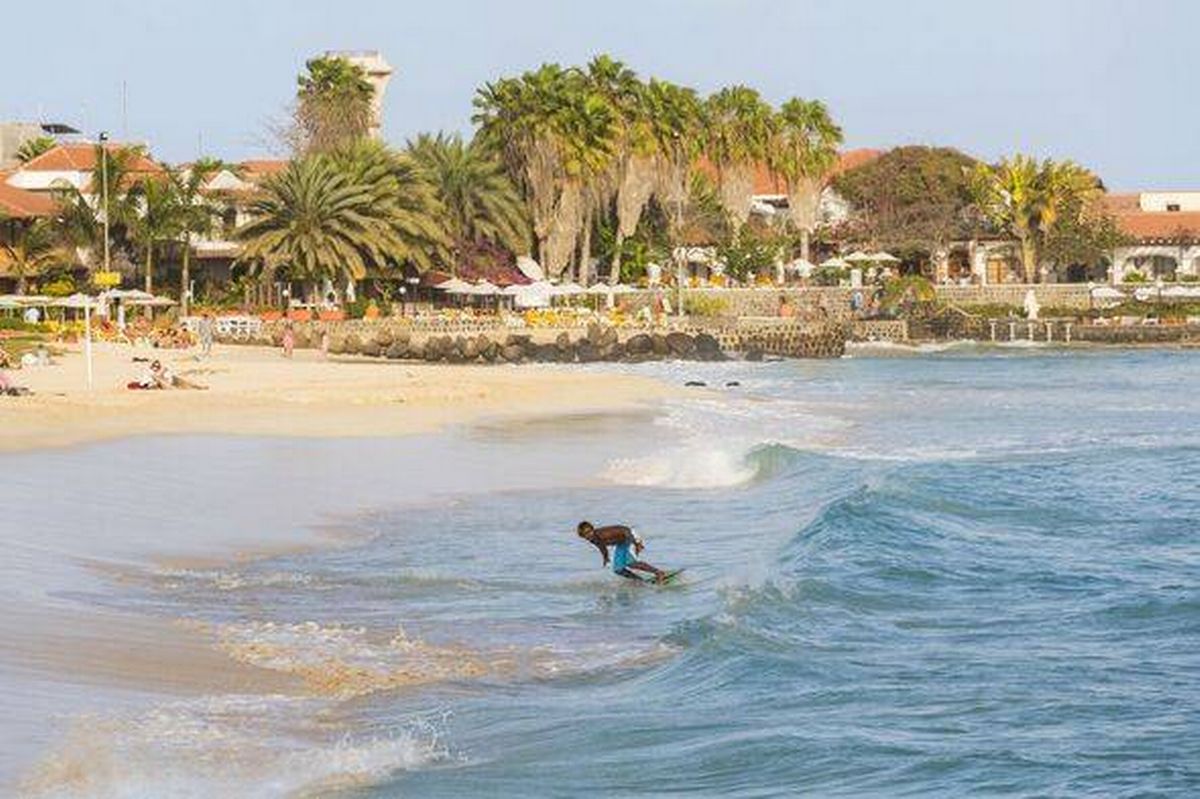
‘World’s best winter sun destination’ has 25C weather and £2.25 pints
The ‘new Canaries’ has been named the best winter sun destination in the world, and it’s just six hours from the UK – with 25C weather and £2.25 pints

A location that’s part of a 10-island archipelago has outshone all the Canary Islands to clinch the top spot in easyJet’s Winter Sun Index, and it’s just a six-hour flight from the UK.
This destination has even earned the monikers ‘the new Canaries’ and ‘the Caribbean without the jet lag’, thanks to its stunning white sandy beaches and convenient accessibility from the UK. With temperatures hitting 25C in January, it’s fast becoming a favourite winter sun retreat. Plus, being only an hour behind the UK means you can forget about jet lag.
easyJet’s ranking system took into account factors such as ease of access from the UK, winter temperatures, hours of sunshine, rainfall, time difference, and on-arrival costs, including the average price of a pint and a meal for two.
Topping the chart is Sal, a member of the Cape Verde islands, which easyJet services from London Gatwick, Manchester, and Bristol. Nestled in the central Atlantic, west of Africa, Sal boasts January temperatures of around 24-25C, a stark contrast to the UK’s meagre 8C, reports the Express.
READ MORE: I visited lesser-known ‘Capital of Christmas’ with £4 mulled wines and Stranger Things linkREAD MORE: Virgin Atlantic launching flights to ‘world’s best destination for millennials’ in 2026
The sea temperature remains at a comfortable 22-24C, slightly cooler than summer peaks but still warm enough for swimming and water sports. The cherry on top?
About 10 hours of daily sunshine, compared to Tenerife’s six or seven, ensuring you get your fill of vitamin D. Cape Verde boasts a mere 1-3mm of rainfall during the winter months, making it one of the driest winter sun destinations. In contrast, Gran Canaria averages 15-20mm and Agadir 28-40mm, indicating a higher likelihood of encountering brief showers.
One-way flights to Sal are available from £91.99, with a variety of package deals offered by easyJet Holidays. For instance, a week-long getaway departing Manchester on January 13 and staying at the four-star Sol Dunas Family Fun is priced at £737 per person. This all-inclusive deal covers meals and drinks, includes 23kg of checked luggage and transfers, and currently offers a £100 discount with the code BIGSALE.
READ MORE: ‘Europe’s answer to Hawaii’ is just 4 hours from UK with flights from £40
For those preferring self-catering, numerous options abound, particularly around Santa Maria in southern Sal. A mix of international and traditional island eateries are available, with easyJet estimating an average meal for two at £30-31.
If you fancy a refreshing pint to beat the heat, the average cost is a wallet-friendly £2.25, significantly cheaper than a round back in the UK.
Southern Sal is a tourist hotspot in Cape Verde, renowned for its pristine white sand beaches and home to many major hotels. However, if you’re keen on exploring less trodden paths, vast areas of the islands remain undeveloped.
Murdeira, located on the island’s west, is a lesser-known gem boasting tranquil beaches with soft sands.
You can even hop on a ferry to explore the neighbouring islands, with Boa Vista just a three-hour journey away. This stunning island boasts a quaint town, Sal Rei, and a few hotels.
It’s encircled by pristine white beaches and crystal-clear waters, and if you’re lucky, you might even stumble upon turtle nesting sites during your beach strolls.
Have you got a holiday story you want to share? Drop us an email at webtravel@reachplc.com
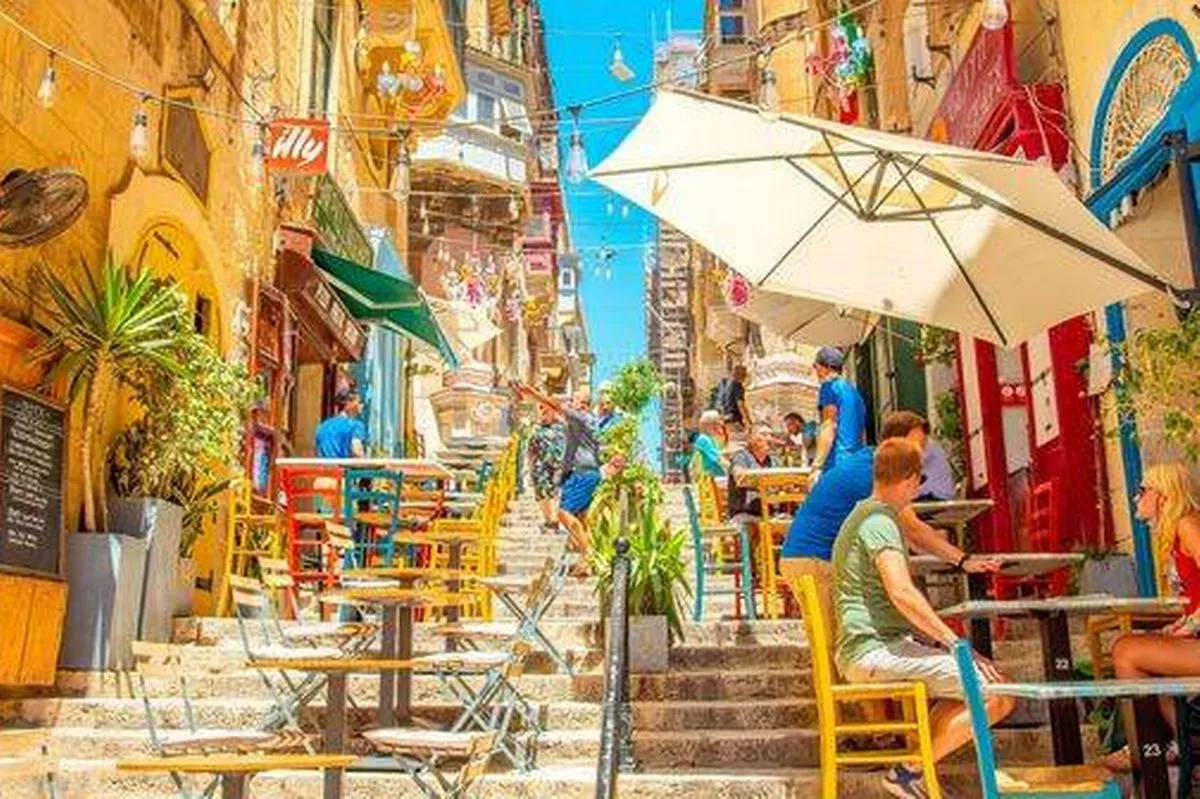
‘Caribbean of Europe’ named warmest holiday destination for January 2026
A study by booking platform Omio has analysed temperature data across European cities to find which have the warmest weather in January 2026

A fresh analysis from travel booking site Omio has crunched temperature figures for European destinations to pinpoint which cities boast the warmest climate.
Nicosia and Valletta have been crowned the toastiest capital cities to escape to in January 2026, both enjoying average temperatures of 16C.
Malta’s stunning capital, Valletta, sees the mercury climb to 16C throughout January, offering “bright blue skies and Mediterranean sea views,” positioning it as an ideal warm getaway that’s only a short flight from British airports.
Travel specialists noted: “Whether wandering the historic harbour of the Port of Valletta, taking the ferry to neighbouring islands, or dining above the coastline at the famous Panorama Restaurant, Valletta’s winter days feel more like early spring.”
One recent visitor to Valletta gushed about the destination on Tripadvisor, dubbing it “the Caribbean in Europe“. He said: “We recently had the pleasure of visiting Valletta, Malta’s enchanting capital, and what an experience it was! I felt compelled to share the magic we encountered on this journey, especially for those planning their first visit to Valletta.
“As we wandered the streets of Valletta, we were surprised to find that the city had a Caribbean-esque vibe, an intriguing blend that made our exploration even more fascinating. The narrow streets, historical buildings, and the laid-back atmosphere added an unexpected but delightful twist to our trip.”
Nicosia in Cyprus also boasts average January highs of 16C. The travel gurus explained: “Cyprus’ capital is the continent’s strongest bet for warm afternoons, al fresco dining and long strolls, where travellers can walk through centuries of history, from the iconic Venetian walls to Büyük Han.
“With direct transport connections and smooth onward travel, Nicosia offers an effortless mid-winter reset for travellers craving daylight and mild weather.”
Top 10 European cities with the warmest temperature in January
- Valletta, Malta
- Nicosia, Cyprus
- Lisbon, Portugal
- Athens, Greece
- Rome, Italy
- Madrid, Spain
- Dublin, Ireland
- Vienna, Austria
- Paris, France,
- Brussels, Belgium