US and Israeli officials praised the countries that did not participate in the high-level meeting. (Archive)
Caracas, October 1, 2026 (venezuelanalysis.com) – Venezuela joined the United States, Israel, and allies in shunning a high-level UN meeting commemorating the 25th anniversary of the Durban Declaration.
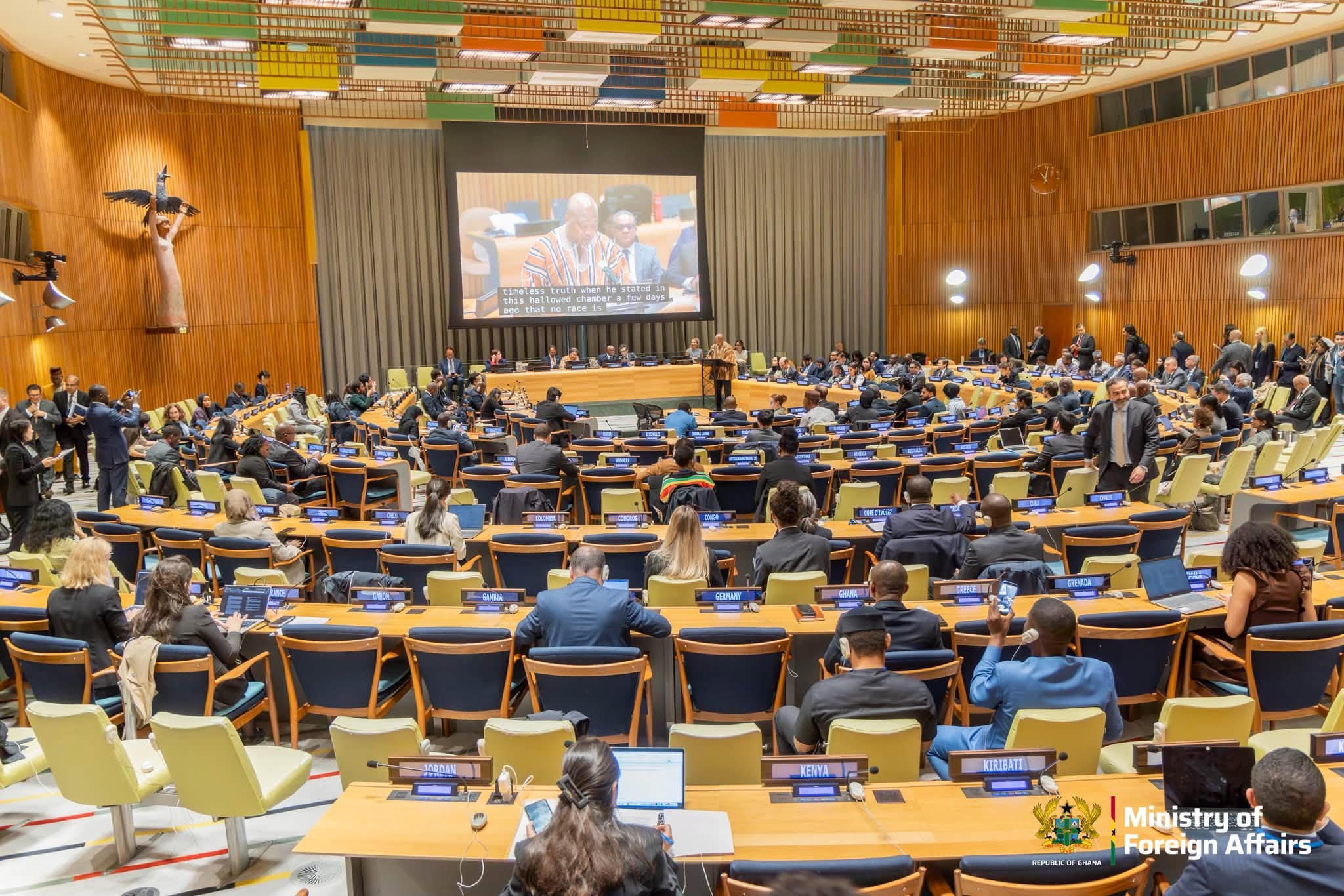
The event took place on Monday at the UN headquarters in New York to celebrate the landmark anti-colonial and anti-racist declaration and programme of action adopted at the Durban Conference in 2001.
“48 UN Member States refused to participate in the UN’s shameful High-Level Meeting commemorating the 25th anniversary of the notorious anti-Western, antisemitic Durban Conference,” US ambassador to the UN Mike Waltz wrote on X. “We thank all Member States who joined the United States in rejecting Durban’s poisonous legacy.”
Waltz posted the flags of the 48 countries that reportedly boycotted Monday’s event. Venezuela joined Argentina, Bolivia, Chile, Colombia, and Paraguay, countries with US-aligned right-wing governments, as the only Latin American countries not to take part. All African and Caribbean countries participated with the exception of South Sudan.
Israel likewise lobbied countries not to attend the event, with ambassador Danny Danon insisting that “the UN must bury Durban’s toxic legacy.”
In his opening remarks at Monday’s meeting, UN Secretary-General António Guterres called the Durban Declaration and Programme of Action a “global blueprint for racial justice and equality.”
Cuban Foreign Minister Bruno Rodríguez told delegates present that “intolerance and supremacist ideologies” are on the rise in Global North countries.
“The wealthiest nations, which benefited from centuries of conquest, colonization, and the transatlantic slave trade, refuse to acknowledge their historical responsibilities,” he said. “Some even opposed this Assembly’s recognition of the slave trade as a crime against humanity, the gravest in history.”
The World Conference against Racism (WCAR), held in Durban, South Africa, from August 31 to September 8, 2001, aimed to establish global strategies against racism, xenophobia, and other forms of intolerance. The US, European countries, and Israel decried draft articles condemning colonialism and the slave trade, as well as declaring Zionism as a form of racism.
Though the language was watered down and non-committal on issues such as reparations, the US and Israeli delegations withdrew from the conference in protest against the final declaration’s references to Israel and proceeded to boycott subsequent gatherings held every five years.
The Venezuelan government did not comment on its decision to join Washington and Tel Aviv in opposing the latest anti-racist meeting.
Former President Hugo Chávez strongly endorsed the original Durban conference and its final resolution. He was likewise a firm backer of Pan-African unity and the Palestinian cause, having severed ties with Israel in 2009 and fiercely denounced the US ally for genocide. His stance was maintained by his successor Nicolás Maduro, who endorsed South Africa’s activation of the Genocide Convention against Israel at the International Court of Justice (ICJ) in 2024. Over their quarter century in power, both administrations also forged closer diplomatic and political-cultural ties with the African continent and approved landmark anti-racial discrimination legislation.
Back at the 20th anniversary commemoration of the Durban Declaration in 2021, then-Venezuelan Foreign Minister Félix Plasencia stated that the text’s “principles and motivations remain more relevant than ever.” Plasencia was reappointed to the post by Acting President Delcy Rodríguez in July.
Rodríguez’s latest decision to diplomatically support Washington and Tel Aviv marks another significant milestone in Caracas’ foreign policy realignment since the January 3 US military strikes and kidnapping of Maduro.
Venezuela re-launched ties with Israel, first accepting a diplomatic and military mission in the wake of the June 24 double earthquake and later announcing further “technical cooperation” and the reestablishment of consular services.
Orthodox Rabbi Isaac Cohen stated in a September interview that Venezuela and Israel are going through a “dating period” that will lead to a “marriage” in the form of a full diplomatic normalization and reopening of embassies.
Caracas further engaged with Tel Aviv by accepting a reported medicine donation from Israel that was financed by Momentum Solutions, a logistics company run by prominent Zionist entrepreneurs Walter and Stephen Arbib.
Venezuelan Health Minister Carlos Alvarado received the donated supplies on Tuesday at the Tiferet synagogue in Caracas alongside Cohen and other representatives from the Venezuelan Jewish community.
Alvarado, who posed for pictures alongside the Israeli flag, claimed that the medicines would address needs in the country’s hospitals. He offered no details on the shipment’s contents.
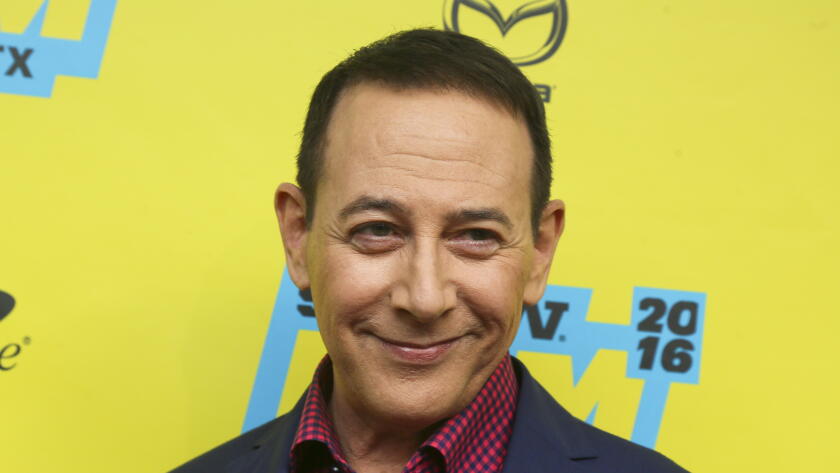
Paul Reubens’ larger-than-life stage presence as Pee-wee Herman carried over into the actor’s home-sweet-home — and this month, fans of the late actor can bid on 439 items from his collection.
Julien’s Auctions is hosting Paul Reubens’ Big Auction at the Groundlings Theatre in Los Angeles on Oct. 28 to celebrate the life and career of the late comedian, actor and writer. Tickets sold out within the day on Friday, but the public may participate in the auction online at juliensauctions.com. Anyone with a Groundlings show ticket can view the exhibition until Oct. 28.
The auction features Pee-wee’s iconic gray suit and other costumes, red Schwinn bicycles, dolls, puppets, claymation figures, scripts and more. The memorabilia comes from Reubens’ major features and TV shows, including “Pee-wee’s Playhouse,” “Pee-wee’s Big Adventure,” “The Pee-wee Herman Show,” “Big Top Pee-wee” and “Pee-wee’s Big Holiday.”
Reubens created the Pee-wee Herman character in 1978 while a member of the Groundlings company. “The Pee-wee Herman Show” began at the Groundlings Theatre, moved to the Roxy Theatre on Sunset Boulevard and aired as a 1981 HBO special. Reubens parlayed the show’s success into the 1985 hit film “Pee-wee’s Big Adventure.” Tim Burton’s feature film directorial debut, the movie had a $7 million budget and earned more than $40 million.
Share via
Paul Reubens, the actor and comedian best known for portraying the character Pee-wee Herman on stage and screen, has died. He was 70.
Next came the Daytime Emmy-winning TV series “Pee-wee’s Playhouse,” which ran from 1986 through 1990 and helped kick-start the careers of now well-known stars including Phil Hartman, Laurence Fishburne and S. Epatha Merkerson. Feature films “Big Top Pee-wee” (1988) and “Pee-wee’s Big Holiday” (2016) followed. Before his death on July 30, 2023, Reubens recorded interviews for the 2025 Emmy-winning documentary miniseries, “Pee-wee as Himself.”
Here are six highlights of the auction:
“Pee-wee’s Big Holiday” Hero Pee-wee Herman Suit
“Pee-wee Herman” hero ensemble.
(Julien’s Auctions)
The iconic slate gray glen plaid suit worn by Paul Reubens in his 2016 Netflix film, complete with white shirt, red bow tie, pocket square, and white loafers. ($8,000-$10,000)
“Pee-wee’s Playhouse” Fridge Food
12 pieces of “food” found in Pee-wee’s fridge.
(Julien’s Auctions)
A collection of 12 prop food pieces from the “Pee-wee’s Playhouse” refrigerator, including a claymation red pepper and bacon with armature arms, olive barbells, frozen food boxes, and desserts. ($800-$1,000)
Pee-wee Herman 1989 JCPenney 40-Inch Limited-Edition Doll
Large Pee-wee Herman doll from the late 1980s.
(Julien’s Auctions)
The 40-inch doll made by Carousel for Reubens’ JCPenney-exclusive line in the late 1980s is one of the rarest Pee-wee Herman collectibles. Only 2,000 were made in 1989, and some were used as store displays. The doll is in its original box, with the original factory shipping carton. ($300-$500)
Paul Reubens’ “Pee Wee” Harmonica
A vintage “Pee Wee” brand harmonica, circa 1945-1951.
(Julien’s Auctions)
A vintage “Pee Wee” brand harmonica made in occupied Japan (circa 1945-1951) in its original box, personally owned by Reubens, who cited this brand as the inspiration for his character’s name. ($100-$200)
“Pee-wee’s Big Adventure” Replica Bicycle with 2011 Visionary Spike TV Scream Award
A full-scale replica of Pee-wee’s red Schwinn DX bicycle.
(Julien’s Auctions)
A full-scale replica of Pee-wee’s iconic red Schwinn DX, ridden by Reubens at the 2011 Spike TV Scream Awards where he accepted the honorary Visionary Award (also included in the auction). ($5,000-$7,000)
Production scripts and storyboards
“The Pee-wee Herman Show” 1981 production script with revision pages.
(Julien’s Auctions)
“Pee-wee’s Playhouse” Season 1 scripts (a collection of 13, one for each episode of Season 1 in 1986)
“Pee-wee’s Big Adventure” script credited to Phil Hartman, Paul Reubens, and Michael Varhol, containing minor differences from the final film including a deleted magic shop scene
“Big Top Pee-wee,” featuring barnyard and farm animal artwork
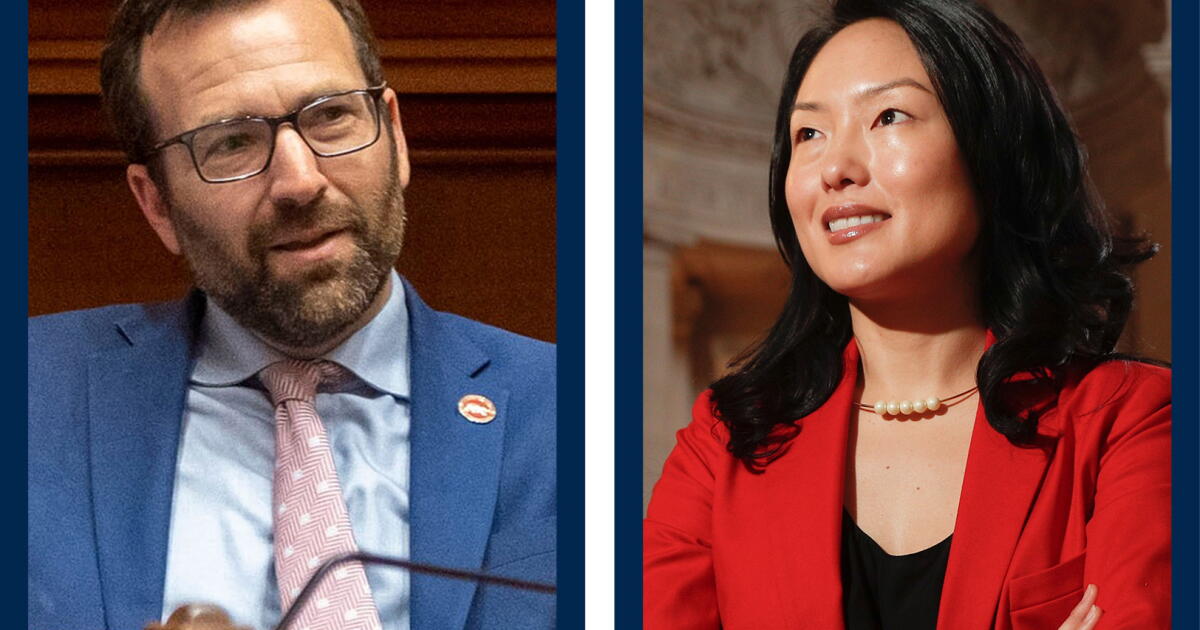
The cornerstone of Kim’s platform is her call for the state-run property disaster insurance program, which largely would be funded by policyholders. Coverage would be universal, with policyholders automatically enrolled. With no need to generate shareholder profits, fund marketing or pay high executive salaries, she contends the plan could better invest in fire prevention and make buildings and property more fire resilient. Such a drastic change in the insurance system would require legislation and support from the governor.
“Voters I’ve talked to don’t want to see the same old tinkering with the system, because most voters agree that it’s actually magical thinking that doing the same tinkering of the existing system is going to lead to a different result,” she said.
Allen is sharply critical of Kim’s plan, which he says is woefully short on details. Instead, he is focusing on the mechanics of improving the current system — for both homeowners and insurers. He wants to speed reviews of insurer rate applications, create a business office to attract more carriers to the state and work with elected officers at all levels to design programs that reduce fire risk of individual properties and at the neighborhood and community scale.
“I’m focused on what’s actually doable. The people who suffer from these terrible fires don’t need a 10-year experiment. Voters of all stripes, not just Republicans, are not interested in making the state a guinea pig,” he said.
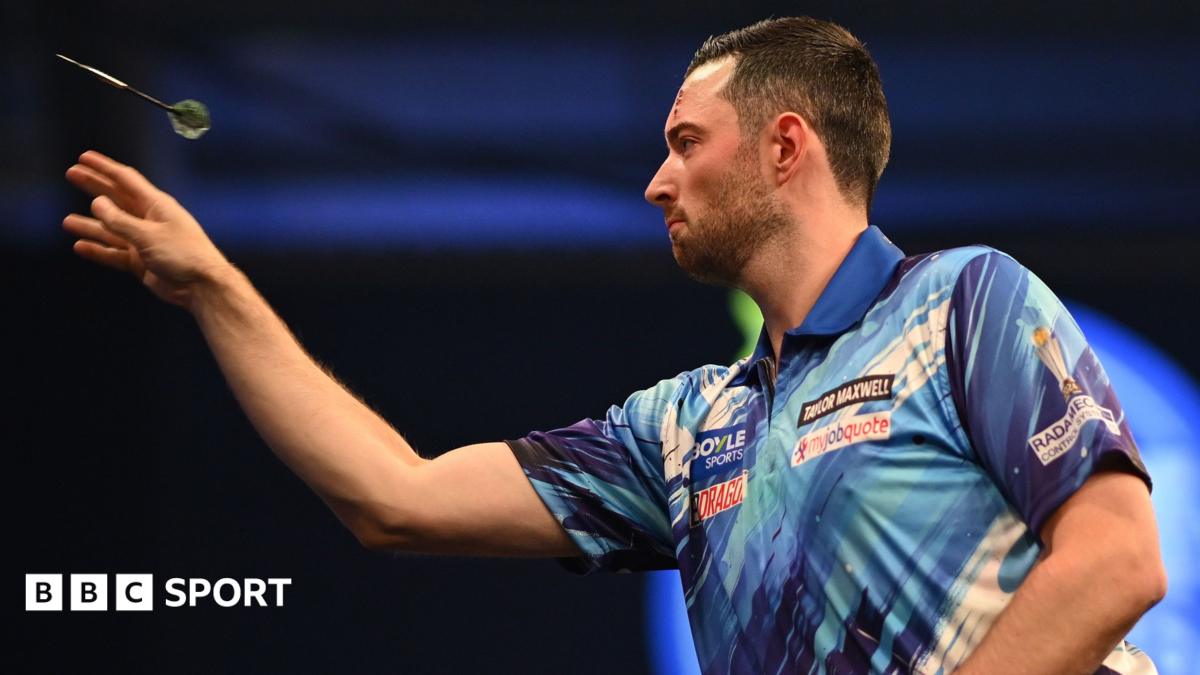
World number two Luke Humphries breezed into the semi-finals of the World Grand Prix with a 3-0 victory over Niels Zonneveld.
The Englishman did not quite hit top gear against the Dutchman – averaging 85.91 and throwing four 180s – but was clinical at the key moments with a checkout success of 33.33%.
Humphries has yet to drop a set in this year’s tournament having whitewashed Dave Chisnall and Jermaine Wattimena in previous rounds.
The 31-year-old will face compatriot James Wade in the last four after he knocked out third seed Gian van Veen with a 3-0 win.
“The way I’m practising, I feel really good, it’s just not been coming out this week. Against James, I know I need it to come out, it’ll be a tough task,” said Humphries, who won the tournament in 2023.
“To make four World Grand Prix finals on the trot would be super special. There’s not many players that will ever do that and James will know he’s got a tough game as well.”
Elsewhere, Nathan Aspinall produced a stellar performance at Leicester’s Mattioli Arena to secure his spot in the last four with a 3-0 victory over Ryan Joyce.
He will play Gerwyn Price in the semis after the Welshman’s superb 3-2 comeback success against his compatriot Jonny Clayton, who spurned a two-set lead and match darts in a thrilling tie.
Smit Machchhar recalls mid-air disaster after co-pilot’s attack on flydubai flight to Tel Aviv.
Published On 2 Oct 20262 Oct 2026
Indian pilot Smit Machchhar, who was stabbed by his co-pilot in an alleged attempt to crash a Flydubai flight to Tel Aviv, has shared a public account of how he managed to open the cockpit door and let passengers take control of the plane despite his injuries.
Speaking on Friday from a hospital bed in Abu Dhabi via video call with Indian Prime Minister Narendra Modi, Machchhar said that he knew the aircraft was going down as he lay bleeding on the floor.
Recommended Stories
list of 3 itemsend of list
“I had suffered so many injuries that I had collapsed. At that time, I could feel that the aircraft was going down. I knew this was the last push, that the door was right there,” he said in a nearly 10-minute video released on the prime minister’s social media channels.
He added: “I was being hit even then, but I just opened the door and everyone came in.”
Machchhar, who has 17 years of aviation experience, including 11 as a captain, said that experience helped him grasp what was happening even while wounded.
He told Modi he had recited a Hindu devotional prayer during the ordeal.
“I know God himself saved me,” he said, in an emotional exchange with Modi, who is from the same home state of Gujarat.
Modi praised Machchhar’s bravery, saying his presence of mind had saved lives and the reputation of Indian pilots.
Machchhar said he allowed passengers and crew to overpower the co-pilot and let a second pair of Flydubai pilots take control and land the plane in Tabuk, Saudi Arabia.
The Flydubai flight was carrying 174 people as it briefly plunged around 17,000 feet (5,180 metres) before it was brought back under control.
UAE presidential adviser Anwar Gargash has called the incident a “terrorist act”, while Israeli Prime Minister Benjamin Netanyahu said the co-pilot had undergone “Islamist radical indoctrination” and appeared “suicidal”.
US President Donald Trump has warned that Iran would be “hit very hard” if found to be linked to the attack.
Heavyweights England play away to Croatia, with captain Harry Kane going up against veteran Luka Modric.
Who: Croatia vs England What: UEFA Nations League 2026-27, Group A3 match Where: Rujevica Stadium, Rijeka, Croatia When: Saturday, October 3, at 6pm local time (16:00 GMT) Howto follow: Al Jazeera Sport will bring you all the build-up and live updates from 13:00 GMT
Action in the Nations League continues this weekend with a matchday three tie between Croatia and England.
Recommended Stories
list of 4 itemsend of list
With a win and a defeat each, Croatia and England have both made a mixed start to this year’s competition.
Drawn in a group alongside the reigning world champions Spain and minnows Czechia, Croatia and England find themselves in an interesting yet challenging pool.
Captain Harry Kane has led from the front for the Three Lions, excelling in front of goal alongside winger Anthony Gordon, while Luka Modric continues to defy age, still playing a vital role in Croatia’s midfield even at 41.
Al Jazeera breaks down everything ahead of Croatia vs England:
What is the UEFA Nations League?
The UEFA Nations League was founded in 2018 to reduce the number of meaningless friendlies and give nations competitive matches against top-ranked teams.
In this competition, countries from across Europe participate in a league structure which features promotion and relegation.
How have Croatia and England played in the Nations League?
Both Croatia and England have won once and lost once.
Croatia started their Nations League campaign with a 2-1 win over Czechia in Prague before losing 4-1 to world champions Spain in Seville.
England, on the other hand, fell 3-2 to Spain in their campaign opener in London before beating a 10-man Czechia side 2-0 in Prague.
When did Croatia and England last meet?
They last met at the 2026 FIFA World Cup.
England beat Croatia 4-2 in a World Cup group game on June 17 in Arlington, Texas. Captain Harry Kane scored a brace, while Marcus Rashford and Jude Bellingham scored a goal apiece.
Croatia vs England: Head-to-head
Matches: 12
Croatia wins: 3
England wins: 7
Draws: 2
Croatia vs England: Form guide
(Last five games, latest results first)
Croatia: L-W-L-W-W
England: W-L-W-L-W
Who are the top players to watch?
Luka Modric and Ivan Perisic (Croatia): The evergreen Modric, very much the heartbeat of the Croatian midfield even at 41 years old, scored the opening goal in their away win in Czechia. Time and again, the captain has pulled the strings in the middle of the park, proving age is just a number. His fellow experienced teammate, Perisic, is also chipping in style, bagging back-to-back assists.
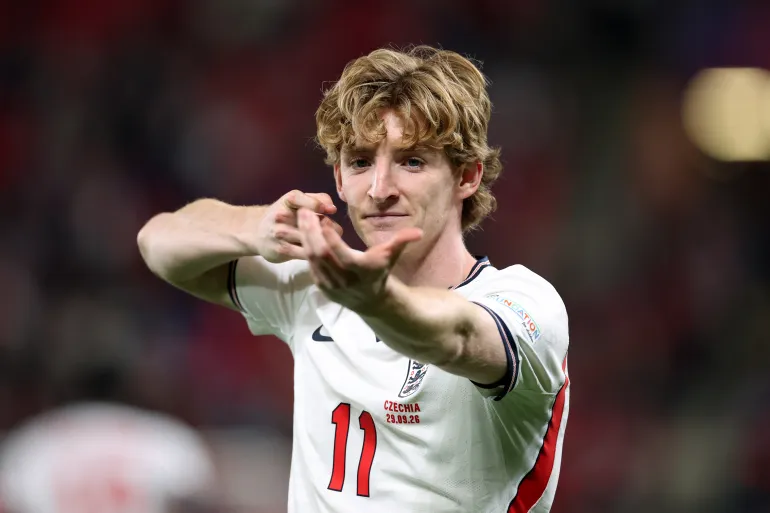
England international Anthony Gordon has scored in back-to-back games [Justin Setterfield/Getty Images]
Harry Kane and Anthony Gordon (England): The script for England has looked the same in the last two games: Gordon opens the scoring, and Kane follows suit. While that wasn’t enough to beat the mighty Spain, it did the job against Czechia. Can this dynamic duo strike again? The numbers swing in their favour – Gordon has five assists already for Barcelona this season, while Kane has scored six times for Bayern Munich.
Team news and predicted lineups
Croatia
Centre-back Martin Erlic is out injured until mid-October, and right-back Josip Juranovic is sidelined with illness.
Probable Croatia XI: Dominik Livakovic; Josip Stanisic, Luka Vuskovic, Josko Gvardiol, Ivan Perisic; Luka Modric, Mateo Kovacic; Luka Sucic, Petar Sucic, Franjo Ivanovic; Dion Beljo
England
England are without left-back Nico O’Reilly, who withdrew from the squad with injury.
Probable England XI: James Trafford; Trent Alexander-Arnold, Trevoh Chalobah, Marc Guehi, Lewis Hall; Elliot Anderson, Miles Lewis-Skelly; Bukayo Saka, Morgan Rogers, Anthony Gordon; Harry Kane
Croatia vs England: TV channel, livestreaming
Croatia: gol
United Kingdom: ITV1
United States: FOX Sports, FuboTV, ViX
India: Sony Sports Network
Middle East and North Africa: beIN SPORTS
South Africa: DStv Stream
You can find your regional broadcaster on UEFA’s official broadcaster listing.
MAYA Jama looked incredible as she stepped out in Paris for Fashion Week – just moments after back in the UK she was being compared to the Honey Monster.
The fashionista and Love Island host is currently making waves on Celebrity Traitors, but in the French capital Maya traded in killer instincts for a killer look in a black and white dress.
Maya Jama looked incredible as she stepped out in Paris for Fashion WeekCredit: GettyThe star looked in great spirits as she appeared at the Louboutin fashion showCredit: Getty
Keeping her long locks poker straight, Maya wore a tight white dress with a black bodice as she arrived at the Louboutin show – wearing snakeskin shoes made by the iconic footwear brand to complete the look.
Smiling and waving, Maya looked in great spirits as she made her way into the Womenswear Spring/Summer 2027 event.
Sign up for the Showbiz newsletter
Thank you!
While she was rubbing shoulders with the fashion world’s elite, back in the UK she was on our screens sporting a very different look on Celebrity Traitors – one that definitely raised eyebrows in a way that was unexpected.
Donning a thick, fluffy mustard yellow coat in the Scottish castle, she quickly drew comparisons with the Sugar Puffs mascot, the Honey Monster.
In a chat with Rob Beckett, the comedian couldn’t help but joke: “You look like the Honey Monster’s lost his head!”
But he better be careful with comments like that – considering he’s one of the people who has his fate in her hands.
The fashionista’s choice of outfit didn’t go down as well on Celebrity TraitorsCredit: BBCThe star partnered her monochrome dress with a pair of snakeskin LouboutinsCredit: Getty
Maya was chosen by host Claudia Winkleman to be one of this year’s traitors, joining Richard E Grant in the ultimate game of deception.
However, while Maya has flown under the radar, suspicion has already been raised around Richard, who foolishly declared he was a traitor within minutes of the roundtable where the killers were decided.
Since then, he’s been working with Maya to try and keep the suspicion at bay, blaming his “excitement” at being on the show for the gaffe, and claiming he was trying to initiate a “Spartacus-like moment” that backfired.
Maya was compared to the honey monster by her fur coat in the Traitors castleCredit: BBCThe model turned heads in the French capital – as on screens in the UK she was causing a stir on The TraitorsCredit: Getty
Now viewers have to wait a week to see if his attempts to throw the faithful off the scent has been successful, with the roundtable which gives the faithful a chance to banish someone ending on a cliffhanger.
If he’s successful, he will rejoin Maya and James in the turret to decide who out of Professor Hannah Fry and Jerry Hall to kill off next.
All the other players had earned their safety in the daily challenge, with Ross Kemp opting to save everyone after they were buried alive rather than go for the prize money.
While they ended up walking away with only half the cash, it cemented his position as a faithful to most of the players – a move which backfired on the traitors, who had placed him as the only star to remain above ground in a bid to raise suspicion on him and his paranoid behaviour.
The Celebrity Traitors continues next Thursday at 8pm on BBC One and BBC iPlayer.
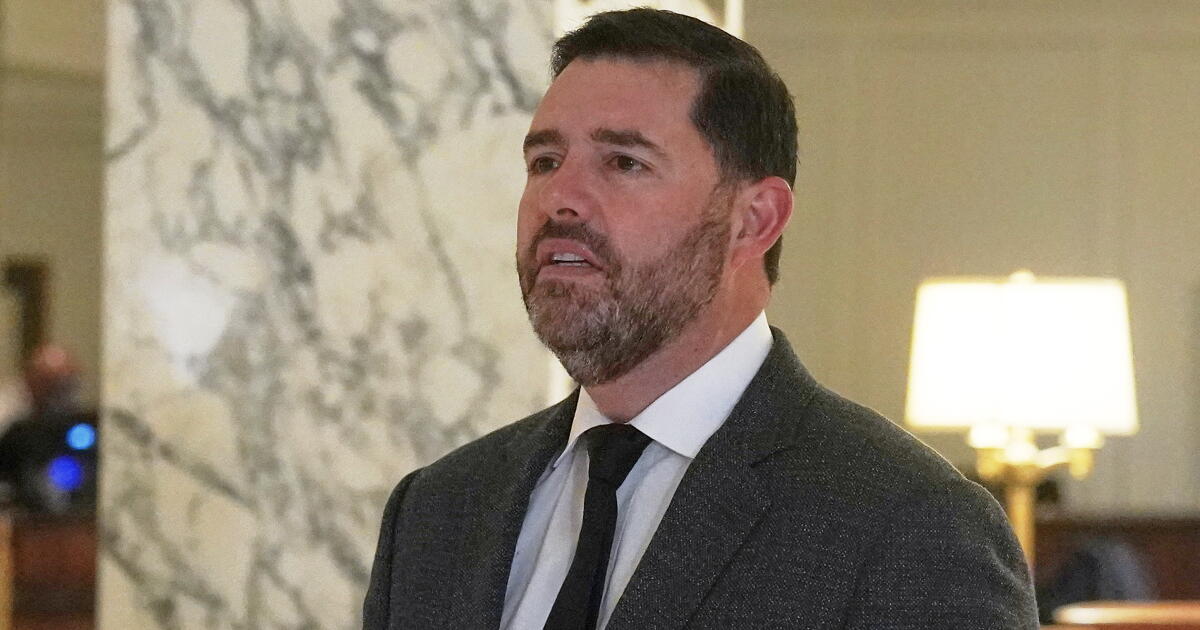
Measure G, propelled by Horvath, will result in expanding the Board of Supervisors from five to nine members in 2032 and create a new county chief executive position, with an election in 2028. It passed narrowly, with 51.6%.
It also called for creating a county ethics commission and an ethics compliance office. Other branches of government already have this, including the city of Los Angeles, where the commission’s duties include overseeing campaign finance, such as the matching funds program for political candidates. The commission also regulates lobbying and can issue penalties for fundraising and other infractions.
The Measure G governance reform task force is setting everything up, but officials realized that for true independence, the seven-member commission and the compliance office must be permanently enshrined in the county charter. That requires the approval of voters.
Establishing the commission and the compliance office, Horvath said in a statement in May, “delivers on the will of the voters and marks a monumental step toward greater transparency and accountability in County government.”
Manchester City‘s spending power unquestionably changed the world football transfer market – their willingness to pay higher fees and wages meant prices rose for everybody else too.
And once the world knows that a club has a wedge of cash burning a hole in its pocket courtesy of City, it can be difficult to spend it.
Asking prices may rise, and having an influx of money is no guarantee of it being well spent.
For many of the teams to whom City paid the most during this time, the money did not work out particularly beneficially.
Let’s take a look at some of the more interesting cases.
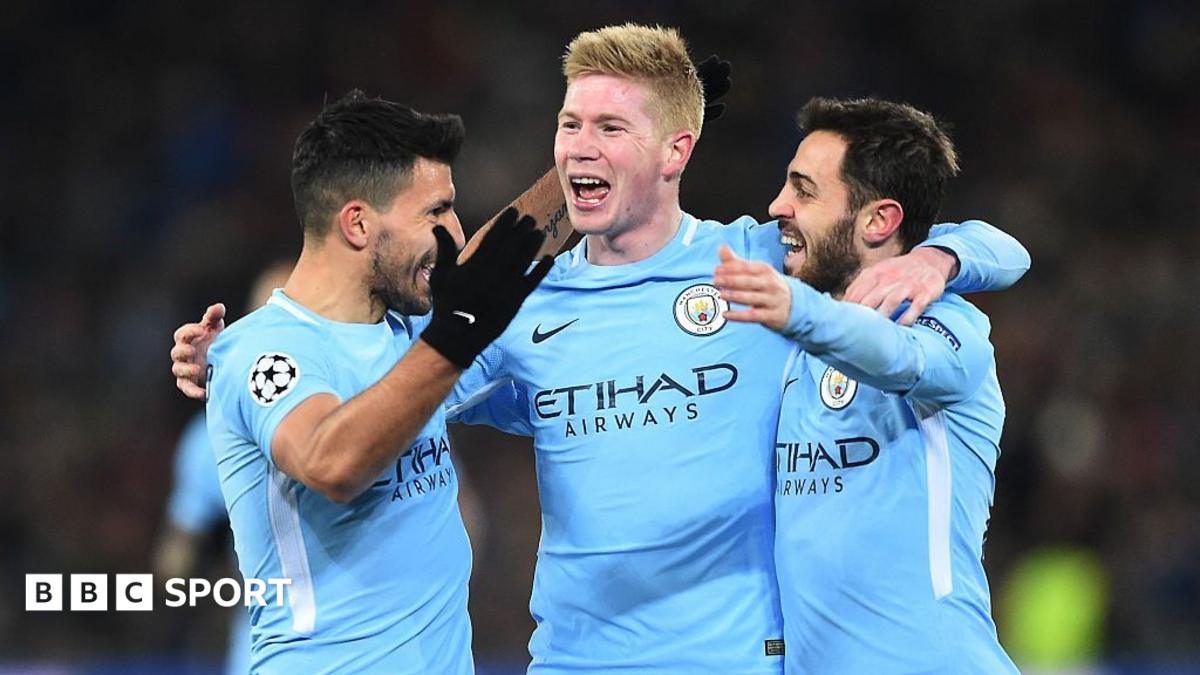
First up, Wolfsburg. They immediately signed winger Julian Draxler for about half the fee received for Kevin de Bruyne in 2016, as well as others including veteran defender Dante.
Having lost De Bruyne, they dropped from second to eighth in the Bundesliga before narrowly avoiding relegation in the subsequent two seasons.
And things did not go particularly well for second highest-ranked club Monaco either.
The most direct players they signed following the sales of Benjamin Mendy and Bernardo Silva in the same summer to Manchester City – Terence Kongolo and Keita Balde – did not work out in the long run, and the team went from winning Ligue 1 and reaching the Champions League semi-finals to almost being relegated within two years.
The club City purchased most players from in the 2009-18 period – Arsenal (four) – did not mount a serious Premier League title challenge during that time.
Some clubs who did not receive payments from City could also argue that the spending of money from their “inflated” accounts compromised their chances.
For example, Manchester City paid very similar totals to Benfica and Porto during the era, but nothing to Sporting, the club which makes up the big three in Portugal.
Sporting did not win a title between 2009 and 2018. There are many reasons for that, but could one of them be the fact that their direct rivals received money from City that would perhaps not have been on offer had they followed football’s financial rules?
Toronto, Canada: As Canadian Prime Minister Mark Carney races to make the country less dependent on the United States, attract billions in new investment and get major projects built faster, his economic overhaul is running into resistance from a group that says it wants many of the same things: organised labour.
The latest clash, over the right to strike, comes after months of mounting pressure on Ottawa from Washington, DC.
Recommended Stories
list of 4 itemsend of list
US President Donald Trump, since taking up a second term in office last year, has imposed steep tariffs on Canadian goods and weakened trade agreements – perilous moves as Canada has historically sent close to 80 percent of its exports to its southern neighbour. He has repeatedly piled on with the tariff threats to make Canada the 51st US state.
Canada has responded with retaliatory tariffs, while a broader movement to “Buy Canadian” has taken hold. The hockey-inspired “elbows up” — meaning a readiness to defend against an opponent — has become a national rallying cry.
With trade talks stalled since August, Carney has moved with urgency to shore up the economy and invite new investments. Last month, he announced Bill C-39, known as the Building Canada Strong Act, promising to bring “speed, certainty and predictability” to investors.
Along with measures to speed up approvals for major projects, the bill would also give Ottawa clearer powers to intervene in legal strikes and lockouts in federally regulated workplaces — a provision that has put Carney on a collision course with unions.
Canada’s largest unions have come together against the changes. The largest, the Canadian Union of Public Employees (CUPE), had its national executive go as far as voting to defy the bill’s proposed limits on the right to strike if it passes Parliament without amendments.
CUPE National President Mark Hancock credited Carney’s handling of Trump and said the union’s 800,000 members, who work everywhere from hospitals to schools to municipal services, want to be part of “Team Canada”.
“But at what cost?” he said in an interview with Al Jazeera.
A fight over the right to strike
The controversy centres on Section 107 of the Canada Labour Code, which already gives the Labour Minister broad powers to step into disputes if needed to maintain “industrial peace”, end work stoppages and force the two sides into a binding arbitration.
Beginning in 2024, Ottawa used the provision eight times to intervene in disputes involving airlines, Canada’s two largest railways, three major ports and Canada Post and again during the Air Canada dispute in 2025 when flight attendants went on strike.
Unions have challenged the use of that law in court and had hoped the proposed C-39 would restrict, if not repeal, that clause while businesses wanted it strengthened.
The bill does neither. Instead, it introduces two conditions that the government would have to fulfil first before turning to Section 107.
Before stepping in, the government would have to appoint a special mediator, wait for a public report and consider whether a work stoppage is hurting the “national interest”.
Once a strike or lockout is underway, the minister could direct the Canada Industrial Relations Board to get operations running again and impose a binding process, such as arbitration.
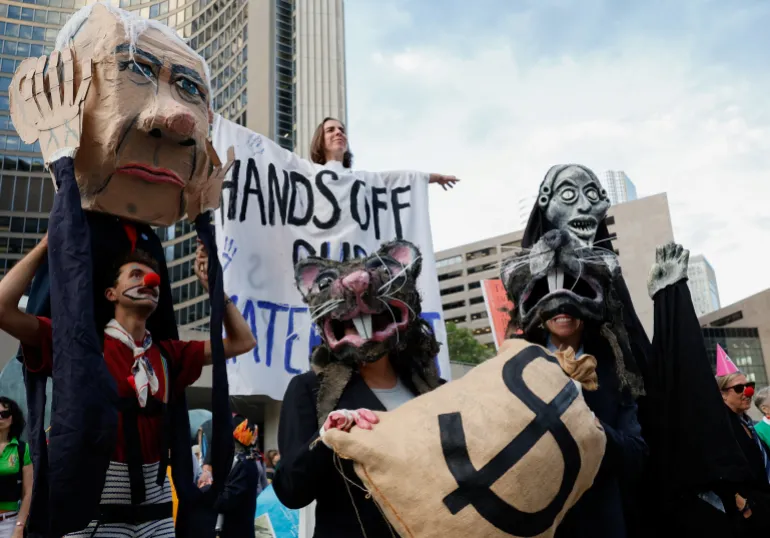
A protester carries an effigy depicting Canada’s Prime Minister Mark Carney as people march to protest against the Canada Investment Summit in Toronto in September [File: Carlos Osorio/Reuters]
The government says those steps put clearer guardrails around a power that already exists, and Carney has said the bill “absolutely reinforces the right to strike”, according to the Canadian Broadcasting Corporation.
Unions have rejected this defence, pointing out that the meaning of “national interest” would ultimately be decided by the minister. They also argue that the prospect of government intervention is bound to change what happens at the bargaining table.
“The political lesson that employers will draw from it is simple,” Larry Savage, a professor of labour studies at Brock University, told Al Jazeera. “Hold out long enough, emphasise the economic damage, and then Ottawa will remove the union’s leverage for you.”
Disruption, Savage said, is precisely what gives a strike its power. “Every effective strike is disruptive,” he said.
Unions say they have already seen employers expect Ottawa to intervene.
Teamsters Canada alleges the Canadian National Railway (CN) and the Canadian Pacific Kansas City (CPKC) railroad companies were counting on Ottawa to step in when they locked out thousands of workers in 2024. Section 107 was invoked within hours.
“Companies have gotten used to the idea that if there is a labour dispute, they can just wait for the government to intervene,” Christopher Monette, Teamsters Canada’s director of public affairs, told Al Jazeera.
CUPE said it saw a similar dynamic at Air Canada in August 2025. Hancock said bargaining stalled after more than 10,000 Air Canada flight attendants voted overwhelmingly to strike because the airline was “expecting the government of Canada to step in and end the strike” — an account Air Canada disputed.
Less than 12 hours after workers walked out, Ottawa invoked Section 107. Air Canada CEO Michael Rousseau later told BNN Bloomberg the airline had expected the provision to be enforced and did not expect a strike.
“That was why they didn’t have a strategy on how to deal with the strike,” Hancock said.
Building Canada faster
The fight over the right to strike is also part of a much bigger argument taking shape around Carney’s economic agenda: Who gets a say in how Canada should change, and how quickly, in the name of making itself less vulnerable to the US?
Critics accuse Carney of using the economic threat from the US to push through changes that go well beyond responding to Trump’s trade war.
New Democratic Party leader Avi Lewis has accused him of using the “fear and disorientation around the trade war to push through a series of unpopular measures that he did not run on, has no mandate for and would never get away with under normal circumstances”.
A protester carries an effigy depicting Canada’s Prime Minister Mark Carney outside the Canada Investment Summit in Toronto [File: Carlos Osorio/Reuters]
That tension was on display in Toronto just a week before C-39 was introduced. Inside Canada’s first national investment summit, hundreds of global investors met with government officials and executives as Carney pitched a country ready to build.
Outside, hundreds of protesters marched through downtown towards the summit’s opening gala under the banner “The Many vs The Money”. The rally brought together labour, Indigenous, environmental and migrant-rights groups, with signs and speeches taking aim at everything from fossil fuel and military projects to AI and the use of public money to attract private investment.
For unions, C-39 has sharpened that debate, pitting the government’s promise of greater certainty for investors against workers’ ability to exert pressure through strikes.
But Jim Stanford, an economist and director of the Vancouver-based Centre for Future Work, questions how much of an economic threat strikes actually pose.
While work stoppages can be costly for individual companies, Stanford said, “It is very, very rare that you would see a noticeable and sustained impact on GDP, employment or incomes.”
Production and transportation are often delayed rather than permanently lost, he added, with businesses catching up once work resumes.
Stanford also questioned the idea that strikes are driving away investment, noting that more than 95 percent of collective bargaining ends without a work stoppage and saying there is “no empirical evidence whatsoever” that strikes have reduced investment.
“This is more of the government giving some icing on the cake for business. It’s not that this has to happen or else our investment won’t work,” he said.
There is also an economic cost to weakening the right to strike, Stanford argued. Workers need bargaining power to win higher wages, which can support consumer spending, productivity and worker retention.
“It may seem like labour peace is a good thing, but if it means that a worker’s share of the pie shrinks, then this actually hurts the economy.”
For labour leaders, that’s where Carney’s economic push goes too far.
“Canada’s unions are part of Team Canada. We have our elbows up,” Canadian Labour Congress President Bea Bruske said in a statement. “But we can’t have our elbows up against Trump with our hands tied at the bargaining table.”
Savage said the government’s “Team Canada” rhetoric risks treating workers’ bargaining power as a national liability.
“I don’t think Canada becomes stronger by telling workers in ports or railways or airlines that their rights have to be surrendered whenever employers invoke competitiveness or the national interest,” he said.
Italy’s Alessandro Bastoni cancels out Michael Olise’s opener for France in 1-1 UEFA Nations League draw in Saint-Denis.
Published On 2 Oct 20262 Oct 2026
Michael Olise scored another superb goal but France were held to a 1-1 draw by Italy on Friday in Zinedine Zidane’s first home game since being appointed coach of Les Bleus.
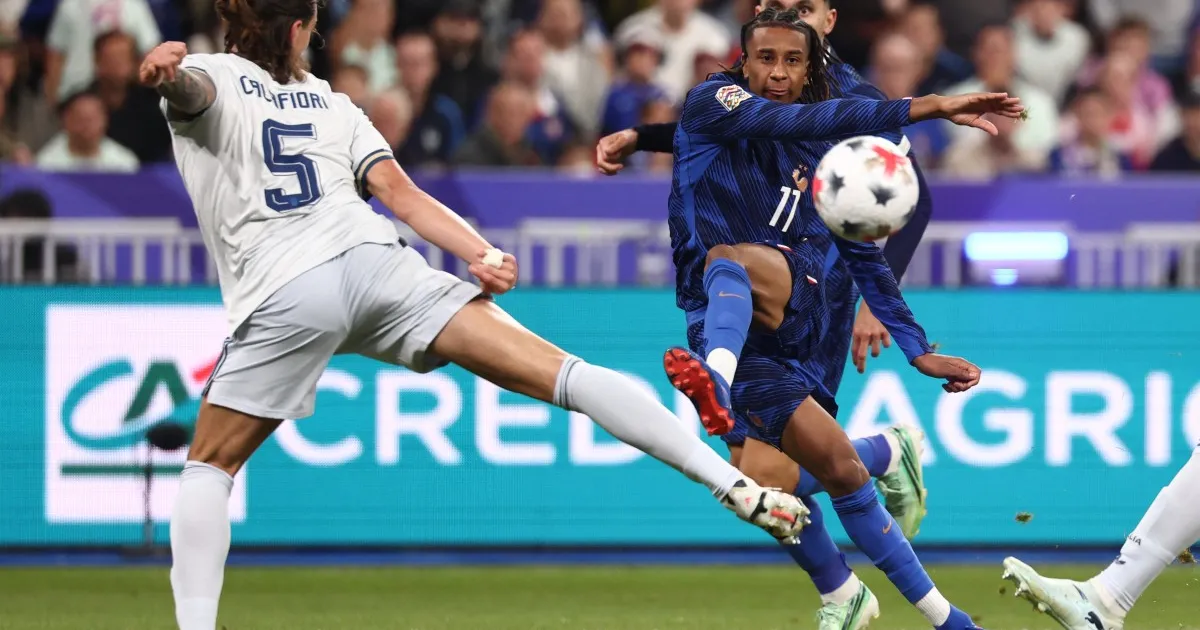
Four days after coming off the bench to score a stunning solo effort to give France a 1-0 win in Belgium, Bayern Munich star Olise again showcased his spectacular talent by smashing a shot in off the crossbar from a free kick early in the second half.
Recommended Stories
list of 4 itemsend of list
However, Inter Milan defender Alessandro Bastoni equalised for Italy midway through the second half to prevent Zidane from making it three wins out of three in charge of his country.
France, who had defender Dayot Upamecano sent off late on, lead UEFA Nations League Group A1 with seven points, with Belgium just behind on six points after a 3-0 win over Turkiye.
France and Belgium meet on Monday in their last match of this two-week international window. Italy have four points before hosting Turkiye next.
Zidane was the focus of attention as his home debut, before a packed crowd of 77,118 at the Stade de France just outside Paris, came against the same opponents as in his final game as a player.
The now 54-year-old icon and former Ballon d’Or winner never played again after being sent off for an infamous headbutt on Marco Materazzi in the 2006 World Cup final in Berlin, which Italy won on penalties.
It was a first appearance for the former Real Madrid playmaker at France’s national stadium since he played in a friendly against Mexico in May 2006, winning his 100th cap in the process.
Beyond the spotlight on his past, Zidane is trying to stamp his mark on the France team in this Nations League campaign, with one eye on the next major tournament, Euro 2028.
He was again without captain Kylian Mbappe here with the Real striker having returned to his club after suffering a knee injury while scoring the winner in Turkiye last week.
Olise returned to the starting lineup in one of six changes from the Belgium game, but new faces Jeremy Jacquet, the Liverpool defender, and Como midfielder Lucas Da Cunha again played.
Italy are rebuilding under Roberto Mancini, who has returned for a second spell as coach of a nation who have failed to qualify for the last three World Cups.
They will be the happier of the two teams with the draw in this game, although they had goalkeeper and captain Gianluigi Donnarumma to thank for keeping them in it with a host of saves in the second half.
Moise Kean should have given Italy an early lead after a sweeping move, only for his disappointing finish to be saved by Mike Maignan.
Davide Frattesi also came close in the first half while Kean had a goal disallowed for offside, as an Olise cross that landed on the bar was as close as France came.
The hosts turned up the volume after the break and Donnarumma saved from Desire Doue, Ousmane Dembele and Olise before the latter crashed in the opener on 55 minutes when Rayan Cherki laid off a dead ball.
However, Bastoni caught Da Cunha in possession just outside the France box and was left with an easy finish to pull the visitors level.
Donnarumma, formerly of Paris Saint-Germain, then produced more magic to save from Adrien Rabiot and twice from Eduardo Camavinga, before Upamecano walked for a second yellow on 85 minutes.
Walt Disney Co. laid off nearly 300 workers this week, the latest wave in an industry-wide consolidation that continues to reverberate throughout Southern California.
Several people close to the Burbank entertainment giant confirmed this week’s cuts, which came as Disney separately offered early retirement packages for older workers. The voluntary separation program is underway, and the number of executives who will exit later this year has not been determined, one of the knowledgeable sources said Friday.
D’Amaro took the reins from former CEO Bob Iger in March, and the former parks chief has begun to organize the company around a “One Disney” approach to break down corporate silos that sprouted with each large acquisition, including Disney’s 2019 takeover of much of 21st Century Fox.
Disney also has been working for the past year to make Disney+ the company’s central streaming hub. As part of that effort, executives have begun to diminish the Hulu service and brand, which sprung to life nearly 20 years ago.
Disney employees are bracing for further cuts. Many expect a significant television division restructuring early next year, which could result in hundreds of layoffs, according to the Wall Street Journal.
Disney’s legal government affairs department also will be downsized, according to a recent internal memo Disney Chief Legal Officer Horacio Gutierrez.
A Disney spokesperson declined to comment.
Disney President Dana Walden, during a Thursday appearance at Bloomberg News’ Screentime media conference in Hollywood, acknowledged the industry turmoil.
Traditional studios and TV networks have shed tens of thousands workers in recent years after the streaming bubble burst and twin labor strikes paused projects.
Production workers in Los Angeles have felt a double-whammy as other states and countries have offered generous tax subsidies that have pulled productions from L.A.
Separately, Warner Bros. Discovery workers are anxious that David Ellison’s planned takeover of their company next week will ultimately result in hundreds of layoffs as the tech scion and his team hunt for $6 billion in cost cuts that they promised investors and prospective debt holders.
The merger will leave the combined company, which will go by the name Skydance, with more than $80 billion in debt.
Walden suggested her company’s cuts would be more modest. She said restructurings were necessary as companies adapt to changing consumption patterns, which have eroded the more lucrative TV economics of yesteryear.
“There is a need to constantly evaluate how you’re structured,” Walden said. “It is extremely painful. We’ve exited colleagues who I’ve worked with for most of my career and it is, in many ways, a harsh reality.”
She described Disney’s voluntary retirement program as a “generous” program to give “long-tenured executives agency and the opportunity to make their own decisions around whether the timing was right to leave.”
“This evolution, it will never stop,” Walden added. “Technology set their sights on our business, and we must survive, and thrive and grow. And that’s what we’re going to do.”
Gaspar founded Gaspar Insurance in 2008 and sold it in 2021 after he built it into one of the largest independent insurance companies in the Valley, and worked with several nonprofit and community groups: Discovery Cube Los Angeles, YMCA of Metropolitan Los Angeles, Viewpoint School‘s board of trustees and the West Valley/Warner Center Chamber of Commerce.
He would bring a pro-business perspective to City Council and help it make decisions that support business owners and residents alike.
Gaspar came in first during the primary election with 46.1% of the vote. He is running with support from groups including the Valley Industry & Commerce Assn. and the Los Angeles Police Protective League, a union representing LAPD officers. He’s also been endorsed by Blumenfield, L.A. County Supervisor Kathryn Barger, real estate developer Rick Caruso and former Democratic state Assemblymember Bob Hertzberg, Worth Girvan’s former boss.
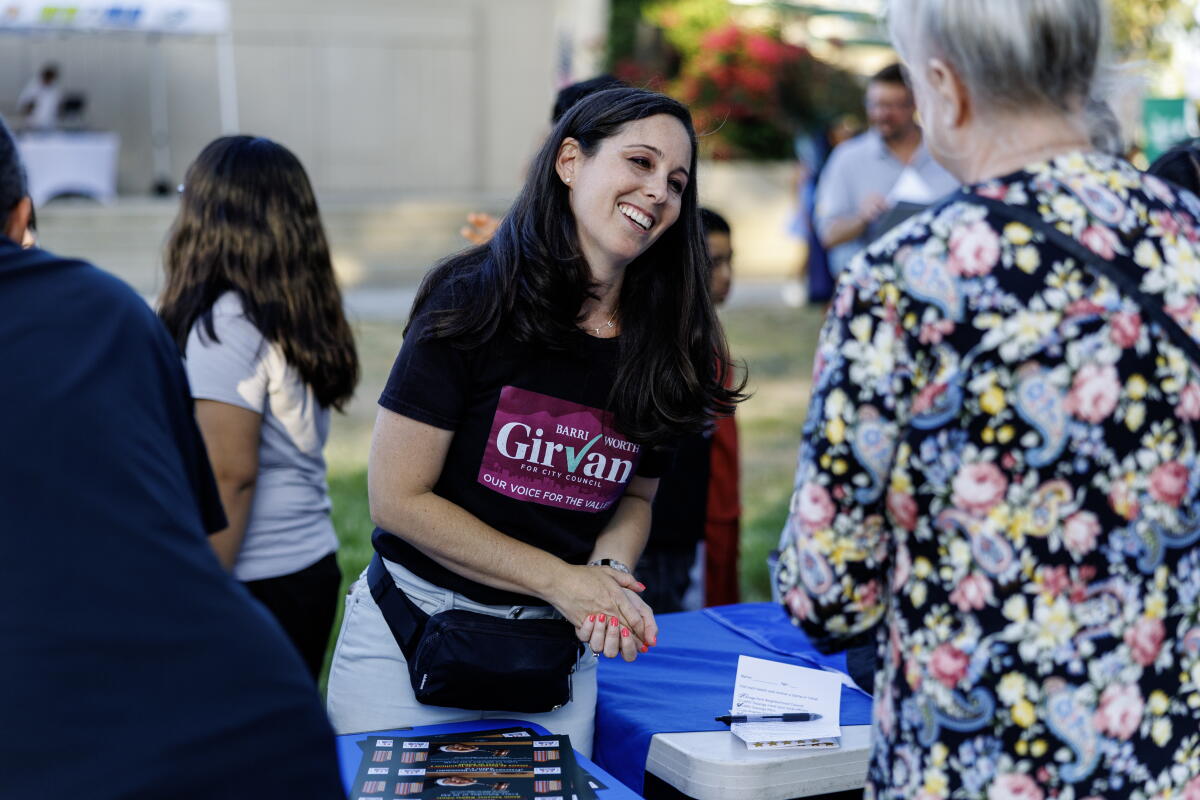
Worth Girvan meets voters during a neighborhood event in Canoga Park’s Lanark Park.
(Gina Ferazzi/Los Angeles Times)
Worth Girvan is a longtime city and county employee, with nearly 20 years working in public service. Prior to running, she was L.A. County Supervisor Lindsey Horvath’s district director for three years, handling constituent services on the Westside and in the Valley.
Before that, she spent eight years as an aide to Hertzberg, who failed to take Horvath’s seat in 2022.
Worth Girvan secured 42.5% of the vote in the primary, only 4% shy of her opponent.
Worth Girvan said her two decades of experience at the city and county levels have helped her build relationships and gain deep knowledge of the communities she works with.
“It allows me to be able to make a phone call and to be able to know how to bring about the change that we need,” she said.
She’s been endorsed by the L.A. County Democratic Party and labor unions including the local chapters of the International Brotherhood of Electrical Workers and the Service Employees International Union. She’s also been endorsed by Horvath and former L.A. Mayor Antonio Villaraigosa.
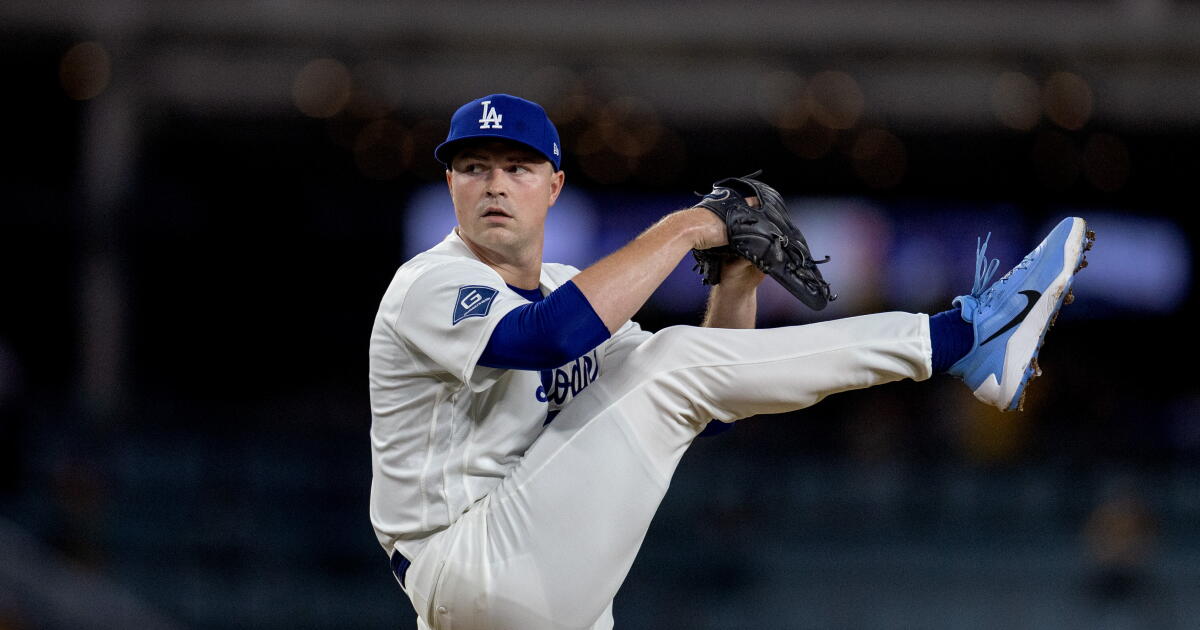
When the Dodgers acquired left-hander Tarik Skubal at the trade deadline, they expected him to be a big part of their postseason plans. But they didn’t necessarily pencil him in as their Game 1 starter.
After mulling over their options this week, the Dodgers are expected to announce Friday that Skubal will take the mound in Game 1 of the National League Division Series, confirmed a person with knowledge of the situation who was not authorized to speak publicly.
Their plans for a sweltering 1 p.m. start Saturday against the Braves were first reported by the Athletic.
The rest of the Dodgers’ rotation order was not immediately clear, but right-hander Yoshinobu Yamamoto — who had seemed a strong option for Game 1 after his World Series heroics last year — pitched to batters during the Dodgers’ workout Wednesday. If he takes his usual five days of rest, that would line him up to pitch Game 3 in Atlanta on Tuesday. So, left-hander Blake Snell could pitch Game 2 Sunday at Dodger Stadium.
“To be honest, we can kind of really put all four guys in a hat and run them out there,” manager Dave Roberts said Tuesday. “But I think there is going to be more thought behind it.”
Skubal, who the Dodgers acquired from the Tigers for three prospects, has posted a 2.61 ERA in 10 starts for Los Angeles. He finished his regular season with a gem against the Giants last week: seven three-hit innings on just 75 pitches.
Bosnia and Herzegovina votes on October 4 in an election that may determine whether the country breaks its political deadlock, strengthens its path towards the European Union or faces fresh divisions that could reverberate across the Balkans.
Two Iranian nationals have been charged with terror offences over an alleged plot to target the Jewish community in Manchester ahead of Yom Kippur, Counter Terrorism Policing has said.
Rahman Salehi, 35, and Salam Ahmadyan, 36, are accused of preparing to commit an act of terrorism or assisting another to commit an act of terrorism on or before 20 September.
The duo were arrested in the Northern Quarter area of the city, when thousands of British Jews were in synagogues.
Home Secretary Shabana Mahmood said the news two Iranian men have been charged over an alleged plot in the Manchester area would be “deeply distressing” to the Jewish community and added “both suspects arrived by small boat several years ago”.
The men are due to appear at Westminster Magistrates’ Court on Saturday.
THE heartbroken sister of Gypsy Rose Blanchard’s ex has slammed her over what she claims are lies about their relationship and his sudden death, The U.S. Sun can reveal.
Autumn Urker, 31, alleges her brother Ken had split from Gypsy weeks before he died and claims she WASN’T the one who raised the alarm before his body was discovered.
Ken Urker’s sister has hit out at Gypsy Rose Blanchard after her brother’s deathCredit: TikTok/shortykinssGypsy Rose Blanchard and Ken Urker in a happier social media photoCredit: Instagram/gypsyrose.insta
Ken, who shared one-year-old daughter Aurora with Gypsy, was found dead in his bed at his Louisiana home on Thursday, his 34th birthday.
Gypsy said her final message to Ken was a “Happy Birthday” text and claimed she became concerned when he failed to respond.
Sign up for the Showbiz newsletter
Thank you!
But speaking exclusively to The U.S. Sun, Ken’s sister Autumn blasted what she described as “lies” surrounding his death and relationship with Gypsy.
She said, “Gypsy had no right to lie and say that it was because of some text that she sent to him.”
A police report obtained by The U.S. Sun shows other family members contacted authorities.
Autumn claimed Gypsy had been telling people “they were engaged and planning a baby number two,” but “none of that was true.”
“They were not together,” Autumn said.
Asked when they split, Autumn said it was “over a month ago” and claimed Ken was the one who ended the relationship.
Most read in Entertainment
She said, “When he was like, ‘I’m done,’ she’d do a thing, and so it was a fight whenever they split.”
Following Ken’s sudden death, Gypsy shared an emotional tribute describing him as her “greatest love story” and saying he would “forever be my soulmate and my red string.”
But Autumn hit back, saying, “It’s a slap in the face. You don’t have to lie and make it seem like something.”
The U.S. Sun has reached out to Gypsy for comment.
Gypsy Rose Blanchard posting this photograph of her ex as she paid tribute to himCredit: Instagram/Gypsy Rose BlanchardAutumn Urker claims her brother was distressed about his his relationship with GypsyCredit: TikTok/shortykinss
Gypsy has also said she believes Ken died of an overdose, although she said she did not know whether it was intentional.
Police records obtained by The U.S. Sun list the incident as an “overdose,” but an official cause and manner of death have not yet been released.
A handgun was also found in a holster beside his bed.
Asked whether she believed her brother’s death was intentional, Autumn said, “Accident. So I have more details, so we’re just keeping [them] private.”
The report says Gypsy’s half-brother Dylan Blanchard and his wife Anita decided to check on Ken and contacted the Lafourche Parish Sheriff’s Office after becoming concerned about his behavior the night before and learning from his boss, Justin Daigle, that he had not shown up for work.
Dylan reached an unlocked bedroom window and spotted Ken unconscious on his bed.
Dylan and Justin then moved the blinds and climbed through the window, where Justin touched Ken and discovered he was cold and not breathing, the report reads.
The records do not state that Gypsy was at the home when Ken was discovered or that she was the person who contacted authorities.
Deputies reported finding syringes and a spoon next to a “brown powdery substance” in the bathroom.
Another syringe was found on the nightstand beside Ken’s bed, along with a handgun, according to the report.
Autumn revealed she had spoken to Ken just hours earlier, with their conversation continuing past midnight.
She said, “He said he just had to work, he was going home, he was tired, so he was going to go to sleep, and then he had work in the morning.”
Their final conversation ended as their calls normally did.
Autumn recalled, “‘I love you’ — it just… That’s how we hang up the phone, you know, we say that we love each other. He didn’t say anything weird.”
Autumn also revealed Ken had been deeply troubled by the reaction to an old prison phone call between him and Gypsy that resurfaced online shortly before his death.
She said, “He asked me what I thought about the phone call that everybody’s been playing this past week, calling him the most sick things, and I told him he wasn’t that guy.”
Autumn said the cyberbullying Ken faced had taken a toll.
She recalled Ken asking her, “Is this call weird?” before she reassured him, “No, it was not weird.”
Autumn said they had plans to meet for dinner or “something” on his birthday before he was found unresponsive.
Paying tribute to her brother, Autumn said, “My brother was a great man. He was the kind of man that tried to love the broken. He was the kind of man that believed without demanding proof.”
She described Ken as a loving father, brother, son and friend who made people feel heard, adding that their mother was “devastated.”
Ken first contacted Gypsy in 2017 after watching Mommy Dead and Dearest while she was serving prison time for her role in the murder of her mother, Dee Dee Blanchard.
The pair later rekindled their romance and welcomed Aurora in December 2024.
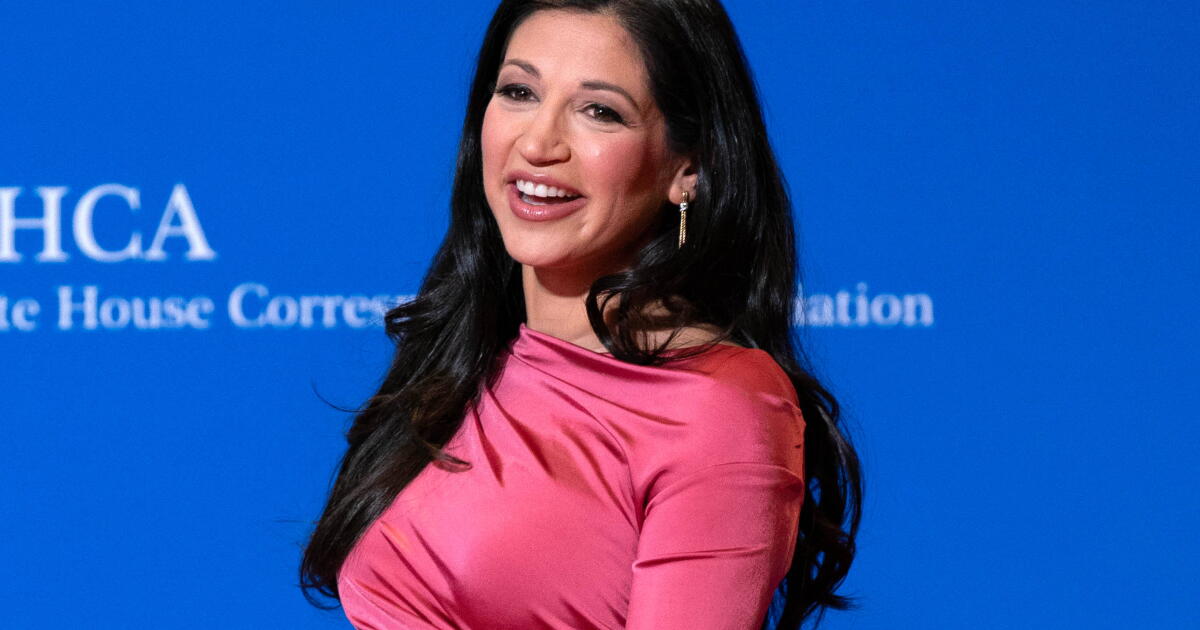
WASHINGTON — A Massachusetts man was arrested Thursday in a federal case alleging he cyberstalked conservative podcaster and former Trump administration official Katie Miller, targeting her dozens of times with menacing phone calls and messages, according to court papers.
Authorities say the man contacted Katie Miller at least 40 times over the course of several weeks, sometimes leaving disturbing voicemails and text messages about her and her husband, Stephen Miller, who serves as White House deputy chief of staff. He also sent messages to phone numbers for her parents, according to prosecutors.
John Anthony Proia III, 41, is charged with one count of cyberstalking. An attorney listed for him didn’t immediately respond to an email seeking comment on Thursday.
The court documents do not identify the victim by name, but a person familiar with the matter confirmed that it is Katie Miller. The person spoke on the condition of anonymity to discuss non-public parts of the investigation.
“Those who use technology to harass, intimidate or torment others should understand that attempts to anonymize their criminal conduct will not shield them from prosecution,” Leah Foley, the U.S. Aattorney for Massachusetts, said in an emailed statement. “We will find you, and we will hold you accountable.”
In a social media post Thursday, Katie Miller thanked Justice Department and FBI officials for keeping her and her family safe.
“Good to see a Boston grand jury indict this man,” she wrote.
The investigation contributed to upheaval inside the FBI’s Washington field office, where two top counterterrorism supervisors were recently reassigned by the office’s leader in part because of dissatisfaction over their handling of and approach to the Miller probe, according to multiple people familiar with the matter who spoke on condition of anonymity to discuss non-public personnel changes.
Darren Cox, the assistant director in charge of the Washington office, said in a statement that the reassignments were not ordered by Director Kash Patel and that the moves were a personnel decision “based on our constant evaluation of mission needs. Any suggestion otherwise is false.”
San Francisco 49ers owner and CEO Jed York has been suspended for six games and fined $500,000 for violating the NFL’s personal conduct policy, the league announced Friday.
York was arrested Aug. 23 as part of an Ohio prostitution sting after he responded to an online ad that was actually set up by Mahoning Valley Human Trafficking Task Force officers.
The 45-year-old executive pleaded no contest to misdemeanor charges of disorderly conduct and possessing criminal tools (in this case, the phone he used to set up the encounter). He was sentenced to one day in jail and fined $1,150. The $160 seized in the sting was given to the task force as part of his plea.
Since York has not attended any games or league meetings so far this season, he was credited with having served three games of his suspension. He is eligible to return Oct. 20, the day after the 49ers’ Week 6 game against the Washington Commanders and the day the league’s fall meetings begin in New York.
“To my family, to the players, coaches, and employees of the San Francisco 49ers, to our fans and partners, I am deeply sorry,” York said in a statement released by the team. “This was an inexcusable mistake and I take full responsibility. What I did does not reflect my values or the man I strive to be for my family.”
York filed for divorce from his wife, Danielle Belluomini York, in May. They have two sons together. York has been the 49ers’ CEO since 2008 and became the principal owner in 2024. His family has owned the 49ers since 1977.
“While I fell short of the model I want to set for my sons, I now hope to show them the importance of owning up to one’s failures, and that even our worst moments teach us to be better,” York said. “Leading the 49ers is a privilege, and one I don’t take lightly. Your trust will have to be earned back over time, and I look forward to that work ahead.”
Mahan Air is excluded from the agreement as Baghdad says Washington granted its request for a waiver.
Published On 2 Oct 20262 Oct 2026
Iraq has agreed to let Iranian airlines, except Mahan Air, operate up to 40 flights a day to and from Najaf International Airport, saying the United States granted an exemption from its sanctions.
Prime Minister Ali al-Zaidi’s office announced the agreement on Friday, a day after Tehran urged Baghdad to lift restrictions that it said hurt pilgrims, patients, students and business.
Recommended Stories
list of 2 itemsend of list
The deal eases the links between the two Shia-majority neighbours since Washington sanctioned Iran’s aviation sector last month.
Al-Zaidi welcomed the “positive response shown by the US government to Iraq’s efforts and its cooperation in granting the necessary exemption”, the statement from his office said.
“Air travel does not merely represent transportation between two airports, but rather a bridge of communication between peoples,” it added.
Separately, Iraq’s Foreign Minister Fuad Hussein said the return of flights supports an Iraqi-US partnership premised on mutual respect.
Hussein also welcomed what he described as US understanding of the importance of respecting religious freedom and facilitating access for visitors to holy sites.
Security personnel stand guard as demonstrators gather outside the Al-Najaf Al-Ashraf International Airport in Najaf, demanding the facility to be reopened for flights from Iran [AFP]
Flights suspended
The US Treasury announced sanctions on September 8 against 36 entities linked to Iran’s aviation sector.
Foreign ground-handling companies then refused to service Iranian aircraft for fear of falling foul of US sanctions, and flights stopped at four Iraqi airports.
Soon after, Iraq’s government held direct talks with Washington, seeking an exemption.
Iraq’s ambassador to Tehran, Yasser al-Hajjaj, told Iran’s IRNA news agency that Baghdad had not ordered the halt in flights. The suspension also led to demonstrations outside Najaf airport and in Nasiriya, Karbala and Amarah, according to Iran’s Press TV.
Najaf is the main destination for Iranian flights in Iraq. Flights to and from the city carry Iraqi Shia Muslim pilgrims to Iran’s holy cities or Iranians visiting sacred sites in Iraq.
Iran’s ambassador to Baghdad, Mohammad Kazem al-Sadegh, told the Iranian news agency ISNA that there were “roughly 25 daily flights from Iran to Najaf and about 15 flights to Baghdad” before the ban.
“Around 12,000 to 13,000 people travel between Iran and Iraq and vice versa on Iranian airlines, which is not a small number,” he added.
In a statement shared on Thursday, Iran’s Foreign Ministry said that Washington’s “illegal and inhumane” extraterritorial enforcement of sanctions was disrupting Iran’s trade and air transport.
Restrictions remain
Flights between Najaf and Iran restarted late on Monday, according to the Iraqi News Agency.
However, flights with Iran are still suspended at Baghdad, Erbil and Sulaimaniyah airports, forcing passengers into land journeys of at least 12 hours and disrupting pilgrim traffic.
Al Jazeera has not verified the exemption with representatives in Washington.
US President Donald Trump says Europe agreed to release a ‘massive amount’ of diesel from emergency stockpiles as the US seeks to lower fuel prices. The proposed release could involve roughly 100 million barrels amid the US war on Iran and elevated fuel costs.