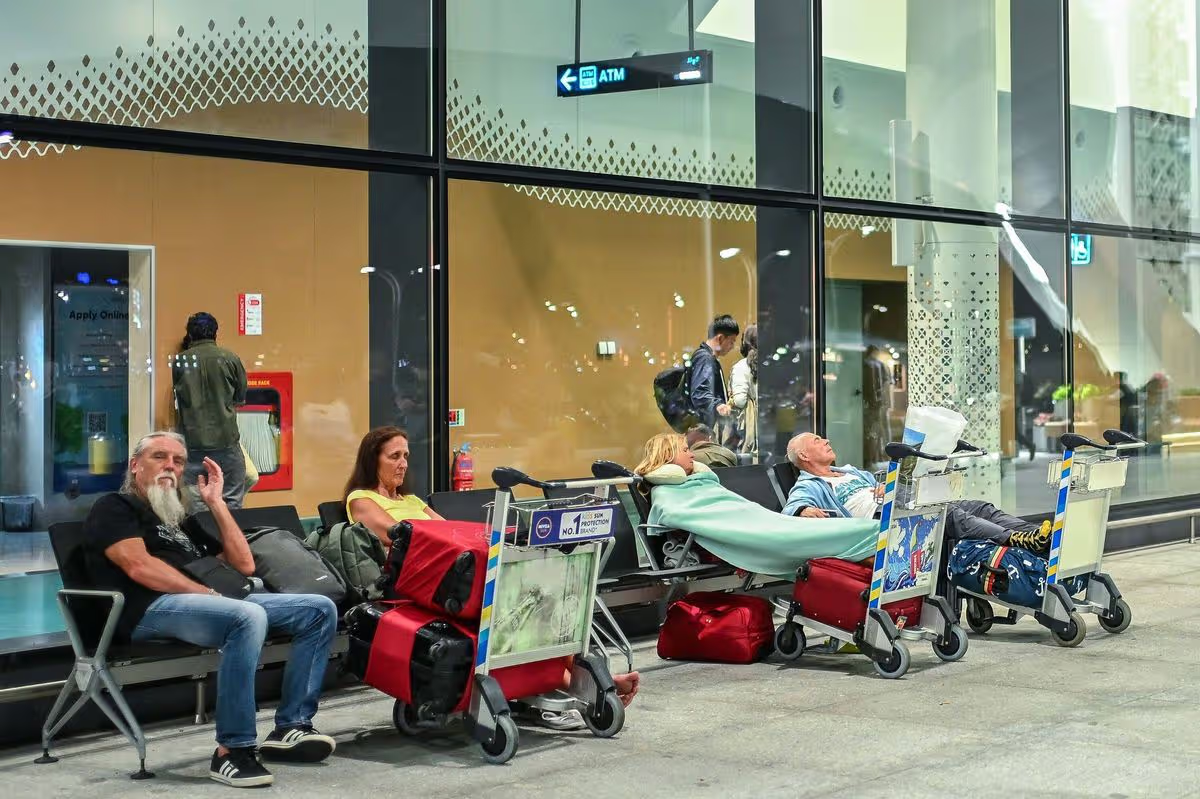
With thousands of people either stranded or diverted across the Middle East following the attacks on Iran, one travel expert has shared the advice you need to know

Passengers are stranded across the globe(Image: Getty)
Thousands of travellers are either stuck or have had their plans thrown into disarray across the Middle East following Israel and the US’s strike on Iran. The missile strikes have triggered widespread disruption throughout the UAE and the broader Middle East region, leaving thousands of holidaymakers facing an anxious wait.
Flight cancellations have swept through major Gulf aviation hubs as well as Cyprus in what experts are calling the most severe travel turmoil since the Covid-19 pandemic.
Chris Harrington, Managing Director at hoppa, has outlined the top four things travellers need to understand if their flight gets axed, including your passenger rights and what compensation you might be owed.
The initial step when you spot that dreaded red ‘cancelled’ notice appearing on the departures board is to get in touch with your airline.
If you’re already inside the airport terminal, make your way to the customer service desk. However, if you turn the corner and discover a mammoth queue of passengers already assembled there, Chris has an alternative approach, reports the Express.
He advised: “Try using the airline’s app if they have one or ring the customer service team to find out about the next steps.”
Once you’ve managed to locate a staff member to speak with, it’s time to explore what options are on the table.
“In most cases, the airline will have to make an alternative plan for you. When you manage to speak to a member of staff, see if they can rebook you on a later flight.
“You may also want to consider opting for an alternative route or flying to another airport close to your final destination. It’s important to understand that the airline can book you a flight through a different provider, so make them aware of this.”
It’s vital to ensure you’ve got insurance sorted for any overseas trip. This will safeguard you against cancellations or other complications.
Chris explained: “If your flight has been cancelled, check your travel insurance documents as some policies will cover the cost of hotels, airport transfers, alternative flights, and food. It’s also worthwhile enquiring with your airline about vouchers for cancelled flights, as many offer them for passengers to find accommodation and cover the cost of food.”
Chris’s final piece of advice is to ensure you’re fully aware of your passenger rights.
He stated: “If the flight cancellation is due to the actions of the airline, then it’s likely you’ll be entitled to compensation. As stated by ABTA, if an airline cancels your flight in less than 14 days before you’re due to depart, then you’ll be entitled to compensation based on the length of your journey.
“However, in this case, because the cancellation is caused by extraordinary circumstances outside of the airline’s control, compensation is unlikely to apply. In these cases, passengers are still entitled to a refund or rebooking, as well as care and assistance such as meals and, if necessary, overnight accommodation.”