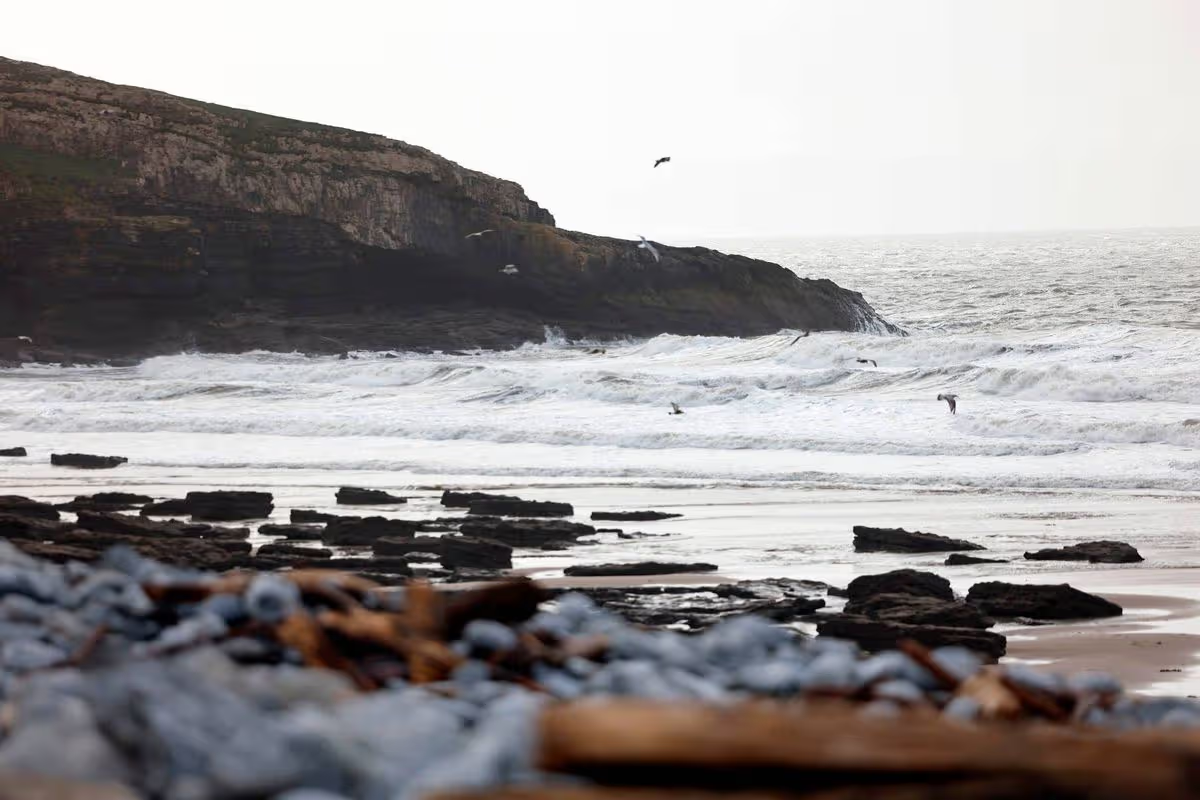
Nestled along the British coastline is a paradise for rock poolers and fossil hunters — and Conde Nast Travel has named it one of the seven wonders of Wales

It’s the local’s favourite spot by the coast(Image: John Myers)
While Rhossili Bay typically steals the limelight with its three-mile stretch of sand in the Gower National Landscape, this cherished bay is what many locals regard as Wales‘ true hidden gem.
Conde Nast Travel recently unveiled what they deem the seven wonders of Wales, compiled by a Welsh-born traveller, and Dunraven Bay secured its place as one of the nation’s essential destinations.
According to the publication, this is where residents head when seeking a peaceful coastal escape. And, with scenery comprising dramatic cliffs, limestone formations and weathered rock faces, it’s easy to understand why.
Tucked away in Southerndown within the Vale of Glamorgan, South Wales, the stunning bay is frequently called Southerndown Beach, adopting the name from its neighbouring village.
It boasts some of the finest rock pools along the Welsh coast and is consequently a favourite location for crabbing and fossil hunting. Young children delight in exploring the shallow pools and discovering treasures, as families flock to the bay for a day on the sand.
Best holiday cottage deals in Wales

Wales is renowned for its stunning mountains, picturesque coastline and rich Celtic history. Sykes has a wide and varied collection of holiday cottages, houses and apartments across the country. Prices start from £35 per night with current deals.
One previous visitor shared their experience on TripAdvisor, writing: “We visited Dunraven Bay last Saturday; it was an amazing trip to a beautiful beach. The rock pools are super; we found some very interesting items, including an intact Gryphaea, one of the genera known as ‘devil’s toenails’.
“The beach is very clean, and the sand leading up to the sea is soft. There is a beachside shop that sells hot and cold drinks and ice cream, along with a picnic area for those with their own food.”
Visitors to the beach will find a generously sized, conveniently situated pay-and-display car park, along with toilet facilities. The bay also boasts a charming café and restaurant, perfect for a leisurely lunch or light bite, and rounding off the quintessential seaside experience, there’s an ice-cream kiosk.
A further visitor shared: “Absolutely beautiful. Especially if you’re a tourist hoping to get good photos of a beach. I went alone, and for the most part, I felt completely safe. There are pockets of people and people alone just hoping to enjoy the sun during low tide.”
History and folklore
The bay was once thought to have been an ancient Iron Age hillfort, which subsequently became Dunraven Castle, a structure that has long since disappeared. In its place lie the crumbling ruins of the castle and its former walled garden, tucked away from the shoreline.
The bay is steeped in mysterious legend, notably that of the ‘wreckers of Dunraven’, who were said to have cunningly fastened lanterns to sheep in order to lure passing vessels. They would draw the ships towards Tuskar Rock before swooping in to plunder their cargo.
The most notorious ‘wrecker’ was one Walter Vaughan, who, following tremendous personal loss and financial devastation, turned to ‘wrecking’ out of sheer desperation.
To evade detection, legend suggests that no sailors or boat crew survived the wrecking, as they would routinely kill those onboard once they reached the shore.
Some claim that on the anniversary of his son’s death, Vaughan’s ghost returns to the beach, and those passing by can hear his chilling wails.