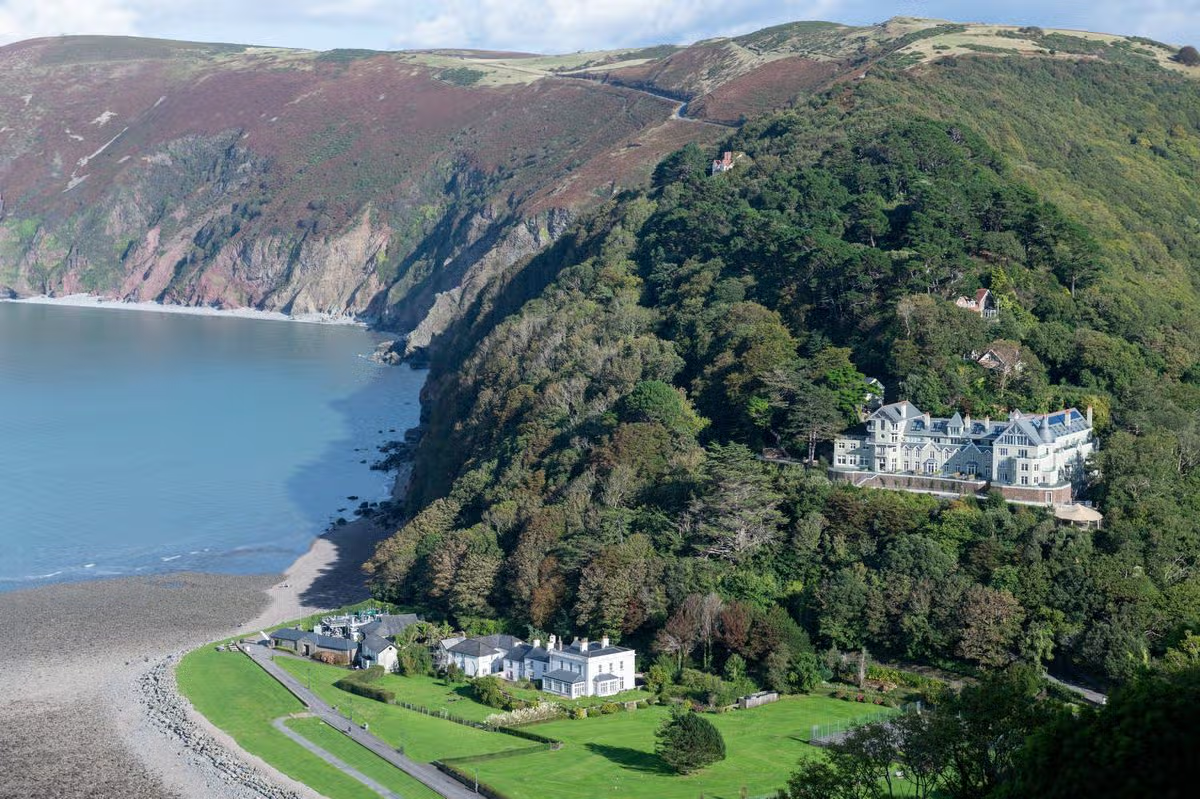
This beautiful seaside town has gorgeous coastal walks and plenty to see

This gorgeous spot is perfect for autumn(Image: Tom Meaker via Getty Images)
As the summer throngs start to thin out, late August and September offer an ideal opportunity to discover Devon’s coastline, with less crowded beaches, gentler temperatures and beautiful walks just waiting to be enjoyed. A delightful seaside town nestled between steep hills and the Bristol Channel has been crowned Devon’s finest seaside destination by Which?, placing it squarely on the map for an idyllic West Country escape.
Lynmouth is the sort of spot that appears almost impossibly picturesque, with its lovely riverside location, striking coastline and classic village appeal. Perched on the fringes of Exmoor National Park, it’s encircled by breathtaking scenery and is frequently dubbed “Little Switzerland”.
The region is a paradise for ramblers, with the South West Coast Path and Tarka Trail winding through the village and providing numerous routes to discover. Tourists can trace the River Lyn upstream to Watersmeet, a striking wooded gorge looked after by the National Trust, complete with riverside paths and a tea garden.
Among Lynmouth’s standout features is the renowned Lynton and Lynmouth Cliff Railway, which has linked the twin villages since 1890. The 260-metre railway holds the title of the world’s highest and steepest water-powered railway, with travellers enjoying panoramic coastal vistas as they journey between the two settlements.
Those looking to transform their visit into a romantic getaway, River View is a second-floor flat positioned directly alongside the river in Lynmouth. The property boasts a furnished balcony with views over the bay, and on a clear day, guests might even glimpse the Welsh coastline in the distance.
Within, the flat provides a cosy open-plan lounge and kitchen space kitted out with everything required for an uncomplicated self-catering break. A king-size master bedroom with an en-suite shower room delivers a peaceful retreat in which to relax after a day discovering the coastline.
The balcony proves a particularly beautiful location for a morning cuppa or an evening tipple, with vistas across the river and the neighbouring village. There’s also no need to fret about preparing every meal, with numerous cafes and eateries nearby for breakfast, lunch or dinner.
For a different setting, Ilfracombe sits less than 20 miles away, celebrated for its selection of restaurants and historic harbour. Guests can also catch sight of Damien Hirst’s eye-catching ‘Verity’ statue positioned at the harbour entrance before returning to the tranquil environment of Lynmouth.
For even more striking scenery, holidaymakers can make the 1.5-mile trip to the Valley of Rocks, where soaring cliffs and distinctive rock formations form one of Exmoor’s most spectacular landscapes. The area is also home to intrepid goats and some of the highest sea cliffs in Britain, making it a memorable spot for a coastal walk.
If a large group gathering is in the pipeline, the area is additionally home to Lynhurst, a spacious, impressive property just a brief stroll from the historic village of Lynton. Nestled within stunning gardens and natural woodland, it boasts a games room with a slate pool table and dart board, alongside an outdoor table tennis table for abundant entertainment.
Visitors who have previously enjoyed a stay at River View have posted glowing reviews online. One guest said: “Lovely apartment. Perfectly situated with everything we needed. A real ‘home from home’. We love Lynmouth and will be back.”
Another added: “A wonderful location for walkers as several spectacular river and coastal walks from the door. Great for visitors with dogs, close to the promenade for walks and meeting lots of other dogs.”
A more in-depth review explained: “A small but well-equipped and comfortable flat with beautiful views over the river to the sea. Good location to explore the area. Luckily found a temporary parking spot initially on Riverside Road in order to unpack, as the flat entrance is on a pedestrianised street.
“Parking permit was £25 for the week at the nearby Upper Lyndale car park. Tesco delivered groceries without difficulty. Walks locally and some National Trust properties made it a very enjoyable week in a lovely location.”
One guest pointed out, however, that “the two flights of steep stairs would need to be taken into consideration by anybody perhaps not a 100% fit”, while another revelled in the scenery, commenting: “We had the door open all the time and could listen to the water and the wildlife, which we really enjoyed.”