Democrats in the United States have approved a shakeup to their 2028 presidential primary calendar as the party looks to take back the White House.
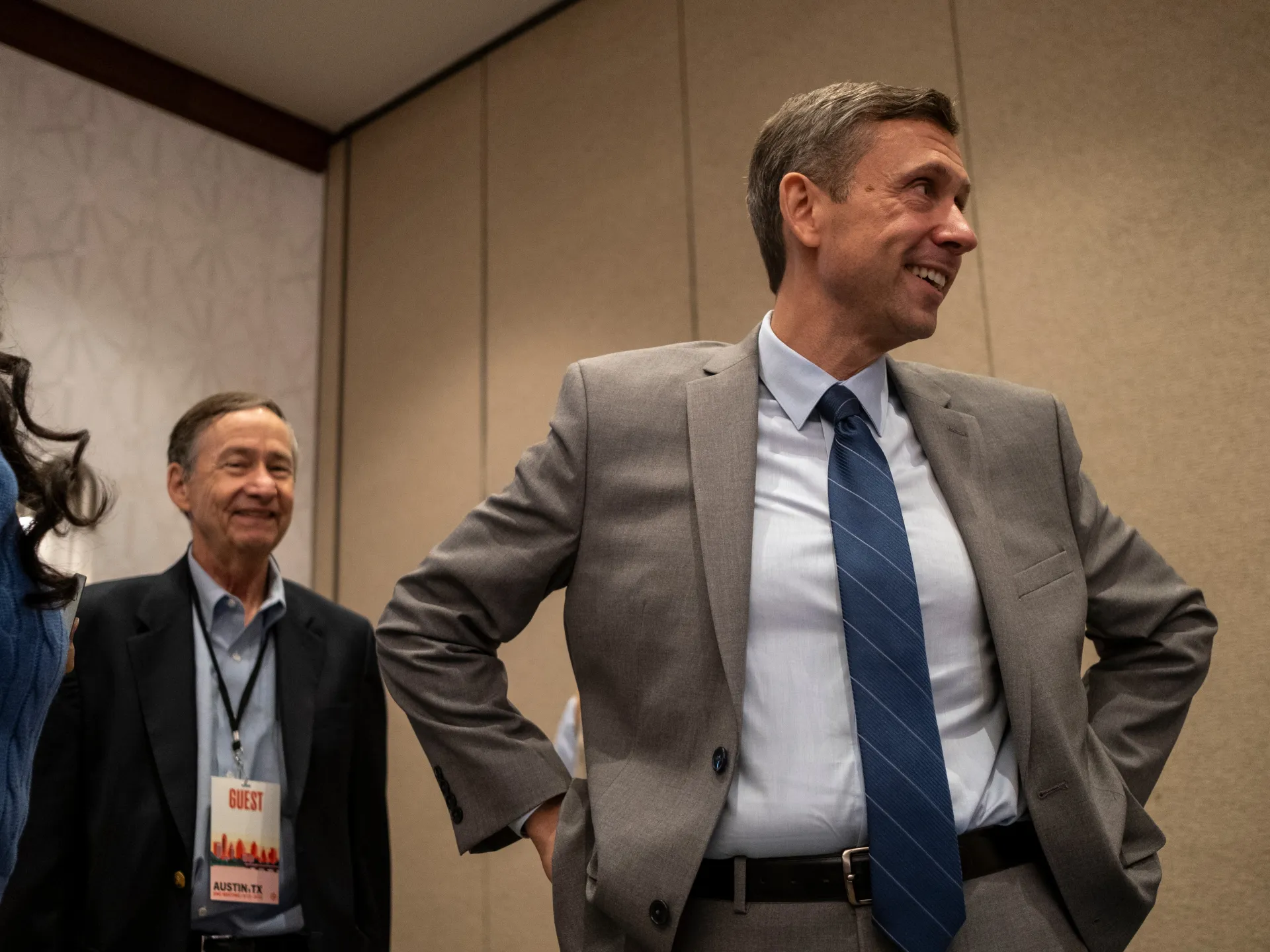
During a meeting on Saturday in Austin, Texas, Democratic National Committee (DNC) members voted to overhaul which states have the first say in picking the party’s presidential nominee.
Recommended Stories
list of 3 itemsend of list
South Carolina will once again take centre stage as the party’s first official nominating contest, with its Democratic primary scheduled for January 22, 2028.
Nevada will go second on February 1, followed by New Hampshire on February 8. New Mexico, Michigan and Virginia will round out the early states over the course of that month.
The new calendar formalises a change that began during the last presidential election cycle in 2024, when the national Democratic Party similarly put South Carolina at the front of its primary lineup.
The 2028 primaries set up a more competitive calendar for Democrats, giving greater influence to states with more racial diversity, in an effort to better represent the party’s key constituencies.
Debate over primary calendar
But plans to reshape the primary calendar have been met with controversy in the past.
In 2024, for instance, local leaders in New Hampshire defied party leaders by holding a state-run primary ahead of the first party-led vote in South Carolina. As justification, New Hampshire officials cited a state law requiring their primary to be the first in the nation.
There was also pushback in Iowa, whose state caucus had ushered in the primary season for decades.
Iowa Democrats warned that moving the state lower in the party’s calendar could send the wrong signal to rural voters, who often feel overlooked in national politics and tend to lean rightward.
Still, proponents of the calendar change argue that it will help the Democratic primaries better mirror the overall population of the US.
South Carolina has normally been Democrats’ first contest in the southern US, and it has a significant population of Black voters. Roughly a quarter of the state identifies as Black, according to census estimates.
Nevada and New Mexico, meanwhile, have large Latino or Hispanic populations, with 31 percent and 49 percent of their residents identifying as such, respectively. All three states will be at the forefront of the primary calendar, come 2028.
DNC Chairman Ken Martin took to social media on Saturday to tout the changes as capturing the demographic shifts in the country.
“These states reflect the diversity of America and will help ensure our nominee is best positioned to take back the White House in 2028,” Martin wrote on X.
Ongoing party feud
Iowa and New Hampshire both have overwhelmingly white electorates, and critics have long argued the two states have played outsized roles in shaping presidential elections.
Notching early victories in the party primaries can help a candidate build momentum, and that, in turn, can help presidential hopefuls secure party nominations.
Former Vermont Governor Howard Dean, who led the DNC from 2005 to 2009, told The Associated Press (AP) news agency that the calendar changes will make for a more representative nominating process.
“These states look more like the country,” Dean said, pointing to places like South Carolina and Nevada, “whereas Iowa and New Hampshire don’t”.
But it remains uncertain how the new calendar could affect the growing intra-party feud between progressive and more moderate, establishment candidates.
Democrats in Michigan, one of the states given a boost in the calendar shakeup, narrowly voted earlier this month to select progressive Abdul El-Sayed as their Senate nominee.
Given that Michigan will now have an earlier say in the voting process, some experts have speculated that the swing state could help progressives assert greater influence over the party overall.
But other states given more prominence in the 2028 lineup have a more moderate streak.
South Carolina, for instance, favoured then-candidate Joe Biden in the 2020 primaries over his more progressive opponents, Senators Bernie Sanders and Elizabeth Warren.
“I think our primary voters up north are probably a little different than primary voters in South Carolina,” Boyd Brown, a former DNC member from South Carolina, told AP.
Here is the full list of the six states that will have the first say in Democrats’ 2028 presidential primaries:
- South Carolina: January 22, 2028
- Nevada: February 1, 2028
- New Hampshire: February 8, 2028
- New Mexico: February 15, 2028
- Michigan: February 22, 2028
- Virginia: February 29, 2028