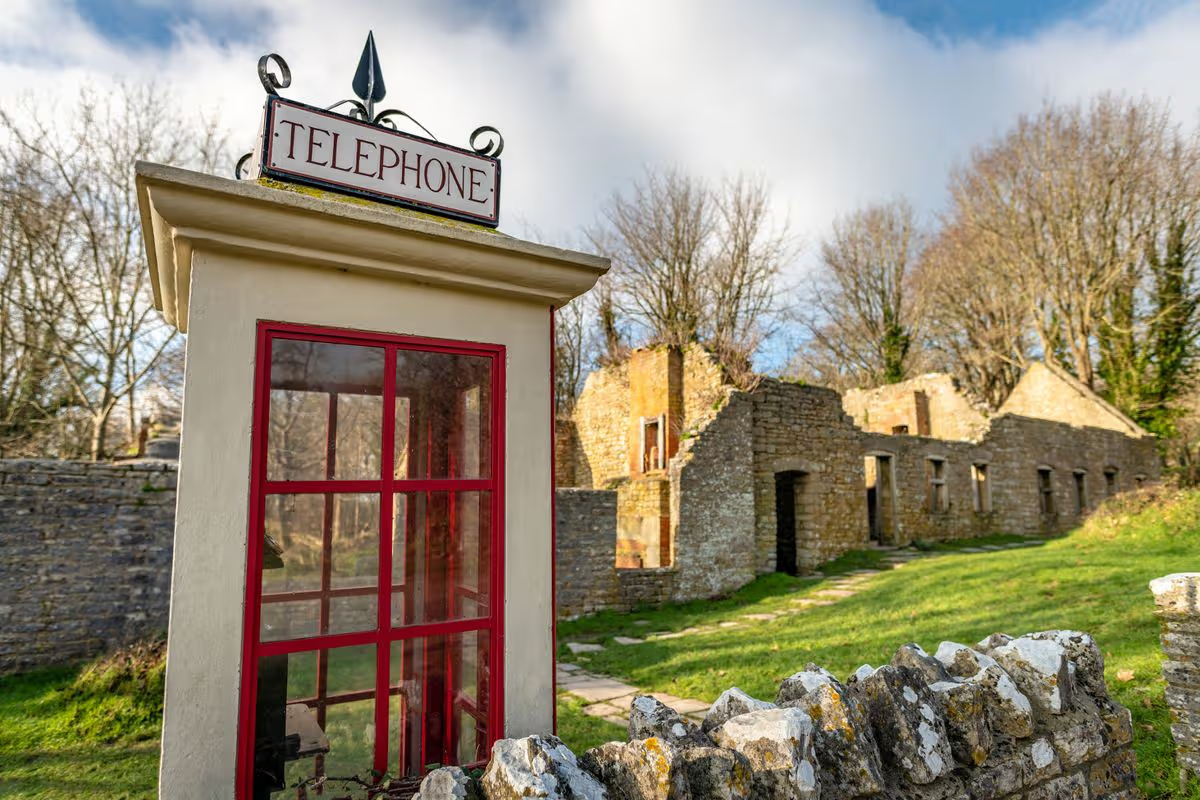
The residents of this village fled in 1943 and never came back, leaving abandoned buildings that have been suspended in time, and access to this spooky area is still restricted during certain times

The village is full of incredible relics from the past(Image: Getty Images/iStockphoto)
Imagine waking up one day to a letter telling you that your home is being turned into a military zone and that you need to leave within a month. It’s a fate that befell the 225 residents of Tyneham one winter morning.
In November 1943, Britain was still in the depths of World War 2, and needed a strategic location for military testing. The idyllic Dorset village was close to a military firing range, and its peaceful rural location was deemed perfect for D-Day preparation.
Letters were sent to the 102 occupied properties giving them just a month to move out, with the deadline set just before Christmas, with assurances were made that the evacuation was just a temporary measure.
But, decades later, the village is still uninhabited, and increasingly being lost to nature, as its stone cottages and buildings crumble. You can still visit Tyneham to see this old homes up close, but there are restrictions that still need to be followed to this day.
The village is still owned by the Ministry of Defence and is close to an active military firing range, making it inaccessible at certain times. Walkers will need to check the Gov.UK website to see closure dates, and keep in mind that the village is only available to explore from 9am until dusk.
While many of its buildings have fallen into ruin, the church and school were preserved and have become museums dedicated to telling the unique story of Tyneham. You can see photos of the residents and find out about the families who lived in this village through the years.
Tyneham Farm, which was abandoned for many years, is also in the process of being restored, and you can see the remains of the humble cottages where labourers and shepherds once lived in this peaceful, rural spot. However, the reminders of the end of the idyll are all around; some buildings have bullet holes and shell damage scarring their solid stone walls.
About a 20-minute walk away is Worbarrow Bay, an unspoilt shingle beach on the sweeping Jurassic Coast. It has clear, deep blue waters, making it popular with wild swimmers and snorkellers. At low tide, rock pools full of sea creatures can be explored.
At times such as weekends and school holidays, you can often explore Lulworth Ranges which lie within an Area of Outstanding Natural Beauty overlooking the coast. Carry on along the iconic South West Coastal Path and you’ll reach Flower’s Barrow Hillfort, which was built during the iron age. You can still see hut circles where these settlements used to lie.
Nearby, Pondfield Cove is a hidden gem with sand and shingle shores covered in lush green marine vegetation. The sea here is calm and clear, although the sudden depths mean only experienced wild swimming enthusiasts take to the water. However, it’s the perfect place to visit for peaceful fossil hunting away from the crowds.
Have a story you want to share? Email us at webtravel@reachplc.com