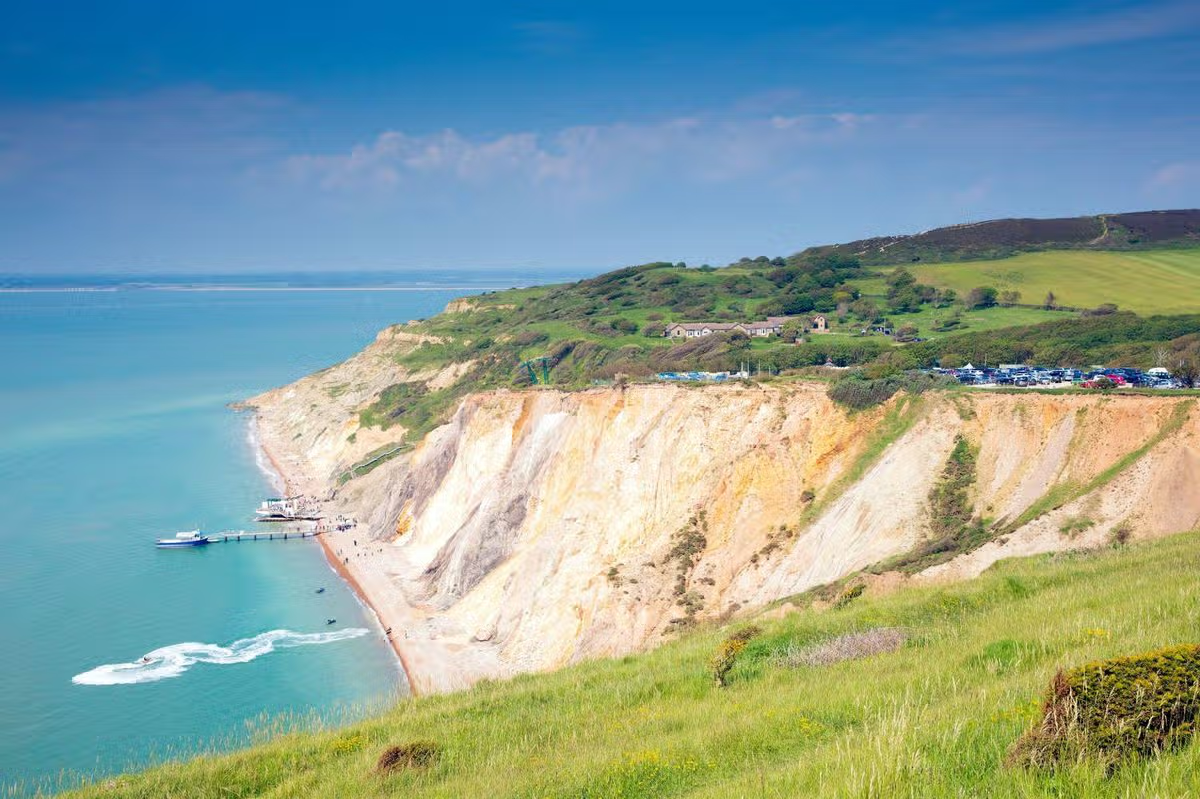
The spot is renowned for its striking chalk cliffs, charming villages and coastal walks – making it the perfect autumn getaway for families and couples

One UK spot has less crowds and is the perfect autumn escape(Image: Getty)
With its untouched landscapes, fascinating heritage and tranquil way of life, one UK destination has become a haven for ramblers, nature lovers and tourists looking for a serene seaside retreat. West Wight, located on the western edge of the Isle of Wight, is famous for its dramatic chalk cliffs, delightful villages and endless attractions.
Getting to the Isle of Wight is remarkably easy. Red Funnel operates services between Southampton and the Island via both car ferry and rapid foot-passenger routes, meaning you can bring your vehicle or rely entirely on public transport.
October makes an ideal time for a visit now the summer holiday crowds have dispersed.
Ensure our latest DWP headlines always appear at the top of your Google Search by making us a Preferred Source. Click here to activate or add us as Preferred Source in your Google search settings
The Needles and Alum Bay
Amongst the Isle of Wight’s most iconic sights, The Needles comprise a series of impressive chalk formations rising majestically from the ocean off the island’s western shore.
Close by, Alum Bay is renowned for its rainbow-hued sand cliffs, sweeping coastal panoramas and classic seaside diversions, establishing it as a must-visit destination for those discovering the region. When visibility is good, the surrounding shoreline provides magnificent views stretching across the English Channel.
Freshwater and Freshwater Bay
Freshwater ranks among West Wight’s main settlements, providing gateway access to some of the island’s most beautiful coastal landscapes. Just south of the village, Freshwater Bay boasts a stunning shingle beach framed by dramatic chalk cliffs.
The spot is perfect for coastal walks, photography and soaking up the seaside atmosphere, with swimming on offer when conditions allow.
Tennyson Down and the coastal paths
Perched above Freshwater Bay, Tennyson Down is a vast expanse of open grassland that provides some of the Isle of Wight’s most spectacular walking routes.
The area is named after Victorian poet Alfred, Lord Tennyson, who resided close by at Farringford. Visitors can take in sweeping sea views, rolling countryside and the chance to spot local wildlife, making it a firm favourite amongst walkers and nature enthusiasts.
Yarmouth
Nestled on the island’s north-west coast, Yarmouth is a historic harbour town renowned for its charming streets, independent shops, traditional pubs and cafés.
The town is also home to Yarmouth Castle, a historic coastal fortification, and acts as a key ferry hub linking the Isle of Wight with Lymington in Hampshire.
With its rich maritime heritage and laid-back atmosphere, Yarmouth provides a delightful contrast to the island’s larger, more bustling resorts.
Weather in October
October in West Wight typically brings mild yet unpredictable weather, making it an attractive time for coastal walks, countryside adventures and discovering quieter seaside villages. Visitors should come prepared for the odd shower and breezy spells.
Daytime temperatures typically sit between 13°C and 16°C, while night-time lows usually hover around 8°C to 11°C. Periods of sunshine can feel comfortably mild, though temperatures dip considerably once the sun goes down.
How to get to West Wight
By car
One of the easiest ways to reach West Wight is via the Wightlink car ferry from Lymington, located in the New Forest, to Yarmouth on the Isle of Wight.
The journey takes approximately 40 minutes, providing a simple route for drivers heading to the western side of the island. Upon arrival in Yarmouth, travellers can quickly access nearby spots such as Freshwater Bay, Totland and The Needles.
Without a car
Those travelling without a vehicle can catch a train to Portsmouth Harbour before hopping on the Wightlink FastCat passenger ferry to Ryde Pier Head on the Isle of Wight.
The crossing takes roughly 22 minutes, making it an efficient choice for those on foot. From Ryde, connecting bus services through Newport link passengers to West Wight, including Freshwater and the nearby coastal communities.