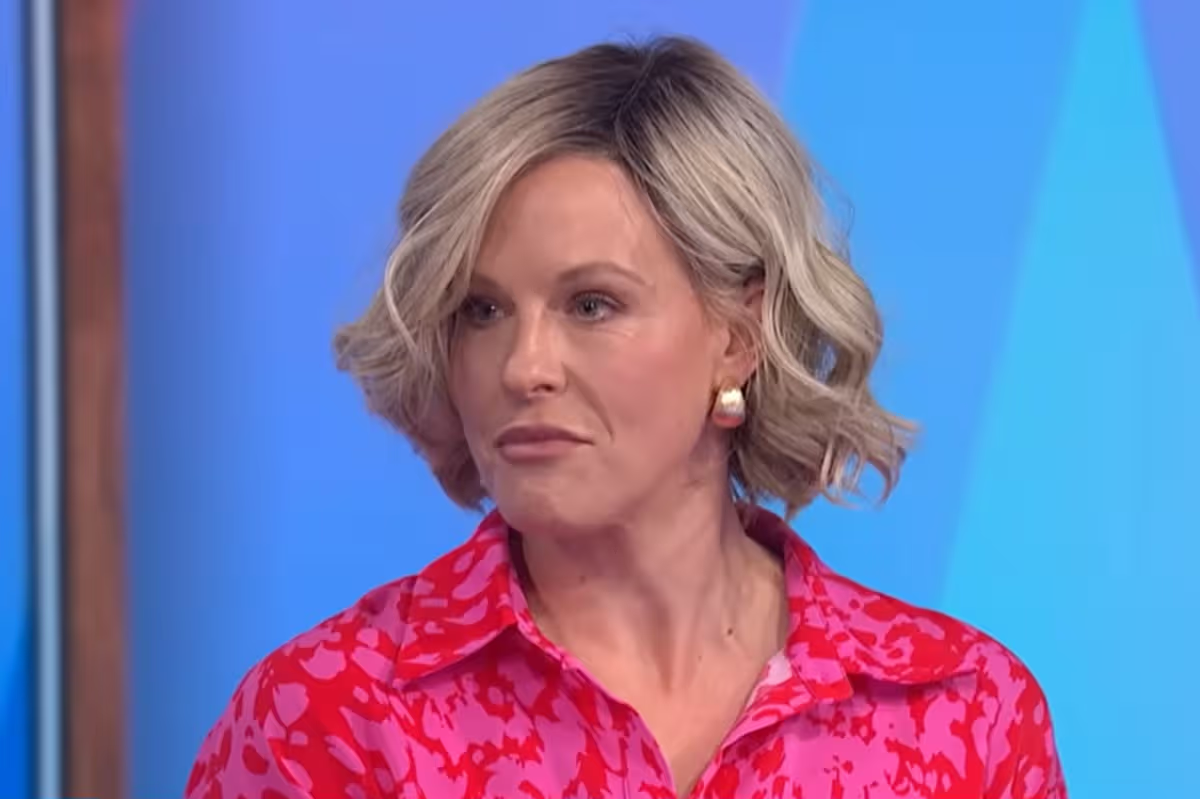
BBC expert Rebecca Wilcox has warned people may want to opt out of Winter Fuel Payment from April 1 to avoid paying double monthly deductions back to HMRC due to a change this year

Consumer specialist Rebecca Wilcox told BBC Morning Live viewers that anyone with a taxable income exceeding £35,000 might want to opt out of the 2026 winter fuel payment (Image: ITV)
A BBC expert has warned that millions of individuals may need to take action on or after 1 April, or risk paying ‘double’ back to HMRC. Consumer specialist Rebecca Wilcox told BBC Morning Live viewers that anyone with a taxable income exceeding £35,000 might want to opt out of the 2026 winter fuel payment to avoid repaying ‘£33 each month’ due to the change.
She cautioned that from April, millions of households will be contacted by HMRC and informed they may need to repay their Winter Fuel Payment. She further clarified that some might want to act to prevent receiving the money and thus bypass the repayment process.
Ms Wilcox highlighted that a significant change later this year would result in people repaying double the full amount. On the topic of early cancellation, she explained: “If you know your personal income is going to be over the threshold of £35,000 then opt out of it for the next year and then you don’t have to worry about the next payment. You cannot do this until 1 April. The reason you’ll want to opt out is because the payments are going to double just for one year.
“This is because the taxman is in debt, he’s in arrears, because he’s paid out all this money and it wants to claw this money back. For one year it is going to charge everybody double on their repayments so it can get back into the normal process of taking the money from you and then returning it. It wants to have its money so for one year it is going to charge you, say you were doing, for example we were talking about, of £17 per month tax deductions, it’s going to charge you double, £34 per month for that one year and then it will go back to £17.
“So that’s why you might want to opt out if you know you’re going to be earning £35,000 and above. If your income then drops just be aware you will have to opt back in to receive the winter fuel payment.”
Ms Wilcox told BBC Morning Live viewers: “The Winter Fuel Payment was a lump sum that was paid out to help you with your fuel bills during the cold months of November and December. That’s when the payments were made. What happened was they paid everybody who was over the age threshold. You were eligible to keep it if you were born before 22 September 1959 – that’s for England, Wales and Northern Ireland. Or the 21 September 1959 in Scotland.
“If you’re born before that and you earn £35,000 exactly and under you can keep it. If you earn even a penny over the £35,000 of your personal, taxable income, then you will need to pay back this payment. The payment was between £100 and £300 and that number was calculated on your circumstances, your household circumstances and how old you are.
“For some this is going to be the first they’ve heard about repayment. And there’s a reason that this is happening and it’s because HMRC can do many things but it cannot predict the future. It has no idea how much you’re going to earn in that future tax year. So it’s just given it to everybody and then when it knows how much you’ve earned whic” h is April, it will reclaim the funds that were paid to you in November.
“If you earn over £35,000 and are within the age bracket you will be required to pay this back in full.” She noted that HMRC has an online checker available for those uncertain whether they exceed that threshold.
Winter Fuel Payments, referred to in Scotland as Pension Age Winter Heating Payments, are annual financial grants designed to assist with winter energy costs. For the current payment, eligibility extends to individuals born before 22 September 1959 in England, Wales or Northern Ireland, and before 21 September 1959 in Scotland.
The payment amount varies from £100 to £300 depending on age and household situation. HMRC cannot determine final income until the tax year concludes. Since payments must be distributed before winter, the system operates by paying everyone of qualifying age initially, then contacting those who exceed the income threshold afterwards.
In most instances, the money will be recovered automatically through the tax system. HMRC will modify the individual’s tax code in the 2026 to 2027 tax year. The repayment shows as an underpayment, resulting in slightly higher tax deductions each month.
No interest is charged on the sum being repaid. For instance, someone who received £200 might see their monthly income reduced by approximately £17 while the repayment is collected.
Individuals who complete a Self Assessment tax return will instead have the repayment added to their tax bill for the 2025 to 2026 tax year. Anyone who believes the calculation is wrong can dispute the decision with HMRC.
From 1 April 2026, households can decline the 2026 to 2027 payment by contacting the Winter Fuel Payment Centre or filling in a form online. You will need your National Insurance number to do this.
Once you opt out, you will not receive future payments unless you choose to opt back in. The primary reason to opt out if you expect your income to remain above the threshold is because from the 2027 to 2028 tax year, HMRC plans to recover payments in advance rather than in arrears, meaning deductions could be roughly double.
For a typical £200 payment, this could mean around £33 a month being taken through the tax system instead of about £17. The deductions are expected to return to the lower monthly amount in the following tax year.