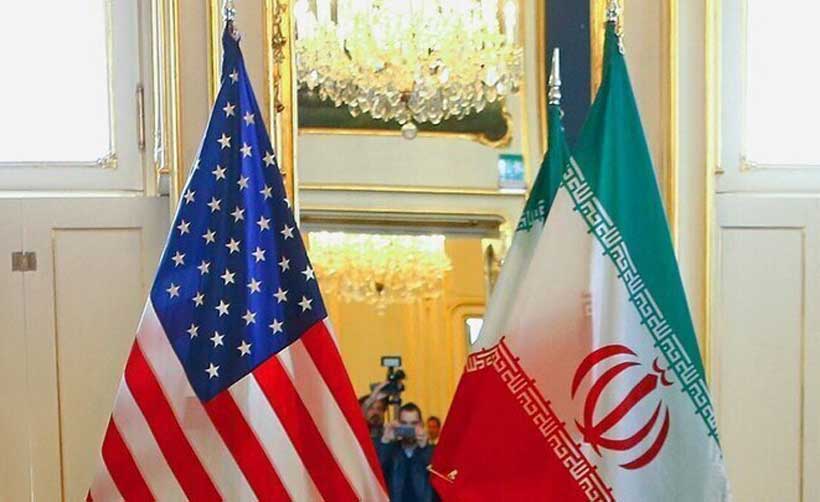
Beijing warmly welcomes the peace agreement and memorandum of understanding between the United States and Iran, considering it an important step toward de-escalating regional tensions. China supports the diplomatic path to resolving the crisis, based on a clear strategy aimed at protecting its economic and strategic interests. Beijing emphasizes that a permanent ceasefire, the protection of national sovereignty, the reopening of the Strait of Hormuz, and ensuring the safety of international navigation are top priorities. China contributed behind the scenes to shaping the negotiating framework and influencing Tehran to accept the agreement with the United States in order to safeguard its vital interests in the continued flow of Iranian oil. Accordingly, China officially welcomed the memorandum of understanding between the United States and Iran, affirming that the agreement represents a crucial step toward de-escalating regional tensions. The Chinese diplomatic welcome focused on the key provisions of the agreement, as stated by the spokesperson for the Chinese Foreign Ministry. These provisions guarantee a comprehensive ceasefire, freedom of navigation, energy security, an end to the naval blockade, and the reopening of the Strait of Hormuz to global trade and energy supplies. China considers this essential for its energy and economic security. This agreement, along with the nuclear framework and negotiations, marks the conclusion of the first phase, followed by a 30-60 day negotiation period to discuss the Iranian nuclear program (uranium enrichment and the lifting of sanctions). This Chinese announcement came in support of international mediation efforts ahead of the official signing ceremony in Geneva.
The most prominent points welcomed by China in the US-Iranian agreement, according to announcements and follow-up by Chinese diplomatic channels and as included in the key provisions of the memorandum of understanding, were a cessation of military operations; an immediate and permanent ceasefire on all fronts, including the Lebanese front; freedom of navigation through a commitment to end the naval blockade and open the Strait of Hormuz to global trade and energy supplies; and the nuclear framework, with the conclusion of a phase one agreement stipulating that negotiations on the Iranian nuclear program (uranium enrichment and sanctions relief) would take place within a specified timeframe of 30 to 60 days following the signing.
China has played a pivotal, often unacknowledged, role as a diplomatic bridge between Tehran and Washington to protect its strategic and economic interests in the Middle East. The dimensions of China’s behind-the-scenes role include ensuring the flow of energy. Beijing seeks to maintain stability in the Gulf region to guarantee the uninterrupted supply of Iranian oil and to protect its interests and investments in the Belt and Road Initiative. Iran represents a crucial geographical and strategic hub in China’s ambitious Belt and Road Initiative. To this end, Beijing has sought to leverage its strong economic ties and strategic partnership with Tehran to persuade it to make flexible concessions during critical times, while offering support to avoid military escalation. Beijing fears that the collapse of diplomatic channels could lead to a regional war that would jeopardize its extensive investments in the region.
On the other hand, Beijing seeks to counterbalance American influence. China prefers a negotiated framework between Tehran and Washington that limits American unilateral hegemony and positions itself as a responsible international player capable of peacemaking. China’s vision for diplomatic balancing between Washington and Tehran is shaped by several key strategic axes, most importantly (establishing the principle of a political settlement). Here, Beijing consistently emphasizes that dialogue is the only solution to the Iranian crisis, rejecting military escalation that harms the security of navigation and global trade. This is coupled with regional and international networking, where China supports parallel diplomatic efforts, such as Pakistani mediation. Beijing maintains continuous communication with the parties to the crisis to ensure the opening of indirect negotiation channels that prevent a full-scale confrontation and safeguard vital interests. China has maintained the flow of Iranian oil while simultaneously strengthening its extensive economic partnerships with the Gulf states, granting it unique diplomatic weight and influence that Western powers lack. Despite this notable progress, Beijing faces ongoing challenges due to US containment policies. China rejects Washington’s classification of its major technology companies as military entities and threatens retaliatory measures, making Beijing’s attempts to create a strategic balance with the United States an extremely delicate and sensitive process.
Based on the preceding understanding and analysis, we can see how successful Beijing has been in transforming escalating tensions in the Middle East into strategic gains. China has played an active mediating role by supporting diplomatic talks and the memorandum of understanding for peace between Washington and Tehran, thus positioning itself as a responsible international power seeking to establish stability and move away from unilateral hegemony.