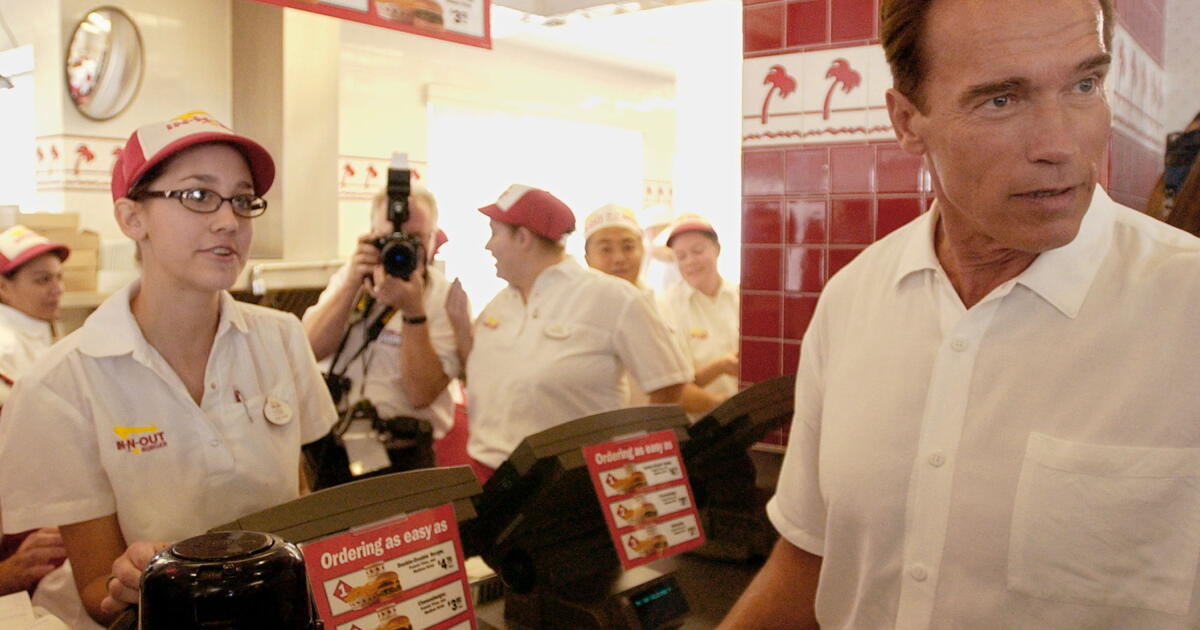
Two California governors faced recall in the last 30 years.
In 2021, Gavin Newsom survived an effort to recall him amid the COVID-19 pandemic. But in 2003, Gray Davis was ousted from office and replaced by Arnold Schwarzenegger.
Now, voters will consider significant changes to recall rules for elected state officials.
The basics
Under current law, when an elected official is recalled in California, the election for their replacement occurs at the same time. Proposition 5 breaks up that process into two parts, prioritizing the voters’ right to oust an official before selecting a replacement.
The impact
This ballot measure would amend the state constitution to change the current recall system. Under the proposed changes, voters would first be asked to choose whether or not to oust an official. Then, in the event of a recall, the official would be replaced by appointment, succession or special election at a later date. In the case of a special election, the former officeholder could run again.
The measure also would designate California’s lieutenant governor as the de facto replacement for a recalled governor until the next term.
Dig deeper
California’s rules for recalling politicians date to the Progressive era and were seen at the time as a way to give more power to voters.
But there have been concerns in recent years that the process needs reform, especially after the 2021 recall that Newsom overwhelmingly beat back; it cost local and state governments more than $200 million.
After the Newsom recall failed, the Legislature began a bipartisan task force to suggest changes.
More reading
California’s costly, confusing recall sparks an effort to rethink the rules (L.A. Times, 2021)
The history of recalls in California (L.A. Times)
The Little Hoover Commission on recall reform (State of California)