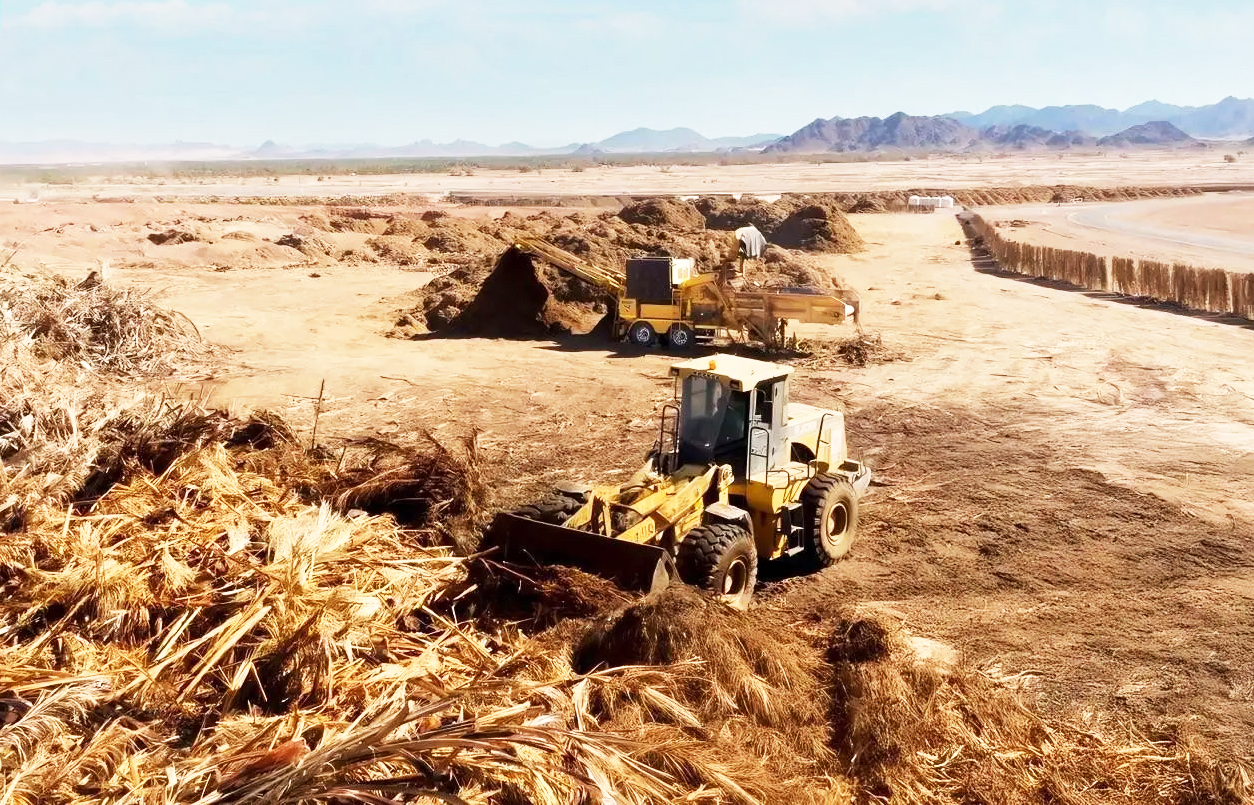

RIYADH: Madinah region has strong potential to turn date palm waste into value-added products, leveraging its competitive advantage in the palm and date sector to create investment opportunities in the circular economy.
According to Al-Madinah Al-Munawarah Chamber’s economic bulletin, the region has about 26,000 farms and approximately 8.1 million date palms, representing nearly 21 percent of Saudi Arabia’s total.
Each palm generates between 20 and 23 kg of waste annually, bringing the region’s estimated annual total to between 162,000 and 186,000 tonnes, the Saudi Press Agency reported.
Products made from date palm waste include wood and composite boards, organic fertilizer, biochar, charcoal briquettes, biofuel pellets, natural fibers, insulation materials, date seed oil, wooden products and handicrafts.
These industries could create new production chains, from waste collection, sorting and processing to manufacturing and marketing. This would open investment opportunities, diversify the palm sector’s products and improve resource-use efficiency.