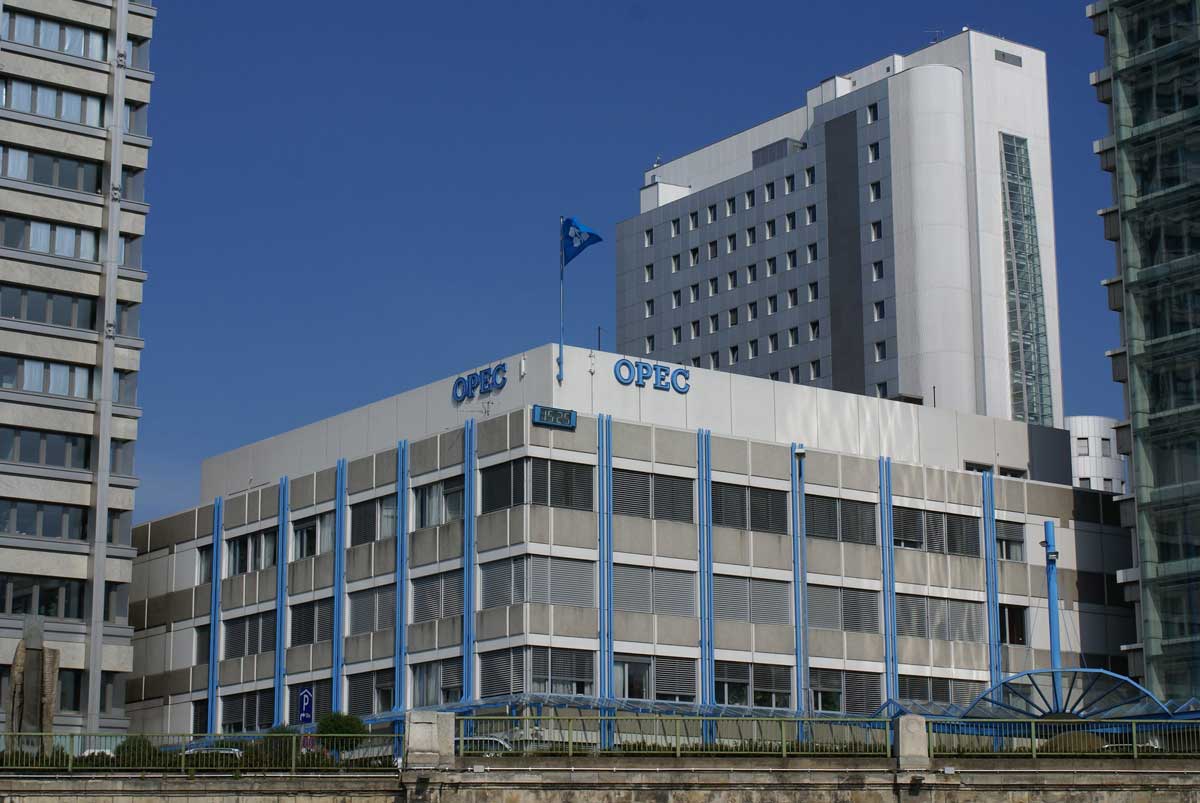
The ongoing Iran war has reshaped global energy dynamics, shifting influence away from OPEC toward the United States. Traditionally, OPEC and key producers like Saudi Arabia acted as “swing suppliers,” adjusting output to stabilize markets.
However, disruptions caused by the closure of the Strait of Hormuz have left millions of barrels stranded, limiting OPEC’s ability to respond and opening space for the United States to take on that stabilizing role.
Collapse of OPEC’s Leverage
The near shutdown of Gulf energy routes has forced major producers to cut output significantly. Even Saudi Arabia’s alternative export routes have proven insufficient to offset the scale of disruption.
This has weakened OPEC’s traditional power, which relied heavily on spare production capacity to manage supply shocks and influence prices.
Rise of U.S. Energy Dominance
The United States has stepped in decisively, leveraging its position as the world’s largest oil producer. Since surpassing both Saudi Arabia and Russia in output in 2018, the U.S. has built unmatched capacity to influence global markets.
Exports have surged to record levels, with both crude and refined products flowing to regions hit hardest by supply shortages, particularly in Asia. This rapid response has helped cushion the global economy from a deeper energy crisis.
Strategic Tools Beyond Production
Washington’s influence extends beyond production alone. The government has released oil from its Strategic Petroleum Reserve, providing an additional buffer against supply shocks.
It has also used sanctions policy as a flexible tool, selectively easing restrictions on Russian and Iranian oil to increase global supply when needed, while tightening measures to maintain geopolitical pressure.
Economic and Political Impact
For U.S. producers, the crisis has generated substantial financial gains through higher export revenues. At the same time, Washington’s actions have helped stabilize global markets, reinforcing its role as a central player in the energy system.
However, these moves carry political risks, including potential contradictions between economic goals and foreign policy objectives.
Limits of U.S. Power
Despite its growing influence, the United States cannot fully replicate OPEC’s traditional role. Unlike centralized producers, the U.S. oil industry operates within market constraints, limiting the government’s ability to directly control output.
Policies such as export restrictions could theoretically impact global prices, but would also risk damaging domestic production systems and relations with international partners.
Analysis
The Iran war has accelerated a structural shift in global energy power. The United States has effectively become a “swing supplier,” not through coordinated production cuts like OPEC, but through a combination of market scale, strategic reserves, and policy flexibility.
This transformation highlights a new model of energy influence, where rapid responsiveness and financial depth replace centralized control. While OPEC remains relevant, its ability to dominate global supply dynamics has been significantly weakened under current conditions.
At the same time, U.S. dominance introduces new complexities. Balancing domestic political pressures, international alliances, and market stability requires careful calibration. The use of sanctions as a supply management tool also raises questions about long term consistency in foreign policy.
Ultimately, the shift signals a more fragmented and dynamic energy landscape. The United States may not control the market in the traditional sense, but its ability to shape outcomes quickly and at scale makes it the most influential actor in the current crisis.
With information from Reuters.