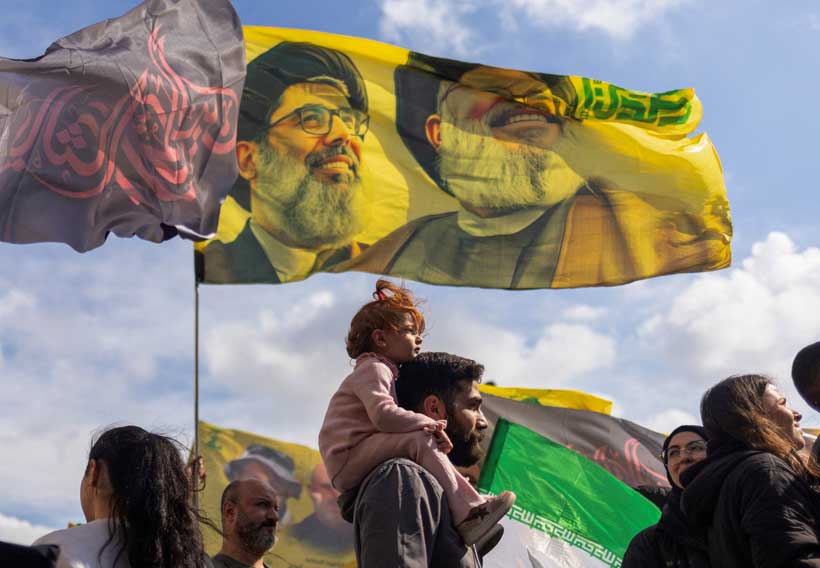
A United States mediated ceasefire between Israel and Lebanon has come under strain after Hezbollah dismissed the agreement as ineffective. The truce, which took effect on April 16, was recently extended by three weeks following talks hosted by Donald Trump at the White House with Israeli and Lebanese representatives.
The ceasefire was intended to reduce hostilities that reignited on March 2, when Hezbollah launched attacks in support of Iran amid a broader regional conflict. While the agreement led to a noticeable drop in violence, clashes have not fully stopped. Israeli forces have continued operations in southern Lebanon, maintaining a self declared buffer zone, while Hezbollah has accused Israel of carrying out strikes, assassinations, and destruction of towns.
Hezbollah lawmaker Ali Fayyad stated that the continued attacks render the ceasefire meaningless and reaffirmed the group’s position that it reserves the right to respond to any Israeli action.
Why it matters
The fragile ceasefire highlights the difficulty of de escalating conflicts in the Middle East, especially when multiple fronts and actors are involved. Continued violations risk collapsing the agreement entirely, which could lead to a wider confrontation between Israel and Hezbollah.
The situation is further complicated by its connection to broader regional tensions involving Iran, making the ceasefire not just a bilateral issue but part of a larger geopolitical struggle. A breakdown could escalate into a more sustained and destructive conflict along the Lebanon Israel border.
Stakeholders
Hezbollah remains a central actor, positioning itself as a resistance force while balancing domestic and regional pressures. Israel is focused on security concerns and maintaining its buffer zone in southern Lebanon.
The United States is playing a mediating role, attempting to prevent escalation and maintain stability. Iran, as a key ally of Hezbollah, continues to influence the group’s strategic decisions and has pushed for Lebanon to be included in wider ceasefire discussions.
The Lebanese government is also a stakeholder, as continued conflict threatens its sovereignty, infrastructure, and already fragile economy.
What’s next
The extended ceasefire will be tested in the coming weeks as both sides continue limited engagements. If violations persist, the agreement could unravel, leading to intensified clashes.
Diplomatic efforts led by Washington may continue, but their success will depend on whether both Israel and Hezbollah show restraint on the ground. Without a broader regional understanding that includes Iran, the chances of a lasting ceasefire remain uncertain.
With information from Reuters.