Over the next eighteen months, Morocco aims to strengthen its strategic partnerships with Chinese counterparts in two main fields: artificial intelligence and electric vehicles, including batteries and components. This document examines the current factors driving cooperation, predicts the development of technology transfer and industrial growth, and highlights the promising prospects for Moroccan industries to expand into global markets by 2026. The analysis presents recent developments, such as plans for battery factories, the entry of Chinese electric vehicle brands, and increased AI initiatives, and offers policy suggestions to maximize benefits while reducing potential risks.
Morocco’s industrial strategy over the past decade has been primarily focused on exports and anchored by major firms. Large assembly plants such as Renault and Stellantis, along with upgrades to ports and logistics networks like those in Tangier, have helped establish the country as a key auto hub serving Europe and Africa. At the same time, Morocco is actively advancing its digital and artificial intelligence capabilities through government conferences, initiatives to support startups, and collaborations between the public and private sectors. On the Chinese side, policies and corporate strategies aim to position battery and electric vehicle value-chain assets near Europe. They are also working to diversify manufacturing locations and secure supplies of rare earth elements and other upstream materials. Recent announcements, including plans for a significant Chinese gigafactory and several upstream projects around Tangier and Jorf Lasfar, suggest a strong potential for collaboration. Morocco’s strategic location, combined with China’s manufacturing ambitions, makes their partnership highly promising.
1. Two Pillars of Cooperation: What to Expect
Electric vehicles and batteries.
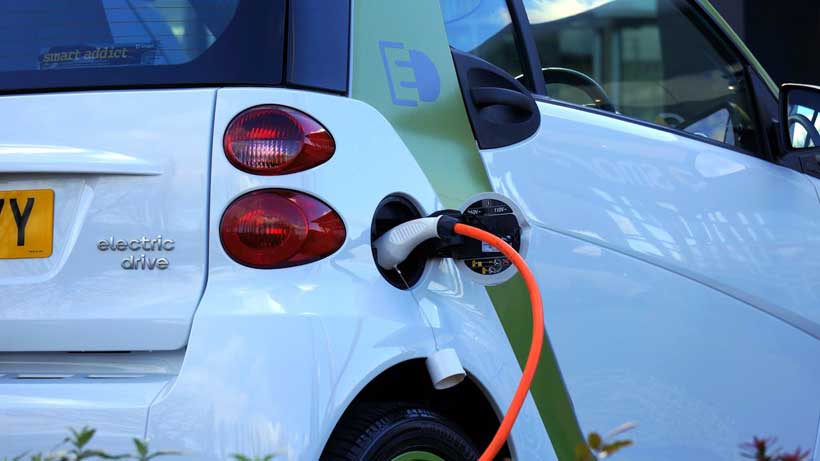
Chinese companies are investing heavily in Morocco’s battery and component plants, including a gigafactory, while Chinese EV brands enter the local market through distributors. Meanwhile, global vehicle makers are expanding EV production, increasing demand for batteries and parts.
Likely near-term developments up to 2026:
1. Battery production will broaden, with final outputs (tens of GWh) from Chinese investments coming online or under construction. This will enable local assembly and some exports to Europe and Africa, transitioning Morocco from an assembly hub to also producing cells, cathodes, and anodes.
2. The local parts ecosystem will strengthen. Chinese upstream investments like copper and electrode factories will strengthen Moroccan suppliers in metal stamping, wiring harnesses, and thermal systems, enabling them to elevate and compete for supply contracts.
3. Chinese EV brands like BYD are expected to expand sales and may establish CKD (complete knock-down) assembly operations in Morocco or North Africa. This would reduce logistics costs and tariffs while serving regional markets.
Why this is likely to occur: Morocco’s strategic location near the EU, favorable trade agreements, and rising local content rates at key plants, combined with competitive labor and logistics costs, make it an attractive hub for Chinese firms aiming to serve Europe and Africa. These factors also help mitigate risks related to geopolitical trade tensions.
2. Technological Innovation
What is the current status? Morocco has initiated national projects focused on technological development, hosted numerous industry conferences, and is fostering innovation hubs in Casablanca and Rabat, supported by active universities and startups. Meanwhile, Chinese technology companies and research institutions are becoming increasingly engaged across Africa, especially in areas such as cloud computing, surveillance, smart cities, and industrial automation.
Short-term outlook to 2026:
1. Manufacturing technology: Chinese original equipment manufacturers and battery producers are likely to develop or collaborate on new systems for predictive maintenance, quality assurance via vision technology, and automation within factories. Moroccan suppliers and engineering companies are predicted to serve as key local partners, opening up opportunities to export services and software.
2. Data infrastructure and edge computing: Investments are expected in launching data centers or edge computing resources near ports and industrial areas. These will support electric vehicle telematics, smart logistics, and training systems, allowing Moroccan companies to offer combined telematics services across the region.
3. Skills and research partnerships: Agreements between Chinese and Moroccan organizations, including training programs and joint laboratories, will help develop expertise in areas such as machine learning, data management, and implanted systems—laying the footing for a domestic technology industry capable of exporting software and solutions.
By 2026, the combination of Chinese industrial commitments and Morocco’s own policy momentum is expected to bring several tangible benefits to the Moroccan industry in international markets:
First, the composition of exports will become more sophisticated, moving beyond a narrow range of assembled chassis or low-value parts. Instead, Morocco will export higher-value items such as battery modules, electric vehicle (EV) subassemblies, and software or telemetry services. Early shipments of these battery modules and vehicles with higher content will boost the average export value and enhance trade balances. The establishment of a battery gigafactory shifts the focus of value creation within vehicle exports.
Second, Morocco’s strategic geographic location and trade advantages—including proximity to the European Union and its role as an African gateway—combined with Chinese manufacturing capacity, will allow Moroccan producers to better serve markets in Europe, the Middle East, and Africa. Chinese firms may use the Kingdom as a hub for assembly, battery-pack finishing, and software services, thereby generating re-export opportunities and local production credits, strengthening Morocco’s position as an electromobility export hub.
Finally, new factories and the adoption of artificial intelligence will generate employment opportunities not only in manufacturing but also in engineering, data management, and quality assurance. Local suppliers securing tier-1 contracts will be compelled to meet international standards such as ISO, IATF, and environmental requirements, thereby increasing their competitiveness for foreign contracts. Additionally, vocational training programs—both public and private—will develop a skilled technician workforce that is enticing to foreign original equipment manufacturers.
This part highlights the development of new exportable service lines, including software, telematics, and analytics. The adoption of industrial AI systems has increased demand for these technologies, including predictive maintenance platforms, battery management software, and analytics dashboards. Moroccan IT companies and startups that collaborate on or adapt these systems for French-speaking and African markets will gain a competitive edge as early movers. This approach broadens Moroccan exports into higher-margin digital services.
Additionally, branding around green initiatives and regulatory standards creates opportunities. Manufacturing electric vehicle (EV) components, especially alongside renewable energy sources, enables Morocco to position itself as an environmentally friendly supplier to European buyers, who are increasingly concerned about carbon footprints and ESG compliance. This strategy could open doors to premium markets and green procurement contracts. Recent government focus on renewable energy and desalination further supports a narrative of sustainable industrial growth.
However, some risks and constraints must be managed. These include overreliance on a limited number of foreign partners, particularly Chinese firms, which could lead to dependence issues. Morocco needs to diversify its investor base and contain clauses on technology transfer and local value creation. Another challenge is the country’s limited capacity to absorb rapid industrialization, calling for the expansion of vocational training and university-industry R&D partnerships. Environmental and social standards are also critical, especially in battery production and chemical manufacturing, requiring strict regulation and the integration of green energy to prevent reputational damage. Geopolitical tensions, especially with shifting trade policies in Europe and the U.S., may complicate export access, so transparency and strategic alignment are essential.
To cope with these challenges, Morocco should implement local-content requirements with phased incentives, establish joint R&D centers and training quotas, conduct thorough environmental impact assessments, and negotiate trade frameworks with EU partners that safeguard tariff protections.
3. Policy recommendations to redouble 2026 outcomes
1. Conditional incentives: Connect tax breaks and land allocation to measurable local content, technology transfer, and training objectives.
2. National AI+Industry platform: Fund applied AI labs that link Moroccan engineering institutions with Chinese corporate R&D to adapt industrial AI use cases for local SMEs.
3. Export facilitation for services: Start up fast-track export credit and soft-landing programs for Moroccan software companies to pilot resolutions in francophone Africa and the EU.
4. Green manufacturing mandate: Require or incentivize renewable energy sourcing (PPA) for battery and chemical plants to sustain green branding.
5. Standards & accreditation push: Large testing/certification labs (battery safety, automotive standards, software security) to enhance compliance for global markets.
To that end, the strategic partnership between China and Morocco in AI and electric vehicles offers Morocco a valuable opportunity to advance along the automotive and digital value chains. This shift could transform its export model from solely assembly to one that also emphasizes battery production and software development. Suppose policies focus on increasing local content, developing skills, setting standards, and ensuring environmental responsibility. In that case, the partnership is likely to lead to greater export diversity, the creation of more high-value industrial jobs, and a more substantial Moroccan footprint in European, African, and Middle Eastern markets by 2026. Recent investments and industrial growth offer a timely opportunity; however, the real test will be how swiftly Morocco can establish effective technology transfer, training programs, and regulatory frameworks, turning these opportunities into a sustained strategic alliance.