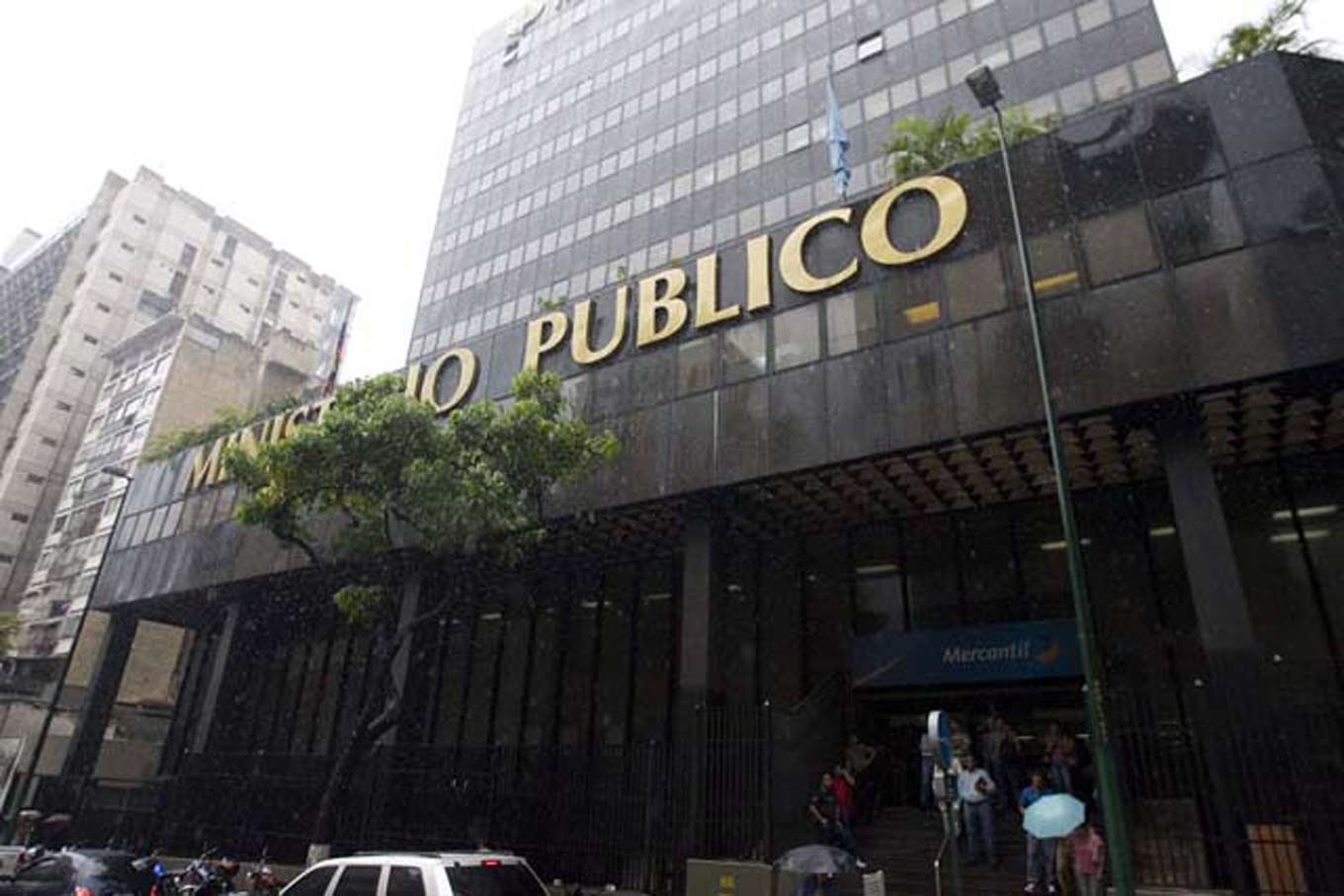
Attorney General Devoe vowed to clarify the death of Victor Quero. (Archive)
Caracas, May 11, 2026 (venezuelanalysis.com) – Venezuelan Attorney General Larry Devoe has opened an investigation into the death of Victor Hugo Quero Navas in state custody in July 2025.
“The investigation aims to clarify the facts in a timely and impartial fashion,” Devoe’s statement, published on Thursday, read. “There will be a prompt exhumation of [Quero’s] body in accordance with Venezuela’s penal code.”
Quero’s case drew headlines in recent days following reports that a request for amnesty under the Amnesty Law approved in February was denied, only for Venezuelan authorities to reveal that he had passed away months earlier.
On May 6, attorney Moisés Gutiérrez from the Human Rights and Democracy Coalition NGO informed that the Second Control Court in Caracas had denied amnesty for Quero due to the charges against him, which reportedly included terrorism, criminal association, and conspiring with foreign agencies, falling outside the scope of the Amnesty Law.
Gutiérrez argued that Quero, a 51-year-old Caracas businessman and retailer, was in a situation of “enforced disappearance,” having had no contact with relatives or a lawyer of his choice since being arrested in early January 2025.
On May 4, Public Ombudswoman Eglée Lobato met Quero’s mother, Carmen Teresa Navas, and vowed to “activate institutional mechanisms” to provide information on her son’s judicial case.
However, last Thursday, Venezuela’s Prison Ministry issued a statement disclosing that Quero had died on July 24, 2025, due to an “acute respiratory failure” following a “pulmonary thromboembolism.” Authorities added that he had been detained in the Rodeo I prison in the outskirts of Caracas since January 3, 2025 and was admitted to a hospital with “gastrointestinal bleeding” ten days before his death.
The Prison Ministry reported that Quero was buried on July 30, 2025, and that he had provided no next-of-kin information nor had any visits from relatives. Nevertheless, his mother made multiple documented visits to Rodeo I, only to receive no information on her son’s whereabouts.
The 82-year-old Navas was taken to Quero’s grave on Thursday and demanded a DNA test to confirm her son’s identity. She lamented having spent more than a year visiting the prison and judicial institutions without any answers. There was likewise no public information on any hearings in Quero’s case.
During an October visit to the Ombudsman’s office, Navas was informed of the charges against Quero and that he remained in Rodeo I, despite the fact that he had reportedly died three months earlier.
Following the latest revelations, multiple NGOs have accused Venezuelan judicial institutions of recurring human rights and due process violations. The Justicia, Encuentro y Perdón organization called for an “independent and exhaustive investigation” under the Minnesota Protocol on the Investigation of Potentially Unlawful Death.
Lavoe and Lobato took office in April following a parliamentary selection process. Their respective predecessors, Tarek William Saab and Alfredo Ruiz, have yet to comment on Quero’s case.
Venezuelan Acting President Delcy Rodríguez did not address the case explicitly but vowed to take action against “deviations in the justice system.”
“The deviations in the penal justice system exist,” she said during a televised event on Saturday. “I have information and call for action against judges who charge fees to grant amnesty. This must stop.”
Venezuela’s February Amnesty Law grants a blanket amnesty for crimes committed in contexts of political violence since 1999. The law excludes serious human rights violations, crimes against humanity, and war crimes.
According to Venezuelan officials, more than 9,000 people have benefited from amnesty in recent months. A majority of them were not imprisoned but were still facing trial or parole-type measures.
In April, Rodríguez created a commission on penal justice reform, headed by Devoe, referring to “evils that persist” in the judicial apparatus and calling for a “truly humane justice system.” Interior Minister Diosdado Cabello, also a member of the commission, said authorities were investigating issues of prison overcrowding and systematic trial delays.
Rodríguez had served as vice president since 2018, while Cabello took over as interior minister in August 2024. In 2021, Cabello headed a parliamentary commission tasked with undertaking a “judicial revolution.” However, complaints of prison overcrowding and poor conditions, as well as due process violations, continued.
Edited by Lucas Koerner in Caracas.