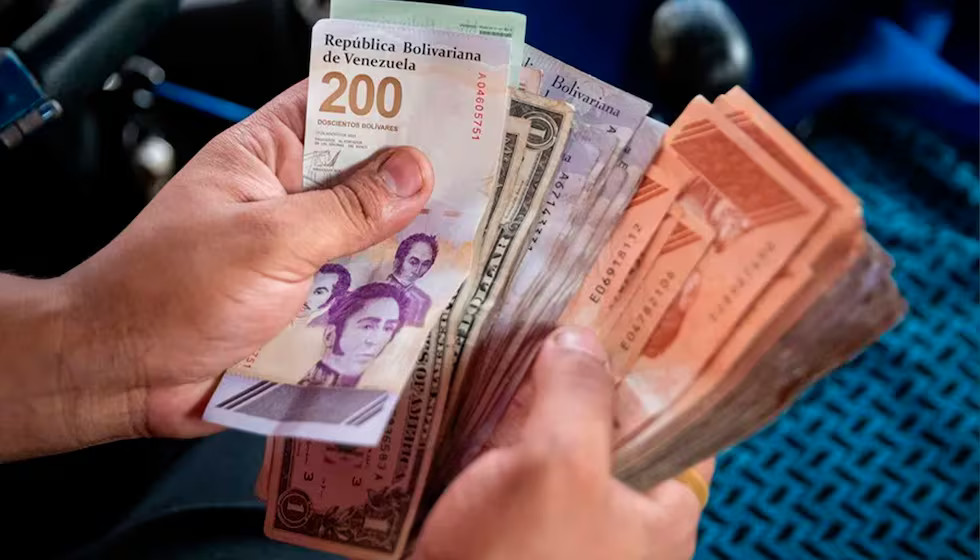
The USD-bolívar exchange rate has nearly doubled in 2026. (EFE)
Caracas, June 9, 2026 (venezuelanalysis.com) – Venezuela has registered the lowest month-to-month inflation figure since October 2024.
According to the Venezuelan Central Bank (BCV), consumer prices went up by 6.3 percent in May. Inflation has fallen for four consecutive months after hitting 32.6 percent in January, following the US military attack and kidnapping of President Nicolás Maduro.
Overall, prices have more than doubled in the first five months of 2026, and accumulated 12-month inflation currently stands at 525 percent.
Despite the widespread use of the US dollar in cost structures, prices have likewise gone up by 12.5 percent over the last year when measured in USD, meaning a loss of purchasing power even for those with incomes pegged to the official exchange rate.
Venezuela’s inflation remains heavily correlated with currency instability. Despite the Central Bank devaluing the USD-bolívar exchange rate by more than 30 percent since March and providing significantly increased volumes offoreign currency to the private sector, a 30-40 percent gap remains between the official and parallel market rates.
Since January, the BCV has directed over US $5.5 billion in foreign currency via bank-run exchange tables, at more than double the rate of 2025, according to figures from Banca y Negocios. However, the chasmbetween official and parallel rates has persisted.
Many economists have identified the stabilization of the foreign exchange market as a necessary step for macroeconomic recovery, but critics have pointed to a lack of regulation and accountability in forex allocation as fueling currency speculation.
Caracas’ monetary and fiscal policy is presently subject to US control. Since January, the Trump administration has mandated that Venezuelan export revenues, principally oil sales, be deposited in US Treasury accounts. Washington returns an undisclosed portion of the proceeds at a time of its choosing.
The White House has likewise imposed that disbursed funds be channeled directly to the private sector via foreign exchange auctions, as well as outside auditing of Central Bank accounts by consulting giant Deloitte. Secretary of State Marco Rubio indicated in January that the Venezuelan government headed by Acting President Delcy Rodríguez would need to submit a “budget request” before accessing its own resources.
For its part, the Rodríguez administration has fast-tracked a series of pro-business reforms tailored to attract foreign investment, including in the oil, mining, and electricity sectors.
As part of efforts to court US investors, Economic Vice President Calixto Ortega reportedly took part in a closed-door meeting with US officials and corporate representatives hosted by the Atlantic Council, a hawkish Washington-based think tank funded by the US government, its allies, and major corporations.
The opening to foreign investment has seen Western business executives flock to Caracas in recent weeks, often escorted by White House officials, to explore opportunities. Pro-Trump tech billionaires such as Fred Ehrsam have made repeated visits, while Peter Thiel’s Erebor Bank struck a corresponding banking agreement with Venezuela’s largest public bank.
Javier Kulesz, a strategist from investment bank Jefferies, relayed optimism after a visit to the South American country and forecast an imminent “stream of announcements” related to the country’s debt restructuring and investments in key economic sectors.
Edited by Lucas Koerner in Caracas.